Most Legendary Horror Stars Who Have Passed Away

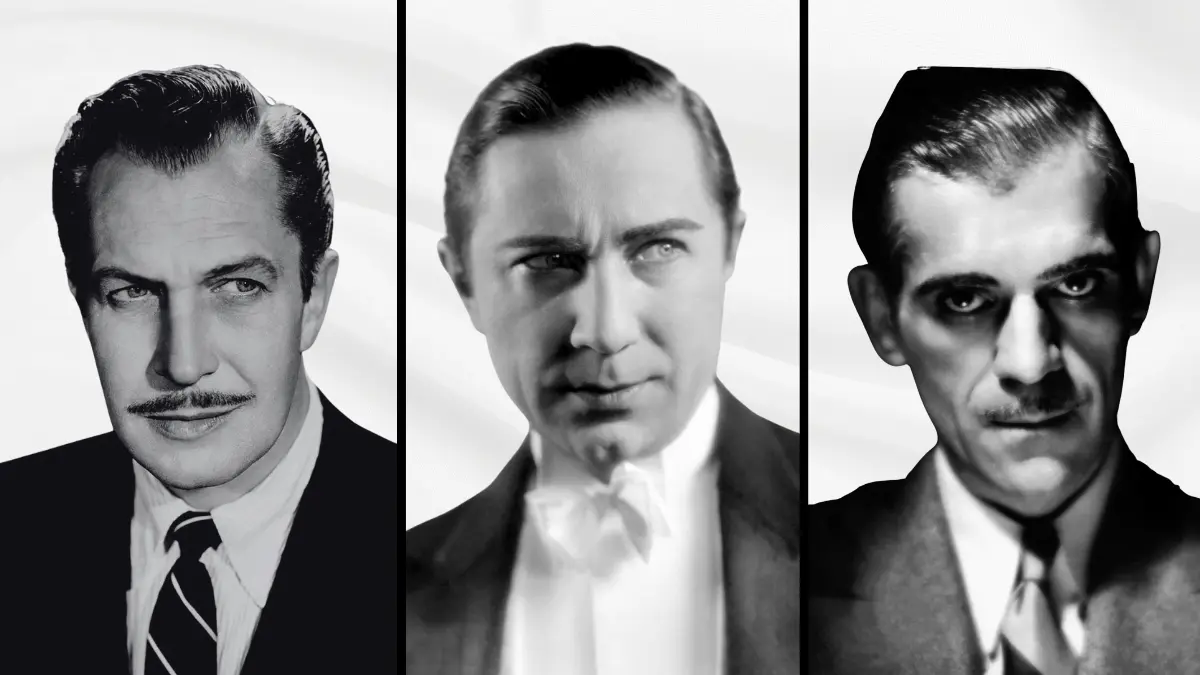

Horror has a long memory—built on unforgettable faces, towering screen presences, and voices that still echo in late-night marathons. The performers below shaped monsters, final scares, and midnight-movie culture across eras and continents. From silent-era shadows to slasher icons, their work launched franchises, defined studios, and changed what audiences expect from a good fright. Here’s a look at the legends we’ve lost—and the indelible roles that made them essential to the genre’s history.
Bela Lugosi
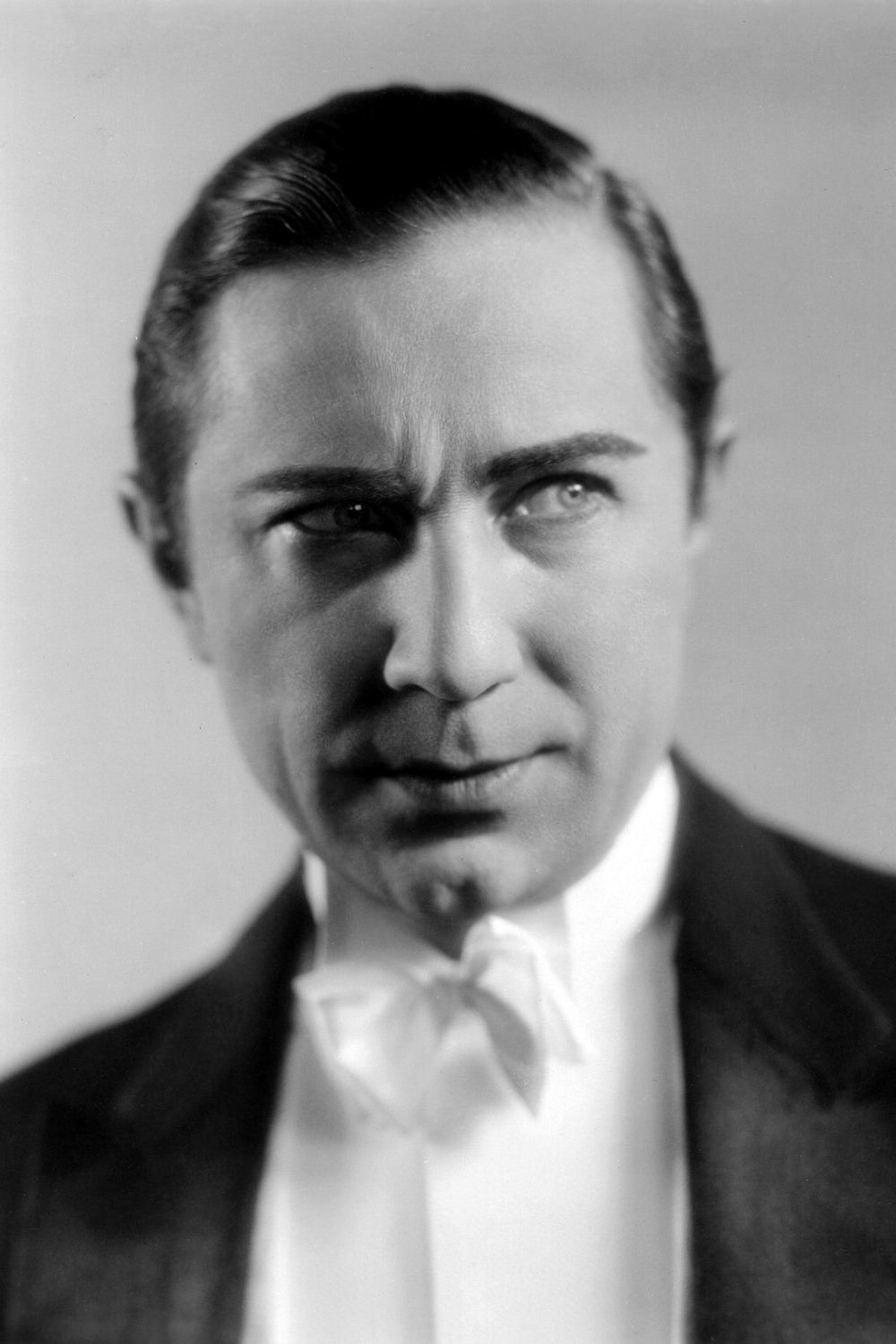
Hungarian-American actor Bela Lugosi became synonymous with the Count after starring in Universal’s ‘Dracula’, which helped ignite Hollywood’s first monster cycle. He also appeared in ‘White Zombie’, often cited as the first feature-length zombie film, and teamed with Boris Karloff in multiple chillers. Lugosi’s stage background shaped his measured diction and gestures that became hallmarks of screen vampires. He worked in both studio features and low-budget productions, leaving a prolific filmography that charted horror’s early sound-era evolution.
Boris Karloff
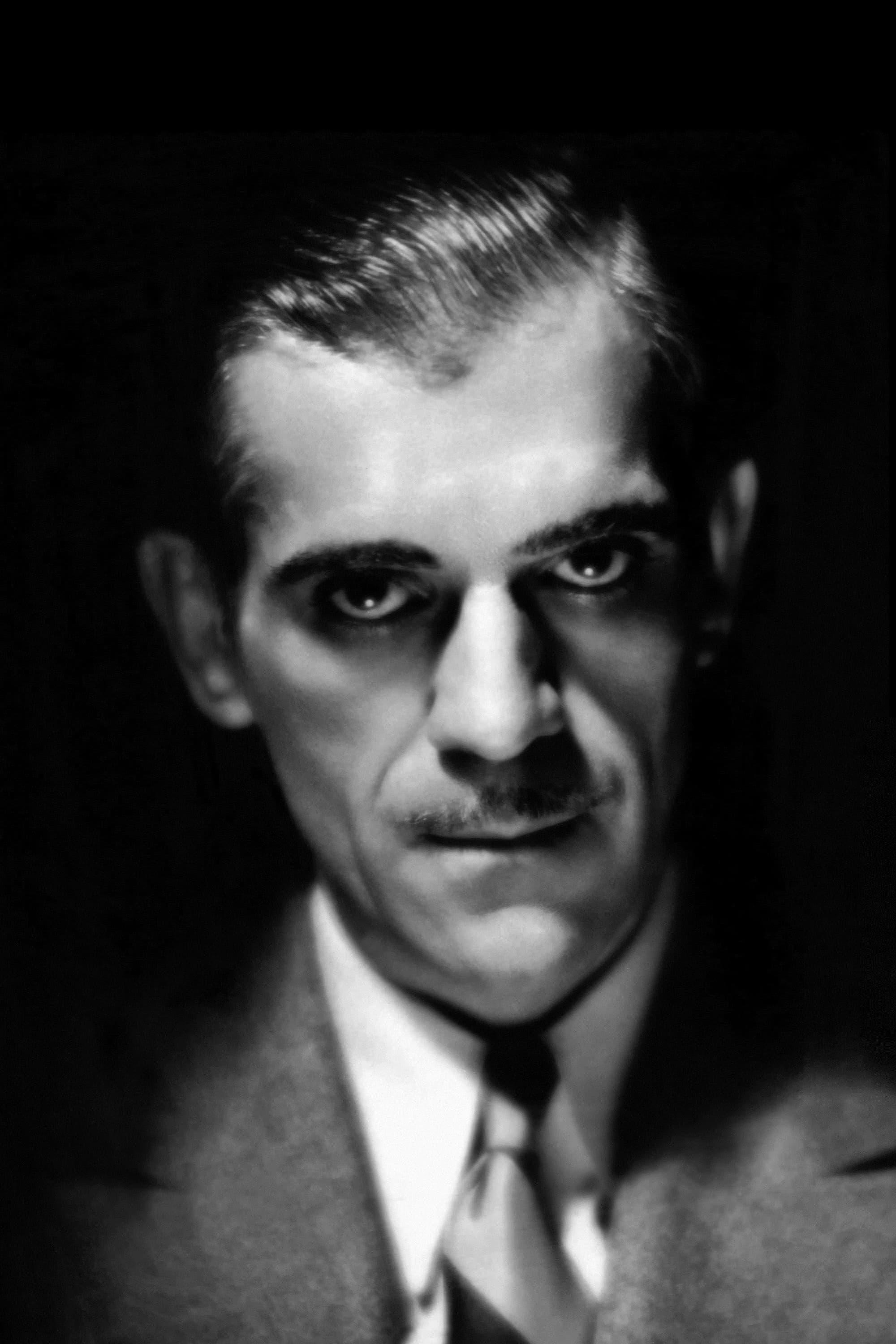
Boris Karloff’s portrayal of the Creature in ‘Frankenstein’ and ‘Bride of Frankenstein’ solidified Universal’s monster brand and set a template for sympathetic monsters. He headlined ‘The Mummy’ and later hosted anthology television like ‘Thriller’, extending his influence to the small screen. Karloff recorded spoken-word albums and holiday narrations, demonstrating a vocal versatility that kept him in demand. Across decades, he navigated studio epics and independent horrors, shaping makeup, performance style, and marketing for genre films.
Lon Chaney
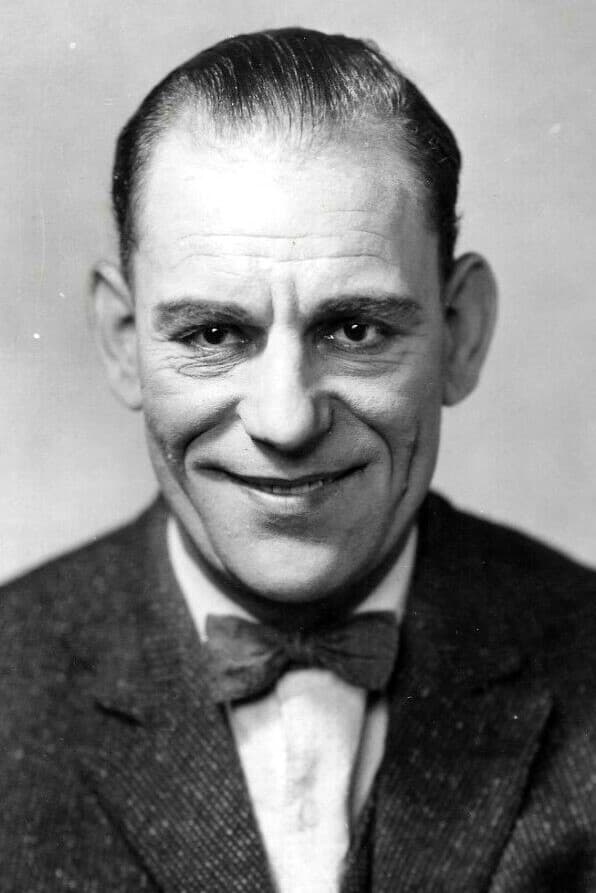
Known as “The Man of a Thousand Faces,” Lon Chaney Sr. mastered transformative makeup and physically demanding roles in silent classics like ‘The Phantom of the Opera’ and ‘The Hunchback of Notre Dame’. His innovations in prosthetics and character creation influenced generations of makeup artists and performers. Chaney’s collaborations with director Tod Browning pushed psychological and visual boundaries in early American horror. His legacy bridged stagecraft and cinema technique at a time when the medium was still being invented.
Lon Chaney Jr.
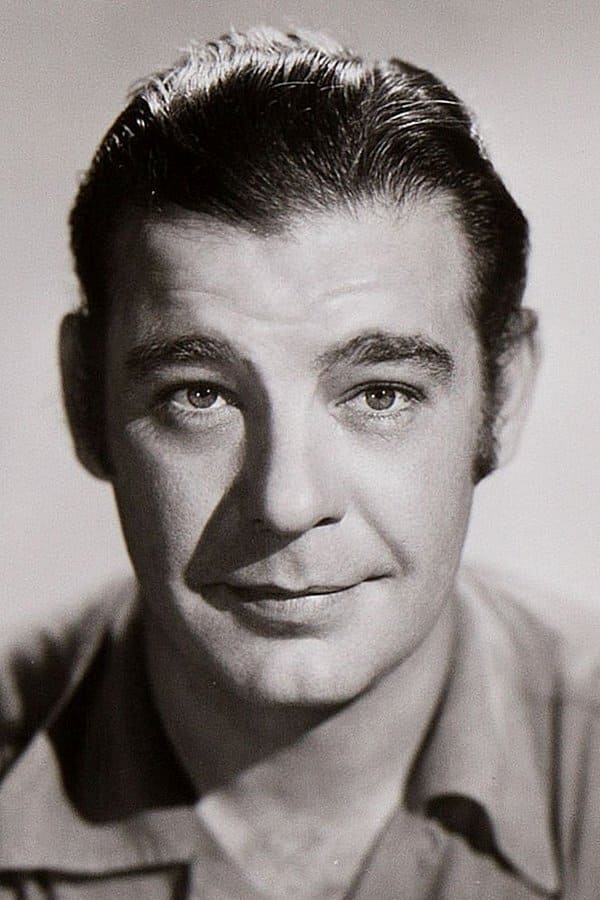
Lon Chaney Jr. carried the family legacy into the sound era, most famously as Larry Talbot in ‘The Wolf Man’. He became the only actor to portray all four major Universal monsters in official studio films, including roles connected to ‘The Mummy’, ‘Dracula’, and ‘Frankenstein’. Chaney worked steadily in horror and noir, appearing in titles like ‘Of Mice and Men’ outside the genre. His Wolf Man performance popularized the tragic-werewolf archetype that later films and television would revisit.
Peter Cushing
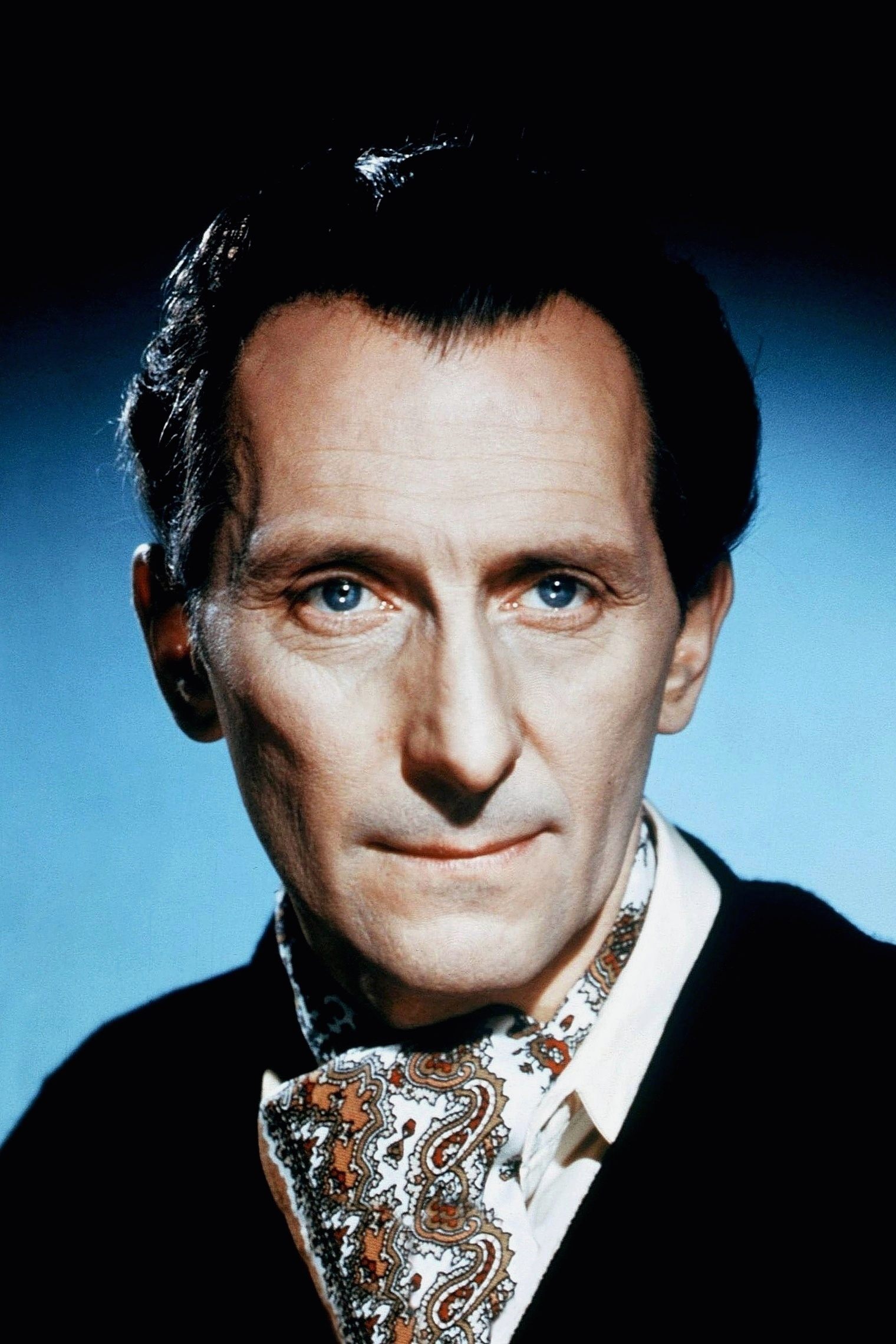
British star Peter Cushing anchored Hammer Films with precise, cool-headed turns as Dr. Frankenstein and Professor Van Helsing in entries such as ‘The Curse of Frankenstein’ and ‘The Horror of Dracula’. He balanced heroes and anti-heroes, bringing a clinical intensity to laboratory and vampire-hunting scenes alike. Cushing’s partnership with Christopher Lee became a defining element of Hammer’s international identity. Beyond Hammer, he worked across film and television, demonstrating range from gothic chillers to science-fiction blockbusters.
Christopher Lee
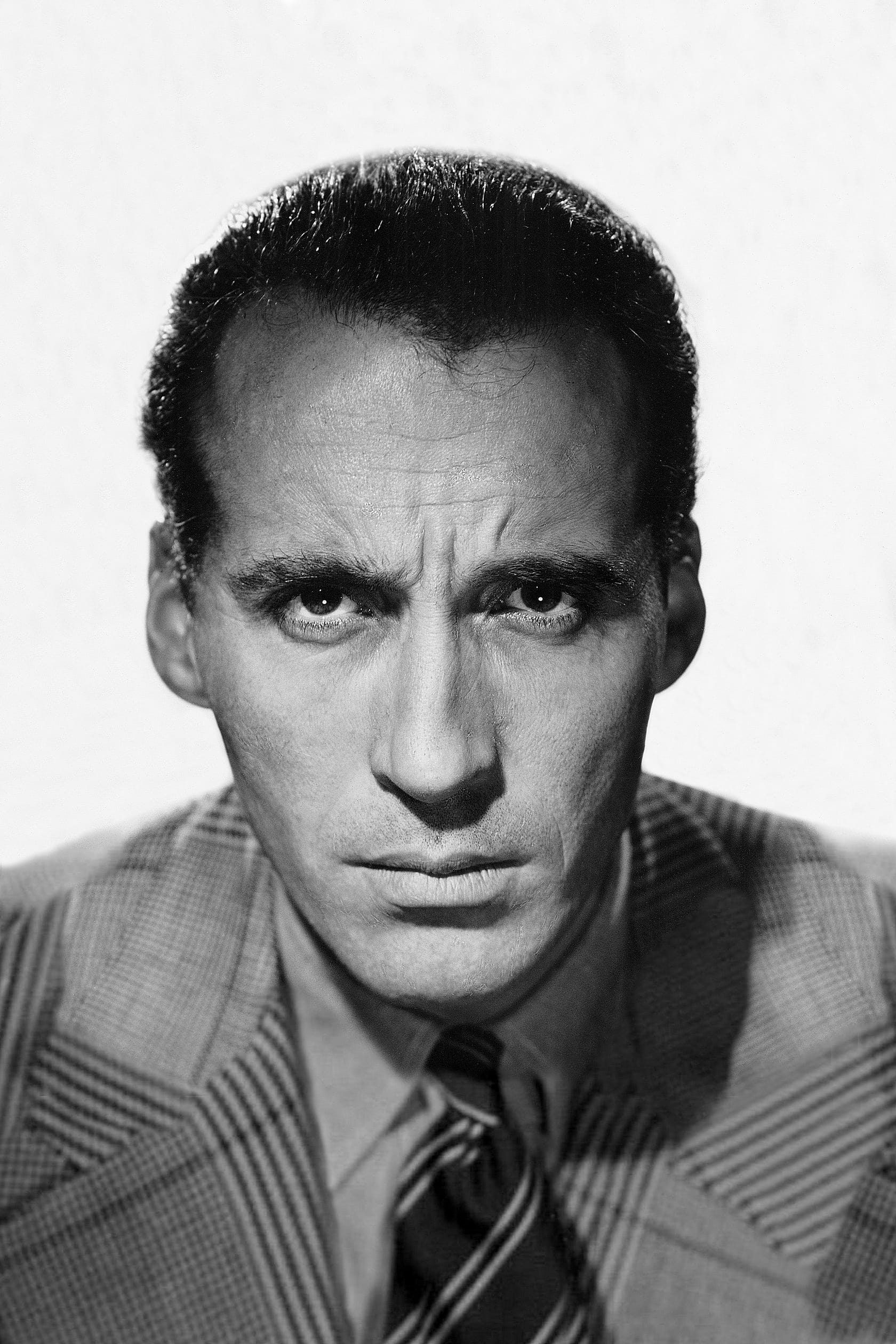
Christopher Lee’s imposing stature and resonant voice made him an enduring presence in roles like Count Dracula for Hammer and Lord Summerisle in ‘The Wicker Man’. He diversified into international productions, European thrillers, and later global franchises while maintaining strong horror credentials. Lee recorded heavy-metal concept albums and narrated documentaries, reflecting a wide cultural footprint. His filmography shows how a horror icon could move fluidly between arthouse cult favorites and mainstream hits.
Vincent Price
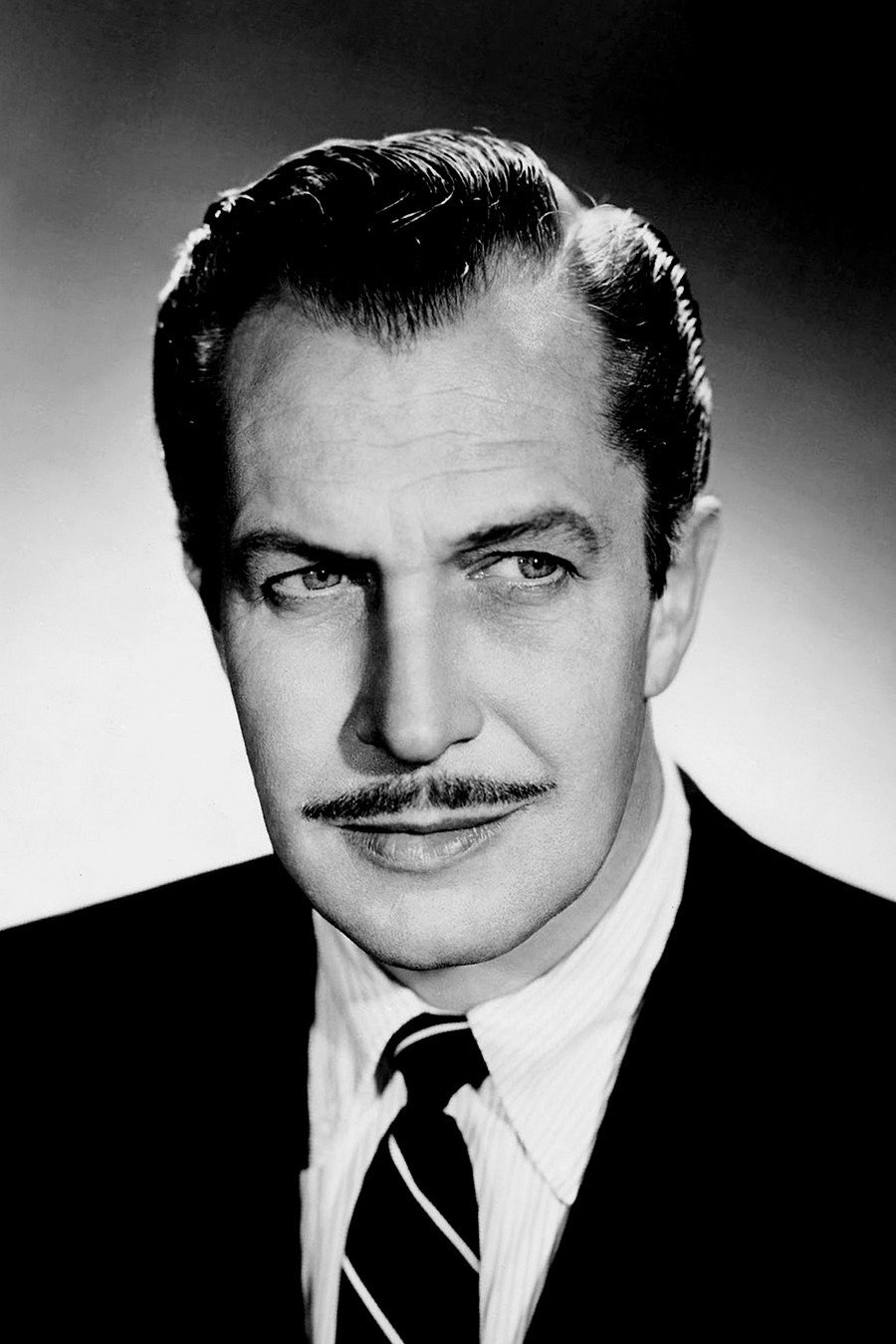
Vincent Price combined urbane charm with macabre wit in collaborations with Roger Corman, notably the cycle inspired by Edgar Allan Poe that includes titles like ‘House of Usher’ and ‘The Masque of the Red Death’. He brought theatrical flair to ‘The Abominable Dr. Phibes’ and ‘Theater of Blood’, creating memorable anti-heroes. Price’s distinctive voice led to frequent narration and audio appearances that kept him culturally present for decades. He also cultivated interests in fine art and food, publishing cookbooks and appearing on television beyond horror.
Max Schreck
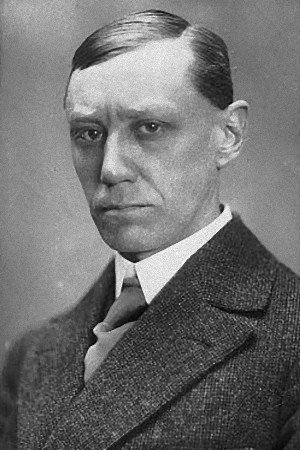
German actor Max Schreck achieved screen immortality with Count Orlok in ‘Nosferatu’, an unauthorized adaptation related to ‘Dracula’ that became a cornerstone of expressionist cinema. The film’s stylized lighting and Schreck’s angular physicality influenced horror cinematography and creature design. Legal disputes around the production nearly destroyed all prints, but surviving copies helped secure its status. Schreck continued working in theater and film, though none matched the global reach of his vampiric debut.
John Carradine
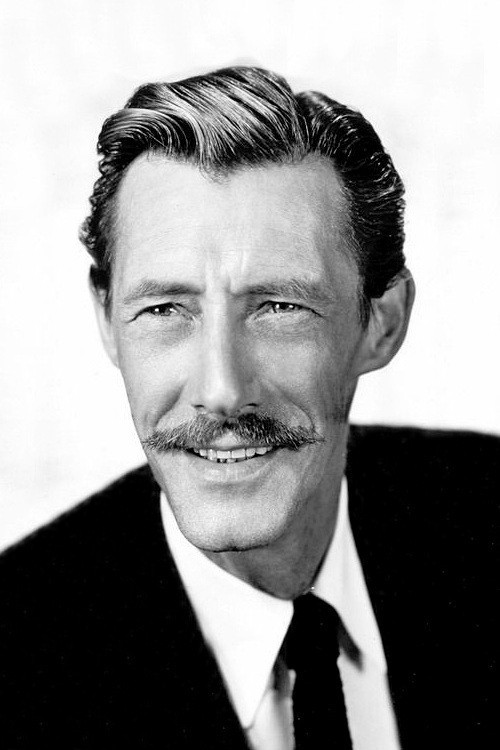
John Carradine’s deep voice and gaunt features made him a natural fit for gothic roles, including appearances in Universal monster entries connected to ‘House of Frankenstein’ and ‘House of Dracula’. He moved easily between studio productions and poverty-row horrors, amassing a vast number of credits. Carradine also worked extensively on stage, including Shakespeare, which informed his screen presence. His career connected Golden Age Hollywood to later independent horror, creating a through-line across multiple eras.
Donald Pleasence
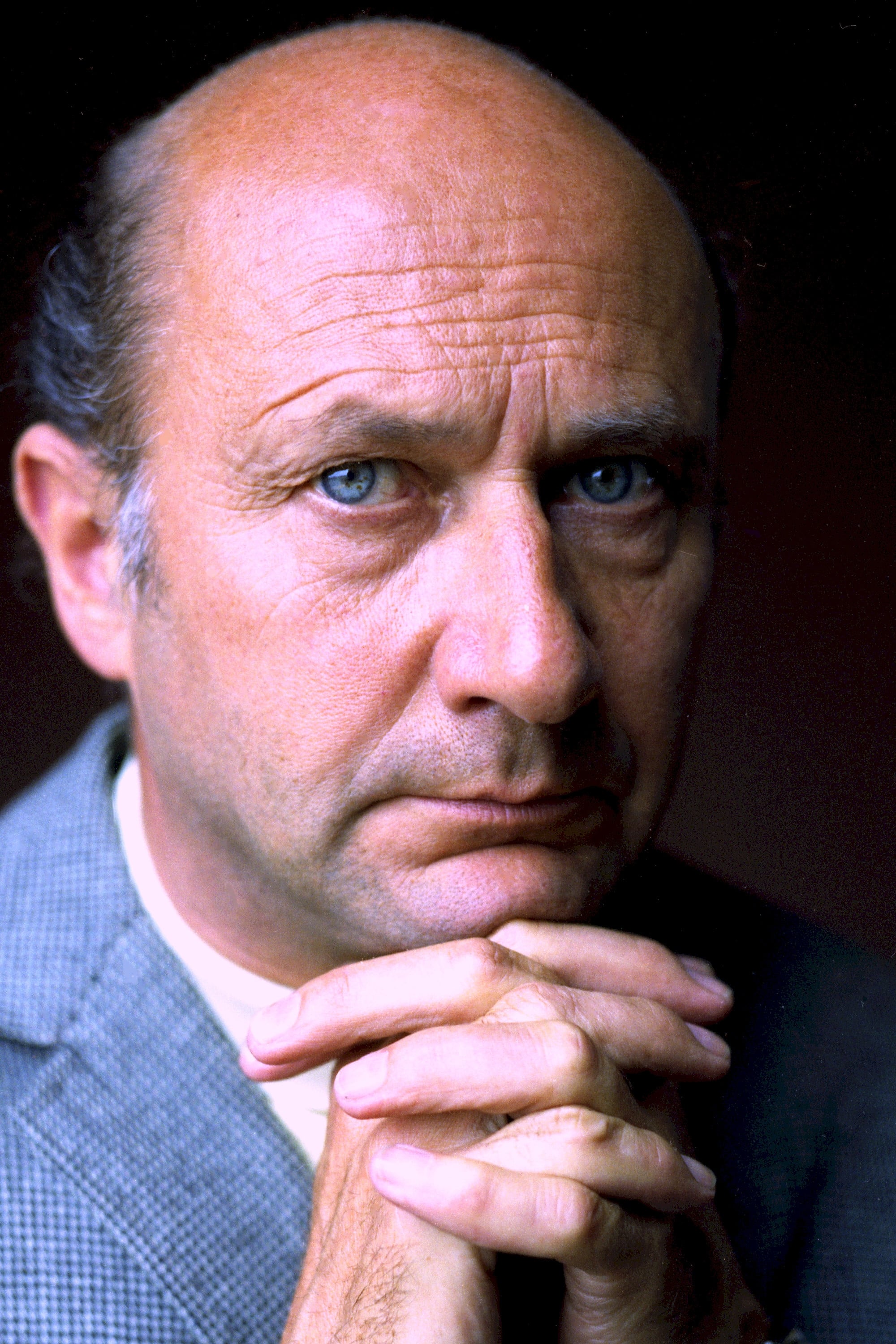
Donald Pleasence became a genre mainstay as Dr. Sam Loomis in ‘Halloween’ and its sequels, shaping the franchise’s mythology. Before that, he appeared in thrillers and war films, building a reputation for intensity and precision. Pleasence embraced television and international co-productions, showing a flexibility that kept him active across formats. His recurring presence helped solidify slasher-era continuity and audience familiarity with returning characters.
Angus Scrimm
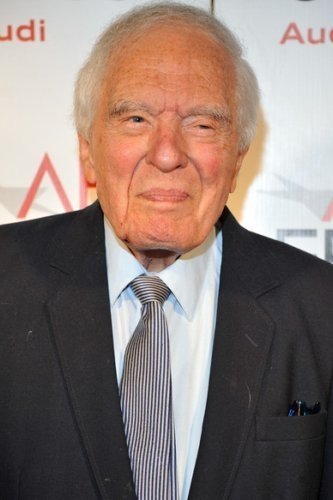
Angus Scrimm’s Tall Man in ‘Phantasm’ delivered a minimalist, looming antagonist whose catchphrases and physicality became series signatures. He came from a background that included music journalism and liner-note writing before transitioning to acting. Scrimm returned for multiple sequels, maintaining continuity for the franchise’s dream-logic storytelling. His work demonstrated how an original independent horror could grow into a durable cult series anchored by its villain.
Sid Haig
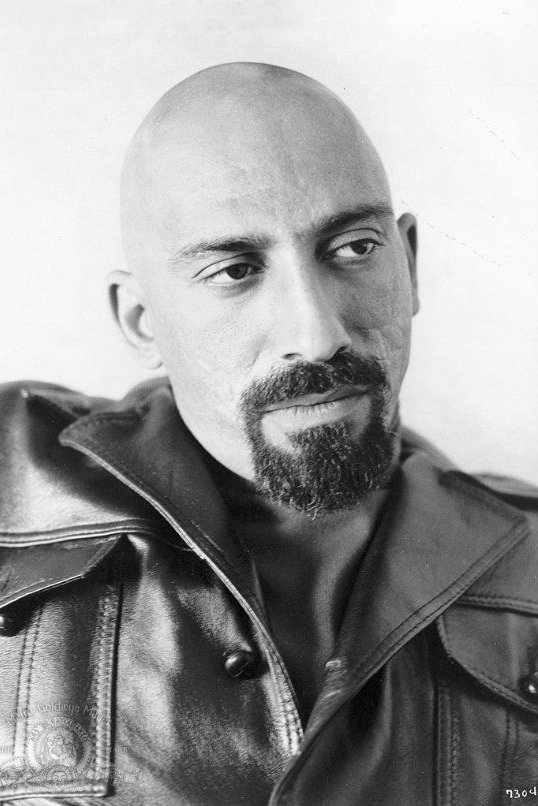
Sid Haig, long a character actor in exploitation and television, found late-career prominence with Captain Spaulding in ‘House of 1000 Corpses’ and ‘The Devil’s Rejects’. Earlier, he worked with directors like Jack Hill on titles such as ‘Spider Baby’, building a loyal cult following. Haig’s collaborations connected eras of grindhouse cinema with modern independent horror. Convention appearances and interviews documented his on-set experiences across decades of low-budget filmmaking.
Gunnar Hansen
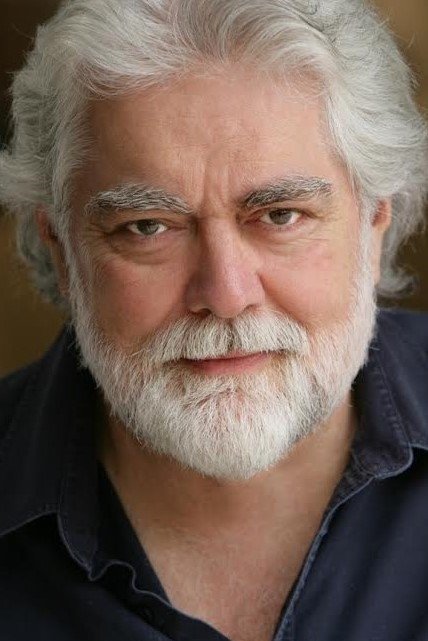
Icelandic-born American actor Gunnar Hansen originated Leatherface in ‘The Texas Chain Saw Massacre’, establishing one of horror’s most enduring masked figures. He later wrote about the production, offering a first-person account of independent filmmaking conditions. Hansen participated in documentaries and returned to genre projects that referenced his breakout role. His portrayal influenced stunt choreography, costuming, and sound design choices in subsequent slasher films.
Fay Wray
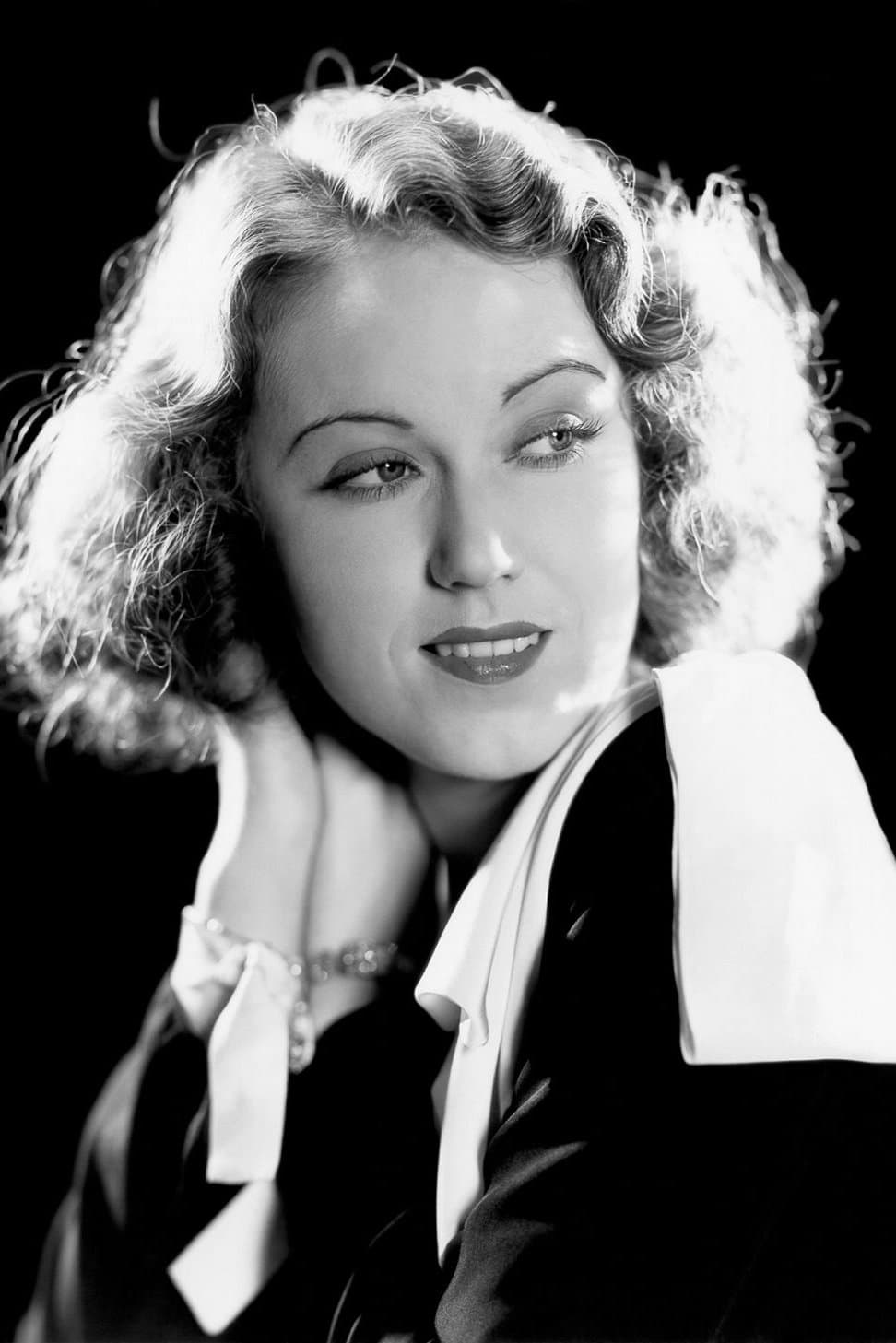
Fay Wray became an early scream-queen icon through ‘King Kong’, combining adventure spectacle with horror imagery. She also appeared in ‘Doctor X’ and ‘Mystery of the Wax Museum’, contributing to the pre-Code era’s atmospheric shocks. Wray worked across studios in both horror and drama, building a versatile career that extended well beyond one character. Her association with monster cinema made her a frequent interview subject for retrospectives on Hollywood’s early special effects.
Maila Nurmi
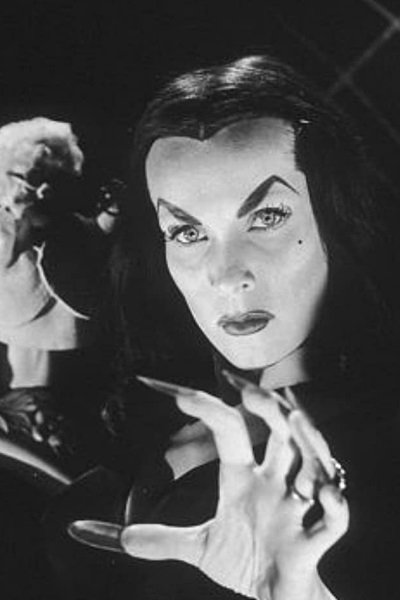
Maila Nurmi created the Vampira persona for late-night television, hosting ‘The Vampira Show’ and introducing classic horror to new audiences. Her pioneering ghoul-host format influenced later TV hosts and public-access personalities. Nurmi appeared in features such as ‘Plan 9 from Outer Space’, cementing her place in cult-film history. Archival photos, interviews, and fan conventions helped preserve the character’s impact on goth and alternative culture.
Share your picks—who did we miss, and which performances still give you chills?