
Most Famous Black Actresses of the 1980s


The 1980s brought a wave of Black actresses who shaped film and television with star-making roles, awards attention, and groundbreaking visibility. From network sitcoms and primetime soaps to prestige dramas and box-office hits, these performers anchored beloved series, carried major features, and opened doors across the industry. Their work ranged from comedy to action to period epics, and many also produced, directed, or choreographed behind the scenes. Here are forty-five of the decade’s most famous Black actresses and the projects that defined their era.
Whoopi Goldberg
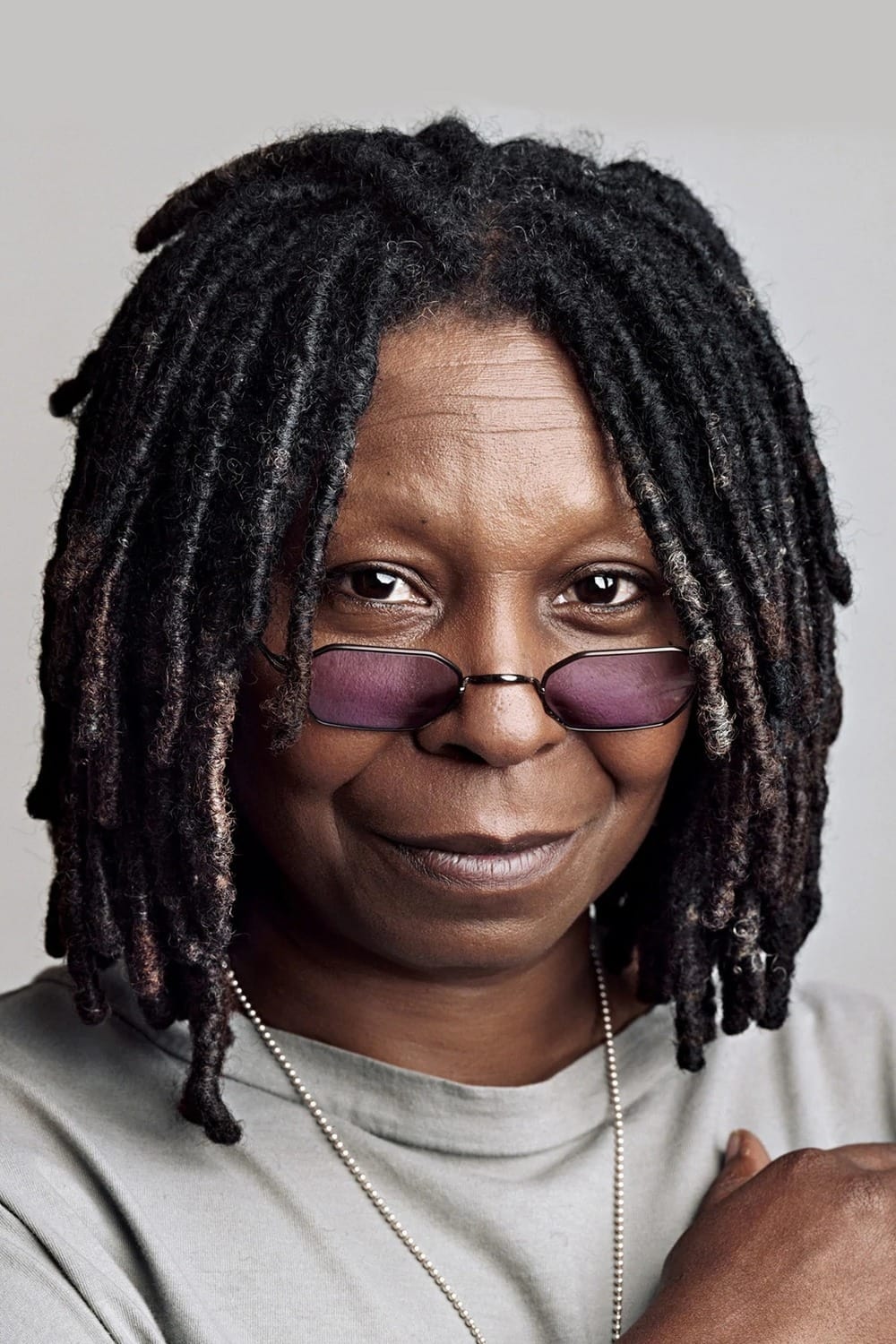
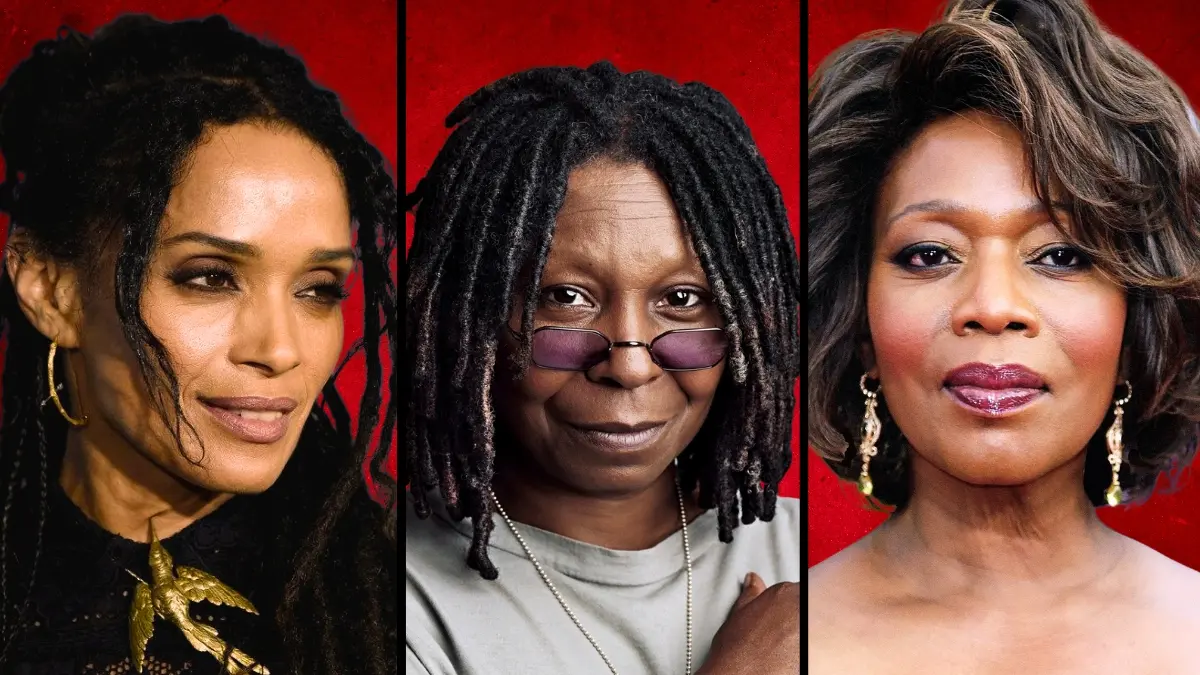
Whoopi Goldberg broke out with a dramatic lead in ‘The Color Purple’, earning widespread acclaim and major award nominations. She followed with performances in ‘Jumpin’ Jack Flash’ and ‘Burglar’, showing range across drama and comedy. Her stage roots and stand-up background helped shape a distinctive screen presence that translated to starring roles. By the end of the decade, she was established as one of the most bankable and recognizable actresses in Hollywood.
Diahann Carroll
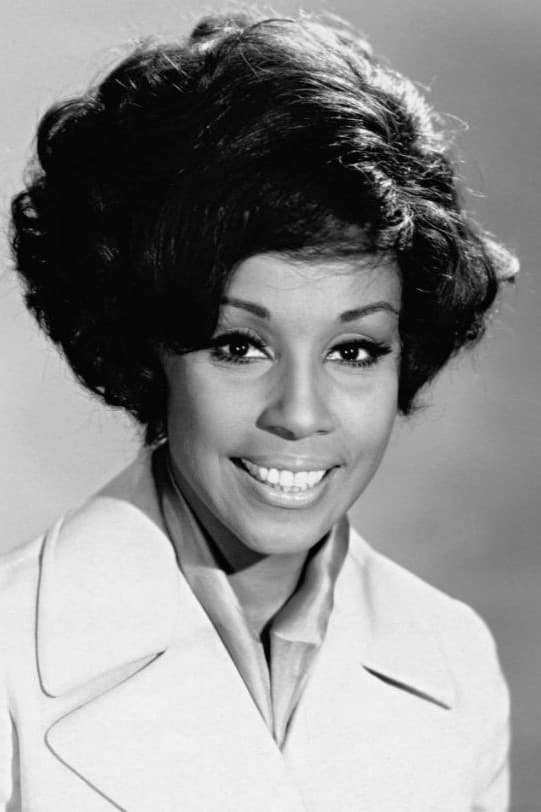
Diahann Carroll made primetime history with her portrayal of Dominique Deveraux on ‘Dynasty’, bringing glamour and complexity to a hit network soap. Already a pioneer from earlier decades, she used her stature to push for richer roles for Black women on television. Carroll also appeared in projects such as ‘The Five Heartbeats’ and high-profile guest roles. Her work in the decade cemented her legacy as a barrier-breaker and style icon.
Phylicia Rashād
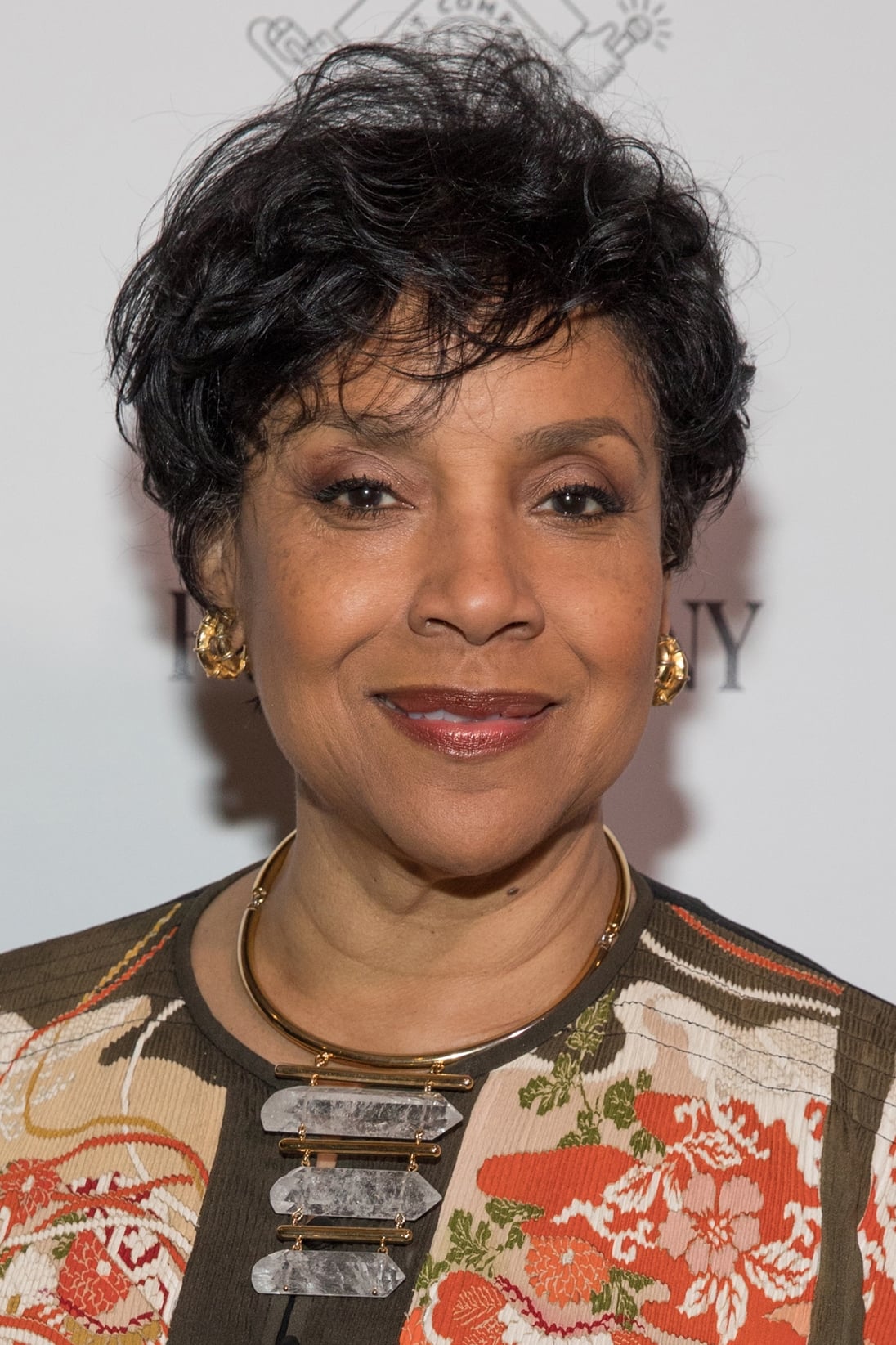
Phylicia Rashād became a household name as Clair Huxtable on ‘The Cosby Show’, a portrayal celebrated for intelligence, warmth, and professional poise. The series’ enormous reach made her one of TV’s most recognized mothers and a model for aspirational family storytelling. Rashād also worked on stage, drawing on classical training to inform her television craft. Her performance helped redefine how Black professional women were depicted in mainstream sitcoms.
Lisa Bonet
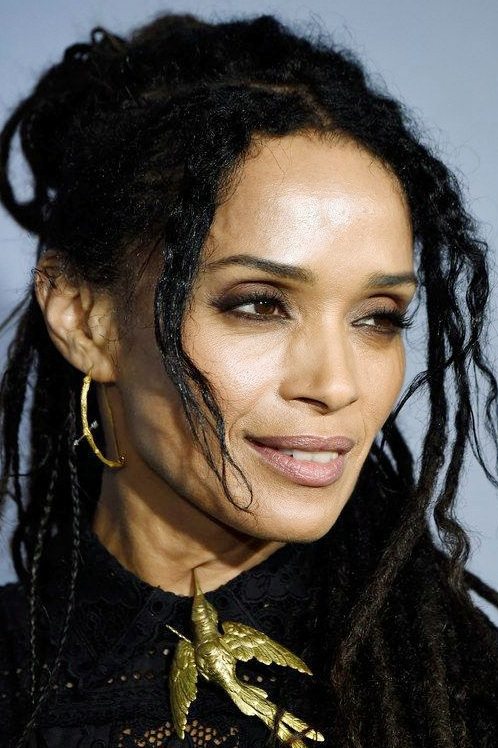
Lisa Bonet’s Denise Huxtable resonated with younger audiences on ‘The Cosby Show’ and its college-set spinoff ‘A Different World’. She balanced television success with film work, including a high-profile role in ‘Angel Heart’. Bonet’s style and screen presence made her a cultural touchpoint for fashion and youth identity. Her choices signaled a growing lane for young Black actresses to lead both TV and edgy cinema.
Alfre Woodard
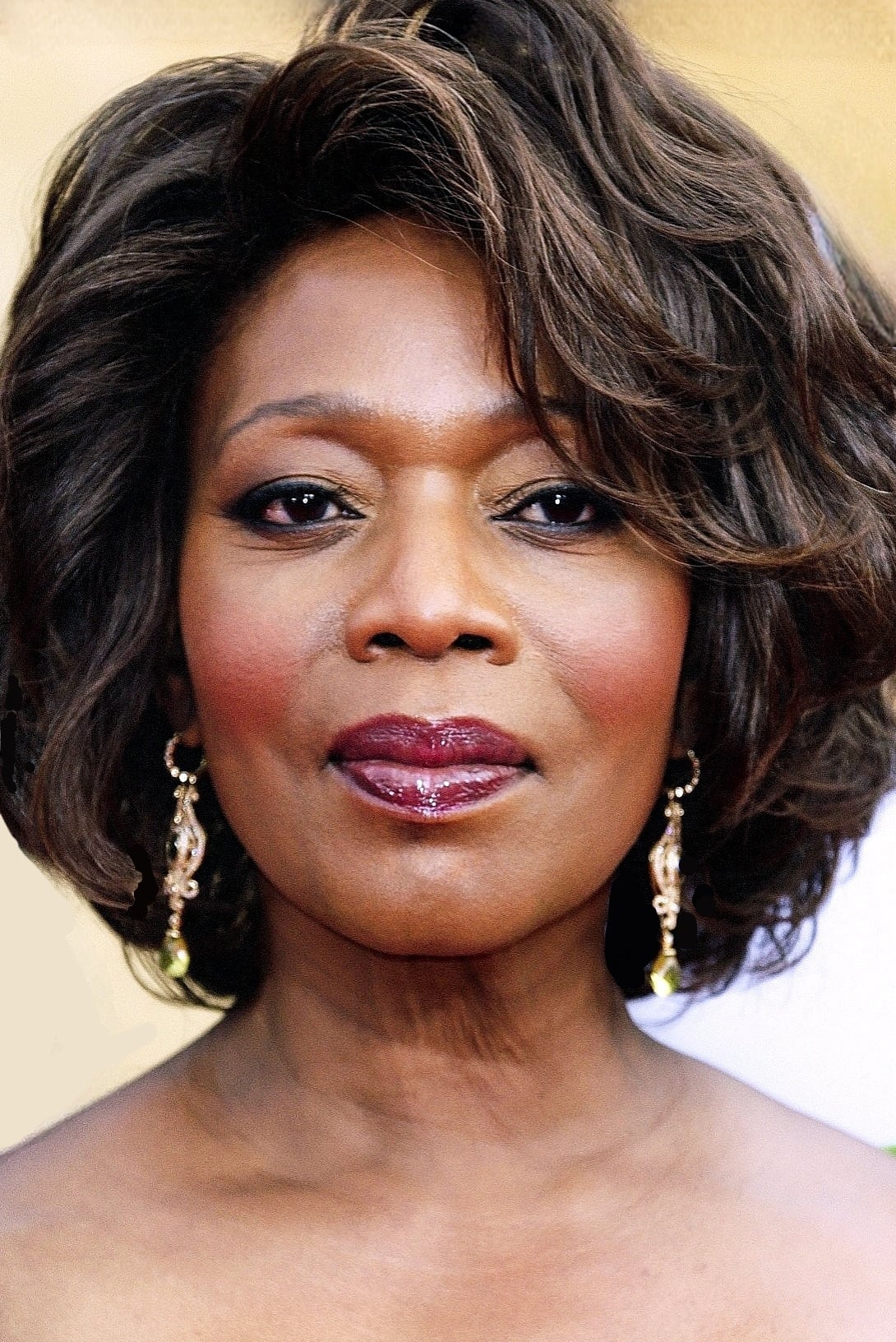
Alfre Woodard earned a reputation for transformative performances in ‘Cross Creek’, ‘Extremities’, and television films that drew strong reviews. She frequently portrayed characters with emotional depth and moral complexity, winning major awards for TV work in the decade. Woodard also supported independent filmmakers, expanding representation beyond studio projects. Her output established a template for serious dramatic roles for Black actresses.
Jackée Harry
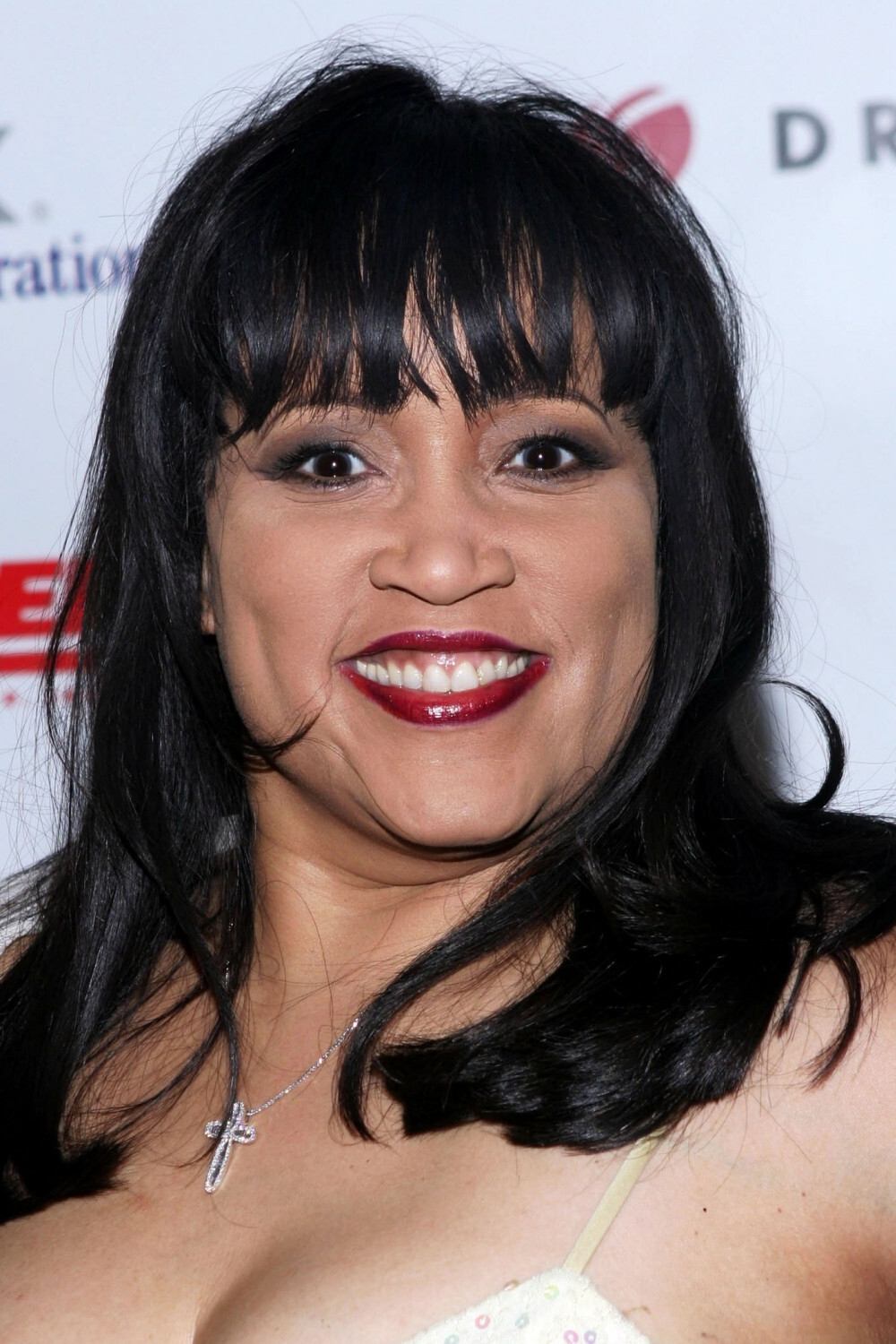
Jackée Harry became the first Black woman to win a Primetime Emmy for supporting actress in a comedy for her role as Sandra Clark on ‘227’. Her comedic timing and scene-stealing delivery turned a supporting part into a cultural phenomenon. She appeared on variety programs and guest spots that reinforced her popularity. The character’s sophistication and humor broadened the range of Black female comedy on network TV.
Marla Gibbs
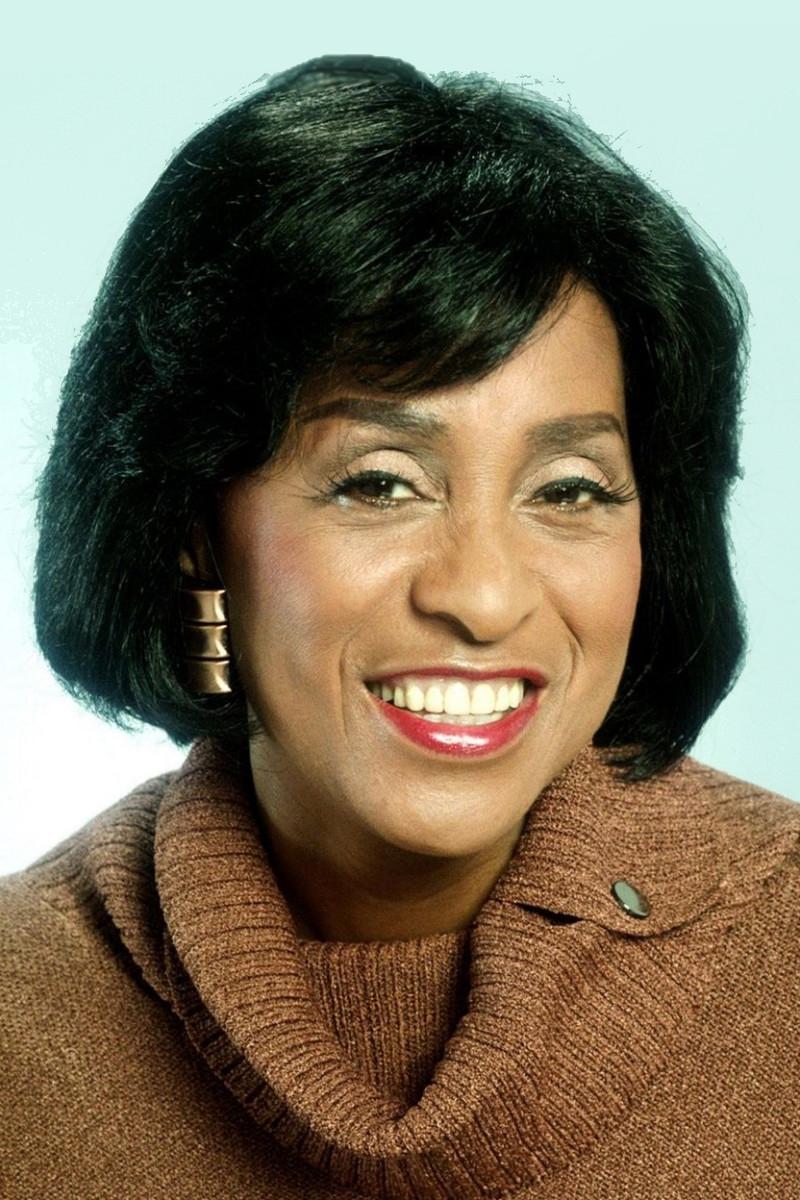
Marla Gibbs carried momentum from ‘The Jeffersons’ into the star vehicle ‘227’, where she also served as an executive producer. Her leadership behind the scenes helped shape storylines and opportunities for other performers. Gibbs’ grounded comedic style made her a steady center for ensemble casts. She demonstrated how veteran sitcom stars could successfully transition into new flagship roles.
Debbie Allen
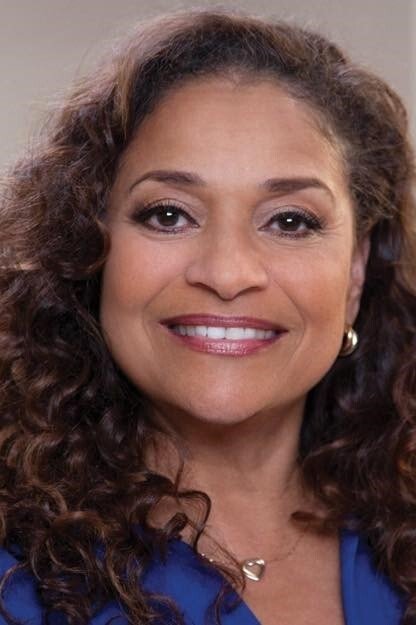
Debbie Allen headlined and choreographed ‘Fame’, becoming a defining creative force of the show. Her choreography, direction, and on-screen performance helped merge dance and drama on primetime television. Allen also directed episodes of other major series, building a trailblazing behind-the-camera career. She mentored young performers and broadened the footprint of dance on TV.
Nell Carter
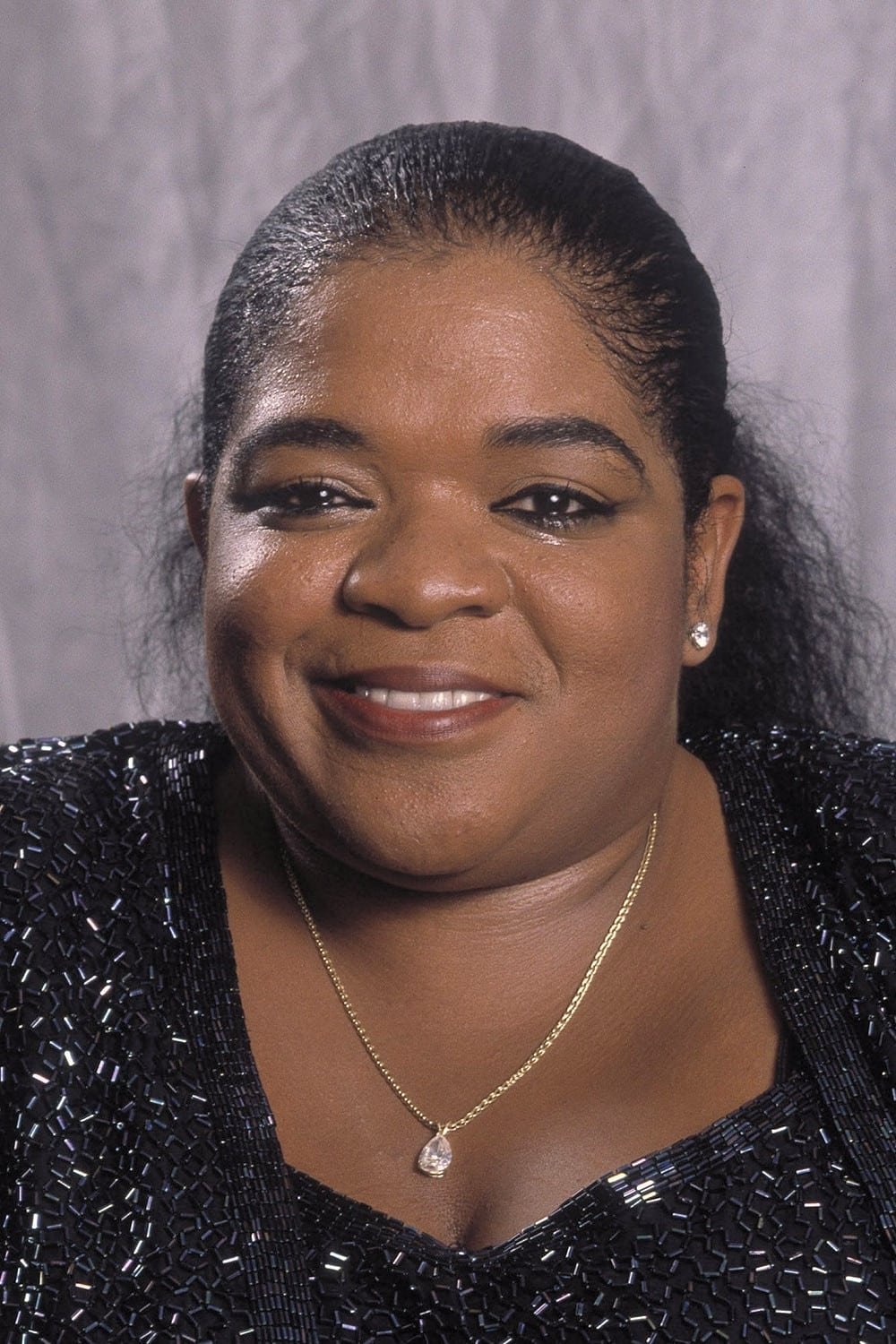
Nell Carter starred in ‘Gimme a Break!’, delivering a powerhouse blend of comedy and music that anchored the long-running sitcom. A stage veteran, she brought vocal prowess and timing refined in theater to television audiences. Carter earned awards recognition for the role and became a staple of variety specials. Her success showcased the crossover potential of Broadway talent on network TV.
Oprah Winfrey
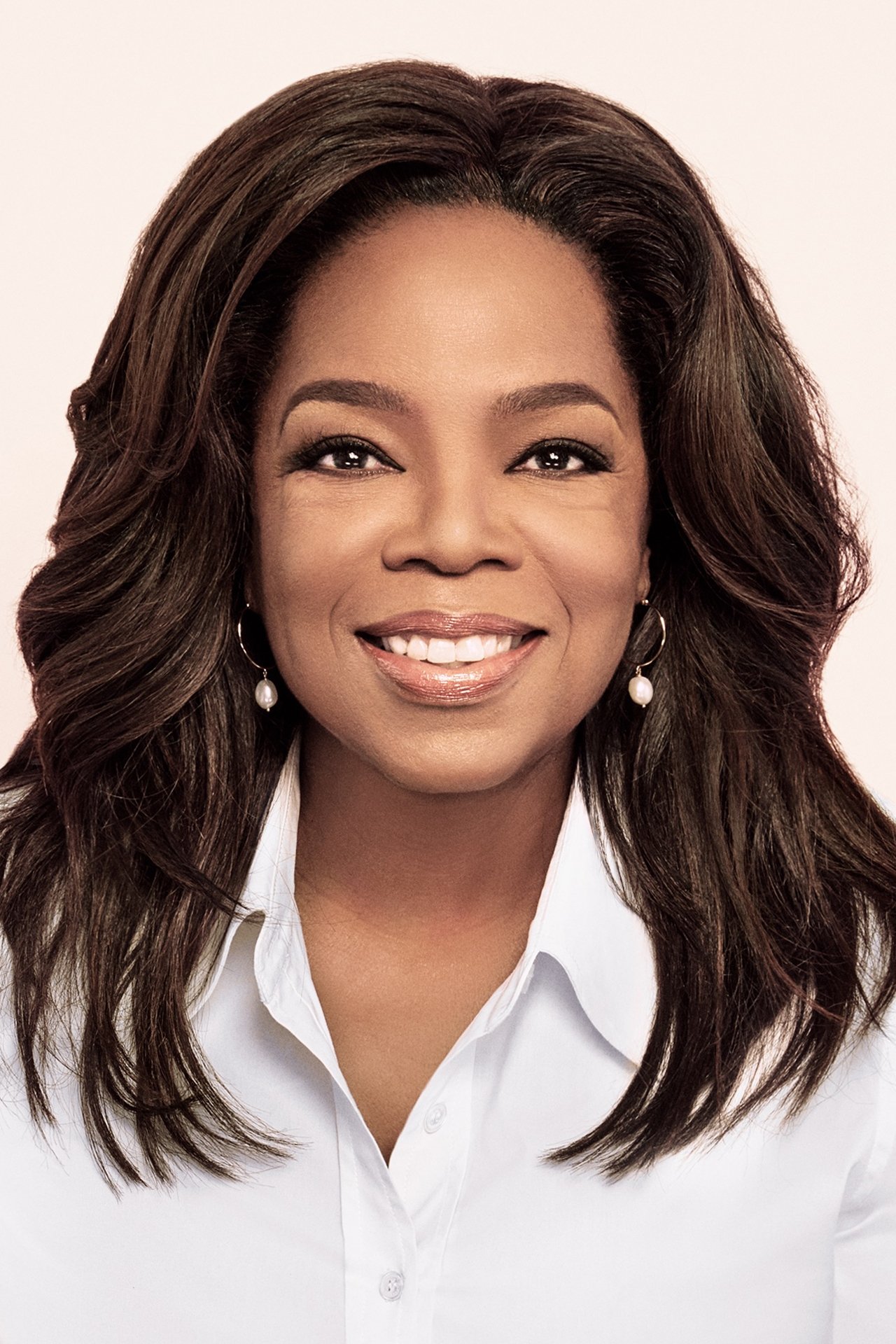
Oprah Winfrey earned an acclaimed film debut in ‘The Color Purple’, which launched her parallel path as a screen actress. She followed with the ensemble drama ‘Native Son’ and the miniseries ‘The Women of Brewster Place’, where she also produced. These projects demonstrated an interest in adapting significant literary works for television. Winfrey’s presence connected media entrepreneurship with substantive, character-driven storytelling.
Grace Jones
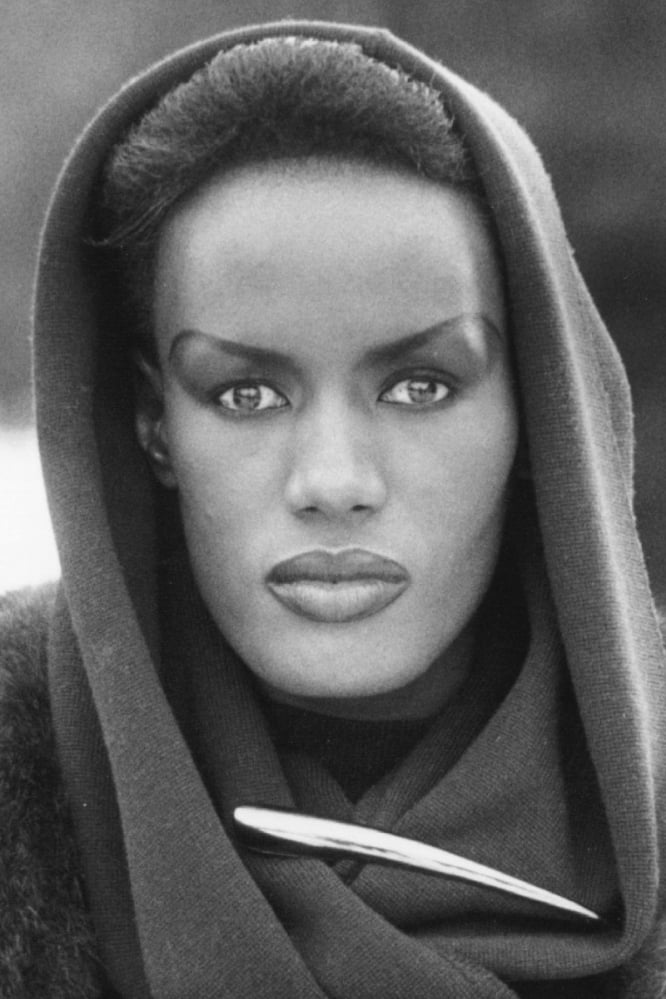
Grace Jones brought an unforgettable persona to action and adventure films such as ‘Conan the Destroyer’ and ‘A View to a Kill’. Her background in music and fashion translated into striking screen characters that fused athleticism with high style. She also appeared in ‘Vamp’, earning cult-favorite status among genre fans. Jones’ roles expanded ideas of futurism, androgyny, and power in mainstream cinema.
Rae Dawn Chong
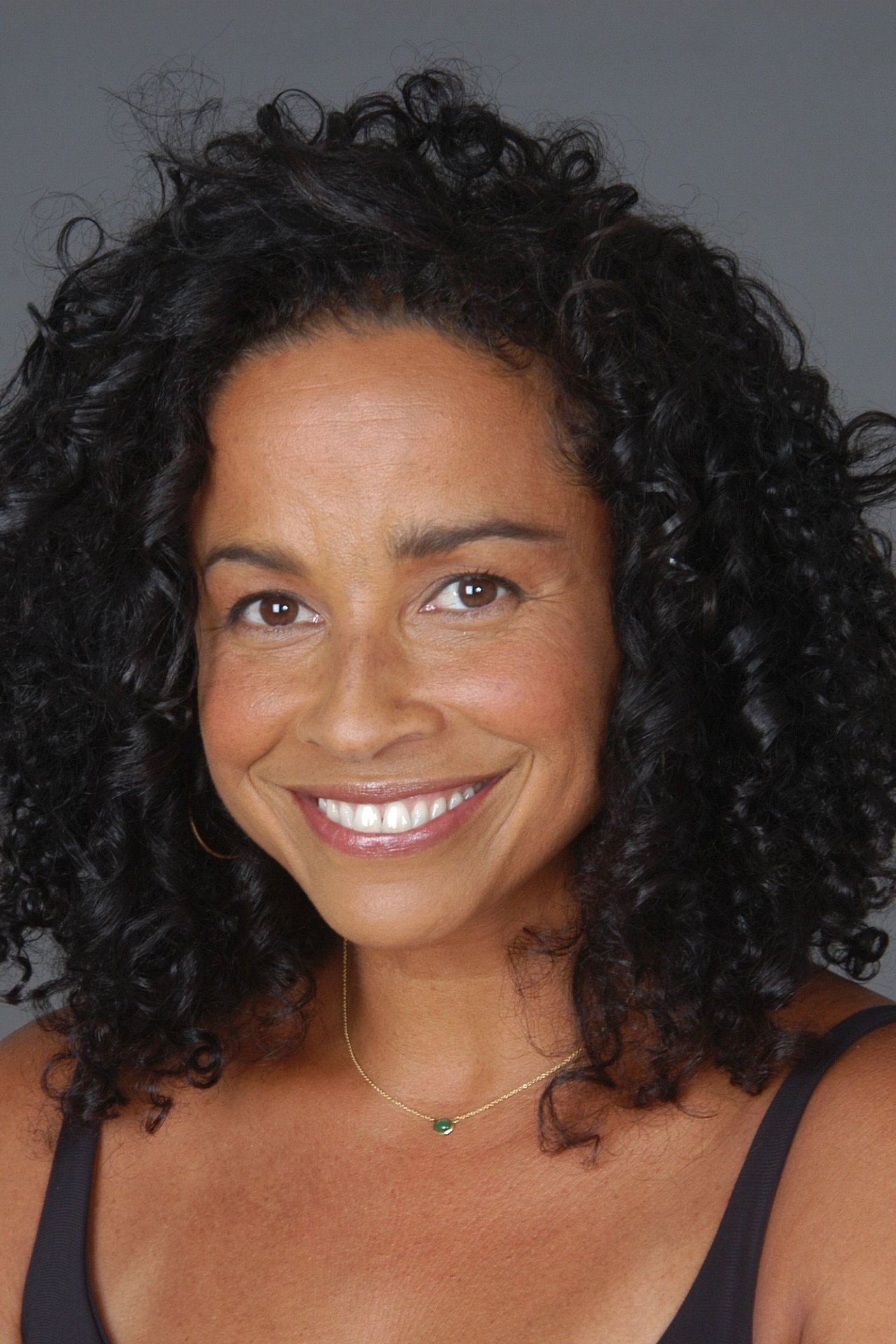
Rae Dawn Chong emerged in features like ‘Quest for Fire’, ‘Beat Street’, ‘Commando’, and ‘The Color Purple’. She navigated drama, music-infused films, and high-octane action, showing unusual range across genres. Chong worked steadily in both studio and independent projects, making her a familiar face throughout the decade. Her filmography connected new wave sensibilities with crowd-pleasing commercial hits.
Shari Belafonte
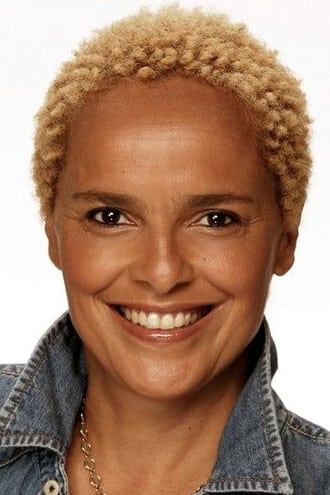
Shari Belafonte starred on the primetime drama ‘Hotel’, gaining wide exposure on a network ensemble series. She balanced acting with a successful modeling career and occasional music projects. Belafonte also appeared in TV movies and specials that leveraged her high-profile surname and on-screen poise. Her visibility across media made her a consistent presence in 1980s pop culture.
Keshia Knight Pulliam

Keshia Knight Pulliam became one of television’s most recognizable child actors as Rudy Huxtable on ‘The Cosby Show’. She delivered memorable comedic beats and won major award recognition at a notably young age. Pulliam’s performance helped anchor family dynamics that resonated with viewers worldwide. Her success proved that young Black performers could headline ensemble sitcoms with broad appeal.
Anna Maria Horsford
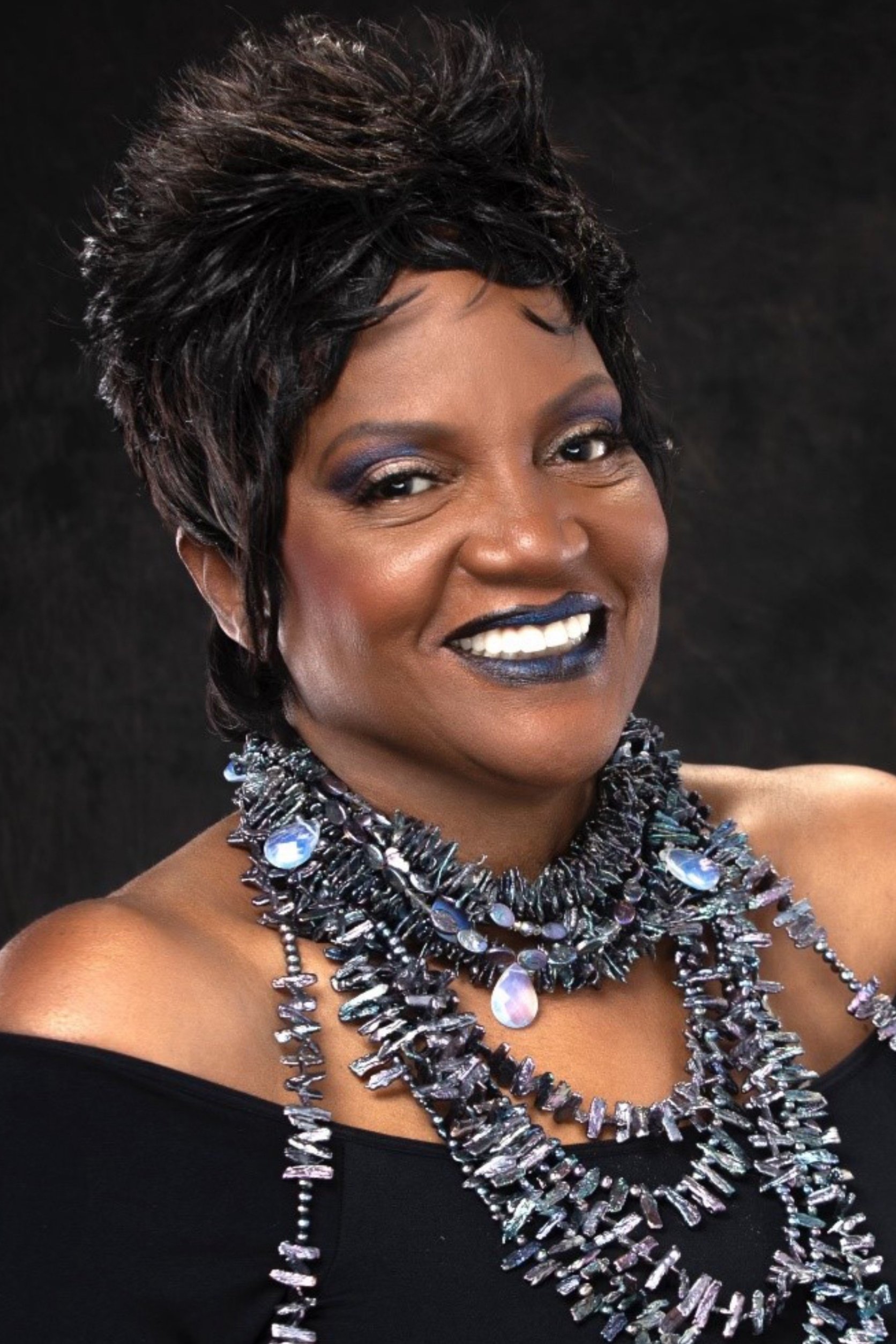
Anna Maria Horsford found a signature role on the sitcom ‘Amen’, playing a witty and principled church secretary. She also appeared in dramas and guest spots that showcased her versatility. Horsford’s warmth and dry humor made her a reliable scene partner in ensemble settings. Her steady television presence exemplified the era’s strong supporting players who kept shows humming week after week.
Cicely Tyson

Cicely Tyson sustained a formidable presence through television movies and miniseries that centered on historical and contemporary Black life. She delivered acclaimed performances in ‘The Marva Collins Story’ and ‘The Women of Brewster Place’. Tyson’s roles often highlighted educators, community leaders, and resilient matriarchs. Her television work influenced casting trends and opened pathways for serious dramatic roles for Black actresses.
Pam Grier
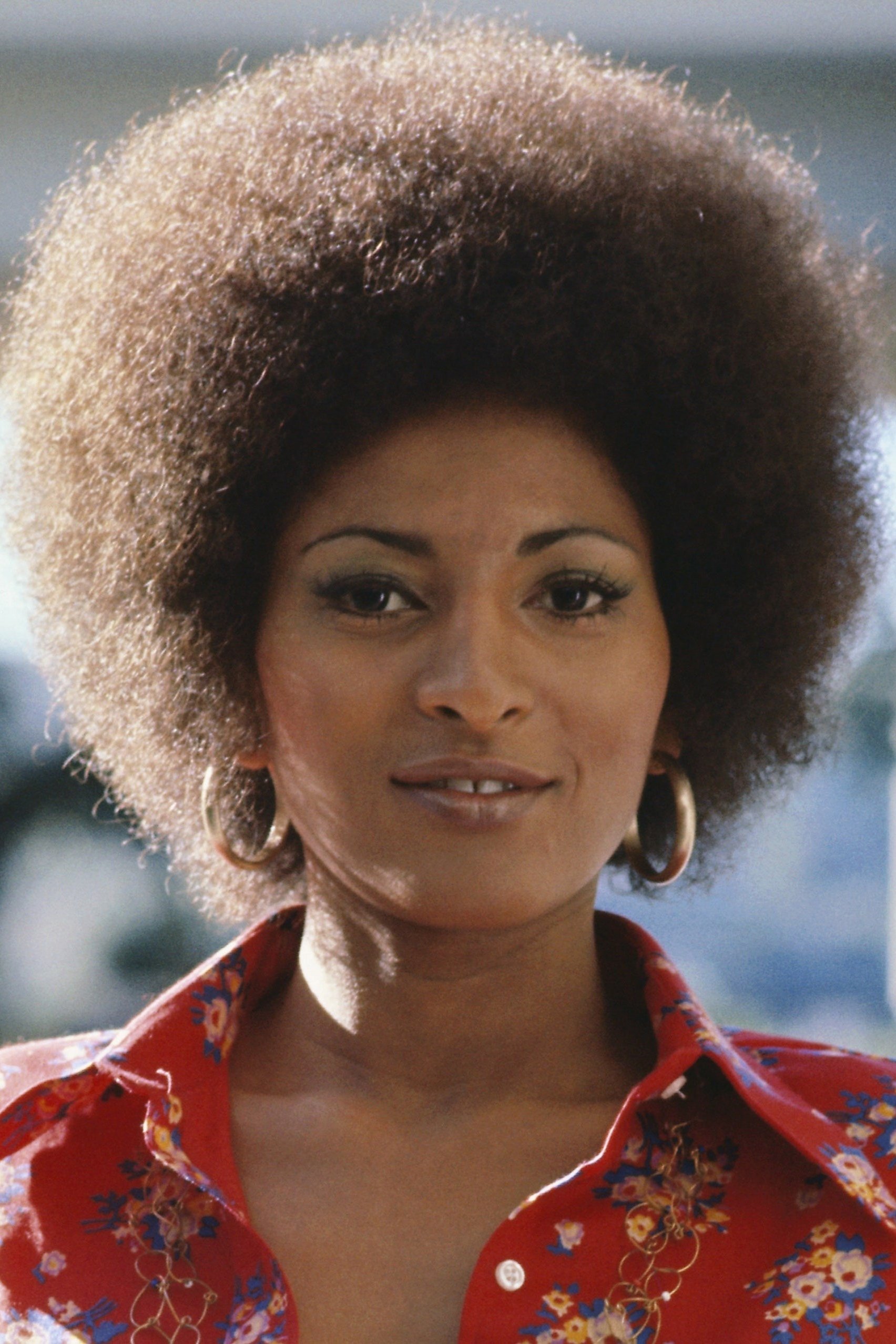
Pam Grier transitioned from 1970s action stardom into character parts across crime dramas and thrillers in the new decade. She appeared in films such as ‘Fort Apache, The Bronx’ and ‘Something Wild’, bringing authority and charisma to supporting turns. Grier also worked steadily on television, building a varied portfolio beyond her earlier genre image. Her career longevity demonstrated how an action icon could adapt to evolving industry tastes.
Angela Bassett
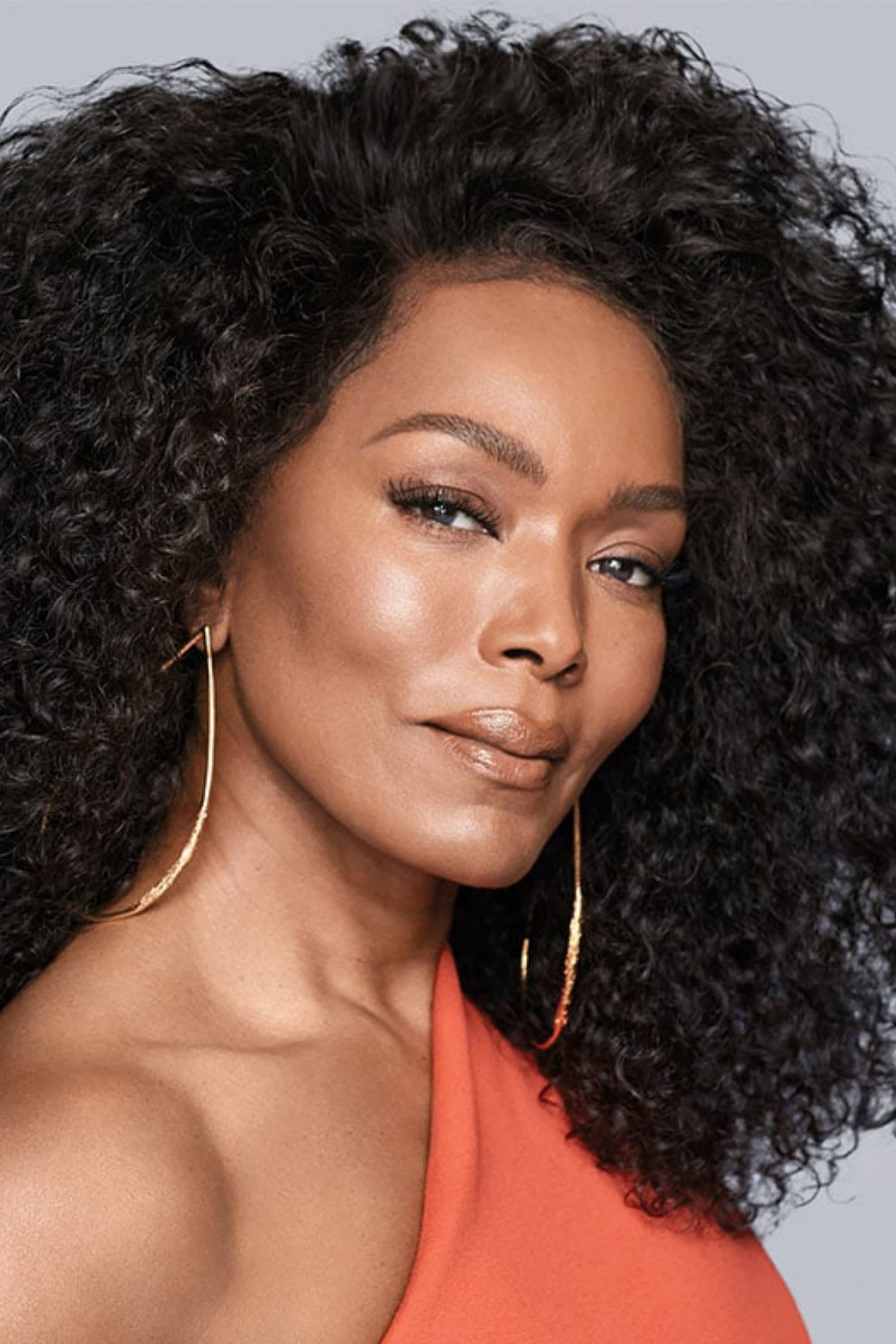
Angela Bassett began screen work with small but noticeable roles in films and television while honing her craft on stage. Appearances in projects like ‘F/X’ and network guest spots introduced her intensity and precision. She developed a reputation for meticulous preparation and commanding presence. These foundations positioned her for major biographical and dramatic roles in the following decade.
Lynn Whitfield
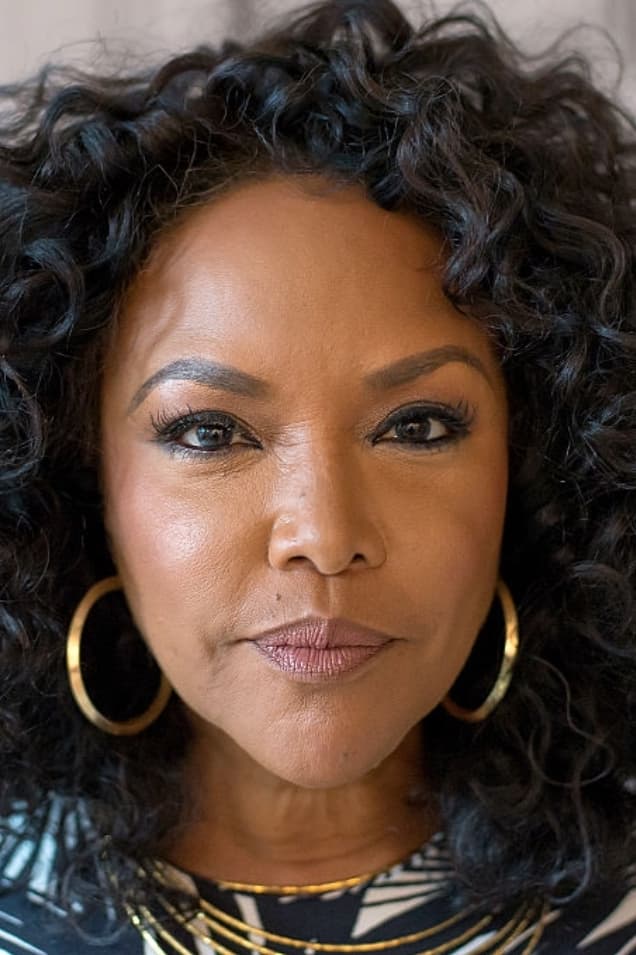
Lynn Whitfield balanced film and television with roles that showcased elegance and steel. Early credits included features like ‘Doctor Detroit’ and ensemble television dramas such as ‘The Women of Brewster Place’. She drew on theater training to create layered characters across genres. Whitfield’s trajectory pointed toward complex leading roles in prestige television.
Robin Givens
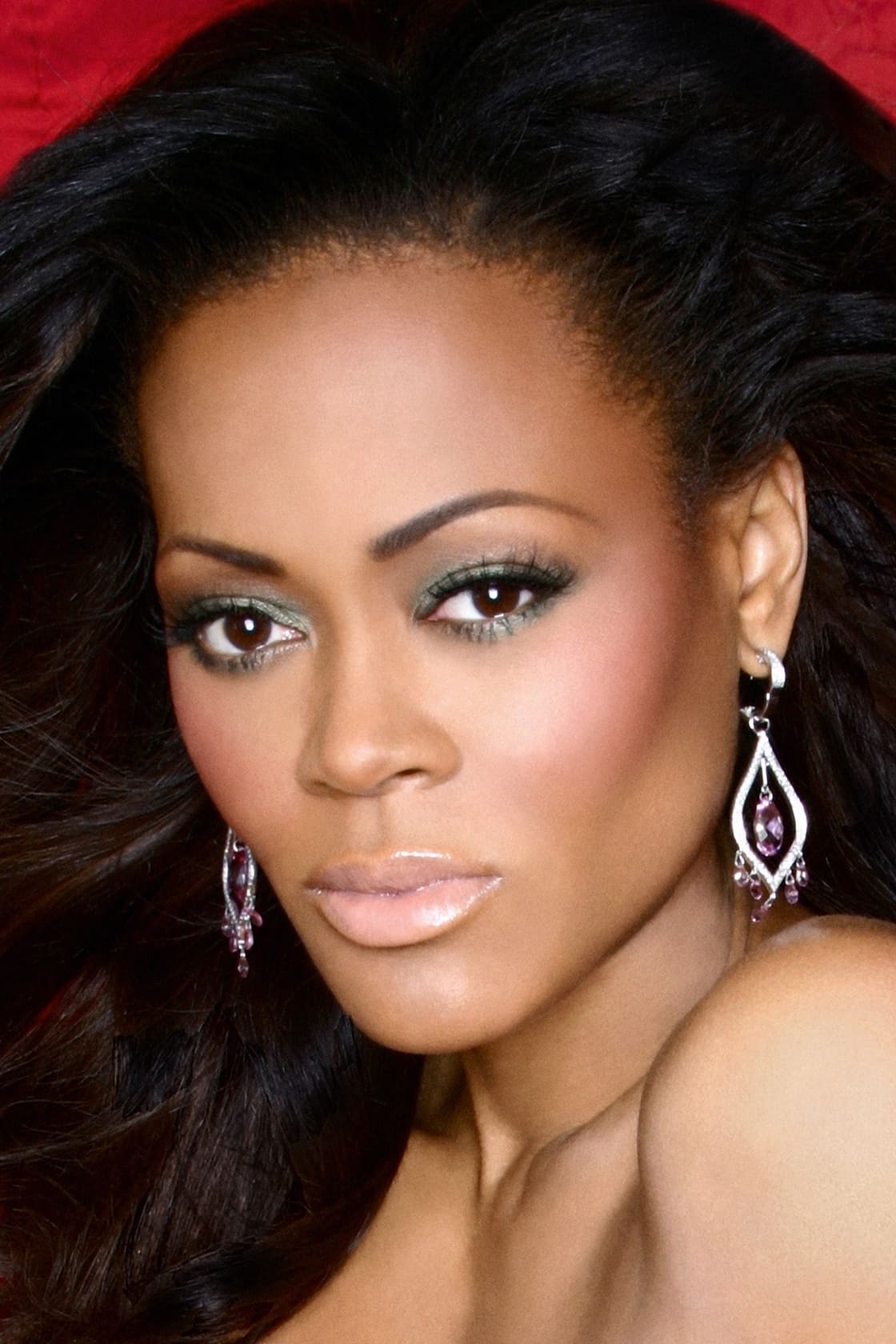
Robin Givens became widely known for the classroom comedy ‘Head of the Class’, playing a driven honors student in a gifted program. She parlayed series visibility into TV movies and guest roles that emphasized sophistication and wit. Public attention around her off-screen life increased her profile, but her credits anchored her career. Givens’ television success reflected the decade’s appetite for youth-centered ensemble comedies.
Tempestt Bledsoe
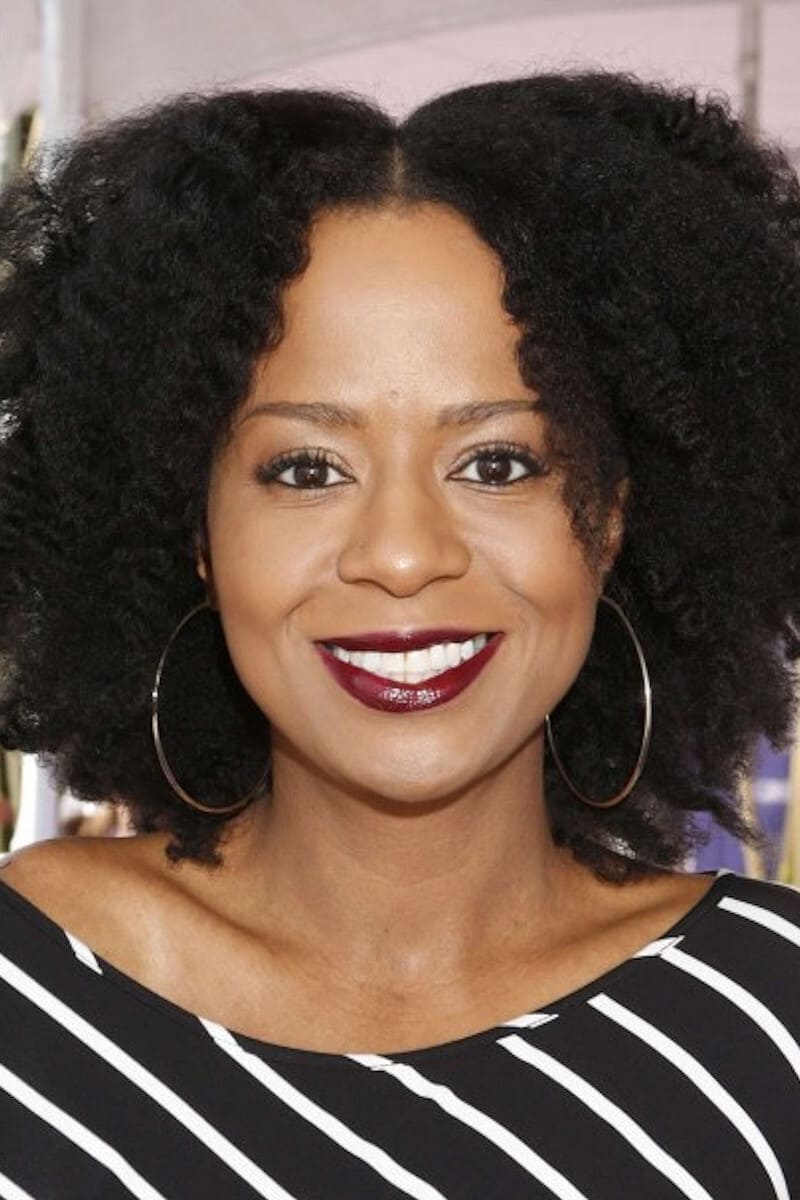
Tempestt Bledsoe portrayed Vanessa Huxtable on ‘The Cosby Show’, navigating adolescent storylines within a high-profile family sitcom. She handled music, school, and peer-pressure plots that resonated with teen viewers. Bledsoe’s arc demonstrated how a young actor could grow with a long-running series. Her work contributed to the show’s multi-generational appeal.
Jasmine Guy
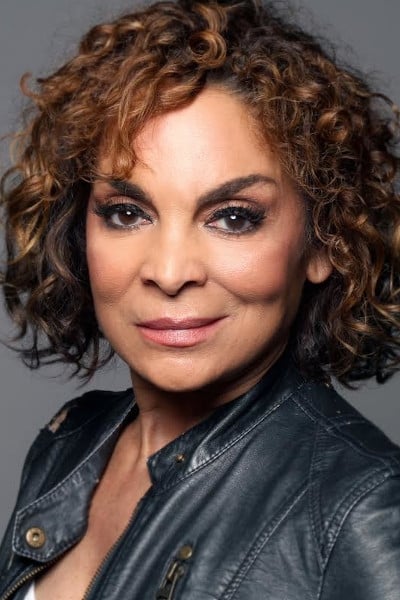
Jasmine Guy broke out as Whitley Gilbert on ‘A Different World’, bringing precise comedic timing to campus life stories. She also pursued dance and music, appearing in music videos and stage projects. Guy expanded the character from a caricature into a multidimensional lead across romantic and career plots. Her performance helped define the spin-off’s identity separate from its parent series.
Dawnn Lewis
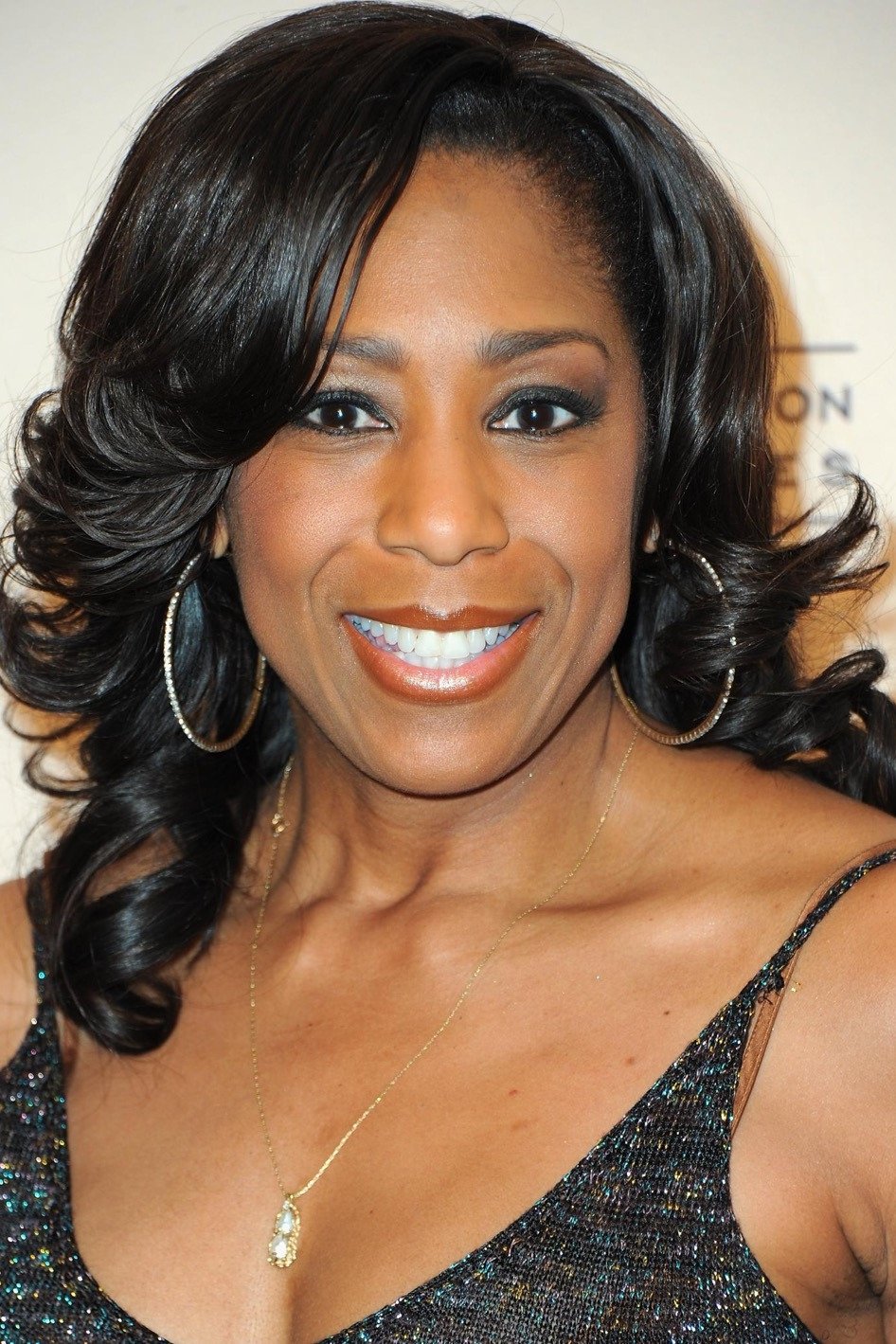
Dawnn Lewis originated Jaleesa Vinson on ‘A Different World’ and co-wrote the series’ theme song. Her character offered a perspective as an older student balancing work and studies. Lewis worked across television and stage, strengthening her reputation as a triple threat. She later continued with voice acting and musical theater, reflecting broad versatility.
Regina King
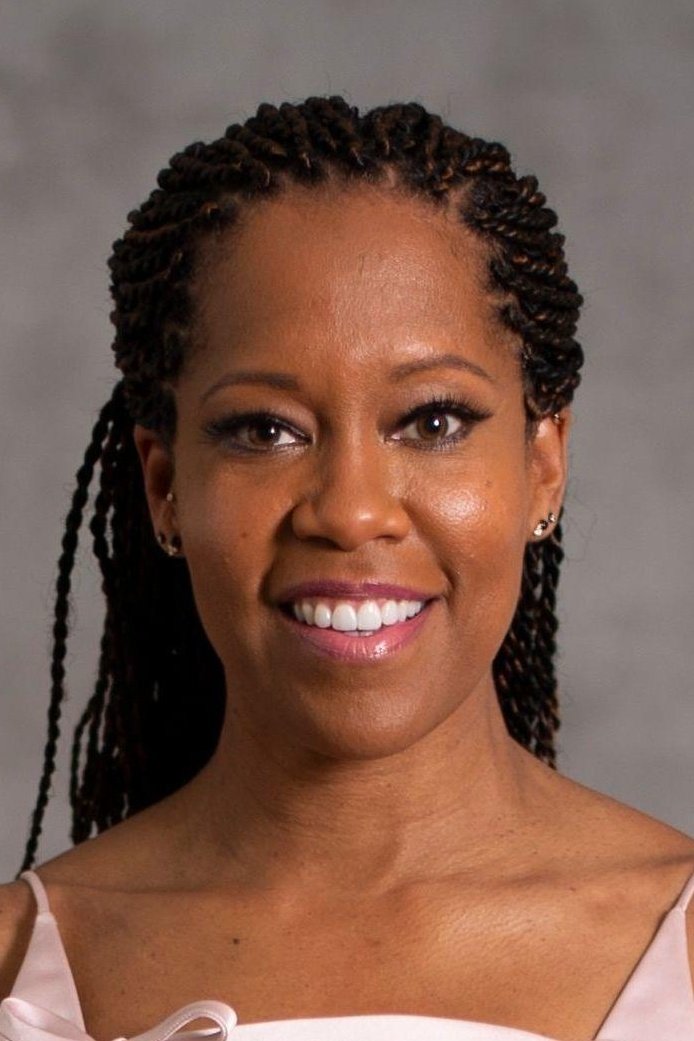
Regina King made her debut as Brenda Jenkins on ‘227’, introducing naturalistic timing and emotional nuance as a teen daughter. The role opened doors to feature films with strong youth ensembles. King’s early television experience built skills in comedy and drama that carried into later directing. Her path from neighborhood sitcom to awards-caliber projects traces back to this foundation.
Tisha Campbell
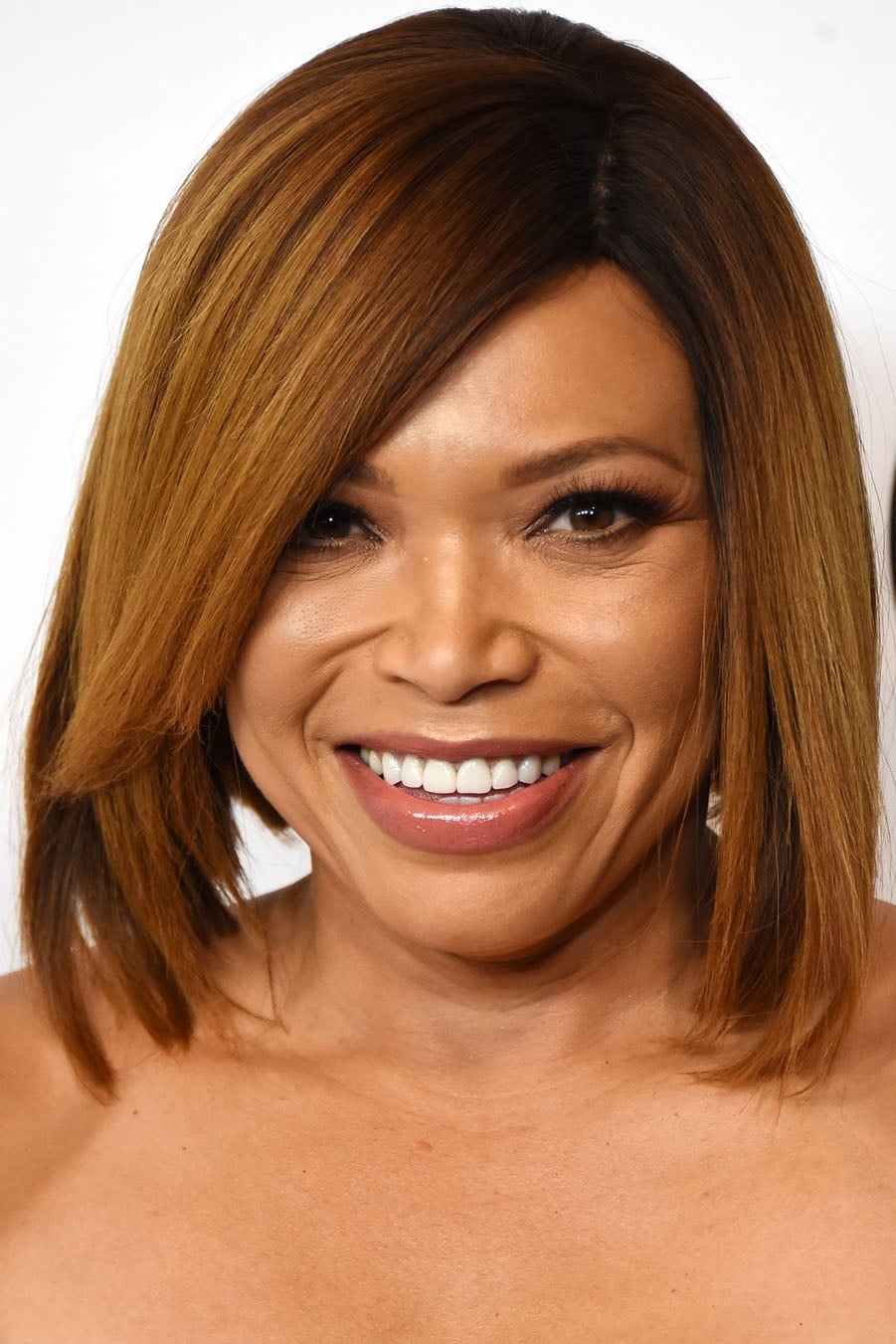
Tisha Campbell appeared in ‘Little Shop of Horrors’ and later in ensemble college comedy-drama ‘School Daze’. She trained as a singer and dancer, which informed screen performances that blended music and comedy. Campbell also secured television roles that showcased her energy and quick delivery. These credits established her as a versatile performer ready for leading sitcom roles.
Shari Headley
Shari Headley attracted attention with a breakout romantic lead in ‘Coming to America’. Fashion and beauty work complemented her acting, resulting in magazine covers and commercial campaigns. She followed with guest appearances on popular series that expanded her audience. Headley’s high-profile film debut translated into steady television opportunities.
Vanessa Bell Calloway
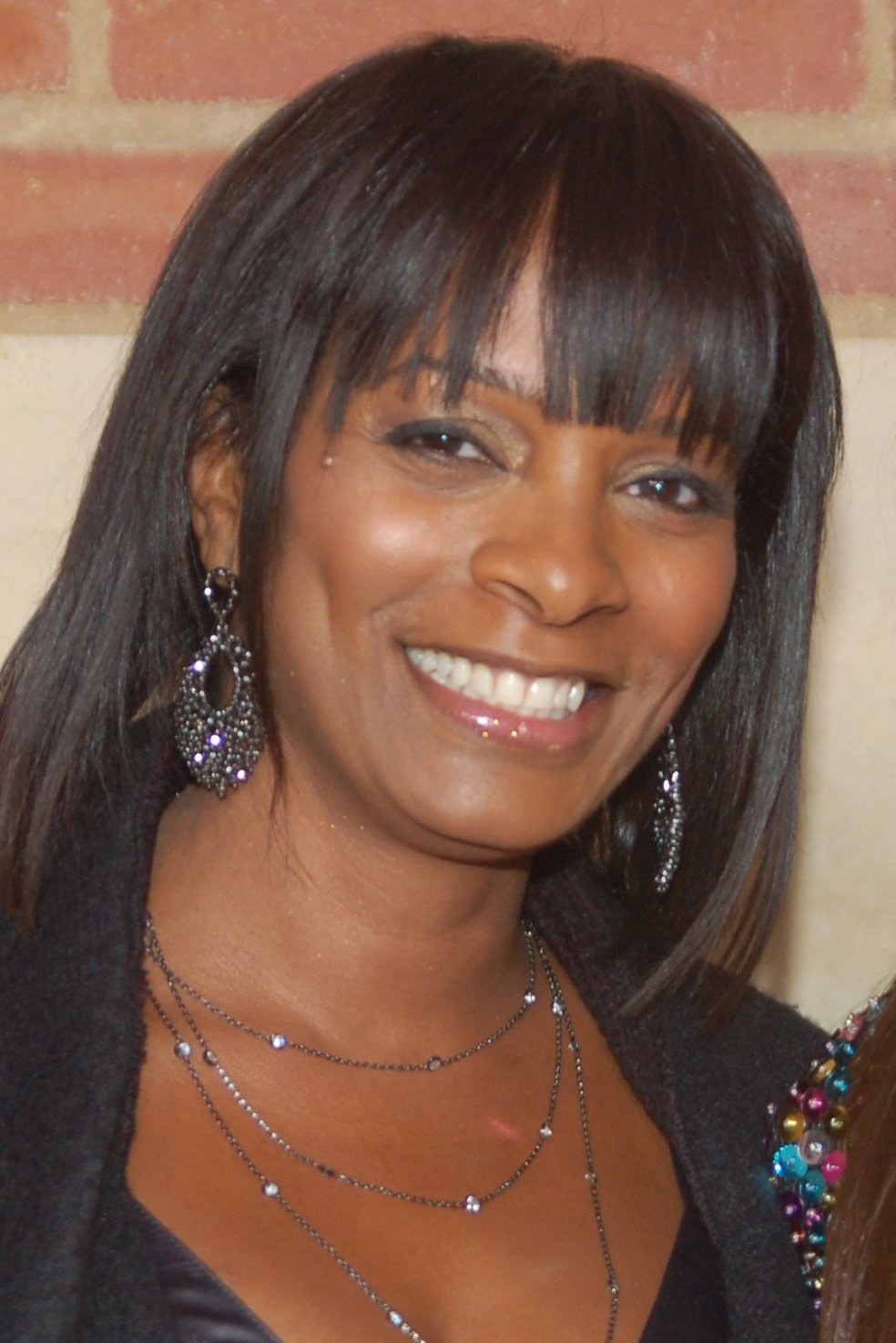
Vanessa Bell Calloway combined dance, stage training, and screen roles to strong effect. Appearances in ‘Coming to America’ and TV movies underscored regal poise and movement. She frequently portrayed characters with cultural specificity and presence. Calloway’s work in the decade teed up a prolific career across television dramas.
Madge Sinclair
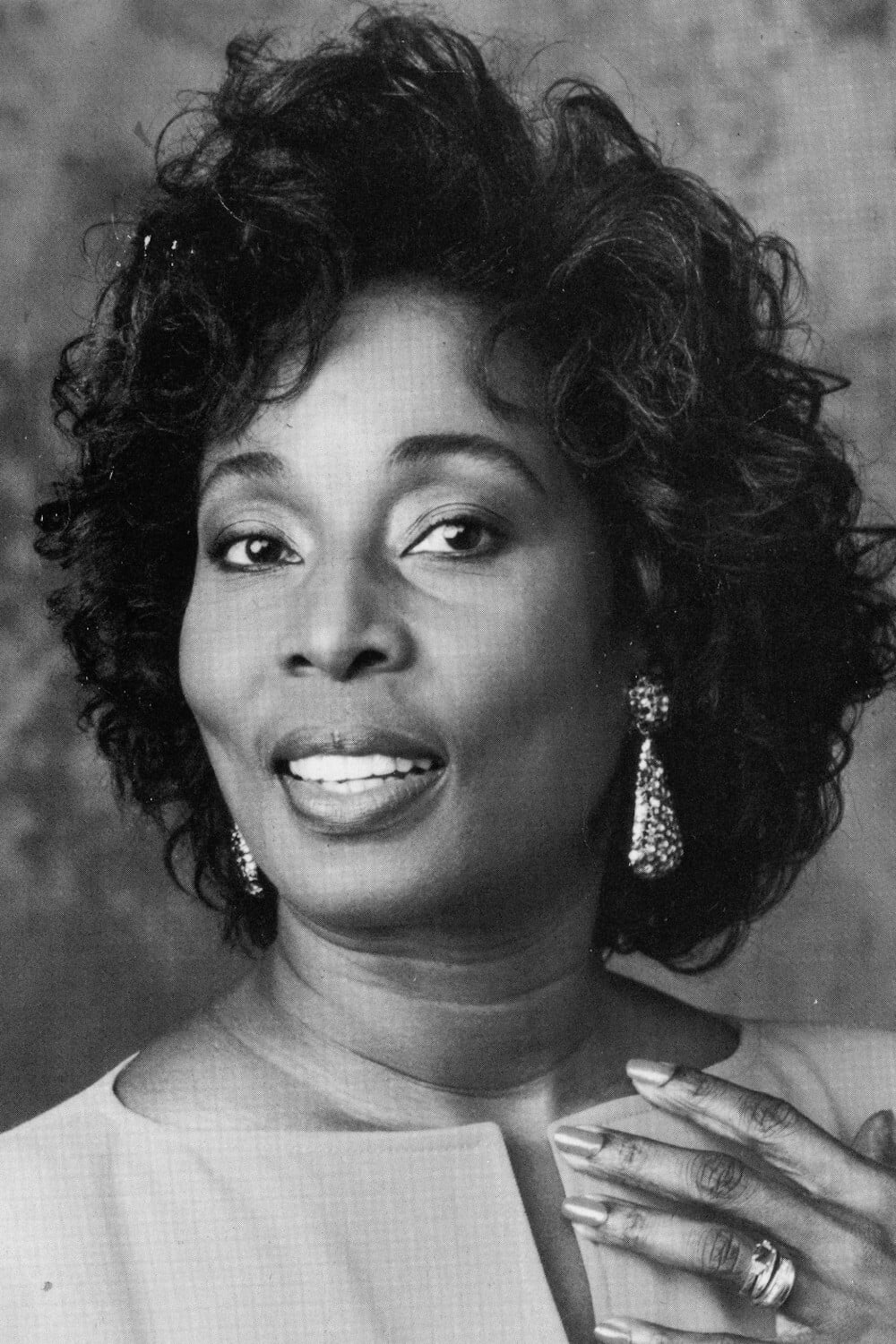
Madge Sinclair brought commanding dignity to roles in ‘Trapper John, M.D.’ and royal turns in ‘Coming to America’. She also voiced animated projects and appeared in TV movies that leveraged her authoritative cadence. Sinclair often portrayed leaders, professionals, and mothers with quiet power. Her performances became touchstones for graceful strength on screen.
Jayne Kennedy
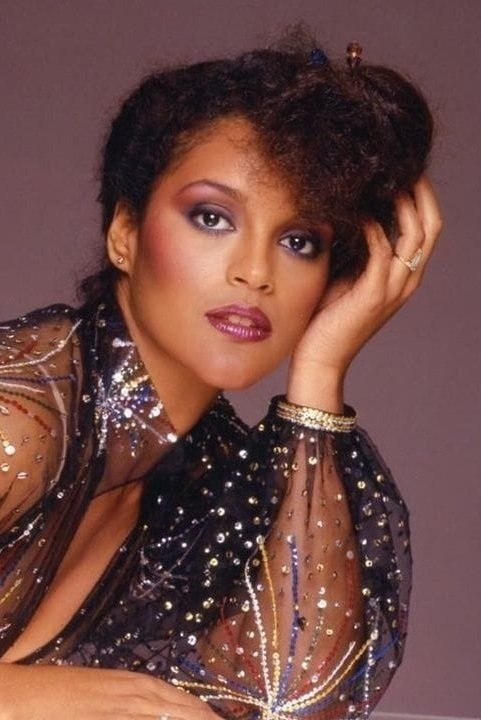
Jayne Kennedy moved between acting, modeling, and sports broadcasting, notably as a host on ‘The NFL Today’. On screen, she appeared in features like ‘Body and Soul’ and TV projects that capitalized on her athletic image. Kennedy’s cross-media profile broadened opportunities for Black women in sports media. Her work illustrated a dynamic blend of entertainment and journalism.
Paula Kelly
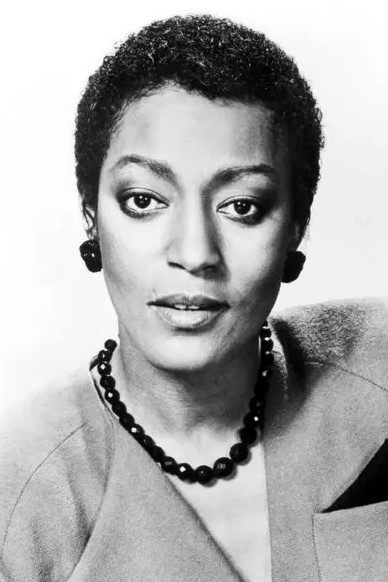
Paula Kelly, a dancer and actress with major stage credentials, brought sophistication to television and film roles. She appeared on ‘Night Court’ and in musicals and dramas that showcased precise movement and expressive acting. Kelly’s resume bridged Broadway and Hollywood, underscoring the value of multidisciplinary training. Her presence in ensemble casts elevated choreography-informed storytelling on TV.
CCH Pounder
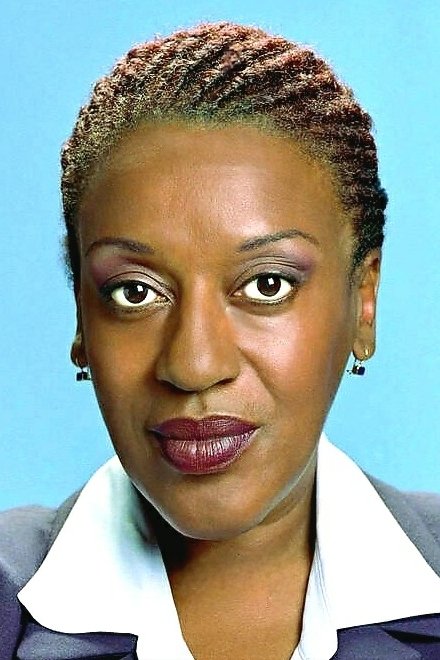
CCH Pounder built a distinctive career with strong turns in ‘Bagdad Cafe’ and ‘Prizzi’s Honor’ alongside steady television work. She brought authority to roles in police procedurals, medical dramas, and anthology series. Pounder’s early feature and TV credits established her as a reliable presence for complex supporting characters. Her work in this period laid the groundwork for later lead roles across prestige television.
Lonette McKee
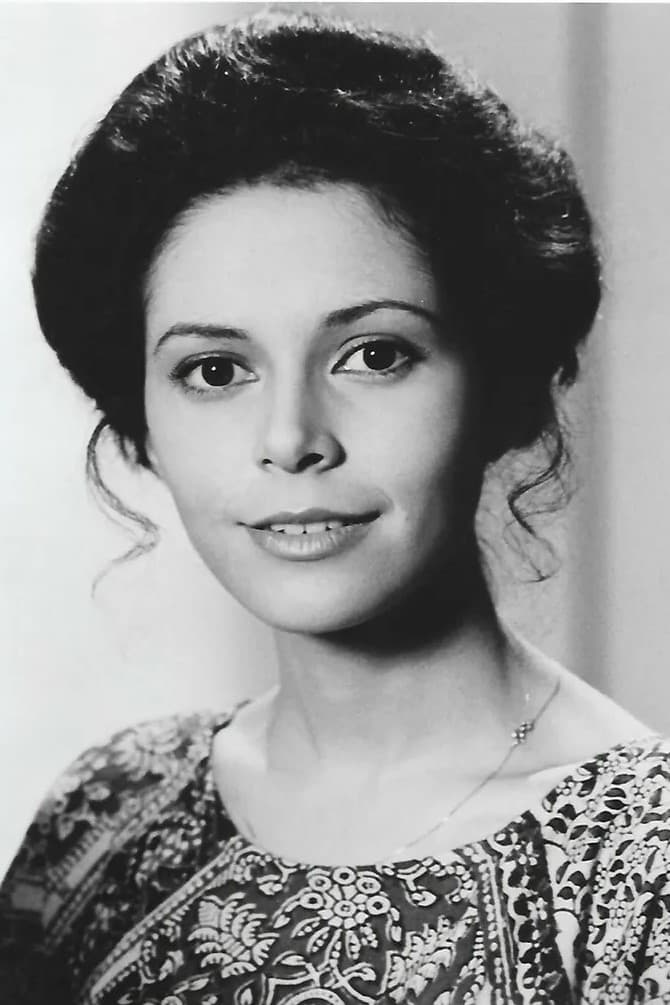
Lonette McKee drew attention with musical and period dramas such as ‘The Cotton Club’ and ‘Round Midnight’, showcasing acting and vocal talents. She moved between studio features and independent projects, often portraying ambitious artists or poised professionals. McKee also kept a foothold in theater, reinforcing technique that translated on screen. The range of genres she tackled made her a versatile fixture throughout the decade.
Debbi Morgan

Debbi Morgan became widely recognized on daytime television as Angie on ‘All My Children’, forming a landmark soap partnership with Jesse. She translated that visibility into prime-time guest roles and TV movies. Morgan’s character-driven arcs emphasized community, romance, and social issues within serialized storytelling. The popularity of her role influenced future casting of Black leads in daytime dramas.
Mary Alice
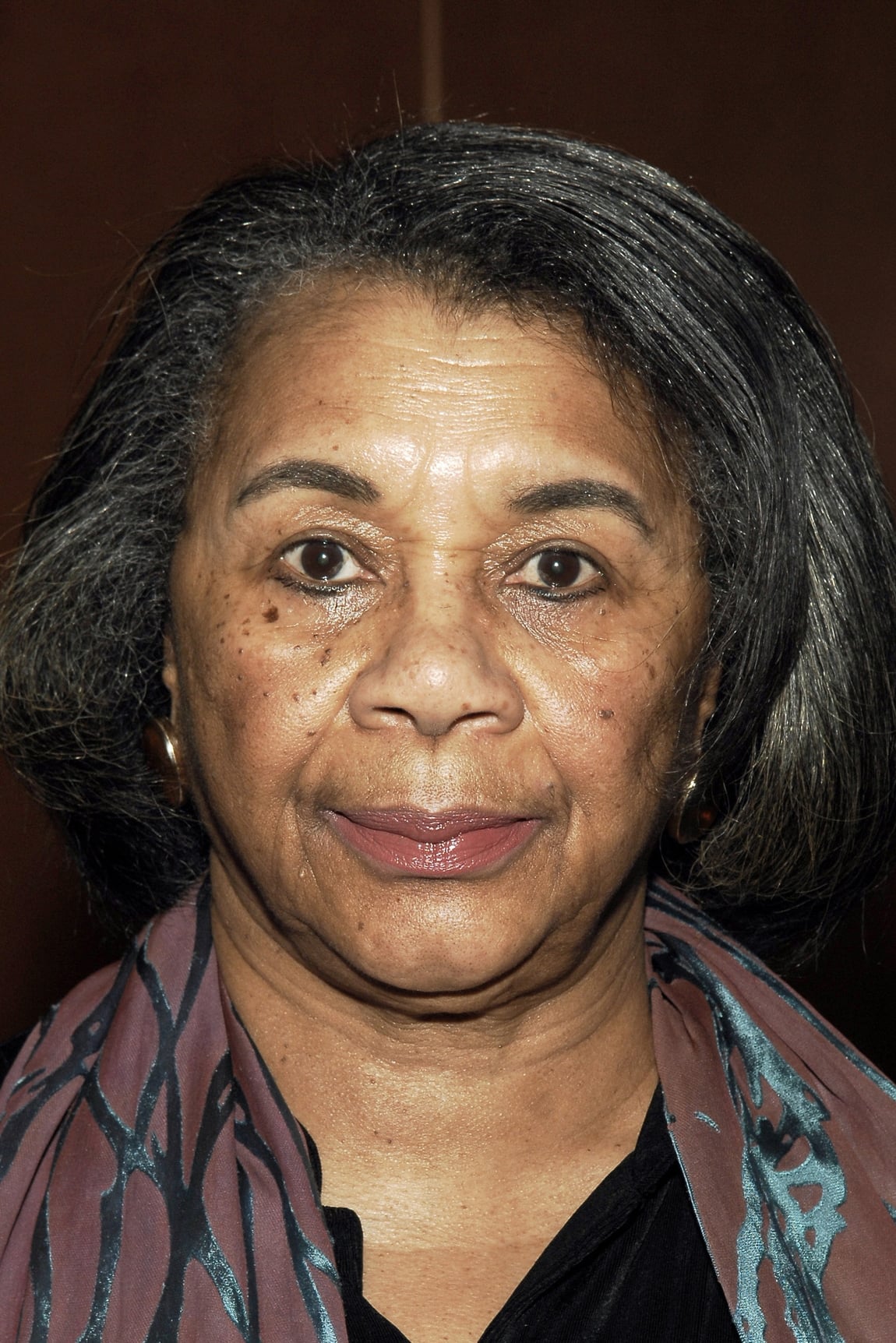
Mary Alice anchored ensembles with grounded performances in ‘The Women of Brewster Place’ and as Resident Director Lettie on ‘A Different World’. A decorated stage actor, she brought theatrical discipline to television and film. Her characters often guided younger figures, adding gravitas to coming-of-age narratives. This period cemented her as a go-to actor for mentorship roles on screen.
Vanessa Williams
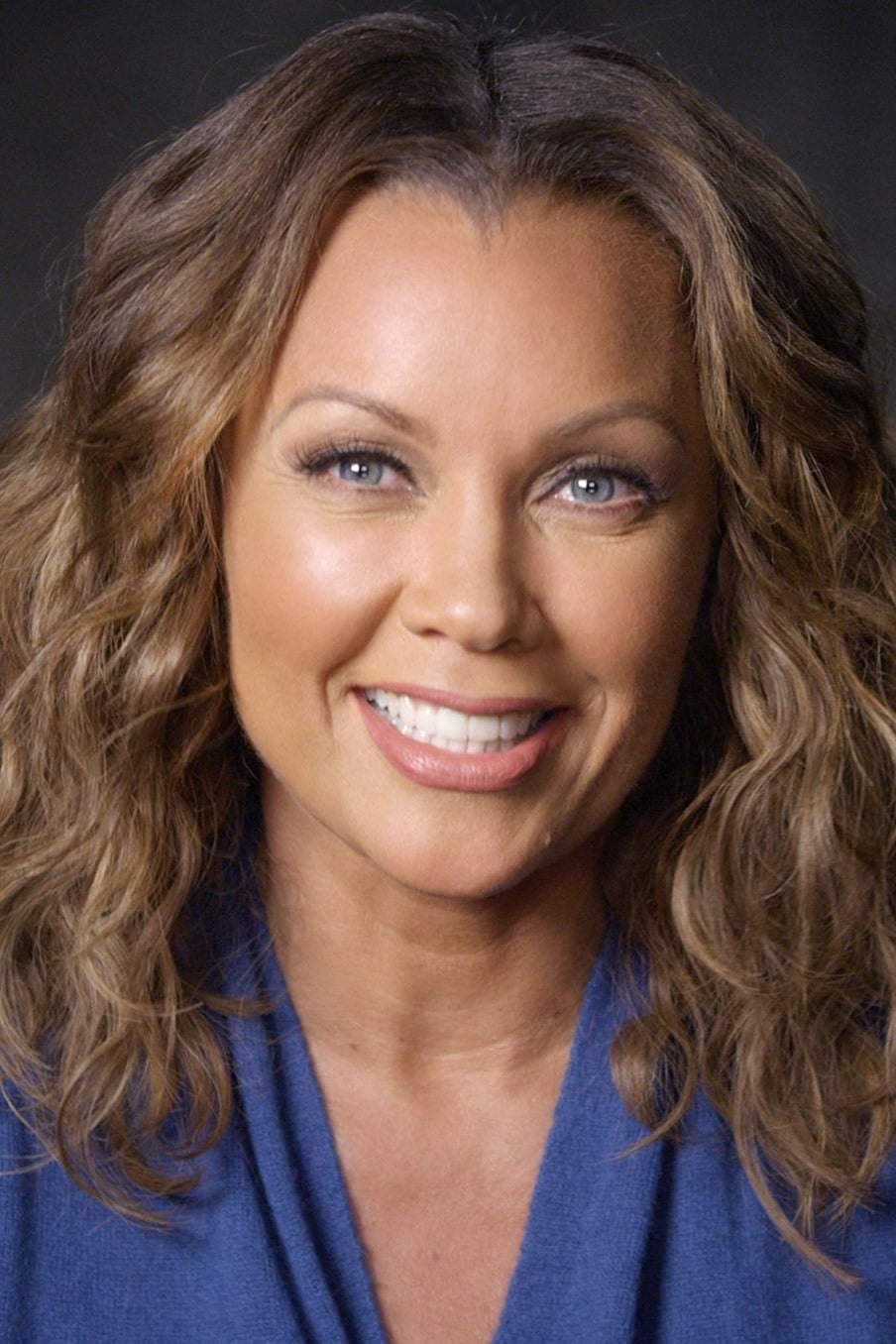
Vanessa Williams parlayed pageant fame into early screen appearances on ‘The Love Boat’ and ‘T.J. Hooker’, plus film roles that signaled a serious acting pivot. She released music while building credits in TV movies and guest spots. Williams leveraged visibility into opportunities across acting, singing, and modeling. The decade marked her transition from headline-making newcomer to multi-hyphenate performer.
Sheryl Lee Ralph

Sheryl Lee Ralph bridged stage and screen, with film appearances like ‘A Piece of the Action’ and a regular role on ‘It’s a Living’. She advocated for health and education initiatives while maintaining a steady acting schedule. Ralph’s TV work showcased crisp comedic timing and command in workplace ensembles. Her cross-medium profile made her a familiar face to network audiences by decade’s end.
Jenifer Lewis
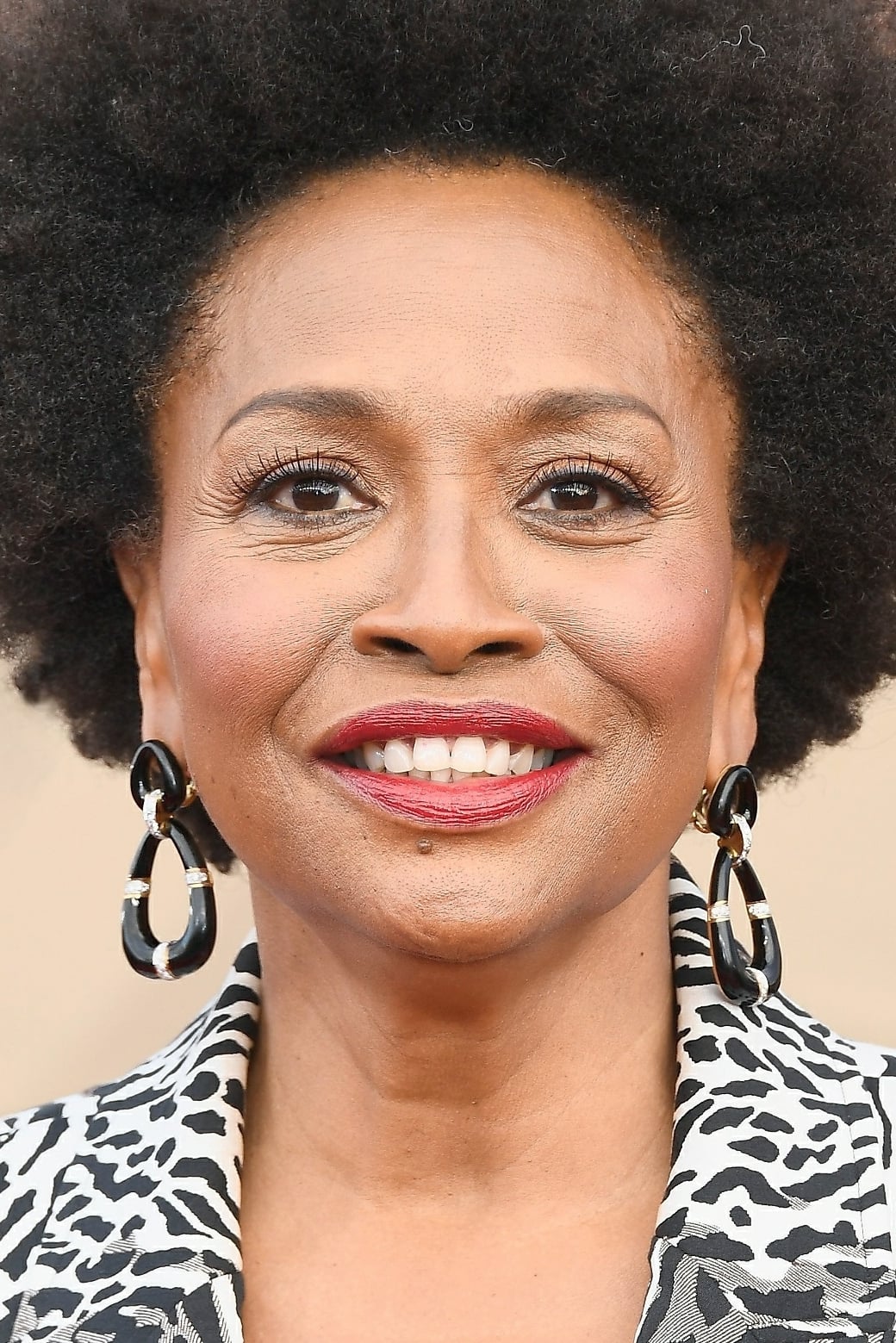
Jenifer Lewis emerged from Broadway and cabaret into film and television with scene-stealing supporting roles, including parts in ‘Beaches’ and TV variety specials. She brought powerhouse vocals and comic instincts to guest appearances. Lewis built a resume as a dependable spark in comedies and dramas. The momentum from these credits propelled her into prolific character work in the following years.
Lynne Thigpen

Lynn Thigpen combined stage acclaim with key screen roles in ‘Lean on Me’ and other dramas. Known for precise diction and quiet intensity, she often portrayed administrators, educators, or officials. Thigpen’s adaptability made her valuable in both prestige films and network television. These performances set the stage for her later prominence in educational and procedural series.
Rosalind Cash
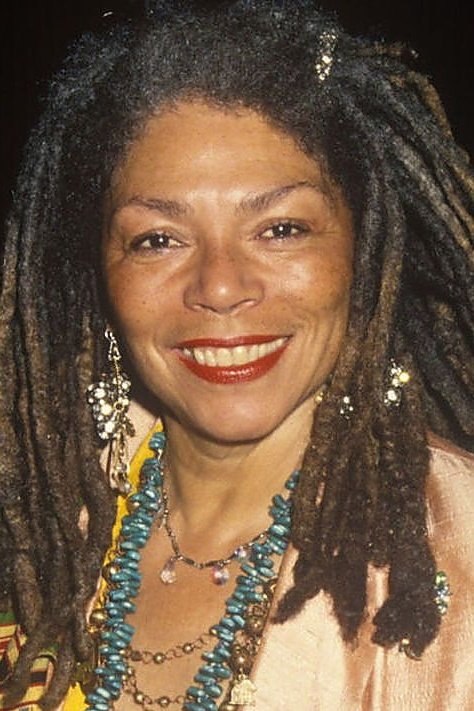
Rosalind Cash moved fluidly between daytime, prime-time, and TV movies, appearing on ‘General Hospital’ and guesting on hit sitcoms and dramas. She brought sophistication to authority figures, physicians, and educators. Cash’s body of work in the decade underscored reliability across genres. Her presence supported narratives that centered on families, institutions, and community.
Della Reese
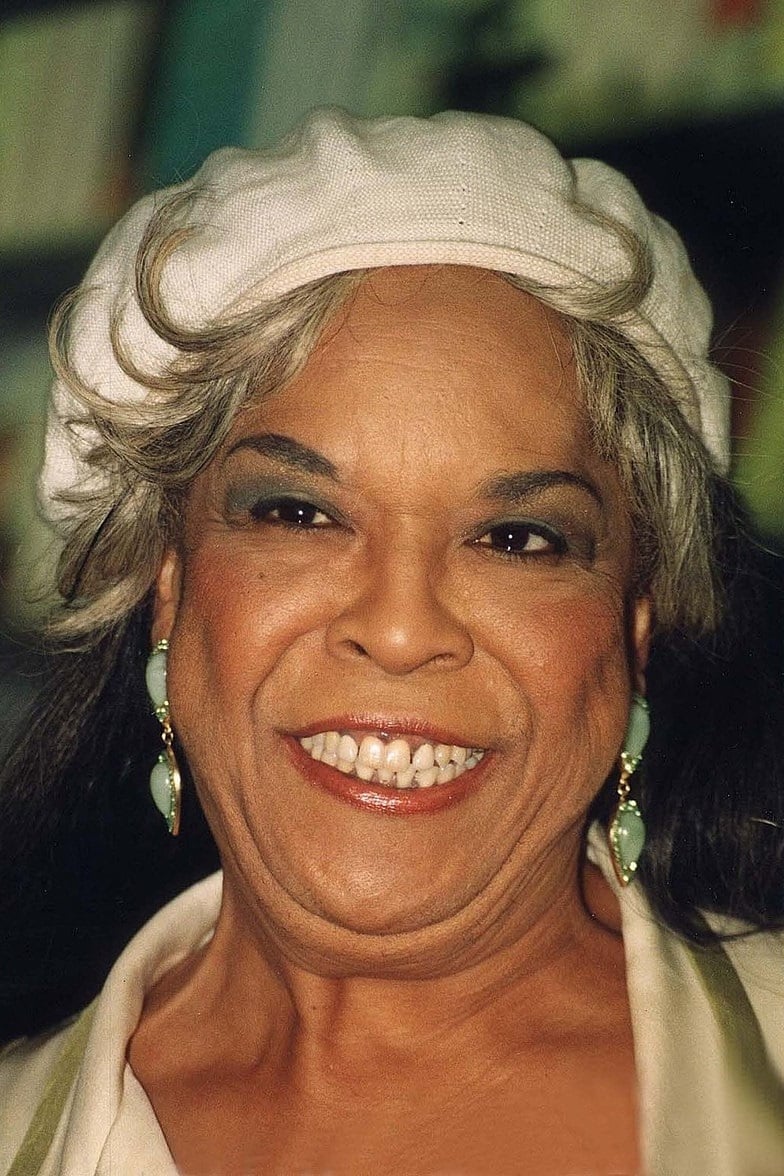
Della Reese balanced concert stages with steady acting, appearing in ‘Harlem Nights’ and numerous TV guest roles. A seasoned bandleader and talk-show regular, she connected entertainment worlds of music and screen. Reese’s on-camera roles often leveraged her commanding voice and comedic timing. The 1980s broadened her reach beyond music audiences into mainstream television and film.
Denise Nicholas
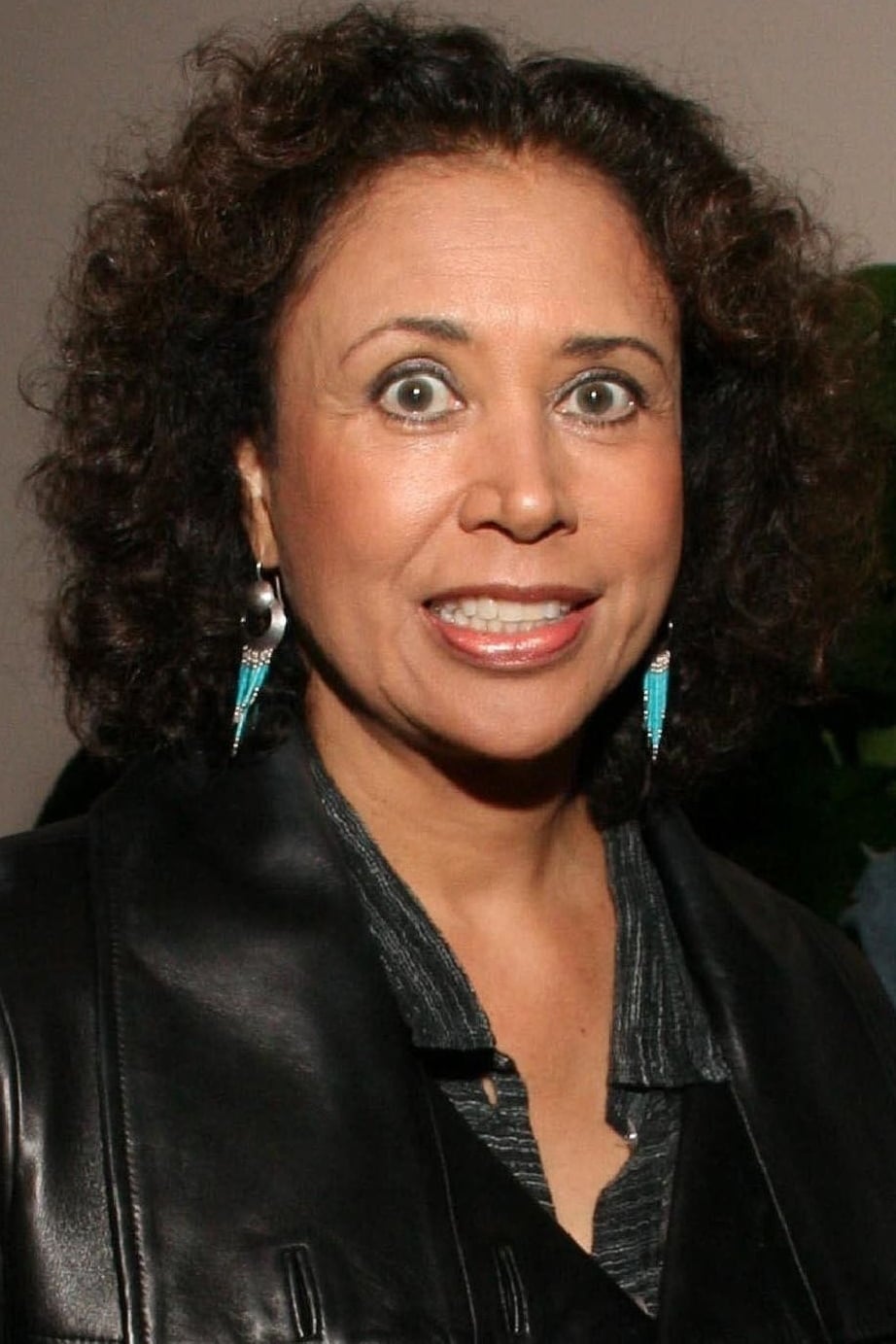
Denise Nicholas shifted from earlier sitcom success to dramatic territory with ‘In the Heat of the Night’, where she played a key civic leader. She also contributed as a writer, reflecting a parallel interest in storytelling craft. Nicholas’ work emphasized community, justice, and institutional change. These roles demonstrated how established stars could evolve into mature dramatic arcs.
Anne-Marie Johnson
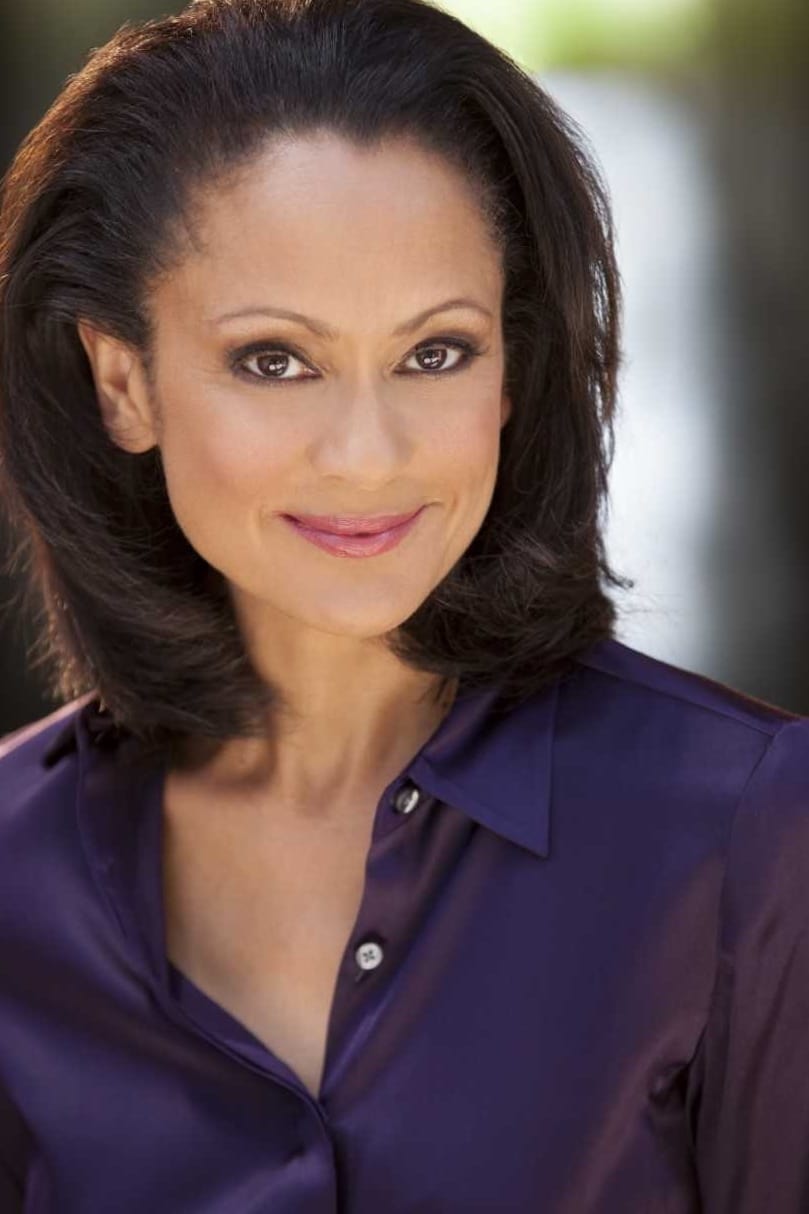
Anne-Marie Johnson became a familiar television presence with ‘What’s Happening Now!!’ and later as an ensemble regular on ‘In the Heat of the Night’. She appeared across sketch and variety formats, showcasing comedic flexibility. Johnson also engaged in guild leadership, advocating for performers’ interests. Her sustained TV visibility made her one of the era’s most recognizable supporting players.
Telma Hopkins
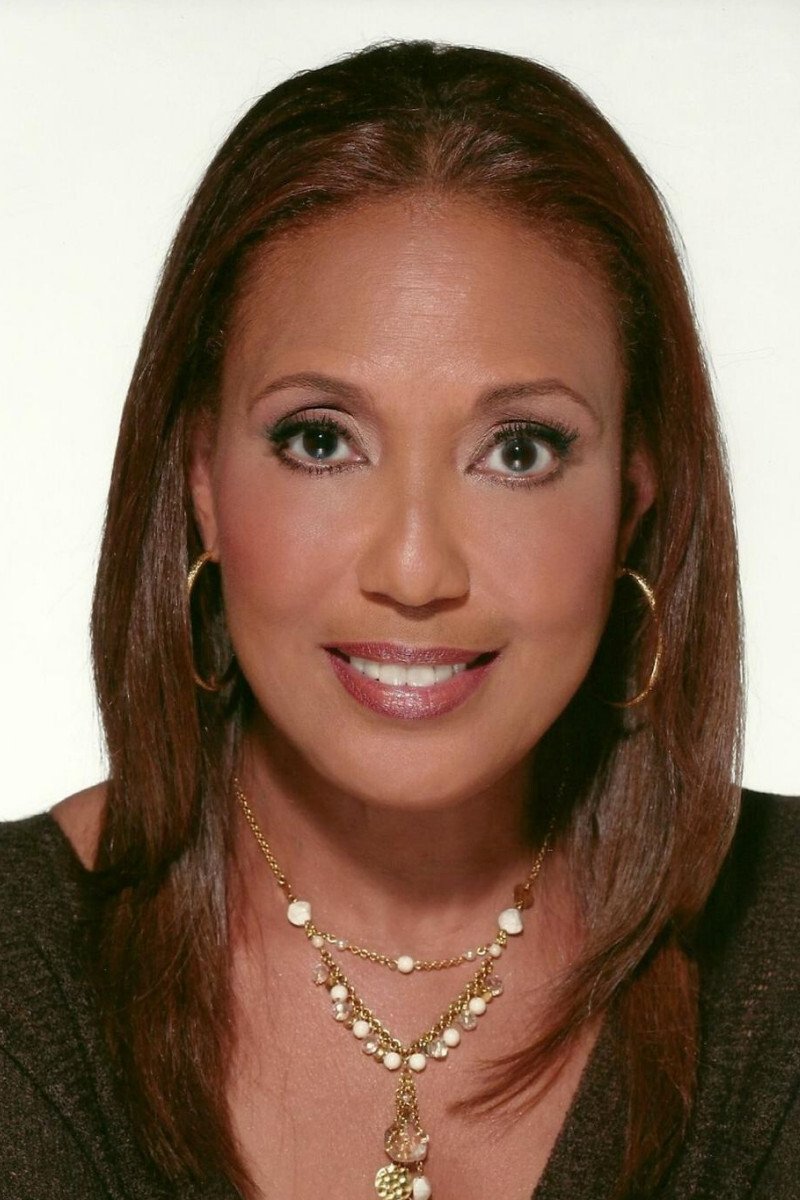
Telma Hopkins transitioned from music success to sitcoms, joining ensembles on ‘Bosom Buddies’ and ‘Gimme a Break!’. She specialized in warm, quick-witted characters who anchored family and workplace comedies. Hopkins’ timing and likability translated to recurring roles across networks. The decade established her as a reliable contributor to multi-camera hits.
Alaina Reed Hall
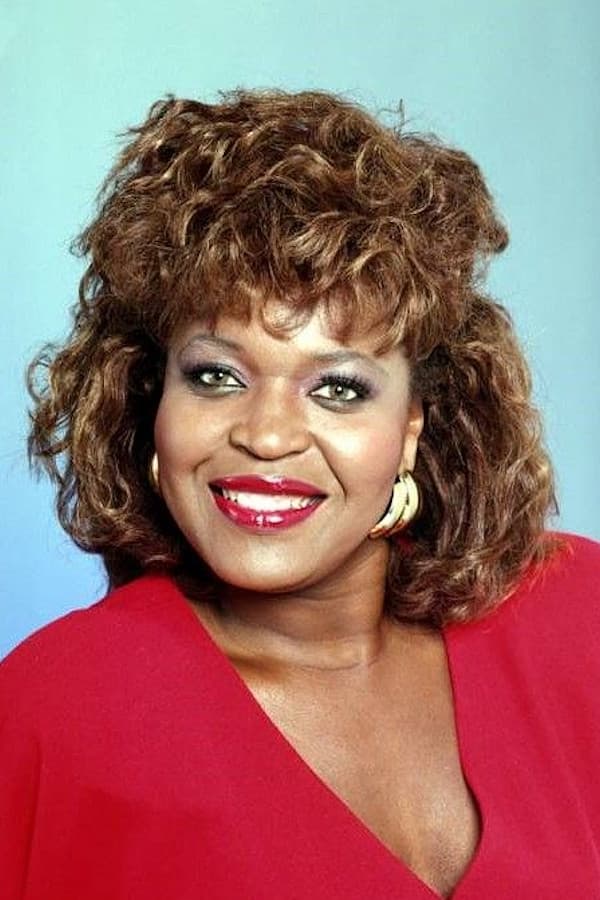
Alaina Reed Hall brought warmth to ‘227’ as the building’s level-headed voice and earlier reached young audiences on ‘Sesame Street’. She balanced children’s programming with prime-time comedy, demonstrating range across formats. Reed Hall often portrayed community-minded, organized characters. Her steady presence strengthened ensemble dynamics in neighborhood-centered storytelling.
Roxie Roker
Roxie Roker completed a long run on ‘The Jeffersons’, embodying a poised and principled neighbor whose storylines addressed family and social issues. She appeared in TV movies and specials that expanded her repertoire beyond sitcom terrain. Roker’s performance helped normalize depictions of interracial families on network TV. The role’s cultural imprint remained strong as the series concluded during the decade.
Share your favorite 1980s performances from these icons in the comments!