Most Famous Black Actresses of the 2010s


The 2010s reshaped screens big and small, and Black actresses were central to that shift—leading hit dramas, anchoring blockbusters, and collecting major awards while expanding opportunities behind the camera. The women below defined the decade through breakout roles, box-office clout, and acclaimed performances that sparked conversation across pop culture and the industry.
Viola Davis
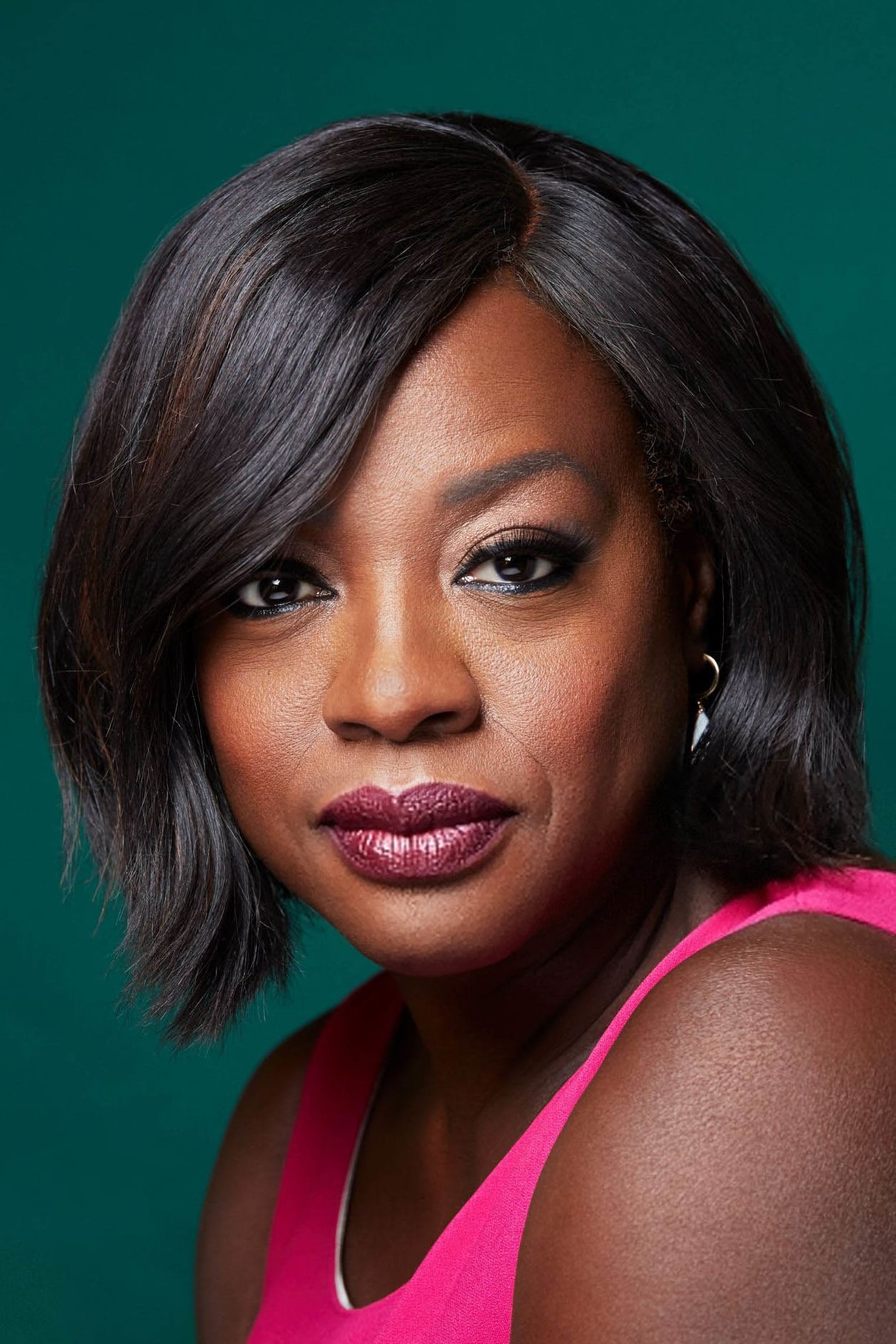
Viola Davis headlined network TV with ‘How to Get Away with Murder’, becoming a touchstone for complex, anti-hero leading roles. On film, she delivered acclaimed turns in ‘Fences’ and ‘The Help’, adding to a rare triple-crown résumé across stage and screen. She made history as the first Black woman to win the Lead Actress in a Drama Emmy. Davis also produced projects foregrounding underrepresented voices, broadening her impact beyond acting.
Lupita Nyong’o
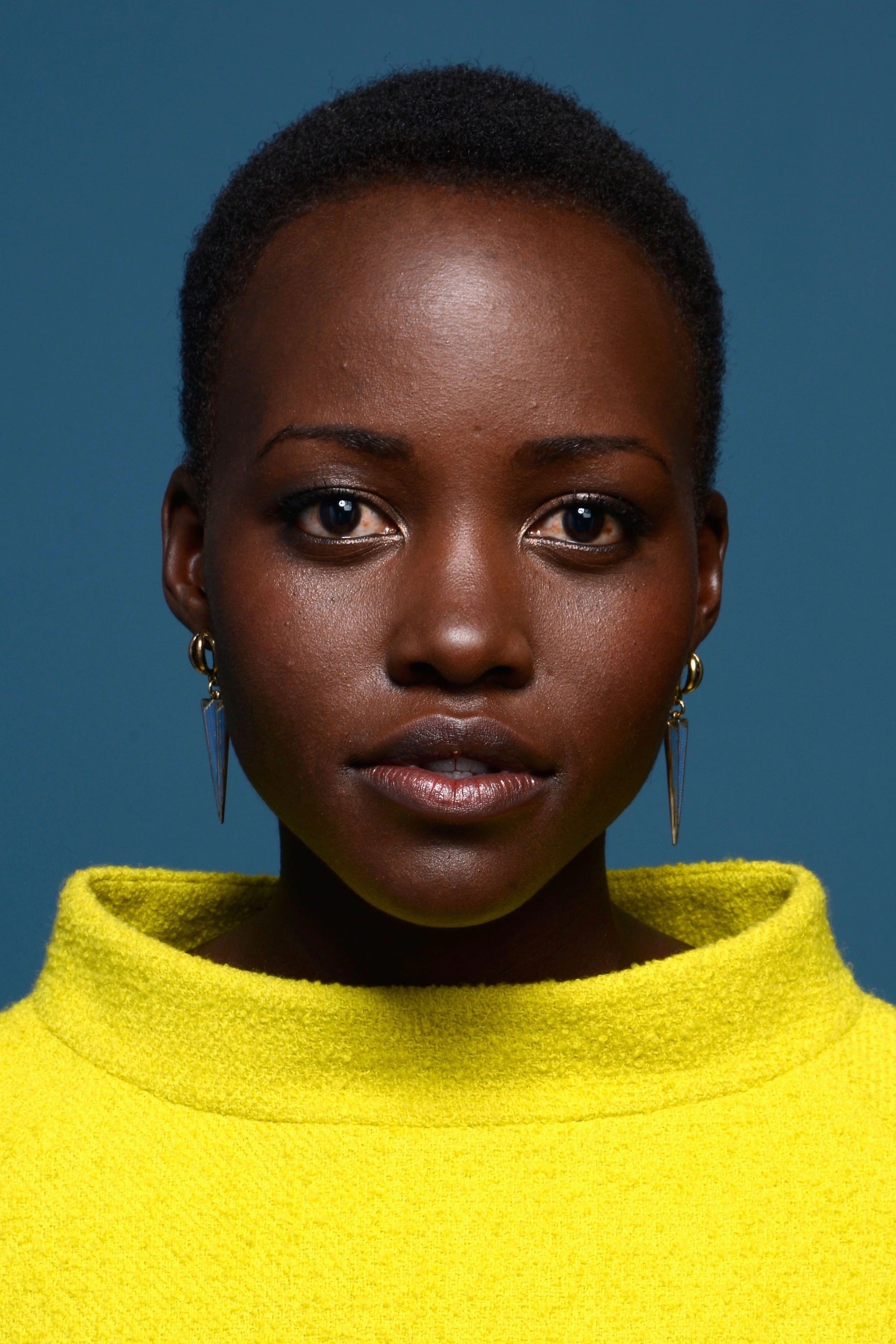
Lupita Nyong’o burst onto the scene with an Oscar-winning performance in ’12 Years a Slave’. She then balanced prestige and franchise work, voicing a key character in ‘Star Wars’ and joining the Marvel ensemble in ‘Black Panther’. Nyong’o led the horror hit ‘Us’, showing range in a genre that often sidelines women of color. She also authored a bestselling children’s book, extending her cultural influence.
Taraji P. Henson
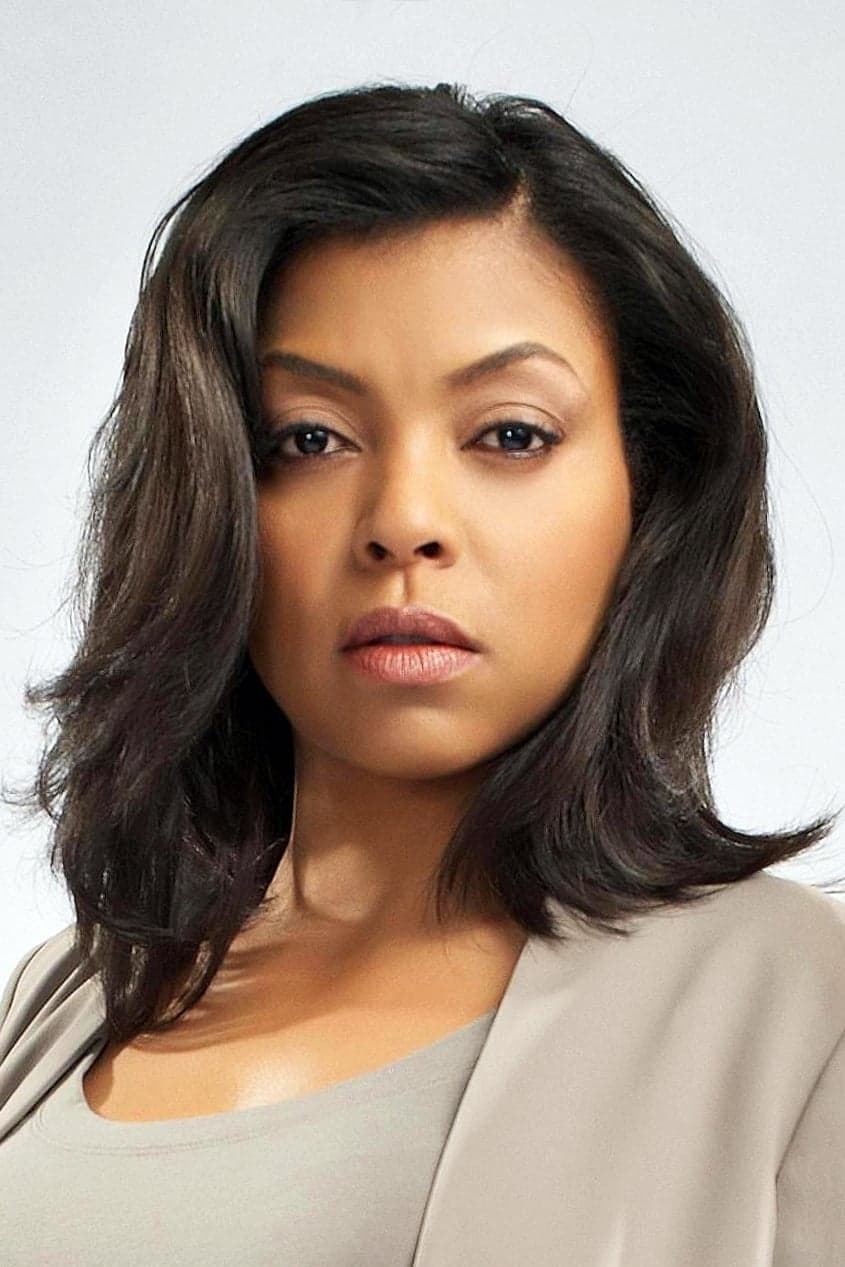
Taraji P. Henson became a television phenomenon as Cookie Lyon in ‘Empire’, driving ratings and soundtrack success. She co-starred in ‘Hidden Figures’, helping spotlight Black women’s contributions to the space race. Henson published a memoir and launched philanthropic initiatives focused on mental health. She also expanded into producing, shaping narratives both in front of and behind the camera.
Octavia Spencer
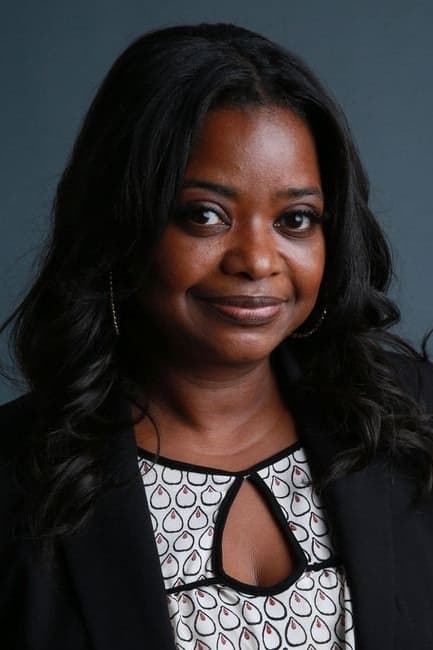
Octavia Spencer won an Academy Award for ‘The Help’ and followed with standout roles in ‘Hidden Figures’ and ‘The Shape of Water’. She headlined thrillers like ‘Ma’, proving bankable beyond supporting parts. On television, she took the lead in ‘Self Made: Inspired by the Life of Madam C.J. Walker’, adding executive-producer credentials. Spencer’s choices consistently centered stories with rich, character-driven stakes.
Kerry Washington
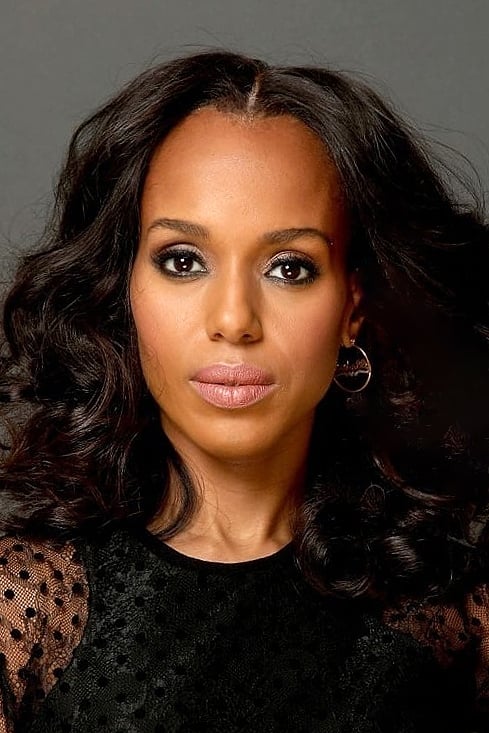
Kerry Washington’s Olivia Pope in ‘Scandal’ redefined the prime-time fixer archetype and energized live-tweet culture. She earned accolades for ‘Confirmation’ and broadened her producing slate with projects like ‘Little Fires Everywhere’. Washington leveraged her platform for civic engagement initiatives, including voter-participation efforts. She also moved into theater and audiobook work, demonstrating a multifaceted career.
Regina King
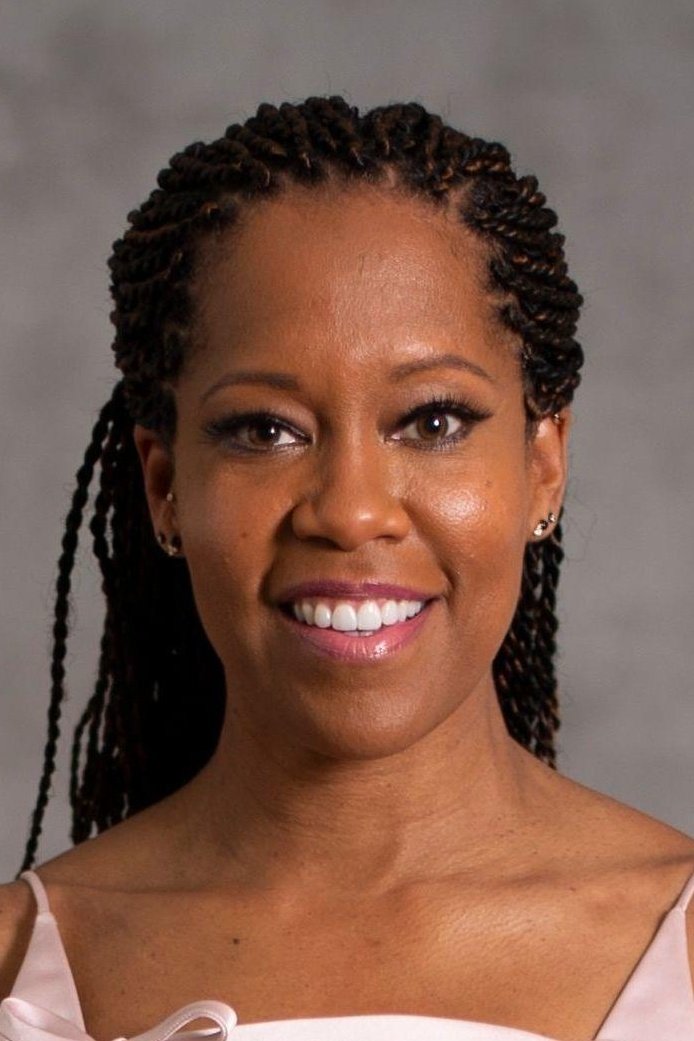
Regina King capped a long career with an Oscar for ‘If Beale Street Could Talk’ and multiple Emmys for ‘American Crime’ and ‘Seven Seconds’. She led HBO’s genre-bending ‘Watchmen’, merging superhero myth with social commentary. King then made a celebrated directorial debut with ‘One Night in Miami…’, cementing her authority behind the camera. Her trajectory in the decade showcased both awards dominance and creative leadership.
Angela Bassett
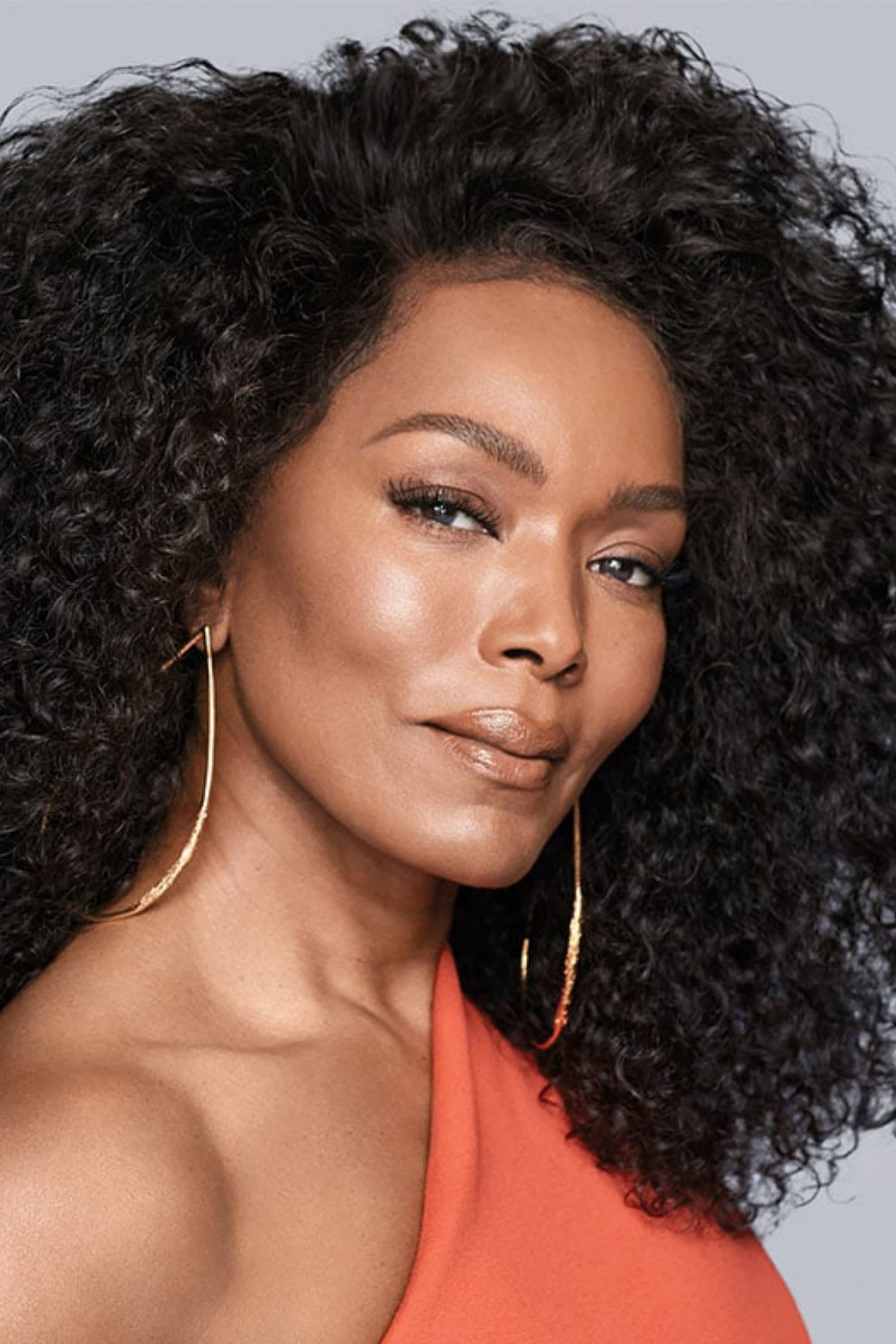
Angela Bassett energized ‘American Horror Story’ with scene-stealing roles across multiple seasons. She joined the Marvel universe in ‘Black Panther’, adding franchise presence to her filmography. Bassett continued voice work and produced content centering Black narratives. Her unmistakable screen gravitas kept her a sought-after presence across film, TV, and streaming.
Zoe Saldaña
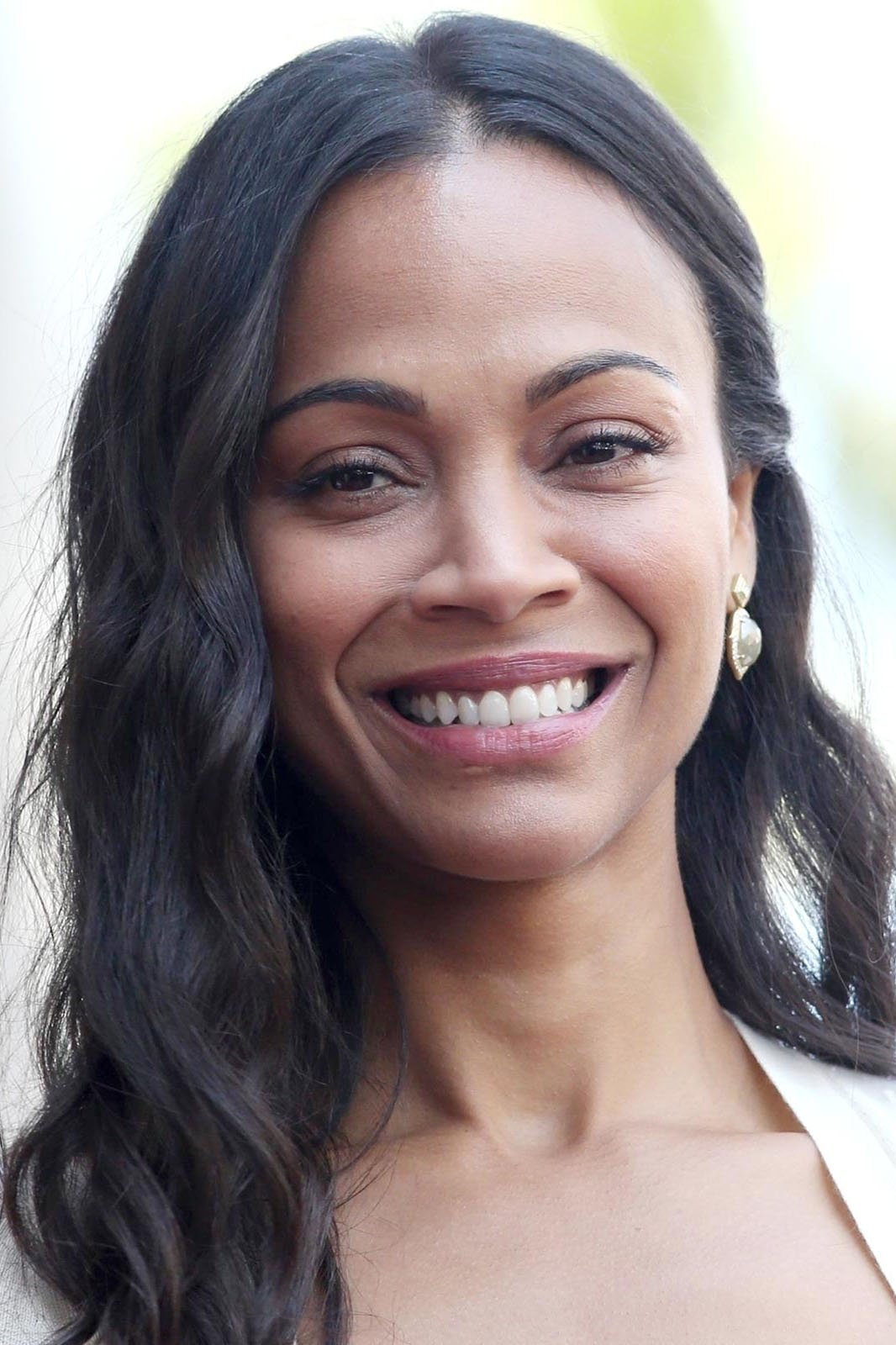
Zoe Saldaña anchored multiple mega-franchises, playing Gamora in ‘Guardians of the Galaxy’ and ‘Avengers’, and continuing her role in ‘Star Trek’. Her films contributed to several of the decade’s highest global box-office totals. Saldaña also launched media ventures advocating for Latinx and multicultural representation. She balanced action roles with dramatic turns, maintaining a global fanbase.
Halle Berry
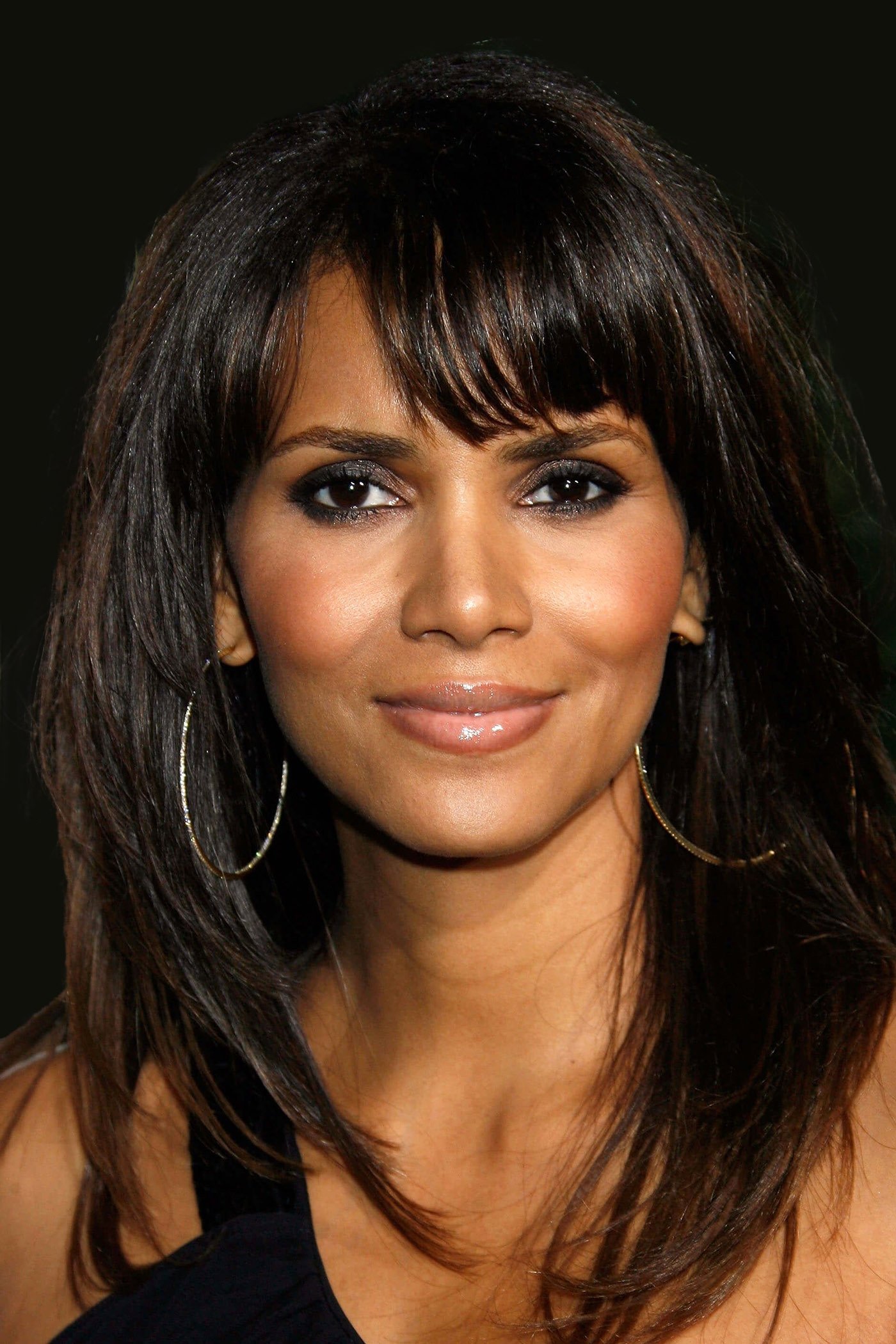
Halle Berry led the sci-fi drama ‘Extant’ on television while continuing action and thriller work on film. She appeared in ensemble hits like ‘Kingsman: The Golden Circle’ and returned to franchise territory with a ‘John Wick’ entry. Berry directed her first feature, signaling a move into filmmaking leadership. As the first Black woman to win the Best Actress Oscar, her ongoing visibility in the 2010s carried lasting symbolic weight.
Danai Gurira
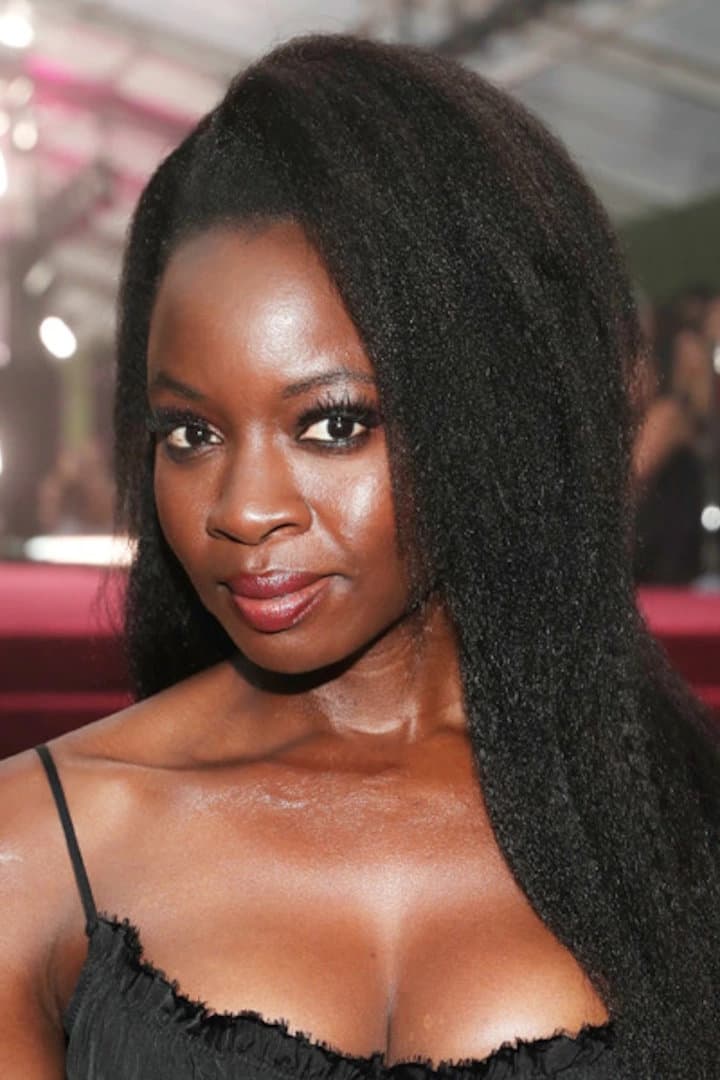
Danai Gurira became a pop-culture force as Michonne on ‘The Walking Dead’. She portrayed Okoye in ‘Black Panther’ and ‘Avengers’, turning the Dora Milaje general into an icon of strength and wit. Gurira is also a celebrated playwright, with ‘Eclipsed’ bringing African women’s stories to Broadway. Her advocacy work includes campaigns for women’s health and arts initiatives in Zimbabwe and beyond.
Zendaya

Zendaya transitioned from Disney stardom to mature roles, leading HBO’s ‘Euphoria’ and joining the Marvel ‘Spider-Man’ films. She became one of the youngest performers to win a Lead Actress Emmy for a drama. Beyond acting, she produced and negotiated substantive creative input on her projects. Zendaya also influenced fashion and beauty trends, partnering with brands and pushing inclusive messaging.
Tessa Thompson
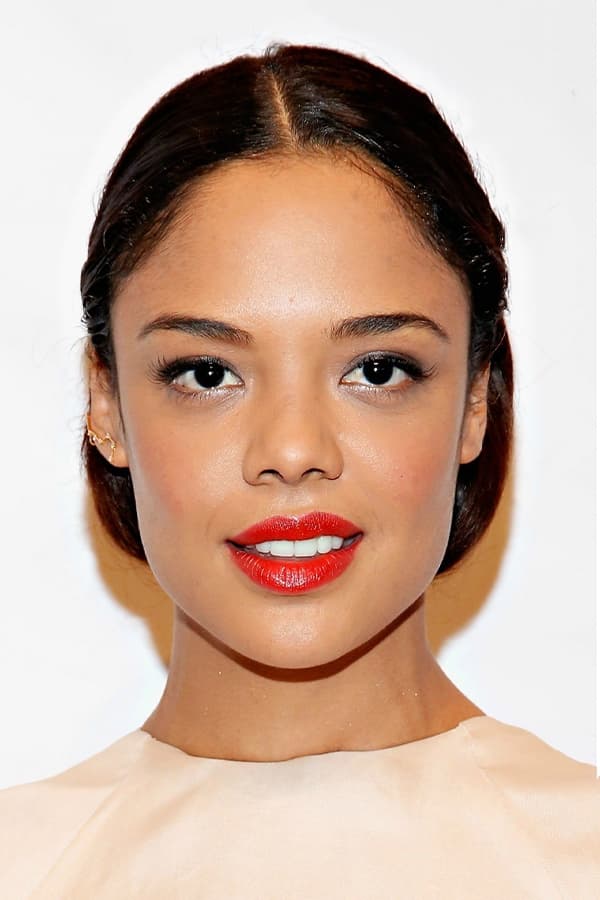
Tessa Thompson broke through with ‘Creed’ and expanded into the MCU as Valkyrie in ‘Thor: Ragnarok’ and subsequent entries. She starred in ‘Westworld’, adding layered sci-fi storytelling to her slate. Thompson produced indie projects like ‘Little Woods’, supporting women-led filmmaking. Her roles often intersected with conversations about representation, identity, and genre reinvention.
Naomie Harris
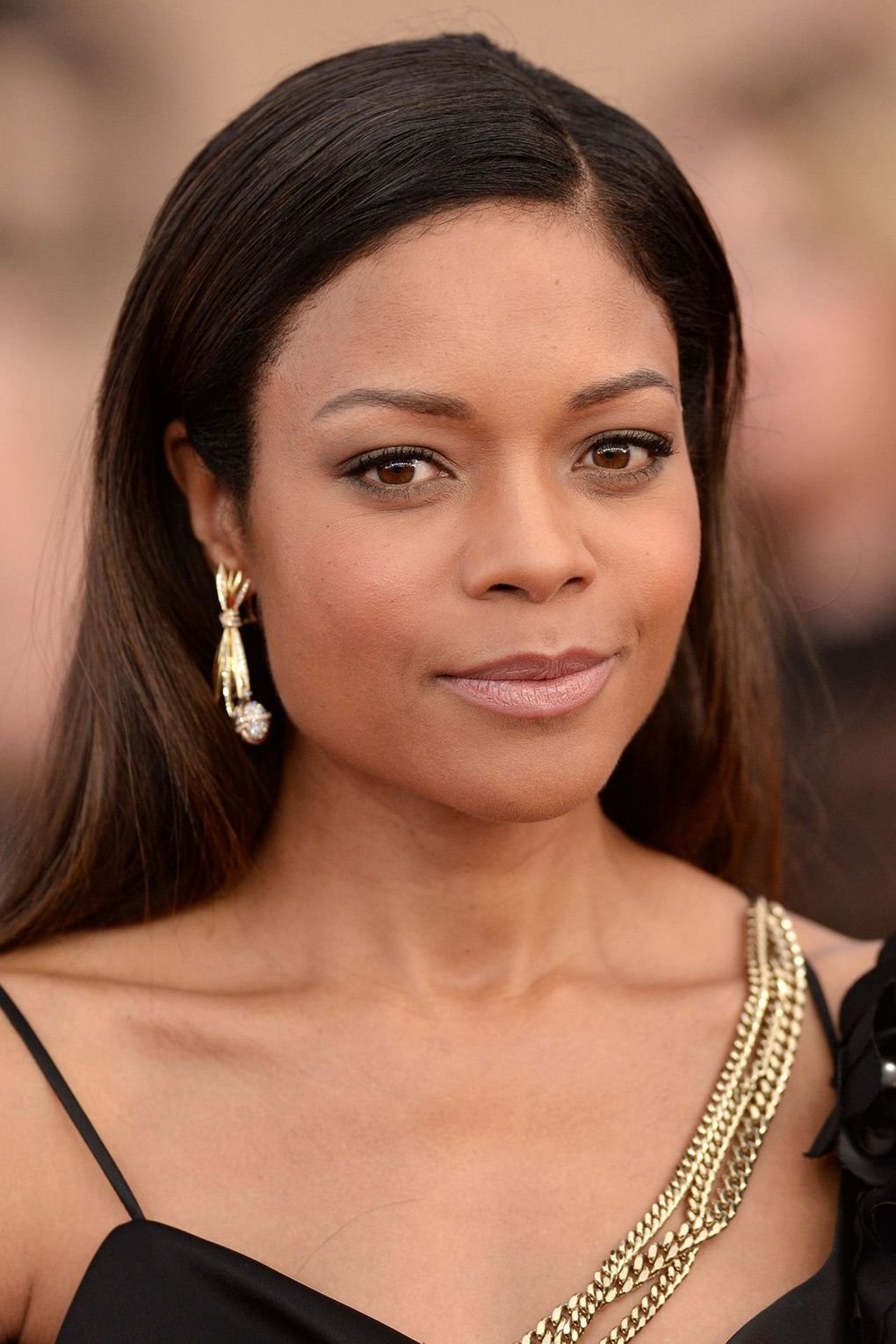
Naomie Harris reintroduced Moneypenny in ‘Skyfall’ and continued the role through subsequent Bond films. She earned widespread acclaim and an Oscar nomination for ‘Moonlight’. Harris also headlined the police thriller ‘Black and Blue’, showcasing action chops. Her career combined prestige drama with enduring franchise visibility.
Issa Rae
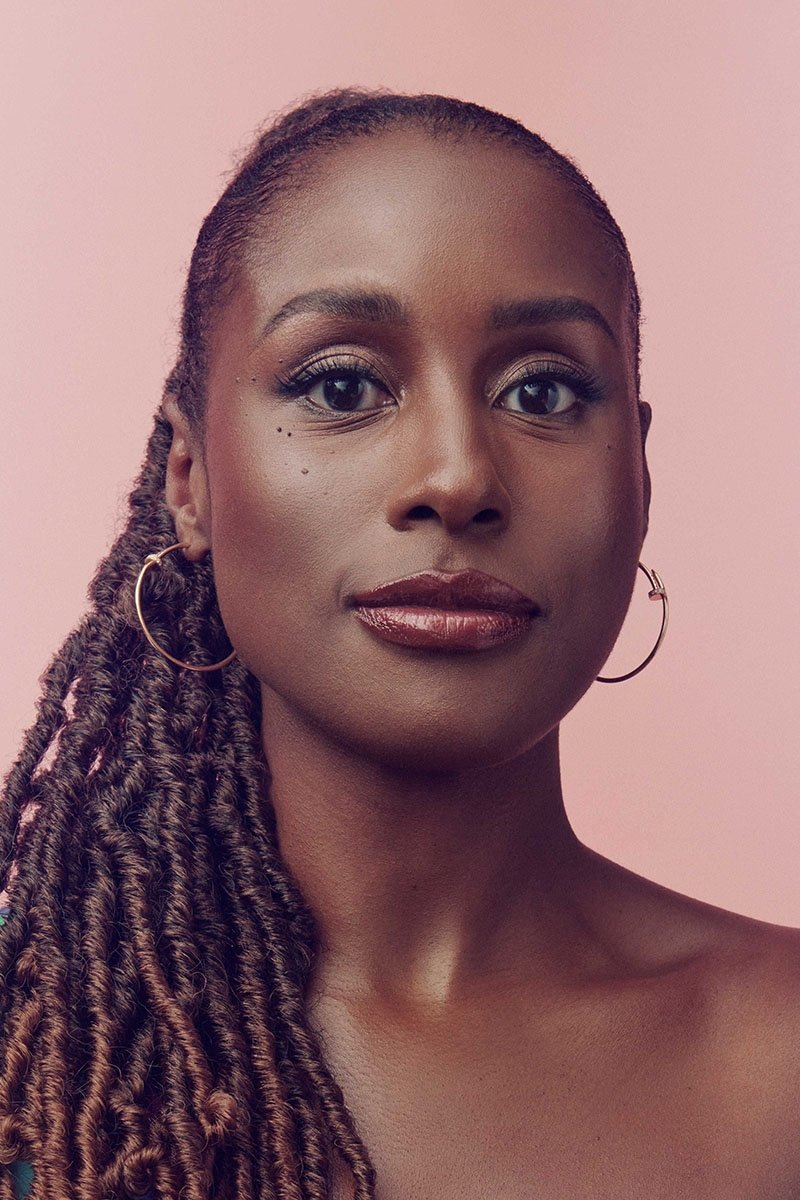
Issa Rae created and starred in ‘Insecure’, shifting TV’s depiction of contemporary Black womanhood. She built a production pipeline through Hoorae, backing series, podcasts, and music ventures. Rae moved into feature leads with romantic comedies like ‘The Lovebirds’, expanding her on-screen range. She also launched entrepreneurial efforts supporting creators and small businesses.
Gabrielle Union
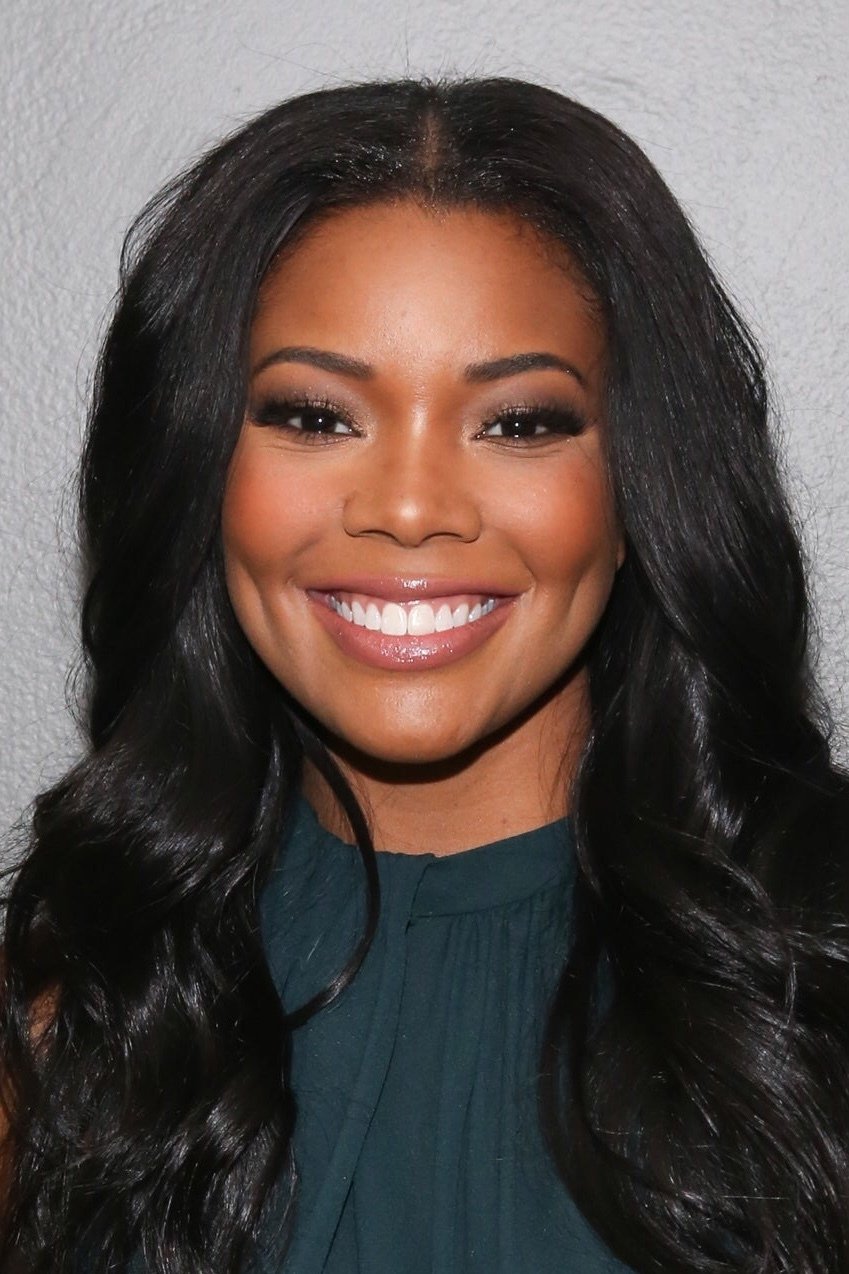
Gabrielle Union led BET’s ‘Being Mary Jane’, earning praise for a complicated, career-driven protagonist. She co-starred in ensemble comedies such as ‘Think Like a Man’ and fronted thrillers like ‘Breaking In’. Union authored a bestselling memoir and became a vocal advocate for survivors’ rights and workplace equity. As a producer, she developed projects spotlighting Black women’s experiences across genres.
Thandiwe Newton

Thandiwe Newton anchored prestige sci-fi with a commanding turn in ‘Westworld’. She previously stood out in ensemble dramas and thrillers, building a reputation for nuanced, emotionally precise work. Newton’s performances frequently explored autonomy, power, and memory across genre projects. She also advocated for equity and representation while collaborating with top-tier filmmakers and showrunners.
Uzo Aduba
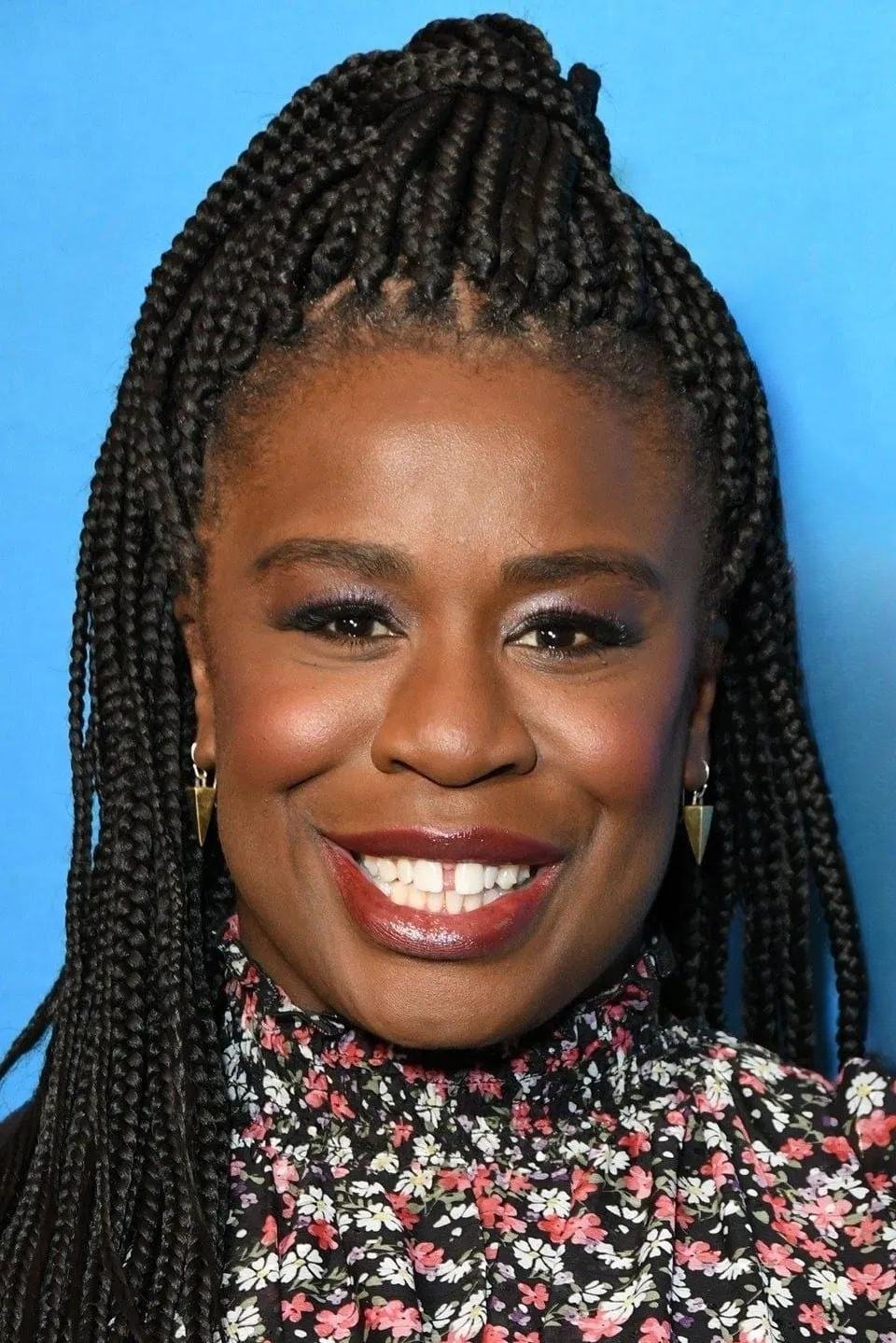
Uzo Aduba broke through as Suzanne “Crazy Eyes” Warren in ‘Orange Is the New Black’, becoming one of the show’s most decorated cast members. She followed with acclaimed limited-series roles that showcased range across drama and politics. Aduba brought stage training to screen work, grounding characters with specificity and empathy. Her visibility helped broaden perceptions of ensemble television storytelling.
Tracee Ellis Ross
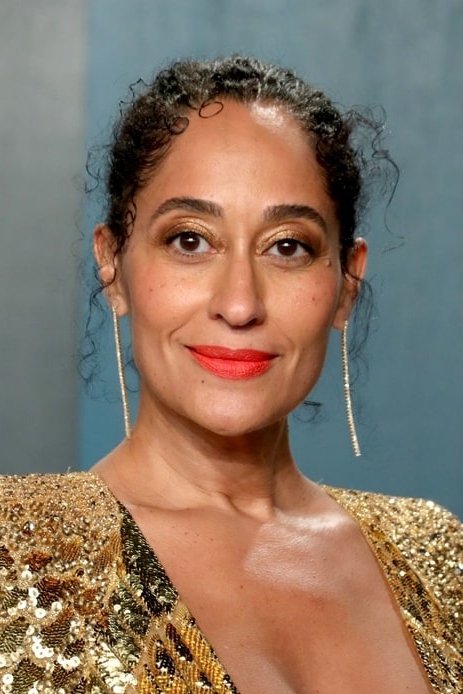
Tracee Ellis Ross led the family sitcom ‘black-ish’, shaping a modern portrait of career, motherhood, and identity. She expanded the universe with producing contributions and appearances across related projects like ‘Grown-ish’. Ross’s background in fashion and hosting added cross-genre appeal and longevity. She also used her platform to promote inclusive beauty and creative entrepreneurship.
Tiffany Haddish
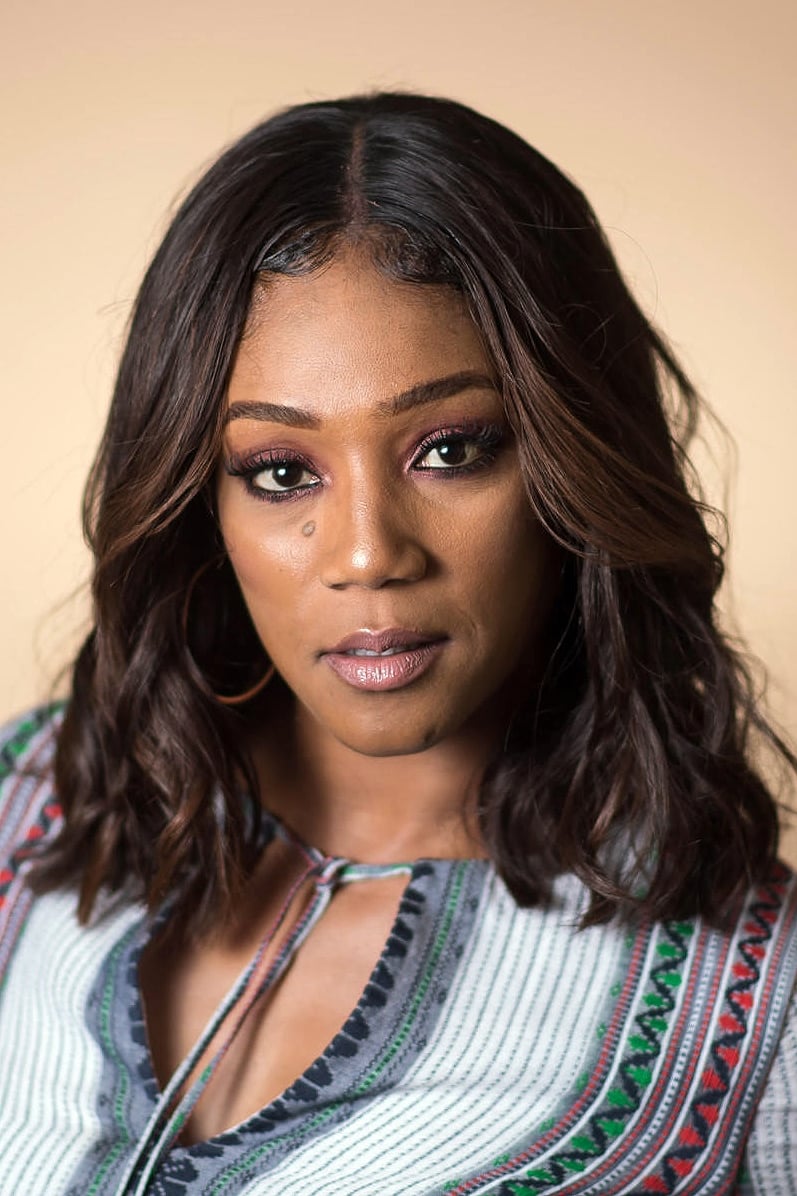
Tiffany Haddish became a household name after a breakout comedic role in ‘Girls Trip’. She parlayed that success into stand-up specials, film leads, and voice roles in animated hits. Haddish hosted major award shows and reality-competition formats, bringing comedy to prime-time audiences. Her memoir and production ventures spotlighted personal resilience and new comedic voices.
Regina Hall
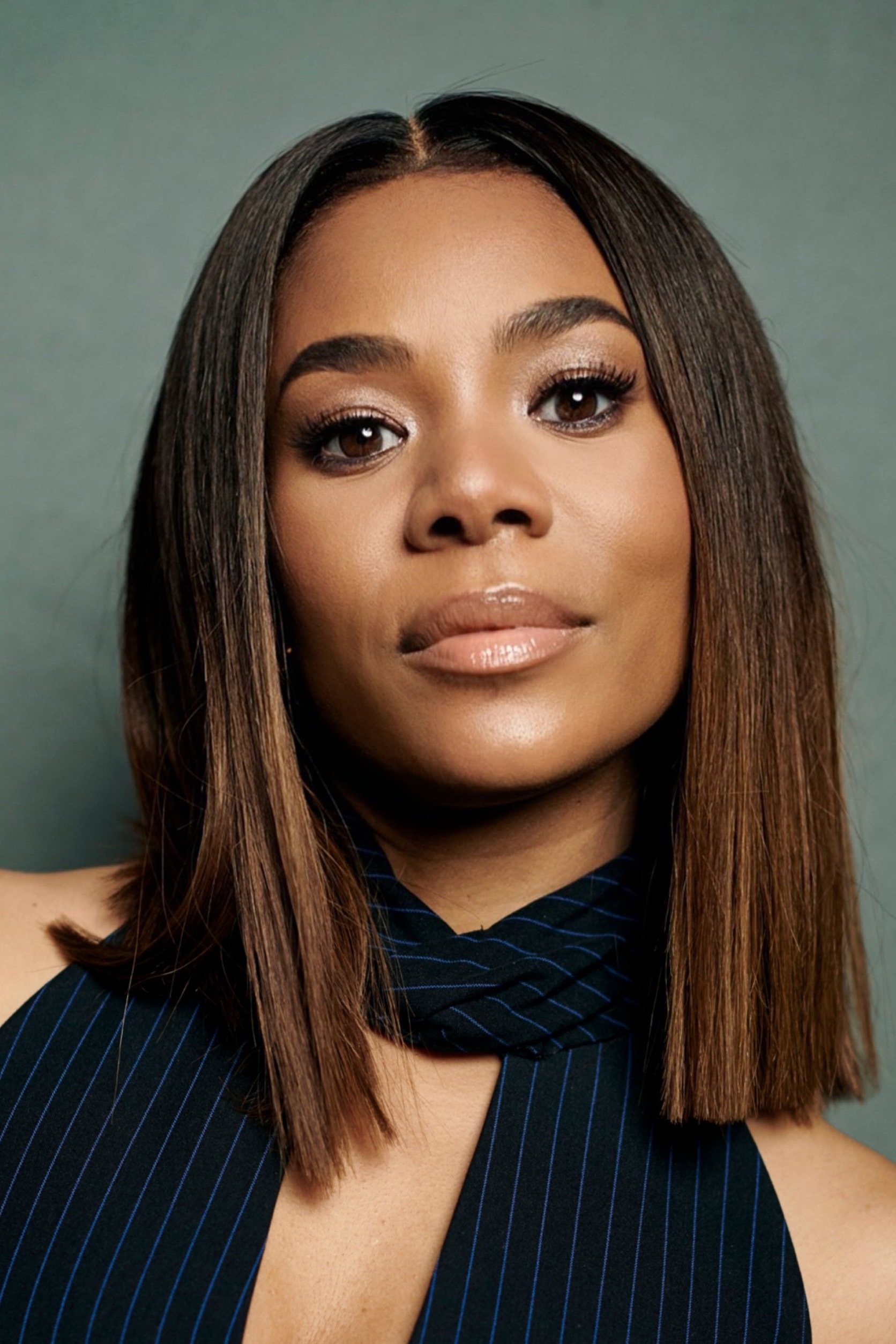
Regina Hall balanced comedy and drama with franchise entries like ‘Scary Movie’ and sharp ensemble work in ‘Girls Trip’. She headlined and produced features that gave her more creative control over material. Hall’s timing and grounded delivery made her a go-to for witty, character-driven scripts. She also took on television projects that showcased leadership behind the camera.
Letitia Wright
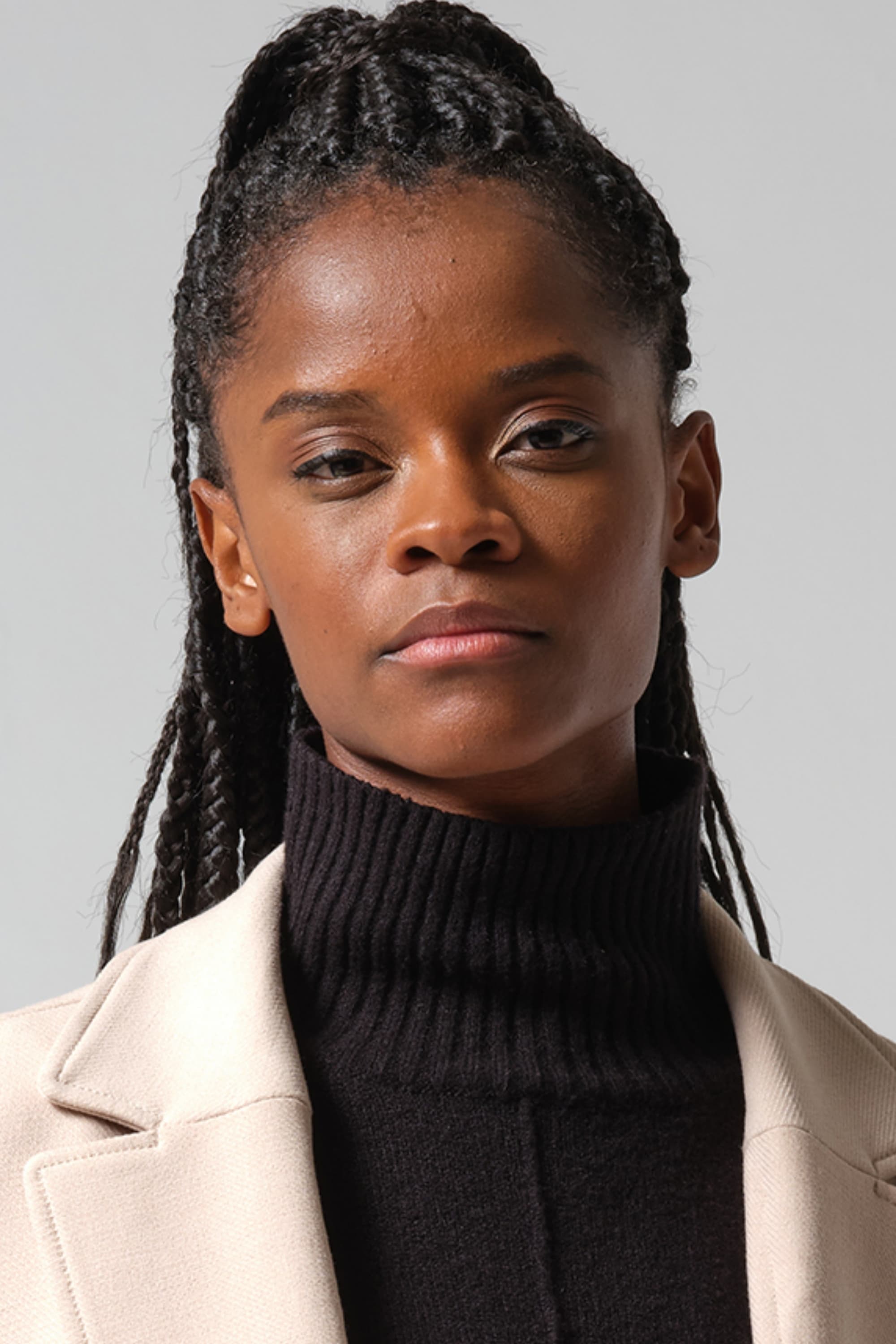
Letitia Wright reached global audiences as Shuri in ‘Black Panther’ and subsequent franchise entries. She also delivered acclaimed performances in anthology television like ‘Black Mirror’. Wright’s roles emphasized intellect, innovation, and sibling dynamics within large-scale action storytelling. She pursued independent films alongside blockbuster commitments to maintain a varied slate.
Gugu Mbatha-Raw
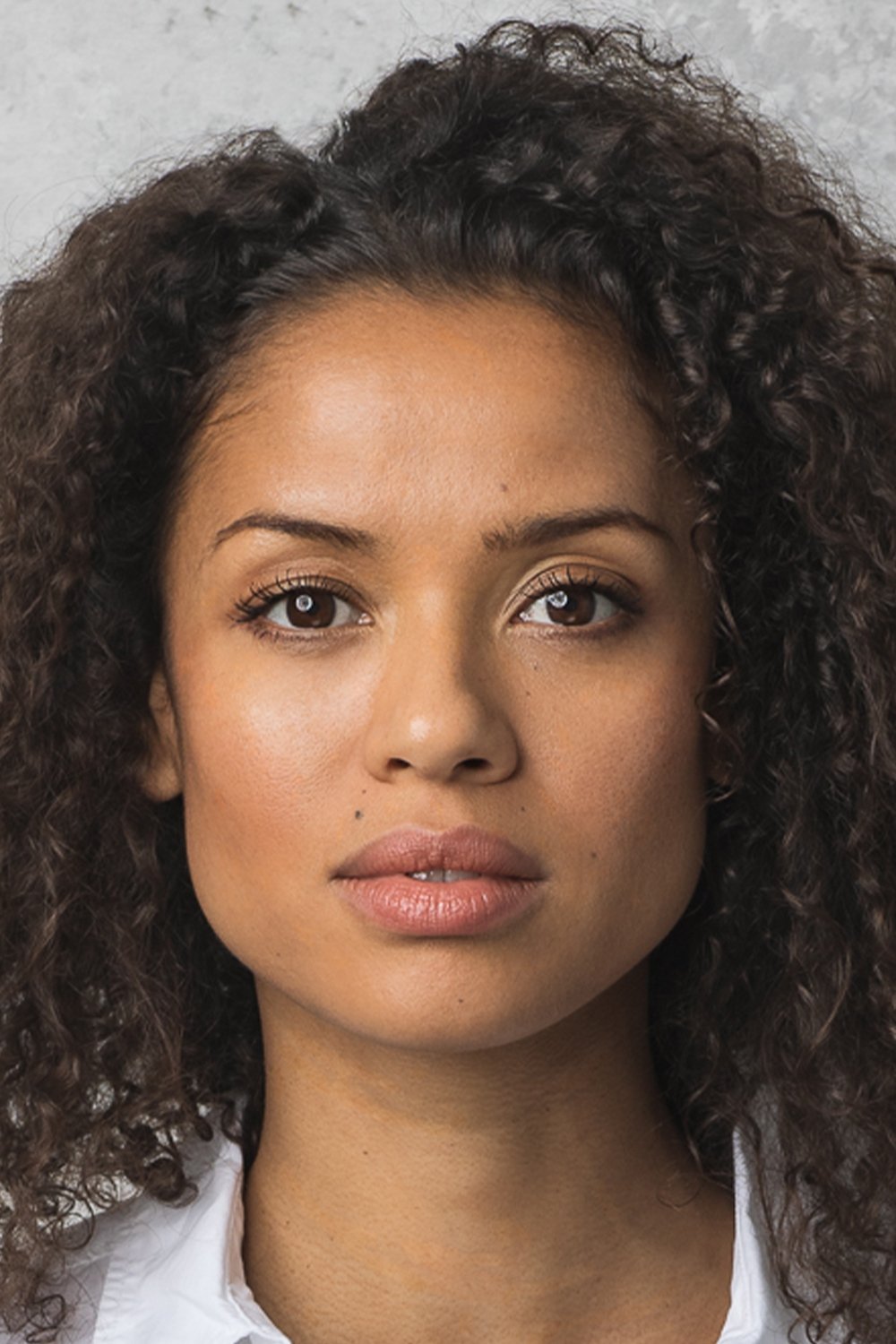
Gugu Mbatha-Raw earned notice with star turns in ‘Belle’ and ‘Beyond the Lights’, then drew global attention with ‘Black Mirror’ standout ‘San Junipero’. She moved fluidly between romantic drama, sci-fi, and legal thrillers. Mbatha-Raw also joined high-profile streaming series and limited projects that highlighted her versatility. Her career blended festival breakouts with mainstream television impact.
Janelle Monáe
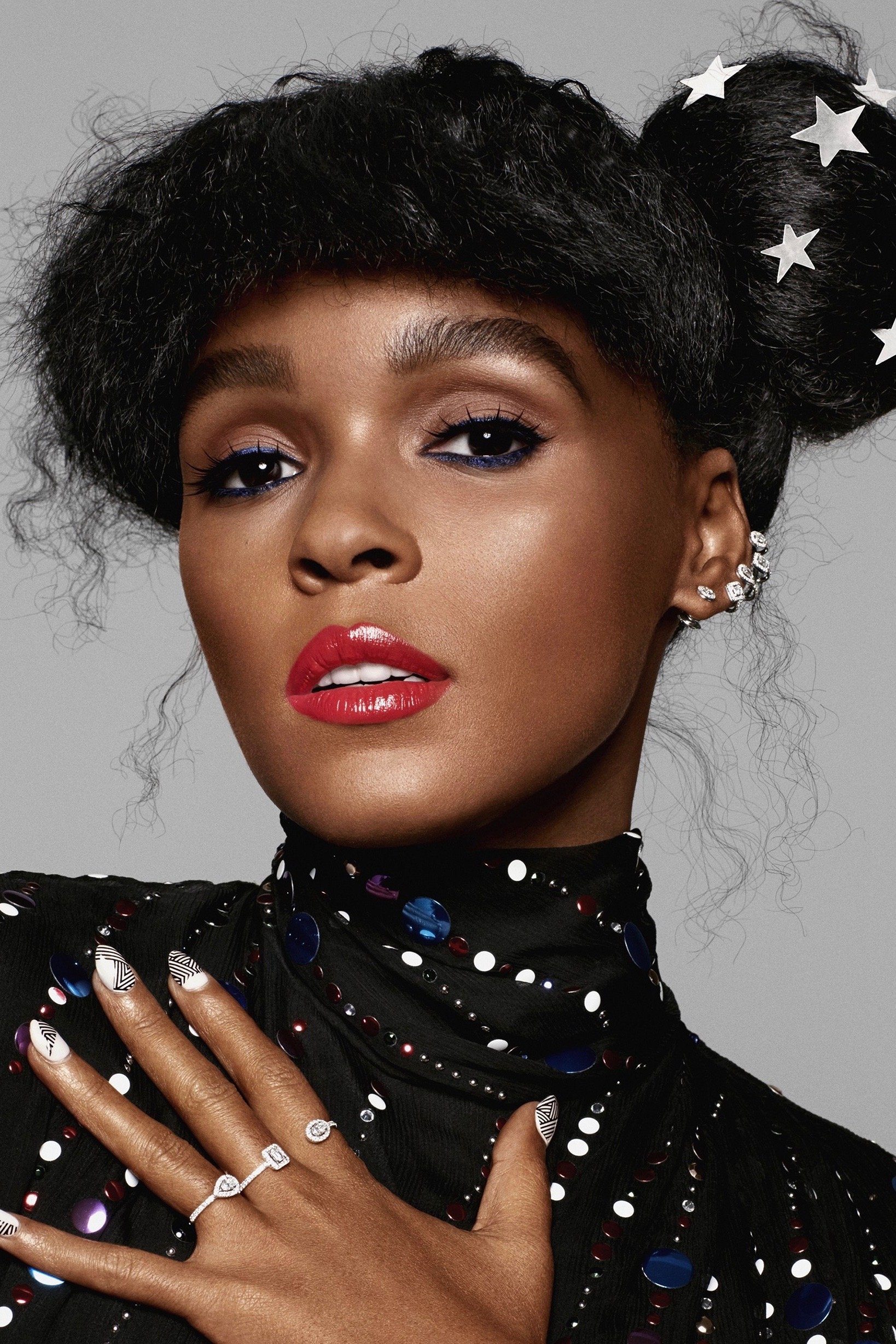
Janelle Monáe transitioned from music to screen with key roles in ‘Moonlight’ and ‘Hidden Figures’. She took on thrillers and sci-fi projects that aligned with her futurist creative identity. Monáe’s screen choices often intersected with themes of identity, surveillance, and resilience. She continued to produce and champion stories centering marginalized perspectives.
Aja Naomi King
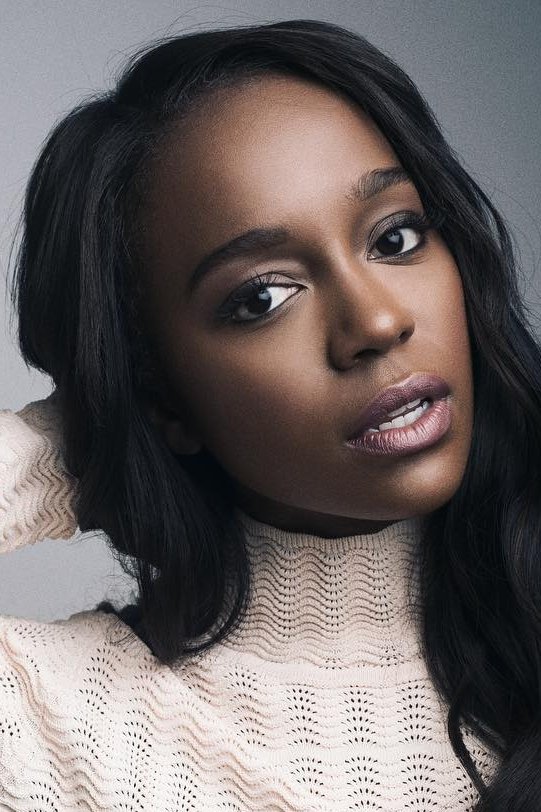
Aja Naomi King became widely known as Michaela Pratt in ‘How to Get Away with Murder’. She followed with period dramas and biographical films that expanded her range beyond network television. King supported emerging filmmakers by joining independent projects with strong character arcs. She also engaged in advocacy around women’s health and representation.
Yara Shahidi
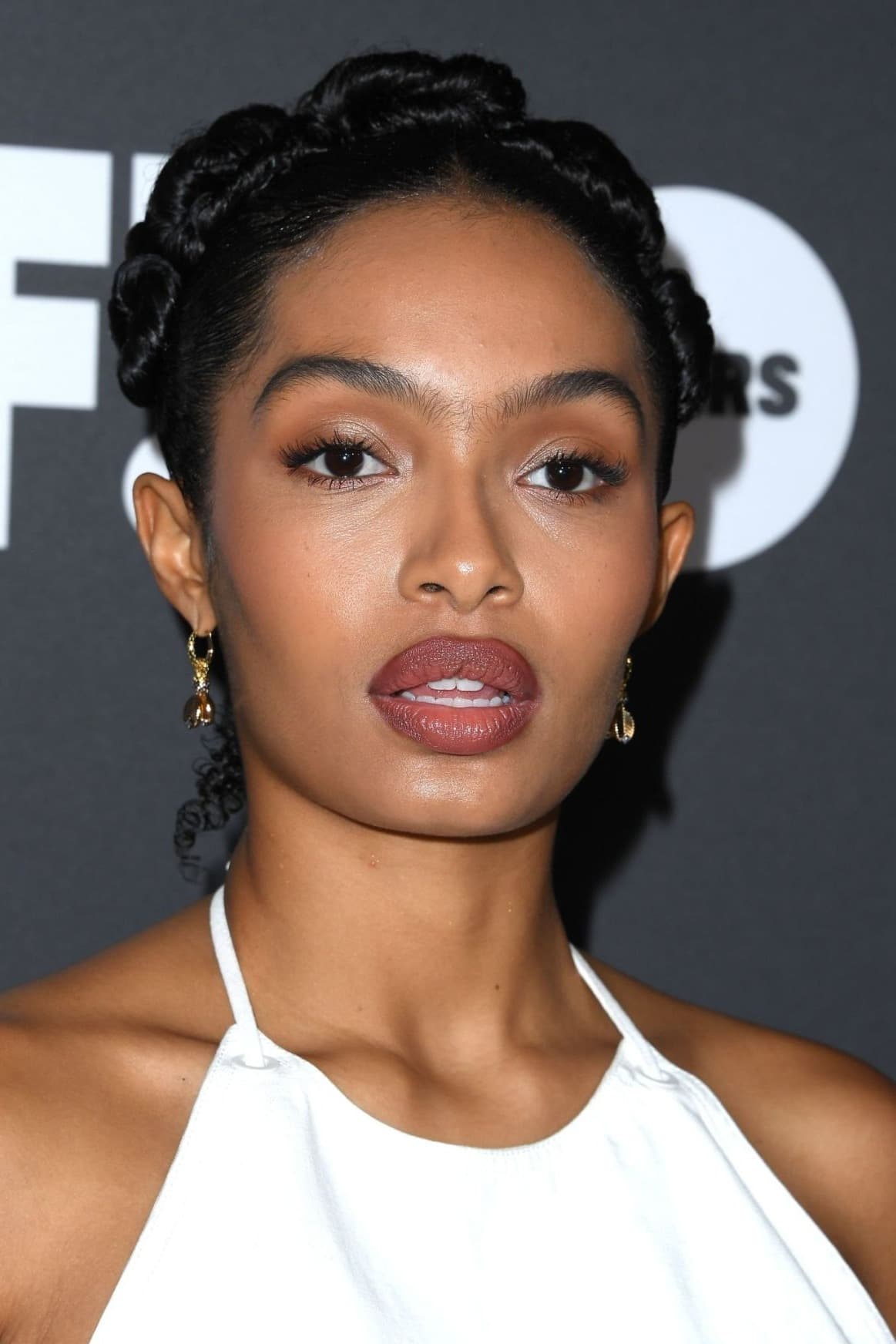
Yara Shahidi grew from a supporting role on ‘black-ish’ to leading ‘Grown-ish’, exploring campus life and young adulthood. She moved into producing, helping shepherd youth-focused narratives to television. Shahidi’s off-screen initiatives emphasized education access and civic engagement. She also collaborated with fashion and beauty brands to promote inclusive storytelling.
Keke Palmer
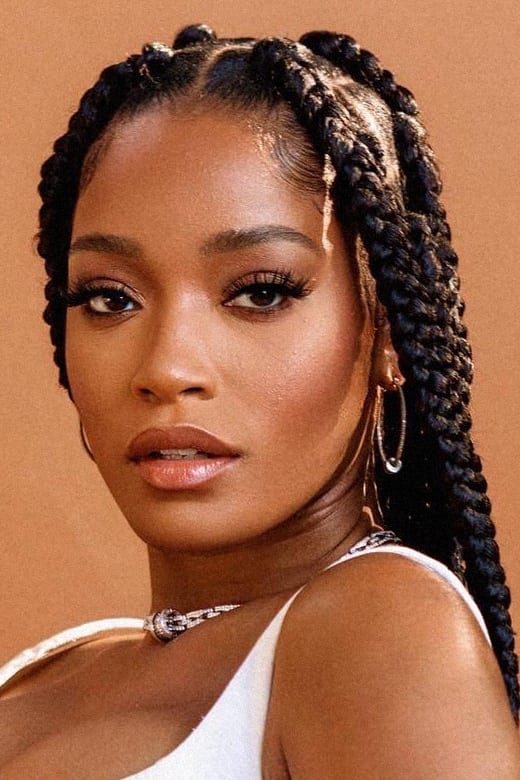
Keke Palmer delivered memorable turns in ‘Hustlers’ and the horror-comedy series ‘Scream Queens’. She hosted daytime television and music specials, demonstrating live-performance poise. Palmer voiced animated characters and returned to music releases to diversify her portfolio. She consistently embraced roles that mixed comedy, drama, and genre experimentation.
Sonequa Martin-Green

Sonequa Martin-Green gained recognition on ‘The Walking Dead’ before taking command of ‘Star Trek: Discovery’. Her lead role marked a milestone for representation within a storied sci-fi franchise. Martin-Green also appeared in video-game performances and family films, broadening audience reach. She engaged in charitable partnerships tied to literacy and STEM education.
Nathalie Emmanuel
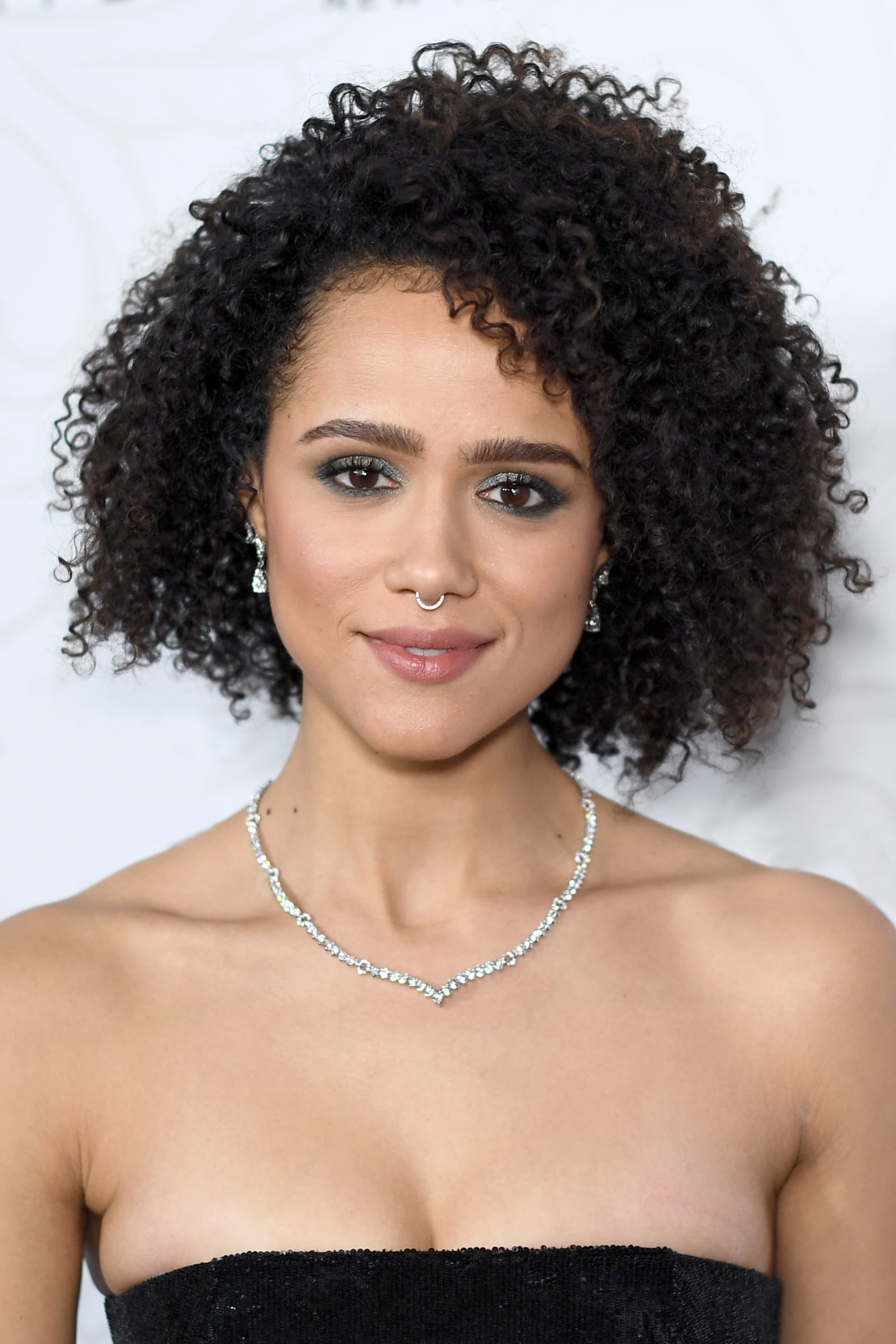
Nathalie Emmanuel rose to prominence as Missandei on ‘Game of Thrones’. She joined the ‘Fast & Furious’ ensemble, adding action credentials and global box-office exposure. Emmanuel continued with voice roles and thrillers that leveraged her genre appeal. She frequently participated in projects with international casts and large fan communities.
Nicole Beharie
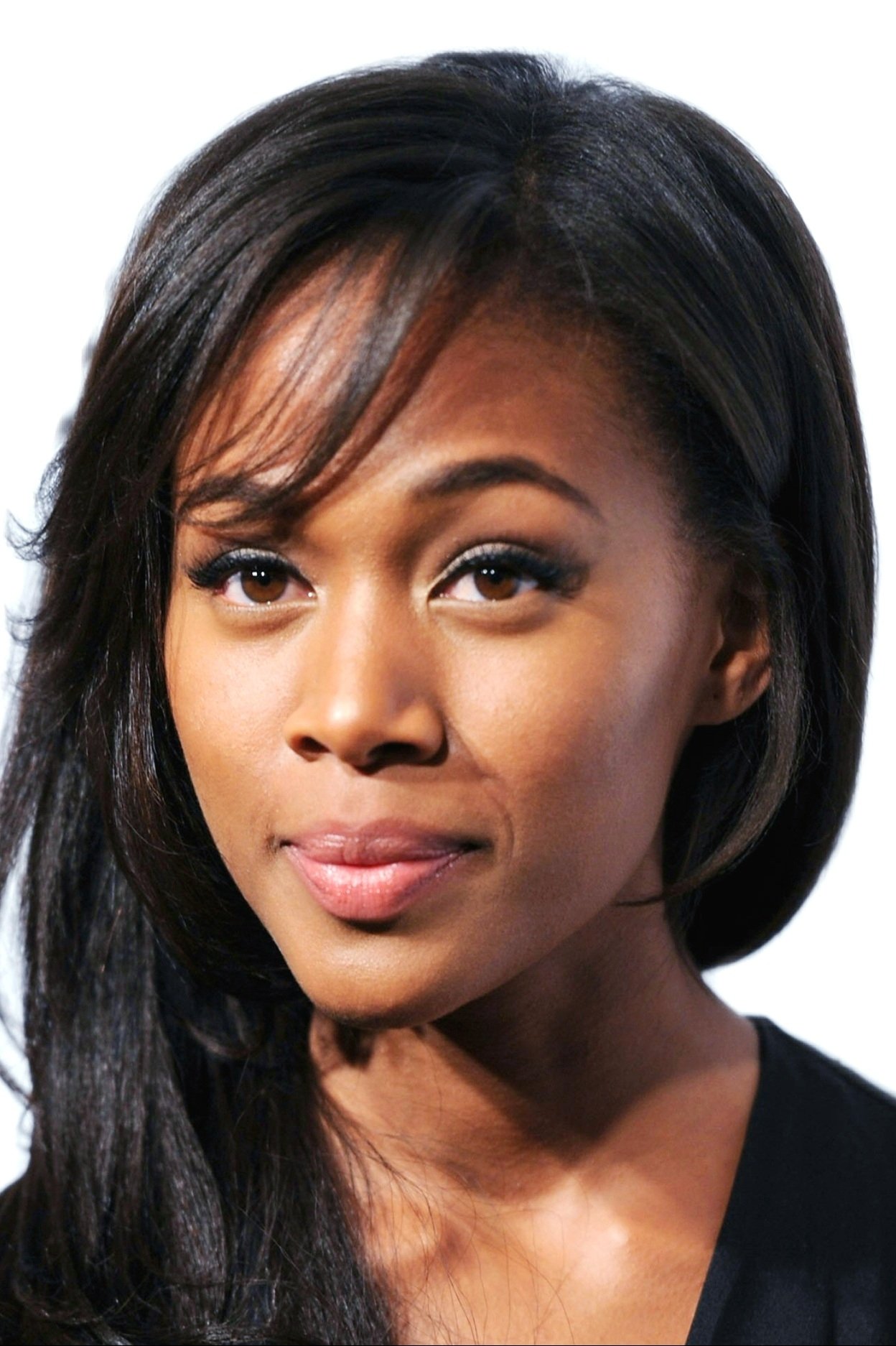
Nicole Beharie led the supernatural drama ‘Sleepy Hollow’, blending procedural elements with folklore. She took on independent films that earned festival attention for intimate, character-driven storytelling. Beharie’s performances emphasized quiet intensity and layered vulnerability. She later returned to television with roles that addressed workplace and social dynamics.
Alfre Woodard
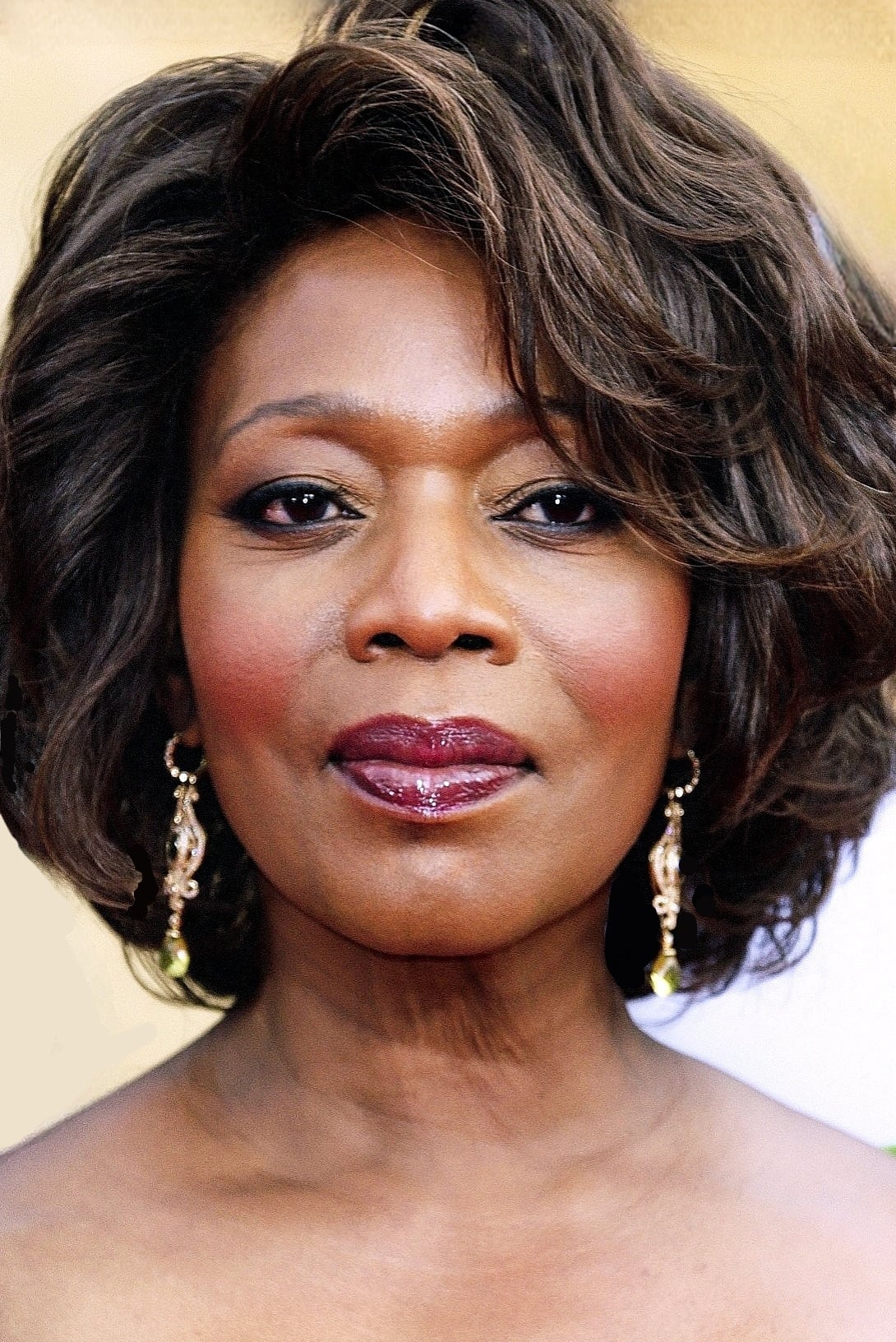
Alfre Woodard remained a force across mediums, with standout turns in ‘Luke Cage’ and acclaimed independent films. She brought decades of craft to streaming-era dramas and feature leads. Woodard also produced and mentored emerging artists through industry organizations. Her body of work in the decade underscored sustained excellence and artistic range.
Jurnee Smollett
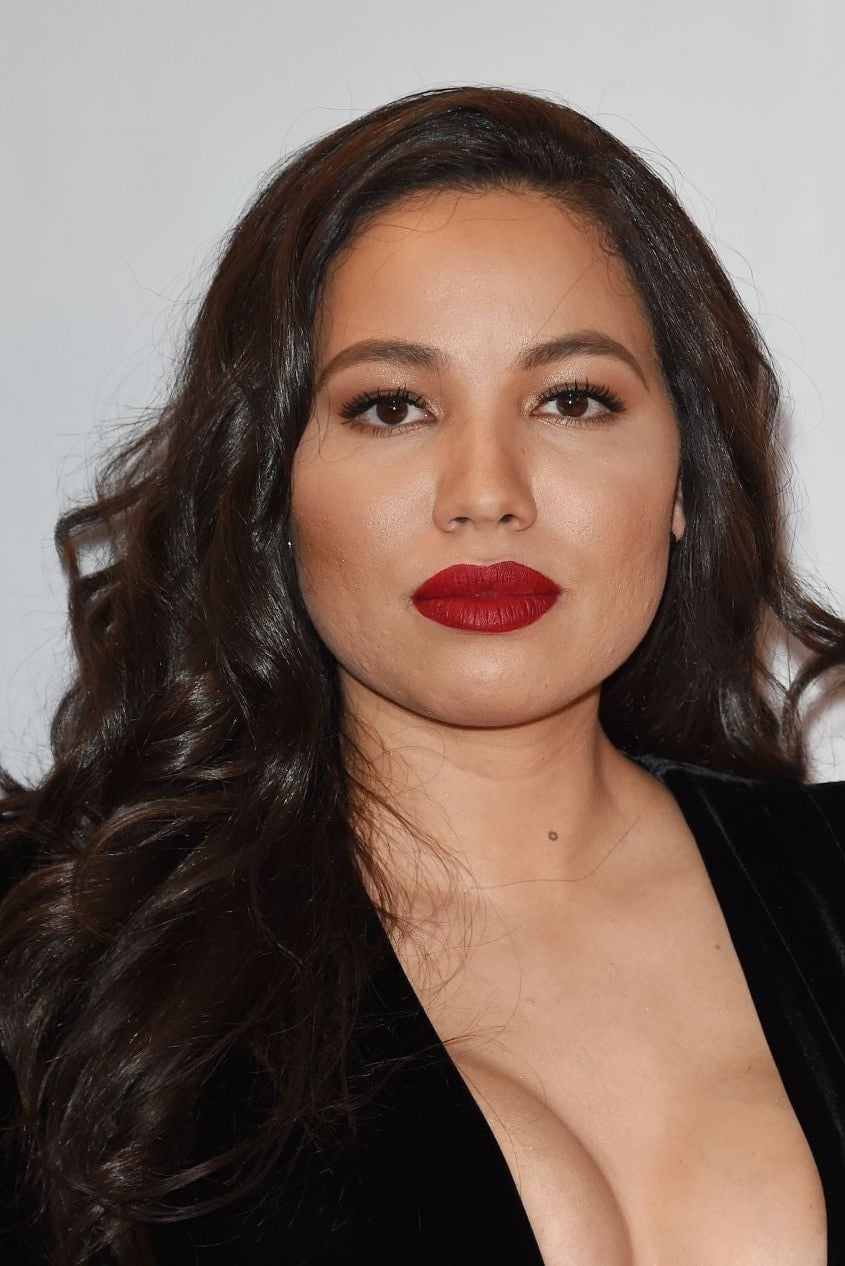
Jurnee Smollett carried period horror with ‘Lovecraft Country’, showcasing physical and emotional range across pulp and social-thriller elements. Earlier, she anchored ensemble dramas like ‘Underground’, helping bring lesser-told historical narratives to mainstream TV. Smollett also appeared in comic-book fare with ‘Birds of Prey’, adding action credentials to her résumé. Her career through the decade spanned prestige television, franchise film, and advocacy-driven projects.
Michaela Coel
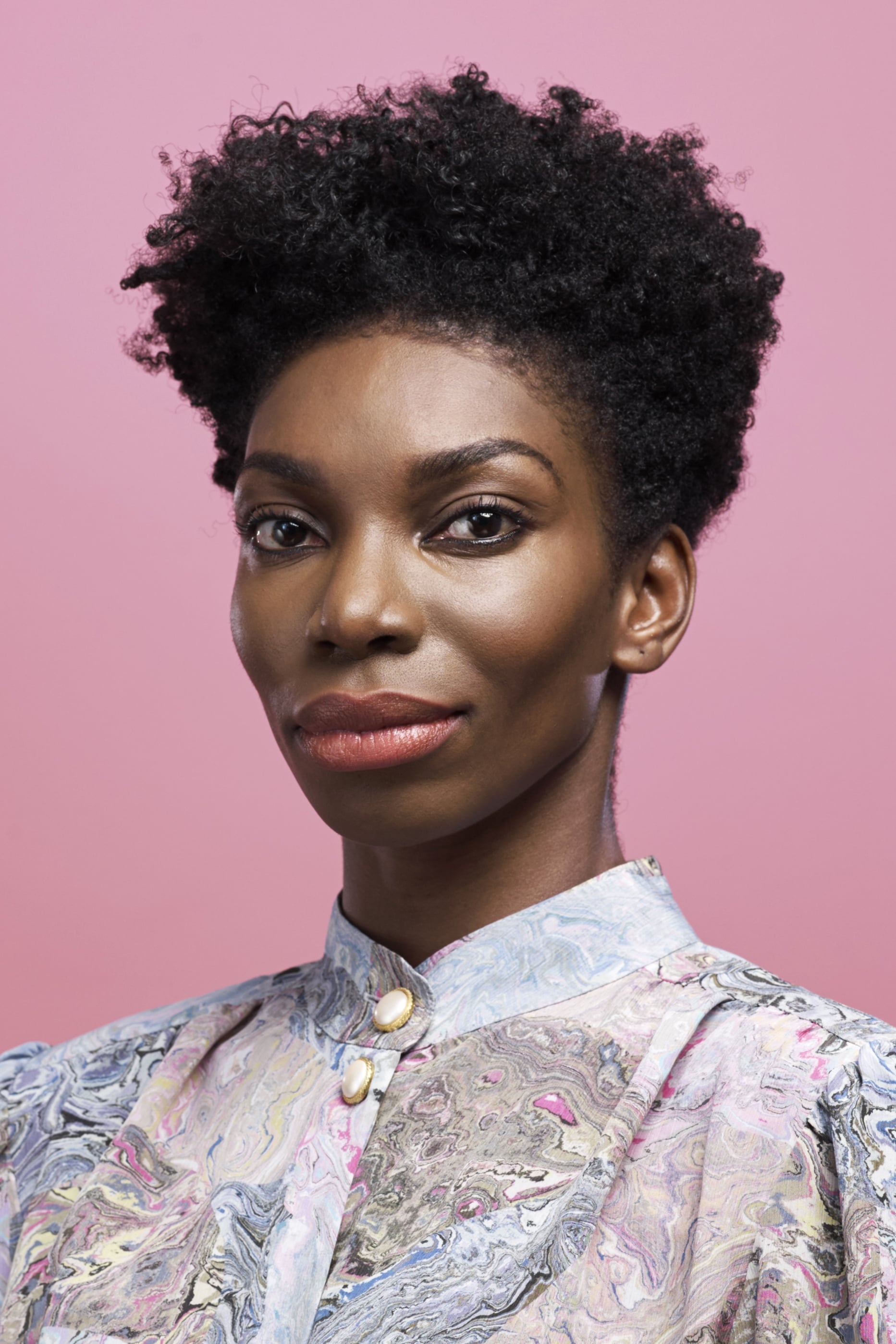
Michaela Coel created and starred in ‘Chewing Gum’, a breakout comedy that blended sharp writing with fearless performance. She later crafted boundary-pushing limited-series work with ‘I May Destroy You’, taking on multiple creative roles including showrunner. Coel’s stage background informed her screen presence and rhythmic dialogue. She collaborated internationally, moving fluidly between British and American productions.
Cynthia Erivo
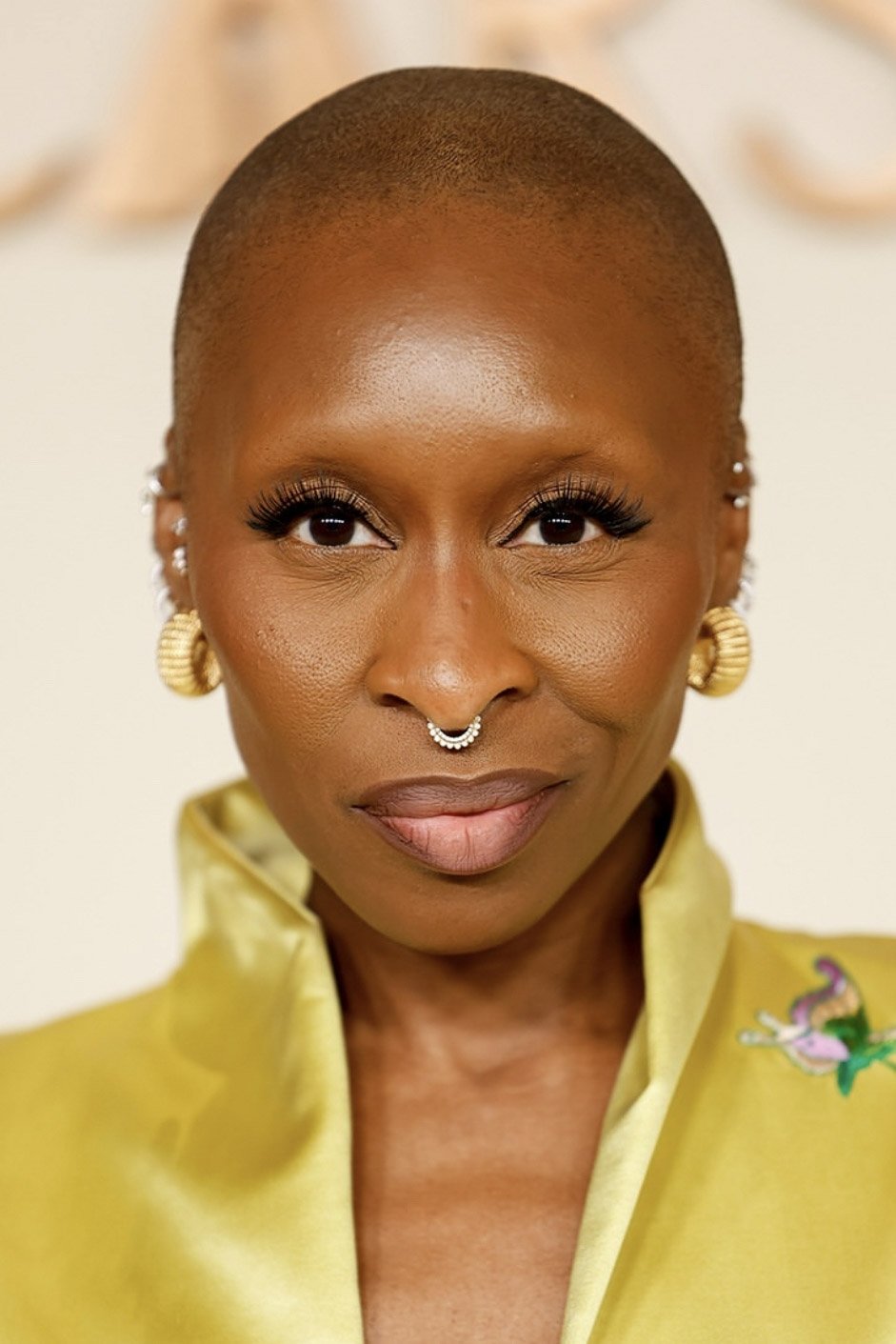
Cynthia Erivo crossed over from Tony-winning theater work to screen with commanding roles in ‘Widows’ and ‘Harriet’. She added music to several projects, contributing original songs and performing live showcases tied to film releases. Erivo’s television appearances included anthology and limited-series turns that emphasized character detail. She also developed producing ventures to champion stories centered on women and historical figures.
Amandla Stenberg
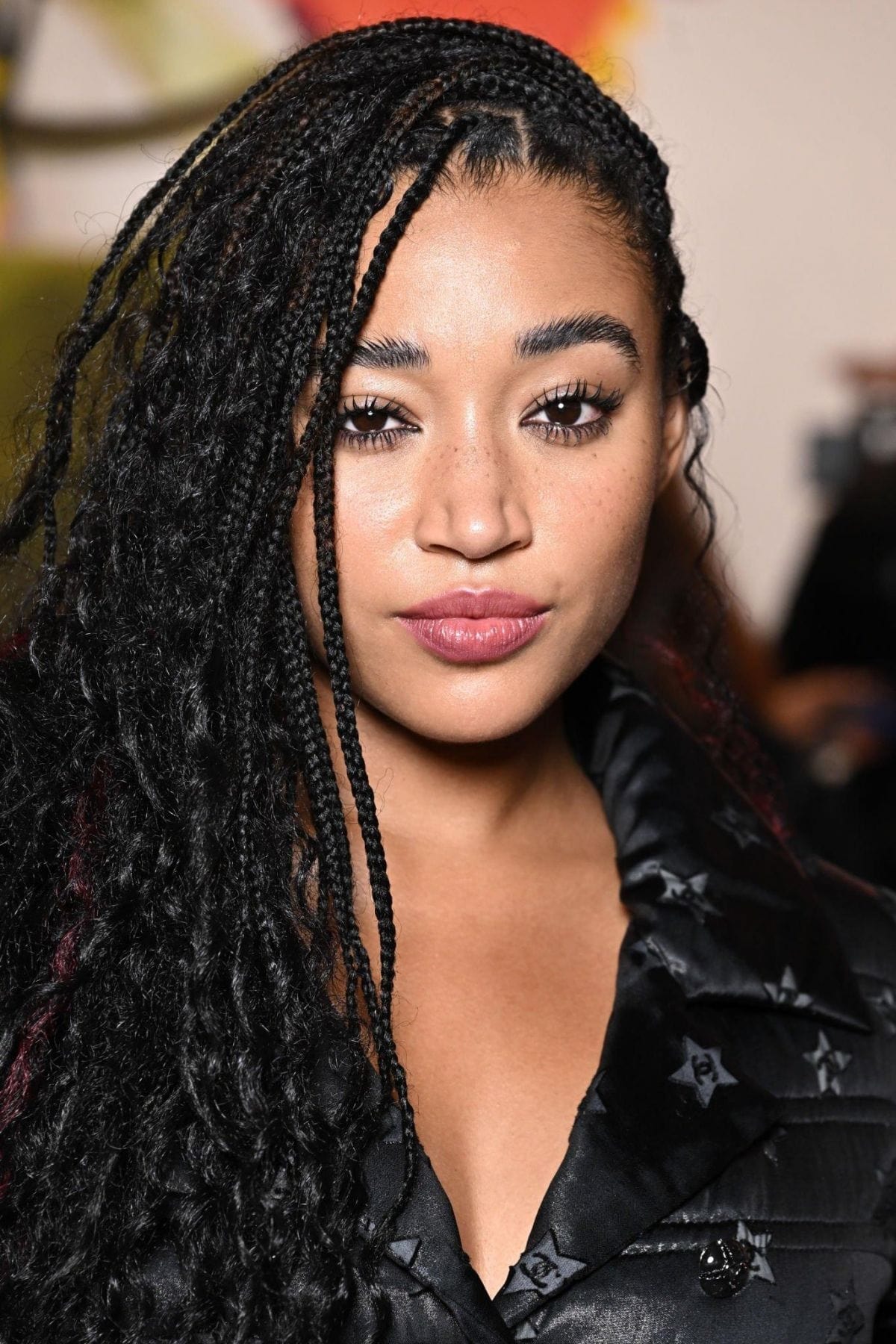
Amandla Stenberg led the YA adaptation ‘The Hate U Give’, bringing a contemporary social narrative to a wide audience. They balanced studio films like ‘The Darkest Minds’ with indie projects focused on identity and coming-of-age themes. Stenberg engaged in publishing and fashion collaborations that aligned with activism. Their 2010s work positioned them as a multihyphenate across film, music, and cultural commentary.
Laverne Cox
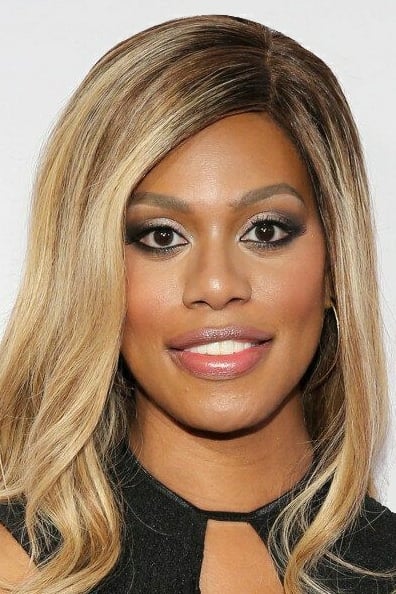
Laverne Cox became a trailblazer with ‘Orange Is the New Black’, earning major award recognition for a trans character on a mainstream series. She expanded into reality hosting, documentaries, and guest arcs on network dramas. Cox used her platform to advance LGBTQ+ rights and media literacy around trans representation. She also worked as a producer, helping shepherd inclusive storytelling across formats.
Rosario Dawson
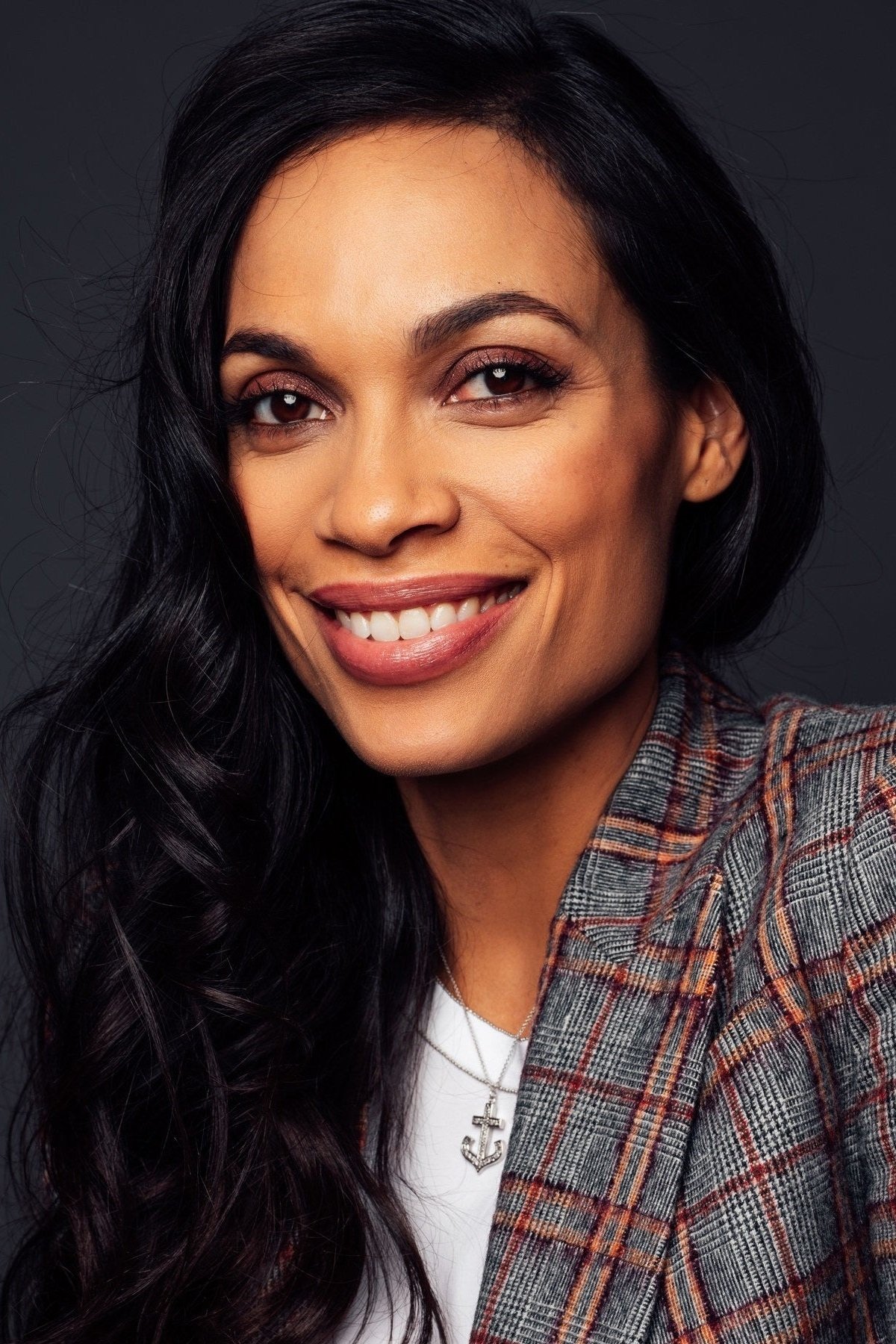
Rosario Dawson appeared across comic-book universes with recurring roles in the Netflix Marvel titles, connecting multiple shows through a single character. She headlined crime and thriller features, maintaining a steady film presence. Dawson co-founded organizations focused on civic engagement and creative mentorship. Her decade’s portfolio combined genre work, independent cinema, and activism-driven projects.
Tika Sumpter
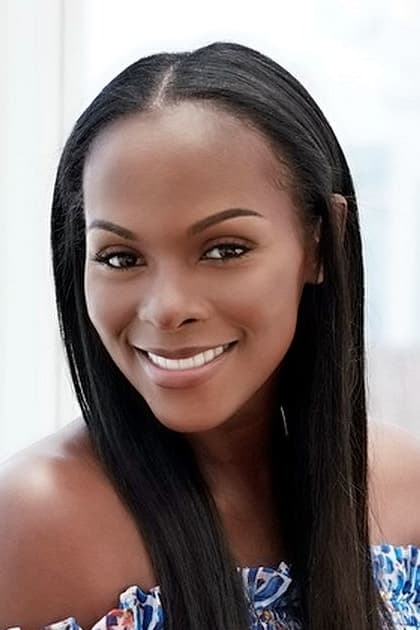
Tika Sumpter starred in ‘Southside With You’, portraying Michelle Robinson in a critically noted biographical romance. On television, she fronted ‘The Haves and the Have Nots’, sustaining a long-running lead across soapy drama arcs. Sumpter added producing duties to several projects to shape development and casting. She moved between comedic roles and grounded dramas, building a versatile screen profile.
Sanaa Lathan
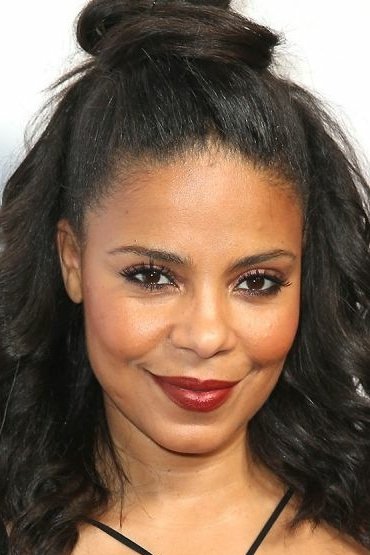
Sanaa Lathan led limited-series crime drama ‘Shots Fired’ and took on voice acting in animated hits like ‘The Cleveland Show’. She returned to ensemble comedy with ‘The Best Man Holiday’ and navigated thriller territory in streaming originals. Lathan also directed episodic television, expanding her behind-the-camera credentials. Her slate reflected steady work across network, cable, and film.
Nia Long
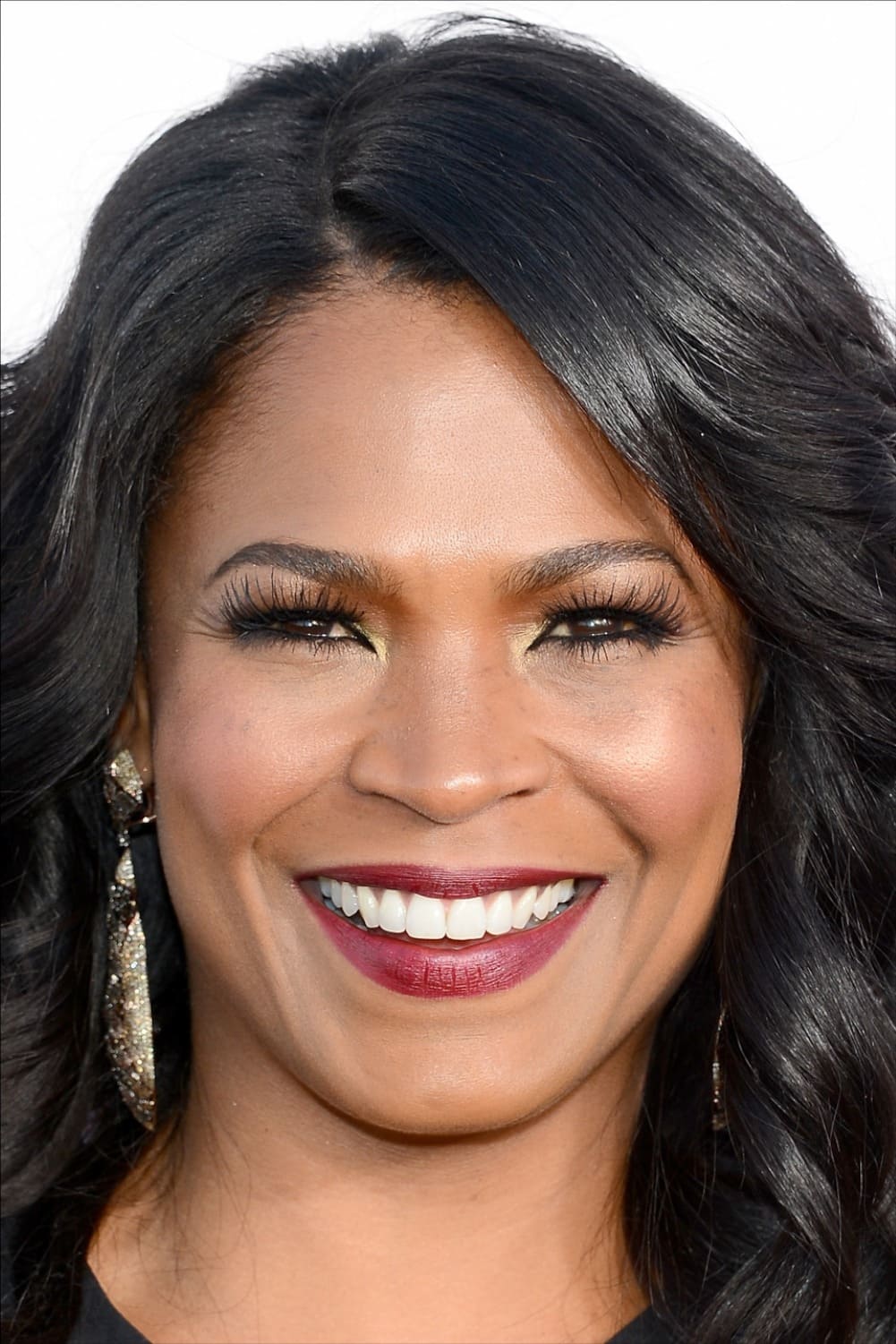
Nia Long balanced film and TV with appearances in ‘The Best Man Holiday’ and procedural arcs on ‘NCIS: Los Angeles’. She joined thrillers and romantic dramas that drew consistent cable and streaming audiences. Long also produced features aimed at spotlighting Black women in lead roles. Her presence remained strong in ensemble projects with enduring fan bases.
Teyonah Parris
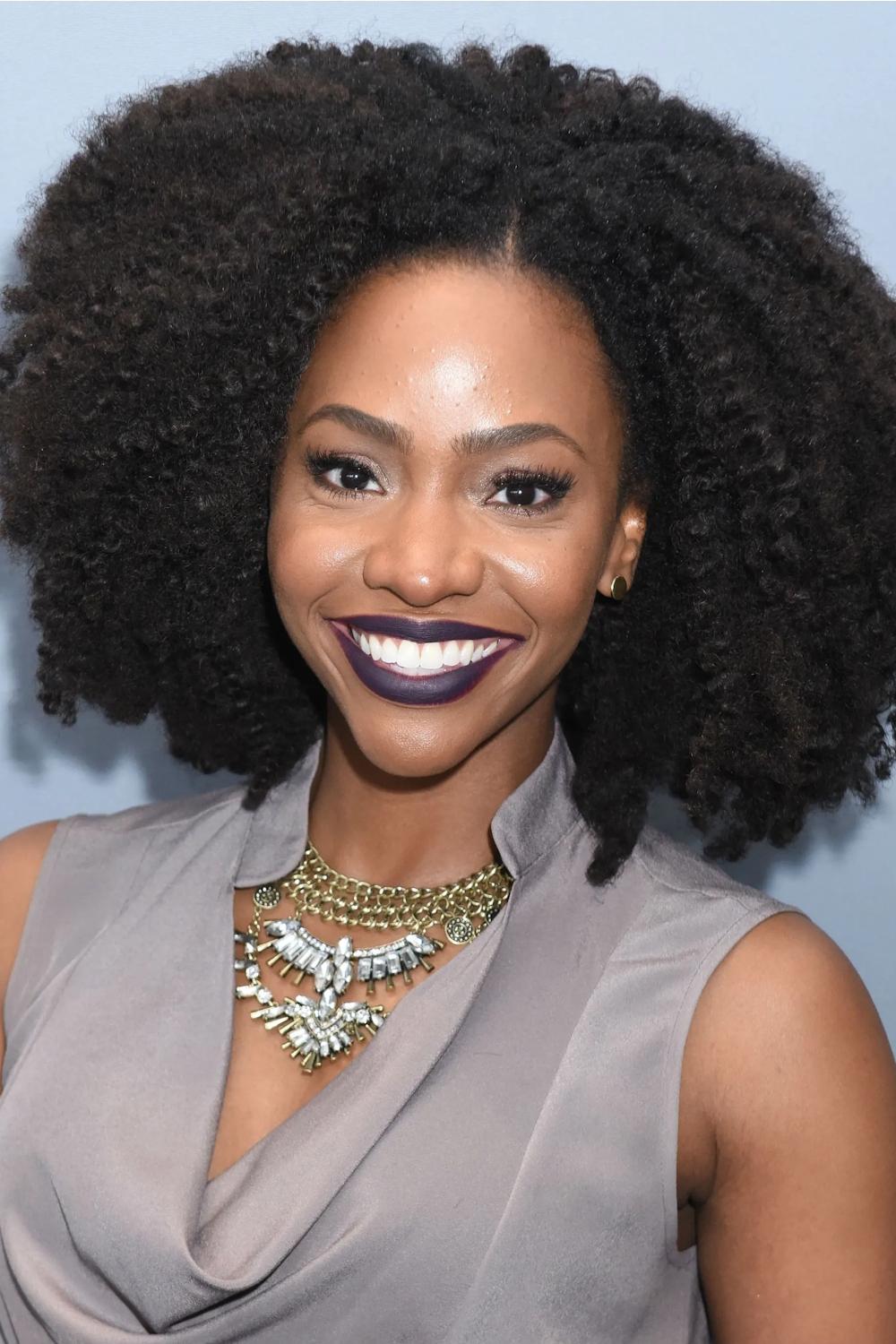
Teyonah Parris broke out with ‘Dear White People’ and followed with acclaimed turns in ‘Chi-Raq’ and ‘If Beale Street Could Talk’. She later stepped into superhero storytelling with ‘WandaVision’, linking television and blockbuster continuity. Parris prioritized collaborations with directors known for socially engaged narratives. She also supported indie features to champion fresh voices.
Jodie Turner-Smith
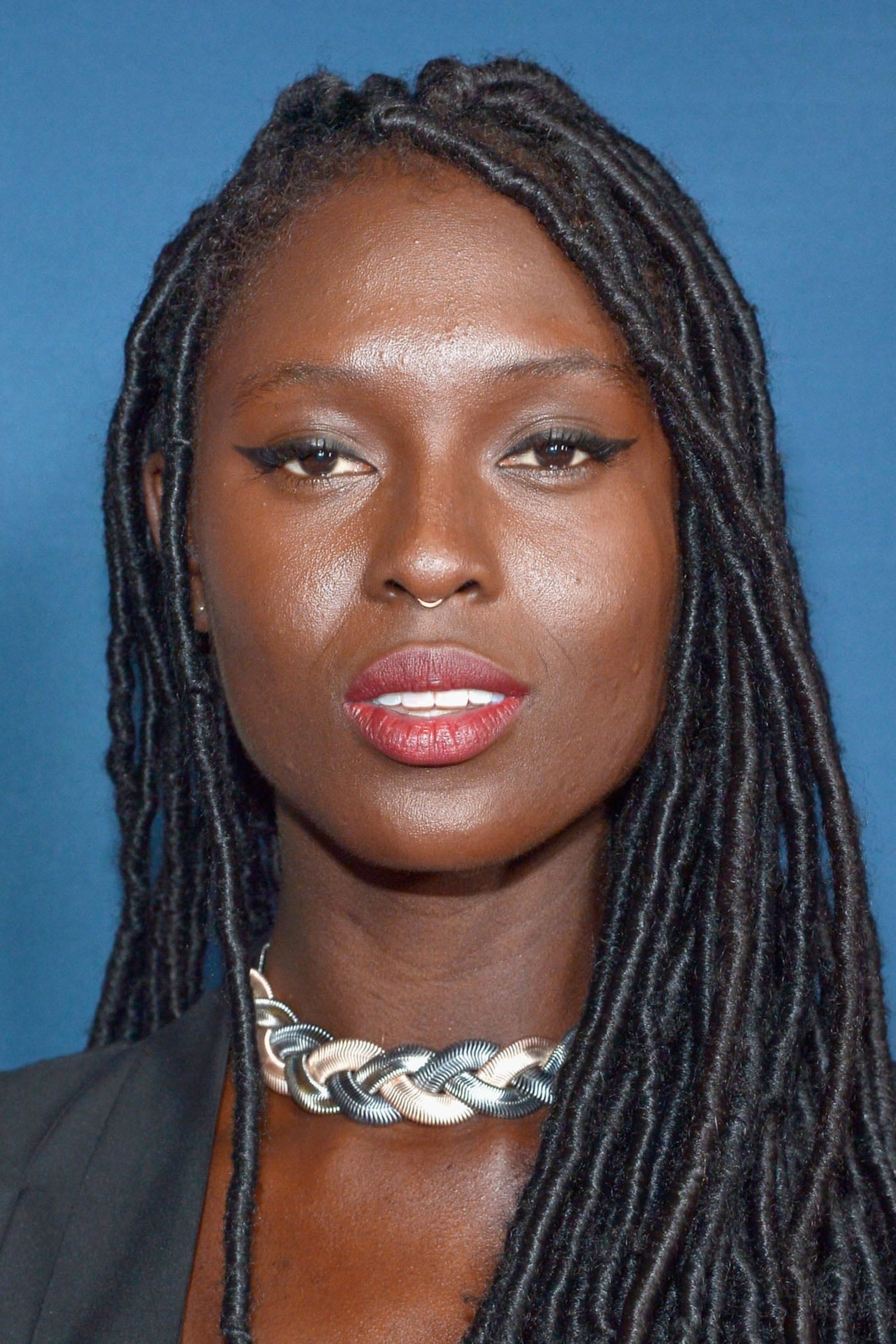
Jodie Turner-Smith drew major attention with ‘Queen & Slim’, a fugitive romance that paired social urgency with character intimacy. She moved into historical drama with high-profile miniseries work and genre projects. Turner-Smith’s modeling background informed striking on-screen composition and red-carpet visibility. She continued to alternate between film leads and ambitious television experiments.
Lashana Lynch

Lashana Lynch joined the MCU with a key supporting role in ‘Captain Marvel’, establishing franchise credentials. She then took on action-thriller and espionage work that showcased physicality and dry wit. Lynch’s stage training carried into screen performances, grounding large-scale spectacle. She also participated in period pieces and literary adaptations, widening her range.
Kiki Layne
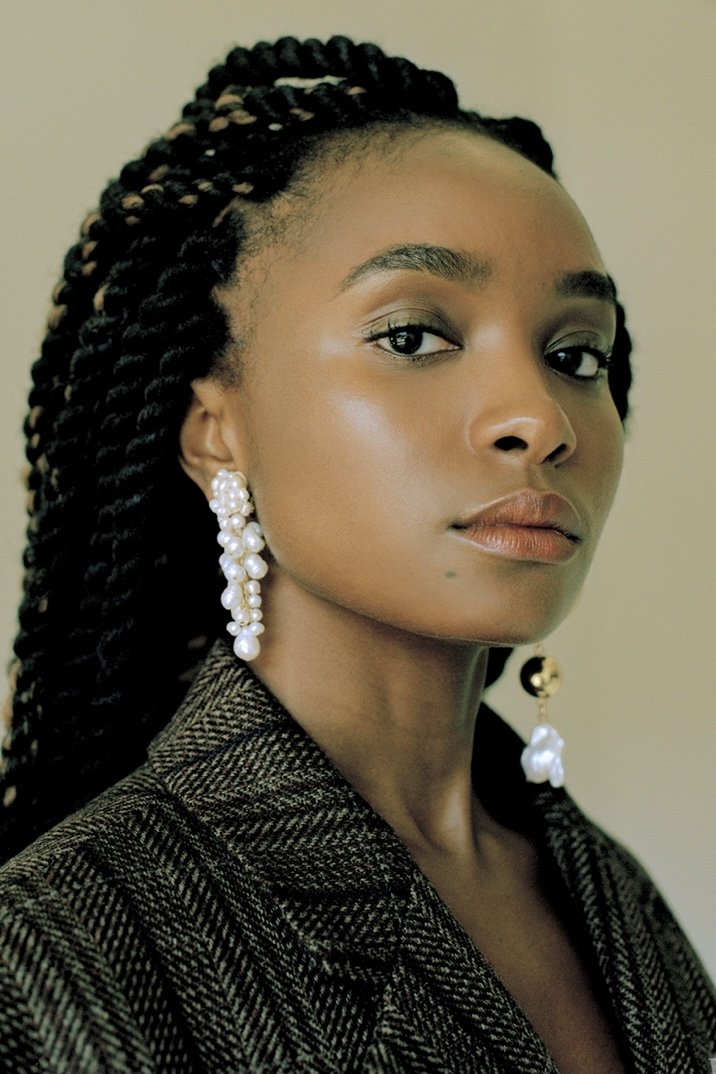
Kiki Layne made a powerful feature debut in ‘If Beale Street Could Talk’, leading to action-fantasy work in ‘The Old Guard’. She selected roles that balanced intimacy with genre reach, including ensemble dramas and speculative fiction. Layne collaborated with acclaimed directors and veteran casts early in her career. She also pursued fashion partnerships that amplified her public profile.
Storm Reid
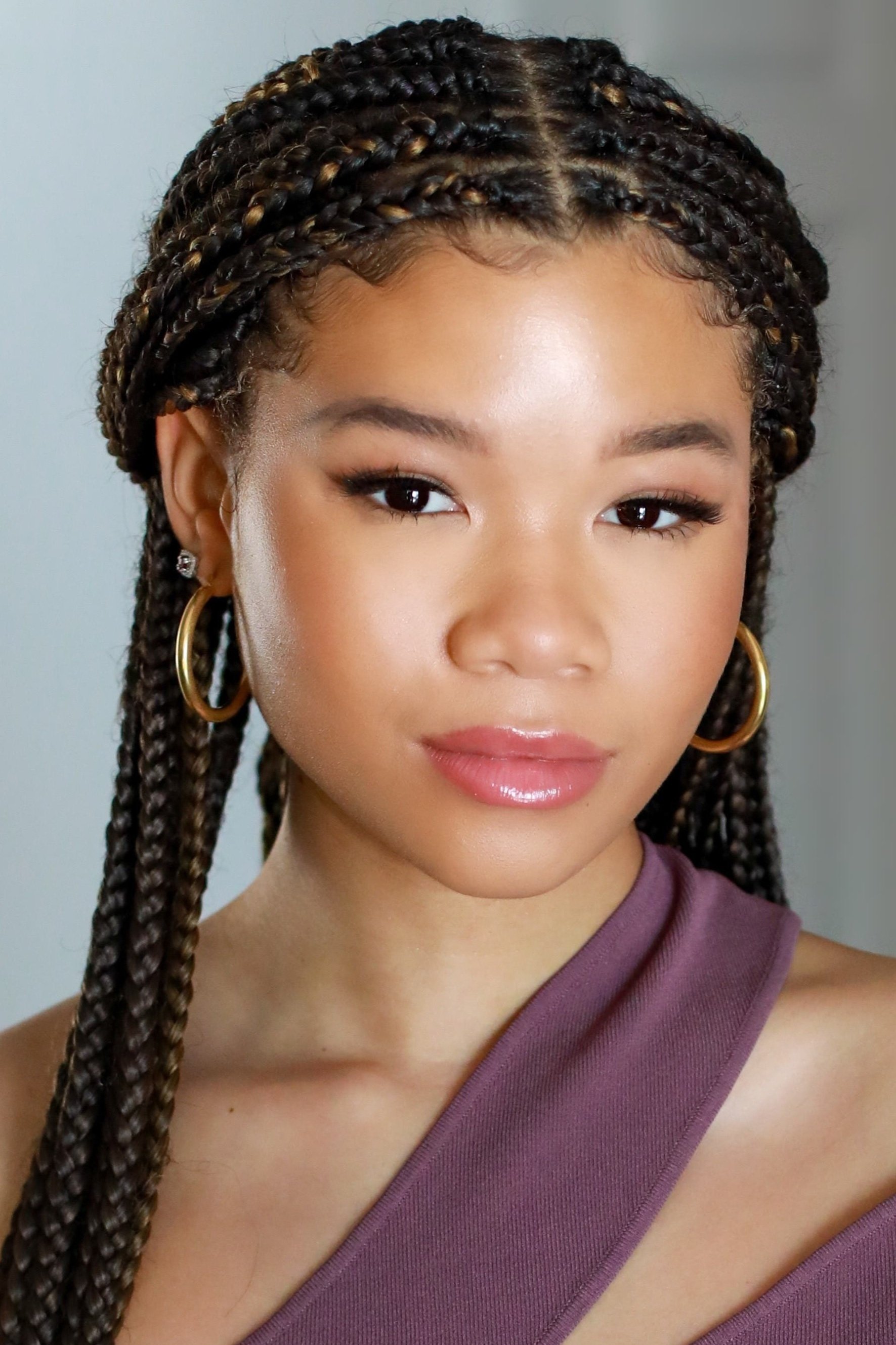
Storm Reid fronted family fantasy with ‘A Wrinkle in Time’ and later appeared in thriller and horror titles like ‘The Invisible Man’. On television, she joined ‘Euphoria’, adding a grounded subplot to a stylized teen drama. Reid took on voice roles and youth-focused philanthropy tied to STEM and arts education. Her filmography reflected early, high-visibility momentum.
Dominique Fishback
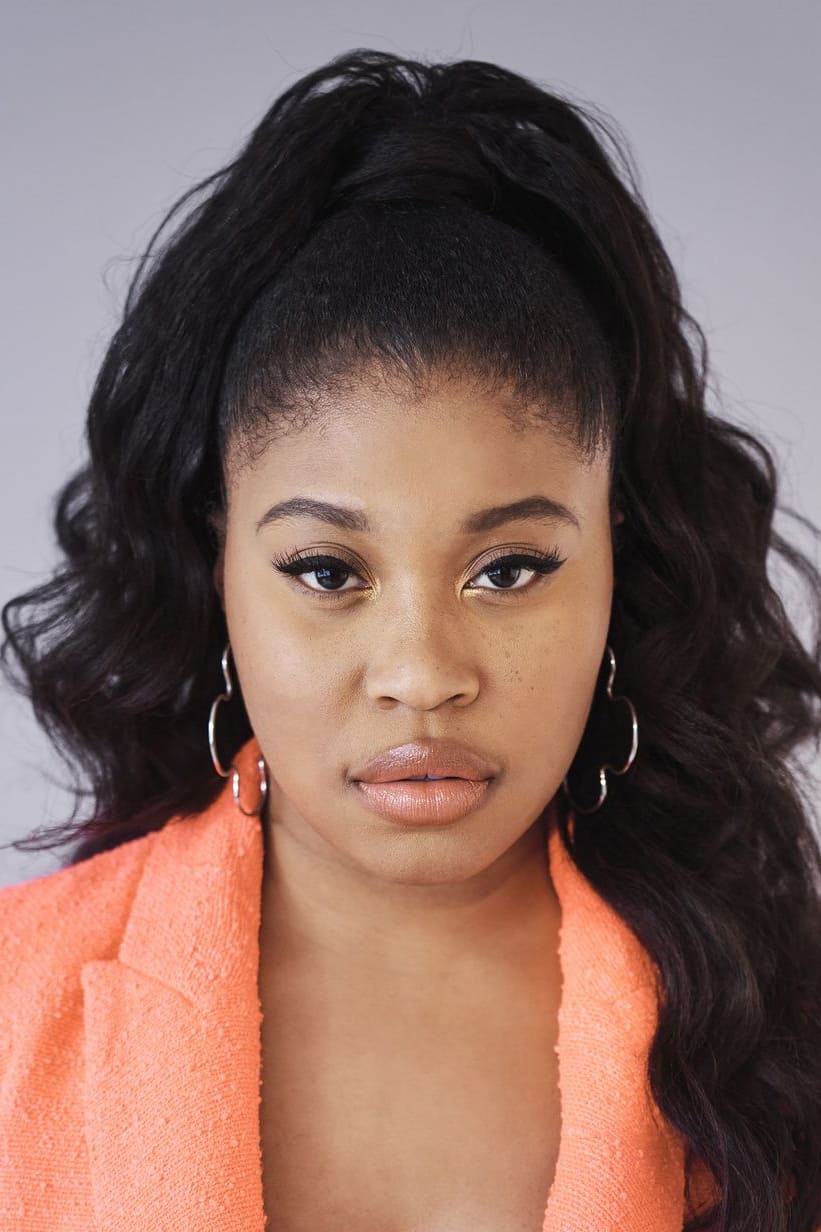
Dominique Fishback drew attention with ‘The Deuce’ and the socially charged drama ‘The Hate U Give’. She transitioned to leading roles in crime and sci-fi projects that emphasized resilience and moral complexity. Fishback is also a spoken-word artist, integrating performance poetry into stage and workshop work. Her choices frequently intersected with narratives about community, ambition, and survival.
Share your favorites from this era—and the performances you think defined it—in the comments!