Lesser-Known Anime That Are Totally Worth Watching


Looking for anime that fly under the radar but still deliver fascinating worlds, sharp storytelling, and distinctive craft? Here’s a hand-picked mix of series and films spanning sci-fi, mystery, slice-of-life, and offbeat drama. Each entry includes what it’s about, who made it, where it came from, and how long it runs, so you can quickly decide what to try next.
‘Kaiba’ (2008)
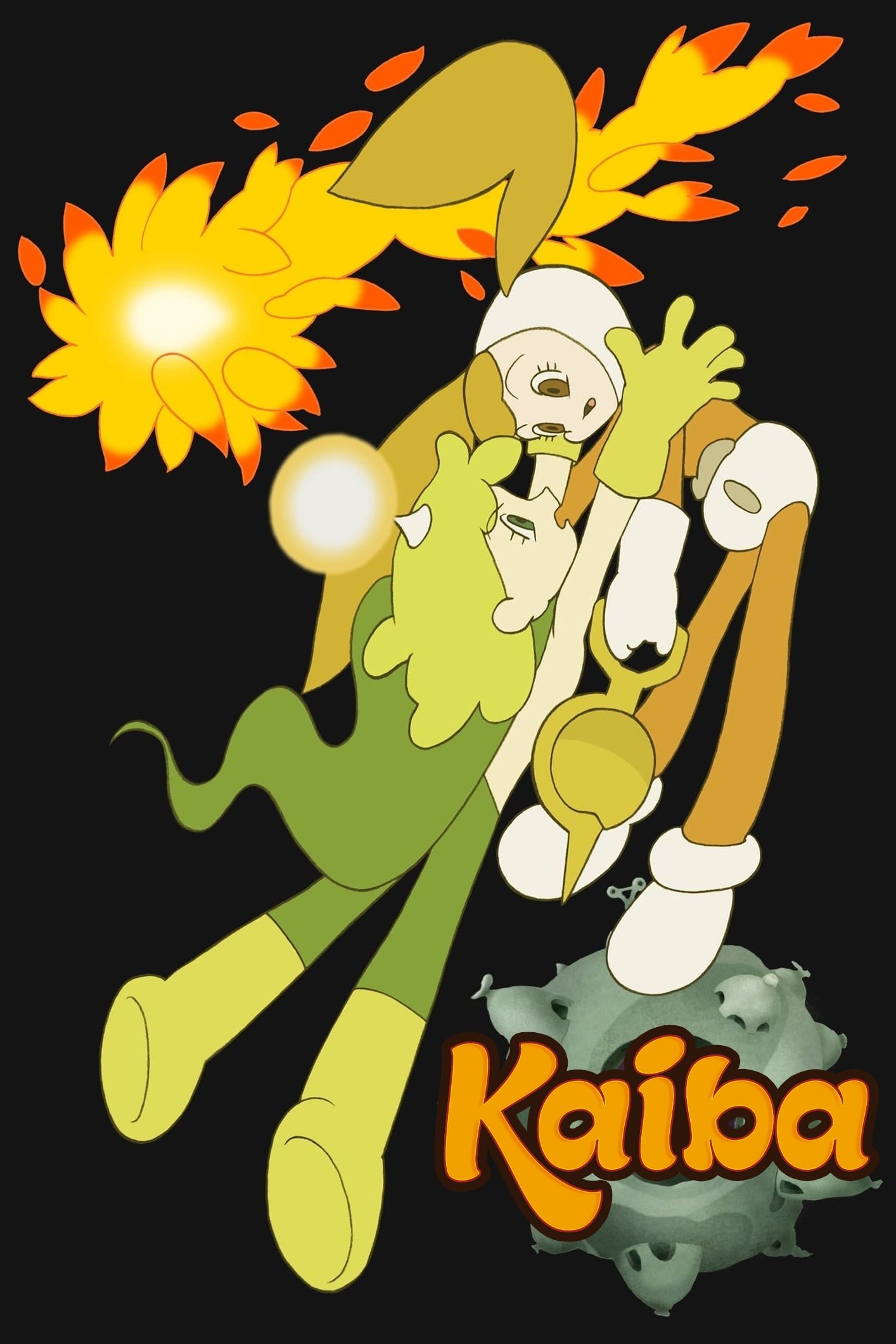
Created and directed by Masaaki Yuasa, this sci-fi series follows a universe where memories can be stored and bodies are interchangeable. The show tracks a protagonist with a missing past who drifts between planets connected by black-market memory tech. It’s produced with a retro, minimalist visual style that contrasts with identity and class themes. The run is 12 episodes.
‘Den-noh Coil’ (2007)
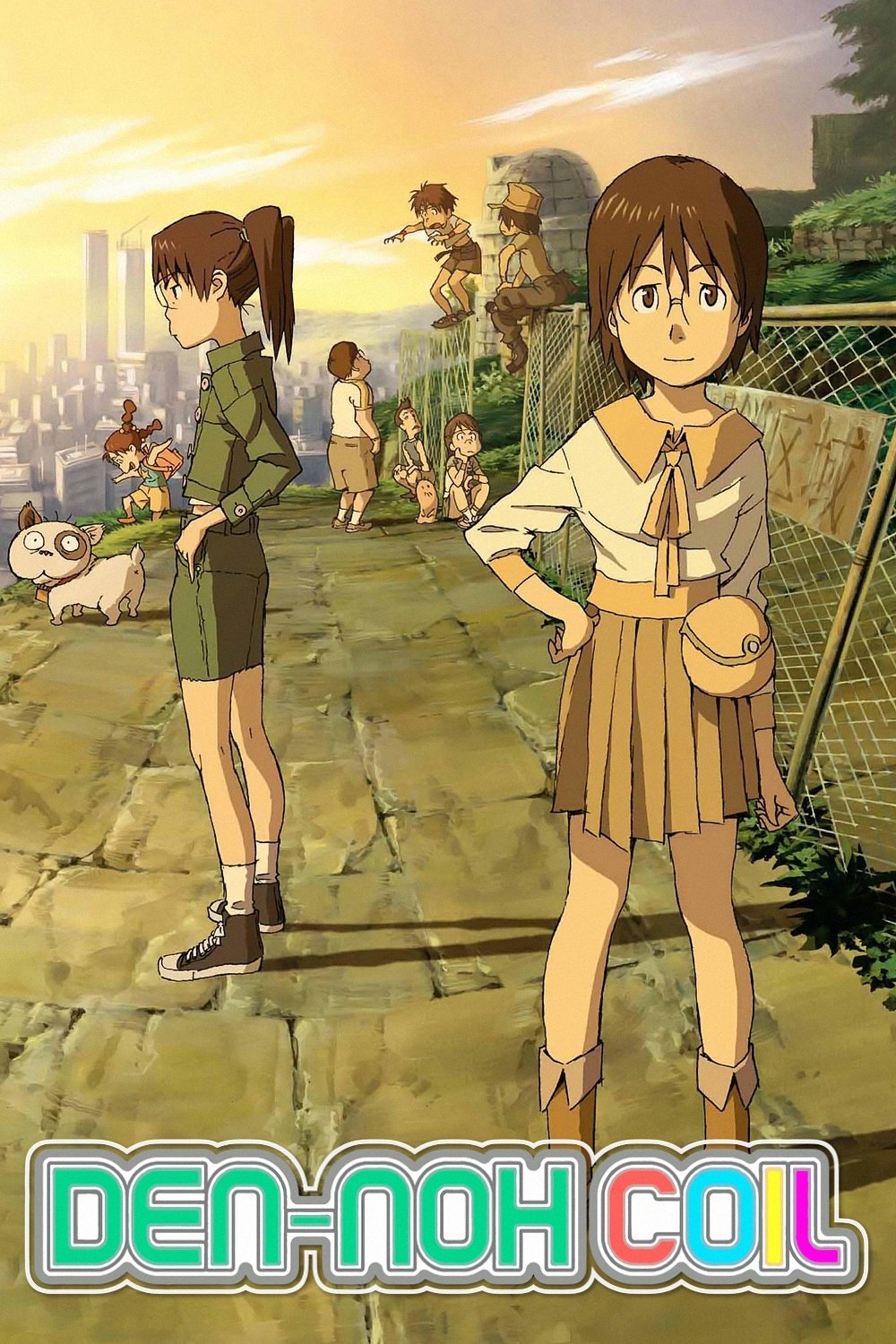
From director Mitsuo Iso, this near-future mystery explores a city where children use augmented-reality glasses layered with digital creatures and urban legends. As a group of kids investigates strange glitches, the story blends tech speculation with coming-of-age stakes. Detailed world-building explains AR ecosystems, illicit software, and device rules. The series spans 26 episodes.
‘Planetes’ (2003–2004)
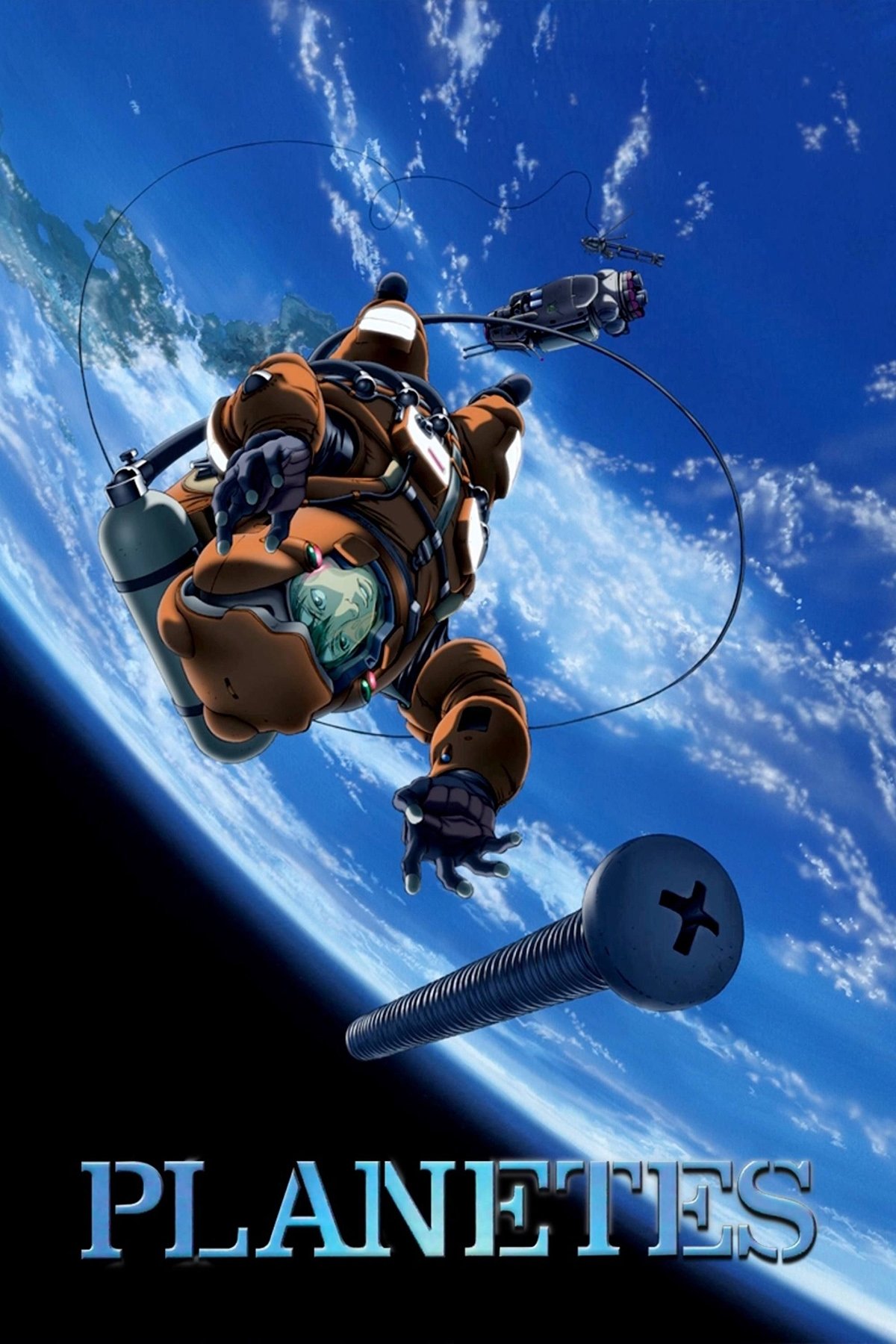
Set in low-Earth orbit, this hard-science drama follows a debris-collection team that keeps space lanes safe. It grounds its stories in real orbital mechanics, corporate politics, and the economics of commercial spaceflight. Character arcs intersect with space-safety regulations and high-risk EVA operations. The adaptation runs 26 episodes.
‘Kaiji’ (2007–2011)
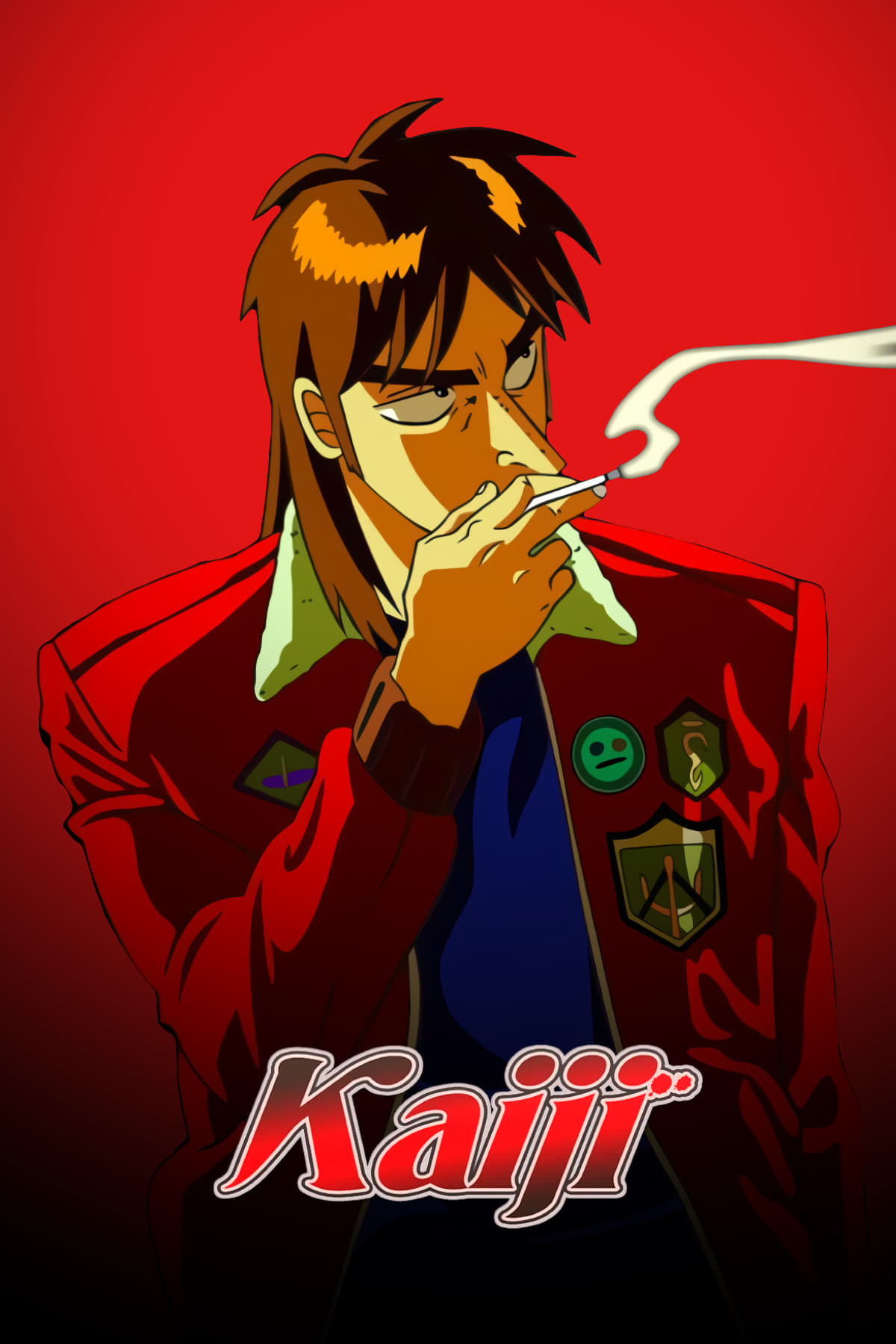
Based on Nobuyuki Fukumoto’s manga, this psychological thriller centers on a down-and-out gambler forced into high-stakes, rule-twisting competitions. Each game is constructed with explicit mechanics that drive tense, logic-based gambits. Sharp narration details probability, bluffing, and social pressure within controlled environments. Across two seasons, the series totals 52 episodes.
‘Paranoia Agent’ (2004)
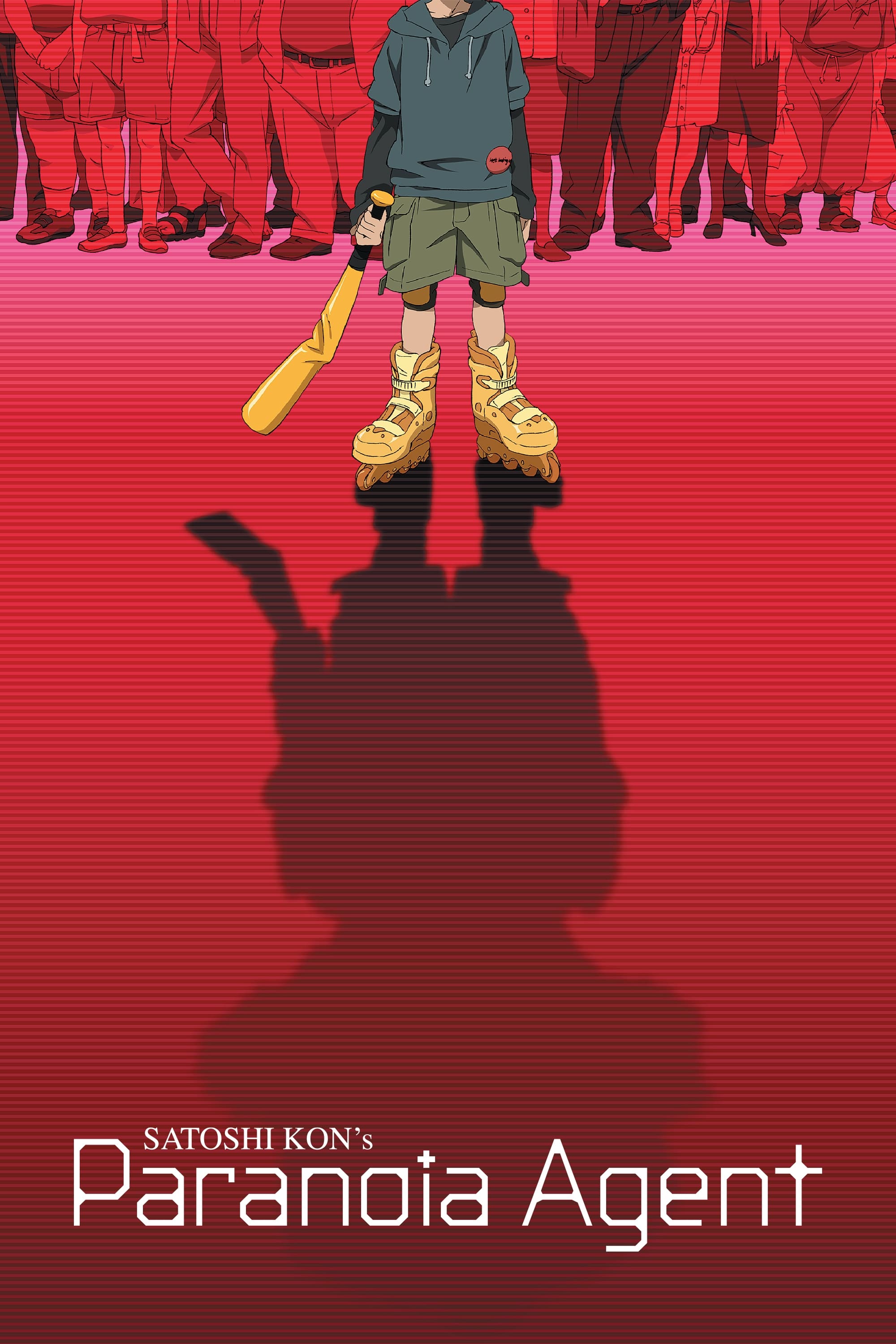
Conceived by Satoshi Kon, this anthology-style mystery connects multiple urban tales through reports of a roller-skating assailant known as “Lil’ Slugger.” Episodes dissect media cycles, rumor psychology, and shared delusions in modern city life. The production uses shifting perspectives to chart how fear propagates. It comprises 13 episodes.
‘Princess Jellyfish’ (2010)
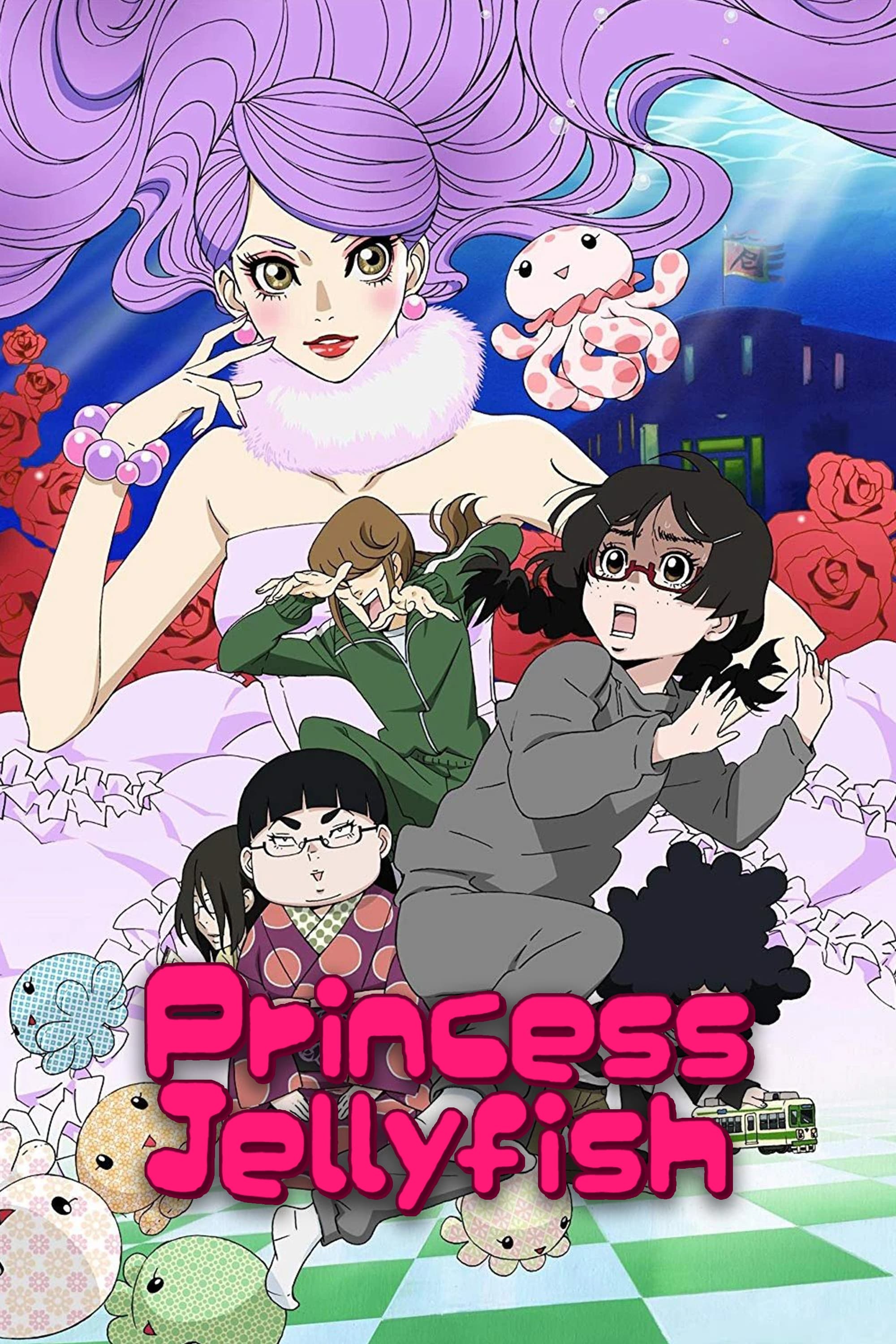
Adapted from Akiko Higashimura’s josei manga, this comedy-drama focuses on an illustrator and her housemates who live in a women-only boarding house. Their world changes when they meet a fashion-savvy cross-dresser tied to local politics and redevelopment. The show maps character relationships to questions of identity, clothing design, and city real-estate pressure. The series has 11 episodes and one OVA.
‘Ping Pong the Animation’ (2014)
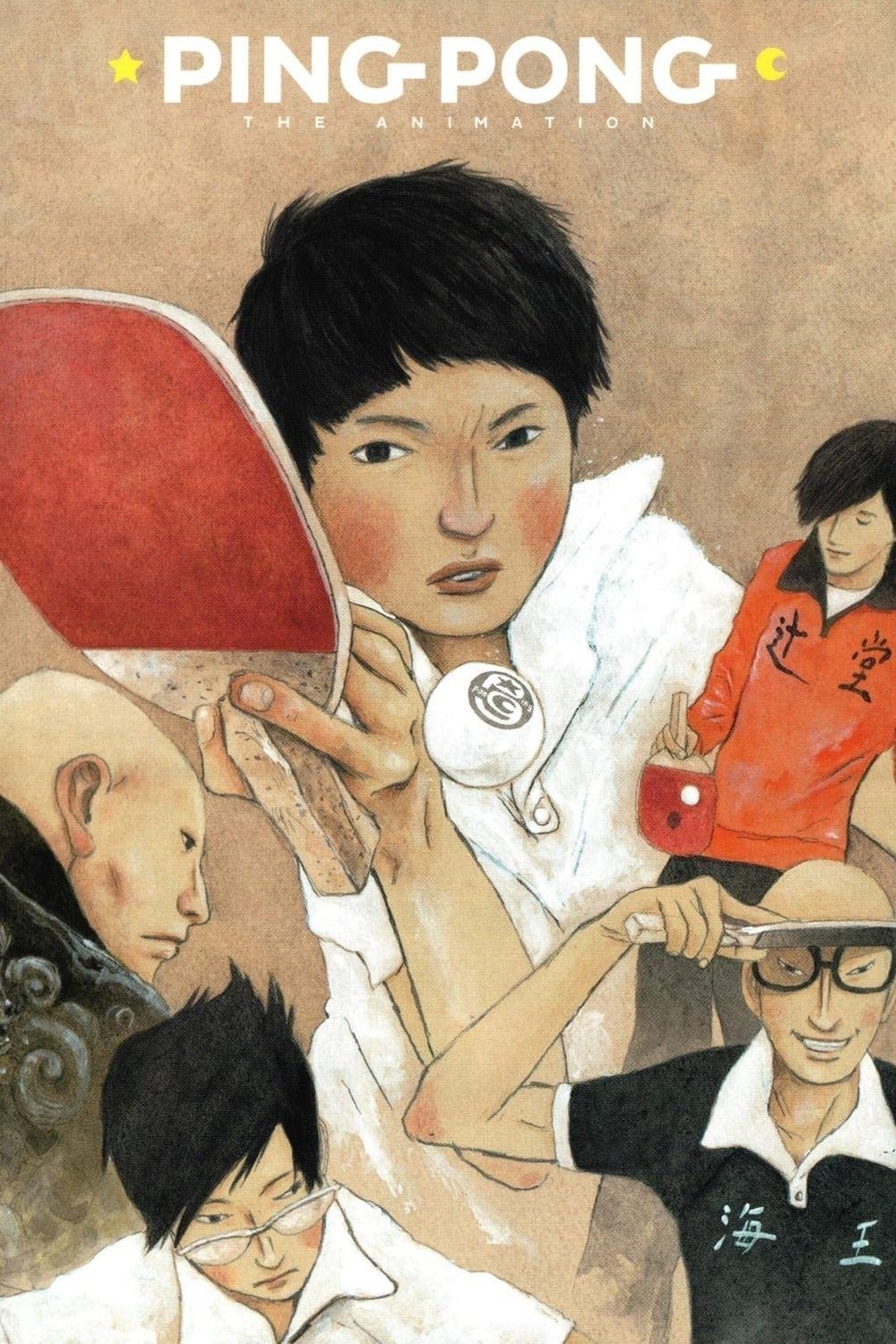
Masaaki Yuasa directs this sports drama adapted from Taiyō Matsumoto’s manga. It tracks two childhood friends on diverging athletic paths, using match rules and training regimens to frame personal growth. Expressive motion and panel-to-screen techniques preserve the manga’s angular style. The season runs 11 episodes.
‘Haibane Renmei’ (2002)
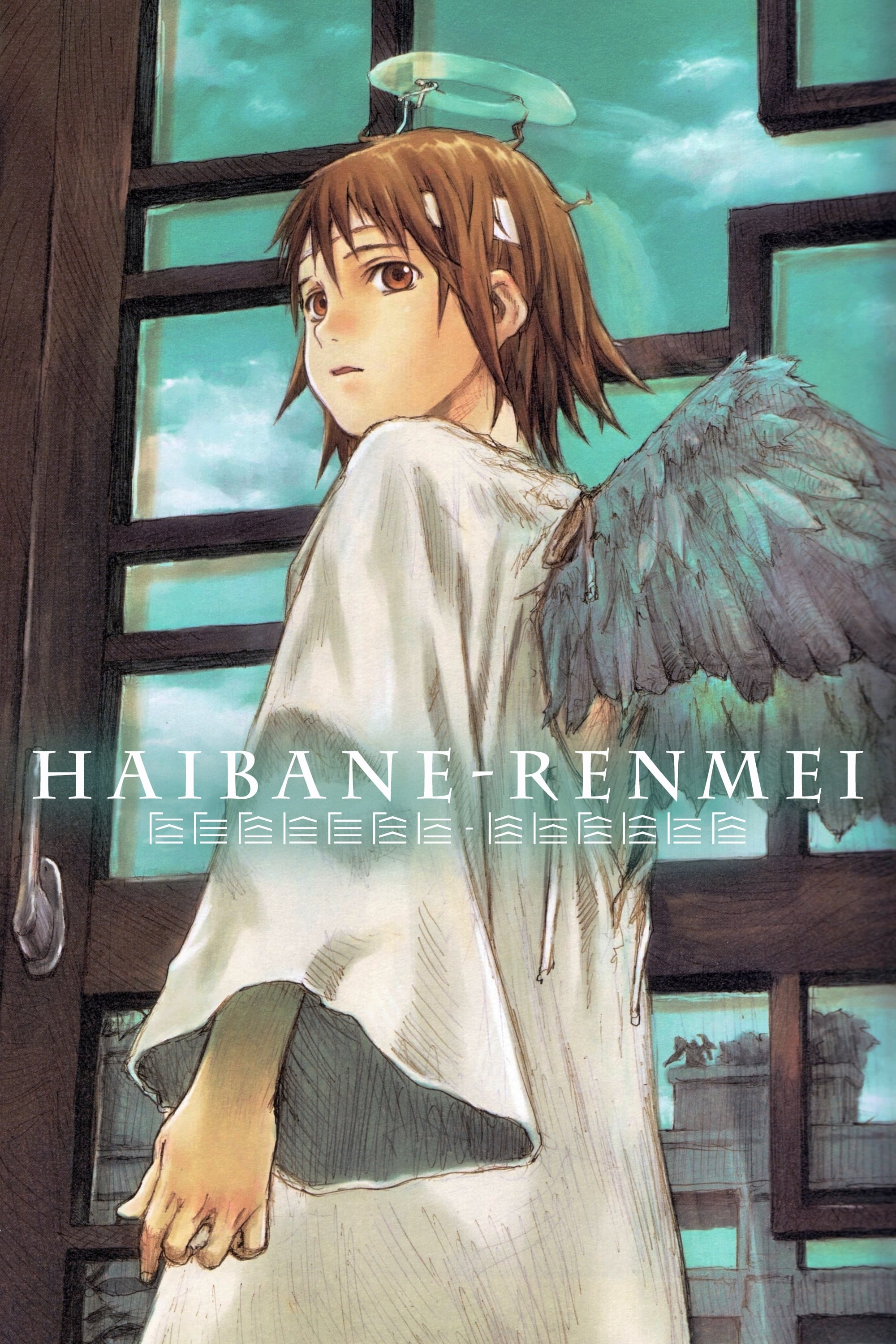
From creator Yoshitoshi ABe, this quiet fantasy takes place in a walled town inhabited by haloed beings known as Haibane. The narrative follows community rules, work assignments, and rituals that govern daily life. Symbolism around memory, transgression, and atonement is embedded in the city’s customs. The story unfolds over 13 episodes.
‘The Eccentric Family’ (2013–2017)
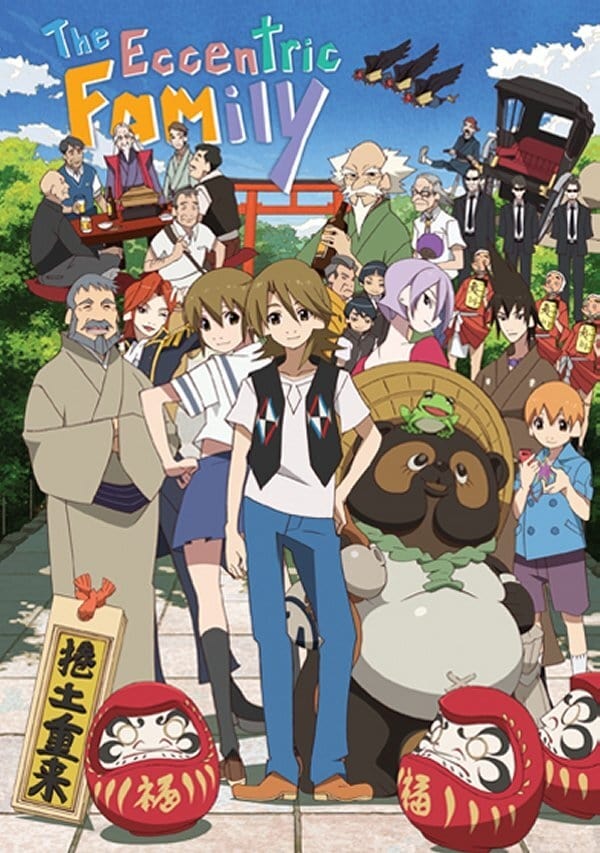
Adapted from Tomihiko Morimi’s novels, this urban fantasy follows tanuki, tengu, and humans navigating Kyoto’s traditions and power balances. Family lineages, seasonal events, and food culture shape plotlines about succession and social standing. Rich location work recreates districts, festivals, and river landmarks as story anchors. The adaptation spans two seasons.
‘Land of the Lustrous’ (2017)
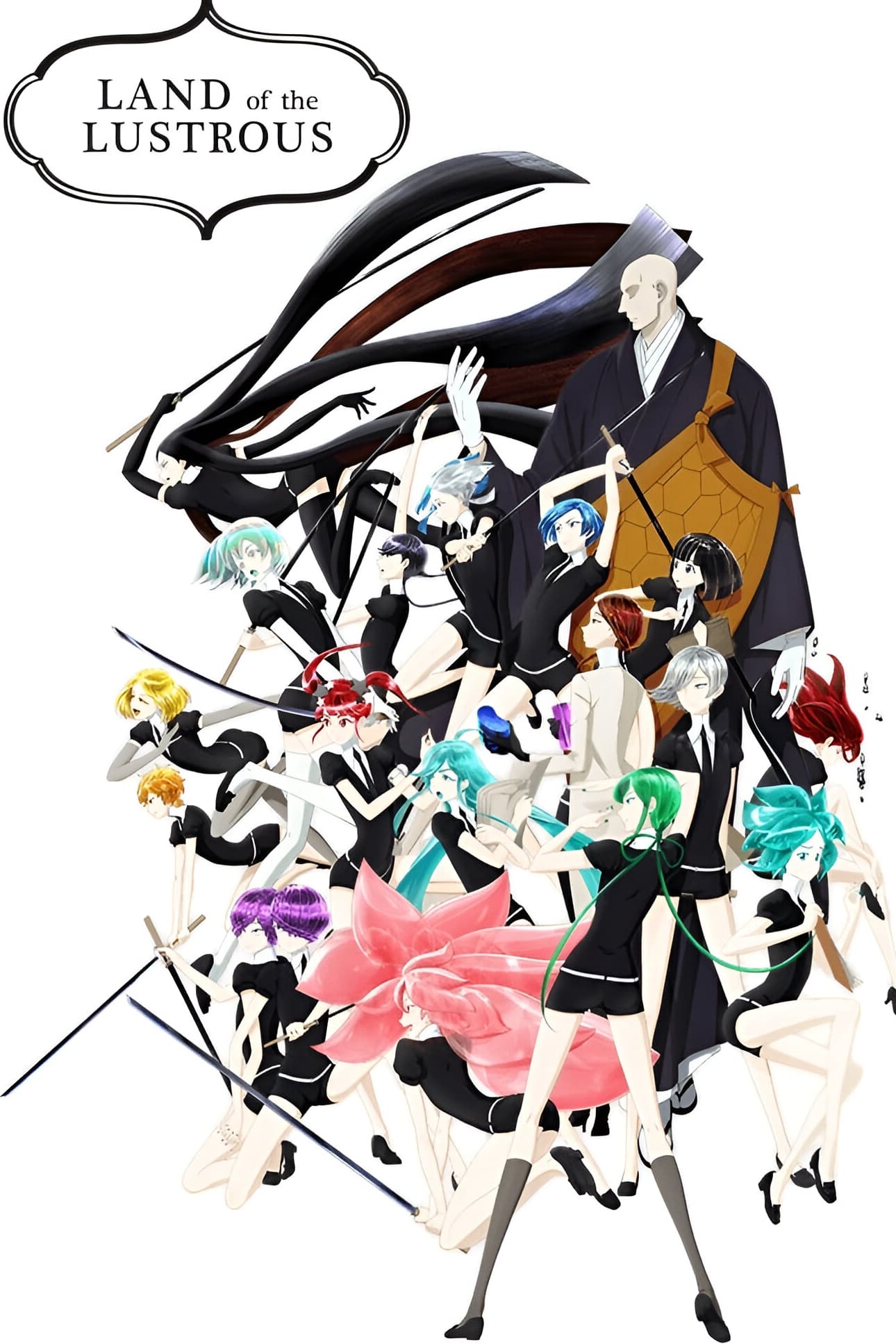
Studio Orange brings CG craft to a world of gemstone beings who defend against lunar invaders. Detailed world rules cover hardness scales, fracture, and mineral properties that influence combat and recovery. The production uses motion-capture and procedural tools to choreograph large outdoor battles. The first season comprises 12 episodes.
‘Ergo Proxy’ (2006)
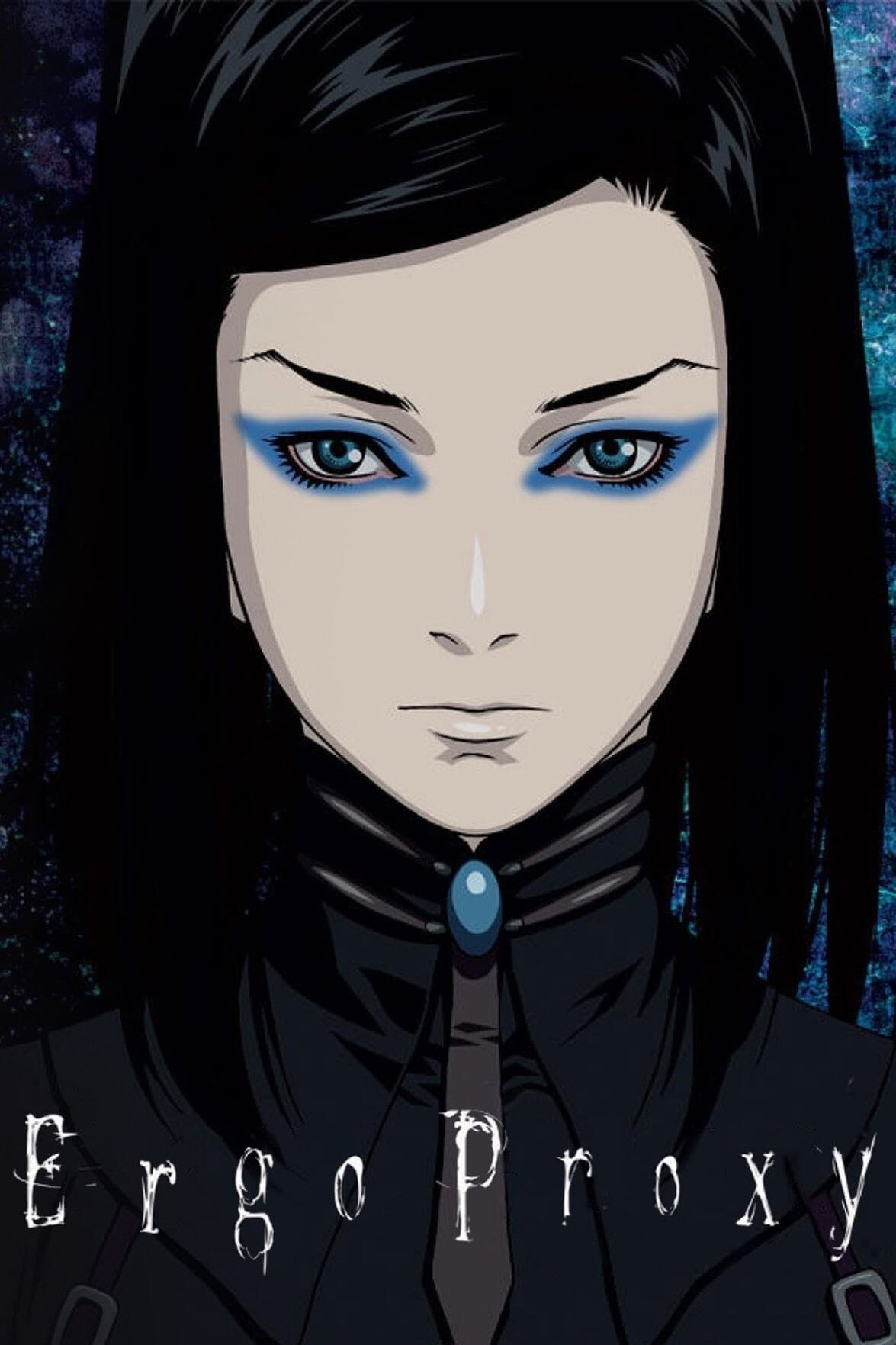
This cyberpunk mystery follows an inspector and an android caught up in a string of crimes inside domed cities. It blends philosophy, biotech, and environmental collapse into a travelogue across scattered settlements. The show explains governance systems, automation protocols, and cultural drift after a catastrophe. The series runs 23 episodes.
‘House of Five Leaves’ (2010)

Adapted from Natsume Ono’s manga, this period drama focuses on a timid rōnin hired by a kidnap-for-ransom group. The plot examines clan politics, cash economies, and ethical codes inside late-Edo underworld dealings. Distinctive linework mirrors the manga’s sparse, understated aesthetic. The run is 12 episodes.
‘Baccano!’ (2007)
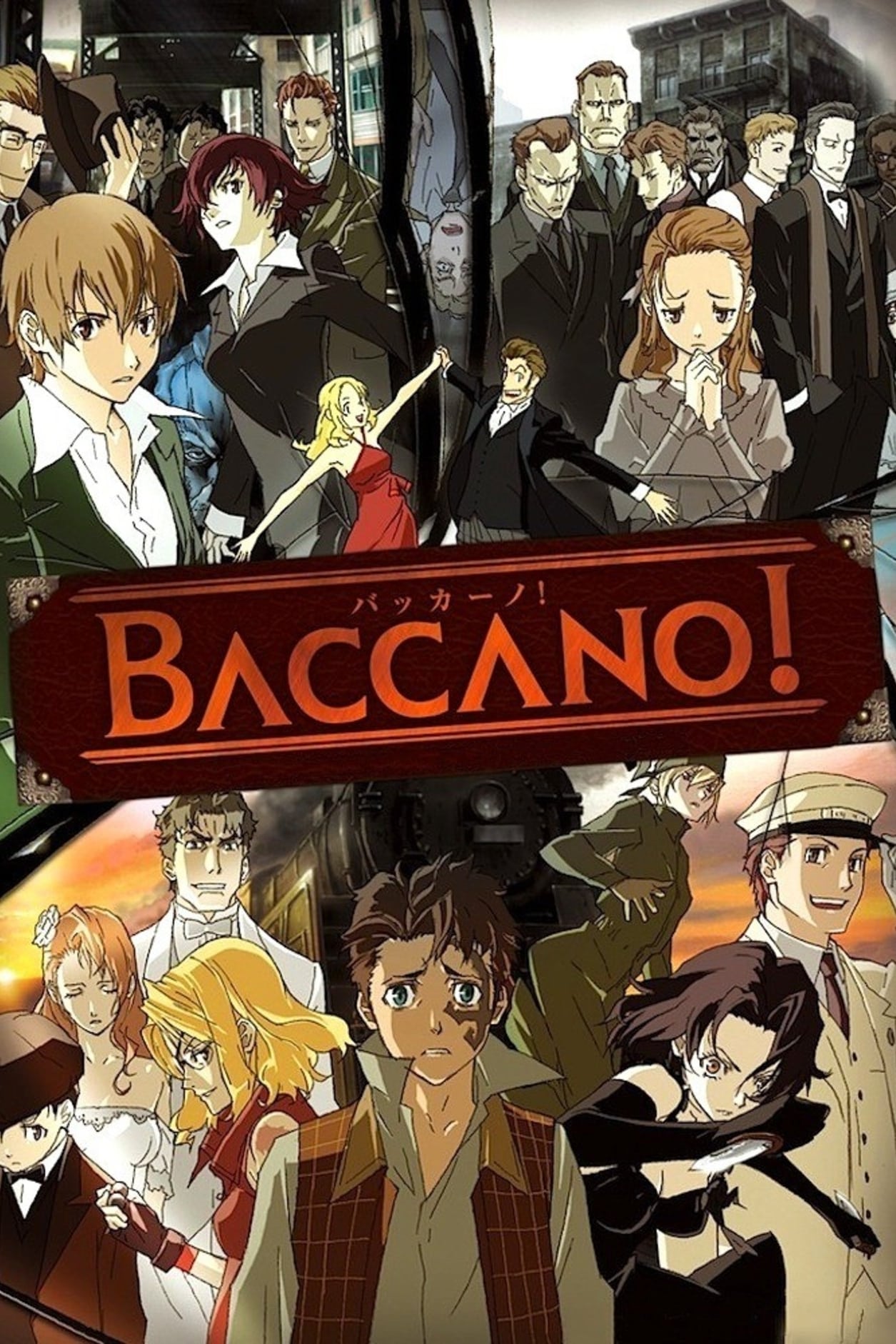
This ensemble crime story adapts Ryōgo Narita’s light novels and interweaves timelines aboard a train, inside speakeasies, and across alchemists’ experiments. Nonlinear episodes circle the same incidents from multiple viewpoints with precise scene markers. Alchemy lore, mafia hierarchies, and prohibition-era logistics structure the conflicts. The TV run includes 13 broadcast episodes plus three OVA episodes.
‘Kino’s Journey’ (2003)
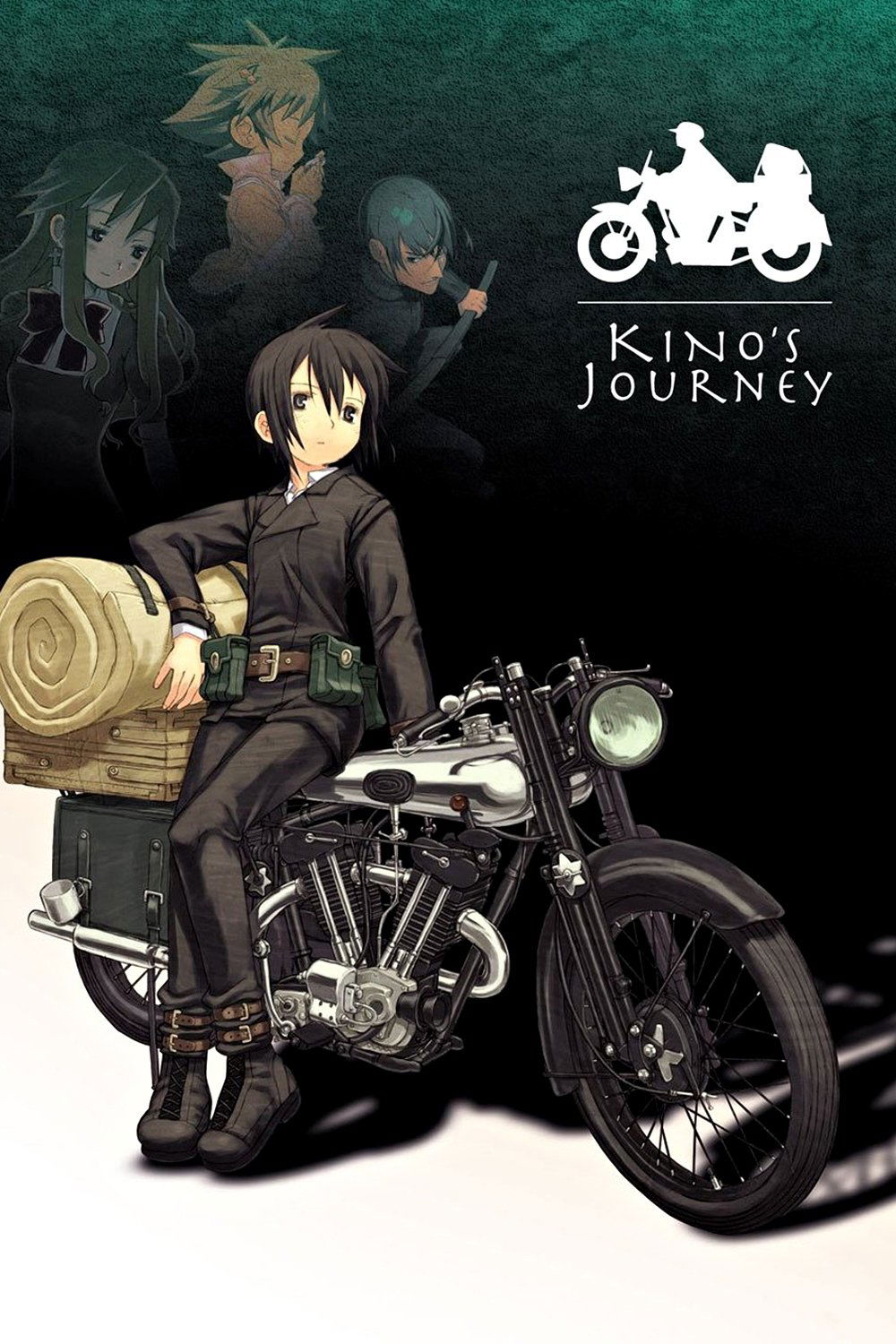
Based on Keiichi Sigsawa’s light novels, this road-story anthology follows a traveler and a talking motorcycle visiting countries with distinct social rules. Each stop introduces a self-contained thought experiment built around a single law or custom. Minimal exposition lets cultural details and civic procedures reveal each place. The classic run includes 13 episodes and additional shorts.
‘Tekkonkinkreet’ (2006)
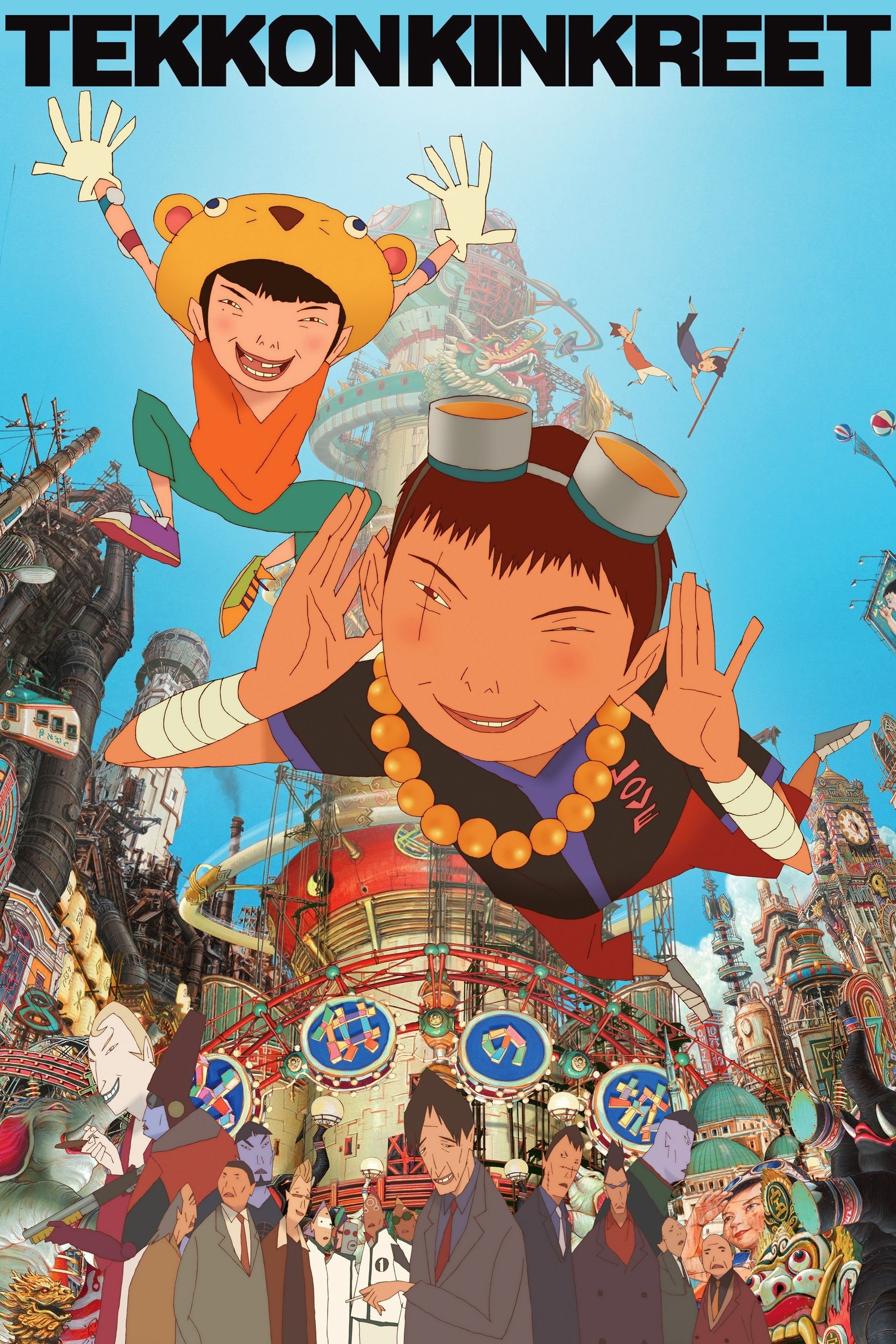
This feature film adapts Taiyō Matsumoto’s manga about two street kids defending their turf in a sprawling, decaying city. The production integrates hand-drawn characters with richly layered backgrounds to portray urban density. Themes of redevelopment, organized crime, and civic identity play out through visual motifs and set design. The movie runs roughly 110 minutes.
‘Mononoke’ (2007)
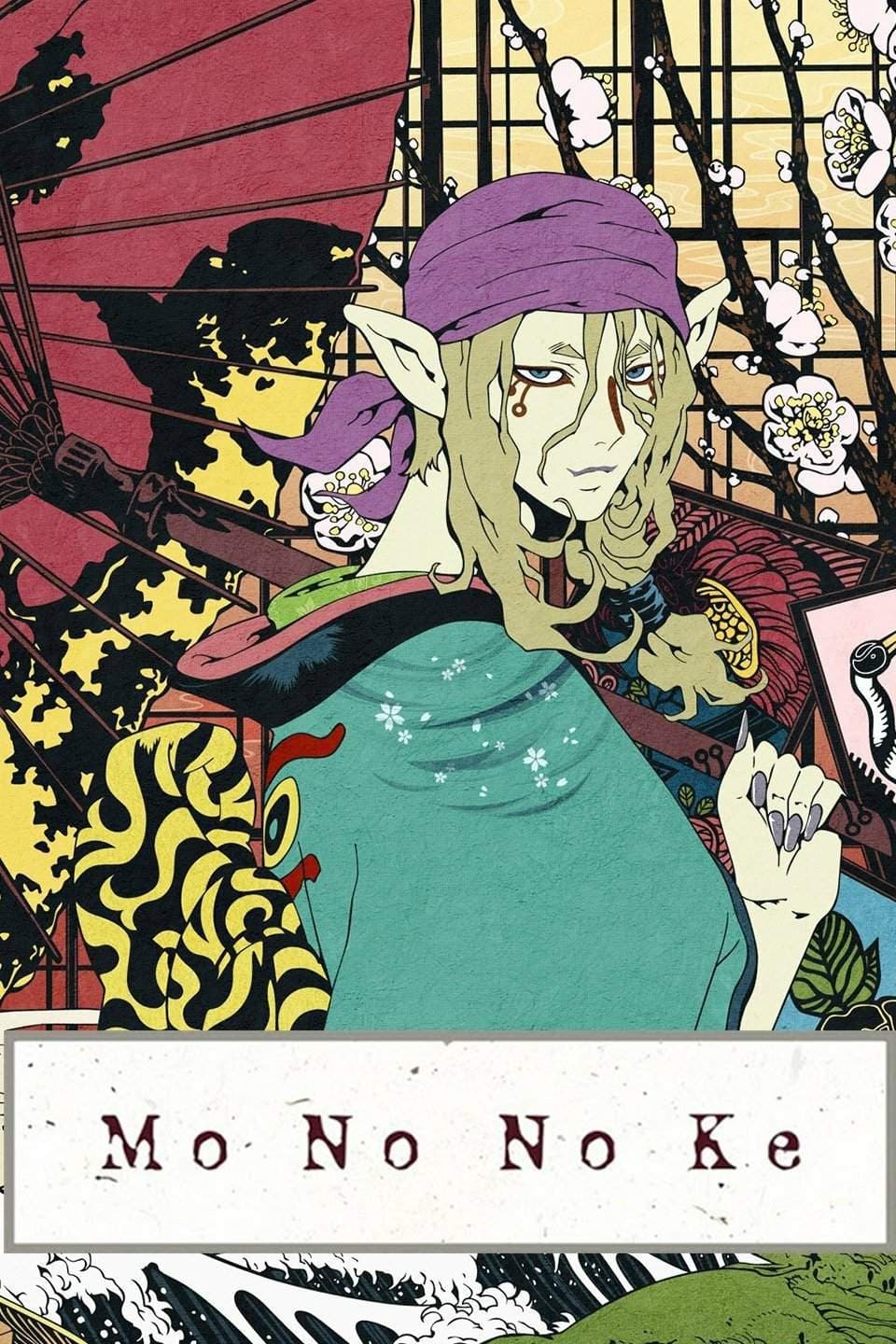
This supernatural anthology follows the Medicine Seller as he exorcises vengeful spirits by uncovering their Form, Truth, and Reason. Each arc uses stylized art inspired by ukiyo-e patterns and theatrical framing. Stories are structured as investigations, with rules for identifying and confronting specific mononoke. The series runs 12 episodes and expands a character introduced in ‘Ayakashi: Samurai Horror Tales’.
‘Texhnolyze’ (2003)
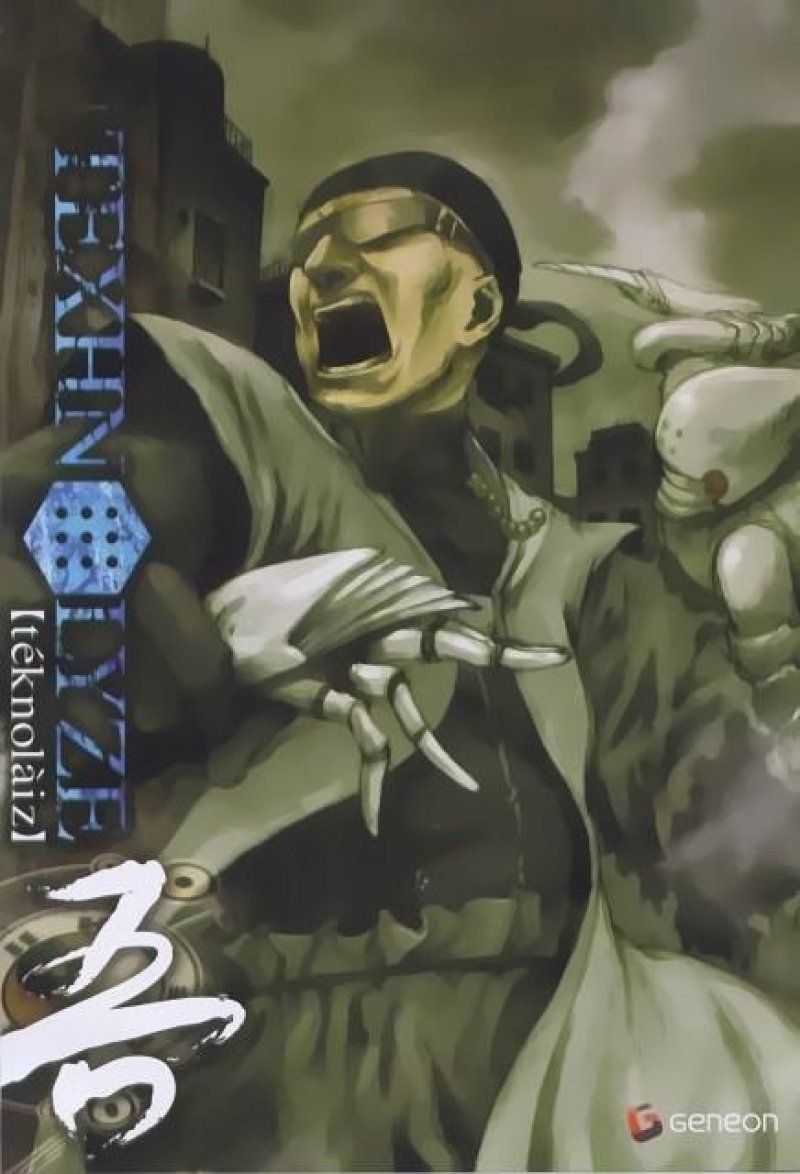
Set in the subterranean city of Lux, this cyberpunk drama examines rival factions, body-augmentation tech, and social decay. The narrative emphasizes power structures, black-market prosthetics, and urban survival tactics. Visual storytelling leans on minimal dialogue, ambient sound, and long takes. The show totals 22 episodes.
‘Gankutsuou’ (2004–2005)
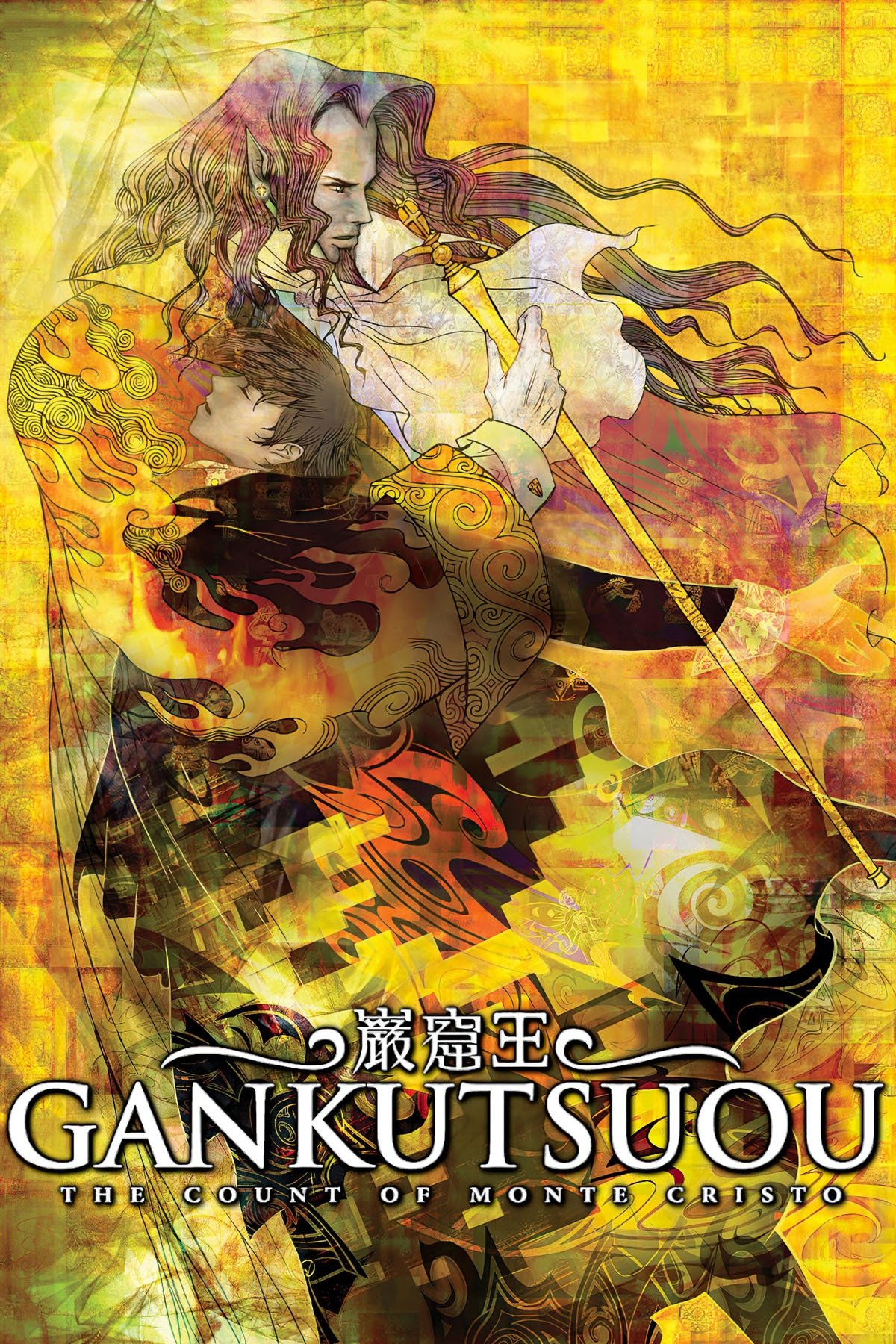
This adaptation transposes Dumas’s revenge tale into a far-future aristocratic society. A distinctive digital technique overlays elaborate textures onto character designs while keeping line art visible. Political alliances, inheritance law, and social rituals shape each confrontation. The TV run comprises 24 episodes.
‘Kemonozume’ (2006)
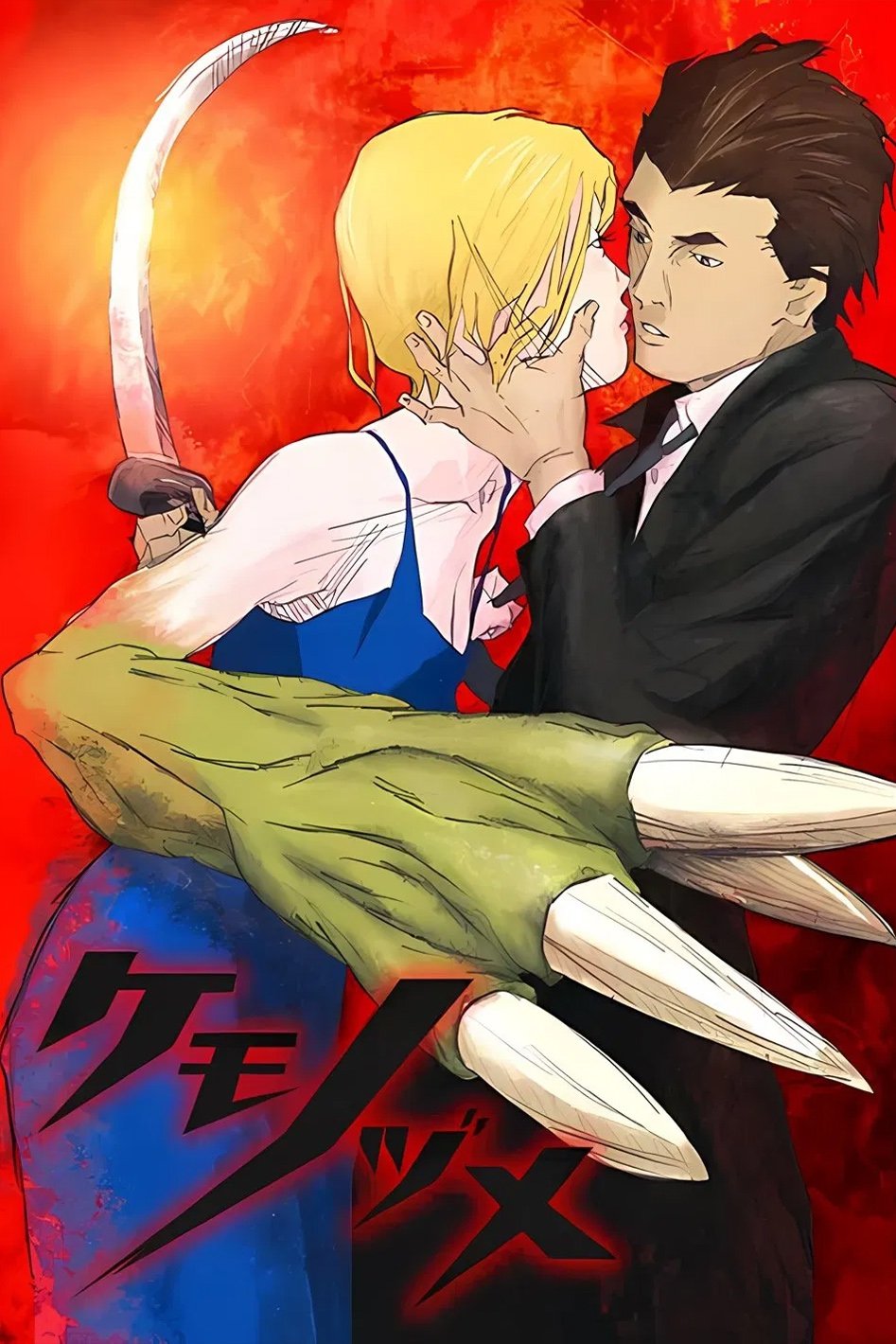
Directed by Masaaki Yuasa, this action romance follows a monster hunter and a flesh-eating yōkai entangled across criminal networks. Hand-drawn, experimental animation shifts palettes and line weights to match mood and perspective. Plotlines explore clandestine organizations, martial arts schools, and family legacies. The series spans 13 episodes.
‘Shiki’ (2010)
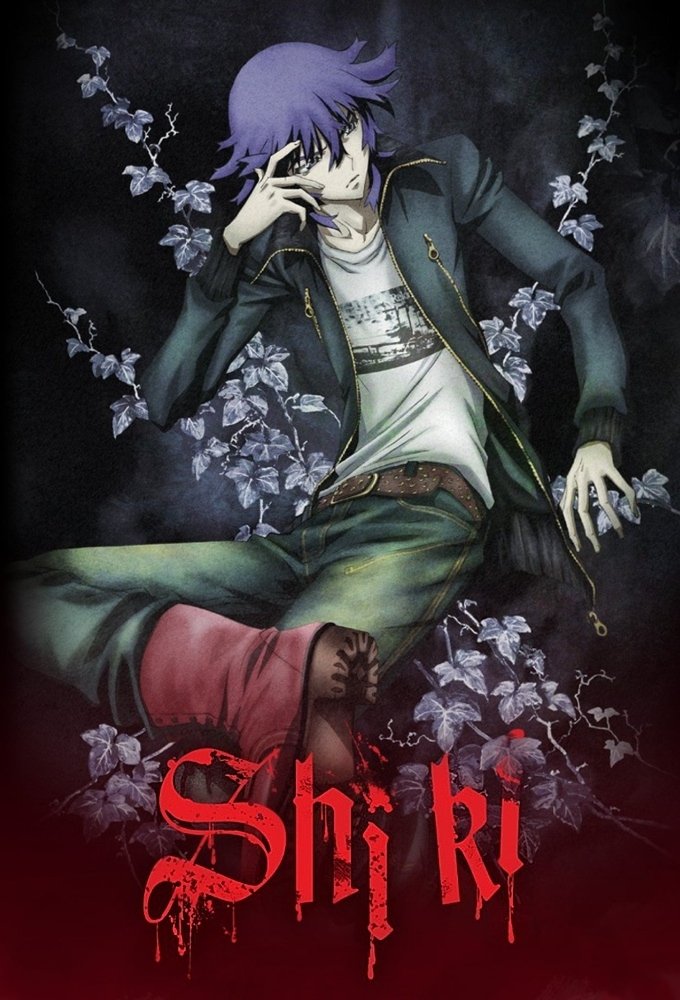
Adapted from Fuyumi Ono’s novel, this rural horror story charts a wave of unexplained deaths in an isolated village. It maps medical procedures, autopsy findings, and local governance as the crisis escalates. Character dossiers track residents’ roles, beliefs, and community ties. The show runs 22 episodes plus bonus specials.
‘Kyousougiga’ (2013)
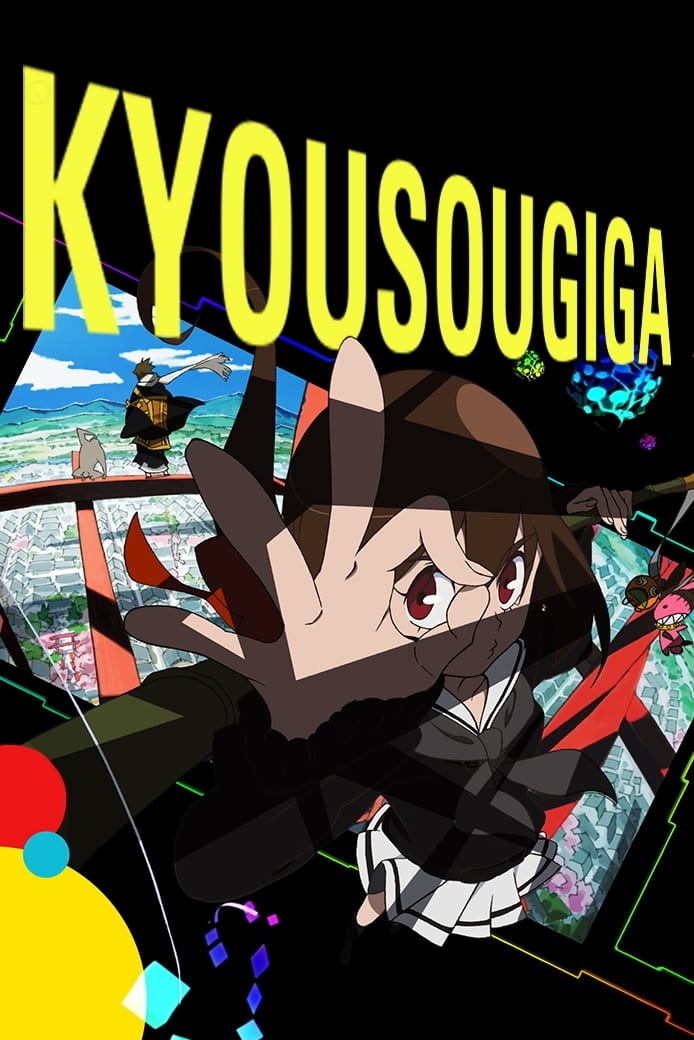
This urban fantasy centers on a makeshift family inside a mirror Kyoto called the Mirror Capital. Mythic beings and human residents interact through rules tied to creation, destruction, and spiritual authority. Visuals combine festival imagery, shrine iconography, and kinetic cuts. The project includes a TV series with 10 core episodes and related shorts.
‘Boogiepop Phantom’ (2000)
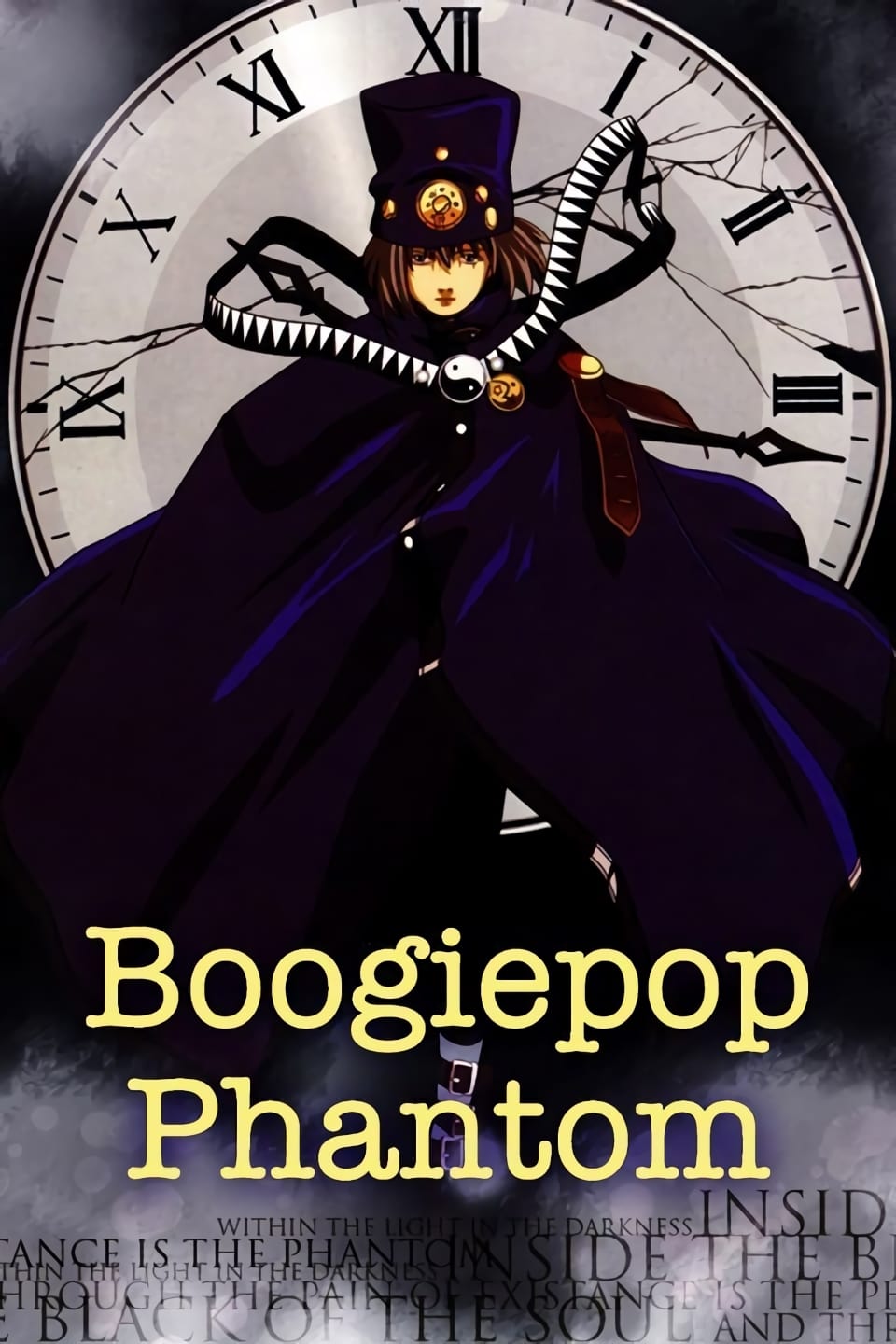
Structured as a mosaic of intersecting accounts, this psychological mystery follows strange phenomena surrounding a rumored figure called Boogiepop. Episodes revisit the same nights from different viewpoints to reveal cause-and-effect chains. Sound design and lighting cues mark time shifts and memory distortions. The series comprises 12 episodes.
‘Girls’ Last Tour’ (2017)
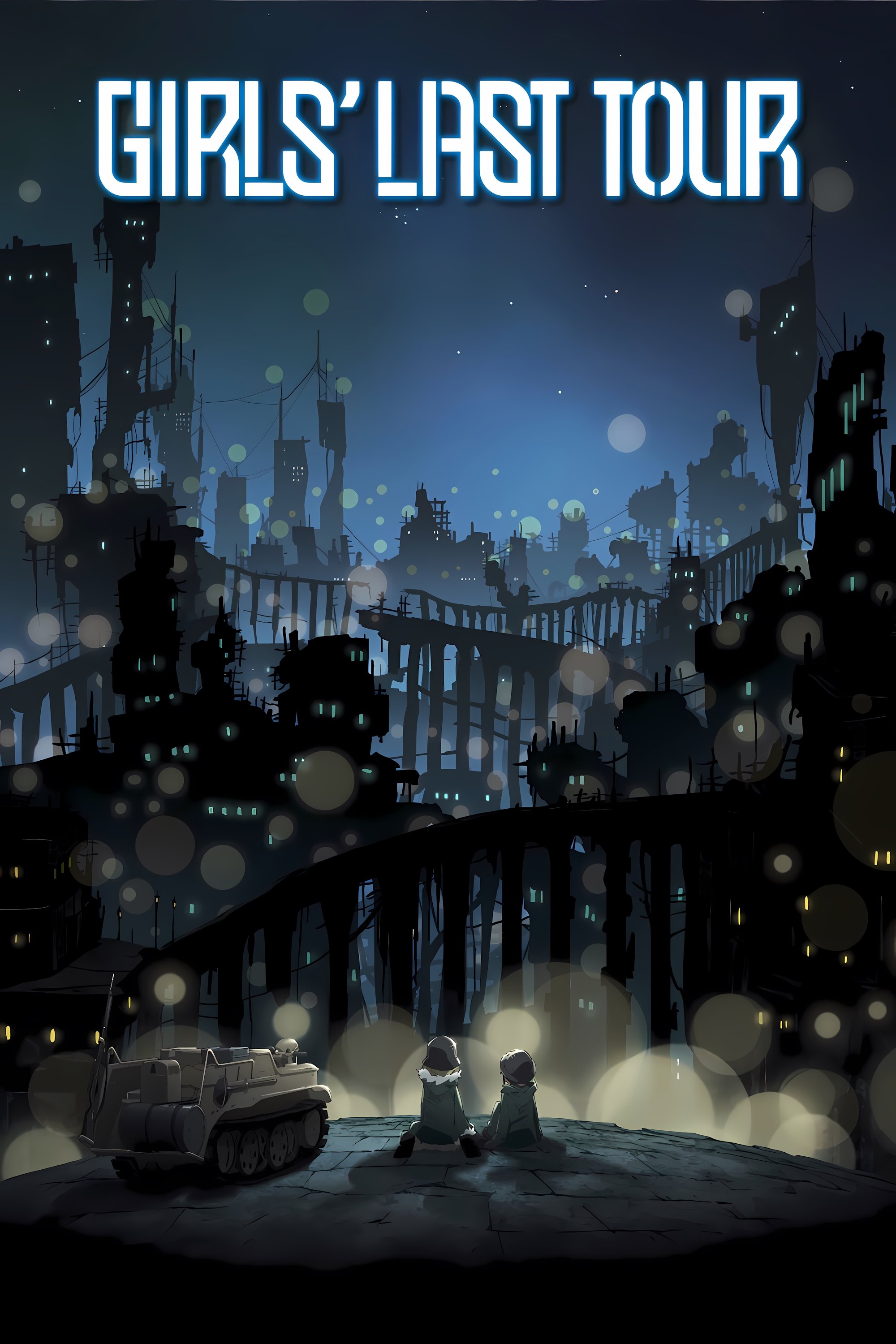
Two travelers traverse an empty continent in a tracked vehicle, documenting relics of industry, housing, and infrastructure. The show details scavenging methods, rationing, and mechanical maintenance. Environmental hazards and unfamiliar machinery become episodic challenges. The season includes 12 episodes.
‘Moribito: Guardian of the Spirit’ (2007)
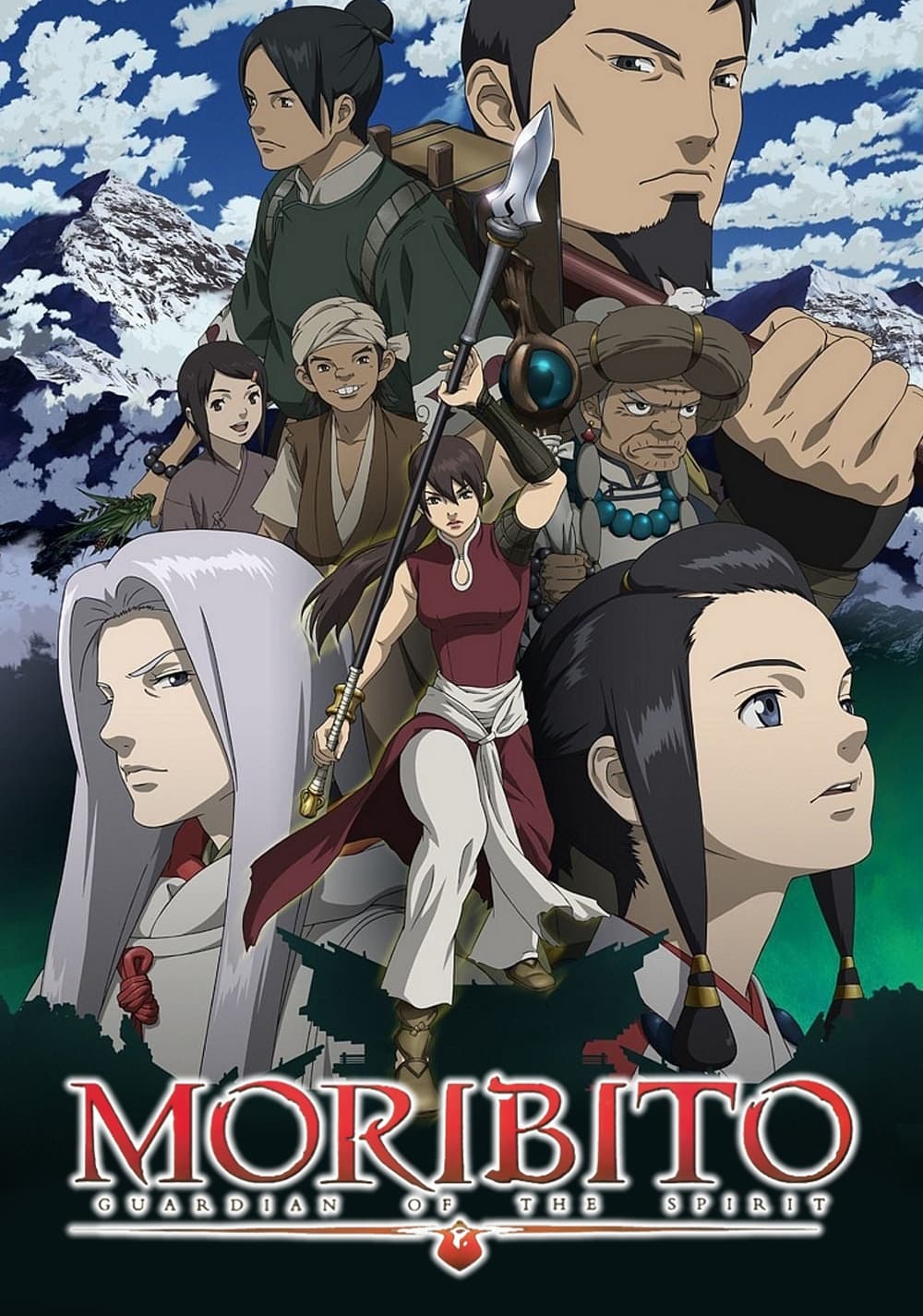
Based on Nahoko Uehashi’s novels, this fantasy adventure pairs a spear-wielding bodyguard with a prince targeted for assassination. Court politics, mercenary contracts, and folklore-driven ecology guide the journey. The production highlights weapon forms, combat stances, and travel logistics. The adaptation runs 26 episodes.
‘Time of Eve’ (2008–2009)
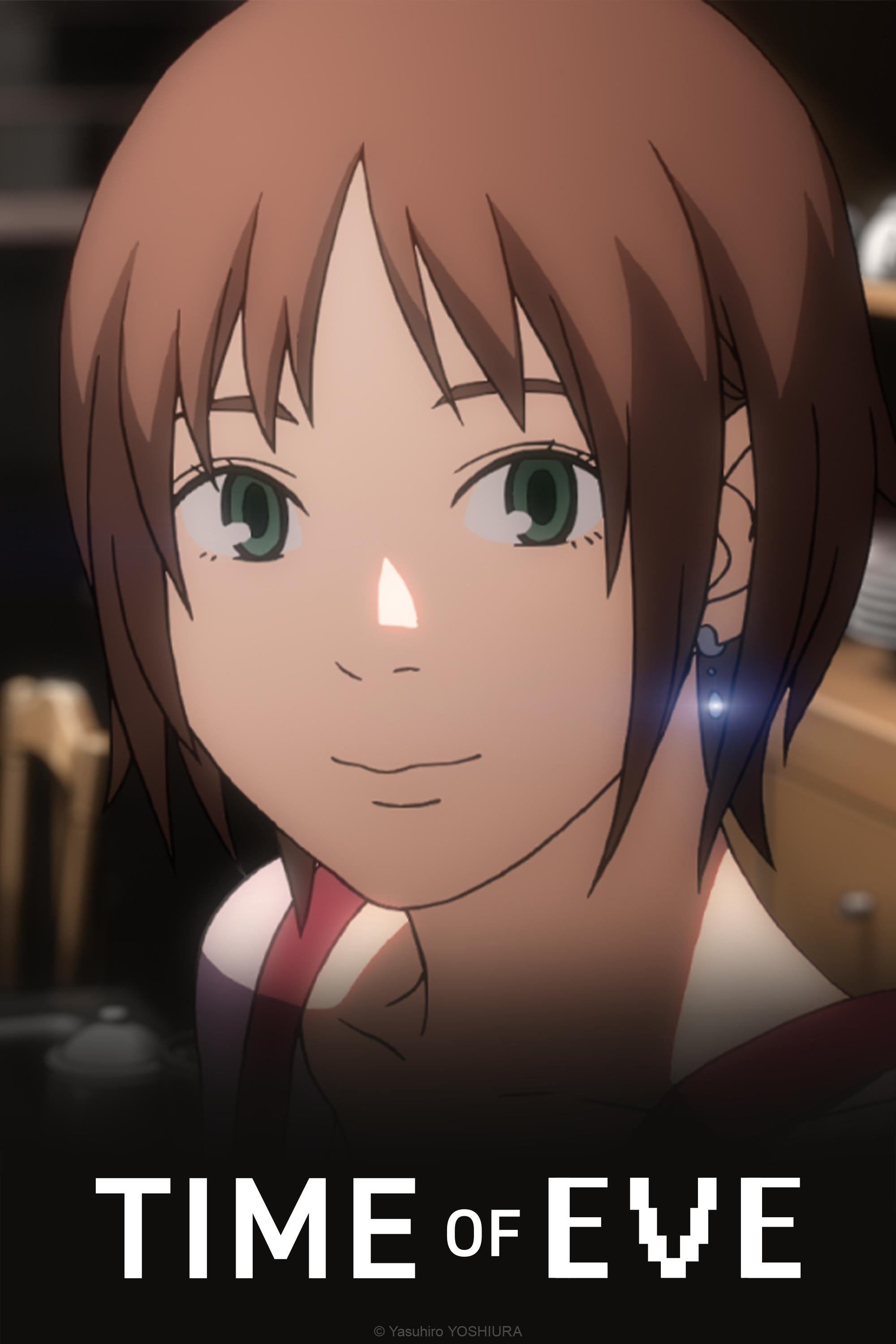
Set in a society regulating android behavior, this series focuses on a café where humans and robots interact without social labels. Episodes investigate ethics rules, household robotics, and ownership law. Dialogue explores Asimov-like directives adapted to consumer technology. The project consists of six ONA episodes later compiled into a feature cut.
‘Angel’s Egg’ (1985)
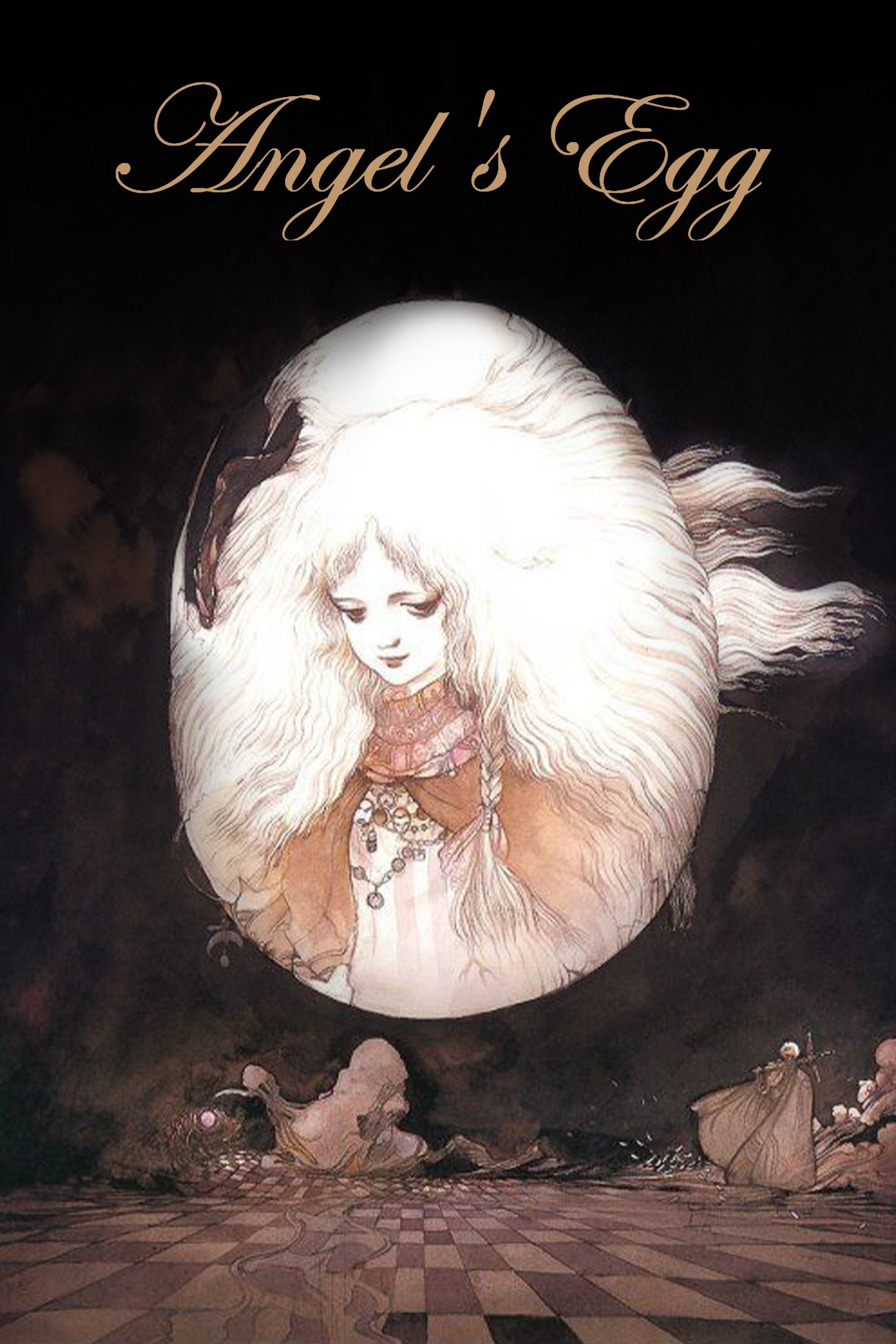
This minimalist feature follows a girl carrying a mysterious egg through a deserted, cathedral-like cityscape. Dialogue is sparse, with imagery built from religious motifs, water symbolism, and fossil iconography. Layouts emphasize negative space and architectural repetition. The film runs under 75 minutes.
‘Mind Game’ (2004)
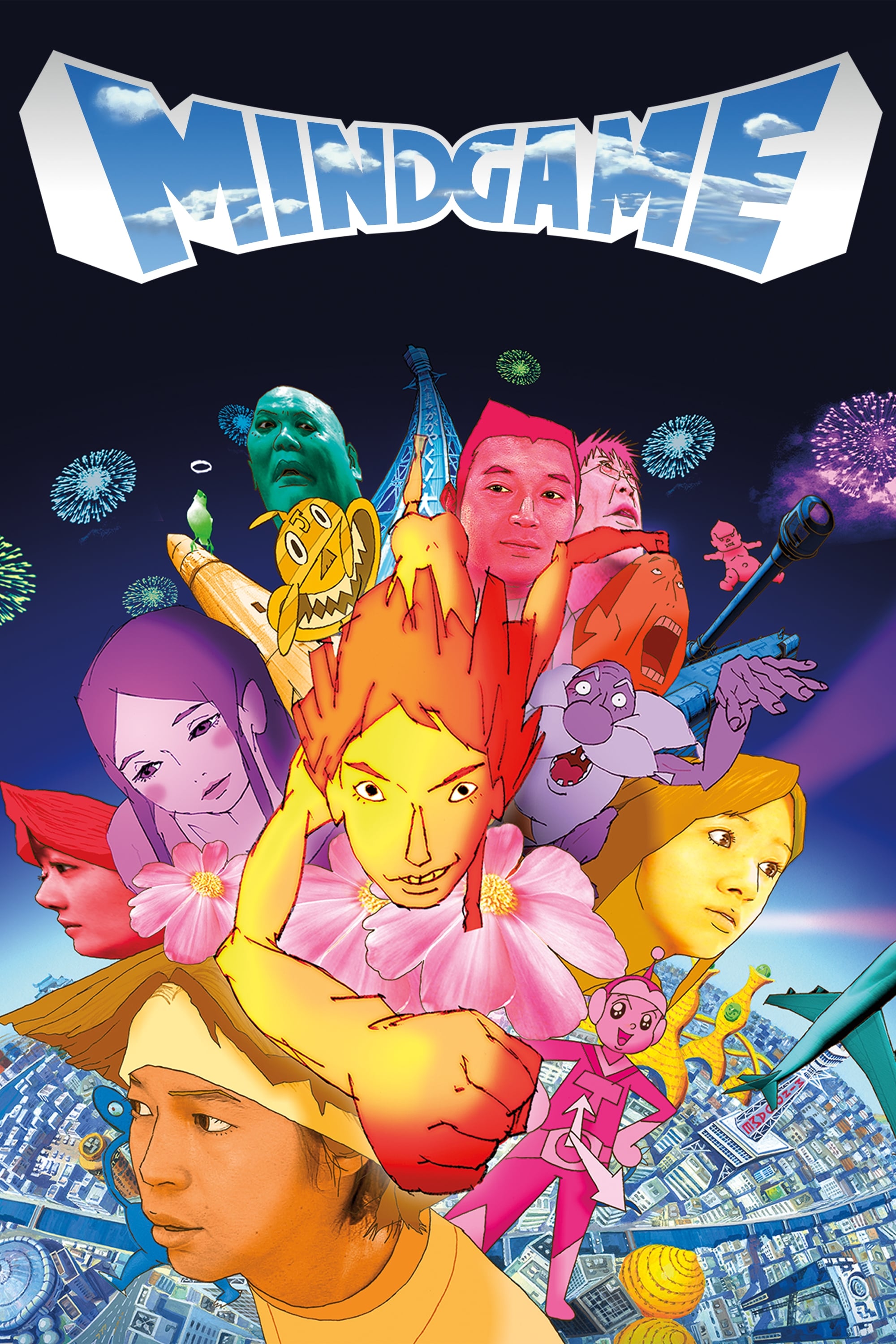
This feature uses mixed media to tell a story about a young man who survives a violent encounter and launches into a surreal odyssey. Techniques include rotoscoping, photographic textures, and abrupt shifts in rendering. Narrative detours map character backstories and improbable physics in extended setpieces. The movie’s runtime is roughly feature length.
‘Colorful’ (2010)
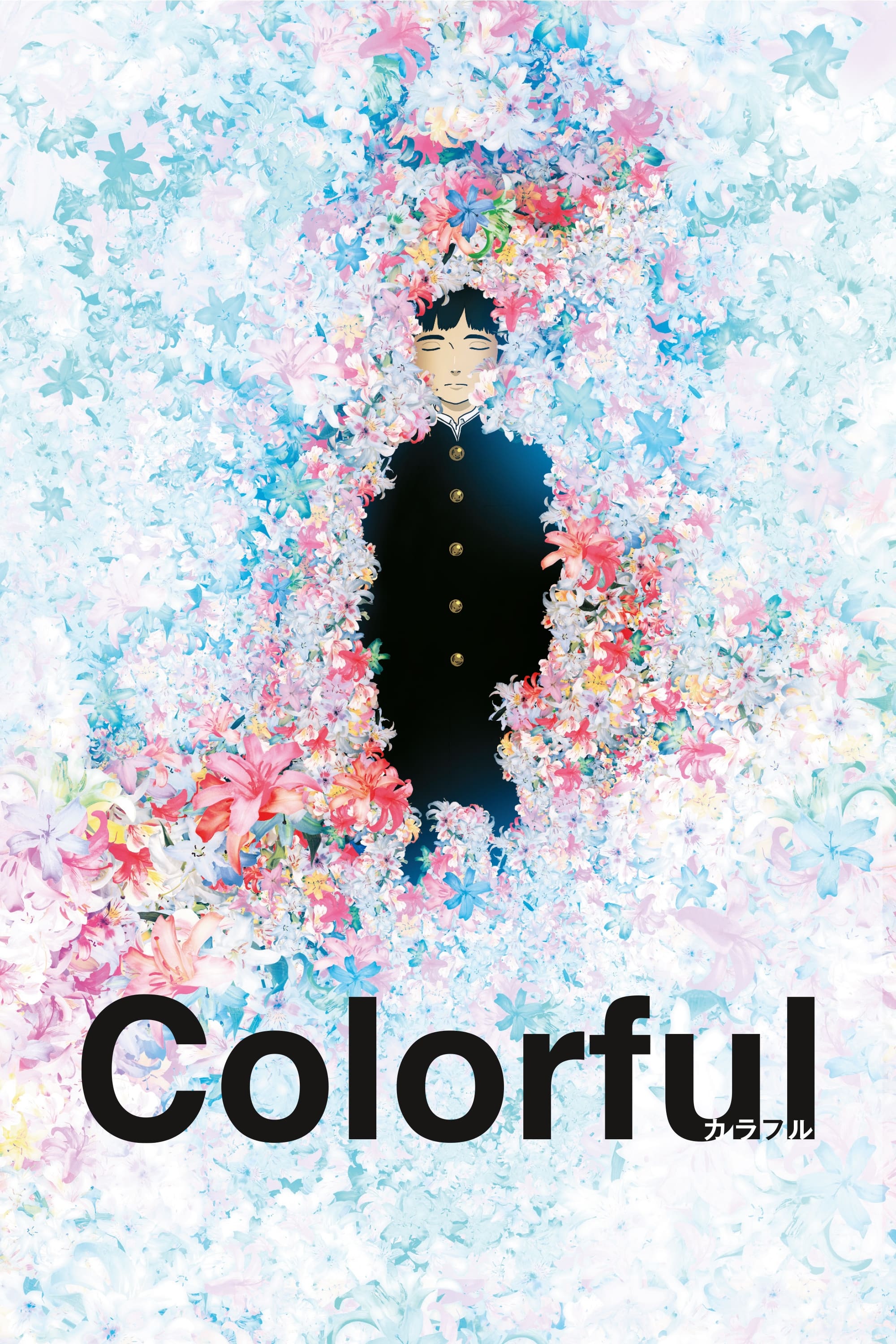
After a soul is granted a second chance, it inhabits a student’s body and must uncover a key mistake while living his life. The plot examines family dynamics, school pressures, and moral decision-making. Visuals opt for grounded settings and restrained framing to support character study. The film runs feature length.
‘Bartender’ (2006)
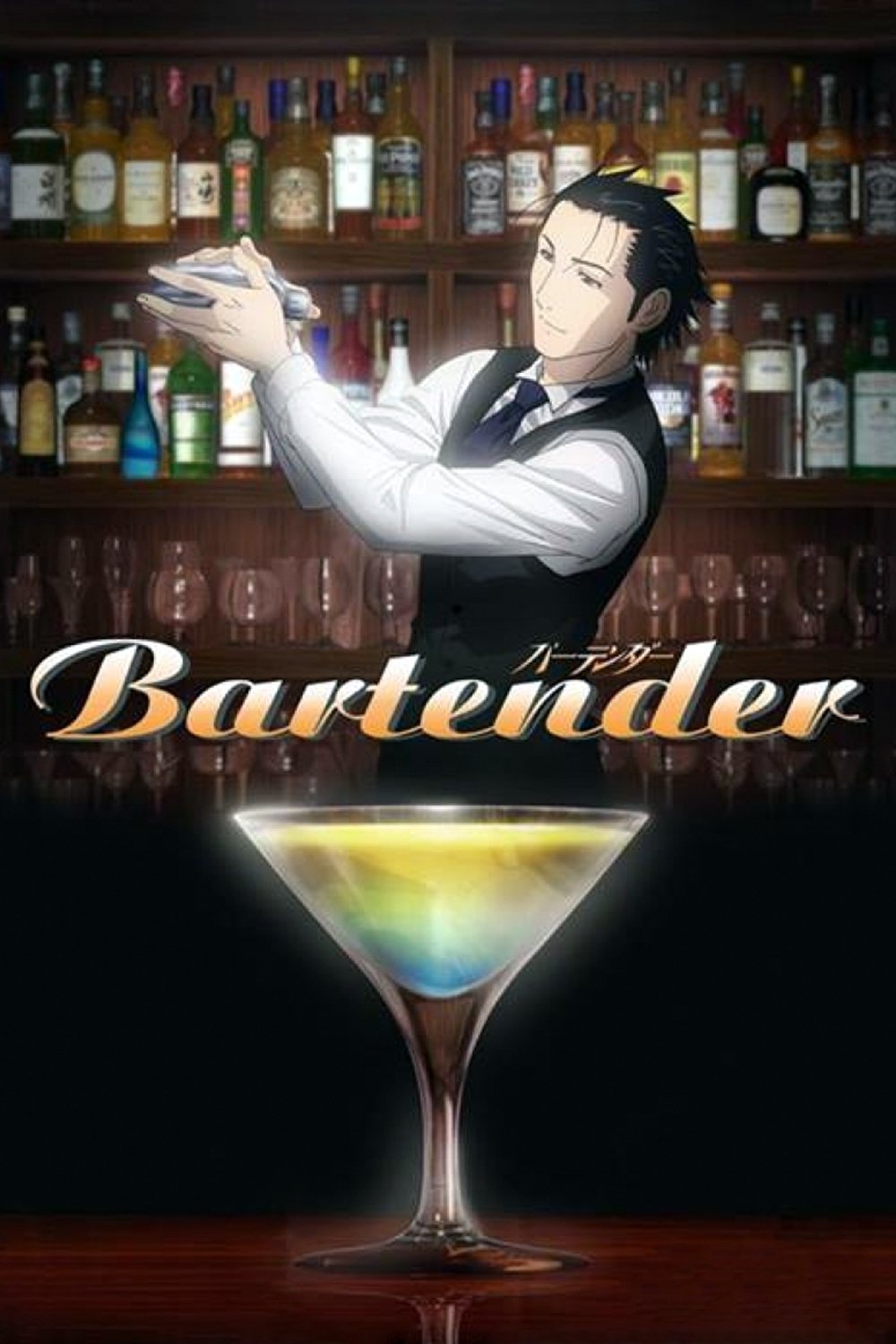
Set inside the bar Eden Hall, this slice-of-life drama follows a quiet mixologist who crafts cocktails matched to each guest’s situation. Episodes outline spirits’ origins, bar tools, and precise preparation methods. Conversations cover service etiquette and the psychology of hospitality. The series has 11 episodes.
‘The Big O’ (1999–2003)
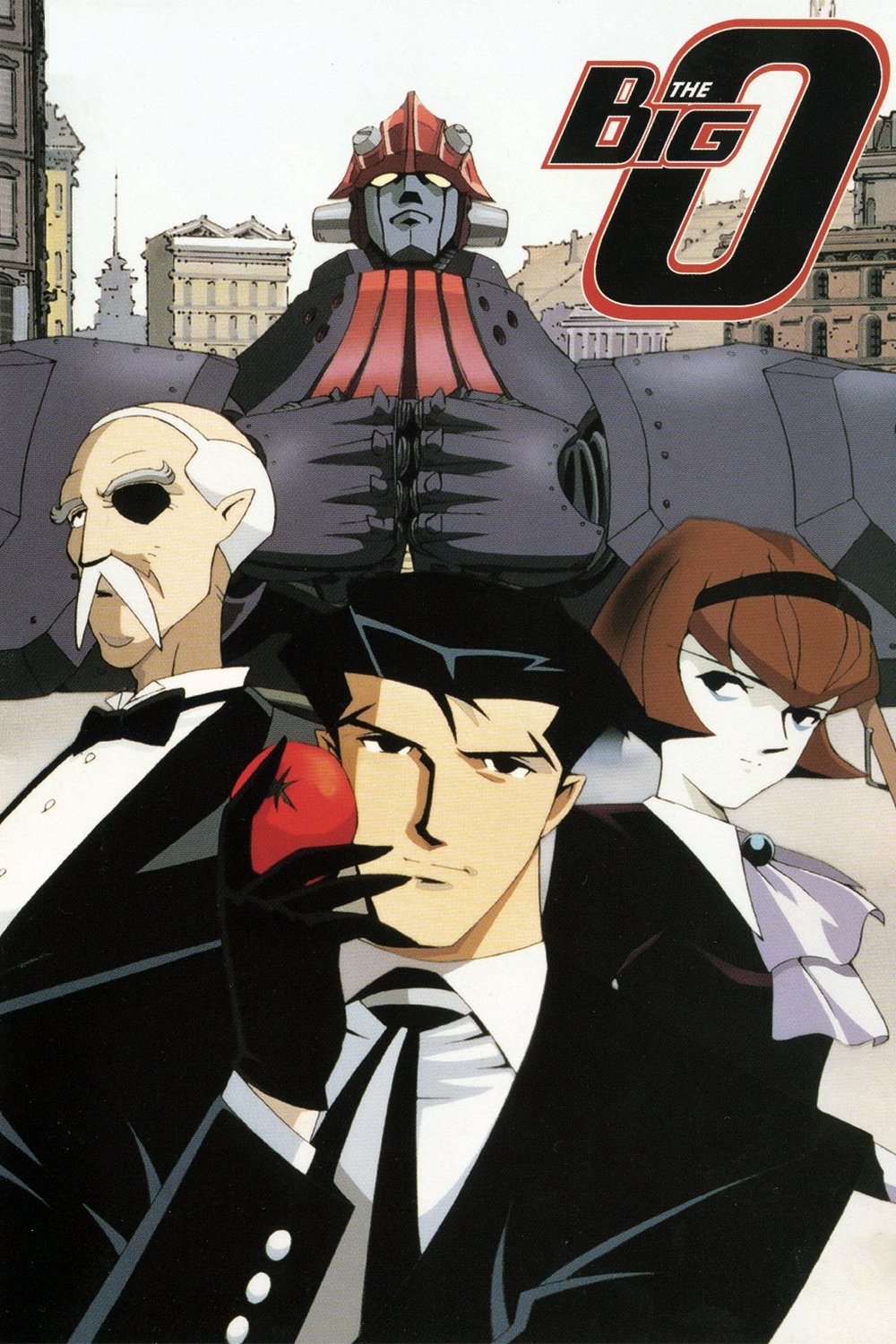
In a city of lost memories, a negotiator pilots a giant robot while investigating amnesia, corporate interests, and civic myths. The production blends noir aesthetics with mecha action and episodic case files. World-building focuses on urban planning, class divisions, and media control. Across two seasons, the show totals 26 episodes.
‘Hyouge Mono’ (2011–2012)
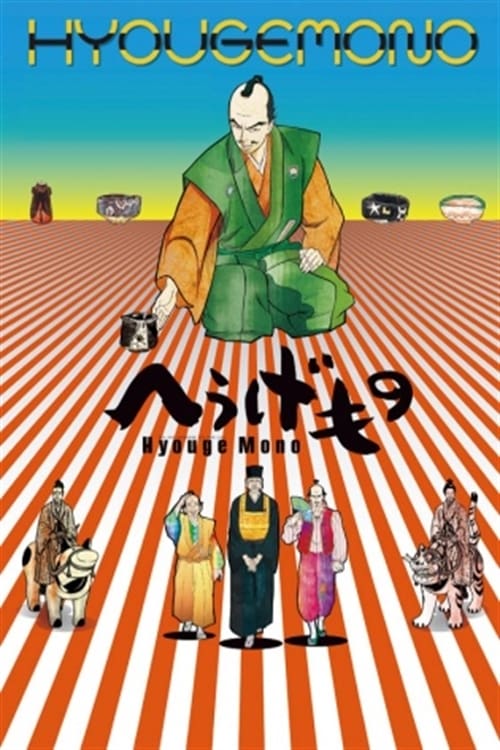
Directed by Kōichi Mashimo and produced by Bee Train, this historical drama adapts Yoshihiro Yamada’s manga about warlord retainers obsessed with tea ceremony aesthetics during the Sengoku period. It follows Furuta Sasuke as he navigates politics around Oda Nobunaga and Toyotomi Hideyoshi while collecting ceramics and utensils. The show details chanoyu schools, wabi-sabi principles, and kiln lineages tied to prized tea wares. The series runs 39 episodes.
‘Now and Then, Here and There’ (1999–2000)
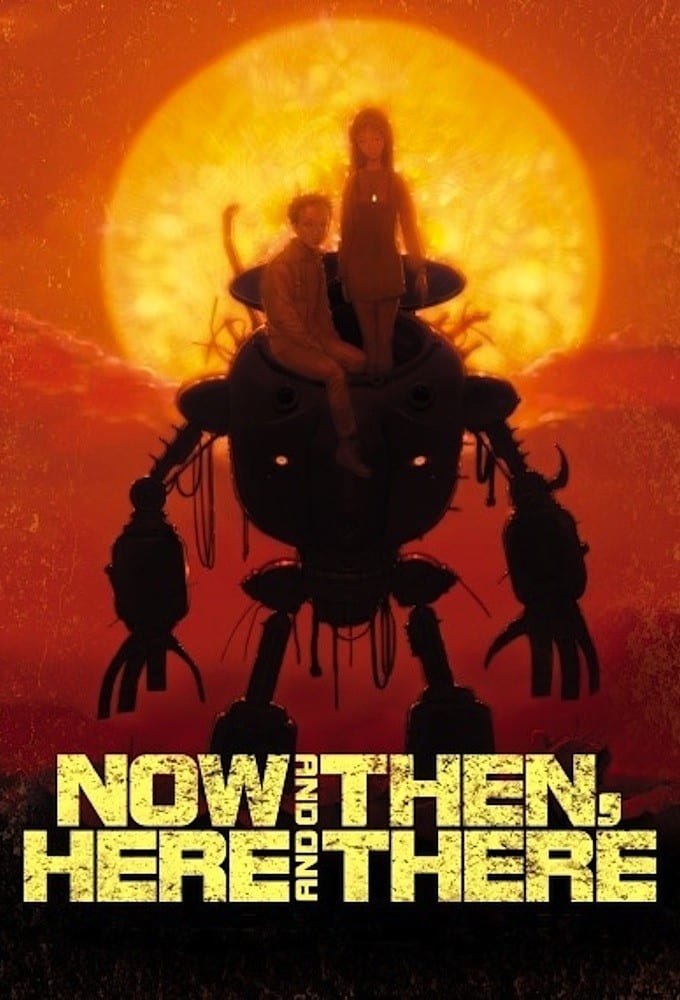
Created by Akitaro Daichi and animated by AIC, this adventure places a modern boy in a desert world ruled by a militaristic fortress. The story examines child conscription, resource scarcity, and authoritarian control around a coveted water source. Settings include mobile raids, makeshift villages, and a tower city with strict hierarchy. The TV run comprises 13 episodes.
‘Toward the Terra’ (2007)
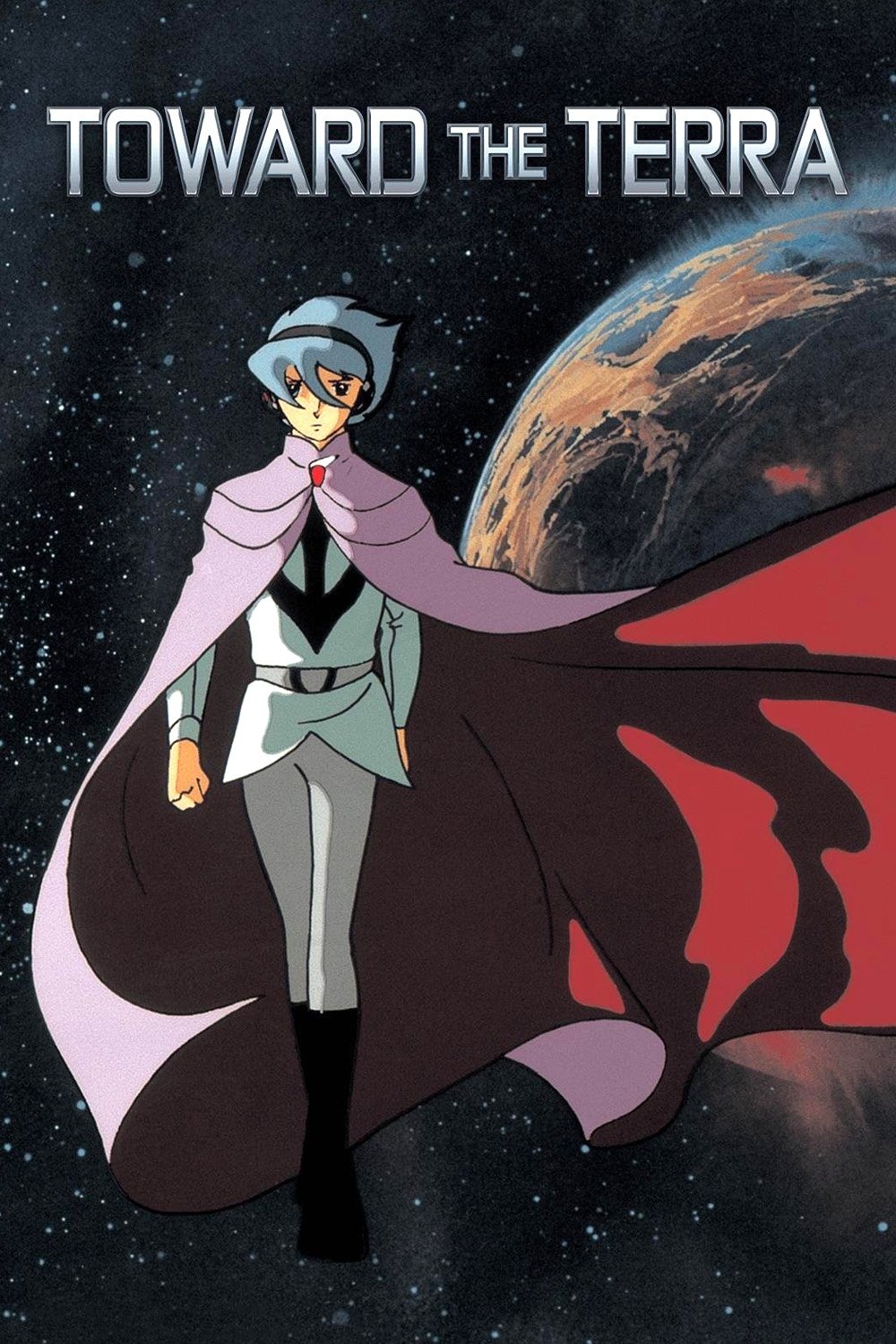
This adaptation of Keiko Takemiya’s manga reimagines humanity’s exile from Earth under computer-governed education and migration systems. It focuses on the Mu, an evolved psychic group, and the conflict with human institutions controlling reproduction and memory. Spacefaring factions, ship classes, and training academies frame the political stakes. The series totals 24 episodes.
‘Gosick’ (2011)

Based on Kazuki Sakuraba’s novels, this mystery series pairs an exchange student with a reclusive prodigy in a small European kingdom. Cases revolve around folklore, aristocratic estates, and academy life, with period technology guiding deductions. Visual motifs include costume details, library research, and coded correspondence. The adaptation runs 24 episodes.
‘Aoi Bungaku Series’ (2009)
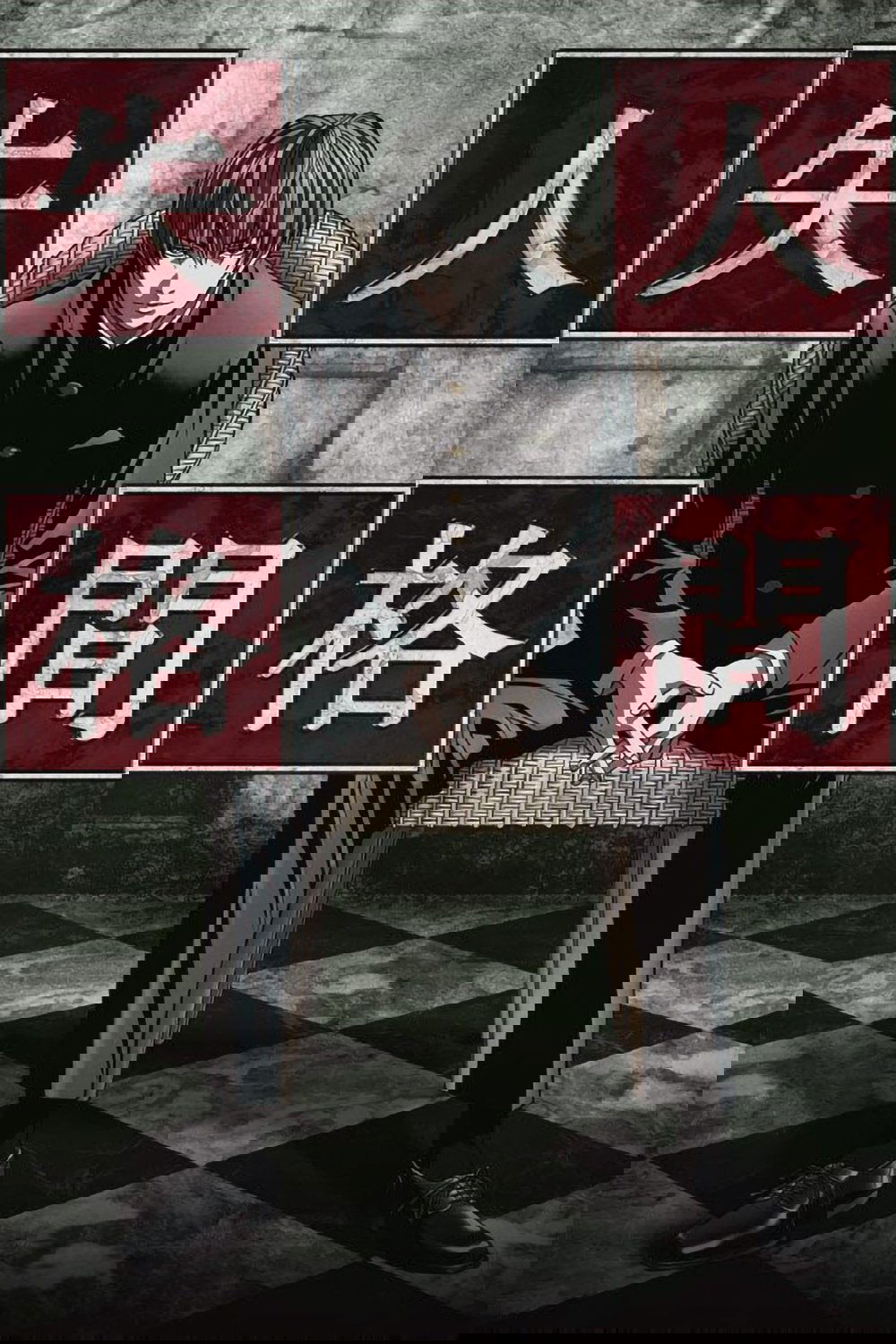
Produced by Madhouse, this anthology adapts six classic Japanese literary works across multiple directors and visual styles. Stories include re-interpretations of texts by Osamu Dazai, Natsume Sōseki, and Ryūnosuke Akutagawa. Each arc presents distinct design choices, narration techniques, and time settings. The project spans 12 episodes.
‘Patema Inverted’ (2013)
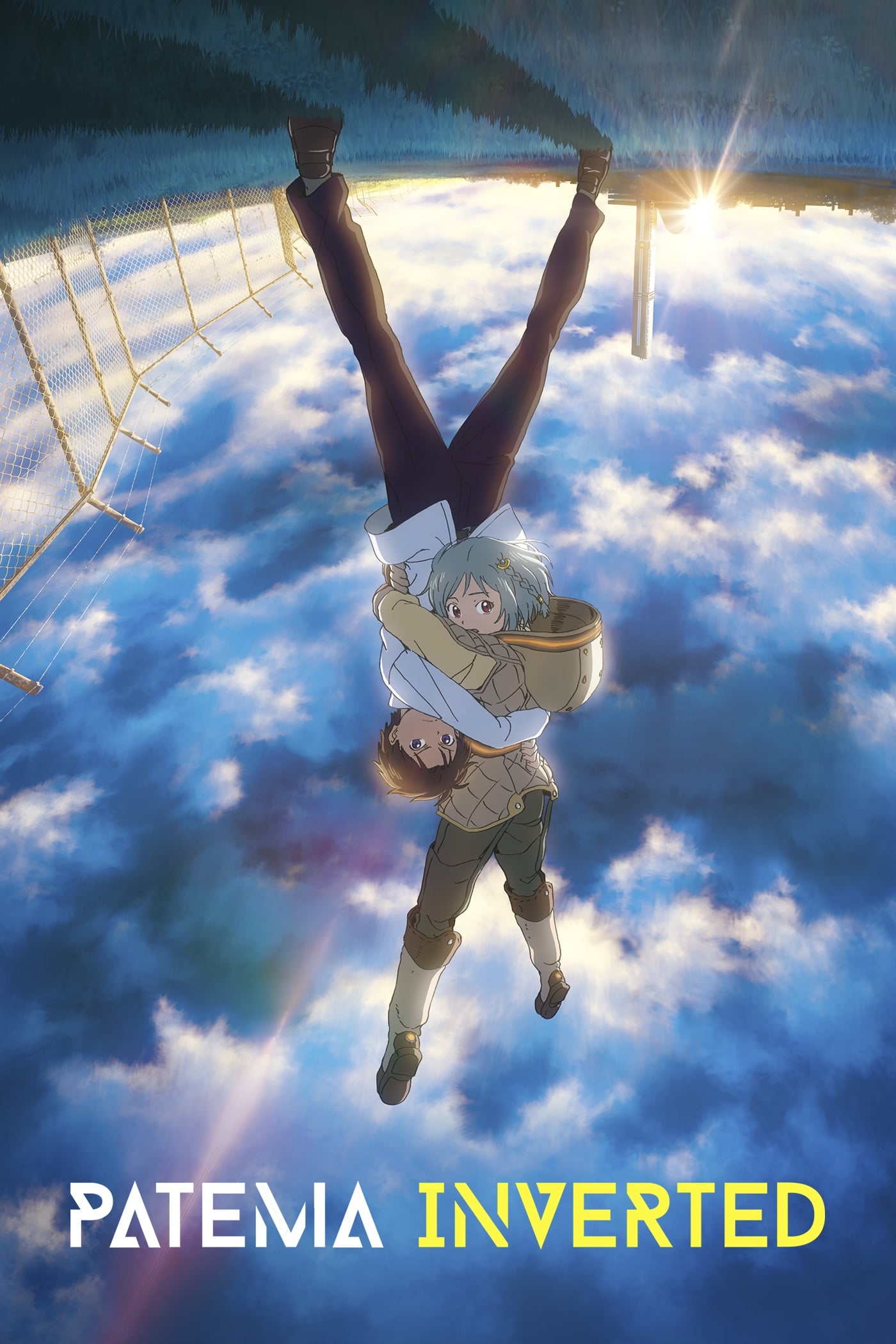
Directed by Yasuhiro Yoshiura, this feature explores two societies with opposing gravity orientations that meet at a forbidden zone. World rules cover safety gear, anchor points, and structural design to manage inverted falls. Political authorities regulate movement between territories and control historical records. The film runs feature length.
‘Royal Space Force – The Wings of Honneamise’ (1987)
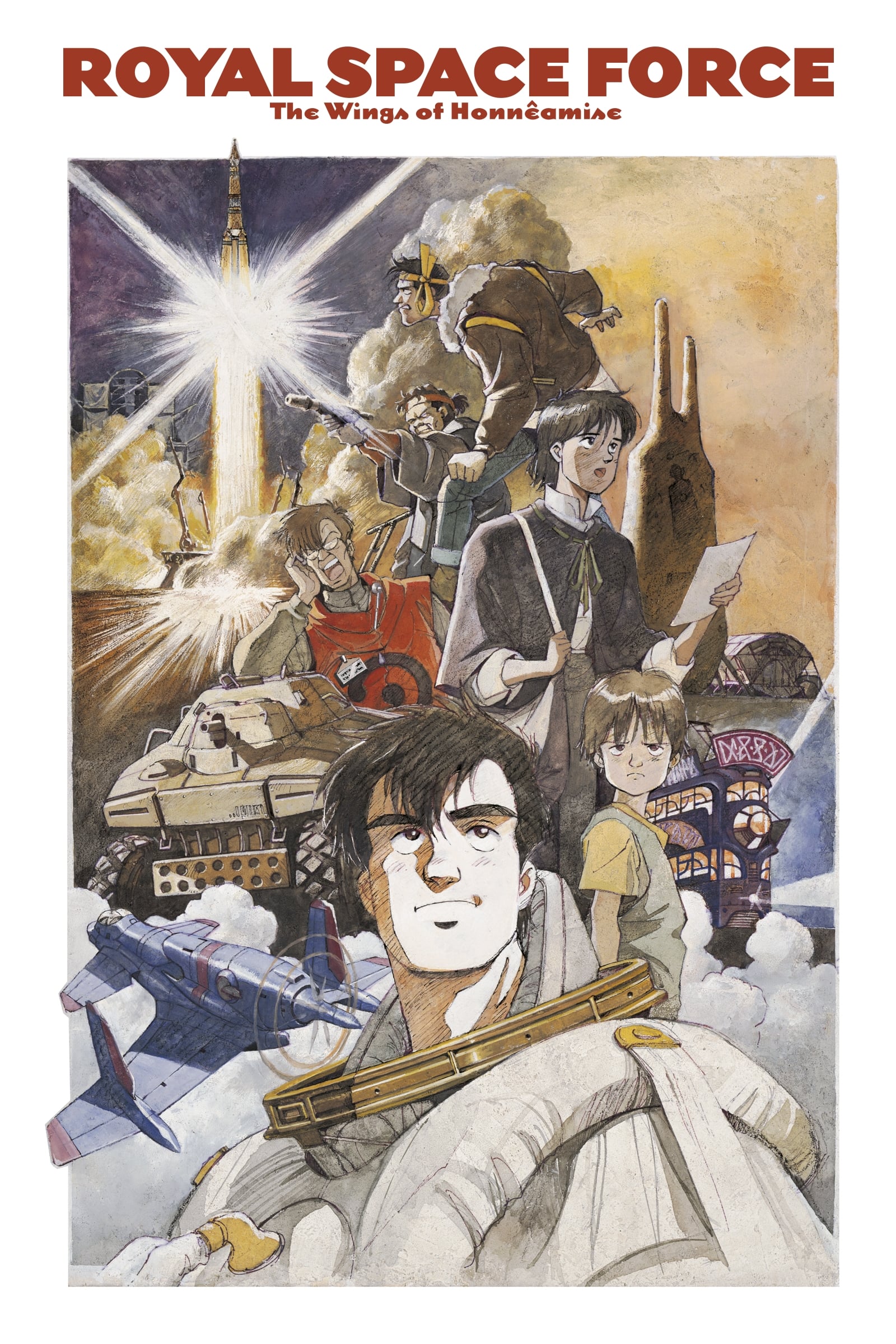
From Gainax, this film depicts a nascent nation’s attempt to launch its first manned rocket amid geopolitical tension. Production design catalogs engines, suits, and airframes developed through hand-drawn schematics. The narrative follows institutional procurement, training pipelines, and public propaganda around the space program. The movie is feature length.
‘Cencoroll’ (2009)
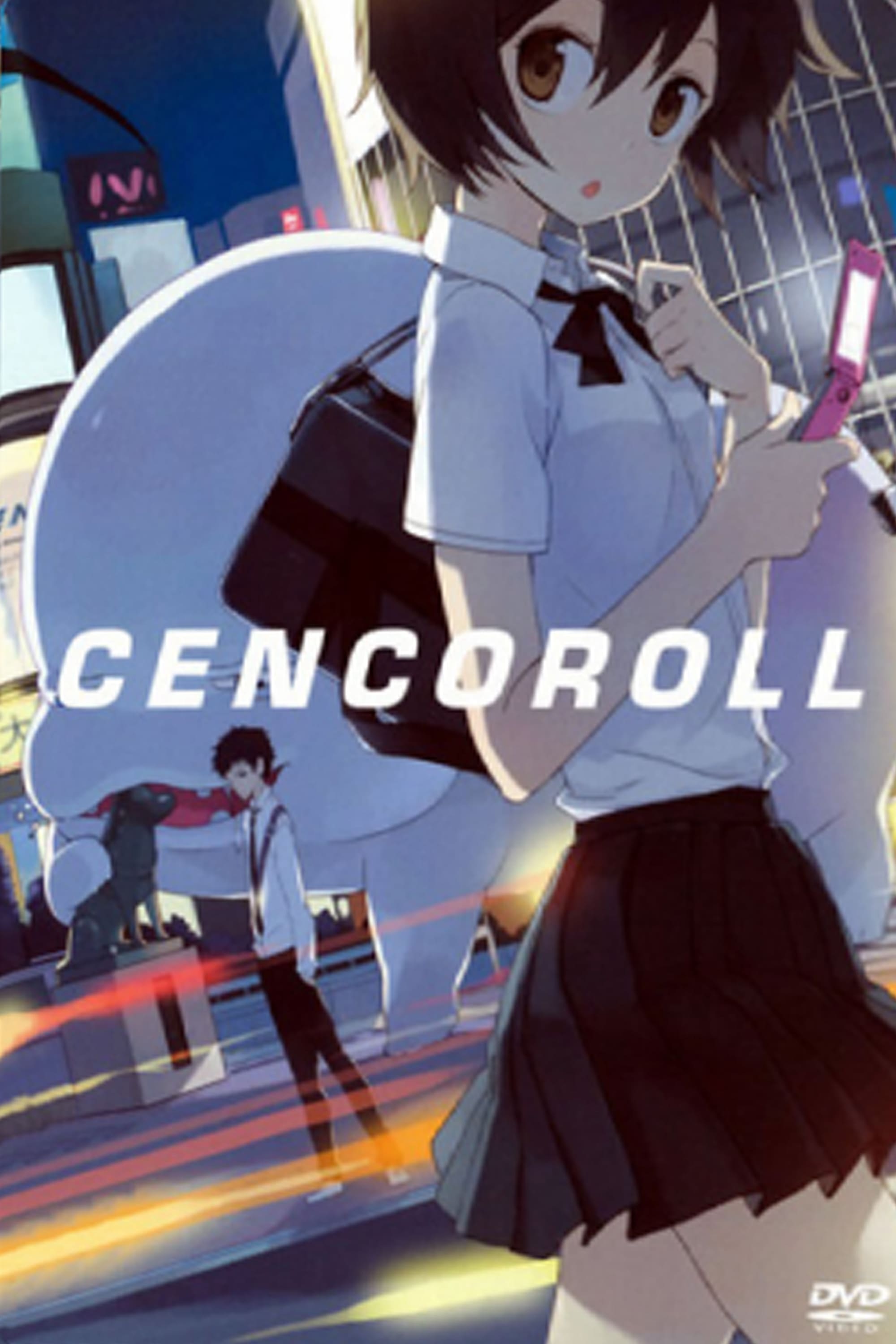
An independent OVA by Atsuya Uki, this project features shapeshifting creatures linked to their human handlers in a modern city. Creature forms respond to food energy and operator intent, leading to tactical encounters on rooftops and streets. Minimal dialogue emphasizes mechanical transformations and urban layouts. The initial release is a single episode later continued by sequels.
‘Night Is Short, Walk On Girl’ (2017)
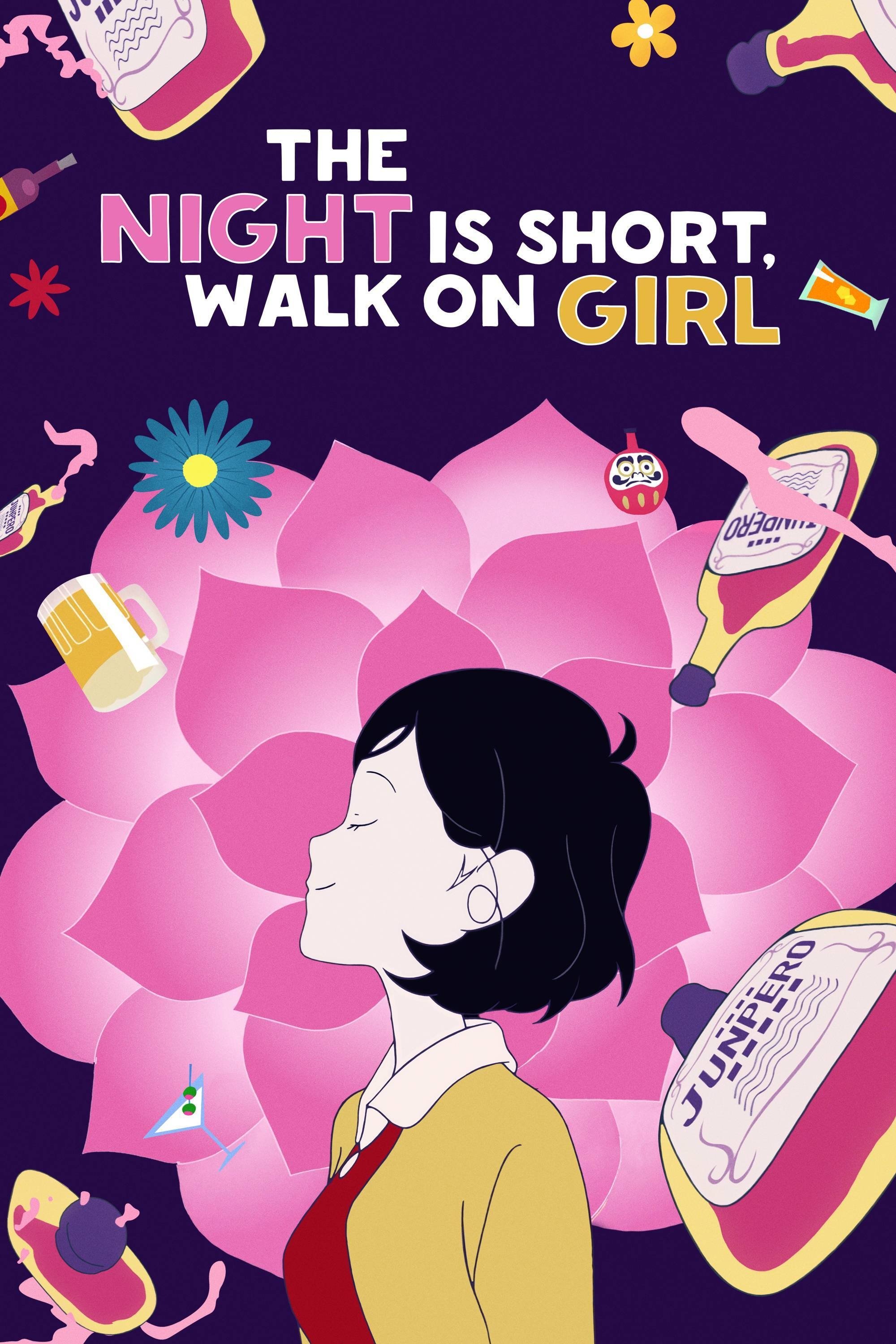
Directed by Masaaki Yuasa and based on Tomihiko Morimi’s novel, this film follows a student’s long night across book fairs, theater troupes, and underground bars in Kyoto. Scenes map the city’s venues and seasonal campus events that connect the ensemble. Musical interludes and stagecraft are integrated as diegetic performances. The film is feature length.
‘Penguindrum’ (2011)

From director Kunihiko Ikuhara, this series centers on siblings bound to a mission that involves a mysterious hat and a shifting set of conspirators. Structure alternates between present-day investigations and character dossiers tied to a past incident. Visual motifs include subway iconography, survival strategies, and organizational diagrams. The show runs 24 episodes.
‘From the New World’ (2012–2013)
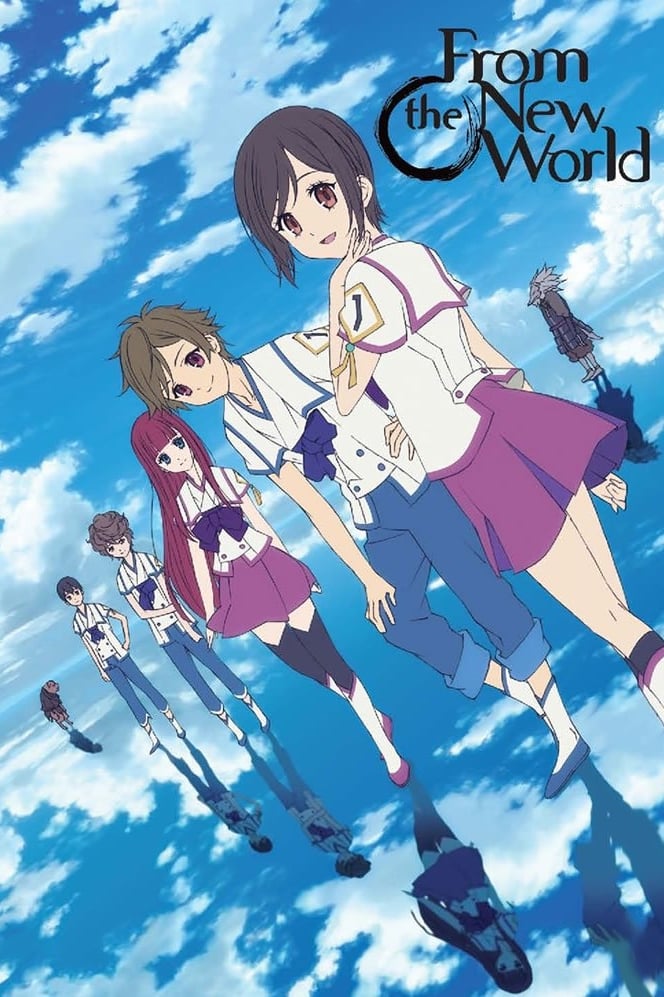
Adapted from Yusuke Kishi’s novel, this series portrays an agrarian society that trains children to control psychokinetic abilities under strict communal rules. It documents schooling stages, ethics lessons, and archival records that explain governance and history. Encounters with subterranean species introduce language systems and territorial politics. The TV run totals 25 episodes.
‘Gargantia on the Verdurous Planet’ (2013)
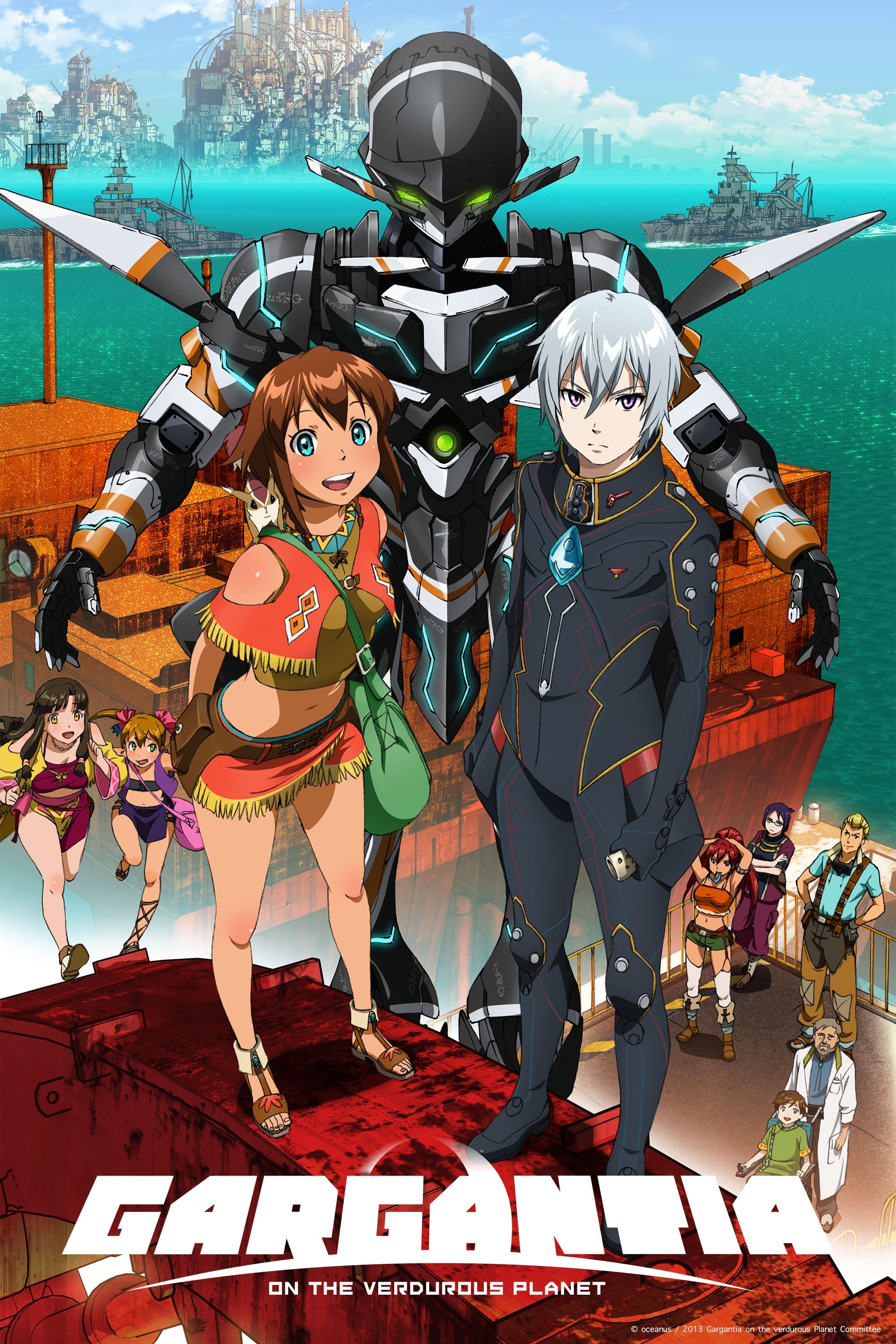
A Production I.G original, this adventure follows a mecha pilot who lands on a flotilla city where salvage, guild work, and tidal patterns dictate life. Episodes cover cargo routes, market exchanges, and machine maintenance as he adapts to local norms. Worldbuilding contrasts spaceborne command hierarchies with cooperative maritime labor. The series comprises 13 episodes plus OVAs.
‘Le Chevalier D’Eon’ (2006–2007)
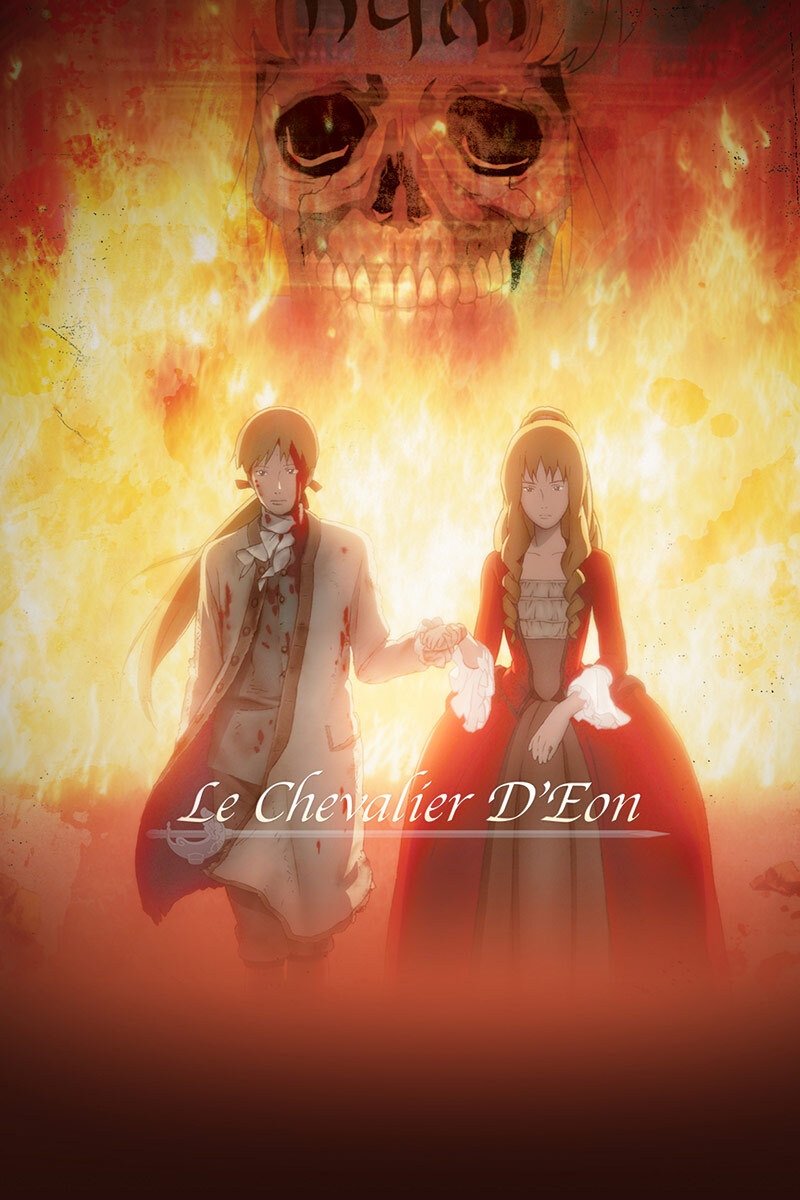
Produced by Production I.G, this historical fantasy reinterprets the life of diplomat and spy Chevalier d’Éon in pre-revolutionary France. Plots involve court intrigue, coded scriptures, and European statecraft tied to missing persons cases. Fencing choreography and period costuming are used to ground setpieces. The adaptation runs 24 episodes.
‘Shigurui: Death Frenzy’ (2007)
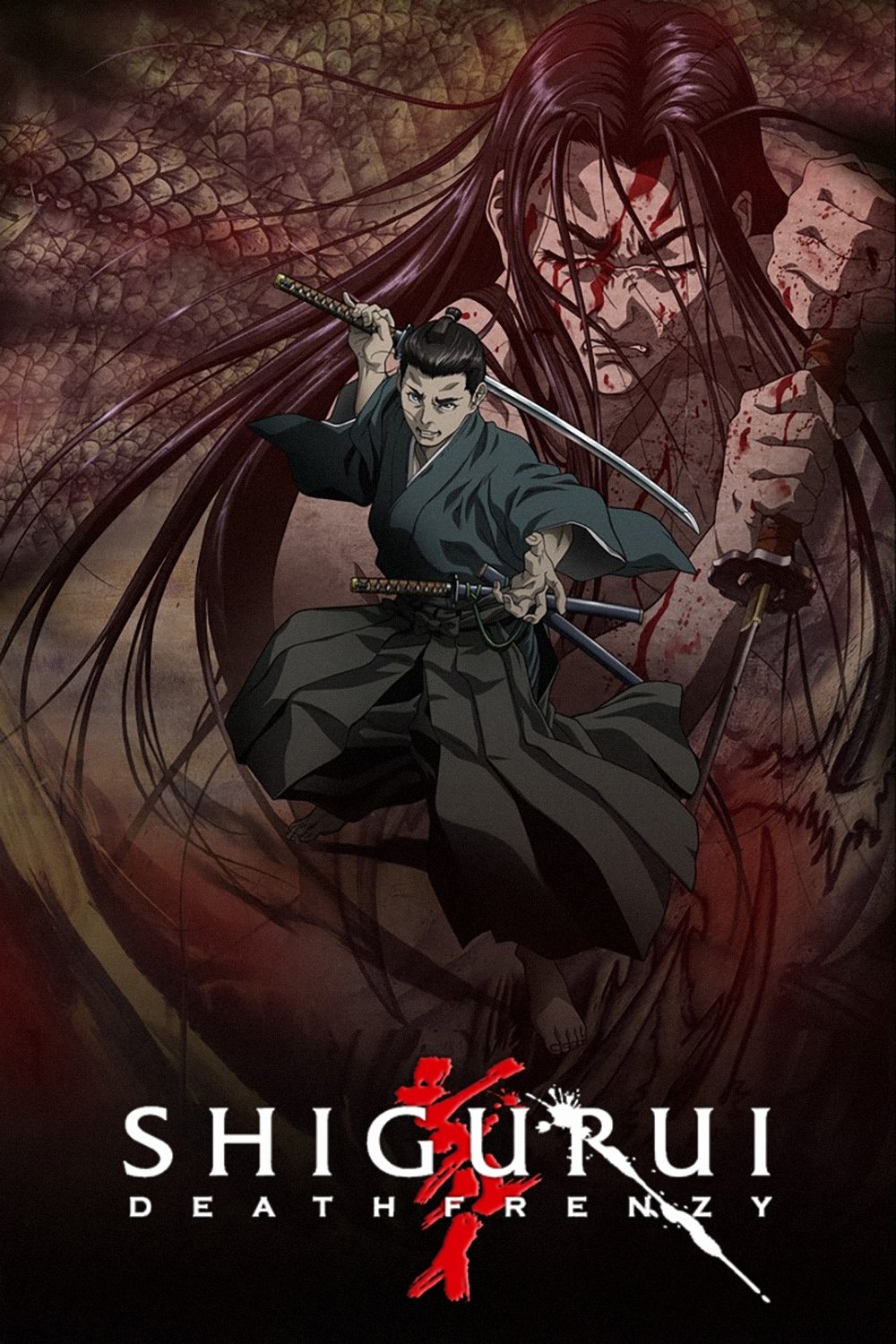
Animated by Madhouse and based on Takayuki Yamaguchi’s manga, this period piece depicts rival swordsmen in a domain governed by strict martial codes. Training schools, lordly patronage, and tournament rules organize the conflict. Anatomy-focused layouts and weapon forms are depicted with procedural detail. The series spans 12 episodes.
‘Children of the Whales’ (2017)
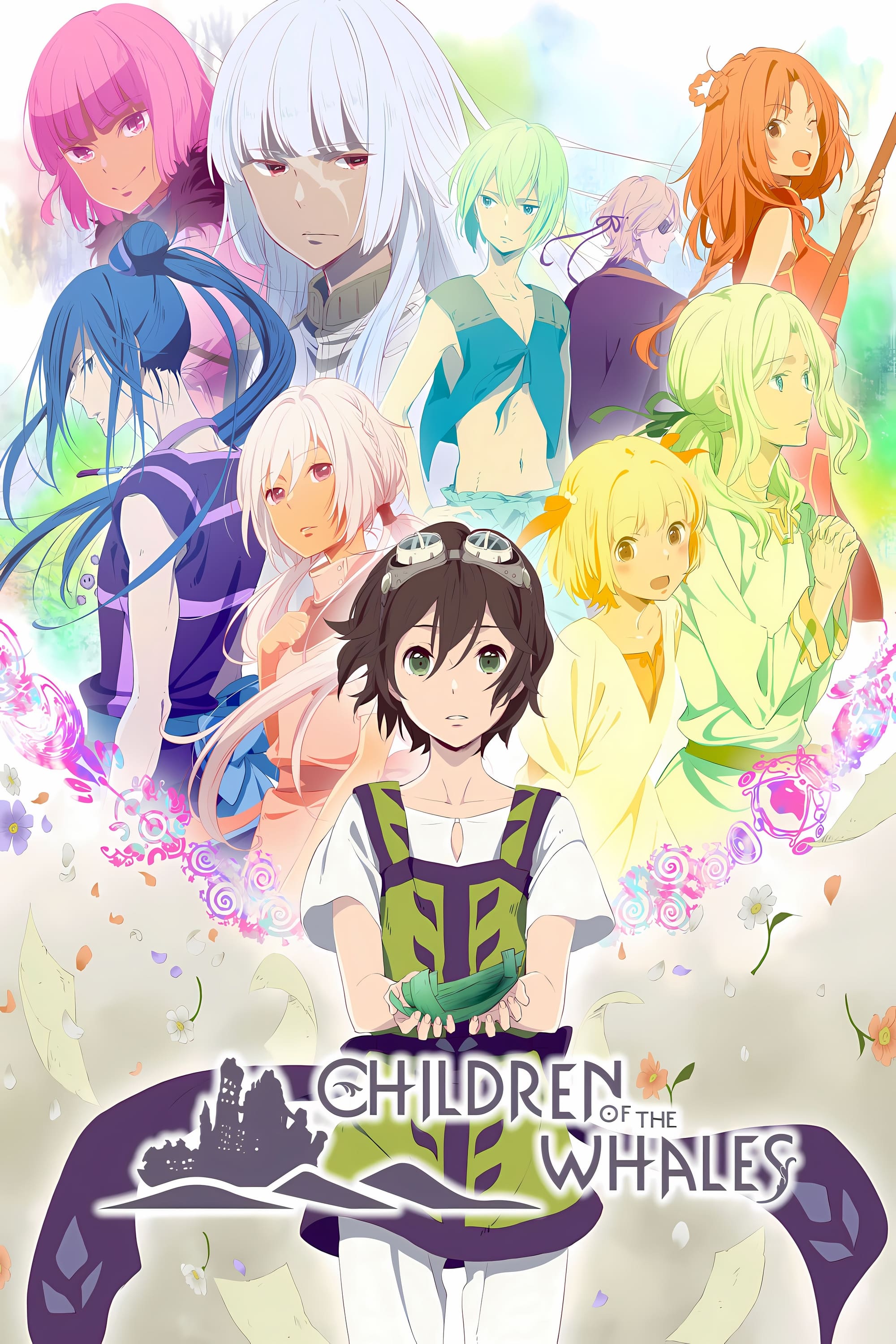
This fantasy drama from J.C.STAFF is set on a drifting mud-ship where residents practice magic that shortens lifespan. Governance is handled by archivists and a council that manages resource use and education. Contact with external nations introduces military orders, scripts, and legal codes. The season includes 12 episodes.
Share your own underrated favorites and what makes them stand out in the comments!