The Greatest Sci-Fi Movies of All Time

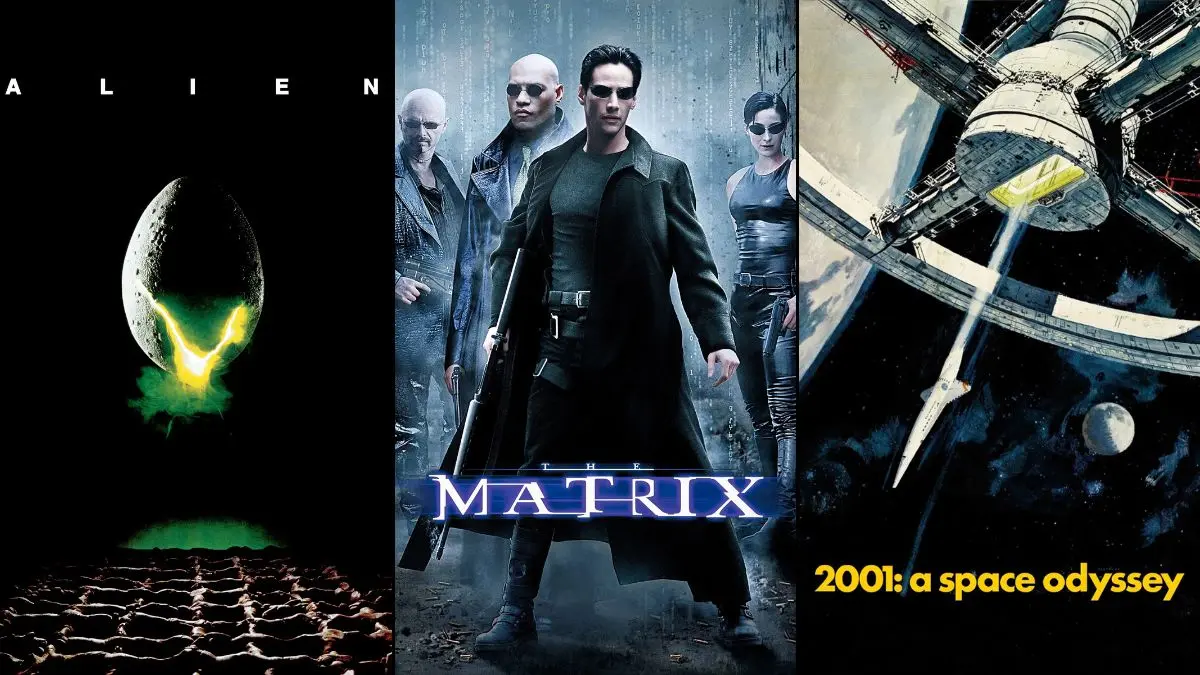

Here are essential additions that cover landmark innovations, influential ideas, and unforgettable craft across the spectrum of science fiction. Each pick brings notable achievements in storytelling, design, or technology that continue to shape how sci-fi is made and enjoyed. You will find breakthroughs in visual effects, bold concepts about humanity and the future, and films that sparked new waves of creativity. These are strong choices to round out any all time list.
‘Metropolis’ (1927)
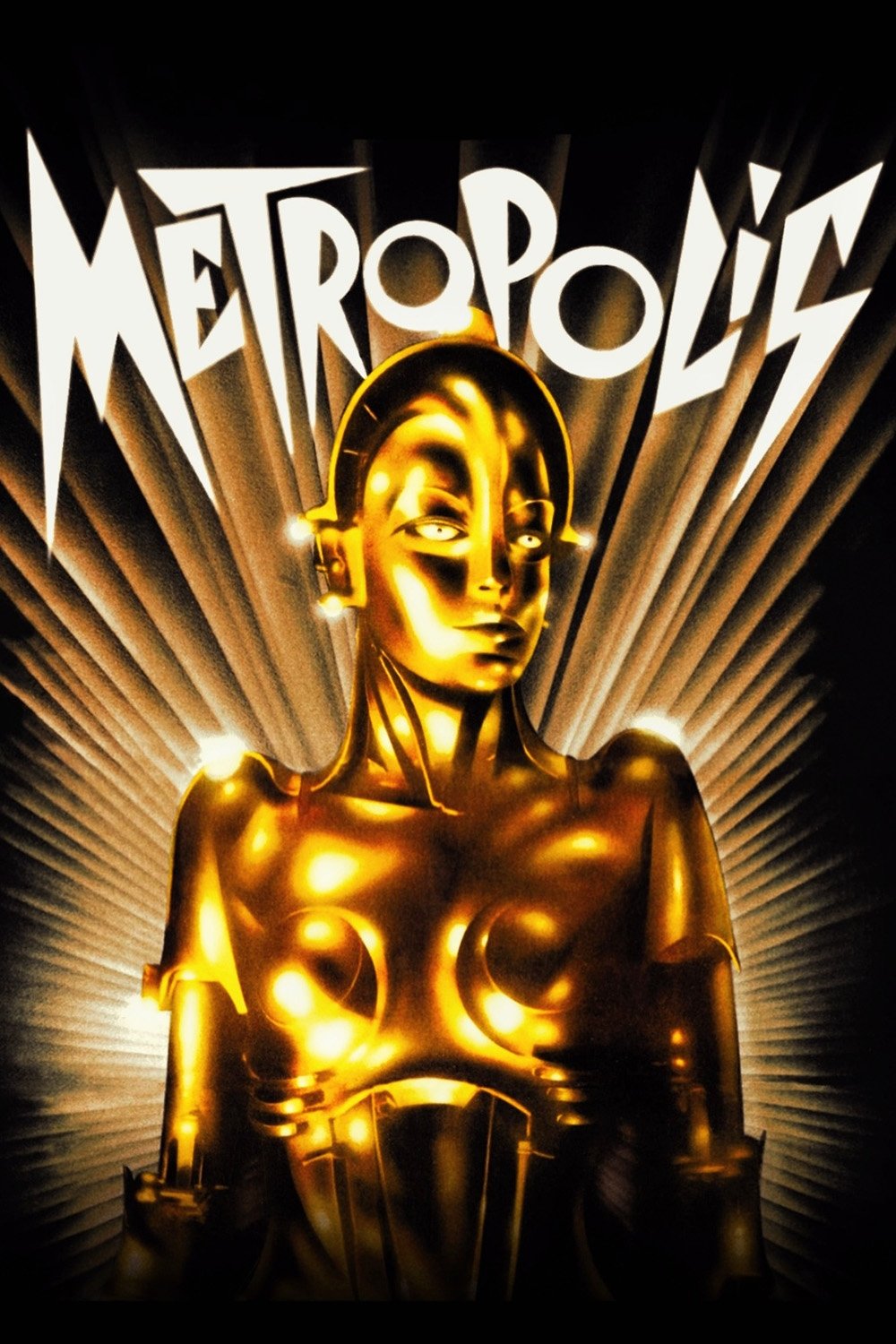
Fritz Lang’s silent epic built a towering vision of a futuristic city with monumental sets and pioneering special effects. Its story contrasts industrial elites with oppressed workers and introduced lasting sci-fi imagery like robot doubles and megastructures. The film’s restoration history shows how influential it became for archivists and scholars. Its design language continues to inform modern production design and music videos.
‘The Day the Earth Stood Still’ (1951)
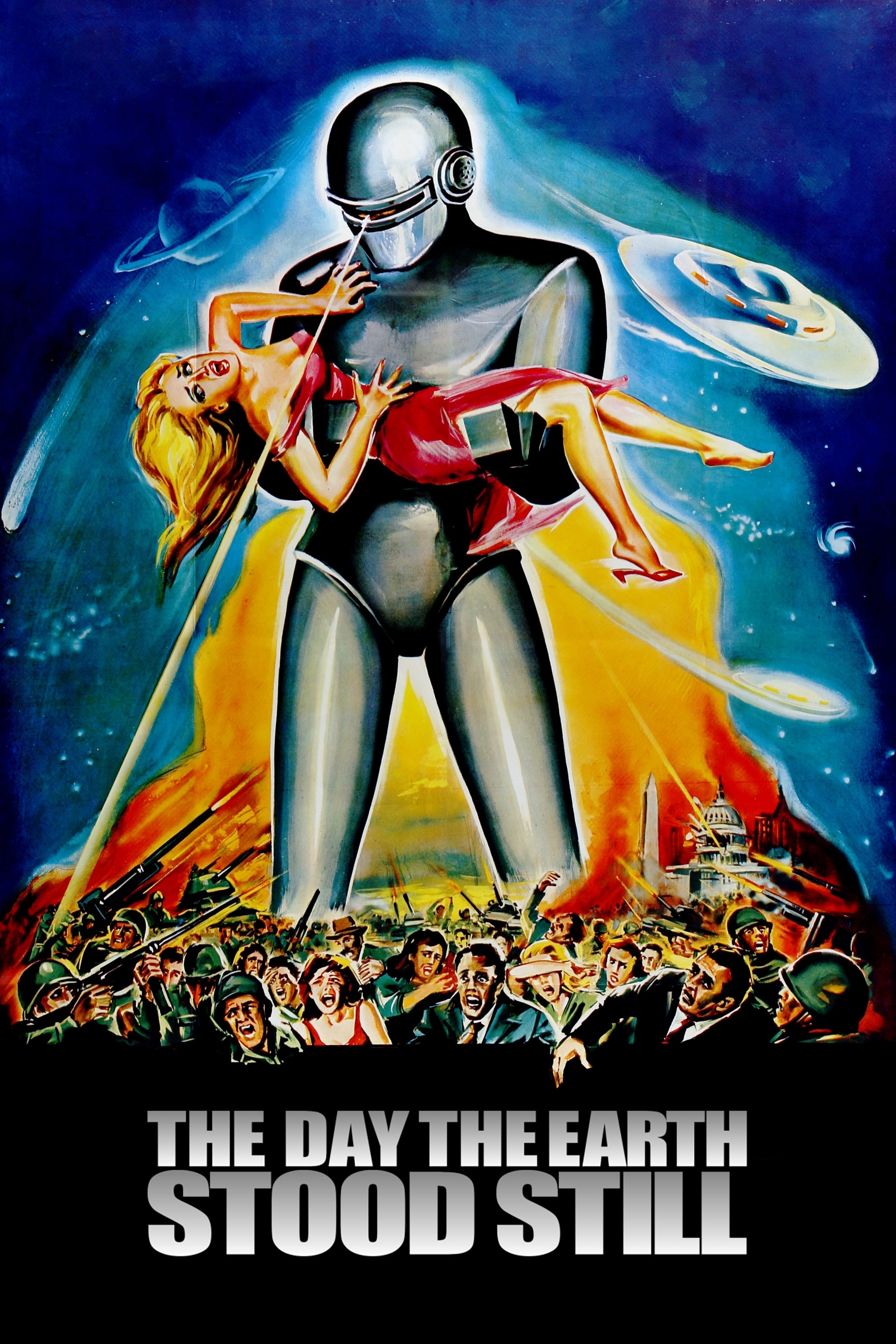
This classic brings a peaceful alien messenger to Washington with an ultimatum for Earth. Robert Wise directs a blend of Cold War caution and humanist appeal that made Gort and the phrase Klaatu barada nikto part of pop culture. Bernard Herrmann’s theremin heavy score helped define the sound of mid century sci-fi. Its legacy includes remakes and countless references across film and television.
‘La Jetée’ (1962)
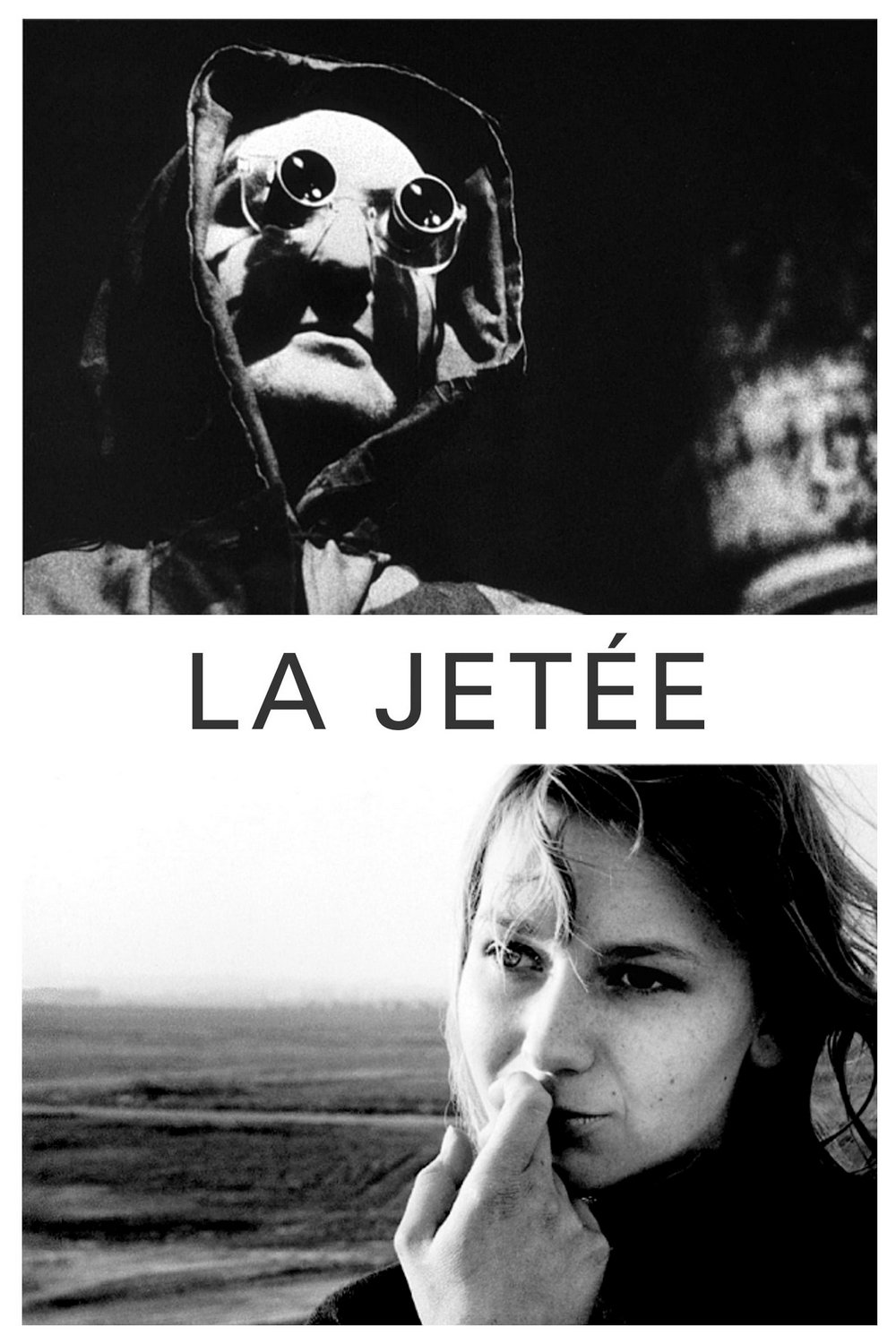
Chris Marker’s short film tells a time travel story almost entirely through still photographs and narration. Its concise structure explores memory, fate, and the loop of time with striking clarity. The film directly inspired the feature ‘Twelve Monkeys’ and remains a staple in film studies courses. Its minimalist approach shows how concept driven sci-fi can thrive without elaborate effects.
‘2001: A Space Odyssey’ (1968)
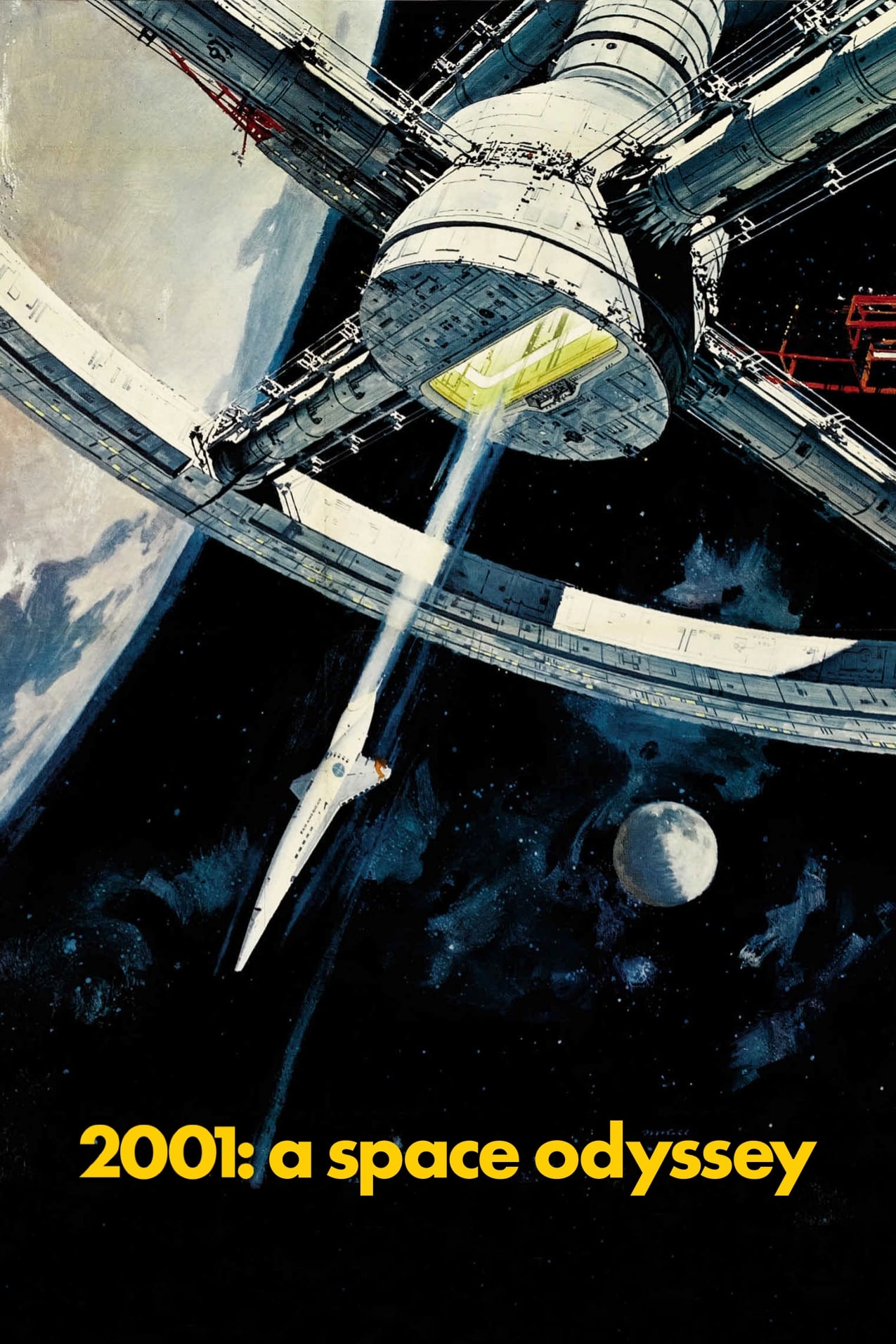
Stanley Kubrick’s film set new standards for realism in spaceflight and visual effects. Collaboration with designers and scientists produced accurate depictions of orbital mechanics and spacecraft interiors. The film introduced HAL as a defining example of artificial intelligence in cinema. Its roadshow release and evolving critical reception turned it into a cornerstone of modern science fiction.
‘Solaris’ (1972)
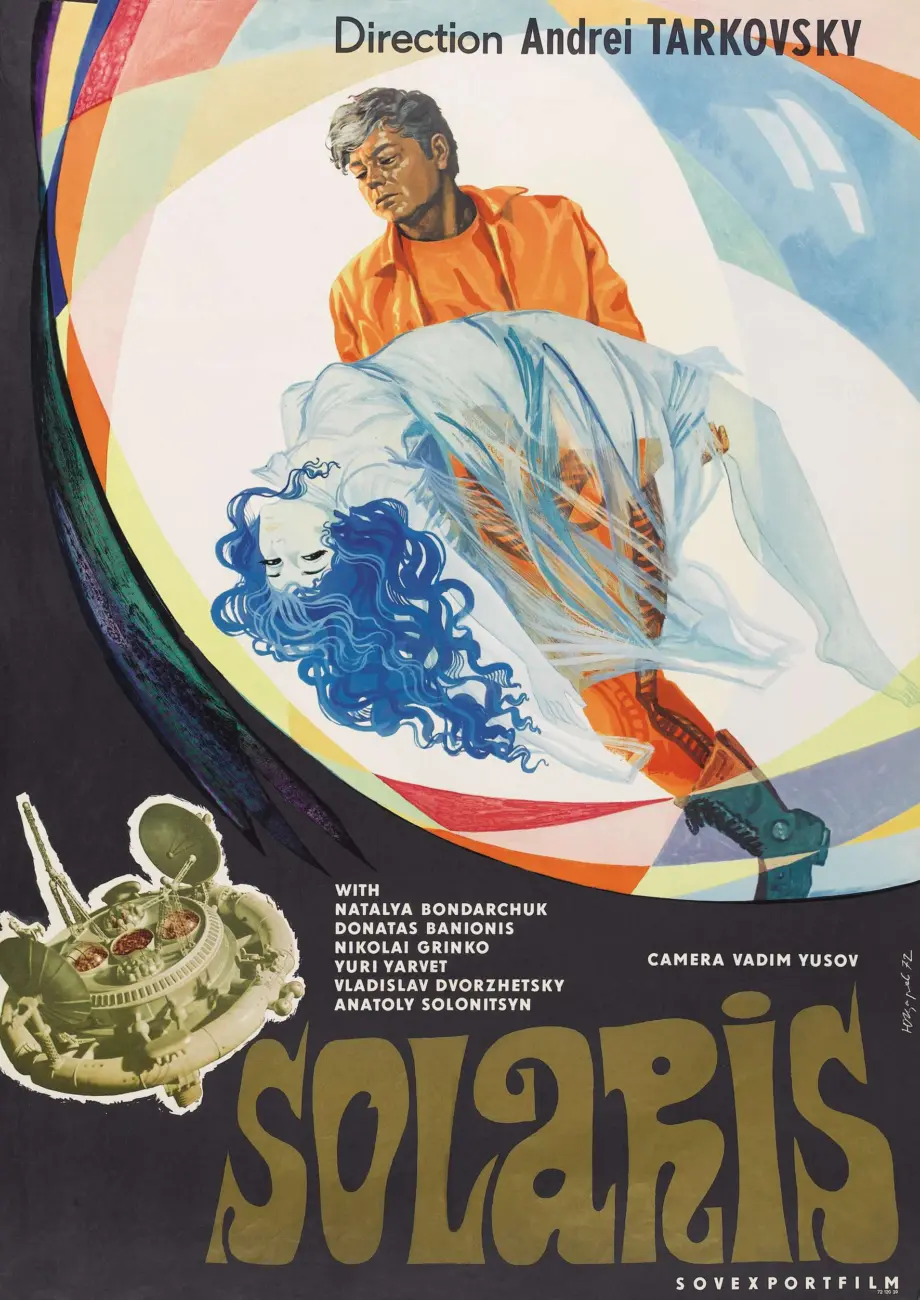
Andrei Tarkovsky adapts Stanisław Lem’s novel into a meditative exploration of grief and consciousness. The film centers on a sentient ocean that manifests human memories aboard a space station. Long takes and careful sound design create an introspective atmosphere rather than action spectacle. It remains a reference point for philosophical sci-fi and inspired a later American adaptation.
‘Alien’ (1979)
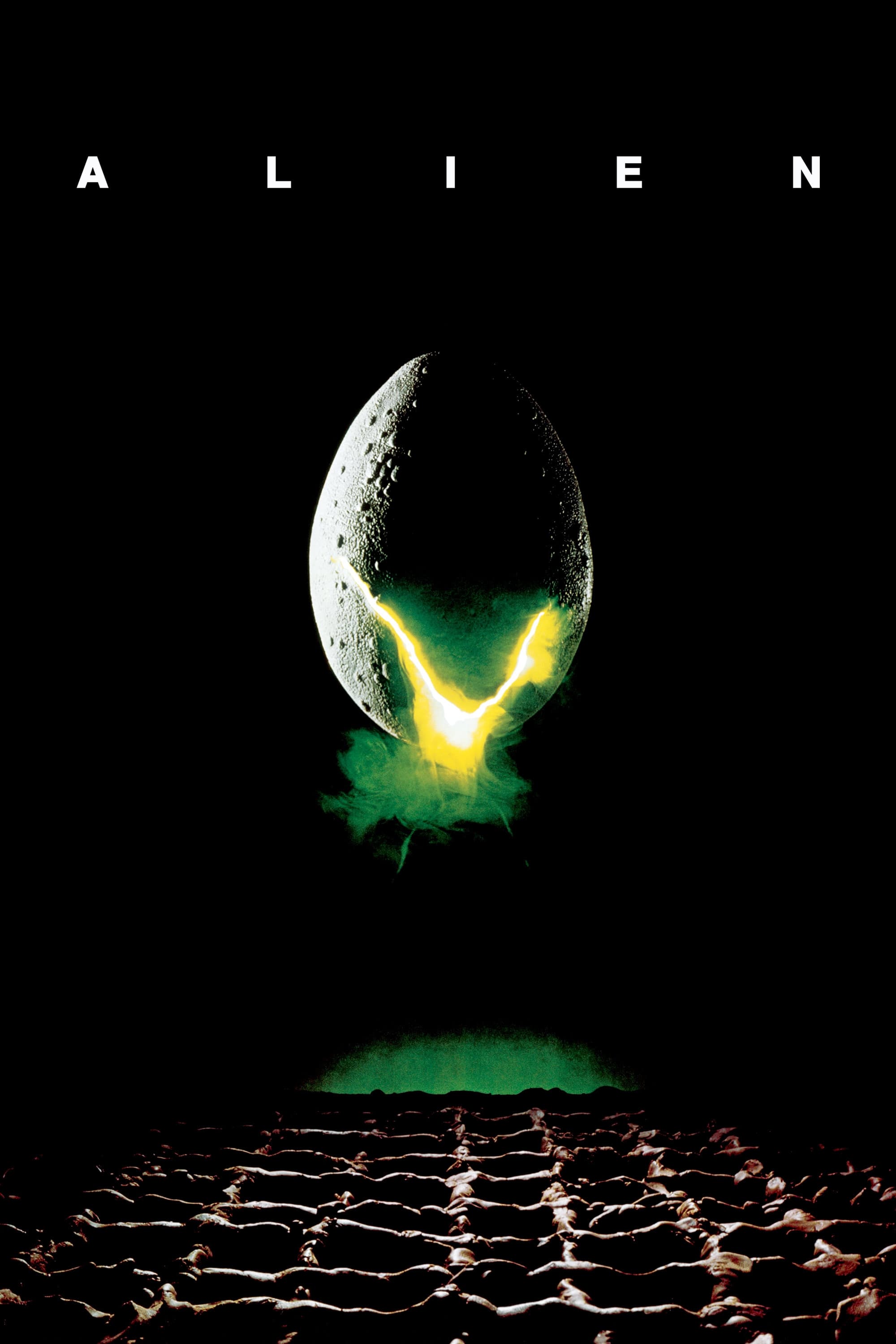
Ridley Scott blended futuristic production design with creature horror to create a tense survival story in deep space. H. R. Giger’s biomechanical designs gave the xenomorph and the derelict ship an unforgettable look. The film introduced a resilient working class crew dynamic and a standout lead in Ripley. Its success launched a franchise that expanded into games, comics, and sequels.
‘Blade Runner’ (1982)
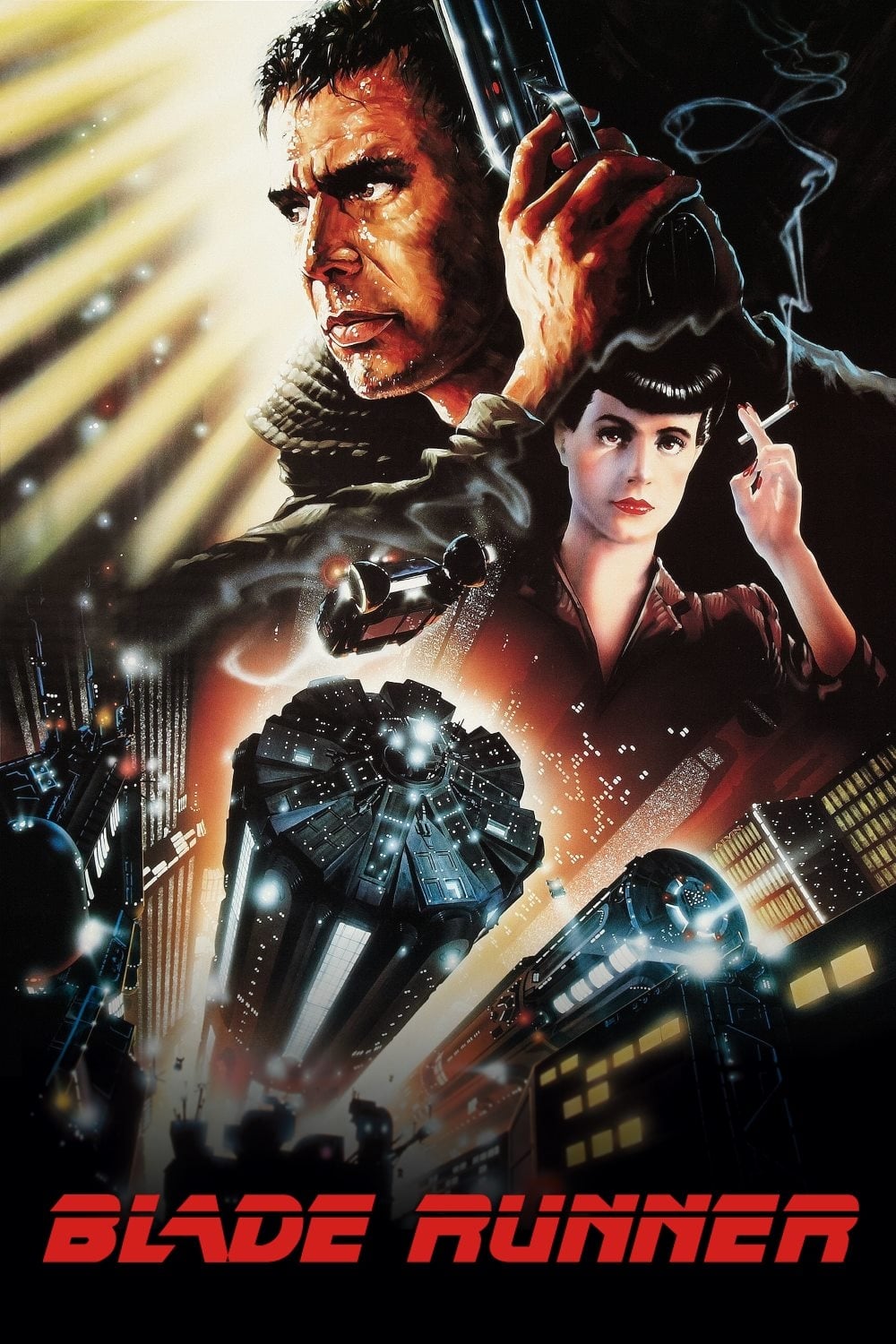
This adaptation of Philip K. Dick’s work established the blueprint for neo noir futurism with rain soaked streets and towering ads. Ridley Scott and designer Syd Mead created a layered urban world that filmmakers still study. Vangelis’s score and the practical effects work remain widely celebrated. Multiple cuts of the film sparked ongoing discussion about authorship and narrative ambiguity.
‘The Thing’ (1982)
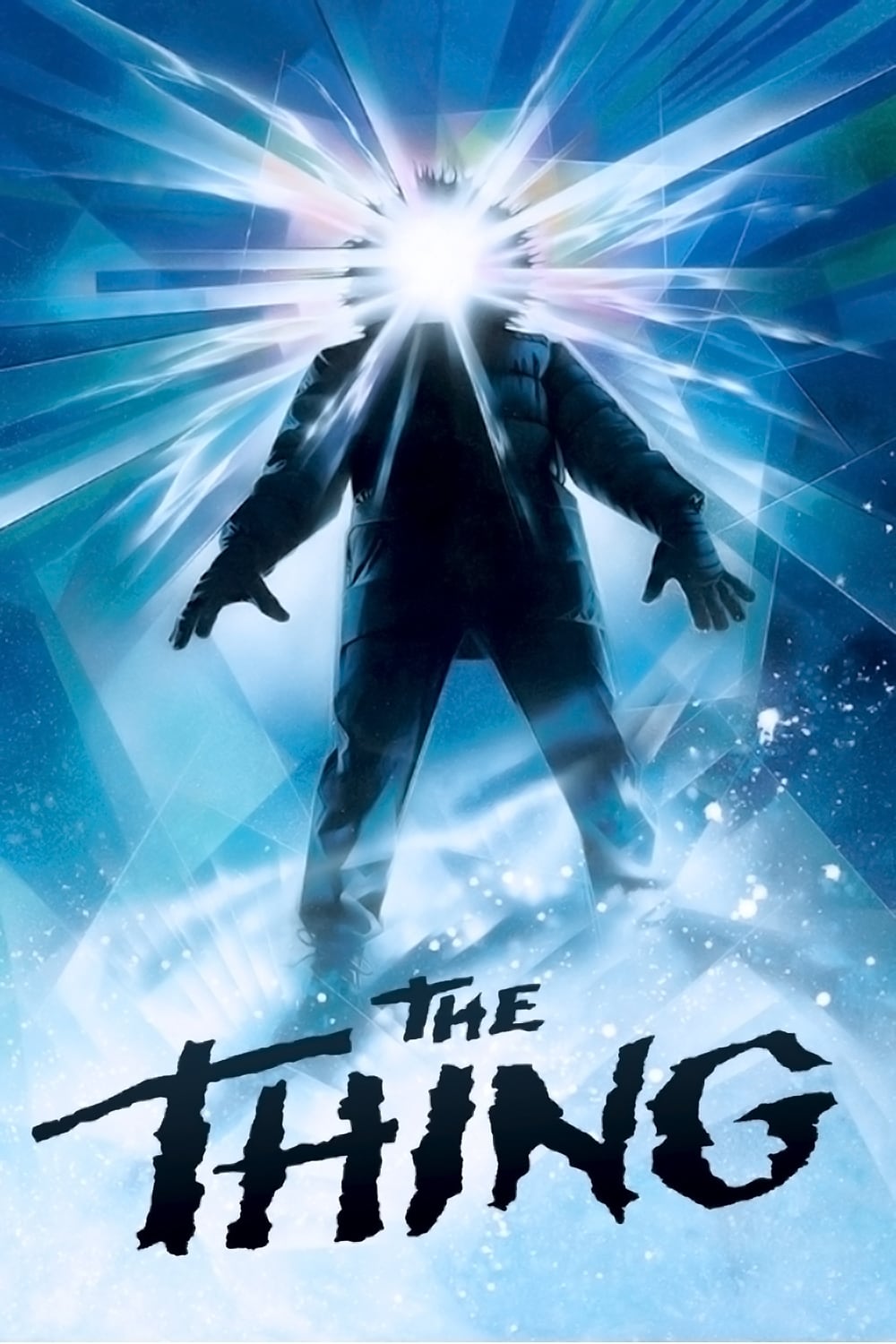
John Carpenter’s Antarctic research outpost becomes the site of a shape shifting extraterrestrial threat. Rob Bottin’s practical effects set a high bar for creature design and on set ingenuity. The contained setting supports a study of paranoia and mistrust under isolation. Its reception grew over time and it is now a key entry in sci-fi horror.
‘The Terminator’ (1984)
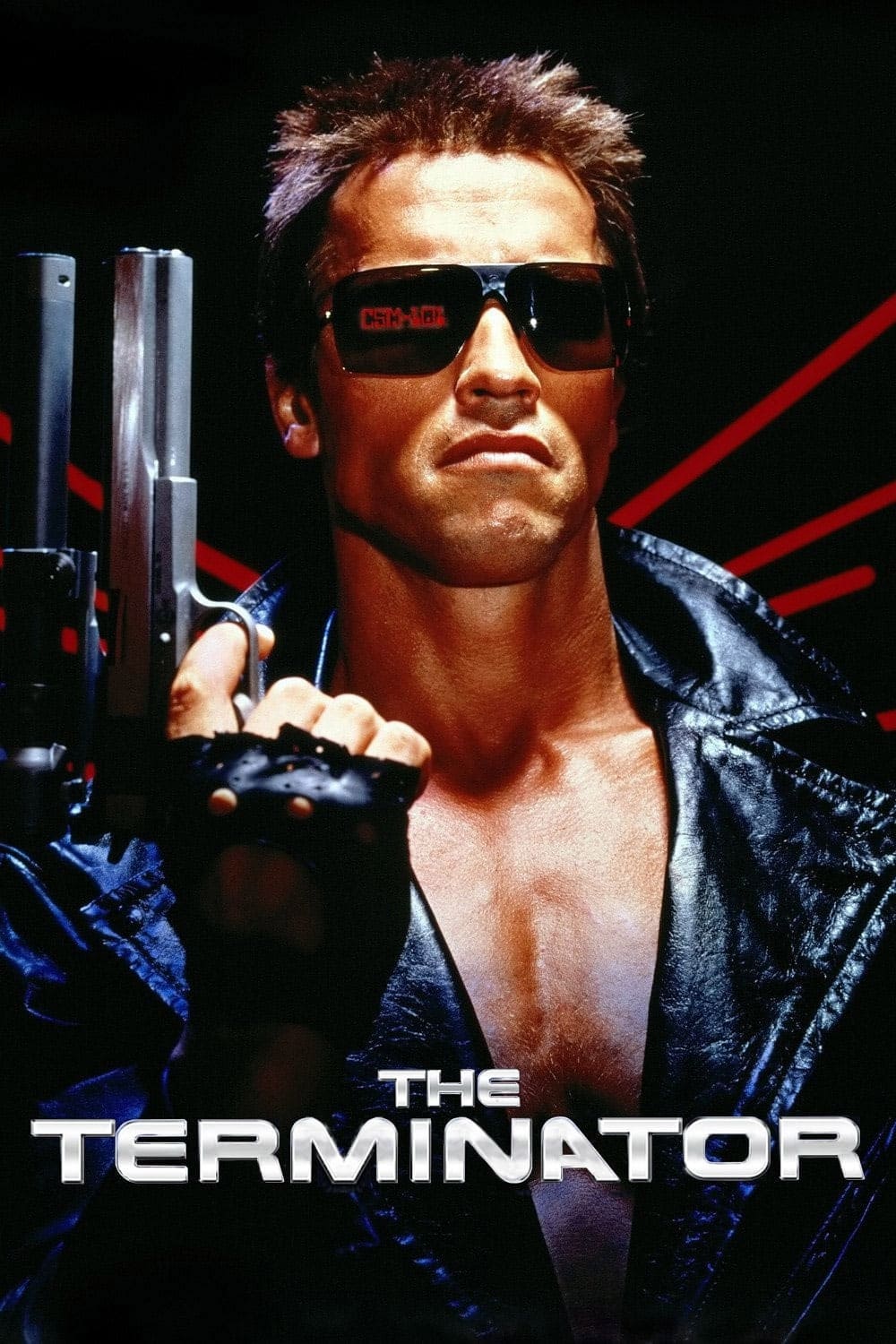
James Cameron delivered a relentless chase story built around time travel and machine uprising. Ingenious low budget effects and Stan Winston’s makeup work brought the endoskeleton to life. The film introduced Skynet and a timeline conflict that fueled a long running series. Its mix of thriller pacing and future war mythology influenced action and sci-fi hybrids for decades.
‘Brazil’ (1985)
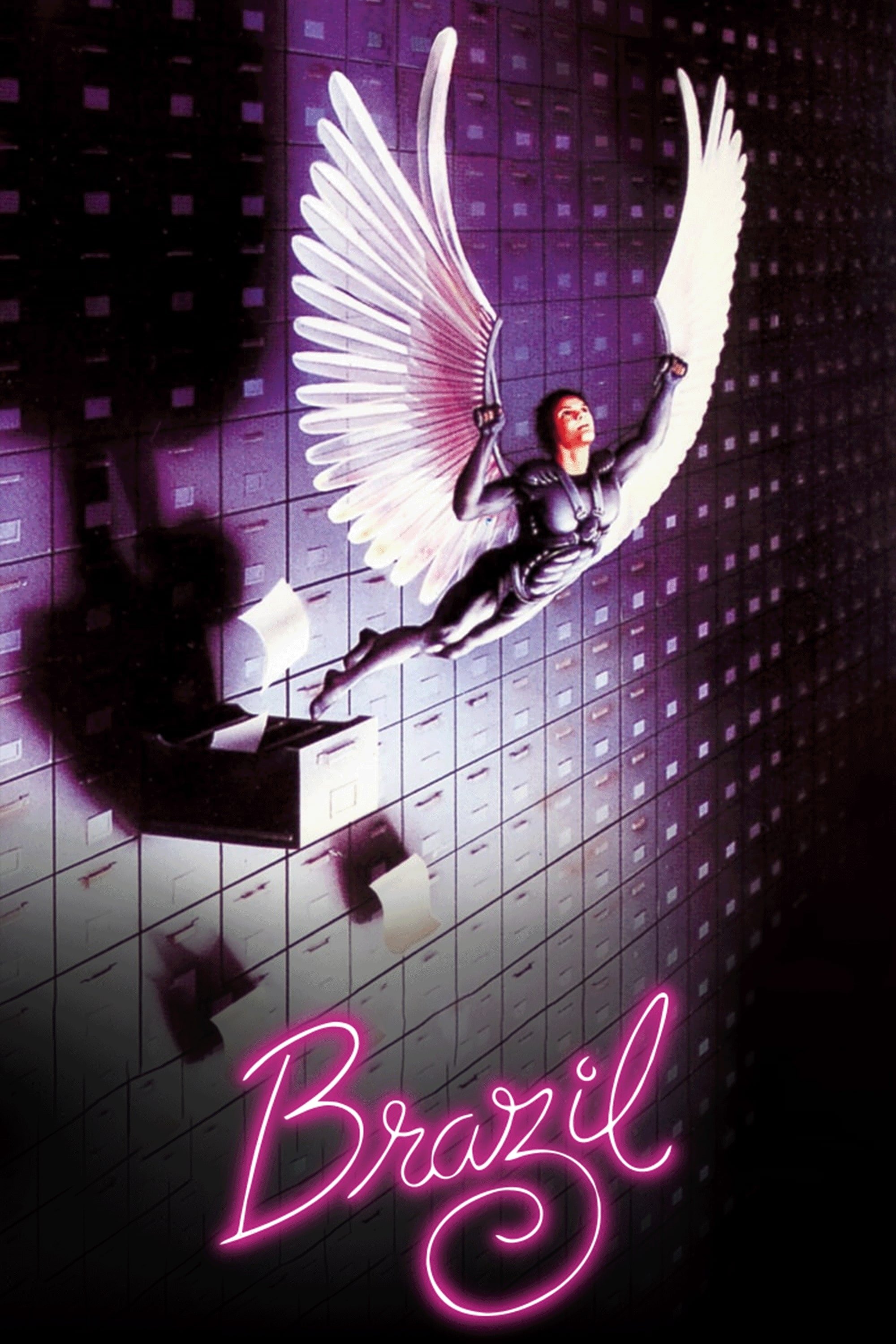
Terry Gilliam presents a bureaucratic dystopia where paperwork and surveillance control daily life. The production blends retro tech with imaginative sets to create a distinctive world. Studio battles over the cut became part of its lore and raised questions about creative control. The film’s satirical look at authoritarian systems keeps it relevant to new audiences.
‘Akira’ (1988)
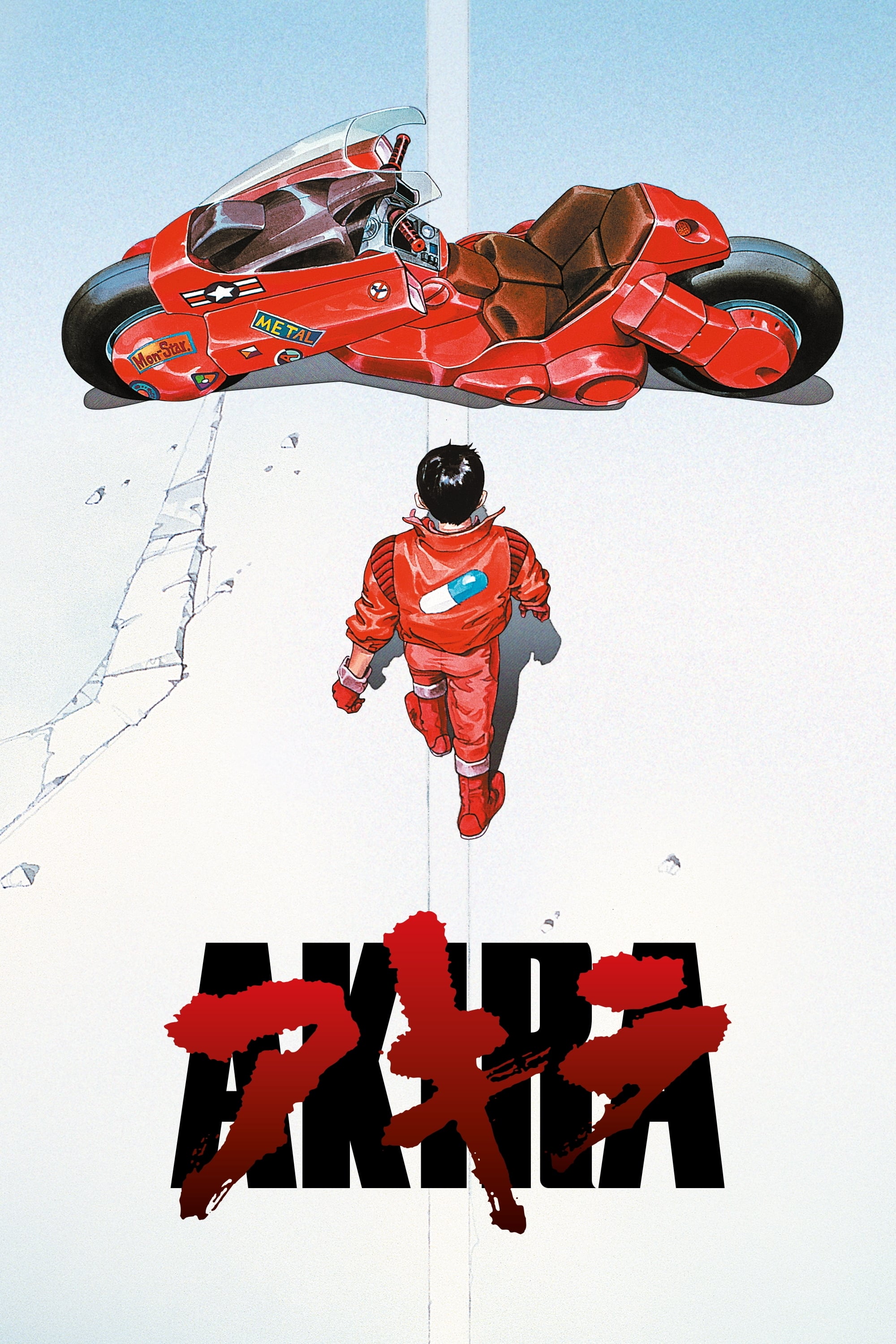
This landmark anime features detailed hand drawn animation that set new production benchmarks. Set in Neo Tokyo, it explores psychic power, youth upheaval, and political unrest. The film helped push Japanese animation into global theaters and home video markets. Its city destruction sequences and motorcycle chase influenced countless films and games.
‘Jurassic Park’ (1993)
Steven Spielberg combined practical animatronics with groundbreaking digital effects to bring dinosaurs to life. The film’s suspenseful set pieces showcase how new technology can serve story and character. Its release accelerated the adoption of computer generated imagery across Hollywood. The franchise expanded with sequels, attractions, and extensive merchandising.
‘The Matrix’ (1999)
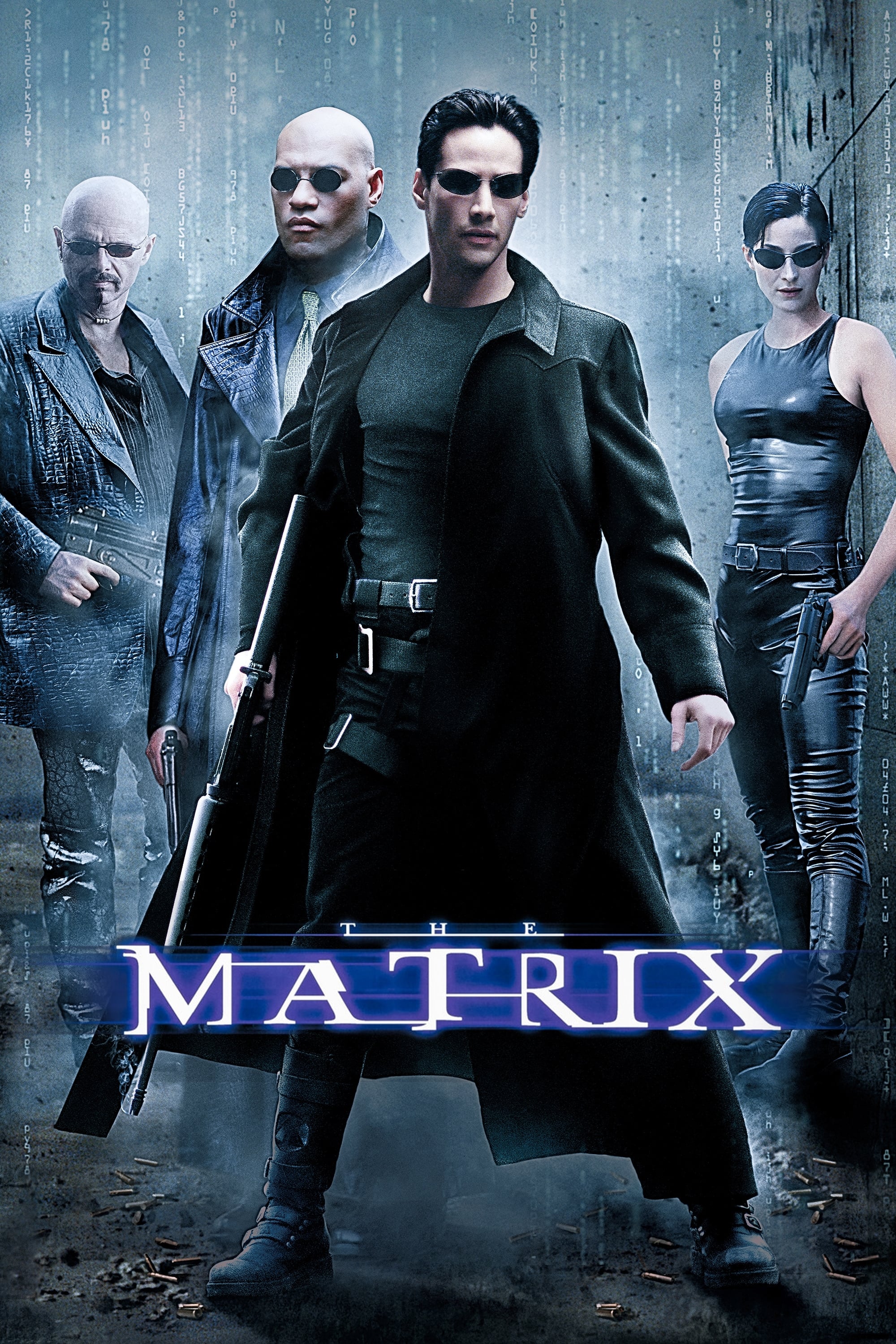
The Wachowskis fused cyberpunk ideas with wire fu choreography and innovative visual effects. Bullet time photography and careful fight design reshaped action filmmaking. The story’s simulated reality and hacker culture resonated across tech and philosophy circles. Its influence is visible in fashion, game design, and visual effects pipelines.
‘Children of Men’ (2006)
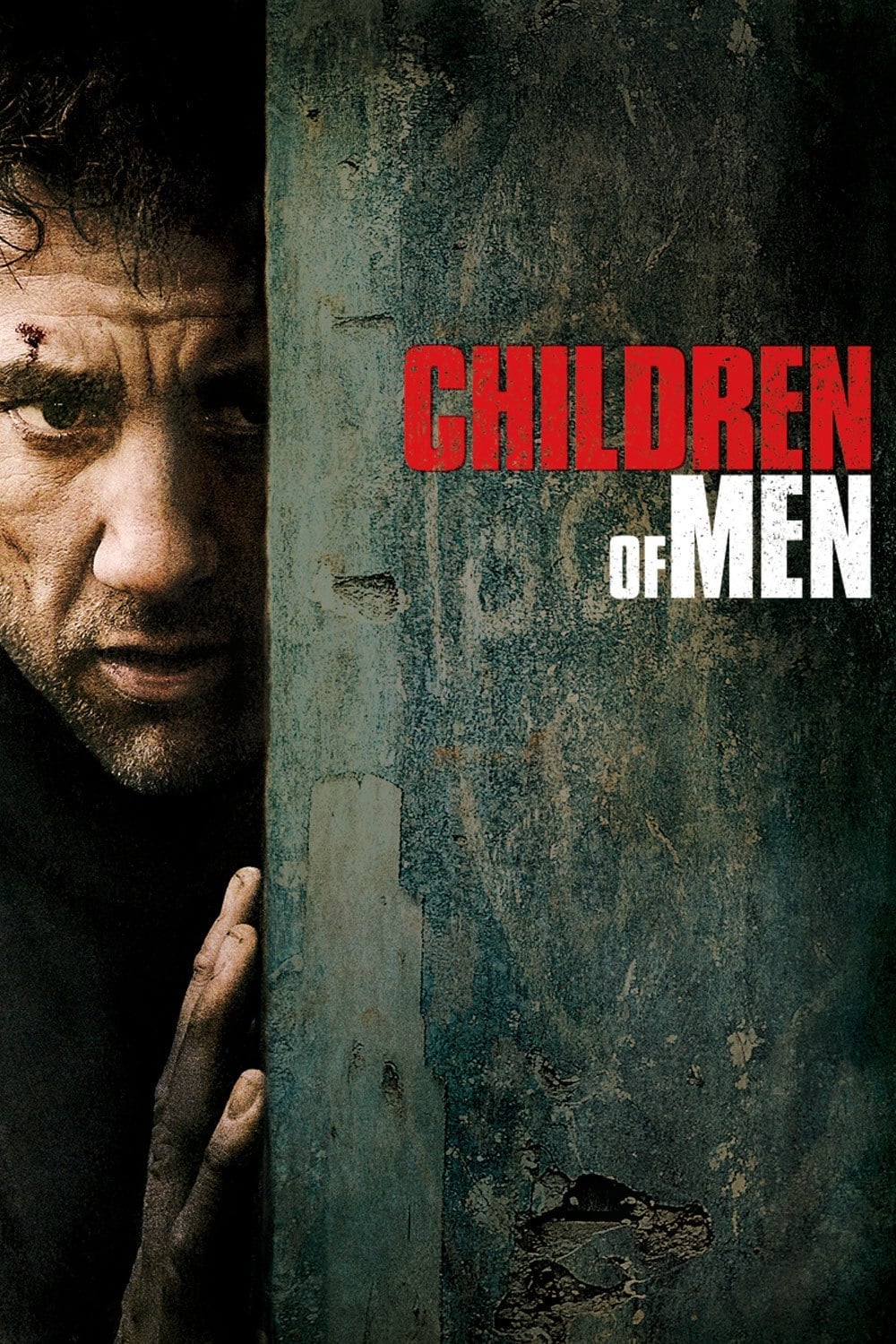
Alfonso Cuarón presents a near future where human infertility pushes society toward collapse. Long takes and immersive sound place viewers inside moving action sequences and urban unrest. The film builds its world with detailed production design and news like textures. Its themes around migration, governance, and hope keep academics and critics engaged.
‘Arrival’ (2016)
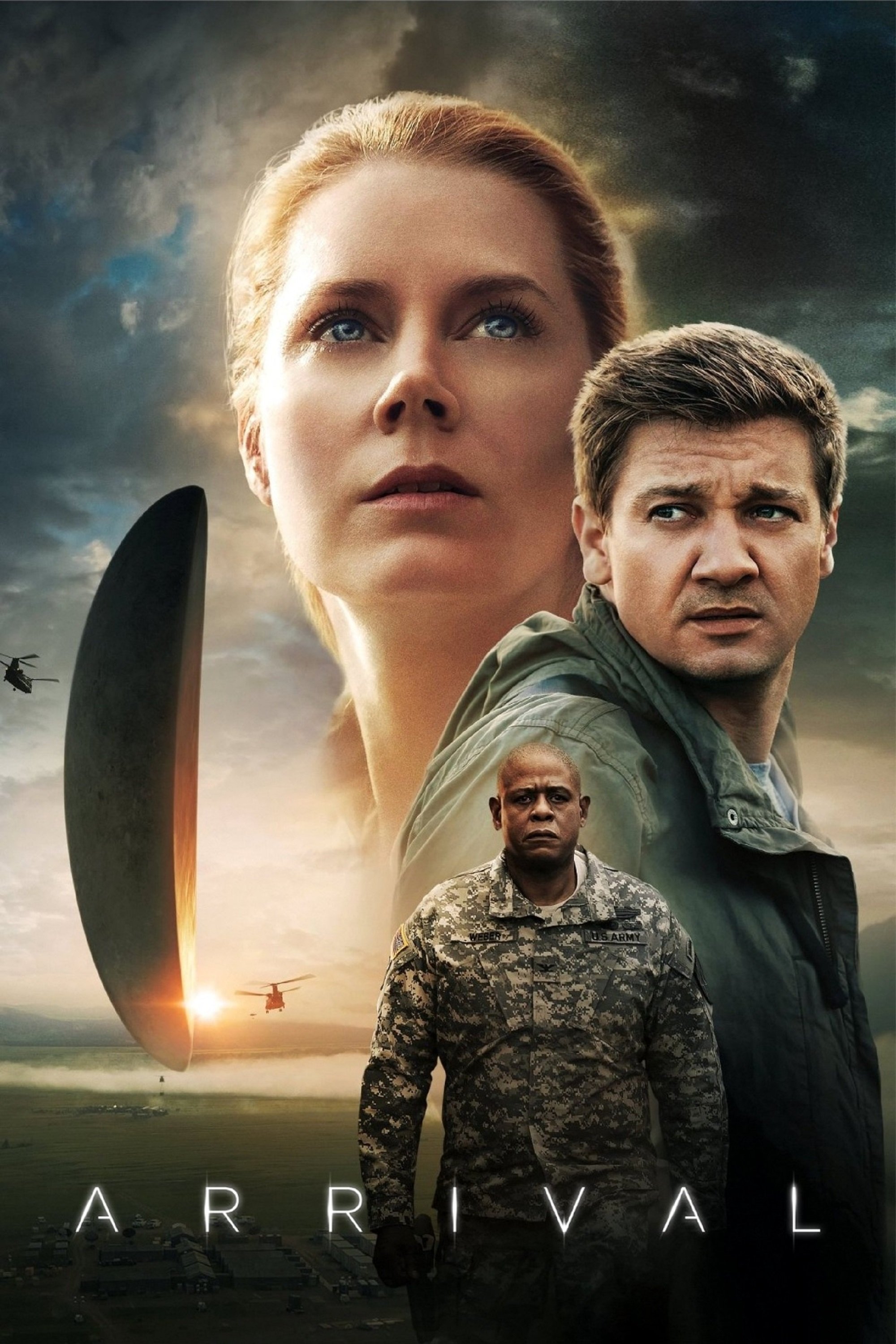
Denis Villeneuve adapts a story about language and first contact into a patient, emotionally driven narrative. The film focuses on linguistics, nonlinear perception, and cooperation in crisis. Production design and sound create a grounded approach to alien technology. Its awards recognition highlighted how cerebral sci-fi can connect with mainstream audiences.
The Greatest Sci-Fi Movies of All Time
Here are fifteen more essential picks that broaden the timeline and styles of science fiction. You will find pioneering shorts, brainy character studies, and large scale world building that pushed technology and storytelling forward. These films shaped visual effects, sound design, and the way big ideas reach mainstream audiences. Add them to your list to round out a complete tour through the genre.
‘A Trip to the Moon’ (1902)
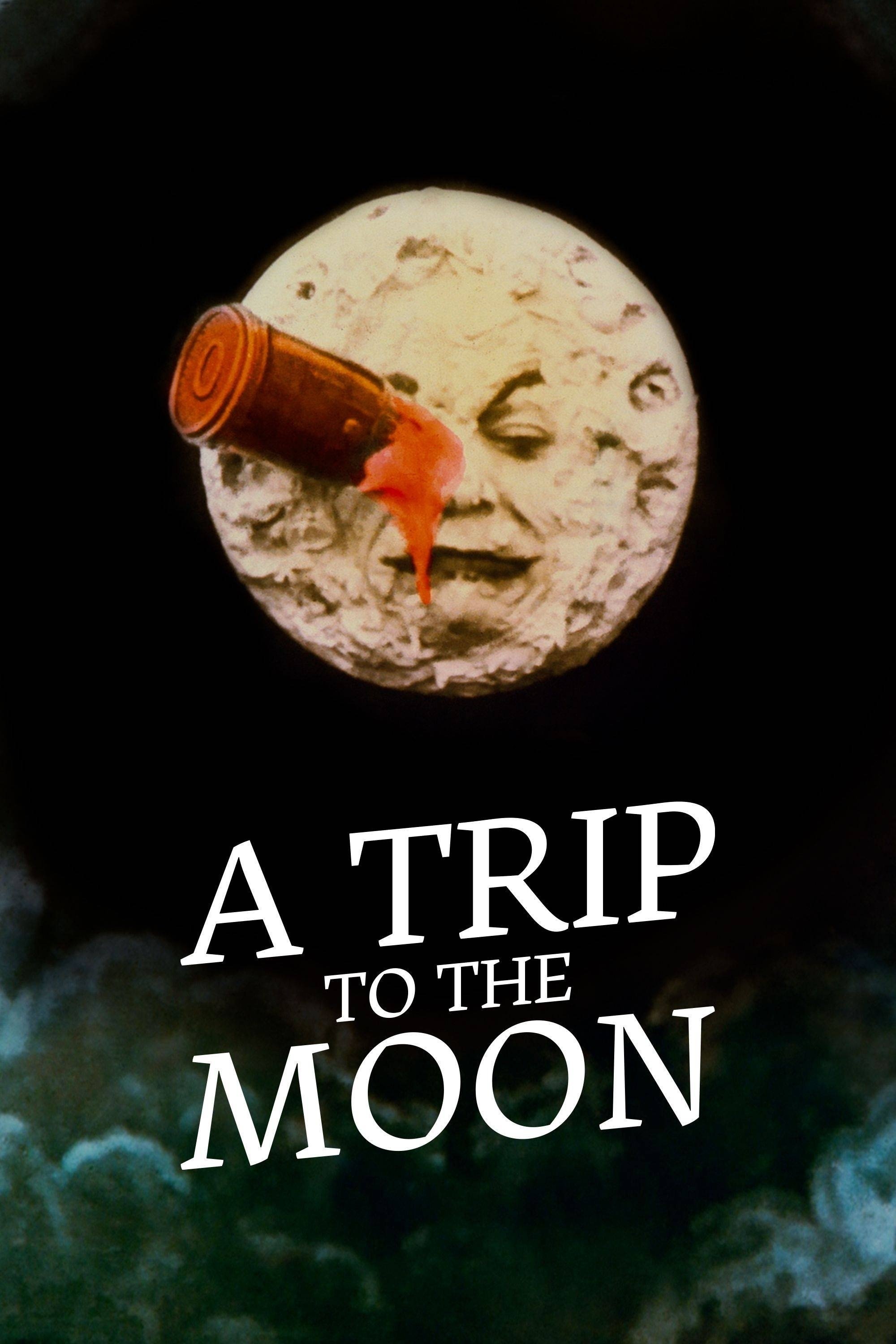
Georges Méliès used stage tricks and early camera magic to send a group of astronomers to the Moon. The production built painted backdrops, theatrical props, and stop camera effects that became the foundation of screen fantasy. Hand colored prints were created to add tinting and visual flair. The famous image of the rocket in the Moon’s eye remains one of the most recognizable shots in film history.
‘Invasion of the Body Snatchers’ (1956)

This adaptation of Jack Finney’s novel follows seed pods that duplicate people in a small town. Location shooting in California mixed with studio sets gives the story a grounded feel. The film introduced the idea of emotionless duplicates as a sci fi threat. Its closing scenes and voiceover became a template for later versions and remakes.
‘Planet of the Apes’ (1968)
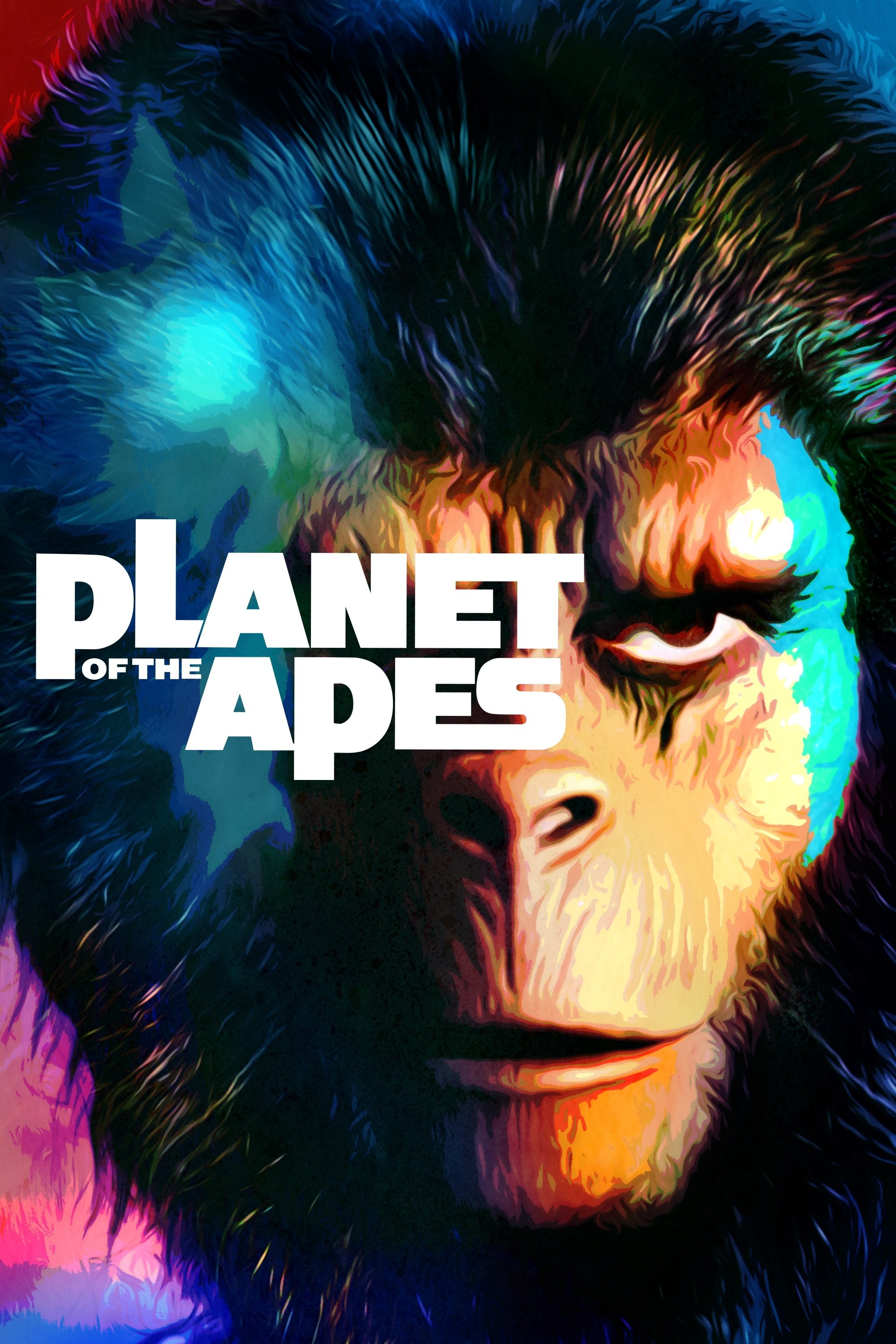
The film follows astronauts who discover a world ruled by intelligent apes with a rigid caste system. John Chambers led the makeup work that won a special Academy Award. Outdoor locations in the American Southwest gave the setting a stark look. The closing reveal became one of the most discussed endings in cinema.
‘Star Wars’ (1977)
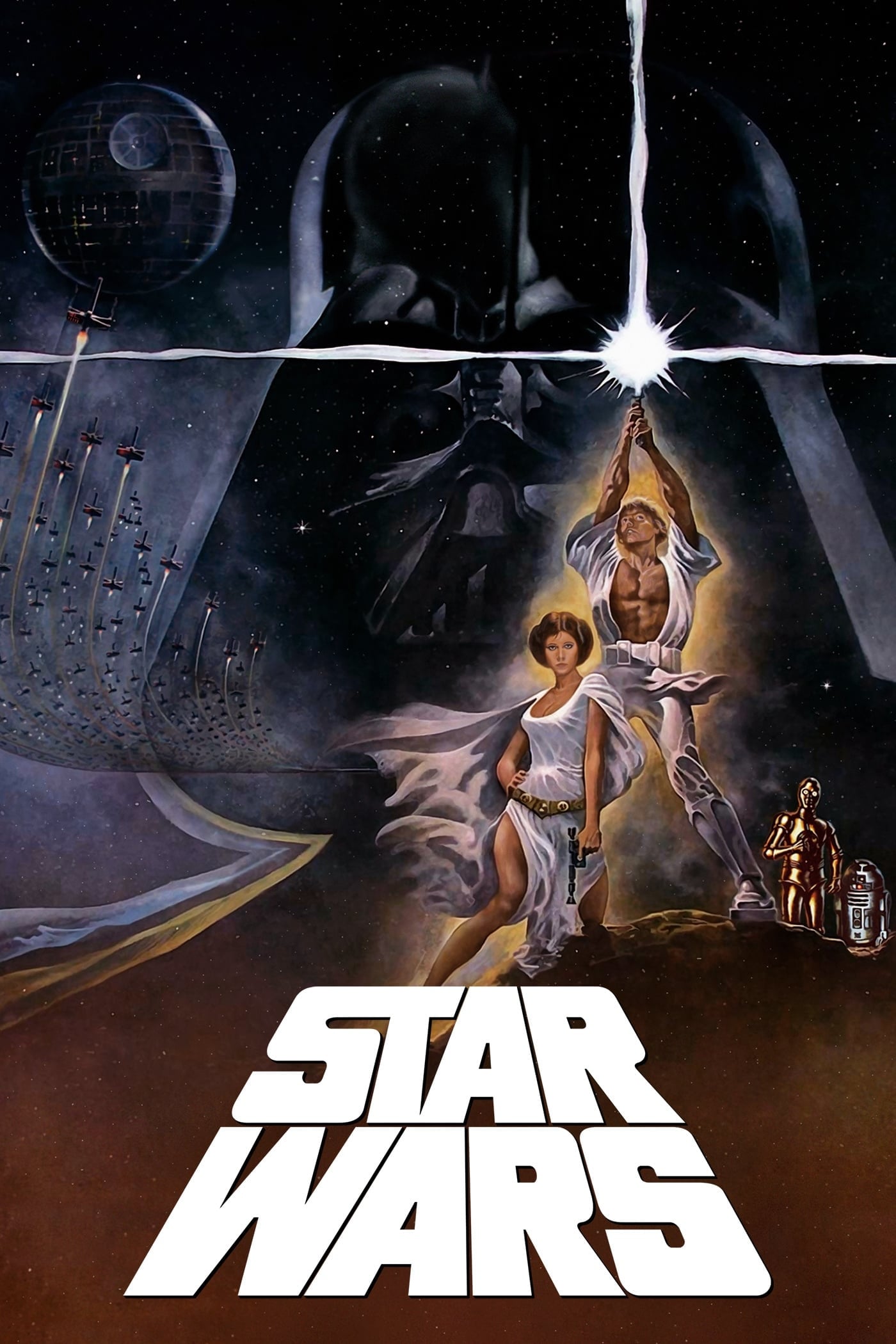
Industrial Light and Magic built motion control rigs to capture dynamic space battles with miniature models. Sound designer Ben Burtt created the sonic palette for lightsabers, droids, and spacecraft. The film’s opening crawl and wipe transitions drew on classic adventure serials. Its release reshaped merchandising and franchise planning across the industry.
‘Stalker’ (1979)
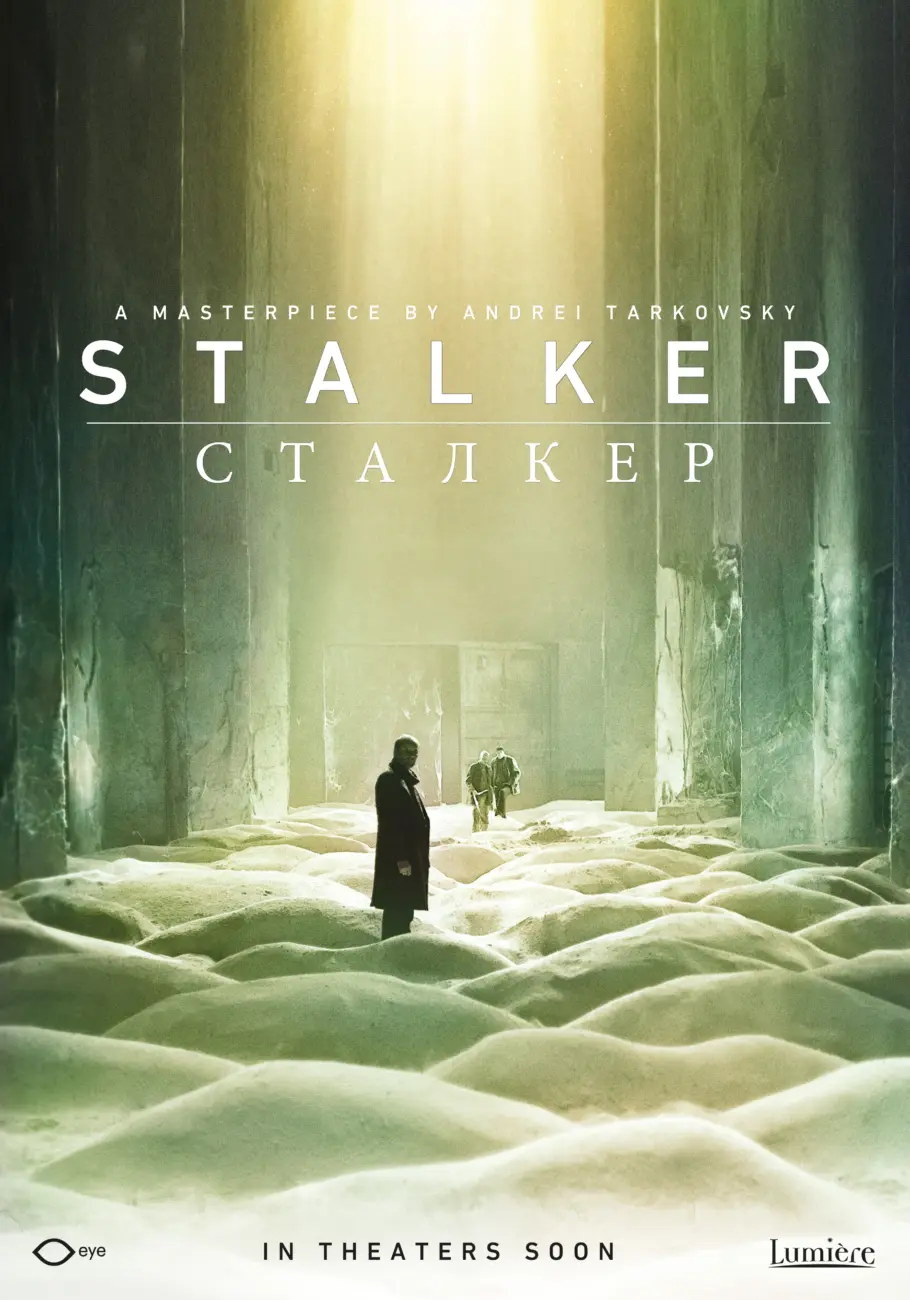
Andrei Tarkovsky’s film follows three men traveling through the Zone toward a room said to grant desires. Long takes and desaturated color alternate with scenes in richer tones to mark different spaces. The production shot in challenging industrial locations that contribute to the mood. The film remains a key reference for depictions of restricted areas and metaphysical quests.
‘E.T. the Extra-Terrestrial’ (1982)
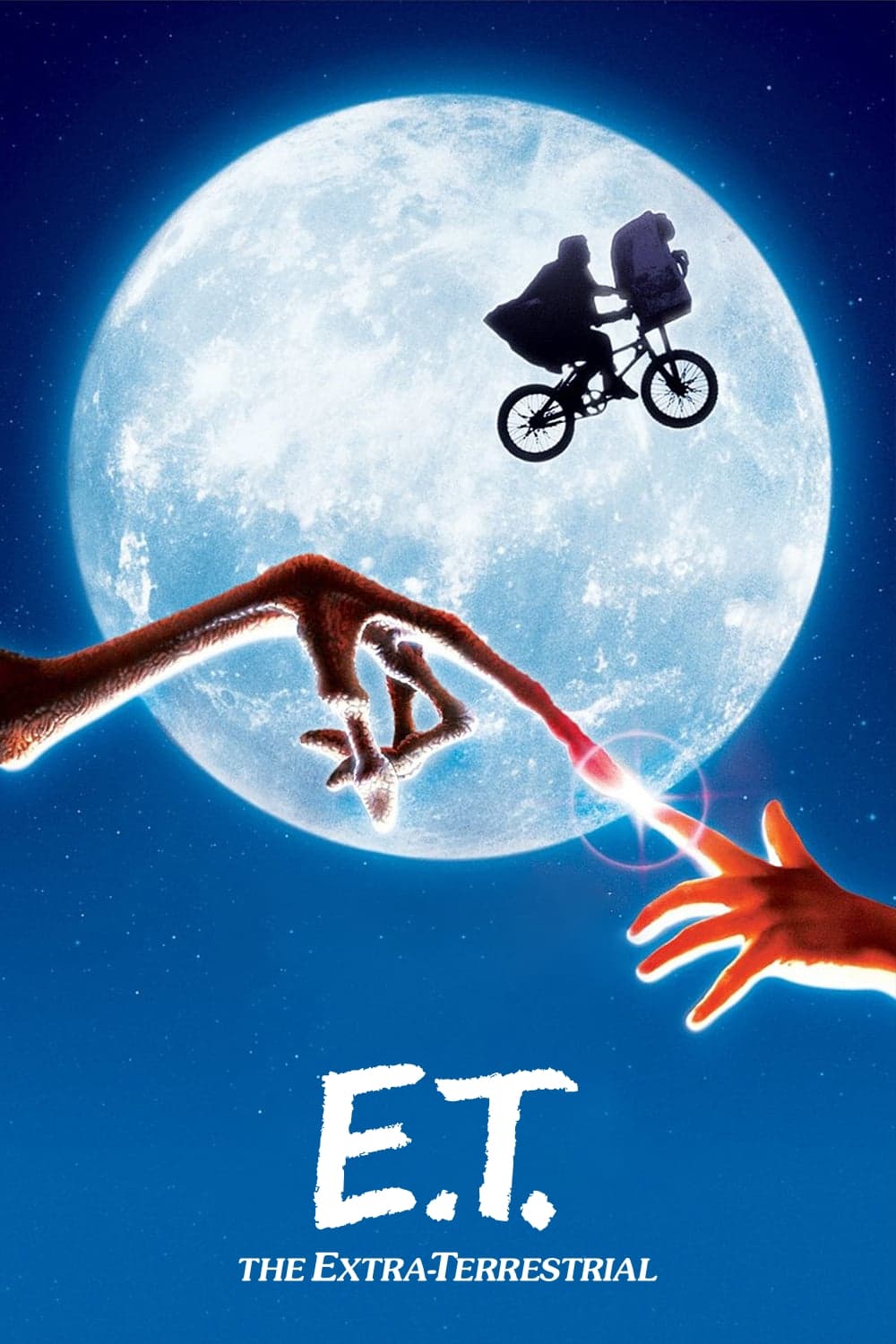
Steven Spielberg centered the story on a suburban family and a stranded alien who wants to go home. Carlo Rambaldi designed the animatronic creature with expressive eyes and subtle facial movement. John Williams composed a score that supports the flight sequence with synchronized editing. The film became the highest grossing release of its era worldwide.
‘Back to the Future’ (1985)
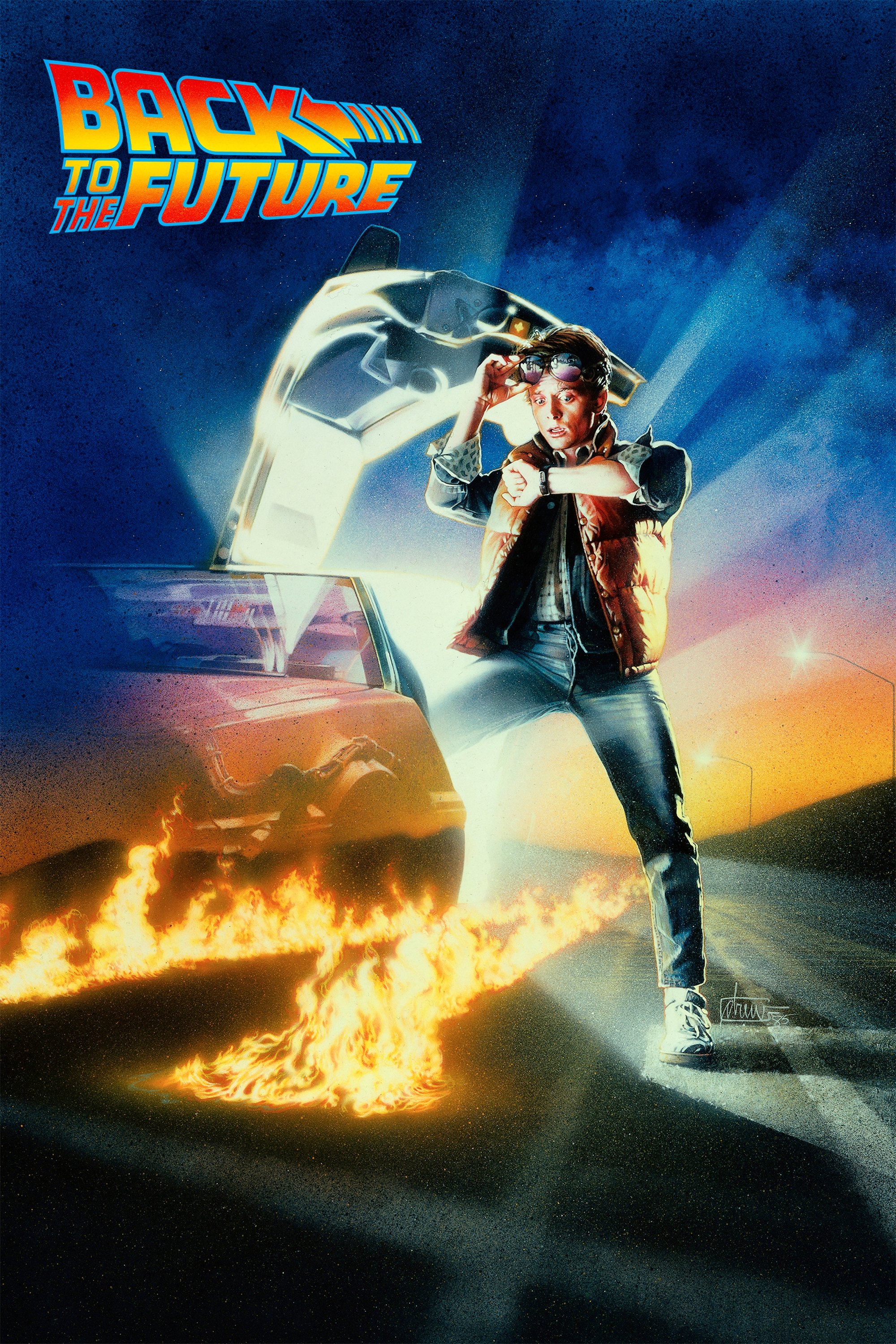
A DeLorean fitted with a flux capacitor turns a high schooler’s life into a time travel loop. The production used optical compositing and miniature work to stage the climactic clock tower sequence. Alan Silvestri’s theme and Huey Lewis and the News songs helped drive the film’s cultural reach. Two sequels were produced with overlapping schedules and shared sets.
‘The Fly’ (1986)
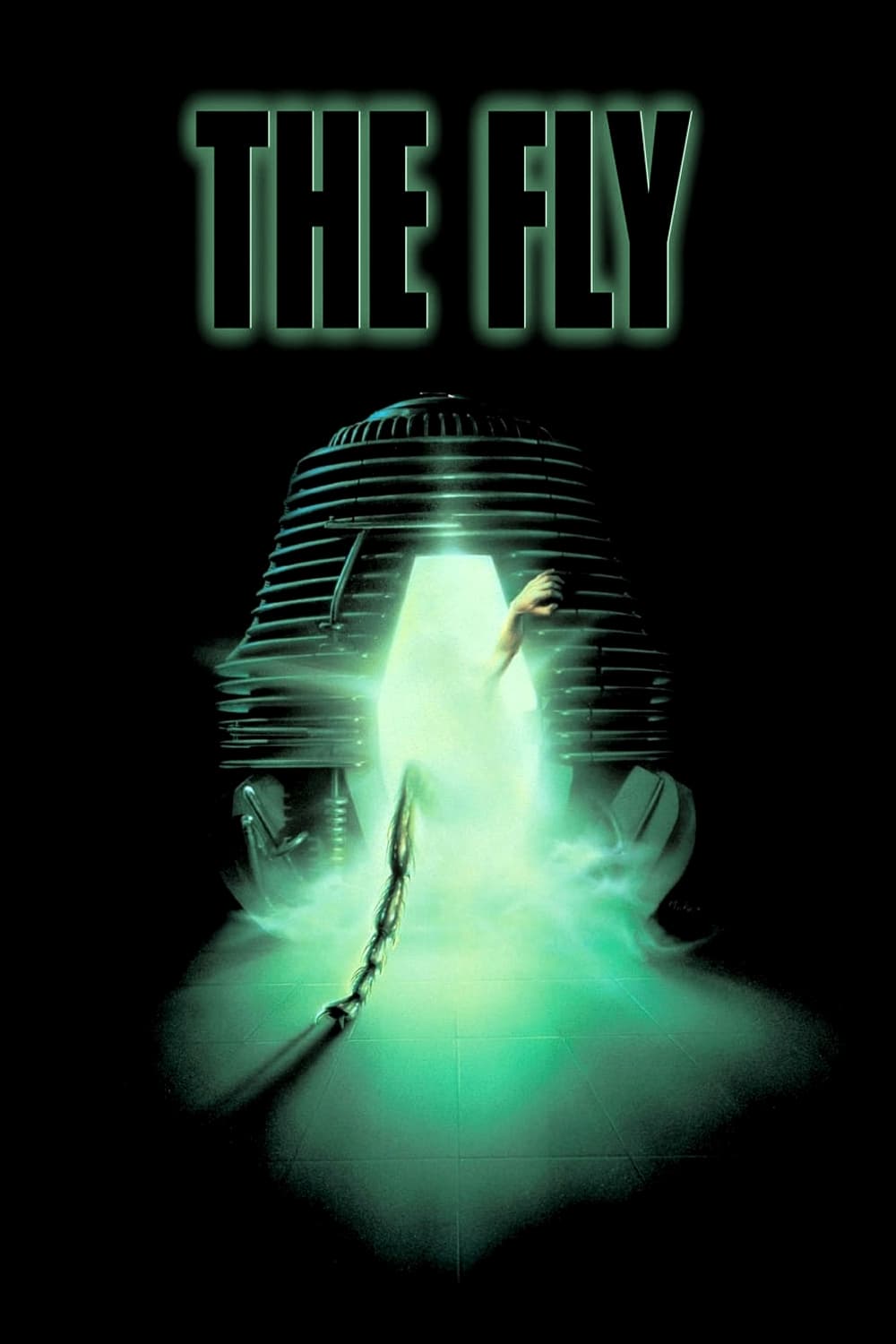
David Cronenberg’s remake follows a scientist whose experiment with teleportation alters his body. Chris Walas and Stephan Dupuis created progressive prosthetics that track the transformation across scenes. The film earned an Academy Award for makeup effects. It explores laboratory procedures, gene splicing, and the risks of experimental technology.
‘RoboCop’ (1987)
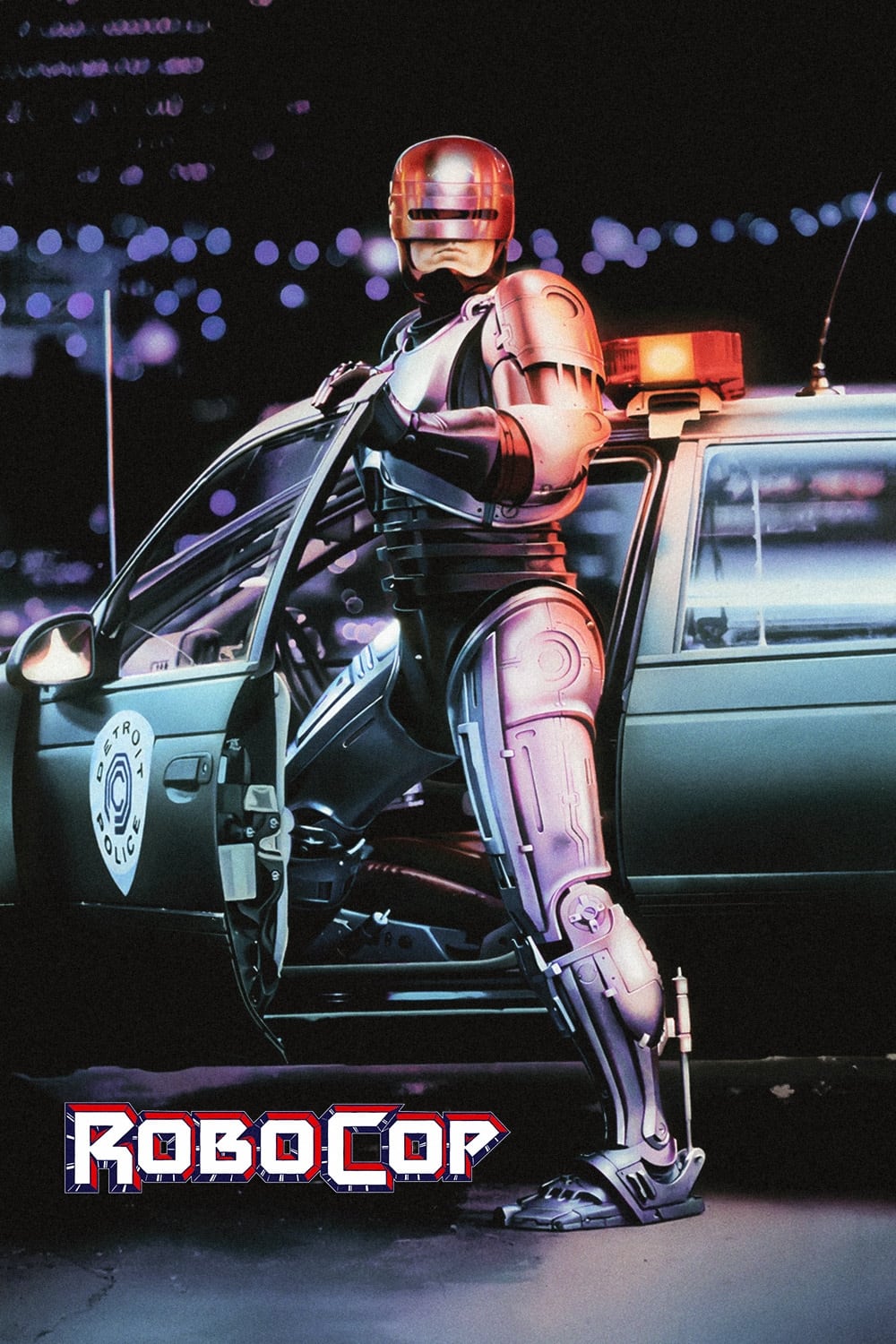
Set in a near future Detroit, a corporation deploys a cyborg police officer built from a fallen officer’s remains. Paul Verhoeven’s film combined satirical media interludes with urban action. Rob Bottin designed the suit while Phil Tippett supervised stop motion for the ED 209 robot. The property expanded into sequels, television, animation, and video games.
‘Ghost in the Shell’ (1995)

This animated feature adapts Masamune Shirow’s manga about a cybernetic agent investigating identity in a networked society. Director Mamoru Oshii blended hand drawn animation with early digital compositing. The film’s cityscapes, police hardware, and thermoptic camouflage influenced later productions. It helped bring cybernetic philosophy and network security themes to a global audience.
‘Gattaca’ (1997)
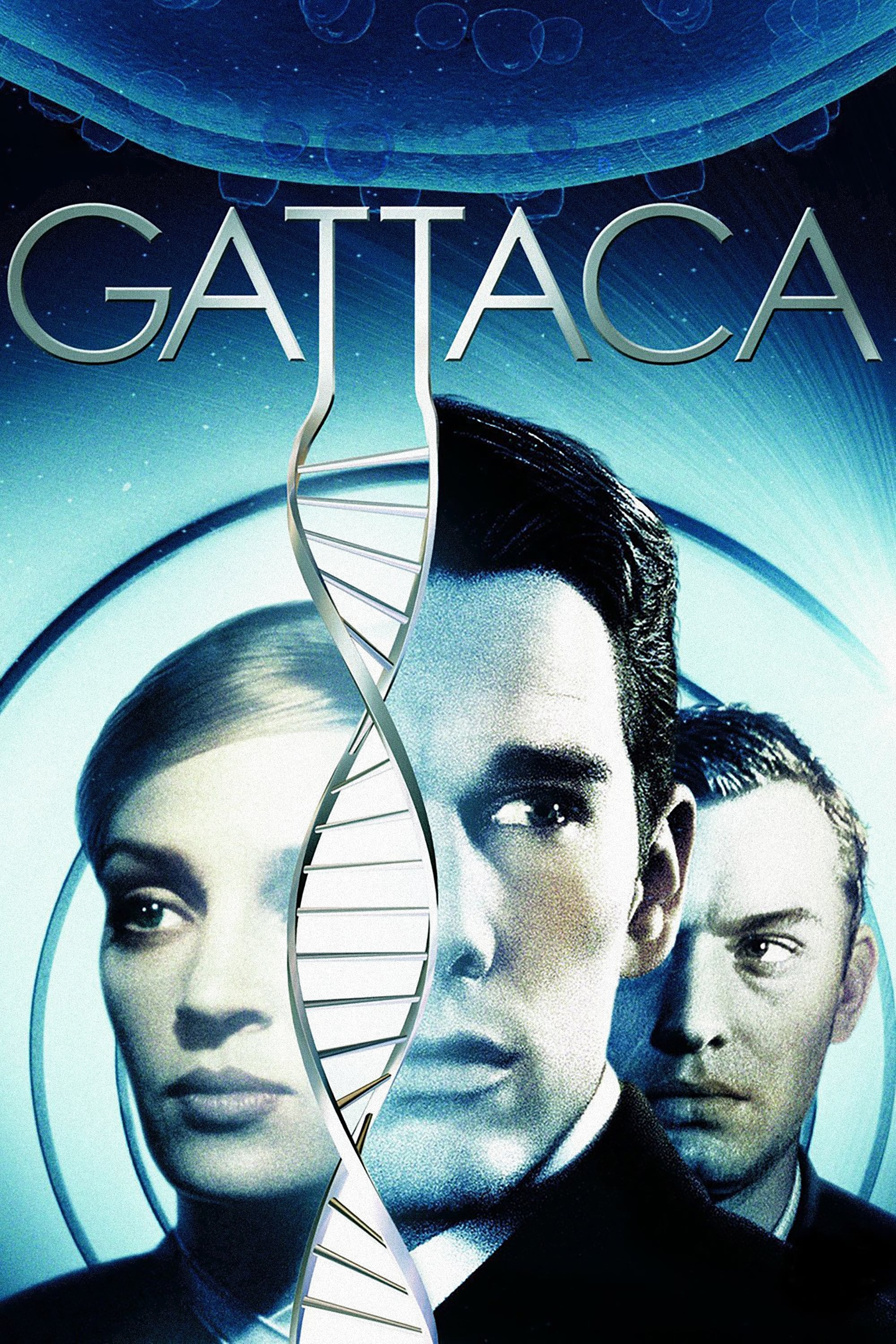
Set in a world of genetic profiling, the story follows a man who uses another person’s identity to pursue space travel. Production design favors clean lines and mid century architecture to suggest a controlled society. The script details daily biometric checks, DNA sampling, and workplace screening. The film is frequently used in classrooms to discuss ethics and biotechnology policy.
‘Interstellar’ (2014)
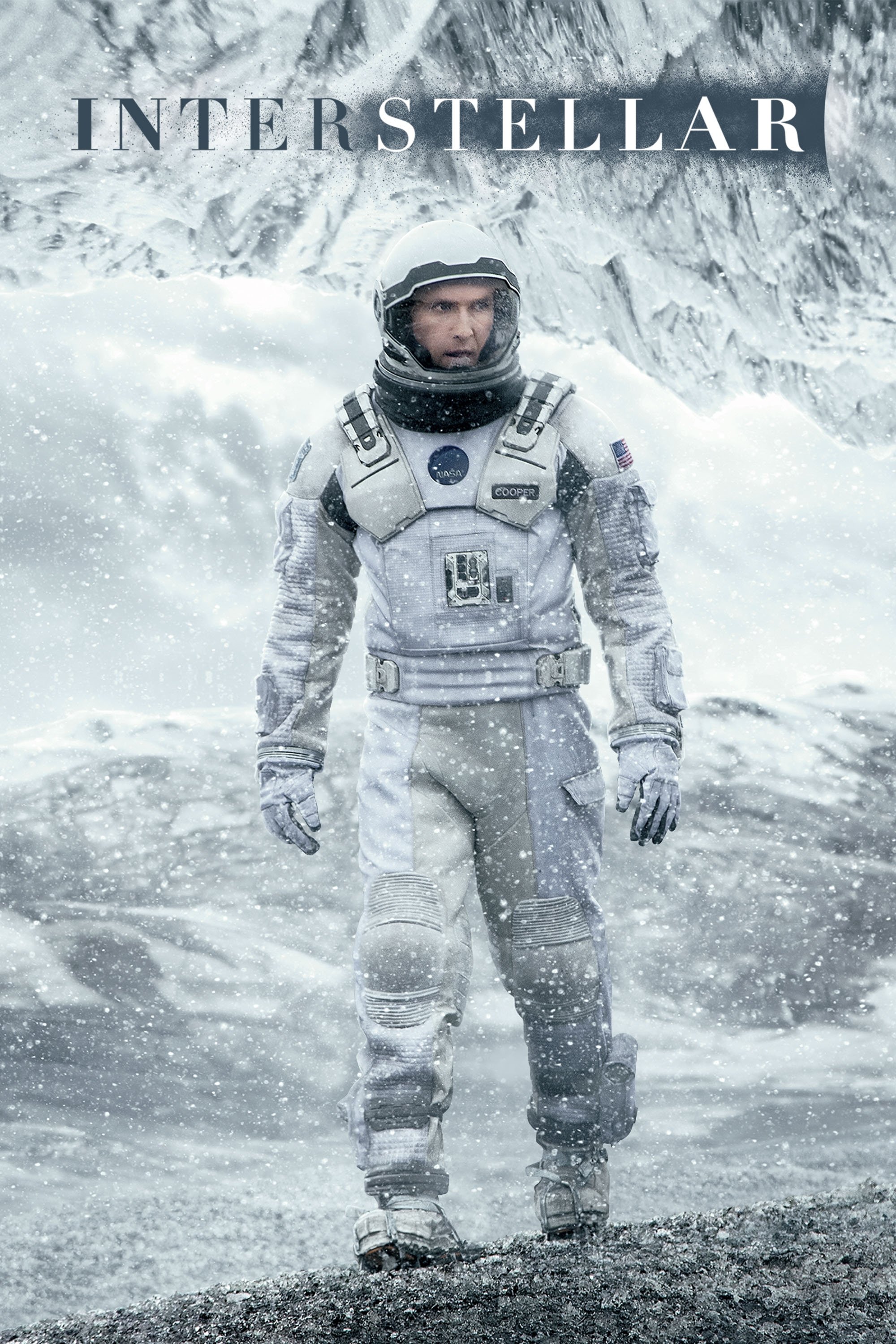
Christopher Nolan’s team consulted with physicist Kip Thorne to visualize black holes and wormholes. Double Negative created simulations that informed both effects and scientific visualization papers. The production built full scale spacecraft interiors and shot with large format cameras. Hans Zimmer’s organ heavy score and practical sound recording support the sense of scale.
‘Ex Machina’ (2014)
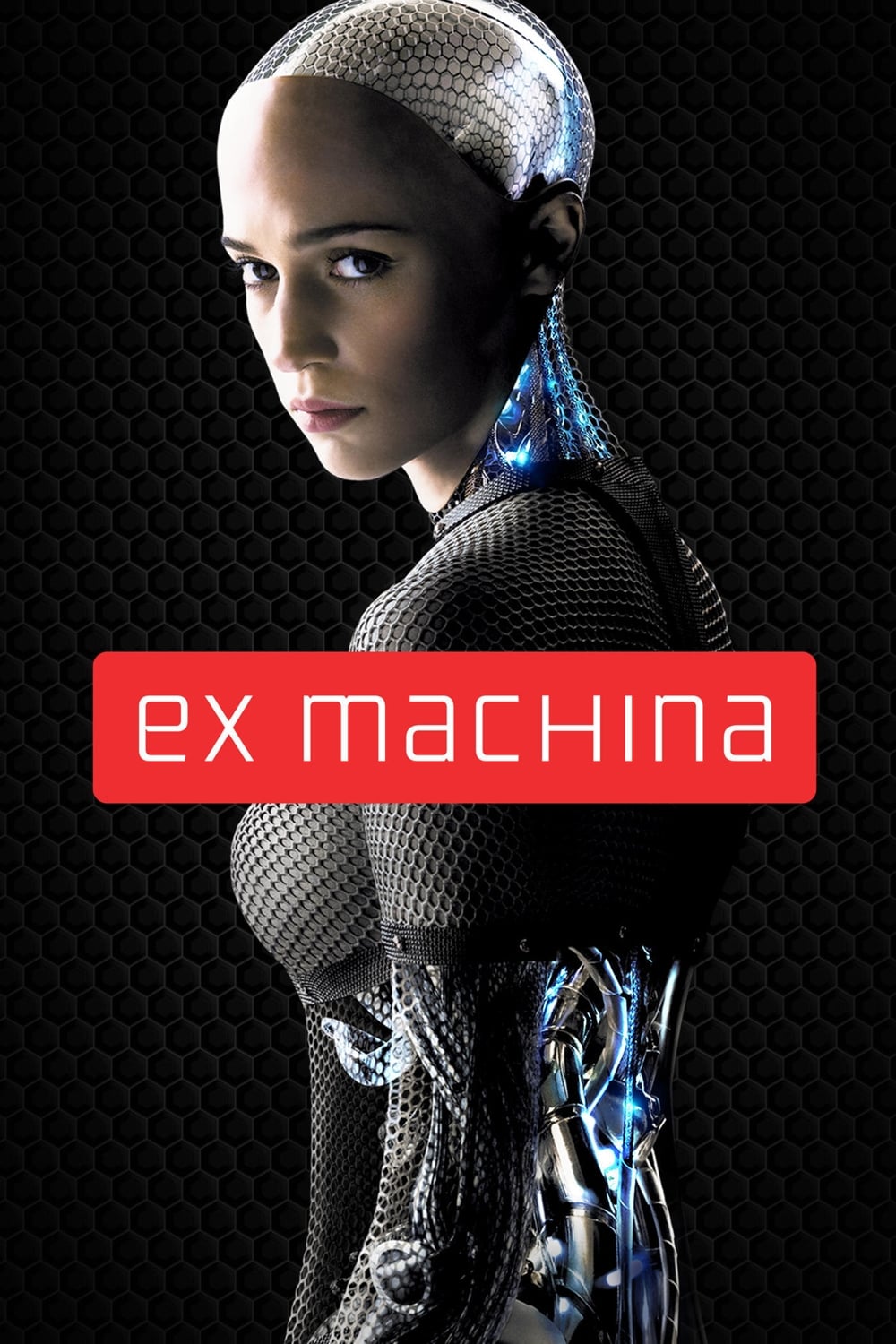
Alex Garland’s film centers on a programmer who evaluates an advanced humanoid robot in a remote facility. The visual effects team integrated transparent limbs and synthetic skin over a live performance. The setting uses contemporary architecture to ground the experiment in present day design. Dialogue scenes explore test protocols, access controls, and data privacy.
‘Annihilation’ (2018)
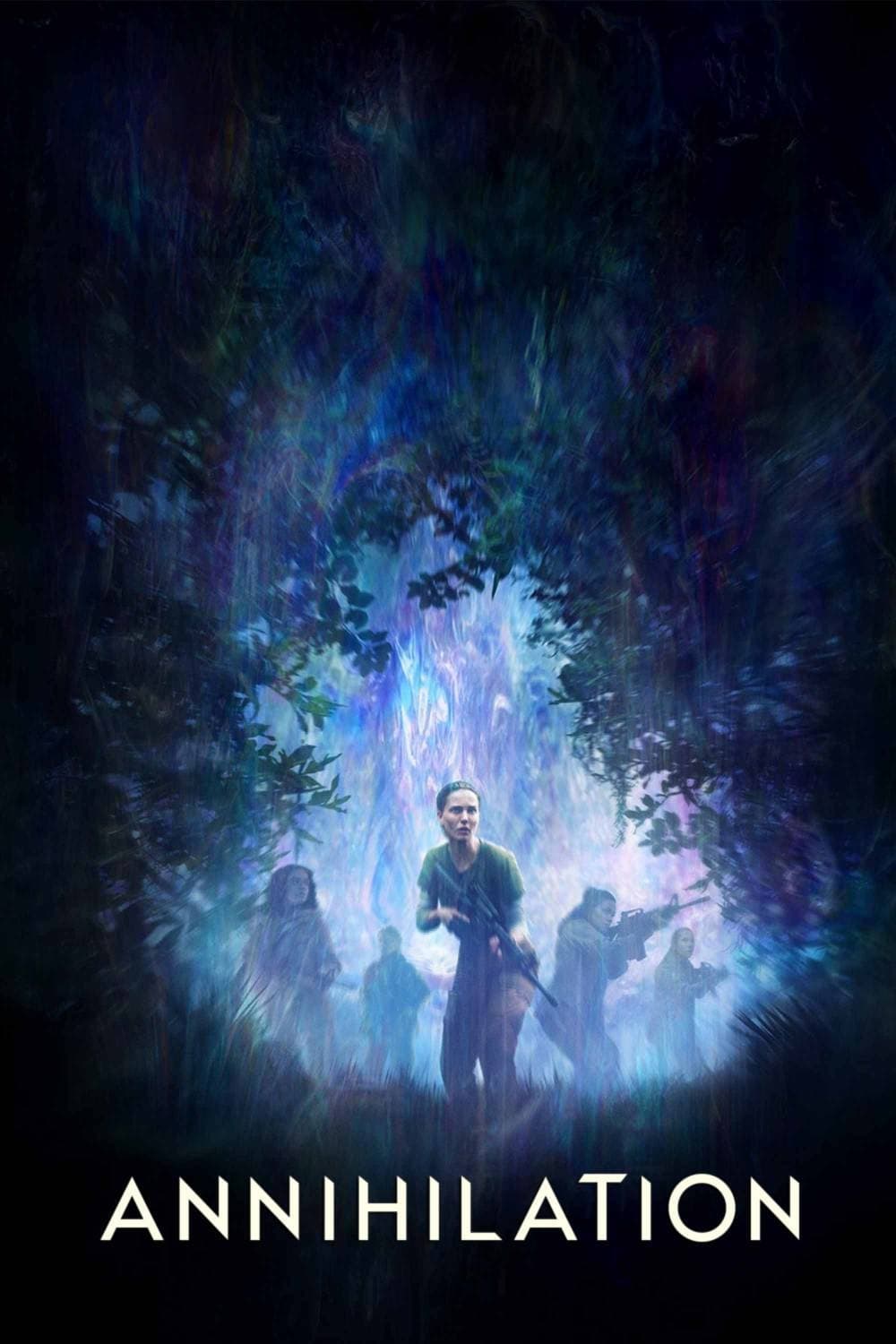
A team of scientists enters a quarantined zone where biology and physics behave unpredictably. The production designed refracting light patterns and hybrid organisms to convey environmental change. Practical sets blended with digital work to stage the lighthouse sequence. The score mixes acoustic instruments with processed tones to create an unsettled soundscape.
‘Dune’ (2021)

Denis Villeneuve’s adaptation covers the first half of Frank Herbert’s novel with an emphasis on planetary ecology and political factions. Greig Fraser used large format digital cameras and extensive location work to depict Arrakis. The production designed stillsuits, ornithopters, and sand screens to handle desert conditions. The film won multiple Academy Awards for craft categories including sound and visual effects.
The Greatest Sci-Fi Movies of All Time
Here are fifteen more films that shaped science fiction through fresh ideas, memorable worlds, and technical breakthroughs. You will find boundary pushing effects, carefully built futures, and stories that changed how audiences think about technology and humanity. These additions span space travel, artificial intelligence, dystopian societies, and first contact. Add them to fill in key gaps across the genre’s history.
‘Forbidden Planet’ (1956)
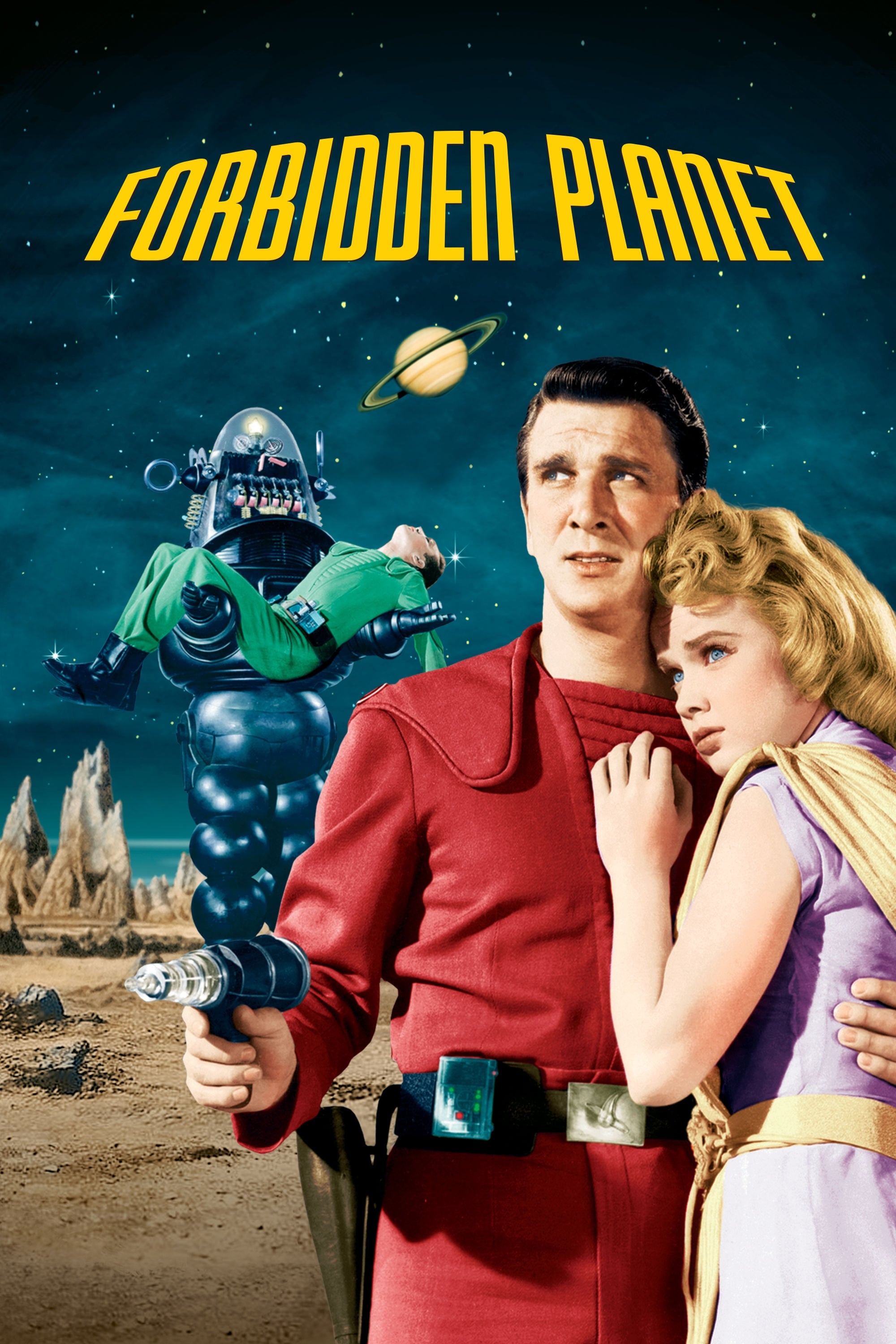
This Cinemascope adventure reimagines a Shakespeare plot on a distant world with a pioneering electronic score. Robby the Robot became an early pop culture icon with practical engineering on set. The story explores subconscious power through an extinct alien technology called the Krell machine. Miniatures and matte paintings created its planetwide environments.
‘A Clockwork Orange’ (1971)
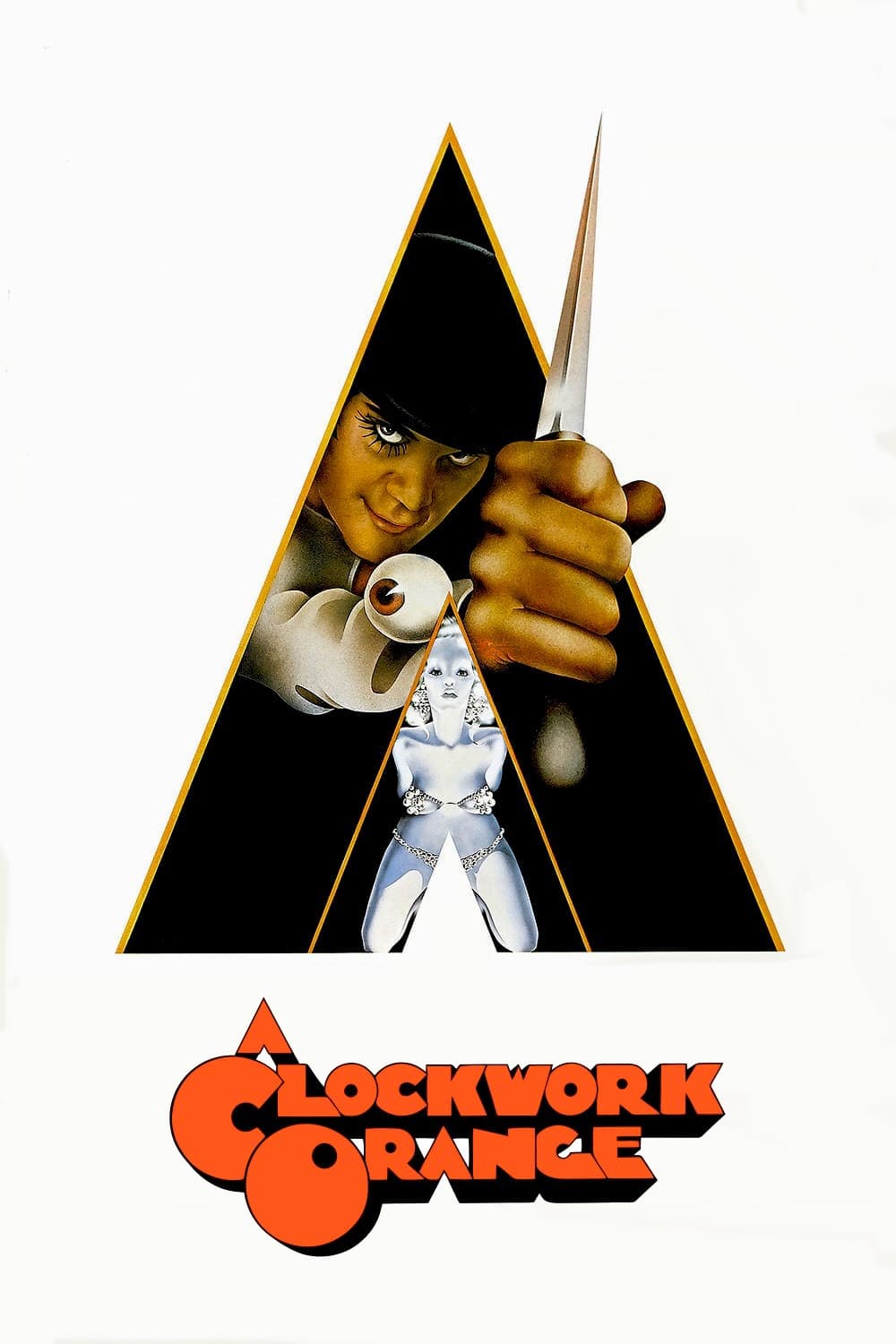
The film adapts Anthony Burgess’s novel about crime control and behavioral conditioning in a near future Britain. Production design mixes brutalist architecture with eye catching costume elements to suggest social decay. The narrative examines the ethics of aversion therapy and state power. A distinctive synthesized score reworks classical themes to underline the experiment.
‘Close Encounters of the Third Kind’ (1977)
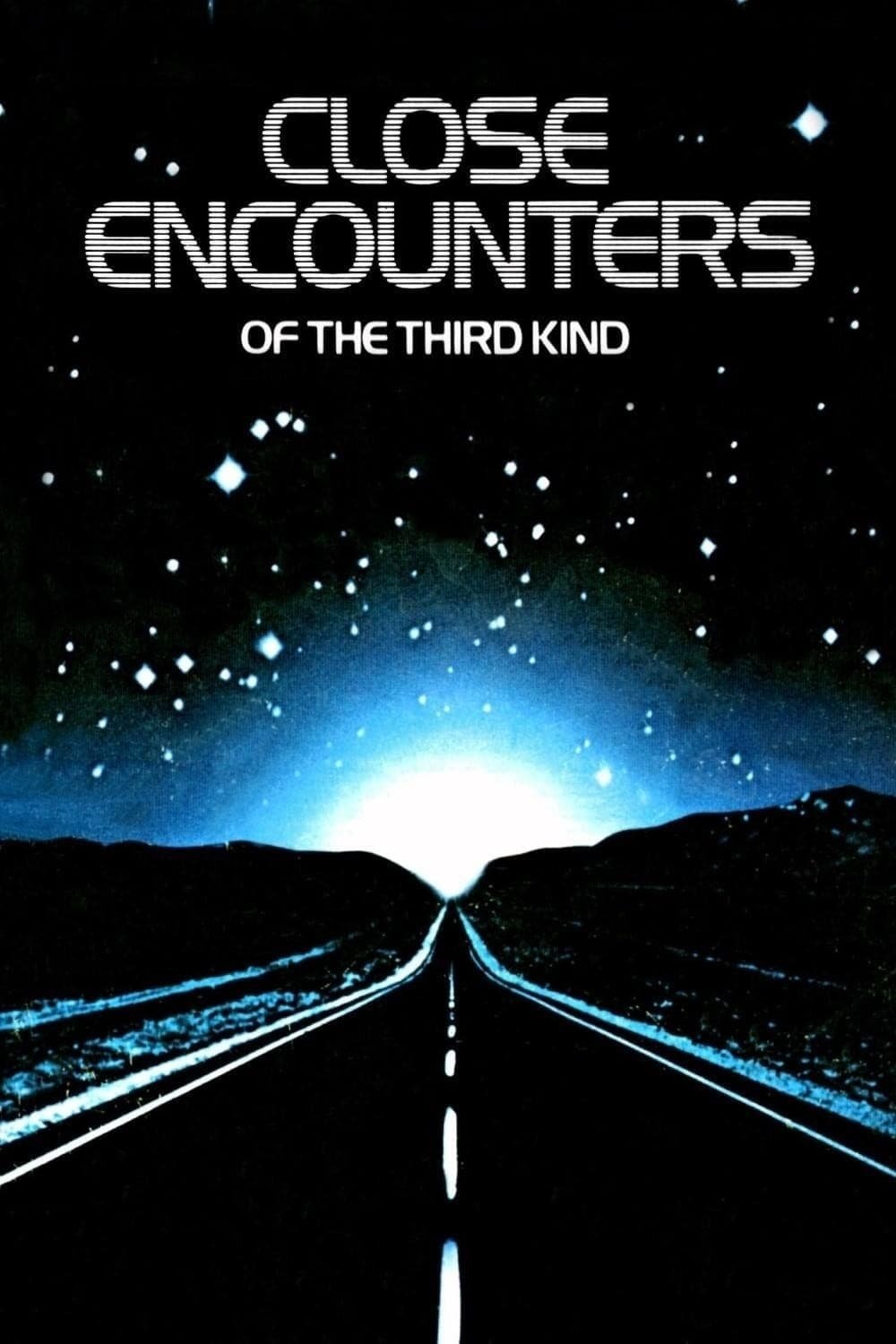
This story follows ordinary people drawn to a mysterious signal and a secret government operation. Visual effects teams built large scale miniatures and light rigs to depict the alien craft. The five note musical motif becomes a key element of contact. The production constructed a massive set for the final rendezvous with extensive soundstage work.
‘Star Trek II: The Wrath of Khan’ (1982)
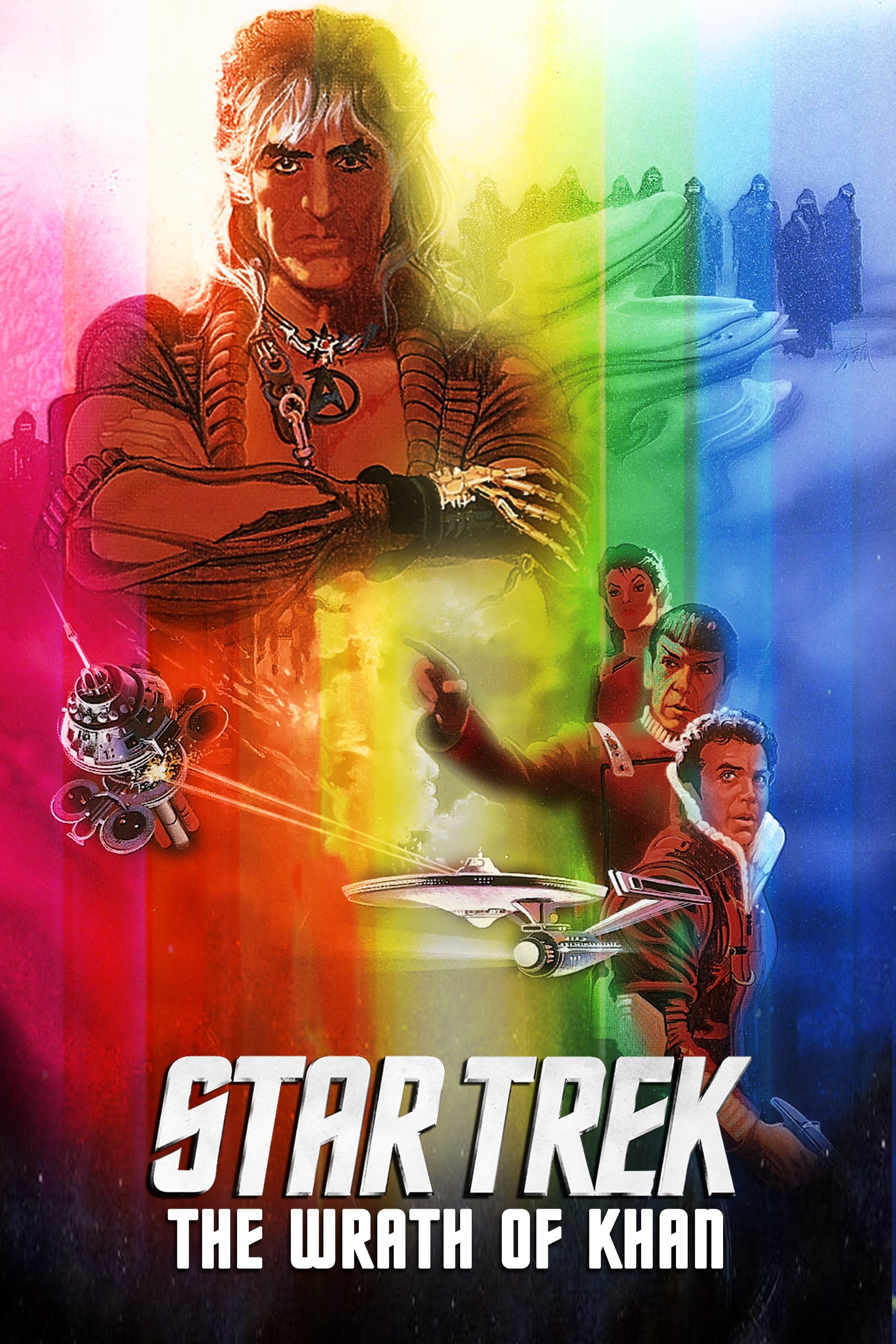
The film continues the rivalry between Admiral Kirk and Khan across deep space. Industrial Light and Magic delivered an early fully computer generated sequence for the Genesis demonstration. Model photography and optical compositing produced the nebula battle with colored particulate effects. Themes of aging and sacrifice support its character focus within a military science setting.
‘Terminator 2: Judgment Day’ (1991)
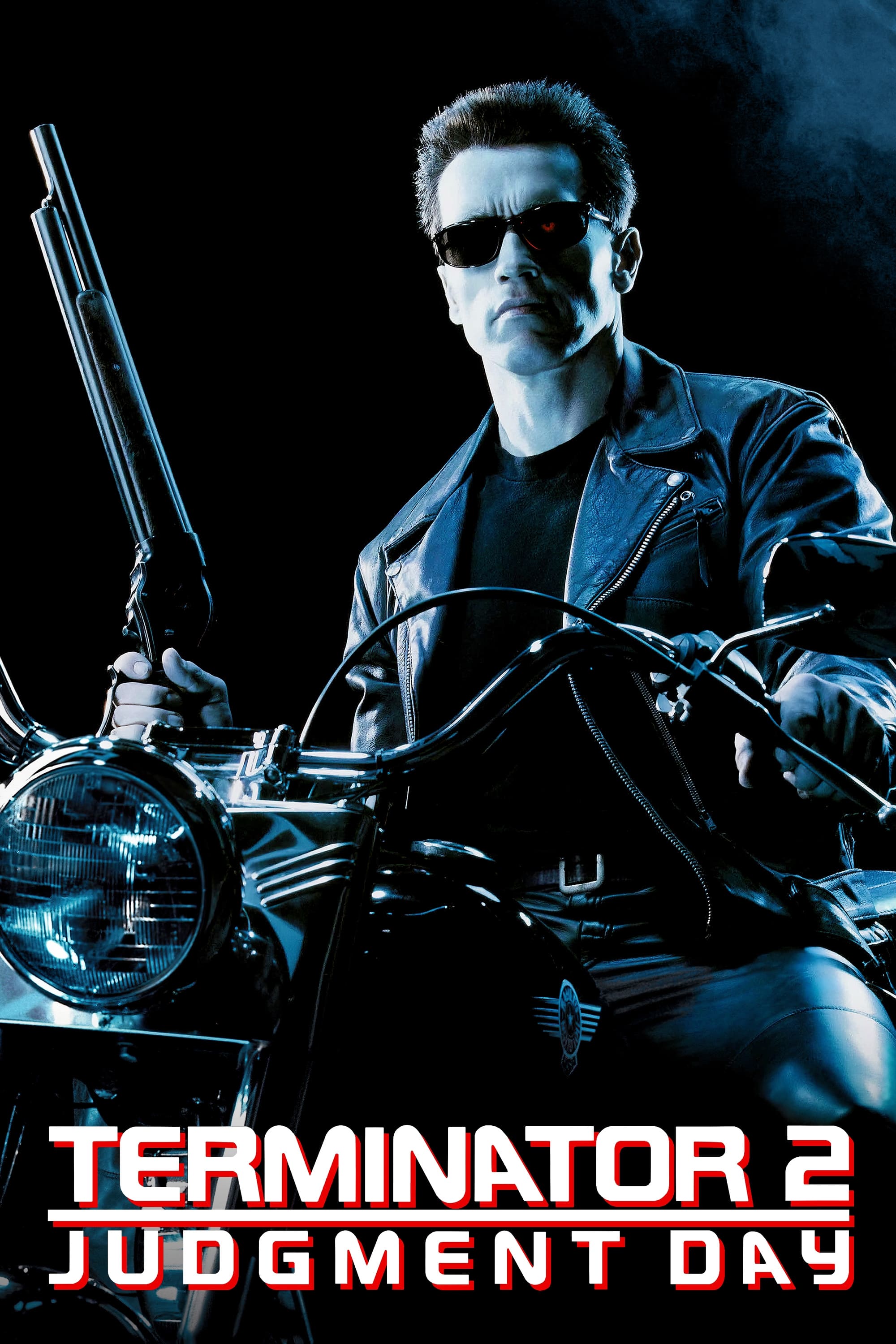
A new liquid metal antagonist arrives with groundbreaking morphing effects created through digital animation and compositing. The production combined practical stunts with computer graphics for transformation scenes. Stan Winston’s team built full scale animatronics and makeup appliances for damage states. The story expands the time loop premise with altered mission parameters and reprogrammed hardware.
‘Total Recall’ (1990)
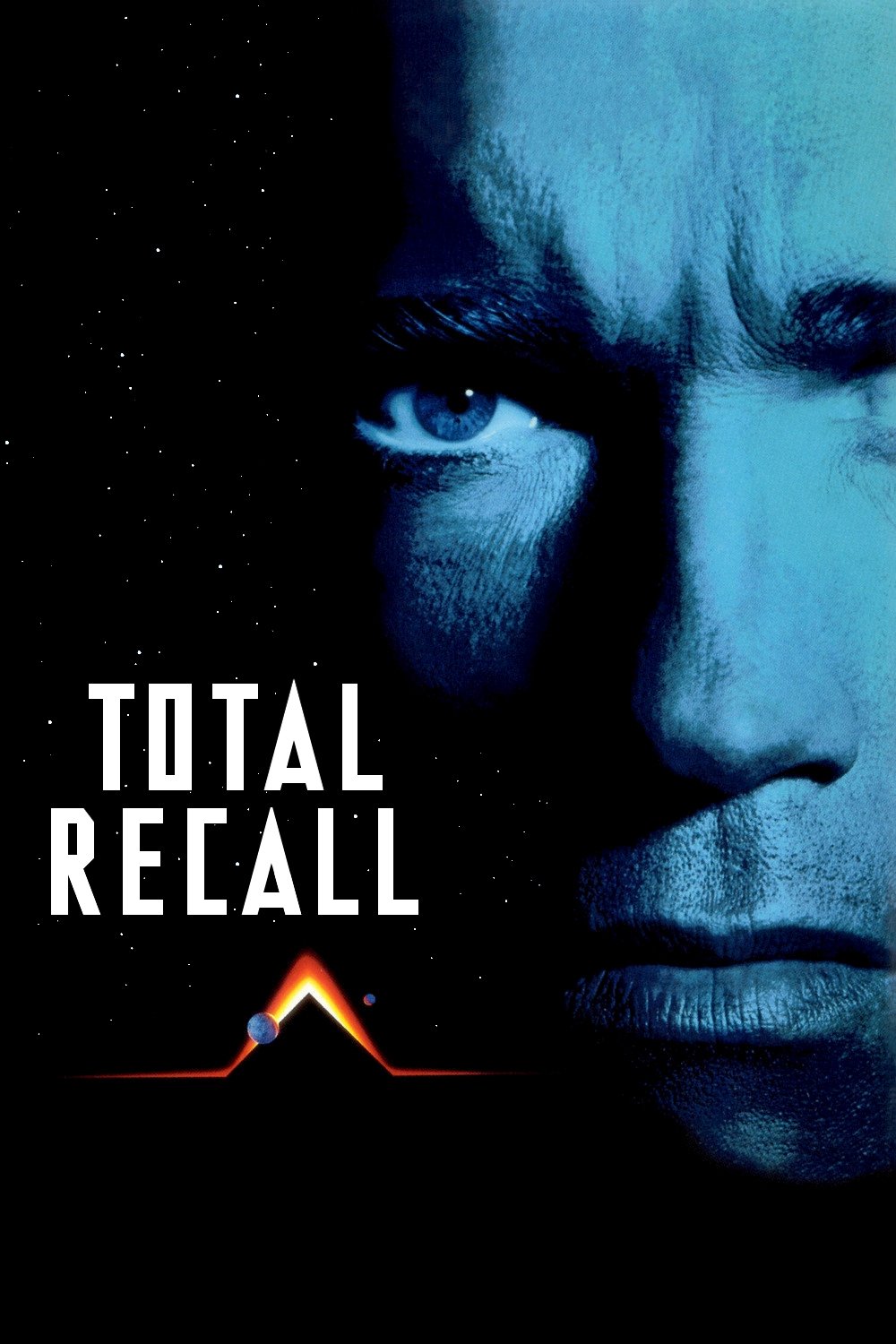
This adaptation of a Philip K. Dick short story follows memory implantation and corporate conflict on Mars. Practical effects include complex animatronics for disguise and decompression sequences. The production shot detailed miniatures to render the Martian colonies and vehicles. The plot plays with uncertain reality as the protagonist questions his identity.
‘The Fifth Element’ (1997)
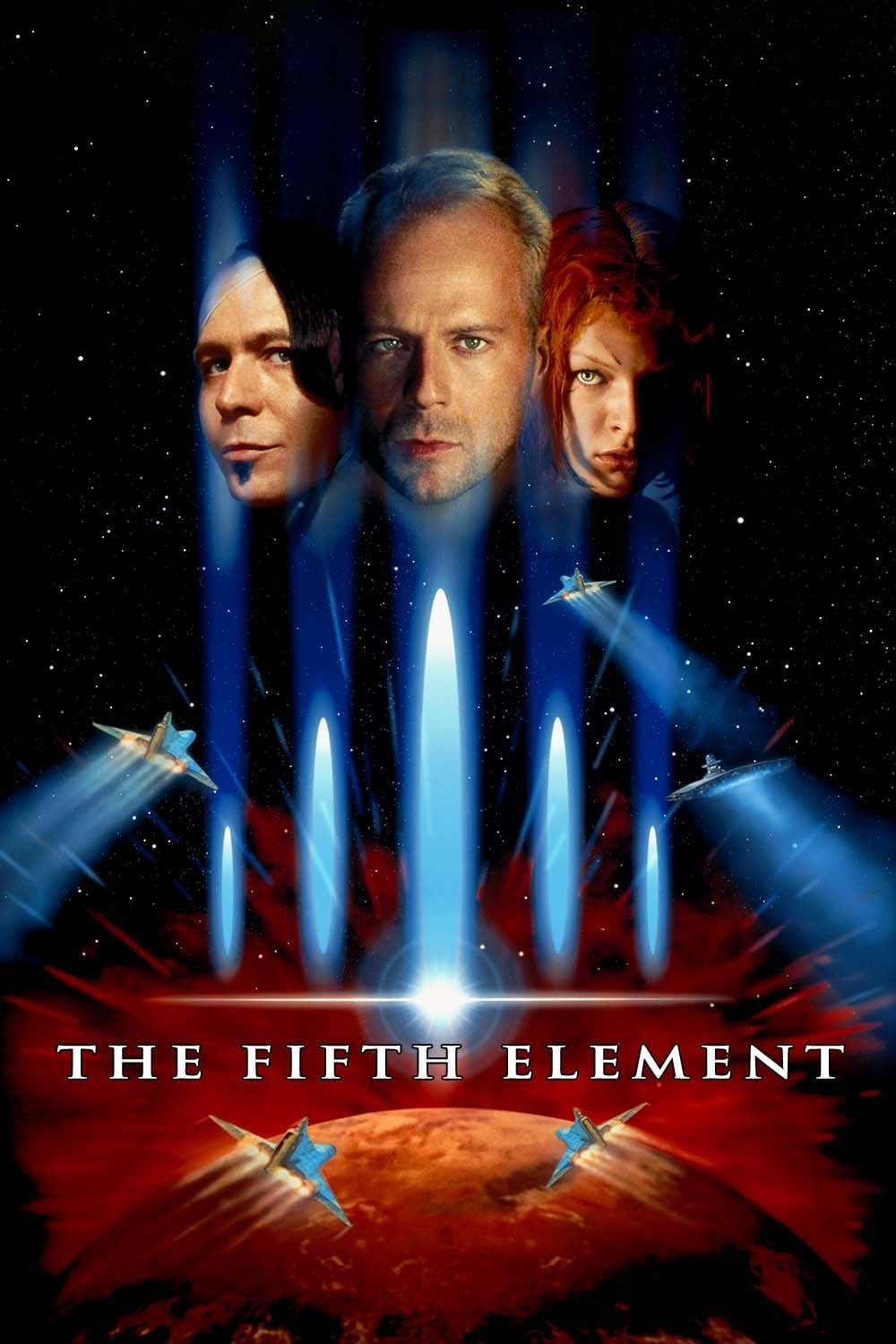
The film presents a bright, comic book styled future with flying taxis and high fashion costuming. Designer Jean Paul Gaultier created hundreds of outfits to populate the crowded city. Miniatures, digital compositing, and physical sets blended to achieve vertical traffic lanes. A constructed alien opera performance anchors a mid film set piece.
‘Dark City’ (1998)
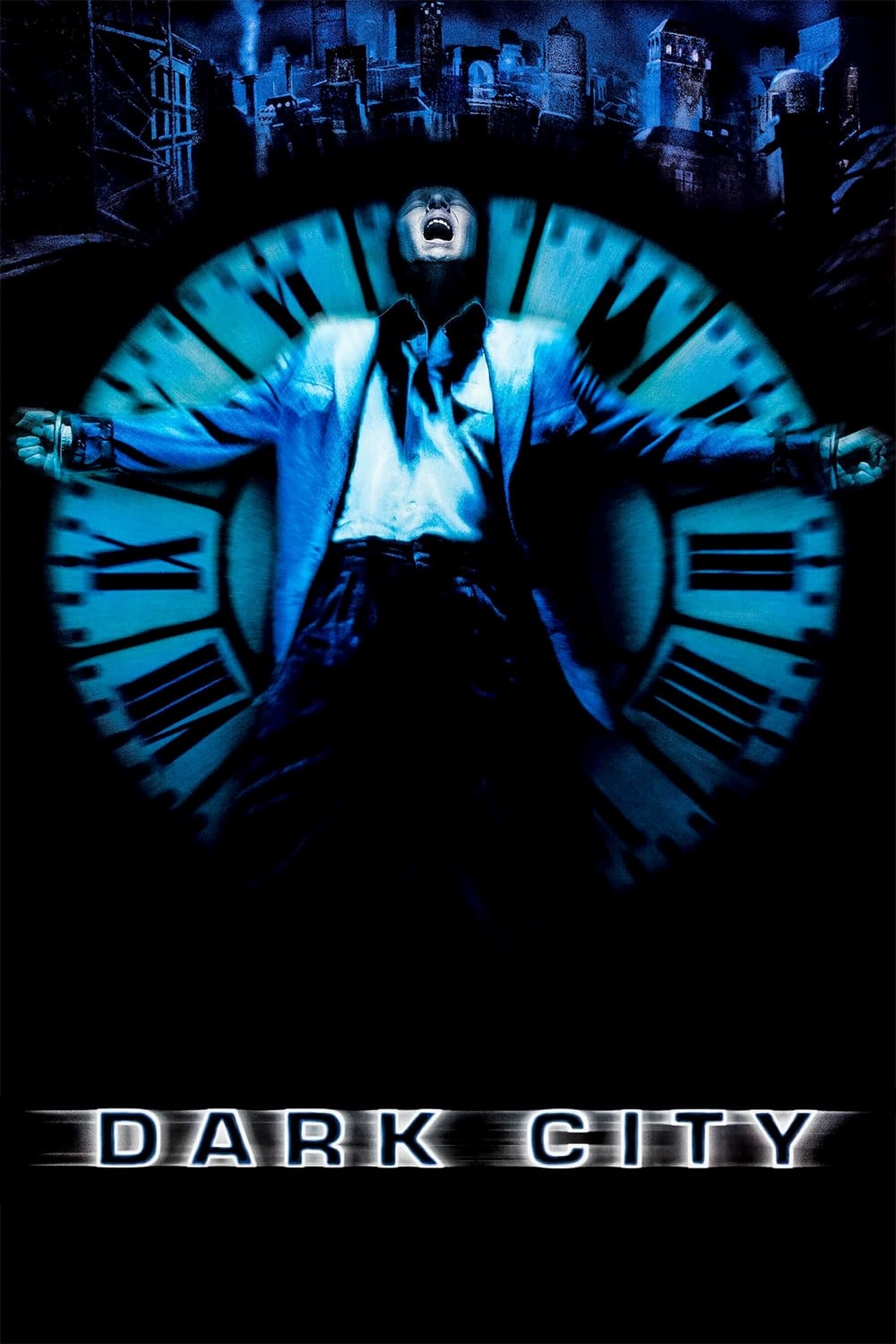
A man wakes with missing memories in a city controlled by shape shifting beings who alter reality at midnight. The art direction builds a labyrinth of noir inspired streets and mutable interiors. Model work and digital effects handle architecture that shifts during tuning. The narrative examines identity and fabricated history within a closed environment.
‘Minority Report’ (2002)
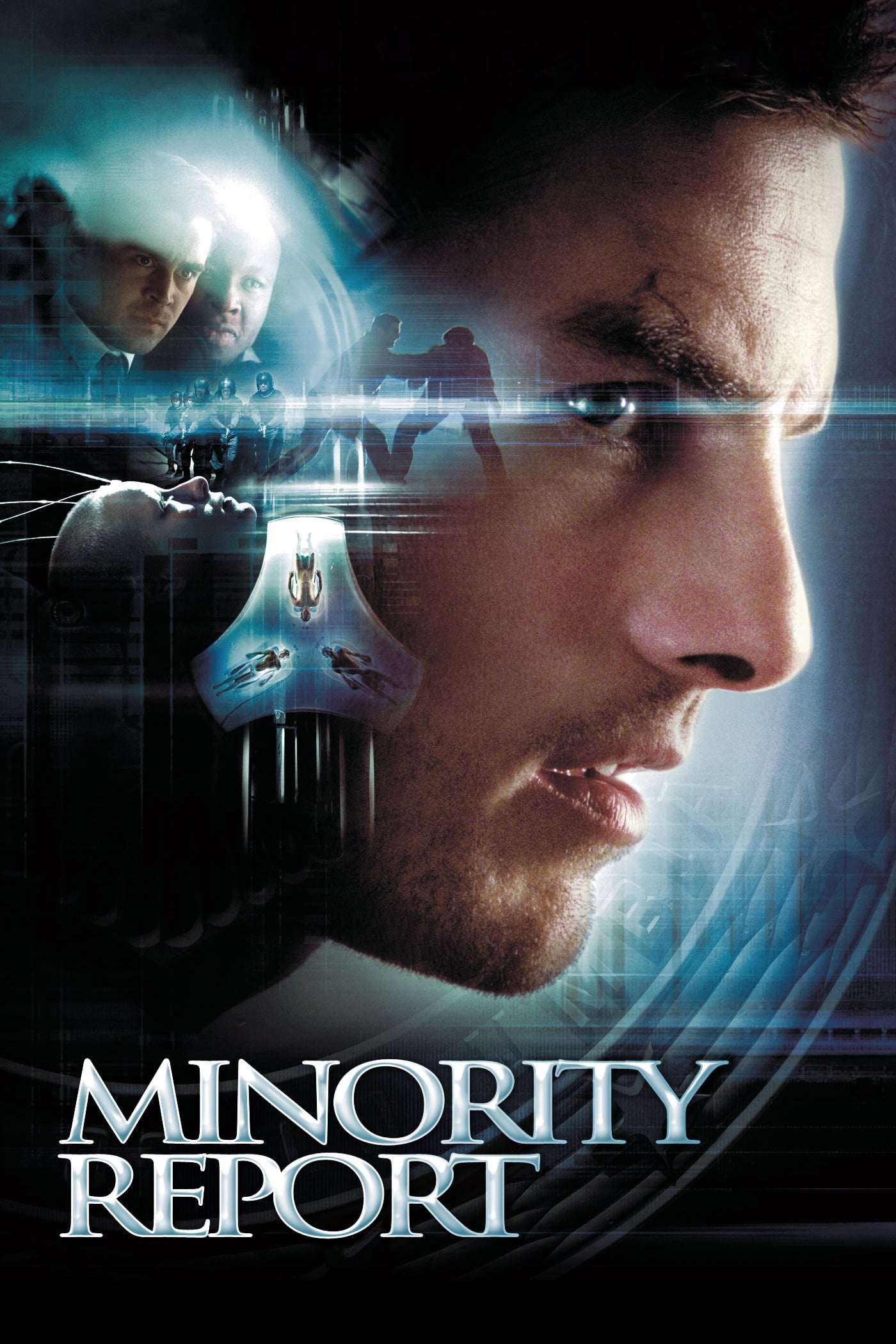
Set in a pre crime division that predicts murders before they occur, the film maps out user interfaces for gesture control. Production designers consulted with technologists to envision personalized advertising and autonomous vehicles. Stunt work and practical rigs sell the magnetic highway chase. Its predictive policing concept is often discussed in ethics and technology courses.
‘Eternal Sunshine of the Spotless Mind’ (2004)
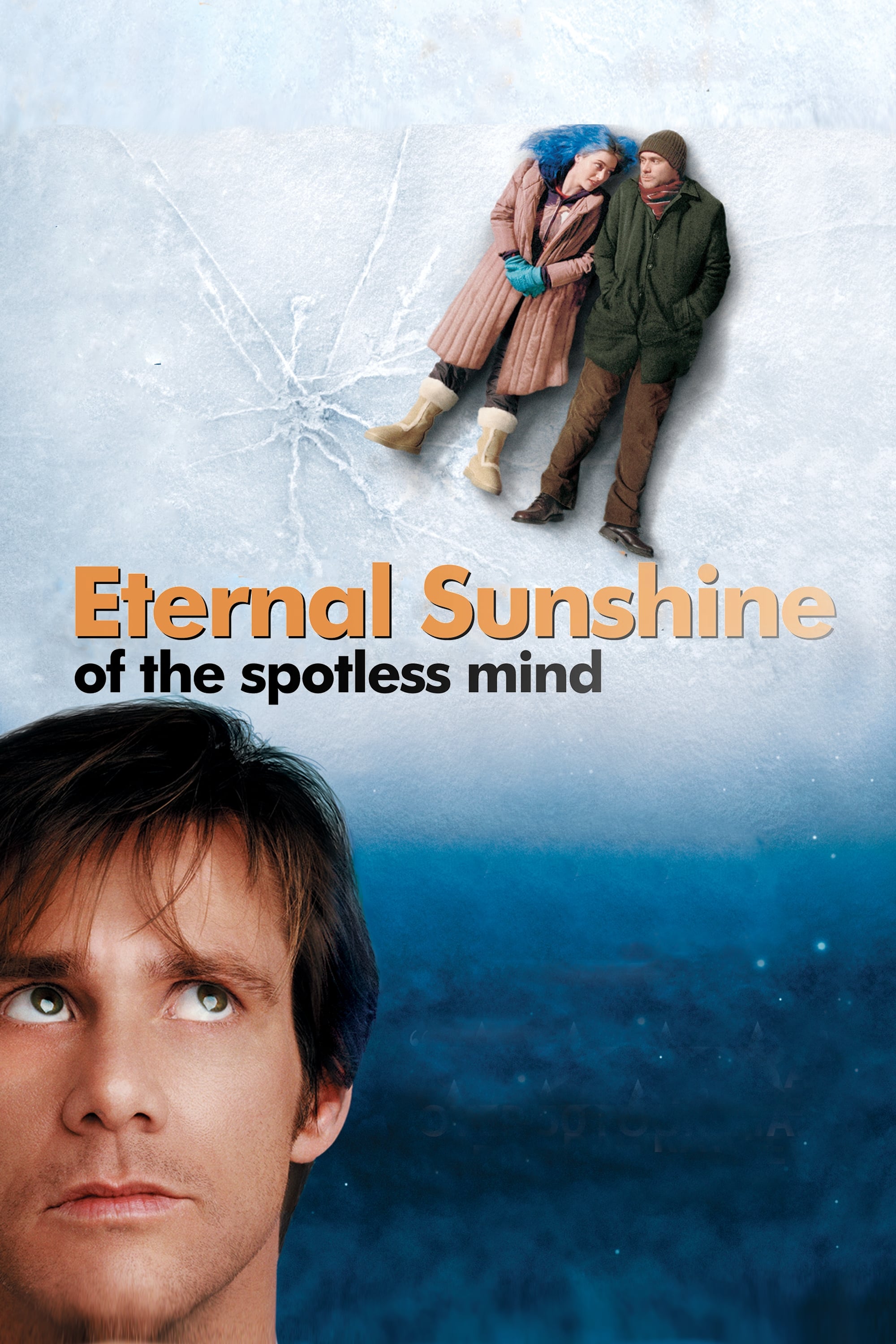
This story uses a memory erasure procedure to explore relationships and identity. In camera tricks, moving sets, and quick costume changes achieve many of the mind transitions. Visual effects support practical methods rather than replacing them. The procedure is treated like a small business service with intake forms and improvised technology.
‘District 9’ (2009)
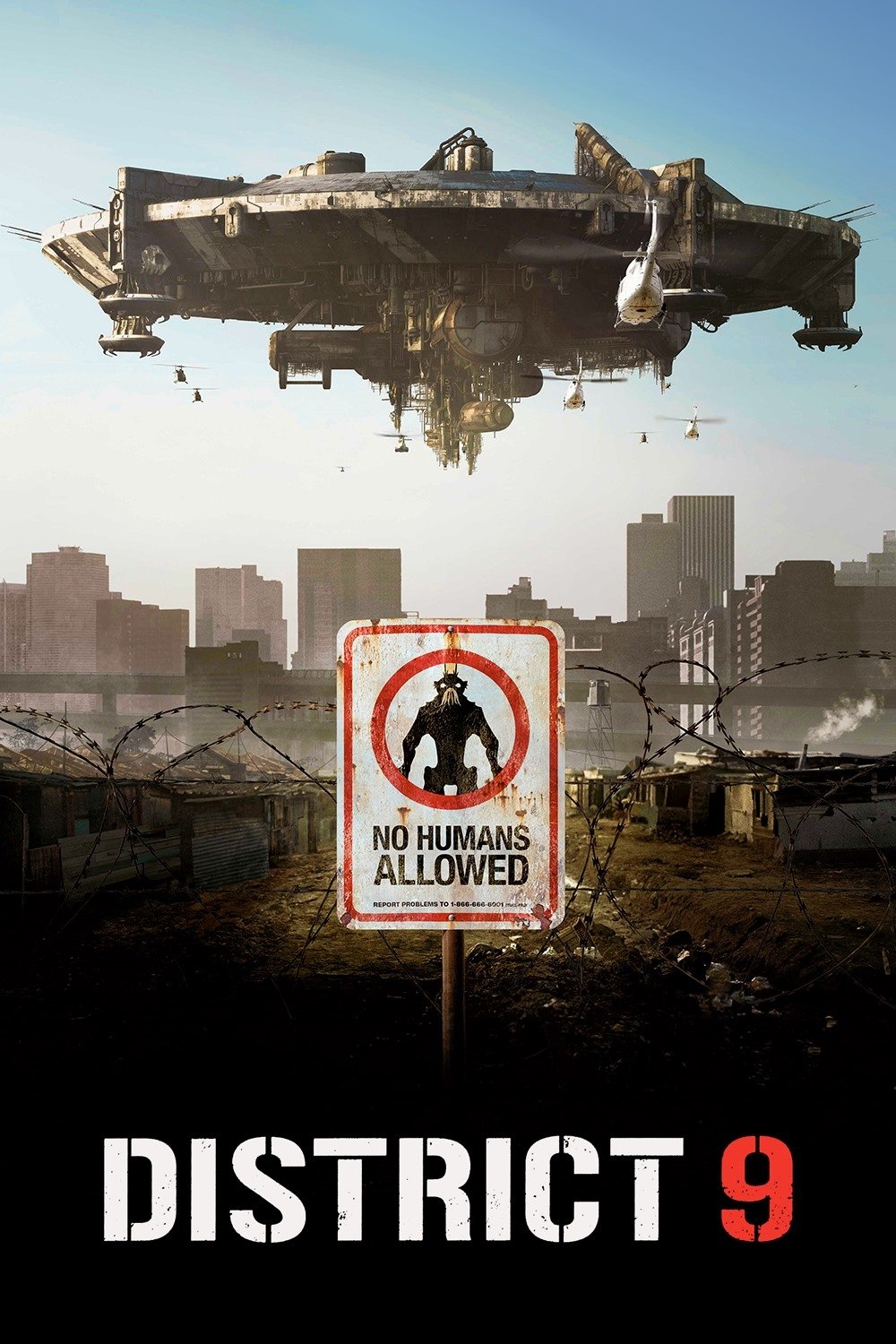
Alien refugees live in segregated camps near Johannesburg where a bureaucrat is exposed to their biotechnology. The film blends documentary style footage with visual effects to ground the setting. Weta Digital created the prawn creatures with detailed texturing and motion capture. The plot tracks corporate interests in weapon activation and biological compatibility.
‘Moon’ (2009)
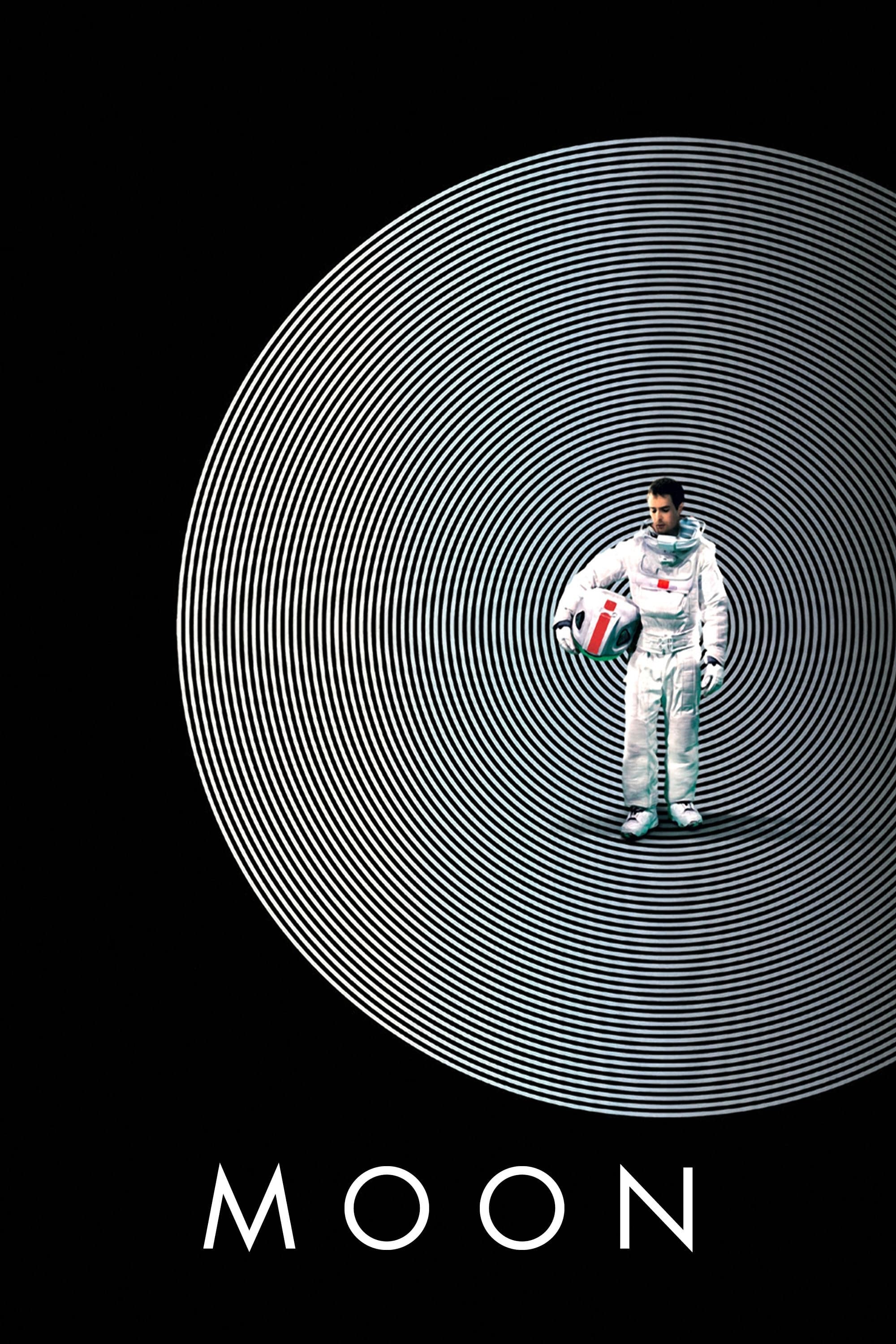
A lone worker on a lunar mining base begins to question his mission and identity. The production relied heavily on miniature models for the rovers and facility exteriors. A small cast and contained sets keep focus on routine, automation, and corporate oversight. The score and sound design emphasize isolation and mechanical rhythms.
‘Her’ (2013)
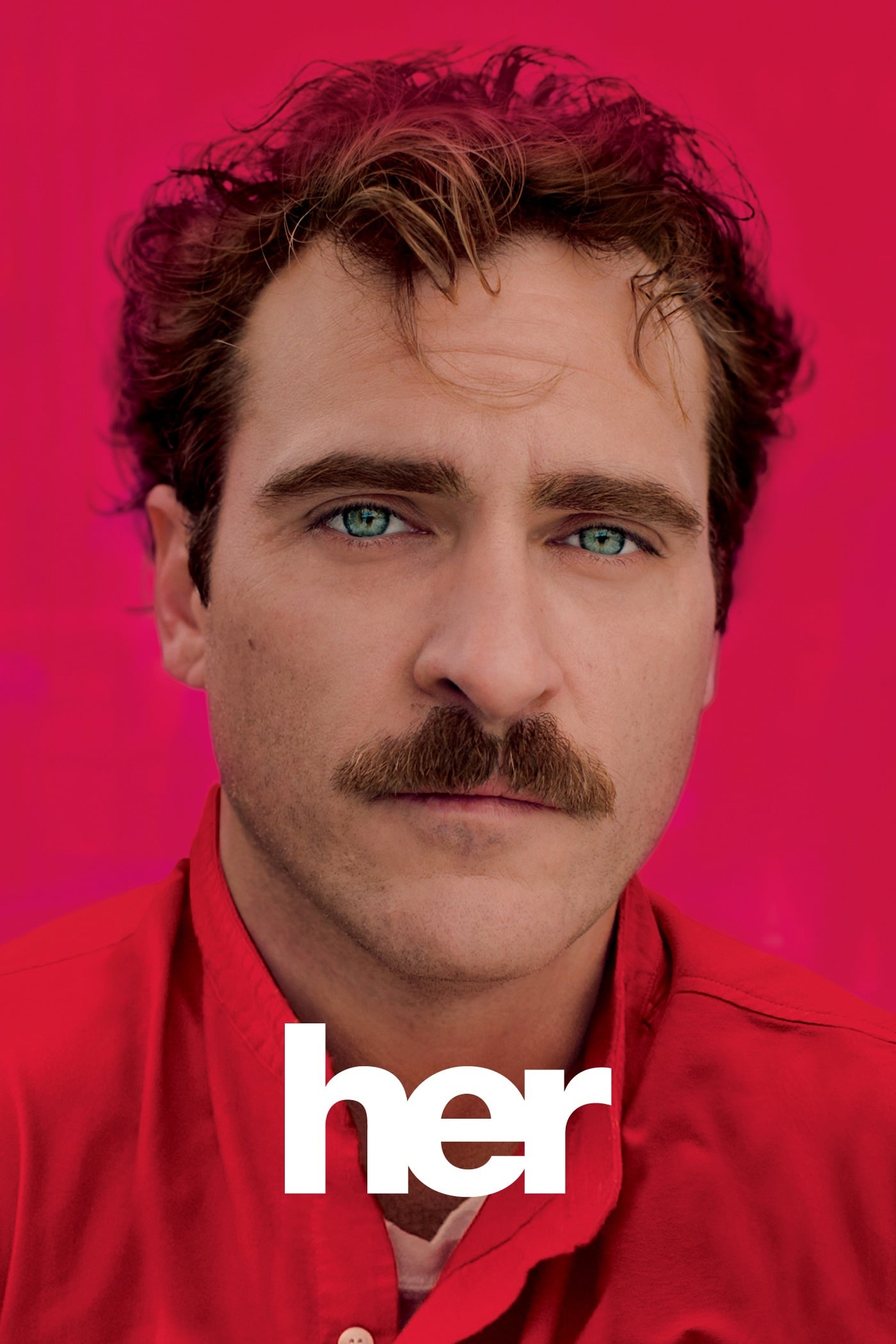
A man forms a relationship with an advanced operating system that adapts and learns from conversation. Production design opts for warm colors and near future devices without heavy emphasis on screens. Voice performance and sound editing convey presence without a physical body. The narrative tracks privacy settings, permissions, and the limits of user control.
‘Snowpiercer’ (2013)
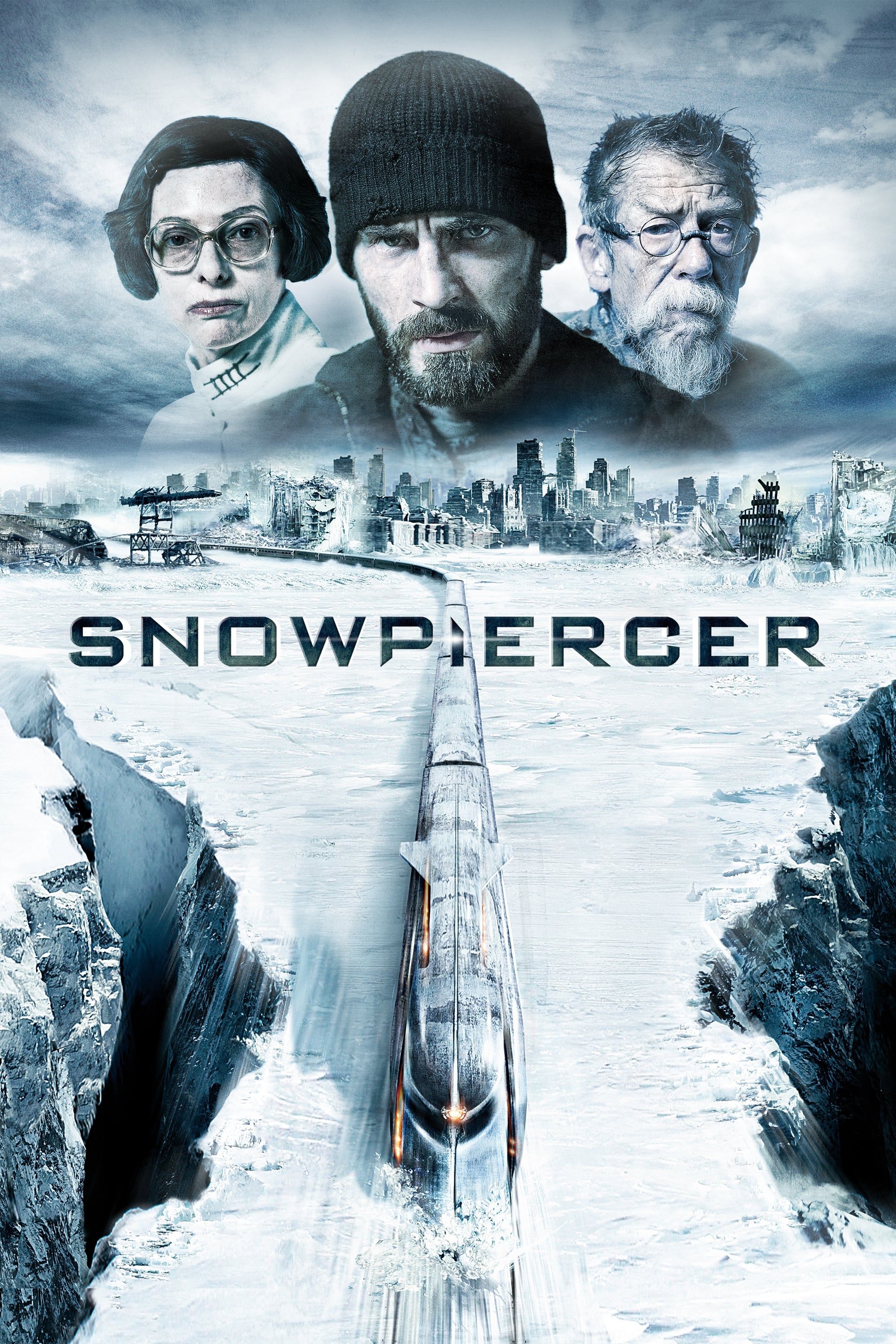
Survivors of a climate disaster circle the globe on a continually moving train divided by class. The production built full size train car sets on gimbals to simulate motion. Fight choreography and staging vary across cars to show changing social spaces. The story uses an ecosystem model to explain resource management aboard the train.
‘Edge of Tomorrow’ (2014)
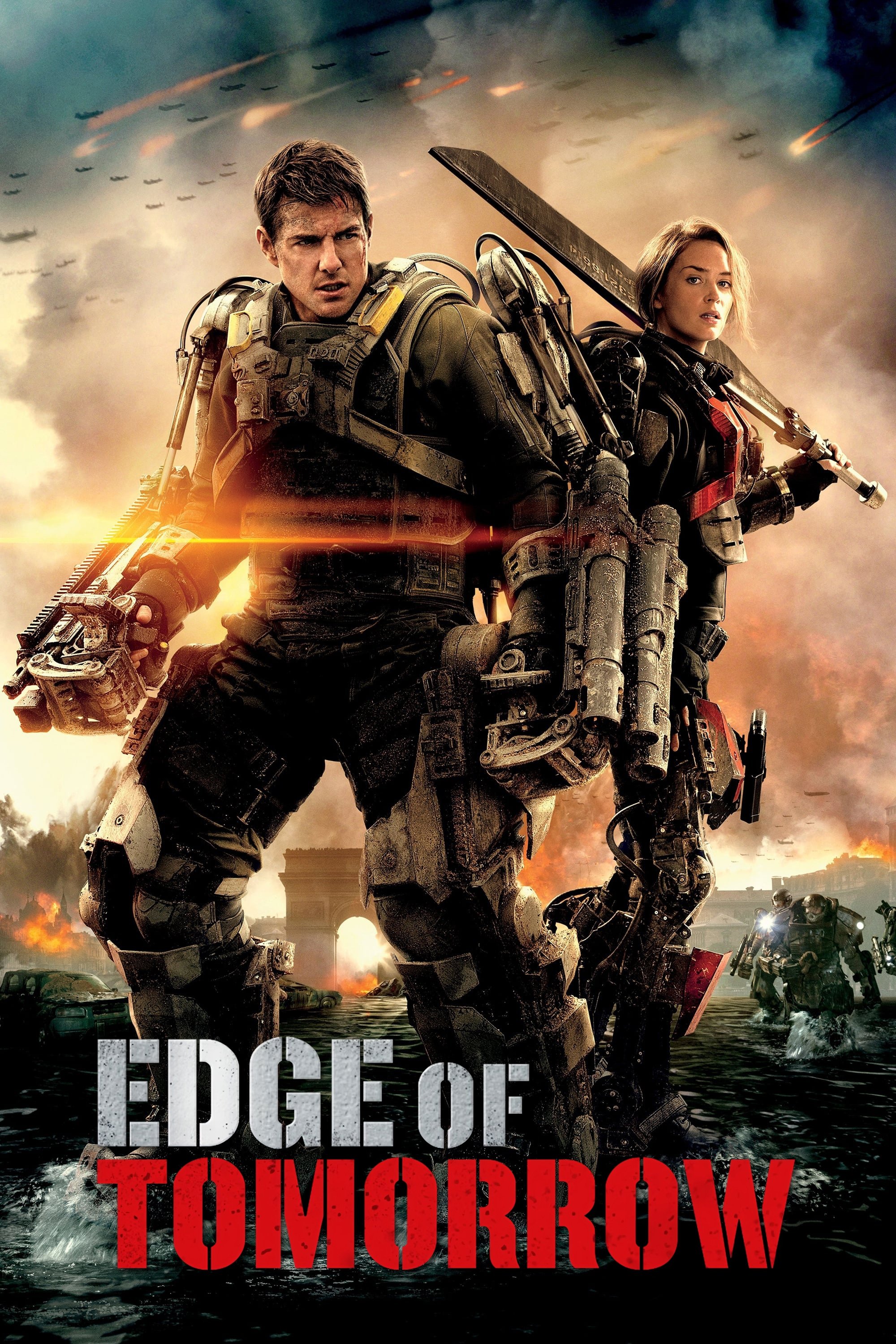
A public relations officer relives the same day in a war against adaptive aliens after exposure to their blood. The film mixes exosuit practical builds with digital augmentation for battlefield scenes. Editing and sound design manage repeated timelines while advancing new information. Training montages detail tactics that respond to the enemy’s predictive advantage.
‘Mad Max: Fury Road’ (2015)

This chase driven entry uses real vehicles, stunt driving, and carefully planned rigs on desert locations. Digital work augments skies and safety elements while preserving practical impact. The production designed a complete convoy of war rigs with working mechanical parts. Its world building explains fuel, water, and barter systems through props and action.
Tell us which sci-fi essentials you would add next and share your top choices in the comments.