Every ‘The Lord of the Rings’ Movie Ranked from Worst to Best

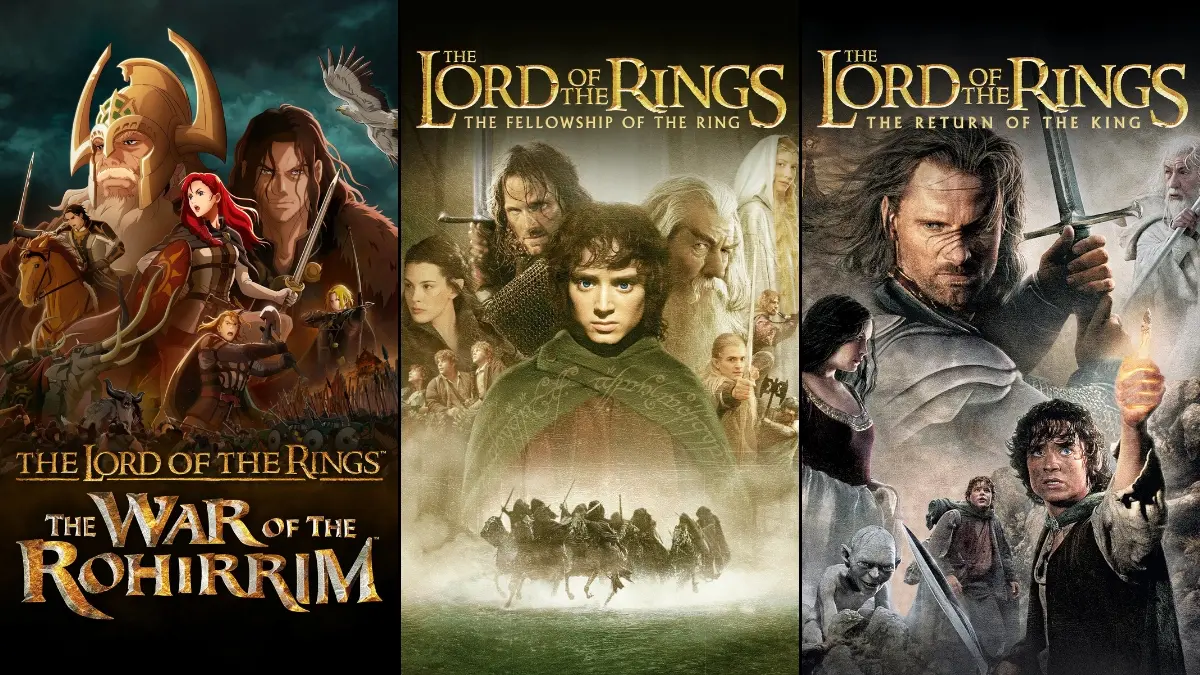

From pioneering animation to Oscar-sweeping epics and a recent anime prequel, Middle-earth on screen spans different studios, formats, and eras. Below is a single countdown that includes the live-action trilogies, the classic Rankin/Bass and Ralph Bakshi animations, and the newest anime feature, with concise details on directors, cast, story scope, and production context for quick reference.
‘The Return of the King’ (1980)
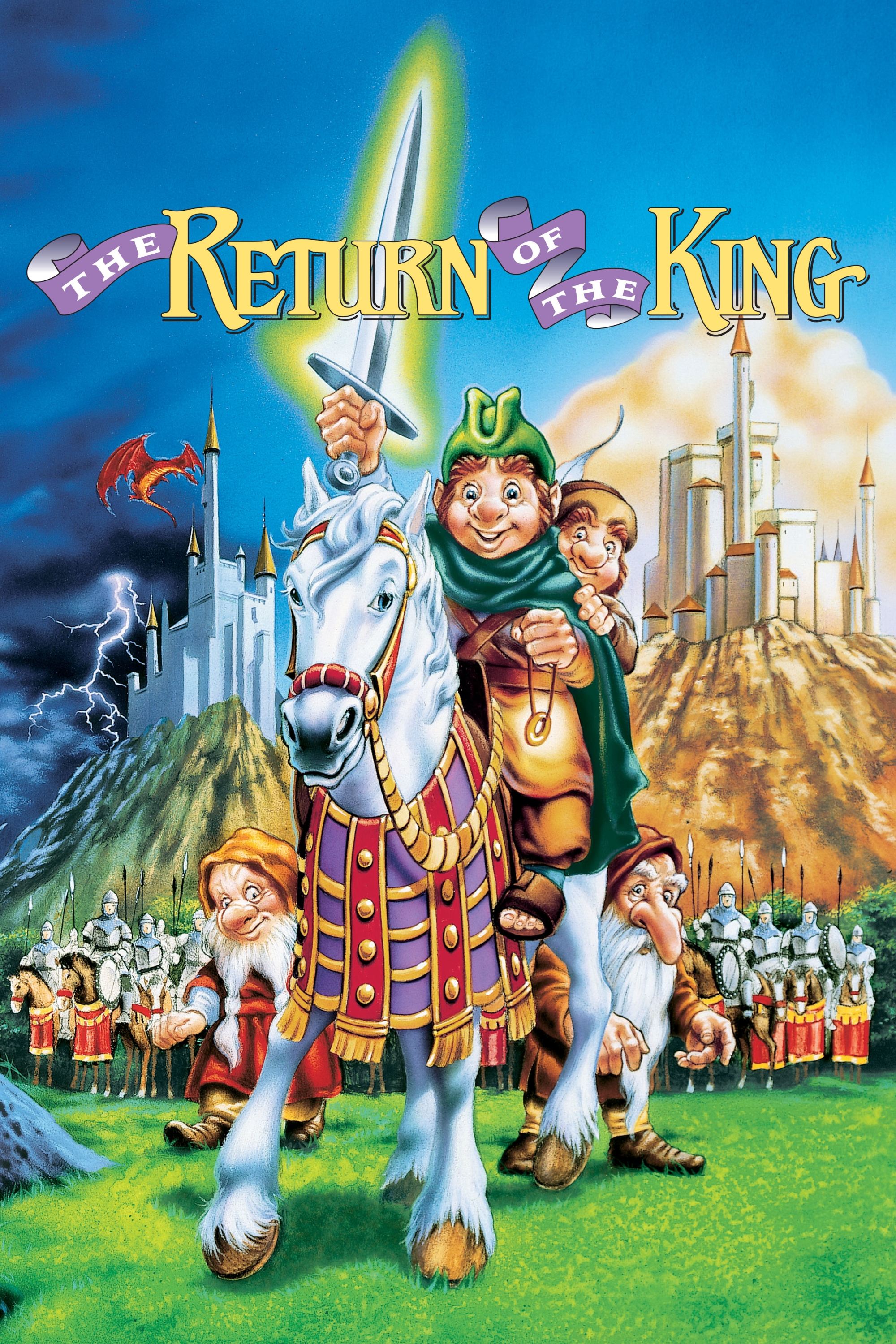
Directed by Arthur Rankin Jr. and Jules Bass, this animated television film adapts the final movements of the quest to destroy the One Ring, picking up after the events of ‘The Hobbit’. Voice talent includes Orson Bean as Bilbo, John Huston as Gandalf, and Roddy McDowall as Sam, with music by Maury Laws and songs by Glenn Yarbrough. Produced by Rankin/Bass with animation by Topcraft in Japan, it aired on ABC and was later released on home video by Warner Bros. The film presents key set-pieces like the siege around Minas Tirith within a musical format that complements the studio’s hallmark storytelling style.
‘The Lord of the Rings’ (1978)
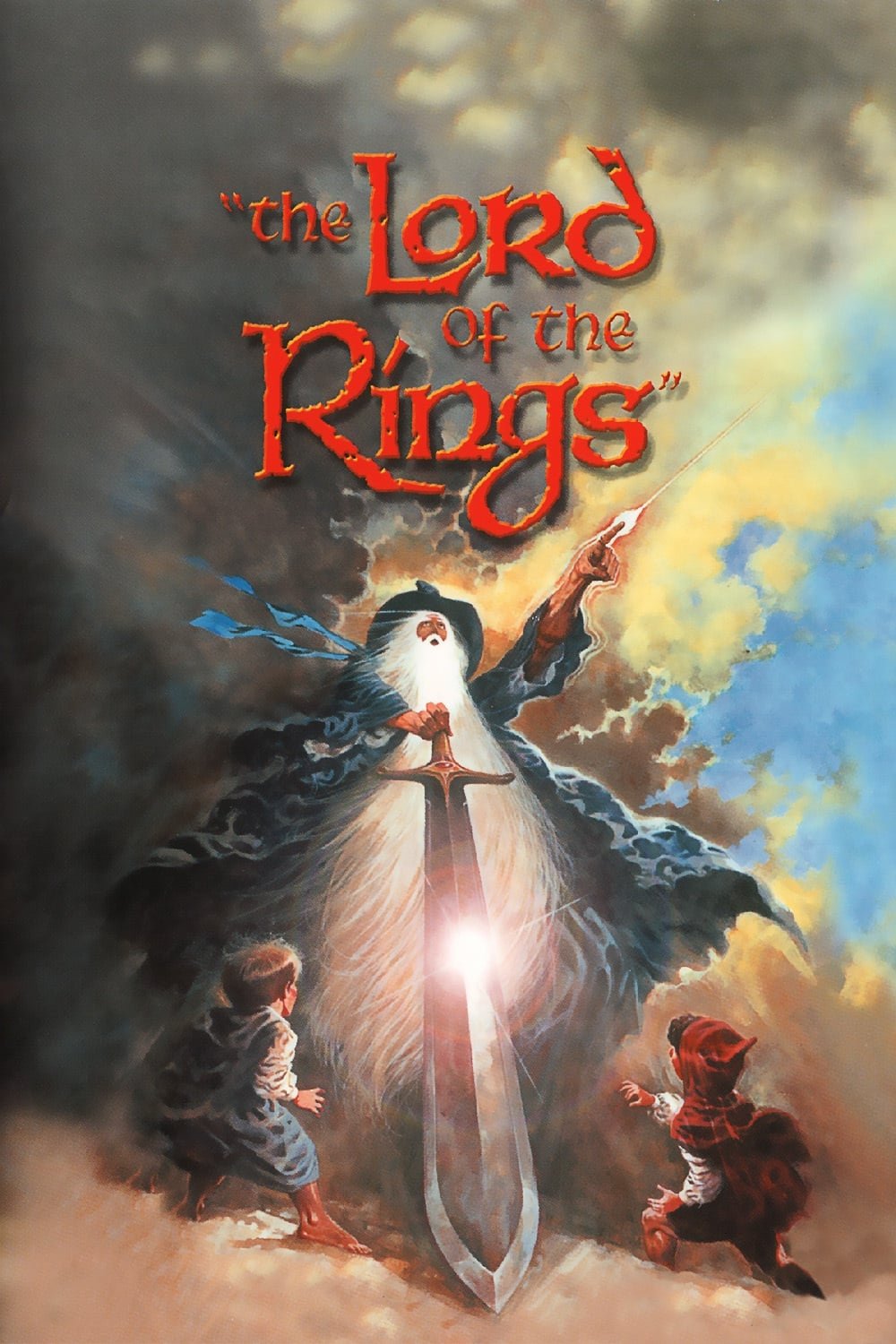
Ralph Bakshi’s animated adaptation covers the narrative from ‘The Fellowship of the Ring’ through roughly the first half of ‘The Two Towers’, using rotoscope over live-action footage. The voice cast includes Christopher Guard as Frodo, William Squire as Gandalf, and John Hurt as Aragorn, with a screenplay by Peter S. Beagle and Chris Conkling. Produced by Fantasy Films and distributed by United Artists, it was conceived as part one of a two-film plan that ultimately remained unfinished. The production’s large-scale battle imagery and stylized designs later echoed in subsequent live-action interpretations.
‘The Hobbit’ (1977)
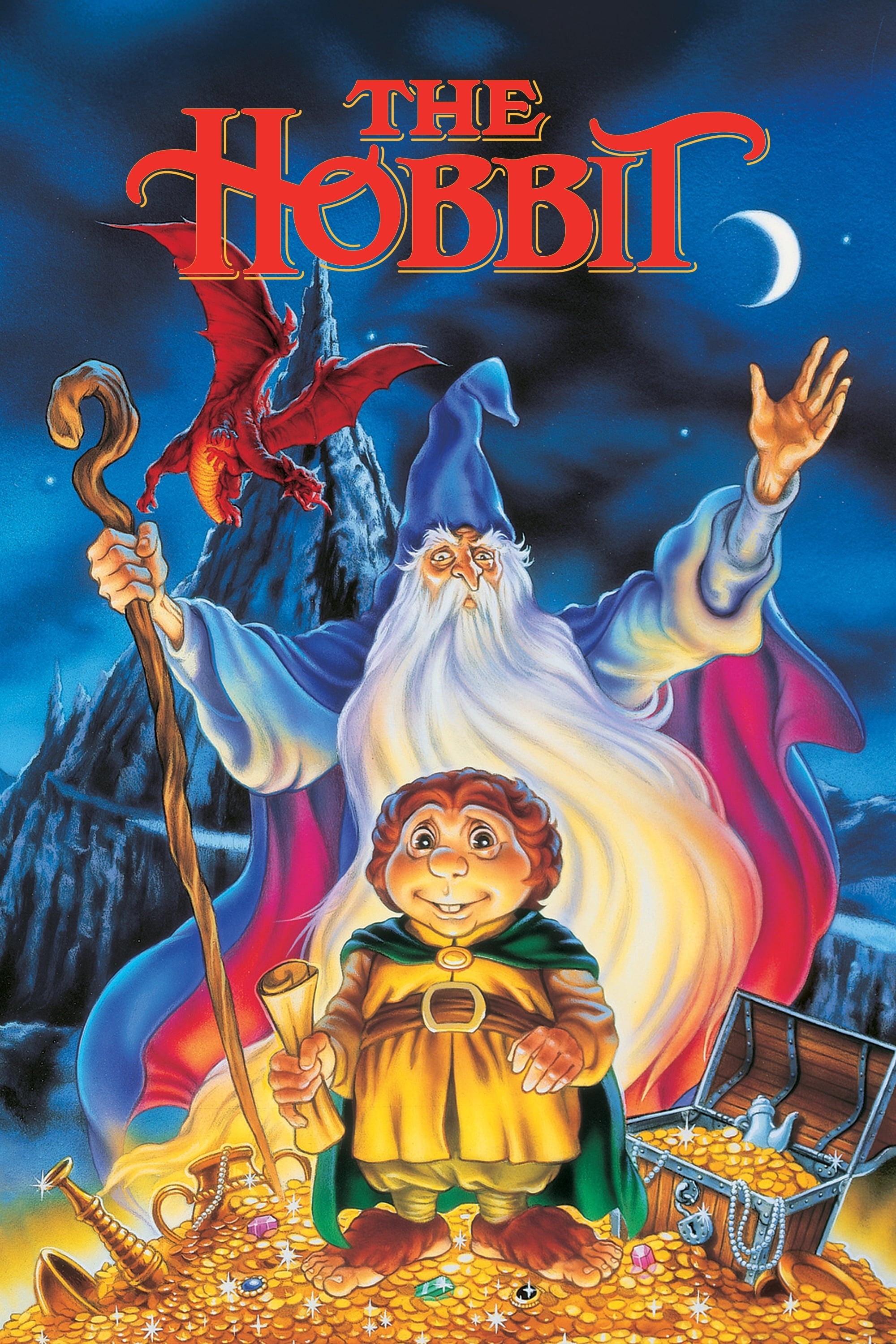
This Rankin/Bass animated television film adapts J. R. R. Tolkien’s novel, following Bilbo Baggins from the Shire to the Lonely Mountain. Orson Bean voices Bilbo, with John Huston as Gandalf and Richard Boone as Smaug, supported by songs integrated into the narrative. Animation was handled by Topcraft in Japan, whose staff later contributed to notable anime studios. The special aired on NBC and quickly became a frequently rebroadcast gateway to Middle-earth for family audiences.
‘The Hobbit: The Battle of the Five Armies’ (2014)
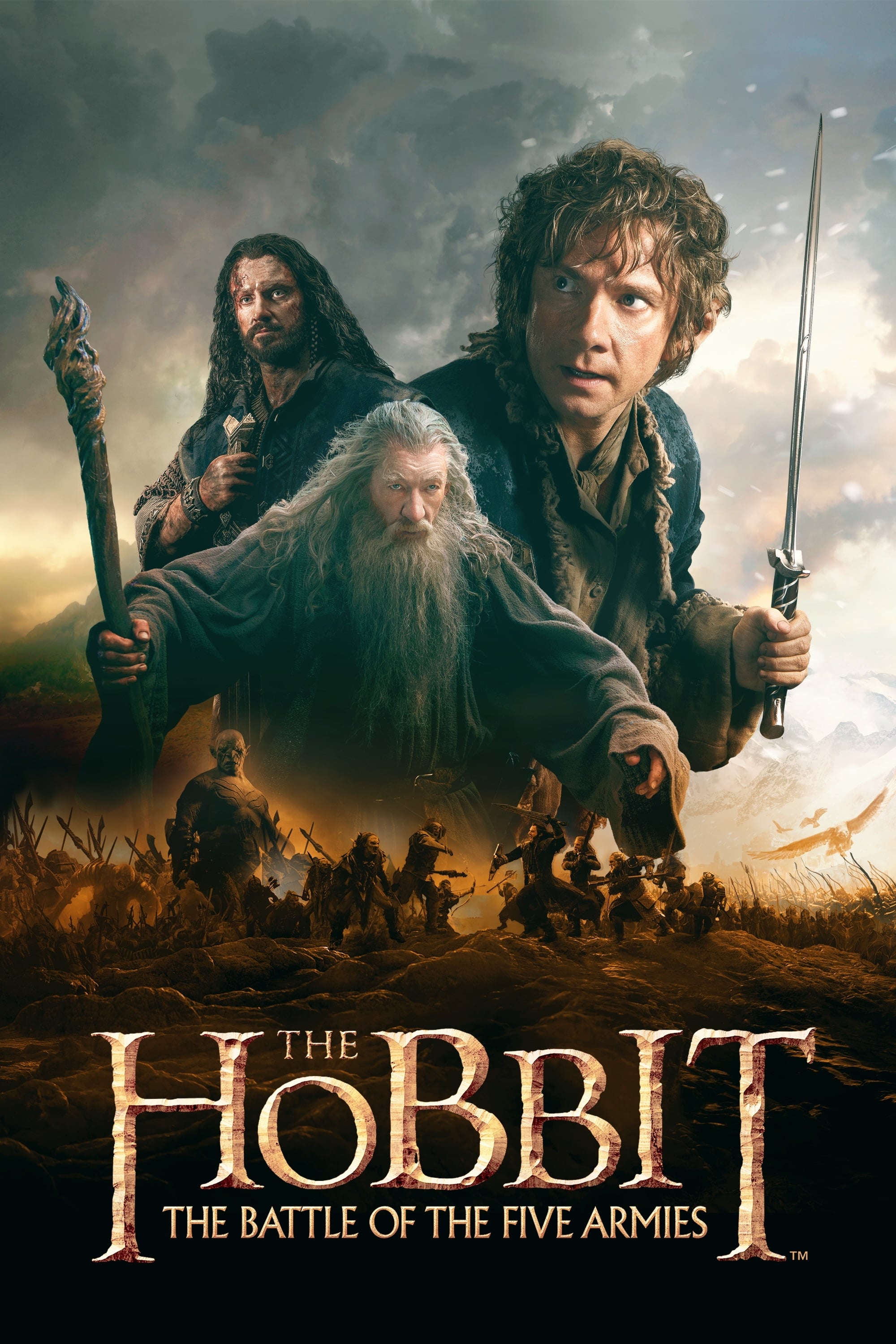
Directed by Peter Jackson, this conclusion to the prequel trilogy centers on the conflict around the Lonely Mountain after the dragon’s fall. Martin Freeman leads as Bilbo alongside Richard Armitage, Luke Evans, Evangeline Lilly, and Ian McKellen, with large-scale effects by Wētā Digital. The production features extensive location work in New Zealand, performance capture for digital characters, and orchestration by Howard Shore. An extended edition adds material that expands character motivations and key confrontations around the climactic battle.
‘The Lord of the Rings: The War of the Rohirrim’ (2024)
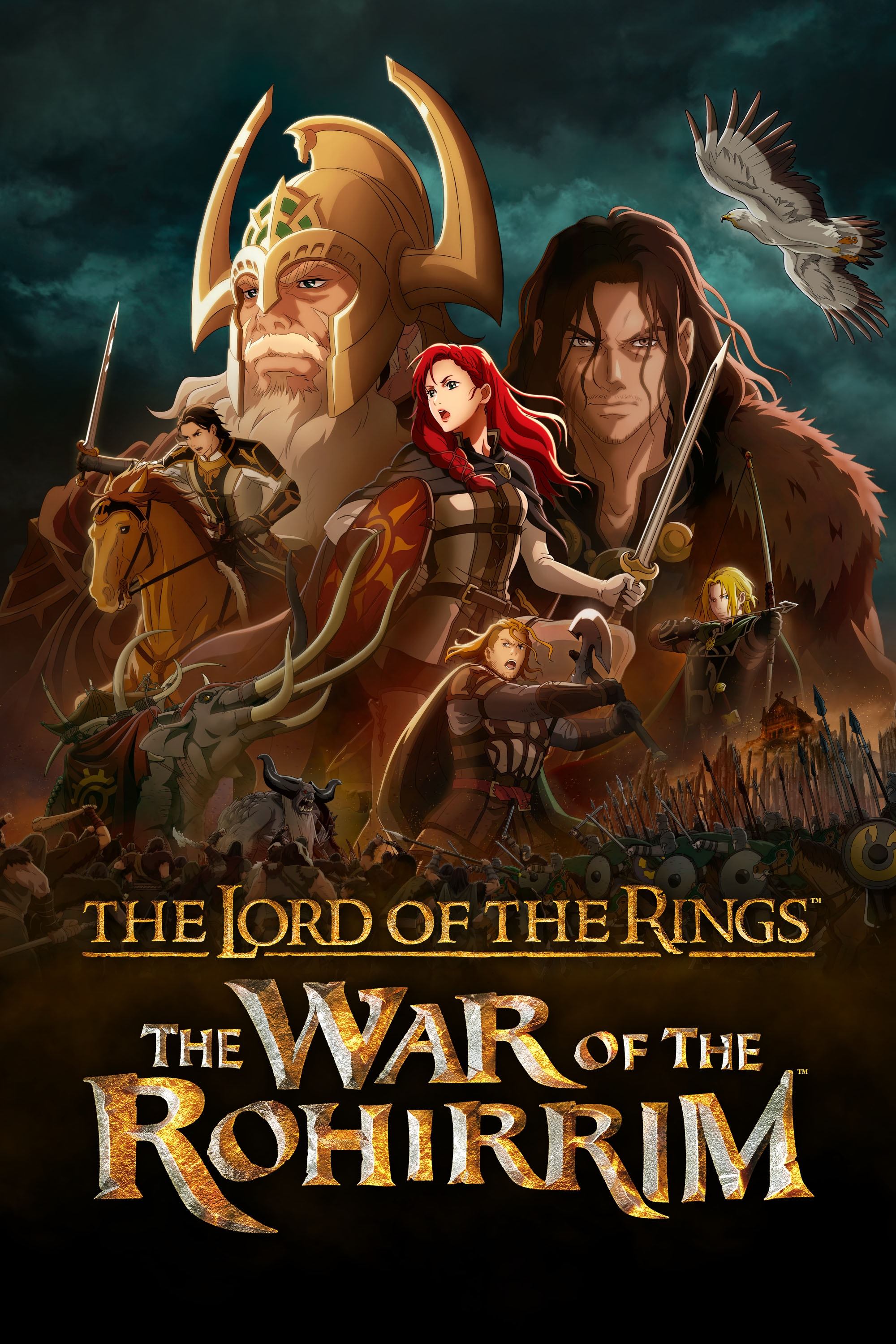
Directed by Kenji Kamiyama, this feature-length anime explores the story of King Helm Hammerhand and the origins of Helm’s Deep, drawing from the ‘Appendices’. Miranda Otto returns as Éowyn to narrate, with Brian Cox voicing Helm and Gaia Wise portraying Héra. Produced by New Line Cinema and Warner Bros. in collaboration with Sola Entertainment, the film employs hand-drawn-styled animation influenced by Japanese techniques. The narrative covers the Long Winter and the siege that shaped Rohan’s fortifications and legacy.
‘The Hobbit: An Unexpected Journey’ (2012)
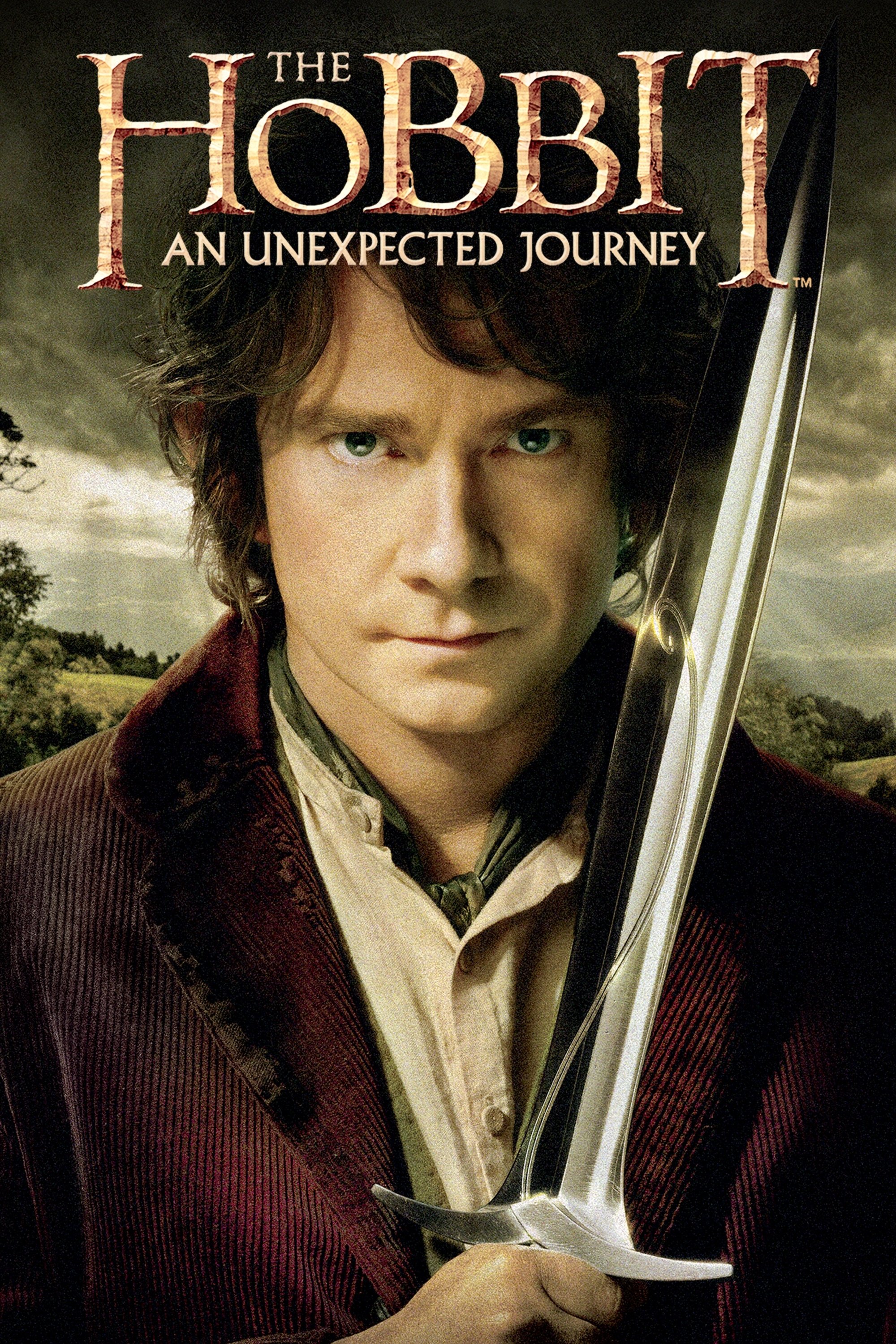
Peter Jackson’s first prequel follows Bilbo Baggins as he joins Thorin Oakenshield’s company on a quest to reclaim Erebor. Martin Freeman, Ian McKellen, and Richard Armitage headline, with Andy Serkis returning for Gollum in a pivotal riddle sequence. The production pioneered high-frame-rate 3D exhibition in select formats, while principal photography and visual effects centered on New Zealand stages and landscapes. Wētā Workshop provided creature design, miniatures, and props that extend the established aesthetic of Middle-earth.
‘The Hobbit: The Desolation of Smaug’ (2013)
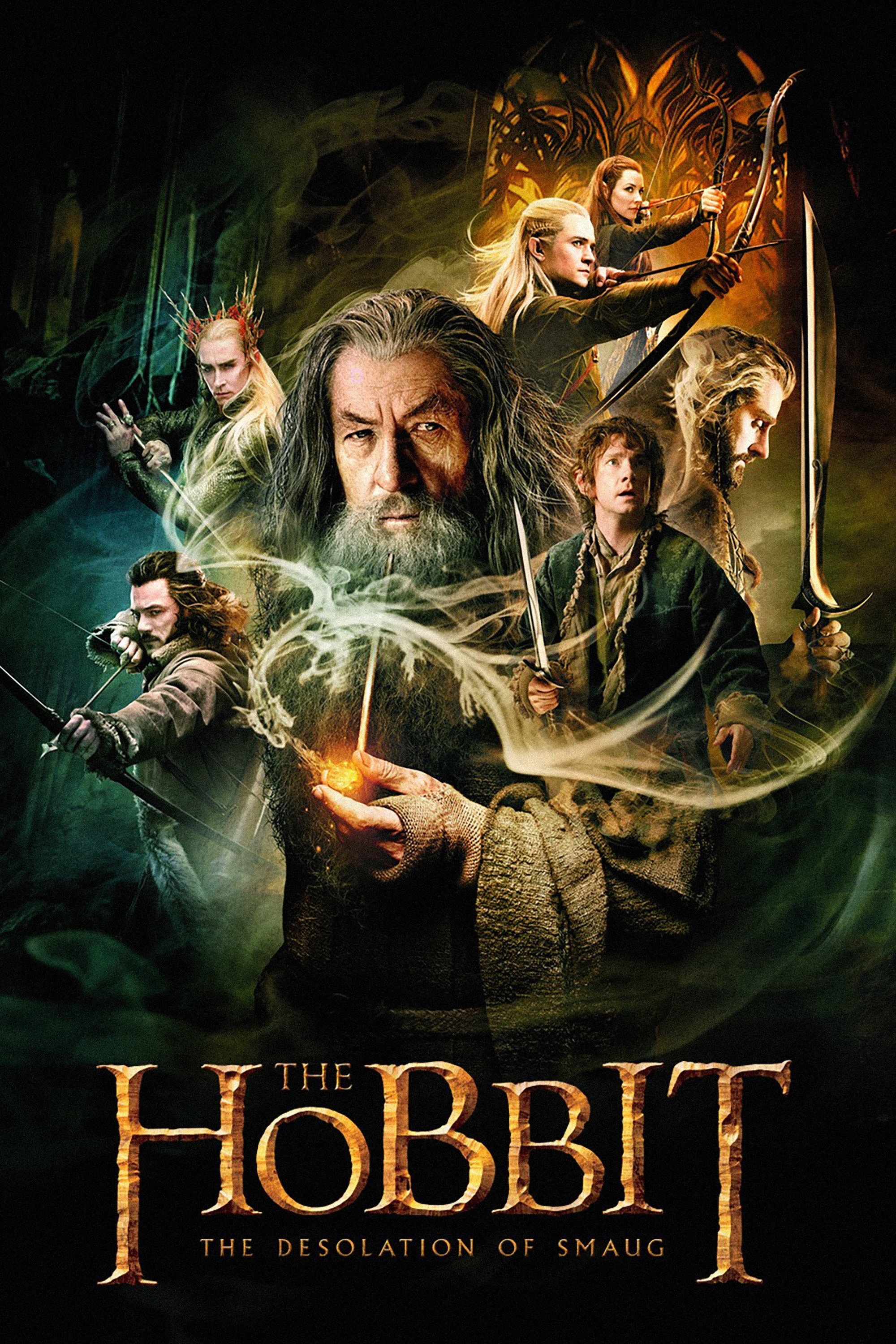
Continuing the journey, this chapter introduces Mirkwood, the Woodland Realm, and the confrontation with the dragon inside the Lonely Mountain. Cast additions include Lee Pace as Thranduil, Luke Evans as Bard, and Evangeline Lilly as Tauriel, alongside returning ensemble members. The film showcases large-scale digital environments and advanced motion-capture techniques for the dragon, realized by Wētā Digital. Howard Shore’s score develops new motifs for the Elves of Mirkwood and Lake-town while weaving themes established earlier in the saga.
‘The Lord of the Rings: The Two Towers’ (2002)
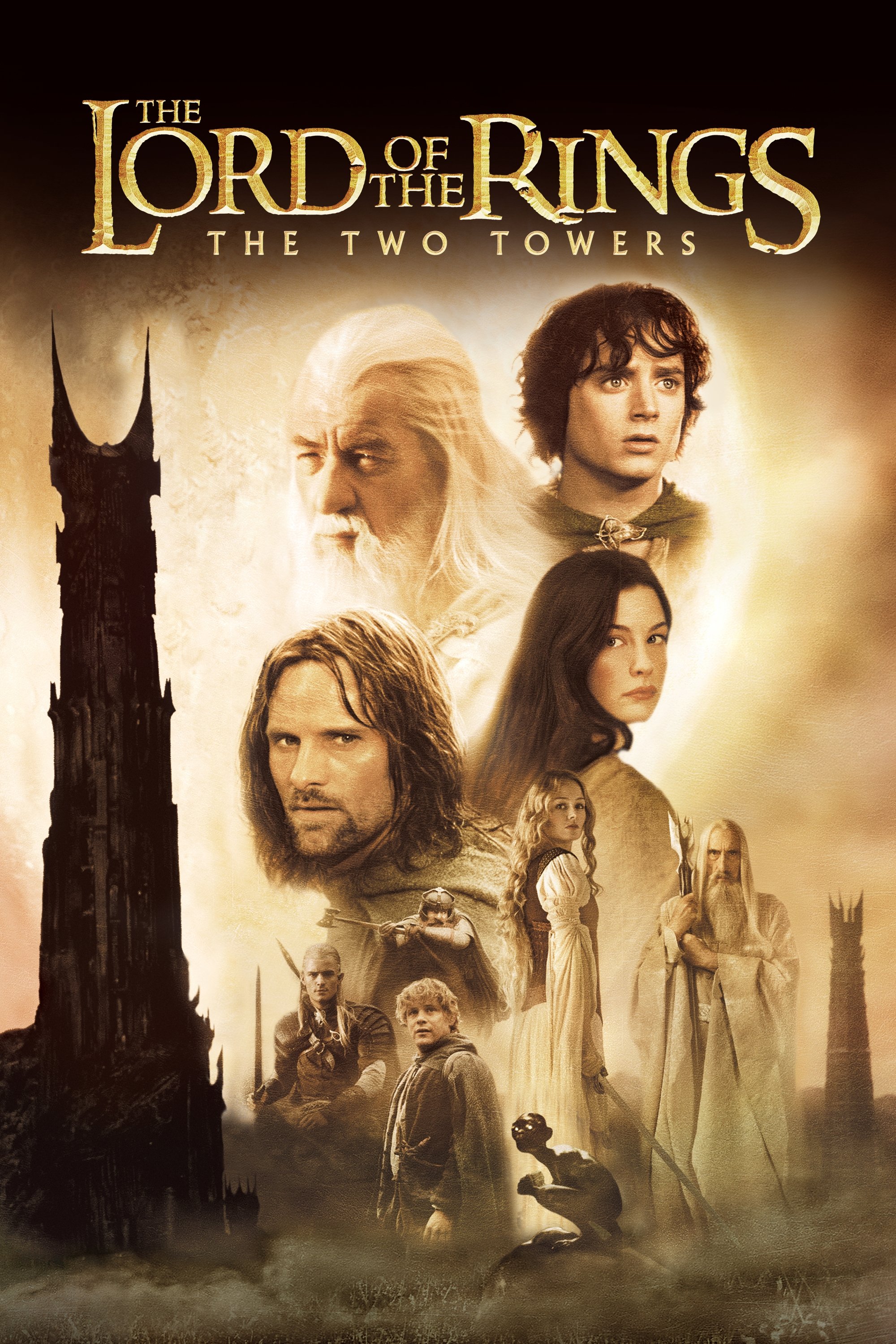
Peter Jackson’s second installment intercuts the defense of Rohan with Frodo and Sam’s path guided by Gollum. The production features extensive location shooting in New Zealand, with large-scale practical builds complemented by digital “bigatures” and crowd-simulation tools. Andy Serkis’s performance capture for Gollum marked a technical and acting milestone integrated directly into live-action scenes. Wētā Workshop and Wētā Digital coordinated armor, prosthetics, and effects across massive battle sequences, including the siege at Helm’s Deep.
‘The Lord of the Rings: The Fellowship of the Ring’ (2001)
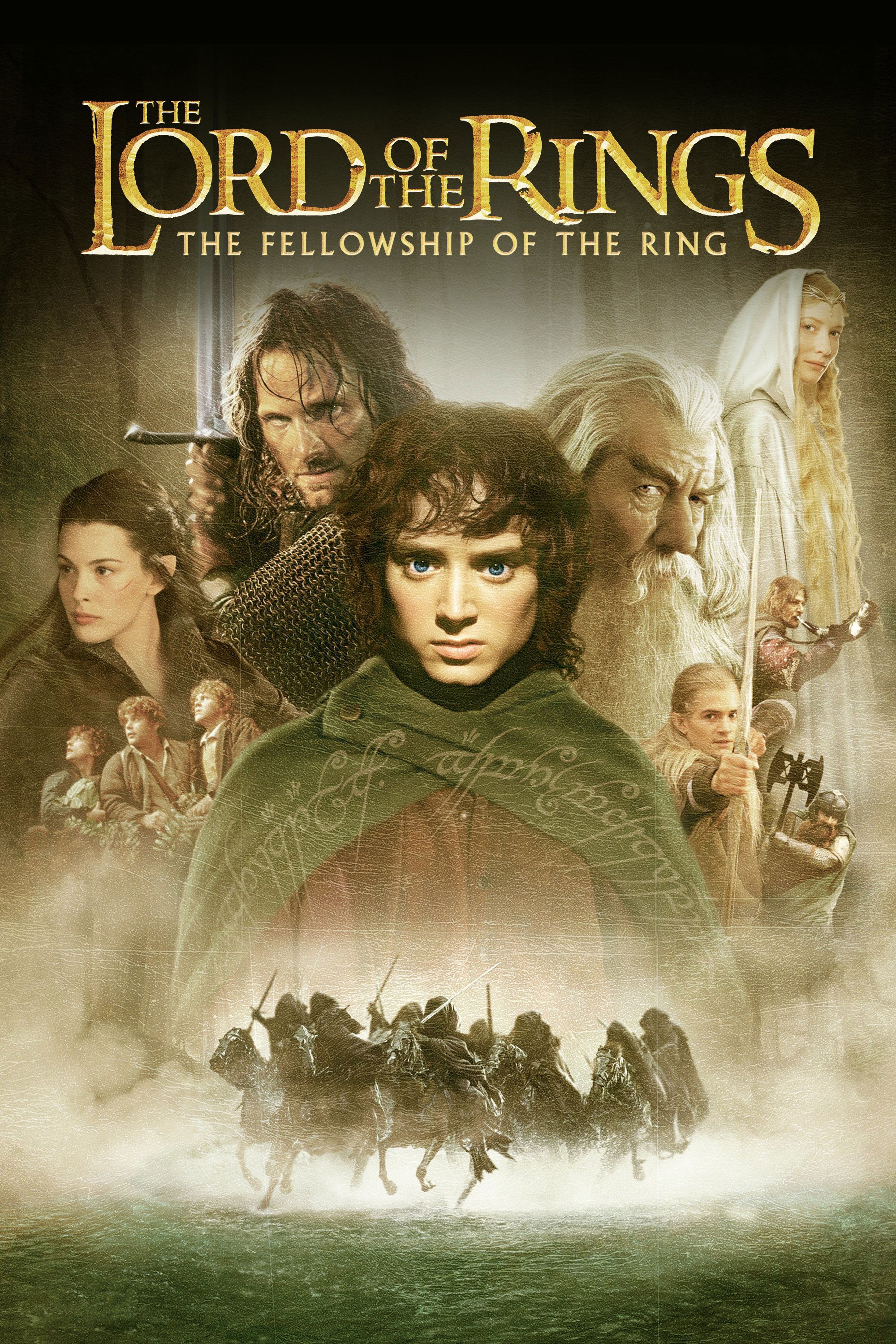
The trilogy opener introduces the One Ring’s history, the formation of the Fellowship, and the trek from the Shire through Rivendell and Moria. Elijah Wood, Ian McKellen, Viggo Mortensen, Sean Bean, Orlando Bloom, John Rhys-Davies, Liv Tyler, and Cate Blanchett anchor the ensemble. Production combined forced-perspective, miniatures, practical makeup, and early digital techniques to forge a cohesive visual world. Howard Shore’s leitmotif-driven score debuts musical identities that recur for realms, cultures, and characters across the saga.
‘The Lord of the Rings: The Return of the King’ (2003)
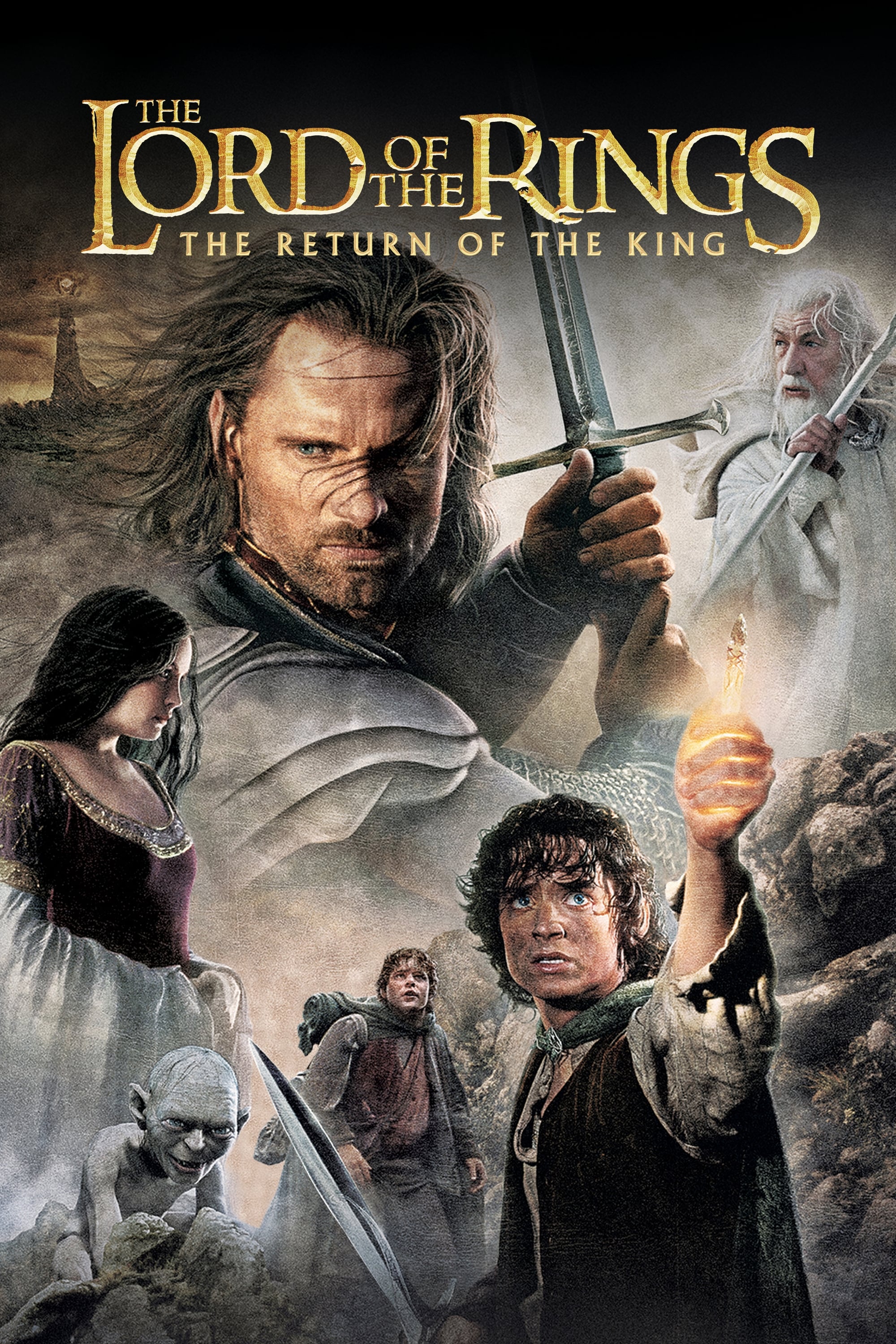
Concluding the saga, this entry covers the final march against Sauron, the battles around Minas Tirith, and the resolution of the Ring’s fate. Peter Jackson directs with the returning ensemble, supported by large-scale effects and the “Massive” software for digital armies. Principal photography and pickups spanned multiple years in New Zealand, coordinated across unit shoots and extensive post-production. The film received sweeping industry recognition, capping the trilogy’s technical and cultural impact with multiple major awards.
Tell us your own Middle-earth countdown in the comments—what’s your personal order, and which entry do you rewatch most?