Every David Lynch Movie & TV Show Ranked by How Difficult It Is to Understand

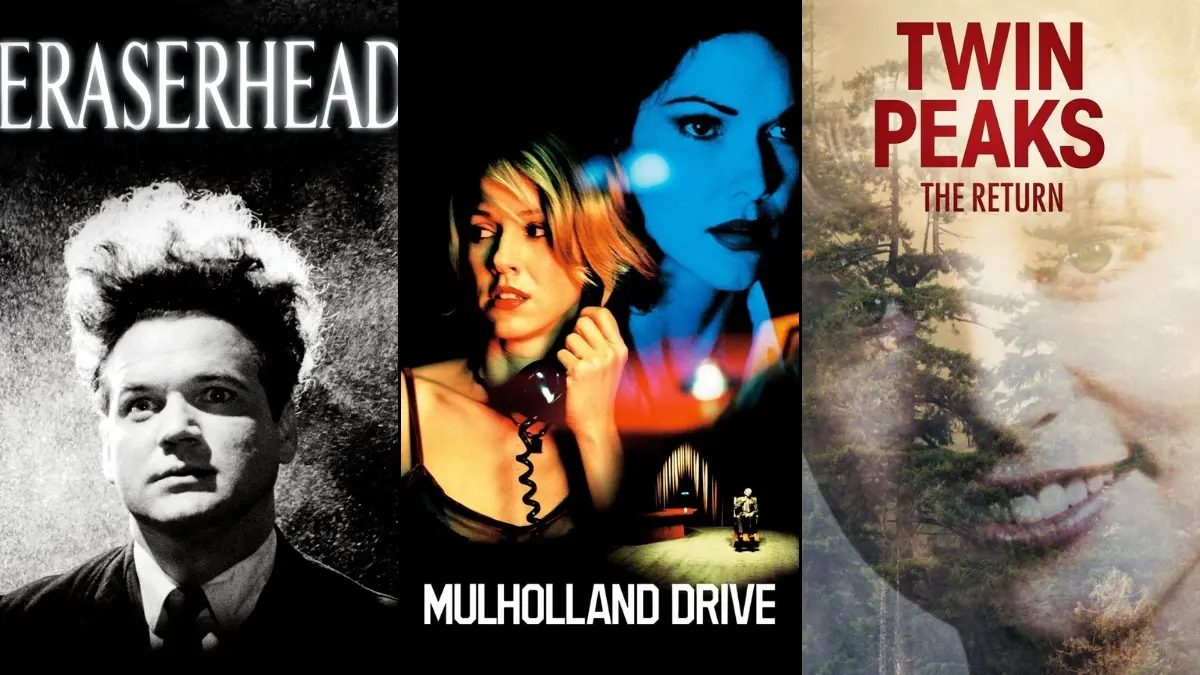

David Lynch’s body of work spans features, television, and limited series that glide between noir, melodrama, and full-on dream logic. Below is a complete countdown of his major movies and TV series, arranged so you can quickly see the spread of subjects, collaborators, and formats across his career. Each entry highlights what it is, what it covers, who’s in it, and how it fits into the larger Lynchian universe—so you can decide what to watch next, whether you’re revisiting a favorite or starting fresh.
‘Dune’ (1984)
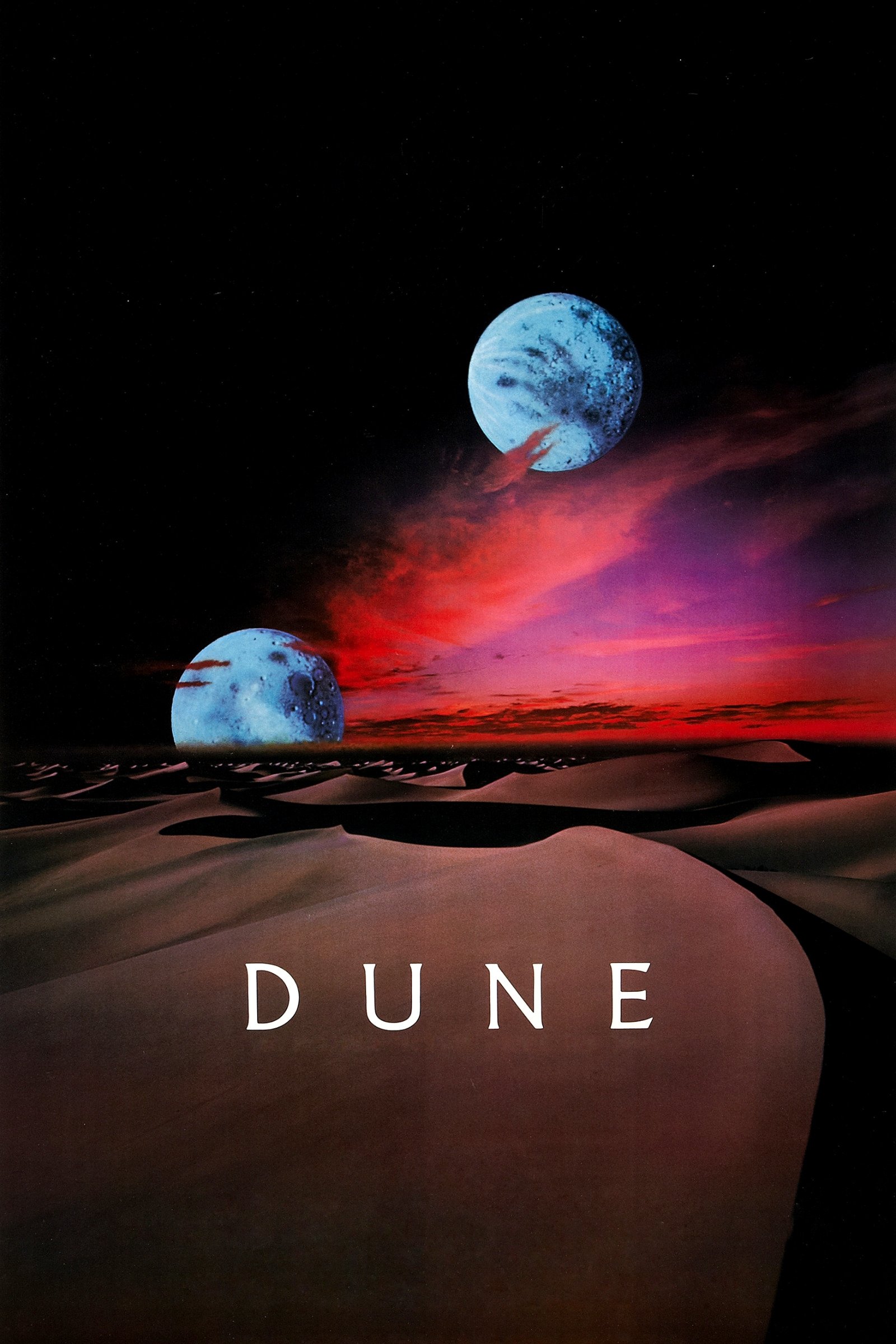
Based on Frank Herbert’s novel, this adaptation follows a royal heir embroiled in interstellar politics on a desert planet rich in a coveted resource. The production features large-scale sets, practical effects, and a cast that includes Kyle MacLachlan, Francesca Annis, and Sting. It was mounted as a big-budget studio project with extensive world-building and costume design. The film’s release cut compresses multiple plot threads into a brisk runtime while introducing the mythology, houses, and prophetic elements central to the saga.
‘Inland Empire’ (2006)
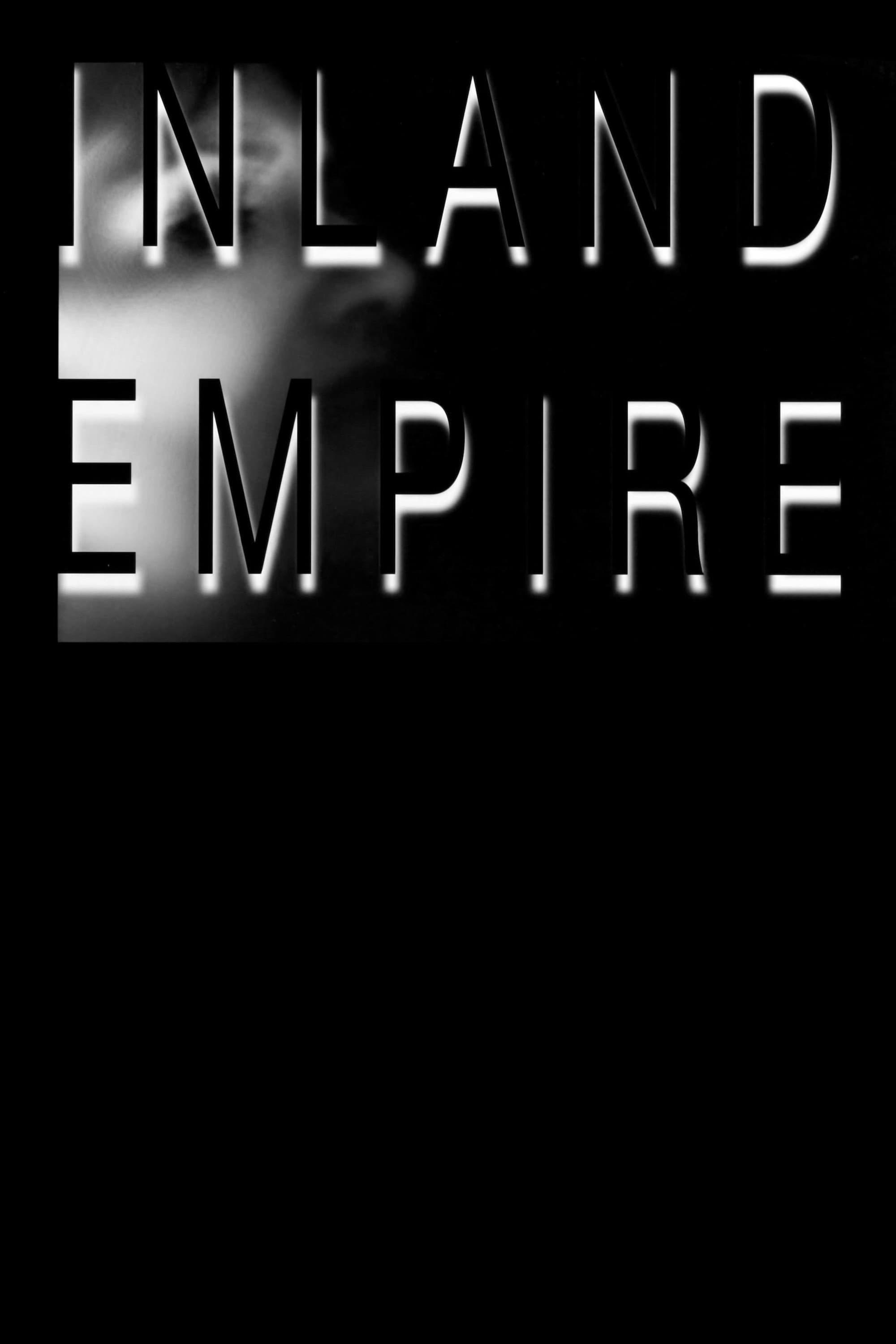
Shot largely on standard-definition digital video, this project centers on an actor whose new role blurs with a labyrinth of overlapping narratives. Laura Dern leads a cast that weaves through recurring motifs like doubles, cursed productions, and backstage spaces. The film incorporates staged scenes, found textures, and eerie interludes that recur across its three-hour structure. Its production method allowed for improvisation and modular sequences that Lynch assembled over an extended period.
‘Wild at Heart’ (1990)
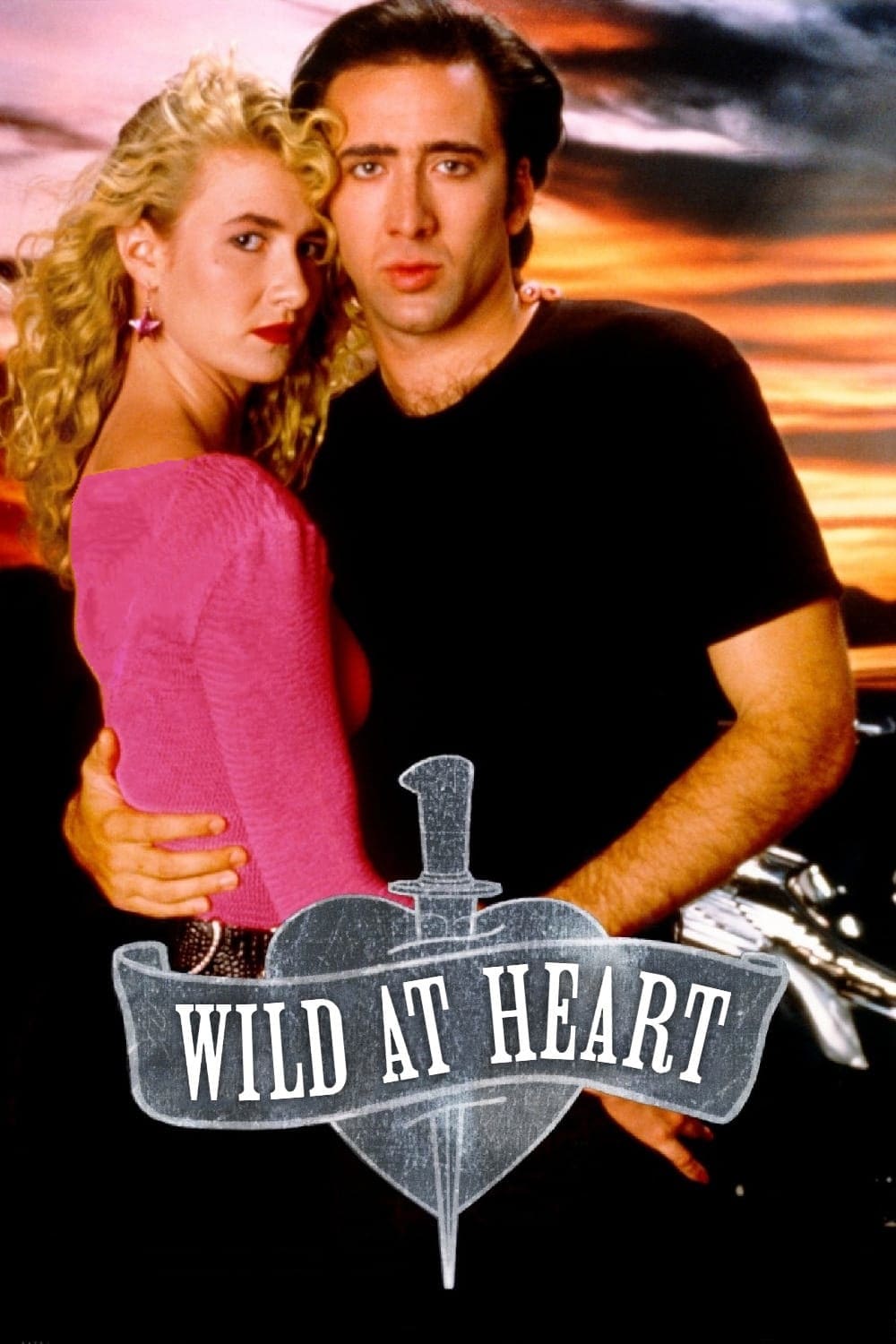
A road-movie romance follows a young couple pursued by dangerous figures as they cross the American South. Nicolas Cage and Laura Dern headline, with frequent Lynch collaborators appearing in memorable supporting parts. The soundtrack blends rock-and-roll with classic ballads, underscoring the film’s pulpy energy. The project won a major European festival prize and cemented Lynch’s reputation for mixing violence, kitsch, and pop mythology.
‘Twin Peaks: Fire Walk with Me’ (1992)
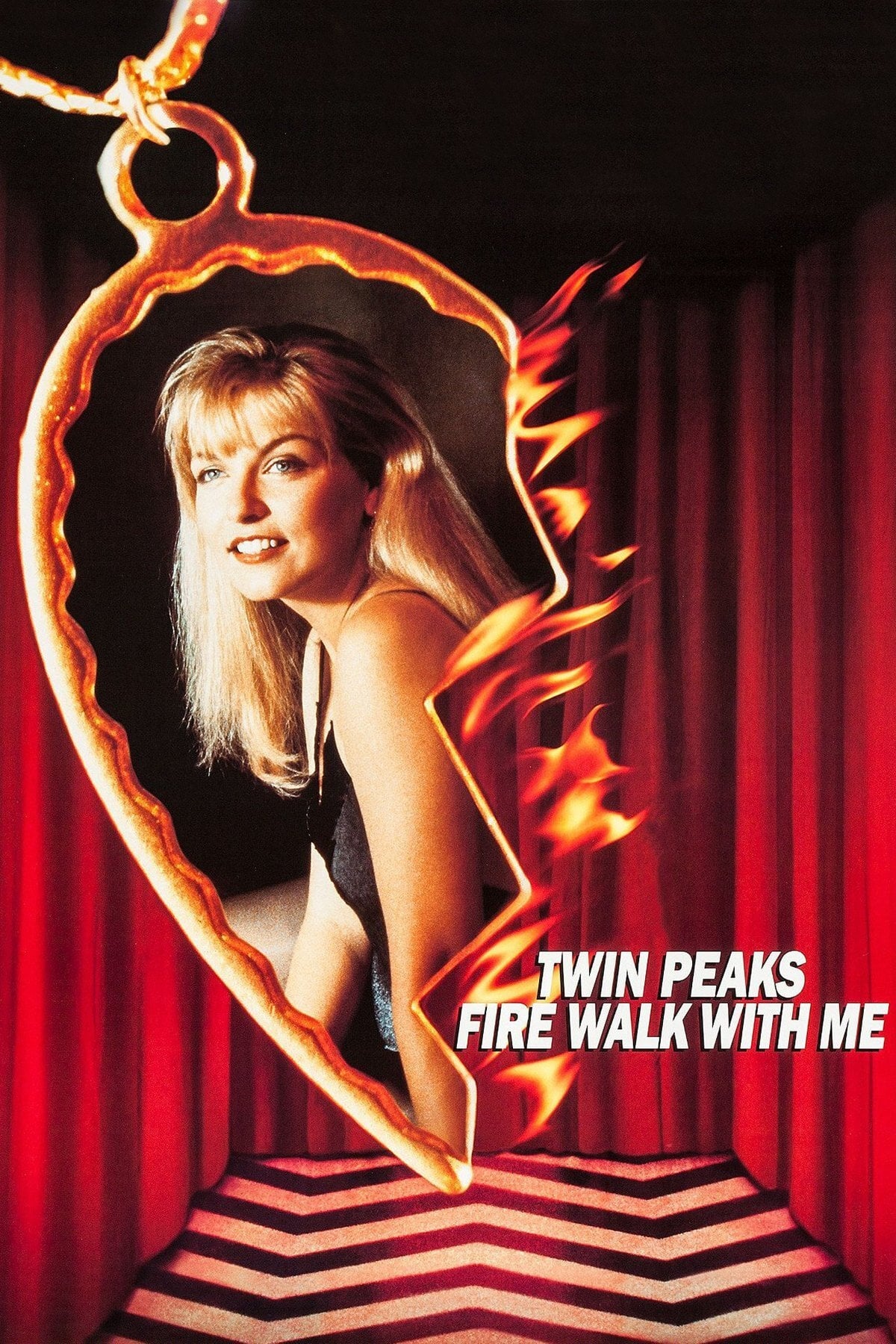
This feature serves as a prequel to the original series, focusing on Laura Palmer’s final days and the forces surrounding her. Sheryl Lee and Ray Wise return, with new characters expanding the small-town and supernatural storylines. The film deepens the mythology of the Black Lodge, the spirits, and the idea of possession tied to trauma. Its tone is darker than the series, concentrating on a single character’s perspective while adding crucial context to the broader saga.
‘Lost Highway’ (1997)
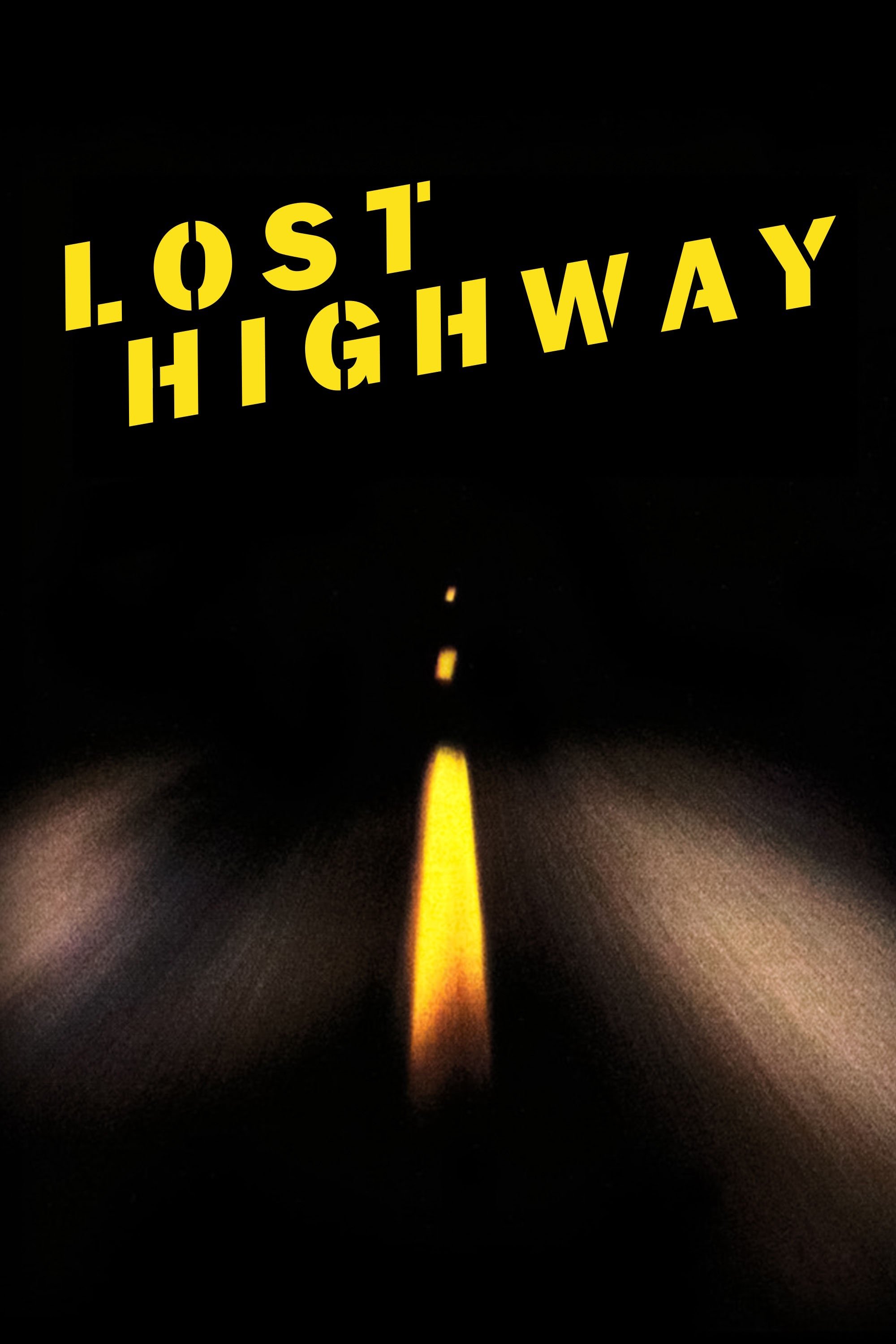
Structured around a murder investigation, a prison metamorphosis, and a second life in Los Angeles, this film plays with identity and memory. Bill Pullman and Patricia Arquette anchor a cast that threads through clubs, desert houses, and nocturnal freeways. The soundtrack mixes industrial, rock, and ambient tracks curated alongside original score cues. Its puzzle-box structure bridges to later works that continue exploring doubles and fractured timelines.
‘Blue Velvet’ (1986)

Set in a seemingly quiet town, the story begins with a shocking discovery that leads a college student into a criminal underworld. Kyle MacLachlan, Isabella Rossellini, Dennis Hopper, and Laura Dern form the core ensemble. The film contrasts manicured suburbia with noir interiors, cabaret spaces, and menacing private rooms. Its combination of bright color design, stylized violence, and classic pop songs established many of Lynch’s signature contrasts.
‘The Straight Story’ (1999)
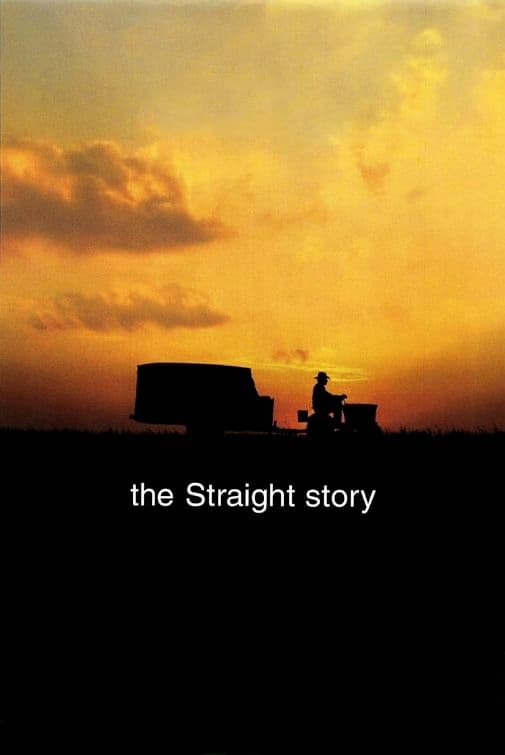
This gentle drama follows an elderly man who travels across the Midwest on a lawnmower to reconcile with his brother. Richard Farnsworth stars, with Sissy Spacek and Harry Dean Stanton in key roles. The production emphasizes natural light, rural landscapes, and an unhurried pace. Angelo Badalamenti’s score supports a straightforward narrative about family, endurance, and forgiveness within Lynch’s broader filmography.
‘The Elephant Man’ (1980)
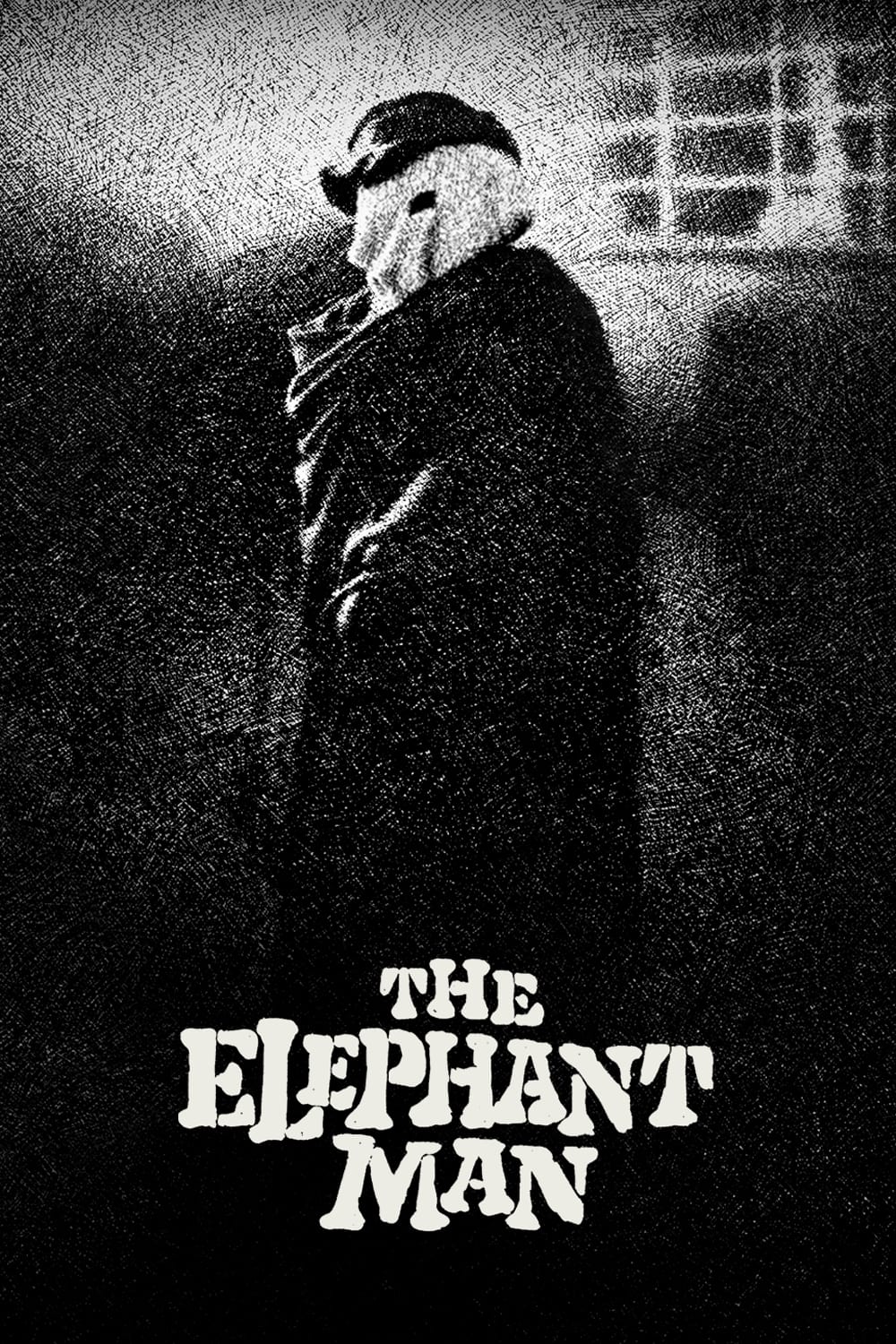
This black-and-white period drama depicts the life of Joseph Merrick—called John in the film—and his relationships with a surgeon, friends, and the public. John Hurt, Anthony Hopkins, and Anne Bancroft headline a production that uses careful makeup effects and restrained camera work. The film explores medical ethics, spectacle, and dignity without adopting the surreal devices common elsewhere in Lynch’s work. It received multiple major award nominations and brought Lynch to wider attention.
‘Twin Peaks’ (1990–1991)
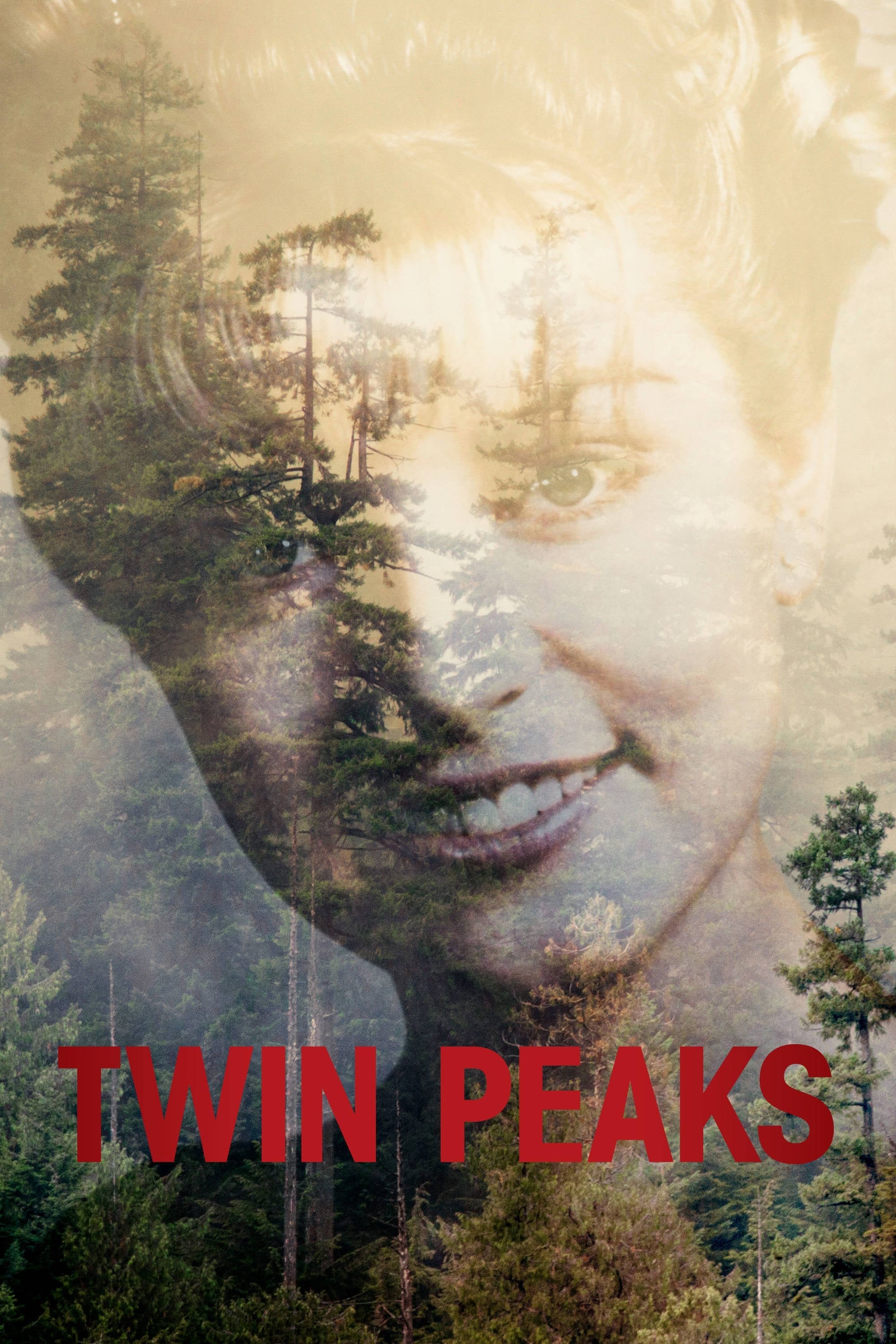
The original series begins with the death of Laura Palmer and brings an FBI investigation to a small logging town full of secrets. Its weekly format mixes soap-opera rhythms with detective plotting, comedy, and supernatural elements. The show introduced recurring concepts like the Red Room, owls, and the Log Lady, alongside distinctive coffee-and-pie diner culture. Its influence spread across serialized television, inspiring later shows to blend genre, tone, and long-form mystery.
‘Eraserhead’ (1977)
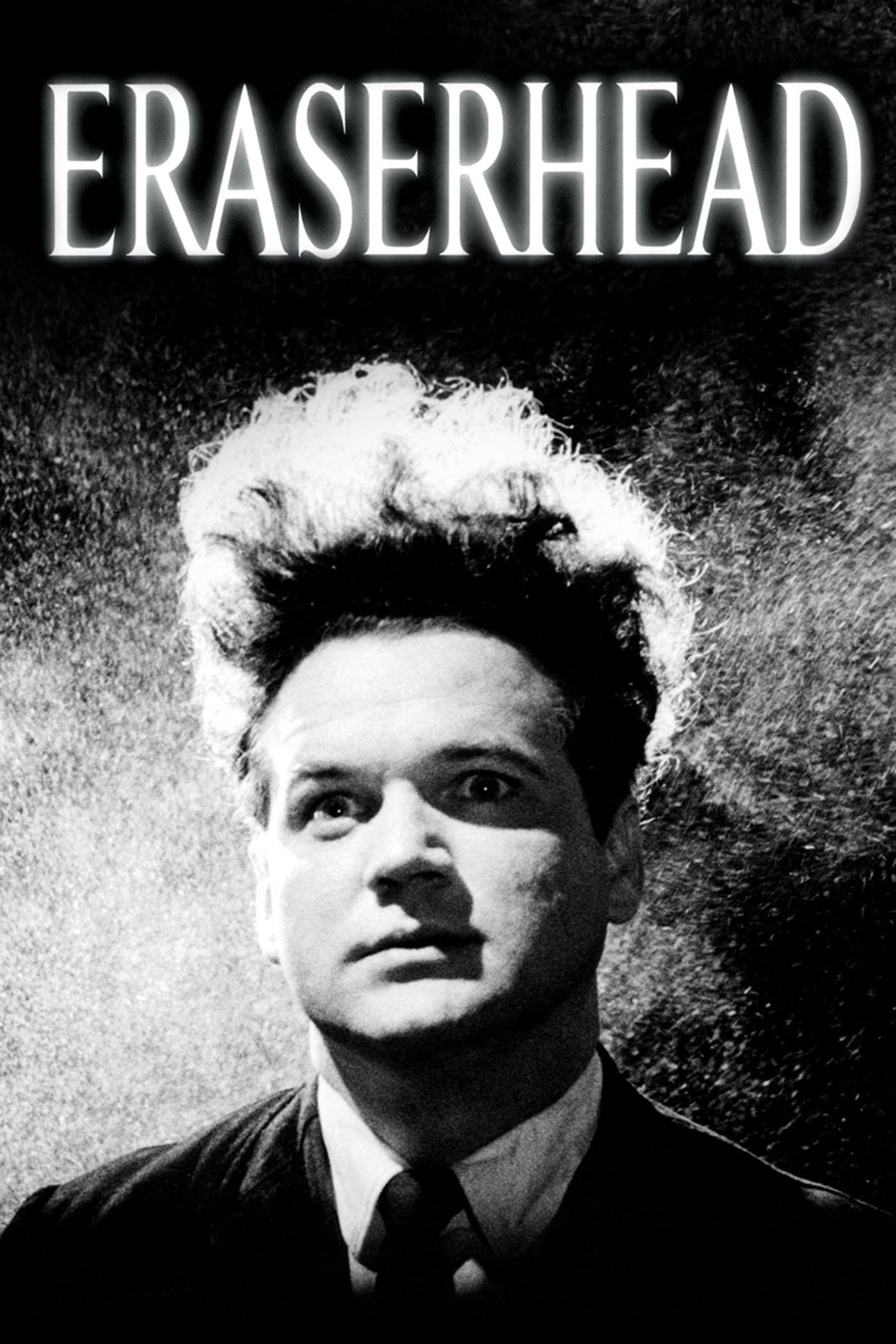
Lynch’s first feature follows a factory worker navigating anxiety, strange domesticity, and industrial landscapes. The film is known for its meticulous sound design—hums, drones, and mechanical noise that create a persistent unease. Jack Nance leads a small ensemble in a production built from handmade sets and night-shoots over several years. Its imagery and audio textures became a touchstone for midnight-movie culture and later experimental cinema.
‘Twin Peaks: The Return’ (2017)

This limited series continues the story decades later, following FBI Agent Dale Cooper, his doppelgänger, and new characters across several towns and realms. The 18-hour structure lets episodes function as chapters, with recurring musical performances and stand-alone set-pieces. Kyle MacLachlan plays multiple variants of a central figure, surrounded by returning cast and new ensembles. The series expands the Lodge mythology while connecting threads from the earlier show and the prequel feature.
‘Mulholland Drive’ (2001)
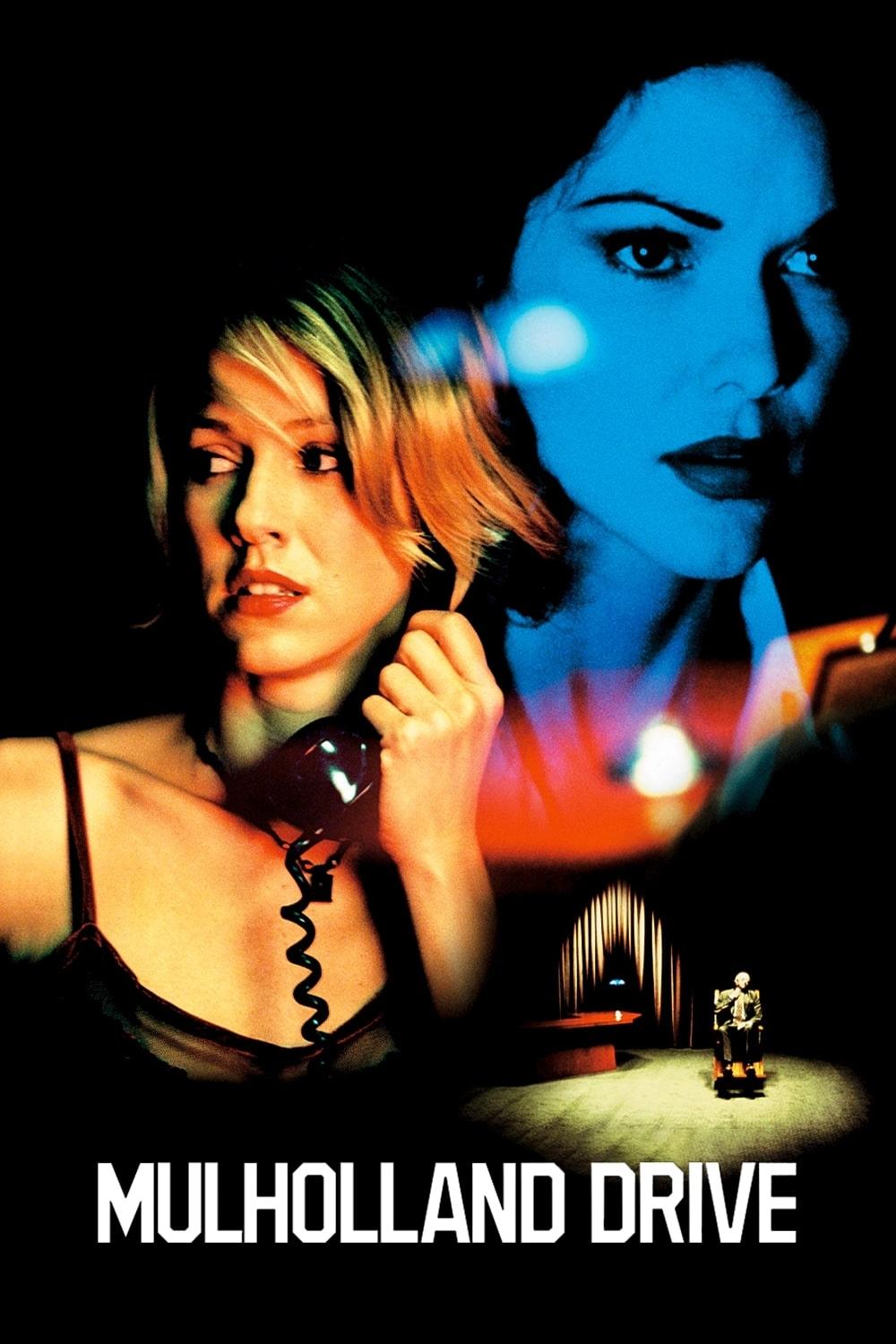
A Hollywood arrival story intersects with an amnesiac mystery, a blue box, and a set of auditions that turn uncanny. Naomi Watts and Laura Harring lead, with interconnected scenes involving filmmakers, club performances, and shifting identities. The project evolved from a TV pilot into a feature, resulting in a structure that juxtaposes discrete story modules with later reframings. Sound design, night-time exteriors, and recurring props link the narrative’s halves in deliberate ways.
Share your own order—and which entries you found most confounding—in the comments!