Actors Who’ve Achieved Long-Term Sobriety after Public Spirals

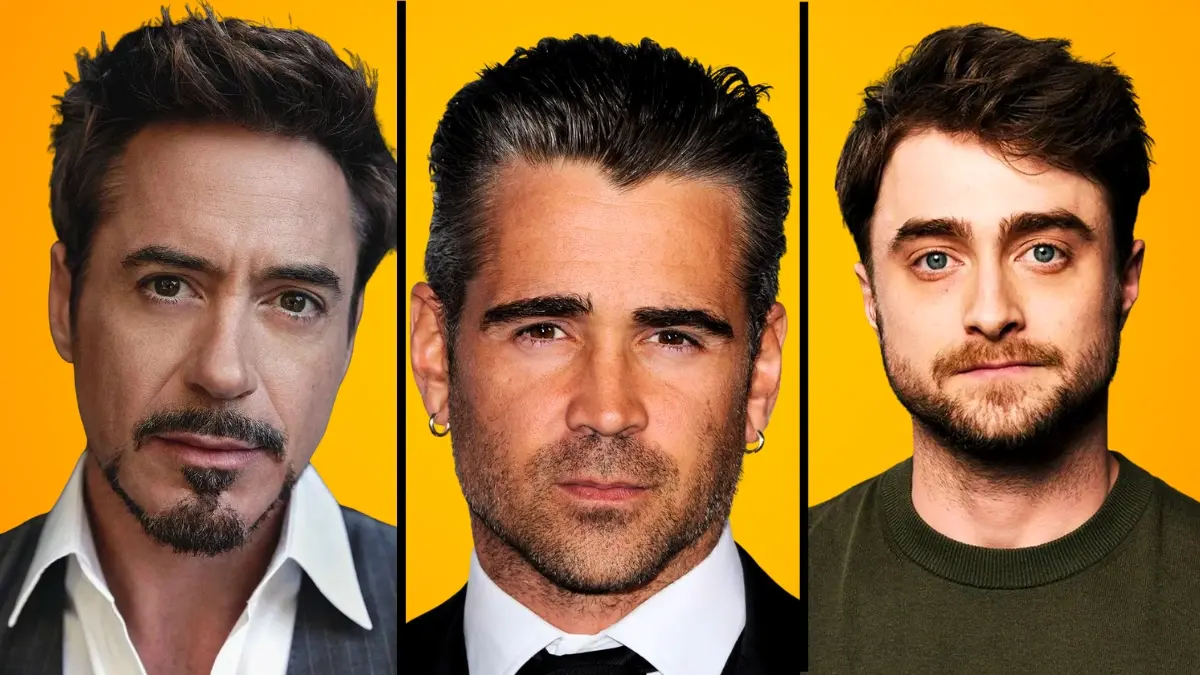

Public meltdowns can eclipse the work that made actors famous, but many have turned those low points into a lasting reset. The stories below focus on concrete milestones—arrests, rehabs, and the dates they decided to quit—and how they’ve sustained sobriety over years while continuing to work. You’ll find timelines, programs they credit, and relevant projects they carried on with afterward. These are male actors who’ve been open about the rough chapters and the long-term recovery that followed.
Robert Downey Jr.
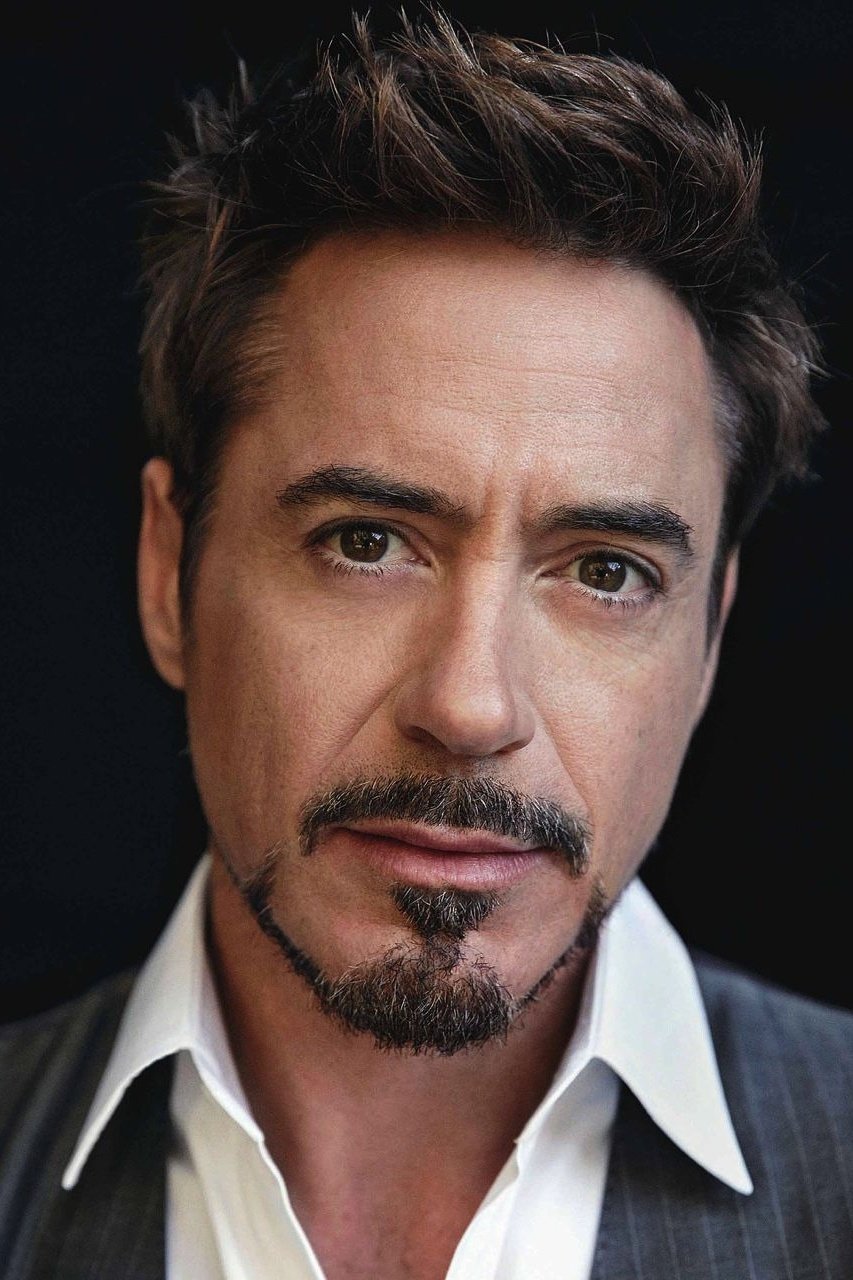
After a series of drug-related arrests from 1996 to 2001 and multiple stints in jail and rehab, Robert Downey Jr. committed to sobriety in 2003. He has credited a mix of 12-step work, therapy, meditation, and family support for maintaining it. His return to major studio work began with steady roles in the mid-2000s, culminating in a lead franchise breakthrough that defined the next decade of his career. He has consistently marked his sobriety anniversaries publicly, underscoring the continuity of his recovery.
Anthony Hopkins
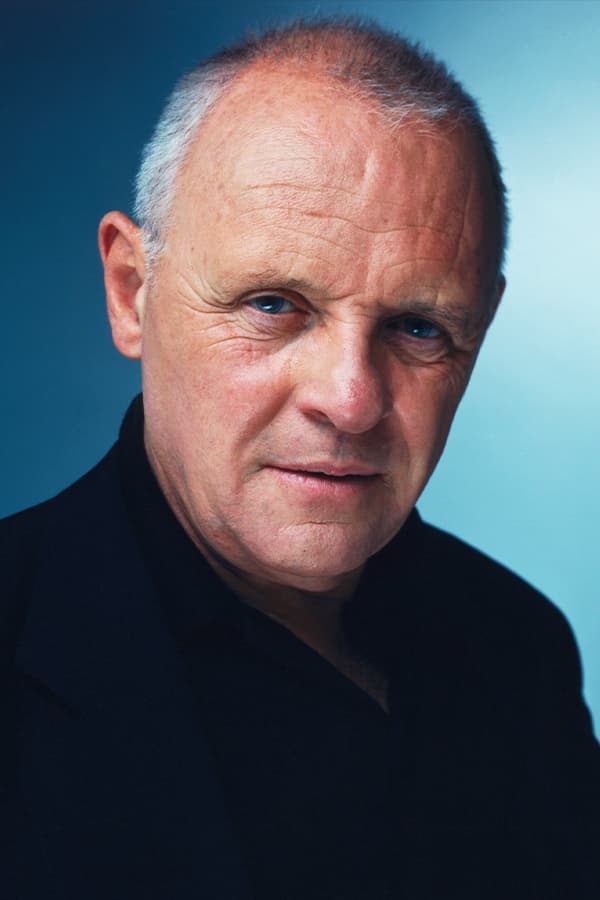
Anthony Hopkins has described quitting alcohol on December 29, 1975, after a period of heavy drinking that jeopardized his stage and screen work. He has often cited Alcoholics Anonymous as a framework that helped him stabilize and rebuild his routine. Hopkins continued taking demanding roles across theater and film as his sobriety deepened. Decades later, he still references that decision date as a turning point for his life and career.
Samuel L. Jackson
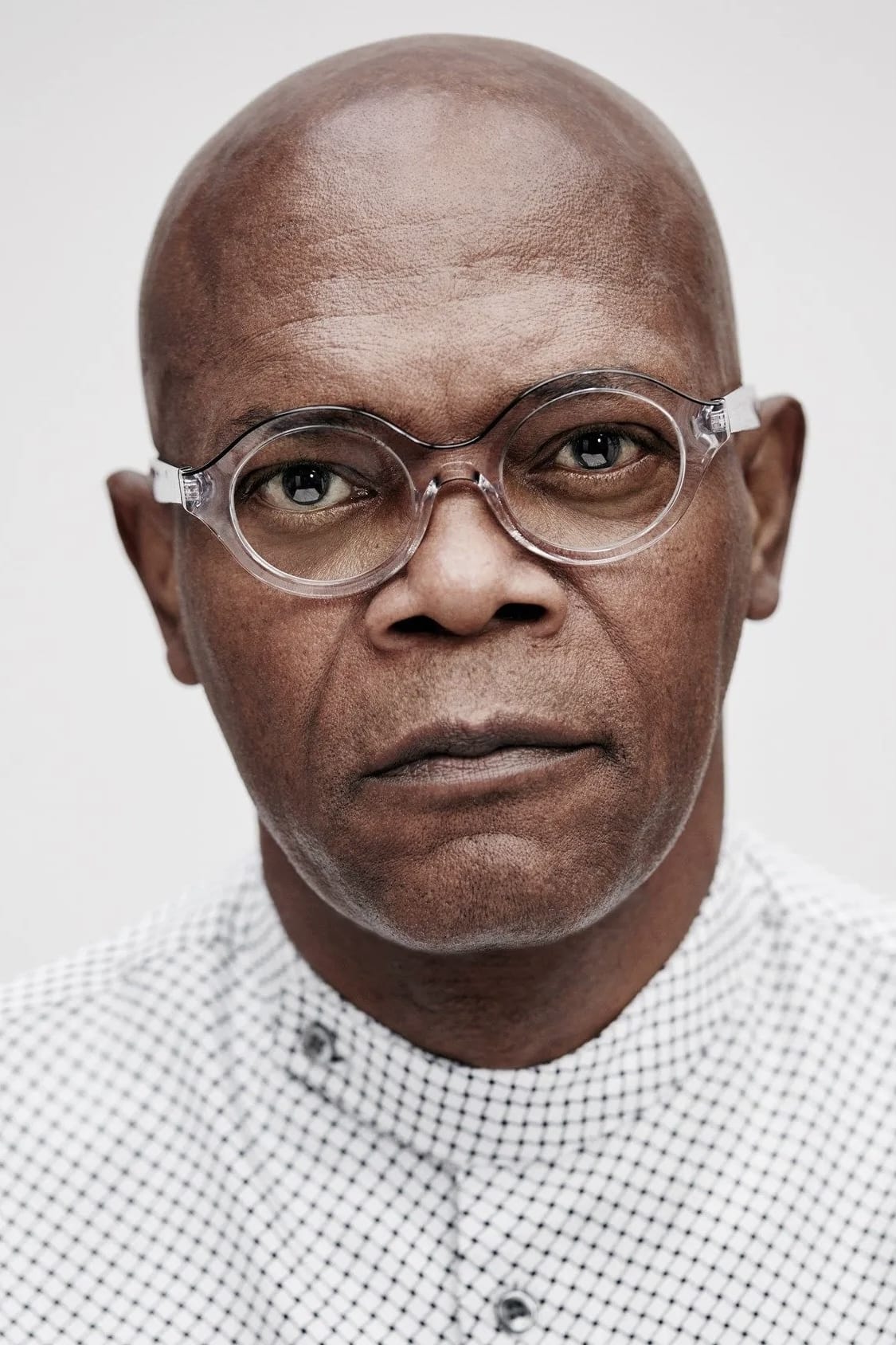
Before his mainstream breakout, Samuel L. Jackson entered rehab in 1991 after struggles with crack cocaine and alcohol. Soon after treatment, he resumed work with a renewed schedule and discipline that aligned with ongoing recovery. He’s mentioned staying engaged with support systems and family as key to long-term sobriety. The shift coincided with a surge in prolific roles that continued year after year.
Rob Lowe
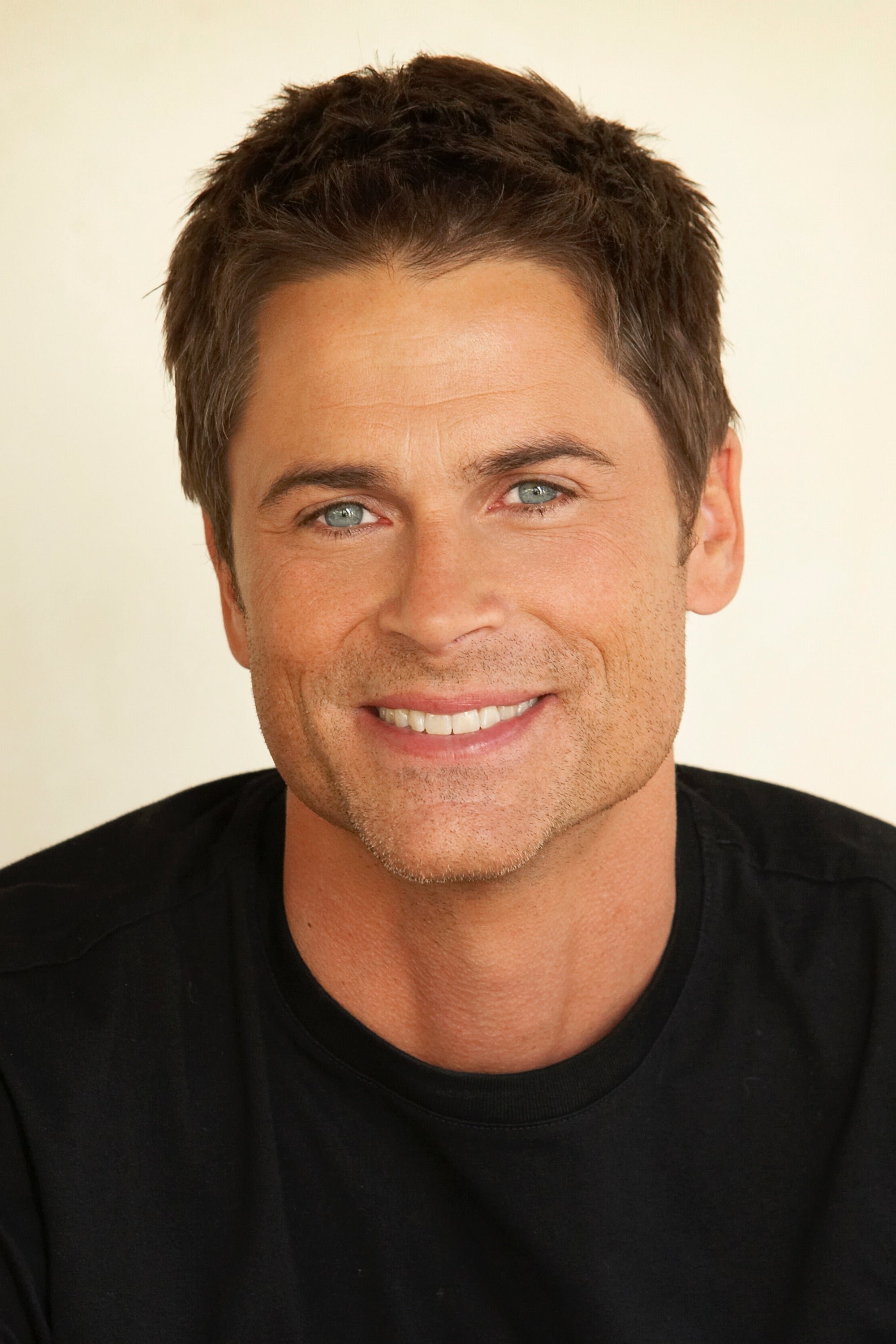
Following a widely publicized scandal in 1988 and escalating alcohol use, Rob Lowe got sober in 1990. He has repeatedly credited 12-step programs and consistent service work as anchors for his recovery. Lowe rebuilt his career with steady television and film projects while maintaining his program commitments. He regularly notes sober anniversaries as a marker of accountability and longevity.
Ewan McGregor
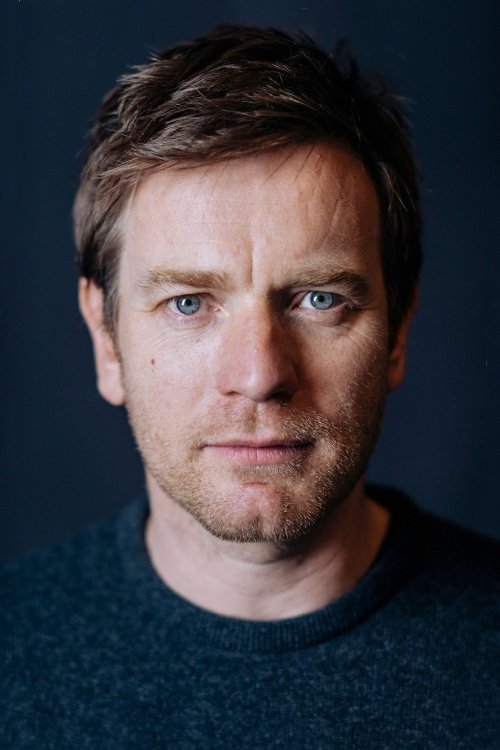
Ewan McGregor has spoken about stopping alcohol in 2001 after recognizing escalating consequences in his personal and professional life. He emphasized that sobriety restored structure, reliability, and health needed for sustained work on demanding productions. McGregor has discussed therapy and a tight daily routine as practical supports. The decision preceded a long run of varied performances across film and television.
Colin Farrell
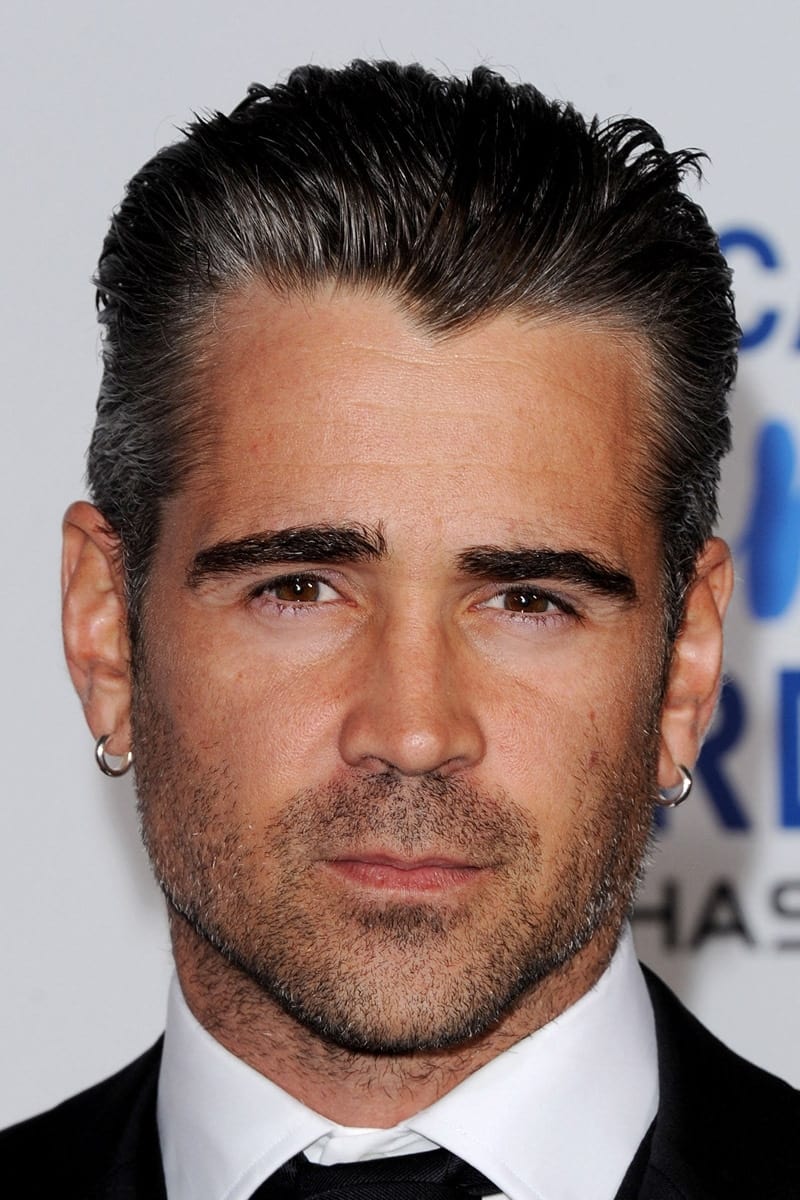
Colin Farrell sought treatment in 2005 after years of heavy alcohol and drug use that coincided with nonstop filming. He has said that removing substances let him focus on preparation, rest, and physical stability for his roles. In 2018, he checked into treatment proactively to safeguard his recovery after a busy stretch of work, framing it as maintenance rather than relapse care. Farrell has kept long-term sobriety central to how he structures projects and travel.
Bradley Cooper
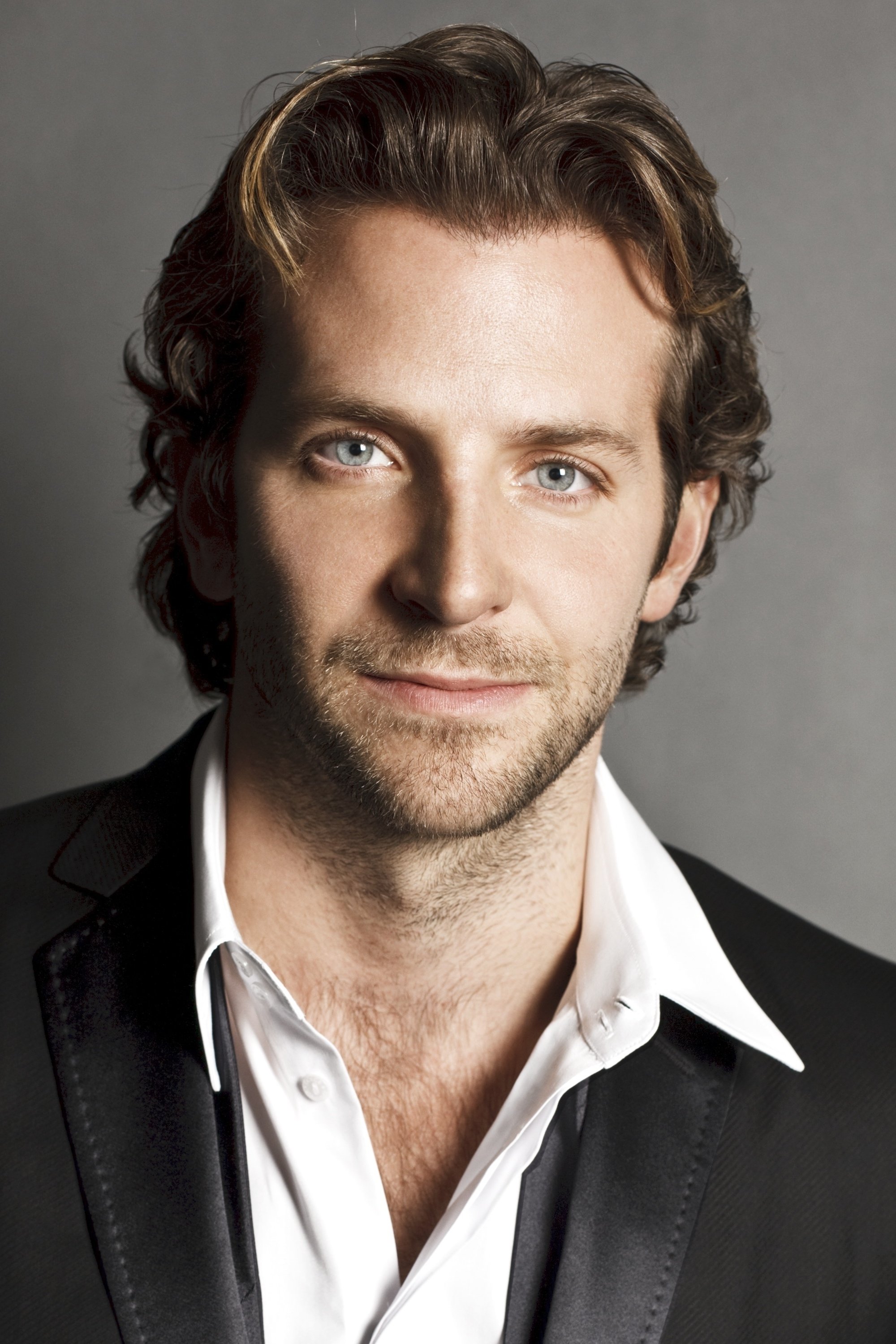
Bradley Cooper stopped using alcohol and drugs in 2004 after incidents that convinced him he was jeopardizing his future. He has spoken about sobriety allowing him to take physically demanding and emotionally intense roles with consistency. Cooper points to early recovery choices as the foundation for later opportunities in front of and behind the camera. He continues to reference that 2004 date as a personal benchmark.
Tom Hardy
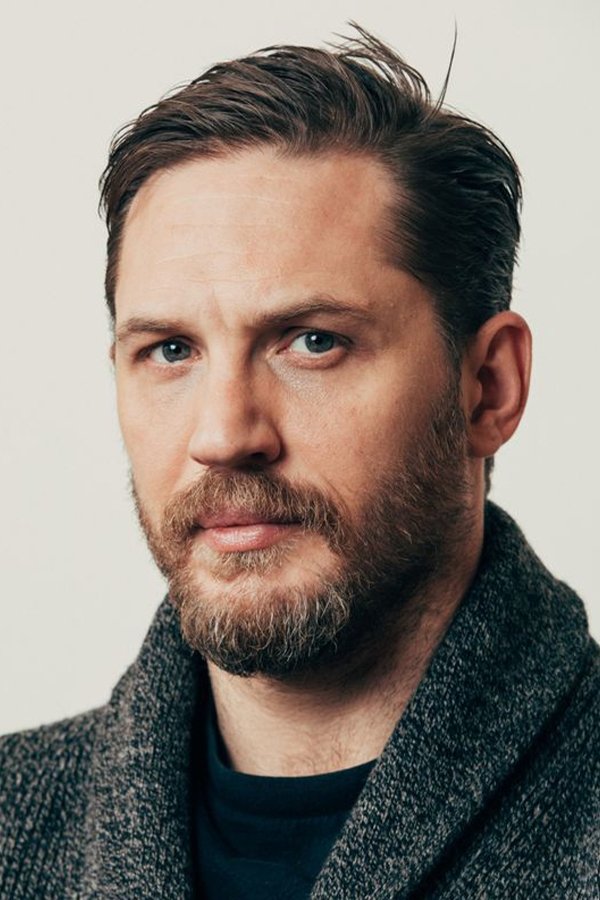
Tom Hardy has traced his sobriety to 2003, following a period of substance addiction that peaked after early career breakthroughs. He has described inpatient treatment, 12-step principles, and strict daily habits as essential pillars. Hardy’s post-recovery years brought a steady stream of roles that required significant preparation and focus. He has remained vocal about protecting sobriety as a non-negotiable professional baseline.
Daniel Radcliffe
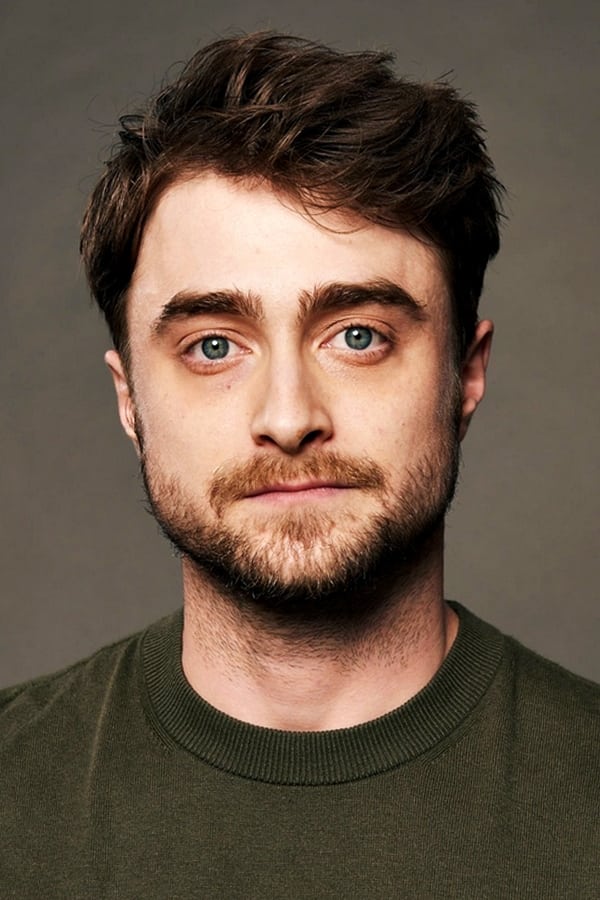
Daniel Radcliffe has said he quit drinking in 2010, after realizing alcohol was becoming a persistent problem as he transitioned out of a blockbuster franchise. He turned to new routines, fitness, and work discipline to support the change. Radcliffe’s sober years have been marked by consistent stage work and off-beat film choices that demanded reliability. He has shared that removing alcohol helped stabilize both his schedule and mental health.
Tim Allen
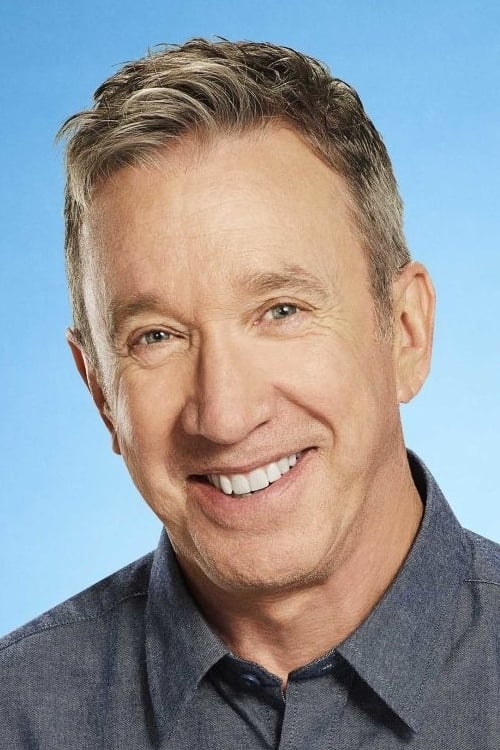
Tim Allen’s substance history includes a 1978 cocaine arrest and a 1997 DUI, after which he engaged with treatment and embraced sobriety by the late 1990s. He has cited family accountability and structured work habits as key supports. Allen maintained long-running television commitments while keeping recovery practices in place. He continues to discuss the legal consequences and treatment as catalysts for sustained change.
John Stamos
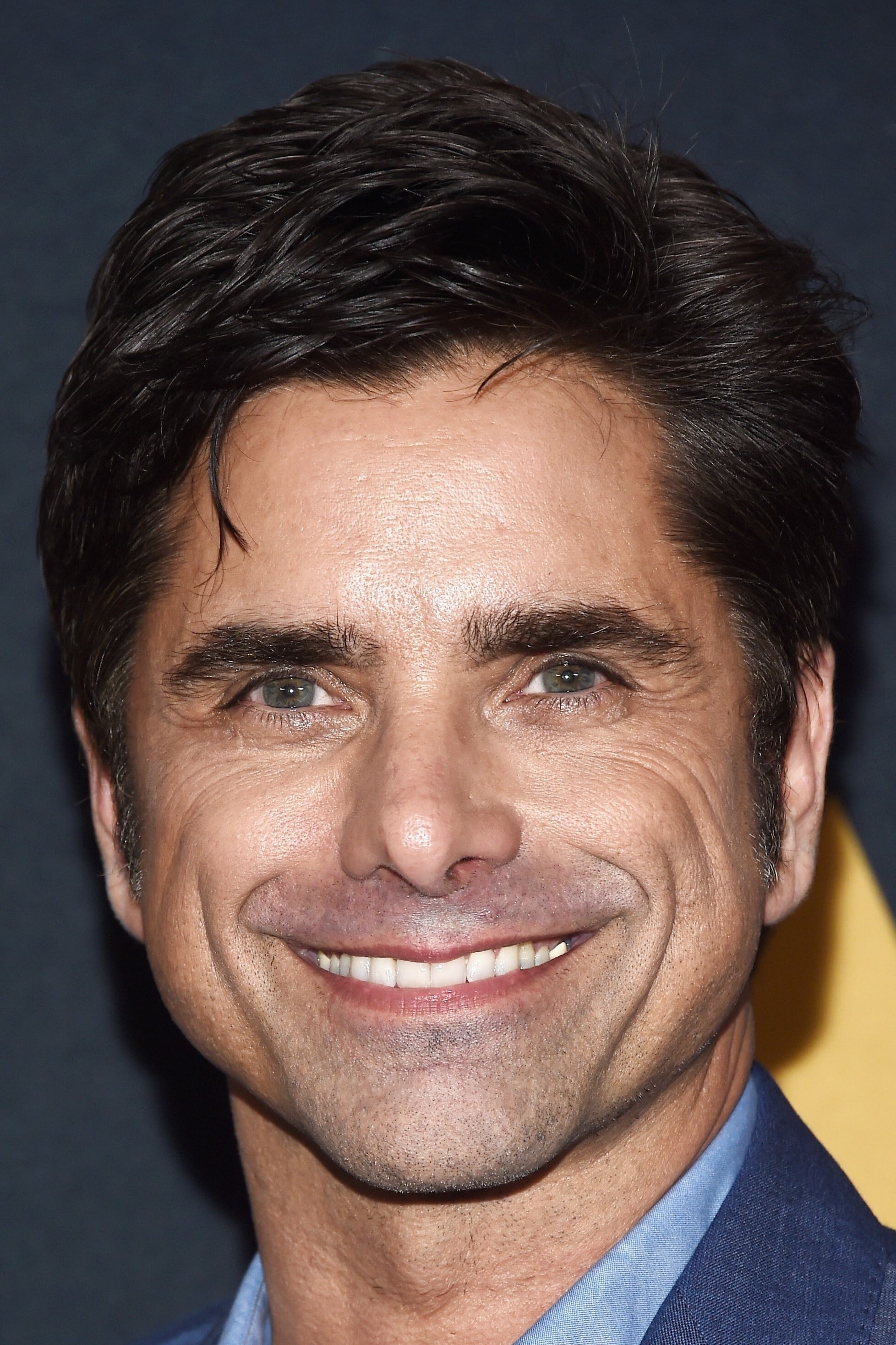
Following a DUI arrest in 2015, John Stamos entered rehab and later spoke about staying sober as he rebuilt trust and routines. He has highlighted ongoing recovery work and family milestones as motivators. Stamos returned to series work and touring commitments while maintaining sobriety. He periodically notes sober years as a way to track progress and encourage others seeking help.
Zac Efron
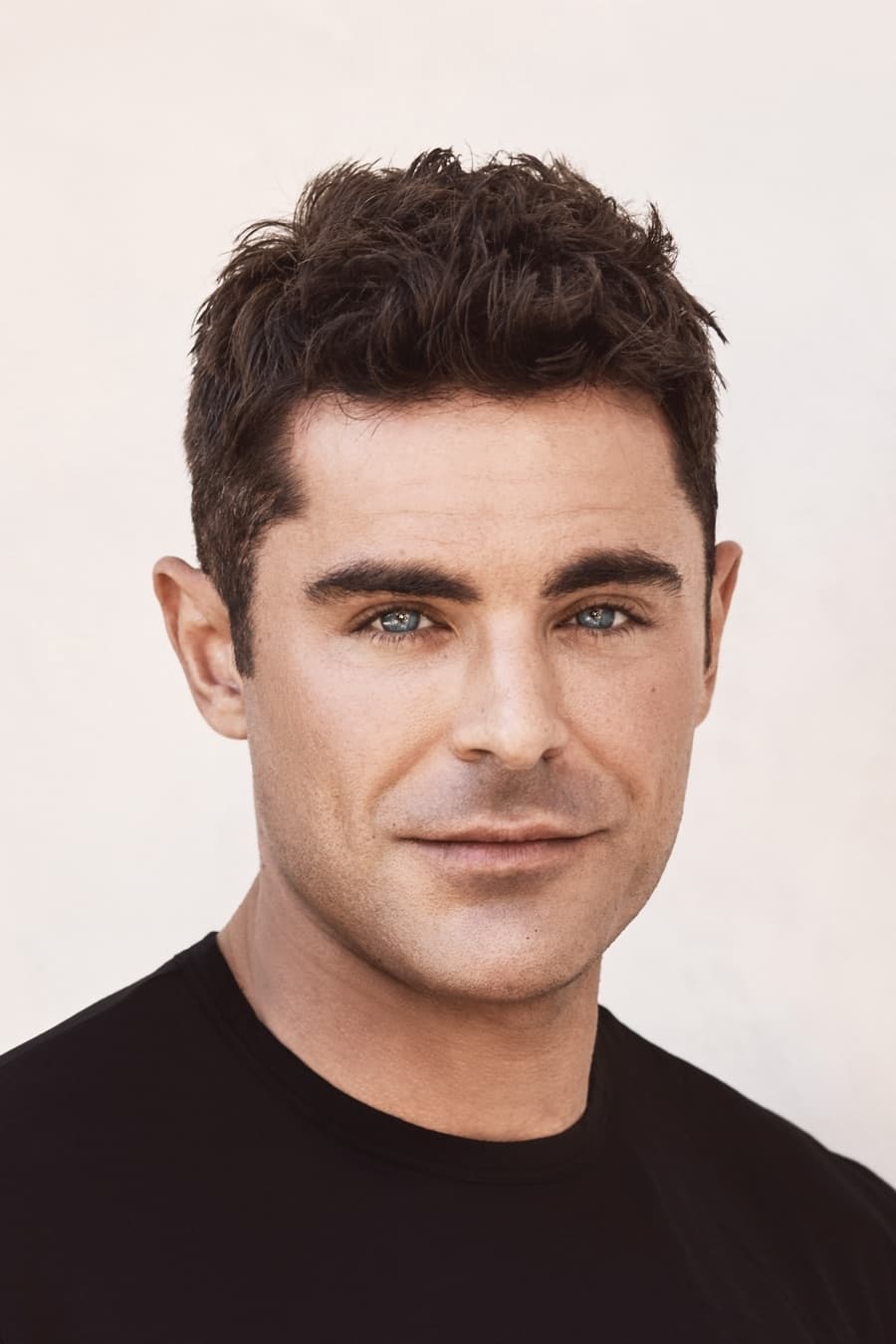
Zac Efron sought treatment in 2013 after escalating substance issues that coincided with nonstop production schedules. He has said he revamped his lifestyle around training, sleep, and support networks to stay sober. Efron gradually shifted into roles requiring significant physical preparation, crediting recovery for the consistency. He has discussed sobriety as a long-term commitment tied to health and professional reliability.
Share your thoughts below—whose recovery story inspired you most, and who else should we include in a future update?