The Most Criticized Hollywood actresses on Social Media

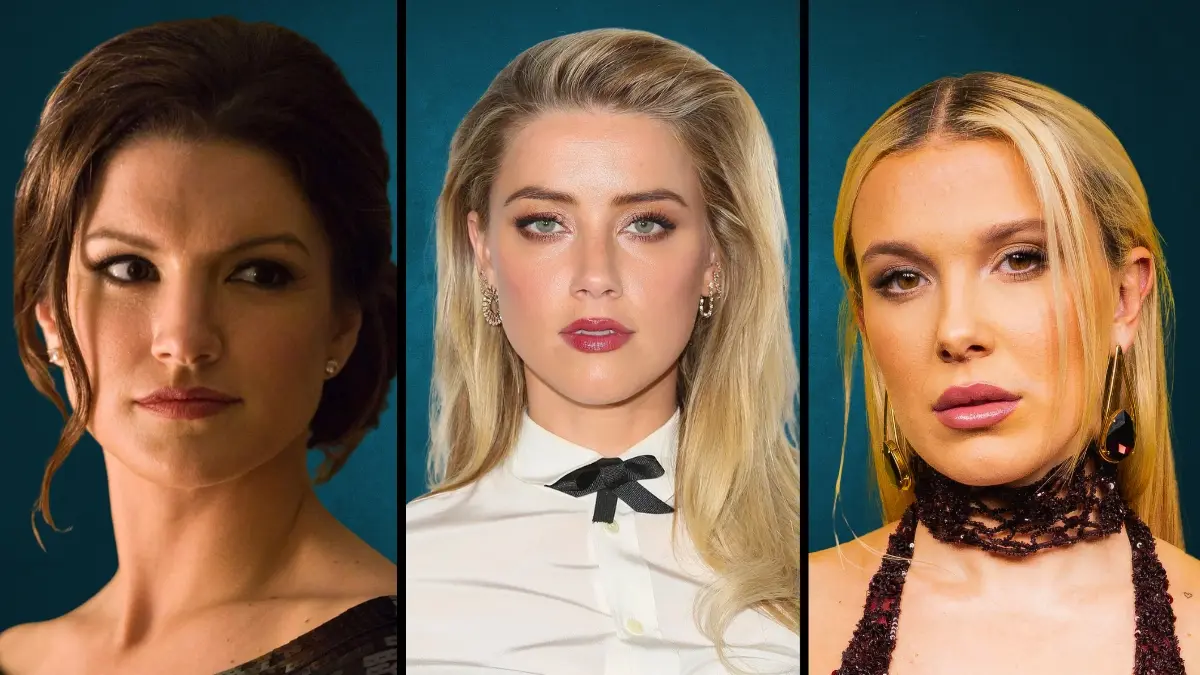

Social platforms can amplify every casting decision, interview quote, or brand partnership into a global talking point, and Hollywood actresses often sit at the center of that swirl. The examples below focus on concrete flashpoints—specific projects, posts, and platform reactions—along with the measurable outcomes that followed, like comment surges, account pauses, and official statements. This isn’t about judging anyone; it’s a look at how online dynamics form around public figures and how those dynamics spill over into careers, press cycles, and studio rollouts.
Anne Hathaway
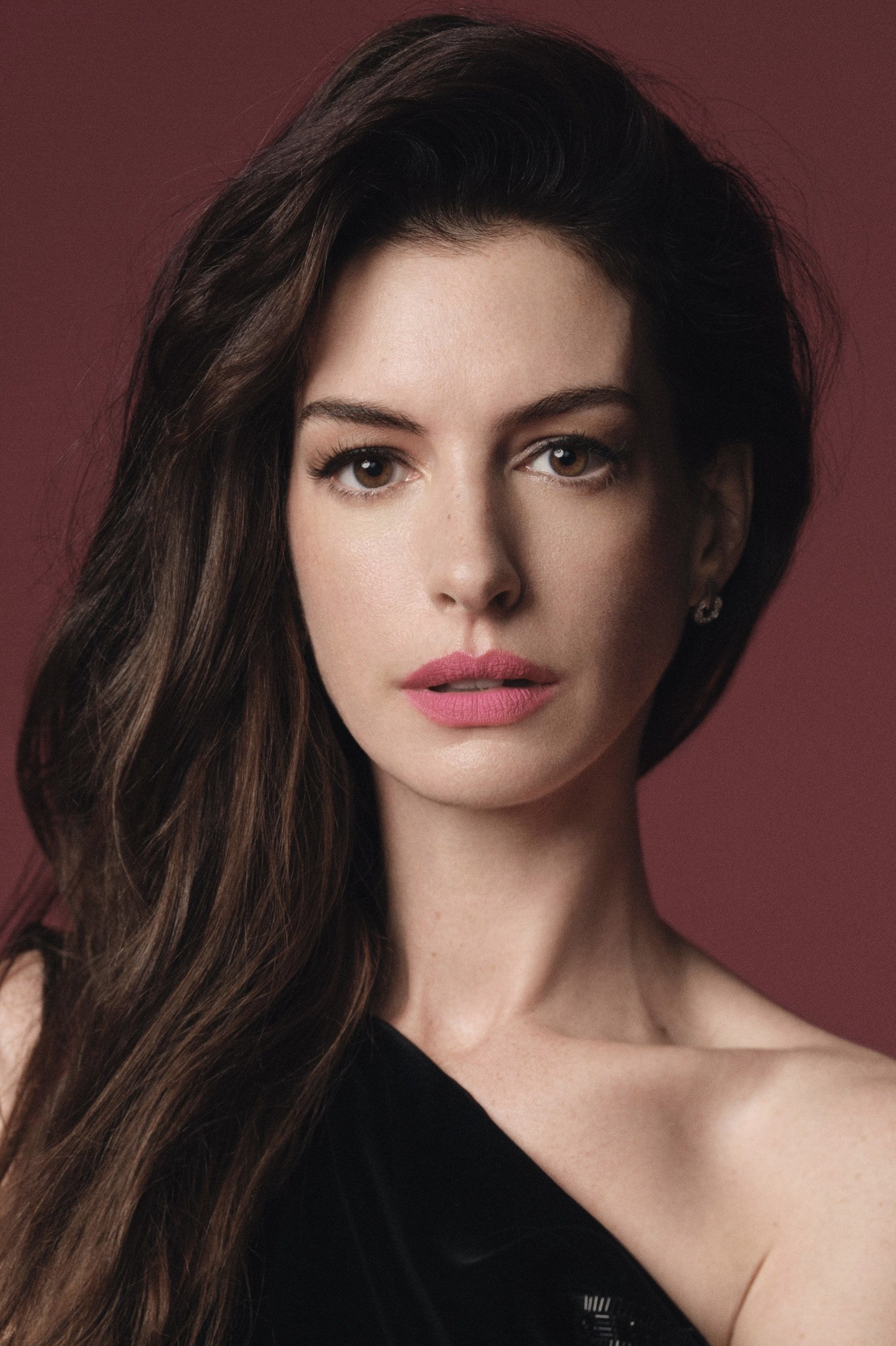
The early-2010s wave nicknamed “Hathahate” coalesced around awards-season exposure following her run with ‘Les Misérables’. Coverage spikes coincided with red-carpet moments and acceptance speeches, leading to concentrated bursts of negative commentary across Twitter and entertainment blogs. The volume of posts prompted think-pieces about parasocial expectations and “performative” authenticity. Subsequent interviews addressed the phenomenon directly, creating a feedback loop in which media analysis further extended the topic’s life online.
Brie Larson

Criticism spiked around promotional windows for ‘Captain Marvel’, with coordinated down-voting campaigns targeting trailers and interviews. Platform moderators and studios responded by adjusting comment tools and emphasizing verified metrics over open user scores. Larson’s press appearances became focal points for clipped soundbites that traveled widely on X and YouTube. The discourse broadened into debates about franchise casting, inclusion, and audience gatekeeping.
Kelly Marie Tran
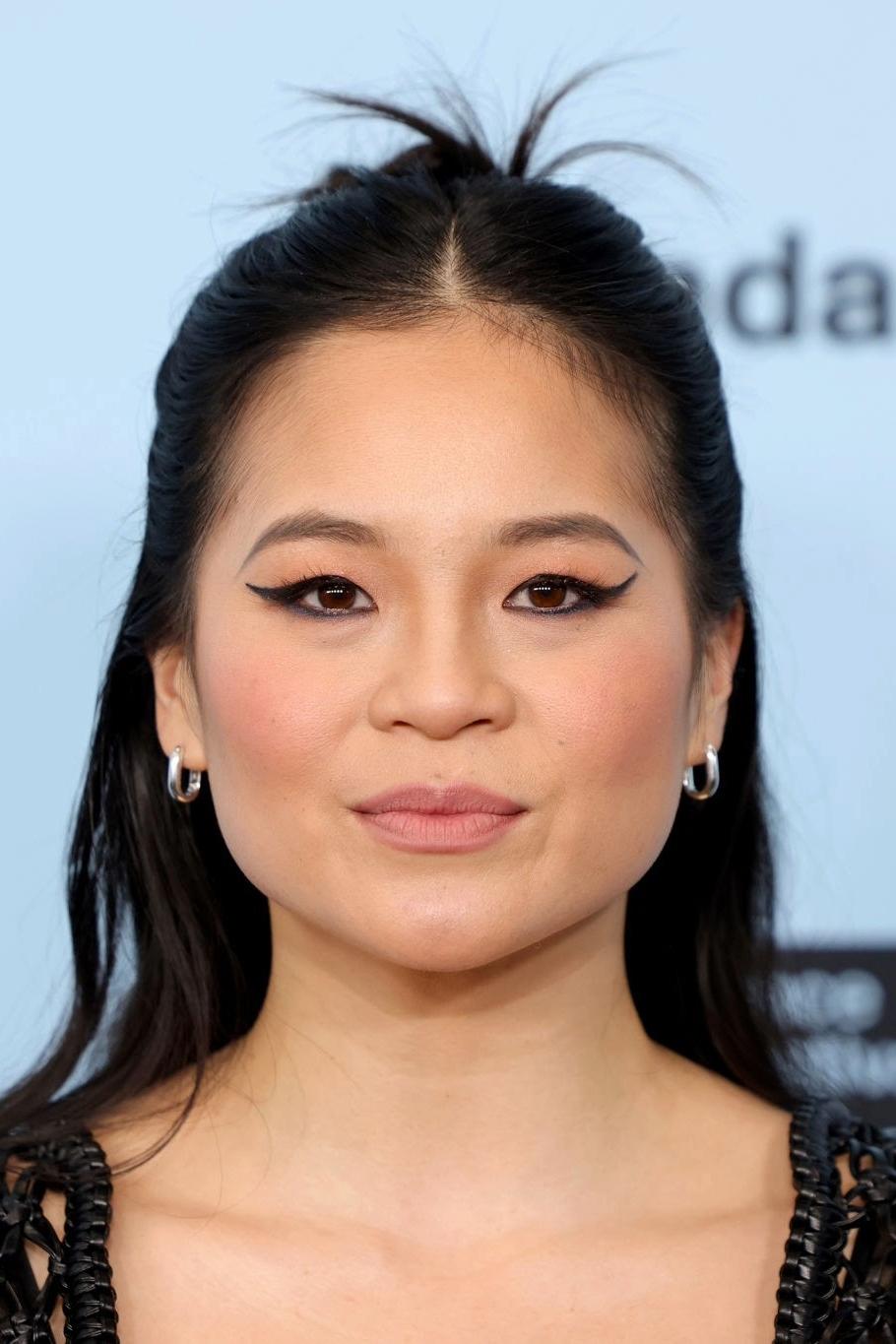
After appearing in ‘Star Wars: The Last Jedi’, Tran’s Instagram drew a wave of hostile comments that led to her stepping back from the platform. Industry peers and the studio issued statements condemning targeted harassment, and media coverage documented the moderation challenges at scale. The incident became a case study in how fan cultures intersect with personal accounts. Later press emphasized her return to work and selective social media use for professional announcements.
Daisy Ridley

Ridley faced sustained scrutiny following ‘Star Wars’ releases, prompting her to delete social profiles during peak interest periods. Coverage highlighted the difficulty of filtering high-volume replies when search terms trend worldwide. Interviews later referenced privacy and mental-health considerations as reasons for limiting engagement. Studios shifted marketing toward controlled Q&As and traditional press to reduce direct pile-ons.
Leslie Jones
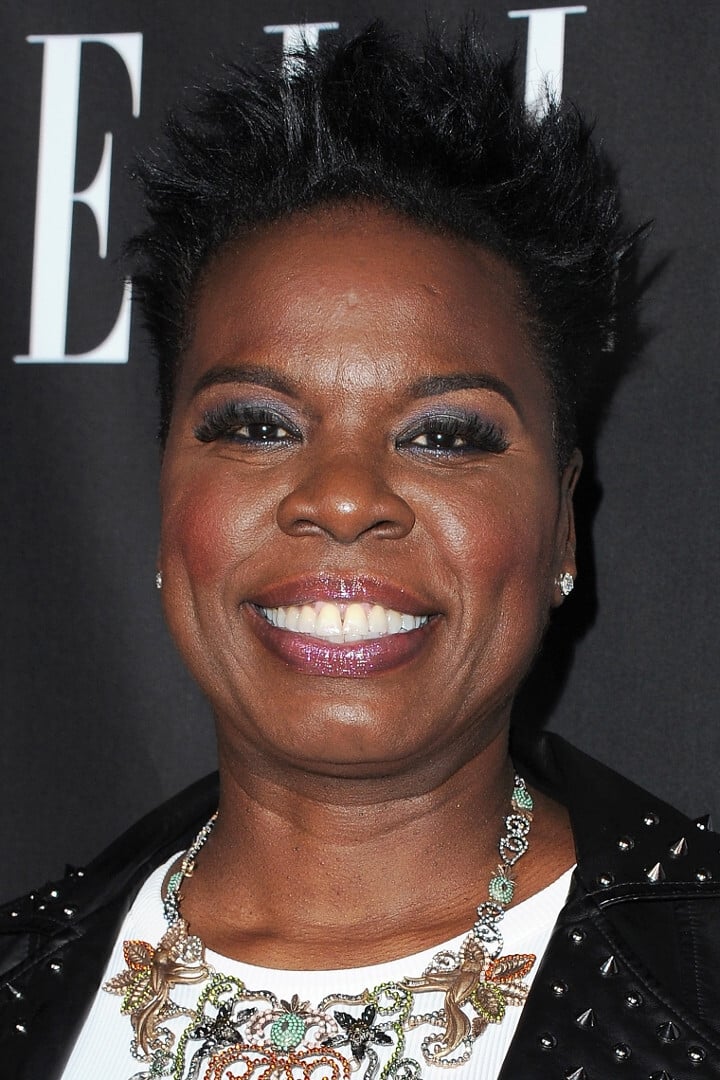
Following the 2016 ‘Ghostbusters’ rollout, Jones reported a barrage of abusive tweets and impersonation attempts. Platform trust and safety teams intervened with suspensions and policy updates that were widely reported. The episode spotlighted gaps in reporting tools for celebrity accounts at the time. Subsequent visibility campaigns encouraged users to document harassment patterns and push for stronger enforcement.
Scarlett Johansson
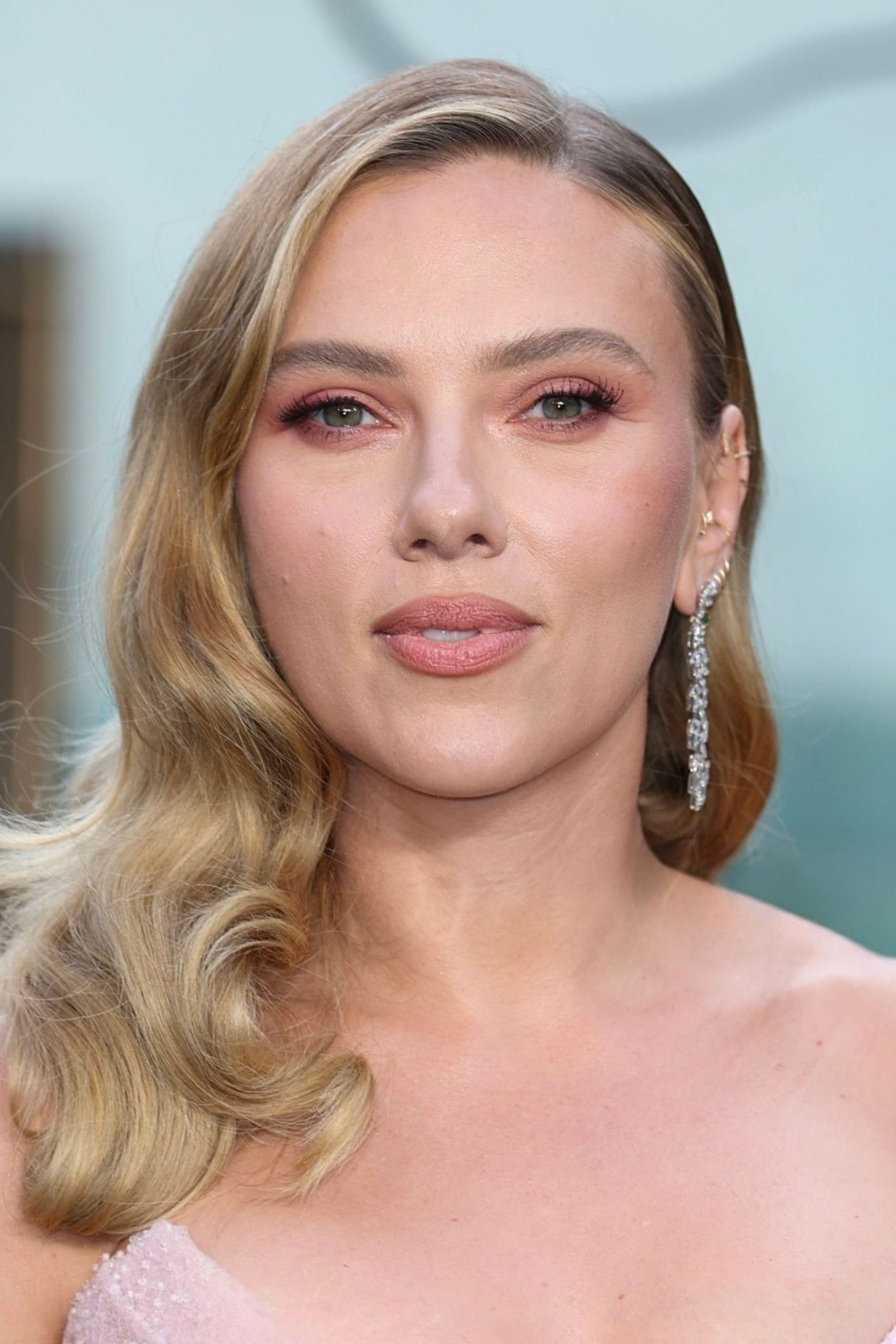
Johansson’s casting discussions around ‘Ghost in the Shell’ and an announced—but later exited—’Rub & Tug’ project triggered sustained criticism threads. The debates centered on adaptation choices and representation, with hashtags circulating across Twitter and Reddit. Public statements clarified casting decisions and addressed concerns, which then circulated as secondary news. Studios and representatives increasingly previewed context in announcements to anticipate backlash cycles.
Zendaya
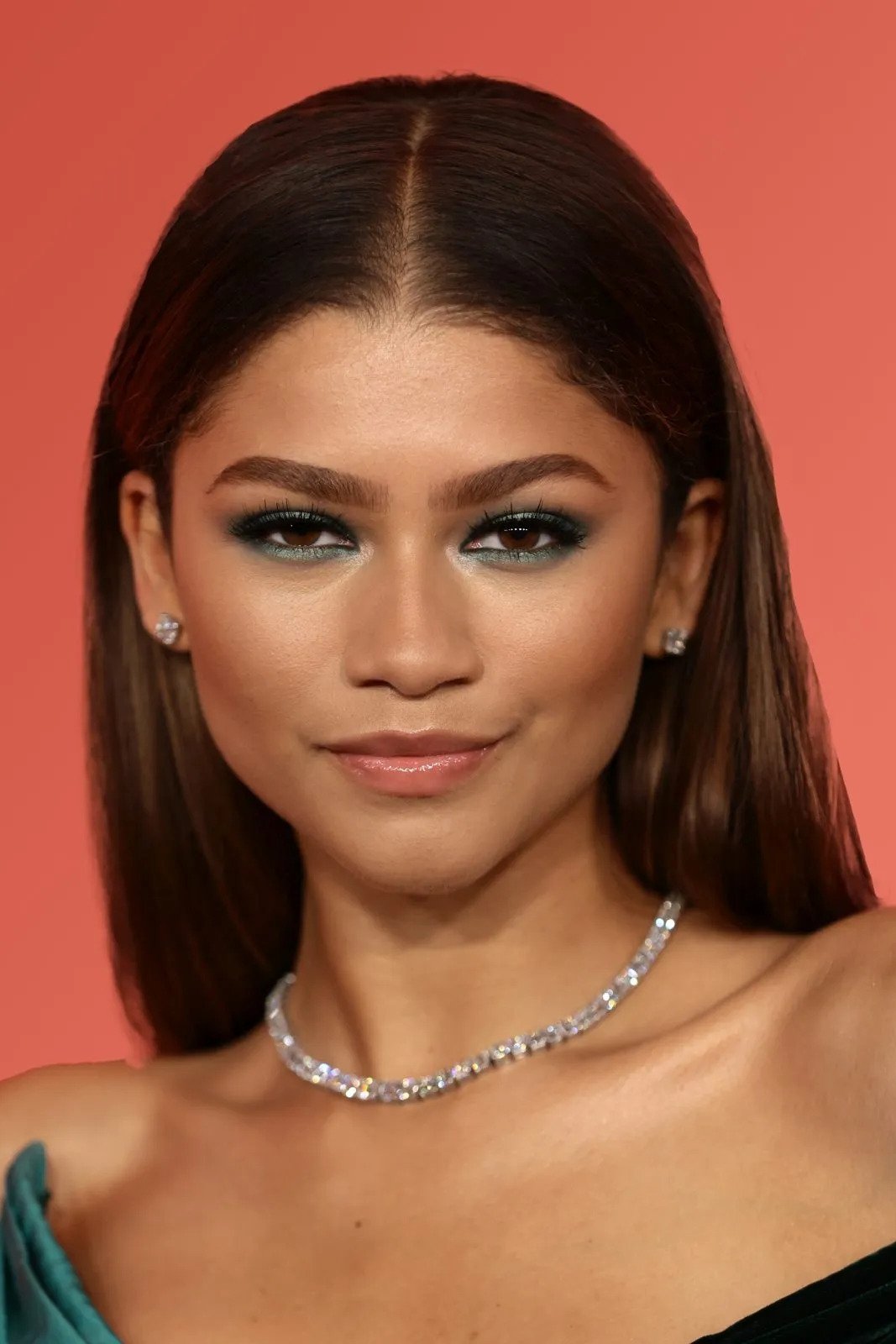
Zendaya’s casting as MJ in ‘Spider-Man: Homecoming’ encountered early skepticism that played out largely in trailer comment sections. As films released, sentiment pivoted, but the initial wave illustrated how pre-release narratives form before audiences see the work. Brand partnerships and fashion-week visibility also produced periodic “oversaturation” chatter online. Her team’s approach emphasized controlled behind-the-scenes content and selective reposts.
Halle Bailey
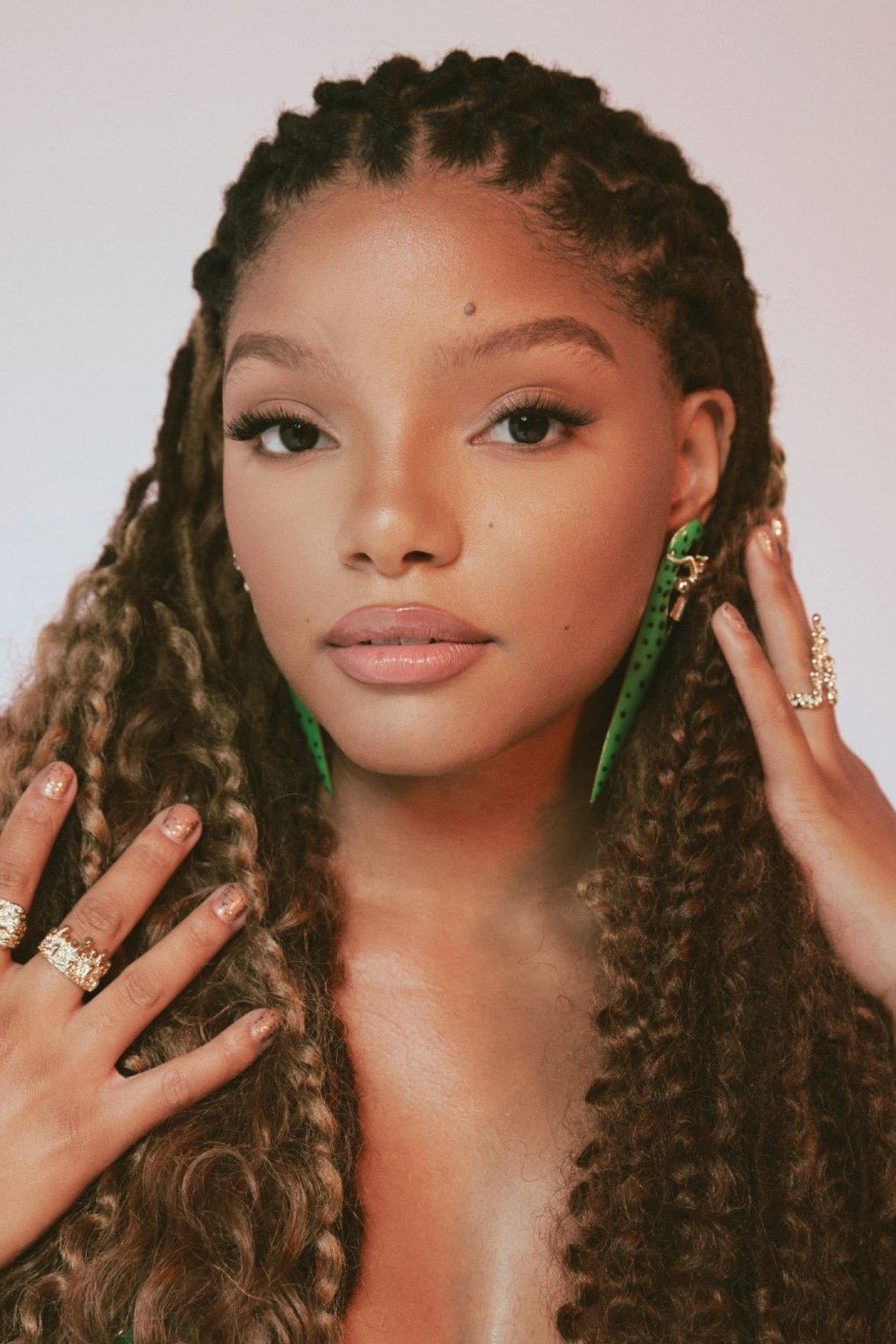
Bailey’s lead role in ‘The Little Mermaid’ stirred months of polarized commentary concentrated on teaser drops and soundtrack snippets. Reaction spikes tracked closely with each trailer’s release window, creating cyclical peaks in mentions. Disney’s marketing leaned into performance clips and traditional media spots to reframe focus on vocals and craft. Post-premiere coverage documented a measurable shift in discourse from casting to box-office and audience-exit data.
Rachel Zegler
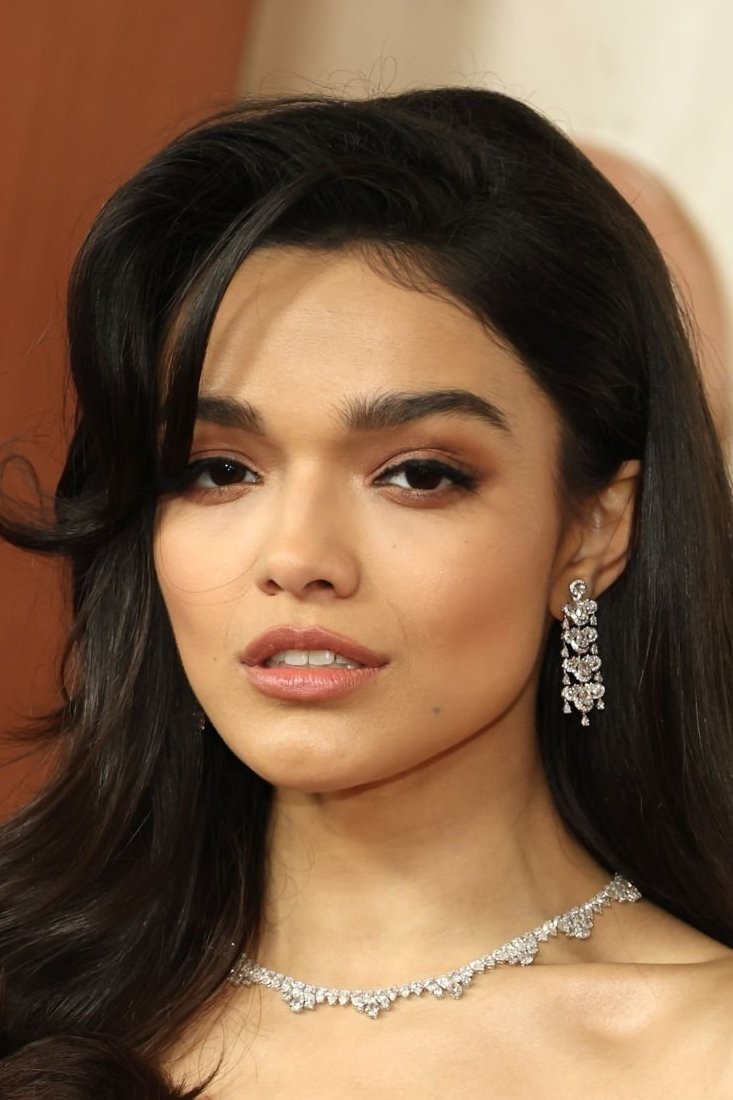
Zegler’s comments in interviews about ‘Snow White’ circulated as short clips, often detached from their longer context. Those excerpts fueled trending hashtags and repeat discourse cycles on X, TikTok, and YouTube. Studio messaging moved to evergreen featurettes and production stills to redirect attention to filmmaking details. Press strategy emphasized full-length interviews and print features over quick-cut compilations.
Jennifer Lawrence
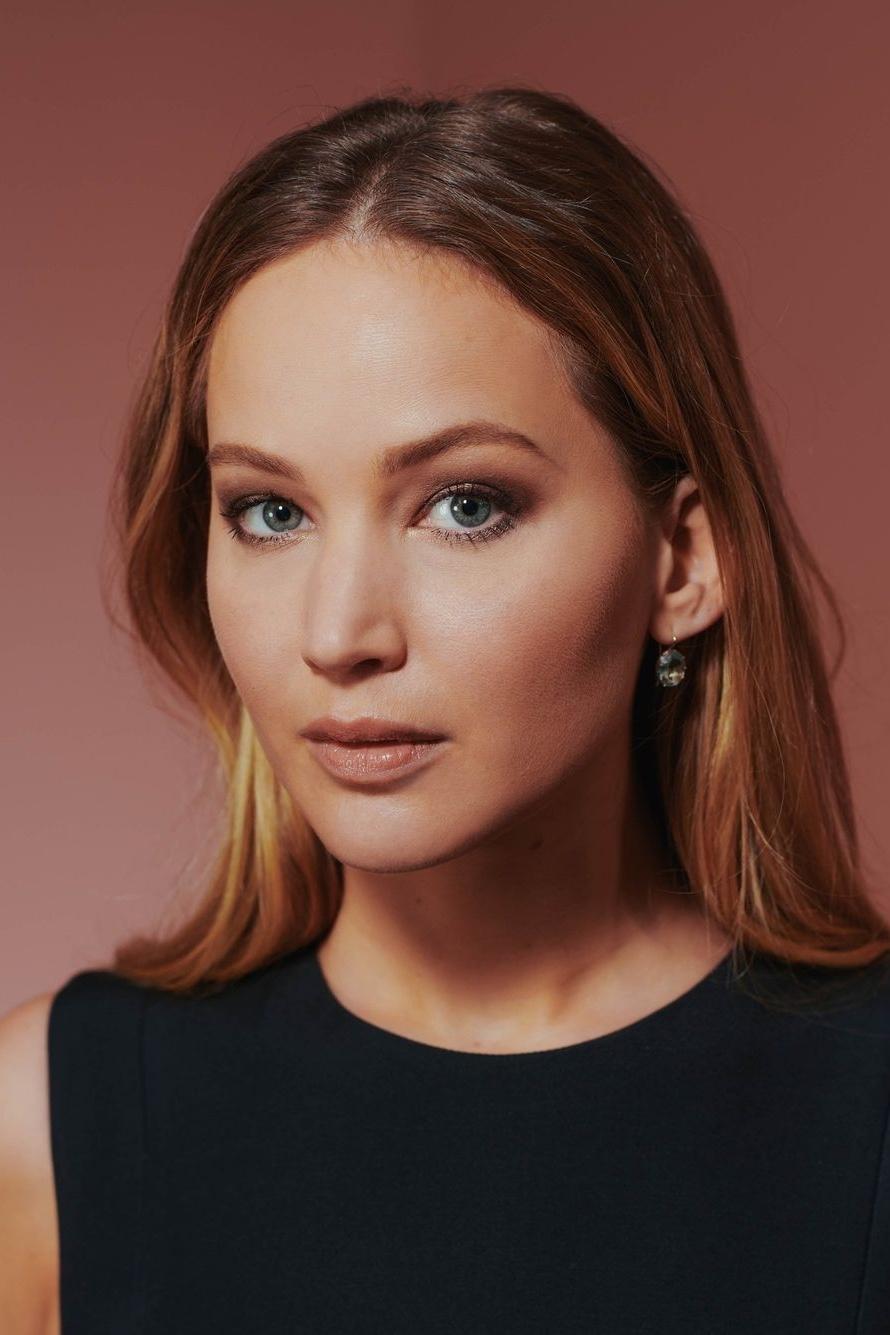
Lawrence’s off-the-cuff humor in interviews has repeatedly been excerpted into viral micro-clips, generating alternating waves of praise and pushback. Social chatter tends to spike around award shows and franchise promotions. Management teams have addressed this by prioritizing long-form formats where tone survives editing. Media training themes—context, pacing, and quote-proof phrasing—are often cited in retrospectives of her press tours.
Gal Gadot

Gadot’s high-profile posts during global events, including a celebrity sing-along video, drew heavy commentary and sustained parody. Engagement metrics surged, but sentiment analysis during those windows skewed negative. Brand campaigns subsequently foregrounded product and filmmaking process over personality-driven stunts. Coverage framed the episode as a lesson in tone and timing for large-reach accounts.
Millie Bobby Brown
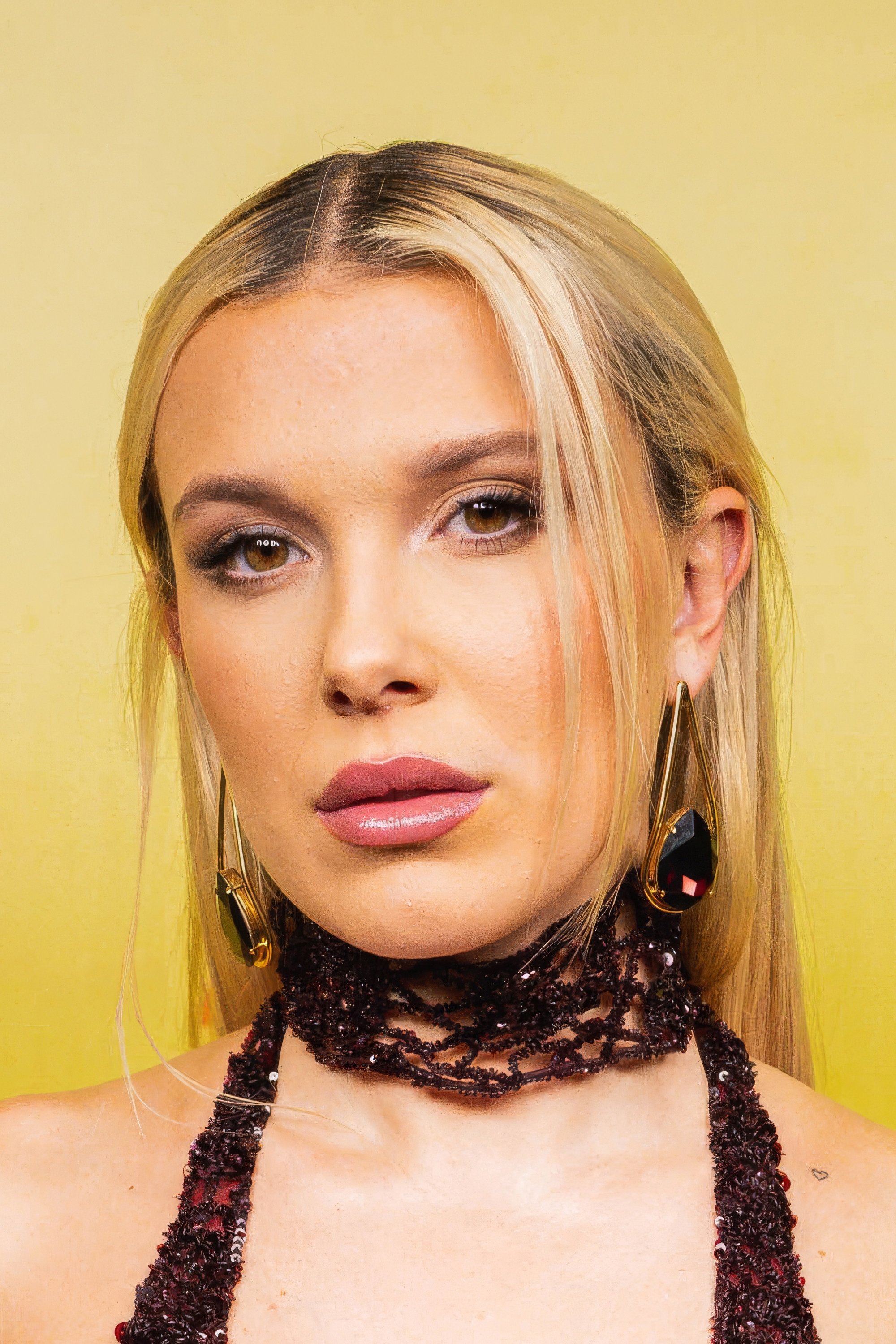
As a young star, Brown became the subject of meme-based fabrication and invasive commentary, prompting tighter control over her social presence. Platform policies around minors and harassment were repeatedly cited in reports about her experience. Public updates shifted toward pre-moderated comments and limited live interactions. Press days increasingly relied on vetted fan questions collected in advance.
Selena Gomez
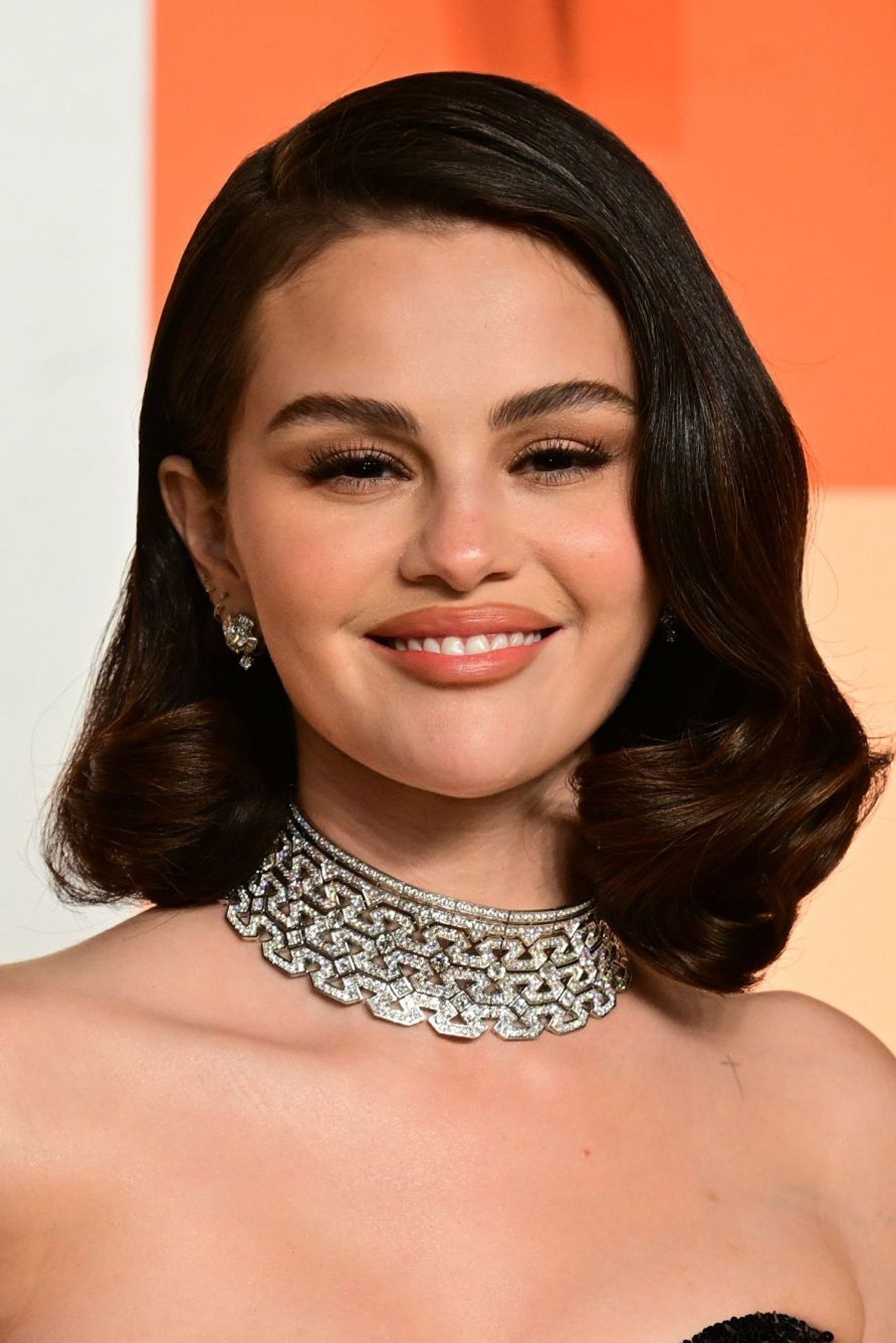
Gomez’s enormous follower base makes any interpersonal or beauty-brand story trend quickly, producing cycles of speculation and defense threads. She has taken multiple breaks from social media citing mental-health considerations, then returned with adjusted posting habits. Product announcements now often include built-in FAQs to pre-empt misinterpretations. Comment controls and limited Stories windows help manage volume during launches.
Florence Pugh
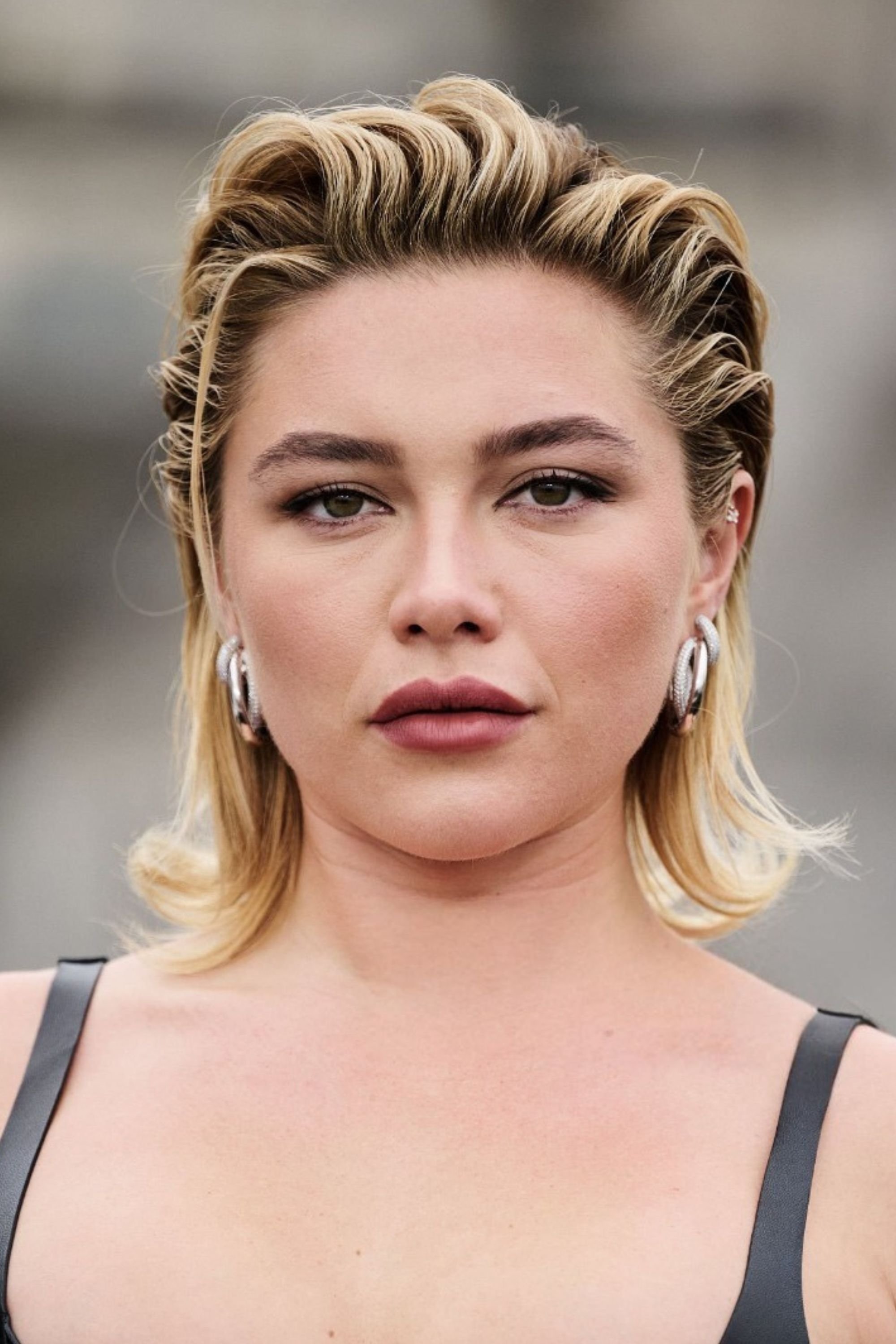
Pugh’s personal life and red-carpet choices have triggered concentrated comment bursts, especially around festival premieres. She has addressed boundaries directly in posts, which then become secondary news items. Film promotion increasingly channels through craft-focused features—costume breakdowns, stunts, and culinary tie-ins—to shift the narrative. Her accounts frequently disable or filter comments during heightened attention.
Gina Carano
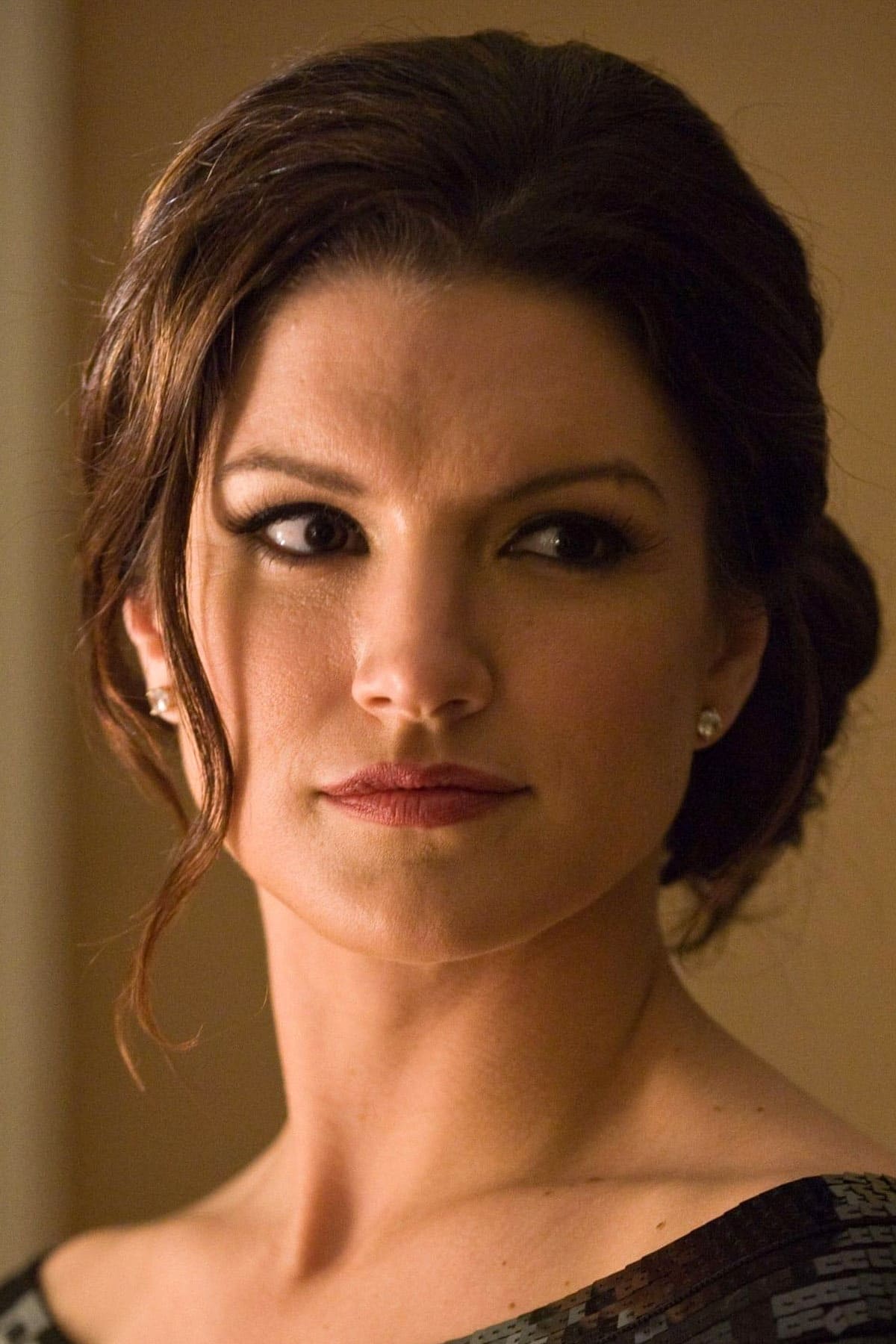
Carano’s posts during her time on a major franchise series generated sustained controversy and platform debates about moderation and employment consequences. The studio released statements and later changed casting plans, which prolonged discussion across entertainment and political spheres online. Hashtags supporting and criticizing her trended concurrently, illustrating echo-chamber effects. Subsequent appearances and interviews continued to rekindle the original discourse clusters.
Amber Heard
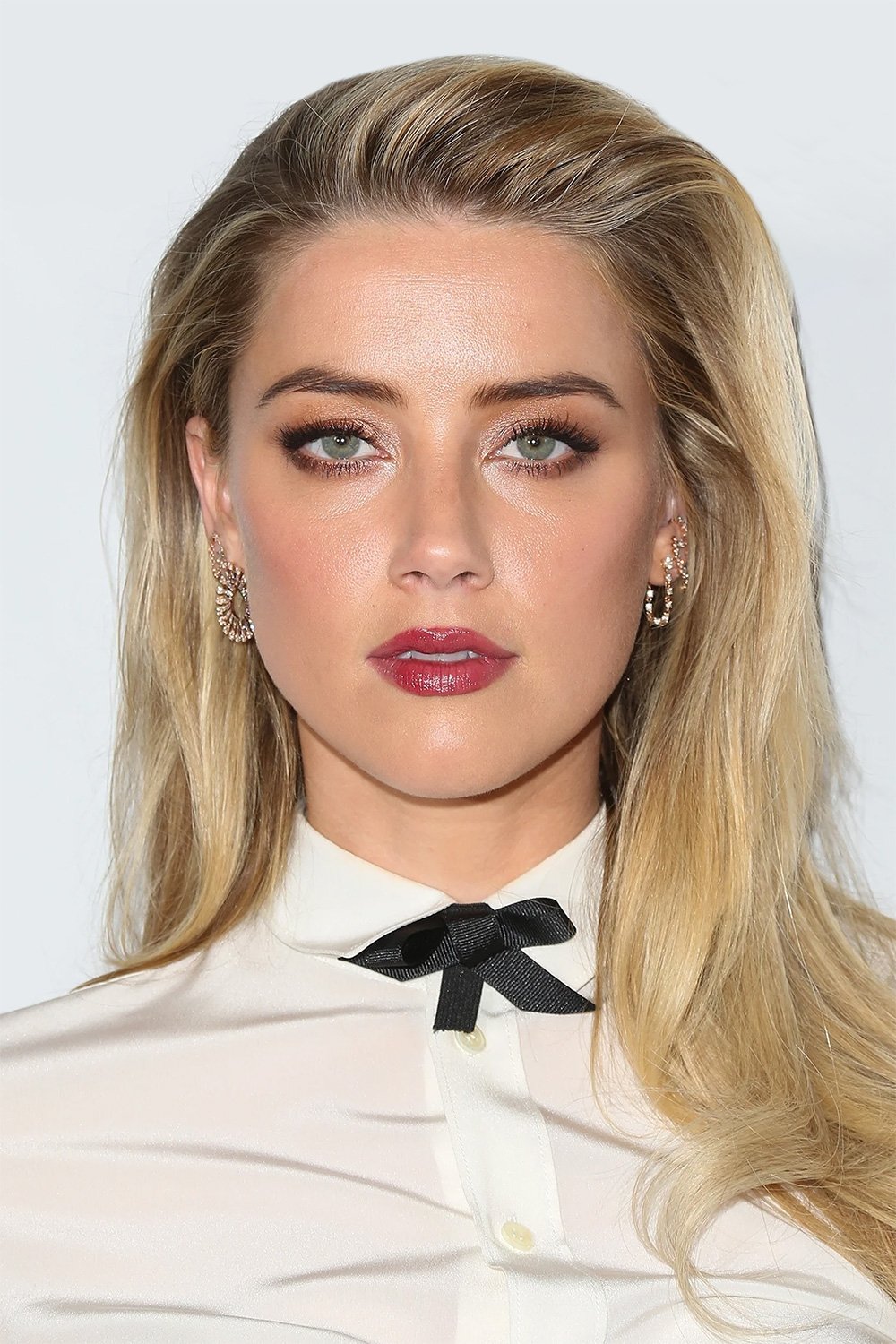
Heard’s highly publicized legal proceedings produced unprecedented social metrics, including billions of views on trial-related hashtags. Clips, transcripts, and reaction videos dominated feeds for weeks, shaping broader sentiment indexes. Both parties’ PR strategies leaned on statements and legal filings rather than open comment engagement. Platforms later reviewed creator-monetization around courtroom content and harassment reporting.
Meghan Markle
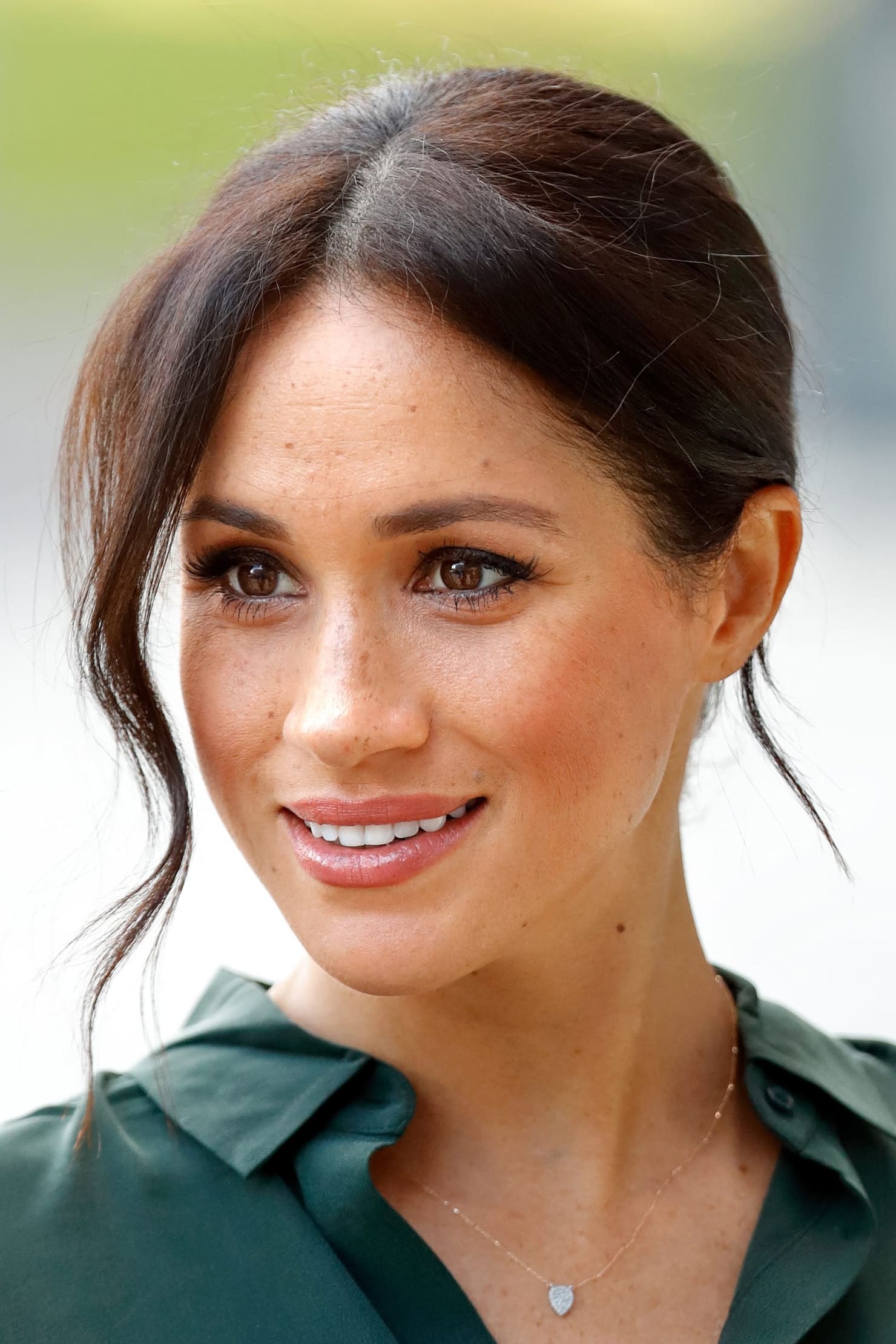
Markle’s shift from acting to royal life and media projects made her a persistent trending subject, with spikes tied to interviews and docuseries releases. Sentiment analysis often showed sharp polarization by region and outlet. Official statements and legal actions periodically attempted to correct misinformation, which then generated further coverage. Platform policy discussions cited her case when outlining anti-harassment guidelines for public figures.
Bella Ramsey
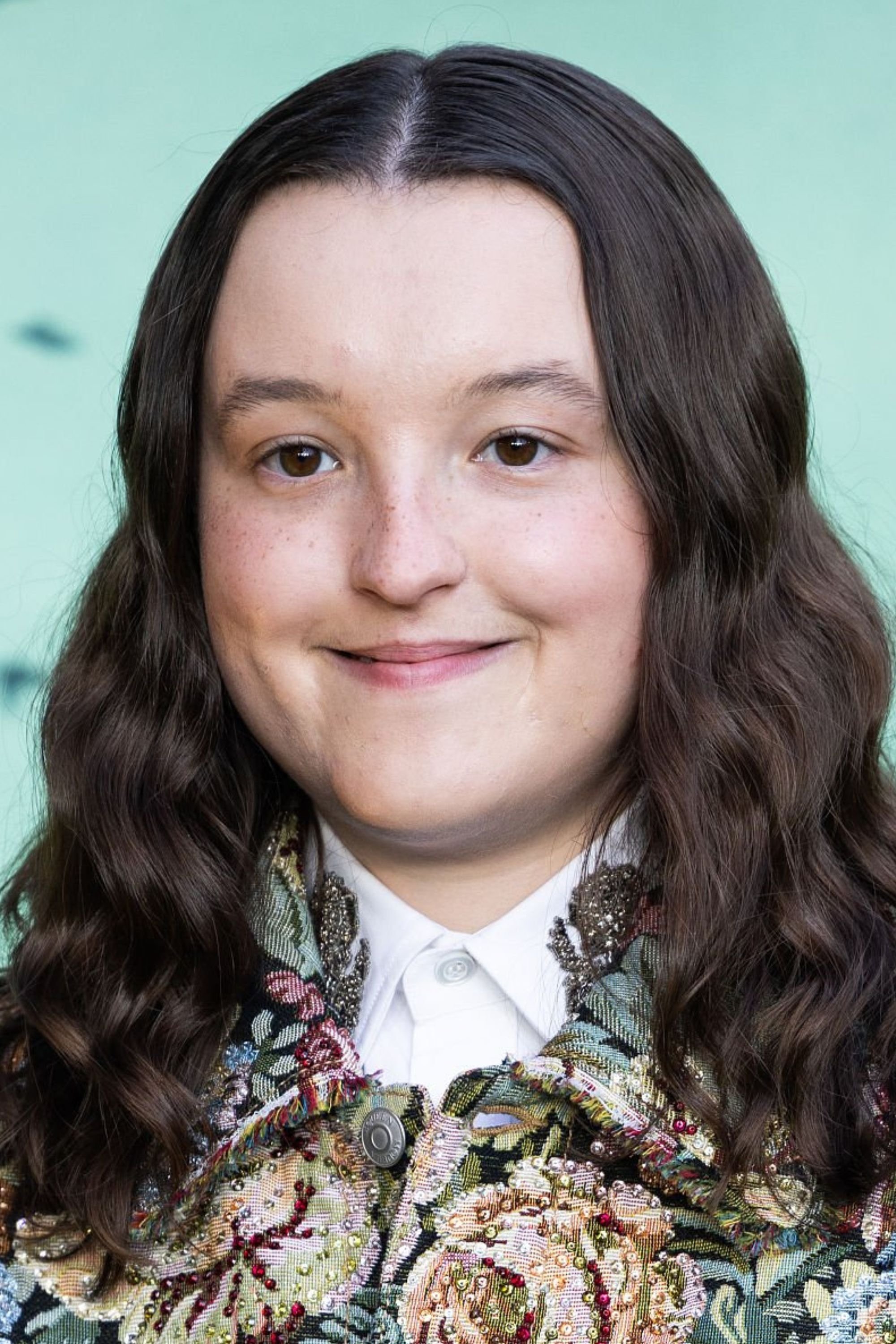
Ramsey’s lead role in ‘The Last of Us’ drew attention to casting expectations versus on-screen performance. Early trailer drops prompted skepticism that later contrasted with episode-airing reception. Social accounts focused on craft insights—make-up, stunt training, and set diaries—to steer conversation. The show’s weekly cadence created predictable peaks in mentions and moderated Q&A opportunities.
Lilly Wachowski

As a high-profile creator-actor, Wachowski’s public statements and advocacy regularly spark intense debate threads. Interview excerpts often circulate without full context, prompting clarification posts or longer op-eds. Conversations about representation and authorship recur around anthology releases and retrospectives. Her approach typically favors written statements over reactive comment exchanges.
Gina Rodriguez
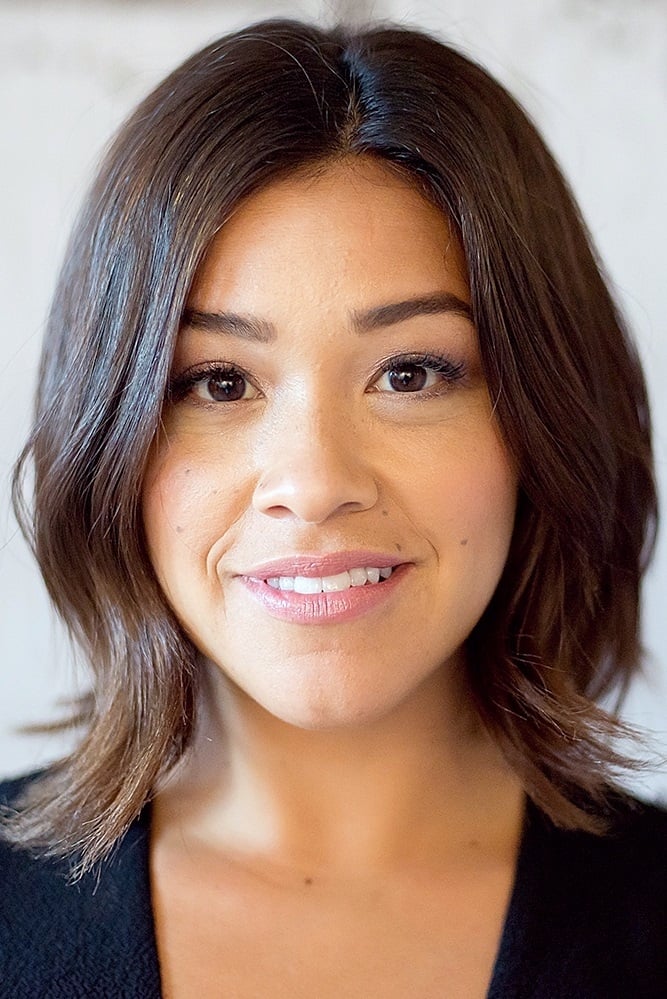
Rodriguez has faced recurring criticism tied to short video clips and podcast quotes that spread rapidly across platforms. Clarifications and apologies are usually issued in longer formats, which reach fewer casual scrollers than the original snippets. This gap illustrates the asymmetry between viral soundbites and corrections. Subsequent media appearances often set ground rules for topics and framing to avoid repeat cycles.
Emma Watson

Watson’s advocacy work and brand partnerships attract alternating waves of praise and skepticism, concentrated during campaign launches. Hashtags escalate whenever new sustainability or education initiatives drop, bringing scrutiny to messaging consistency. Her accounts typically disseminate detailed resources, anticipating common questions. Media teams coordinate with NGOs to provide verifiable data points that can be cited in follow-up coverage.
Share your thoughts below: who do you think faces the toughest online storms, and which examples did we miss?