The Most Criticized Black Actresses on Social Media

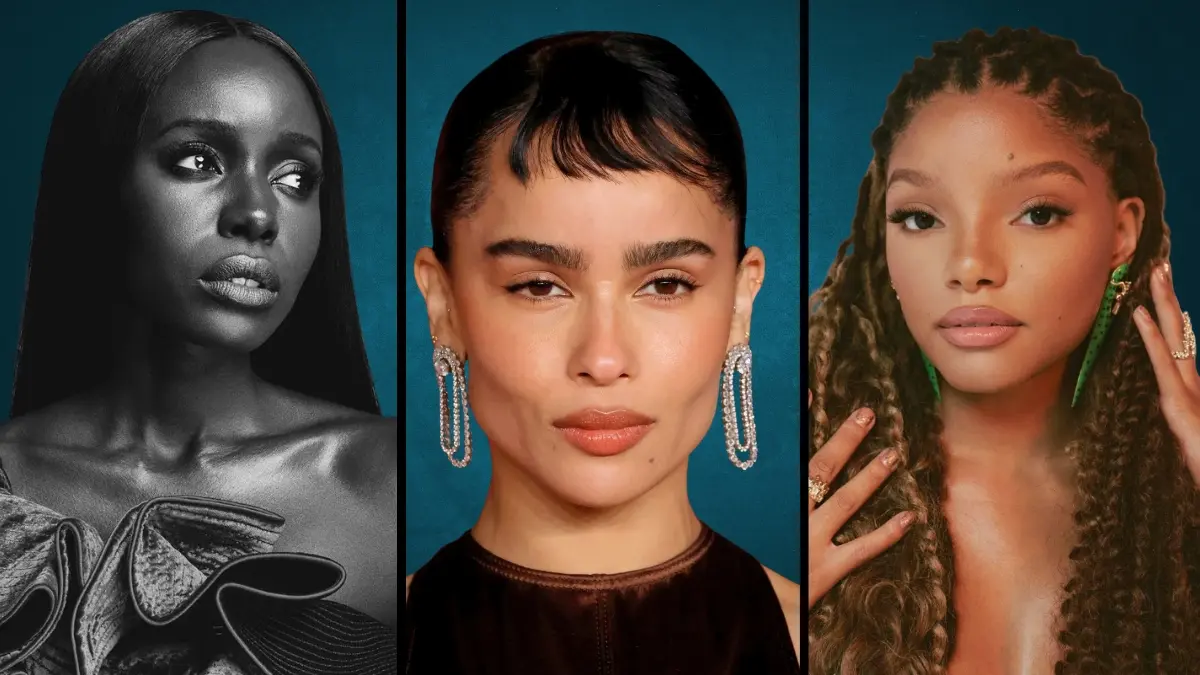

Online backlash can shape conversations around casting, representation, and celebrity in ways that go far beyond a single headline. The actresses below have each faced intense social media criticism tied to roles, public statements, or viral moments, often prompting platform policies, official statements, or broader debates about inclusion and accuracy. Here’s what actually happened in each case—when, where, and why it drew so much attention online.
Halle Bailey
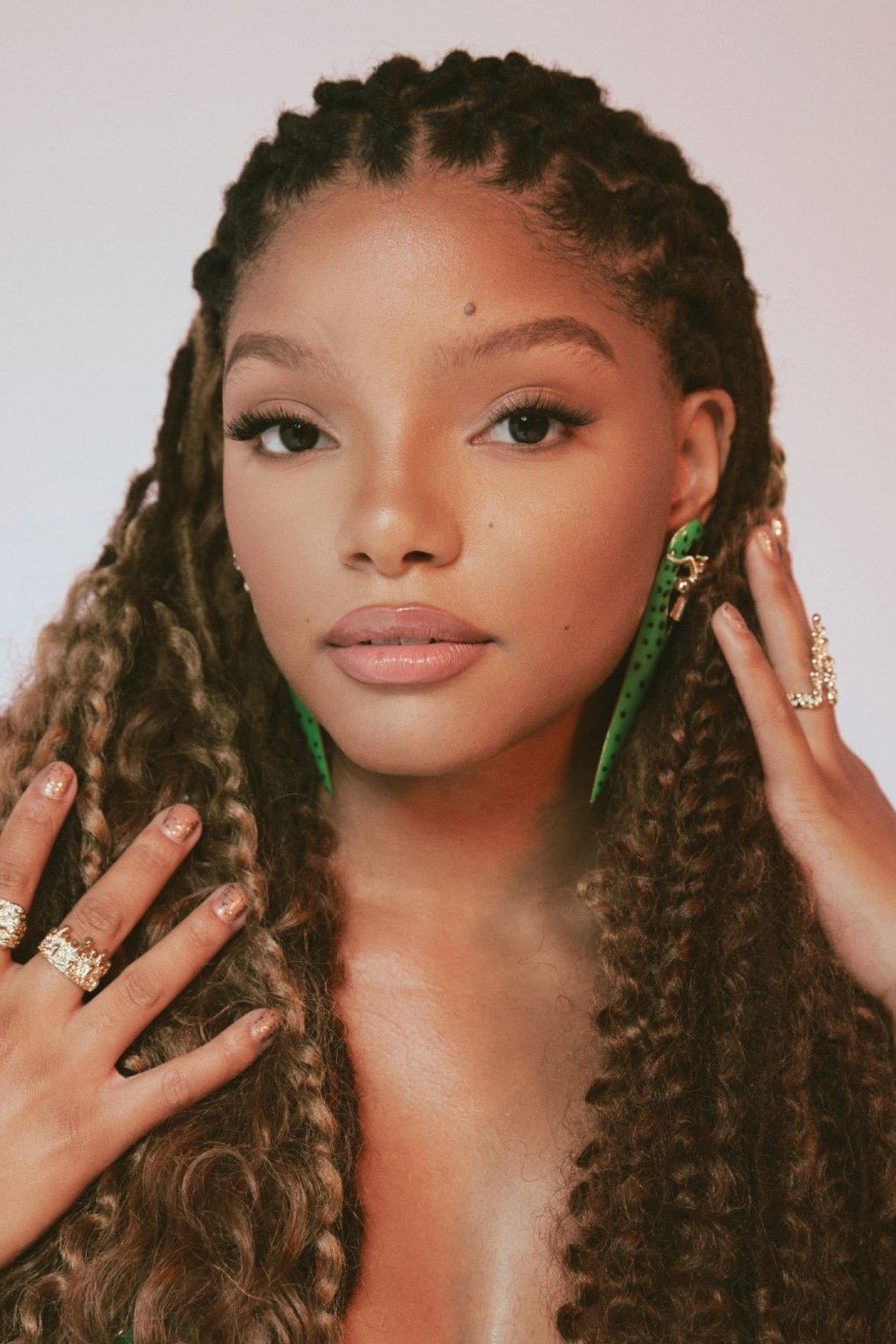
After Disney announced her casting as Ariel in ‘The Little Mermaid’ in 2019, hashtags and comments questioning the choice trended across Twitter/X and Instagram. Teaser and trailer uploads on YouTube drew organized “dislike” brigading and negative comment floods. Disney and the filmmakers publicly backed her casting, and the studio’s accounts amplified supportive messages. In the months leading to the film’s 2023 release, TikTok reactions and side-by-side comparisons continued to circulate widely.
Leslie Jones
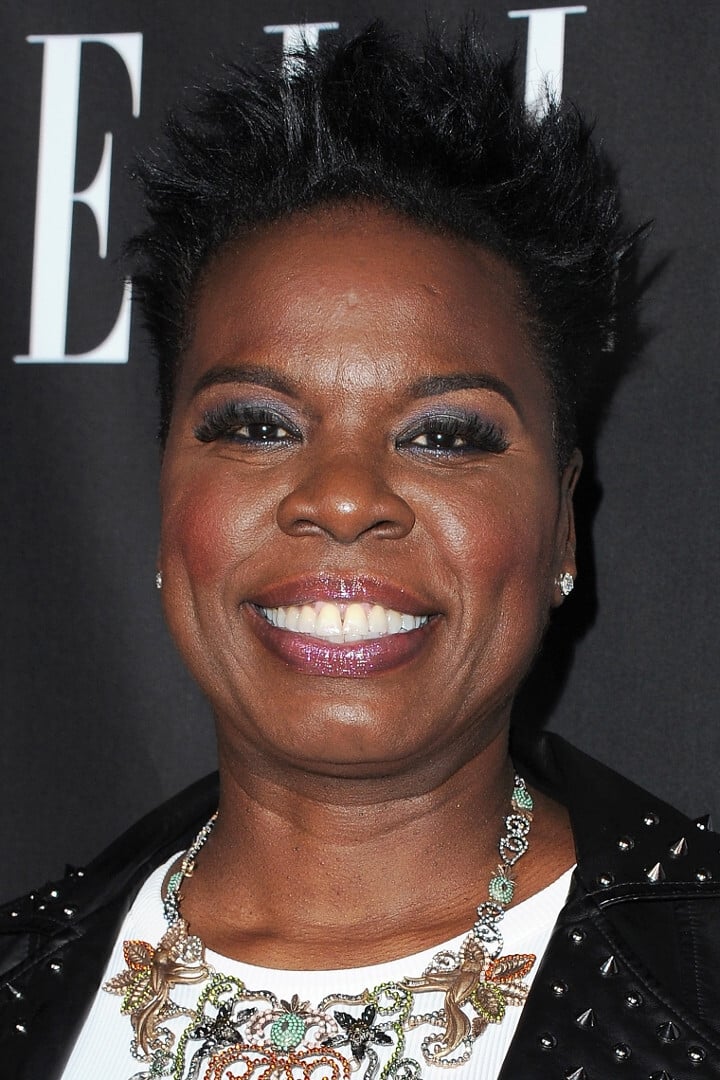
In July 2016, Jones was targeted with racist and sexist abuse on Twitter following the release of ‘Ghostbusters’. The volume of harassment led her to briefly leave the platform. Twitter permanently banned a prominent instigator and updated enforcement actions against coordinated abuse. Sony and fellow cast members issued statements of support while Jones later returned to social media.
Letitia Wright
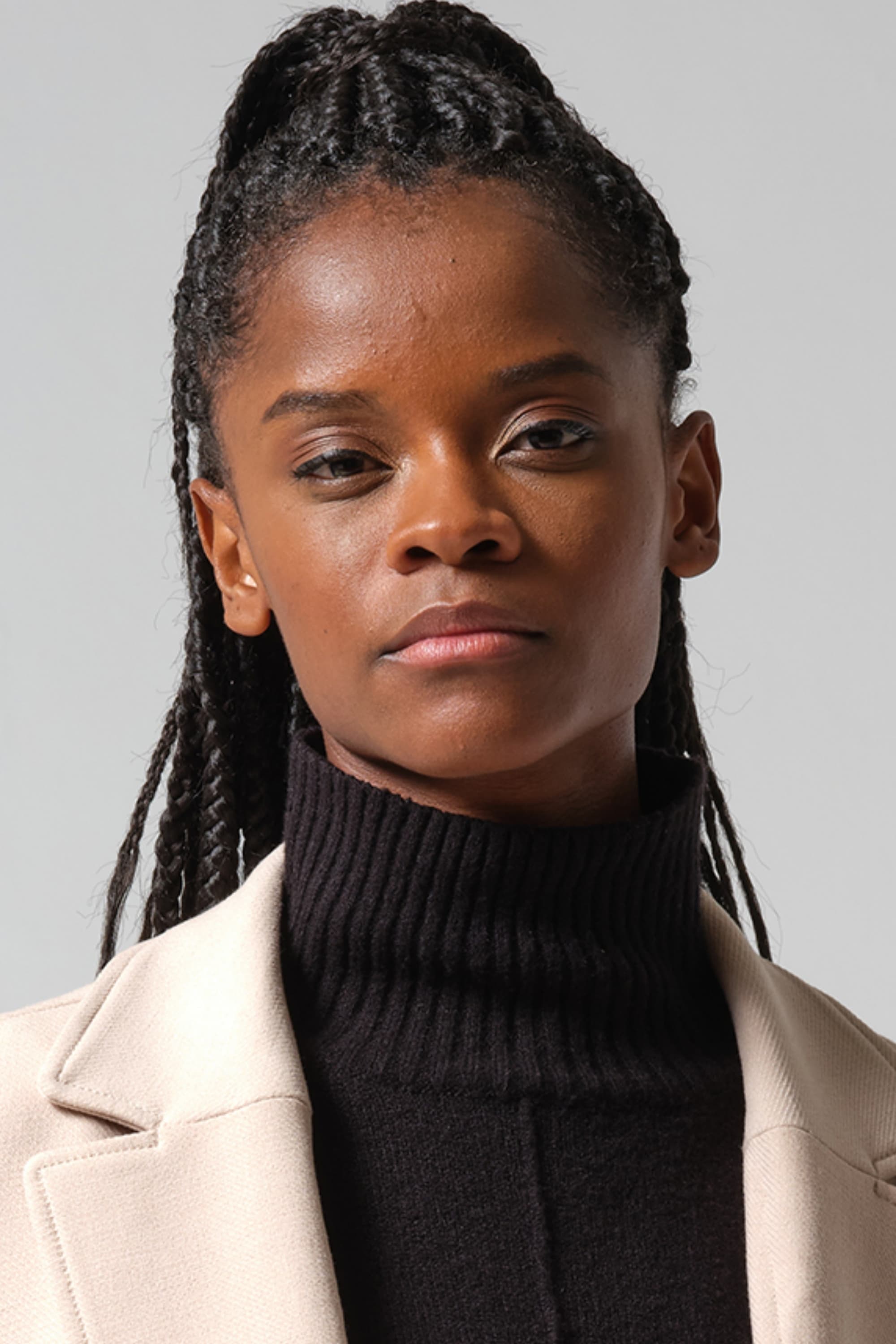
In December 2020, Wright shared a video on Twitter that questioned COVID-19 vaccines, triggering immediate pushback from users and industry peers. She deleted the tweet, left the platform for a period, and later addressed the situation more generally. Discussion threads on Reddit, Instagram, and YouTube compiled reactions and timelines. Subsequent project news repeatedly rekindled those debates in her mentions.
Moses Ingram
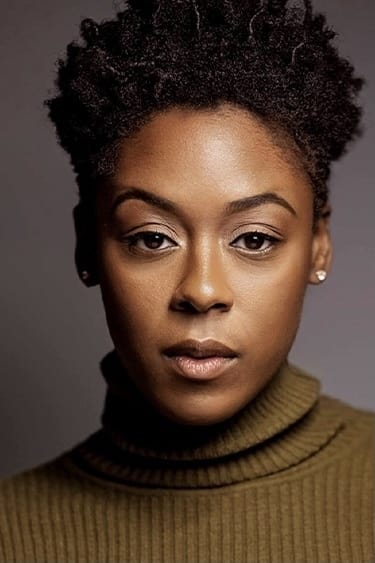
Following the May 2022 launch of ‘Obi-Wan Kenobi’, Ingram documented racist DMs she received on Instagram. The official ‘Star Wars’ accounts posted statements condemning the abuse and urging fans to be inclusive. Co-star Ewan McGregor recorded a video message supporting her and warning that harassment would not be tolerated. Coverage of the incident drove continued conversation on Twitter/X and YouTube commentary channels.
Anna Diop
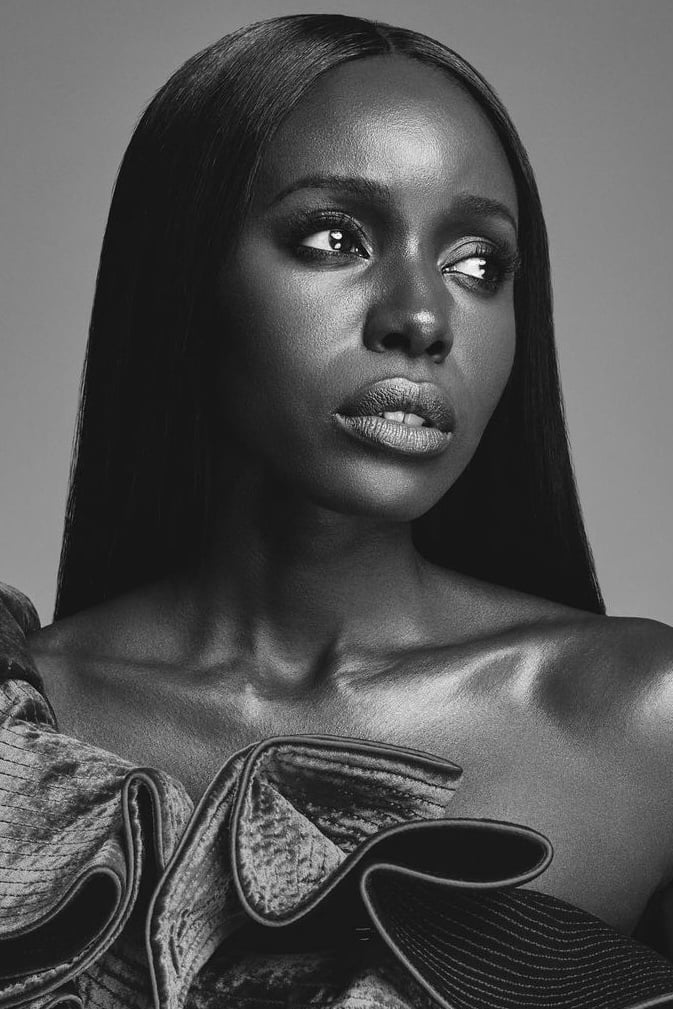
When Diop was revealed as Starfire in ‘Titans’ in 2018, Instagram posts and fan forums filled with racist remarks and appearance-based attacks. DC Universe marketing and show creatives defended the casting as production images rolled out. Diop addressed the hostility in interviews and posts that encouraged fans to judge the performance on screen. The cycle repeated around each new trailer drop that year.
Zendaya
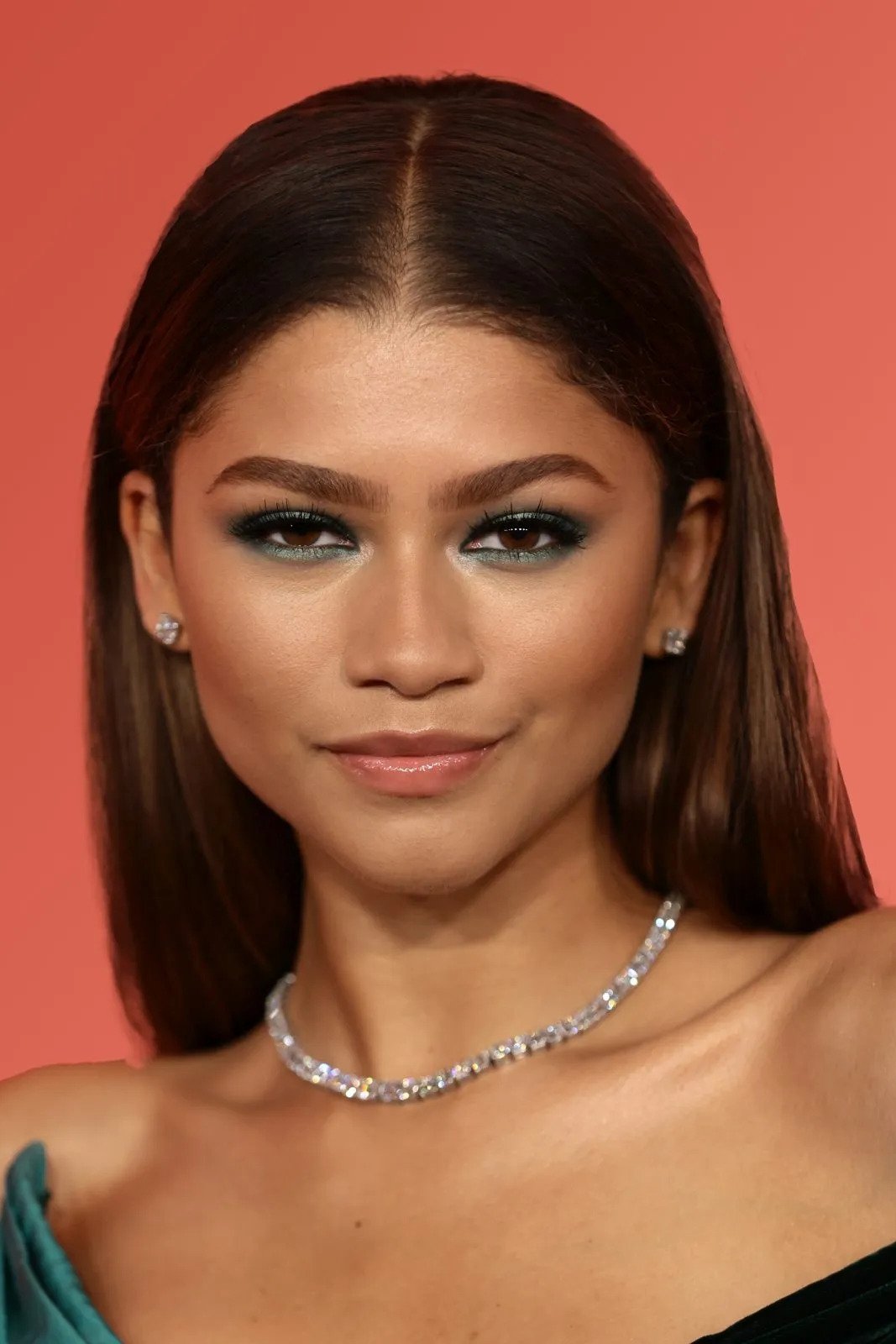
Zendaya’s casting as MJ in ‘Spider-Man: Homecoming’ was announced in 2016 and quickly drew social media debate about canon and race. Threads on Twitter/X and Facebook argued over the character’s traditional depiction in earlier comics and films. Marvel and Sony maintained the creative direction without issuing lengthy statements. Each subsequent MCU appearance reignited comment-section arguments around casting choices.
Jada Pinkett Smith
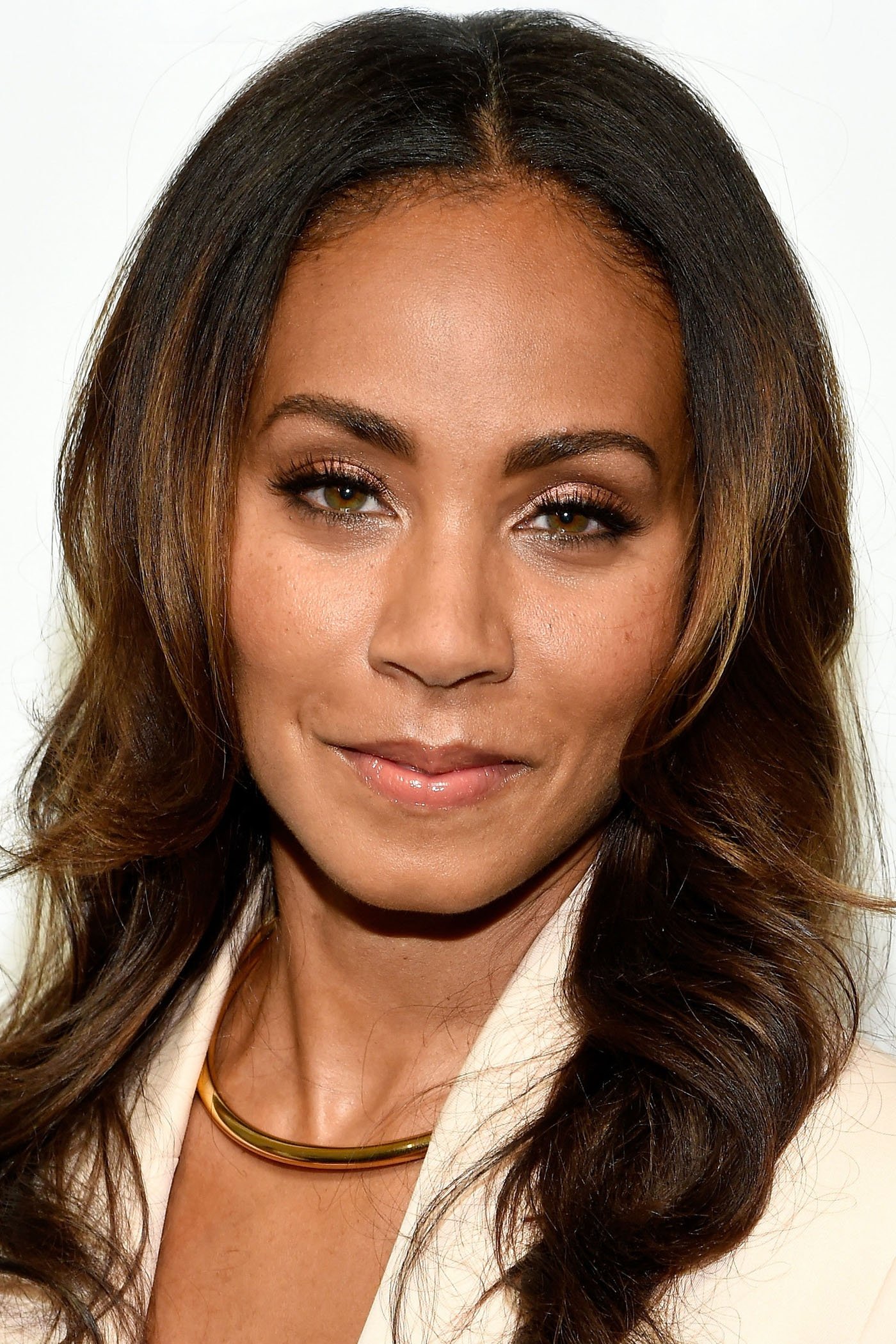
After the March 2022 Oscars altercation, Pinkett Smith became a focal point of online scrutiny across Twitter/X, TikTok, and Instagram. Clips from ‘Red Table Talk’ and later promotion for her 2023 memoir circulated with out-of-context edits that drew polarized commentary. Hashtags linking relationship timelines and show segments trended intermittently. Public statements from the family and show accounts fueled recurring discussion cycles.
Viola Davis
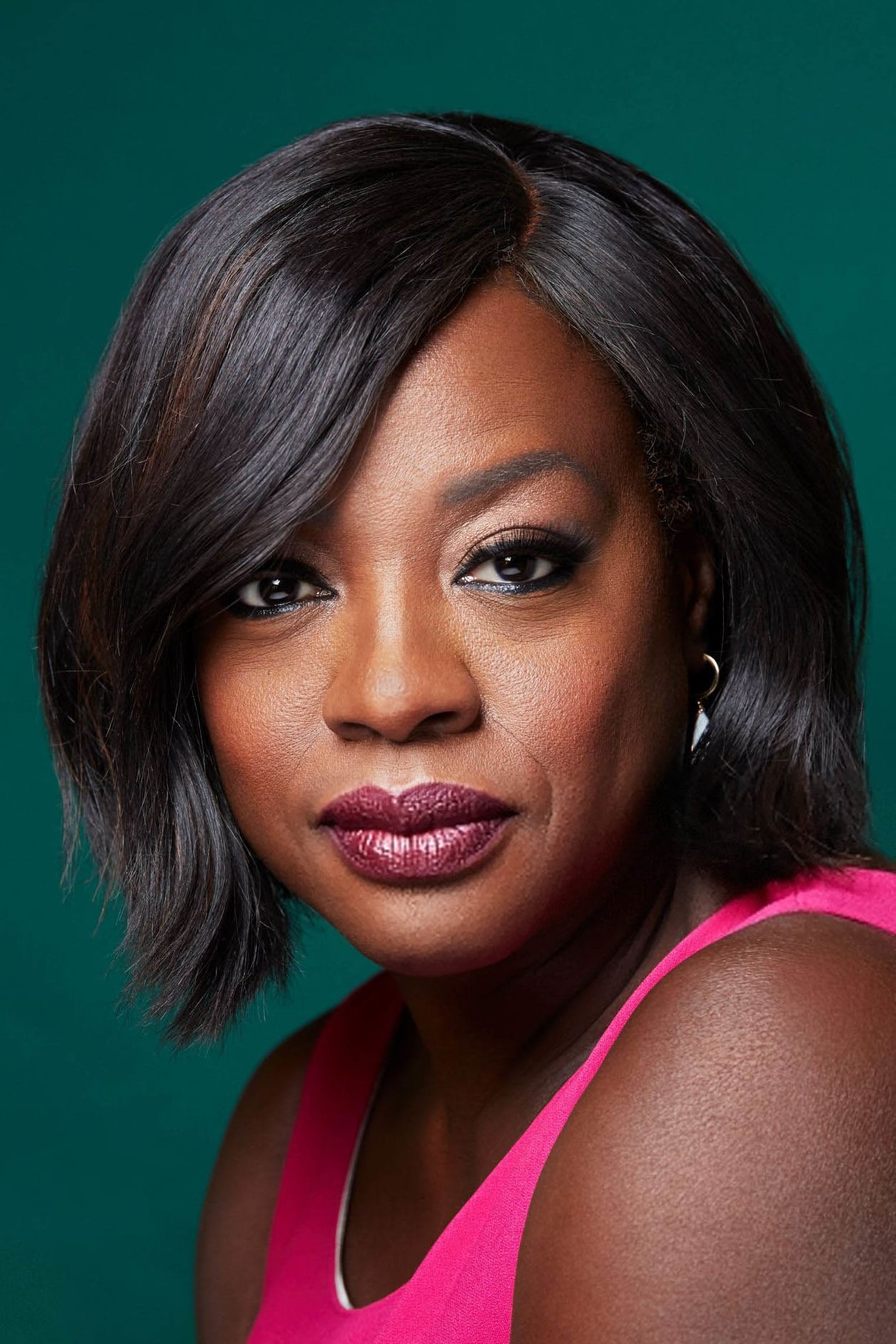
In September 2022, ‘The Woman King’ prompted debates on Twitter/X about historical framing and the Dahomey Empire’s role in the slave trade. Threads contrasted the film’s narrative with academic sources and news explainers, generating high-engagement quote-tweets. The filmmakers addressed the discourse in press junkets and Q&As that were widely clipped online. The conversation continued through think-pieces and video essays shared on YouTube and TikTok.
Amandla Stenberg
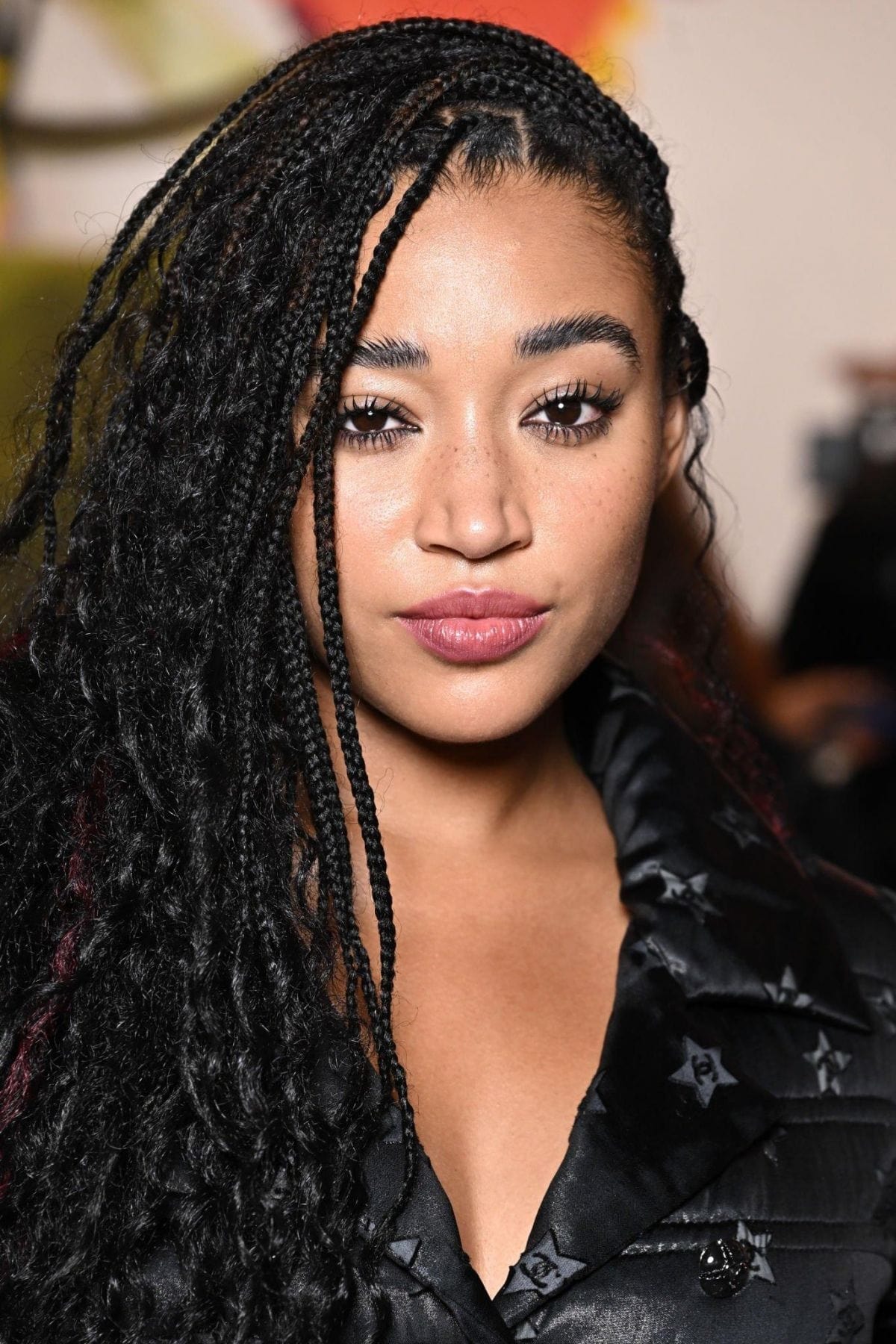
Stenberg faced racist backlash on Twitter in 2012 after being cast as Rue in ‘The Hunger Games’. Users circulated posts disputing the character’s description despite the text supporting a Black portrayal. News coverage aggregated tweets and highlighted fandom gatekeeping. The episode became an early case study in how casting sparks racially charged reactions online.
Keke Palmer
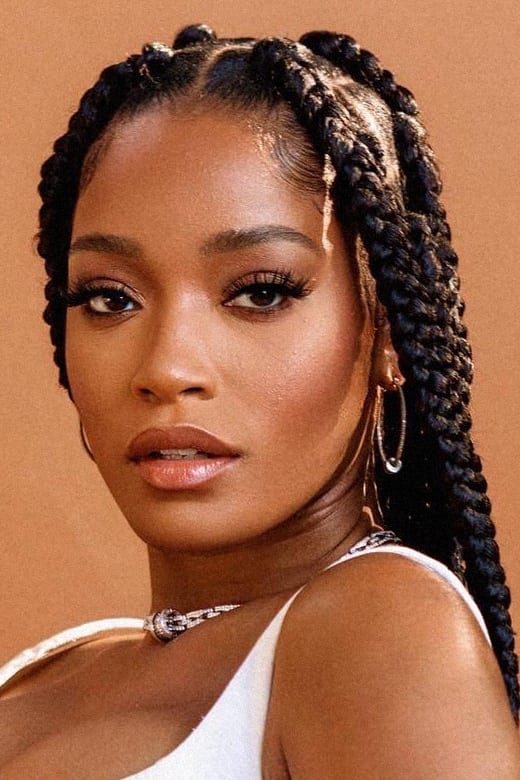
In July 2023, a viral video from an Usher concert led to public criticism after a tweet from Palmer’s then-partner framed her outfit as inappropriate. The exchange triggered widespread commentary on Twitter/X, Instagram, and TikTok about relationship boundaries and public shaming. Palmer’s music video ‘Boyfriend’ became part of the discourse as users debated subtext. Memes, stitches, and reaction videos extended the conversation for weeks.
Chloe Bailey
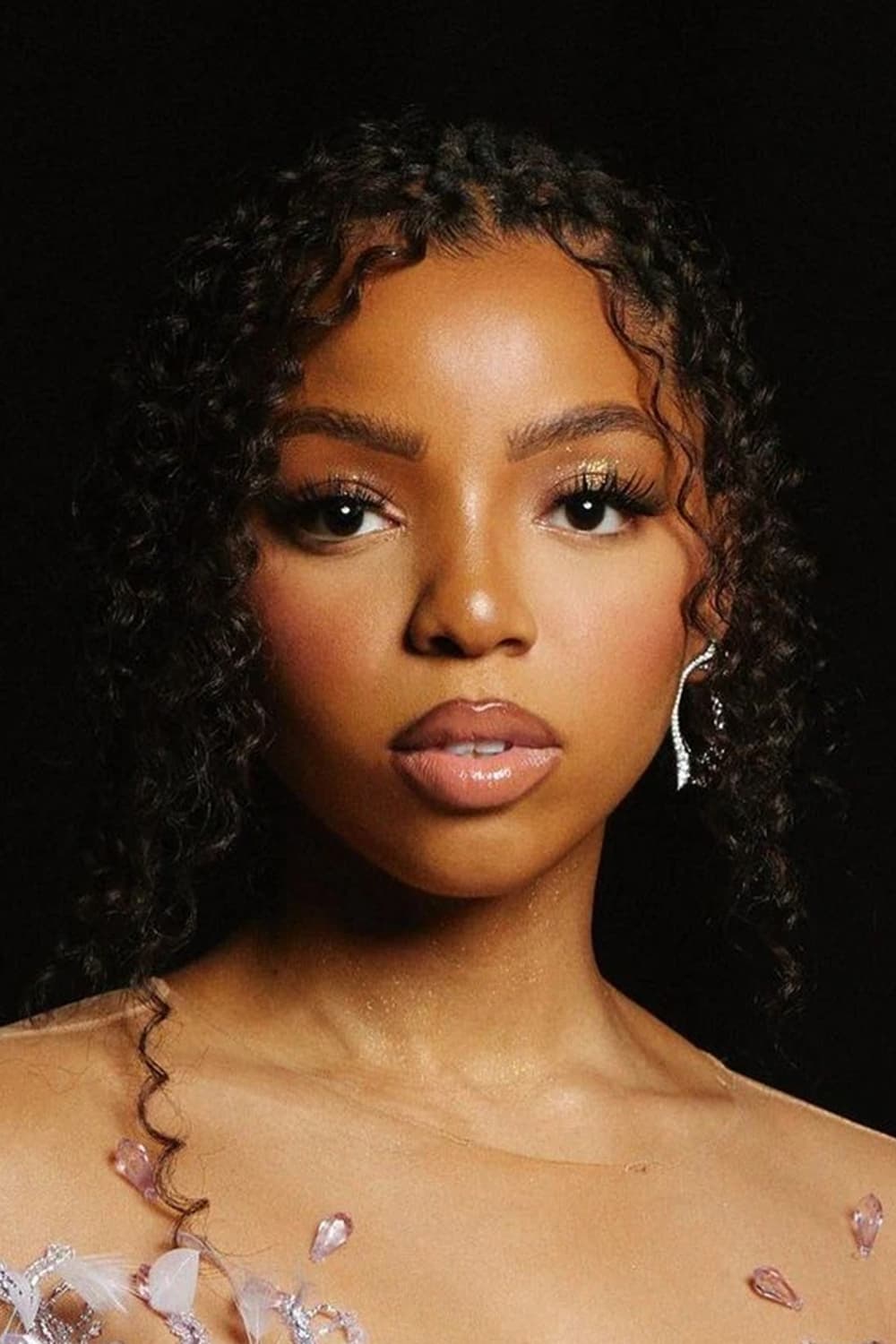
Bailey’s sex scene in ‘Swarm’ drew intense debate in March 2023 across Twitter/X and TikTok, with users arguing over creative choices and industry pressures. Clips circulated out of context, amplifying criticism and speculation. She addressed the reaction in interviews that were quickly chopped into short-form content. Instagram comments and YouTube panels continued to revisit the topic with each new release.
Storm Reid
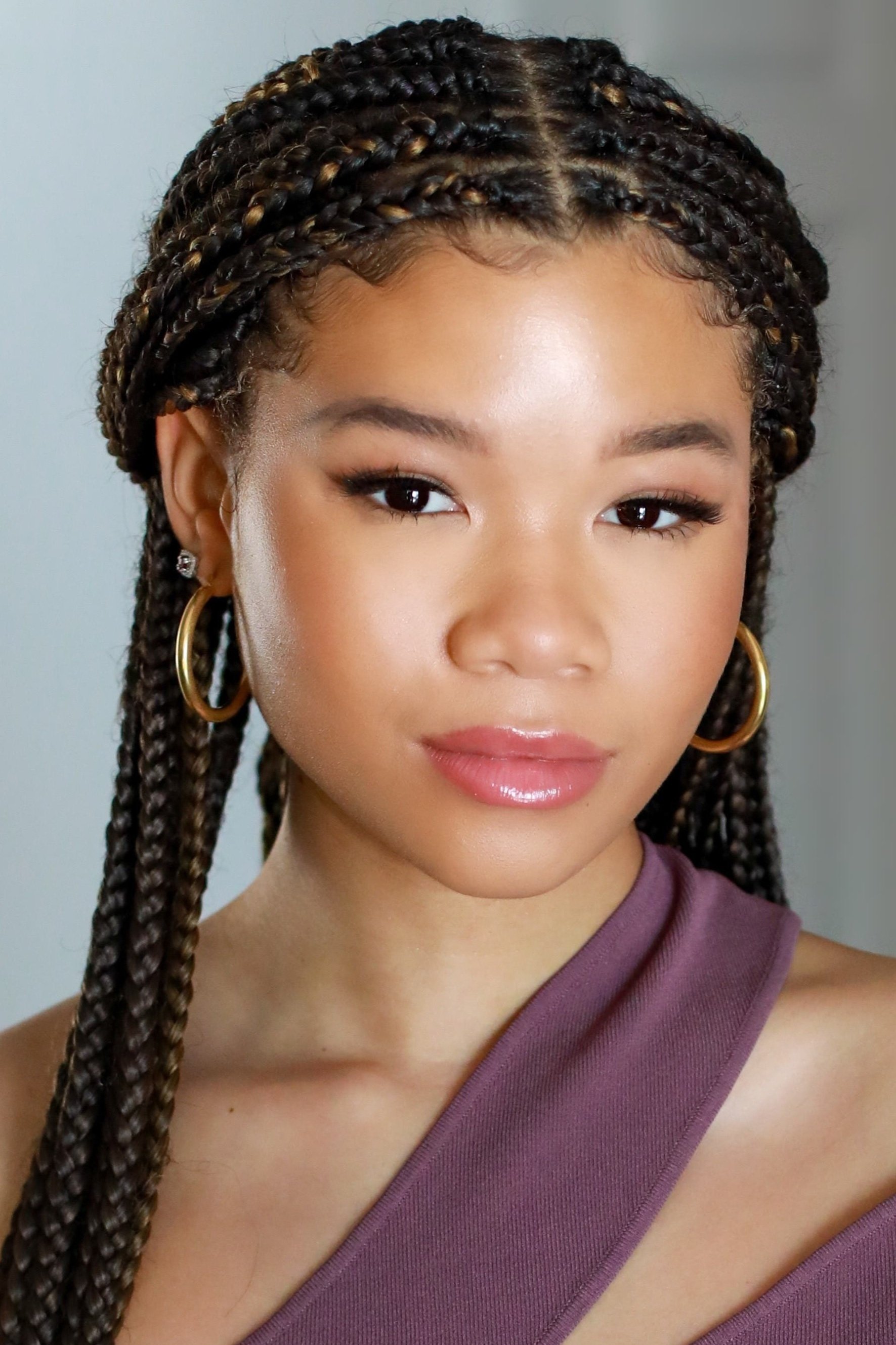
Reid’s appearance in ‘The Last of Us’ Episode 7 (released 2023) prompted homophobic and racist messages on Twitter/X and YouTube comments. She publicly acknowledged the backlash and emphasized support for inclusive storytelling. HBO’s promotional accounts elevated positive fan responses alongside critical discussion. The episode’s clip compilations and creator breakdowns kept the topic trending.
Halle Berry
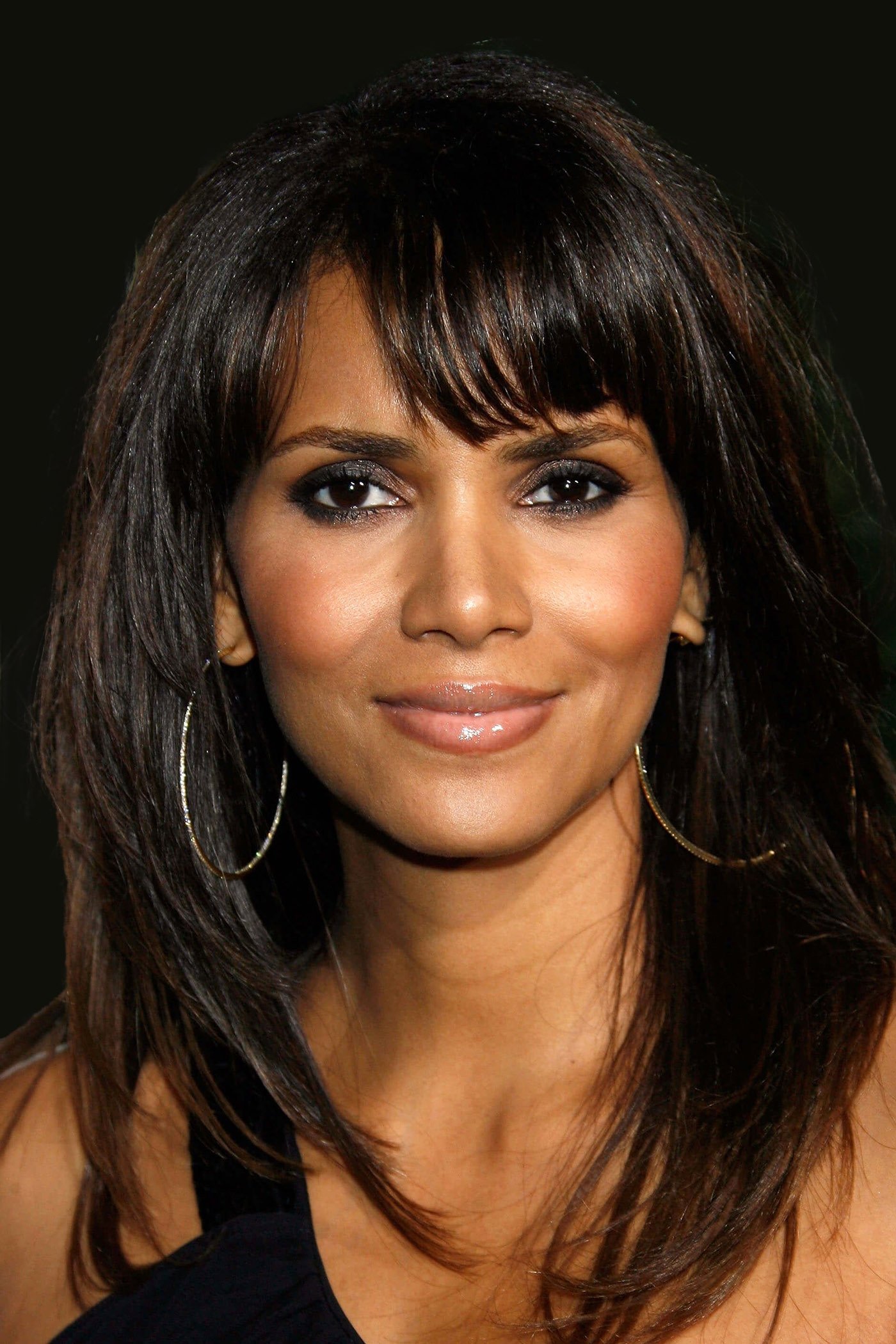
In July 2020, Berry told Instagram Live viewers she was considering a role as a transgender man, prompting immediate criticism from LGBTQ+ advocates online. Within days she apologized and stated she would no longer pursue the part. Her statement was widely shared on Twitter/X and picked up by entertainment outlets’ social feeds. The incident became a recurring reference point in casting debates.
Zoe Saldaña
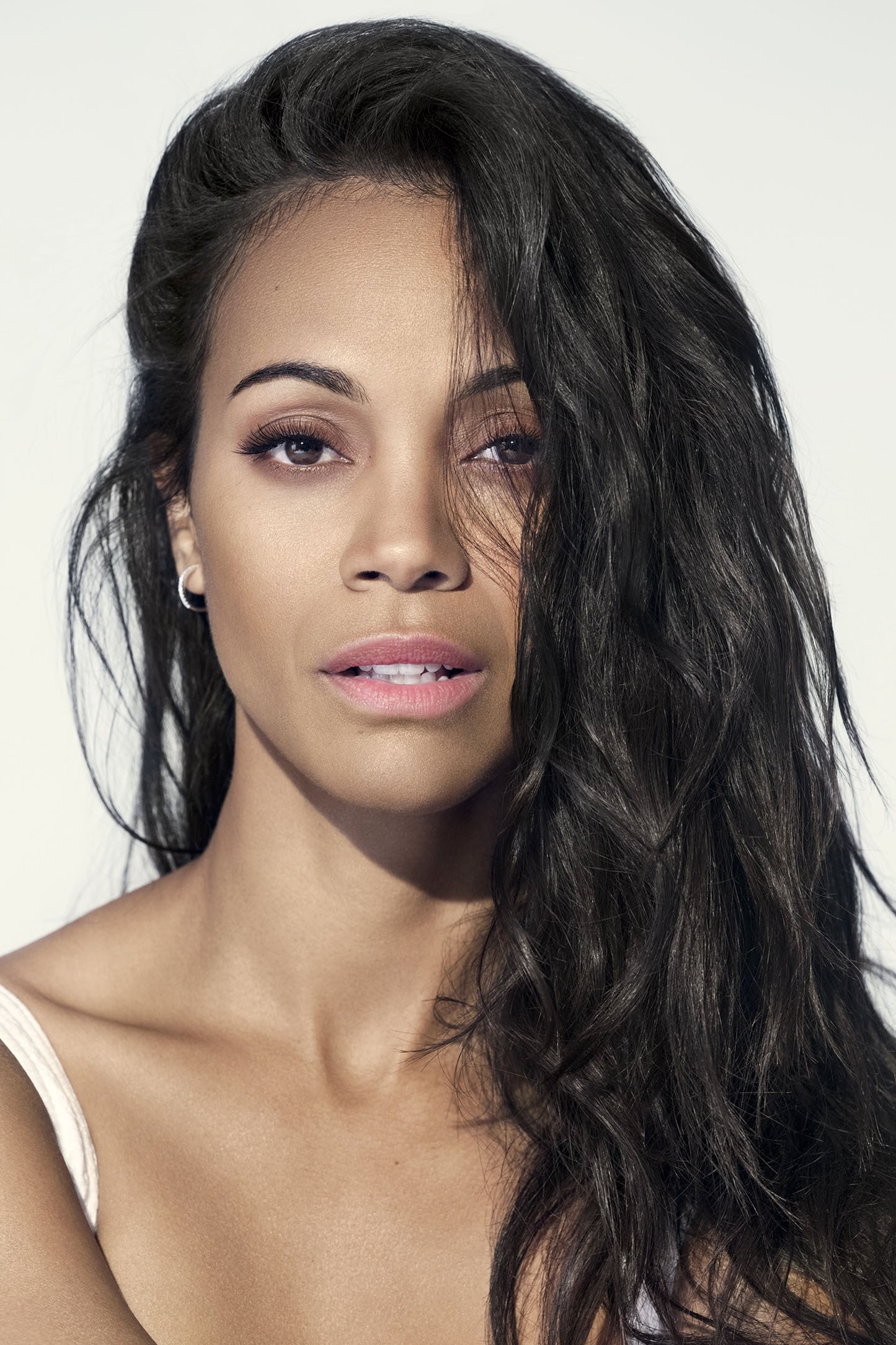
Saldaña’s portrayal of Nina Simone in the 2016 biopic drew sustained social media criticism over colorism, prosthetics, and voice choices. Hashtags and threads on Twitter/X and Facebook questioned the production’s decisions. Advocacy groups and fans shared side-by-side images and archival clips to argue misrepresentation. Years later, clips of interviews revisiting the role continue to recirculate during casting debates.
Zoë Kravitz
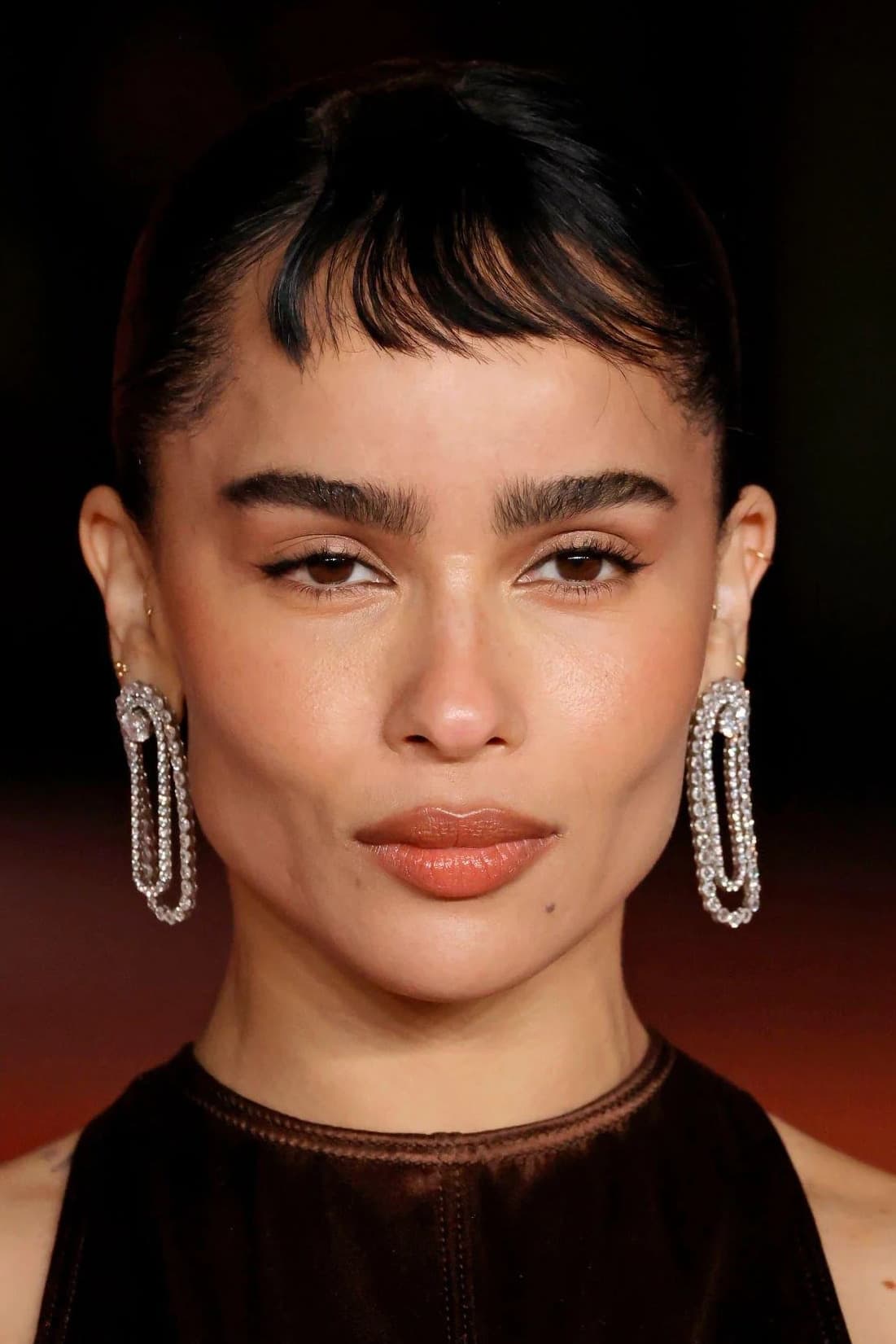
In March 2022, after posting comments critical of the Oscars incident, Kravitz faced waves of backlash in her Instagram comments and quote-tweets on Twitter/X. Users resurfaced old red-carpet photos and interviews to challenge her stance. Engagement spiked as posts were screen-captured and shared across platforms. She limited comments at points while the cycle cooled and reignited with each new promotional appearance.
Share your thoughts below: which examples do you think changed how studios, platforms, or fans handle these online storms today?