The Most Criticized Black Actors on Social Media

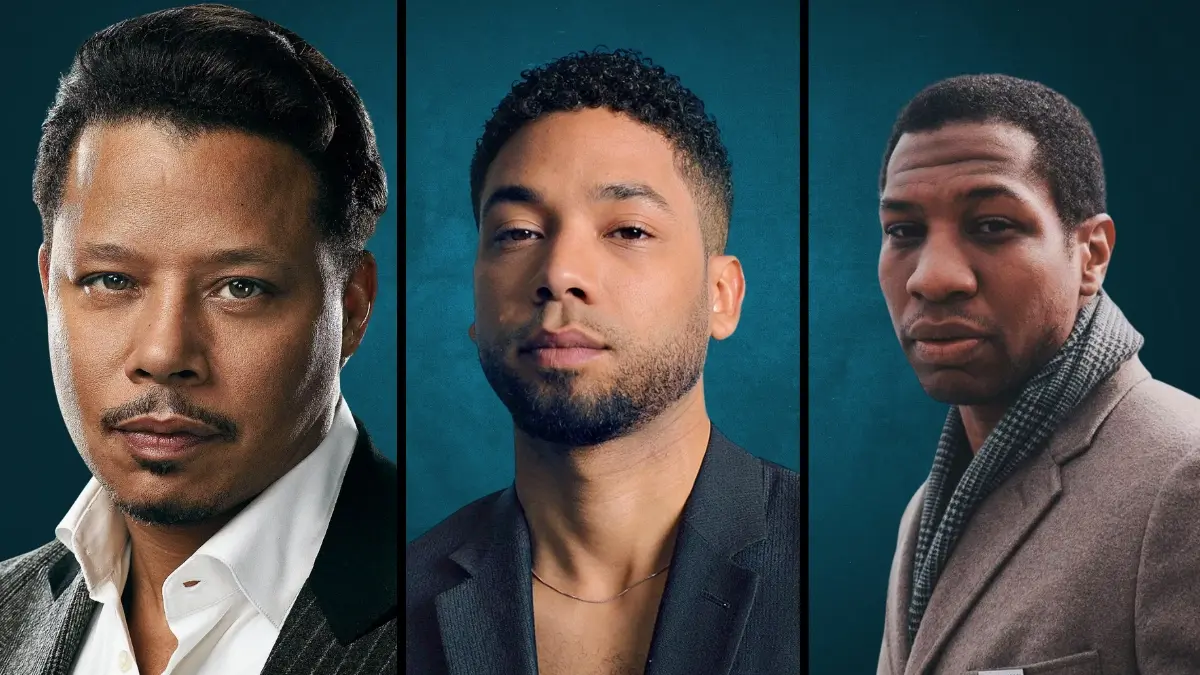

Social platforms can turn film news and personal headlines into nonstop debate, and a handful of male Black actors often find themselves at the center of that conversation. Below are notable names who regularly spark large waves of online criticism—usually tied to specific incidents, public statements, high-profile roles, or industry decisions that fans and commenters pick apart in real time.
Will Smith
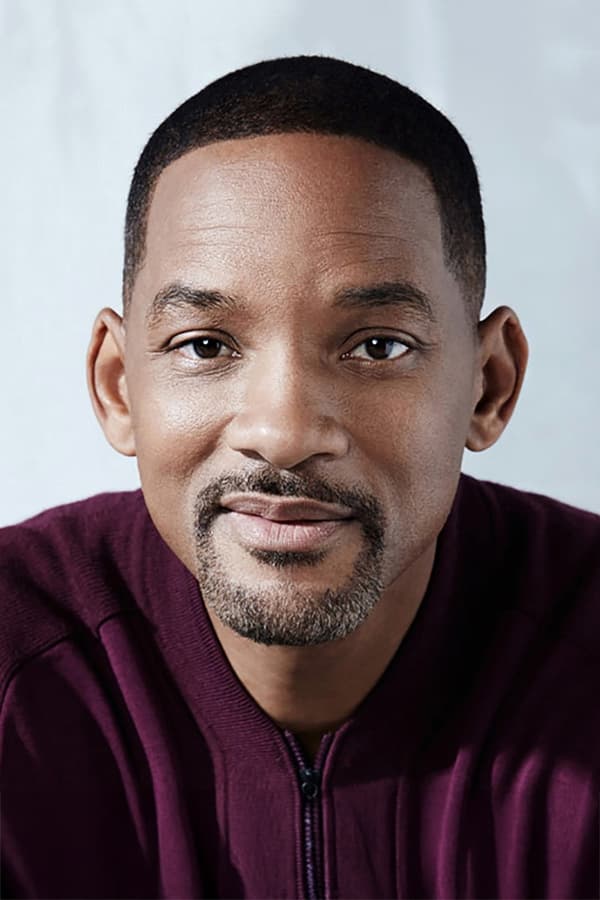
Smith’s on-stage incident at the Academy Awards led to sustained social media backlash, with millions of posts dissecting the moment, its aftermath, and the Academy’s disciplinary actions. Discussions frequently resurface whenever he promotes new projects, as users revisit timelines, apologies, and career consequences. Commenters also argue over how the episode affected collaborators and award shows more broadly. Engagement spikes around any red-carpet appearance or interview that references accountability and professional rehabilitation.
Jonathan Majors
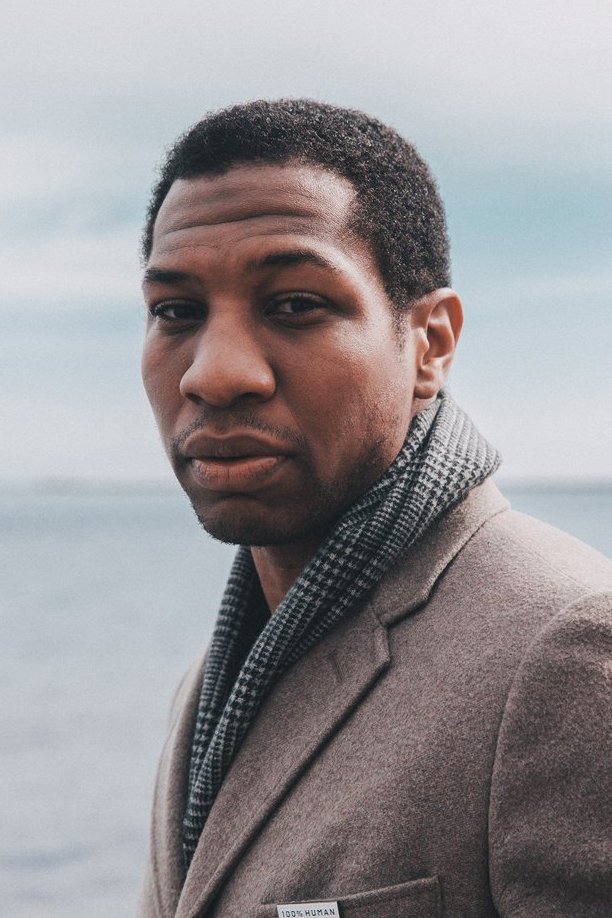
Majors’ legal case generated intense online scrutiny that extended far beyond the courtroom, fueling debates about casting, studio decisions, and consequences for ongoing franchises. Social media threads track each development—verdicts, sentencing terms, industry responses—and how they affect release plans. Fans and critics parse official statements from studios and legal teams, often comparing the case to other high-profile controversies. The discourse typically flares around trailer drops, award-season chatter, or contract news.
Jussie Smollett
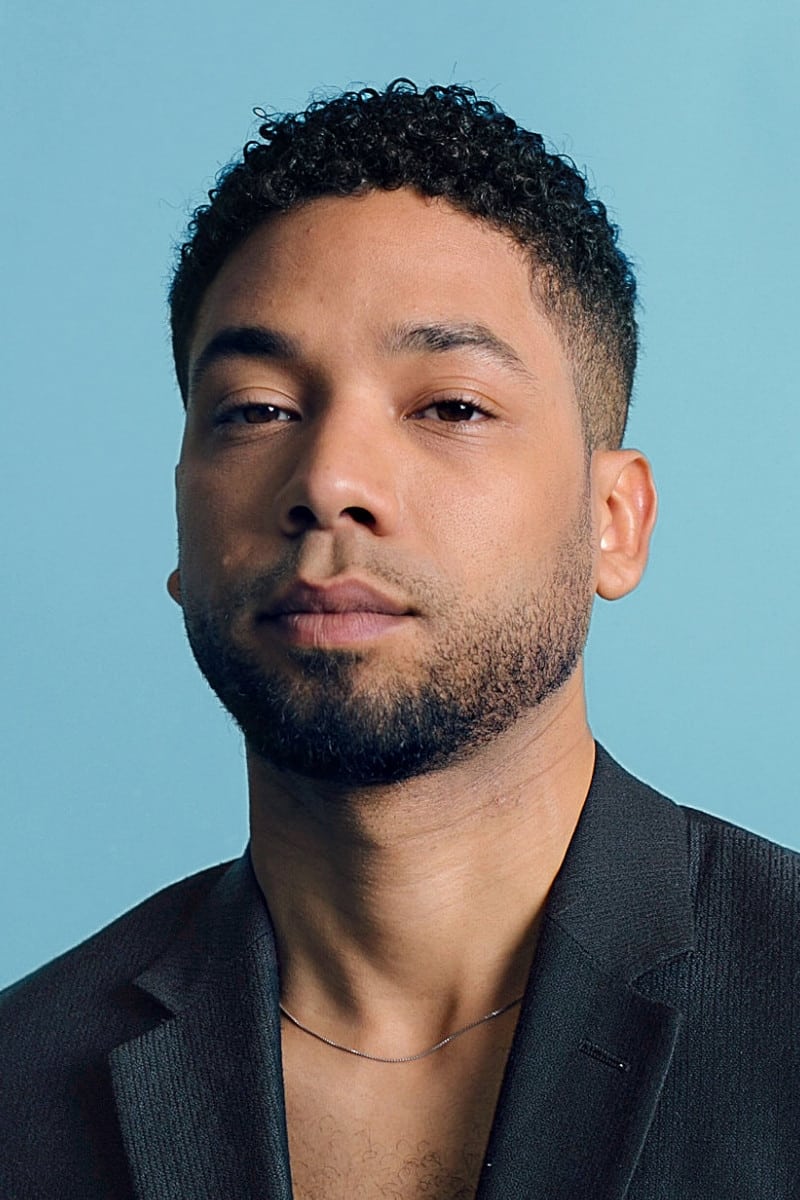
After authorities accused Smollett of staging a hoax and court proceedings followed, social media became a running archive of documents, filings, and reactions. Commenters continually revisit police reports, defense arguments, and appellate updates, turning each legal milestone into trending topics. Platforms also analyze how the case impacted his role on television and future opportunities. Hashtags reappear whenever there’s a ruling or a filing that changes his legal status.
Kevin Hart
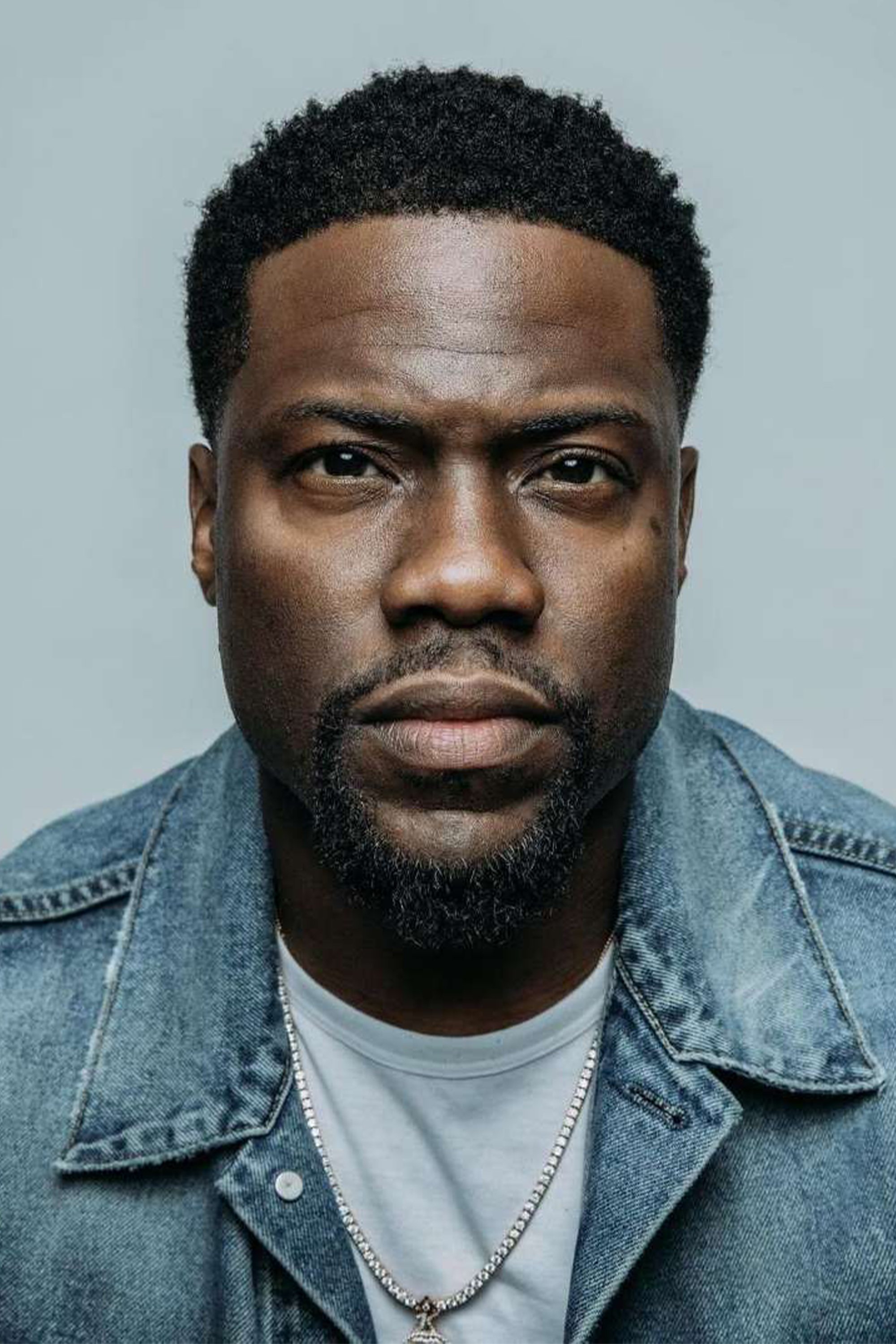
Old tweets and stand-up material resurfaced during a major hosting announcement, prompting extensive backlash and a highly publicized decision to step away from the gig. Online debate centers on accountability, apologies, and whether past jokes should impact present opportunities. Each new project announcement rekindles threads comparing responses from studios, organizers, and fans. Social media timelines often compile interviews and podcast comments to assess how his stance has evolved.
Nick Cannon
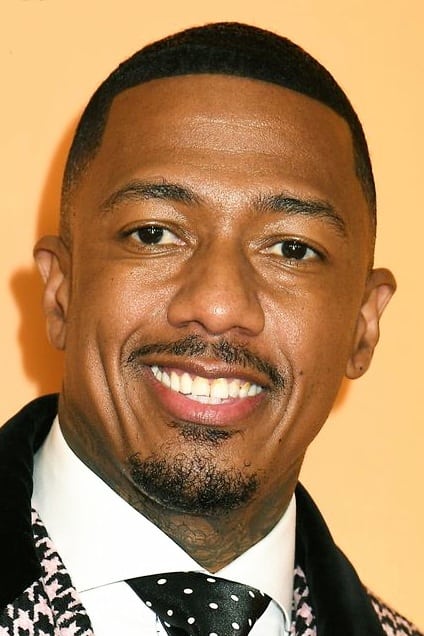
Cannon faced significant criticism after remarks on a podcast drew condemnation from networks and audiences, leading to corporate fallout and later reconciliation efforts. Users analyze the wording of apologies, meeting summaries with community leaders, and changes to affiliated shows. Threads track how advertisers and partners responded before and after corrective steps. Renewed attention arrives with each season premiere, casting update, or public statement about learning and repair.
Tyler Perry
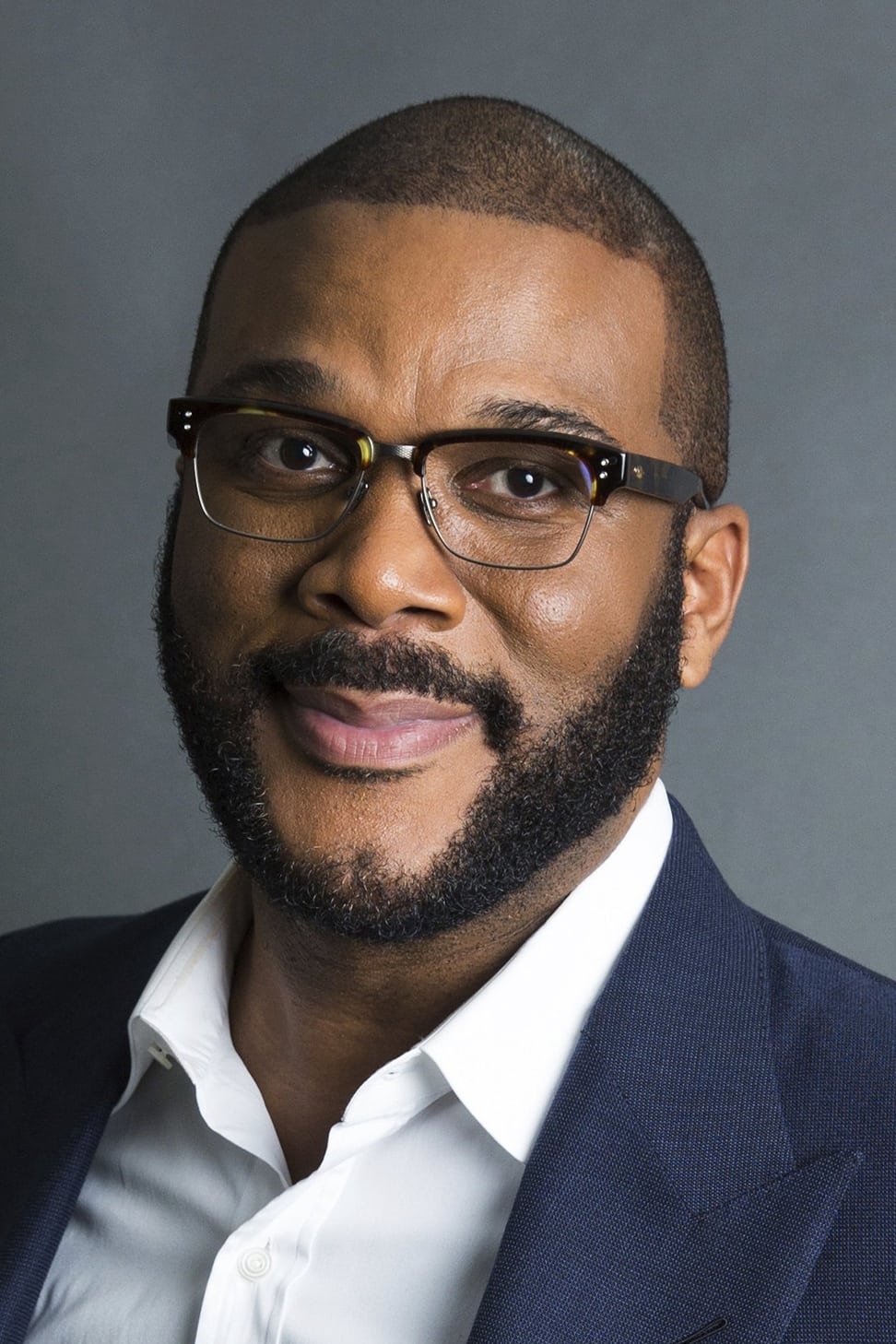
Perry’s business model—writing, directing, and producing at speed—triggers recurring debates about quality control, representation, and industry gatekeeping. Social media discourse frequently contrasts commercial success with critical reception, citing production timelines and writers-room choices. Users also dissect the portrayal of relationships and family dynamics across his films and series. The conversation intensifies around new platform deals, studio expansions, or ratings milestones.
John Boyega
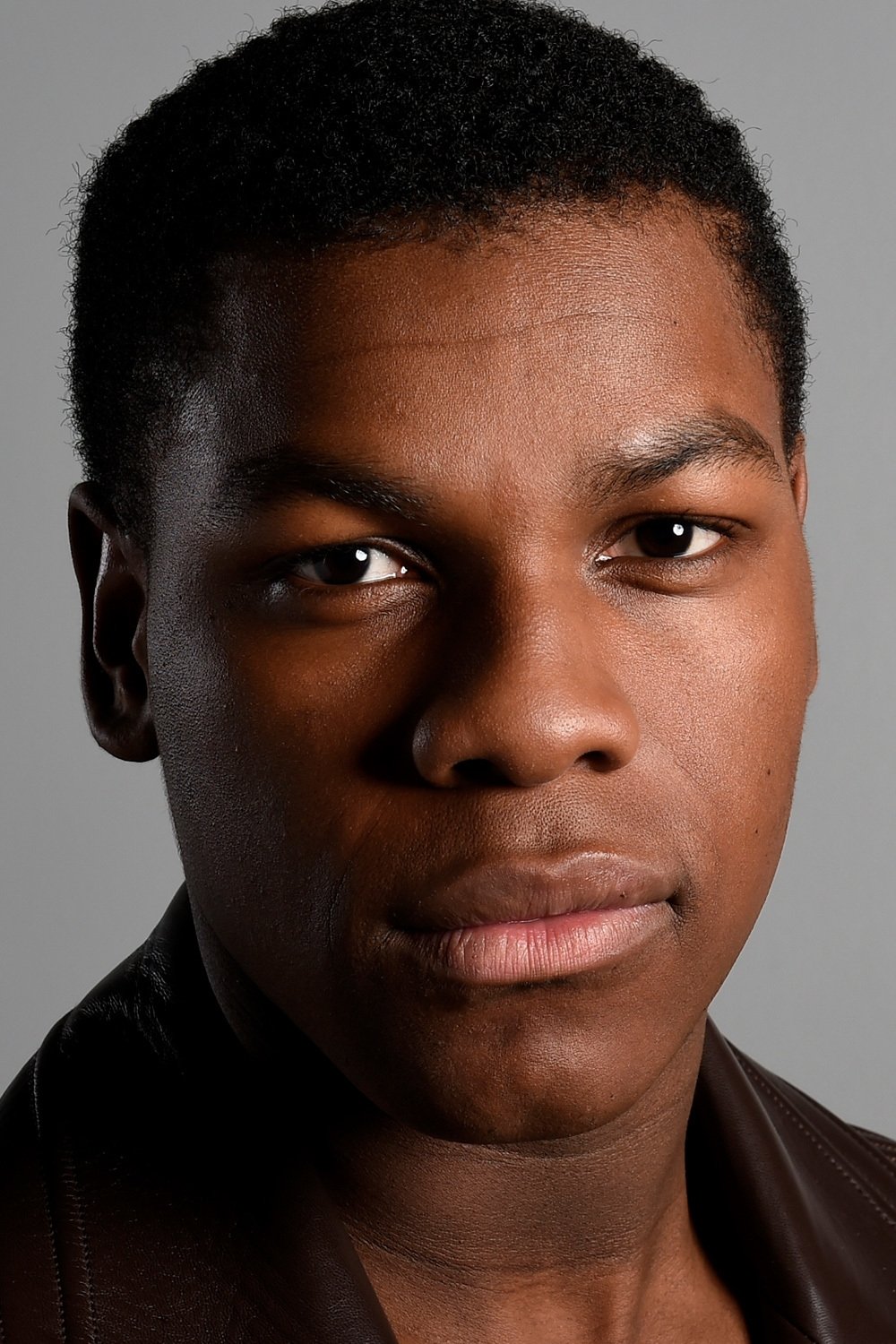
Boyega’s franchise tenure made him a focal point for both support and criticism, including heated threads about character development and marketing decisions. He’s also been vocal about industry treatment, which sparked polarized reactions across platforms. Fans compile interview clips and convention panels to map how studio strategies evolved. Online discussions often broaden into conversations about diversity in blockbuster storytelling.
Jamie Foxx
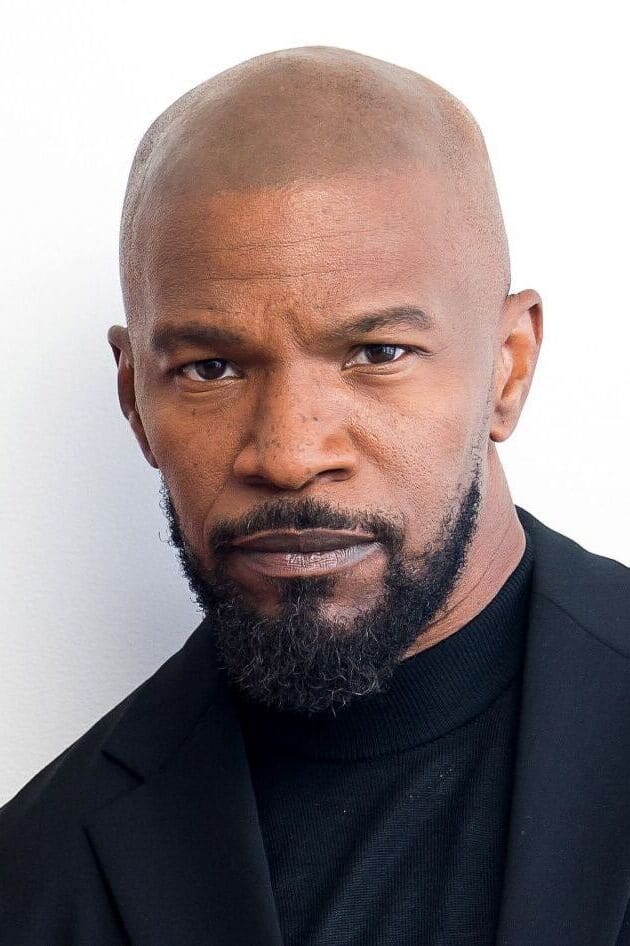
A cryptic social post and the interpretations that followed drew intense online reactions, leading to clarifications and public statements intended to address offense. Commenters debated intent, historical context, and the responsibilities of celebrities on large platforms. Timelines aggregated the post, the apology, and third-party commentary to assess impact. The discussion reignites around press tours, music releases, or interviews referencing the incident.
Ice Cube
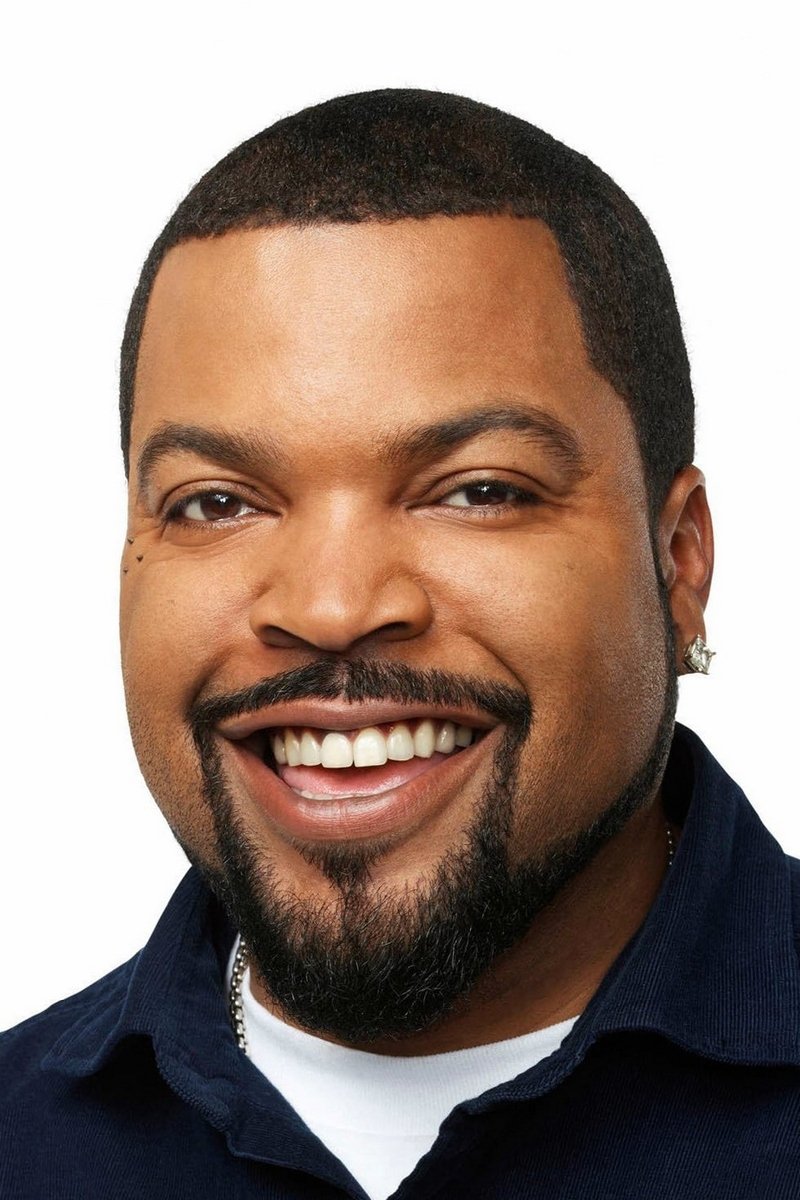
Cube’s meetings and policy discussions with political figures sparked waves of criticism and defense, with users parsing documents, proposals, and timing. Social media threads catalogued interviews where he explained his approach, contrasting them with public reactions from artists and commentators. Debates often focus on whether engagement equaled endorsement and how it affected entertainment partnerships. His film announcements frequently reopen these conversations.
Tyrese Gibson
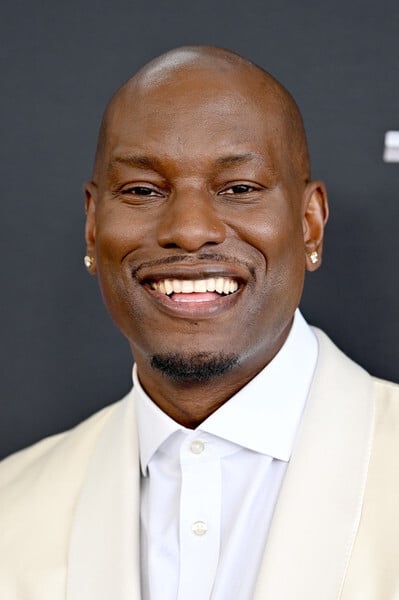
Gibson’s personal posts during franchise negotiations and family disputes regularly became viral talking points, drawing both empathy and criticism. Commenters reference screenshots, livestreams, and deleted captions to reconstruct timelines. Discussions also track how those posts intersected with release schedules and co-star relations. Each new album, film update, or courtroom development tends to revive the discourse.
Terrence Howard
Howard’s unconventional public claims about mathematics and physics travel quickly across platforms, inspiring threads that critique or mock the theories. Users share clips, presentations, and diagrams while debating credibility. The chatter often contrasts his acclaimed acting roles with the reception to his scientific assertions. Engagement surges when he appears at conferences or releases new videos outlining the ideas.
Columbus Short
Short’s off-screen legal troubles and employment changes prompted extensive online commentary about accountability and career fallout. Social media timelines aggregate arrest records, court updates, and employer statements to explain casting consequences. Discussions frequently revisit how specific incidents affected ensemble productions. Renewed attention typically arrives with interviews addressing past behavior or announcing new roles.
Idris Elba
Elba’s remarks about labels in the industry led to polarized threads analyzing identity, marketing, and press framing. Users debated headlines versus full-context quotes, often sharing complete transcripts to clarify intent. The discussion broadened into how actors navigate categorization while pursuing mainstream roles. Surges in engagement appear around magazine profiles, podcast appearances, and franchise casting rumors.
Michael B. Jordan
Jordan’s business moves—brand ventures, directing choices, and franchise leadership—spark cyclical debates about creative control and on-screen results. Social media users scrutinize training regimens, fight choreography realism, and production partnerships. Threads also track how his roles influence future casting opportunities for co-stars. Trailer drops and box-office reports typically trigger the largest waves of commentary.
Daniel Kaluuya
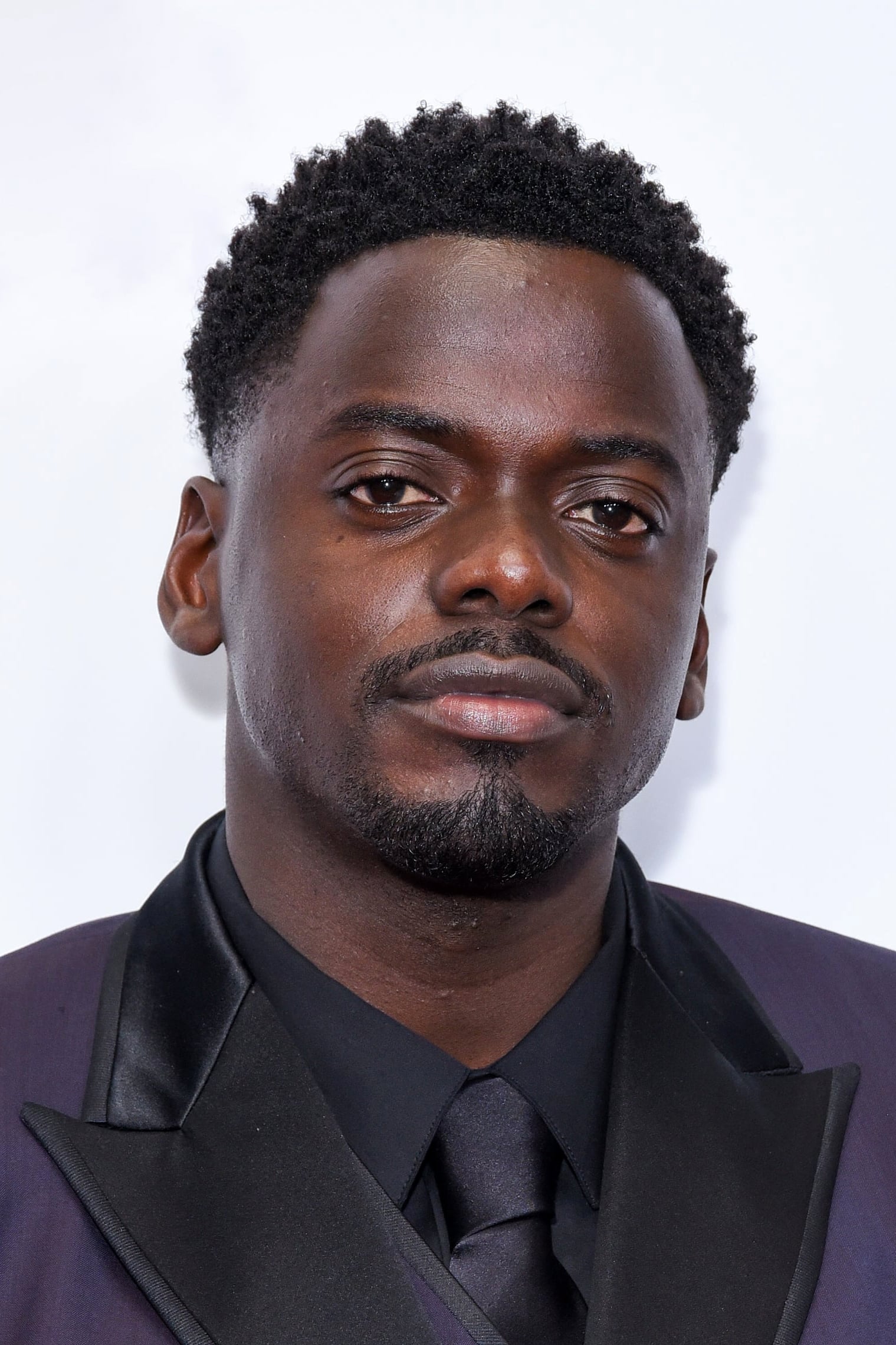
Kaluuya’s selective press presence and unconventional production choices invite ongoing speculation and critique from film Twitter and Reddit communities. Users analyze interviews, award-season participation, and collaborations with auteur directors. Debates center on project pacing, genre pivots, and on-screen accents. Buzz ramps up with each festival premiere or surprise casting announcement.
Lakeith Stanfield
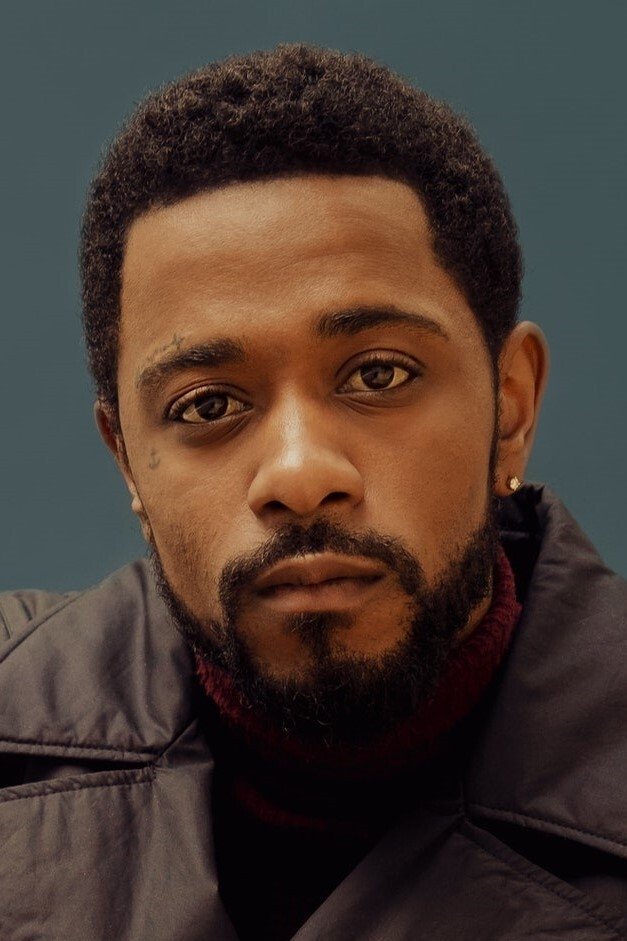
Stanfield’s social media presence and candid interviews occasionally provoke backlash, leading to cycles of clarification and renewed debate. Commenters share full clips to compare context with pull-quotes. Discussions also consider his preference for boundary-pushing roles and how that shapes public reception. Engagement spikes with each provocative indie release or series debut.
Taye Diggs
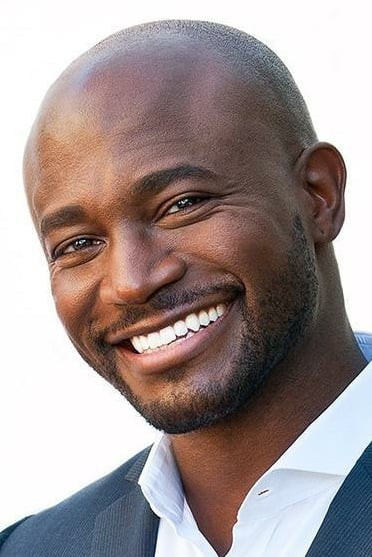
Diggs has periodically drawn criticism over comments about dating, culture, and casting, which social media amplifies into broader discussions. Users contrast off-the-cuff remarks with later clarifications or apologies. Threads often weigh his long television tenure against public perception shaped by viral clips. New show announcements or podcast spots tend to reignite the exchanges.
Share your thoughts below: who do you think faces the fiercest online scrutiny today, and why?