20 Actresses Who Won’t Do Method Acting

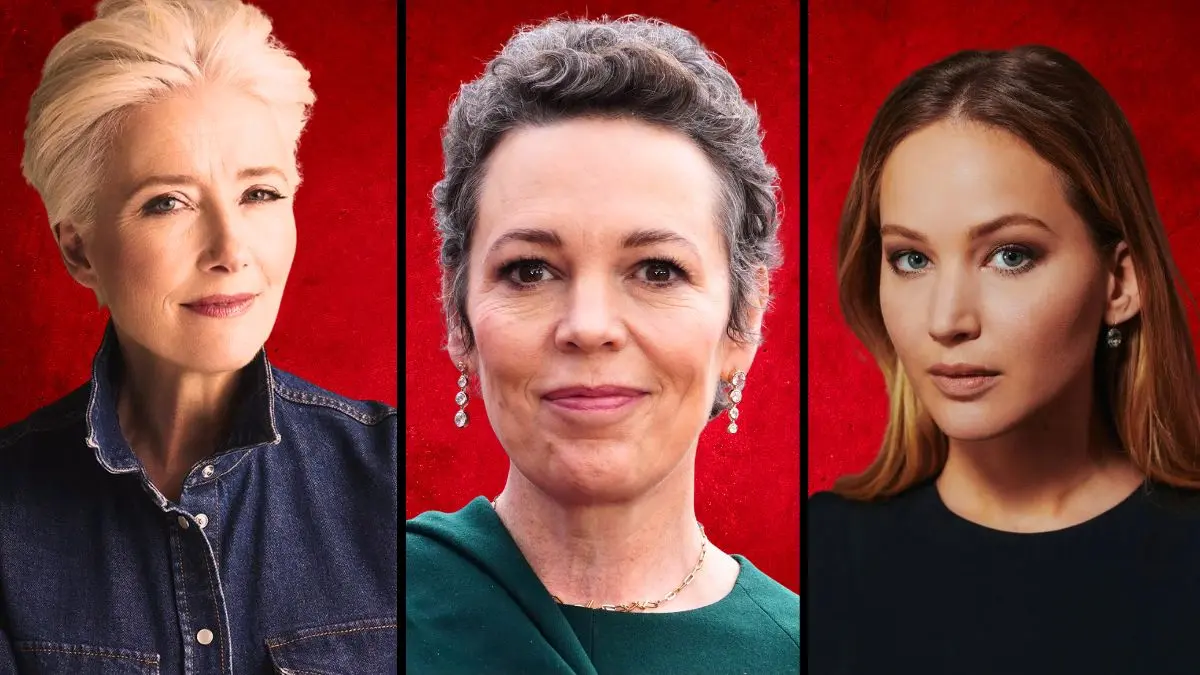

Some performers swear by staying in character around the clock, but plenty of top actresses prefer clear boundaries, rehearsal, and research over method-style immersion. The women below have spoken skeptically about—or simply work outside of—method routines like never breaking character, choosing instead to rely on technique, collaboration with directors and coaches, and well-defined on-set etiquette that keeps work and life separate.
Emma Thompson
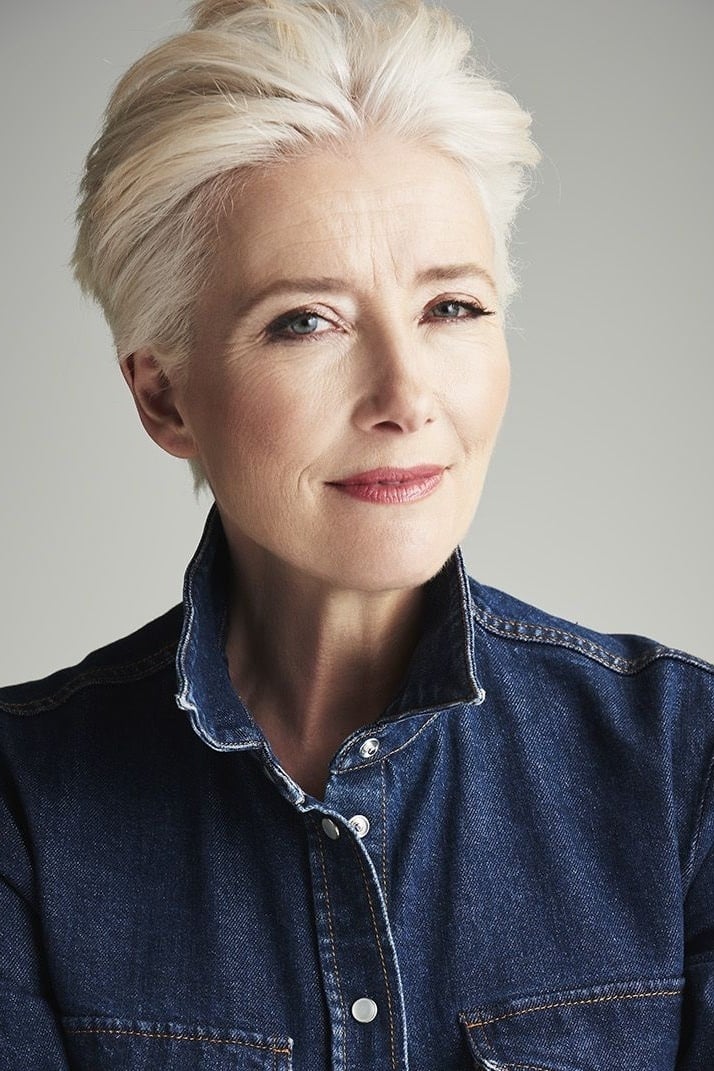
A classically trained performer who came up through Cambridge Footlights and British theatre, Emma Thompson emphasizes script analysis, table work, and rehearsal rather than remaining in character off set. She’s known for extensive literary research on period pieces, building performances from voice, text, and rhythm. Thompson often credits ensemble chemistry and clear communication with directors as the foundation of her process. She has described acting as craft—something to be prepared for and then put away at the end of the day.
Olivia Colman

Olivia Colman builds roles through instinct, careful script work, and a strong partnership with directors, not through round-the-clock immersion. She’s spoken about taking the job seriously while refusing to take herself too seriously, keeping sets relaxed and collaborative. Colman favors rehearsals, dialect work when needed, and quick transitions in and out of scenes. Between takes, she drops the character to reset, then snaps back when the camera rolls.
Cate Blanchett
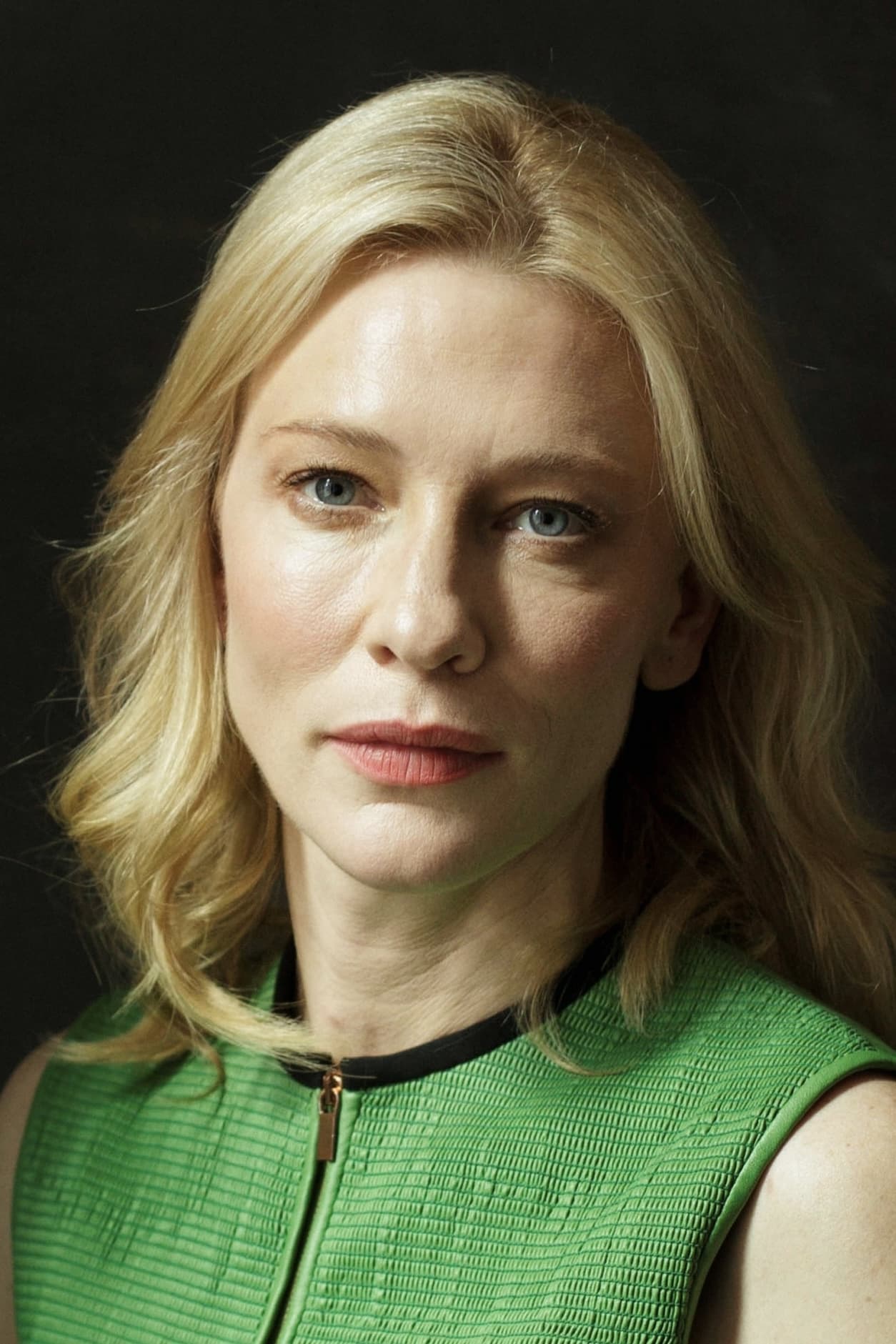
Cate Blanchett has repeatedly framed her approach around imagination and play, avoiding the off-camera role-living associated with method acting. She prioritizes dramaturgy, physical and vocal preparation, and rigorous rehearsal room exploration. Blanchett treats performance as a repeatable craft: build the scaffolding, then let spontaneity happen inside it. Once a scene ends, she returns to baseline so the company can recalibrate for the next setup.
Emily Blunt
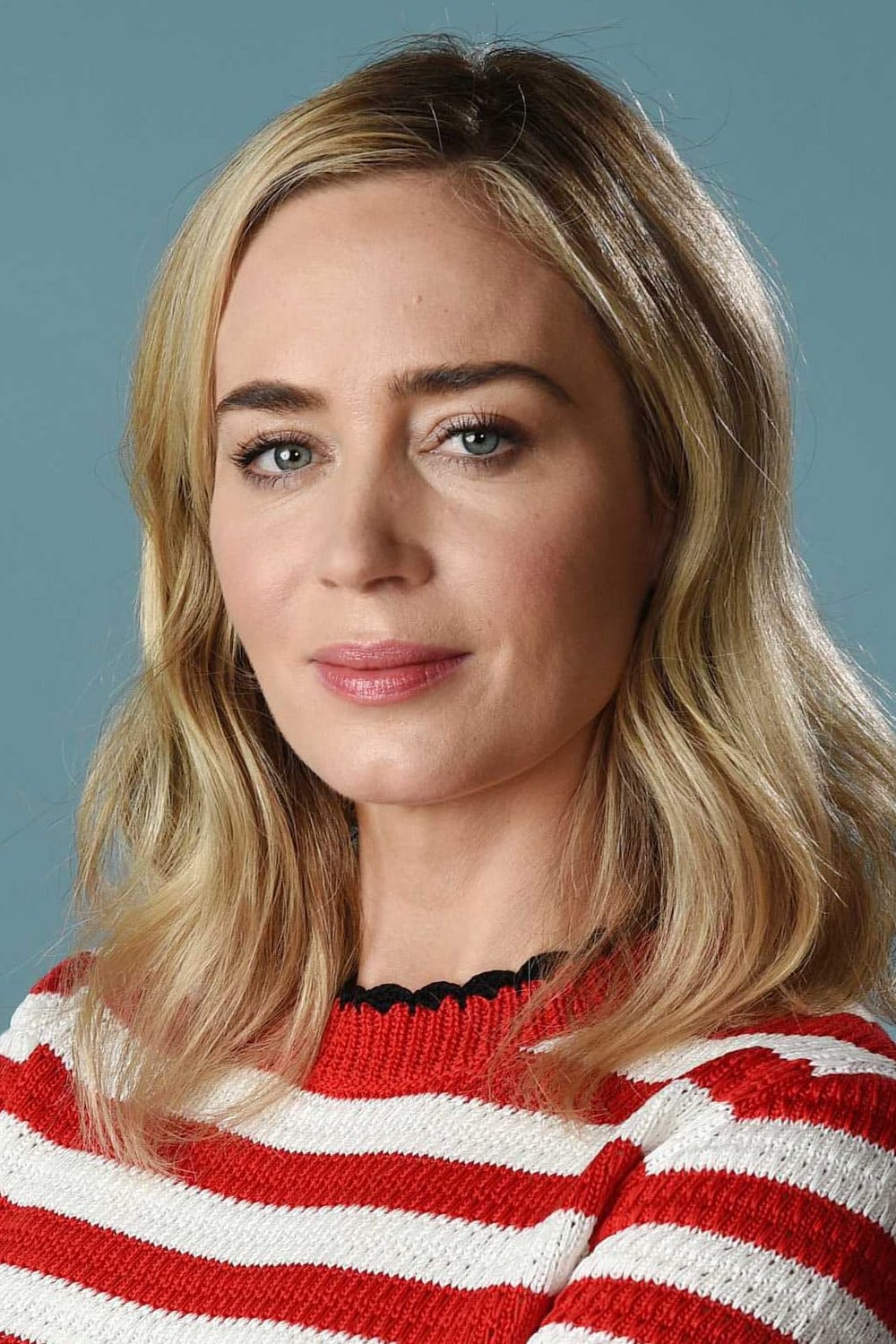
Emily Blunt has said she doesn’t subscribe to staying in character, preferring disciplined prep—accent coaching, movement, and scene study—to keep performances precise. She focuses on listening and responsiveness to scene partners rather than carrying a persona between takes. Blunt’s process is pragmatic: do the research, rehearse efficiently, and protect the tone on set with professionalism. When the director calls cut, she resets to conserve energy for later scenes.
Elizabeth Olsen

Elizabeth Olsen avoids never-breaking-character approaches and has expressed that courtesy and openness on set matter more than performative intensity. She leans on rehearsal, stunt and movement training, and vocal work to construct roles. Olsen treats difficult emotional beats as moments to enter and exit safely, using breath and technique to land them consistently. She keeps boundaries clear so the crew can maintain a healthy working environment.
Florence Pugh

After experiencing the toll of hyper-immersive work early on, Florence Pugh has spoken about building healthier guardrails in her process. She favors preparation—research, dialect, and movement—then compartmentalizes so she can leave the character at wrap. Pugh uses music, breath, and quick mental resets to avoid carrying heavy scenes off set. Her approach underscores that sustainable craft can coexist with raw, affecting performances.
Jennifer Lawrence
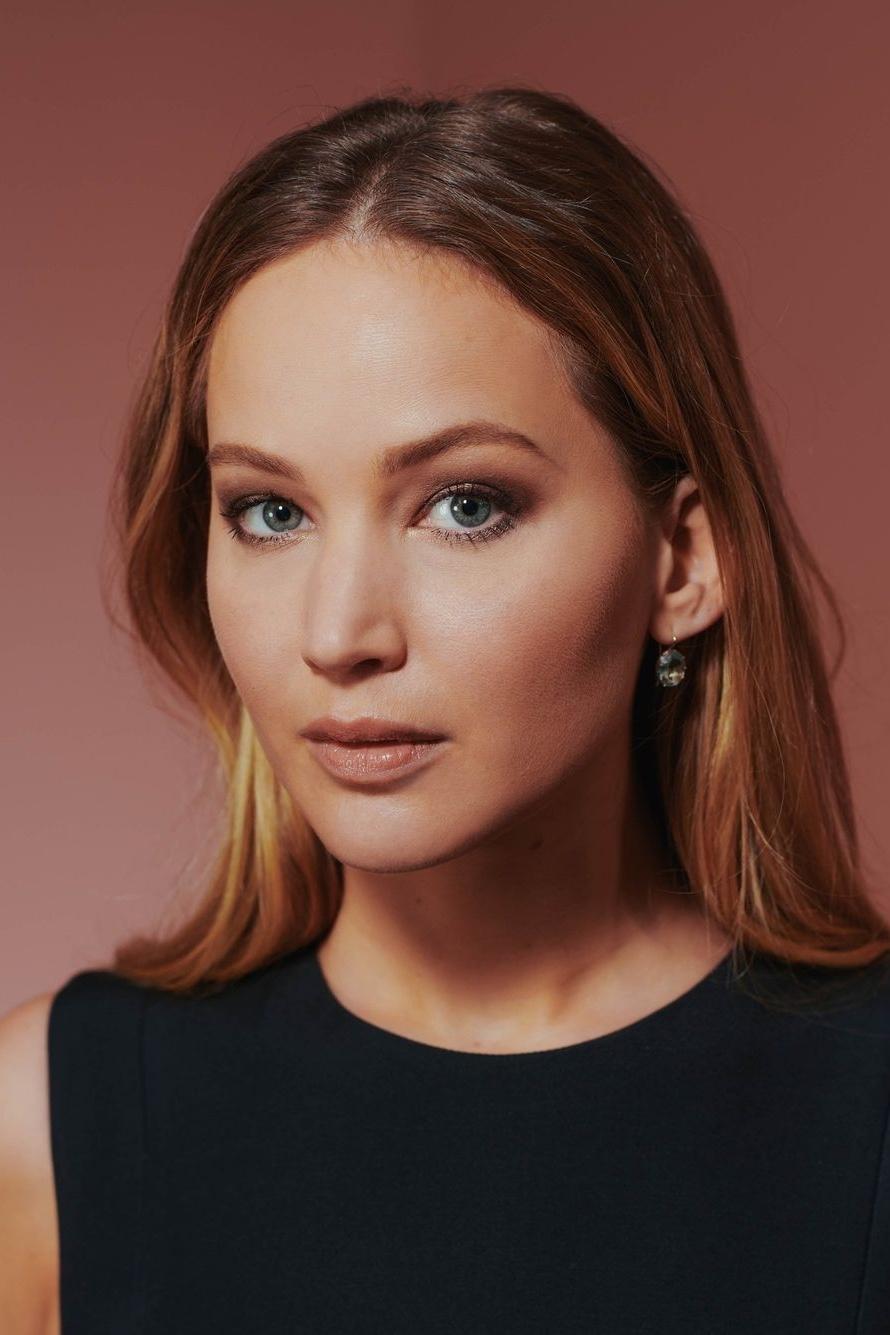
Jennifer Lawrence has openly said she’s uncomfortable with co-stars who insist on never dropping character and prefers quick, focused transitions into a scene. She builds roles through targeted preparation and trusts instincts at “action,” not all-day immersion. Lawrence credits watching disciplined partners prepare moments before a take as a model for her own workflow. Between setups, she disconnects so the crew can move efficiently.
Helen Mirren
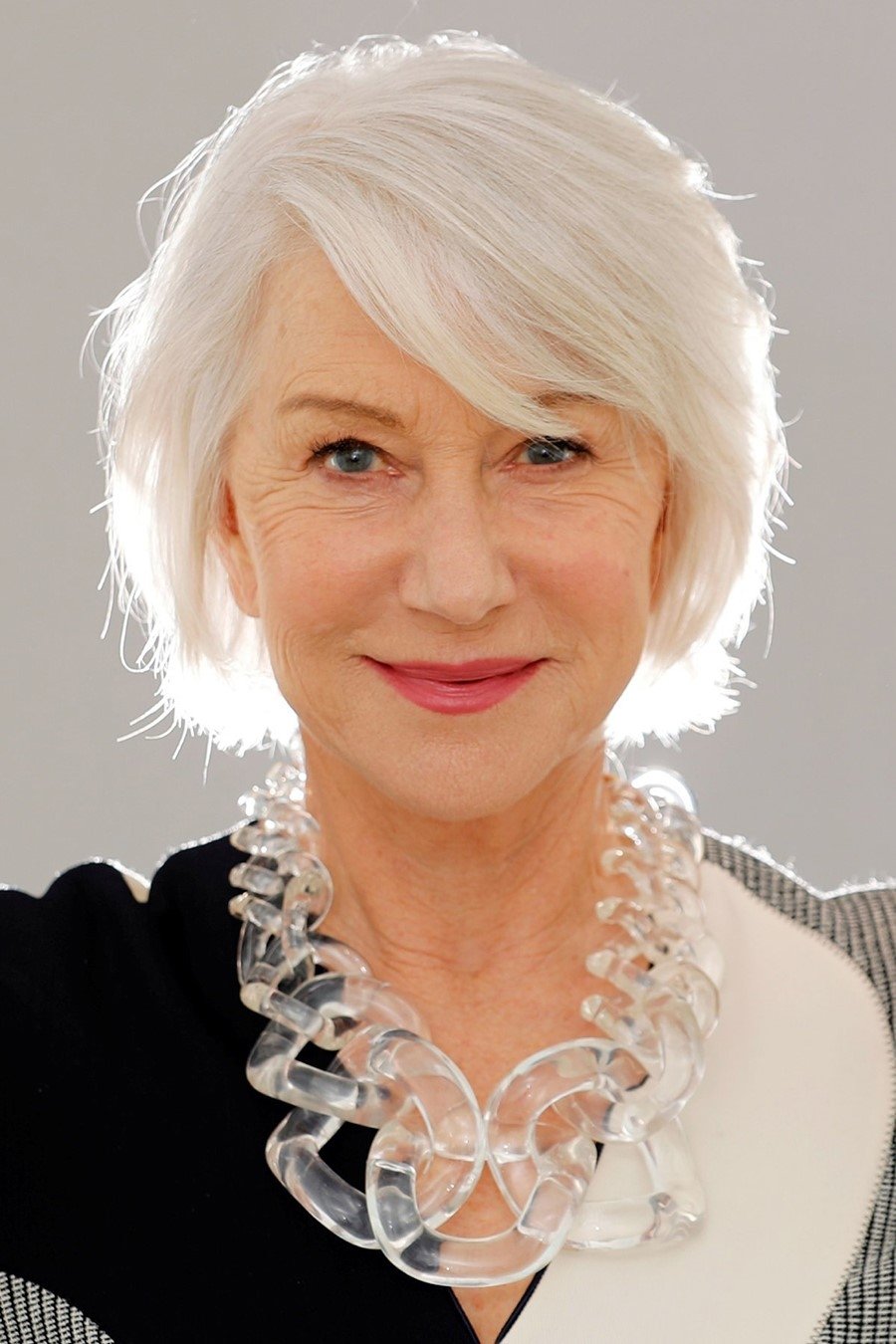
Helen Mirren’s long stage background centers on text, vocal clarity, and technical control, not method permanence. She’s advocated for actors to own the words, collaborate closely with directors, and avoid mystifying the process. Mirren treats characterization as something you step into with precision and then step out of to recalibrate. That boundary helps preserve energy across long theatre runs and film shoots.
Judi Dench
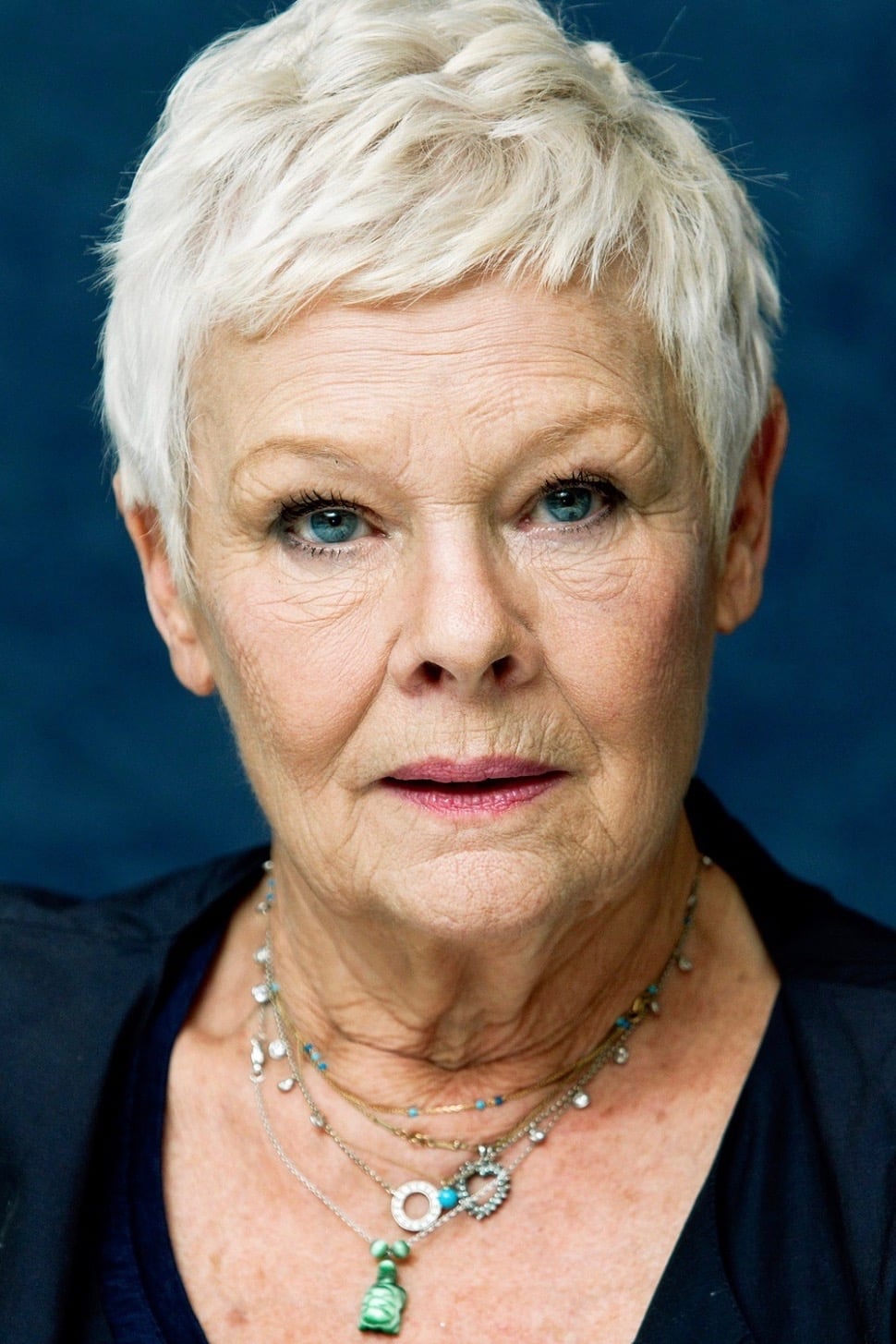
With deep Shakespearean roots, Judi Dench emphasizes voice, rhythm, and storytelling over off-camera immersion. She’s long encouraged actors to focus on craft and audience connection rather than elaborate “process” displays. Dench rehearses thoroughly, trusts the ensemble, and leaves the role behind when the scene ends. It’s a technique-first philosophy that’s sustained her across stage and screen for decades.
Kristen Stewart
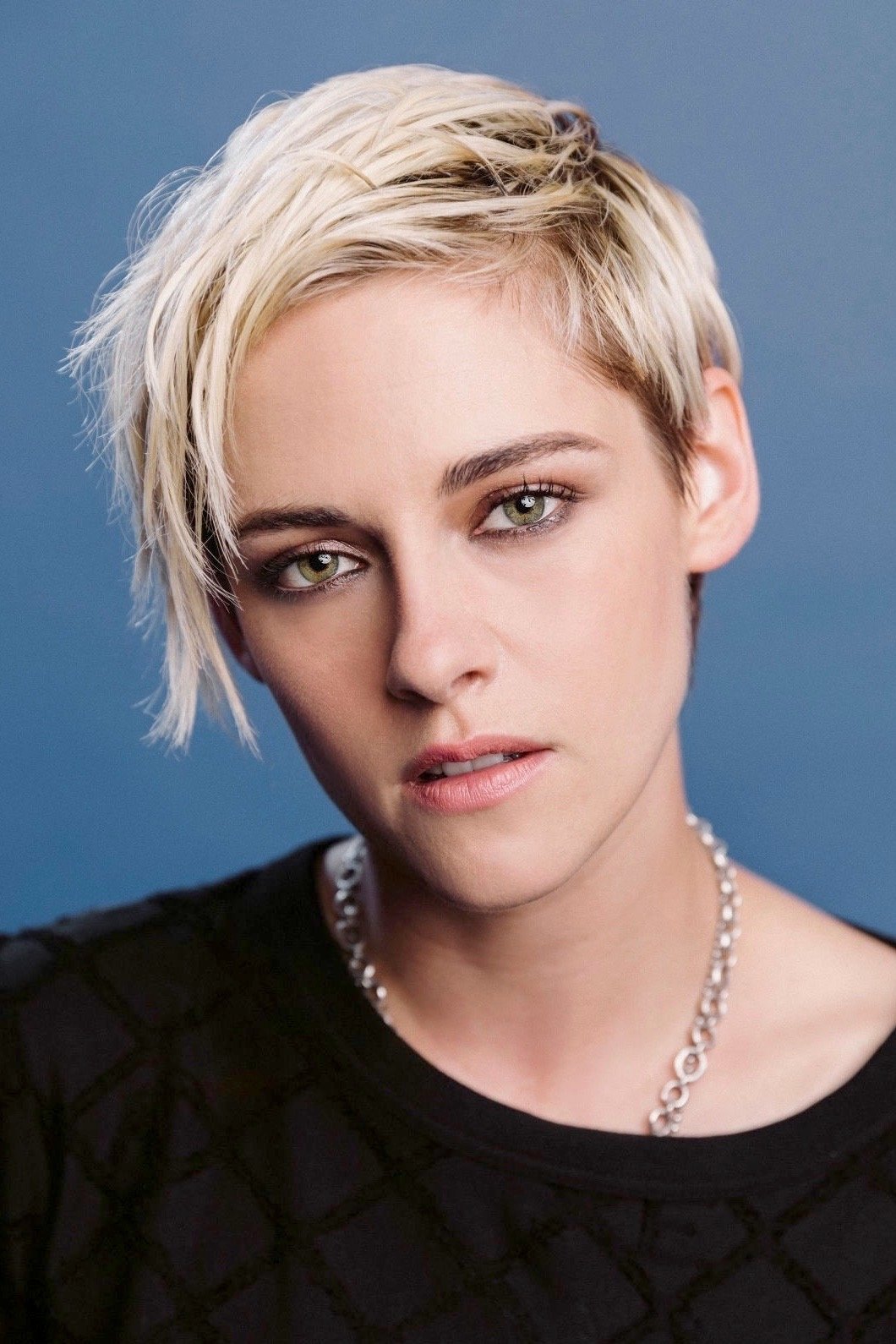
Kristen Stewart favors honesty in the moment and a nimble, responsive set environment instead of living as the character off set. She builds performances through research, dialect or physical prep as needed, and strong rapport with scene partners. Stewart treats intense material with care—entering for the take, exiting afterward to reset. That balance keeps heavy projects from bleeding into daily life.
Anna Kendrick
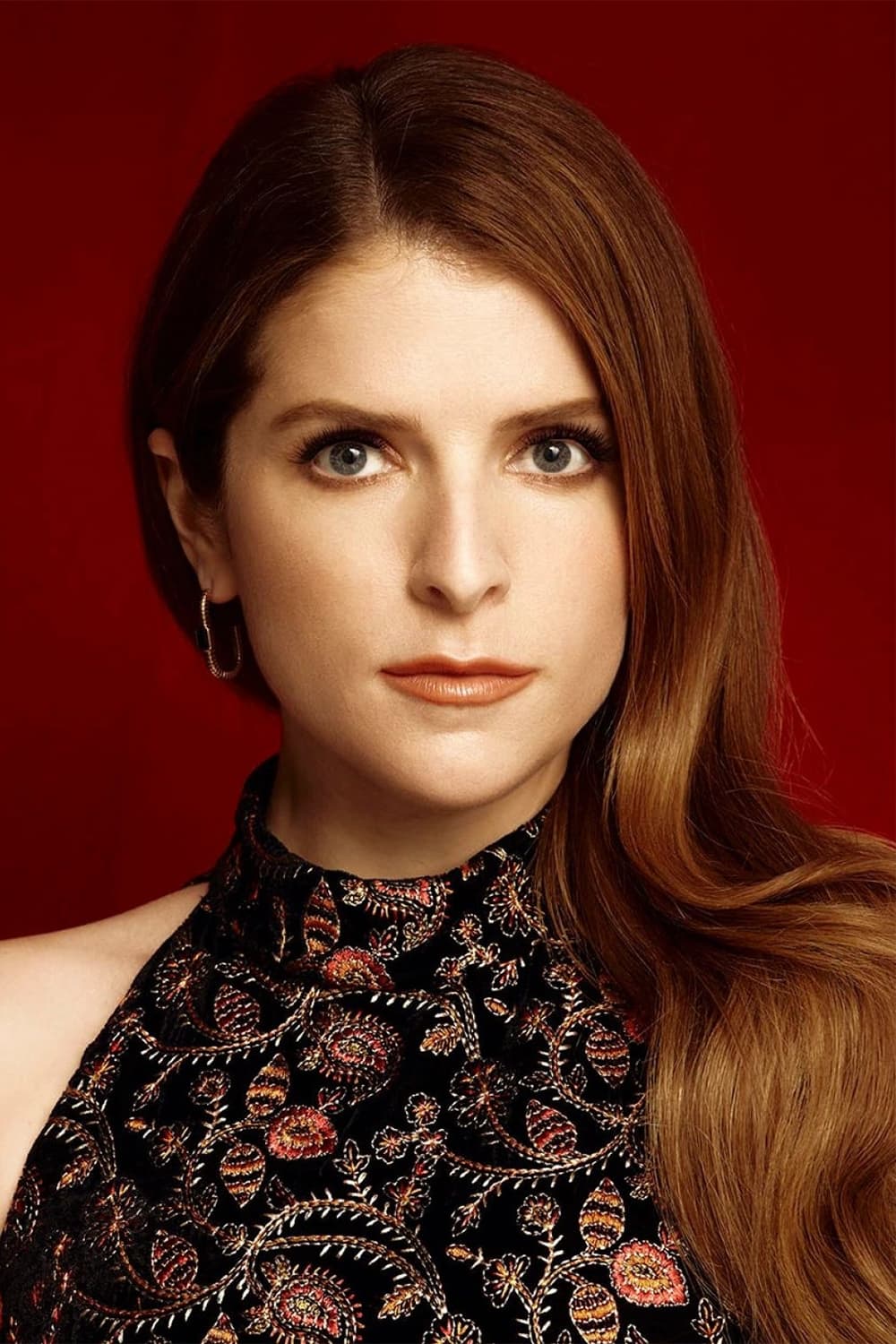
Anna Kendrick has spoken wryly about method extremes and prefers straightforward preparation: script work, musical timing when relevant, and partner chemistry. She relies on rehearsal to lock rhythm and subtext, then drops the character between takes to keep things light. Kendrick views professionalism and crew awareness as core parts of the job. Efficiency on set, not endurance “in character,” drives her process.
Keira Knightley
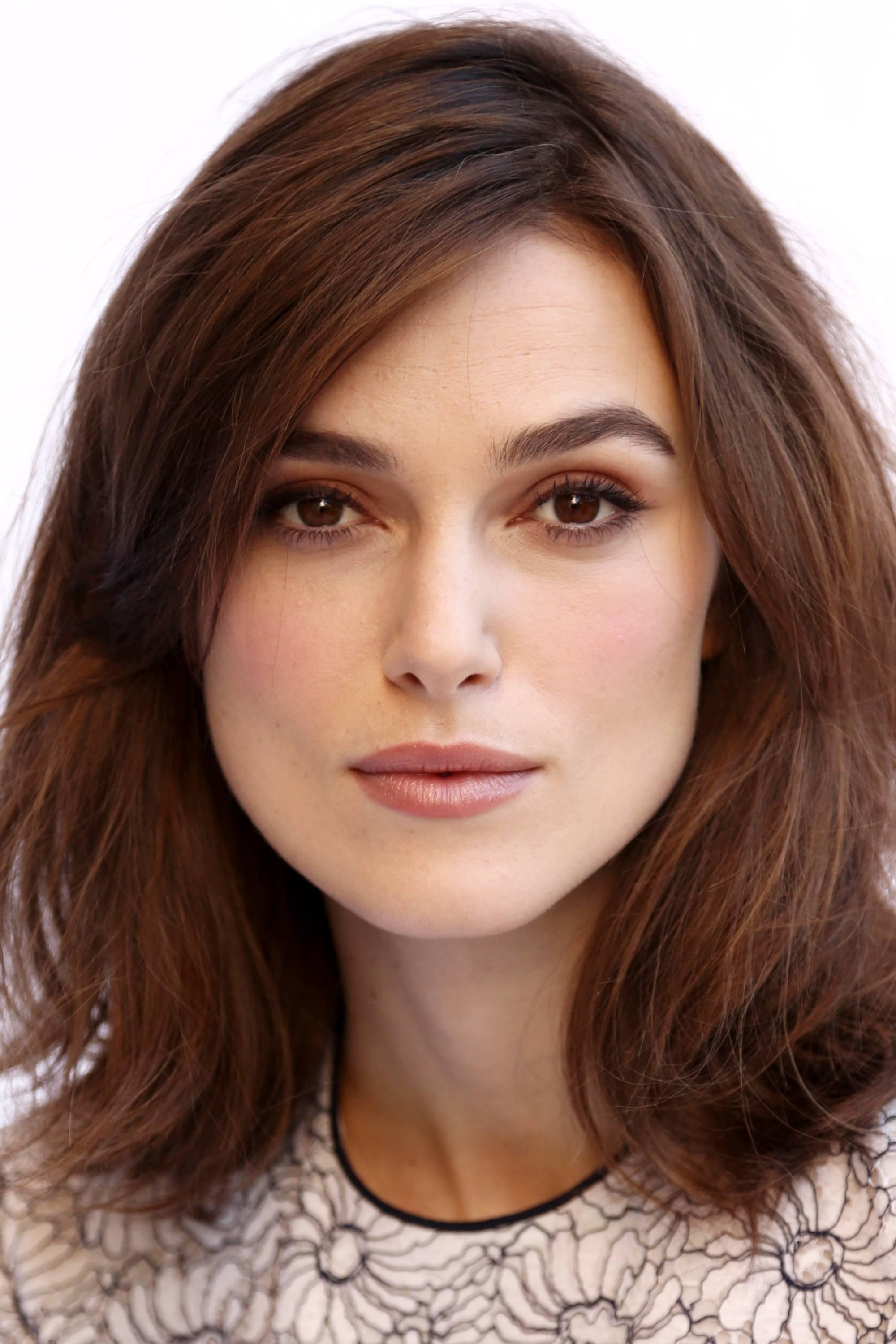
Keira Knightley approaches roles with research, coach-led dialect preparation, and careful blocking, not around-the-clock persona work. She treats period projects like technical puzzles—costume, posture, and speech inform choices without requiring off-set immersion. Knightley emphasizes boundaries so demanding shoots remain sustainable. After a take, she resets to conserve focus for the next scene.
Rachel McAdams
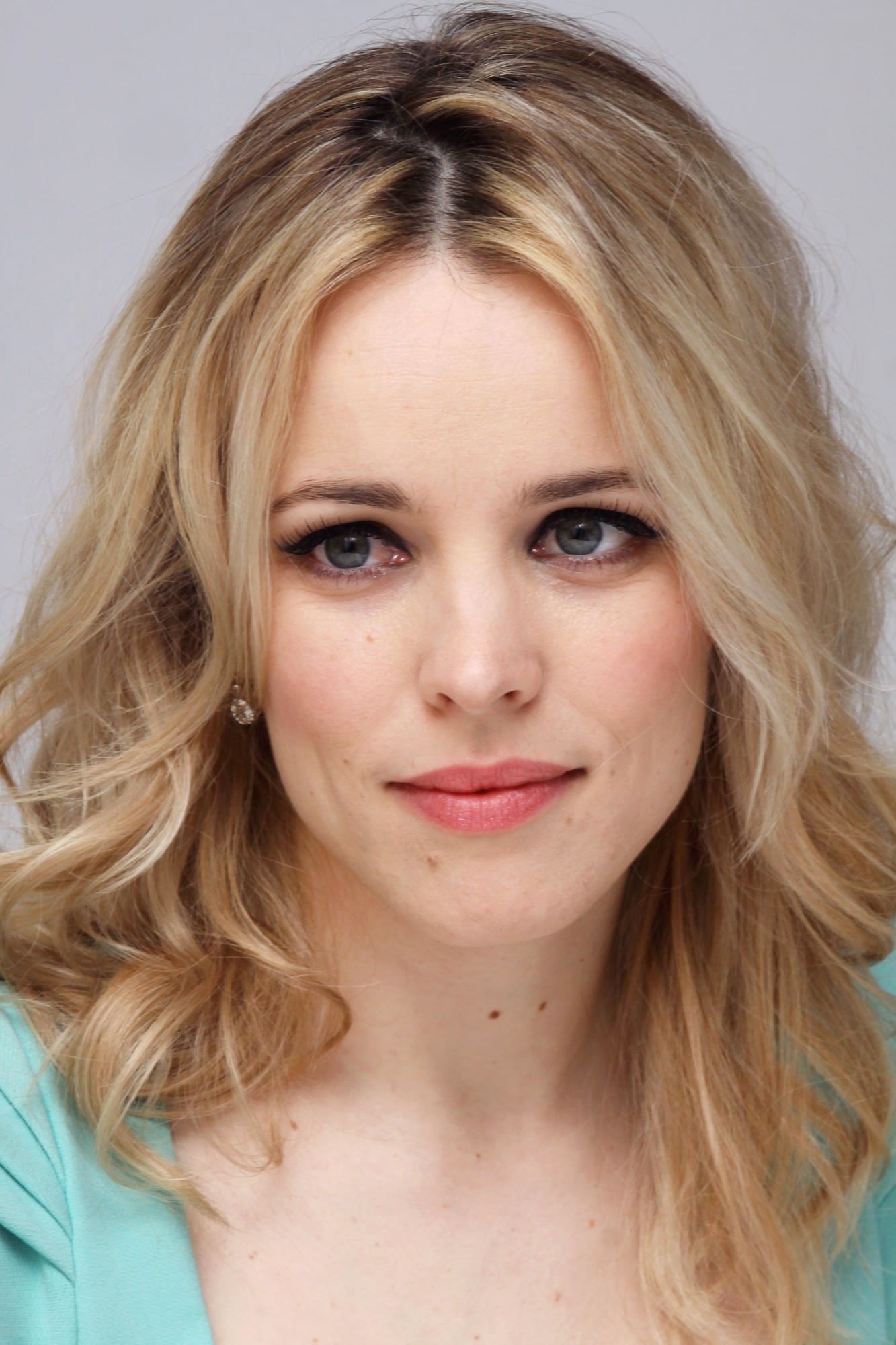
Rachel McAdams has built a reputation for diligent prep—reading, interviewing, and dialect work—while keeping a calm, collaborative set presence. She doesn’t carry characters into off hours, opting to separate work and life. McAdams favors extensive rehearsal and director feedback to refine moments. When the camera stops, she leaves the role so the crew can adjust and the ensemble can regroup.
Tilda Swinton
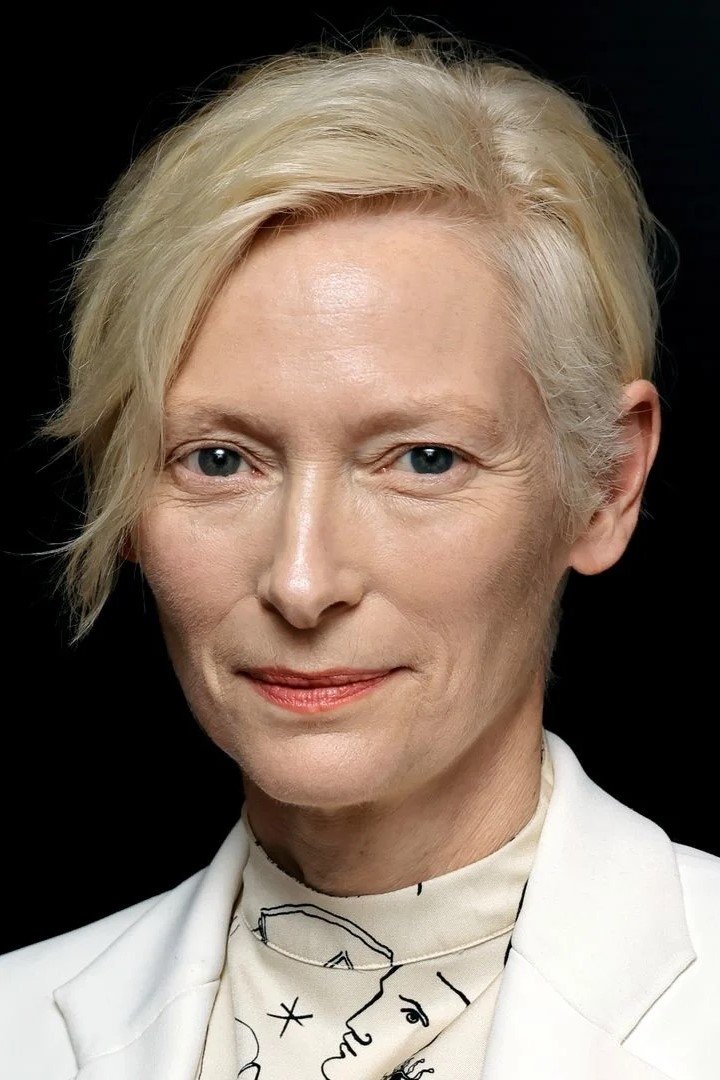
Tilda Swinton frames acting as an exercise in play, design, and trust with filmmakers, not as permanent identity shifts off camera. She crafts characters through costume, hair, posture, and voice, then releases them when a setup ends. Swinton’s method is modular: build, perform, dismantle, repeat. That clarity supports bold transformations without blurring personal boundaries.
Carey Mulligan
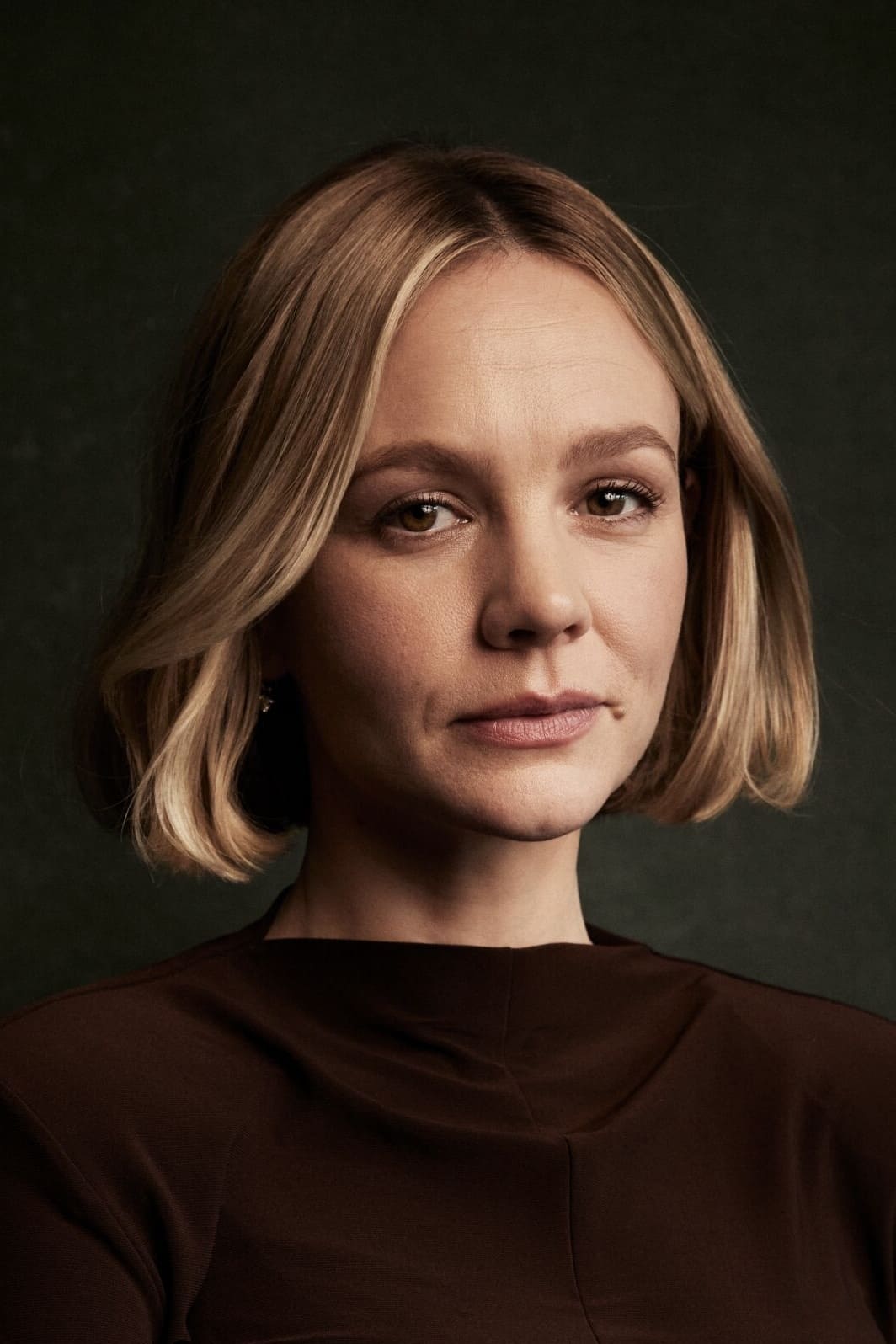
Carey Mulligan prepares through close textual study, vocal choices, and calibrated physicality rather than method immersion. She works with directors to locate emotional beats precisely, using rehearsal to map them. Mulligan maintains separation after “cut,” allowing difficult material to be contained inside the workday. The goal is repeatable truth on camera, not continuous character outside it.
Saoirse Ronan
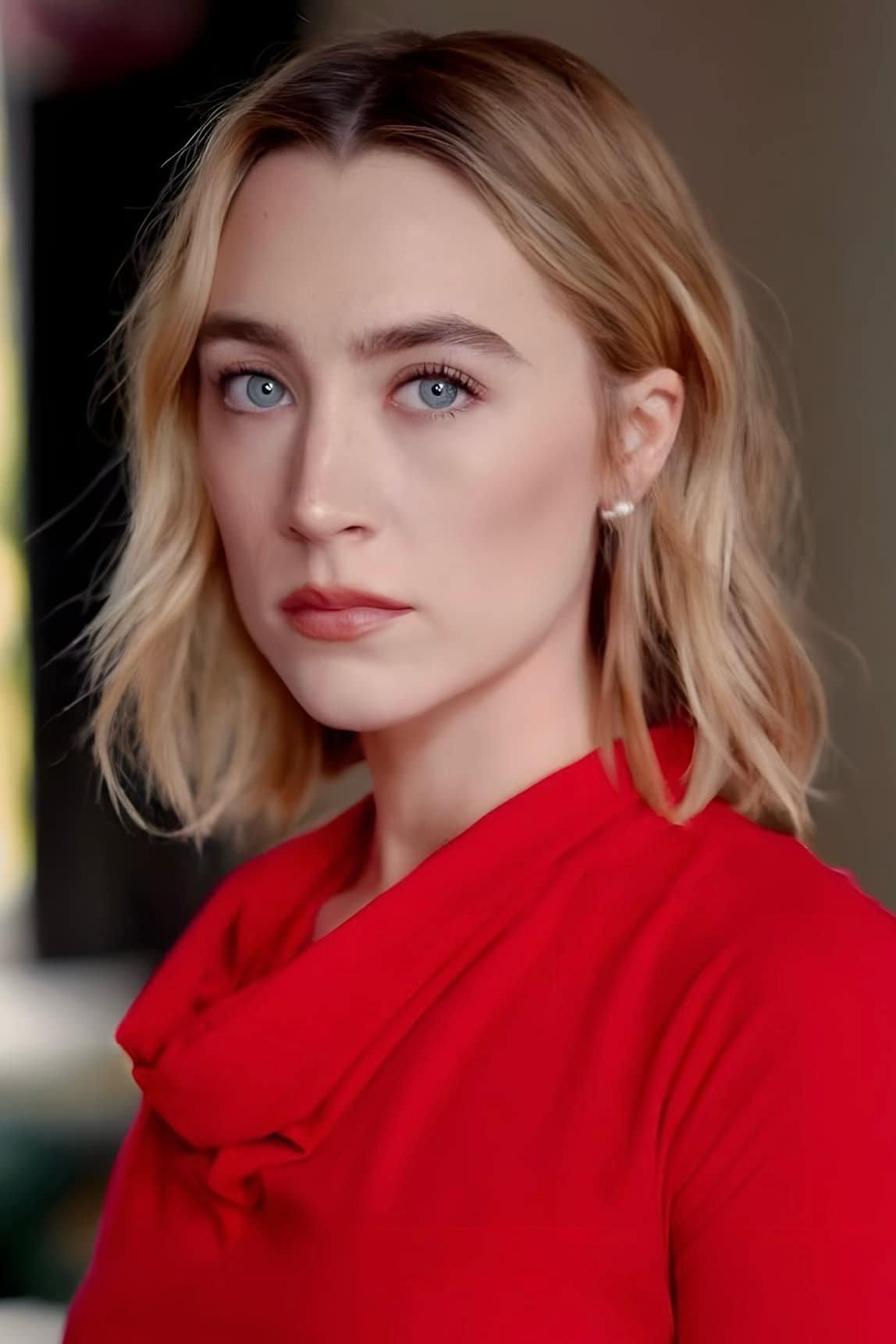
Saoirse Ronan’s process prioritizes script intelligence, dialect accuracy, and chemistry with partners over never-breaking-character routines. She uses rehearsal to explore options, then commits fully at “action.” Ronan resets quickly between takes to stay fresh across long schedules. That disciplined boundary keeps performances sharp without carrying emotional residue home.
Brie Larson
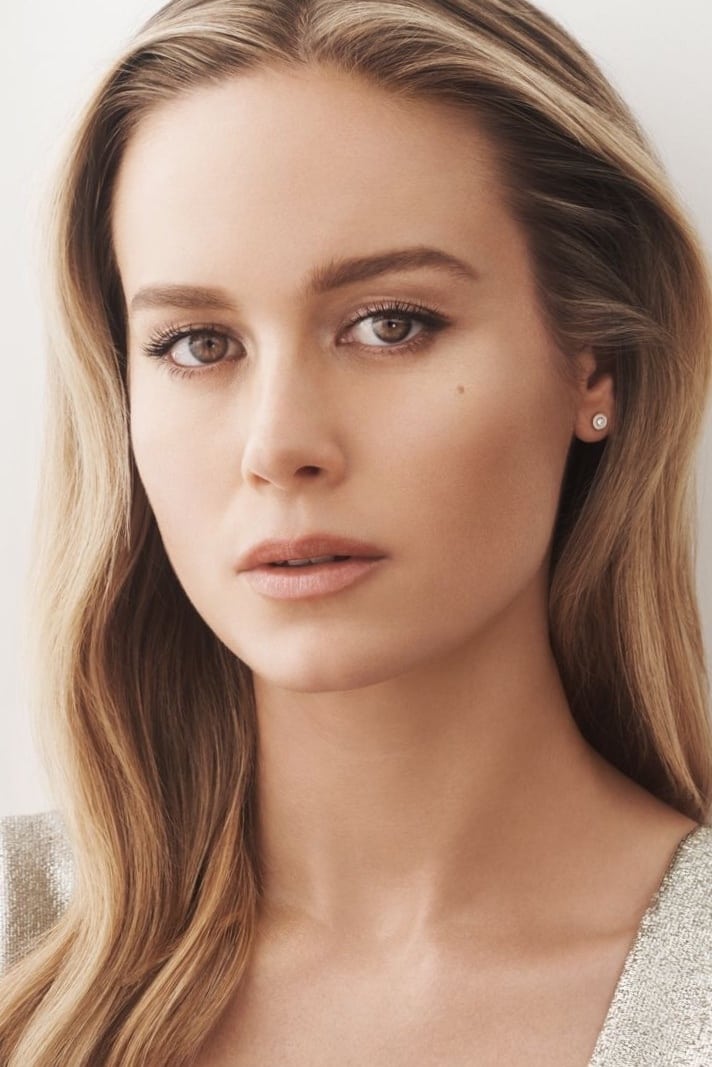
Brie Larson emphasizes preparation—strength training, stunt coordination, and vocal work when projects demand it—while maintaining professional boundaries on set. She collaborates closely with departments to build credible physical and emotional choices. Larson steps in and out of character deliberately to protect stamina across complex shoots. The approach centers reliability and crew awareness over performative intensity.
Sandra Bullock
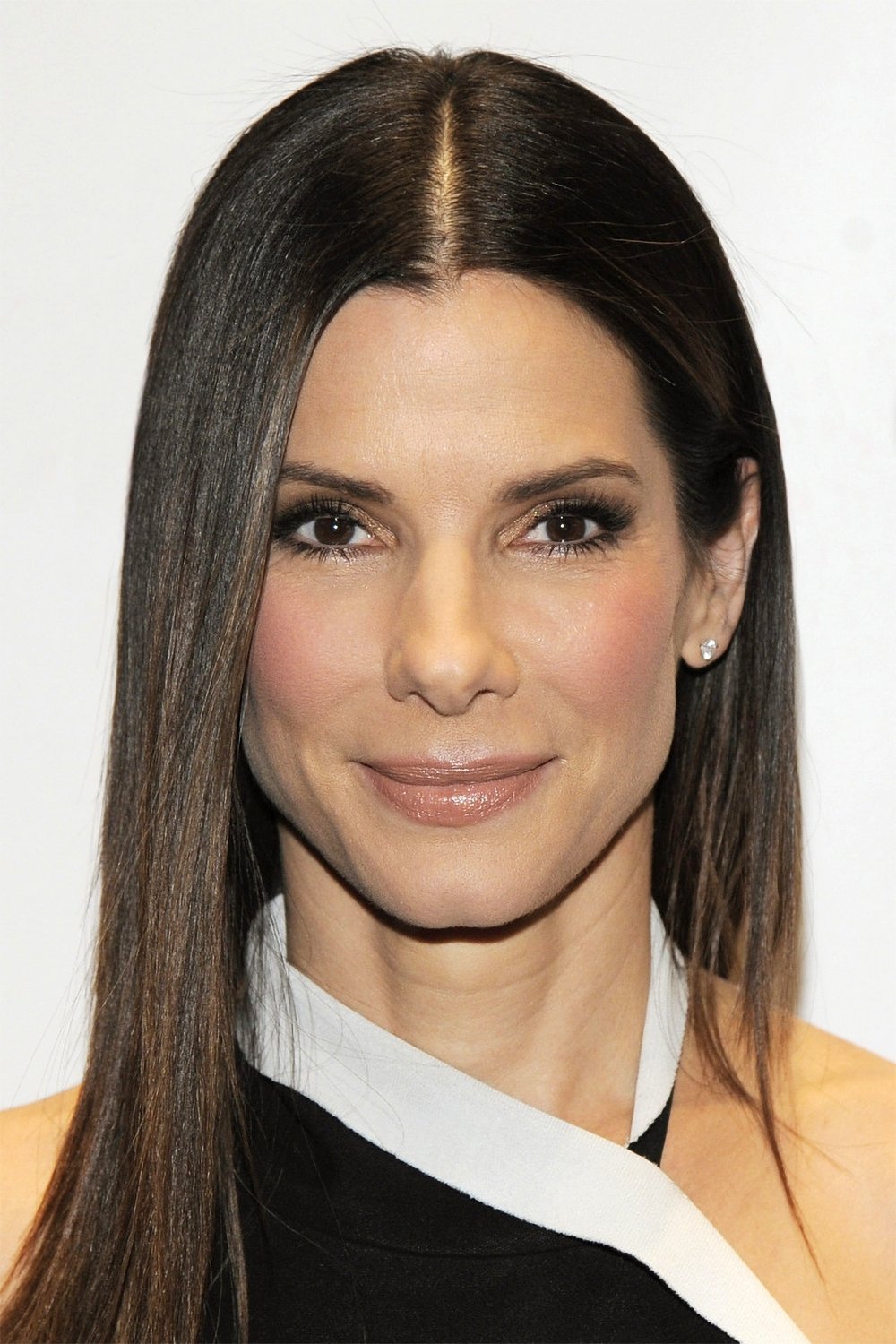
Sandra Bullock treats performance as a craft you turn on for the camera and then turn off to manage energy and leadership on set. She favors logistical discipline, table reads, and open communication with directors and department heads. Bullock’s preparation leans on research and timing rather than staying in character between takes. That separation supports consistent tone across ensemble-driven productions.
Emma Watson

Emma Watson relies on coach-guided prep, dialect work, and structured rehearsal—particularly for period and fantasy projects—without adopting method-style off-camera living. She builds specificity through notebooks, movement choices, and vocal placement. Watson keeps clear boundaries during production days, stepping out of character after each setup. It’s a pragmatic system that balances study with on-set responsiveness.
Zoe Saldaña
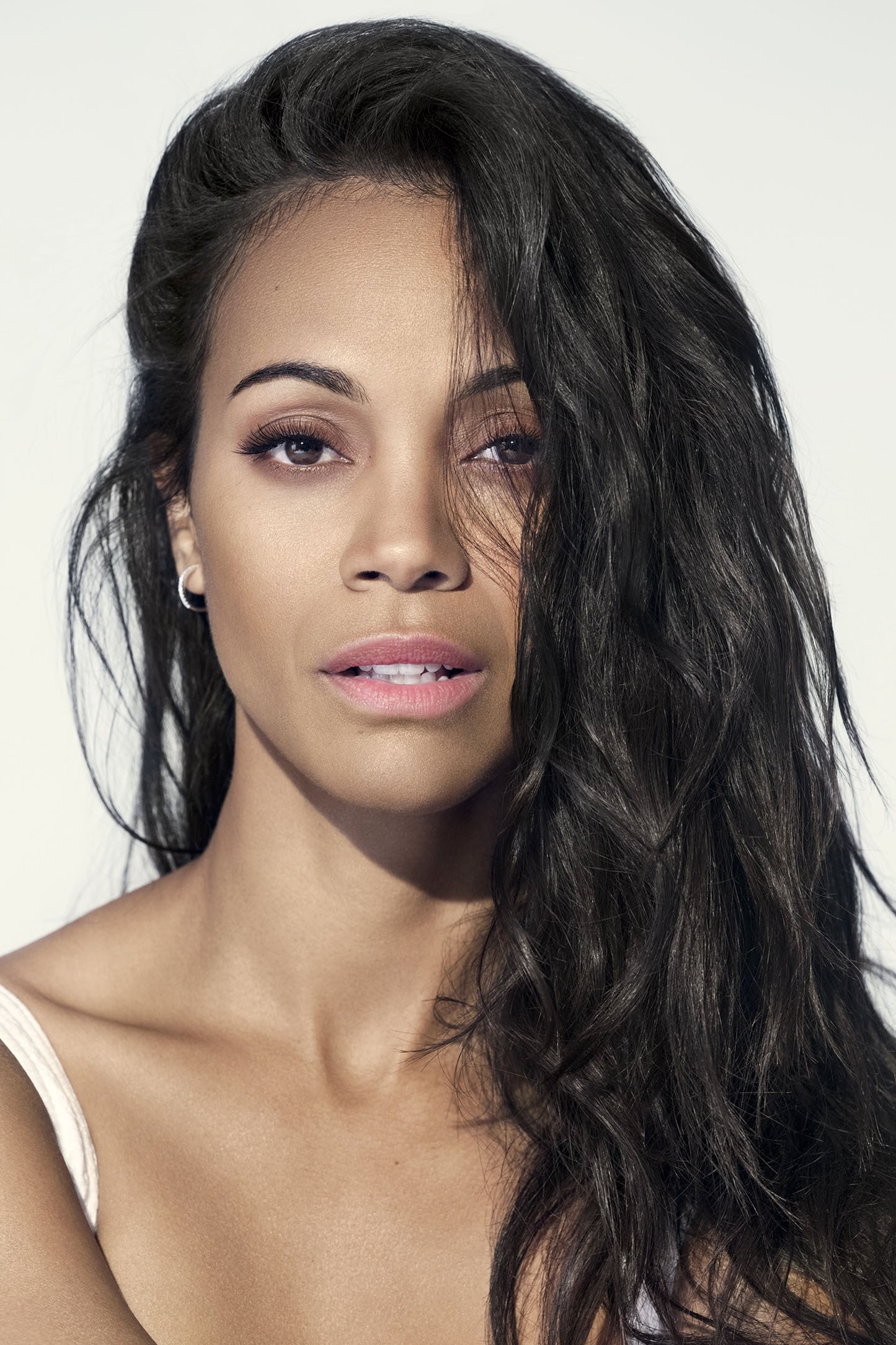
Zoe Saldaña’s workflow for effects-heavy and action-driven projects centers on stunt training, movement technique, and precision blocking rather than around-the-clock immersion. She collaborates with VFX, stunt, and camera teams to engineer repeatable beats. Saldaña resets between takes to protect focus and safety, especially in performance-capture environments. The result is technical consistency without off-set character carryover.
Meryl Streep
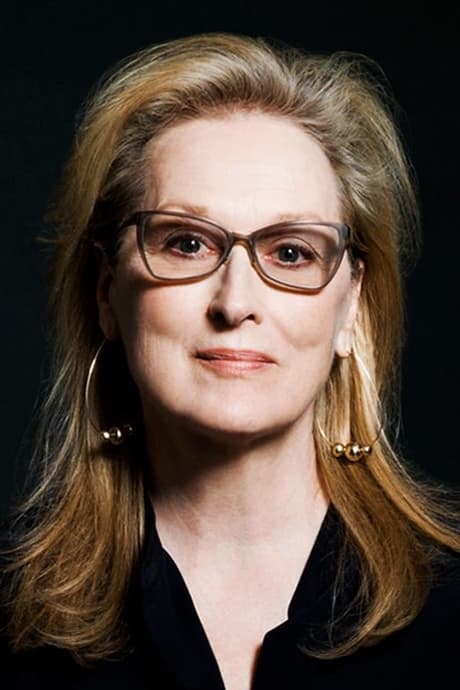
Meryl Streep’s approach is rooted in textual analysis, vocal placement, and physical transformation that can be turned on and off as needed. She prepares meticulously—accents, posture, and gesture—then releases the character between takes to stay responsive to the crew and scene partners. Her process treats acting as repeatable craft instead of an all-day identity. Clear boundaries let her sustain demanding roles over long schedules.
Scarlett Johansson
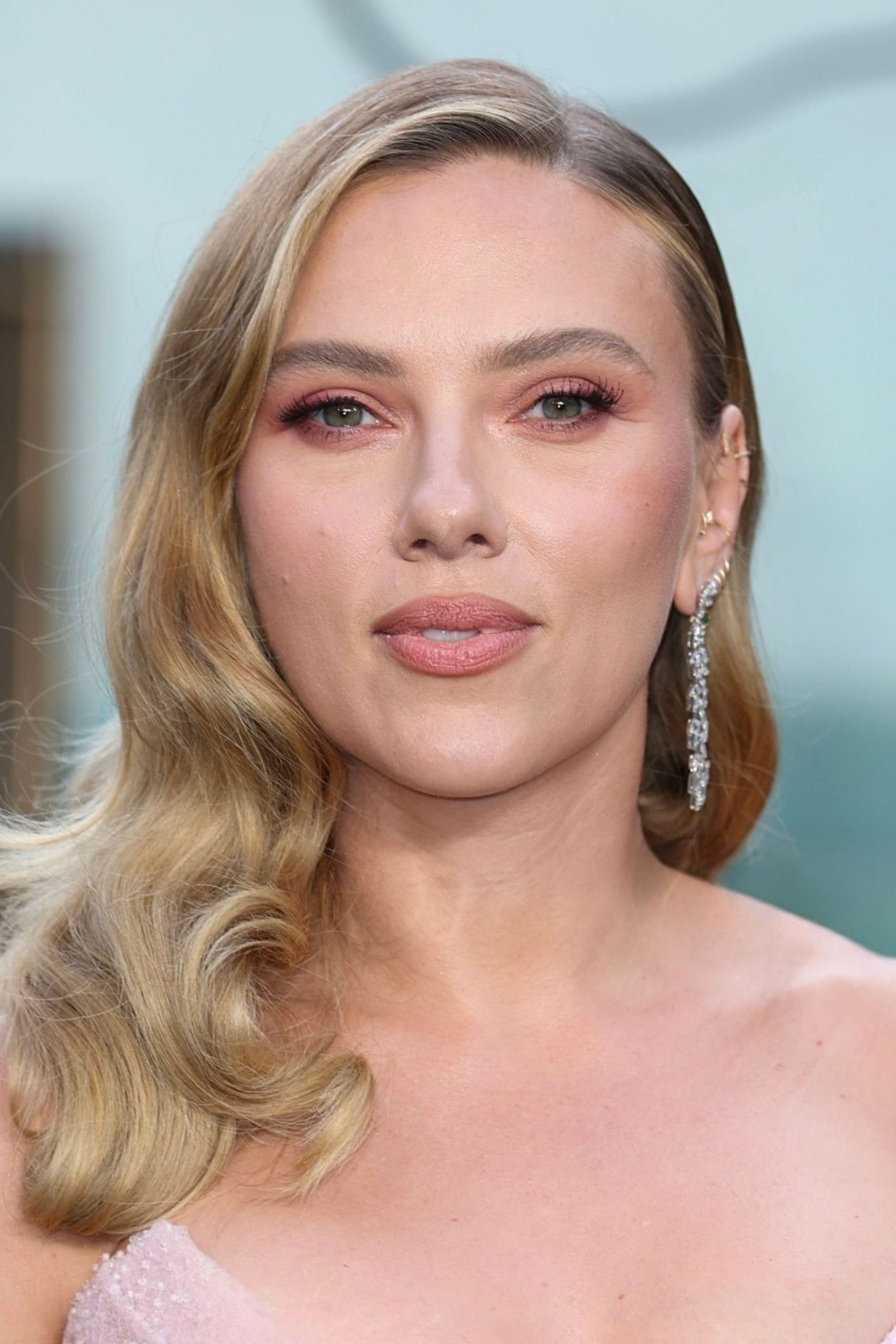
Scarlett Johansson favors preparation and concentration at the moment of “action,” not staying in character throughout the day. She relies on rehearsal, fight and movement training when needed, and direct collaboration with directors to refine choices. Between setups she disconnects, emphasizing a respectful, low-drama set environment. That reset keeps complex stunt or VFX work precise and safe.
Viola Davis
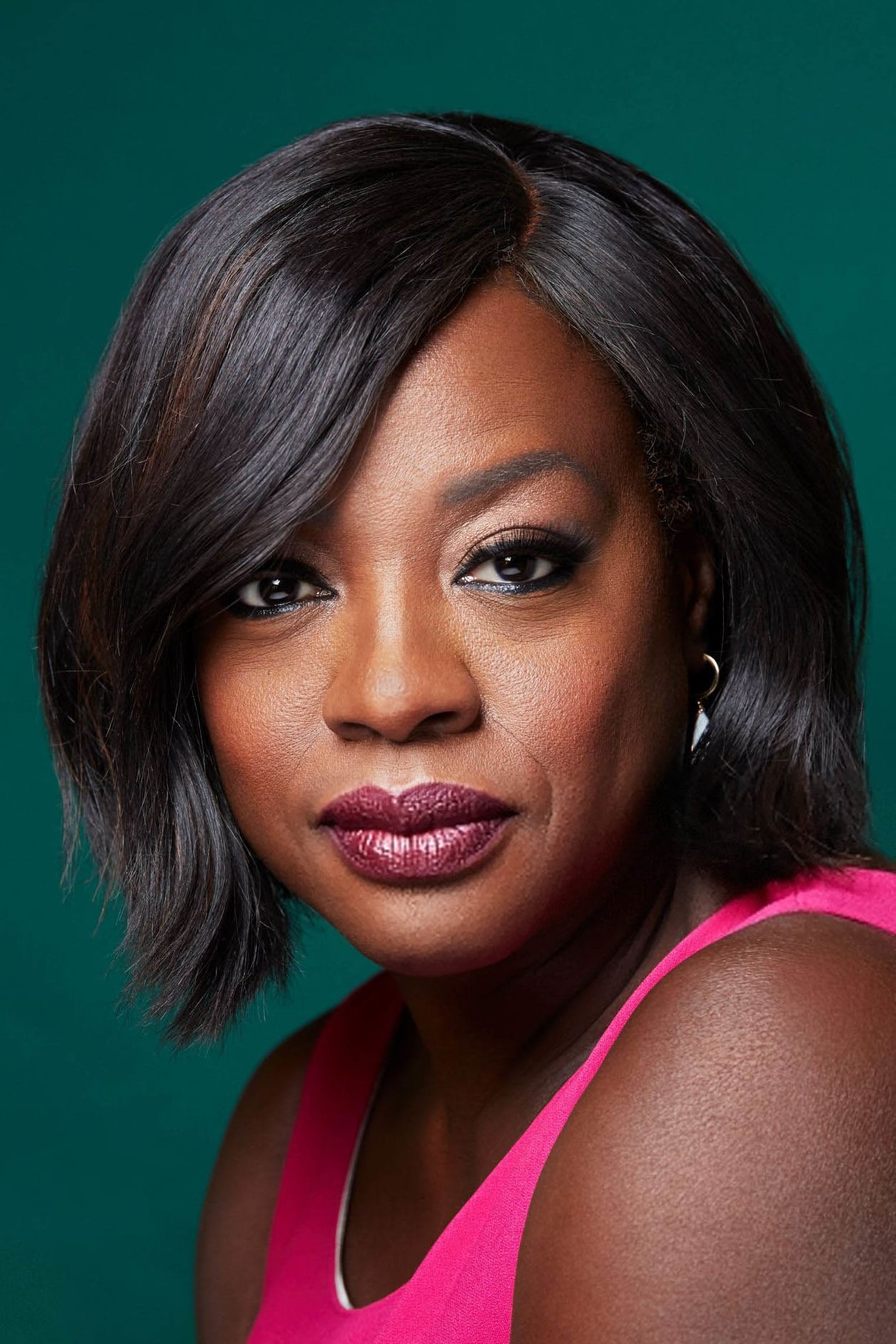
Viola Davis brings rigorous technique from conservatory training—text work, vocal command, and mapped emotional beats—without adopting a never-break-character stance. She uses research and rehearsal to locate specificity, then contains difficult scenes within the workday. Davis prioritizes communication with scene partners to keep material grounded and consistent. After a take, she returns to baseline to preserve stamina for the next sequence.
Zendaya

Zendaya emphasizes rehearsal, blocking, and close collaboration with directors and cinematographers instead of round-the-clock character immersion. She builds performances from truthful behavior in the moment, then steps out to review playback or adjust marks. On demanding days, she relies on quick decompression rituals so heavy material doesn’t linger. The result is consistency that supports crews working under tight timelines.
Michelle Yeoh

Michelle Yeoh’s method centers on precision training—martial arts, wire work, and choreography—paired with measured character prep. She coordinates closely with stunt and camera teams to repeat complex beats safely, then drops the role to recalibrate. Yeoh treats emotional scenes with the same technical care, entering for the take and exiting afterward. Clear boundaries keep performance and safety aligned across action-intensive sets.
Amy Adams
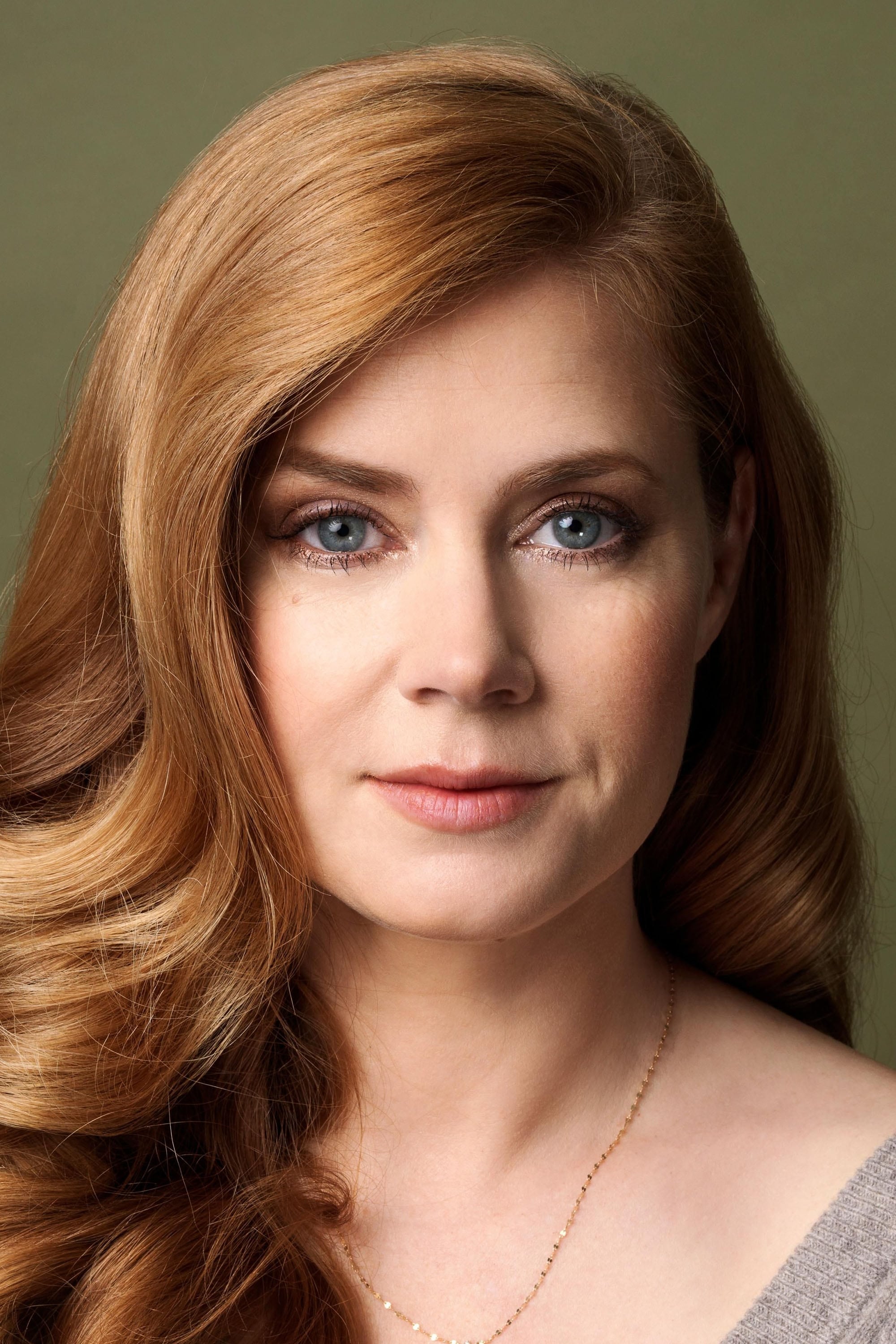
Amy Adams leans on research, voice work, and scene-by-scene mapping rather than remaining in character off set. She calibrates emotional intensity through rehearsal so it can be delivered reliably on camera. Adams prioritizes a calm, collaborative environment where notes can be integrated quickly. After each setup, she resets to maintain continuity and focus.
Anne Hathaway
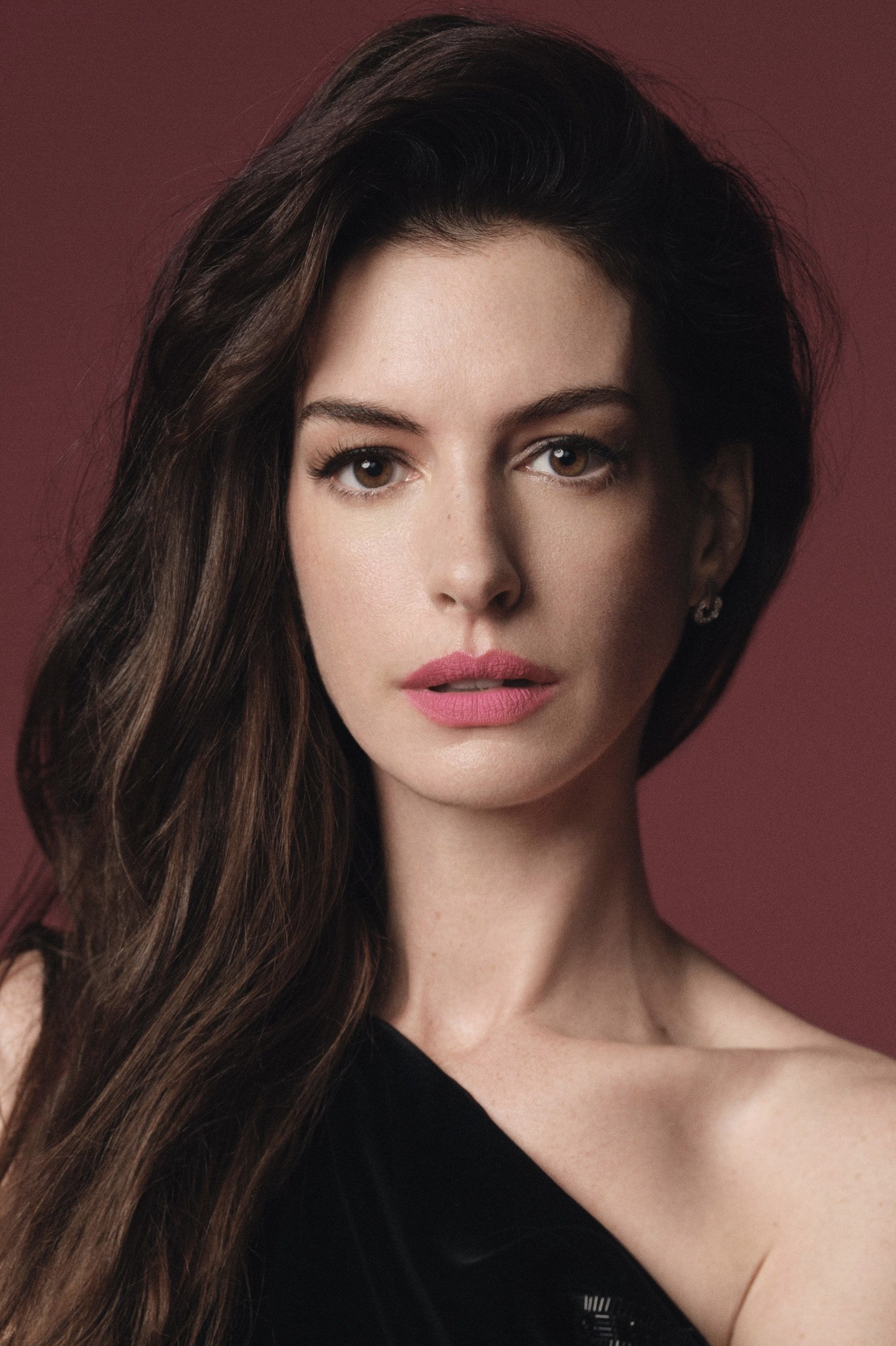
Anne Hathaway’s workflow emphasizes preparation—dialects, physical training, and script breakdowns—over method-style permanence. She uses rehearsal to lock timing and subtext, then releases the character so the crew can pivot efficiently. Hathaway treats heavy scenes as contained intervals supported by breath and reset techniques. That structure helps sustain energy over long, multi-location shoots.
Octavia Spencer
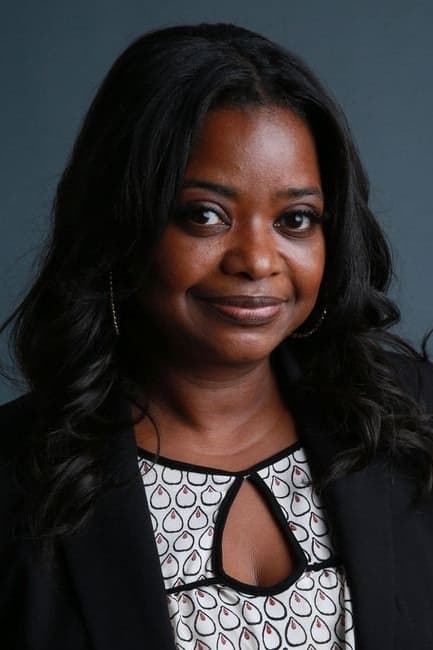
Octavia Spencer approaches roles with clear-eyed craft: table reads, character research, and partner-focused listening. She avoids off-camera immersion, preferring to protect set morale and efficiency. Spencer steps in fully for the take and steps out to assess adjustments with the director. Strong boundaries keep performances sharp without draining the team.
Regina King
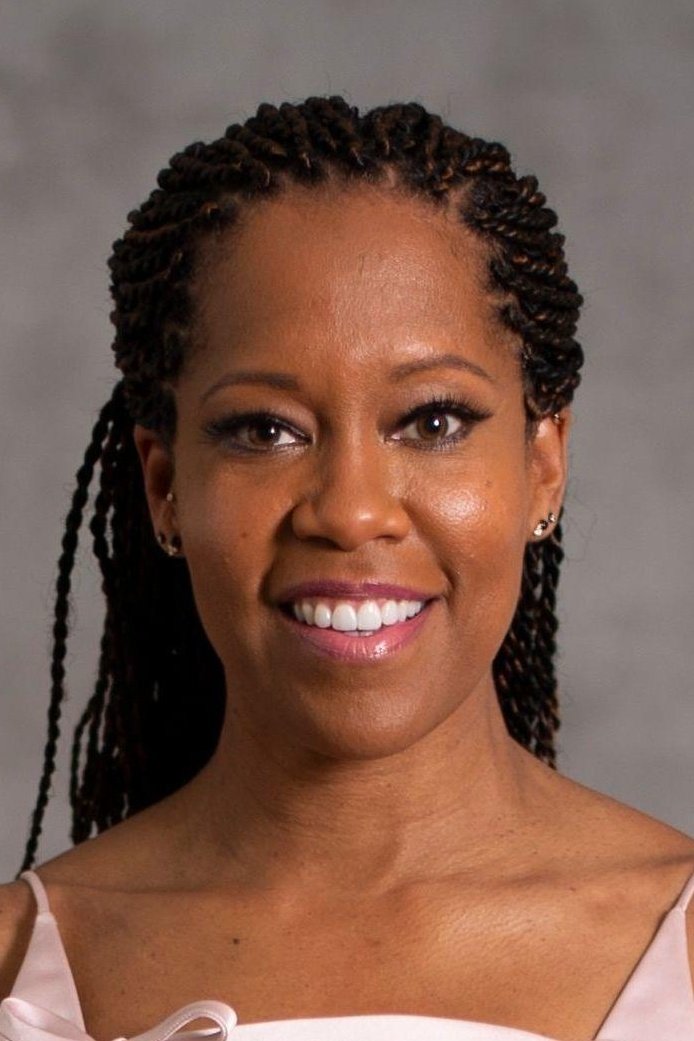
Regina King balances actor and director perspectives—preparation, blocking, and camera awareness—rather than living as the character between takes. She collaborates closely with department heads to ensure performances fit the shot and schedule. King treats intense material as a controlled entry-and-exit process. After “cut,” she returns to baseline to lead with clarity.
Rachel Weisz
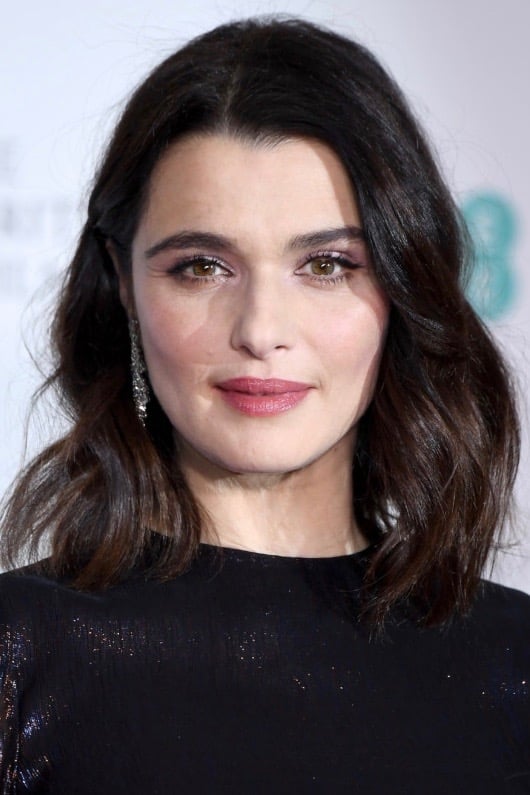
Rachel Weisz relies on textual rigor, accent work, and measured physical choices, keeping off-set life separate from the role. She refines scenes through rehearsal and director feedback instead of posture-perfect immersion all day. Weisz maintains a reset routine between takes so complex emotional beats remain sustainable. The focus stays on repeatable, grounded truth in front of the camera.
If you have favorites who keep things technique-first and boundary-smart, drop their names and examples in the comments so readers can compare notes and add to the list!