Actors Who Were Typecast (& It Turned Out Perfect)


Typecasting can box an actor in, but sometimes it gives audiences exactly what they show up to see and builds careers that last decades. The names below became closely linked with specific screen personas—action powerhouses, dry-witted detectives, charming rogues, unforgettable villains—and those roles kept the hits coming. Each entry highlights how repeat casting fed successful franchises, created signature characters, or led to awards and global recognition. Here’s how sticking to a lane paid off in a big way.
John Wayne
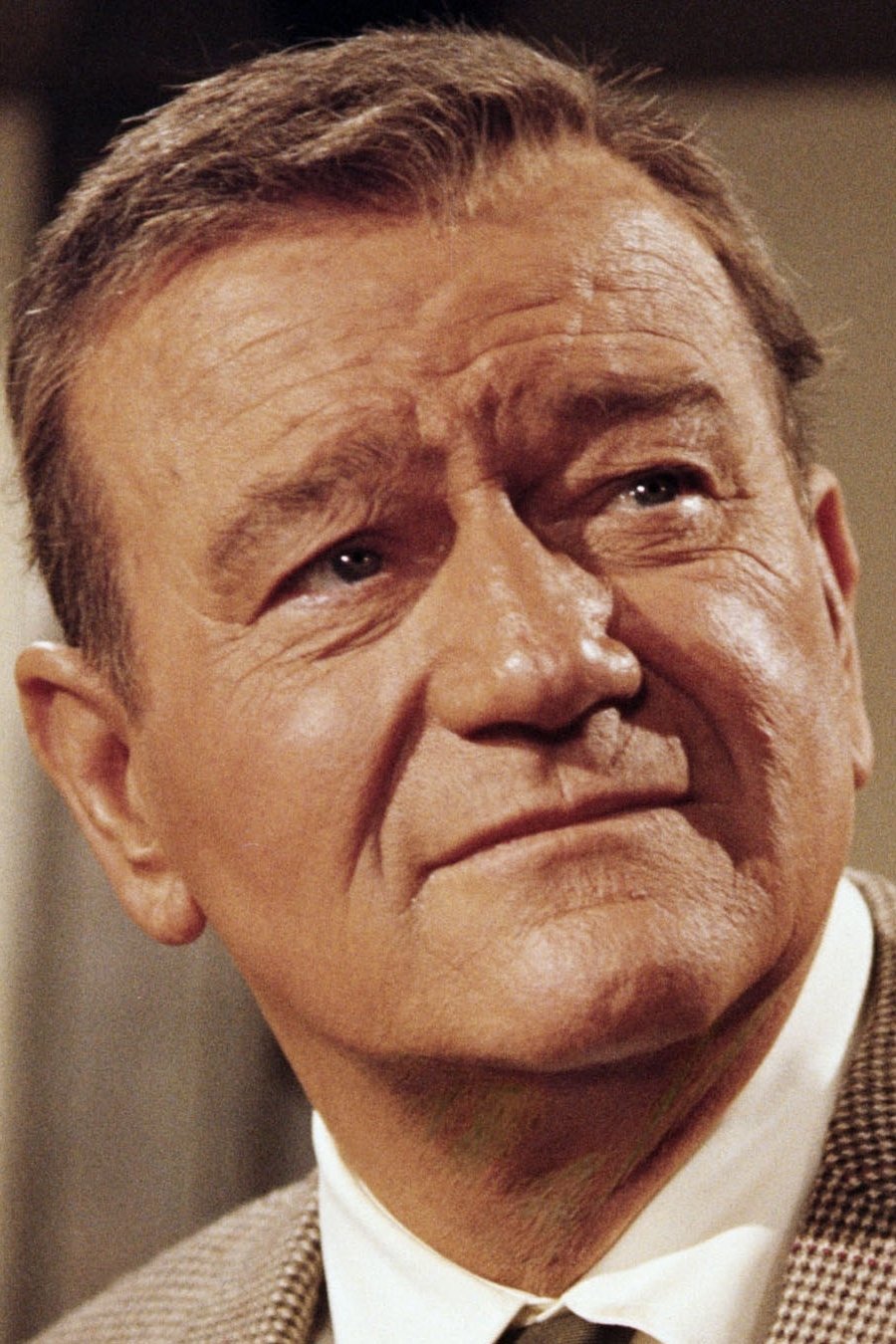
John Wayne became synonymous with the Western hero and frontier lawman, headlining staples like ‘Stagecoach’, ‘True Grit’, and ‘The Searchers’. Studios reliably built large-scale Westerns around him, banking on his draw for rugged adventure stories. His branding extended to war dramas such as ‘The Longest Day’, reinforcing a screen image of steadfast leadership. The recognizable persona helped him anchor decades of box-office success and secure industry honors, including an Academy Award for ‘True Grit’.
Clint Eastwood
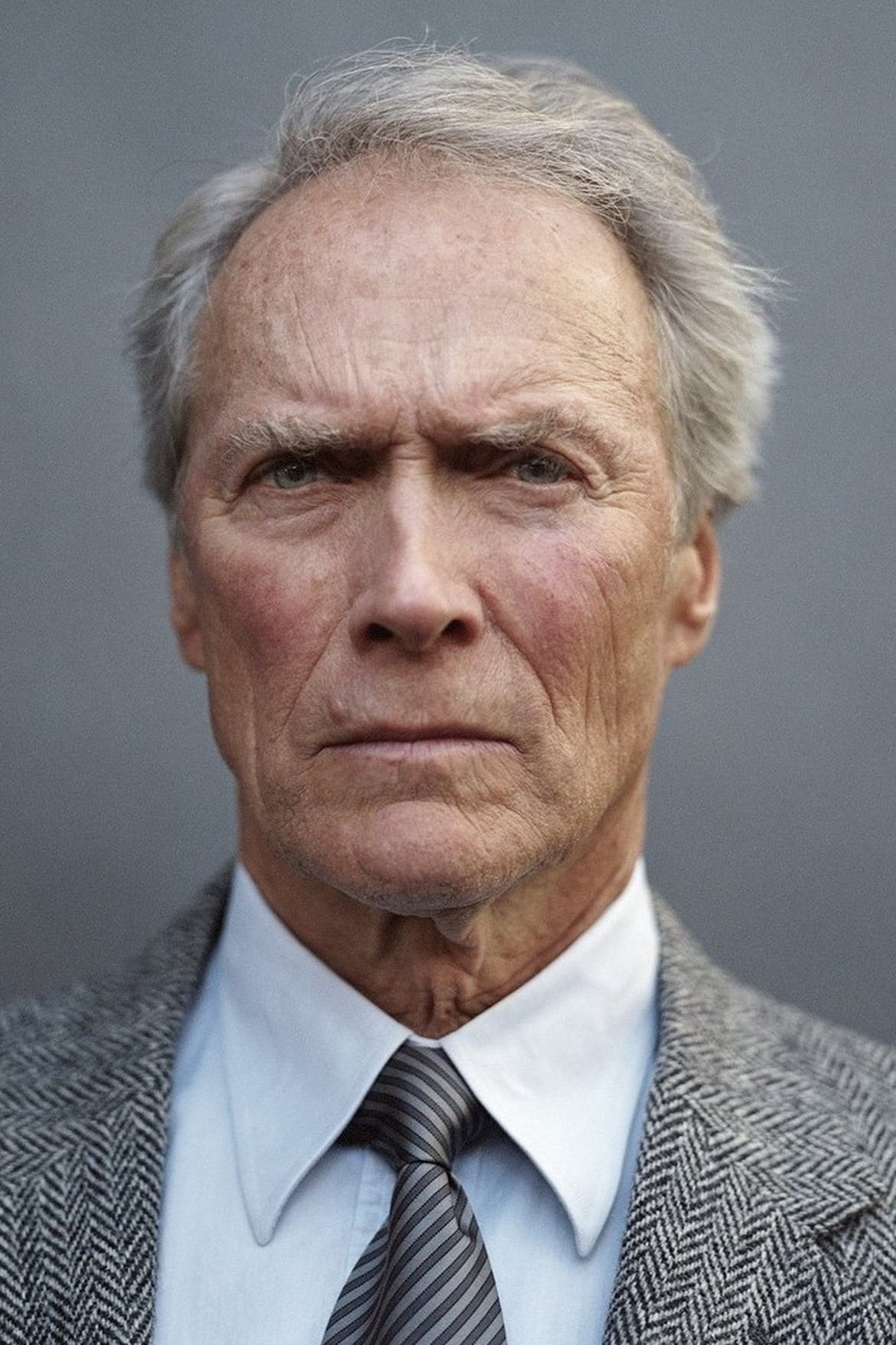
Clint Eastwood’s stoic, taciturn antihero persona took hold with ‘A Fistful of Dollars’ and ‘The Good, the Bad and the Ugly’, then crossed into the cop thriller with ‘Dirty Harry’. The minimal dialogue and flinty presence became a template other films emulated. His continued use of that image allowed him to move from star to director while still returning to variations of the tough, solitary lead. The consistency cemented his global recognition and supported long-running commercial appeal.
Arnold Schwarzenegger
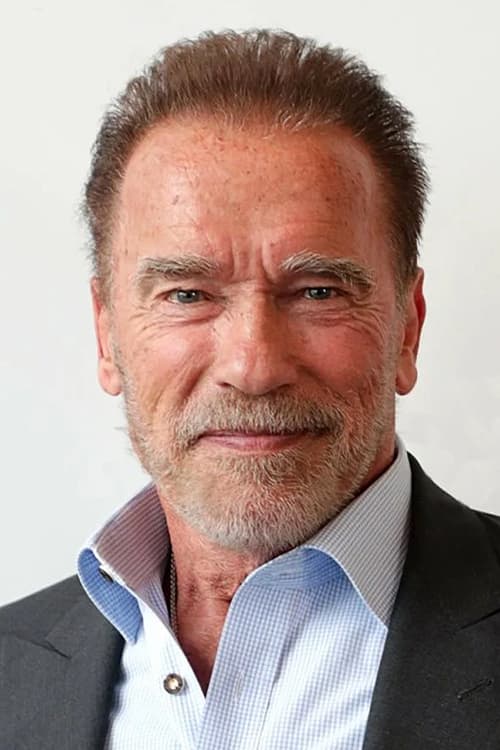
Arnold Schwarzenegger’s action-hero typecasting surged with ‘Conan the Barbarian’ and ‘The Terminator’, then expanded through crowd-pleasers like ‘Commando’, ‘Predator’, and ‘Total Recall’. The combination of physicality and one-liners became a reliable box-office formula. Even when venturing into comedy with ‘Twins’ and ‘Kindergarten Cop’, the films leaned on the same larger-than-life persona. That clear brand identity powered multiple franchises and sustained international stardom.
Sylvester Stallone
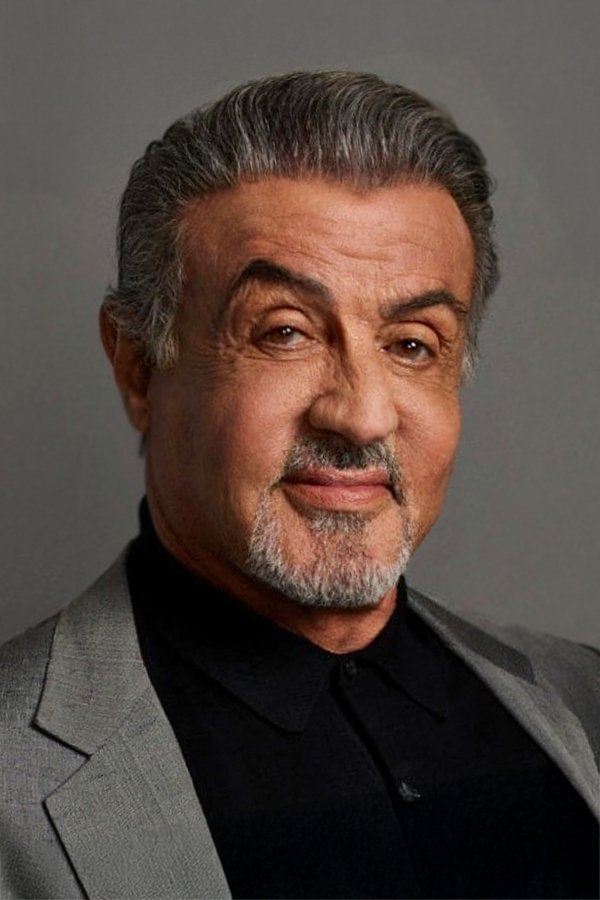
Sylvester Stallone’s underdog fighter and elite soldier personas defined two enduring franchises: ‘Rocky’ and ‘Rambo’. Each series delivered repeat entries that capitalized on his grit-centered image and training montages audiences expected. The ‘Rocky’ universe continued through ‘Creed’, keeping the character’s legacy active for new generations. Typecasting here enabled continuity, merchandising, and enduring pop-culture presence.
Jackie Chan
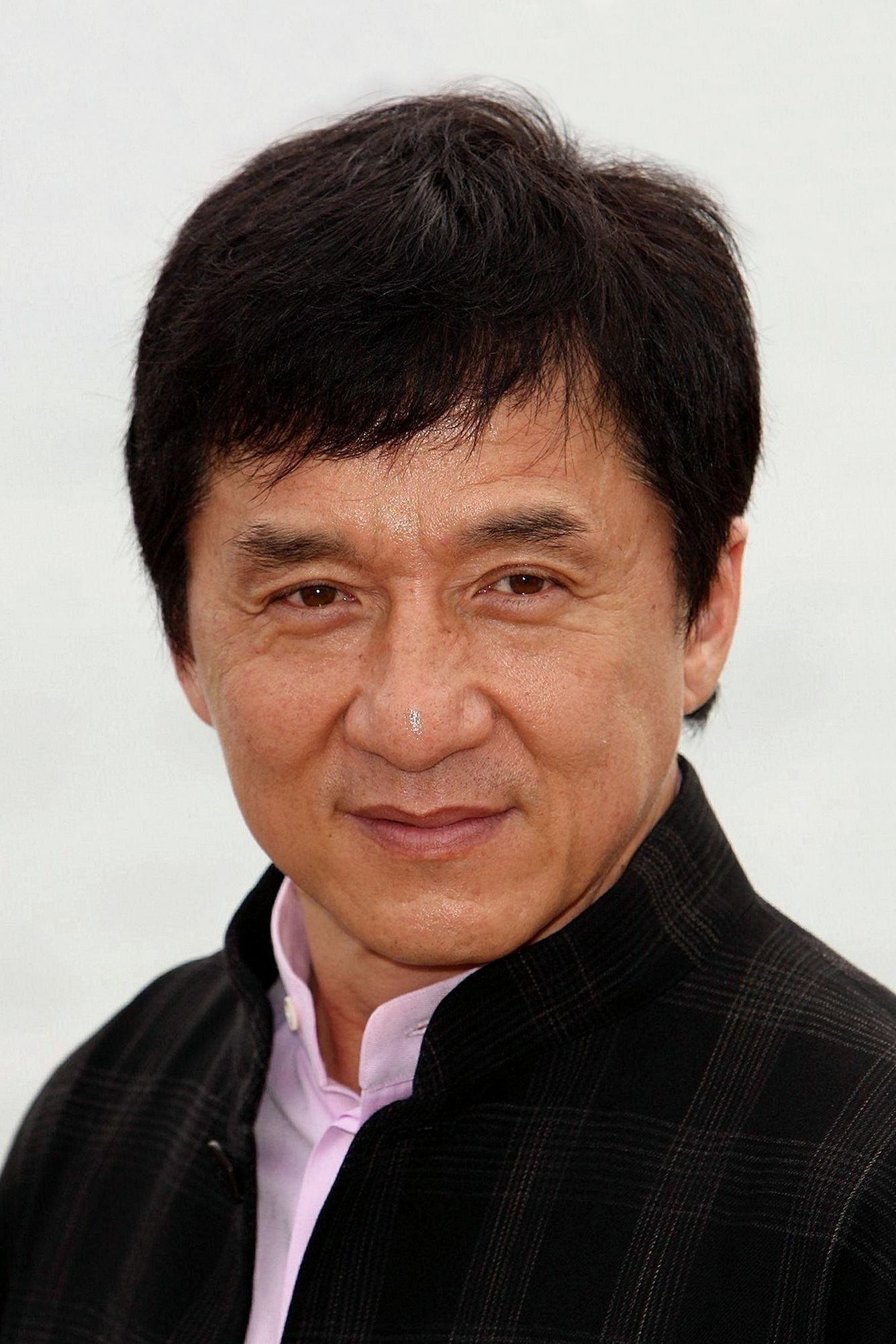
Jackie Chan specialized in martial-arts action blended with inventive stunts and physical comedy, showcased in ‘Police Story’, ‘Drunken Master’, and ‘Project A’. Hollywood releases like ‘Rush Hour’ and ‘Shanghai Noon’ translated that signature style for global audiences. His films built reputations around real stunt work and elaborate set-piece choreography. The consistency of tone and persona made his name a shorthand for a specific kind of action-comedy experience.
Jason Statham
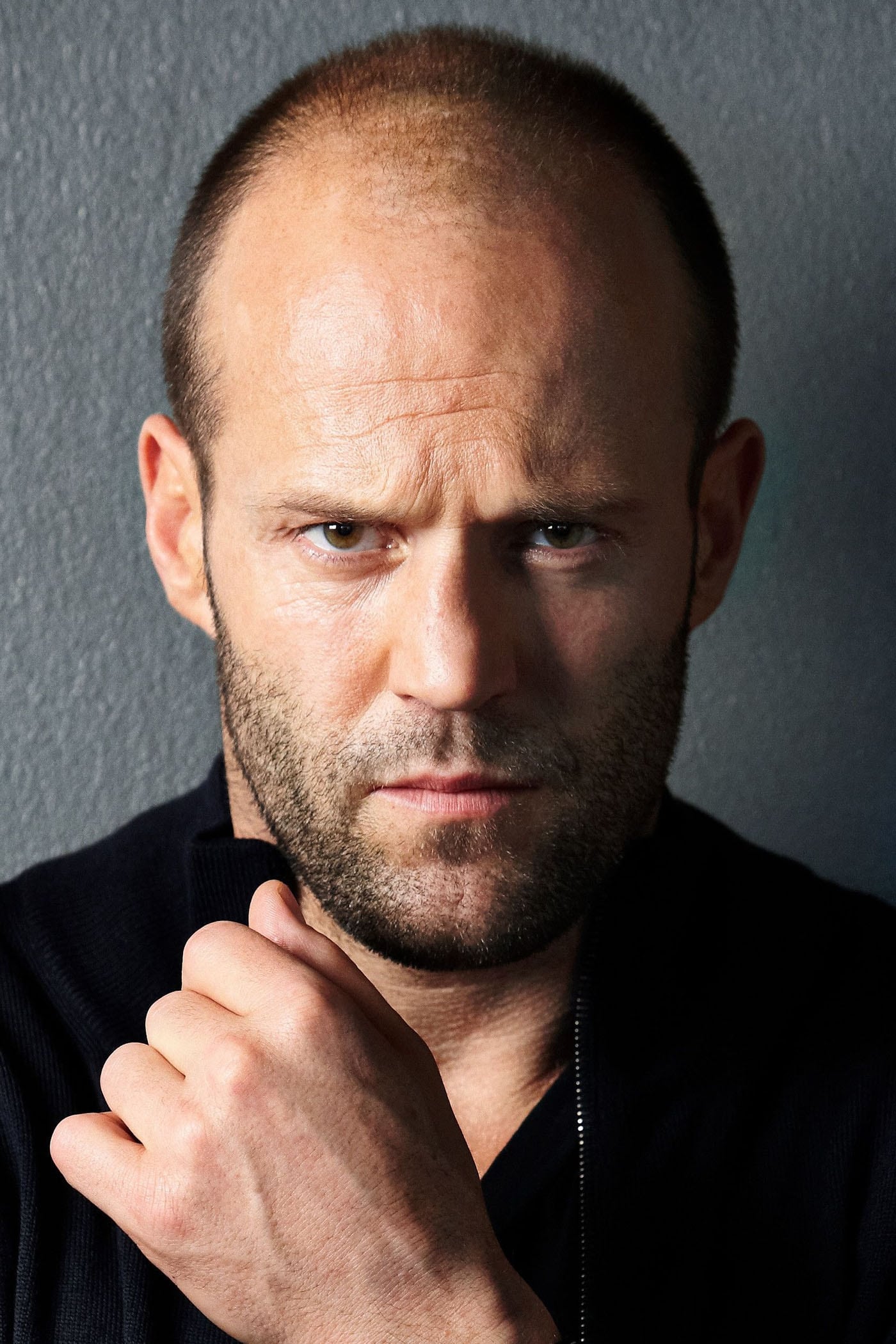
Jason Statham’s career locked into high-velocity action with ‘The Transporter’, then broadened through ‘Crank’, ‘The Expendables’, and ‘Fast & Furious’ installments. He reliably headlines roles as the laconic, hyper-competent fixer or driver. That clarity lets studios market films efficiently and plug him into ensemble franchises without confusing audiences. The result is frequent, internationally distributed releases that perform across theatrical and streaming windows.
Liam Neeson
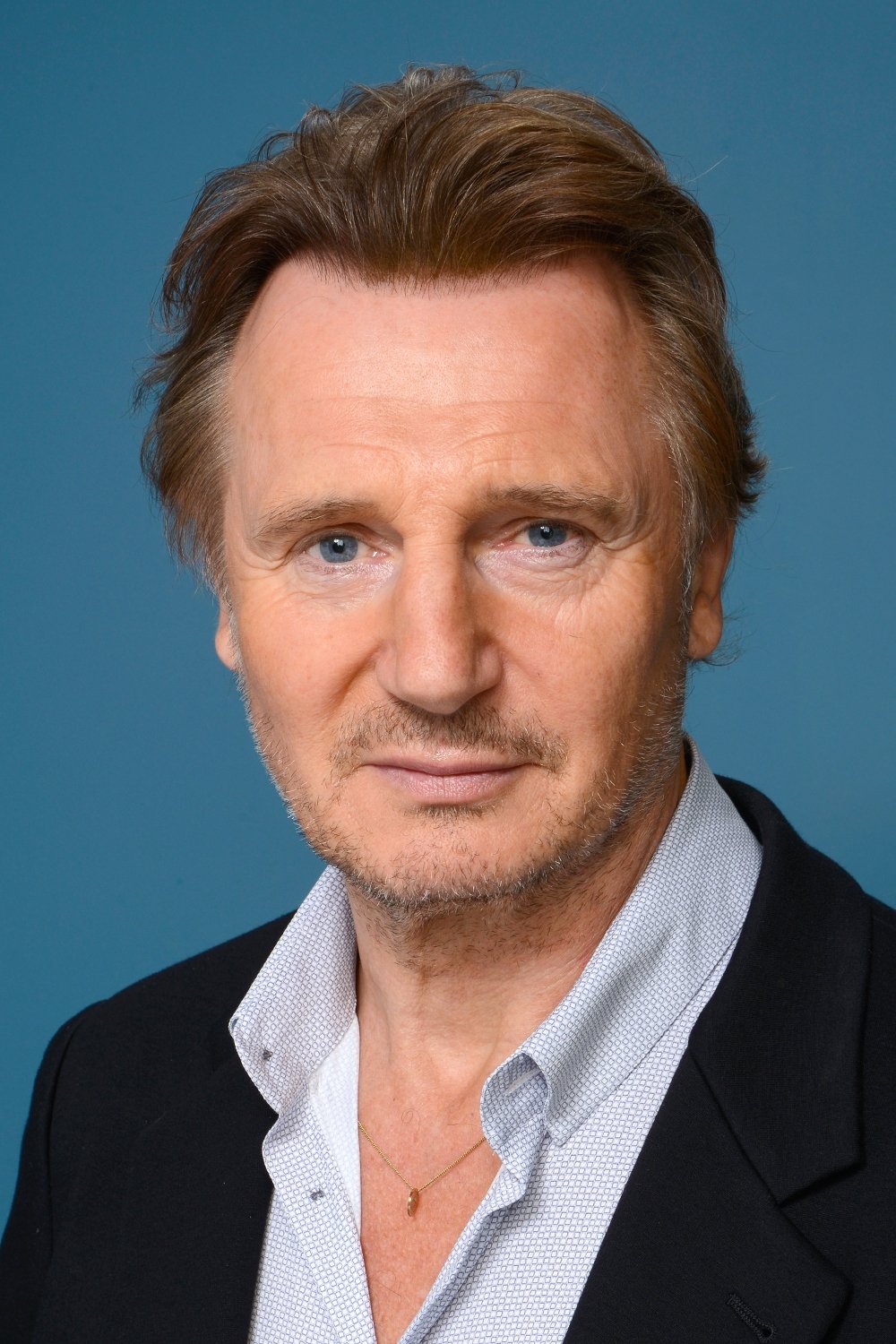
Liam Neeson’s late-career pivot to the relentless, skilled avenger started with ‘Taken’ and continued through titles like ‘Unknown’, ‘Non-Stop’, and ‘The Commuter’. The roles typically center on a capable professional navigating conspiracies, kidnappings, or heists. The formula proved repeatable across settings—airplanes, trains, and European capitals—without diluting audience interest. This dependable blueprint kept him in leading roles well beyond the traditional action-star age window.
Keanu Reeves
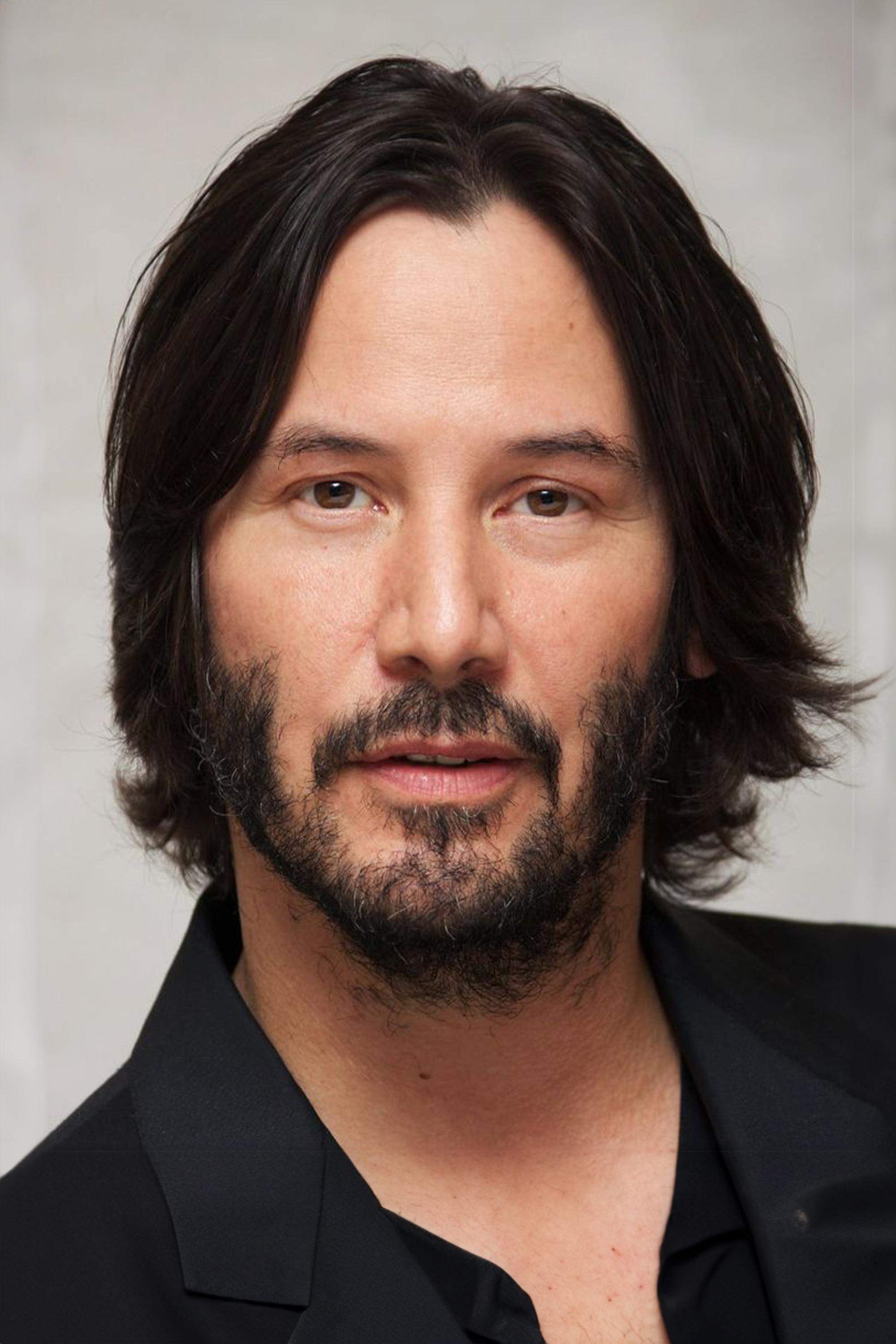
Keanu Reeves’ reserved, hyper-focused action persona crystallized with ‘Speed’ and ‘The Matrix’, then reached new heights with ‘John Wick’. The character archetype emphasizes precision, economy of movement, and an unwavering mission. This approach fuels choreography-driven set pieces that are easy to market worldwide. The consistent screen identity supports multi-film worldbuilding and strong ancillary markets.
Dwayne Johnson
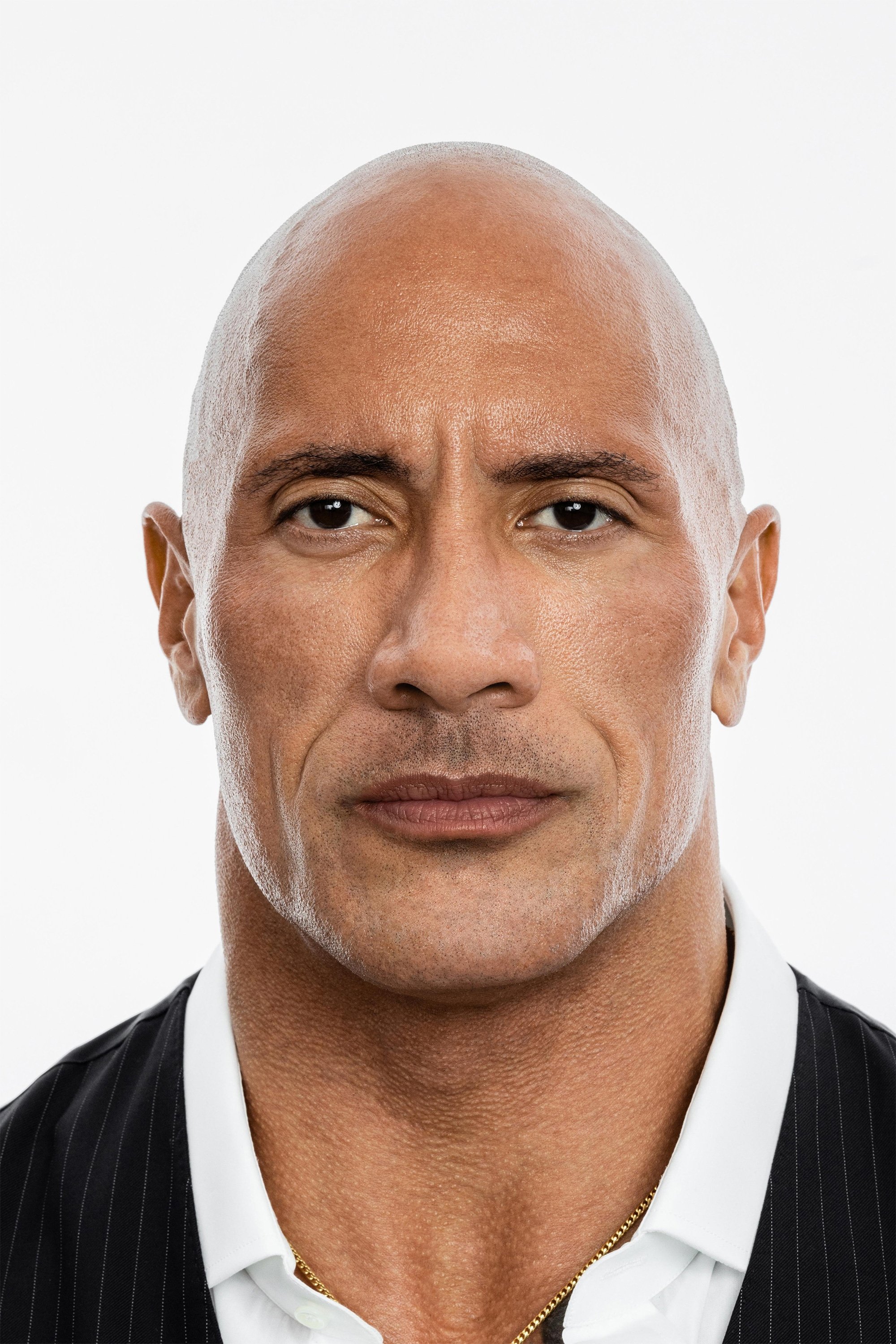
Dwayne Johnson’s charismatic action-lead persona bridges family adventure and blockbuster spectacle with ‘Jumanji’, ‘Fast & Furious’ entries, and ‘Skyscraper’. His roles often position him as a dependable protector with a comedic edge. That brand adapts well to ensemble casts and franchise crossovers, making him a frequent anchor for tentpole releases. The repeatable image enhances international appeal and licensing opportunities.
Alan Rickman
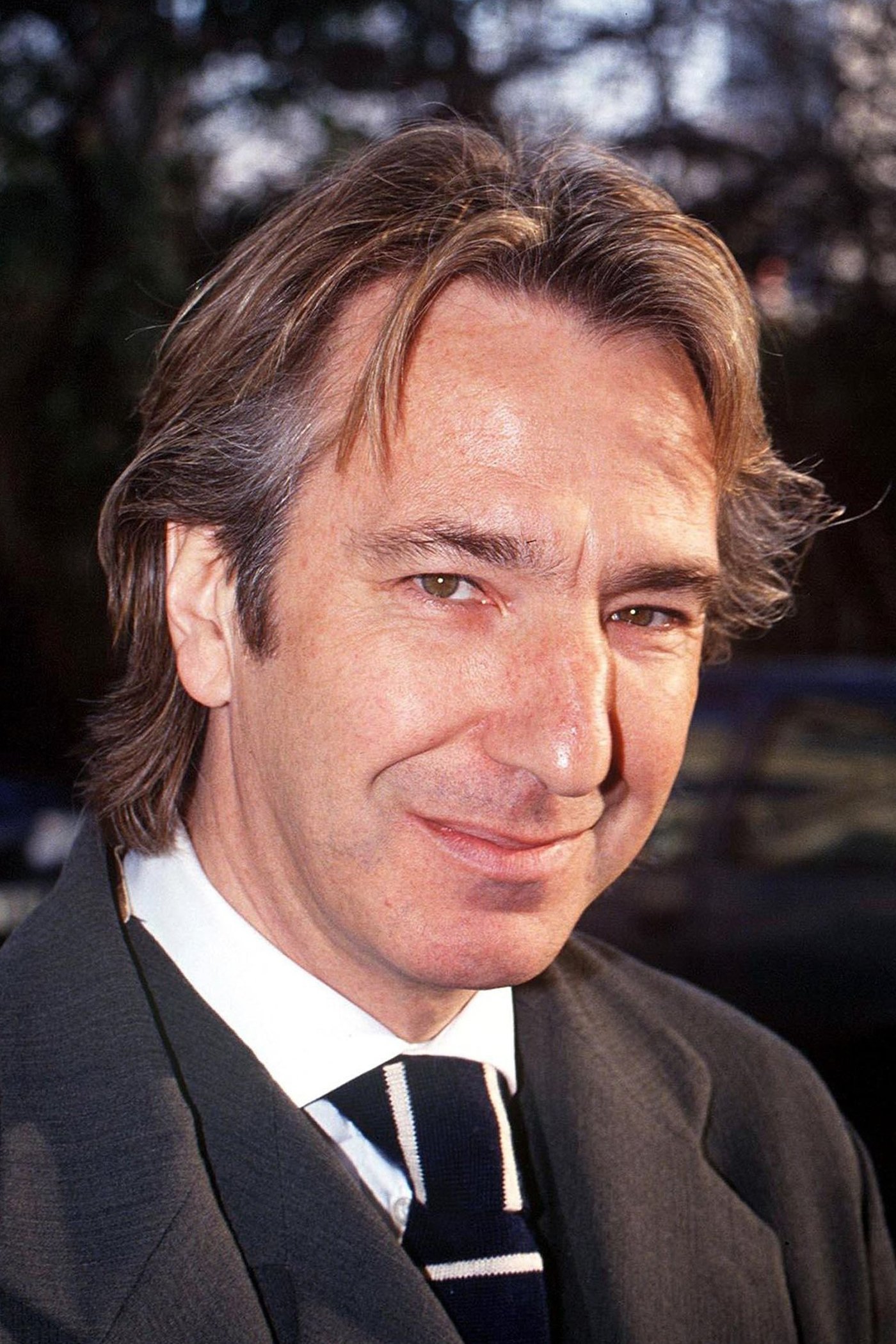
Alan Rickman’s refined, incisive menace rose to prominence with ‘Die Hard’ and continued through ‘Robin Hood: Prince of Thieves’, then shifted to severe authority in ‘Harry Potter’. Casting directors repeatedly used his unmistakable voice and precise delivery for antagonists or stern figures. This led to high-profile roles in major franchises and event movies. The recognizable screen presence guaranteed attention each time he appeared.
Christopher Lee
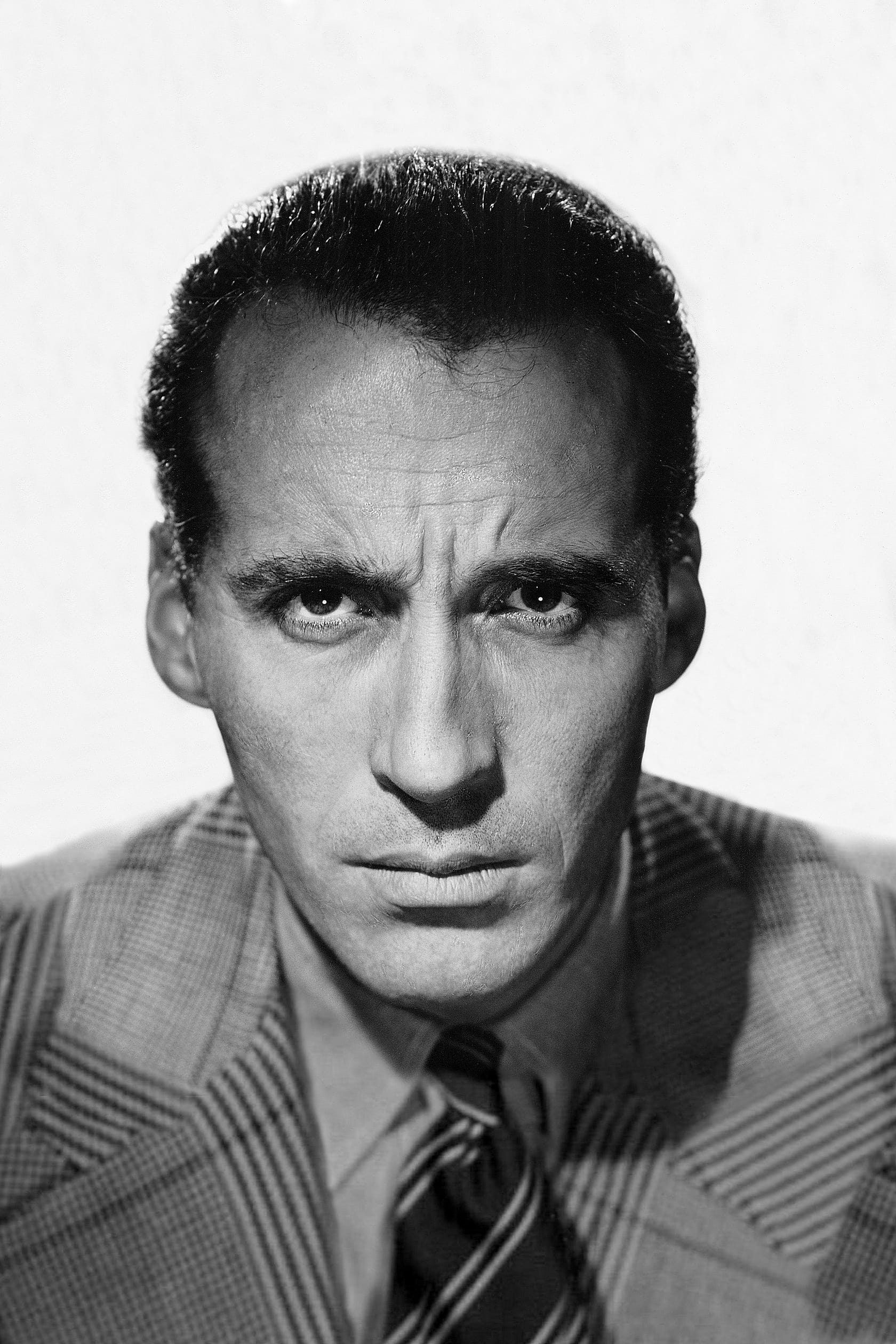
Christopher Lee’s commanding villainy began with Gothic horror in ‘Dracula’ and evolved into epic-fantasy antagonists in ‘The Lord of the Rings’ and ‘Star Wars’. His height, voice, and gravitas made him a go-to for powerful, imposing figures. Returning to similar archetypes across genres kept him in marquee projects late into his career. The consistent casting delivered memorable antagonists that strengthened franchise stakes.
Leslie Nielsen
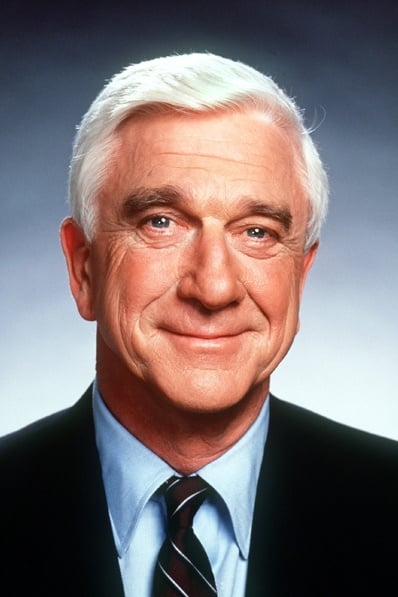
Leslie Nielsen shifted from straight dramatic roles to deadpan comedy with ‘Airplane!’ and then ‘The Naked Gun’ series. The stone-faced delivery became a comedic signature used across numerous parodies. Producers repeatedly cast him to replicate that tone, ensuring audiences knew exactly what kind of humor to expect. The pivot created a second, highly visible phase of his career with strong home-video and television replay value.
Benedict Cumberbatch
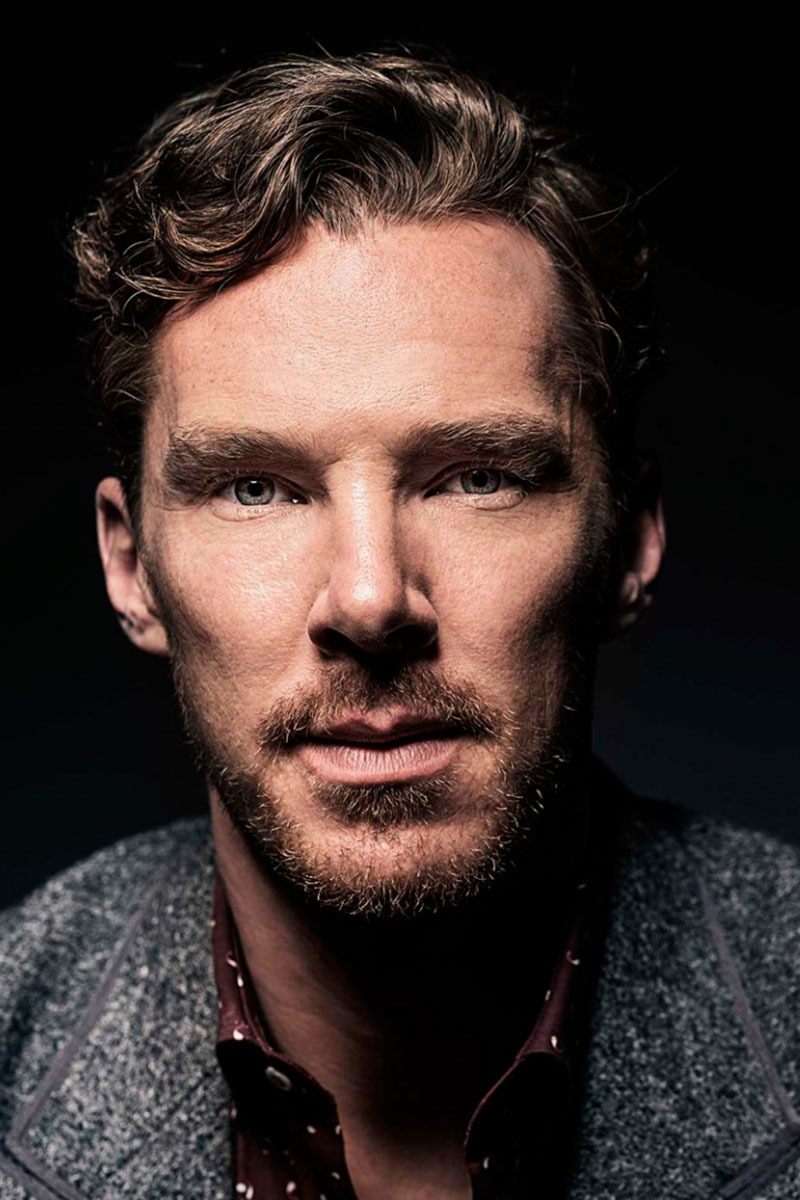
Benedict Cumberbatch frequently portrays hyper-intelligent, aloof problem-solvers in ‘Sherlock’, ‘The Imitation Game’, and ‘Doctor Strange’. Projects leverage his brisk cadence and analytical presence to embody specialists, detectives, or masters of arcane knowledge. This recognizable profile connects television, prestige film, and blockbuster franchises. The repetition has yielded awards recognition and a clear lane for event-level roles.
Michael Cera
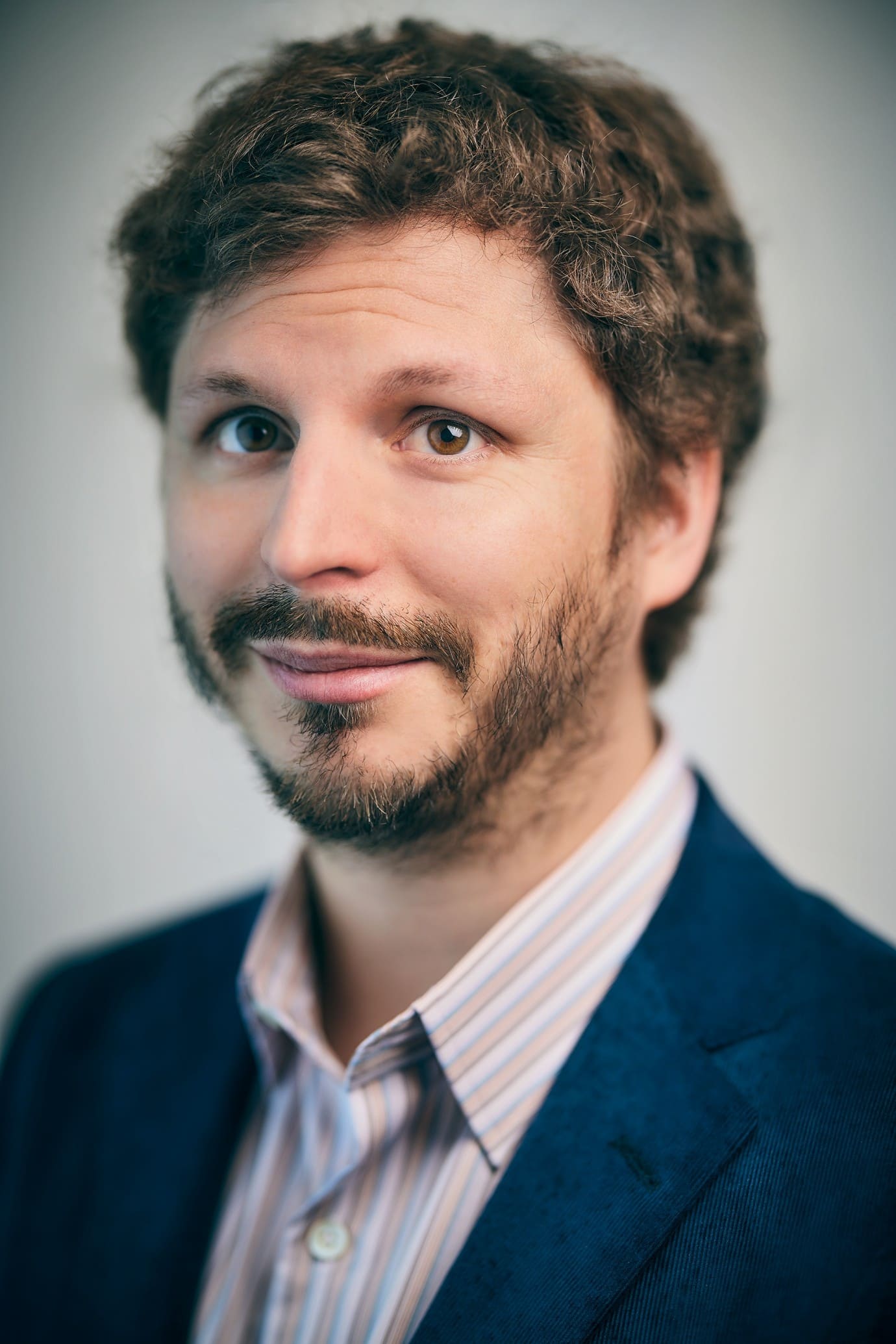
Michael Cera became closely associated with the awkward, sincere everyman through ‘Arrested Development’, ‘Superbad’, and ‘Scott Pilgrim vs. the World’. Casting directors used that persona to anchor ensemble comedies and coming-of-age stories. The familiarity helps market tone and audience expectations instantly. The niche also enabled playful subversions in later projects while still benefiting from the established image.
Share your picks in the comments: which typecast performance do you think worked out best?