Great Films Ruined by Controversy—not Quality


Great movies can get buried under headlines that have nothing to do with what’s on the screen. From boycotts and bans to lawsuits and security warnings, a wave of public disputes has derailed releases, awards campaigns, and even long-term reputations. Below are forty acclaimed or high-profile films whose cultural impact was overshadowed by controversy rather than craft, with a quick look at what actually happened and why it mattered.
‘The Last Temptation of Christ’ (1988)
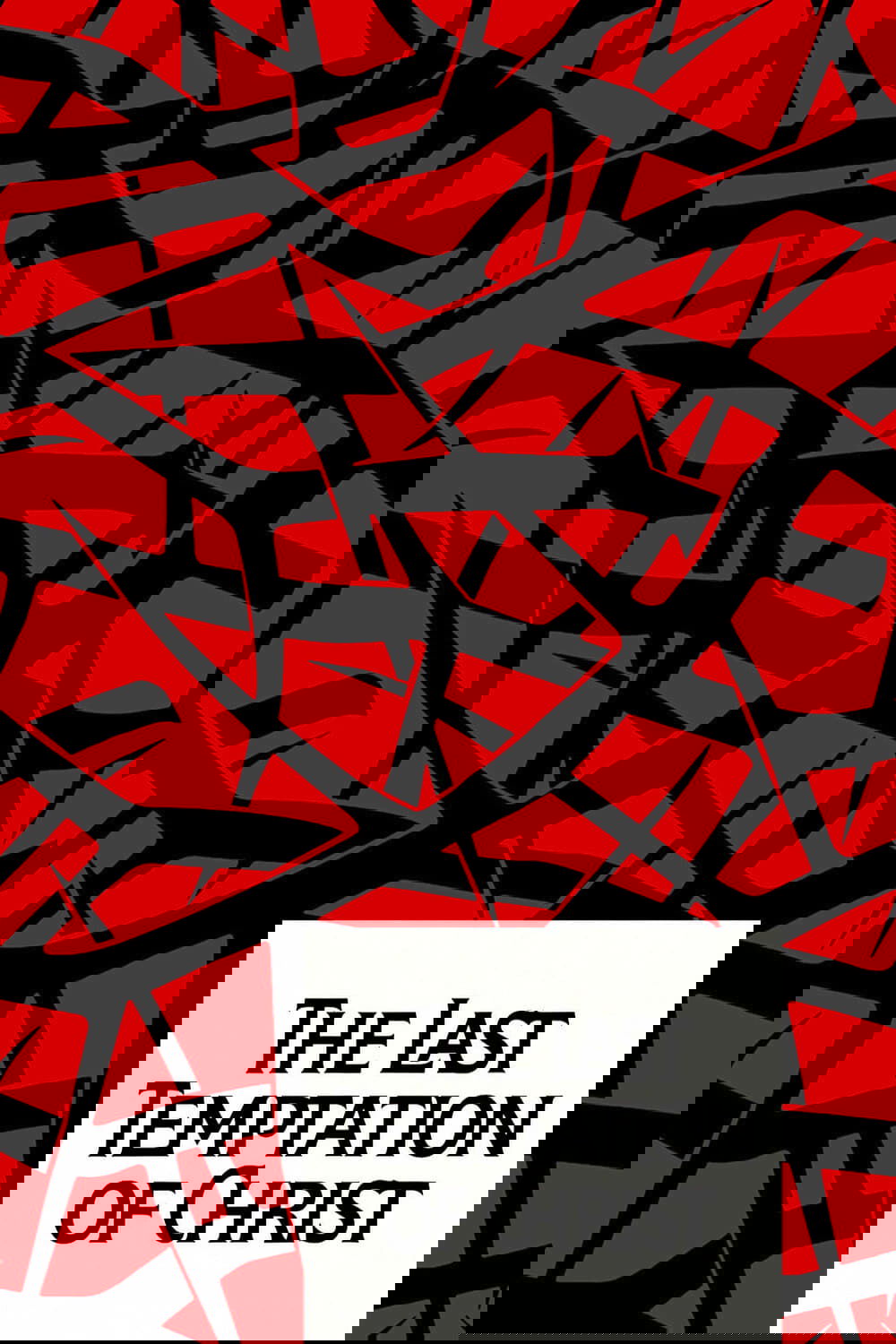
Religious groups organized worldwide protests against Martin Scorsese’s adaptation, citing blasphemy concerns and pressuring theaters to pull bookings. Several countries imposed bans or temporary restrictions, and some cities saw pickets outside cinemas. The studio added advisories clarifying the film was not drawn directly from scripture. Despite the uproar, the film earned major festival and awards attention and later received uncensored home releases.
‘Life of Brian’ (1979)
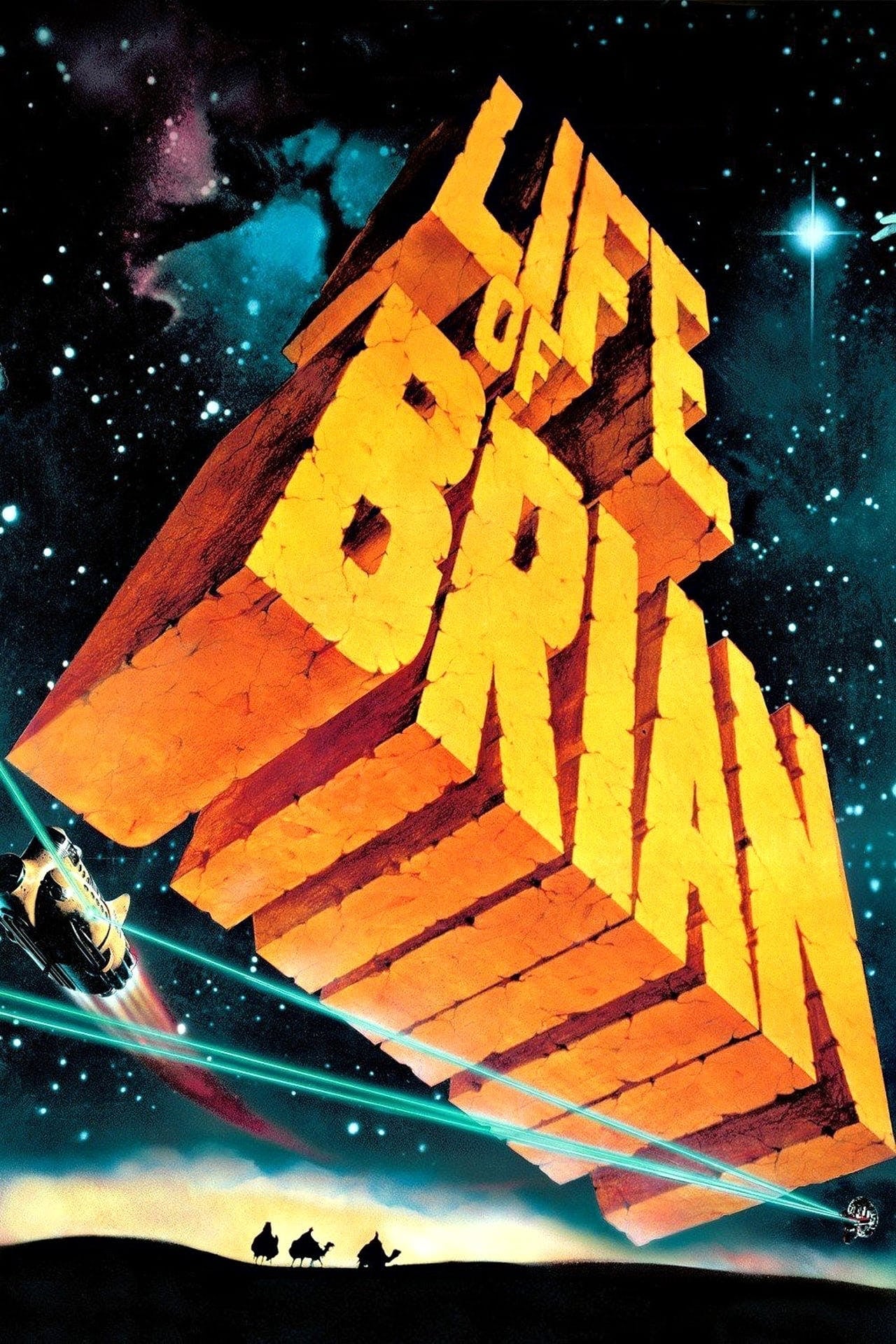
Multiple local authorities in the UK refused certificates, creating a patchwork release with some towns banning the film entirely. Ireland and Norway enacted outright bans at the time, fueling the famous “banned in Norway” marketing line. Public debates featured clergy and scholars arguing over satire versus sacrilege. The distribution limitations significantly cut initial theatrical exposure before later reissues widened access.
‘A Clockwork Orange’ (1971)
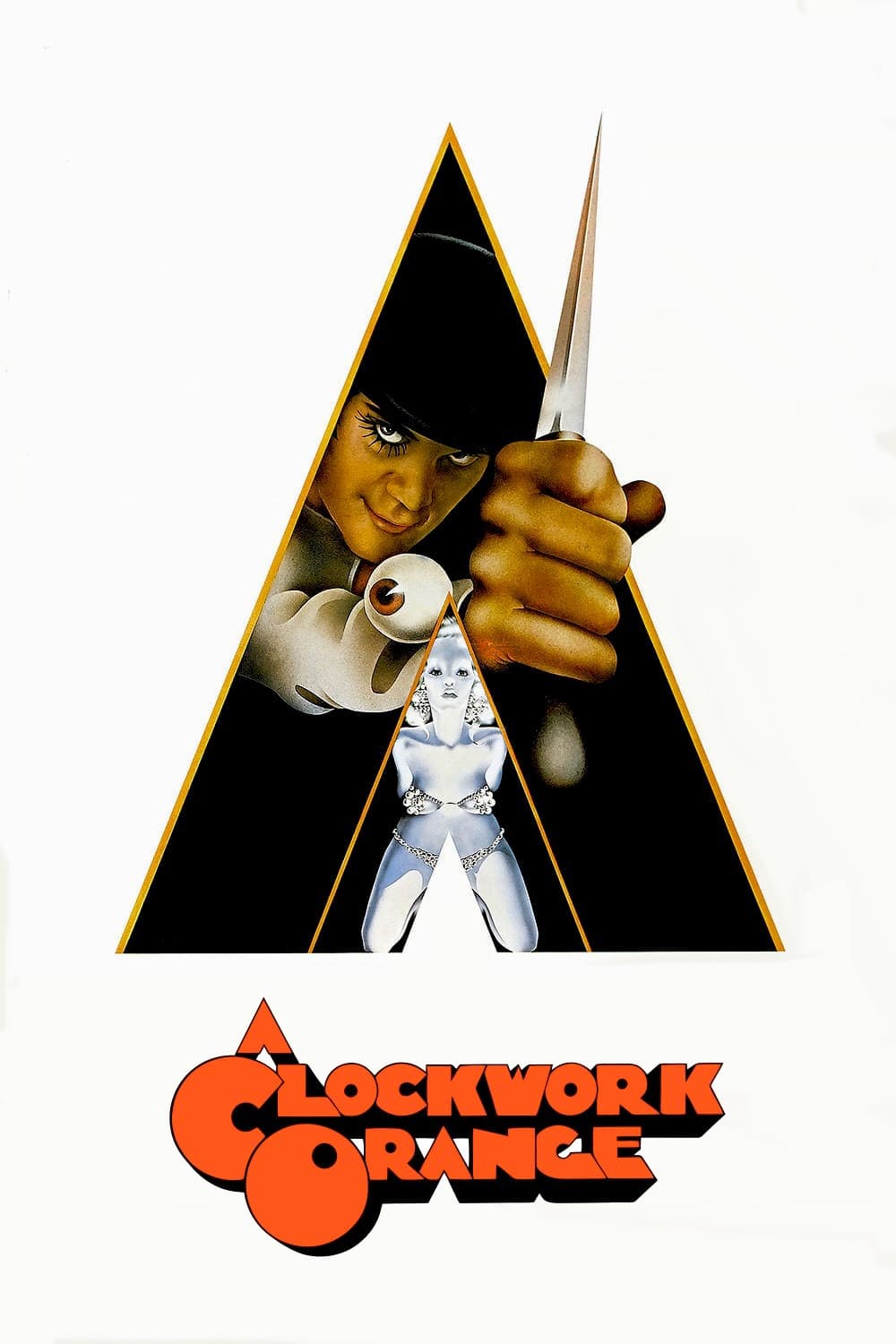
Following reports that courts and newspapers linked violent incidents to copycat behavior, UK controversy intensified around the film’s potential social effects. Stanley Kubrick requested the film be withdrawn from British circulation, and it remained unavailable theatrically there for decades. Imports and bootlegs proliferated, complicating rights enforcement. The official UK re-release finally arrived long after its original run, reshaping its local legacy.
‘The Exorcist’ (1973)

Concerns over intense imagery led to age-restriction battles, edited prints in some regions, and scattered local bans. Theatrical exhibitors reported security and medical staff on site due to fainting and panic incidents. Religious organizations campaigned against the content while audiences lined up around blocks. Successive versions and restorations later clarified what had been cut or altered for certain markets.
‘The Passion of the Christ’ (2004)
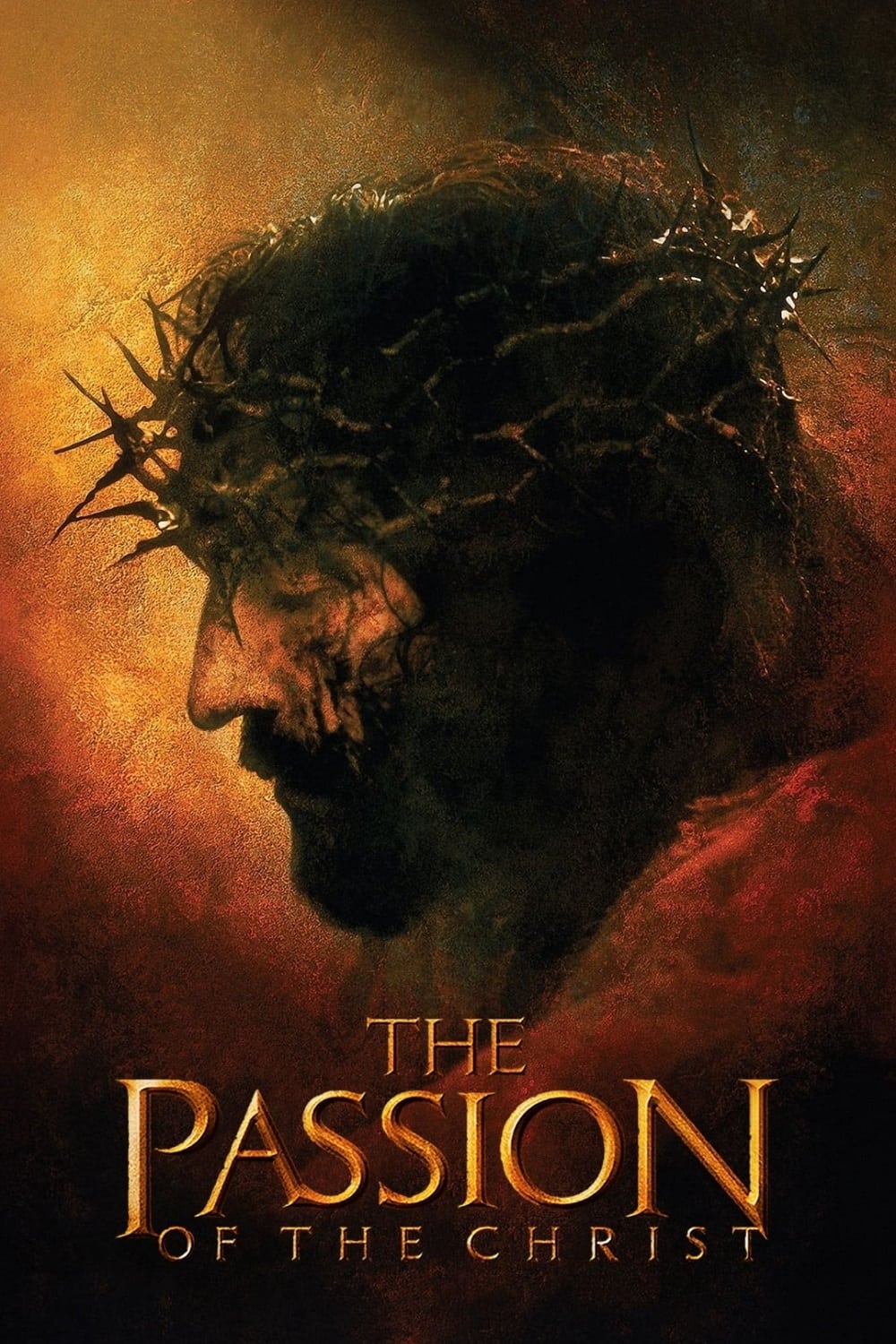
Commentators and interfaith organizations criticized depictions they argued could encourage antisemitic readings. The film’s graphic violence sparked rating debates and content advisories in several territories. Public discussions grew to include language authenticity, historical sourcing, and media responsibility. The controversy did not stop record-setting ticket sales, but it dominated news coverage through awards season.
‘Joker’ (2019)
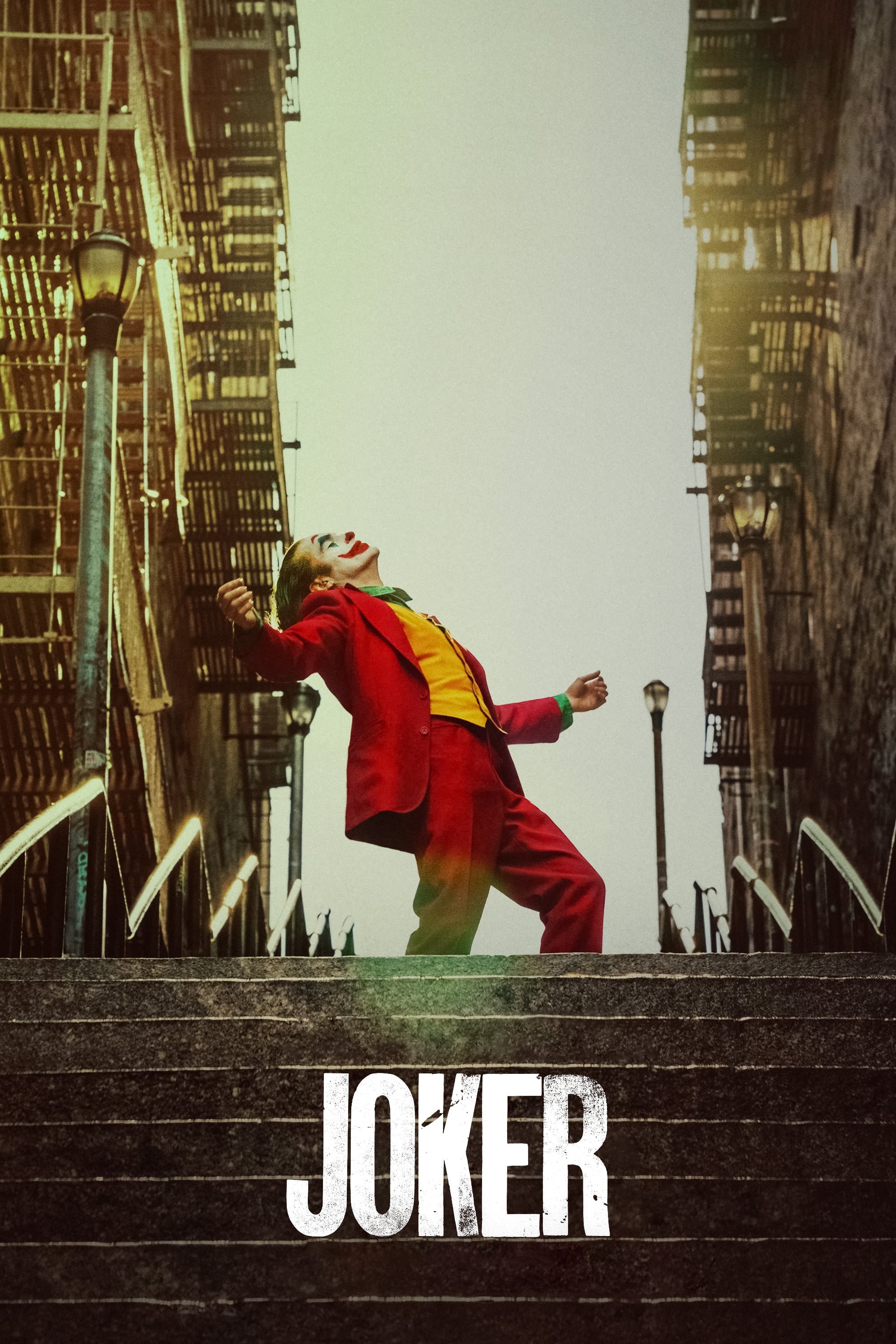
US theaters implemented heightened security measures after law-enforcement memos warned of potential threats around opening weekend. Survivors and families of victims of the Aurora theater shooting publicly urged distributors to act cautiously with marketing. Some venues restricted costumes and face paint, and military and police departments circulated internal alerts. No incidents occurred at scale, but the safety discourse overshadowed the release window.
‘The Interview’ (2014)
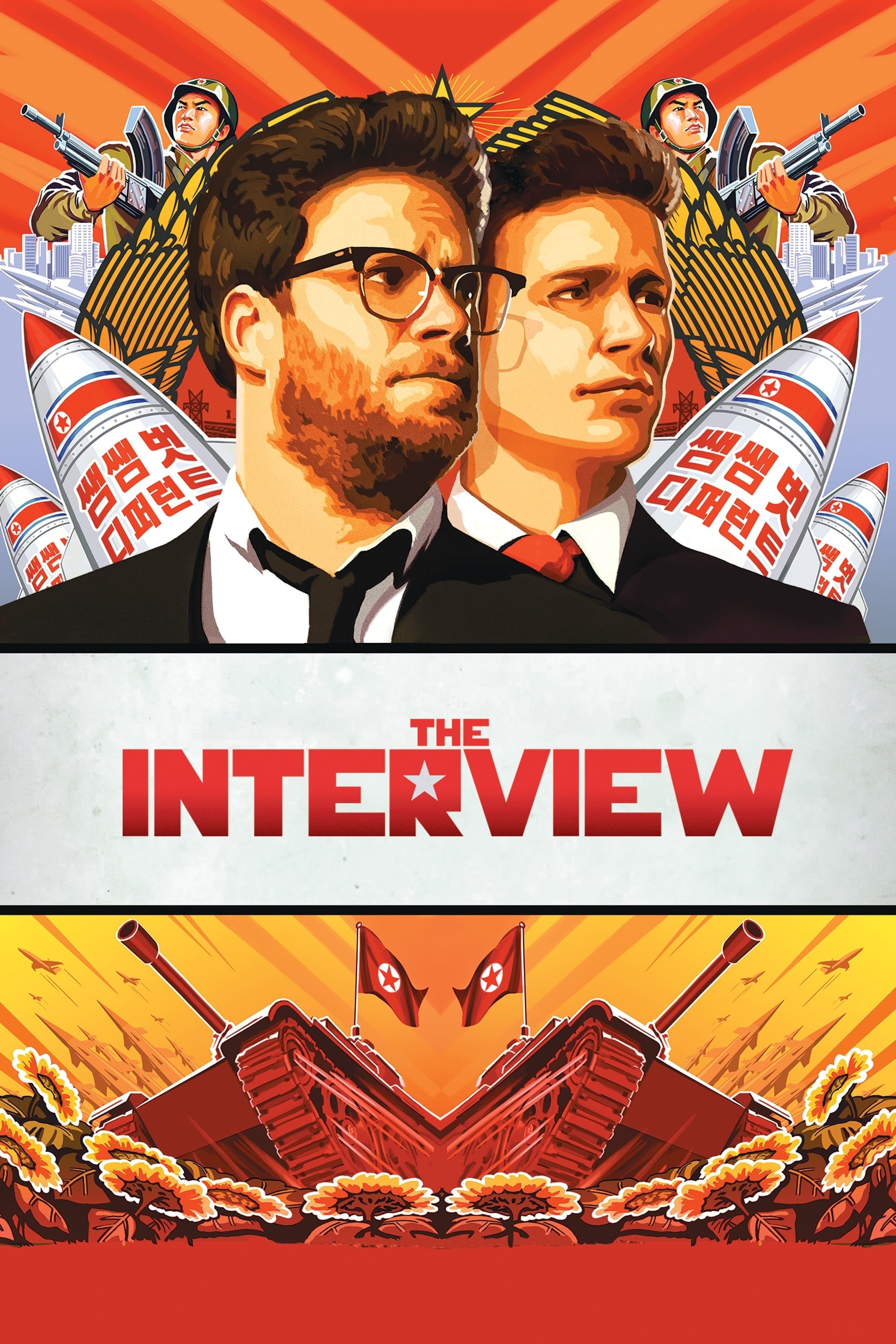
A major corporate cyberattack leaked internal emails and unreleased materials, followed by threats against theaters planning to screen the film. Major chains canceled bookings, prompting a pivot to a limited theatrical rollout and same-day digital release. Government agencies publicly attributed the hacking to a foreign state actor, turning a comedy into a geopolitical flashpoint. The altered distribution model became an industry case study for emergency release strategies.
‘Cuties’ (2020)

A promotional image and synopsis on a streaming platform triggered accusations of exploitation that diverged from the film’s actual narrative. Politicians called for investigations, and online campaigns demanded removal. The distributor apologized for the marketing approach and updated artwork and descriptions. The film continued to screen in festivals and remain available, but the initial outrage defined its broader public profile.
‘The Birth of a Nation’ (2016)
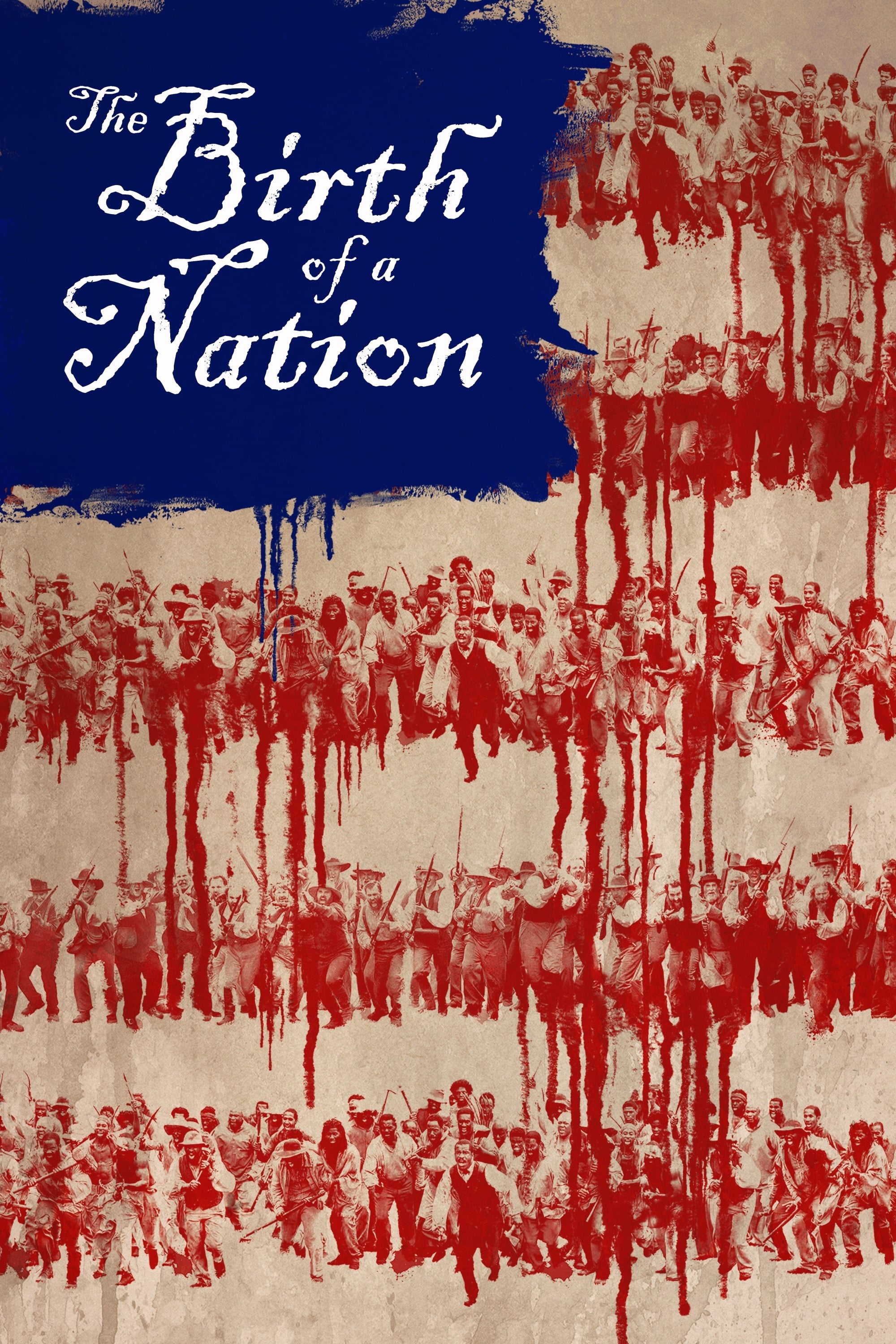
Old legal case records and media interviews resurfaced about the director-star’s college years, igniting a renewed public conversation unrelated to the finished film. The fallout led to canceled press events, muted festival momentum, and a scaled-back awards push. Distribution partners reworked marketing plans amid calls for boycotts. The project’s early acquisition buzz evaporated before its wide release.
‘Blue Is the Warmest Color’ (2013)

Reports from the lead actors and crew detailed grueling working conditions and disputes with the director, drawing union and press scrutiny. The film’s explicit content also triggered ratings controversies and restricted access in some territories. Public statements from the principals continued for months, keeping behind-the-scenes issues in headlines. Home-video and TV versions varied by country due to differing standards.
‘The Wolf of Wall Street’ (2013)
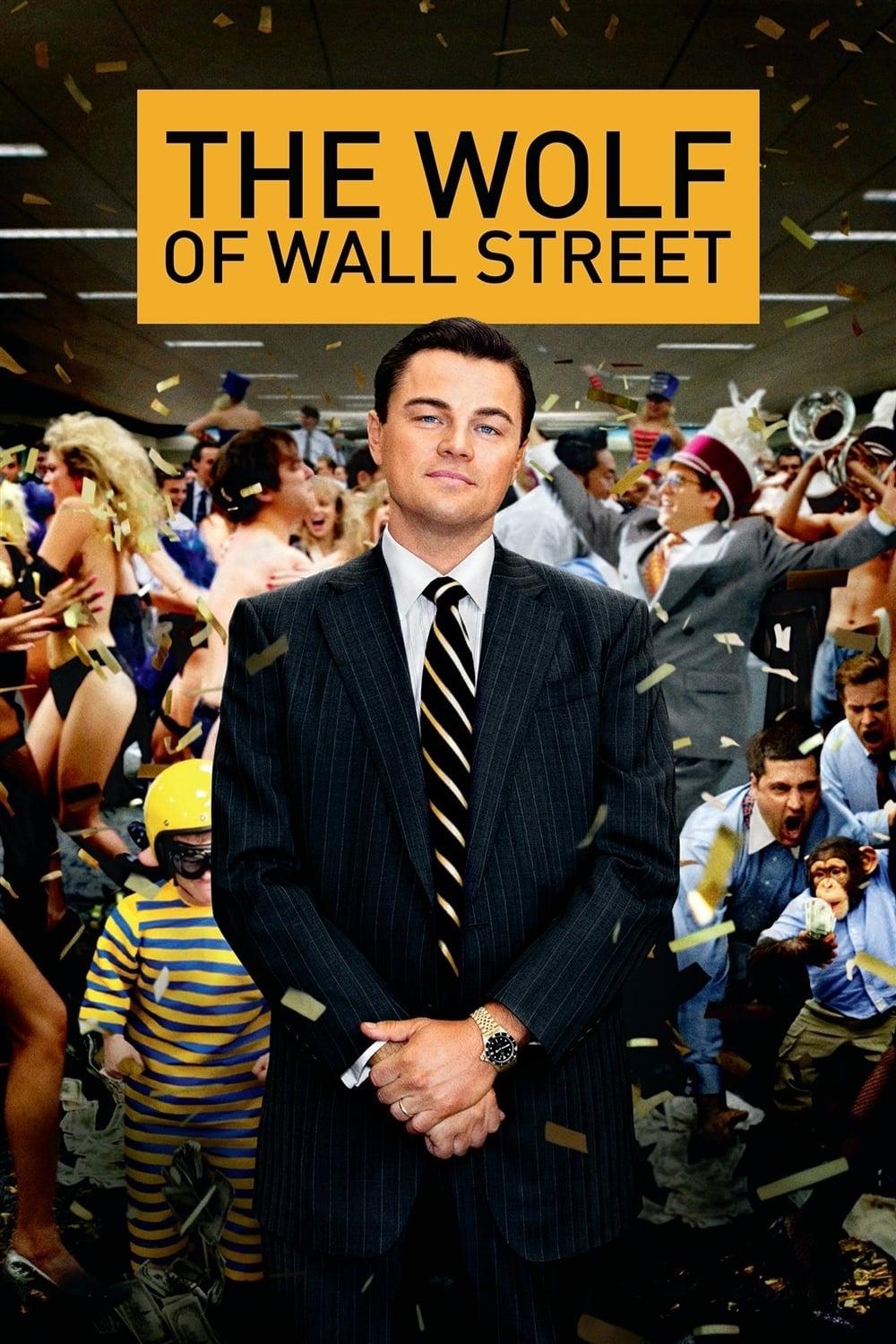
Censors in multiple countries demanded cuts for language, drug use, and sexual content, leading to alternate versions. Lawsuits and complaints from depicted individuals and organizations added legal noise around the release. Some markets restricted advertising materials or affixed extra content warnings. Box-office results remained strong, but debates about depiction versus endorsement dominated coverage.
‘Zero Dark Thirty’ (2012)

US senators and advocacy groups criticized the film’s portrayal of interrogation practices, prompting official letters and public statements. The studio adjusted marketing and issued clarifications about sourcing and artistic license. Awards voters fielded sustained lobbying and counter-lobbying over its accuracy claims. Internationally, some broadcasters scheduled late-night airings or added disclaimers for initial TV runs.
‘The Da Vinci Code’ (2006)

Church groups organized boycotts, and several countries implemented partial or full bans on theatrical screenings. Legal challenges from authors alleging idea appropriation reached court, drawing added media attention even after rulings. Tour sites featured in the story experienced policy changes for filming and promotion. Distributors released edited or advisory-laden versions to meet local rules.
‘The Texas Chain Saw Massacre’ (1974)
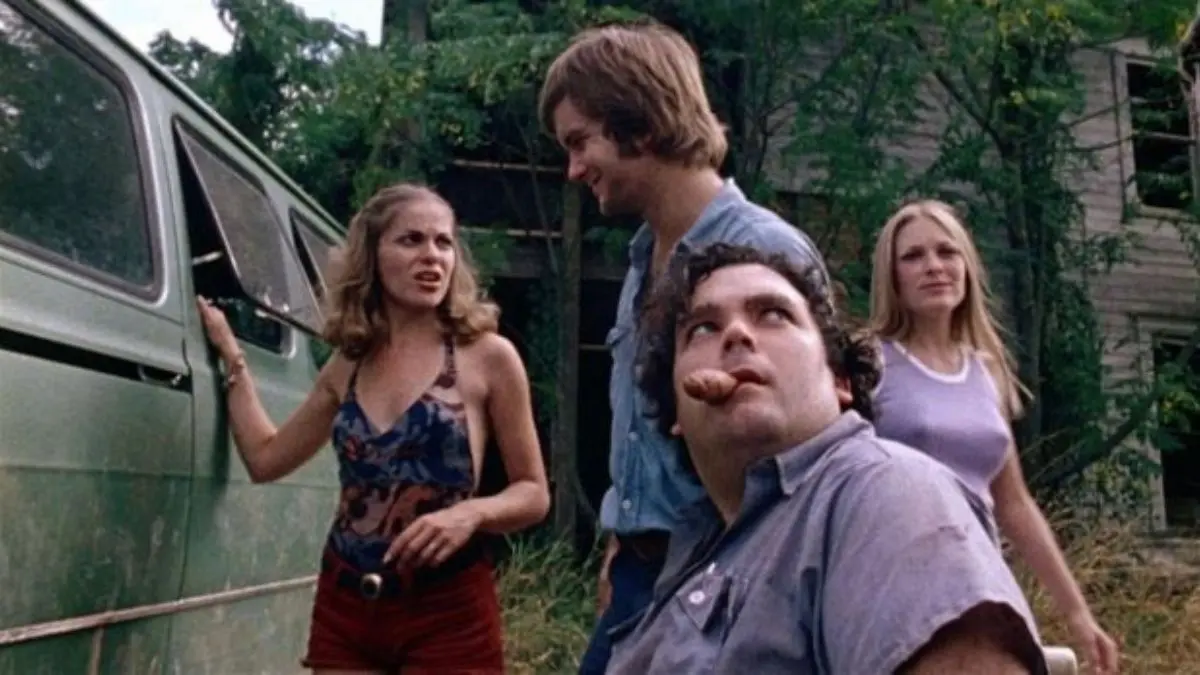
National and local boards in several countries refused classification or demanded deep cuts due to perceived obscenity. Some regions kept the film off screens for years, while others allowed only censored editions. Home-video distribution later faced seizures and prosecutions under video-nasties crackdowns. Restorations slowly reintroduced uncut versions as standards evolved.
‘Freaks’ (1932)
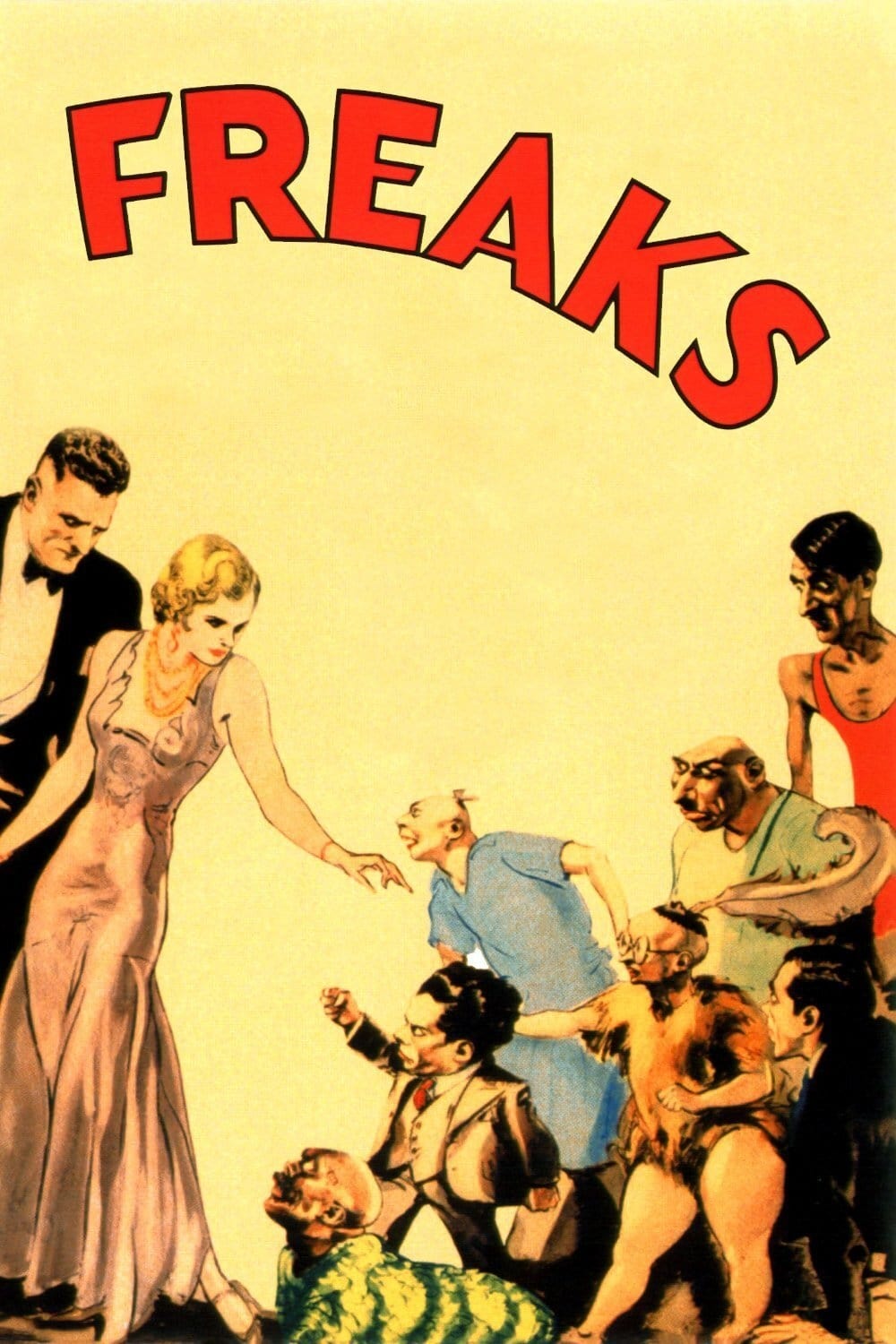
Early audiences and censors reacted strongly to its casting and subject matter, resulting in significant cuts and limited bookings. The studio shortened the film substantially after preview complaints. Several cities and countries banned it outright, and the director’s career momentum suffered. Rediscovery decades later reframed the film’s place in cinema history, but its initial release was severely curtailed.
‘Lolita’ (1962)
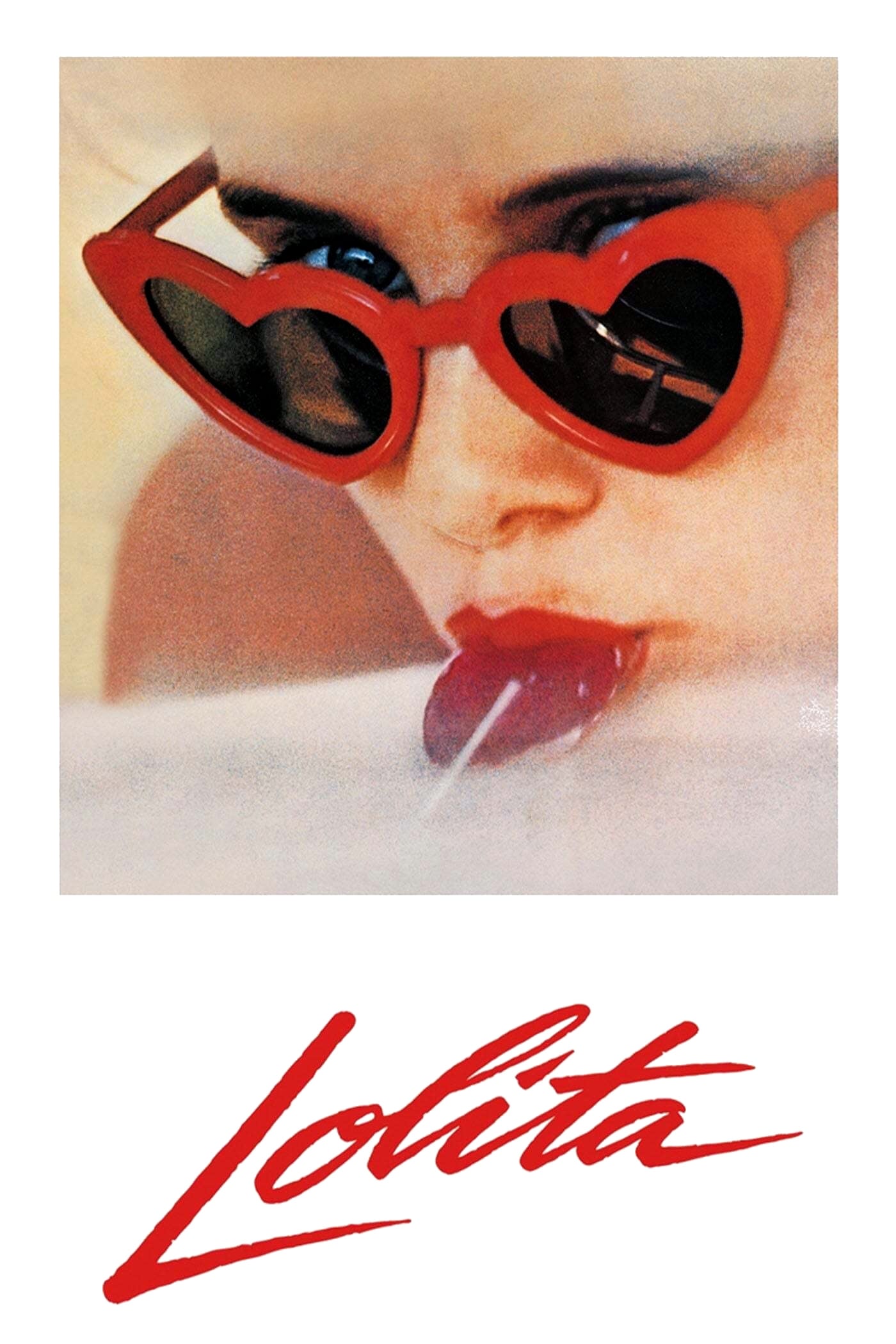
The production navigated strict codes by altering dialogue and imagery to secure approval, triggering debates about what could legally be depicted. International releases varied widely, with some territories requiring further edits. Marketing leaned on suggestion rather than explicit content to placate regulators. The constraints shaped distribution timetables and poster campaigns across markets.
‘Last Tango in Paris’ (1972)
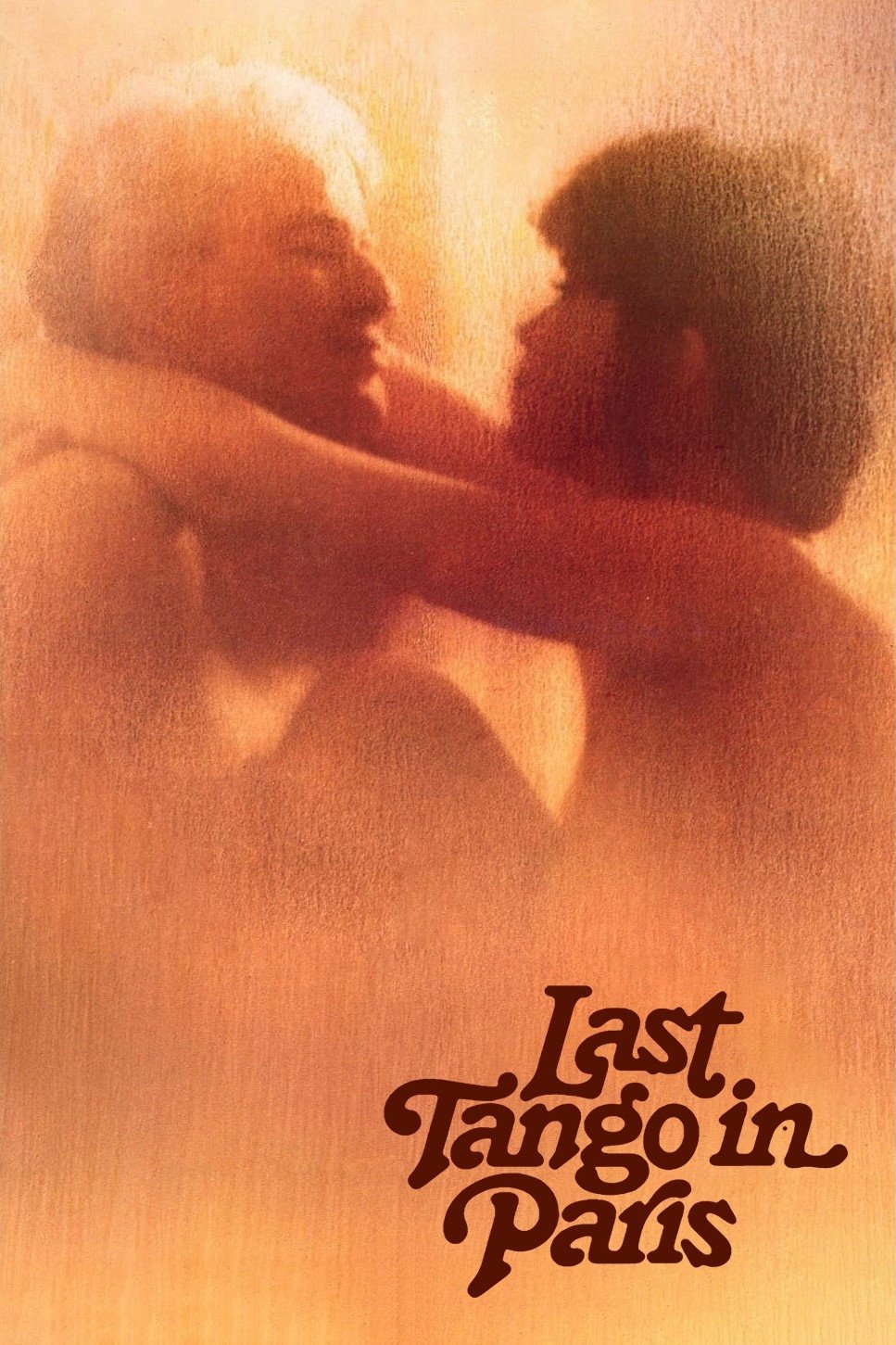
Authorities in multiple countries pursued obscenity actions, with courts ordering cuts or temporary confiscations of prints. Later interviews about the production reignited public debate over consent and ethics on set. Some regions reinstated earlier restrictions upon reevaluation. Archives and festivals implemented content advisories when programming retrospective screenings.
‘Twilight Zone: The Movie’ (1983)

A helicopter crash during filming killed three performers, leading to criminal charges and civil litigation. Unions and studios revisited safety protocols, and investigations scrutinized permitting and night-shoot practices. Release marketing muted discussion of the relevant segment while legal cases proceeded. The tragedy remained the dominant narrative around the anthology’s legacy.
‘A Dog’s Purpose’ (2017)
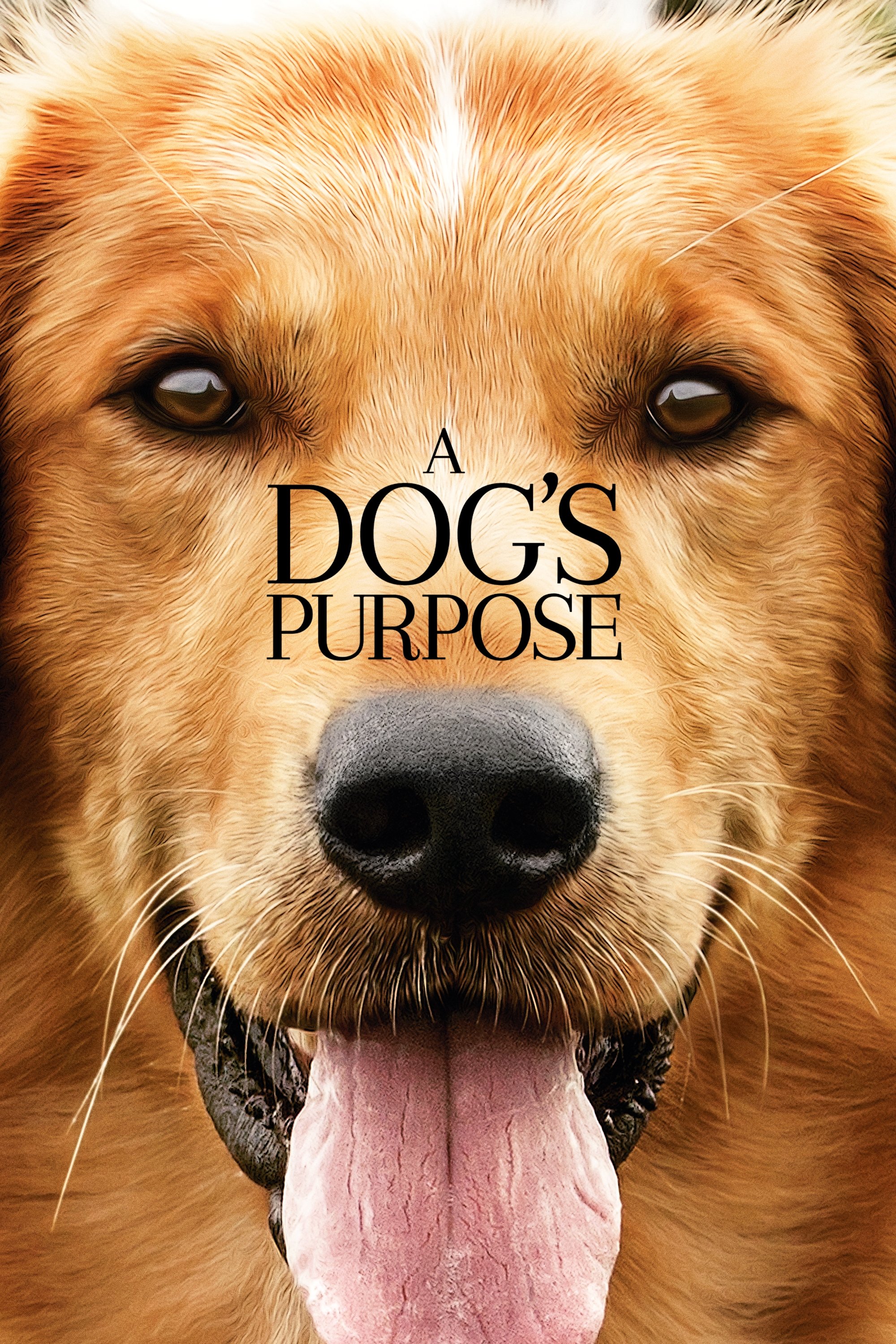
A leaked video appeared to show a distressed dog during a water stunt, prompting calls for boycotts and the cancellation of a premiere event. Producers and an independent group later reported that the clip was edited in a misleading way, and on-set oversight procedures were reviewed publicly. Animal-safety organizations released statements and requested documentation. The film continued its run with disclaimers about welfare supervision.
‘United 93’ (2006)

Advance advertising drew criticism from some viewers who felt the dramatization of a recent national tragedy was premature. The studio responded with carefully framed trailers and statements about consultation with families. Security and memorial groups weighed in on the film’s research process and permissions. The release strategy emphasized respectful tone and limited early screenings before wider rollout.
‘The Battle of Algiers’ (1966)
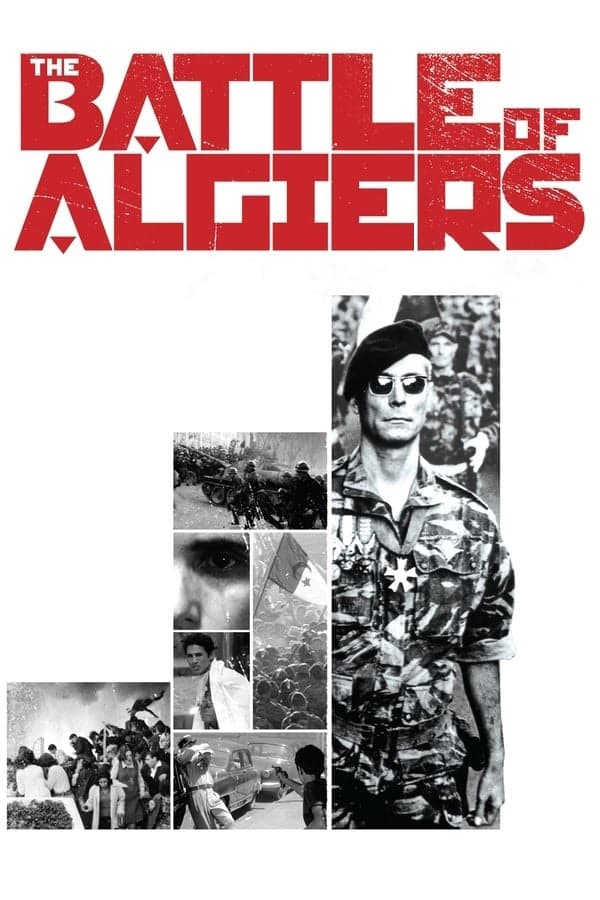
The film’s documentary-style portrayal of colonial conflict led to official discomfort in certain countries and long periods of restricted exhibition. Authorities cited national security and public order concerns when limiting screenings. Military and police organizations later used the film as a training resource, complicating public debate over its intent. Restorations and festival play eventually broadened access after earlier constraints.
‘The Devils’ (1971)
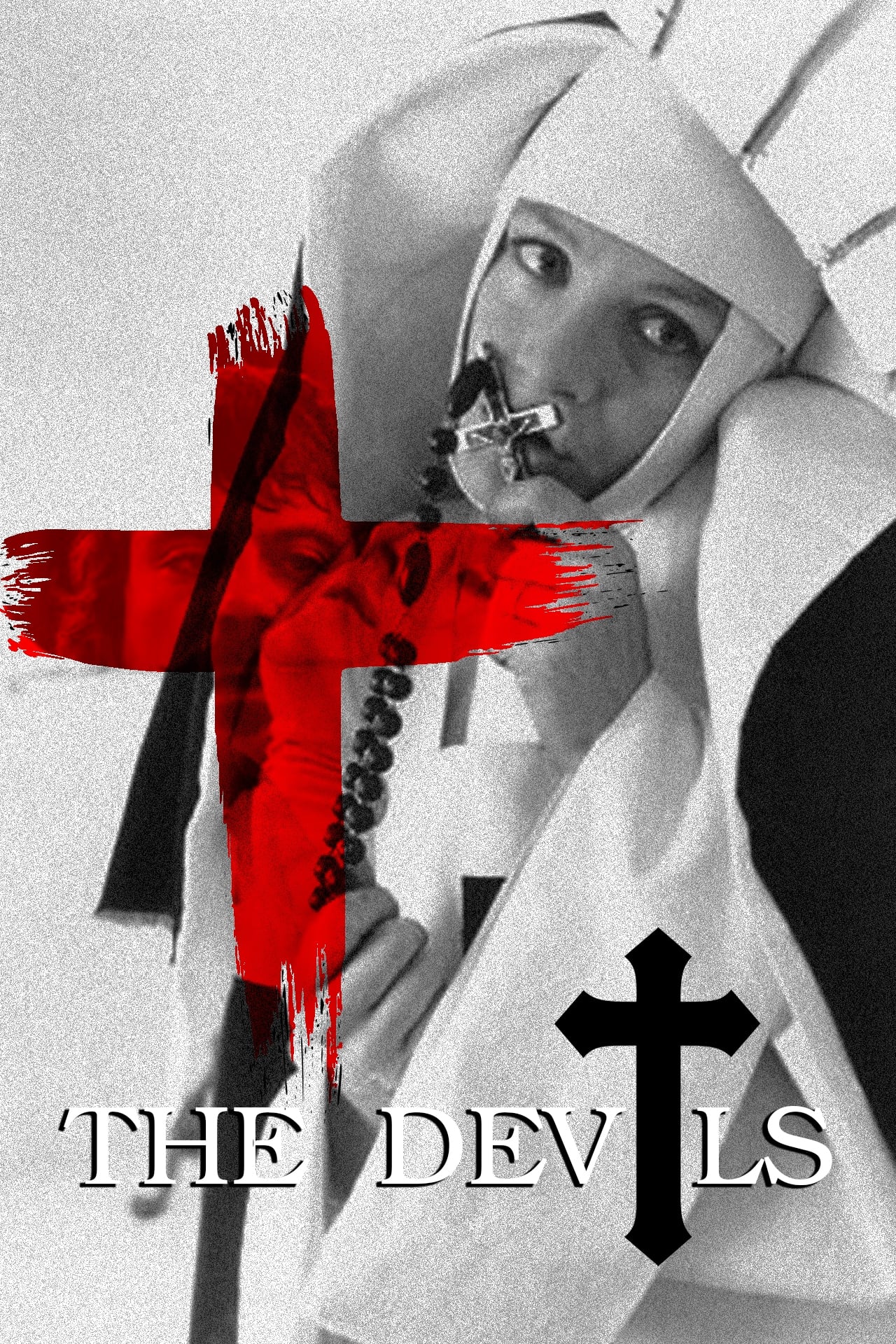
Censorship boards demanded extensive cuts for violence and religious imagery, resulting in multiple versions circulating across different territories. The studio withheld certain scenes from general release, and some prints were seized or edited by local authorities. Archival efforts to assemble a complete version faced rights and materials challenges. The patchwork availability shaped decades of critical discussion.
‘Salò, or the 120 Days of Sodom’ (1975)

Bans and seizures were common due to extreme content, with customs offices and courts citing obscenity statutes. Retailers and distributors faced prosecutions over possession and sale in several markets. Festivals often programmed the film with advisories and age restrictions to comply with regulation. Legal rulings gradually clarified classification policies, but the title’s availability remained inconsistent.
‘The Deer Hunter’ (1978)
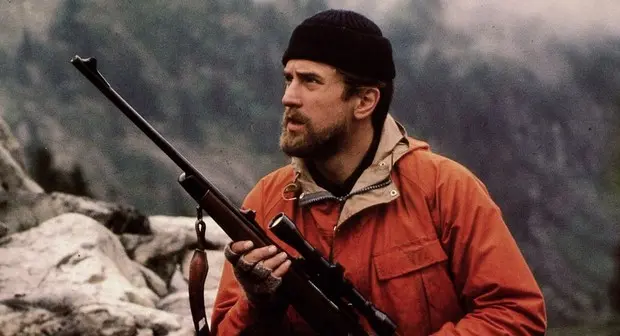
Ethnic organizations protested depictions of Vietnamese characters and roulette scenes, urging boycotts and public statements. Some film festivals altered schedules or hosted debates after screenings drew complaints. Television broadcasts in certain countries included warnings or edits to address sensitivities. The controversy intersected with awards season coverage, shaping press narratives beyond the film’s craft.
‘Cannibal Holocaust’ (1980)
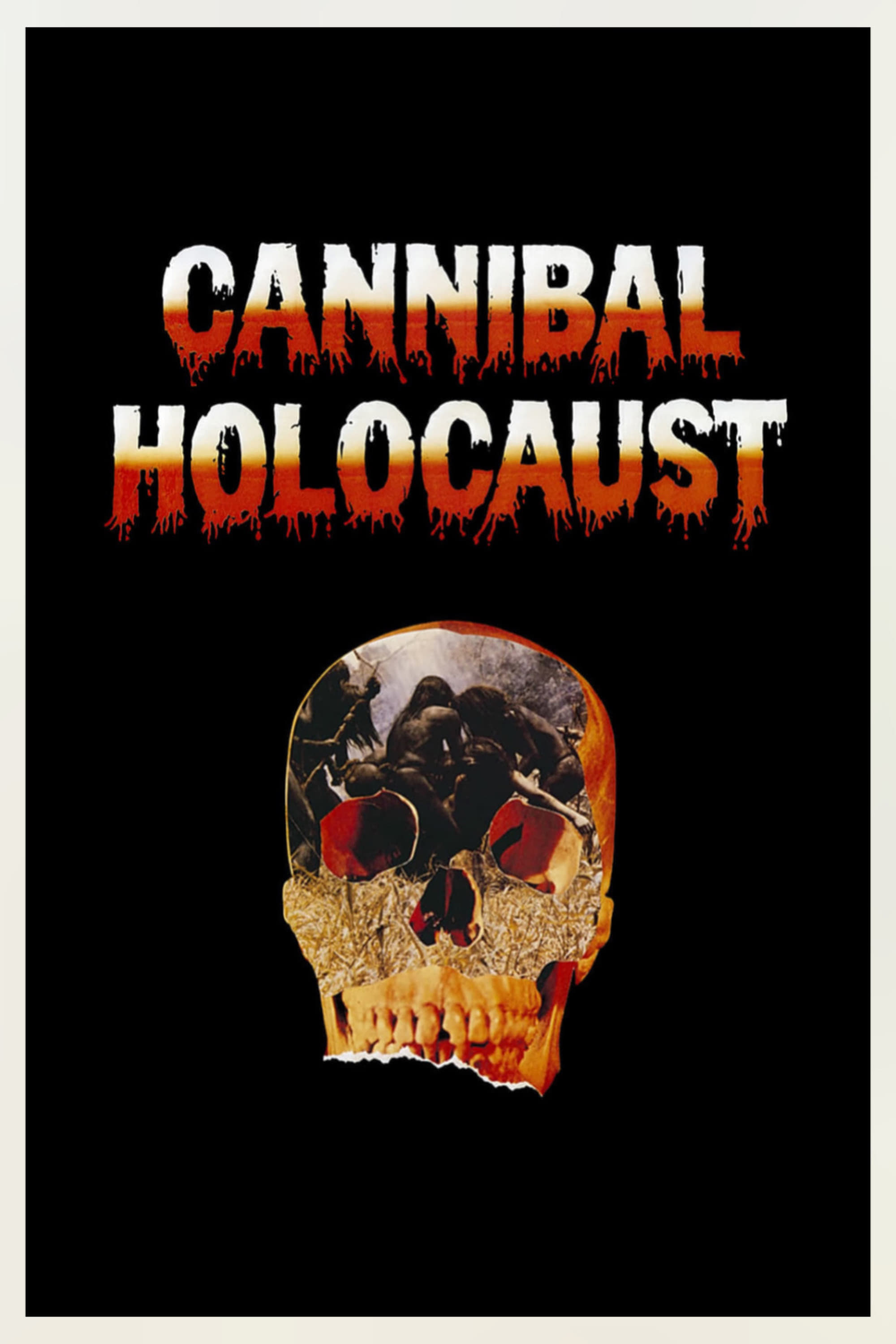
Authorities arrested the director on suspicion of criminal wrongdoing after rumors that on-screen deaths were real, prompting court-mandated proof that actors were alive. Animal-cruelty concerns triggered censorship cuts and outright bans in numerous jurisdictions. The home-video market saw seizures under obscenity and cruelty laws, limiting distribution. Later editions added legal context and content notes to address audience concerns.
‘Natural Born Killers’ (1994)
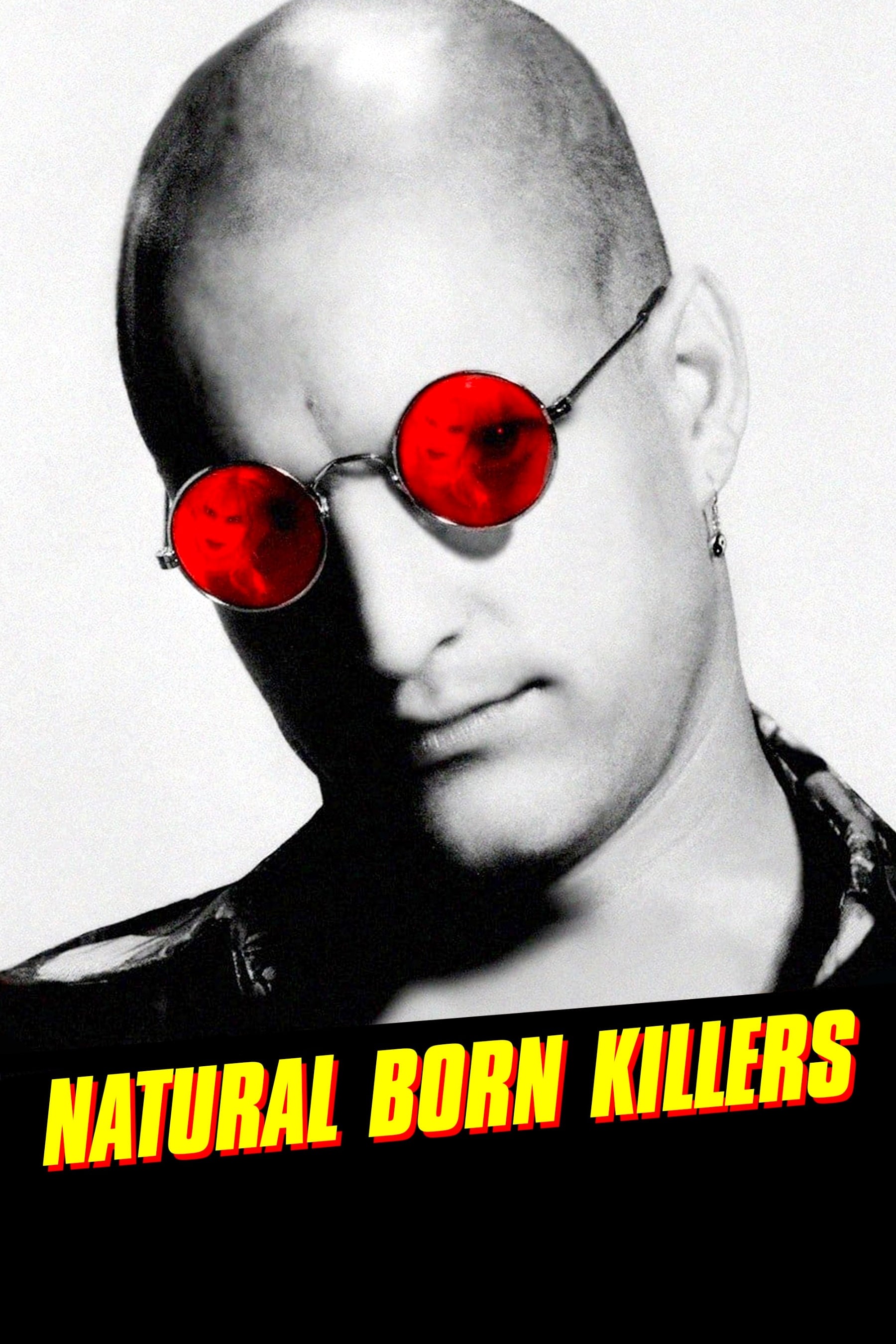
Litigation linked the film to alleged copycat crimes, with lawsuits targeting the director and studio before courts dismissed claims. Advocacy groups criticized perceived glamorization of violence, pressuring exhibitors and advertisers. Some theaters boosted security or adjusted showtimes in response to public attention. International releases faced edits and stricter ratings to meet local standards.
‘Kids’ (1995)
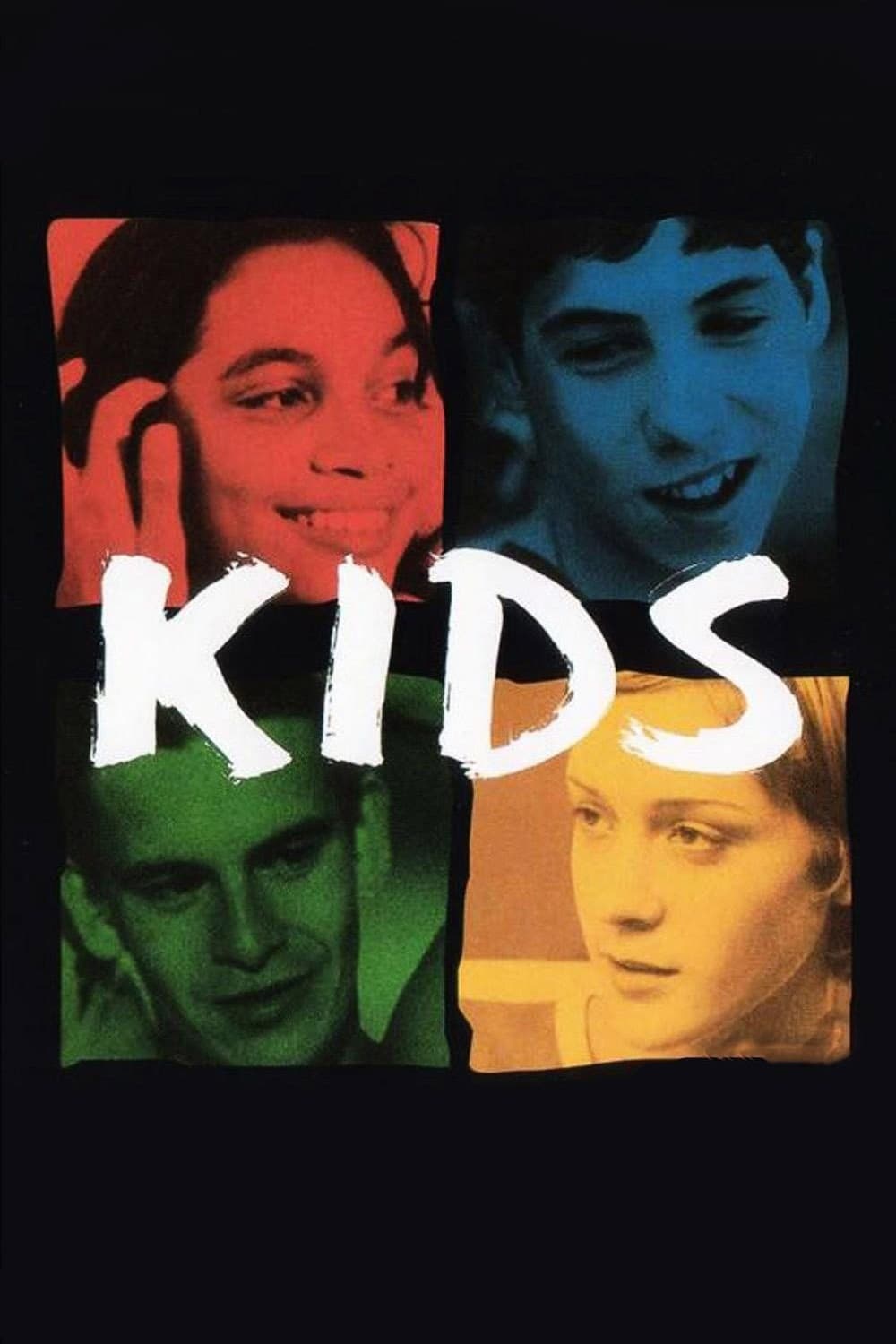
The film’s depiction of minors and explicit material led major US chains to decline bookings and pushed the release through independent circuits. Ratings bodies refused a standard classification, effectively limiting traditional marketing channels. Public-health and parent groups weighed in with statements and calls for oversight. The film reached audiences via specialty theaters and later home-video distribution.
‘Crash’ (1996)
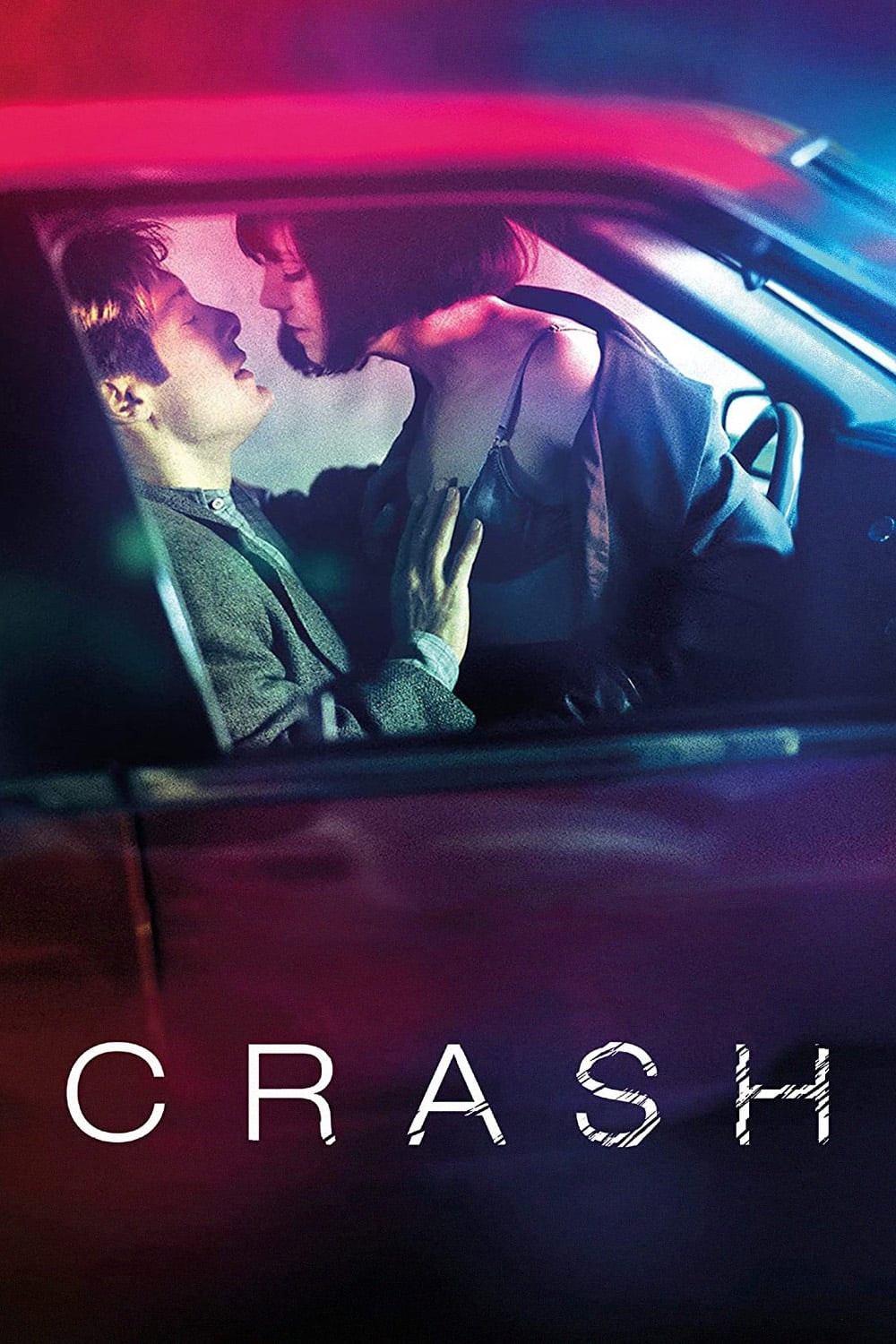
Local authorities in the UK challenged the film’s certificate, and major exhibitors in some regions refused to screen it. Media campaigns debated whether depictions of fetishized car crashes posed a harm to public morality. The distributor issued detailed content notes to contextualize the material. The title’s theatrical footprint varied dramatically by city, shaping its commercial performance.
‘Borat: Cultural Learnings of America for Make Benefit Glorious Nation of Kazakhstan’ (2006)
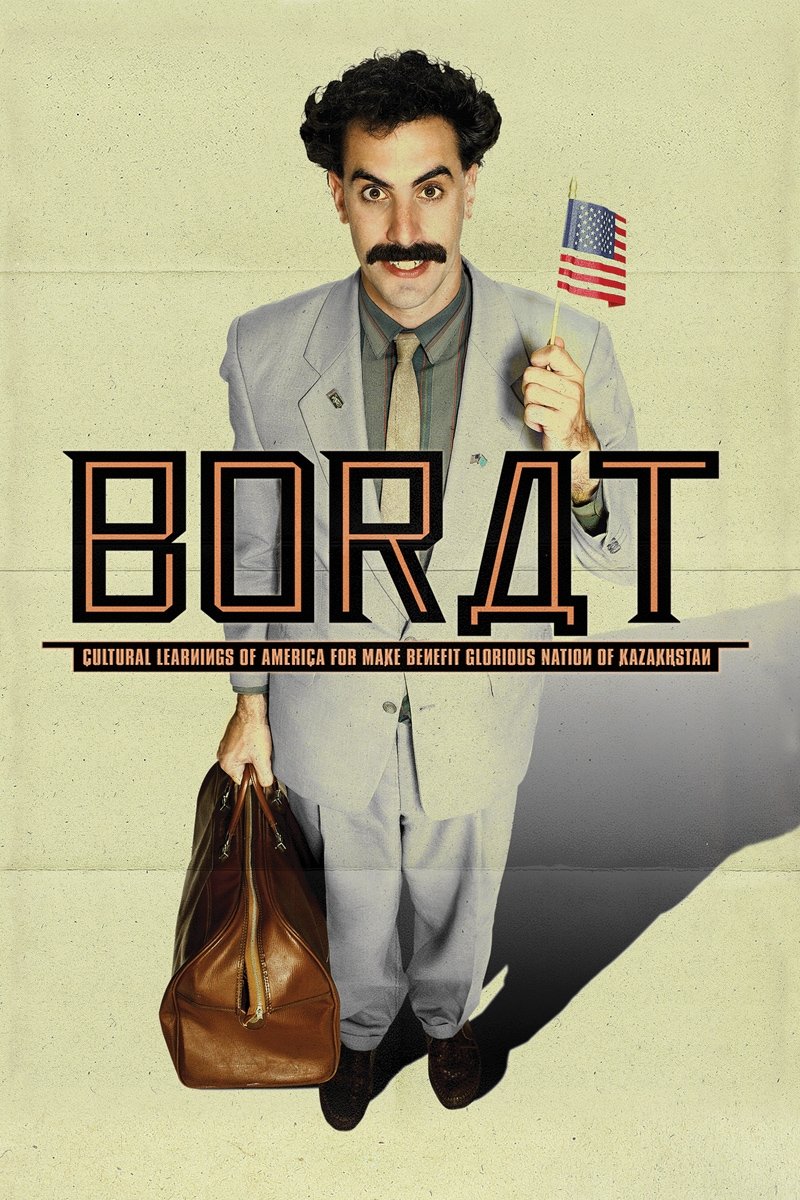
Multiple civil suits alleged defamation or deceptive practices tied to on-camera encounters, generating sustained press coverage. Kazakhstan’s officials issued public condemnations and later modulated their stance as tourism impact was debated. Certain regions restricted screenings or warned viewers about cultural insensitivity. The production’s release strategy incorporated legal vetting and extensive waivers.
‘The Golden Compass’ (2007)
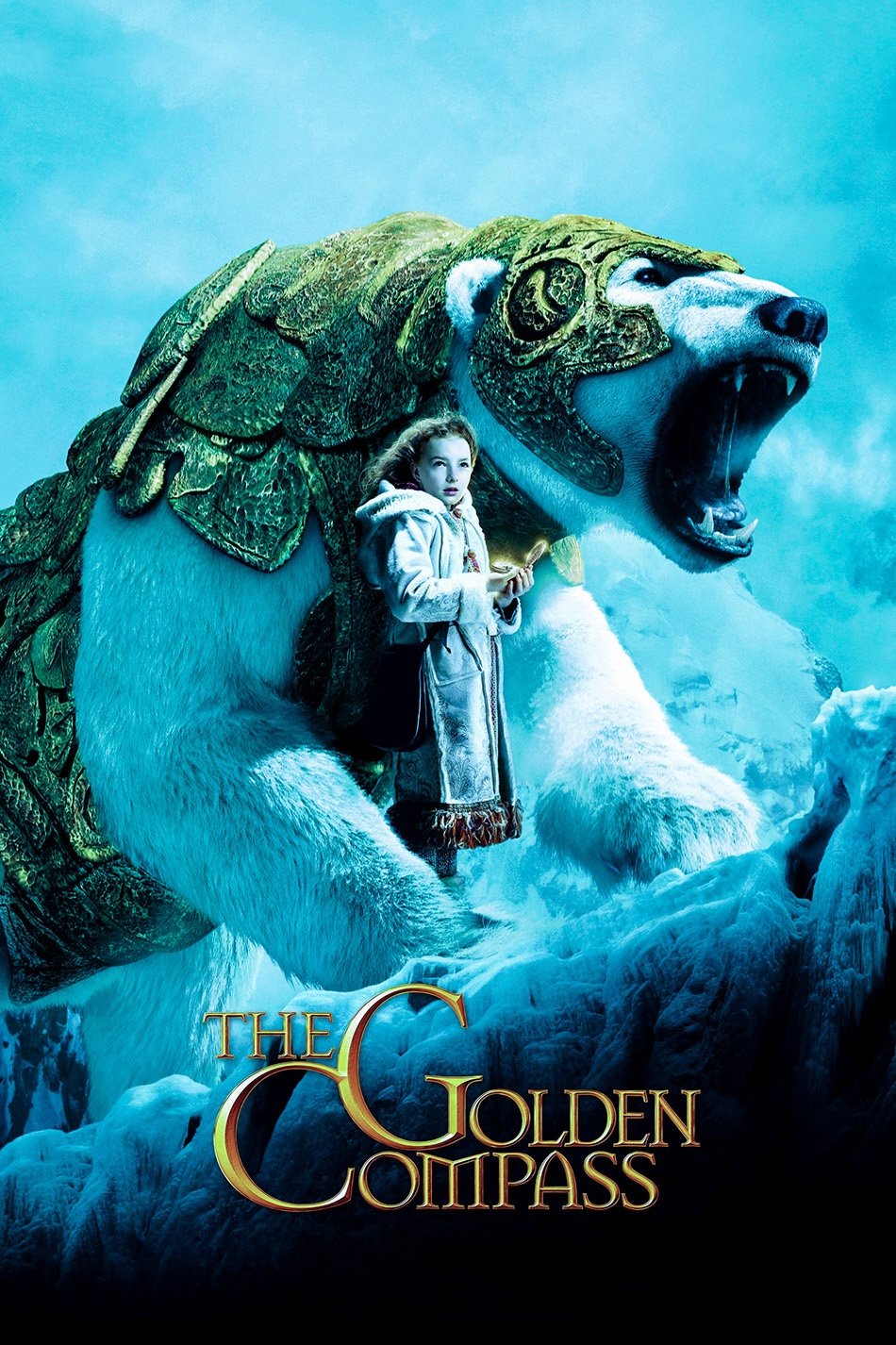
Religious organizations called for boycotts due to perceived anti-religious themes, prompting the studio to recalibrate marketing language. Some international partners requested edits or promotional adjustments. Tie-in merchandise and educational outreach faced coordinated campaigns from advocacy groups. The pushback influenced plans for potential sequels and ancillary media.
‘Antichrist’ (2009)
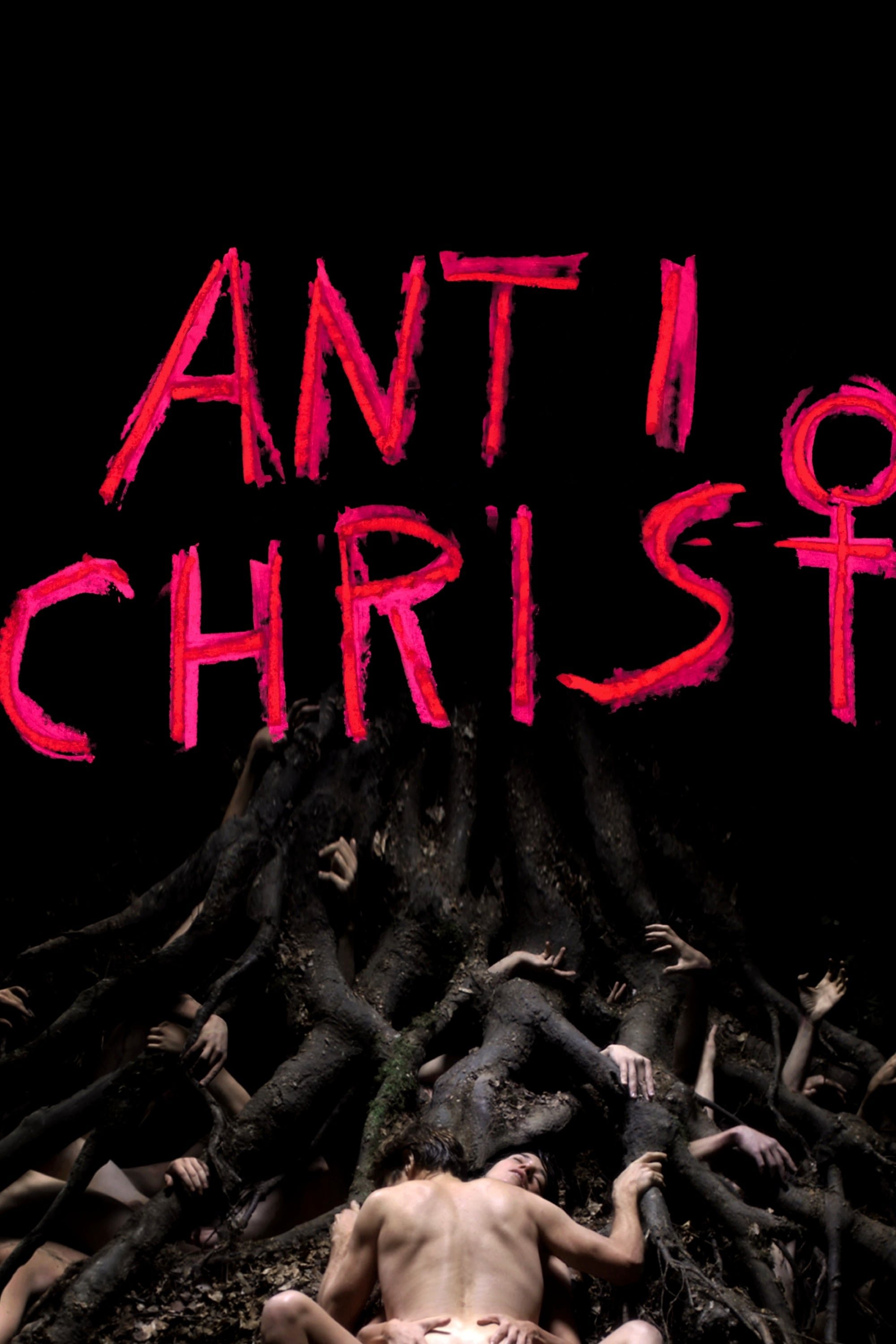
Festival screenings drew walkouts and triggered complaints to European film bodies about public funding and alleged misogyny. National ratings boards debated whether to allow an uncut release, yielding different outcomes by territory. The distributor prepared content advisories and late-night showings to manage audience expectations. Press coverage emphasized disputes over artistic merit versus public decency standards.
‘Blue Valentine’ (2010)
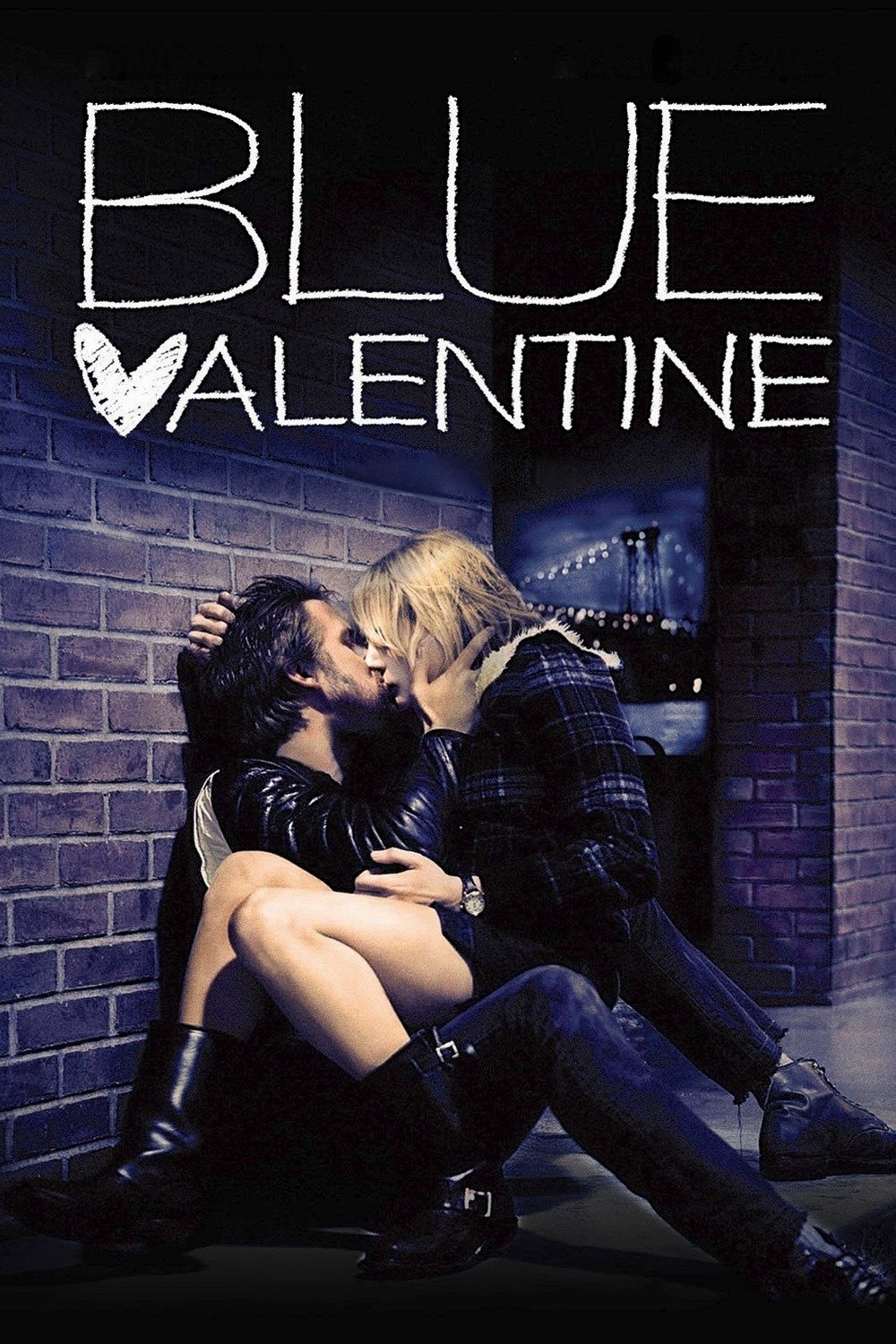
An initial adults-only rating threatened to limit the release, complicating advertising placements and theater bookings. The distributor pursued a formal appeal that resulted in a lower rating without mandated cuts. Marketing timelines shifted to accommodate the process, and promotional materials highlighted the outcome. The case became a reference point for future rating disputes over intimate content.
‘Noah’ (2014)
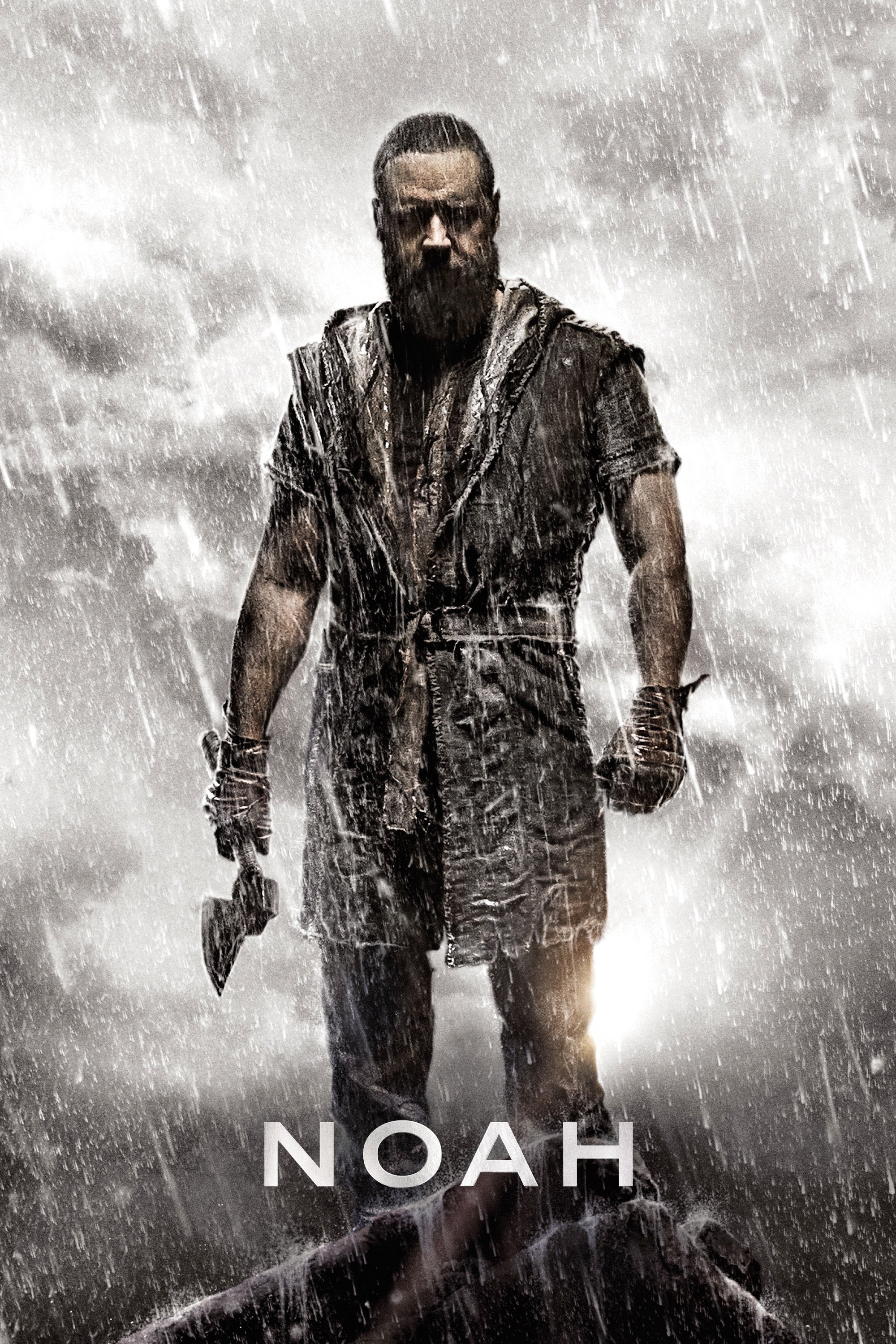
Several countries restricted or banned the film on religious grounds, citing portrayals that diverged from accepted doctrine. Studios issued statements explaining creative choices and circulated disclaimers in certain markets. Promotional tours avoided regions where authorities revoked permissions. Alternate programming on local broadcasters attempted to fill gaps where theatrical play was blocked.
‘The Hunt’ (2020)

A political uproar followed an early synopsis and marketing materials, with commentators framing the premise as socially divisive. The distributor initially pulled the release from the schedule and later repositioned it with a revised campaign. Public statements emphasized satire and audience discretion while bookings resumed in select theaters. The timeline change altered box-office expectations and media coverage.
‘The Woman King’ (2022)
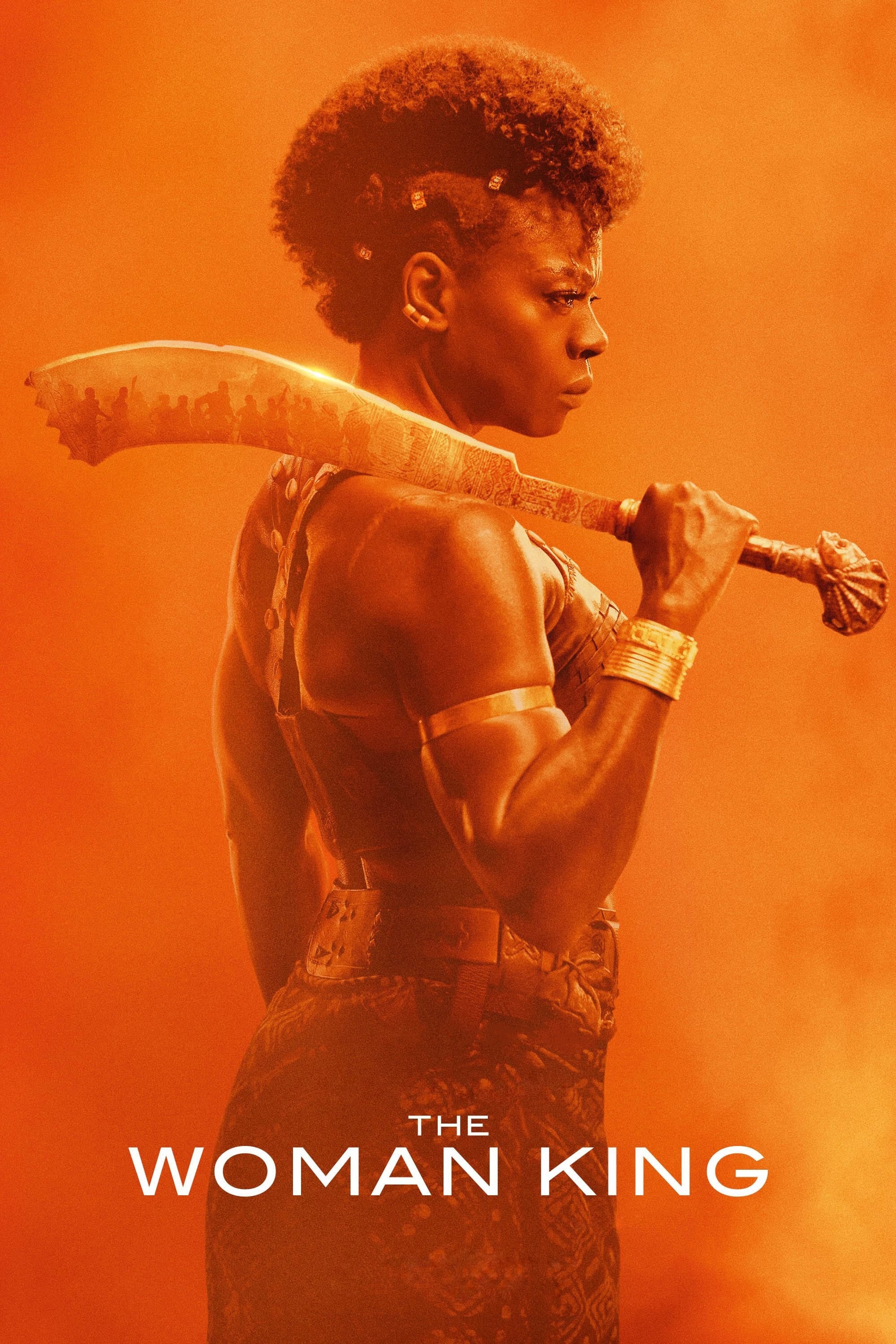
Critics and commentators debated the portrayal of historical actors and the scope of the narrative’s liberties. Social media campaigns urged viewers to research the real history and questioned certain omissions. The studio’s outreach highlighted consultation with historians and contextual materials. Press tours fielded recurring questions about accuracy alongside standard promotional topics.
‘Brokeback Mountain’ (2005)
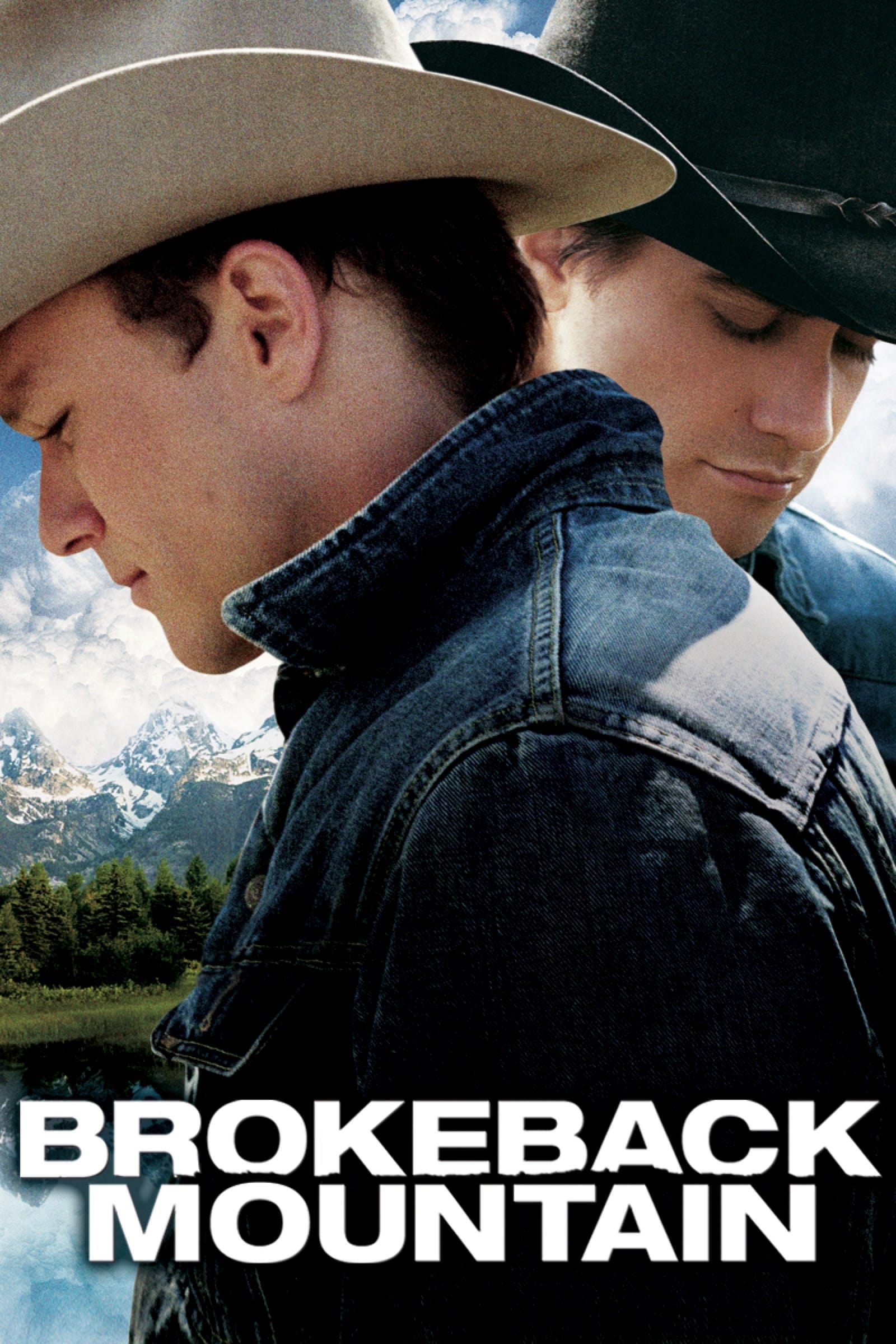
Some theater owners in parts of the US and abroad refused bookings, forcing distributors to concentrate on urban and arthouse venues. Awards-season discourse included organized opposition from groups objecting to the subject matter. Broadcast edits and scheduling choices varied widely across regions to address local standards. The film’s rollout expanded gradually as demand outpaced initial access.
‘Dogma’ (1999)
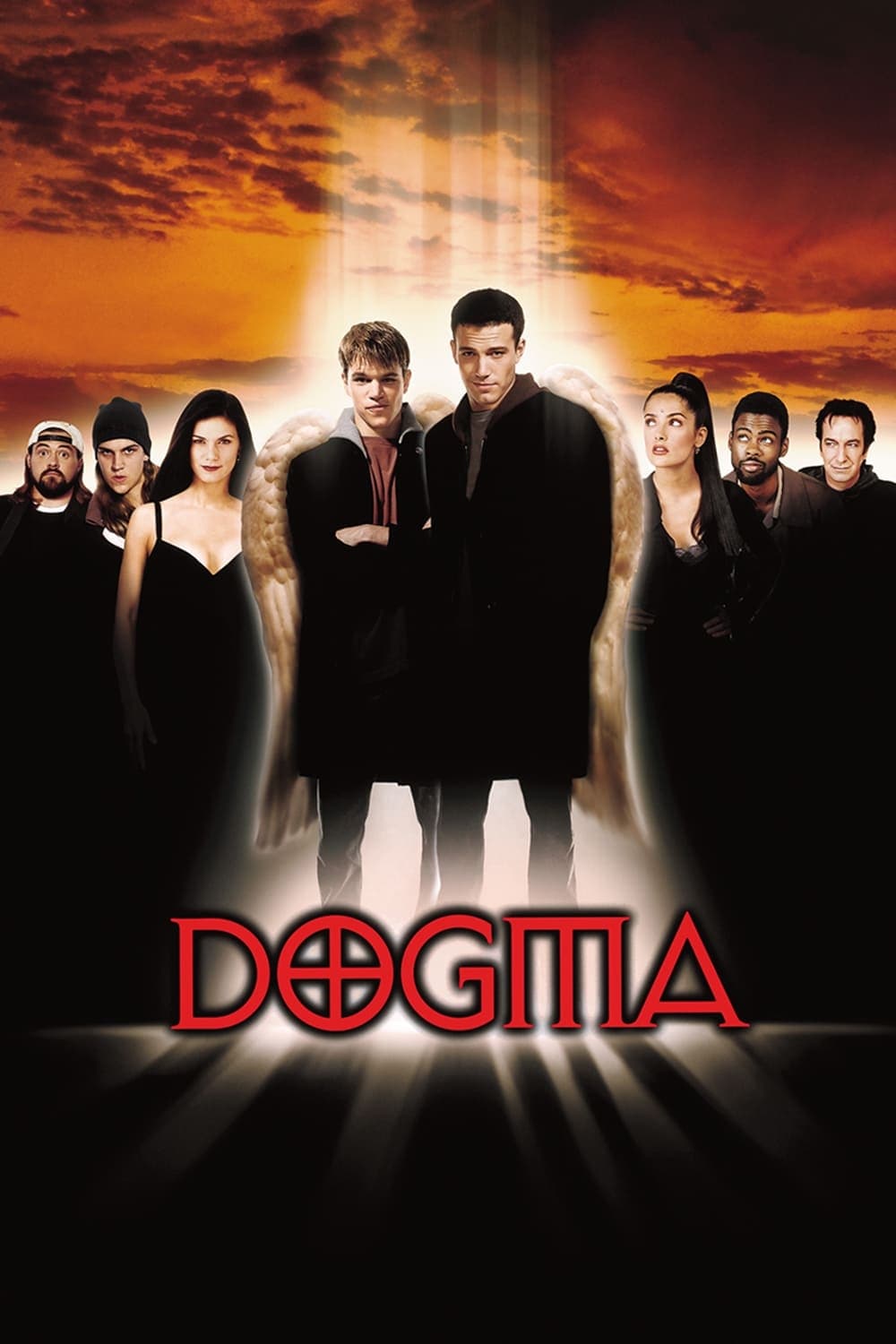
Religious protests targeted screenings, and the original distributor sold the film’s rights amid concerns about public fallout. Exhibition in certain markets required enhanced security and coordination with local authorities. Marketing materials featured clarifications about satirical intent to reduce friction with venues. Limited engagements and staggered openings characterized the release path.
‘Persepolis’ (2007)
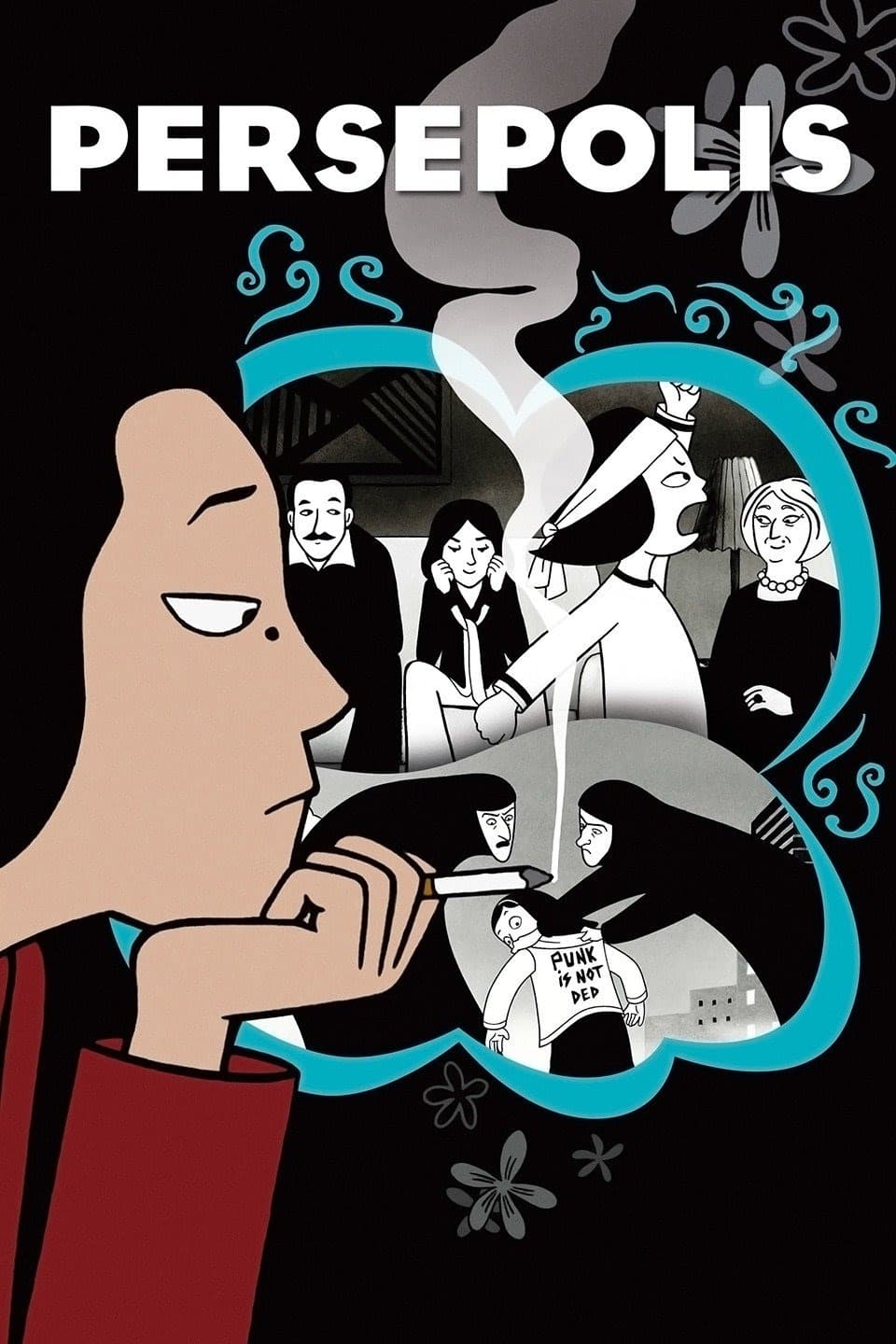
Authorities and broadcasters in some countries restricted or delayed the film due to political sensitivities. Festival showings prompted diplomatic complaints and requests for program changes. Television airings in certain regions carried disclaimers or edits. The controversy elevated discussions about artistic freedom and diaspora narratives.
‘The Birth of a Nation’ (1915)
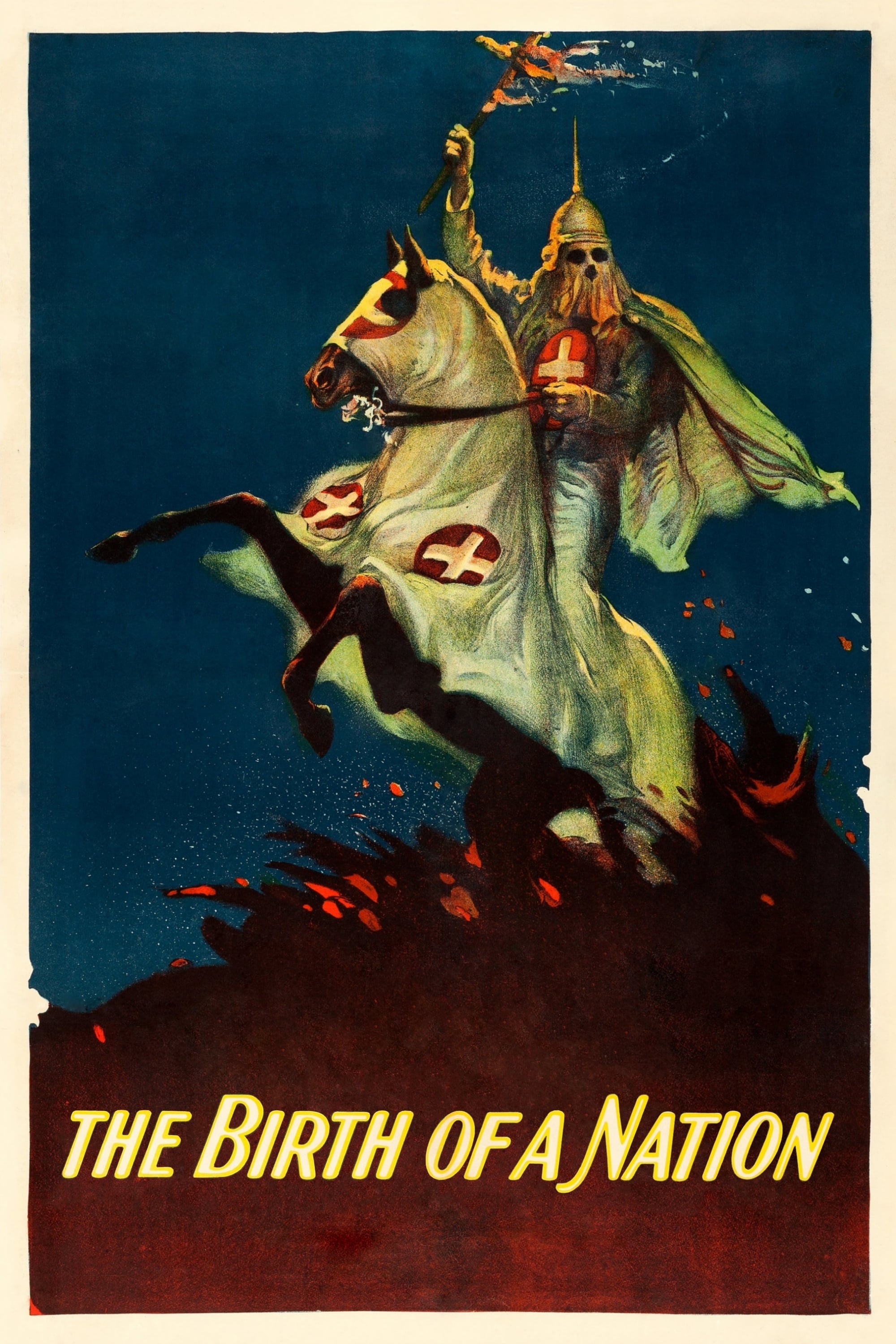
Municipalities and civil-rights organizations fought over access and censorship due to the film’s racist propaganda and portrayal of historical events. Cities enacted bans, while court cases tested the limits of free expression and local authority. Protests accompanied screenings, and some venues required police presence. Educational and archival contexts now frame most public showings, reflecting ongoing debate over legacy.
‘The Devil’s Advocate’ (1997)
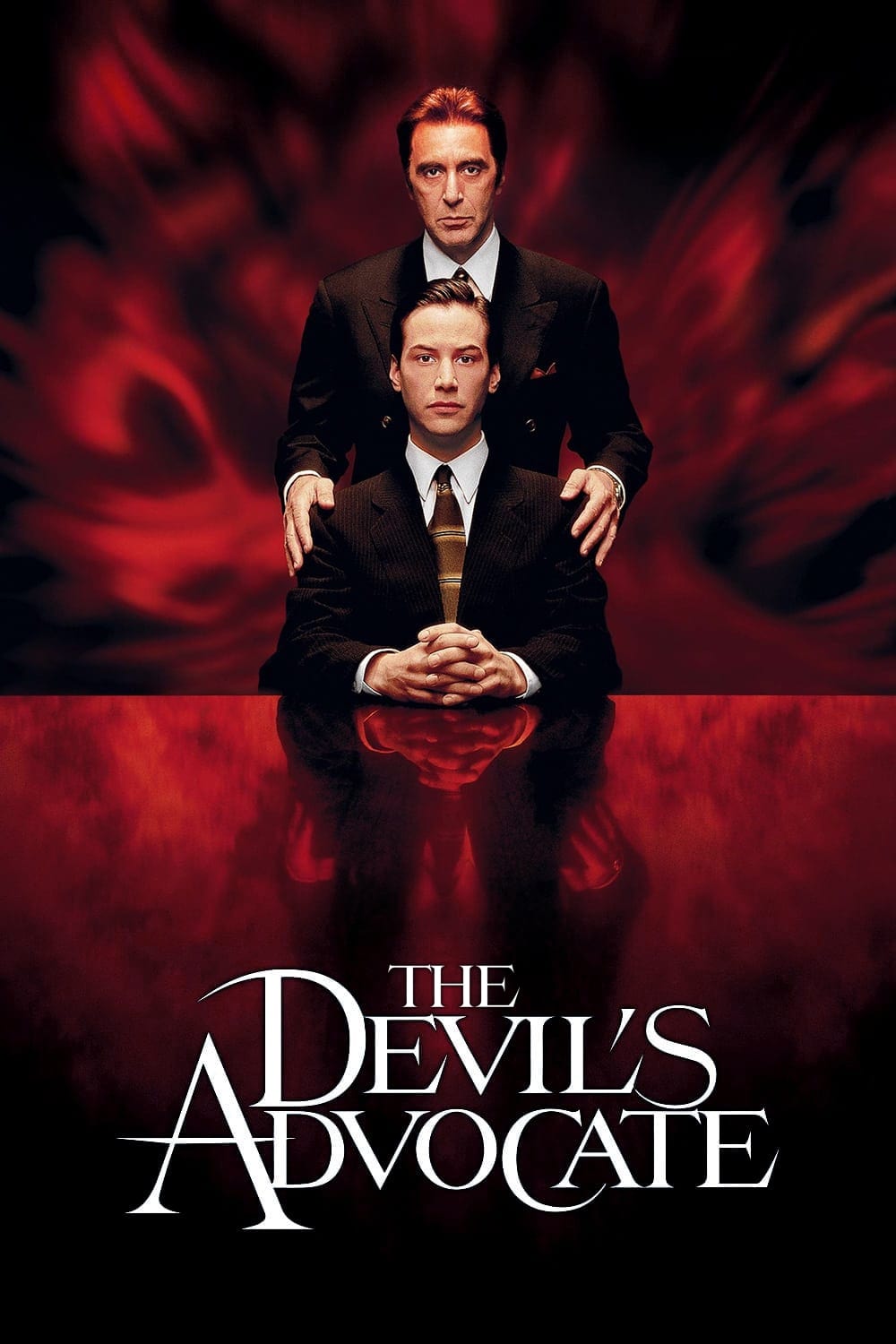
A rights dispute arose over a painting recreated in a set piece, leading to legal action against the studio and filmmakers. Settlements required alterations to the imagery for subsequent versions to resolve the claim. The distributor issued revised cuts for home-video and television to comply with the agreement. The case became a reference for clearances involving fine art in production design.
Share the titles you’d add—or the controversies you think most overshadowed the films—in the comments.