Actors Who’ve Achieved Long-Term Sobriety


Staying sober in an industry built on late nights and constant pressure is no small feat, and many male actors have spoken openly about the work it takes to maintain recovery for the long haul. The stories below aren’t about perfection—they’re about persistence, treatment, accountability, and community. You’ll see common threads: rehab when needed, 12-step programs or therapy, leaning on family and colleagues, and channeling energy into craft and service. Each entry highlights how these actors have sustained sobriety over years and what they’ve shared publicly about the tools that keep them on track.
Robert Downey Jr.

After years of addiction and legal trouble, Downey committed to recovery in the early 2000s and has maintained sobriety for decades. He has credited structured treatment, therapy, martial arts, and a strong support system—including his wife, producer Susan Downey—for keeping him grounded. His comeback began with steady television work and culminated in blockbuster roles like ‘Iron Man’ and ‘Sherlock Holmes’. Downey also supports rehabilitation and prison-reentry programs, often emphasizing consistent daily routines to protect his sobriety.
Bradley Cooper
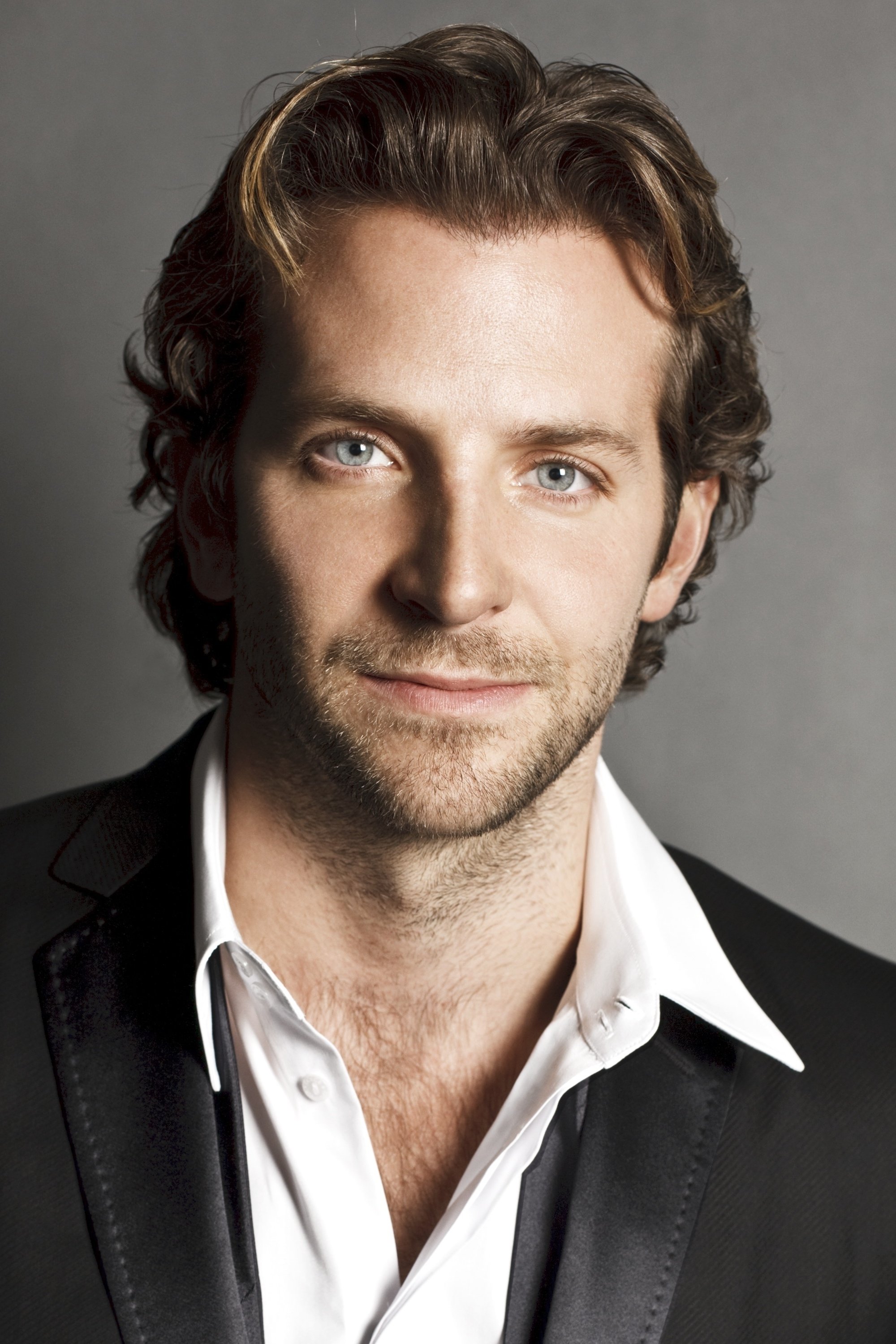
Cooper got sober in his late twenties and has since talked about how it transformed his focus and health. He’s described using therapy and peer support to navigate early recovery while building a career through projects like ‘The Hangover’, ‘Silver Linings Playbook’, and ‘A Star Is Born’. Mentorship from sober friends in the industry has been an important pillar. Cooper has said that staying accountable and prioritizing sleep and fitness help him maintain long-term recovery.
Anthony Hopkins
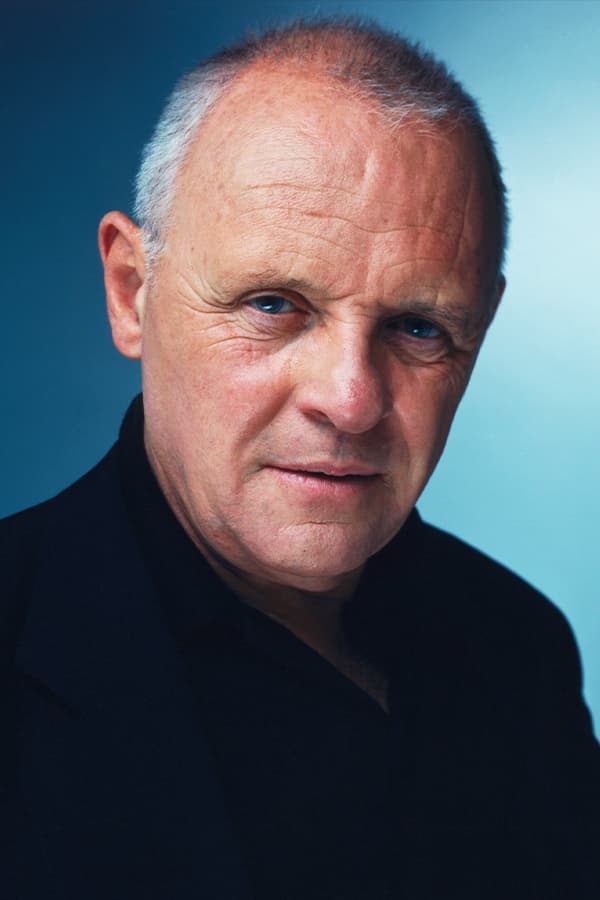
Hopkins has spoken frequently about stopping alcohol use in the mid-1970s and finding stability through recovery support meetings. He has described a personal turning point that pushed him to seek help, followed by decades of continuous sobriety. Throughout his career—from ‘The Silence of the Lambs’ to ‘The Father’—he has emphasized discipline, daily gratitude, and creative work as protective factors. Hopkins often encourages others to seek help early and to stick with a program that works.
Samuel L. Jackson
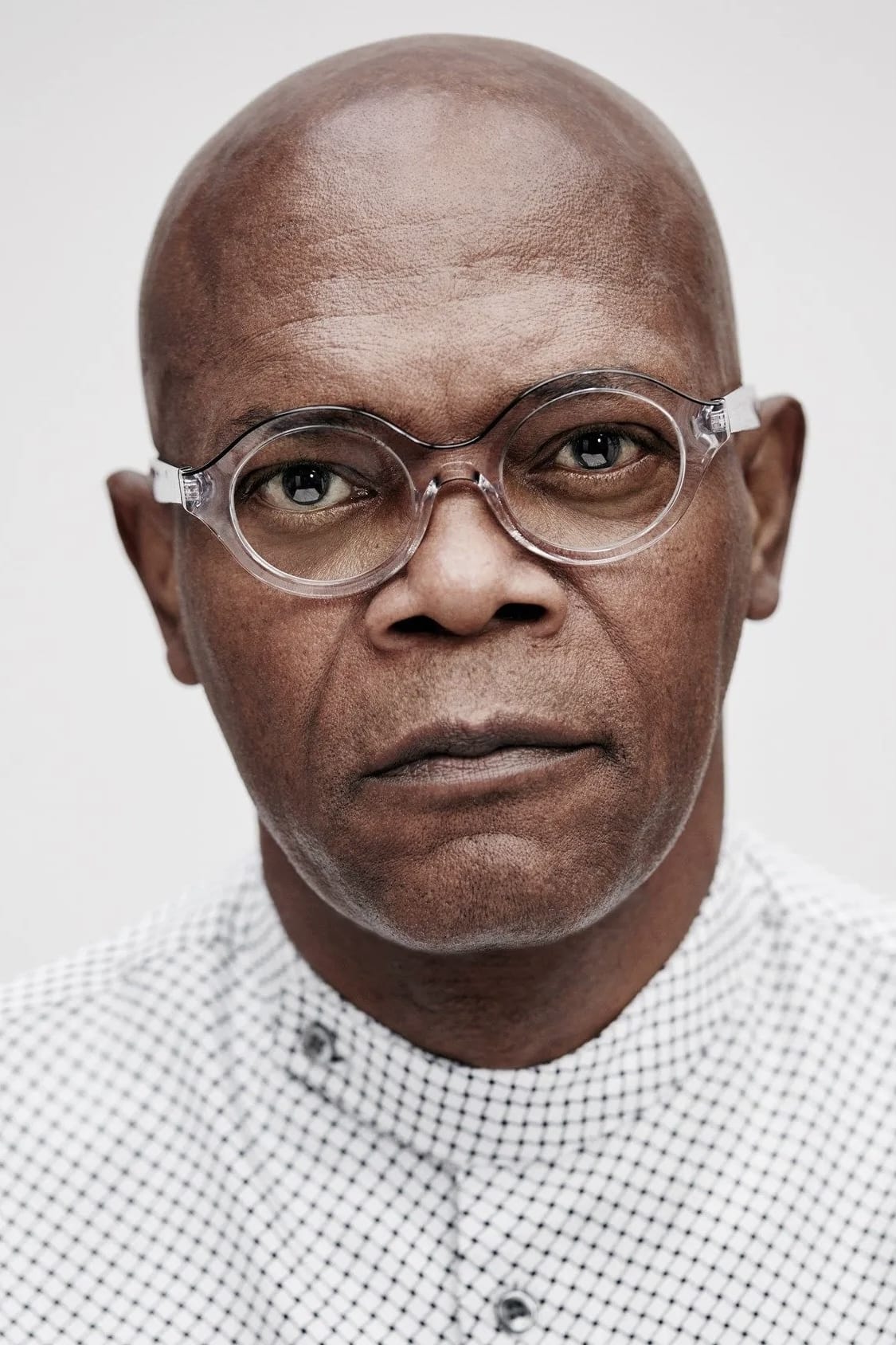
Jackson entered rehab after a family-led intervention and has maintained sobriety since the early 1990s. He returned to sets newly sober and soon delivered career-defining work in ‘Pulp Fiction’, ‘Jackie Brown’, and the ‘Avengers’ films. He has noted that being present for his family and keeping a strict work routine are central to his recovery. Jackson periodically shares his story to normalize getting treatment and staying connected to recovery communities.
Ewan McGregor
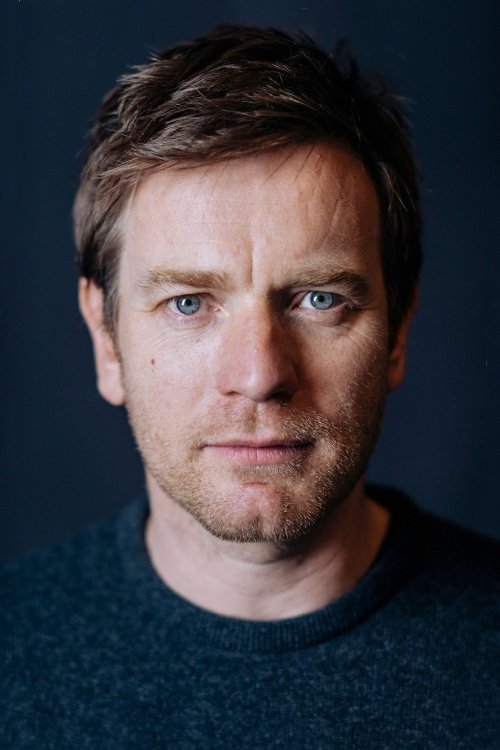
McGregor has discussed quitting alcohol in the early 2000s and using therapy and accountability to stay sober. He has said that sobriety improved his health and his ability to handle demanding shoots, from ‘Trainspotting’ and ‘Moulin Rouge!’ to ‘Halston’ and ‘Obi-Wan Kenobi’. Travel projects like ‘Long Way Round’ also reinforced structure and focus. McGregor keeps his approach straightforward: consistent self-care and open communication.
Rob Lowe
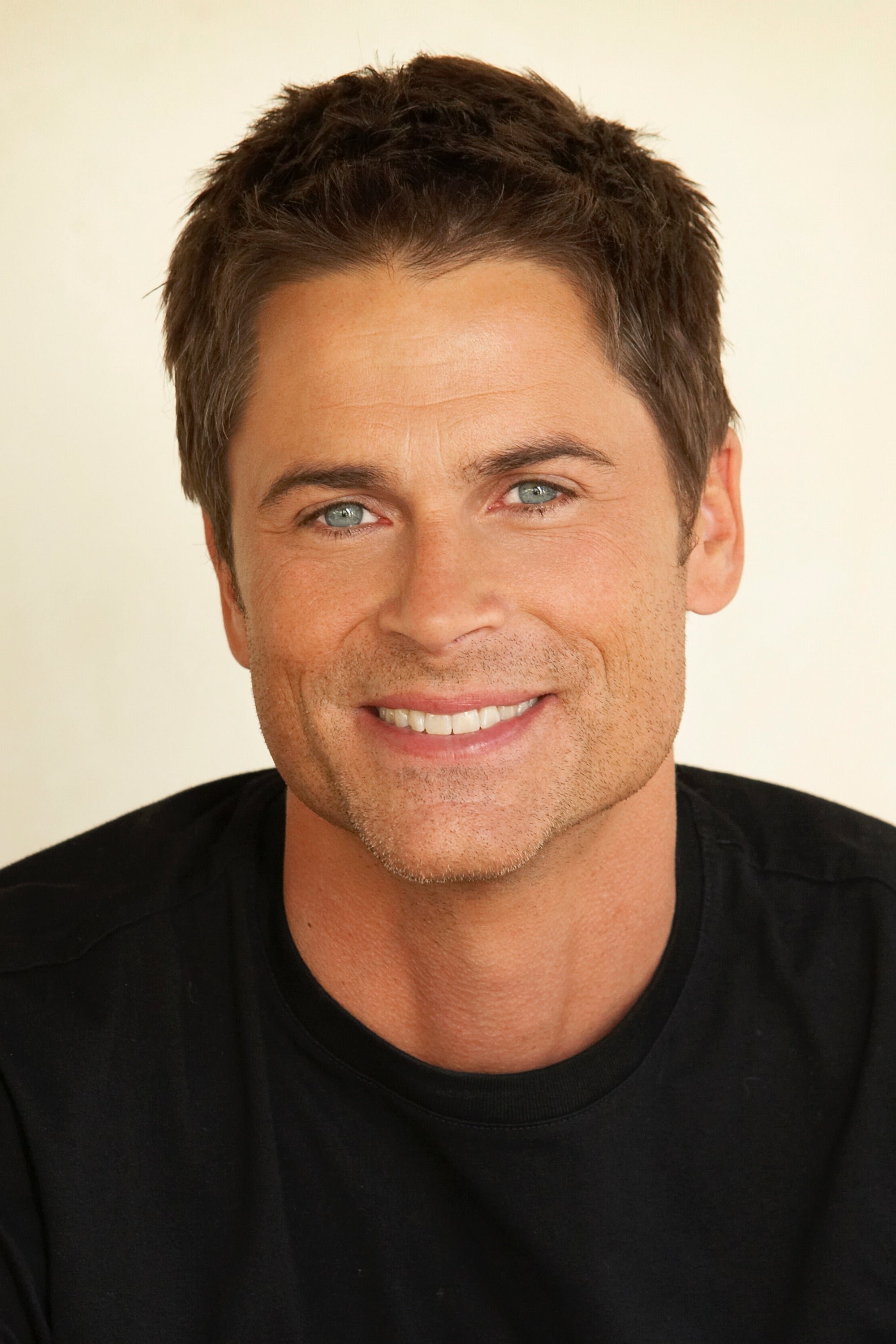
Lowe sought treatment in 1990 and has maintained sobriety for more than three decades. He often credits 12-step participation, sponsorship, and service work as cornerstones. His sustained recovery paralleled a career resurgence with ‘The West Wing’, ‘Parks and Recreation’, and ‘9-1-1: Lone Star’. Lowe has written and spoken extensively about daily maintenance—meetings, exercise, and family time—as the foundation of his long-term success.
Daniel Radcliffe

Radcliffe decided to stop drinking as a young adult and has maintained sobriety for many years. He has described leaning on trusted friends, therapy, and a stable work routine post-‘Harry Potter’. Radcliffe keeps a relatively private profile but shares recovery insights when it helps others, stressing that early help can prevent deeper problems. Stage work and films like ‘Swiss Army Man’ and ‘Weird: The Al Yankovic Story’ benefited from his renewed focus.
Colin Farrell
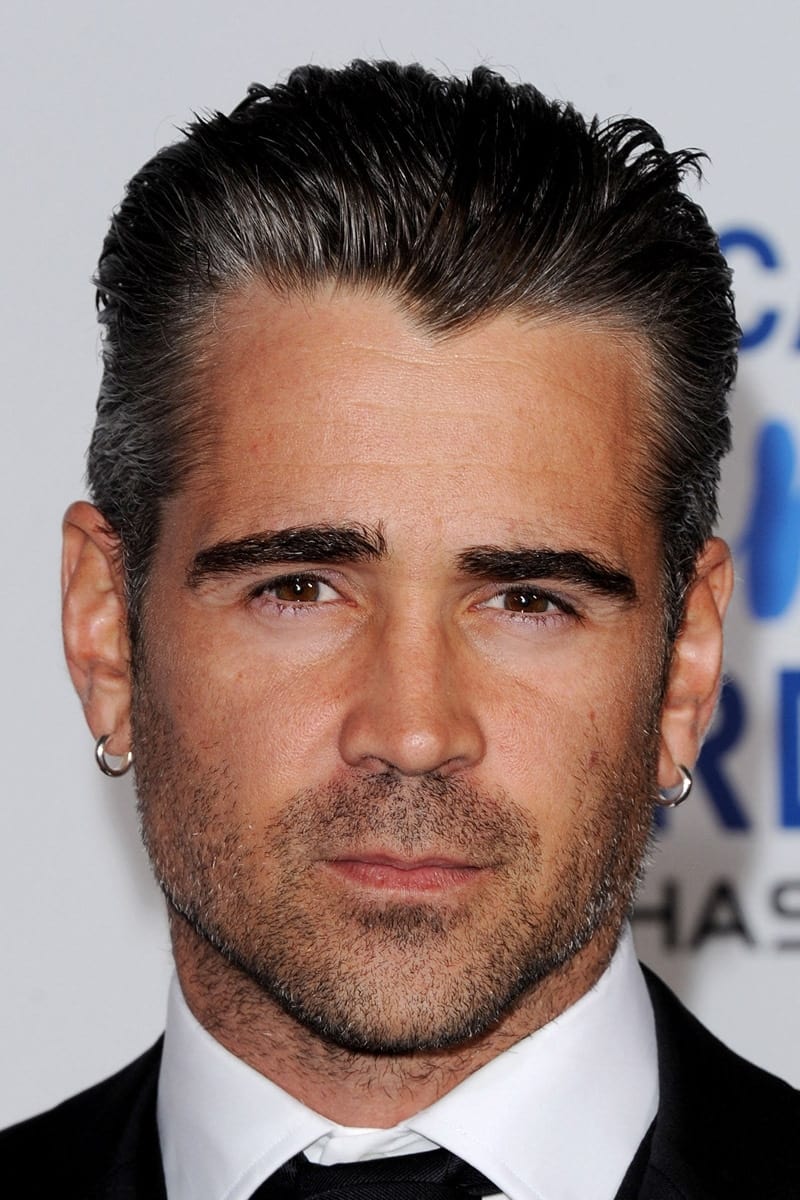
Farrell entered rehab in the mid-2000s and has maintained sobriety since, citing a commitment to treatment and ongoing self-monitoring. He’s said that life became more manageable as he embraced healthier habits and boundaries. His work in ‘In Bruges’, ‘The Lobster’, and ‘The Banshees of Inisherin’ reflects a sustained, disciplined approach. Farrell credits consistent support and clear daily structure as key to staying well.
Tom Hardy
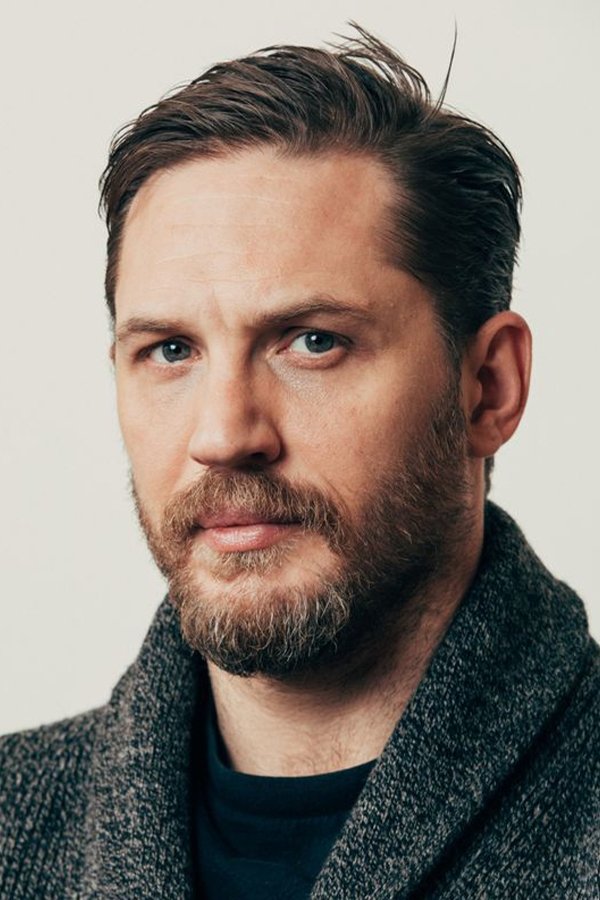
Hardy has spoken about achieving sobriety in the early 2000s after struggling with alcohol and drugs. He credits recovery meetings, mentorship, and intense physical training with helping him rebuild his life. Roles in ‘Bronson’, ‘Mad Max: Fury Road’, and ‘Venom’ followed as his career accelerated. Hardy emphasizes humility, routine, and service to others in recovery.
Danny Trejo
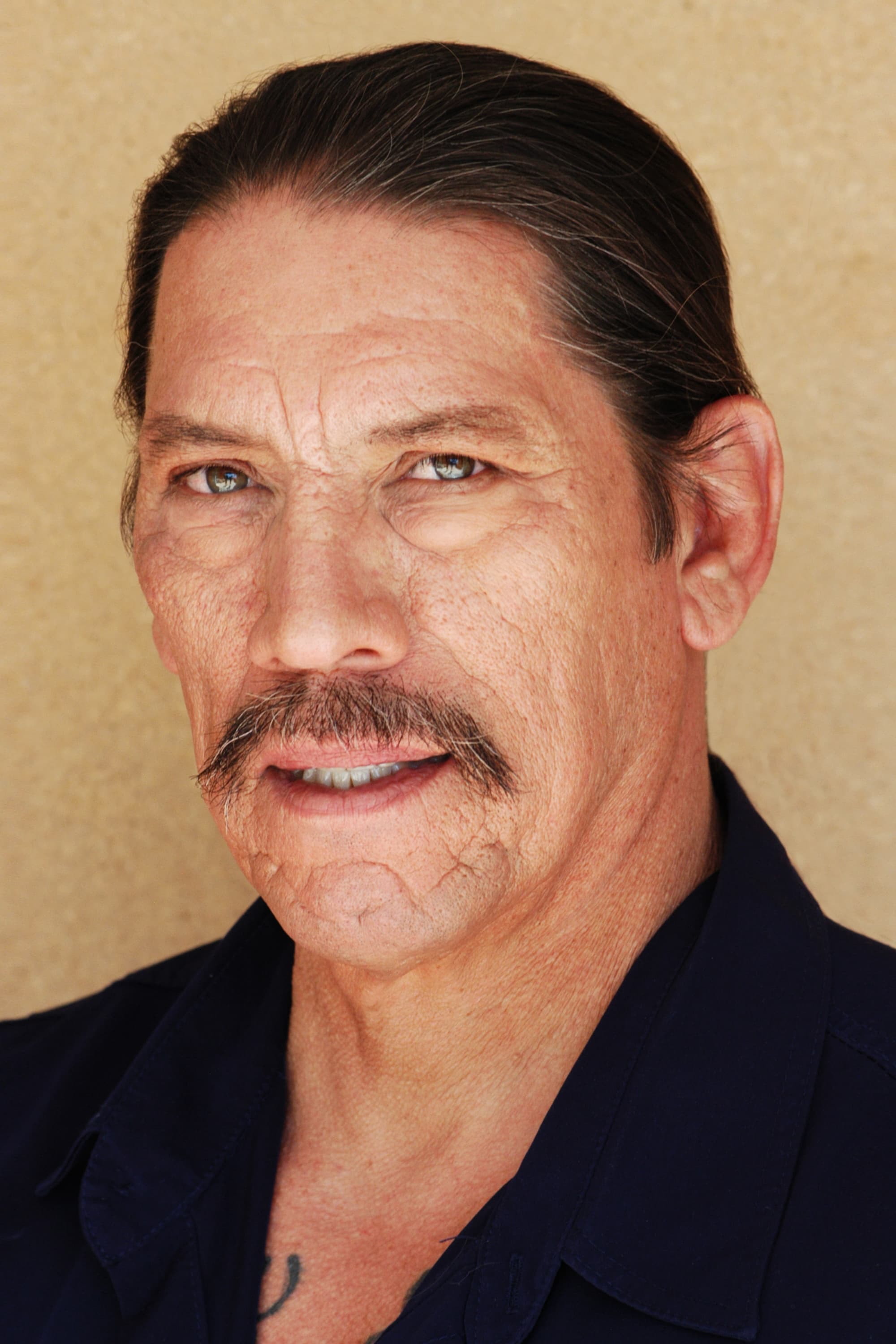
Trejo achieved sobriety as a young man and turned his life around through recovery meetings and work as a substance-use counselor. He has long been active in outreach—speaking at schools, prisons, and community centers. His screen career spans ‘Machete’, ‘Heat’, and countless character roles, often balanced with philanthropy and small-business projects. Trejo highlights sponsorship and giving back as pillars of long-term sobriety.
Alec Baldwin
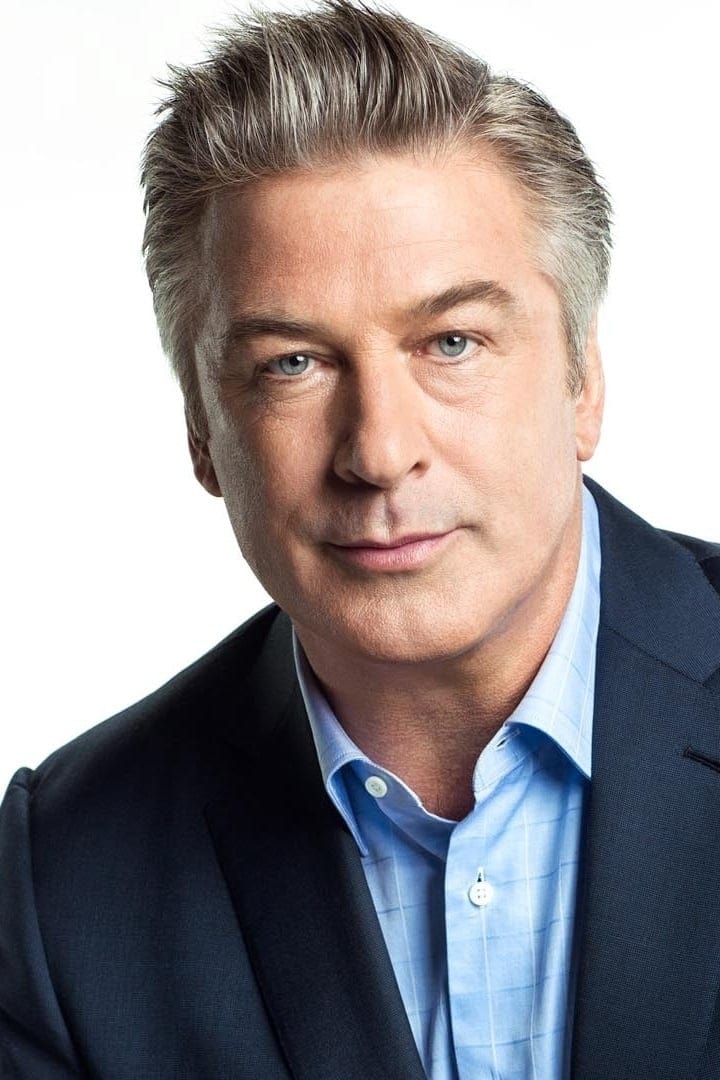
Baldwin has said he quit drinking in his twenties and has maintained sobriety for decades. He’s credited a decisive personal choice supported by ongoing recovery practices. From ‘Glengarry Glen Ross’ to ’30 Rock’, Baldwin has noted that clarity and routine improved his reliability and work ethic. He occasionally revisits his story publicly to encourage early intervention.
Jason Mewes
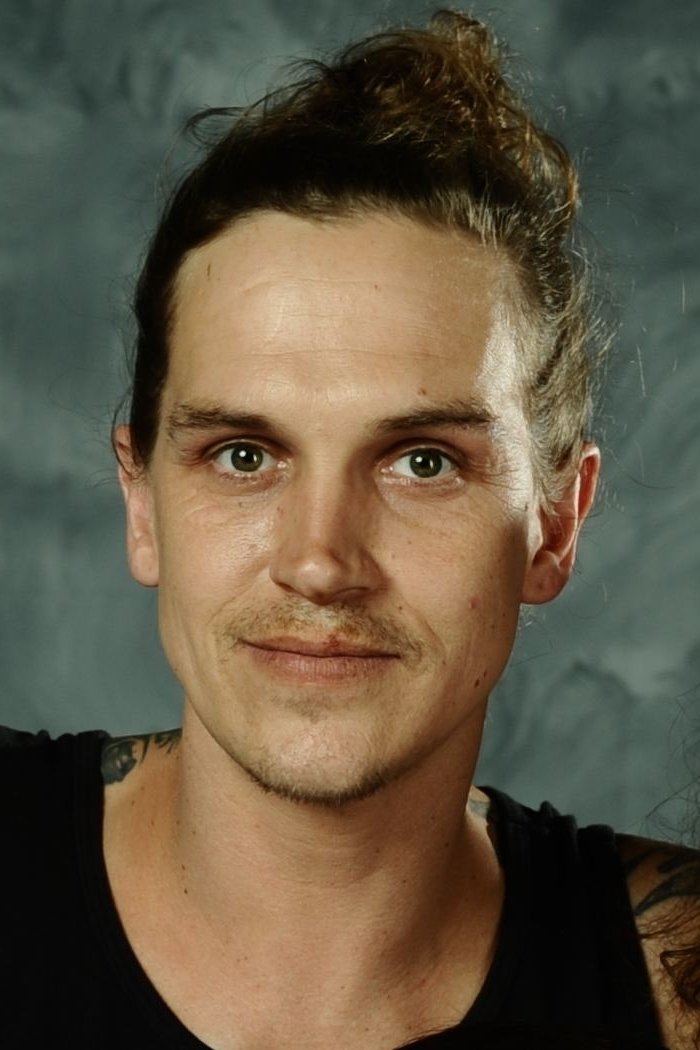
Mewes struggled with opioid use for years before achieving sustained sobriety with the support of treatment, accountability, and close collaborators. He has spoken about regular check-ins, meetings, and family responsibility as daily anchors. His continued work with Kevin Smith—from ‘Clerks’ to ‘Jay and Silent Bob’ projects—has unfolded alongside his recovery. Mewes frequently shares practical relapse-prevention strategies to help others.
Tim Allen
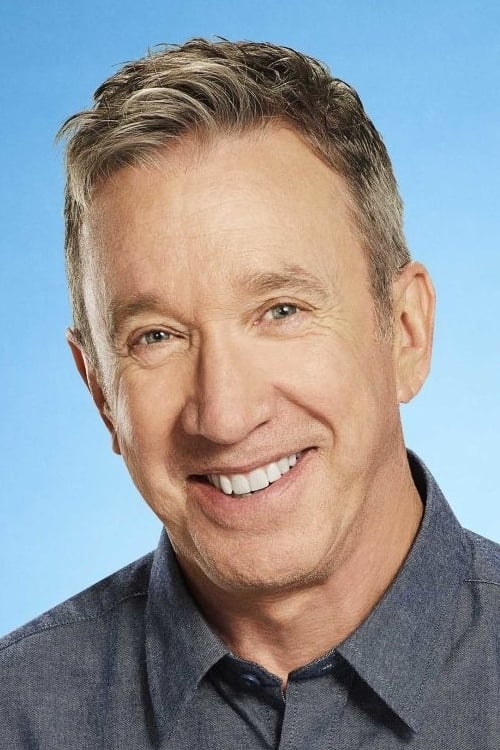
Allen has discussed long-term sobriety maintained through program work, mentoring, and consistent routines. He’s credited a structured approach and strong family support for keeping him steady. Television and film projects like ‘Home Improvement’, ‘Last Man Standing’, and ‘Toy Story’ voice work benefited from his renewed stability. Allen underscores taking recovery “one day at a time” and staying active in a community.
John Stamos
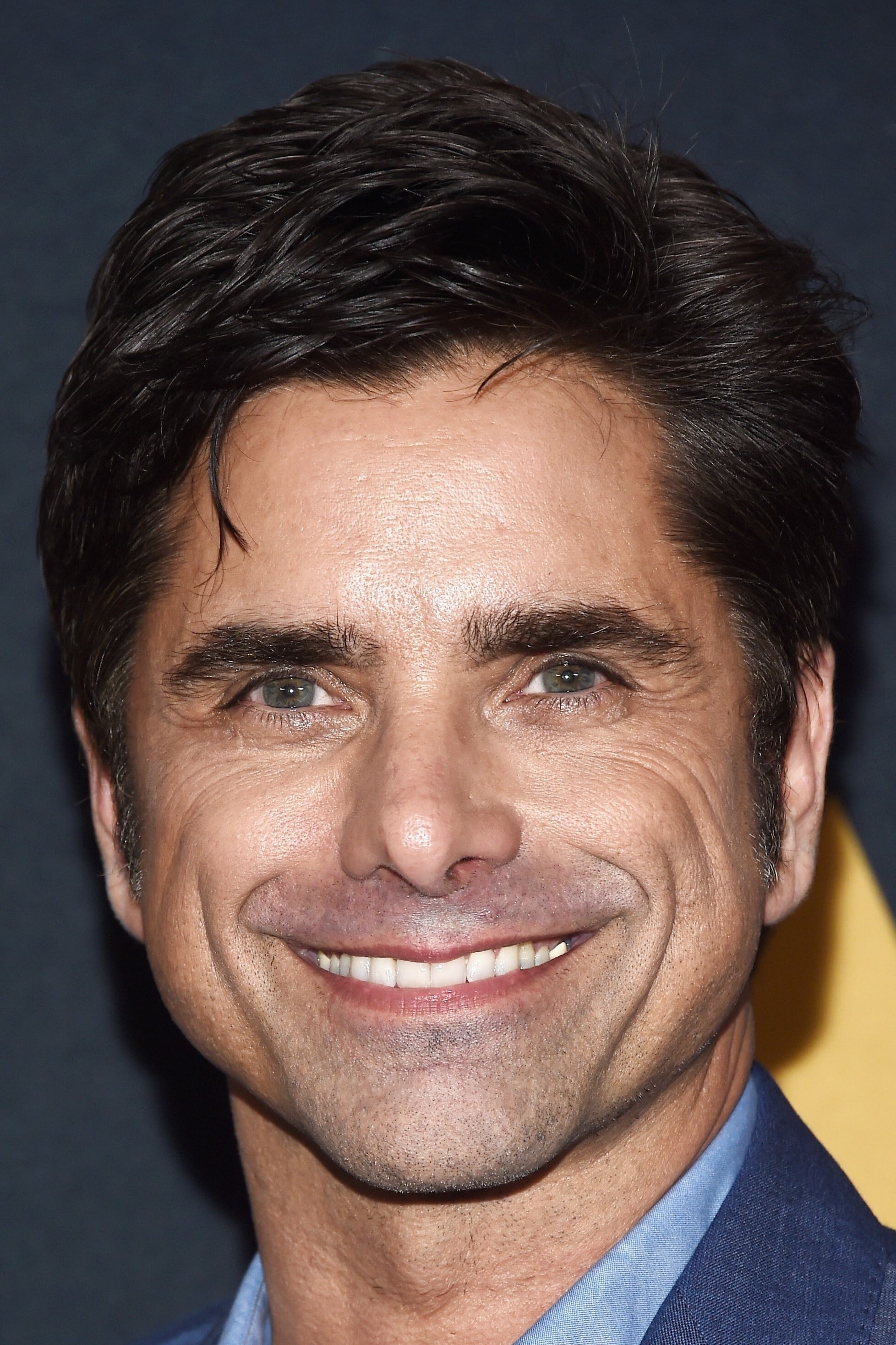
Stamos sought help in the mid-2010s and has described staying sober through therapy, sponsor support, and lifestyle changes. He’s talked about how recovery improved his health and relationships. Roles on ‘Fuller House’ and other series came as he re-centered his life. Stamos stresses regular self-care, sleep, and boundaries as everyday safeguards.
Ben Kingsley
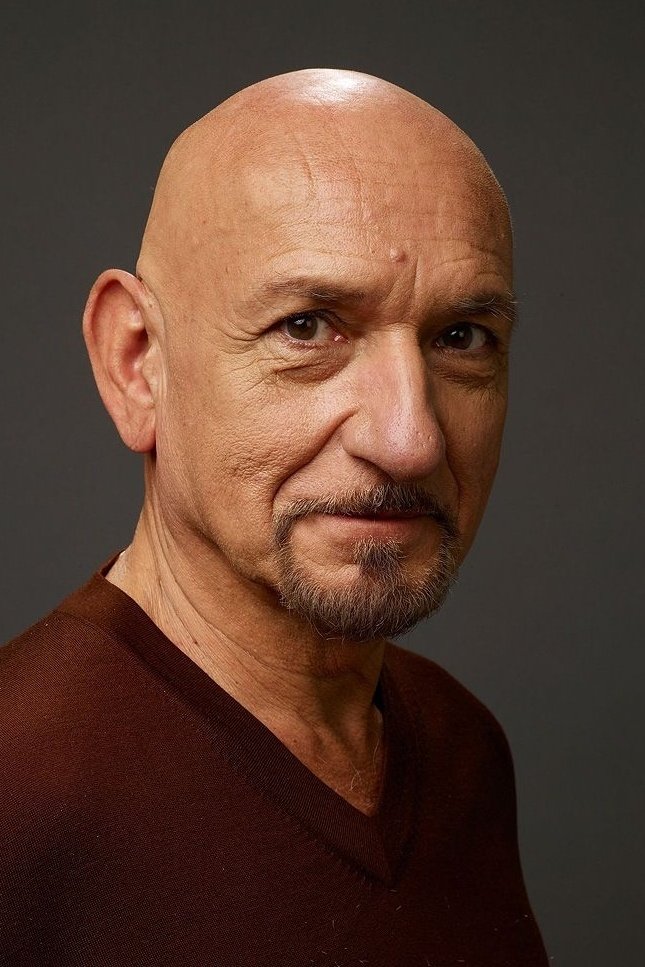
Kingsley has said he stopped drinking in the early 2000s and maintains sobriety through disciplined habits and professional focus. He’s noted that removing alcohol clarified his priorities and strengthened his work process. Performances in ‘Gandhi’, ‘Sexy Beast’, and ‘Shutter Island’ reflect his enduring commitment to craft. Kingsley emphasizes simple, repeatable routines and respect for personal limits to sustain recovery.
John Goodman
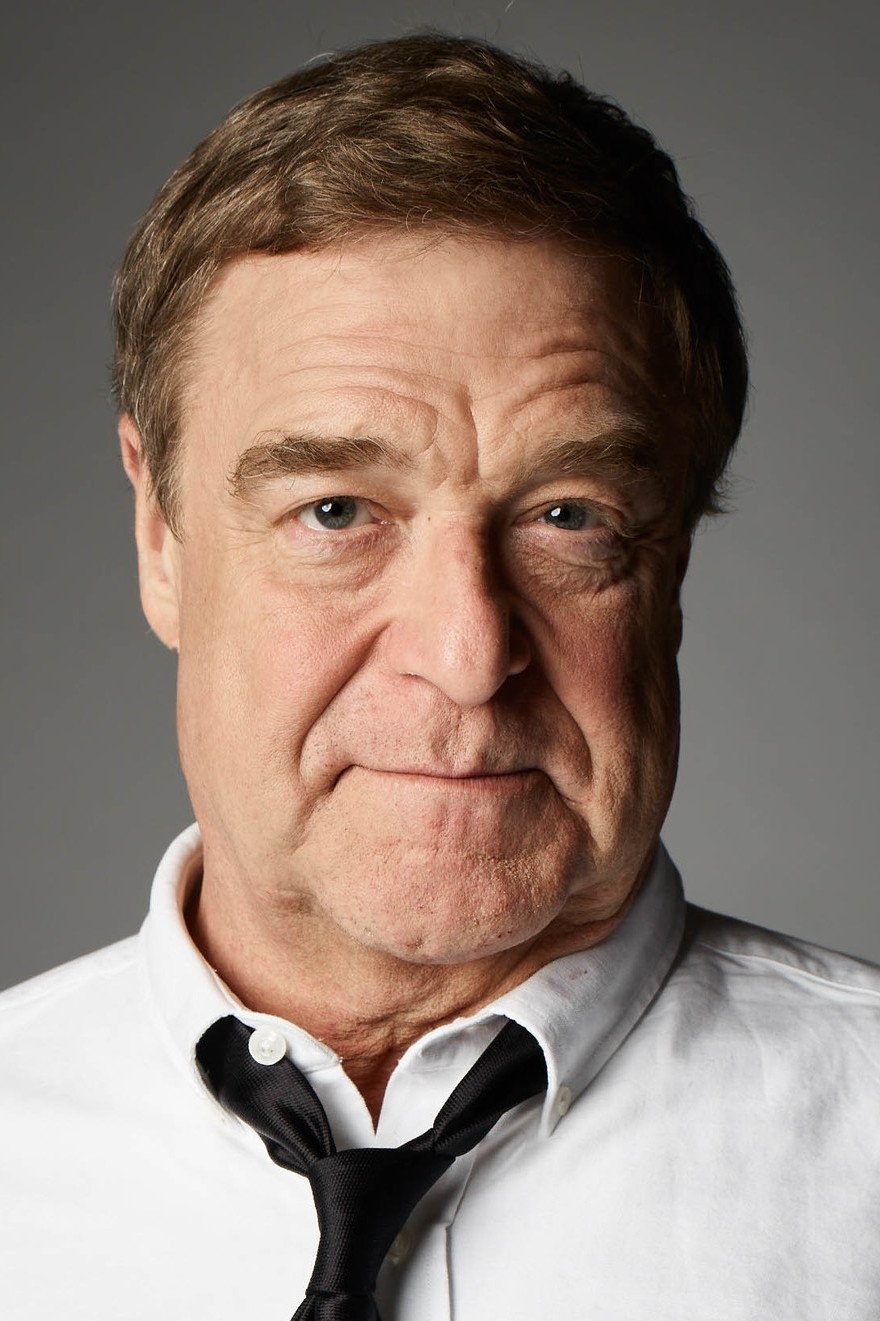
Goodman has described quitting alcohol in 2007 and sustaining sobriety with the help of exercise, routine, and 12-step support. He has said that healthier habits improved his energy on set and stage. Work on ‘The Conners’, ‘The Righteous Gemstones’, and longstanding collaborations came during his recovery years. Goodman often notes that daily structure is critical to staying on course.
Jason Bateman
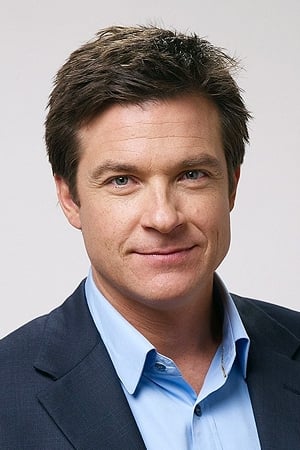
Bateman has spoken about stepping away from heavy partying in his 30s and committing to a more disciplined lifestyle. He has cited marriage, accountability, and work focus as anchors that support long-term sobriety. Projects like ‘Arrested Development’ and ‘Ozark’ unfolded as he stabilized routines. Bateman frames his recovery as a practical, day-by-day commitment.
Russell Brand
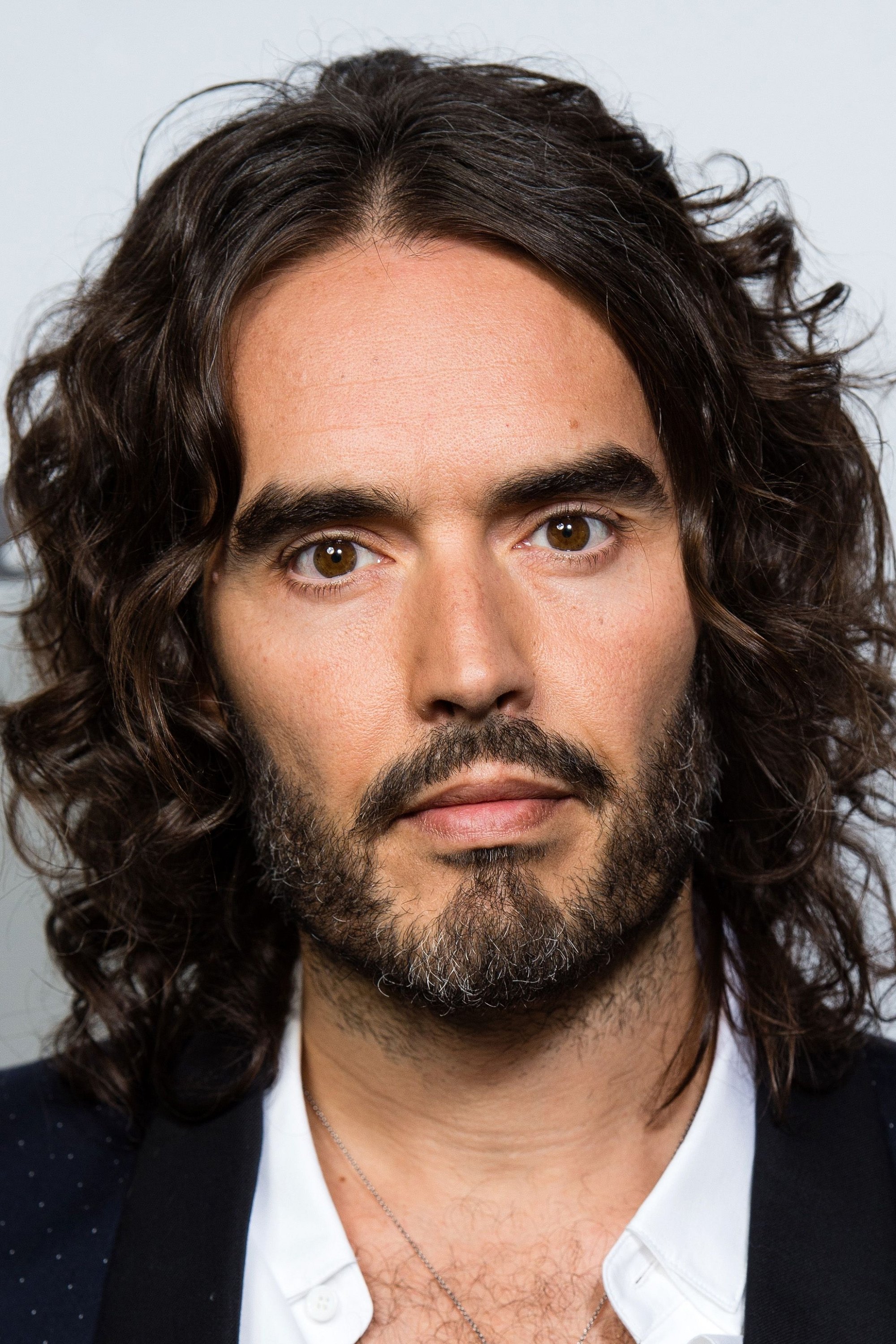
Brand has publicly marked many years of sobriety from drugs and alcohol, crediting 12-step programs, mentorship, and service. He frequently shares tools like daily inventories, meditation, and community engagement. His acting and stand-up tours have run alongside advocacy for addiction treatment access. Brand emphasizes that ongoing maintenance—not a one-time fix—keeps recovery sustainable.
Dax Shepard
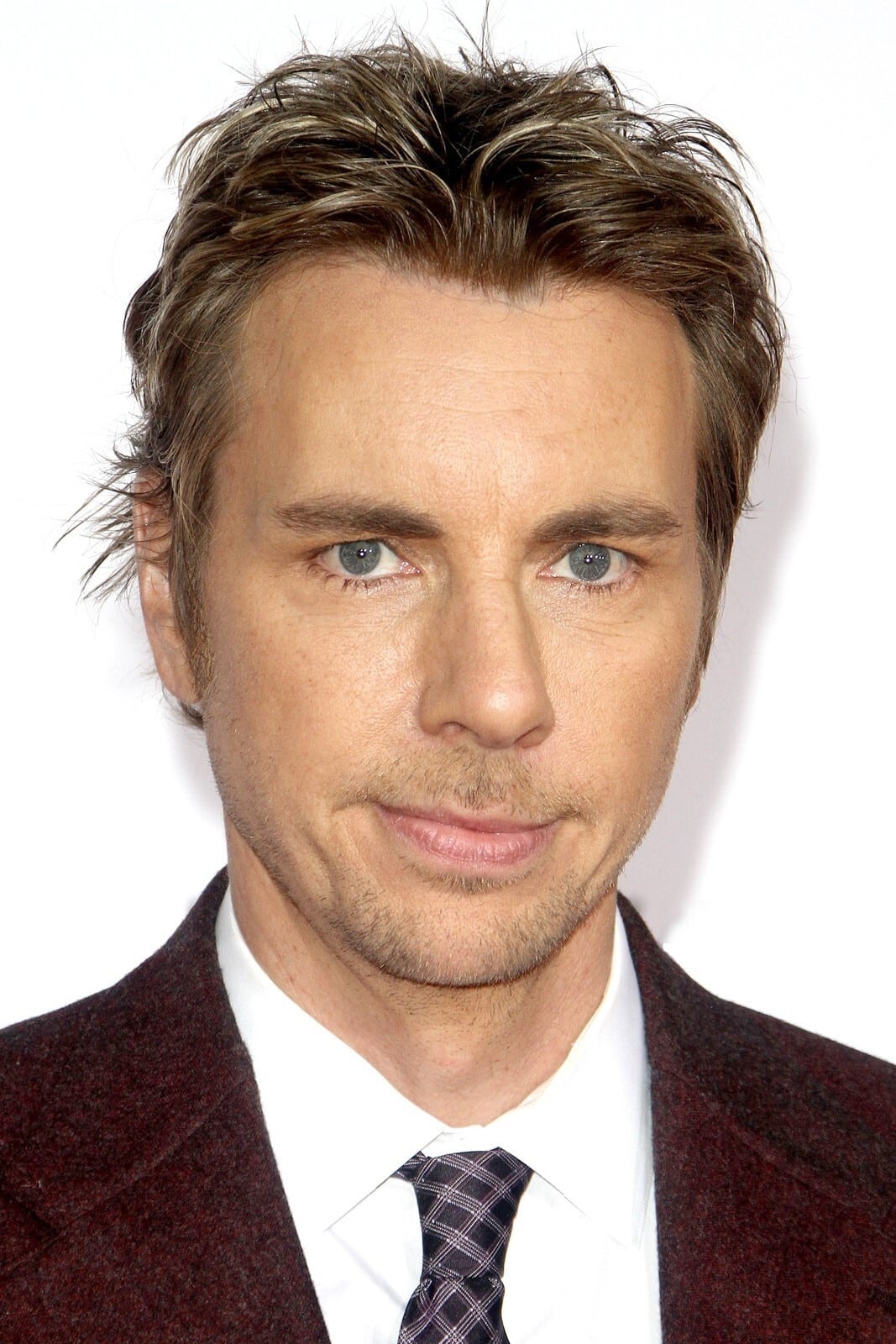
Shepard has described his sobriety journey beginning in 2005, later addressing a brief relapse before returning to recovery tools. He credits program work, therapy, and rigorous transparency with family and colleagues. His acting, podcasting, and writing have provided platforms to discuss concrete strategies like meeting frequency and accountability. Shepard highlights how relapse-prevention plans and honest communication support long-term stability.
Craig Ferguson
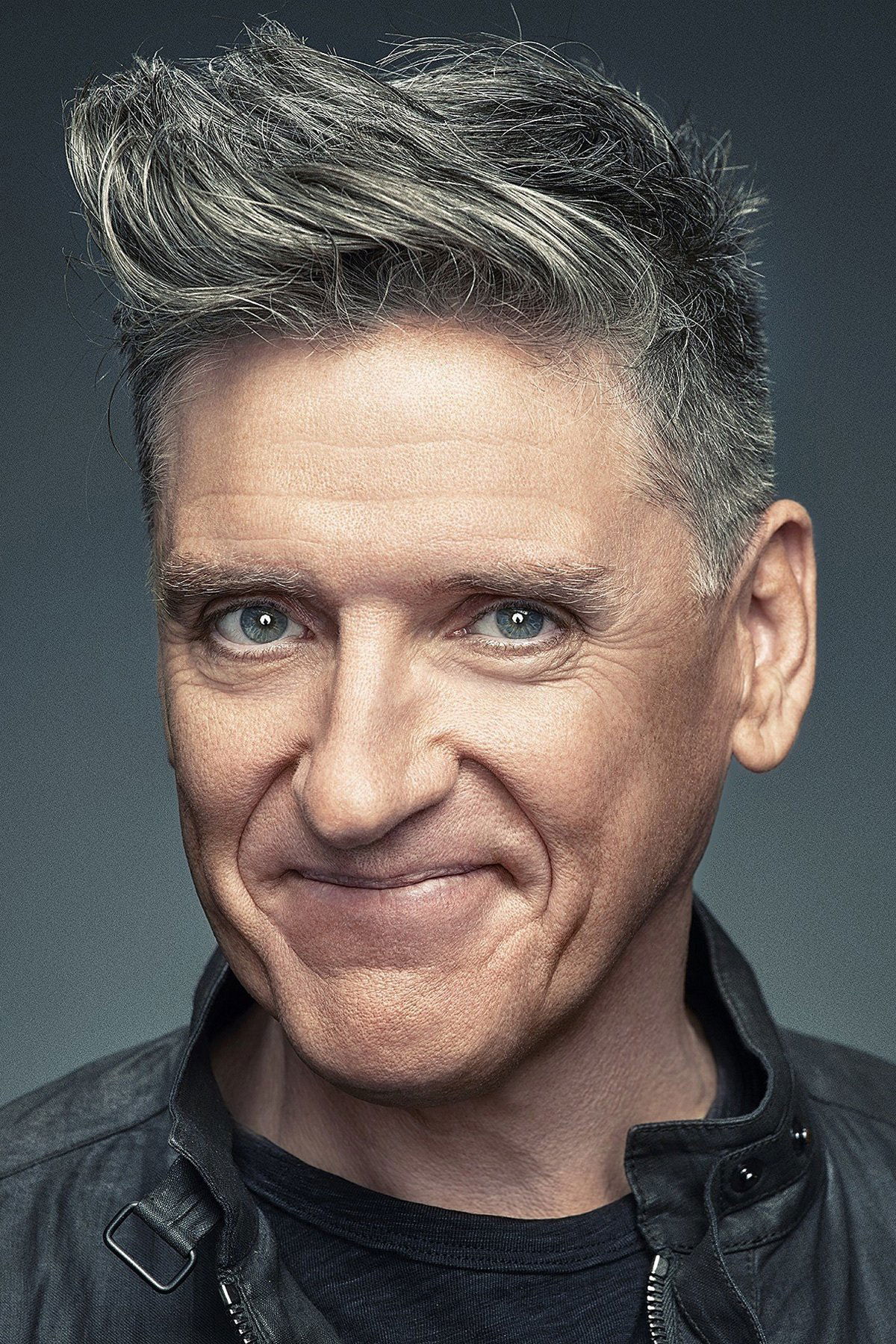
Ferguson has maintained sobriety since the early 1990s, often crediting 12-step participation and service. He has said that routine, travel planning, and avoiding high-risk situations are part of his system. Acting, stand-up, and hosting have continued alongside his recovery work. Ferguson regularly encourages people to seek help and stick with the basics.
David Harbour
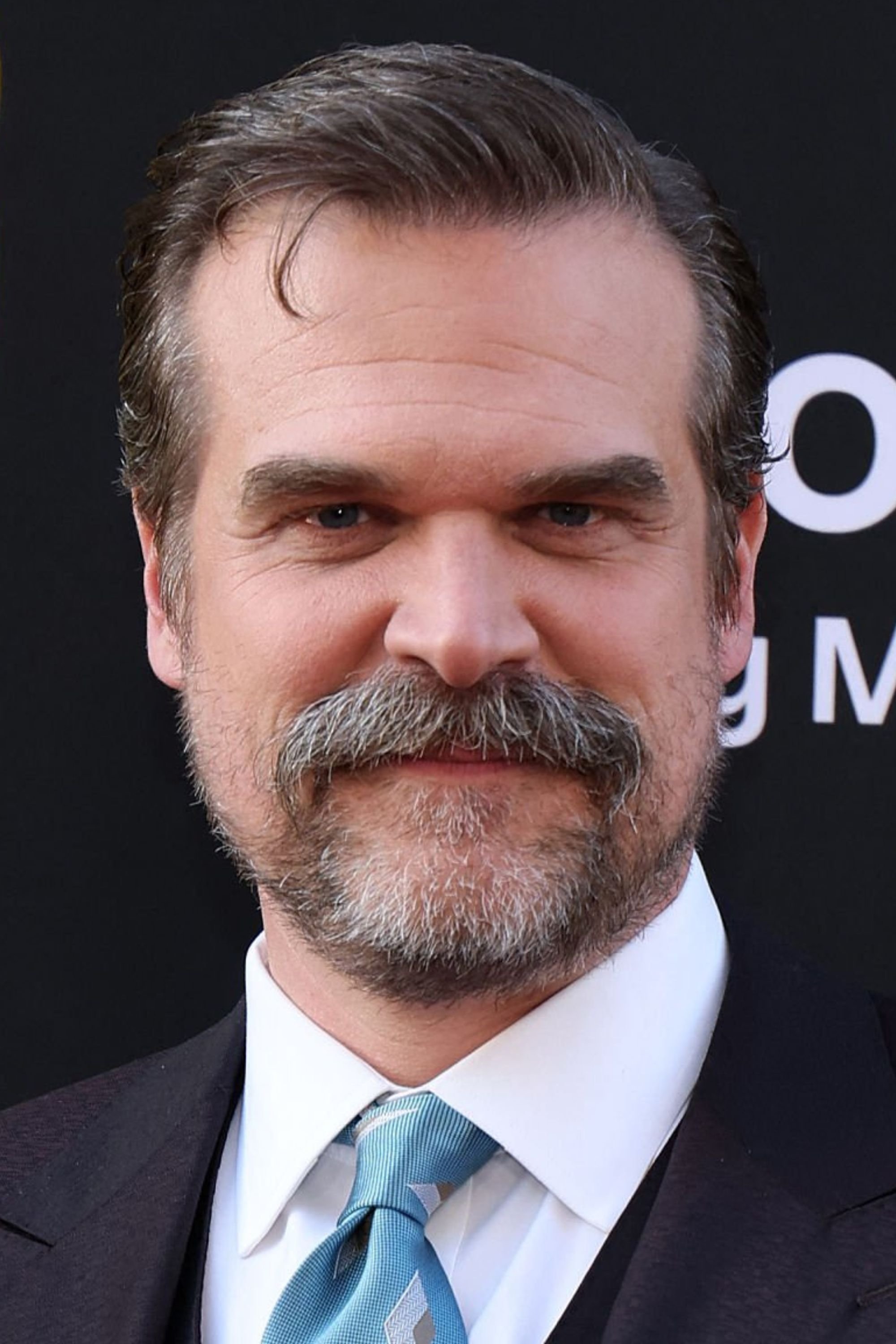
Harbour has talked about quitting drinking years before his breakout on ‘Stranger Things’, focusing on therapy and structure. He has emphasized the value of consistent routines, exercise, and supportive relationships. Film and stage projects benefited from the clarity he associates with recovery. Harbour frames sobriety as foundational to reliability on set.
Josh Brolin
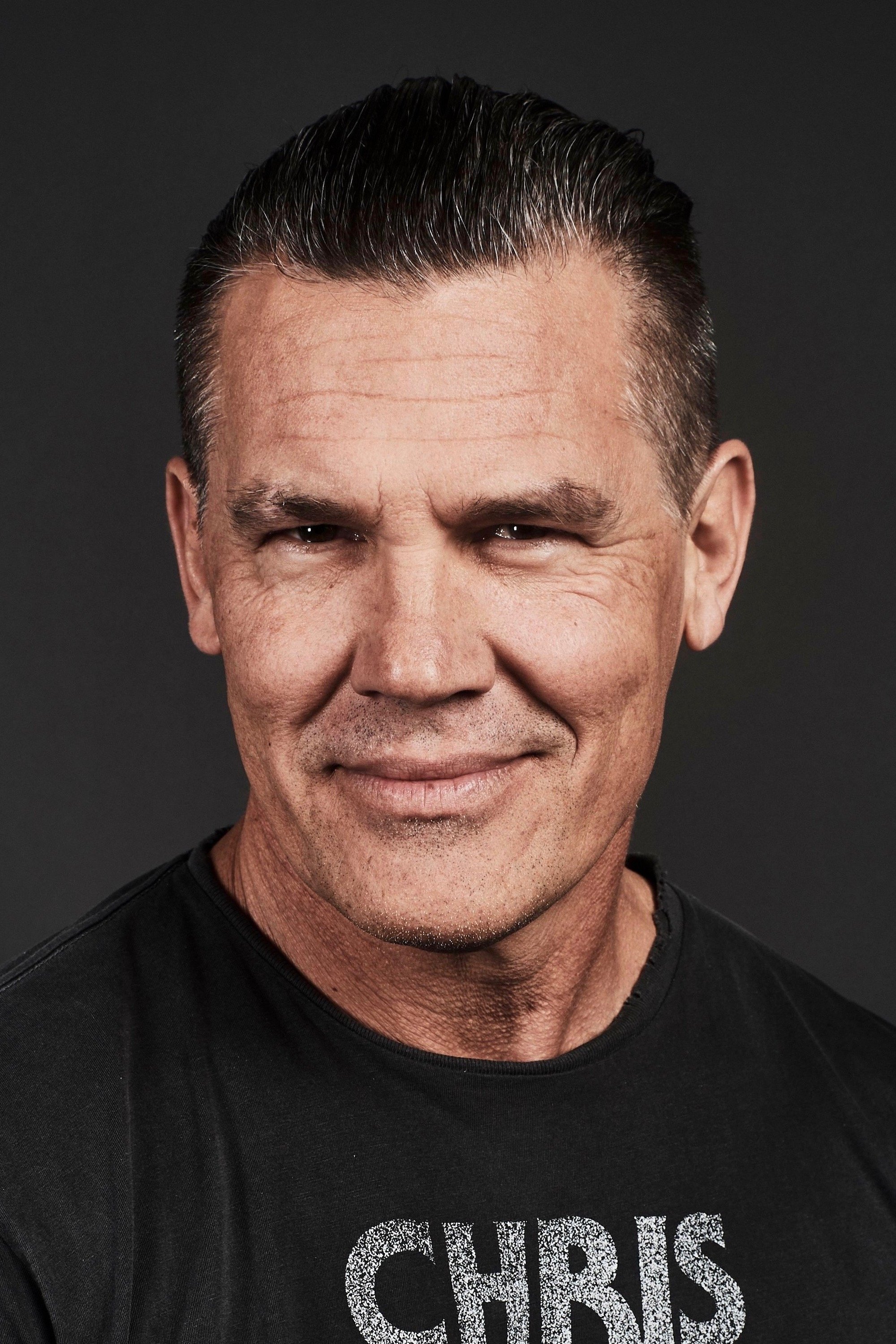
Brolin has discussed giving up alcohol after public incidents, then building healthier habits around family and work. He credits mindfulness, routine, and support networks with helping him stay centered. Roles in ‘No Country for Old Men’, ‘Sicario’, and ‘Avengers: Endgame’ came during years of renewed focus. Brolin underscores that consistent self-monitoring helps sustain progress.
Kit Harington
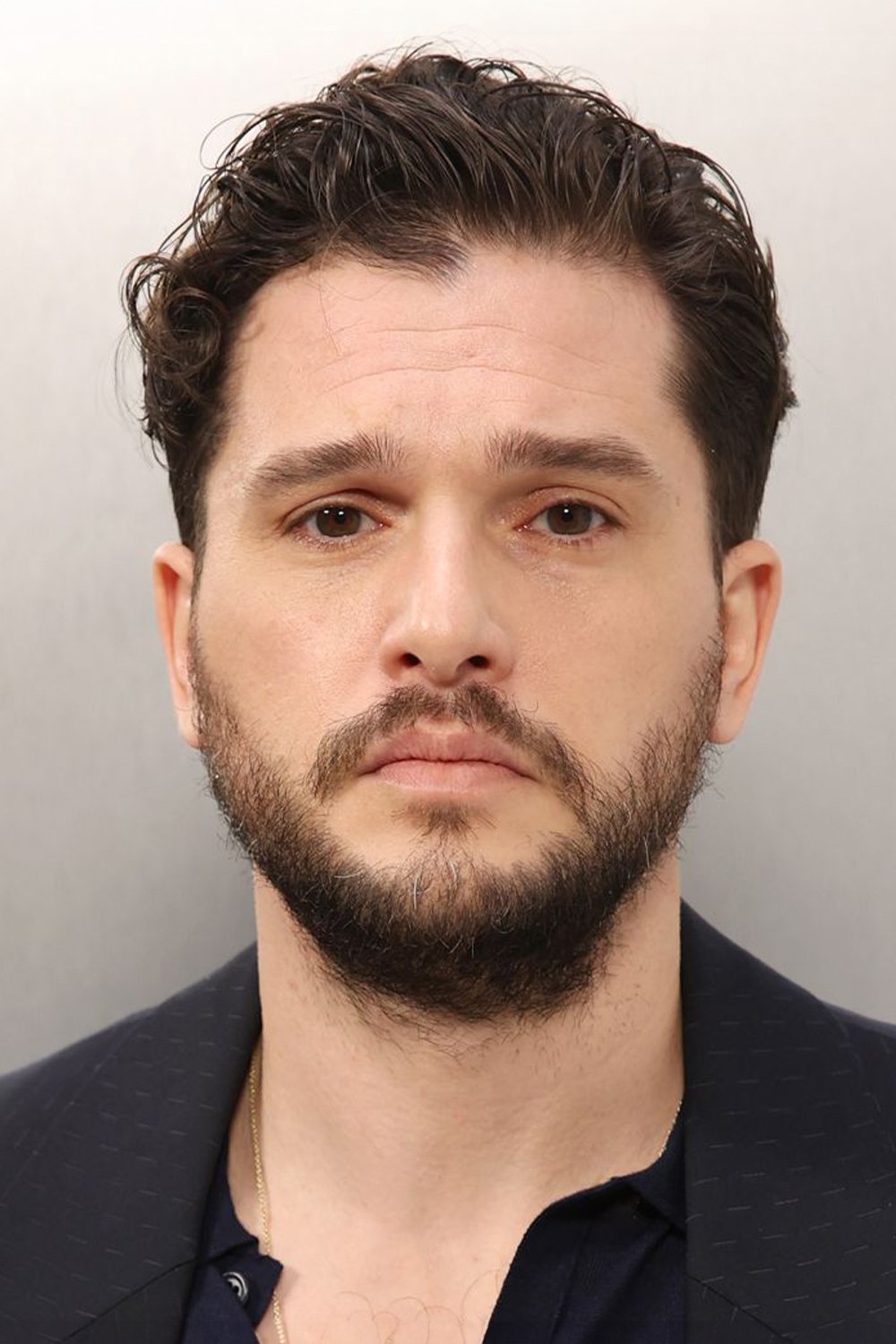
Harington sought treatment related to stress and alcohol use and has since spoken about sobriety and mental-health care. He points to therapy, time away from the spotlight, and family life as stabilizing factors. Stage returns and projects like ‘Modern Love’ followed as he rebalanced commitments. Harington stresses that ongoing support is essential, even after initial treatment.
Nick Nolte
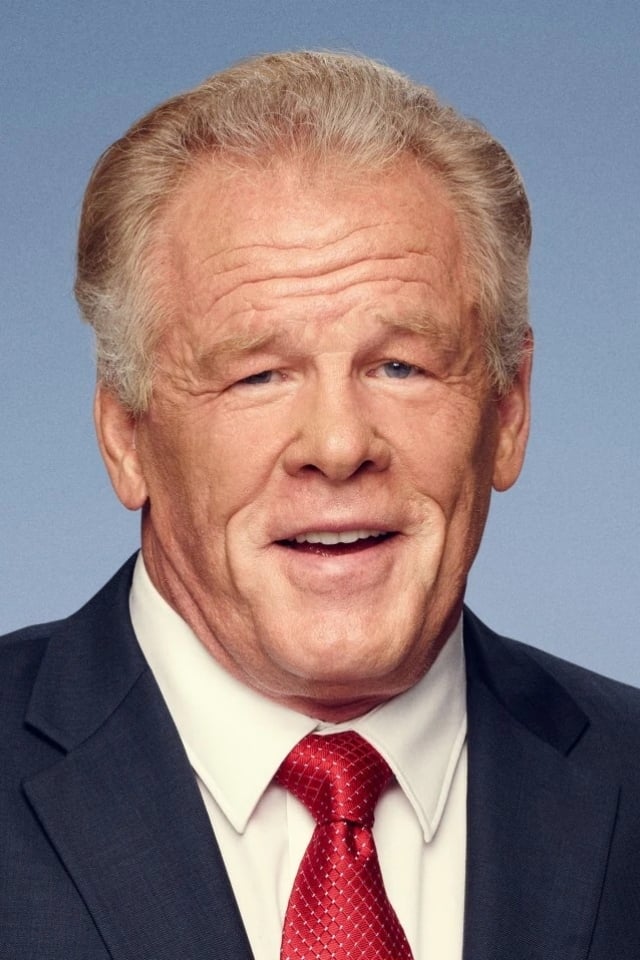
Nolte, long candid about past struggles, has discussed later-life sobriety supported by health changes and reduced workload. He has emphasized reflection, family support, and simplifying daily routines. Continued appearances in film and television have coincided with this steadier period. Nolte presents recovery as a long game that rewards patience.
Christian Slater
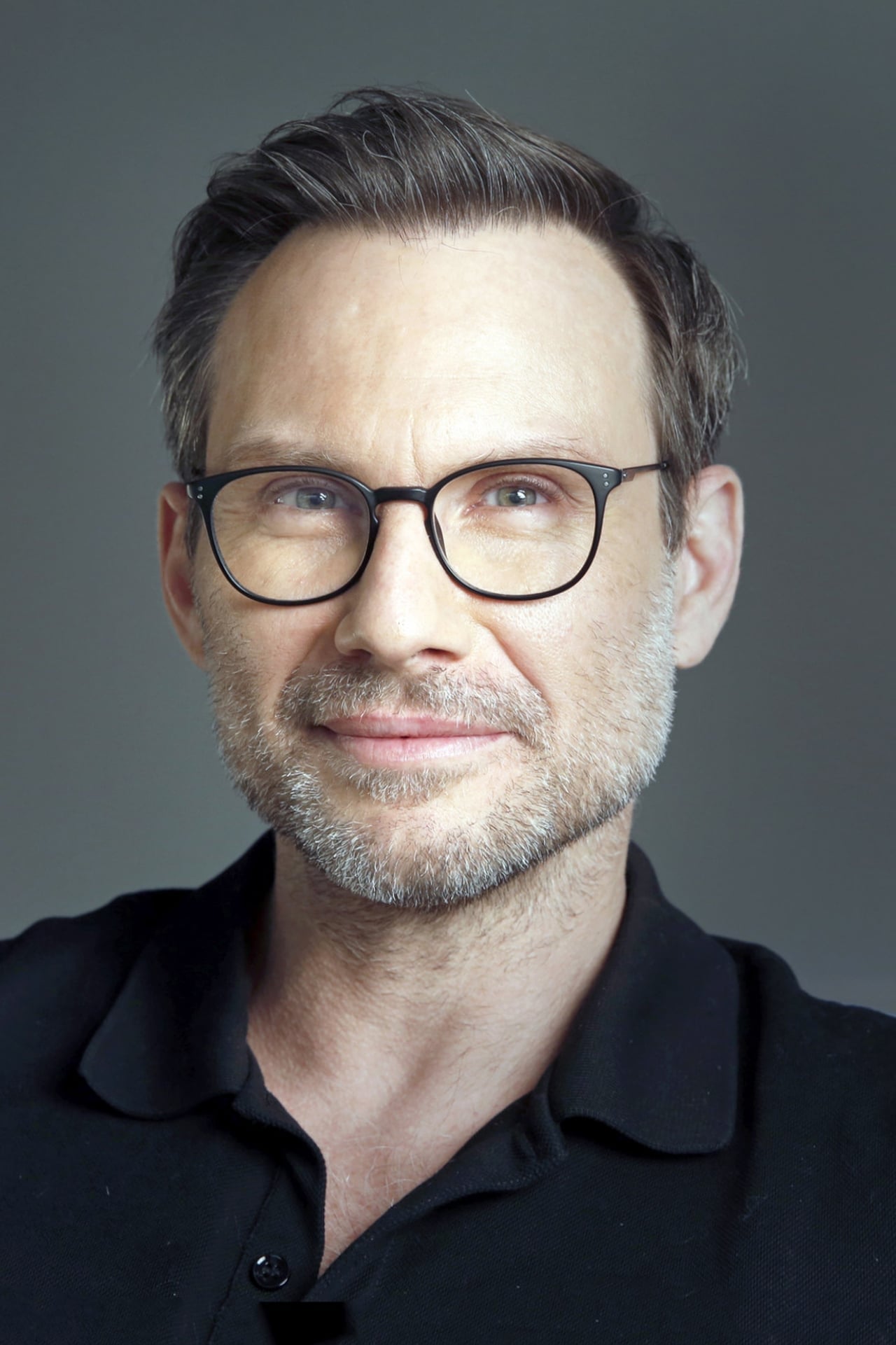
Slater has described achieving sobriety after legal and personal setbacks in the 2000s. He credits program work, mentorship, and a recommitment to consistent habits. Television successes like ‘Mr. Robot’ aligned with his stronger footing. Slater often notes that boundaries and regular check-ins keep him accountable.
Tobey Maguire
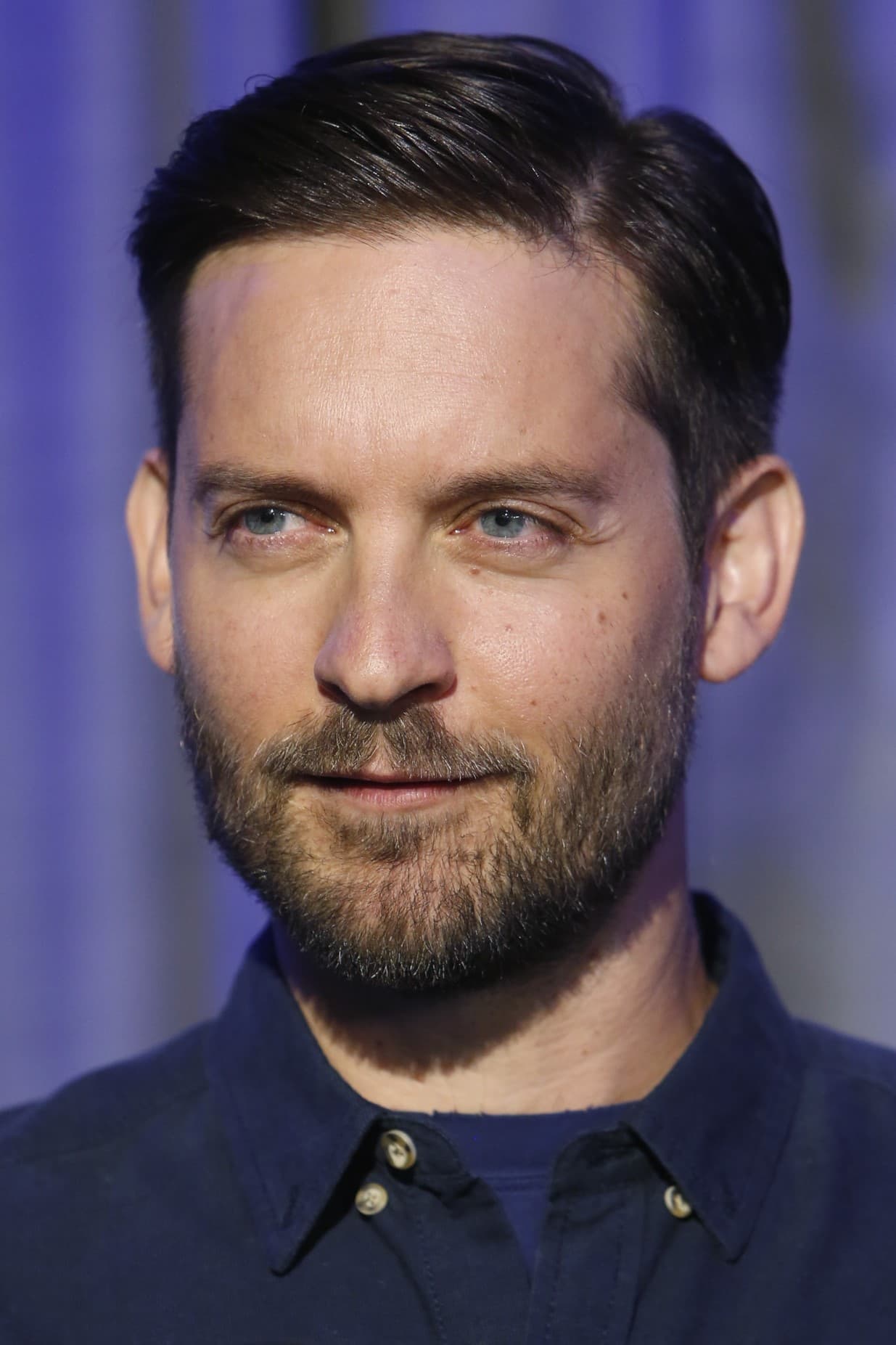
Maguire has long been open about choosing sobriety as a young actor and maintaining it through structured routines. He has spoken about avoiding environments that don’t support his goals. Work on ‘Spider-Man’ and producing projects unfolded within a sober lifestyle. Maguire highlights that protective habits and supportive peers are crucial.
Rob Delaney
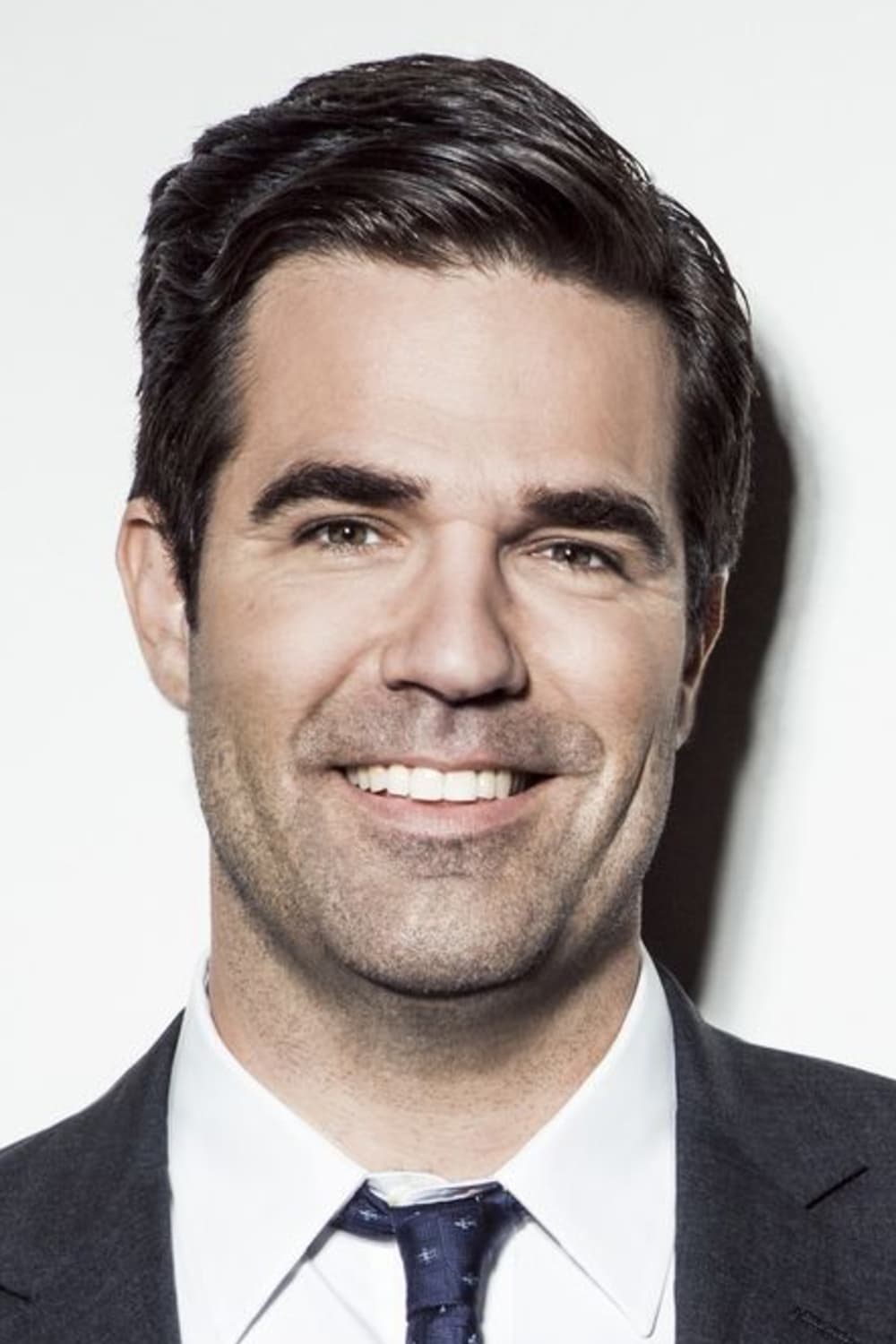
Delaney has publicly marked many years of sobriety, frequently crediting meetings and service to others. He underscores how community ties and daily practices maintain recovery, even through personal tragedy. Acting and writing on ‘Catastrophe’ and other projects have run alongside advocacy for treatment access. Delaney often points people to practical resources and hotlines.
Steve-O
Steve-O achieved sobriety after a high-profile intervention and subsequent treatment, staying engaged with recovery programs. He regularly discusses tools like meeting attendance, sponsorship, and structured service work. His touring, stand-up, and documentary projects operate within a sober framework. Steve-O emphasizes that clear routines and accountability contacts are non-negotiable.
Zac Efron
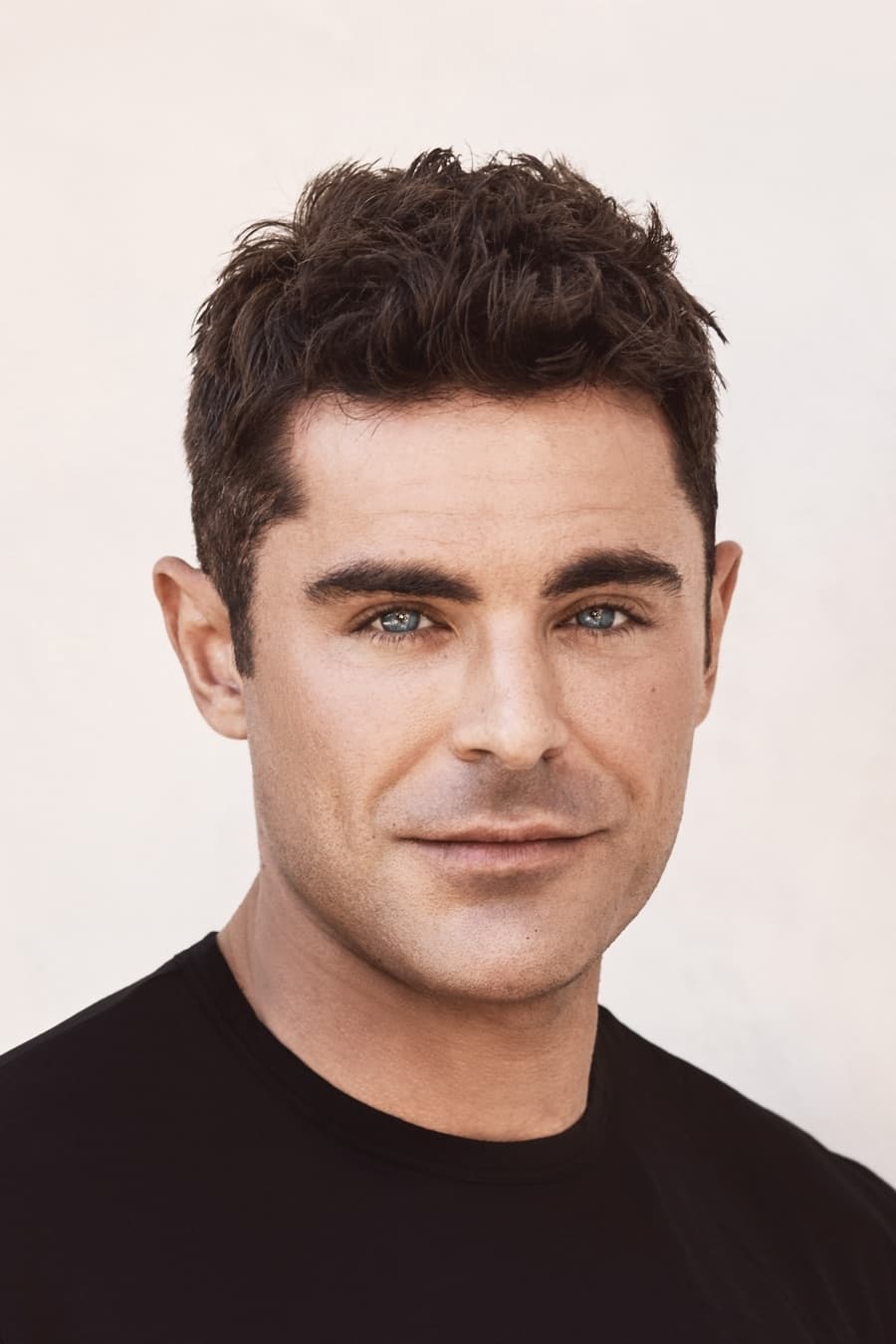
Efron has spoken about addressing alcohol and substance issues in his twenties and then reorganizing his life around fitness and professional focus. He has credited therapy, new social circles, and strict schedules with supporting sobriety. Projects from ‘Neighbors’ onward have aligned with this healthier approach. Efron highlights prevention strategies like avoiding triggers during travel and press tours.
Shia LaBeouf
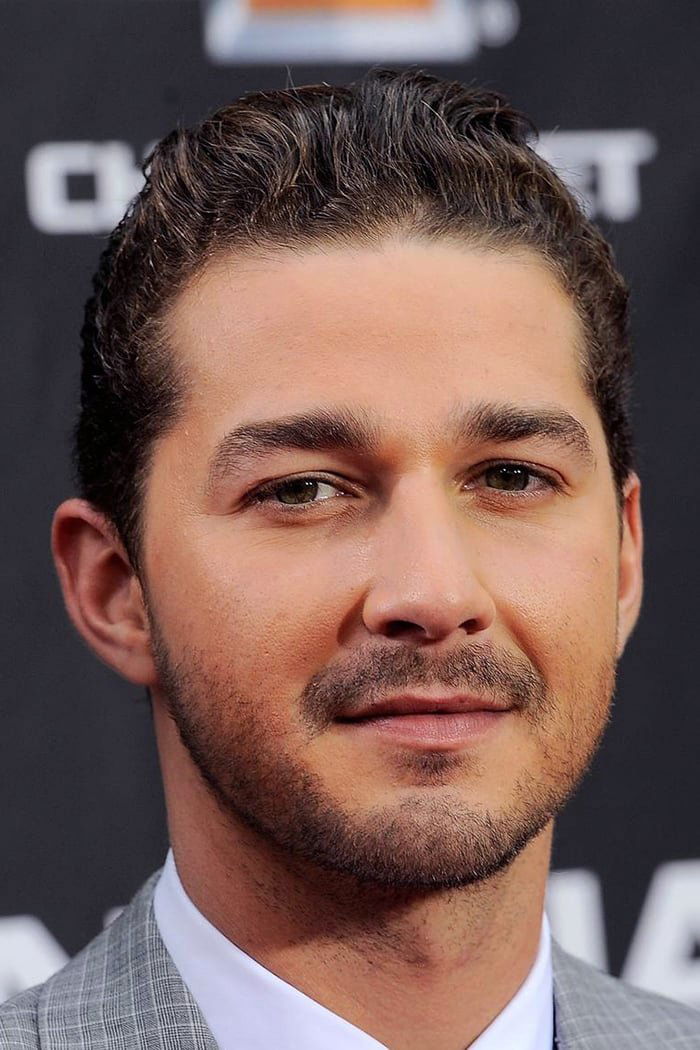
LaBeouf has discussed periods of sobriety following treatment and legal issues, emphasizing therapy, faith practices, and accountability. He has worked within structured routines while returning to stage and independent film. Collaborations with directors and participation in recovery communities have supported his efforts. LaBeouf frames recovery as a daily practice requiring consistent humility.
Gerard Butler
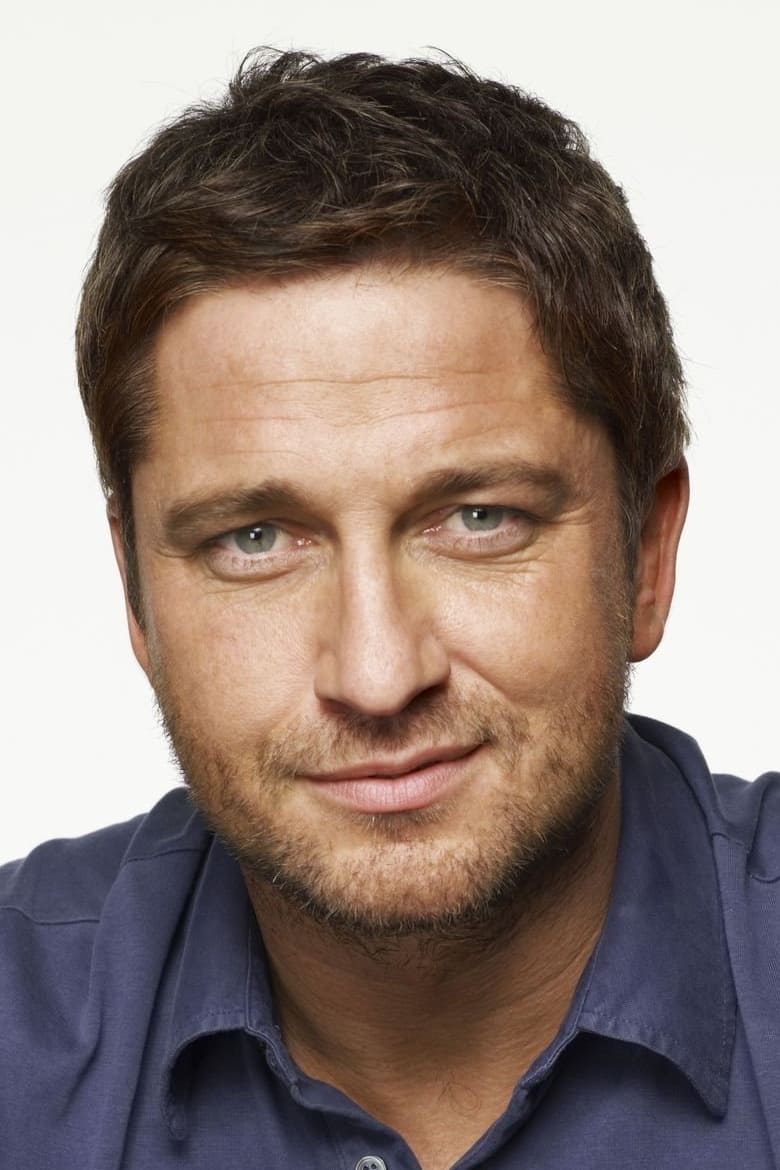
Butler has said he stopped drinking in the late 1990s and stayed sober by leaning on new habits and career focus. He credits fitness, disciplined schedules, and a different social environment for maintaining change. Roles in ‘300’, ‘Olympus Has Fallen’, and other franchises arrived after that turning point. Butler notes that protecting sleep and planning downtime help guard his sobriety.
Ben Affleck
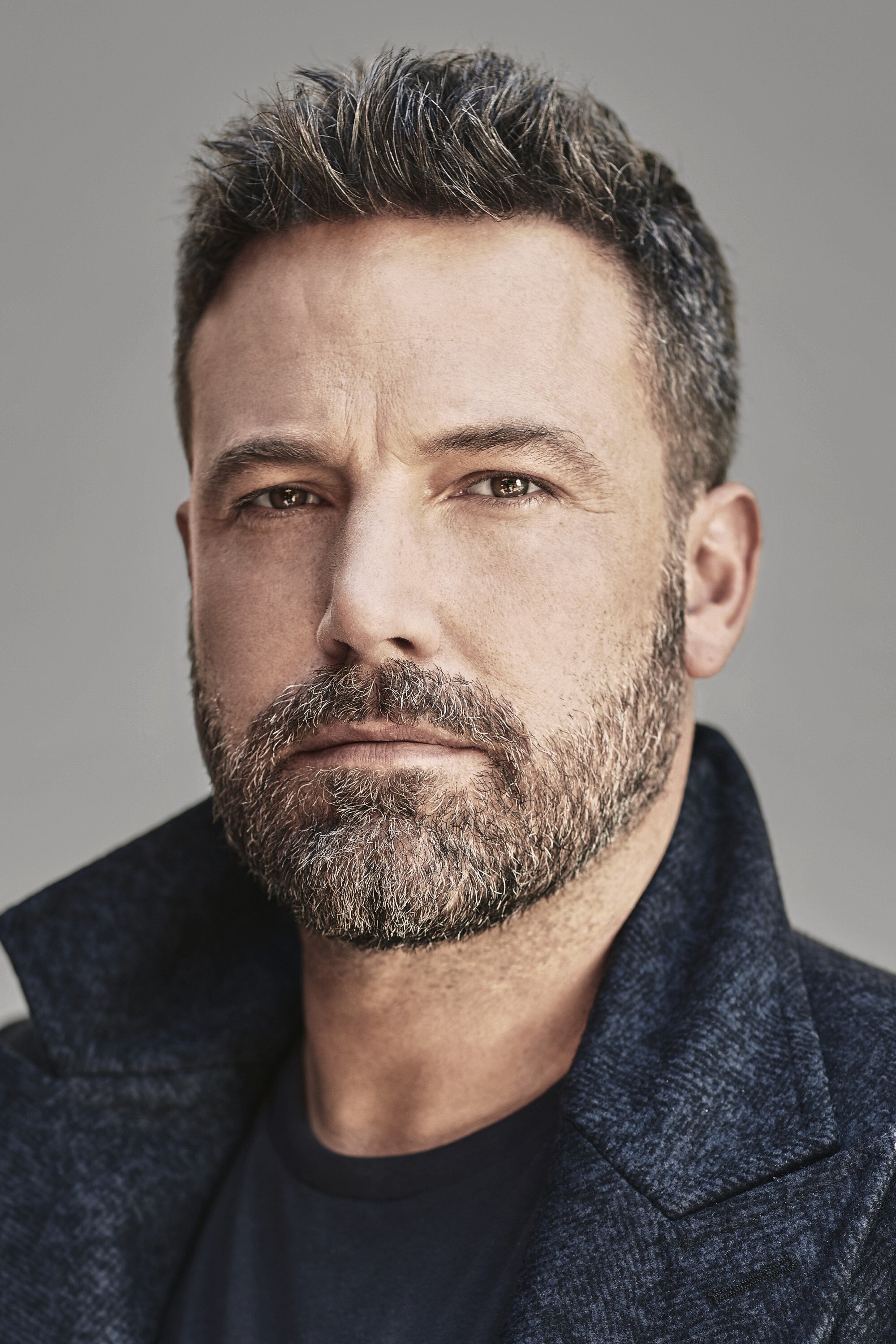
Affleck has sought treatment multiple times and speaks openly about recovery as an ongoing process. He has pointed to therapy, family responsibilities, and structured work routines as anchors. Film projects behind and in front of the camera have progressed alongside renewed sobriety. Affleck emphasizes asking for help early and returning to fundamentals when setbacks occur.
Charlie Sheen
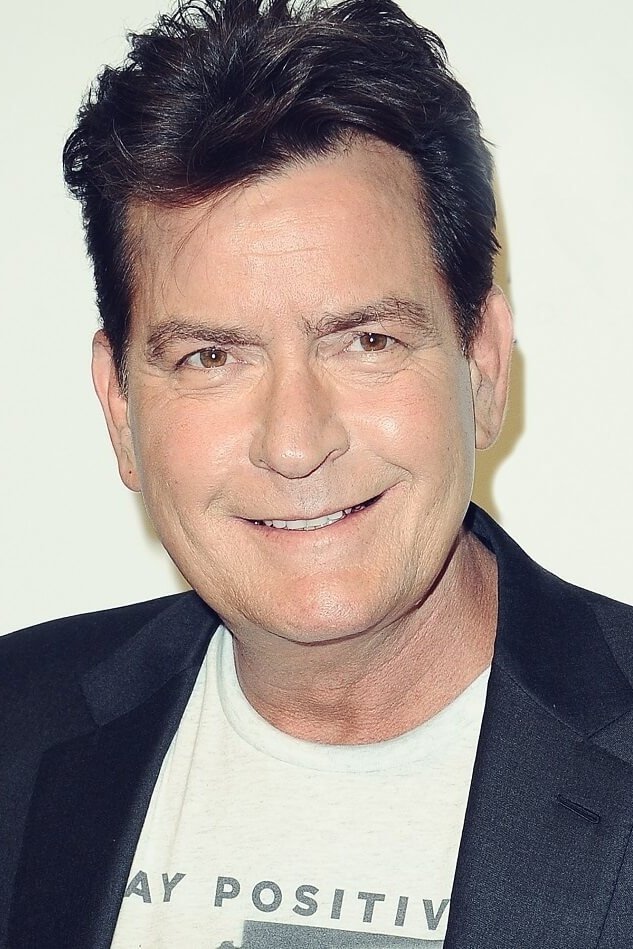
Sheen has talked about achieving extended periods of sobriety in recent years, supported by medical care, therapy, and lifestyle changes. He has described how removing alcohol improved consistency in family life and work. Later acting appearances and public outreach have coincided with that stability. Sheen highlights daily accountability and low-risk routines as key tactics.
Josh Peck
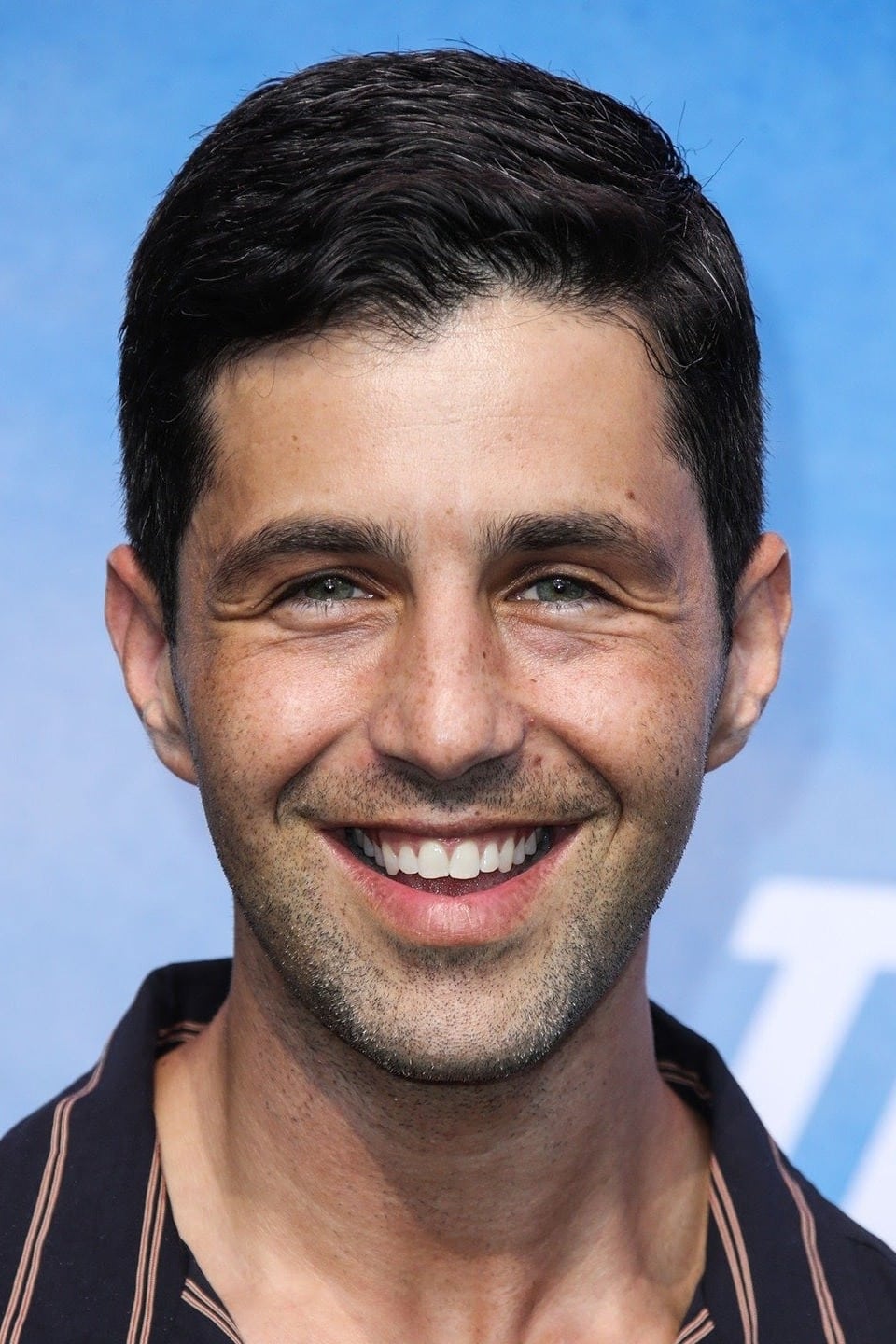
Peck has shared that he’s been sober since his early twenties, crediting 12-step programs and mentorship. He points to community, fitness, and structured schedules as long-term supports. Acting, writing, and podcasting fit around the routines that help him stay balanced. Peck stresses that sharing experience with newcomers keeps him engaged in recovery.
Gary Oldman
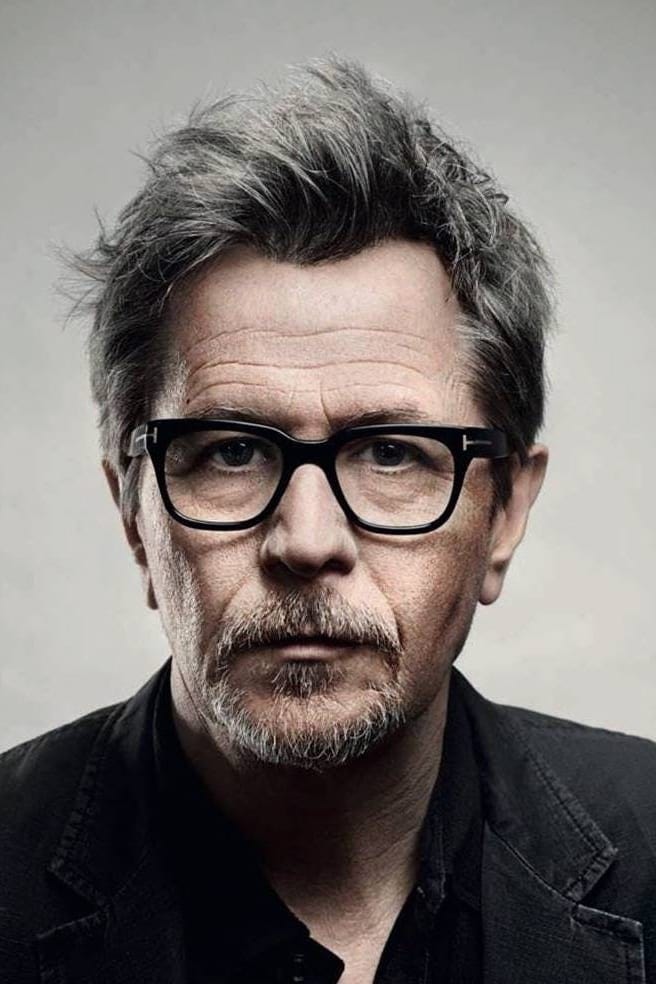
Oldman has spoken about quitting alcohol in the late 1990s and sustaining sobriety with disciplined habits and work focus. He has described how clarity improved preparation and performance. Roles in ‘Tinker Tailor Soldier Spy’, ‘Darkest Hour’, and ‘Slow Horses’ came during his sober years. Oldman notes that simple, repeatable routines and quiet living help preserve progress.
Share your thoughts below: whose story resonated with you, and which long-term sobriety journeys did we miss?