Actors Who Died Right After a Career-Redefining Role


Some performances don’t just elevate a career — they rewrite it — and in heartbreaking cases, the actors behind them passed away soon after. The roles below didn’t merely add another credit; they changed public perception, opened new lanes, or introduced the performer to a global audience. In many instances, the work was still in theaters or yet to be released, which only intensified the impact. Here are the stories behind those transformations and the losses that followed.
Heath Ledger
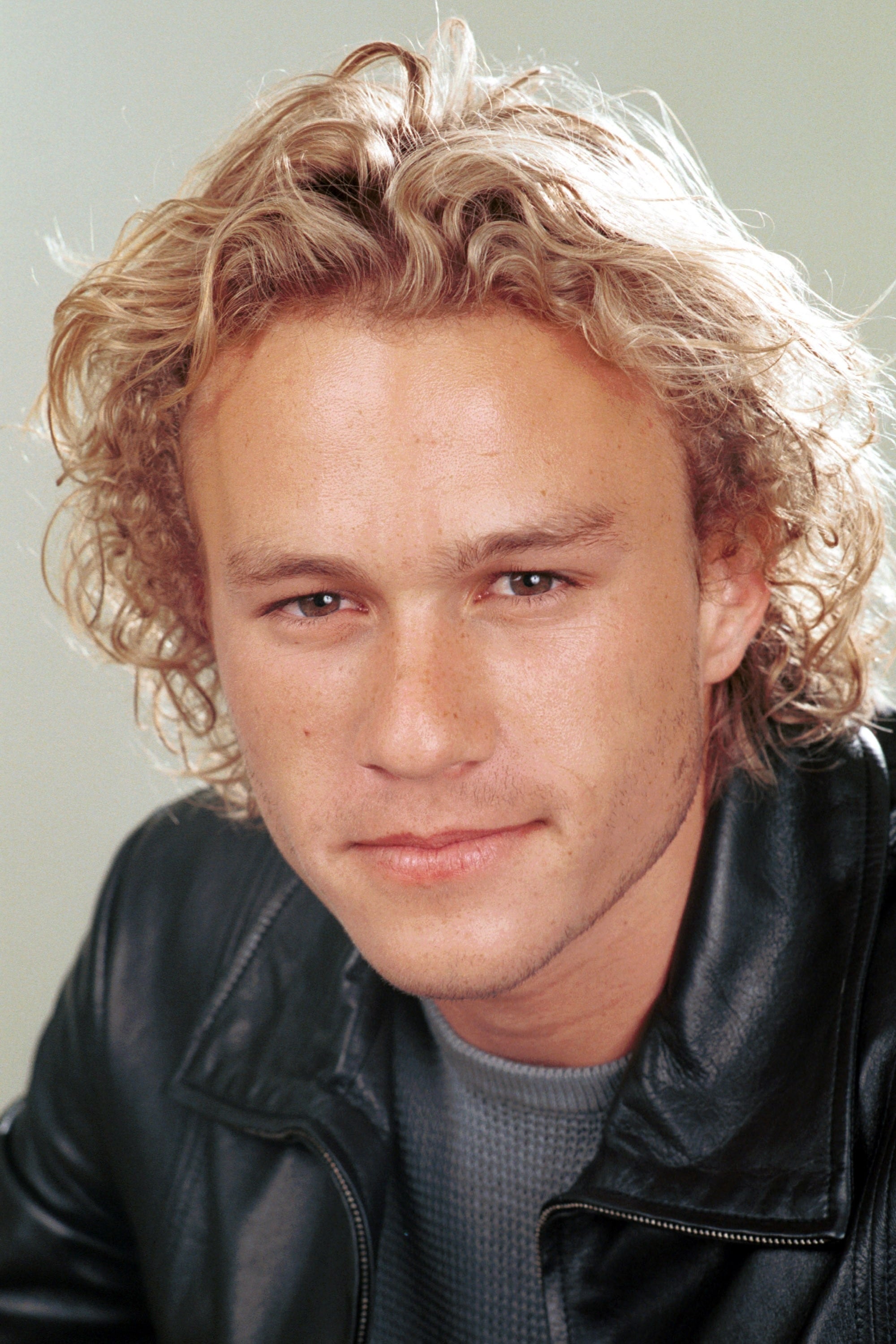
Heath Ledger died on January 22, 2008, months after completing his turn as the Joker in ‘The Dark Knight’. He had finished principal photography in 2007, and the film opened in July 2008 to enormous attention for his performance. Ledger was awarded a posthumous Academy Award for Best Supporting Actor in 2009. His portrayal reshaped the character for a new era and redefined Ledger’s own standing as a transformative performer.
Bruce Lee
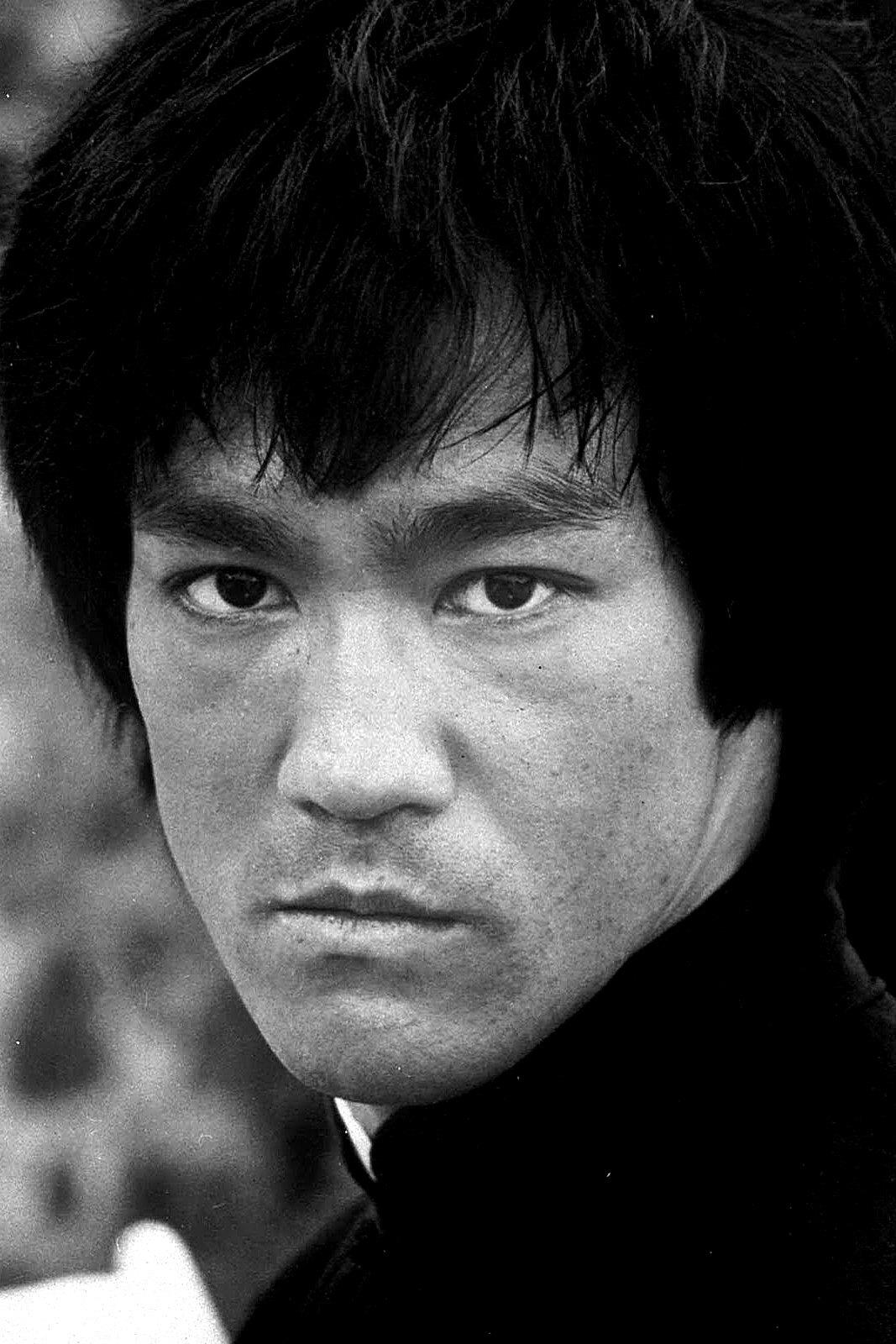
Bruce Lee died on July 20, 1973, shortly before the release of ‘Enter the Dragon’. The film premiered in August 1973 and rapidly introduced Lee to a worldwide audience beyond his earlier television work. Its success established modern martial-arts cinema in global popular culture. Lee’s death turned the movie into a landmark farewell that defined his international legacy.
James Dean
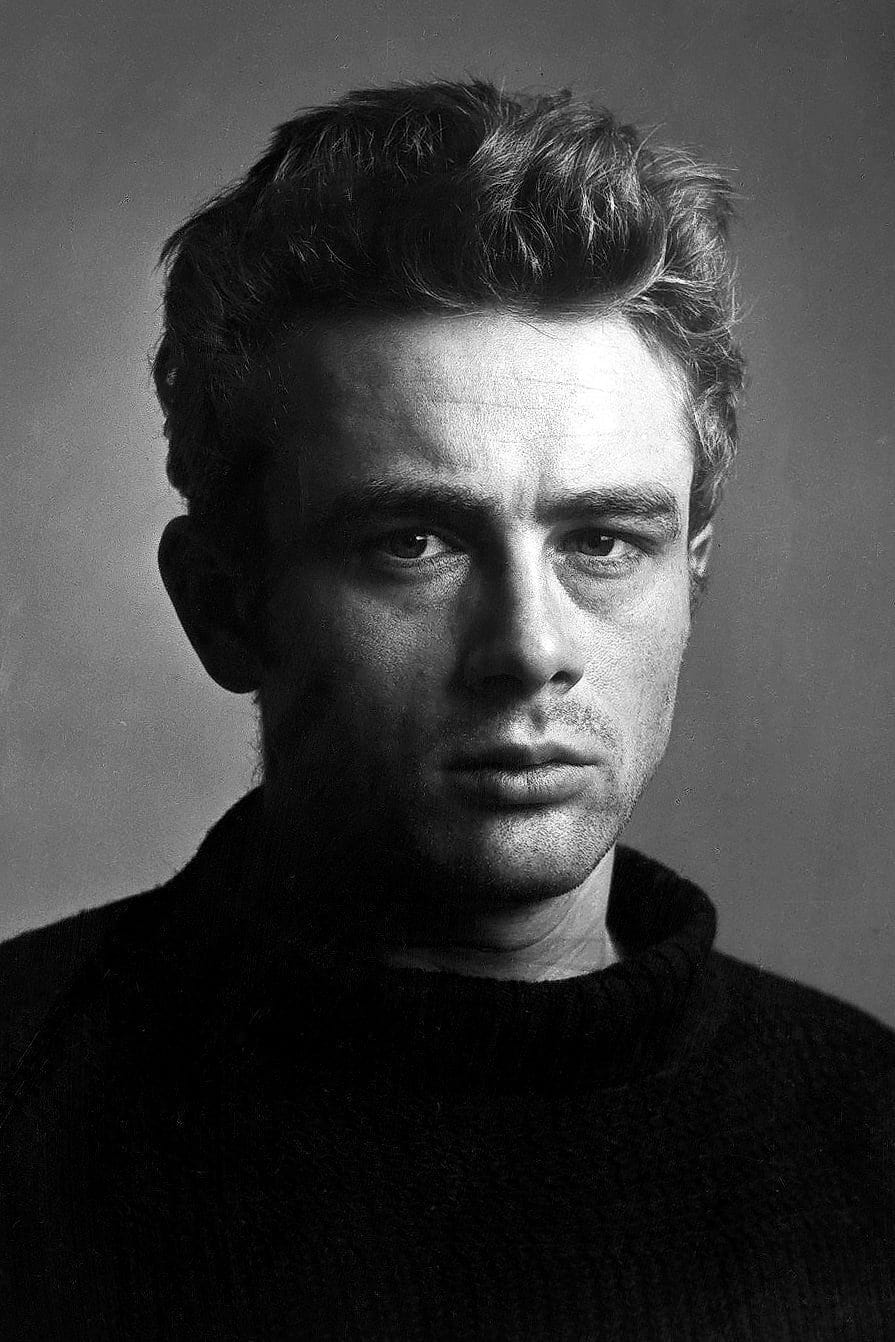
James Dean died in a car crash on September 30, 1955, not long before ‘Rebel Without a Cause’ reached theaters. The film crystallized his image as the era’s emblem of youthful rebellion, while ‘Giant’ was released posthumously in 1956. Dean received posthumous Oscar nominations for ‘East of Eden’ and ‘Giant’. His brief run fixed him as a cultural touchstone just as his star was breaking wide.
Brandon Lee
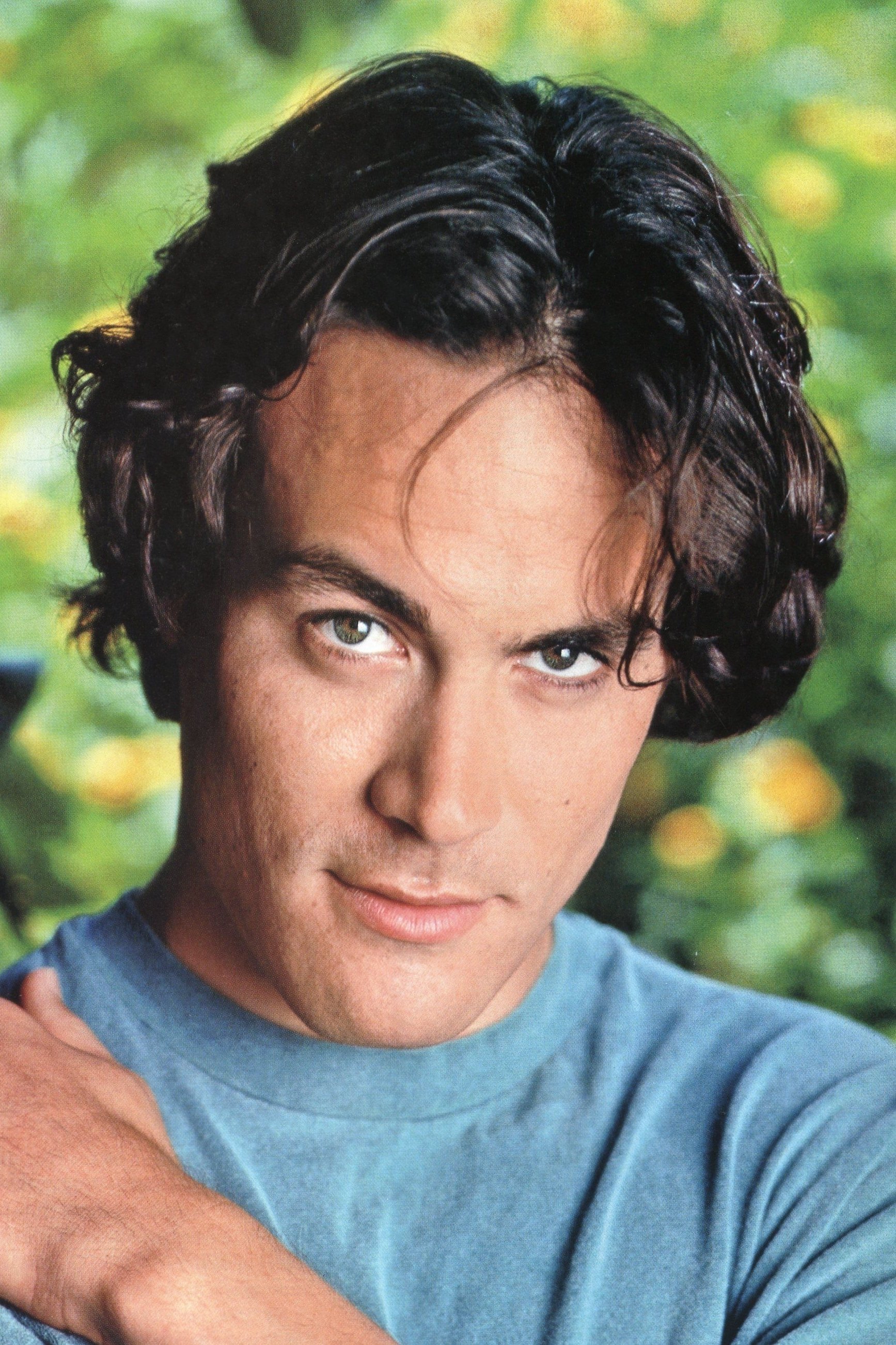
Brandon Lee died on March 31, 1993, after an on-set accident during production of ‘The Crow’. The film was completed using body doubles and visual effects and released in 1994. His performance introduced him to a broader audience beyond action-genre circles. The role became synonymous with his name and marked a dramatic shift toward leading-man status.
Peter Finch
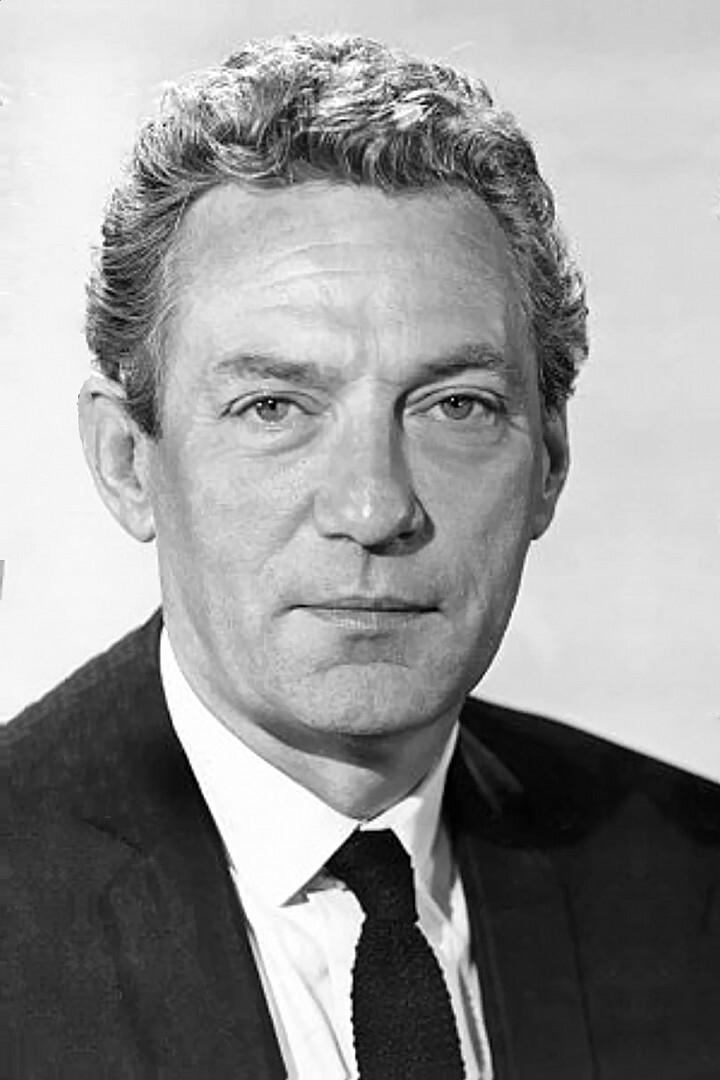
Peter Finch died on January 14, 1977, shortly after ‘Network’ had premiered. His portrayal of Howard Beale became the defining work of his career and drew intense awards-season attention. Finch received the Academy Award for Best Actor posthumously that same year. The role reframed him from respected veteran to the face of a modern media satire.
John Cazale
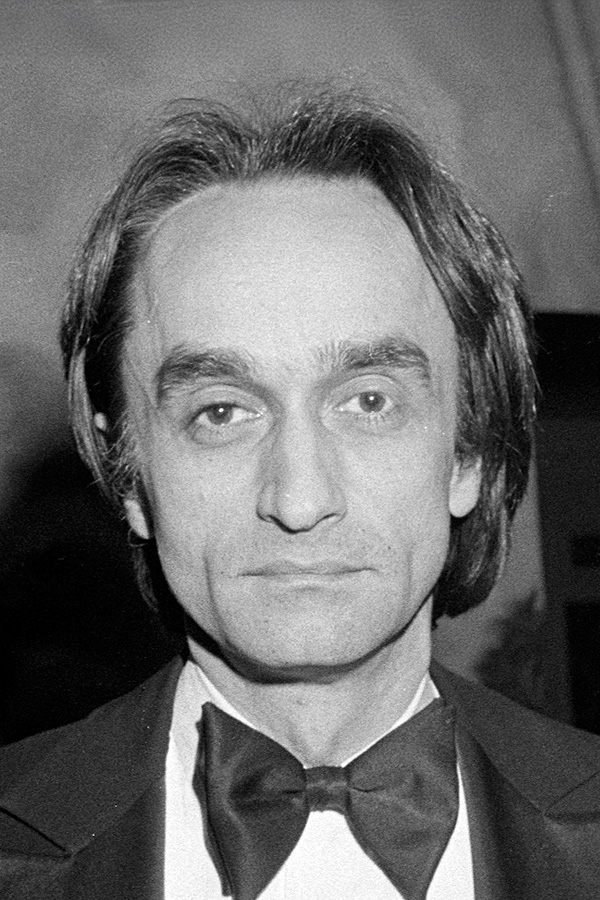
John Cazale died on March 12, 1978, after completing his scenes for ‘The Deer Hunter’. Known for a run of critically acclaimed films, he appeared in only five features during his lifetime, all of which were Best Picture nominees. ‘The Deer Hunter’ was released later in 1978 and won Best Picture. His final work underscored a legacy of precision and depth in ensemble dramas.
Oliver Reed
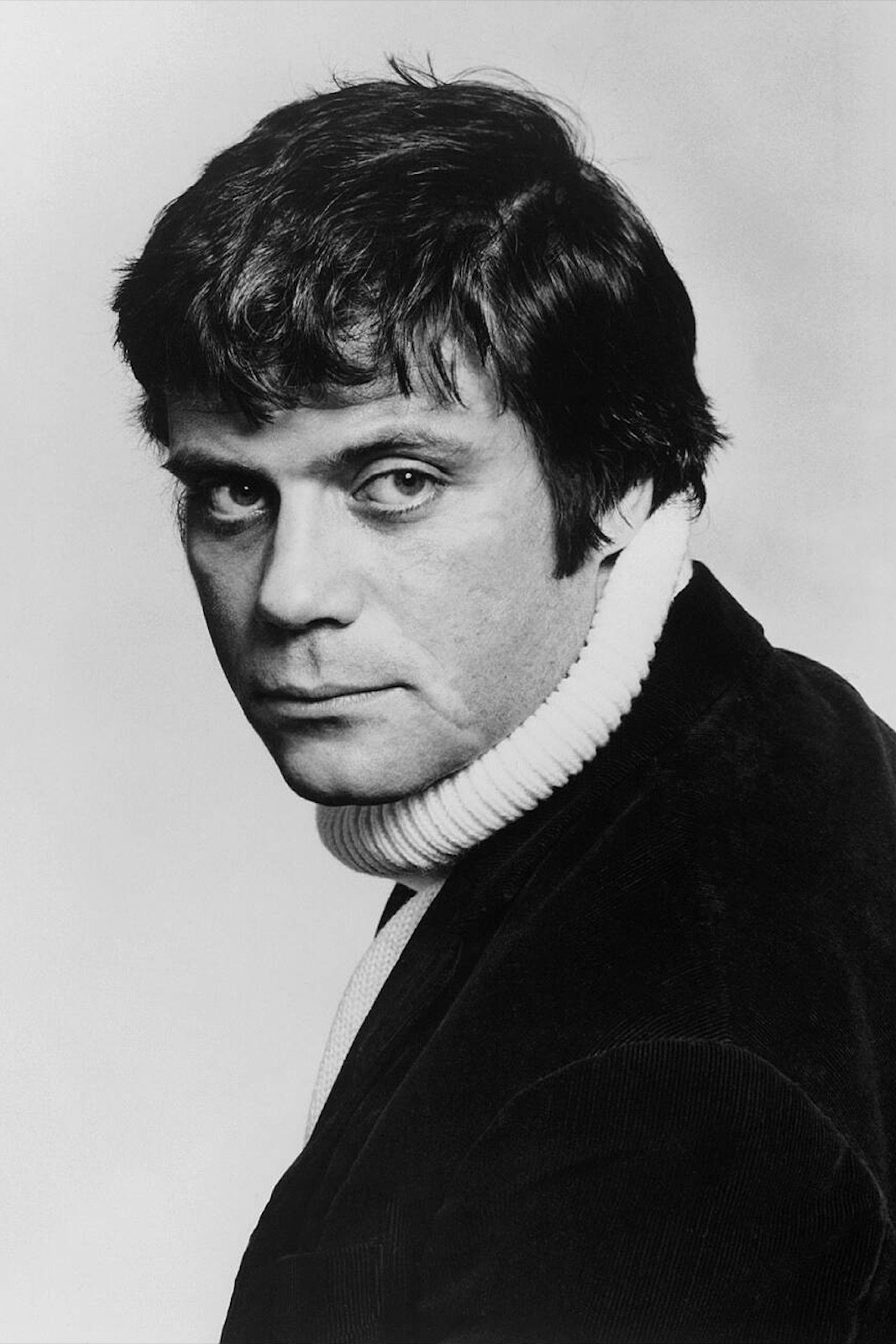
Oliver Reed died on May 2, 1999, while ‘Gladiator’ was still in production. Filmmakers completed his remaining scenes using a body double and digital effects. When the film opened in 2000, Reed’s work as Proximo was widely noted as a powerful late-career turn. The role served as a high-profile reintroduction to a new generation of moviegoers.
Andy Whitfield
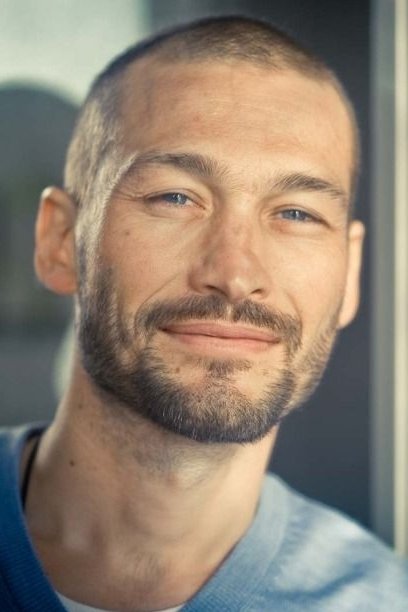
Andy Whitfield died on September 11, 2011, following his breakthrough in ‘Spartacus: Blood and Sand’. Diagnosed with Hodgkin lymphoma in 2010, he stepped away while the series produced the prequel ‘Spartacus: Gods of the Arena’. His portrayal established the franchise’s tone and audience. The lead role was subsequently recast, but Whitfield’s performance remained the template.
Anton Yelchin
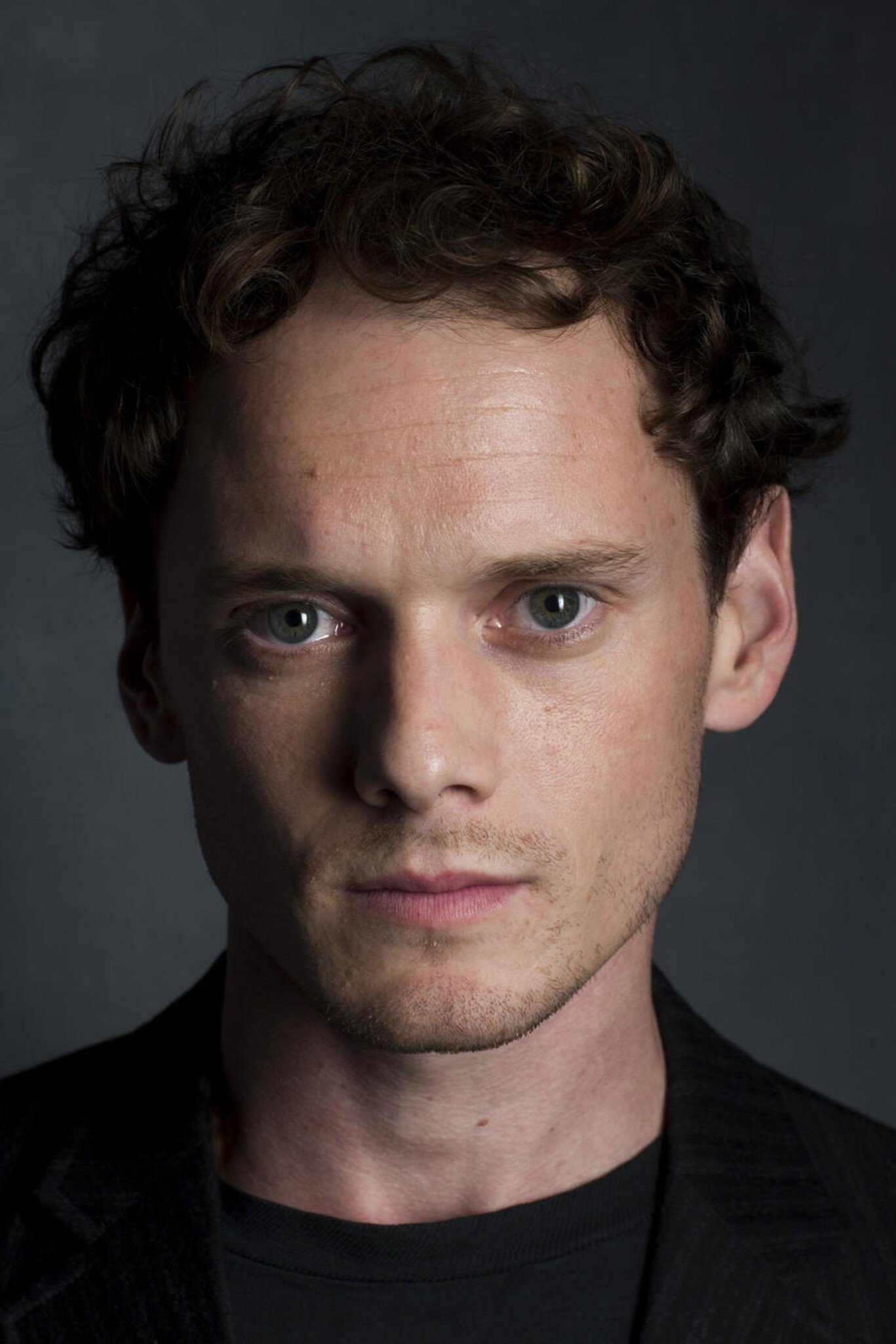
Anton Yelchin died on June 19, 2016, between the acclaim for ‘Green Room’ and the upcoming release of ‘Star Trek Beyond’. ‘Green Room’ showcased him in a gritty, indie lead that expanded perceptions beyond franchise work. ‘Star Trek Beyond’ arrived in July 2016, with additional posthumous releases including ‘Thoroughbreds’. The combination positioned him simultaneously as a credible character actor and a mainstream presence.
Paul Walker
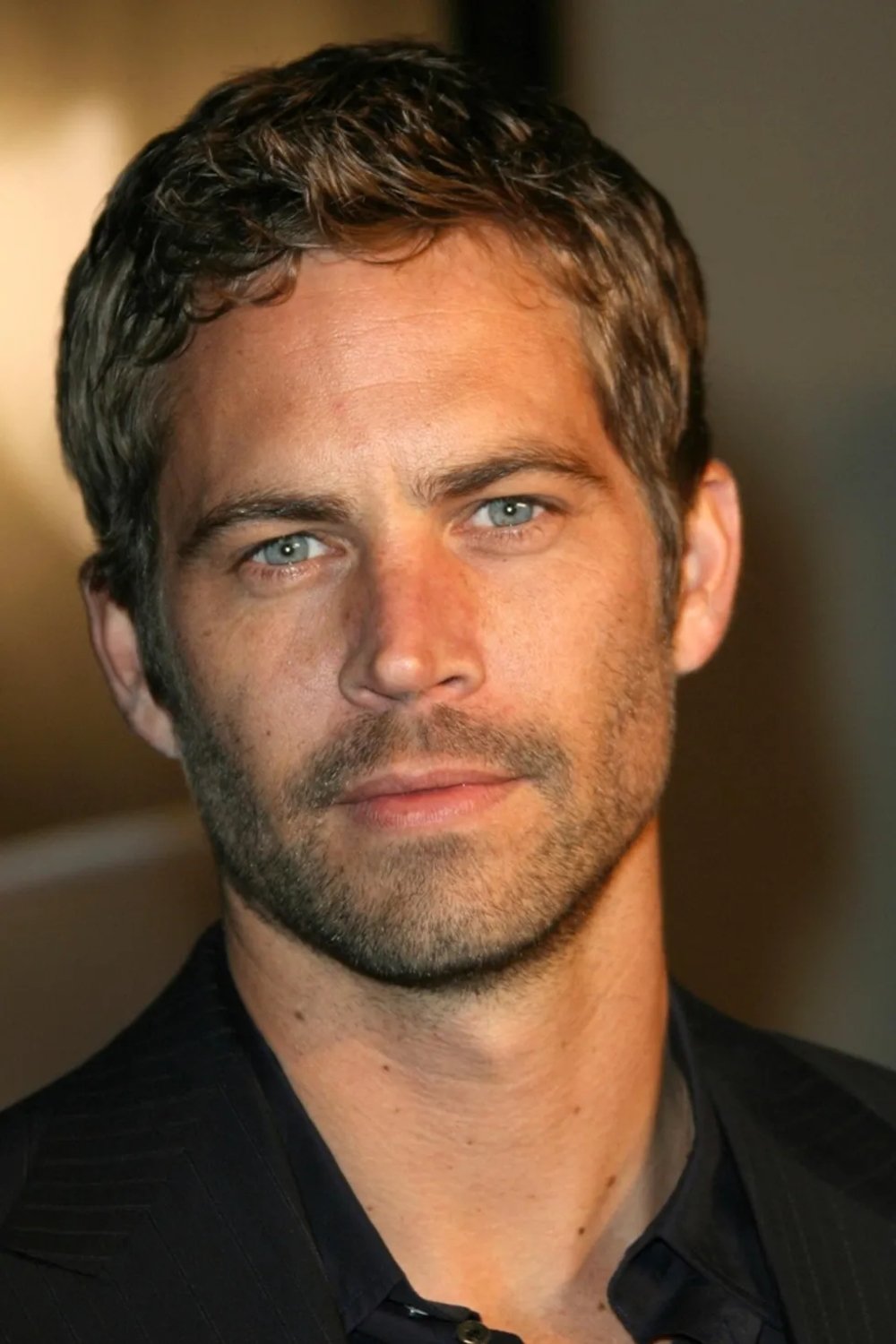
Paul Walker died on November 30, 2013, during the production of ‘Furious 7’. That film ultimately used his brothers as stand-ins and visual effects to complete his role, releasing in 2015. In the weeks after his death, the survival drama ‘Hours’ premiered and highlighted his capacity for intimate, character-driven work. The period marked a broadened view of his range just as the franchise was peaking.
Freddie Prinze
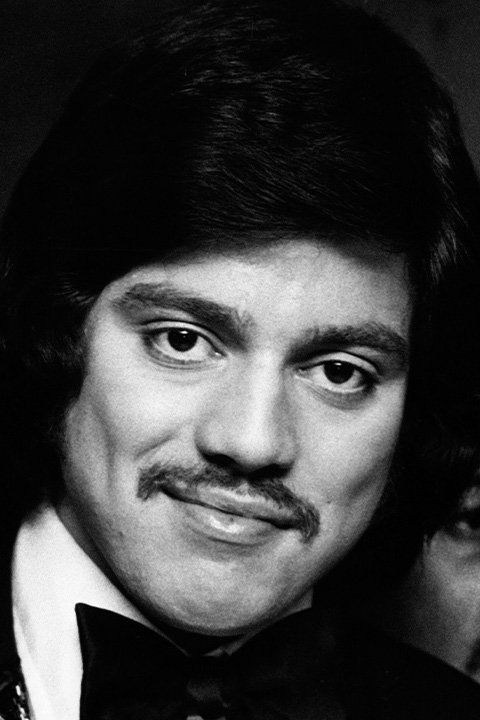
Freddie Prinze died on January 29, 1977, while starring in ‘Chico and the Man’ (1974–1978). The series had rapidly elevated him from stand-up stages to household name status. After his death, the show was retooled but could not replicate its earlier momentum. His rise illustrated how a single television role can transform visibility almost overnight.
Richard Harris
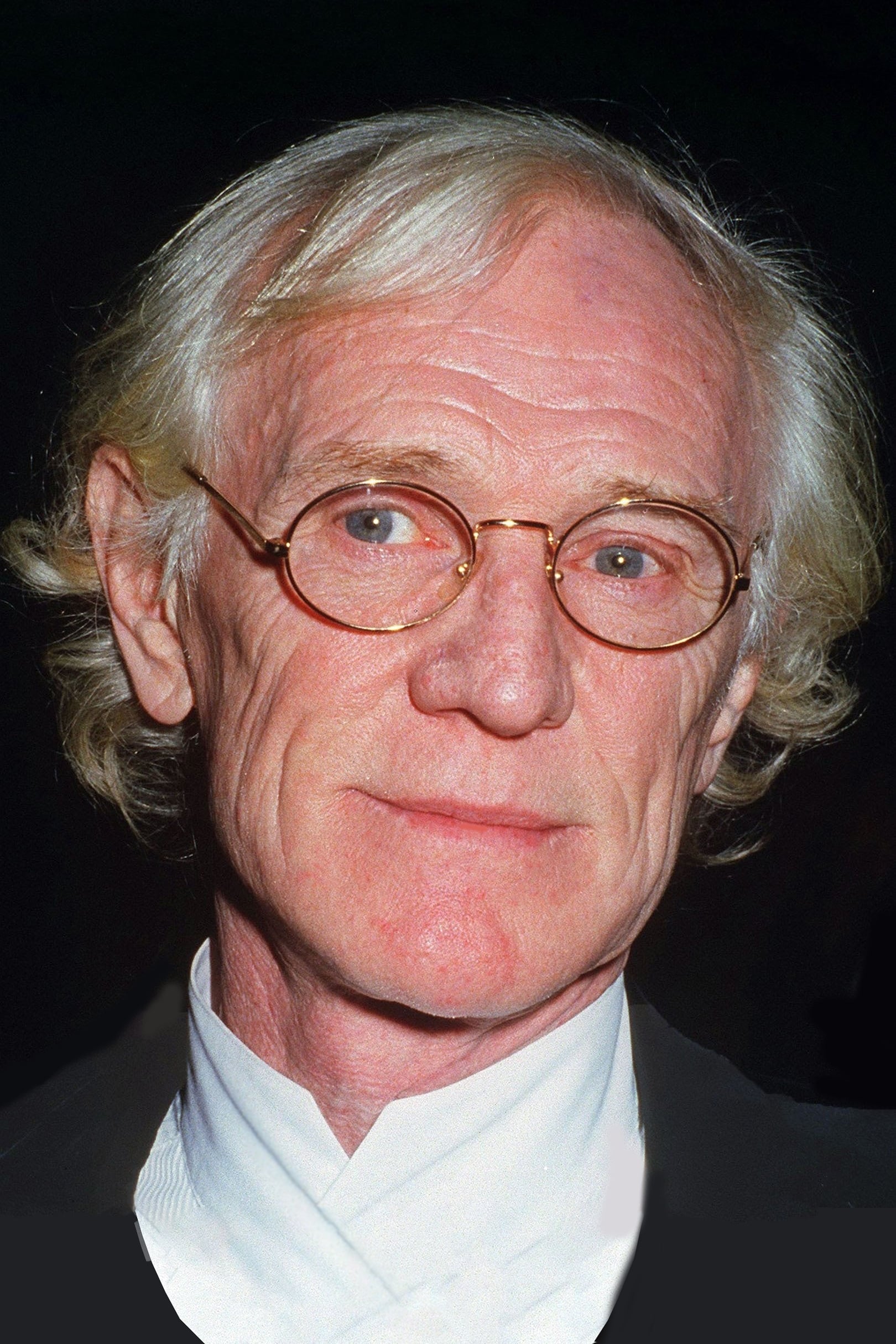
Richard Harris died on October 25, 2002, after redefining his career for a new generation as Albus Dumbledore in ‘Harry Potter and the Sorcerer’s Stone’ and ‘Harry Potter and the Chamber of Secrets’. He had completed two films in the series, anchoring the character’s early presence. The role then passed to Michael Gambon for subsequent entries. Harris’s late-period casting reframed him from acclaimed film and stage icon to a central figure in a global franchise.
Peter Sellers
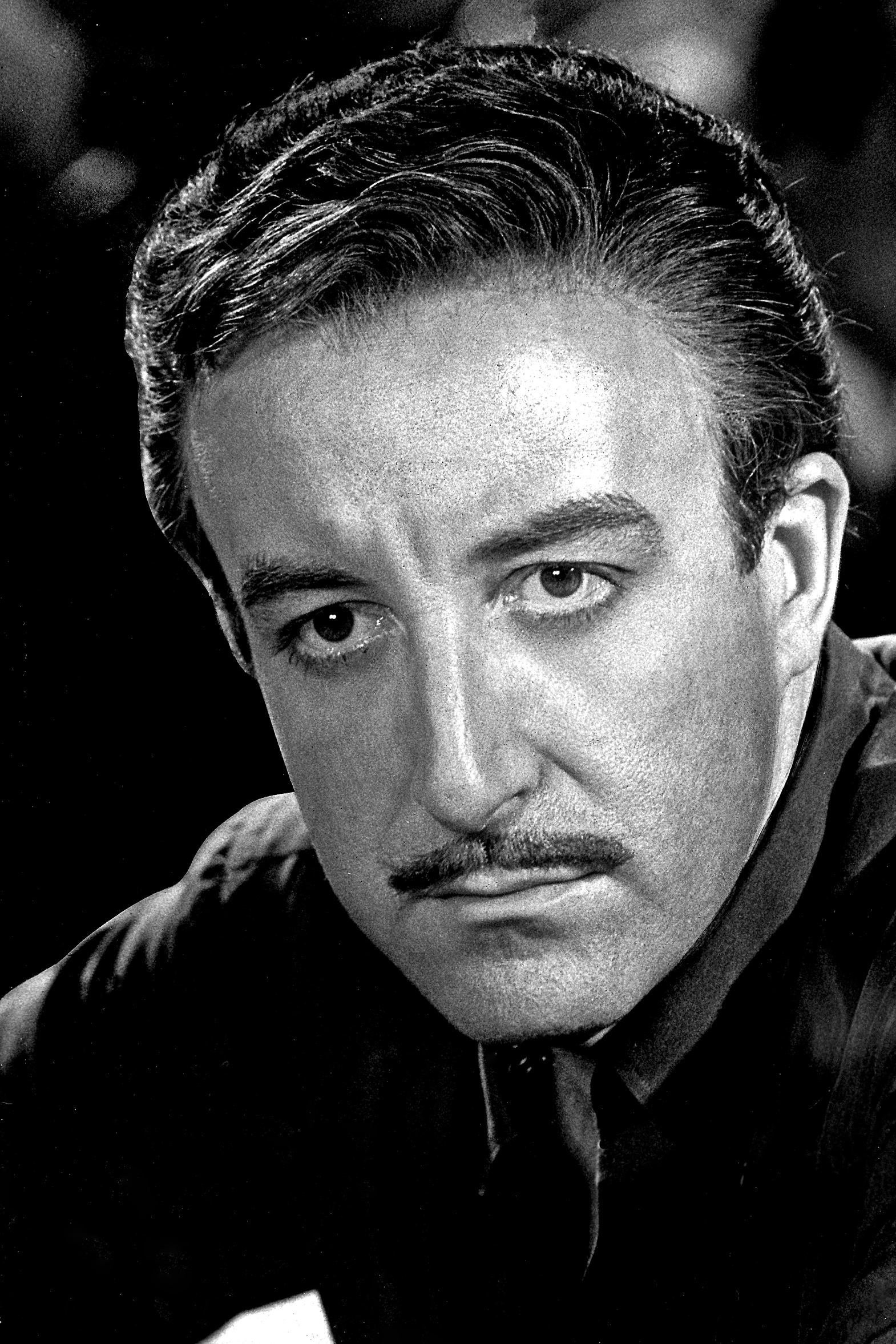
Peter Sellers died on July 24, 1980, following the release of ‘Being There’. The 1979 film showcased him in a restrained, dramatic register as Chance, a departure from his comic persona in the ‘Pink Panther’ series. He earned Academy Award and BAFTA nominations for the role, which revived critical interest in his late career. Sellers was preparing further projects when he suffered a fatal heart attack.
Raúl Juliá
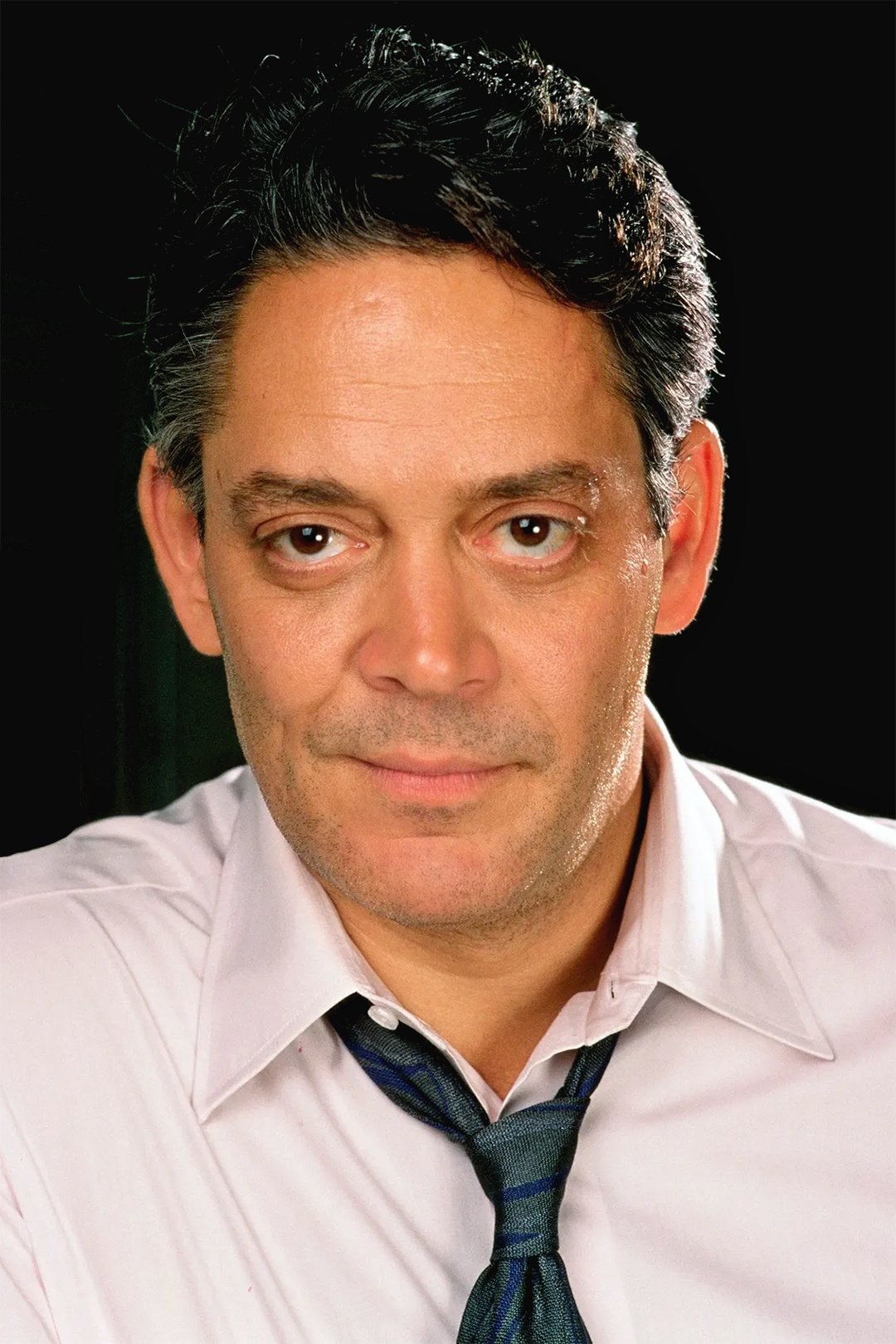
Raúl Juliá died on October 24, 1994, shortly after completing the television film ‘The Burning Season’. That performance earned him posthumous Emmy and Golden Globe awards, highlighting his command in biographical drama. His final theatrical role, M. Bison in ‘Street Fighter’, was released later that year. The back-to-back projects broadened his visibility across prestige television and mainstream cinema near the end of his career.
John Ritter
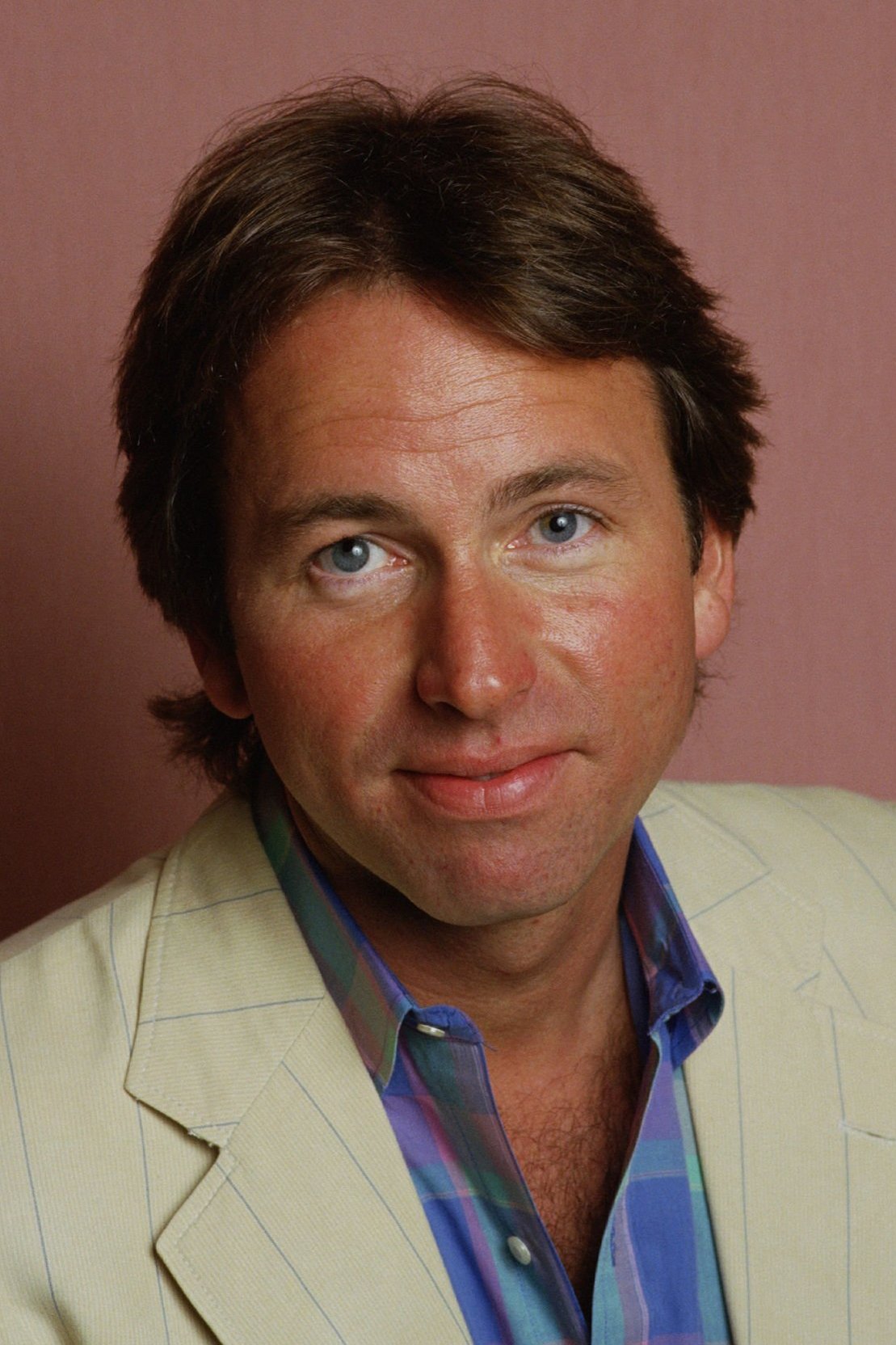
John Ritter died on September 11, 2003, during production of ‘8 Simple Rules’ (2002–2005). The ABC series repositioned him from earlier sitcom fame to a contemporary network lead as a suburban father. His death led to storyline adjustments and a reconfigured ensemble. Ritter’s work on the show demonstrated a successful early-2000s resurgence on primetime television.
Cory Monteith
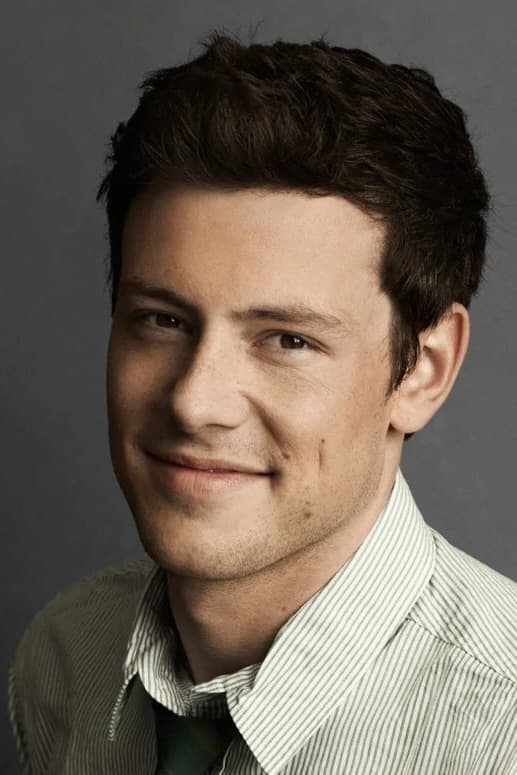
Cory Monteith died on July 13, 2013, while starring in ‘Glee’ (2009–2015). The musical series had turned him from relative newcomer to a widely recognized lead, with charting soundtrack performances and international tours. Production paused to address the loss, and the series later aired a memorial episode. Monteith’s tenure on the show remained central to its identity in subsequent seasons.
Luke Perry
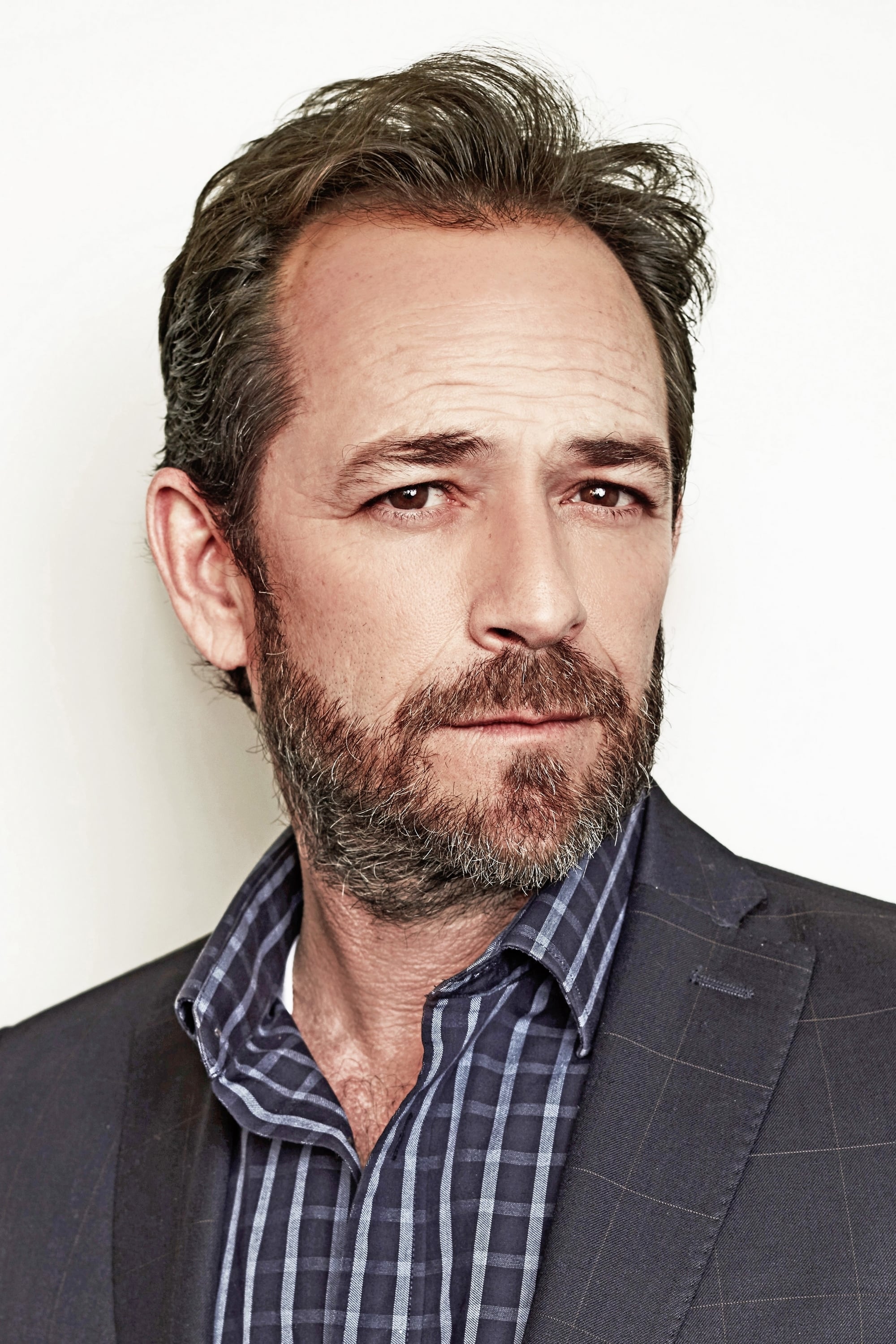
Luke Perry died on March 4, 2019, amid his run on ‘Riverdale’ (2017–2023). The CW drama introduced him to a younger audience as Fred Andrews, connecting his 1990s fame to a new teen-focused hit. Episodes following his death paid tribute to his character and impact on the series. Perry was also slated to appear in additional projects released later that year.
Ray Liotta
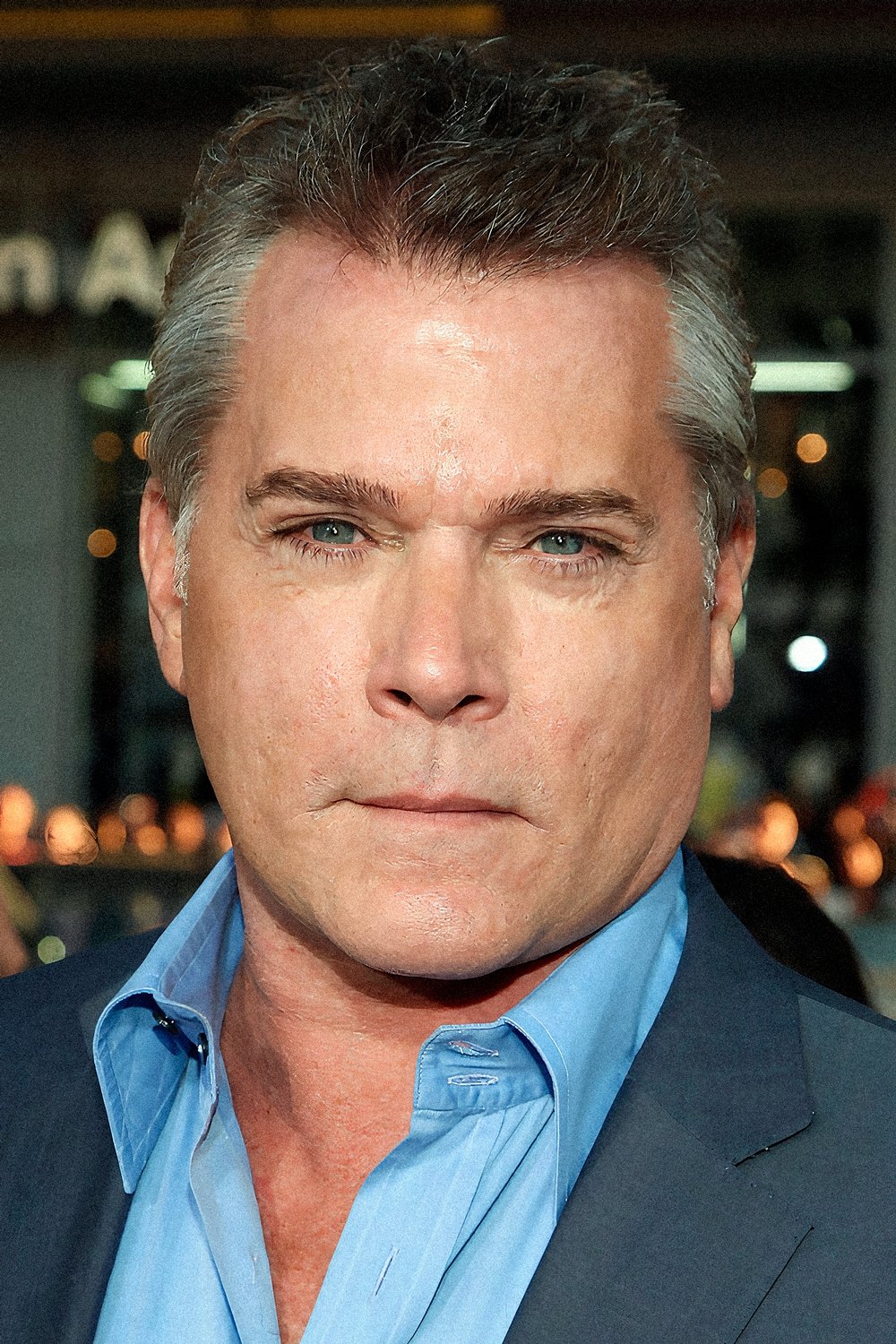
Ray Liotta died on May 26, 2022, shortly before the premiere of ‘Black Bird’ (2022). In the limited series, he portrayed the protagonist’s father in a performance widely cited as a late-career highlight. The show debuted in July 2022, adding to a run of contemporary projects that reintroduced him to prestige television audiences. Several films featuring his work were released posthumously.
Chadwick Boseman
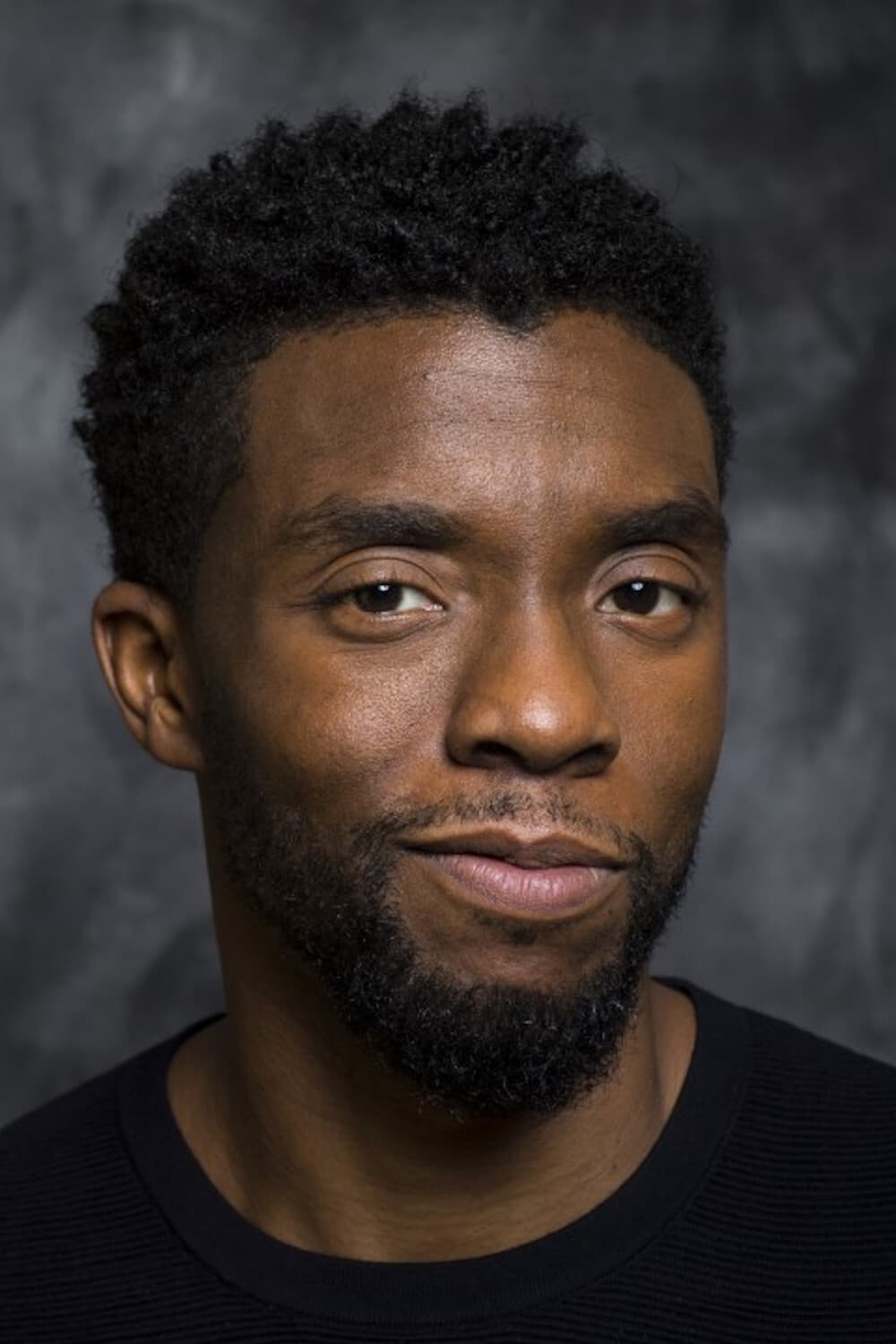
Chadwick Boseman died on August 28, 2020, after completing ‘Ma Rainey’s Black Bottom’. The film premiered later that year and earned him a posthumous Academy Award nomination and a Golden Globe win for his lead performance. It followed his global prominence from ‘Black Panther’ and positioned him at the forefront of awards-season conversation. His death preceded the film’s release by a few months, underscoring the timing of the recognition.
Philip Seymour Hoffman
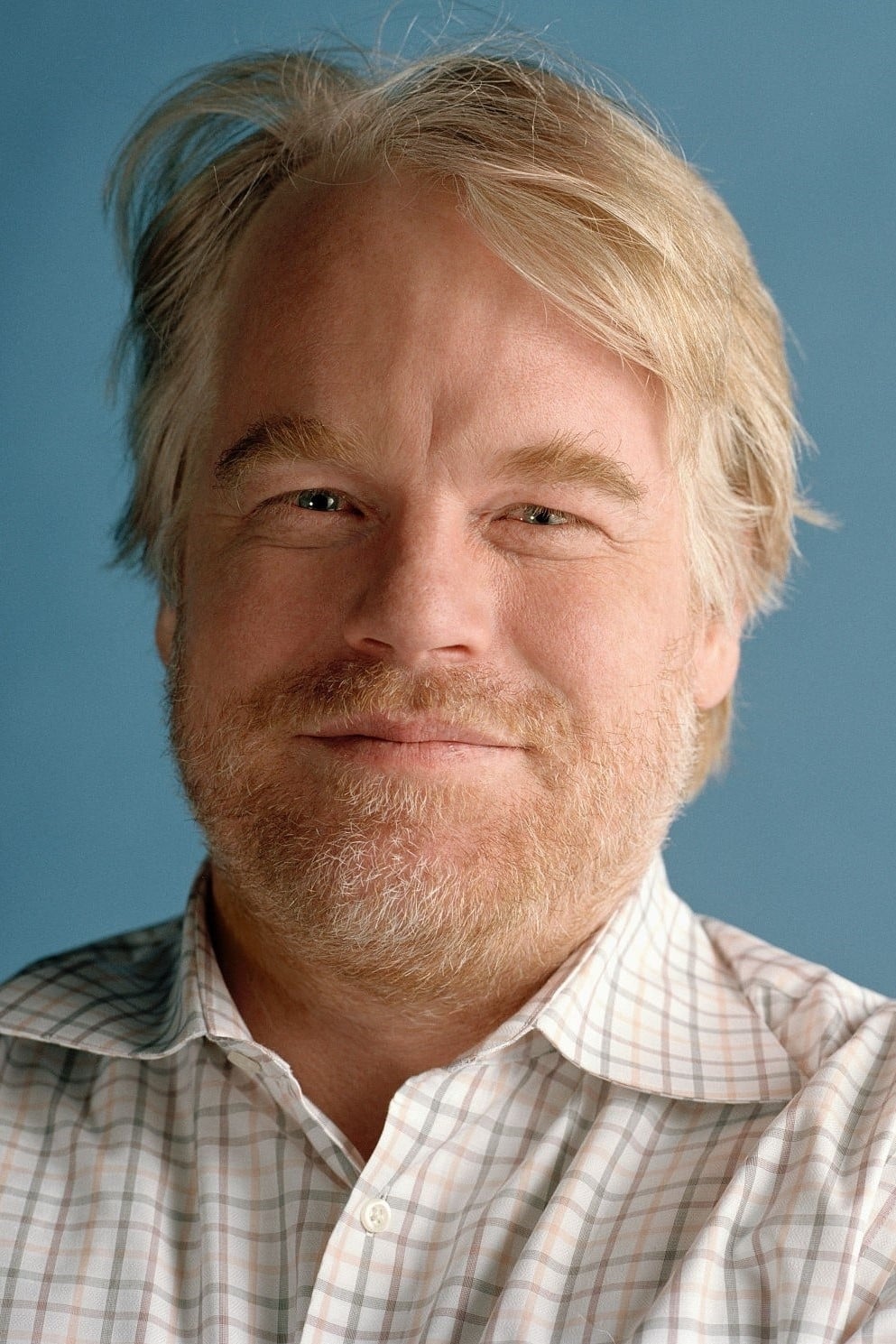
Philip Seymour Hoffman died on February 2, 2014, while working within the ‘The Hunger Games’ franchise. His role as Plutarch Heavensbee in ‘The Hunger Games: Catching Fire’ expanded his presence to a large young-adult audience alongside his established dramatic reputation. The remaining installments adjusted production to accommodate unfinished scenes. His work on the series connected a distinguished film career to a major contemporary blockbuster.
River Phoenix
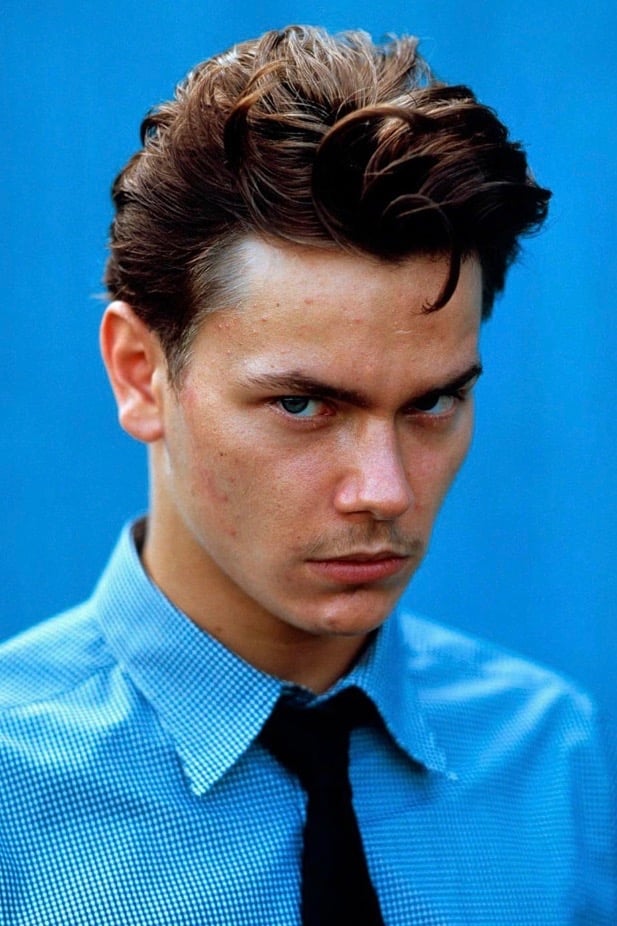
River Phoenix died on October 31, 1993, during a period of transition into more adult, auteur-driven roles. ‘My Own Private Idaho’ had showcased him in a celebrated performance and led to additional projects like the unfinished ‘Dark Blood’. At the time of his death, he had several films in development aimed at expanding his range. The halted productions marked an abrupt end to an evolving career arc.
Lance Reddick
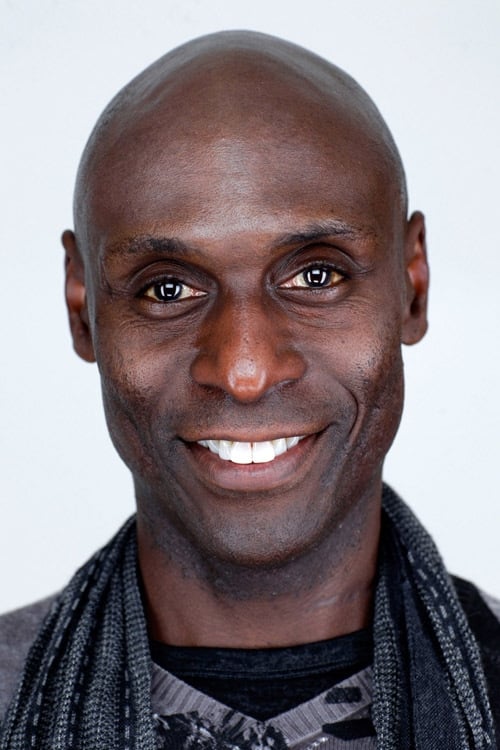
Lance Reddick died on March 17, 2023, days before the theatrical release of ‘John Wick: Chapter 4’. His recurring turn as Charon across the series culminated in a prominent presence in the fourth installment. Promotional events and the film’s rollout incorporated tributes to his work. The timing placed his final appearance in the franchise at the center of public attention.
Share your thoughts in the comments: which of these roles hit you hardest, and who else belongs on this list?