The Most Influential Hollywood Actresses of All Time

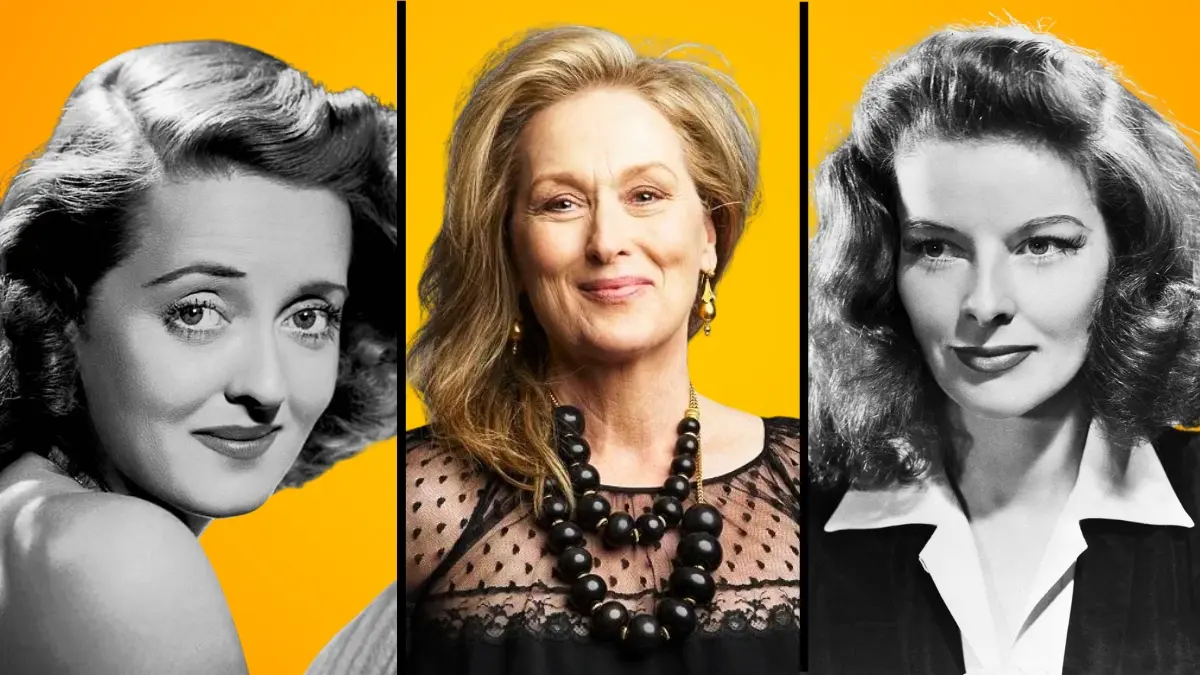

From the silent era to today’s global blockbusters, Hollywood’s most influential actresses changed what kinds of stories were told, who got to tell them, and how audiences saw women on screen. Many broke racial barriers, negotiated unprecedented contracts, or used their platforms to shift industry norms on everything from unions to pay equity. Others led creative revolutions through genre-defining performances or by expanding into producing, directing, and activism. Together, they shaped the craft, the business, and the culture of cinema for generations.
Mary Pickford
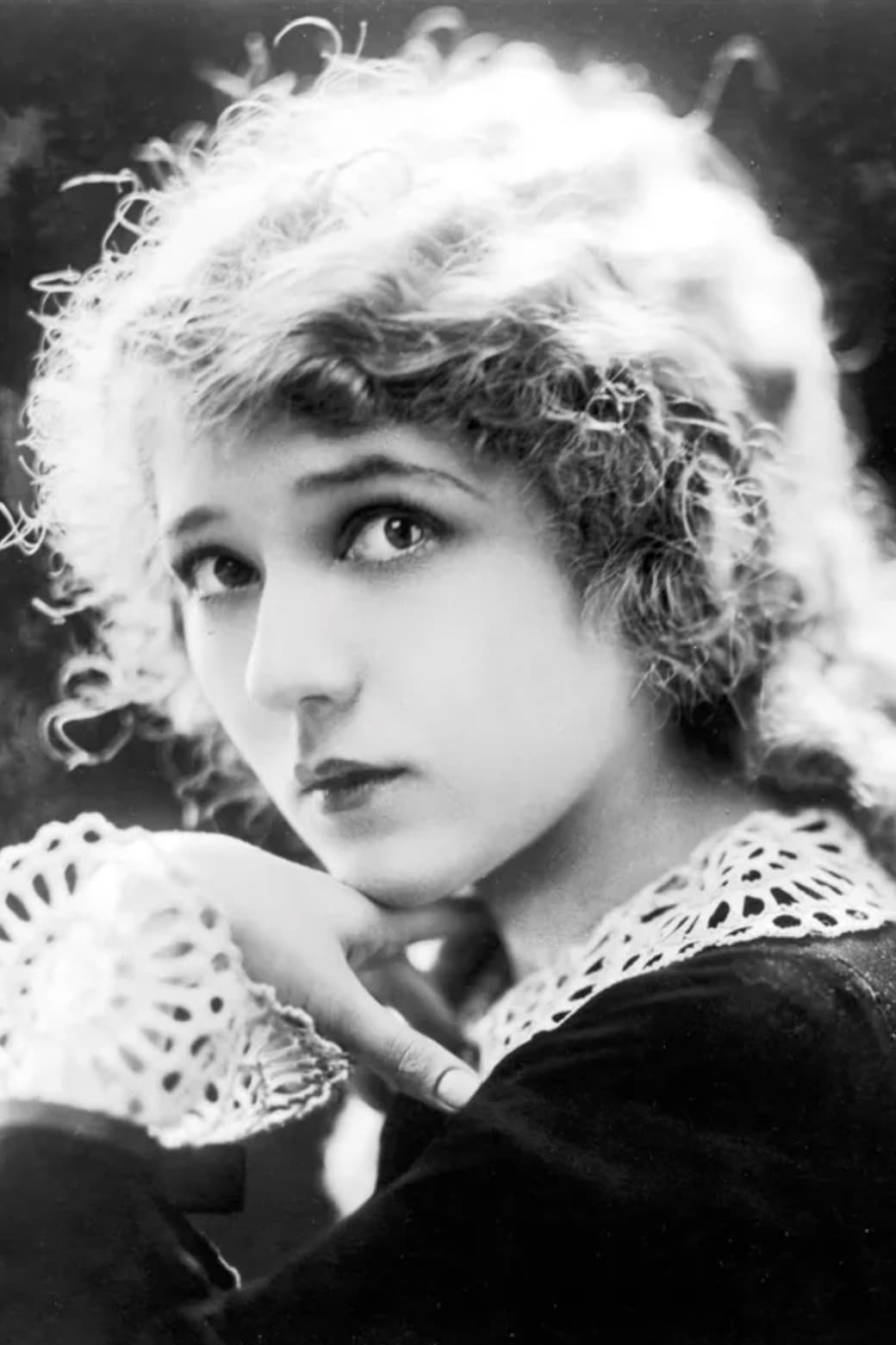
Mary Pickford co-founded United Artists with D. W. Griffith, Charlie Chaplin, and Douglas Fairbanks, giving performers rare creative control and profit participation. She also helped form the Academy of Motion Picture Arts and Sciences and won one of the earliest Best Actress Oscars. As a producer-star, she oversaw development, budgets, and marketing for her own vehicles. Her films like ‘Pollyanna’ and ‘Rebecca of Sunnybrook Farm’ proved that a female-led feature could dominate the box office.
Anna May Wong
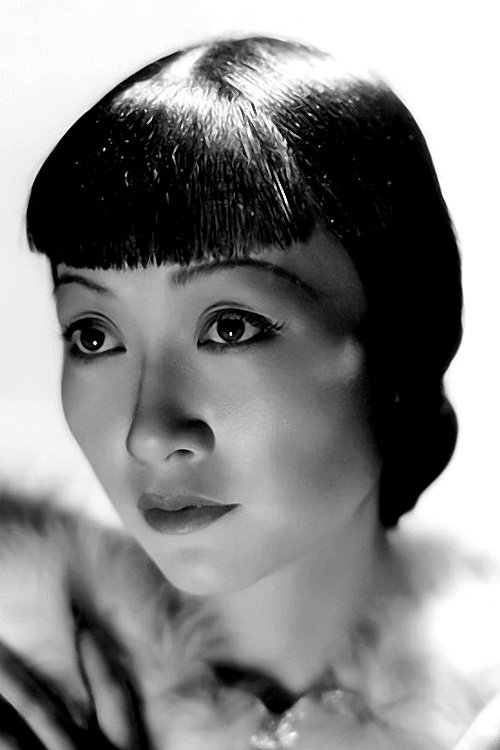
Anna May Wong is widely recognized as the first Chinese American movie star in Hollywood and worked internationally to counter on-screen stereotypes. She headlined features like ‘Shanghai Express’ and ‘Daughter of the Dragon’ while navigating restrictive casting codes. Wong also moved into European cinema and stage to access more complex roles. Her career opened doors for later Asian and Asian American performers and remains a touchpoint in representation studies.
Hattie McDaniel
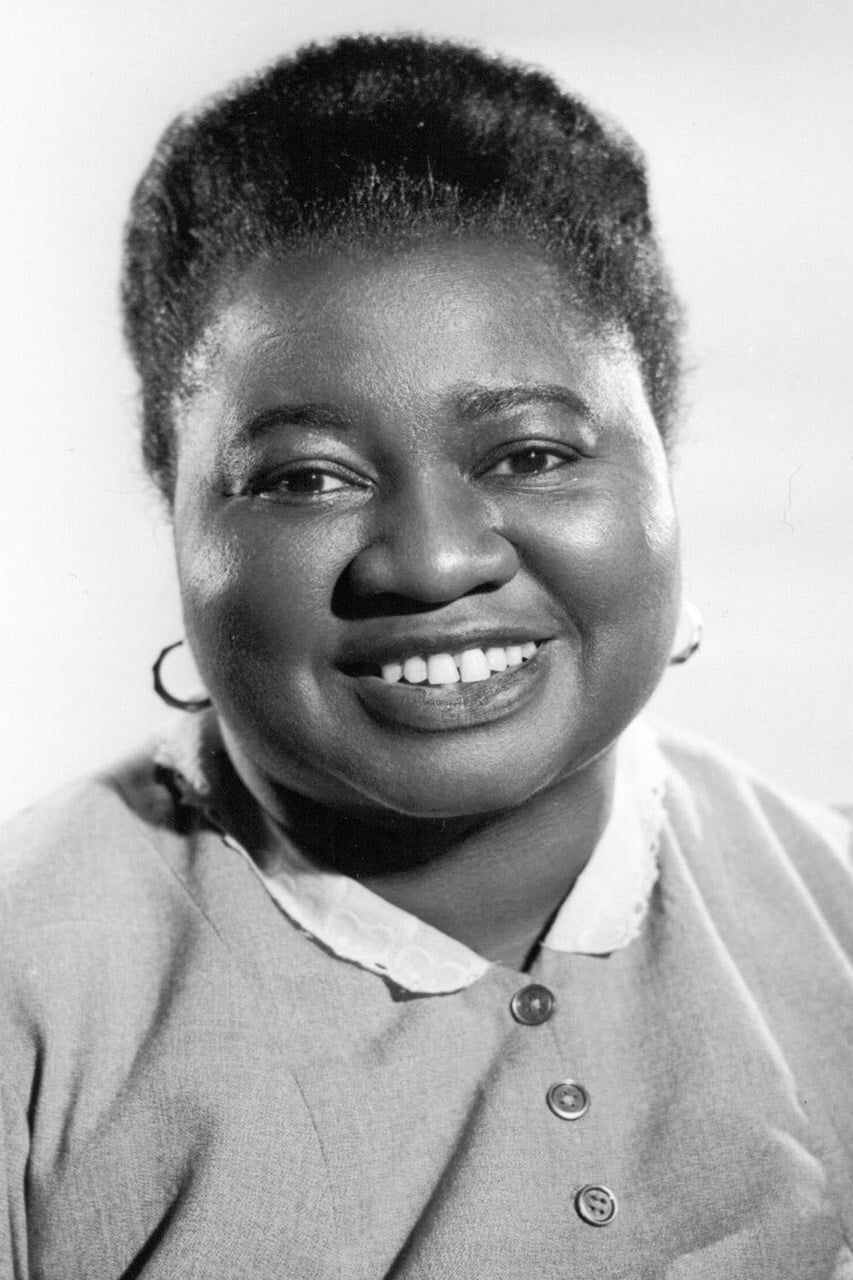
Hattie McDaniel became the first Black performer to win an Academy Award, earning Best Supporting Actress for ‘Gone With the Wind’. She worked across radio, film, and television, showing extraordinary range within a limited studio system. McDaniel advocated for more varied roles for Black actors and supported community arts initiatives. Her achievement remains a landmark in awards history and industry access.
Dorothy Dandridge
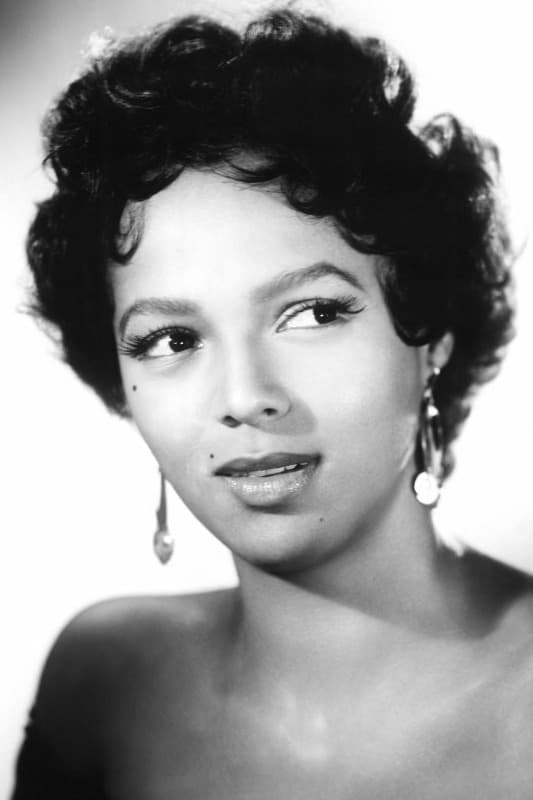
Dorothy Dandridge was the first Black woman nominated for Best Actress for ‘Carmen Jones’. She built her career in nightclubs, shorts, and features despite restrictive casting and marketing barriers. Dandridge’s nominations and leading roles demonstrated commercial viability for Black female leads. Her path informed later efforts to diversify casting and expand narrative scope in studio films.
Katharine Hepburn
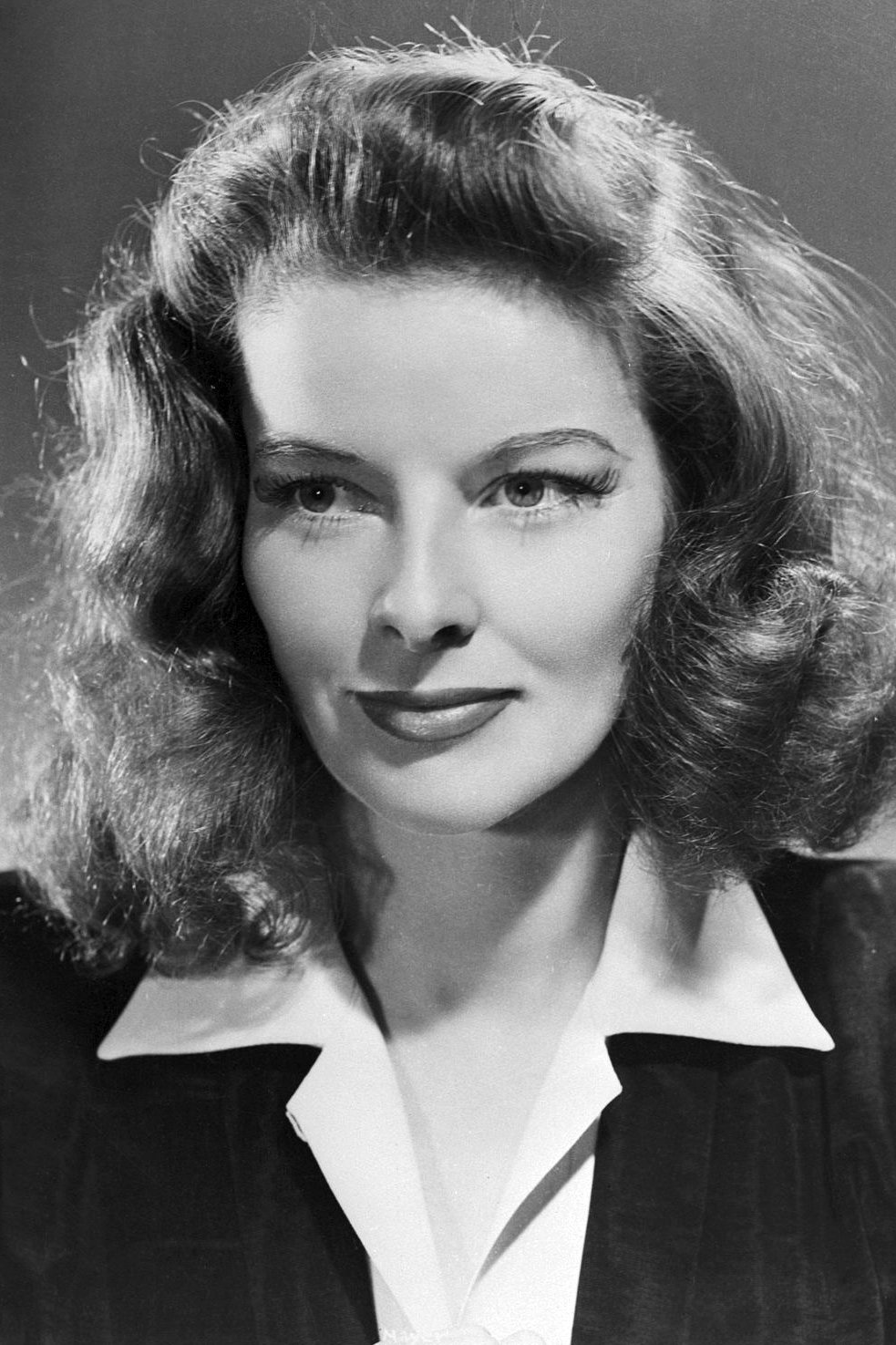
Katharine Hepburn holds a record haul of Best Actress Oscars and sustained a star career across decades. She transitioned smoothly between stage and screen and was known for contract terms that secured quality scripts. Films such as ‘The Philadelphia Story’, ‘Bringing Up Baby’, and ‘The Lion in Winter’ showcased her comic and dramatic precision. Hepburn’s business acumen and artistic consistency influenced how top-tier talent negotiated with studios.
Bette Davis
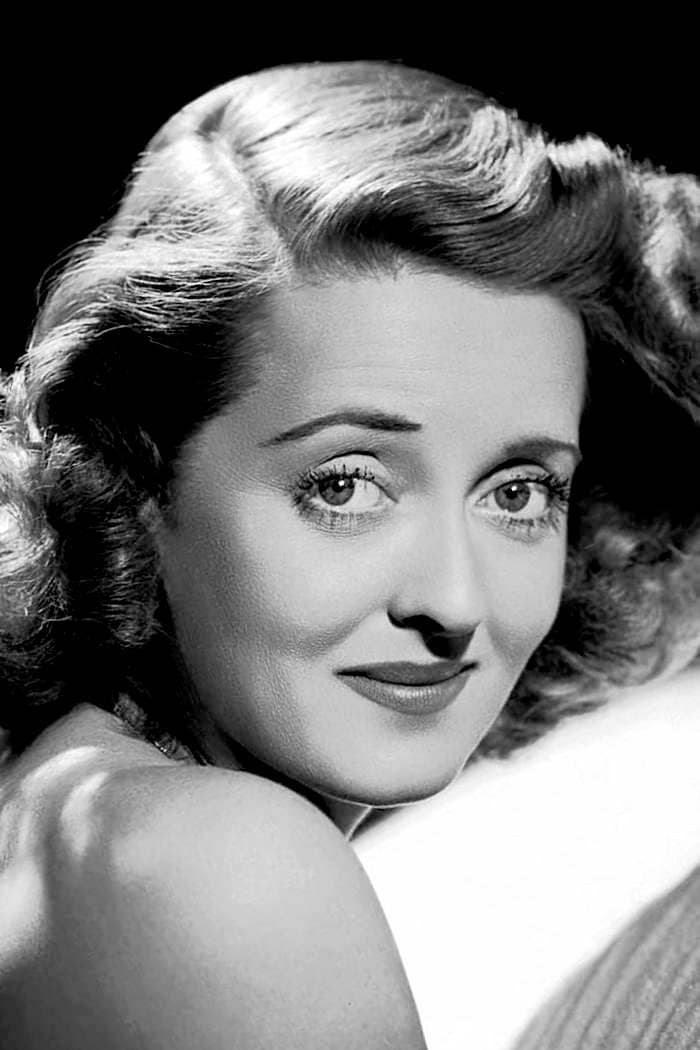
Bette Davis fought in court to secure better roles, setting a precedent for challenging studio control. She led acclaimed dramas like ‘Jezebel’, ‘Now, Voyager’, and ‘All About Eve’, emphasizing character-driven storytelling. Davis also served as the first female president of the Academy’s acting branch. Her professional advocacy and canon of work helped reframe the serious dramatic possibilities for actresses.
Ingrid Bergman
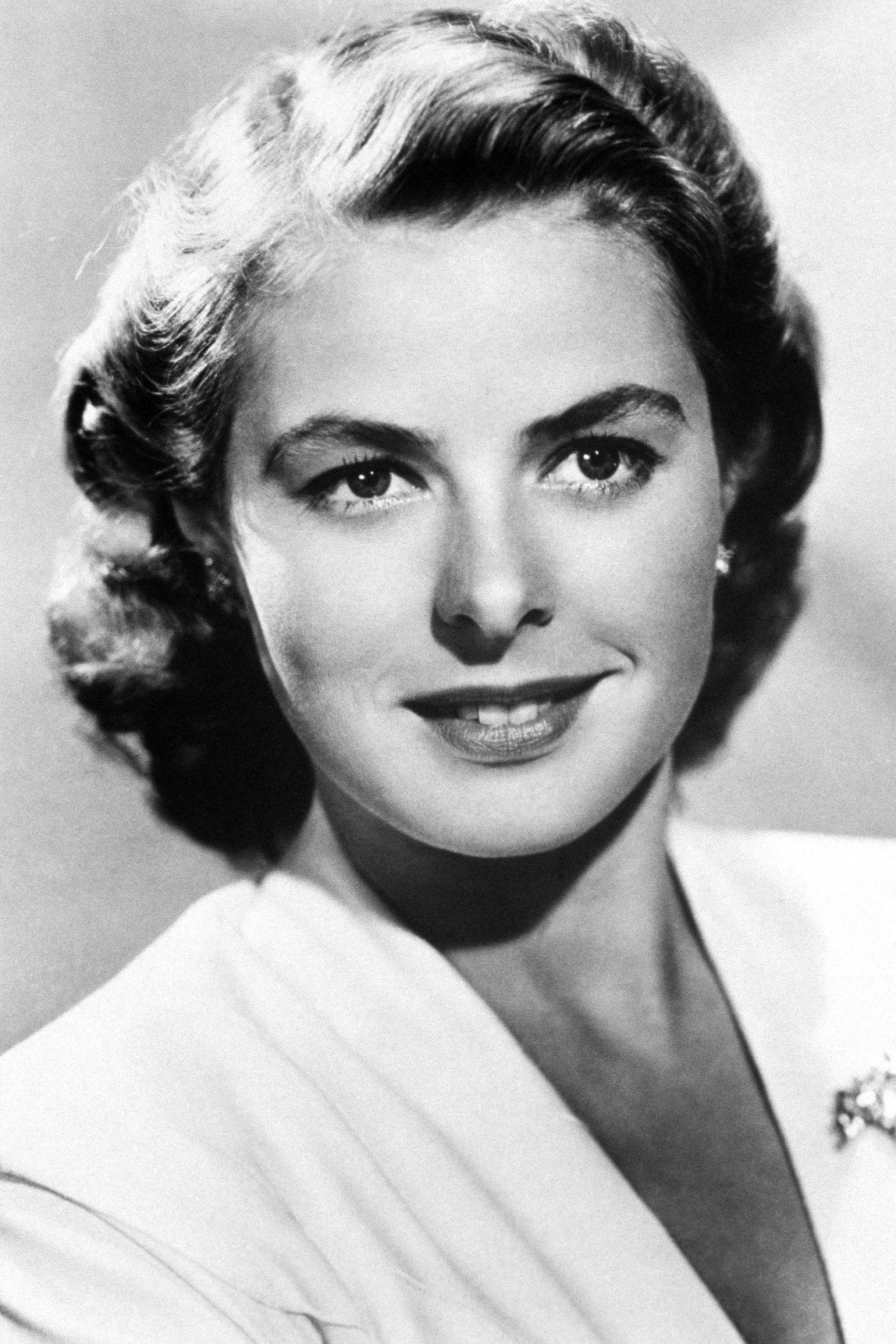
Ingrid Bergman worked across languages and industries, bringing a naturalistic style to Hollywood in films like ‘Casablanca’ and ‘Gaslight’. She collaborated with European auteurs and navigated public controversy while maintaining a prestigious screen presence. Bergman earned multiple Academy Awards and expanded the international reach of Hollywood stars. Her transatlantic career model remains a template for global stardom.
Marilyn Monroe
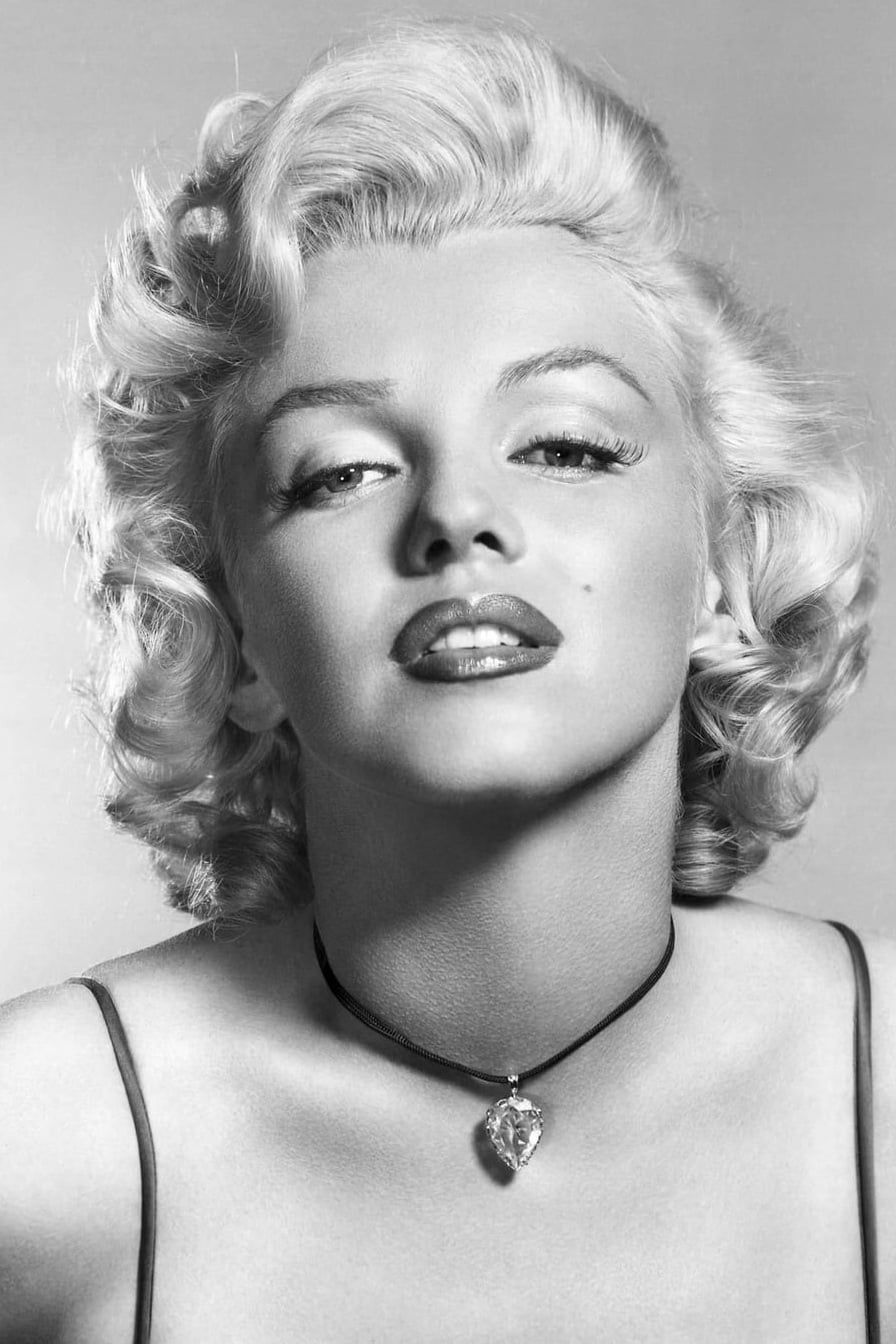
Marilyn Monroe mixed comedic timing with dramatic ambition in films including ‘Some Like It Hot’, ‘Gentlemen Prefer Blondes’, and ‘The Misfits’. She founded a production company to develop more substantial roles and studied at the Actors Studio to refine her craft. Monroe’s image management and publicity strategies reshaped celebrity branding. Her career continues to inform discussions of agency, typecasting, and media narratives around women.
Elizabeth Taylor
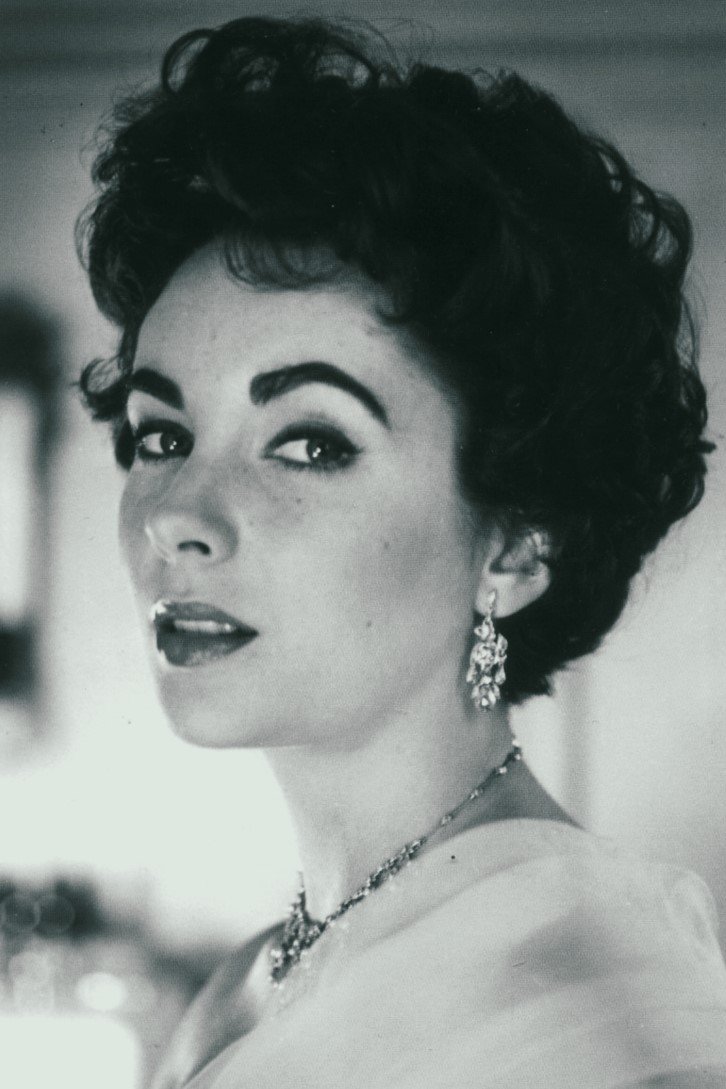
Elizabeth Taylor parlayed child stardom into adult leading roles and negotiated historic pay deals, including profit participation. She balanced prestige dramas such as ‘Who’s Afraid of Virginia Woolf?’ with large-scale productions like ‘Cleopatra’. Taylor used her platform for early, sustained HIV/AIDS advocacy in Hollywood. Her clout affected compensation norms and philanthropy commitments across the industry.
Audrey Hepburn
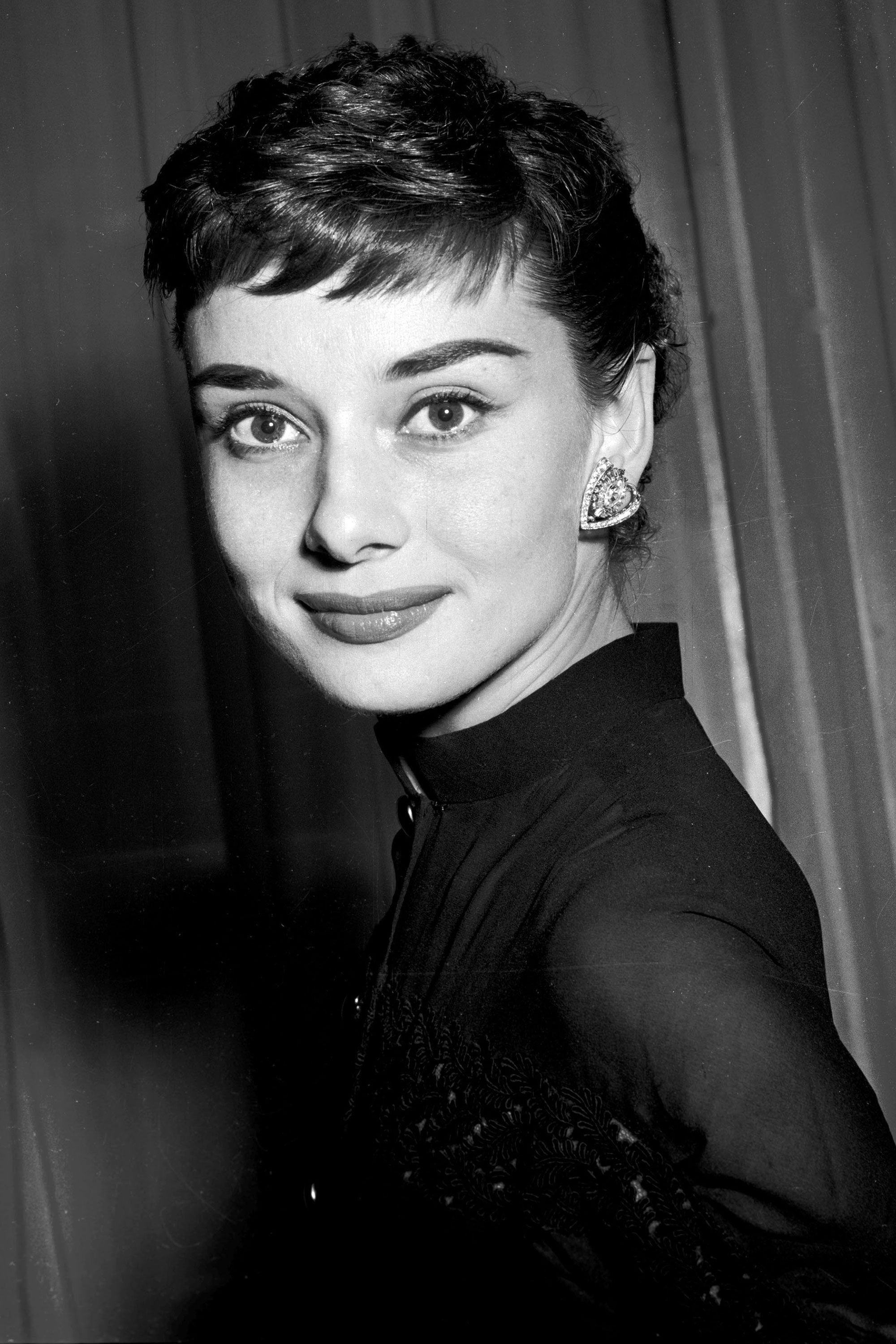
Audrey Hepburn’s collaborations on ‘Roman Holiday’, ‘Breakfast at Tiffany’s’, and ‘My Fair Lady’ established a modern screen persona blending elegance and wit. She won major awards while maintaining a long partnership with UNICEF as a Goodwill Ambassador. Hepburn’s fashion and performance choices shaped global style and marketing tie-ins. Her legacy bridges screen impact with humanitarian influence.
Barbra Streisand
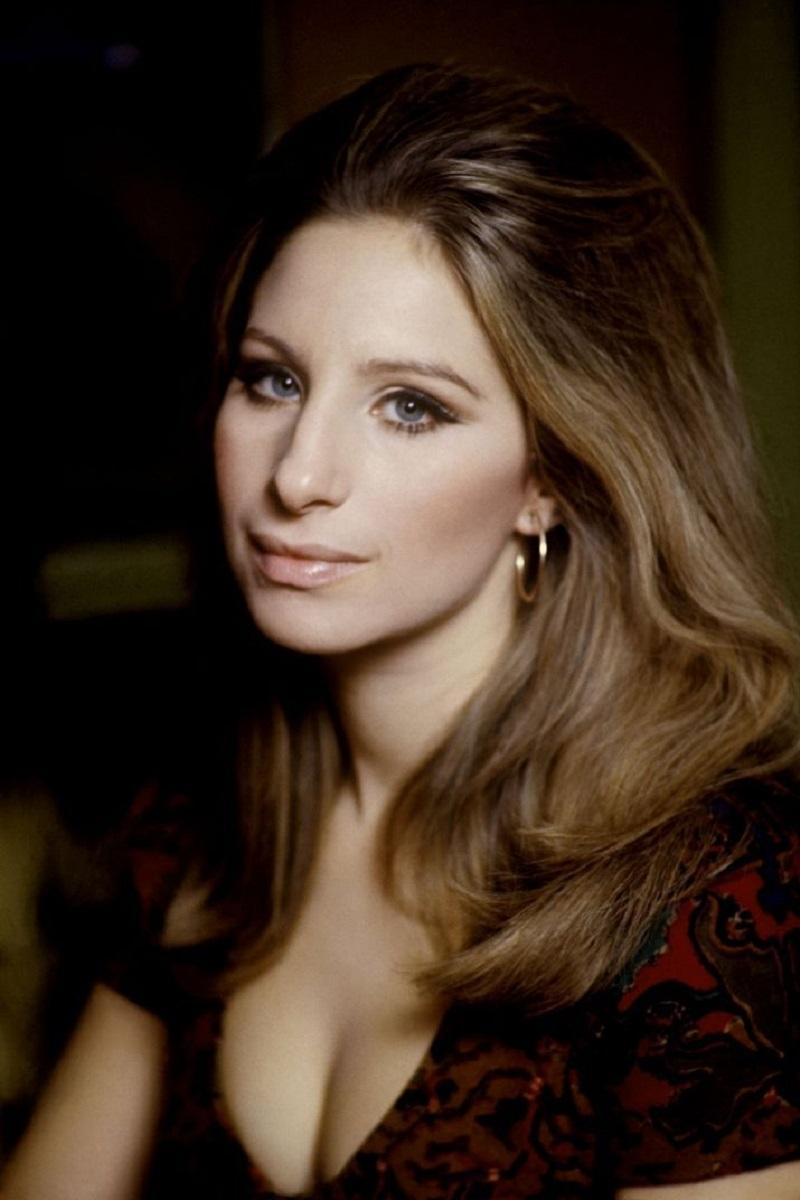
Barbra Streisand became a rare multi-hyphenate force as singer, actress, producer, and director. She headlined and produced projects like ‘Yentl’ and ‘A Star Is Born’, pushing for creative control and new kinds of female-led narratives. Streisand’s soundtrack success demonstrated cross-media synergy between film and music. Her career advanced opportunities for women behind the camera and in production leadership.
Jane Fonda
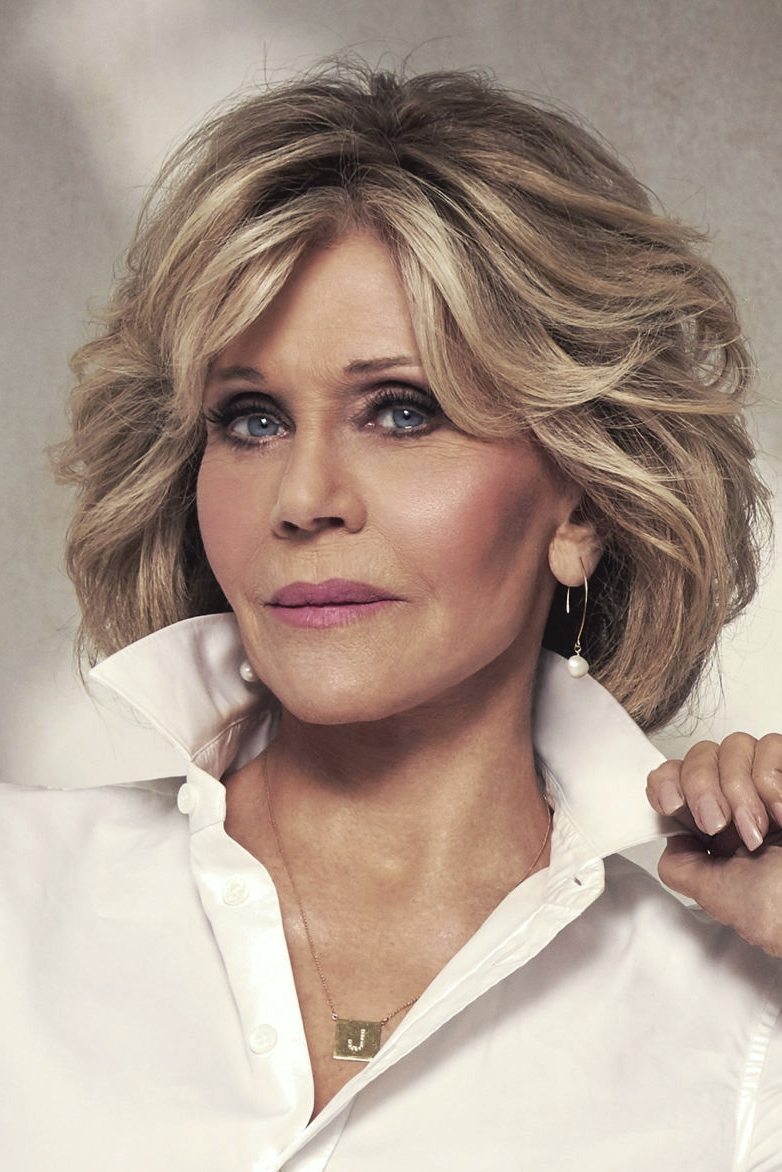
Jane Fonda earned major awards for roles in films such as ‘Klute’ and ‘Coming Home’ while becoming a high-profile activist. She established a successful production company to develop female-centered stories. Fonda later helped drive the home-video fitness boom, expanding the business horizons for screen talent. Her advocacy and entrepreneurship influenced how stars build platforms beyond acting.
Meryl Streep
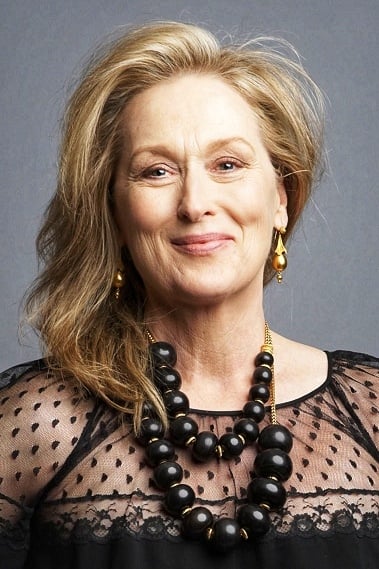
Meryl Streep is recognized for unparalleled range across drama, comedy, and musical projects, with films like ‘The Devil Wears Prada’, ‘Sophie’s Choice’, and ‘Doubt’. She consistently collaborates with leading directors and has set nomination records. Streep’s compensation and project choices support mid-budget, adult-oriented cinema. Her body of work is frequently used as curriculum in acting training programs.
Jodie Foster
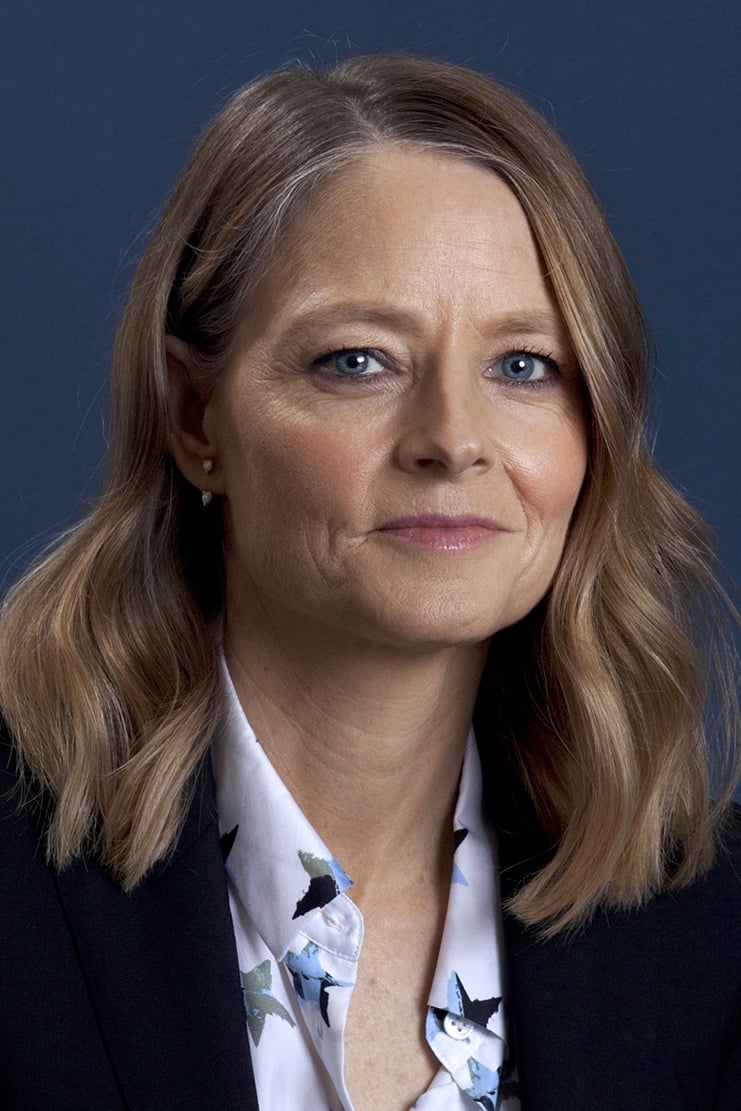
Jodie Foster transitioned from child actor to adult star and director, with landmark roles in ‘Taxi Driver’, ‘The Accused’, and ‘The Silence of the Lambs’. She founded production outfits that champion distinctive scripts and emerging voices. Foster’s bilingual education and international projects broadened casting possibilities. Her directing and producing activity expanded pathways for women in creative control roles.
Sigourney Weaver
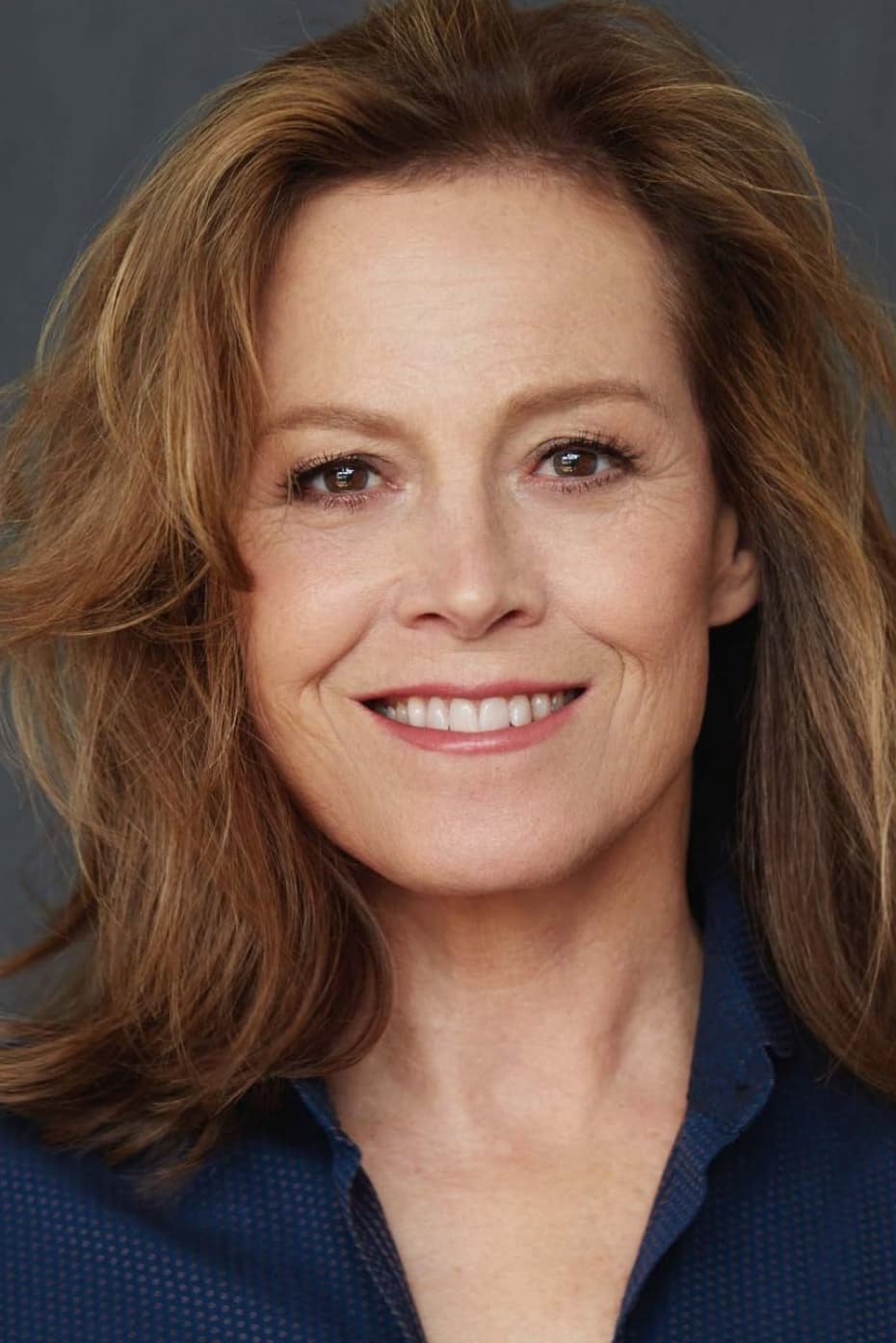
Sigourney Weaver redefined action and science fiction leads with ‘Alien’, ‘Aliens’, and ‘Avatar’. She consistently alternated genre work with acclaimed dramas and comedies, demonstrating cross-category bankability. Weaver’s characters influenced casting norms for physically and psychologically complex heroines. Her career is frequently cited in discussions of ensemble leadership and franchise durability.
Julia Roberts
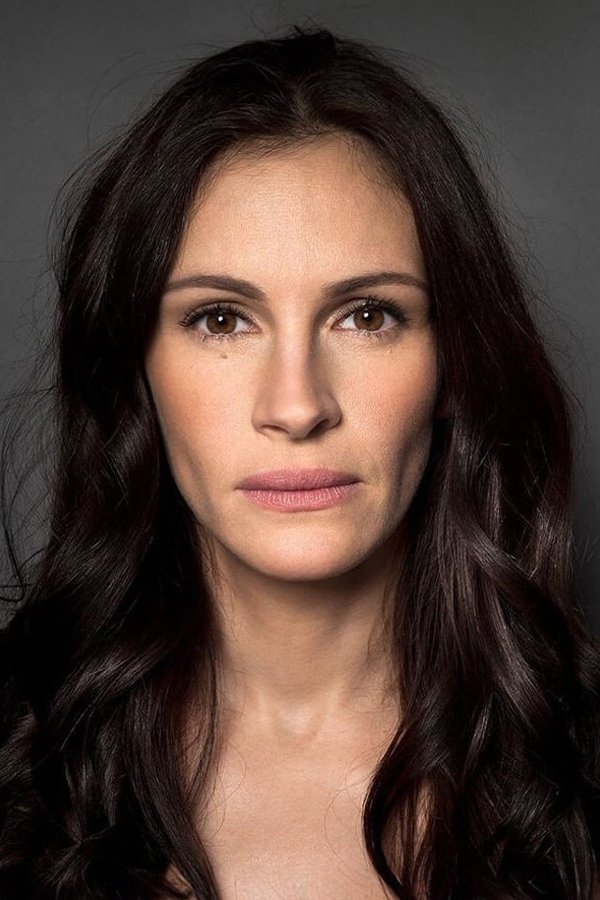
Julia Roberts became one of the most bankable stars in modern Hollywood through films like ‘Pretty Woman’, ‘Erin Brockovich’, and ‘My Best Friend’s Wedding’. She negotiated top-tier salaries and back-end deals that shifted pay expectations for leading women. Roberts also moved into producing to shepherd projects with strong female leads. Her sustained global draw influenced greenlight decisions for romantic comedies and prestige dramas.
Halle Berry
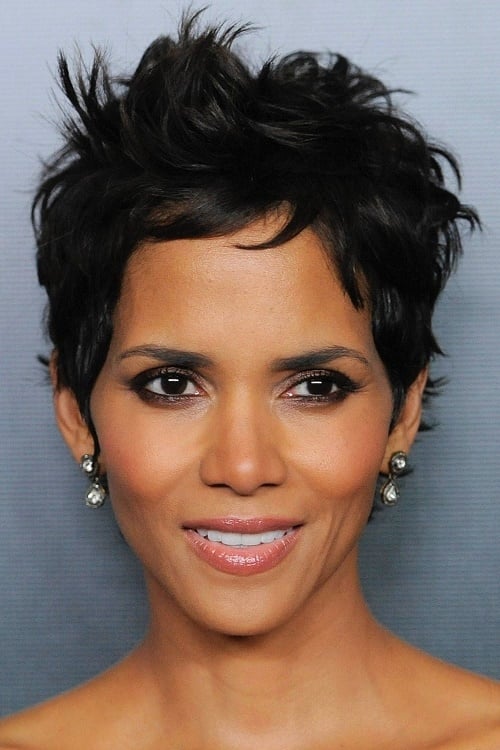
Halle Berry became the first Black woman to win Best Actress for ‘Monster’s Ball’. She balanced studio tentpoles like ‘X-Men’ with thrillers and dramas, showing broad commercial range. Berry has also produced to create roles that might not otherwise exist. Her awards milestone remains a barometer in conversations about progress and ongoing gaps in recognition.
Cate Blanchett
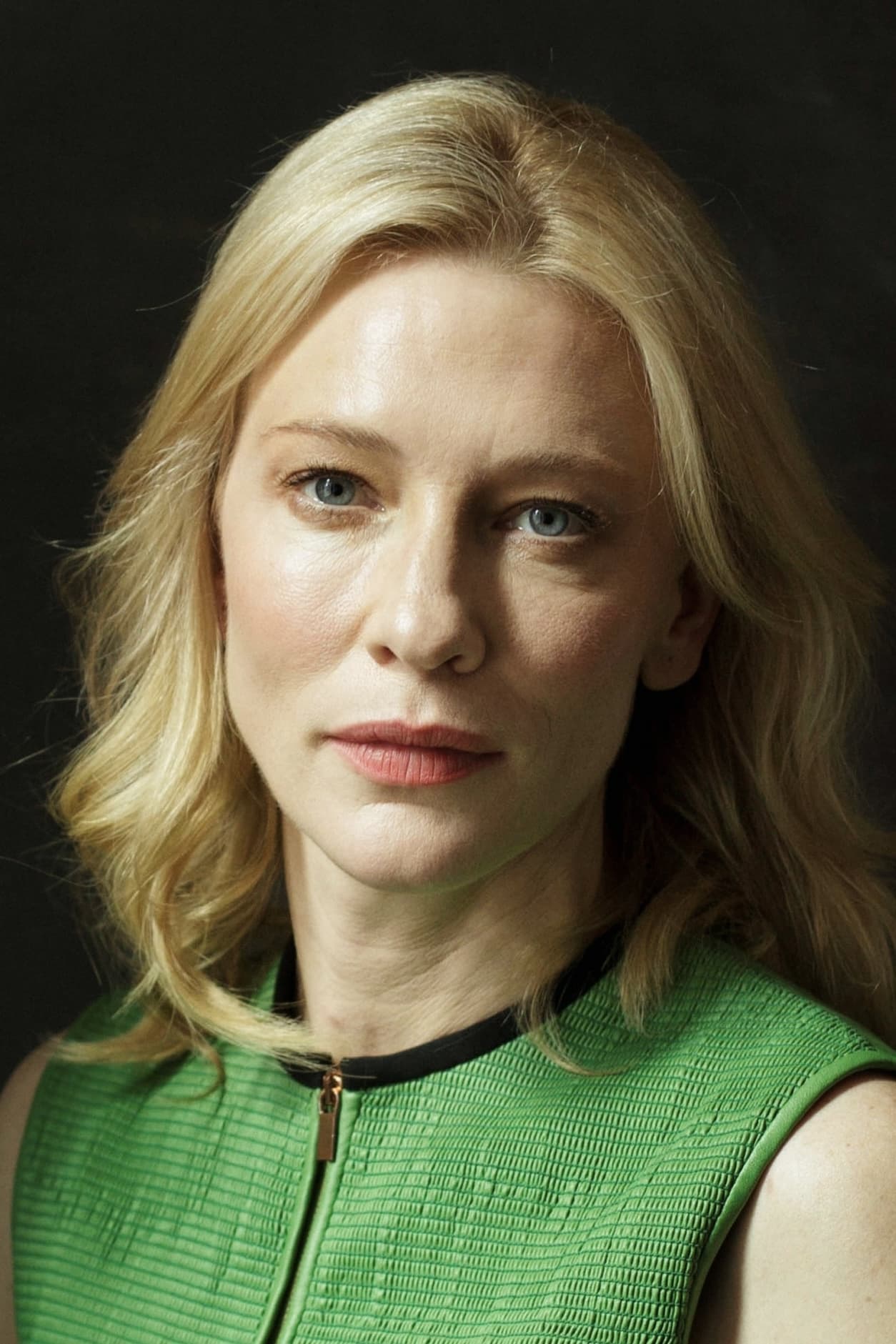
Cate Blanchett’s work spans art-house and franchise cinema, with roles in ‘Blue Jasmine’, ‘Carol’, and ‘The Lord of the Rings’. She has led major theater institutions and advocates for equitable industry practices. Blanchett’s international career underscores flexible stardom across continents and budgets. Her choices reinforce the viability of complex, adult-oriented narratives in mainstream distribution.
Viola Davis
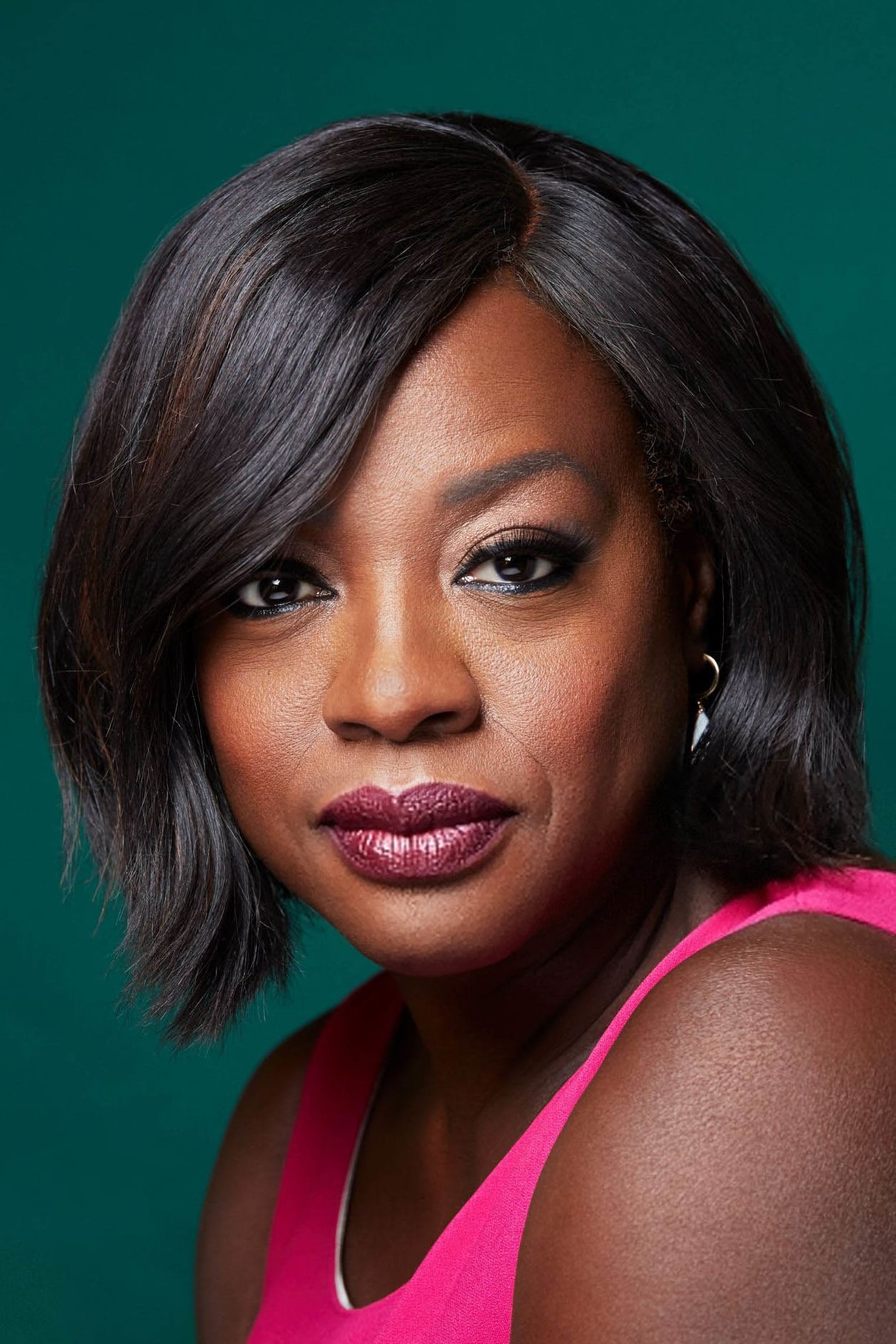
Viola Davis is a rare performer to reach the industry’s highest honors across film, stage, and television. Her filmography includes ‘Fences’, ‘Doubt’, and ‘The Help’, alongside producing initiatives that foreground underrepresented creators. Davis speaks openly about opportunity gaps and pay equity, influencing executive priorities. Her achievements demonstrate the market and awards potential of character-driven, diverse storytelling.
Rita Moreno
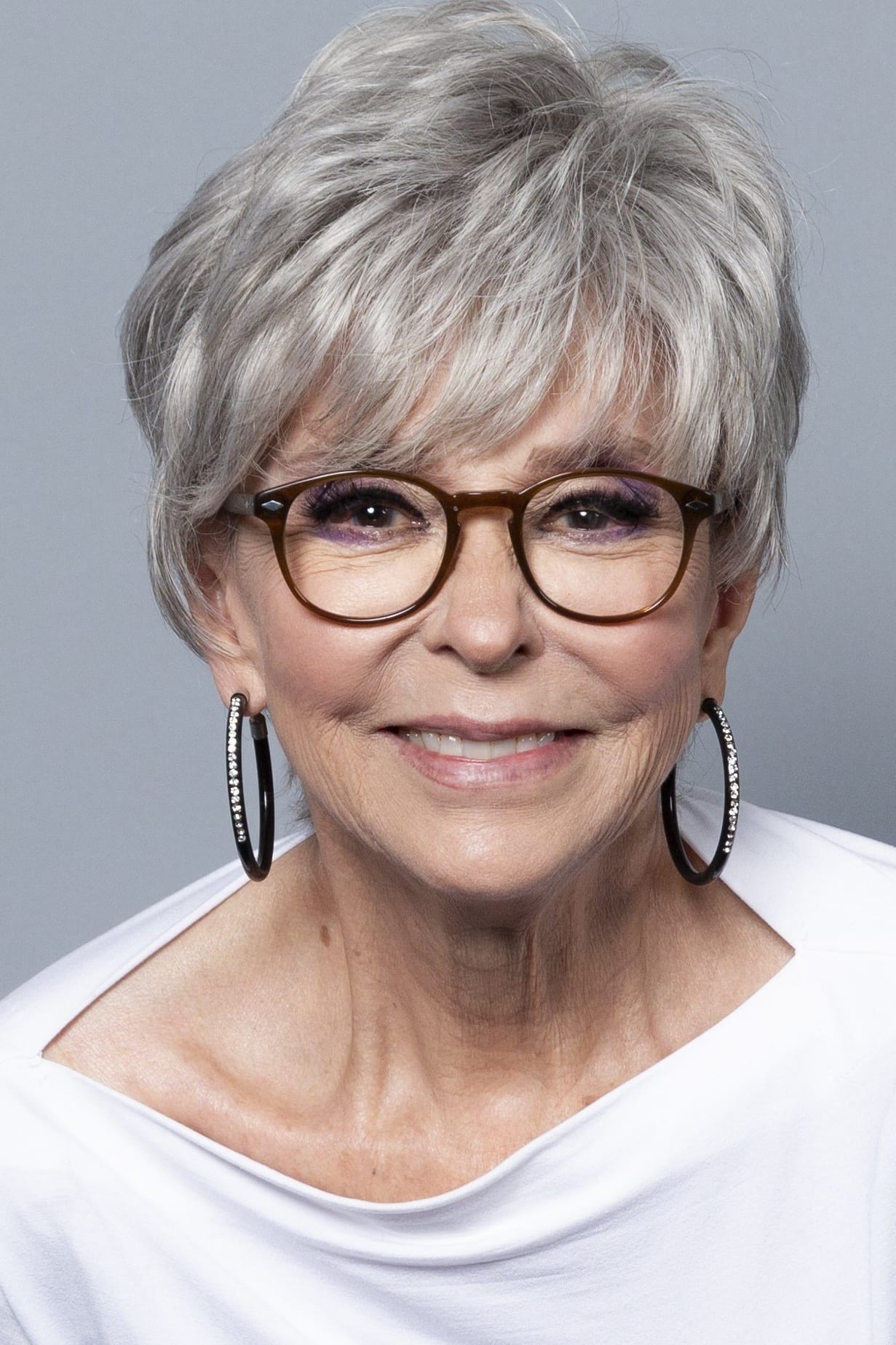
Rita Moreno is among the first performers to achieve the full set of major entertainment awards and has a screen legacy spanning decades. She made history with ‘West Side Story’ and returned to the property in a later adaptation to mentor a new cast. Moreno’s persistence through typecasting challenges reshaped expectations for Latina performers in Hollywood. Her work in film, television, and stage illustrates sustained cross-medium influence.
Lillian Gish
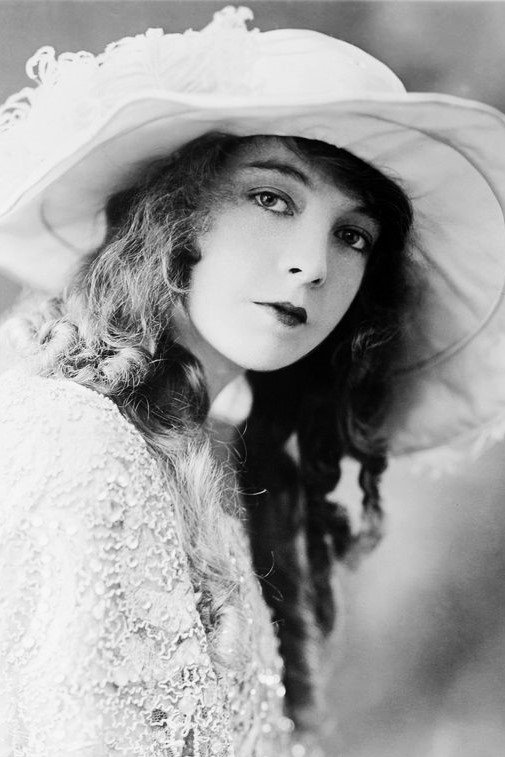
Lillian Gish helped establish screen acting fundamentals in the silent era through collaborations with D. W. Griffith and beyond. Her performances in ‘The Birth of a Nation’, ‘Intolerance’, and ‘Broken Blossoms’ showcased nuanced, restrained technique that replaced stagey melodrama. Gish later advocated for film preservation and the study of early cinema craft. Her longevity connected foundational silent methods to modern screen acting practices.
Clara Bow
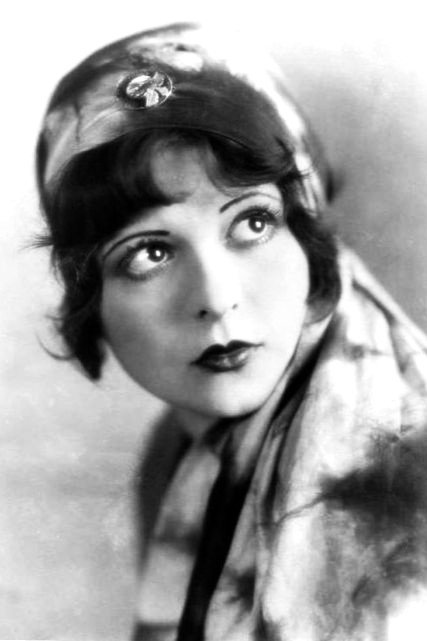
Clara Bow became the quintessential flapper star, embodying the Jazz Age in ‘It’ and ‘Wings’. She demonstrated how celebrity branding and off-screen publicity could amplify box-office returns. Bow’s transition issues during the sound era also informed studio strategies for managing technological change. Her cultural ubiquity helped define youth appeal and modern star marketing.
Greta Garbo
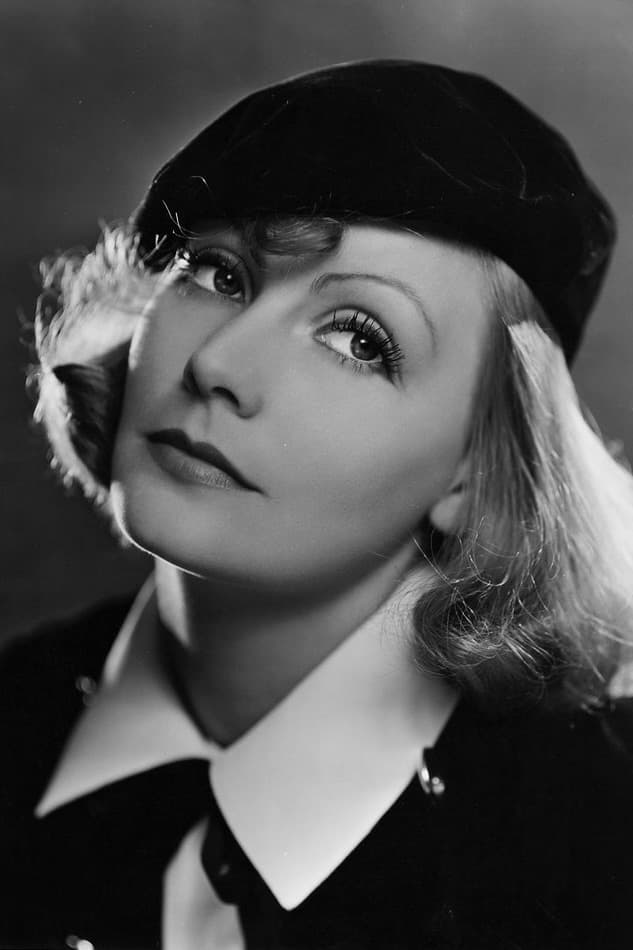
Greta Garbo brought European sensibility and controlled minimalism to Hollywood with films like ‘Anna Karenina’ and ‘Ninotchka’. She maintained rare autonomy by negotiating selective publicity and early retirement on her own terms. Garbo’s star image proved that mystique and limited exposure could increase audience demand. Her career influenced how studios manage prestige talent across international markets.
Marlene Dietrich
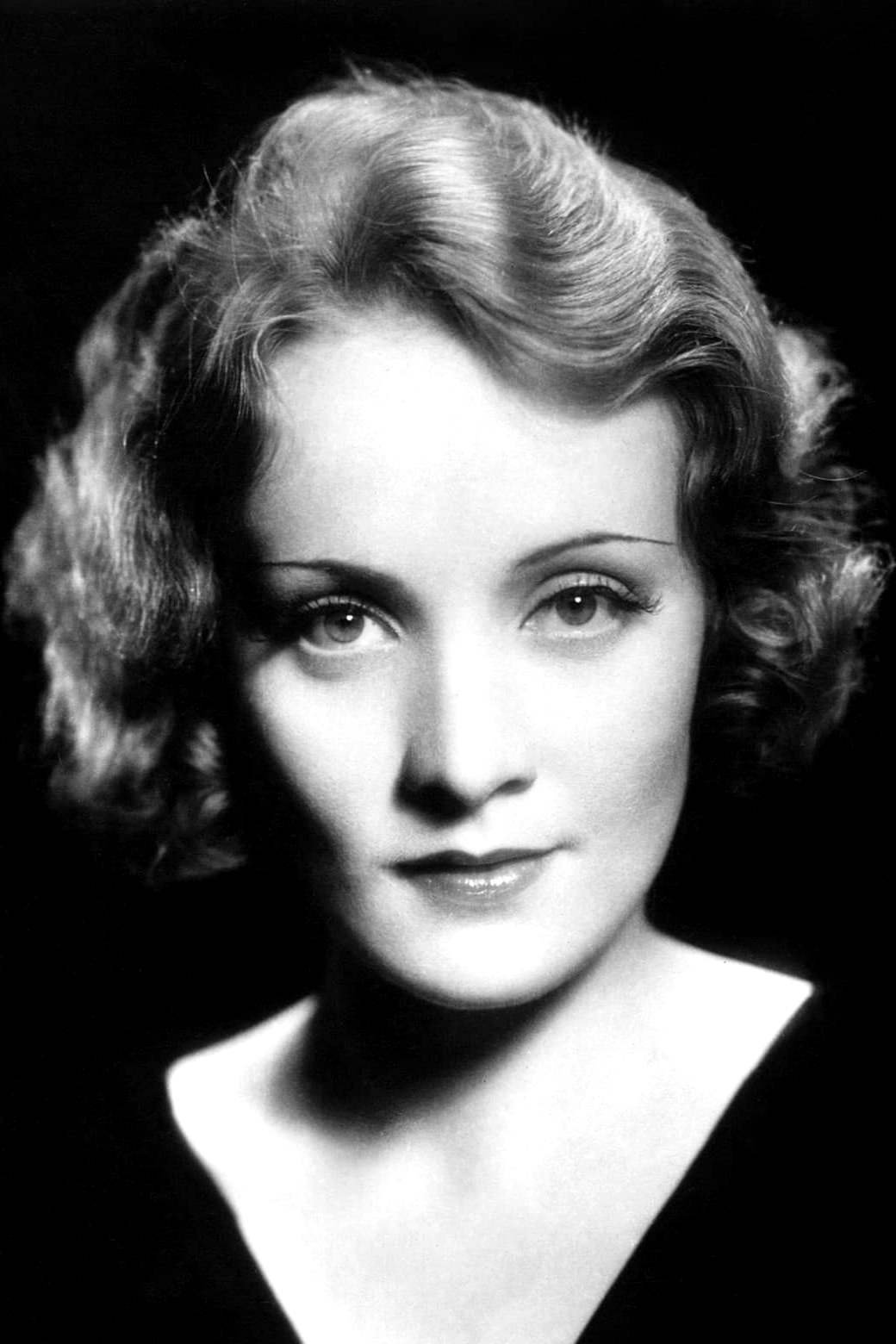
Marlene Dietrich, introduced to Hollywood by Josef von Sternberg, reimagined screen gender presentation in ‘Morocco’ and ‘Shanghai Express’. She cultivated a global persona through fashion and war-time USO tours. Dietrich’s boundary-pushing costuming and performance style broadened acceptable on-screen femininity and androgyny. Her career supported the idea that international stars could recalibrate American film aesthetics.
Mae West
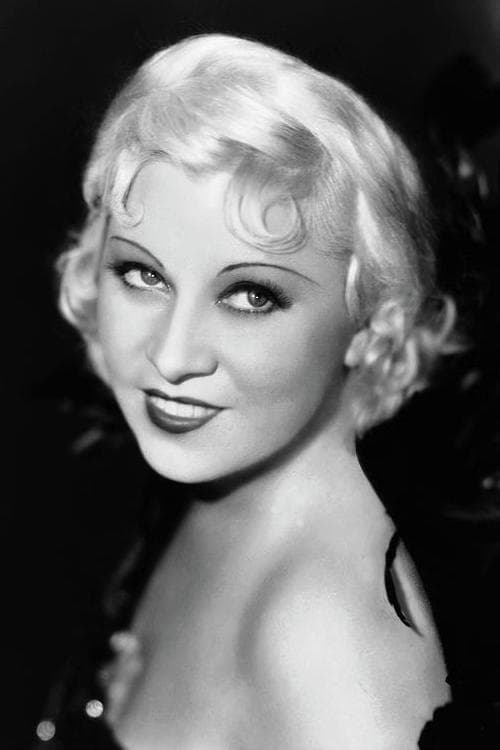
Mae West wrote and starred in vehicles like ‘She Done Him Wrong’ that rescued Paramount’s finances during the early 1930s. Her double-entendre dialogue challenged censorship and directly impacted the enforcement of the Production Code. West’s authorship and profit participation demonstrated how a performer could control material within studio constraints. Her success linked comedic provocation to measurable commercial outcomes.
Joan Crawford
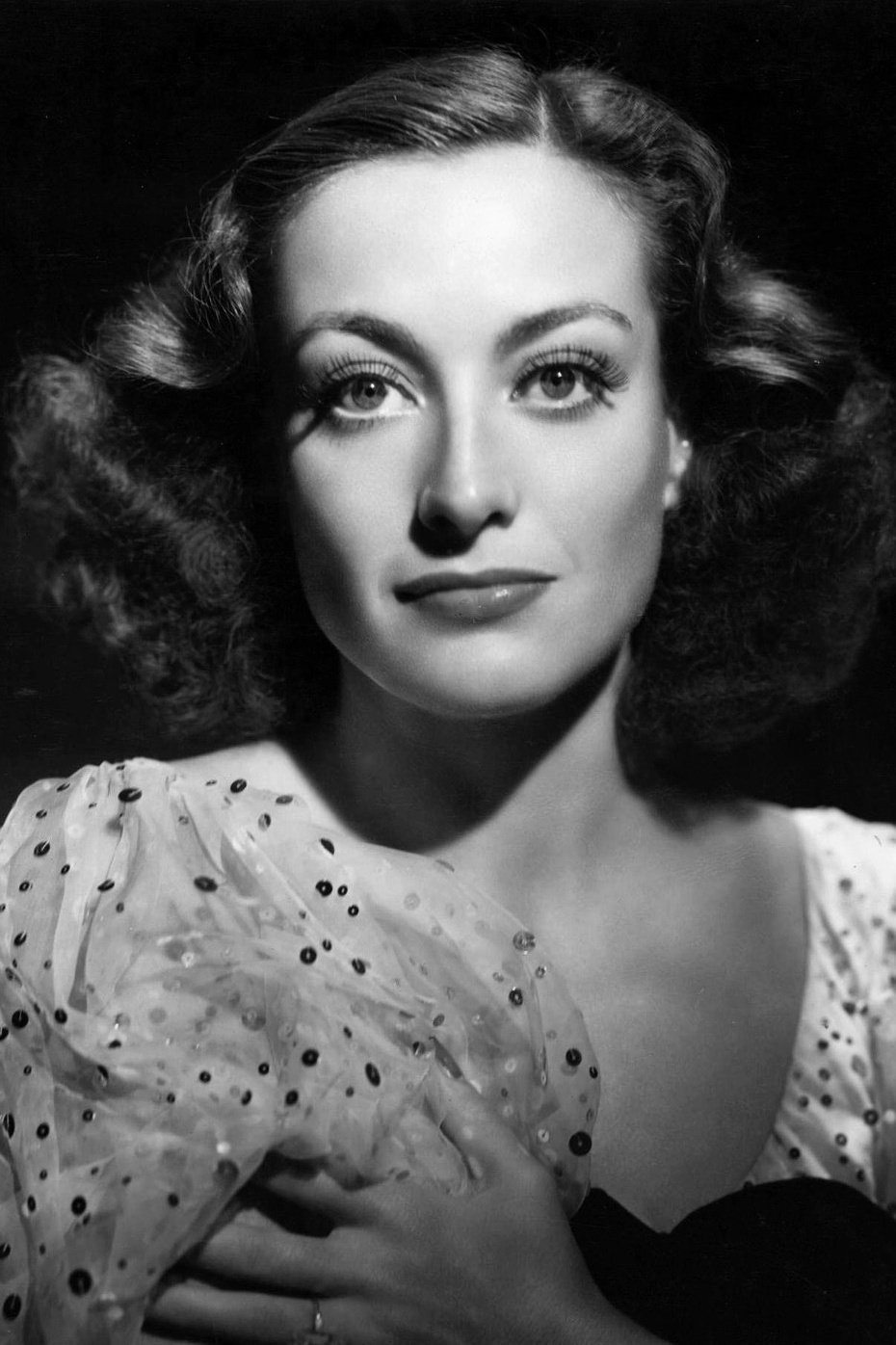
Joan Crawford reinvented herself multiple times, from shopgirl dramas to noir and later ‘What Ever Happened to Baby Jane?’. She leveraged fan magazines, fashion tie-ins, and studio publicity to maintain audience loyalty. Crawford’s late-career resurgence validated opportunities for mature actresses in prestige projects. Her trajectory became a case study in brand durability across shifting genres.
Vivien Leigh
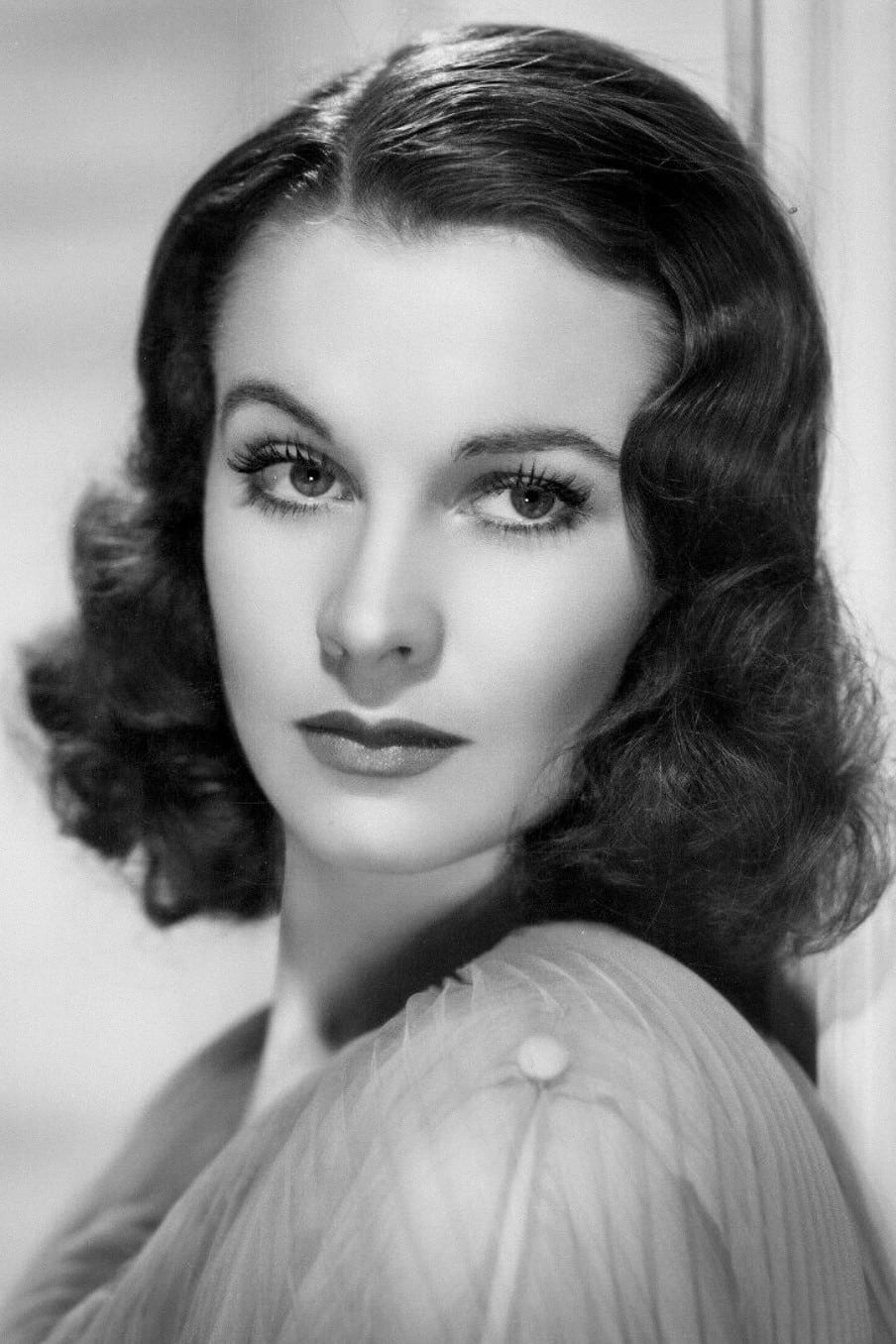
Vivien Leigh’s work in ‘Gone With the Wind’ and ‘A Streetcar Named Desire’ combined stage discipline with screen technique. She balanced London theater commitments with Hollywood contracts, illustrating transatlantic star mobility. Leigh’s awards and critical reception strengthened the pipeline between classical stage training and film performance. Her career highlighted the value of sustained repertory experience in screen acting.
Judy Garland
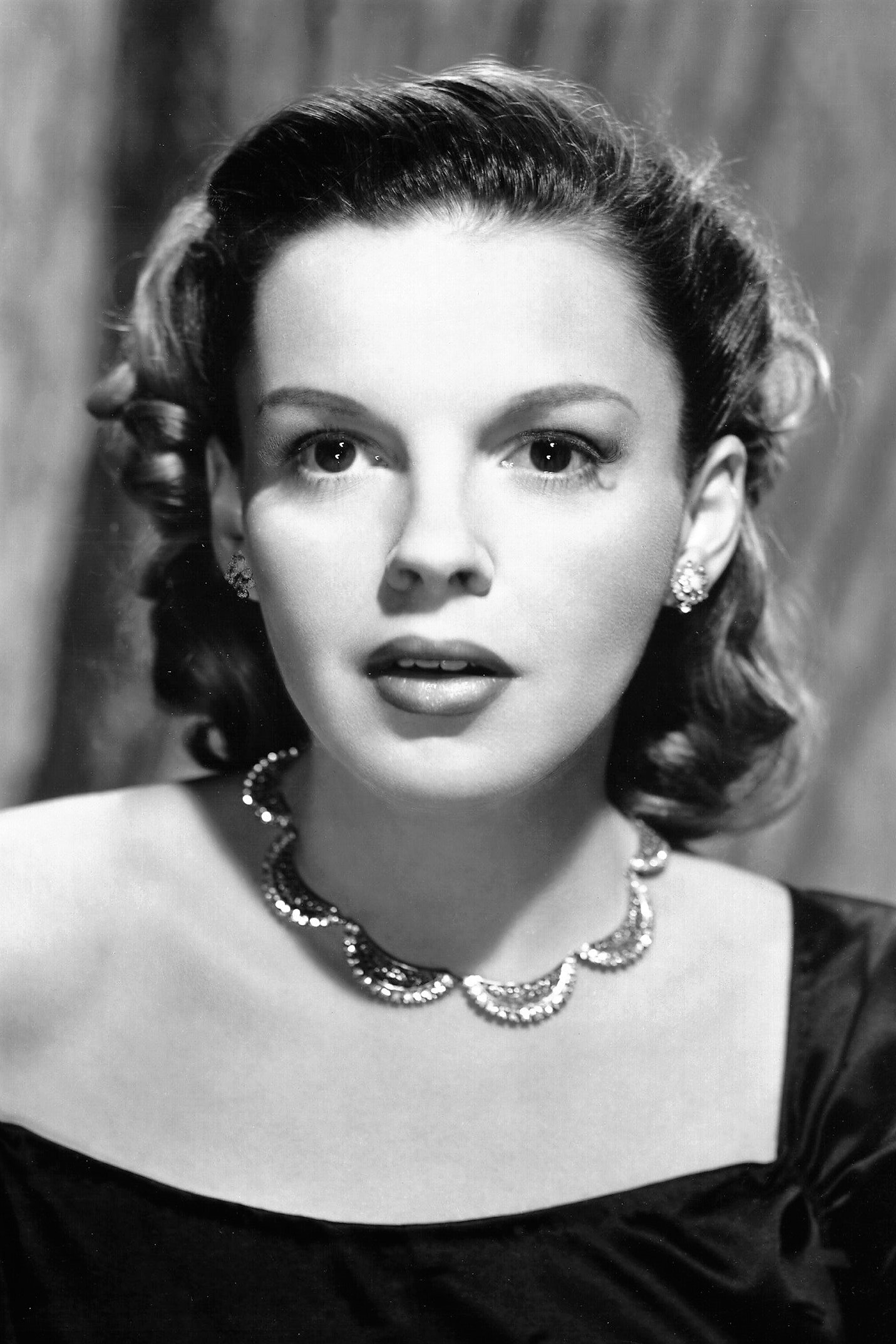
Judy Garland’s transition from teen roles to adult performances included ‘The Wizard of Oz’ and ‘A Star Is Born’. She pioneered cross-media stardom with records, concerts, and television specials supporting feature releases. Garland’s contractual struggles led to later projects structured around her strengths as a live performer. Her multimedia model influenced how studios develop musically driven star vehicles.
Olivia de Havilland
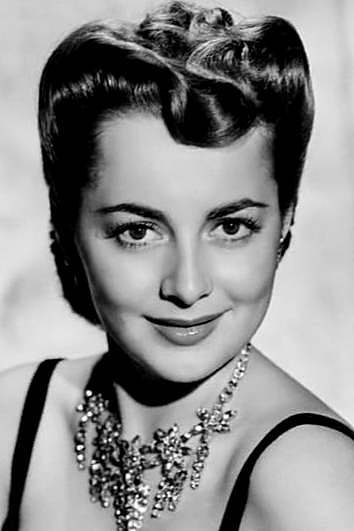
Olivia de Havilland’s landmark lawsuit against Warner Bros., known as the De Havilland decision, limited studio contract extensions. This ruling reshaped the labor market by increasing actor mobility and bargaining power. Her performances in ‘The Adventures of Robin Hood’ and ‘The Heiress’ anchored top-tier productions across genres. De Havilland’s legal victory remains a cornerstone of Hollywood employment law.
Rita Hayworth
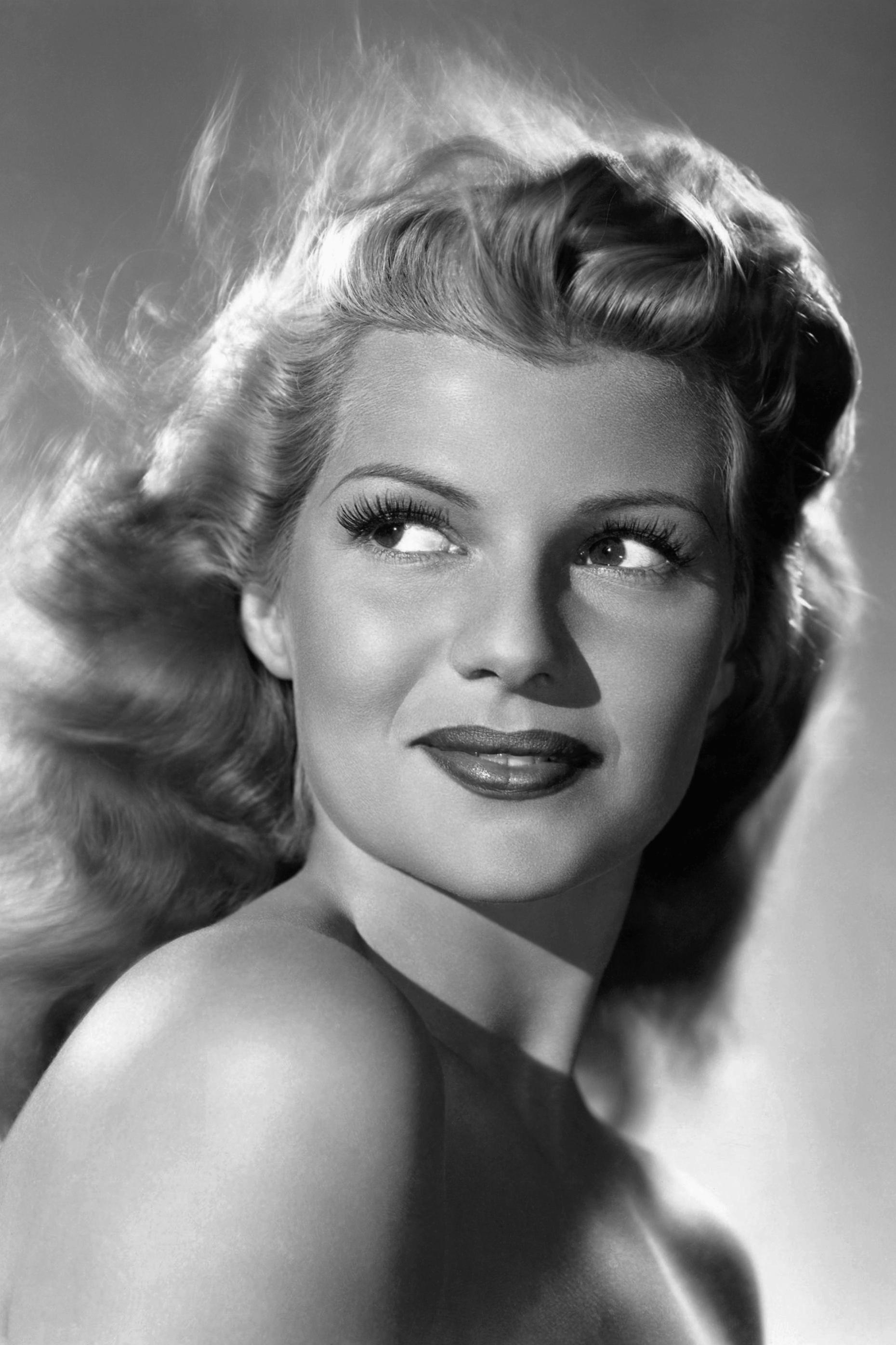
Rita Hayworth’s image transformation from Margarita Cansino to a Columbia Pictures marquee star culminated in ‘Gilda’. She demonstrated how strategic grooming and choreography could redefine a performer’s market position. Hayworth’s international publicity made her a wartime pinup symbol, expanding Hollywood’s soft-power reach. Her career informed studio playbooks on star rebranding and global marketing.
Lauren Bacall
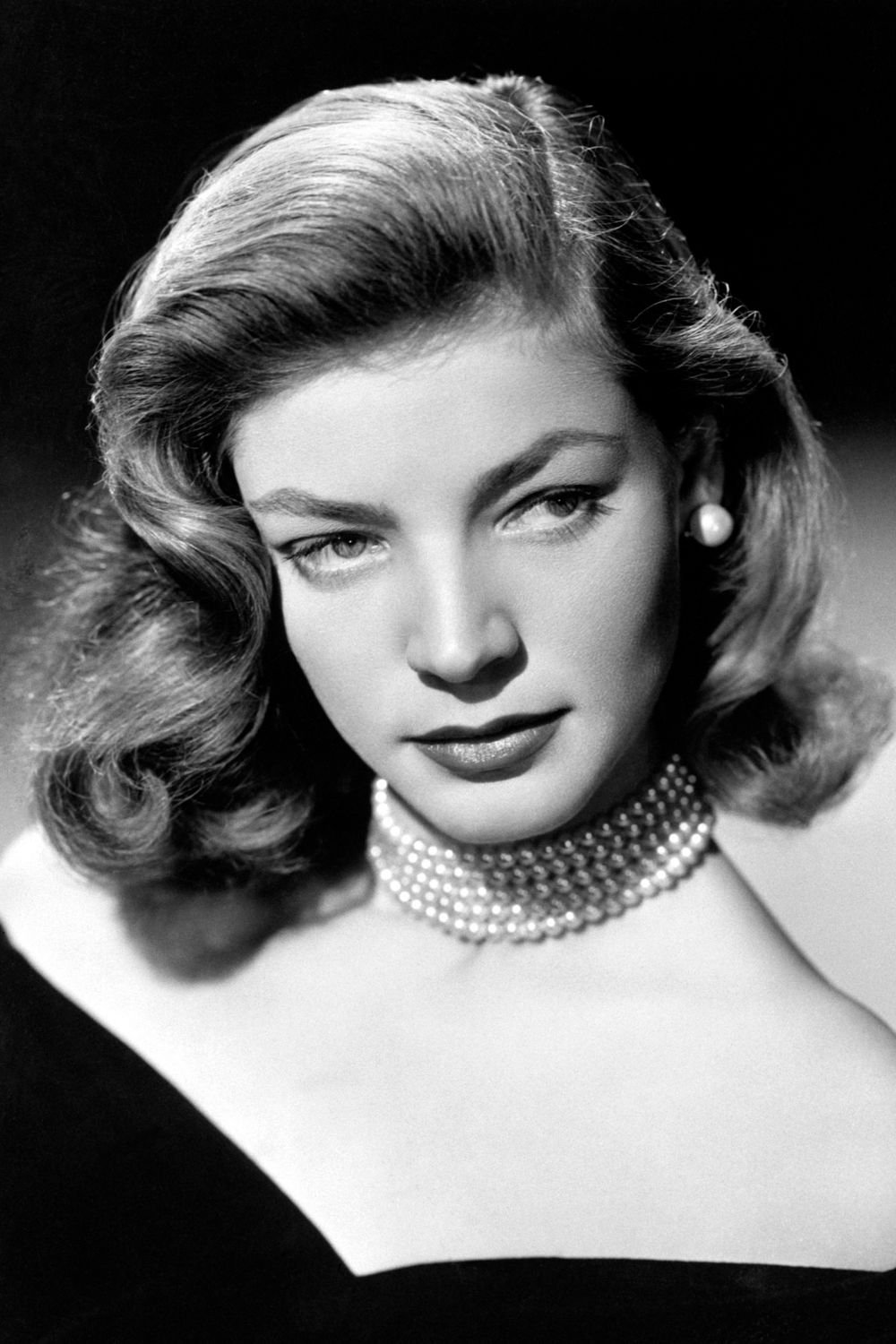
Lauren Bacall’s debut in ‘To Have and Have Not’ established a cool, modern screen style built on underplayed delivery. Her partnerships with Humphrey Bogart generated enduring noir and adventure titles. Bacall later moved between film, stage, and television, modeling cross-medium sustainability for classic-era stars. Her public persona illustrated the value of a consistent voice across decades of media.
Grace Kelly
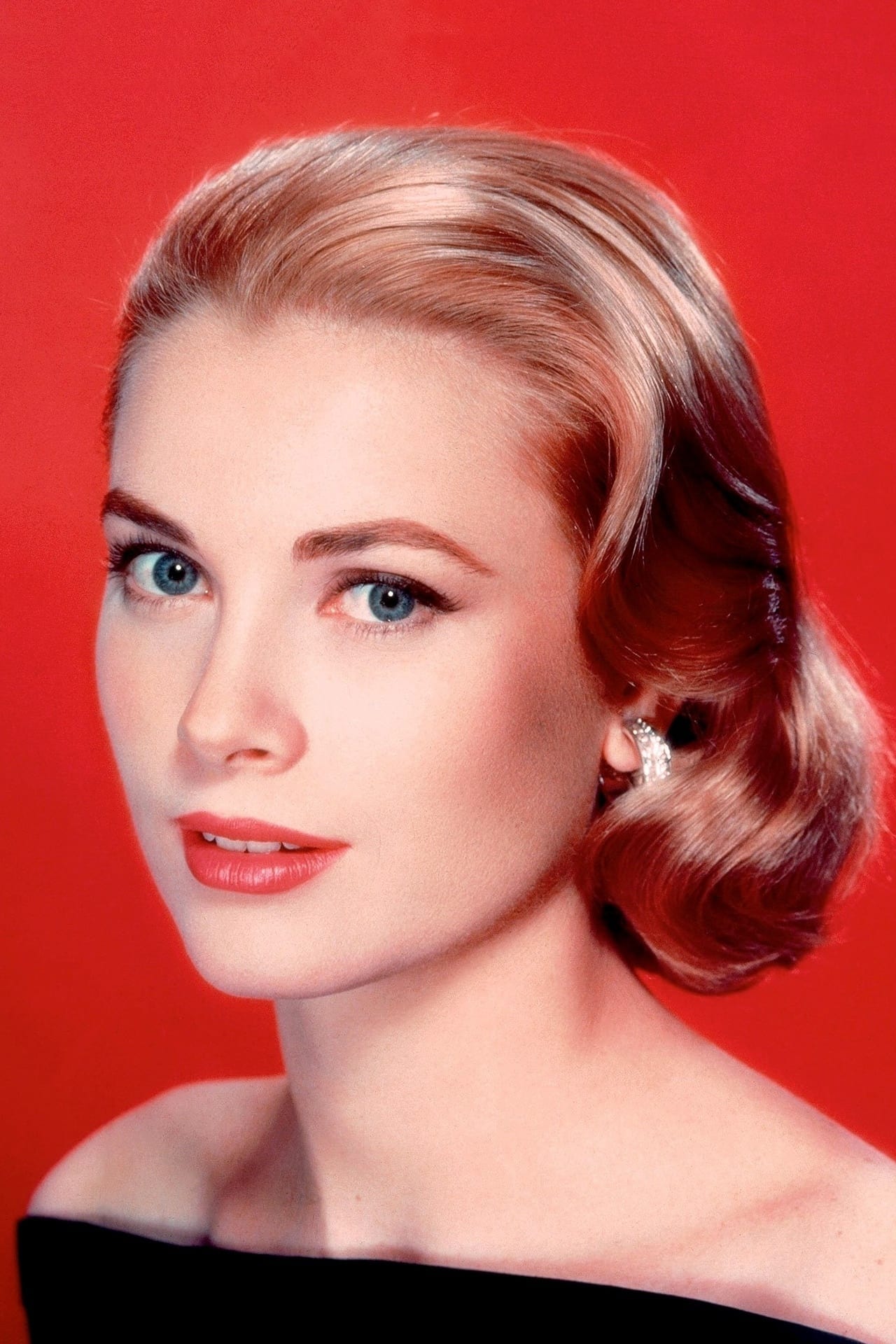
Grace Kelly balanced prestige studio work in ‘Rear Window’ and ‘To Catch a Thief’ before transitioning to public life abroad. Her brief but concentrated filmography proved that carefully curated roles could yield lasting cultural impact. Kelly’s collaborations with Alfred Hitchcock influenced casting approaches for controlled, psychologically driven leads. Her exit from films sparked ongoing debates about career pacing and legacy management.
Sophia Loren
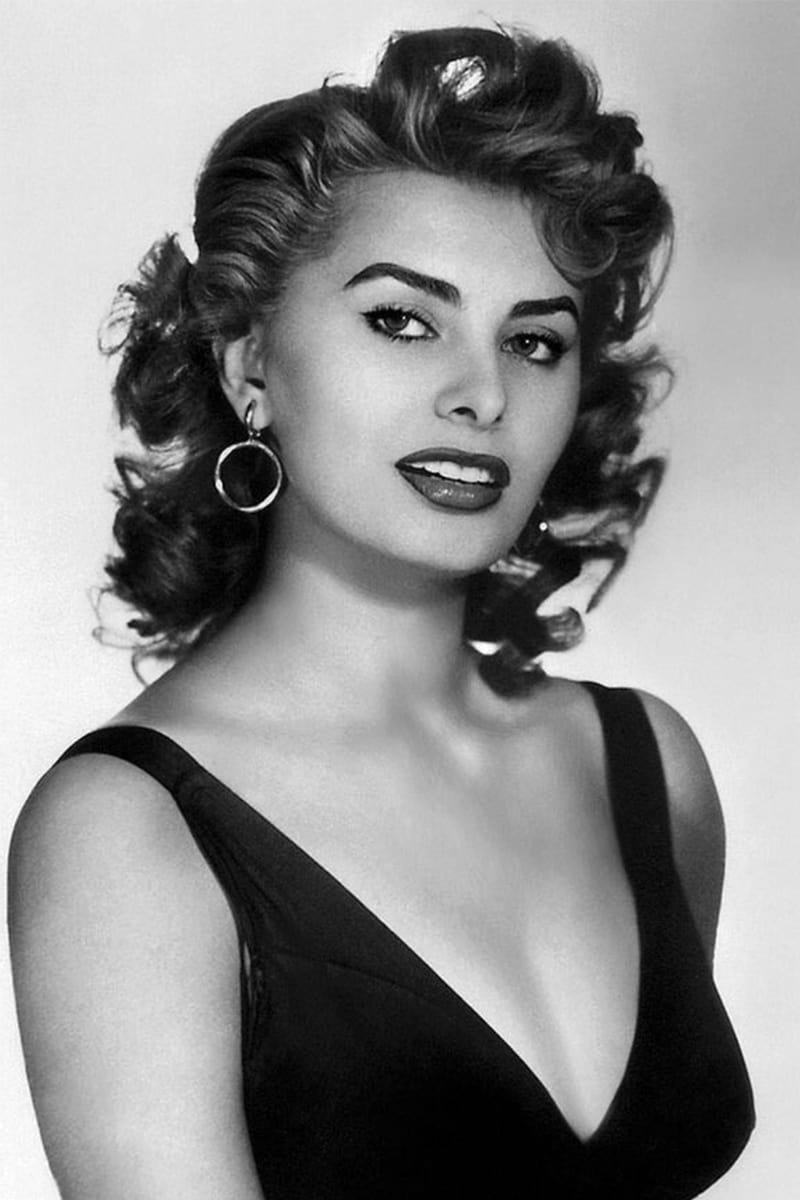
Sophia Loren bridged European cinema and Hollywood through projects such as ‘Two Women’ and ‘Houseboat’. She negotiated bilingual productions and international co-financing that widened distribution strategies. Loren’s awards and global appeal demonstrated demand for cross-cultural narratives anchored by women. Her career underlined the viability of international stars leading American studio films.
Shirley MacLaine
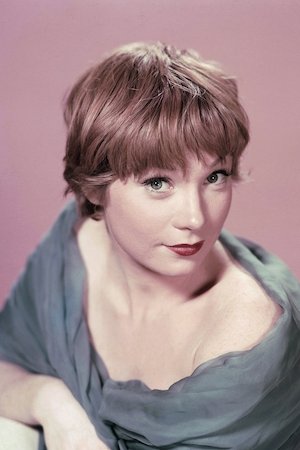
Shirley MacLaine sustained a multi-decade career with films like ‘The Apartment’, ‘Terms of Endearment’, and ‘Sweet Charity’. She used concert tours and memoirs to extend audience engagement beyond theatrical windows. MacLaine’s roles frequently centered female autonomy in workplace and family settings, influencing casting trends. Her professional longevity showed that varied genre choices can maintain star relevance.
Julie Andrews
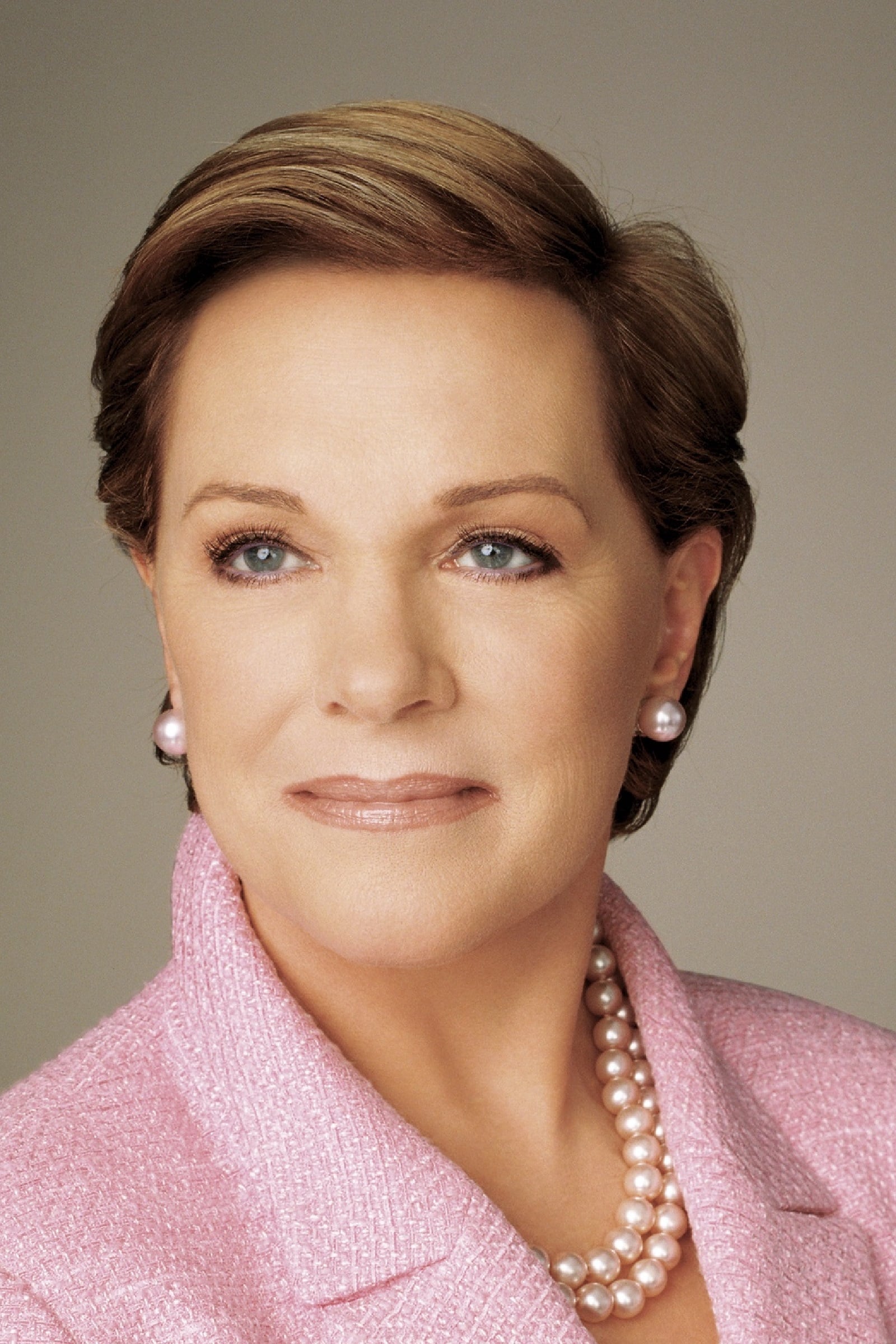
Julie Andrews’ musical hits ‘Mary Poppins’ and ‘The Sound of Music’ set revenue records and drove ancillary markets in recordings and touring. She later pivoted to voice work and television, demonstrating adaptive career management after vocal surgery. Andrews’ family-friendly brand supported the long tail of catalog sales and reissues. Her projects remain core assets in studio libraries and licensing.
Faye Dunaway

Faye Dunaway’s performances in ‘Bonnie and Clyde’, ‘Chinatown’, and ‘Network’ defined a modern, auteur-driven era of Hollywood. Her collaborations with top directors showed how star power could elevate riskier, adult-themed material. Dunaway’s roles expanded the scope for complex female leads in crime and media satires. Her career reinforced the marketability of challenging, morally ambiguous protagonists.
Sally Field
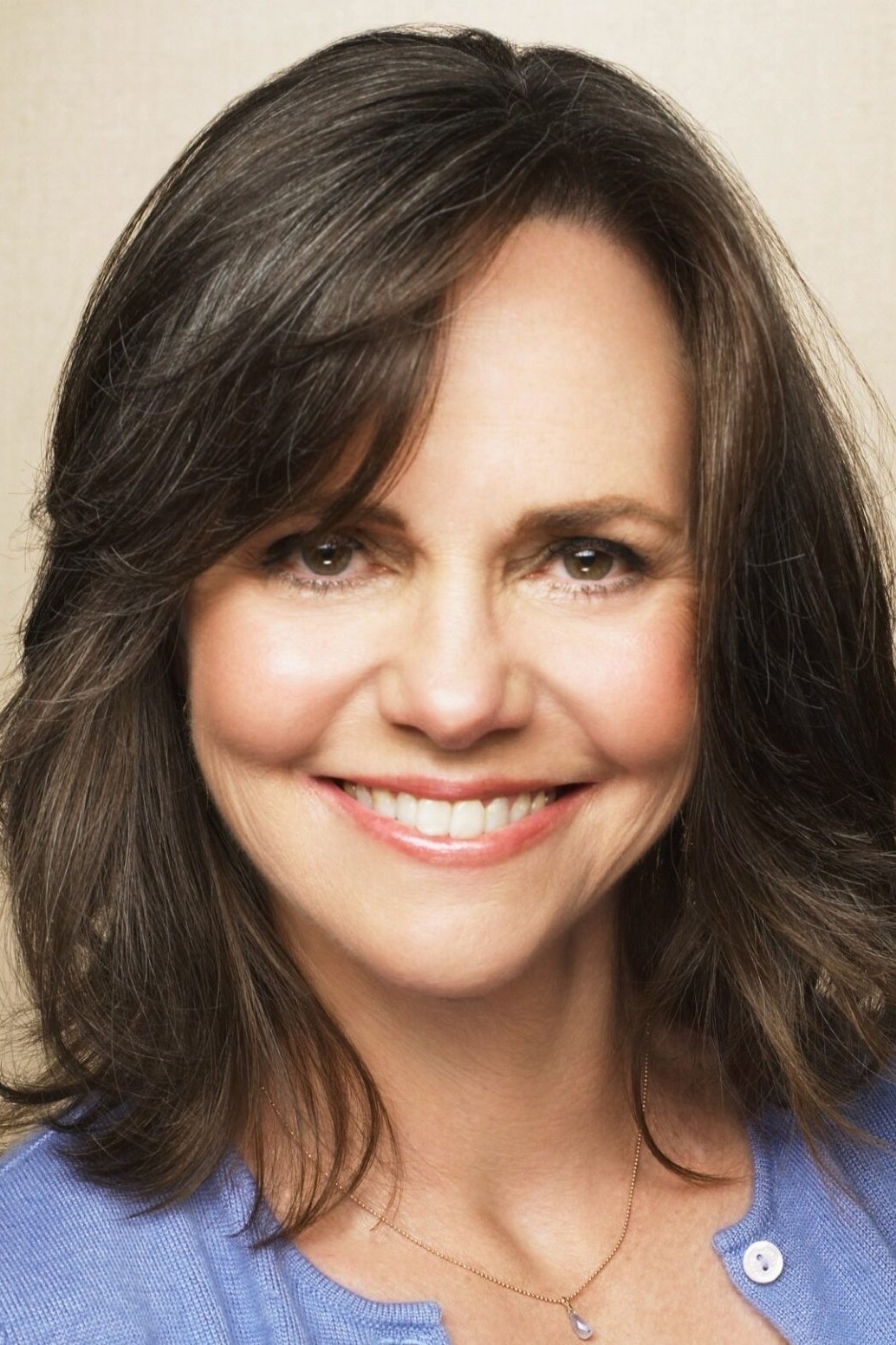
Sally Field transitioned from television to film stardom with ‘Norma Rae’ and ‘Places in the Heart’. She leveraged awards momentum to secure roles addressing labor rights and social policy. Field’s move into directing and producing broadened creative control for performers from TV backgrounds. Her path showed how television success can be parlayed into enduring film influence.
Whoopi Goldberg
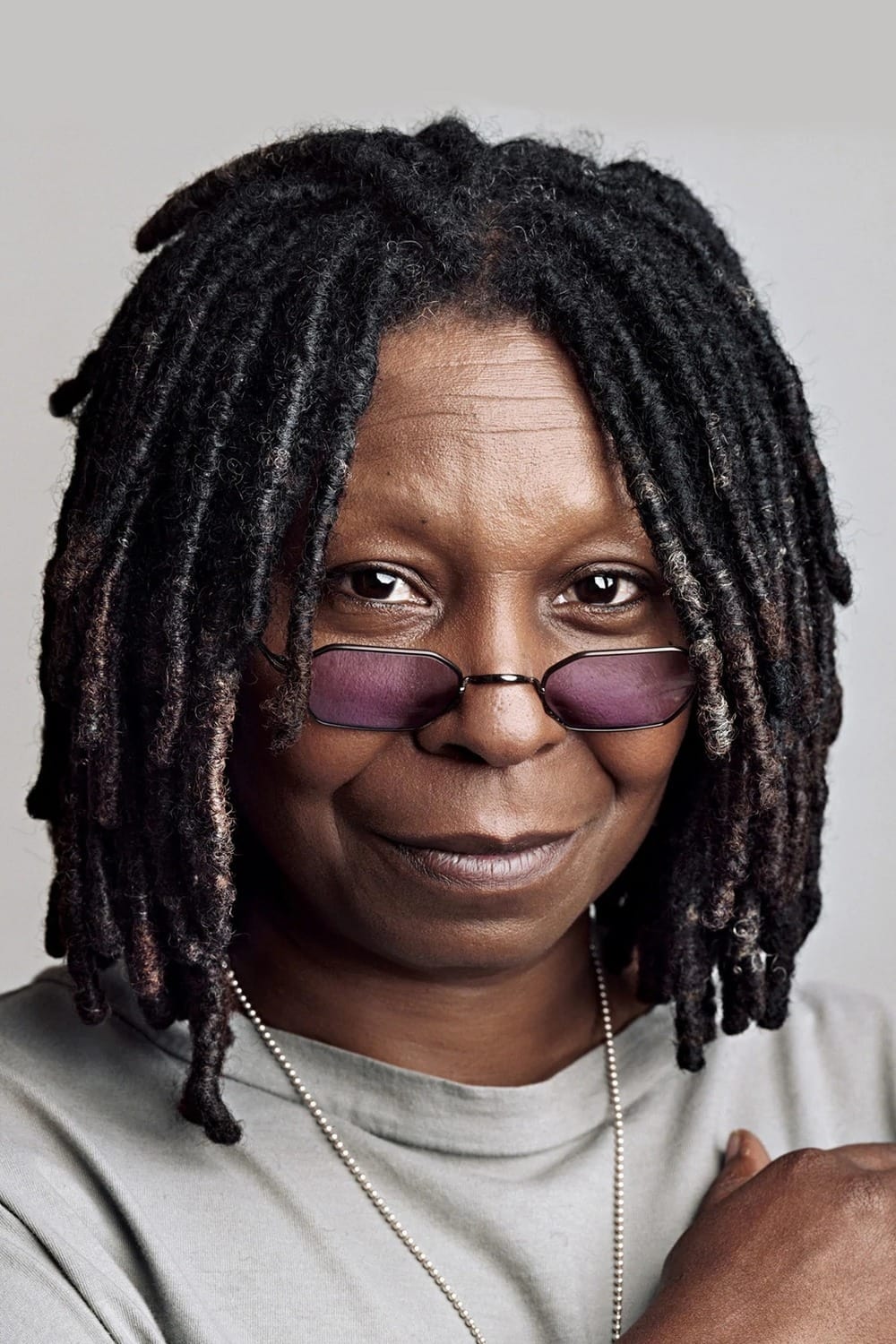
Whoopi Goldberg achieved major awards across film, television, and stage, with standout work in ‘The Color Purple’ and ‘Ghost’. She hosted the Academy Awards multiple times, becoming a prominent public face of the industry. Goldberg’s production efforts and talk-show tenure sustained visibility for diverse storytelling. Her cross-platform presence illustrated how comedic and dramatic versatility drives long-term prominence.
Nicole Kidman
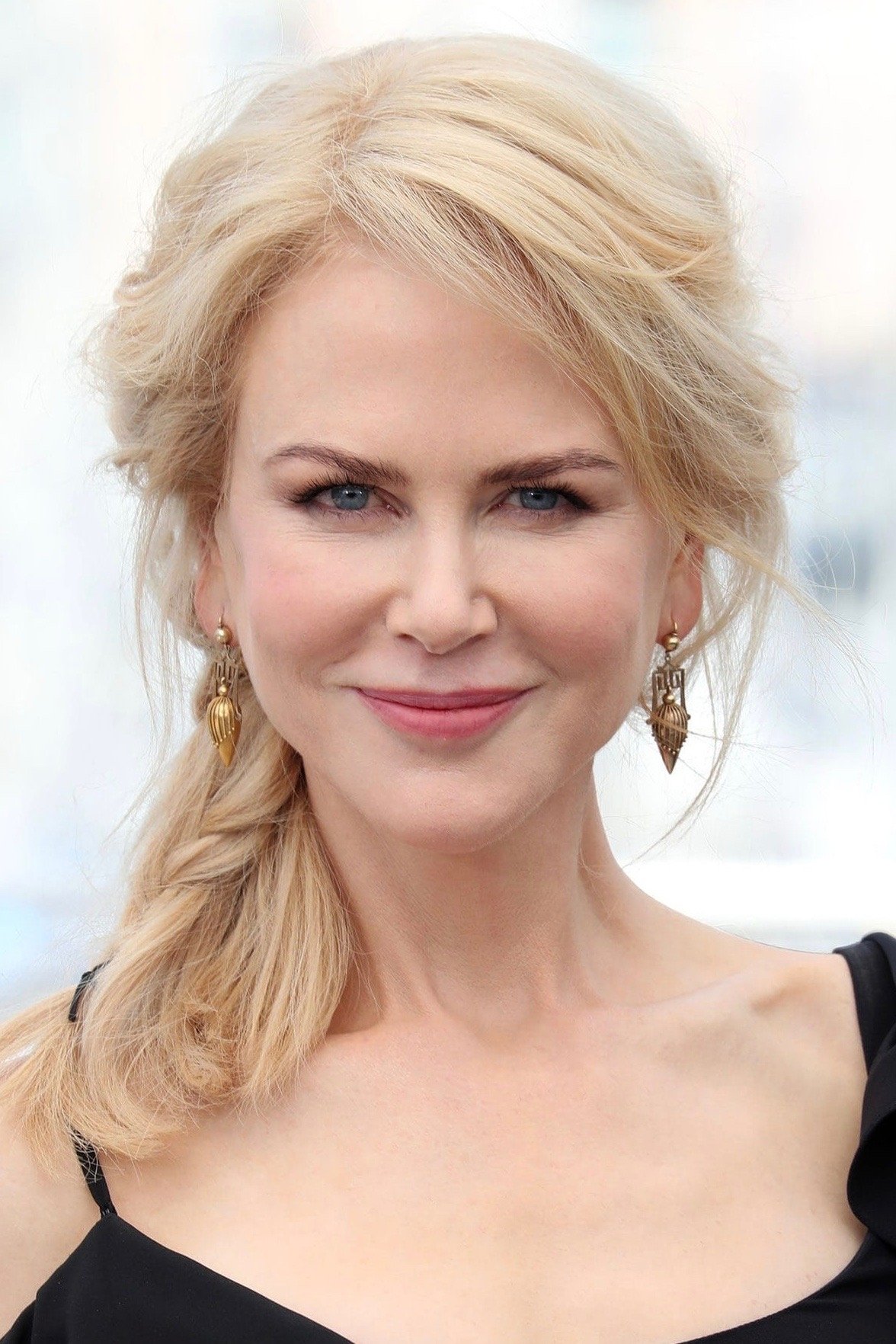
Nicole Kidman balanced studio tentpoles with art-house projects including ‘Moulin Rouge!’ and ‘The Hours’. She co-founded production companies that prioritize female-driven narratives across film and premium television. Kidman’s international financing models and festival premieres supported ambitious, director-led projects. Her strategy helped normalize top-tier stars anchoring limited series and prestige features in parallel.
Michelle Yeoh

Michelle Yeoh built a transnational career from Hong Kong action cinema to Hollywood features such as ‘Crouching Tiger, Hidden Dragon’ and ‘Crazy Rich Asians’. She performs intricate stunt work while leading dramas and comedies, expanding expectations for female action leads. Yeoh’s awards and recent high-profile roles strengthened demand for Asian-led ensemble films. Her trajectory illustrates durable crossover appeal and genre versatility for global markets.
Share your thoughts in the comments—who else would you add to this list and which performances do you think changed Hollywood the most?