The Most Influential Kid Actresses of All Time

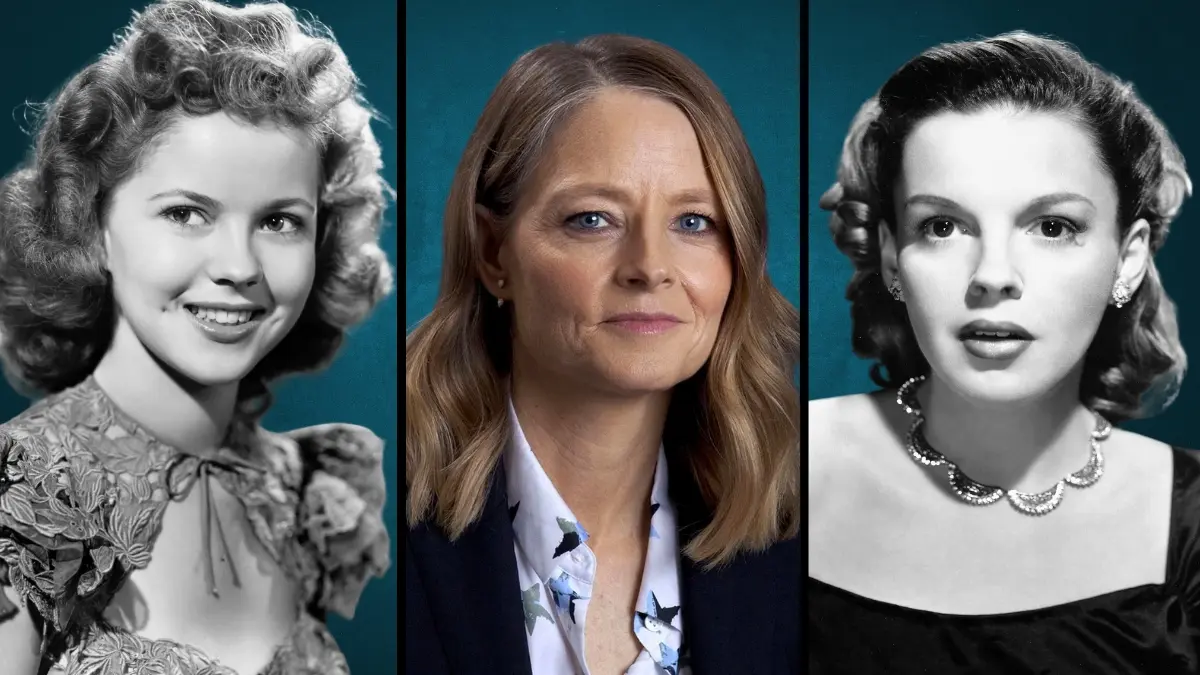

From studio-era prodigies to modern streaming sensations, child actresses have shaped film and television in ways that ripple far beyond their early years on set. Many set records for awards and box office, some carried entire franchises, and others opened doors by taking on challenging roles that adults had turned down. Their work helped define genres, rescued studios during lean times, and forged new paths in merchandising, global fandom, and youth-led storytelling. Here are forty whose early careers left especially durable marks on the industry.
Shirley Temple
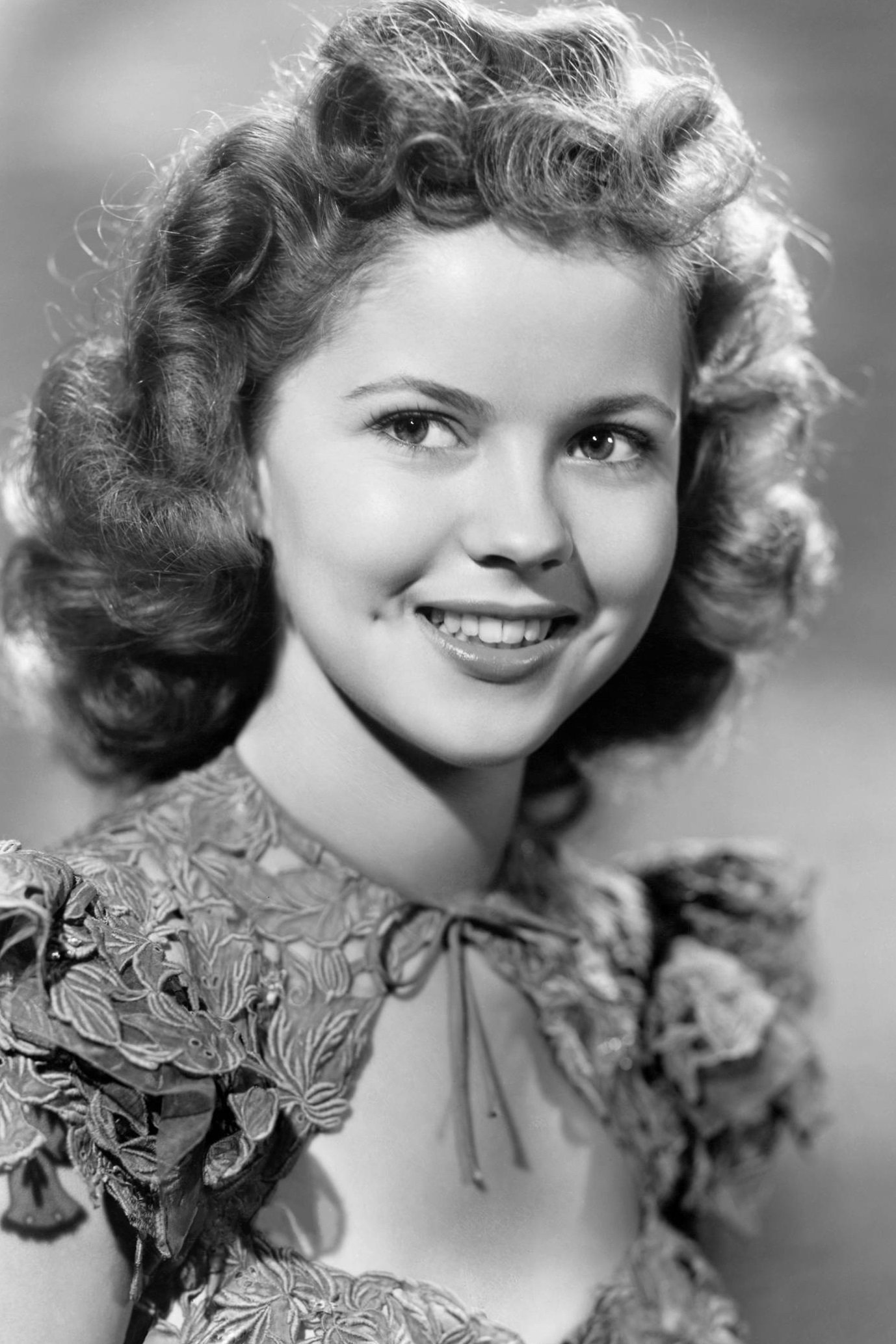
Shirley Temple was the top box-office draw in the United States for multiple consecutive years during the 1930s, a feat that helped stabilize 20th Century-Fox during the Great Depression. She received the Academy Juvenile Award for her contributions and became a merchandising pioneer with dolls, songbooks, and branded products. Her filmography, including hits like ‘Bright Eyes’ and ‘Curly Top’, set a template for family musicals anchored by a child star. Temple’s cross-media popularity proved that a young performer could be both a critical and commercial linchpin for a major studio.
Judy Garland
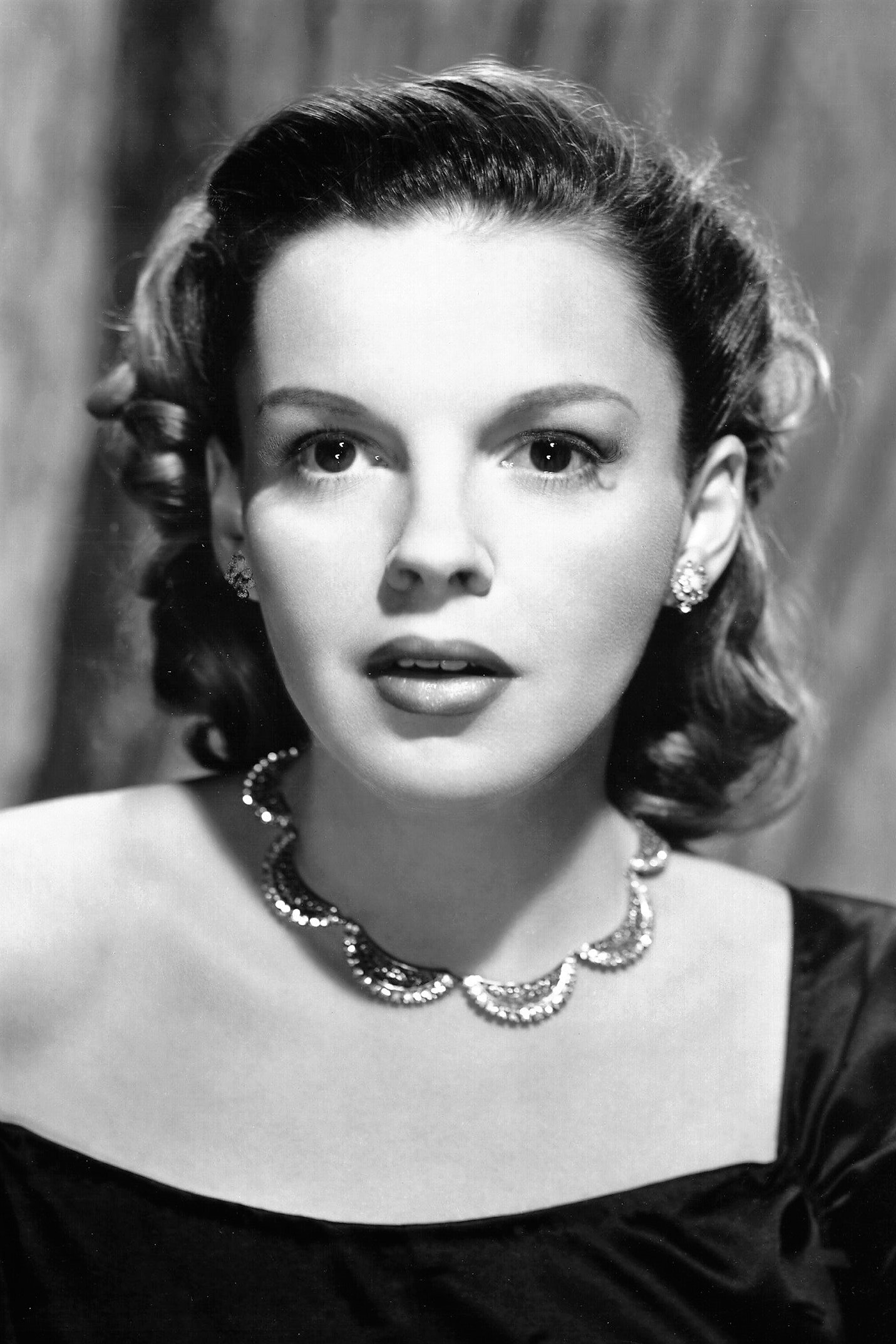
Signed by MGM in her early teens, Judy Garland achieved international fame with ‘The Wizard of Oz’ and was honored with a special Academy Juvenile Award soon after. Her recordings and radio appearances amplified studio promotion, illustrating how a young performer could drive multi-platform success. Garland’s touring and soundtrack sales established a model for tying film roles to music releases. Her early career also demonstrated the power of studio training systems in developing versatile child talents.
Elizabeth Taylor
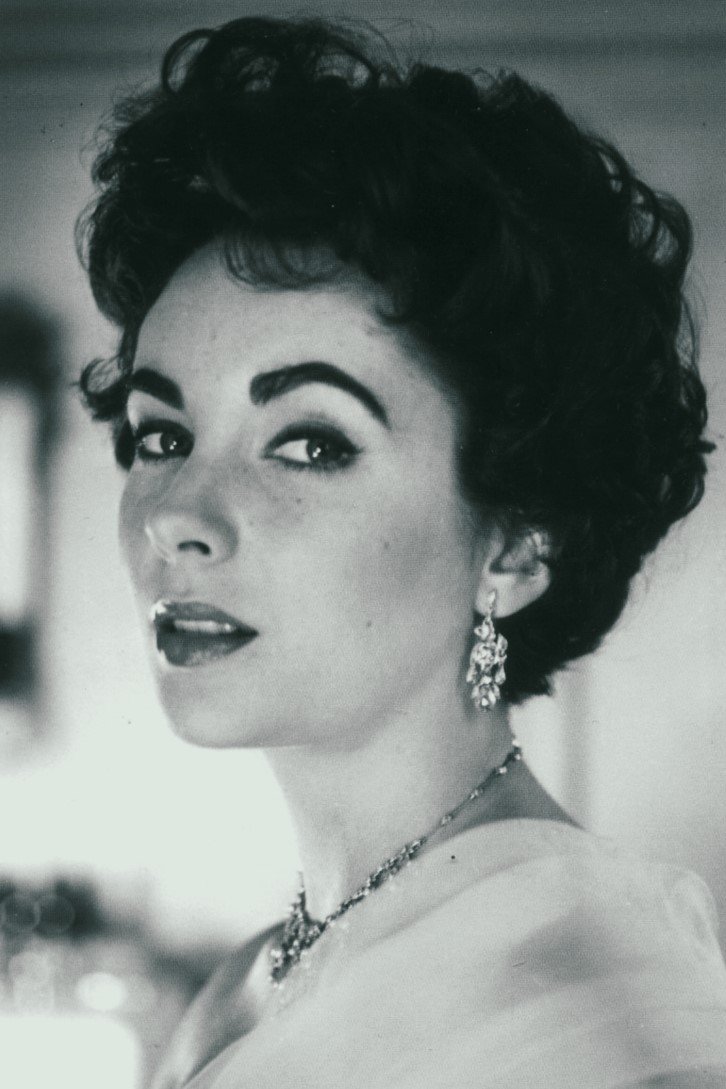
Elizabeth Taylor’s breakout in ‘National Velvet’ made her a bankable name while still a child and set MGM up for a durable star transition from youth to adult leads. Her early roles showcased a maturity that studios leveraged for prestige projects. Taylor’s success encouraged more literary adaptations centered on youthful protagonists. The continuity of her stardom helped prove that child fame could translate into long-term box-office reliability.
Hayley Mills
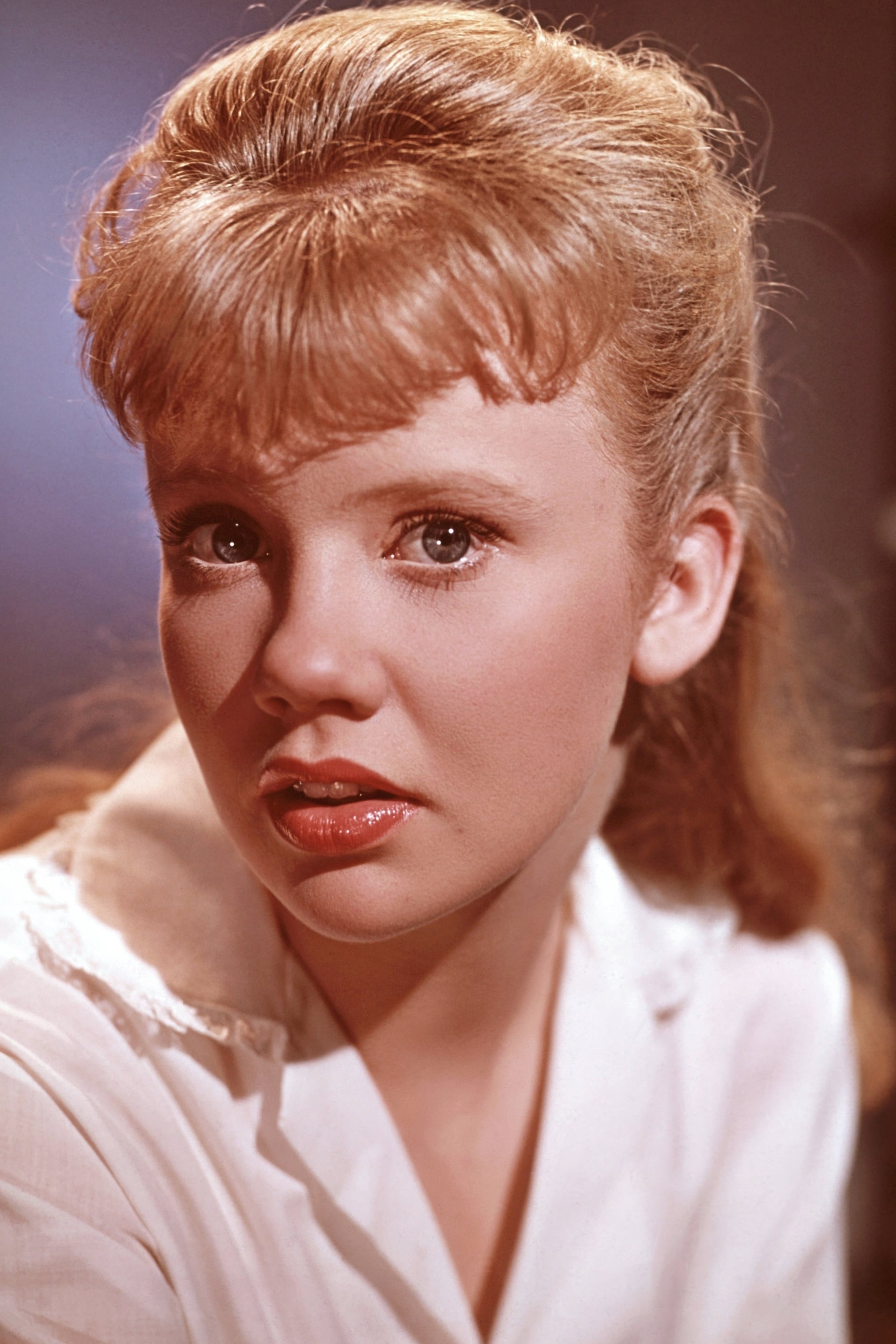
Hayley Mills won the final Academy Juvenile Award for her work with Walt Disney Productions, notably in ‘Pollyanna’. She then anchored ‘The Parent Trap’, demonstrating the viability of twin-role visual effects as a family-film draw. Mills’ Disney era reinforced the studio’s strategy of building repeat audiences around wholesome, youth-led stories. Her international appeal supported Disney’s expansion of live-action family features alongside animation.
Tatum O’Neal

Tatum O’Neal became the youngest competitive Oscar winner in history for ‘Paper Moon’ at age 10. Her performance showed studios that complex, dialogue-driven roles could be successfully carried by a child actor. The film’s critical and commercial impact encouraged riskier casting for youth in adult-leaning dramas. O’Neal’s achievement set a benchmark for award-season campaigns centered on young performers.
Jodie Foster
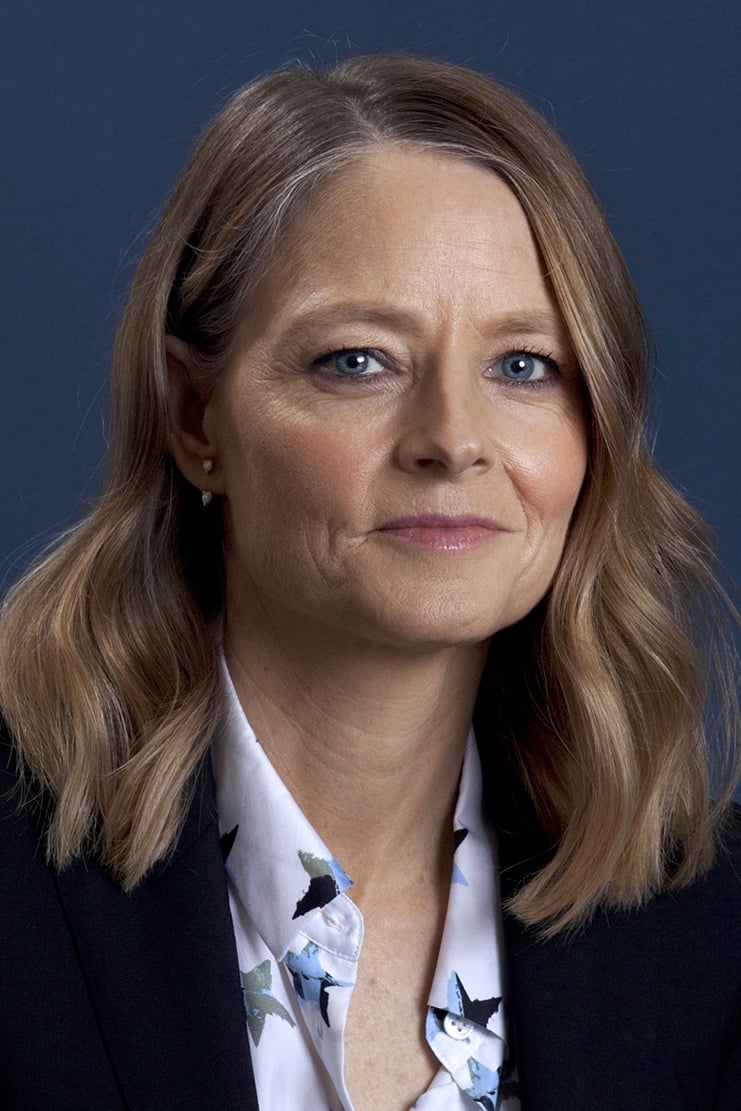
Jodie Foster worked prolifically in commercials and television before turning in landmark film performances in ‘Taxi Driver’ and other challenging projects. Her early accolades included major nominations that validated serious, non-comedic roles for young actors. Foster’s multilingual background and festival recognition helped globalize the perception of American child performers. The credibility she built as a kid laid groundwork for a seamless move into acclaimed adult roles and directing.
Drew Barrymore

Drew Barrymore’s early appearance in ‘E.T. the Extra-Terrestrial’ connected her to one of the most successful films of all time and made her a face of Amblin-era family cinema. As part of the Barrymore dynasty, she also embodied Hollywood lineage, drawing attention to legacy casting and media narratives around it. Her later pivot into producing demonstrated how former child stars could influence projects behind the camera. Barrymore’s trajectory highlighted the long-tail value of early franchise exposure.
Anna Paquin

Anna Paquin won the Academy Award for Best Supporting Actress at age 11 for ‘The Piano’, delivering a performance that reshaped expectations for young talent in art-house cinema. Her success reaffirmed that child actors could drive critical acclaim in non-English-dominant and prestige contexts. The film’s global reception showcased the international reach of youth-centered dramatic storytelling. Paquin’s early recognition boosted casting confidence for significant roles written for children.
Kirsten Dunst

Kirsten Dunst earned a Golden Globe nomination at 12 for ‘Interview with the Vampire’, underscoring that children could stand toe-to-toe with established stars in ambitious genre films. She followed with family hits like ‘Jumanji’, showing versatility across audiences. Dunst’s early career helped normalize youth involvement in effects-heavy productions that demanded strong dramatic grounding. Her transition into indie and prestige projects further validated long-term development from child stardom.
Christina Ricci

Christina Ricci became a pop-culture fixture with ‘The Addams Family’ and ‘Casper’, two titles that drove merchandising, television reruns, and home-video success. Her choices bridged macabre humor and family appeal, broadening what child-led hits could look like. Ricci’s early work also supported the resurgence of spooky-comedy as a viable mainstream lane. The staying power of those properties illustrates how young leads can anchor durable cross-generational brands.
Dakota Fanning

Dakota Fanning became the youngest individual nominated by the Screen Actors Guild for ‘I Am Sam’, signaling industry respect for sophisticated performances by children. She quickly accumulated roles opposite A-list stars in projects like ‘War of the Worlds’ and ‘Man on Fire’. Fanning’s reliability under high-pressure shoots encouraged more large-scale productions to center on young protagonists. Her consistent work rate set a modern standard for professionalism among child actors.
Abigail Breslin
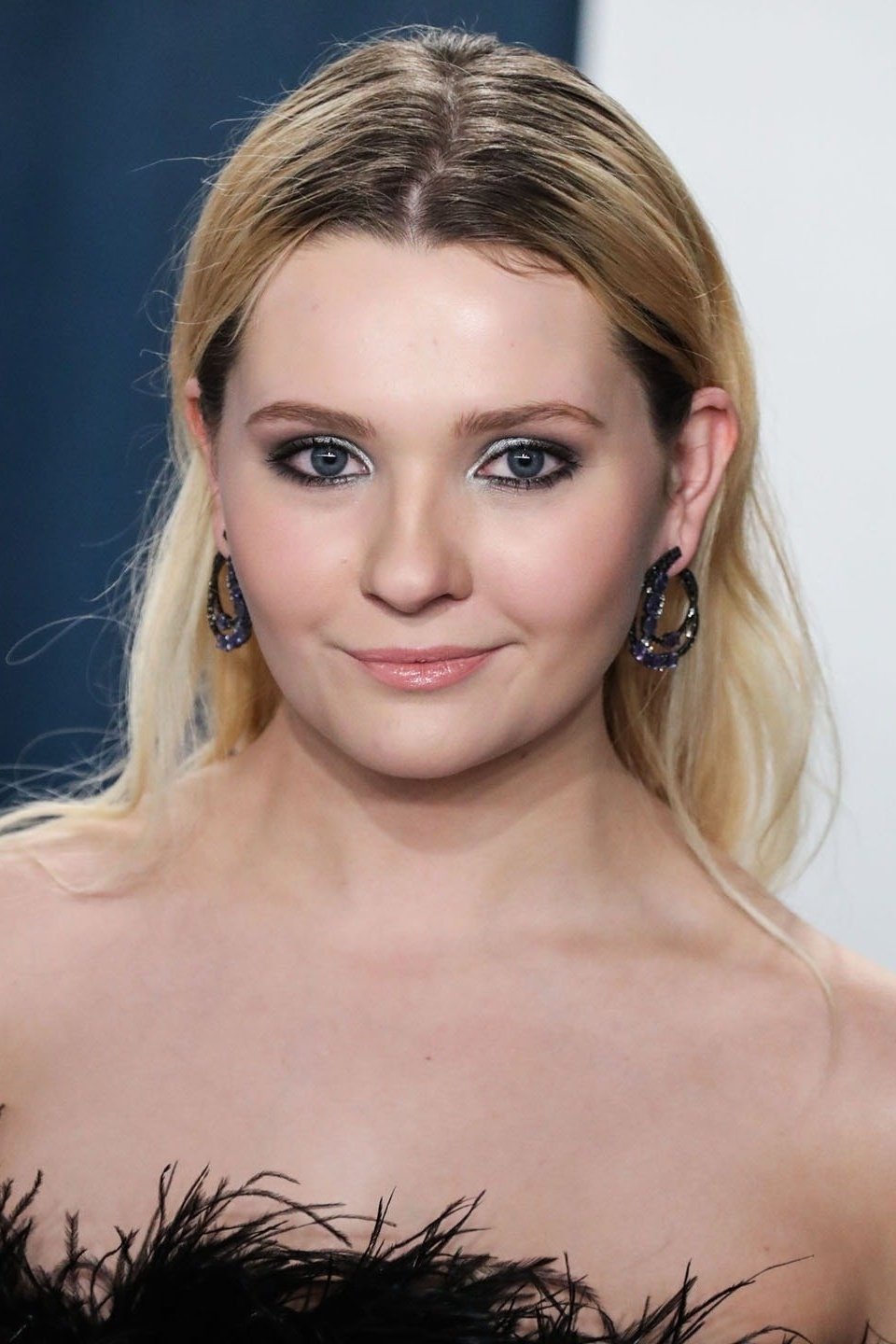
Abigail Breslin earned an Academy Award nomination for ‘Little Miss Sunshine’, helping the film become a breakout indie success. Her performance demonstrated how a child role could catalyze ensemble storytelling and awards momentum. The film’s sleeper box-office run reinforced distributors’ confidence in youth-driven prestige comedies. Breslin’s subsequent mainstream and indie projects showed how early acclaim can diversify a young actor’s opportunities.
Quvenzhané Wallis

Quvenzhané Wallis became the youngest Best Actress nominee in Academy history for ‘Beasts of the Southern Wild’. Her debut performance, captured in a low-budget, festival-launched film, highlighted the power of nontraditional casting and community-based production. The film’s global tour through major festivals proved that a first-time child lead could carry art-house releases to wide recognition. Wallis later moved into studio projects, illustrating a pipeline from indie discovery to mainstream visibility.
Hailee Steinfeld

Hailee Steinfeld’s breakout in ‘True Grit’ earned major award nominations and reenergized interest in youth perspectives within Westerns. Her role required archaic dialogue and precise delivery, expanding the range of what child performers were trusted to handle. The film’s success indicated that classic genres could be refreshed by young leads. Steinfeld’s later multi-hyphenate path into music and franchise work showed the brand-building potential of early acclaim.
Emma Watson

Emma Watson became globally recognized as Hermione Granger in the ‘Harry Potter’ film series, one of the highest-grossing franchises in history. Her participation in all entries created a long-form case study in growing up on screen. The series’ worldwide merchandising, theme-park presence, and home-media dominance underscored how youth-led ensembles can anchor massive transmedia ecosystems. Watson’s educational and philanthropic pursuits further exemplified how child stars can leverage visibility into broader influence.
Millie Bobby Brown

Millie Bobby Brown’s role in ‘Stranger Things’ helped crystallize the streaming-era event series, with a young performer at the center of a global phenomenon. She became one of the youngest nominees for a major drama-acting Emmy category. Brown later starred in and produced ‘Enola Holmes’, illustrating rapid progression from on-screen lead to creative leadership. Her career demonstrates how streaming platforms can accelerate international fame for child actors.
Mary Badham
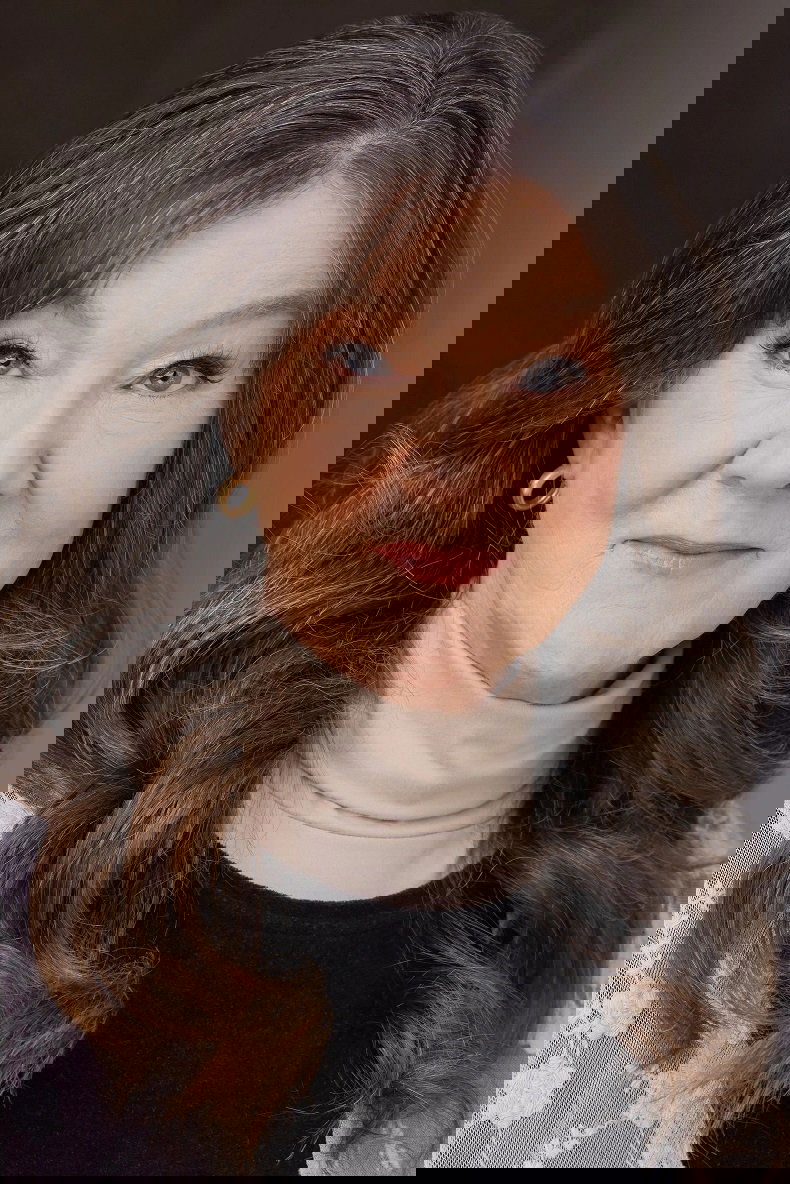
Mary Badham received an Academy Award nomination for ‘To Kill a Mockingbird’, anchoring a canonical American drama through a child’s point of view. Her performance showed how youth perspectives could humanize complex themes for broad audiences. The film’s continued use in education underscores the cultural reach of a child-led narrative. Badham’s recognition encouraged more adaptations to retain central child viewpoints from source material.
Brooke Shields
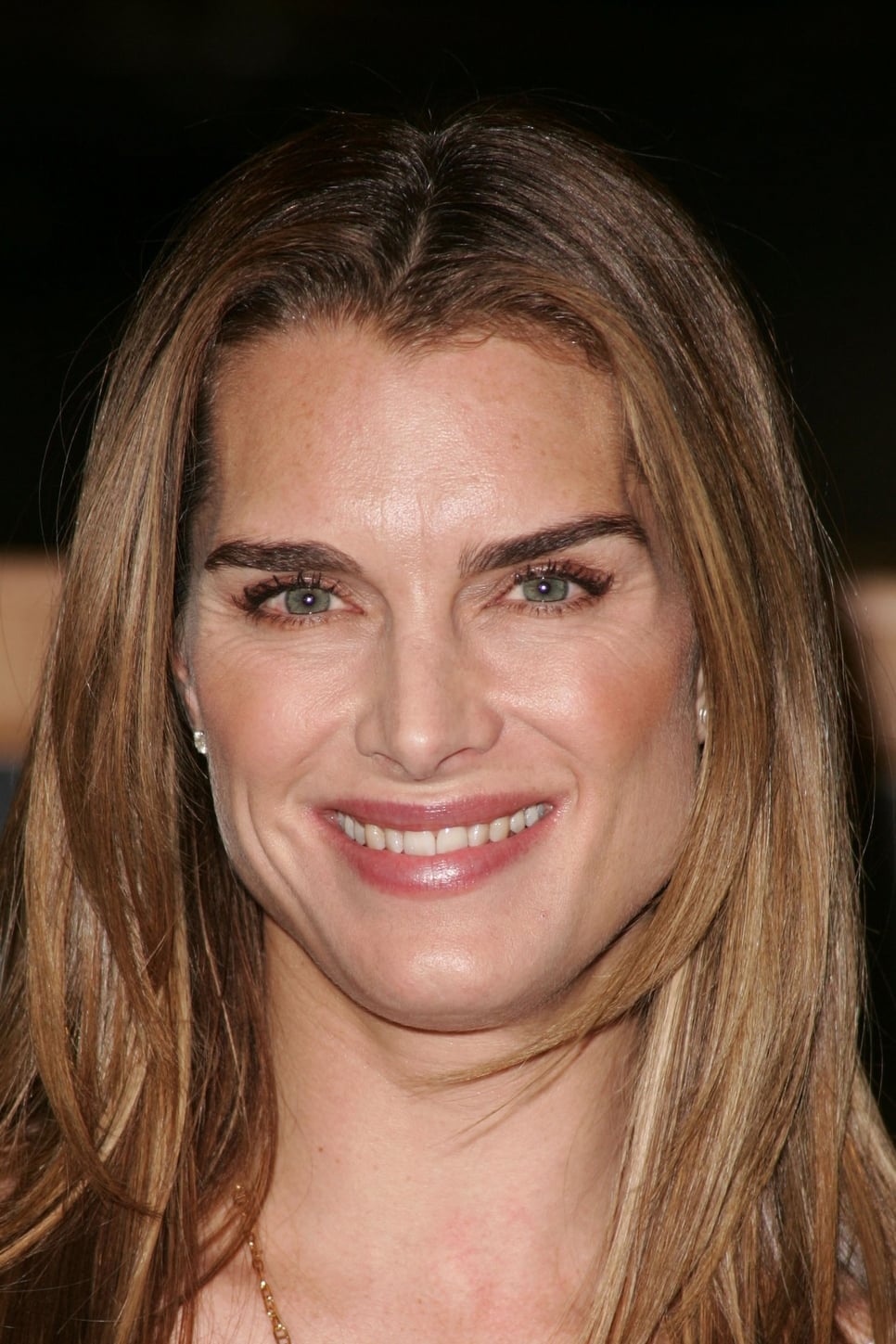
Brooke Shields began as a child model before headlining controversial roles in ‘Pretty Baby’ and later mainstream attention with ‘The Blue Lagoon’. Her high-profile advertising work, including designer campaigns, demonstrated how a young actor’s image could dominate fashion and pop culture. The intense public conversation around her projects impacted industry standards and guardianship practices. Shields’ early career became a touchpoint for discussions about representation, consent, and child labor protections in entertainment.
Lindsay Lohan

Lindsay Lohan reintroduced ‘The Parent Trap’ to a new generation and then led youth-friendly hits like ‘Freaky Friday’. Her performances helped Disney’s live-action slate connect with tween and teen audiences at the box office. Lohan’s early success paved the way for cross-promotional soundtracks and branded tie-ins around young leads. The momentum from those films showed how a child star could sustain audience loyalty into adolescence.
Zendaya

Zendaya emerged on Disney Channel with ‘Shake It Up’ and leveraged her visibility into music, fashion, and later award-winning dramatic work. Her early career emphasized creative control through choreography, live performance, and production input. She demonstrated how social media could amplify a young performer’s direct connection to fans and brands. Zendaya’s path illustrates a modern blueprint for evolving from kid programming to adult prestige roles while retaining a global following.
Natalie Portman
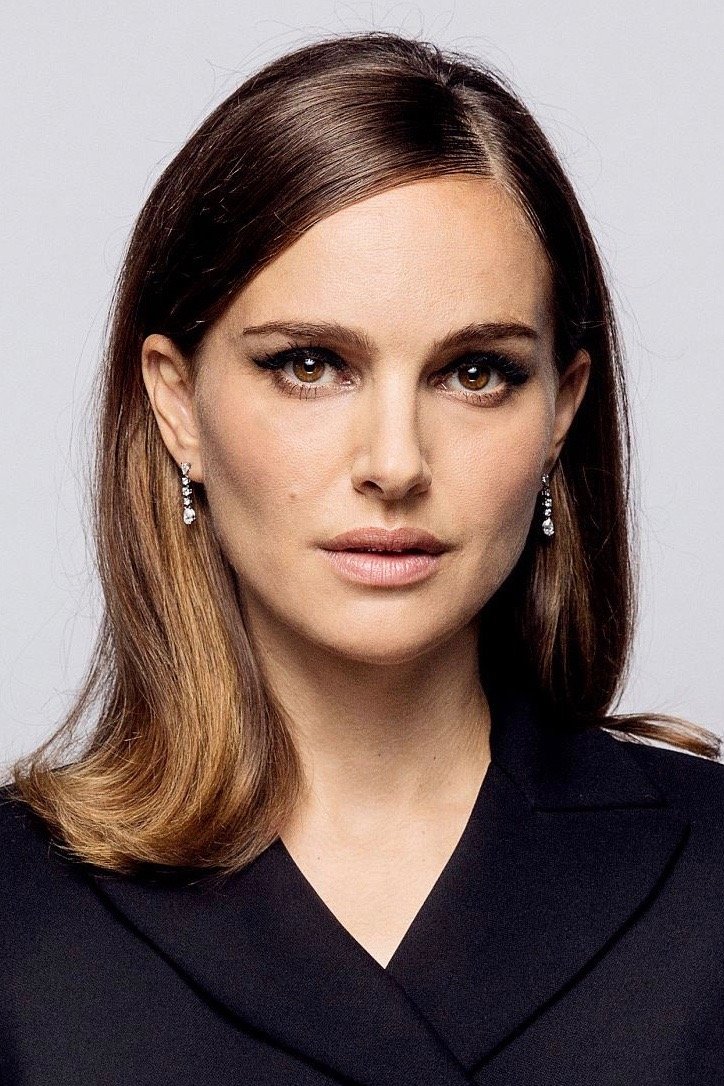
Natalie Portman debuted in ‘Léon: The Professional’ as a young teen, delivering a complex performance that drew widespread critical attention. Her early work quickly expanded to titles like ‘Beautiful Girls’, signaling studio willingness to trust nuanced roles to very young leads. Portman’s disciplined path through education alongside acting offered a high-visibility example of balancing academics and a screen career. The foundation laid in youth supported a later trajectory through large franchises and prestige films.
Saoirse Ronan

Saoirse Ronan’s early acclaim for ‘Atonement’ brought significant awards recognition and positioned her as a go-to performer for literary adaptations. Subsequent youth-era roles in projects like ‘The Lovely Bones’ and ‘Hanna’ showed range across drama and action. Her steady ascent from teenage casting to leading parts helped distributors market serious films around a youthful center. Ronan’s international background also reinforced cross-border casting norms for young talent.
Keisha Castle-Hughes

Keisha Castle-Hughes earned a historic Best Actress nomination for ‘Whale Rider’ as a young teenager, becoming one of the youngest nominees in the category. The film’s success amplified New Zealand cinema and Indigenous-centered storytelling for global audiences. Her performance encouraged filmmakers to cast locally and authentically for youth-led narratives. The recognition demonstrated that small-market productions could propel a child actor onto the world stage.
Mara Wilson

Mara Wilson became a 1990s family-film fixture with ‘Mrs. Doubtfire’, ‘Miracle on 34th Street’, and ‘Matilda’. Her presence helped solidify a cycle of kid-centric literary adaptations and high-concept comedies. Wilson’s work illustrated how child leads could deliver both comedic timing and emotional grounding in mainstream hits. The enduring popularity of these titles keeps her early impact visible through constant television rotation and streaming.
Chloë Grace Moretz

Chloë Grace Moretz gained attention with early roles leading to a breakout in ‘Kick-Ass’, which challenged norms about action roles for young performers. She balanced edgy projects with family fare like ‘Hugo’, showing flexibility across audiences. Studios increasingly wrote youth characters with greater agency in genre films following her performances. Moretz’s career as a teen further normalized young leads in effects-heavy, auteur-driven cinema.
Elle Fanning

Elle Fanning transitioned from child roles into acclaimed performances in films like ‘Somewhere’ and ‘Super 8’, consolidating a reputation for naturalistic acting at a young age. She worked frequently with notable directors, signaling industry trust in her capacity for nuanced material. Fanning’s steady presence in festival-circuit titles helped keep youth-centered indies in the conversation. Her early career also paralleled growth in sister-led branding within Hollywood.
Keke Palmer

Keke Palmer headlined ‘Akeelah and the Bee’, which highlighted educational themes and community support structures through a child’s perspective. She later led youth television projects and voice roles, expanding representation for young Black actresses in lead parts. Palmer’s multi-hyphenate work in music and hosting reinforced how early screen visibility can broaden media pathways. Her trajectory demonstrated the value of family-friendly dramas in launching durable careers.
Miranda Cosgrove

Miranda Cosgrove’s early film appearance in ‘School of Rock’ preceded her leading role on ‘iCarly’, a defining series for teen-centered digital-age storytelling. The show’s in-universe content creation mirrored rising social media trends, making a young actress the face of a culture shift. Cosgrove’s soundtrack contributions and live tours demonstrated cross-platform integration for kid-led TV properties. Her success helped Nickelodeon sustain a slate built around female teen leads.
Hilary Duff

Hilary Duff turned ‘Lizzie McGuire’ into a cross-media brand with albums, tours, and a theatrical spin-off. The character’s merchandising and fashion tie-ins offered a blueprint for tween franchises anchored by a young actress. Duff’s transition to feature roles and publishing showed how early TV fame could extend into multiple business lines. Her impact helped define Disney Channel’s early-2000s strategy for cultivating multi-platform stars.
Selena Gomez

Selena Gomez rose on Disney Channel with ‘Wizards of Waverly Place’ before expanding into music and producing. Her early TV success delivered consistent ratings and international syndication, demonstrating the exportability of youth sitcoms. Gomez’s philanthropic and brand partnerships showed how teen-era fame could be leveraged toward broader initiatives. The production of youth-targeted films and series under her banner underscored the move from performer to decision-maker.
Raven-Symoné
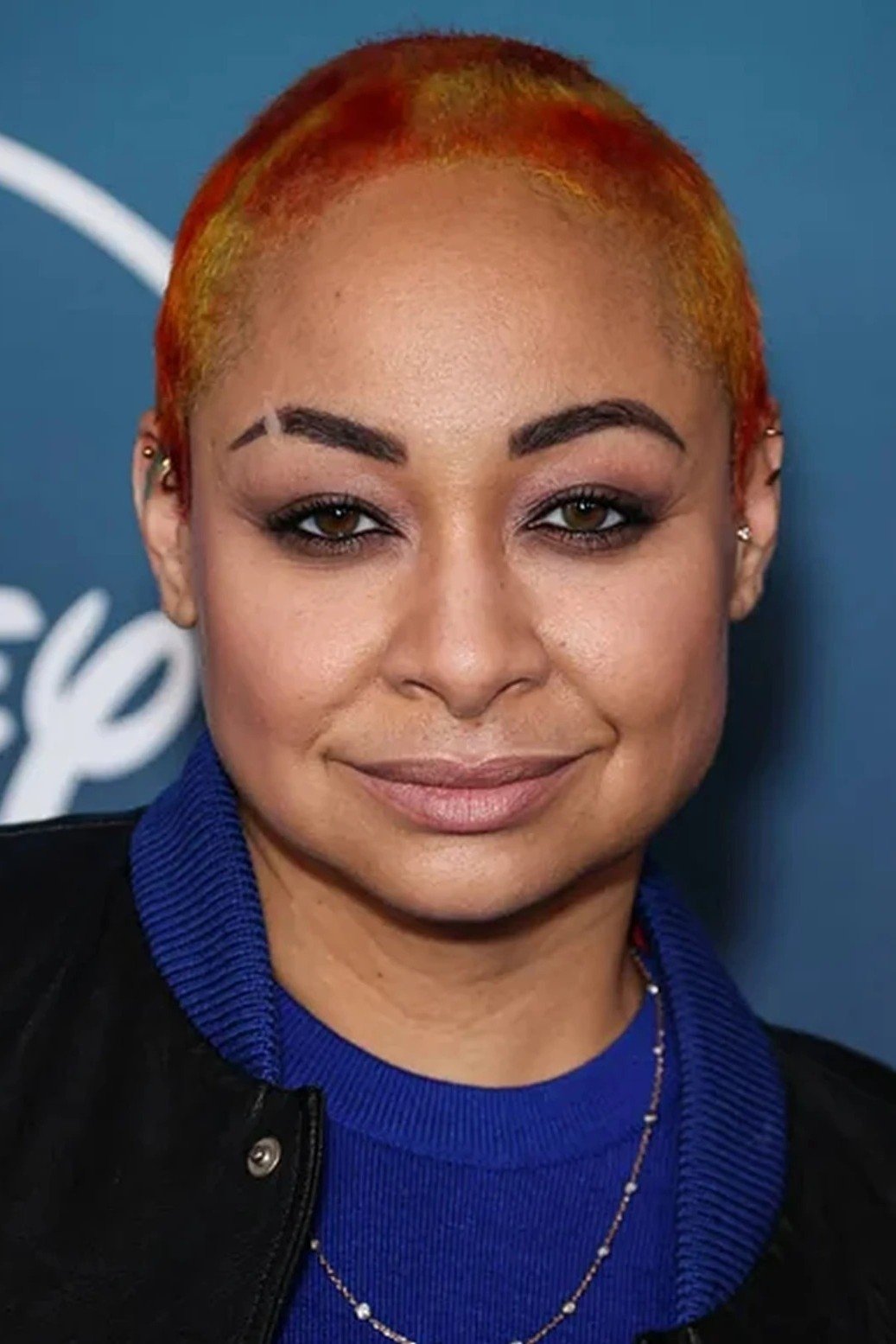
Raven-Symoné began on ‘The Cosby Show’ and later led ‘That’s So Raven’, one of Disney Channel’s most successful early live-action series. The show’s premise relied on a young actress driving physical comedy and situational plots without adult co-leads. Its success supported spin-offs and long-tail merchandising, reinforcing the value of sustained youth-led franchises. Raven-Symoné’s crossover into music and hosting further illustrated multi-platform growth from a child-actor base.
Patty Duke
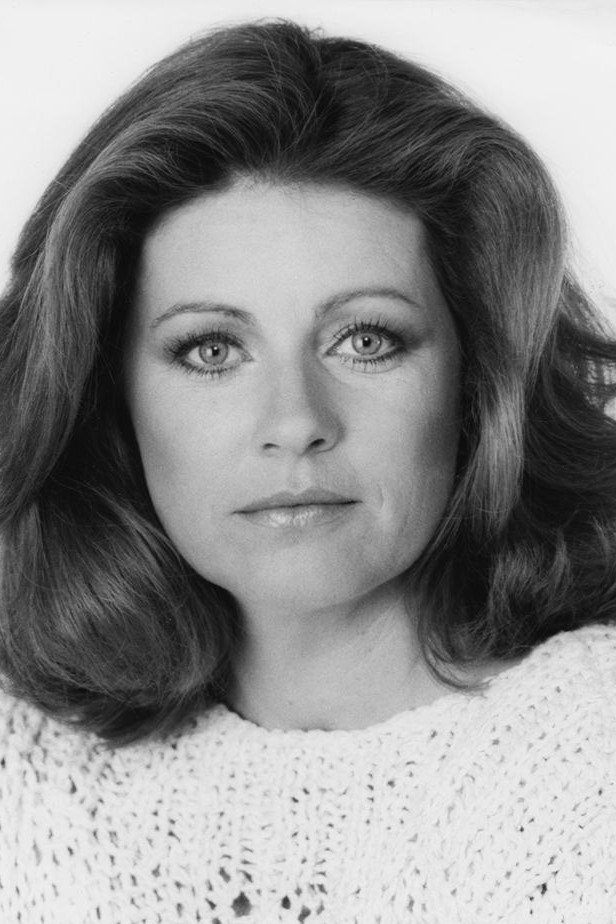
Patty Duke won an Academy Award as a teenager for ‘The Miracle Worker’, setting a standard for intense dramatic roles led by youth. She followed with ‘The Patty Duke Show’, proving that a young actress could anchor a network sitcom with dual roles. Duke’s early advocacy around mental health later offered an influential public narrative tied to a childhood career. Her success affirmed the viability of serious, awards-caliber performances by young leads on both stage and screen.
Kiernan Shipka

Kiernan Shipka’s role on ‘Mad Men’ showcased a child character evolving alongside a prestige drama’s shifting timelines. Her performance required period-specific mannerisms and complex emotional beats unusual for youth roles. The show’s critical profile helped highlight how major series could integrate substantial arcs for young actresses. Shipka’s subsequent leading parts in teen-focused projects reflected smooth progression from supporting child role to headliner.
Amandla Stenberg
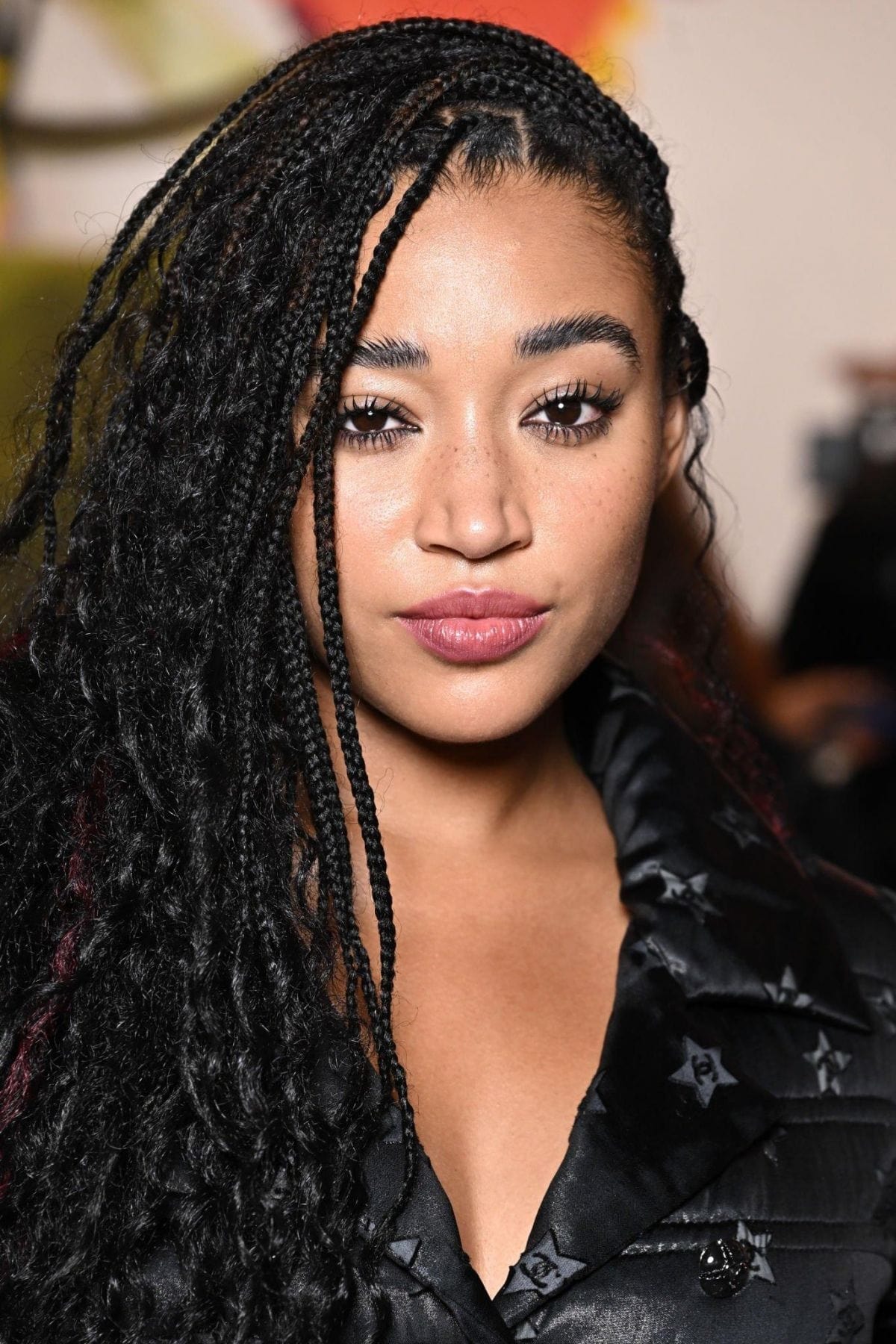
Amandla Stenberg’s early appearance in ‘The Hunger Games’ placed a young actress within a major franchise while addressing themes of inequality and resistance. Subsequent youth-era roles in projects like ‘Everything, Everything’ and ‘The Darkest Minds’ kept teen leads at the center of high-concept stories. Stenberg’s public engagement on social issues demonstrated how young performers can influence cultural conversations. Their early visibility encouraged franchises to foreground diverse youth characters.
Maisie Williams

Maisie Williams became globally recognized through ‘Game of Thrones’, where a child character developed into a central figure over multiple seasons. The role required complex stunt training and long-form character growth across adolescence. Williams’ presence helped demonstrate how premium television could rely on young actresses for pivotal narrative turns. The international reach of the series amplified her influence across fan cultures and conventions.
Marsai Martin
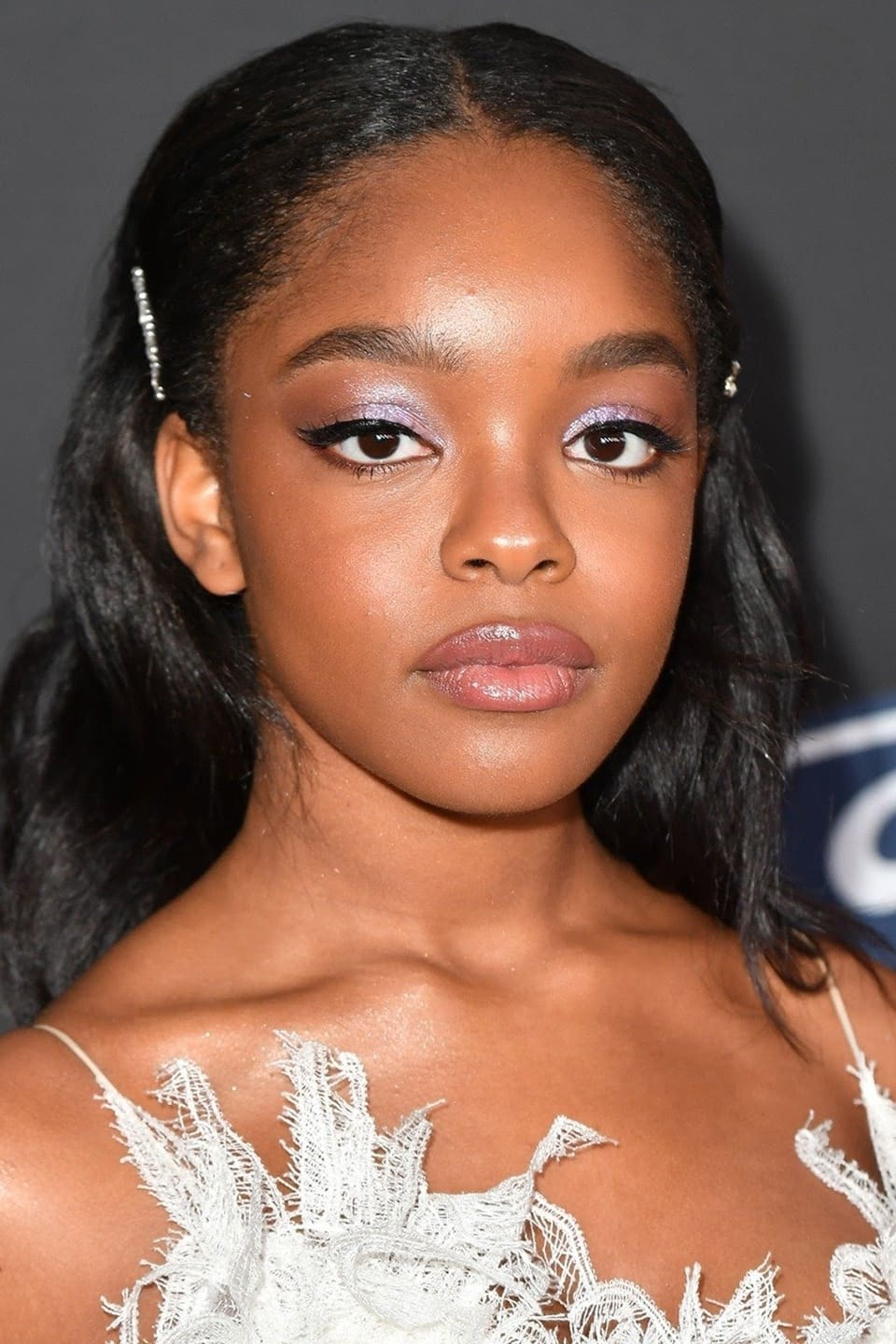
Marsai Martin broke records as the youngest executive producer of a studio feature with ‘Little’, after rising to prominence on ‘Black-ish’. Her behind-the-camera role provided a high-profile example of creative agency for a young performer. Martin’s production deals centered youth-led stories and expanded opportunities for underrepresented voices. The combination of acting and producing at a young age shifted expectations for what child stars can pursue.
McKenna Grace

McKenna Grace built a reputation for stepping into established franchises and period dramas with roles in ‘Gifted’, ‘I, Tonya’, and ‘The Haunting of Hill House’. Her consistent work across film and television showed how a young actress can bridge prestige and mainstream projects. Grace’s voice and live-action credits in genre titles made her a reliable presence in family and horror markets. The breadth of her roles illustrated modern casting flexibility for child performers.
Linda Blair

Linda Blair’s performance in ‘The Exorcist’ as a young teenager became a landmark in horror, prompting industry discussions about protections and on-set practices for minors. The role’s physical and psychological demands were unprecedented for a youth in a major studio release. Blair’s subsequent awards attention confirmed that genre performances by young actresses could be critically recognized. The film’s cultural impact cemented her early influence in cinematic history.
Natalie Wood
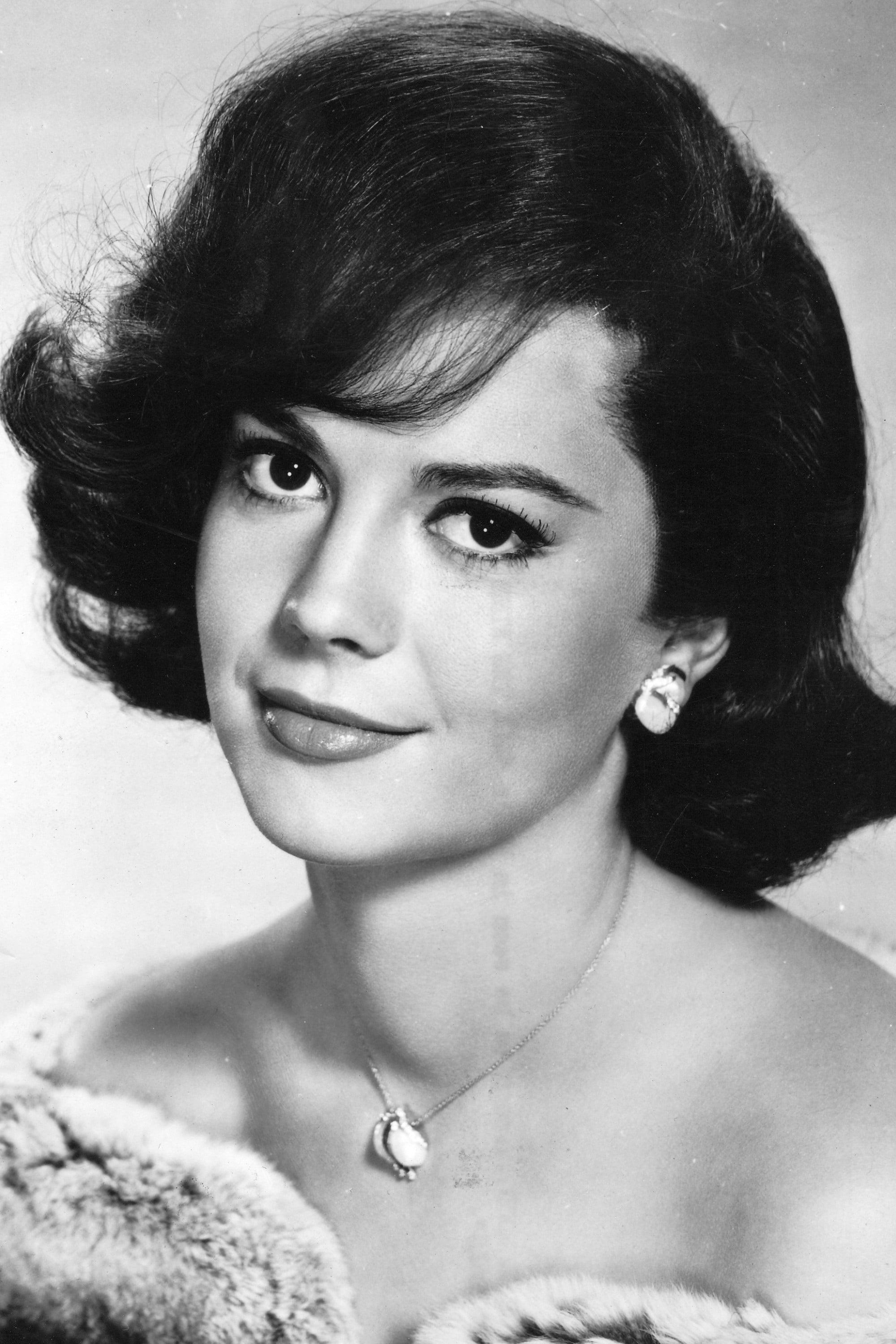
Natalie Wood transitioned from child roles like ‘Miracle on 34th Street’ to teen and adult stardom, offering a classic example of longevity from early success. Her youth-era performances helped studios market holiday releases and family dramas around a young lead. Wood’s crossover into more mature material showed audiences could follow a child star through evolving genres. Her early start laid the groundwork for sustained visibility across decades.
Margaret O’Brien
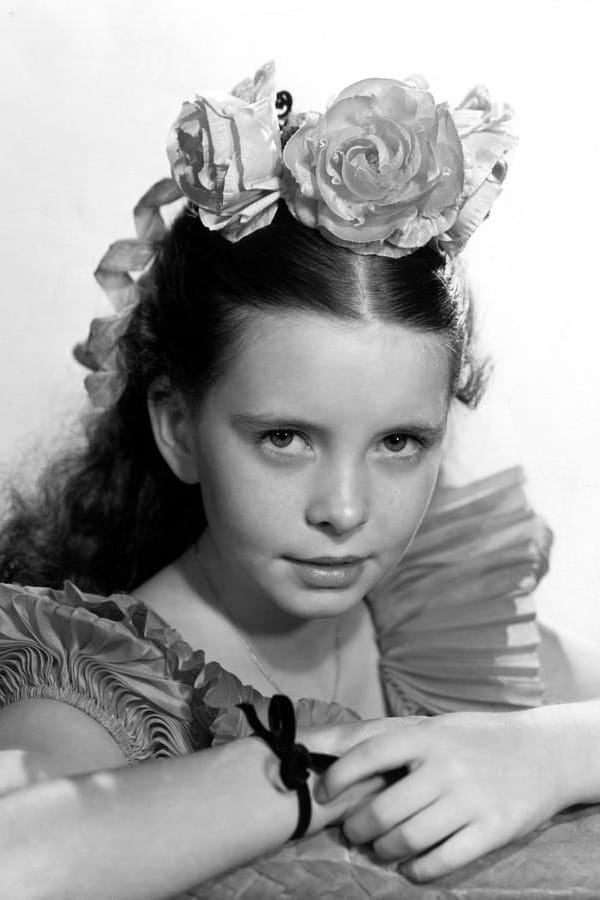
Margaret O’Brien rose at MGM with ‘Meet Me in St. Louis’, becoming one of the most prominent child stars of the 1940s. She received a special juvenile Academy Award recognizing her contributions at a very young age. O’Brien’s dramatic roles demonstrated that a child could anchor emotional storylines in prestige musicals and dramas. Her studio-era contract exemplified the intensive grooming systems used to cultivate youth talent.
Share your picks—and who you think we missed—in the comments!