The Most Influential Teen Actors of All Time


Teen performers have shaped film and television in every era, from early Hollywood to today’s streaming hits. Their roles launched franchises, shifted box-office trends, and opened doors for new kinds of stories led by young talent. Many also transitioned to substantial adult careers, proving that early breakthroughs can have staying power. Here are forty male teen actors whose work made a clear impact on screens and behind the scenes.
Jackie Coogan
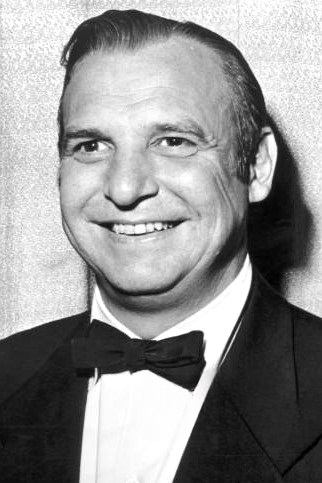
One of Hollywood’s first major child and teen stars, Jackie Coogan became globally known after starring opposite Charlie Chaplin in ‘The Kid’. His earnings as a minor led to legal disputes that prompted California’s 1939 “Coogan Law,” which safeguards a portion of child performers’ income. Coogan headlined multiple features through his teens, helping studios market youth-driven vehicles in the silent and early sound eras. His later career on television, including ‘The Addams Family’, showed the longevity possible after early fame.
Mickey Rooney

Mickey Rooney’s ‘Andy Hardy’ films turned teen life into a reliable studio franchise model in the late 1930s and early 1940s. He was the top U.S. box-office draw for several consecutive years as a teenager, demonstrating the commercial power of youth-centric stories. Rooney also performed in musicals with Judy Garland, blending comedy, music, and teen appeal for MGM. His prolific teen output influenced how studios developed recurring characters and star branding.
Sabu

Discovered as a boy in India, Sabu became an international star through British and American productions like ‘Elephant Boy’ and ‘The Thief of Bagdad’. His success as a teen actor introduced Western audiences to a non-white leading figure in adventure cinema during the 1930s–40s. Sabu’s performances helped globalize casting and subject matter in studio epics. His cross-continental career remains an early example of international teen stardom.
Jean-Pierre Léaud

At age 14, Jean-Pierre Léaud debuted as Antoine Doinel in François Truffaut’s ‘The 400 Blows’, a landmark of the French New Wave. His naturalistic teen performance influenced coming-of-age storytelling and location-shot realism across Europe and beyond. Léaud continued portraying Doinel across several films, creating one of cinema’s first long-running character studies beginning in adolescence. His early work became a template for auteur-driven teen narratives.
Christian Bale
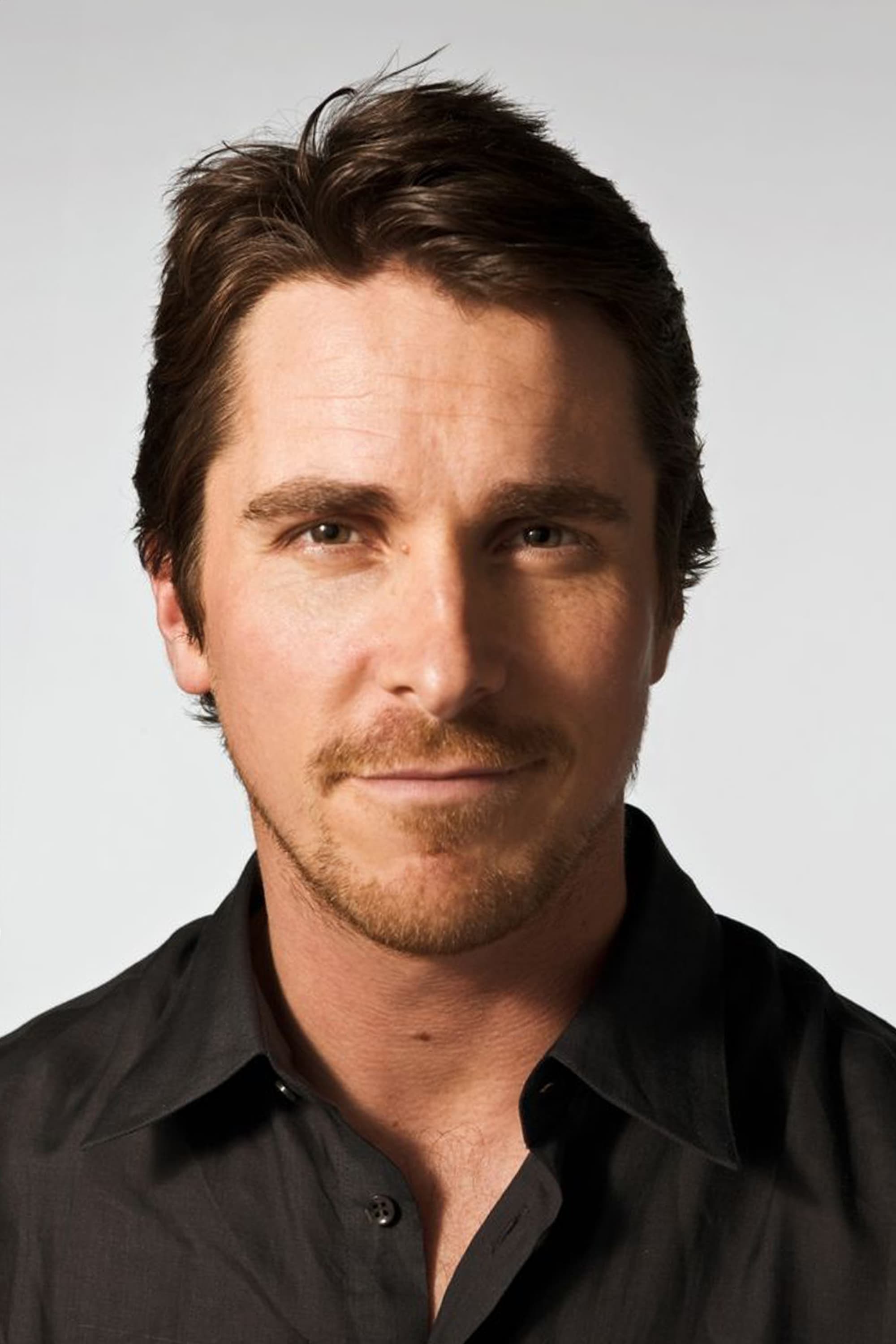
Christian Bale’s breakthrough in ‘Empire of the Sun’ at 13 showcased a teen lead carrying a large-scale war drama. The film’s critical attention highlighted the dramatic range possible for adolescent protagonists outside comedy or family fare. Bale’s subsequent teen roles maintained a focus on challenging material, reinforcing casting confidence in young actors for demanding parts. His trajectory from teen discovery to major adult stardom is frequently cited in casting and award discussions.
Elijah Wood

Elijah Wood built a consistent teen career through films such as ‘The Ice Storm’ and ‘Deep Impact’, spanning indie drama and mainstream spectacle. His early work emphasized emotional nuance and ensemble collaboration. Casting directors referenced his teen roles when positioning him later for ‘The Lord of the Rings’, showing how adolescent credits can bridge to epic franchises. Wood’s path underlined how teen actors can transition through diverse genres without being typecast.
Leonardo DiCaprio

Before headlining global blockbusters, Leonardo DiCaprio earned recognition as a teen on ‘Growing Pains’ and in films like ‘This Boy’s Life’ and ‘What’s Eating Gilbert Grape’. His early feature work led to major award nominations while he was still a teenager. That visibility helped normalize serious awards consideration for young male performers in dramatic roles. His teen-era credibility also supported later greenlighting of ambitious projects anchored by youthful leads.
Joseph Gordon-Levitt
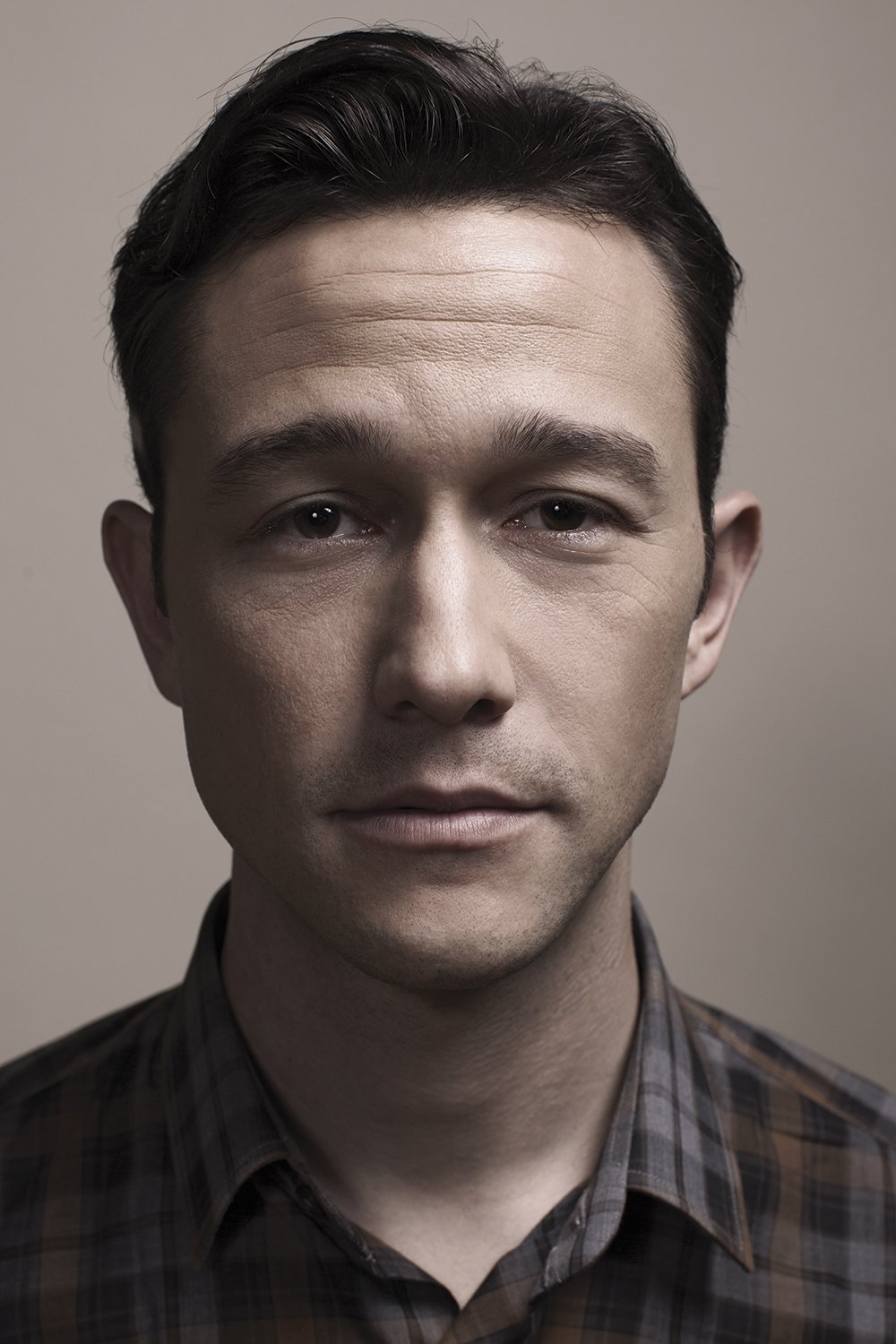
Joseph Gordon-Levitt’s teen years included prominent television work on ‘3rd Rock from the Sun’ and films such as ’10 Things I Hate About You’. He balanced comedy and drama, which broadened his casting profile in young-adult narratives. His trajectory illustrated how steady teen television exposure can translate into varied film opportunities. Industry observers used his career as a case study in successfully moving from teen sitcom fame to feature leads.
Macaulay Culkin
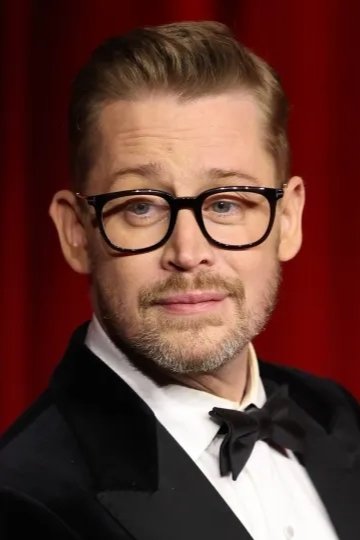
Macaulay Culkin’s ‘Home Alone’ became a cultural and box-office phenomenon, turning a young teen into one of the highest-paid child actors. The film’s success triggered a wave of family comedies built around precocious adolescent protagonists. Culkin’s negotiated compensation and sequel arrangements influenced how studios structured deals with young stars. His visibility also demonstrated the merchandising potential of youth-fronted hits.
River Phoenix

River Phoenix’s performances in ‘Stand by Me’ and later teen roles in projects like ‘Running on Empty’ established a standard for sensitive, grounded portrayals of adolescence. He received significant awards recognition as a teenager, strengthening the prestige of youth-led dramas. Phoenix’s choices guided filmmakers toward character-driven stories centered on young men’s interior lives. His career shaped casting expectations for serious teen male roles through the 1990s.
Corey Feldman
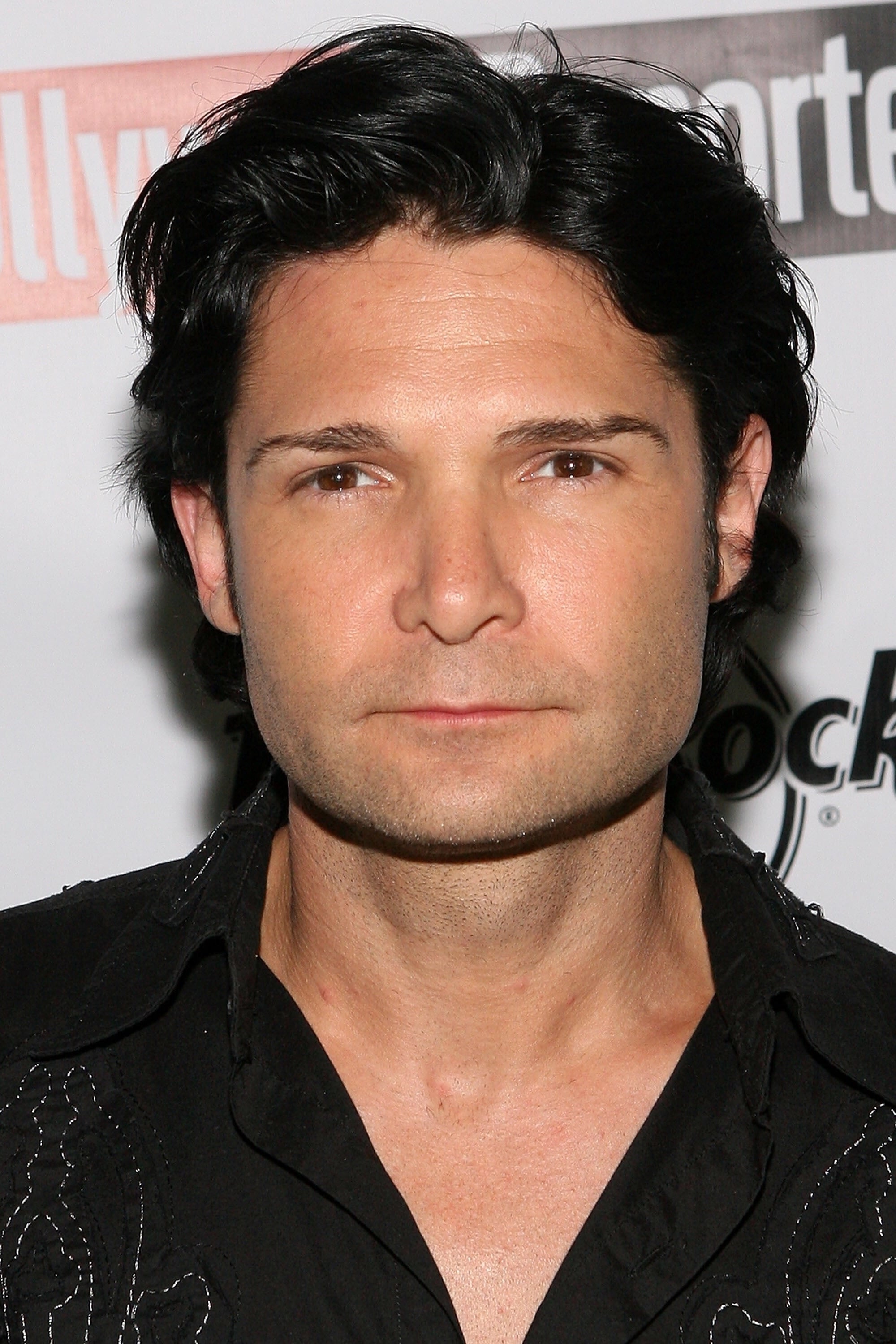
Corey Feldman became a defining face of 1980s teen adventure with ‘The Goonies’, ‘Stand by Me’, and ‘The Lost Boys’. His repeated success in ensemble casts showed the value of building identifiable teen “brat pack” groups for marketing. Feldman’s presence across multiple hits connected studios, soundtracks, and youth culture in a consistent way. His filmography mapped how teen ensembles could sustain a genre’s popularity over successive seasons.
Corey Haim
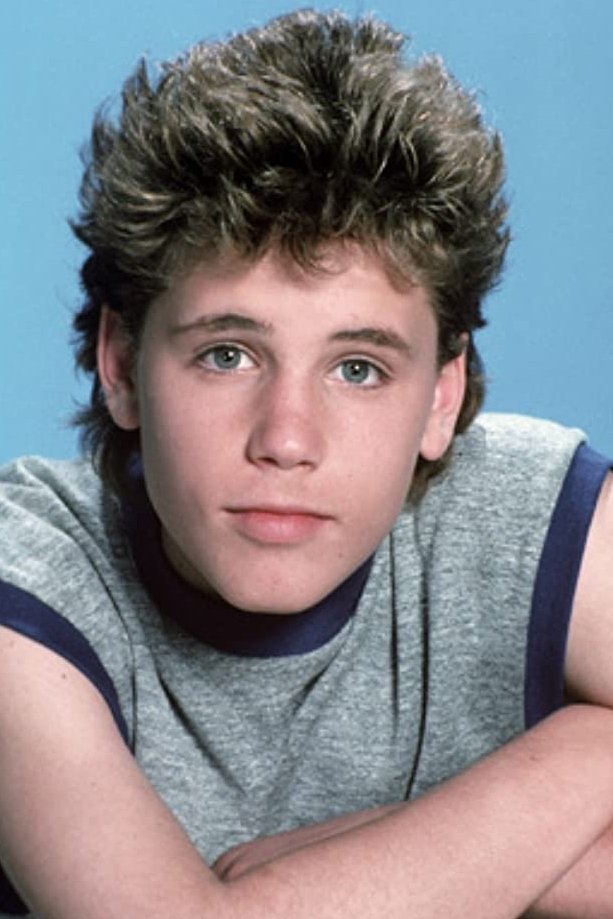
Corey Haim’s leading turns in ‘Lucas’ and ‘The Lost Boys’ made him a frequent teen headliner in mid-to-late 1980s cinema. His roles highlighted sensitive, outsider-type protagonists as viable box-office anchors. The “Two Coreys” phenomenon with Corey Feldman demonstrated the commercial impact of pairing teen stars across multiple projects. Haim’s career contributed to the era’s teen-market synergy across film, magazines, and home video.
Daniel Radcliffe

Cast as Harry Potter at age 11, Daniel Radcliffe carried the ‘Harry Potter’ film series through his teens, steering one of the most profitable franchises in history. His consistent performance across eight films maintained narrative continuity critical to the series’ success. The production model around his teen years set a template for long-term adaptations featuring growing casts. Radcliffe’s experience also informed best practices for education and welfare on extended youth productions.
Rupert Grint

Rupert Grint’s Ron Weasley provided comic timing and emotional grounding throughout the ‘Harry Potter’ films during his adolescence. His collaboration with peers on an intensive multi-year schedule illustrated how ensembles of teen actors can mature within a single franchise. Grint’s contributions supported the viability of large-scale, multi-picture youth contracts. His later stage and television work further showed the adaptability of franchise-raised teen talent.
Shia LaBeouf
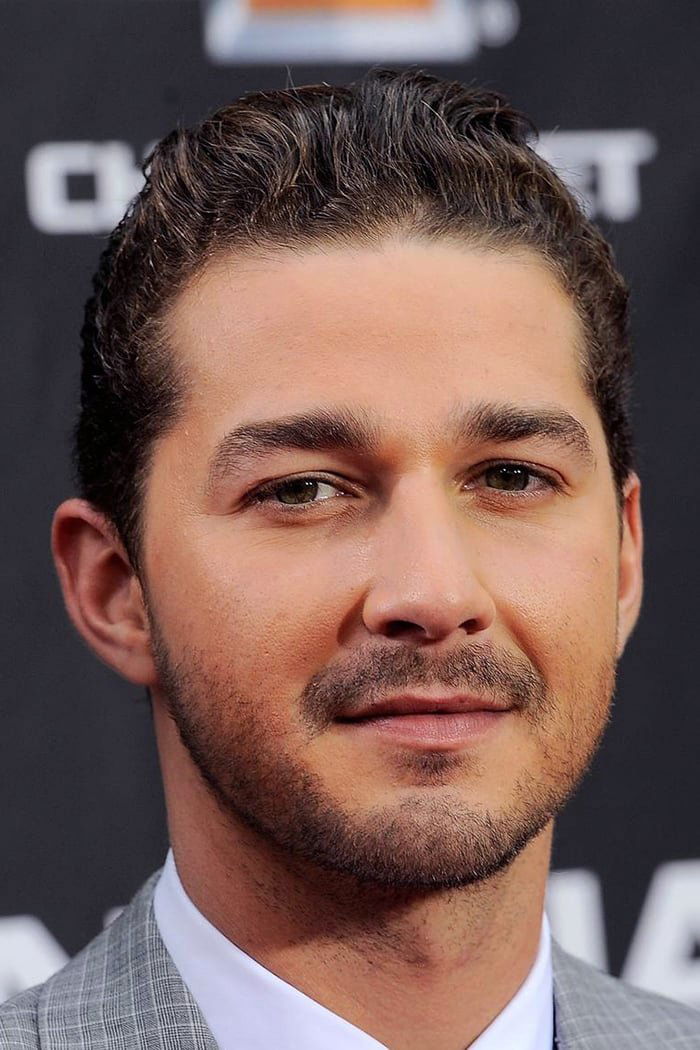
Shia LaBeouf moved from teen television on ‘Even Stevens’ to feature films like ‘Holes’, demonstrating a pipeline from youth cable hits to theatrical leads. His early box-office credibility opened opportunities in effects-driven and action-adventure projects. Studios cited his teen-to-adult transition when developing crossover plans for other young male leads. His path showcased how comedic teen branding can lead to mainstream franchise casting.
Zac Efron
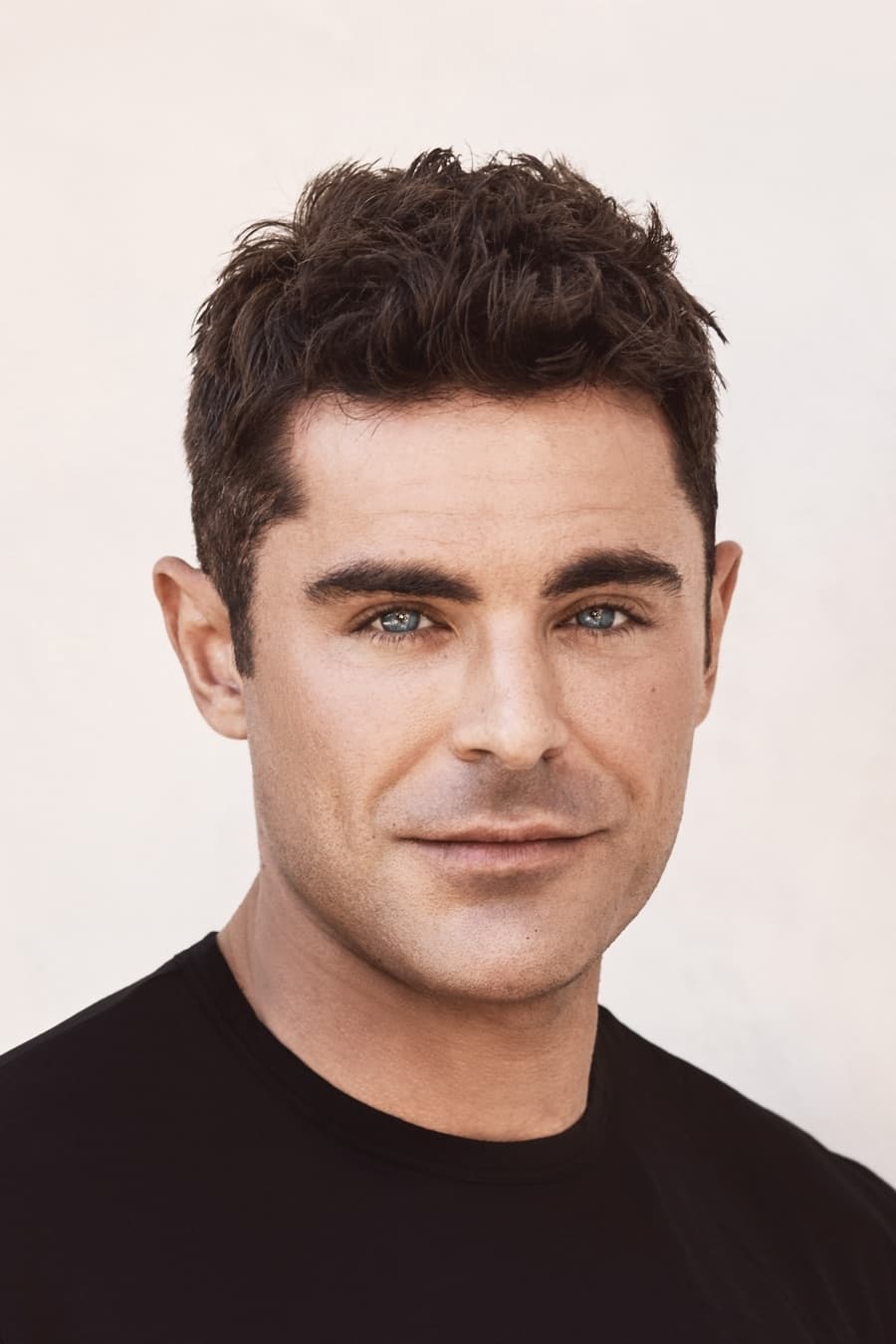
Zac Efron’s breakout in Disney Channel’s ‘High School Musical’ made teen musicals a global TV and merchandise force. The project’s soundtrack sales and touring model highlighted music-film-TV integration centered on a teen male lead. Efron’s movement into theatrical musicals and comedies demonstrated cross-platform momentum from a teen TV origin. His early career helped networks invest further in music-driven teen programming.
Dev Patel

Dev Patel emerged from ‘Skins’ before leading ‘Slumdog Millionaire’ at age 18, which won Best Picture and became a worldwide success. His teen-age lead in a non-Western-set film expanded casting opportunities for South Asian male actors internationally. Patel’s rapid shift from teen television to award-winning cinema encouraged networks to scout teen talent for prestige projects. His early acclaim supported broader conversations about inclusive casting in youth-led narratives.
Jaden Smith

Jaden Smith co-starred in ‘The Pursuit of Happyness’ and headlined ‘The Karate Kid’ while still in his teens, anchoring major studio releases. His vehicle roles demonstrated that family-friendly reboots could succeed with very young male leads. Smith’s international training and promotional tours around ‘The Karate Kid’ highlighted global growth strategies for teen-fronted films. His projects reinforced the viability of youth action protagonists in cross-market releases.
Cole Sprouse

Cole Sprouse gained teen visibility with ‘The Suite Life of Zack & Cody’ and later reinvented his image with ‘Riverdale’. His experience illustrated how a teen Disney alumnus could transition into darker young-adult drama on broadcast and streaming. Sprouse’s dual early career with his twin, Dylan, gave networks flexible casting options and brand recognition. His trajectory helped guide image management for male teen stars moving between children’s TV and YA content.
Finn Wolfhard

Finn Wolfhard’s breakout with ‘Stranger Things’ placed a teen ensemble at the center of a flagship streaming series. He also appeared in theatrical hits like ‘It’, underlining how streaming fame can transfer to box office performance for young actors. Wolfhard’s music and directing pursuits during his teens showed multi-hyphenate possibilities for modern youth talent. His presence in genre projects helped sustain a wave of nostalgia-infused teen storytelling across media.
Roddy McDowall
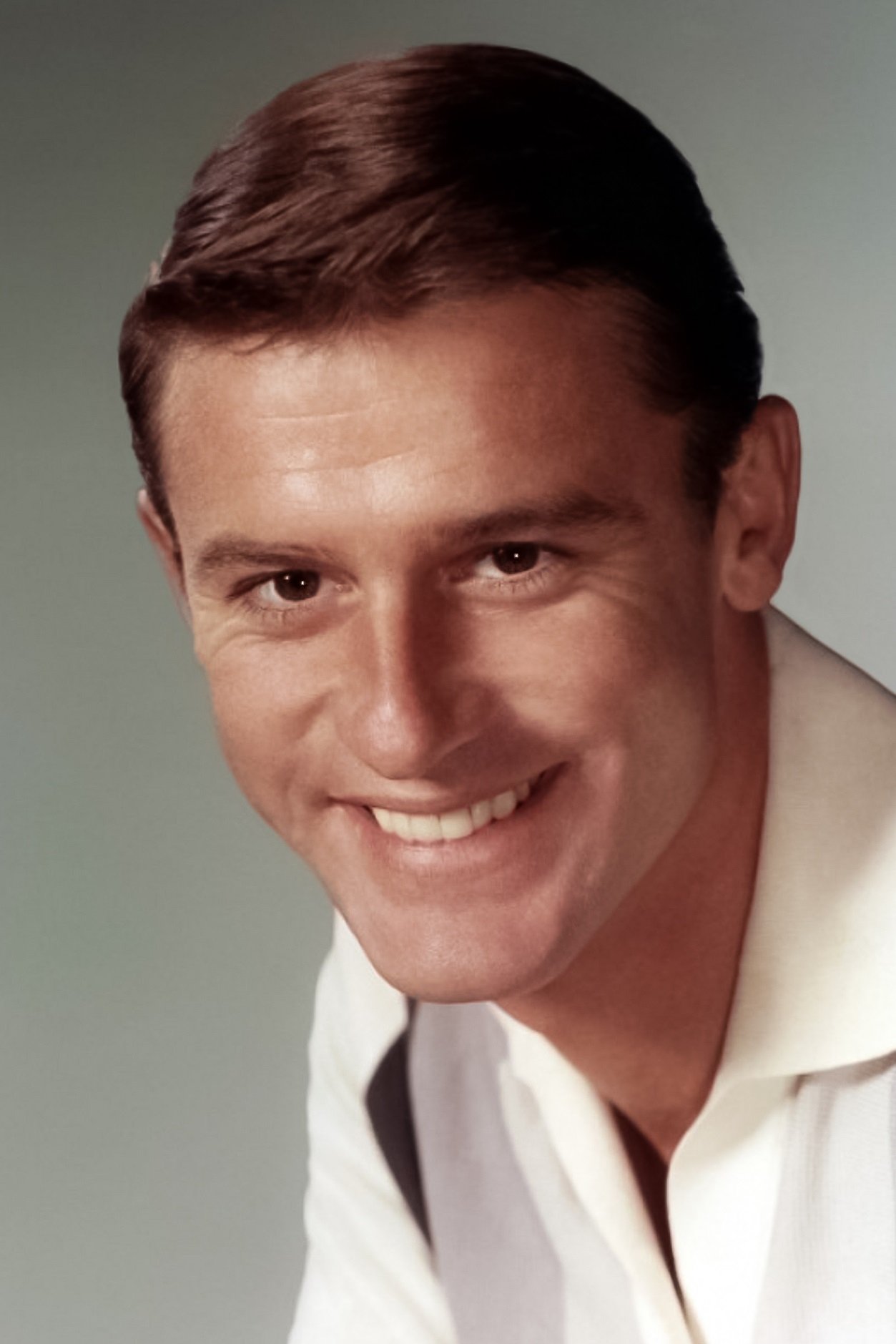
Roddy McDowall rose to prominence as a teen in ‘How Green Was My Valley’ and ‘My Friend Flicka’, becoming a reliable lead and supporting presence in 1940s Hollywood. His smooth transition from child roles to adolescent characters gave studios confidence in long-term development for young male talent. McDowall later became a fixture in ‘Planet of the Apes’, demonstrating how early professionalism can sustain varied careers. His archival photography and guild involvement also modeled off-screen industry engagement for former teen actors.
Sal Mineo
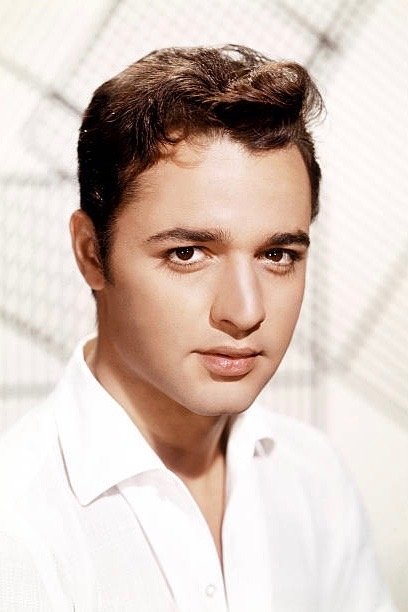
Sal Mineo’s teen breakthrough in ‘Rebel Without a Cause’ brought layered portrayals of youth vulnerability into mainstream American cinema. His early Academy Award nominations underscored the viability of serious acting recognition for teenage male performers. Mineo’s subsequent roles in ‘Giant’ and ‘Exodus’ extended that visibility into prestige productions. His career helped normalize teen-focused narratives within adult dramatic frameworks.
Bobby Driscoll
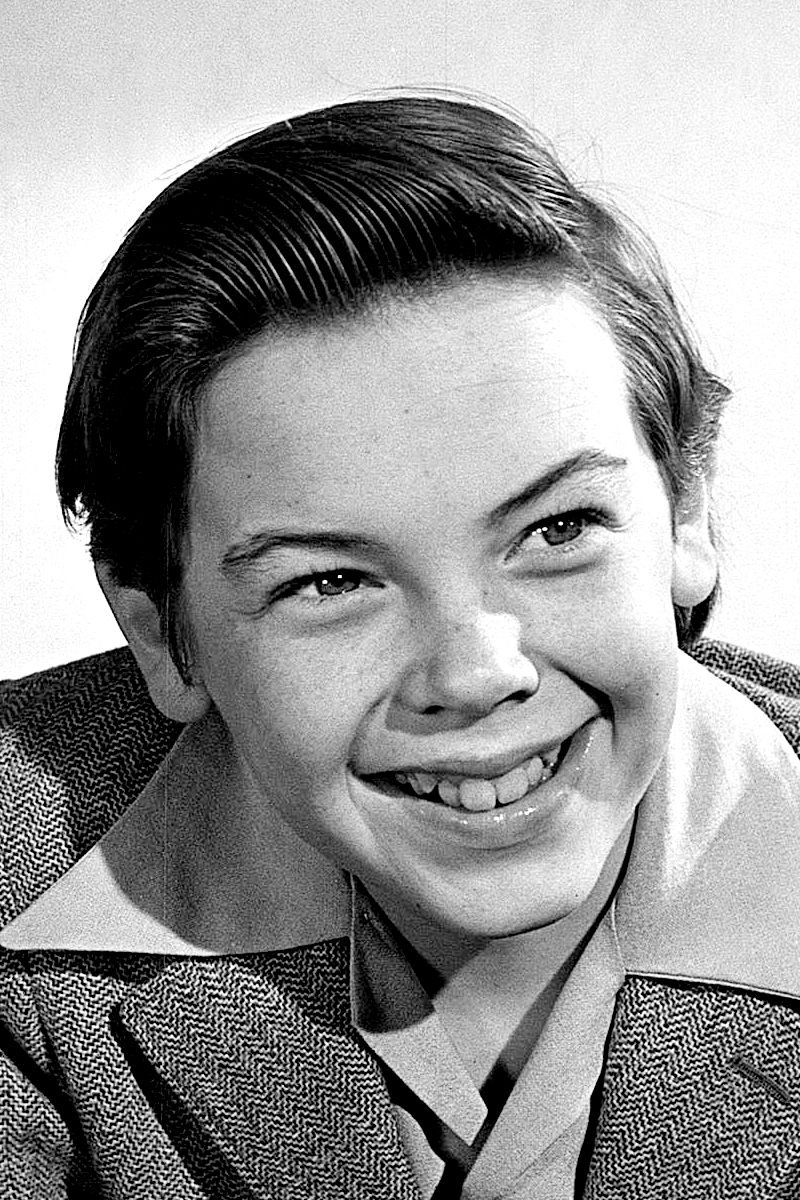
Bobby Driscoll became a postwar teen mainstay for Disney with projects like ‘So Dear to My Heart’ and ‘Treasure Island’. He was among the first contract teen stars built around a family-brand studio strategy. Driscoll’s visibility across live action and voice work for ‘Peter Pan’ showed how adolescent performers could anchor multiple formats. His career demonstrated early corporate approaches to cross-media youth casting.
Ron Howard
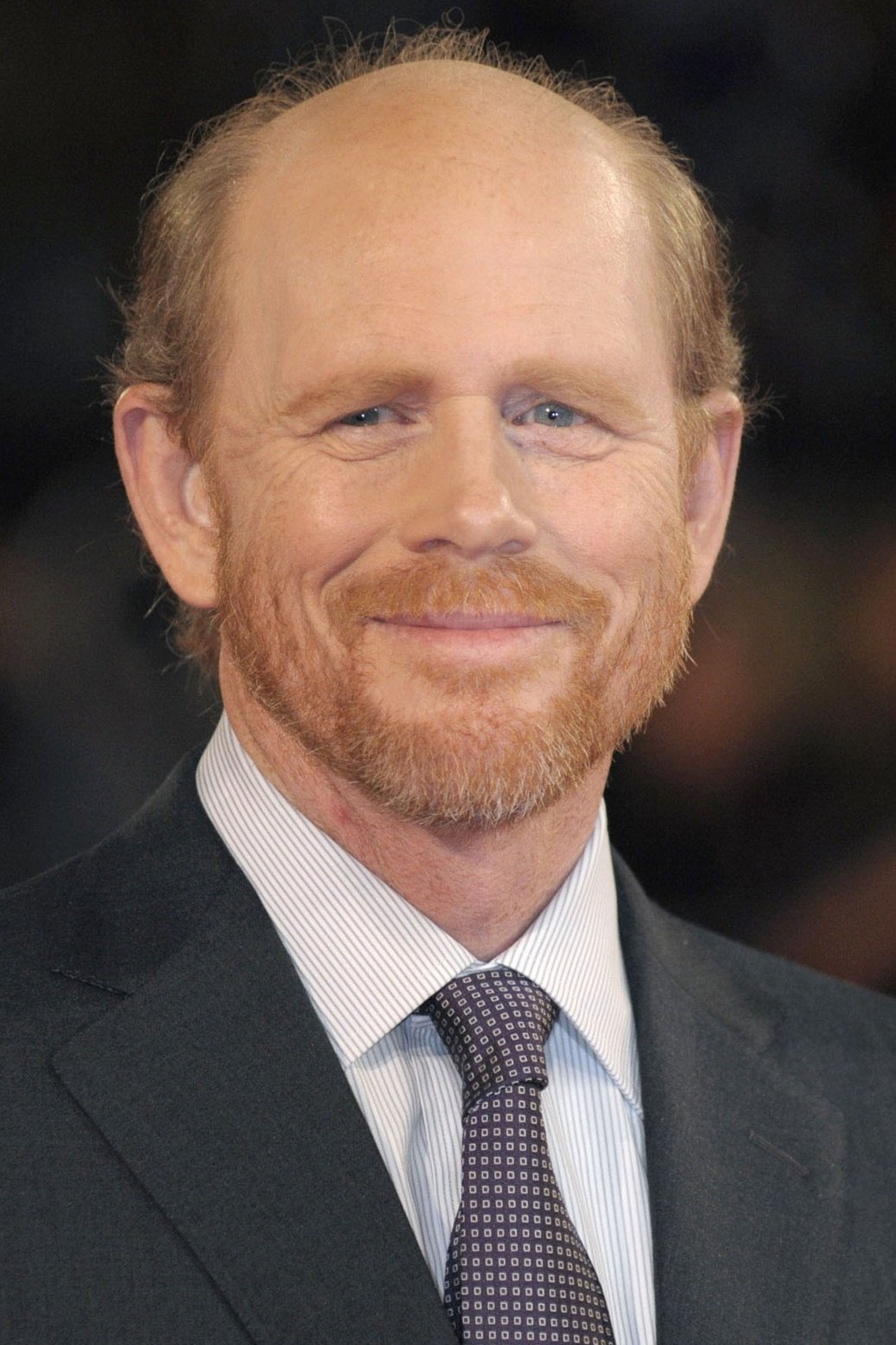
Ron Howard worked steadily through his teens, moving from ‘The Andy Griffith Show’ to ‘American Graffiti’ and then ‘Happy Days’. His visibility as a wholesome teen presence helped define network family programming in the 1970s. Howard’s later transition into award-winning directing provided a blueprint for former teen actors moving behind the camera. His path reinforced the notion that teen-era credibility can translate into creative leadership roles.
Michael J. Fox
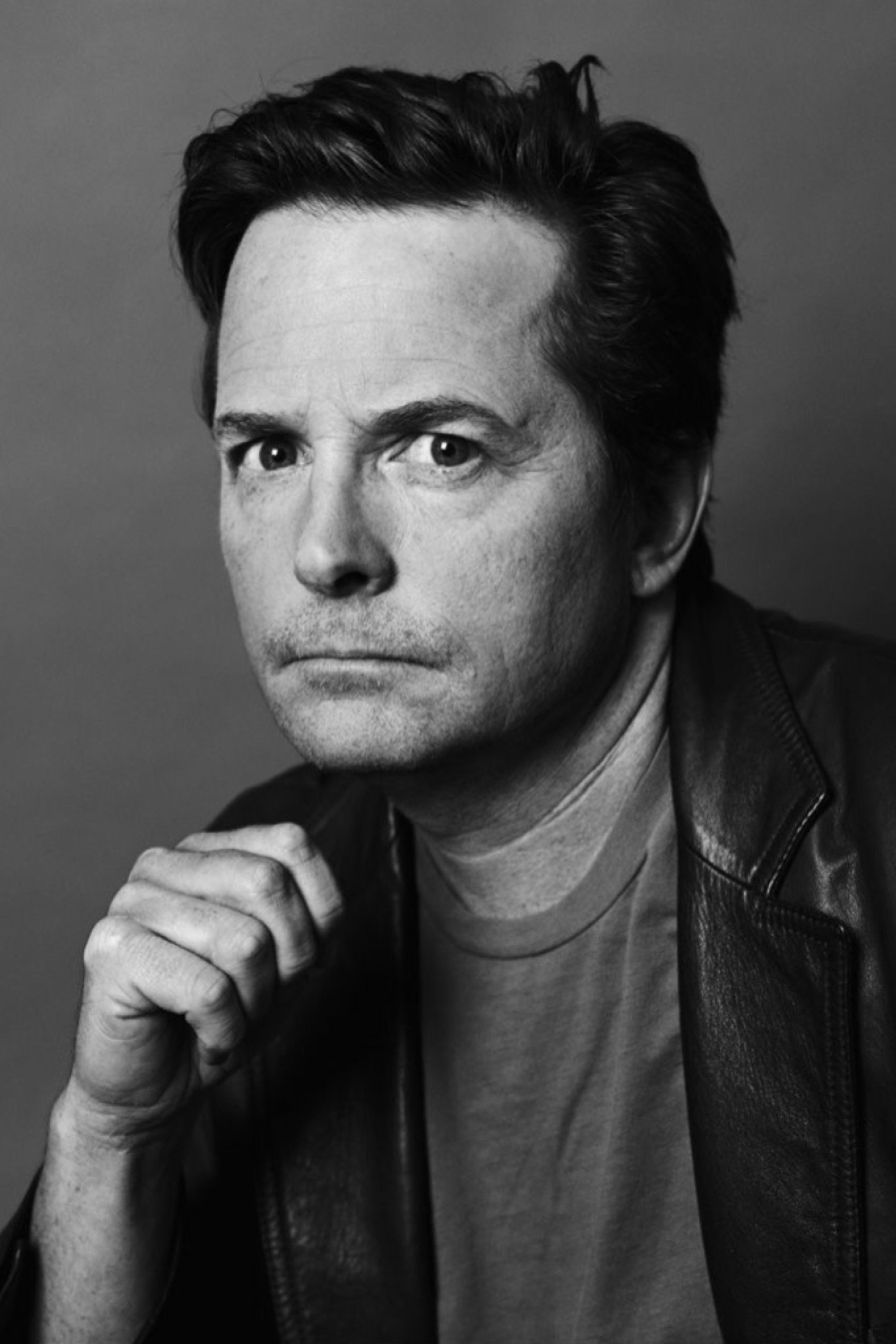
Michael J. Fox emerged as a teen favorite on ‘Family Ties’, where his timing and persona drove ratings and syndication value. His concurrent success in ‘Back to the Future’ showcased how a TV teen star could headline theatrical tentpoles. Fox’s cross-platform impact strengthened talent strategies that bridged network sitcoms and studio films. His early career proved the commercial logic of building franchises around youthful leads.
Jonathan Taylor Thomas

Jonathan Taylor Thomas became a 1990s teen icon through ‘Home Improvement’, pairing sitcom stardom with voice work in ‘The Lion King’. His teen years included family films and TV movies that capitalized on a broad audience base. Thomas’s careful public image and scheduling around education highlighted new norms for balancing teen stardom and schooling. His path informed network practices for managing young actors’ workloads.
Frankie Muniz

Frankie Muniz’s lead role in ‘Malcolm in the Middle’ positioned a teen-centric single-camera sitcom as a mainstream hit. He parlayed that success into films like ‘Agent Cody Banks’, proving a market for youth action-comedy anchored by a television teen star. Muniz’s endorsements and cross-media presence showed how teen leads could expand into merchandising. His career helped validate single-camera format choices for youth-led comedies.
Haley Joel Osment

Haley Joel Osment moved from child breakout in ‘The Sixth Sense’ into teen roles like ‘A.I. Artificial Intelligence’ and ‘Secondhand Lions’. His performances kept attention on emotionally complex stories led by young male actors. Osment’s early awards recognition impacted casting decisions for prestige projects featuring adolescent protagonists. His path reinforced the potential for continuity from child to teen stardom in serious drama.
Freddie Highmore

Freddie Highmore’s teen work in ‘Finding Neverland’, ‘Charlie and the Chocolate Factory’, and ‘August Rush’ built an international profile across studio and indie projects. His multilingual press presence and steady output made him a go-to for sensitive adolescent leads. Highmore’s later pivot to television with ‘Bates Motel’ illustrated how teen film stars could anchor long-form character studies. His career supported broader co-production models involving European talent in Hollywood films.
Nicholas Hoult

Nicholas Hoult transitioned from child success in ‘About a Boy’ to teen visibility on ‘Skins’, where he became part of a star-making ensemble. That momentum led to roles in major franchises, showing how British teen TV could feed global casting pipelines. Hoult’s varied choices helped demonstrate the exportability of UK teen talent to U.S. tentpoles. His path encouraged networks to treat teen dramas as launchpads for international film careers.
Asa Butterfield

Asa Butterfield’s teen leads in ‘Hugo’ and ‘Ender’s Game’ put a young actor at the center of technologically ambitious productions. His projects combined prestige craftsmanship with effects-heavy storytelling anchored by a teenager. Butterfield’s steady festival presence kept attention on youth-led auteur cinema alongside mainstream releases. His career supported continued investment in adolescent protagonists for complex narratives.
Tom Holland

Tom Holland entered film as a teen with ‘The Impossible’ after stage success in ‘Billy Elliot the Musical’. His athletic training and experience with motion-intensive roles made him a strong candidate for effects-heavy productions. Holland’s rapid move into franchise work underscored how teen-stage backgrounds can streamline action casting. His trajectory strengthened the link between early theater discipline and large-scale screen responsibilities.
Jamie Bell

Jamie Bell’s debut in ‘Billy Elliot’ at 14 won major awards and placed a working-class teen story at the center of international conversation. His later teen roles bridged independent films and studio projects, keeping adolescent-led dramas visible. Bell’s dance-intensive preparation highlighted the value of cross-disciplinary training for young male leads. His early acclaim supported further development of youth-centered British cinema.
Heath Ledger
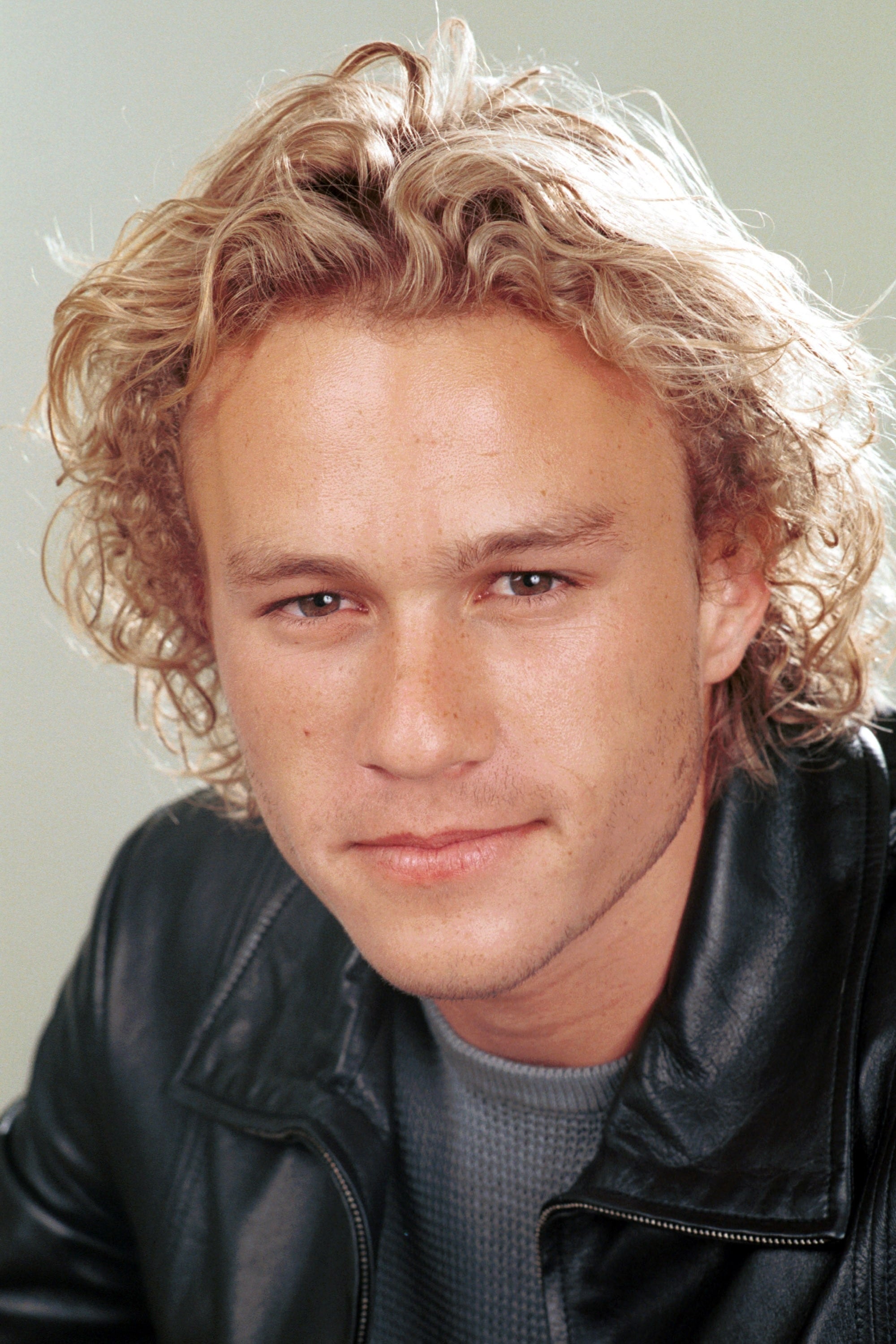
Heath Ledger moved from Australian television as a teen into U.S. prominence with ’10 Things I Hate About You’. His early Hollywood work demonstrated that international teen actors could lead American studio hits. Ledger’s willingness to pivot quickly to period pieces reinforced the market for versatile young male leads. His trajectory encouraged broader scouting of teen talent from outside the U.S.
Gael García Bernal
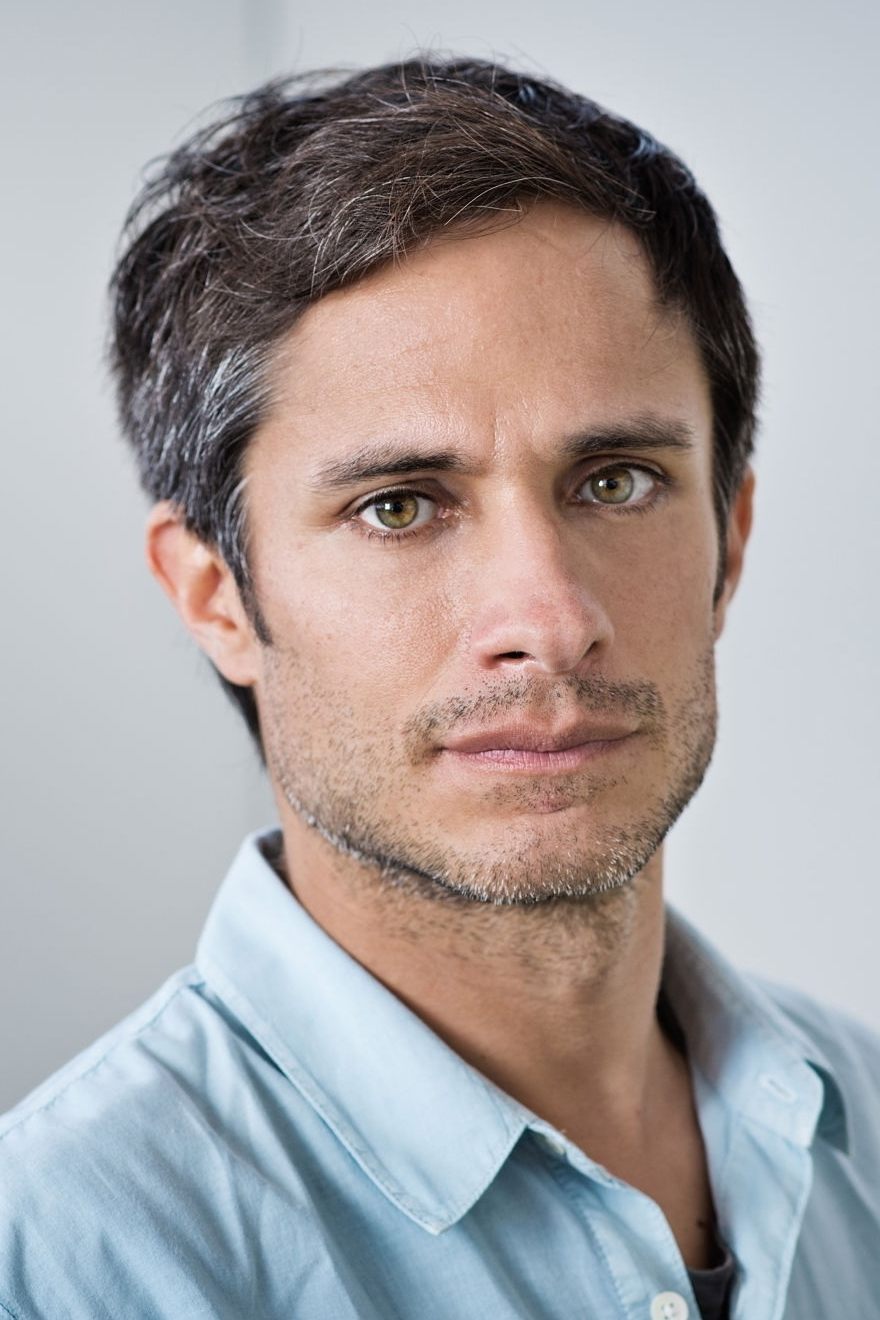
Gael García Bernal began acting in Mexican television as a teenager before breaking out internationally with ‘Amores Perros’ and ‘Y Tu Mamá También’. His teen-to-young-adult transition helped global distributors invest in Spanish-language, youth-driven films. Bernal’s success widened casting considerations for Latin American actors in prestige projects. His career highlighted the cross-border potential of teen-trained talent.
Diego Luna

Diego Luna’s early work in Mexican telenovelas led into international attention alongside Gael García Bernal in ‘Y Tu Mamá También’. His teen-era experience in serial storytelling prepared him for global film roles and later production work. Luna’s cross-industry collaborations demonstrated how teen actors can evolve into producers and directors. His trajectory encouraged co-productions bridging Latin American and U.S. markets.
Kenan Thompson
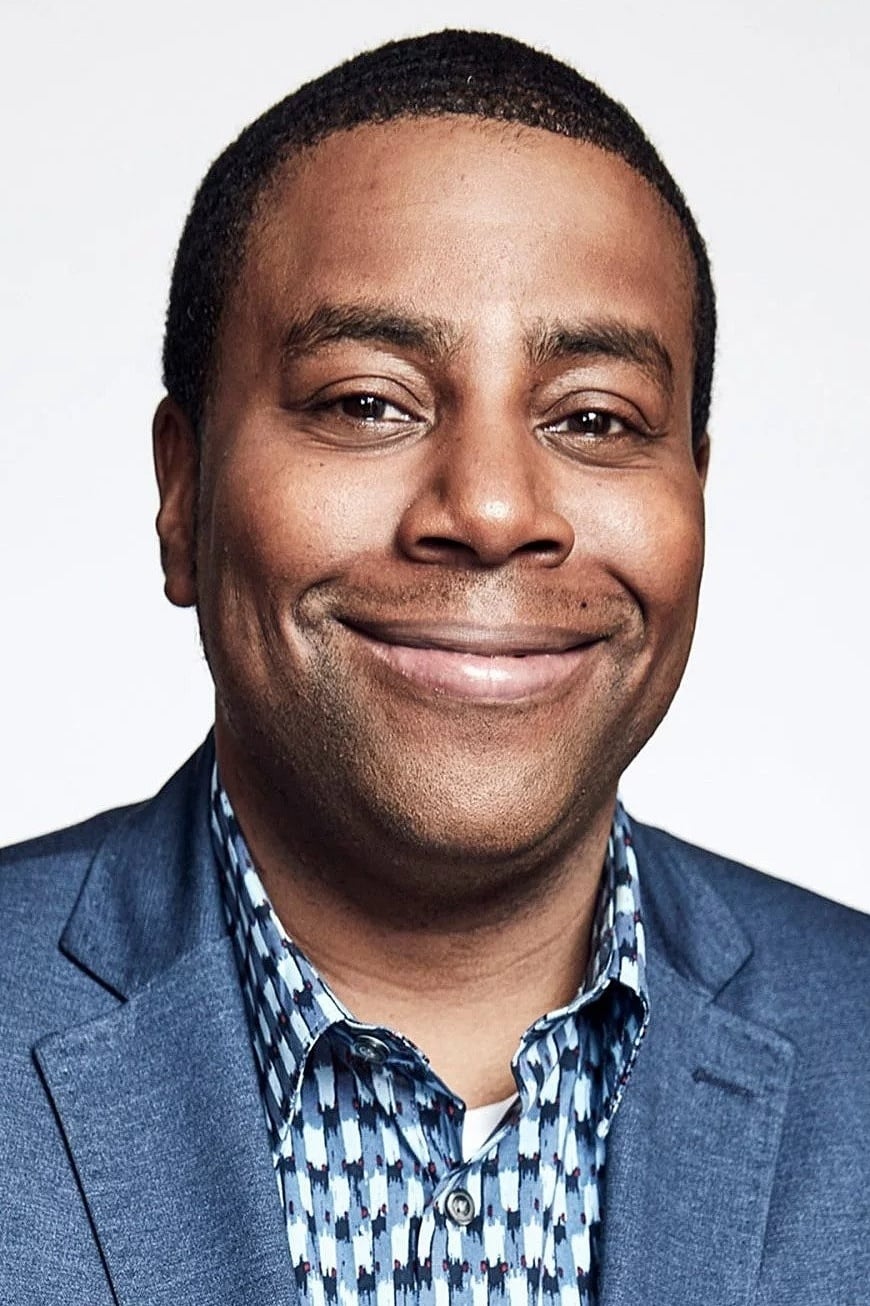
Kenan Thompson started as a teen on ‘All That’ and co-led ‘Kenan & Kel’, establishing sketch and sitcom credibility early. His smooth move into ensemble films supported the idea that teen sketch training translates to feature comedy. Thompson’s later longevity on ‘Saturday Night Live’ showed a pathway from teen TV to U.S. network institutions. His career validated sketch-comedy incubators for young performers.
Josh Peck
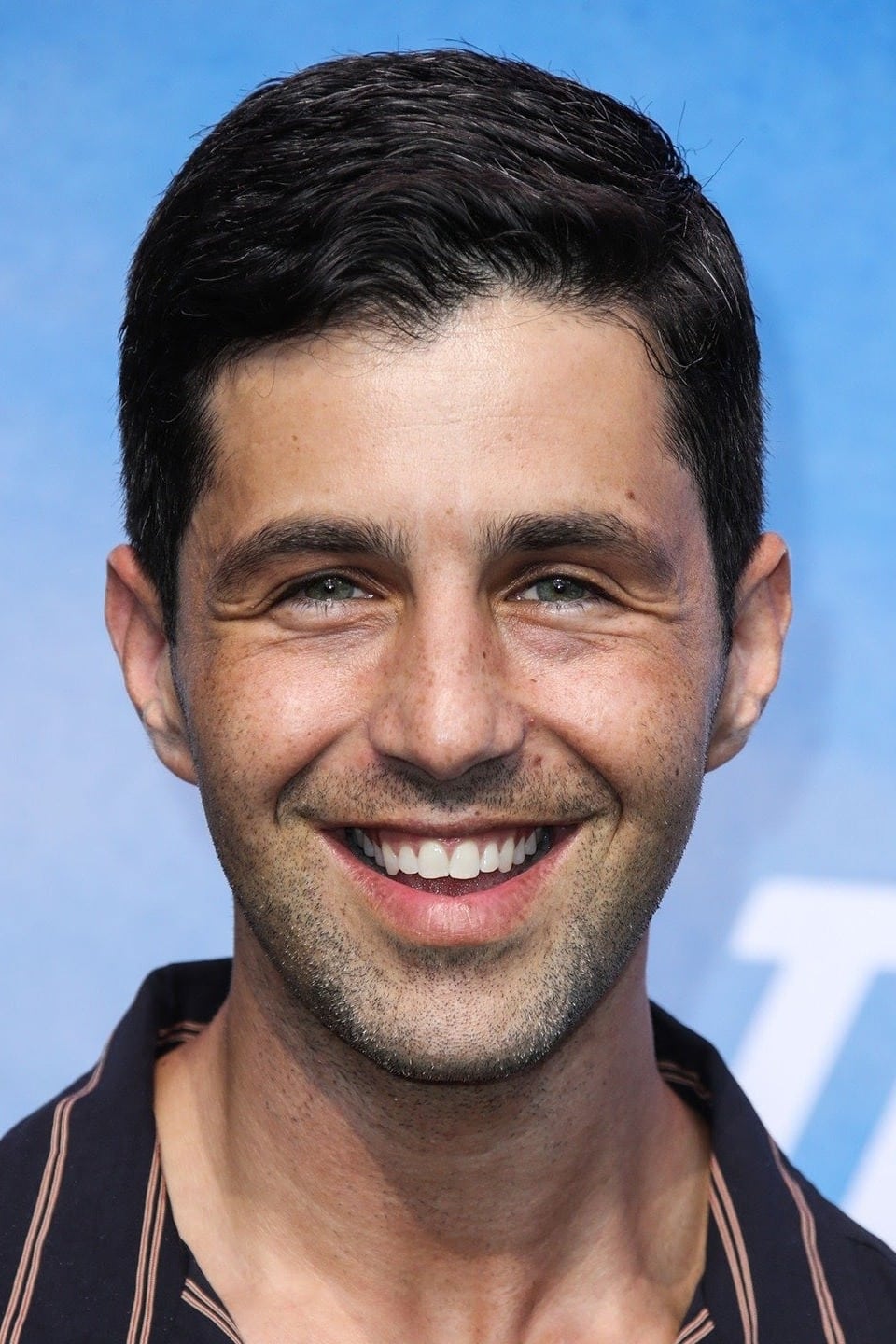
Josh Peck built teen popularity on ‘Drake & Josh’ before moving into film and voice work such as ‘Ice Age: Dawn of the Dinosaurs’. His transition illustrated how Nickelodeon alumni could diversify across formats beyond live-action sitcoms. Peck’s social-media-forward approach later became a model for audience retention after teen stardom. His path reinforced multi-platform strategies for young male actors.
Tom Felton
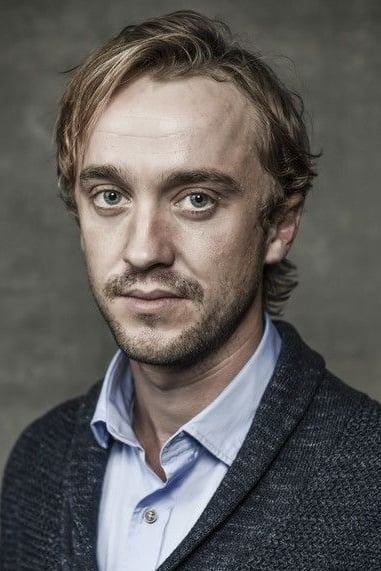
Tom Felton’s Draco Malfoy in the ‘Harry Potter’ series offered a prominent teen antagonist sustained across a decade of production. His role showed how consistent character development through adolescence can keep secondary leads culturally central. Felton’s music and television work demonstrated diversification options for franchise-raised teens. His career supported casting frameworks that give young actors long arcs as foils.
Noah Centineo

Noah Centineo became a teen and young-adult fixture through Netflix projects like ‘To All the Boys I’ve Loved Before’, catalyzing platform-driven teen romance. His streaming-led rise showed how algorithmic discovery can elevate youthful leads quickly. Centineo’s subsequent moves into action and ensemble projects demonstrated cross-genre mobility after teen rom-com success. His path helped solidify streaming services as primary launchpads for teen male actors.
Share which teen actors you’d add to the list—and why—in the comments.