Black Actresses Who Sparked Intense Debate in the Culture Wars

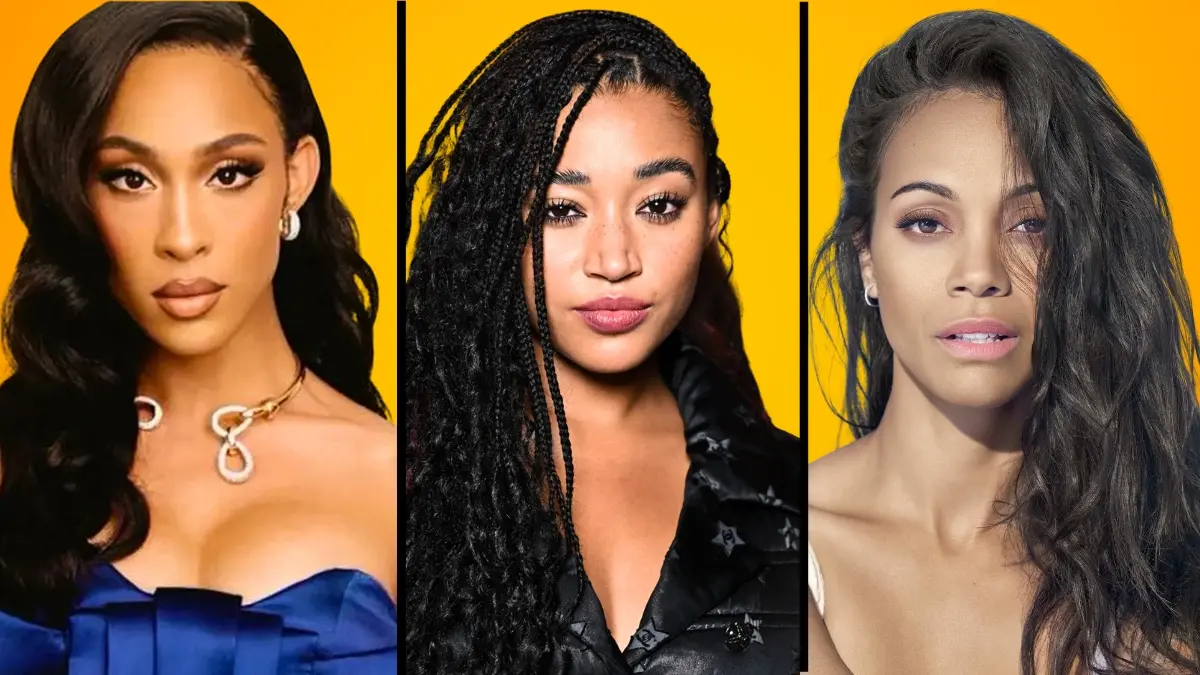

The intersection of entertainment and societal debate has frequently placed Black actresses at the center of intense cultural conversations. These performers have navigated a landscape filled with political polarization and evolving standards of representation while often facing significant public scrutiny. Their involvement in these moments ranges from casting controversies and industry critiques to vocal political stances that divided audiences. The following list explores the impact these women have had on the broader cultural dialogue through their work and public statements.
Stacey Dash
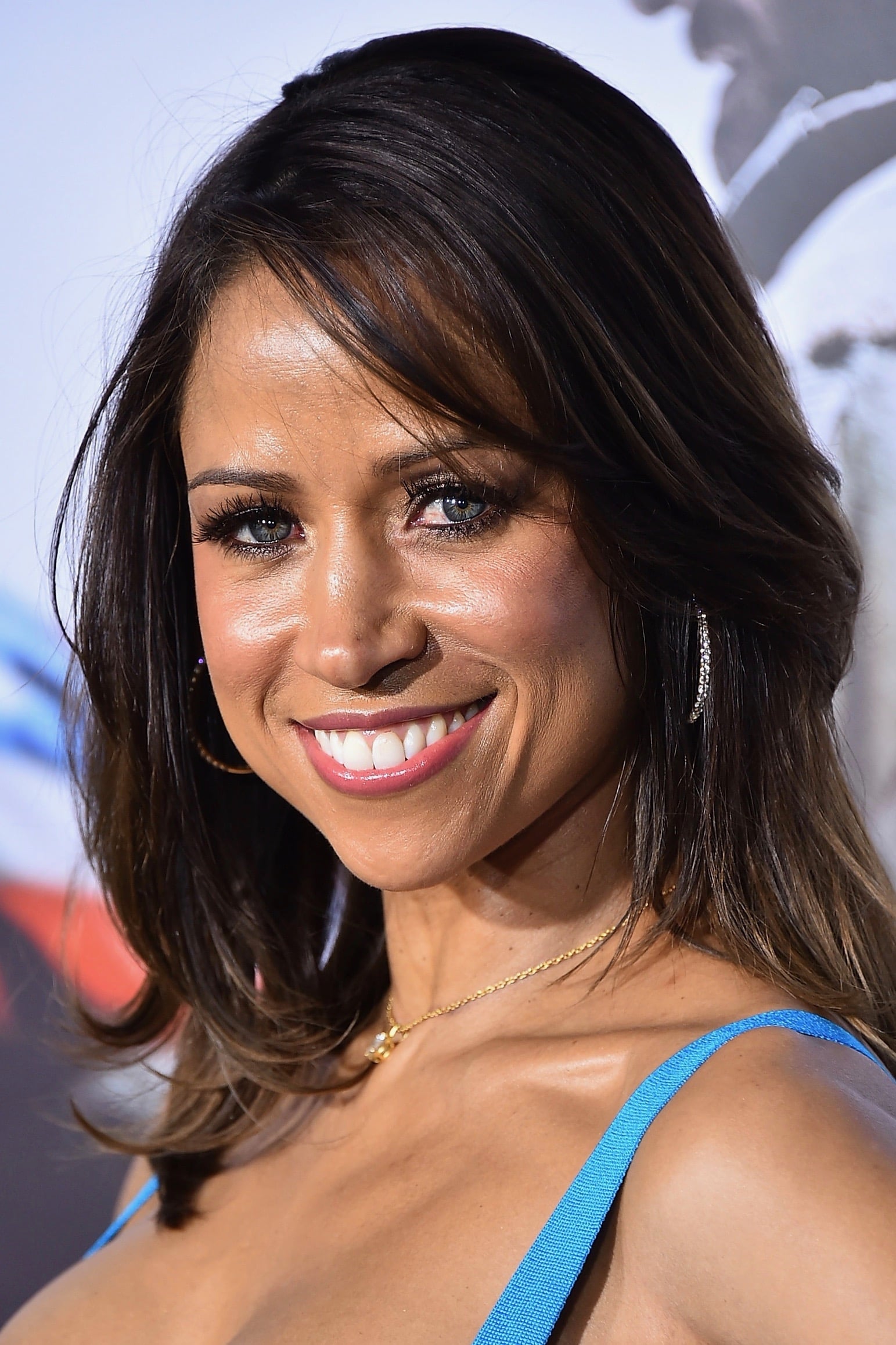
Stacey Dash rose to fame in the nineties comedy ‘Clueless’ before transitioning into a polarized political figure. Her tenure as a contributor for Fox News saw her express conservative viewpoints that frequently clashed with liberal Hollywood norms. She sparked significant debate within the Black community by calling for the abolition of Black History Month and the BET Awards. Her vocal support for Donald Trump further alienated her from many of her industry peers and former fans. Dash eventually apologized for some of her past rhetoric but remains a symbol of the political divide within the entertainment industry.
Whoopi Goldberg
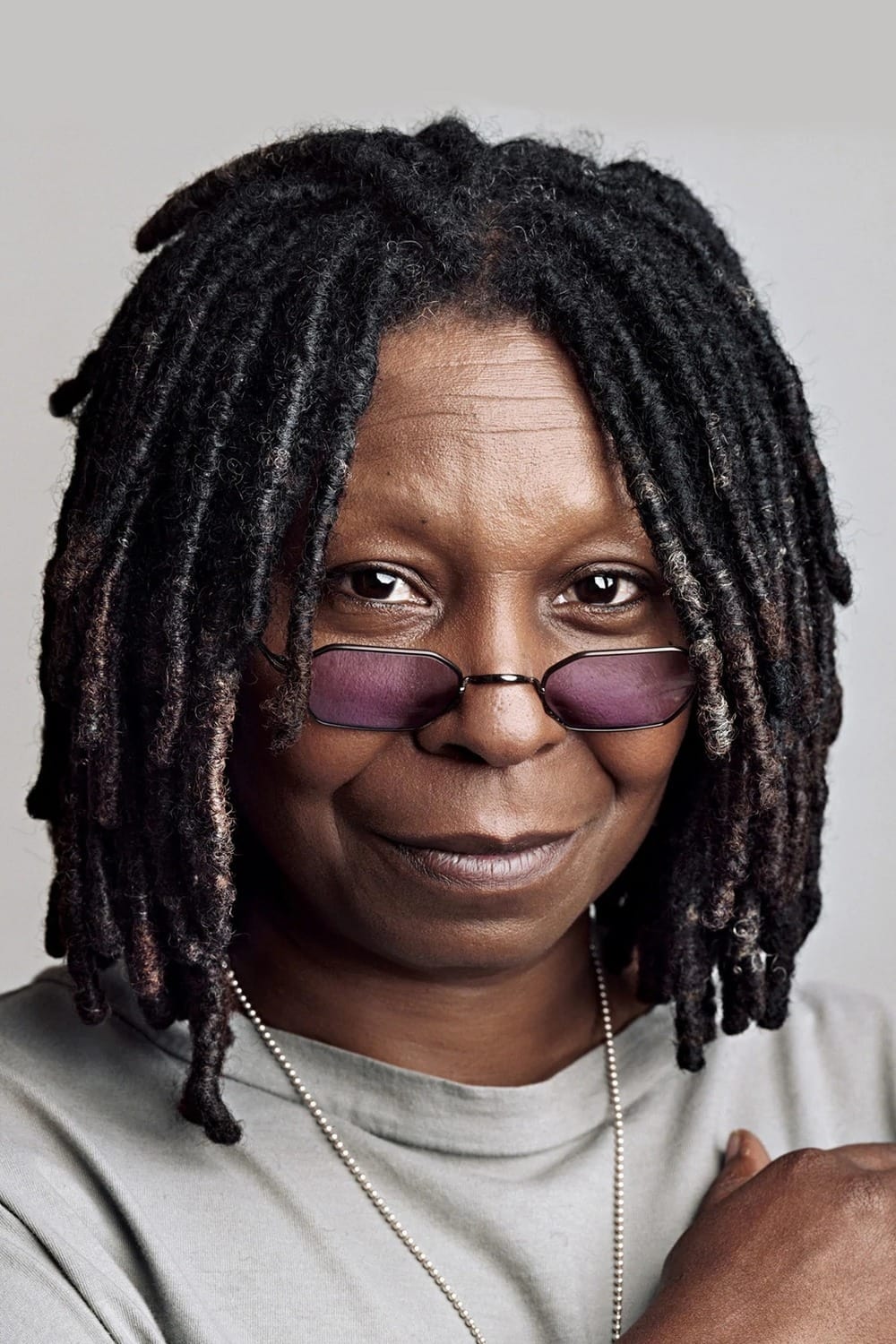
This legendary EGOT winner has been a central figure in cultural debates during her long tenure on the daytime talk show ‘The View’. Goldberg frequently finds herself in the hot seat for her unfiltered commentary on race and socio-political issues. She faced a massive backlash and a two-week suspension from the network after making controversial comments regarding the Holocaust not being about race. Her stances often challenge both conservative and progressive narratives which keeps her consistently in the headlines. Goldberg remains one of the most prominent voices navigating the complexities of cancel culture on live television.
Halle Bailey
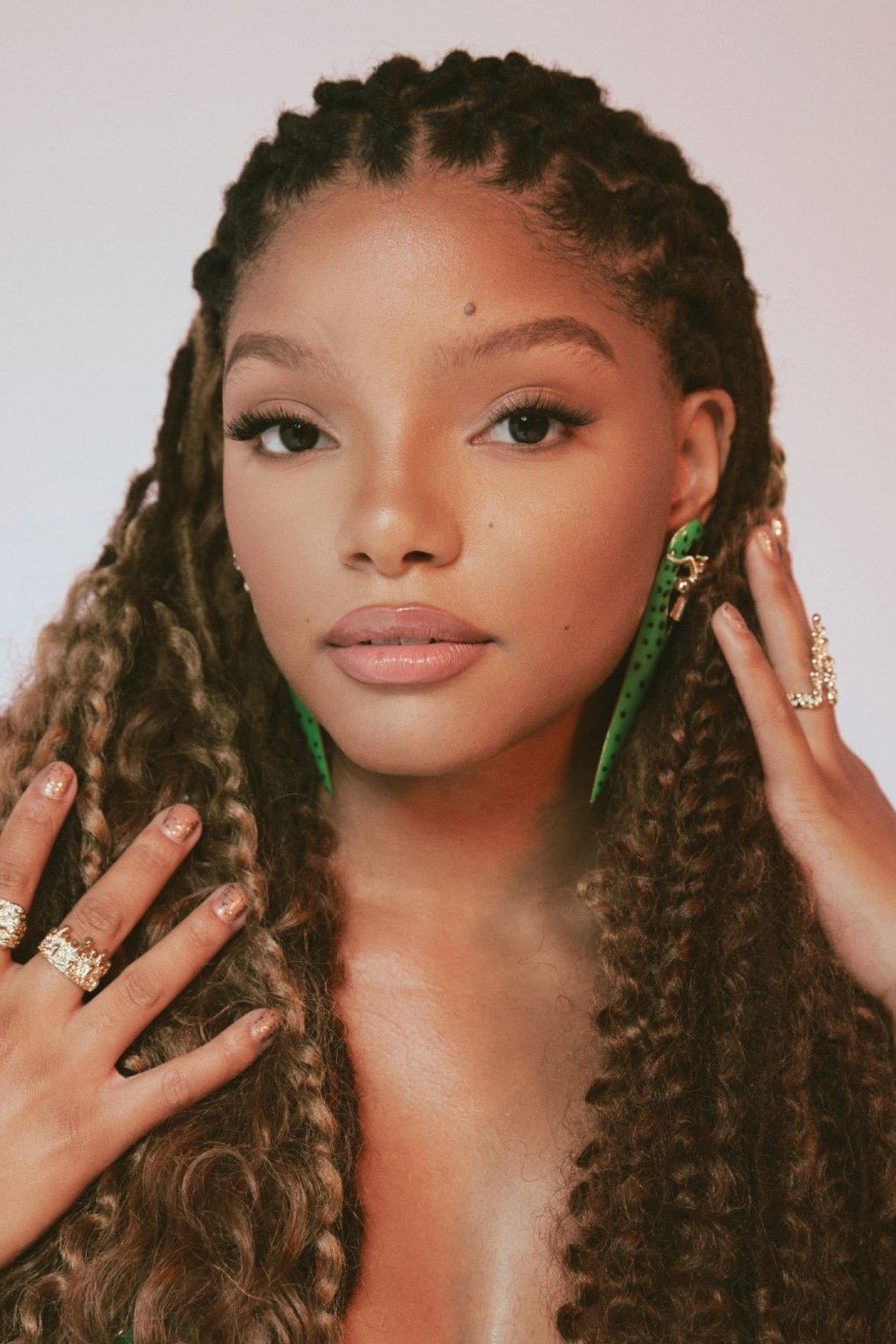
The casting of Halle Bailey as Ariel in the live-action remake of ‘The Little Mermaid’ ignited a global firestorm regarding race-swapping in traditional folklore. Social media platforms were flooded with the hashtag #NotMyAriel as detractors argued for strict adherence to the original animated appearance. Bailey navigated the vitriol with grace while receiving immense support from parents of young Black children who celebrated the representation. The controversy highlighted deep-seated tensions regarding diversity in nostalgia-driven media properties. Her performance ultimately earned critical praise despite the polarized lead-up to the film’s release.
Leslie Jones
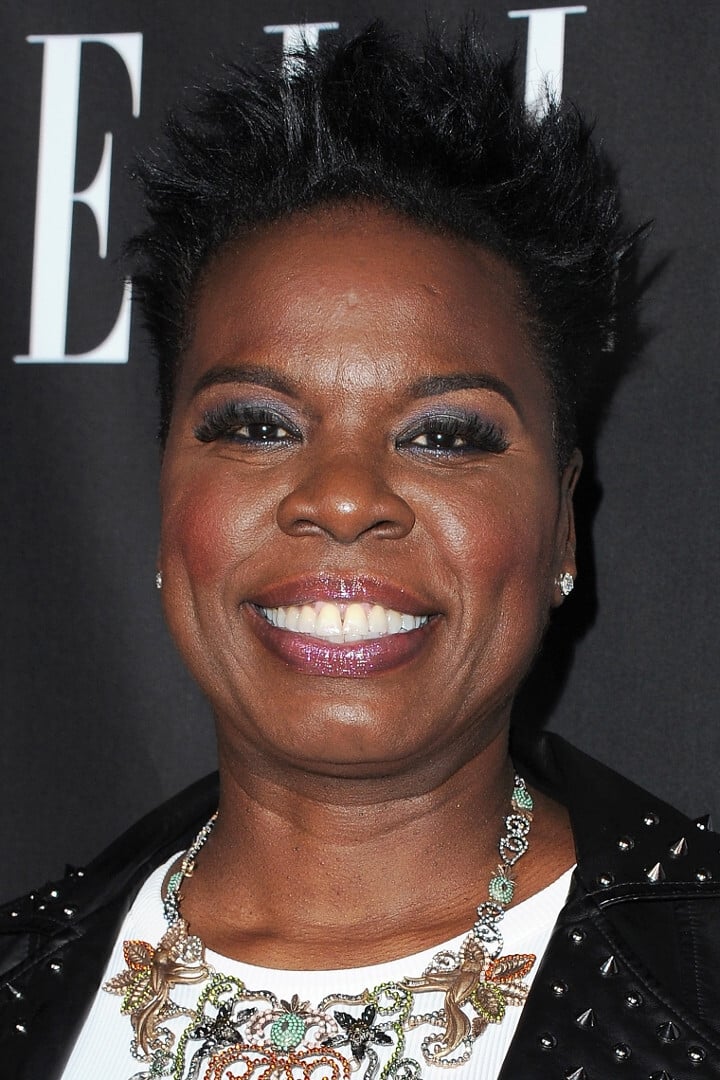
Comedian and actress Leslie Jones became the target of a coordinated harassment campaign following her role in the 2016 all-female reboot of ‘Ghostbusters’. Conservative critics and internet trolls attacked the film as a symbol of forced diversity and directed racist misogyny toward Jones specifically. The abuse she suffered on Twitter led to a broader conversation about platform responsibility and the safety of marginalized figures online. Jones engaged directly with the tech giants to demand better protection for users against hate speech. Her experience stands as a pivotal moment in the digital culture wars regarding the treatment of Black women in fandom spaces.
Viola Davis
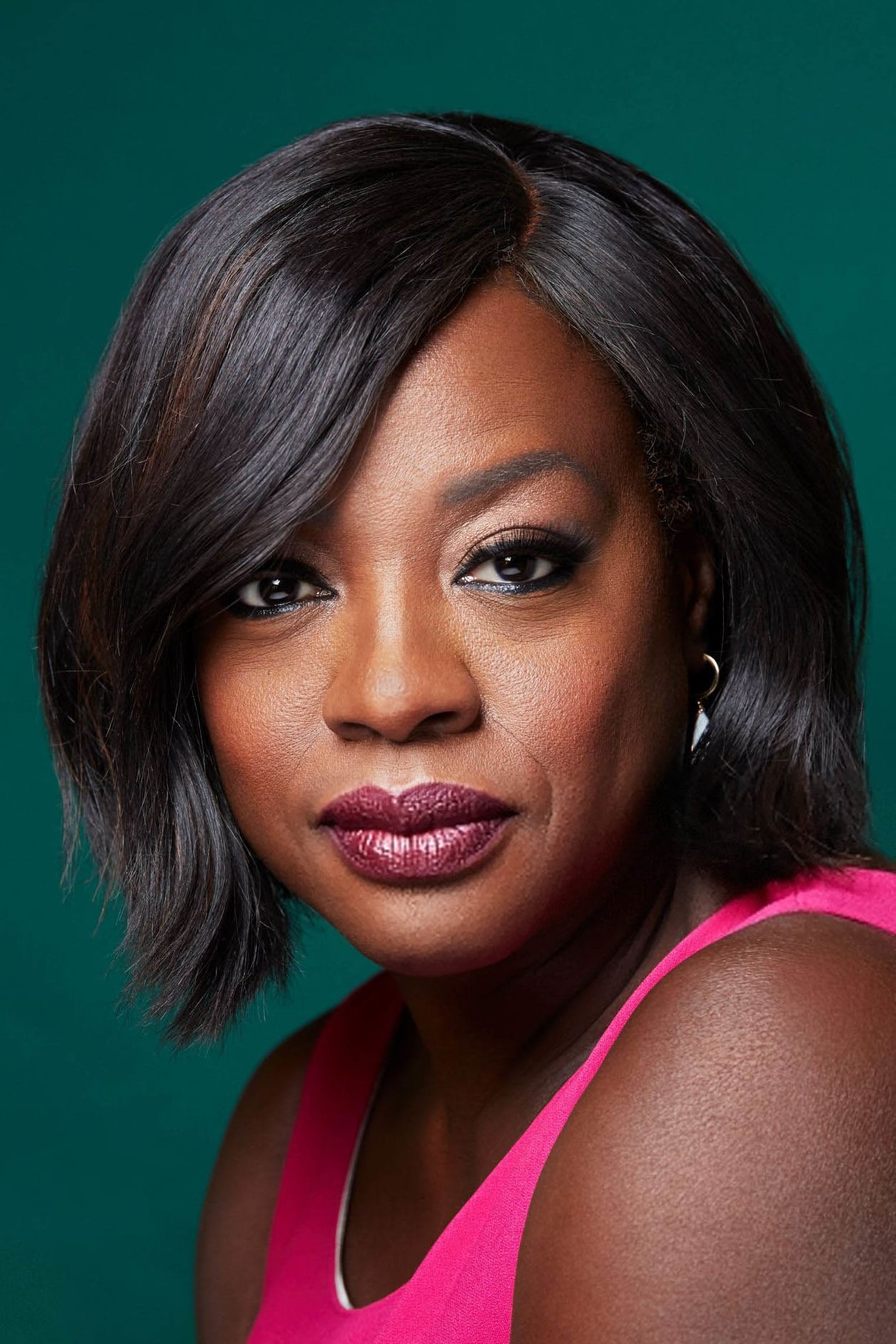
Viola Davis found herself at the center of a historical accuracy debate with the release of ‘The Woman King’. Critics argued the film downplayed the Dahomey kingdom’s involvement in the Atlantic slave trade to present a more heroic narrative. Davis defended the project by emphasizing its focus on Black female agency and the cinematic necessity of fictionalization for entertainment. The discourse opened up complex discussions about how Hollywood adapts African history for mass consumption. She remained steadfast that the movie was an important step for dark-skinned representation in action cinema.
Lashana Lynch

Lashana Lynch faced intense scrutiny when news broke that her character in ‘No Time to Die’ would inherit the 007 title while James Bond was in retirement. Segments of the internet manosphere reacted with outrage at the idea of a Black woman holding the iconic codename. Lynch addressed the backlash by framing it as a symptom of a changing world that some viewers were not ready to accept. She viewed her role as a way to challenge patriarchal narratives within the spy genre. The conversation highlighted the friction between legacy franchises and modern inclusivity initiatives.
Jodie Turner-Smith
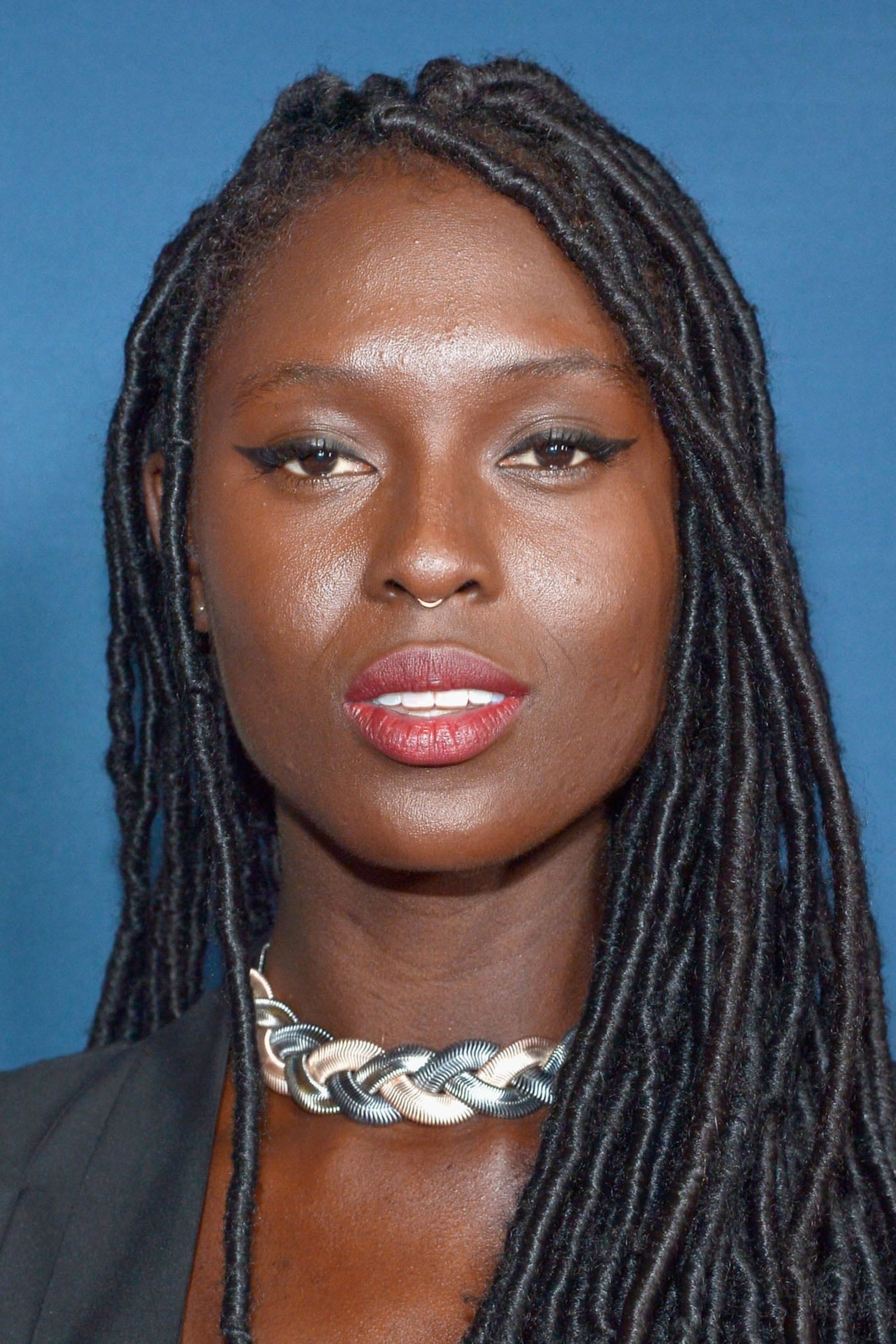
The casting of Jodie Turner-Smith as the titular British monarch in the television series ‘Anne Boleyn’ sparked a heated debate about color-blind casting in historical dramas. Purists argued that a Black actress playing a white historical figure distorted history while supporters praised the artistic choice as a way to reexamine the character’s trauma. Turner-Smith embraced the role as a means to tell a human story beyond the constraints of racial literalism. The series became a lightning rod for discussions about who is permitted to inhabit European historical roles. Her performance challenged audiences to separate historical fact from dramatic interpretation.
Amandla Stenberg
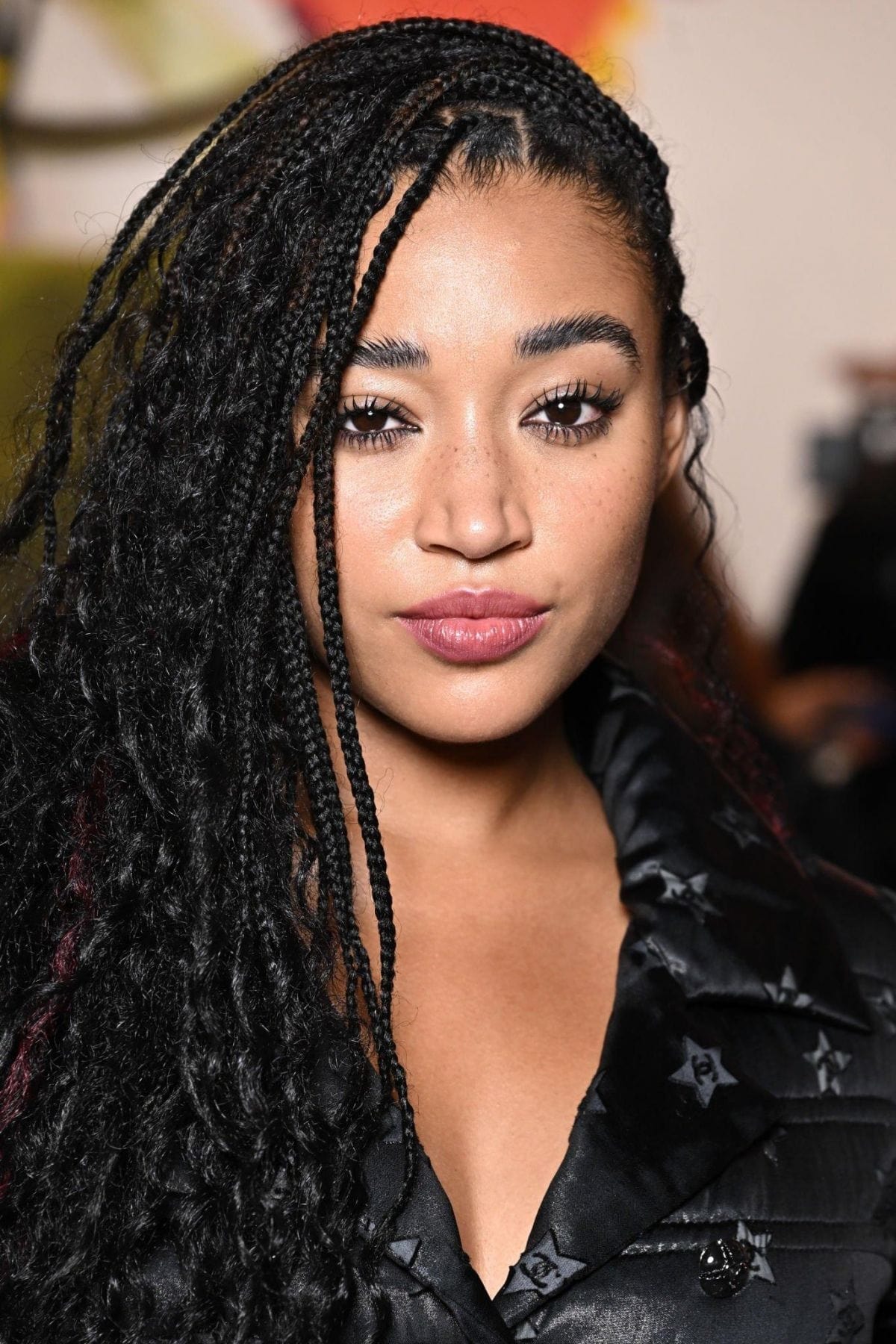
Amandla Stenberg has been a vocal figure in the culture wars since her teenage years when she released a viral video about cultural appropriation. She recently faced renewed backlash for her role in the ‘Star Wars’ series ‘The Acolyte’ which was criticized by some fans as being performatively woke. Stenberg released a music video responding to the racist messages she received and directly addressed the toxicity within the fandom. Her career has consistently engaged with topics of gender identity and racial politics. She remains a polarizing figure for those who oppose the inclusion of modern social themes in fantasy storytelling.
Tessa Thompson
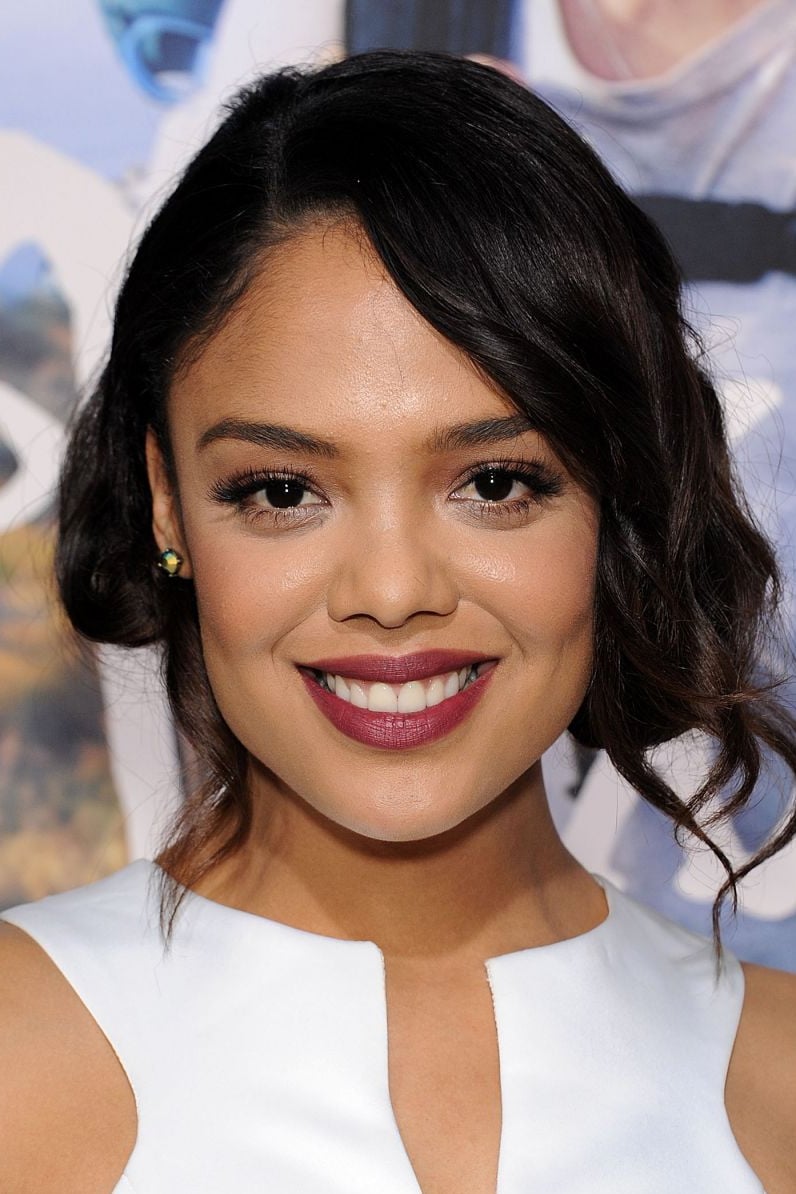
Tessa Thompson has frequently used her platform to advocate for LGBTQ+ representation and diverse casting in major franchises. Her casting as Valkyrie in the Marvel Cinematic Universe drew complaints from comic purists who noted the character was originally white and blonde. Thompson further engaged in the culture war dialogue by expressing her desire to see less male-dominated spaces in Hollywood press lines. She worked to ensure her character’s bisexuality was acknowledged on screen despite studio hesitance. Her activism highlights the internal battles actors face when trying to modernize blockbuster properties.
Letitia Wright
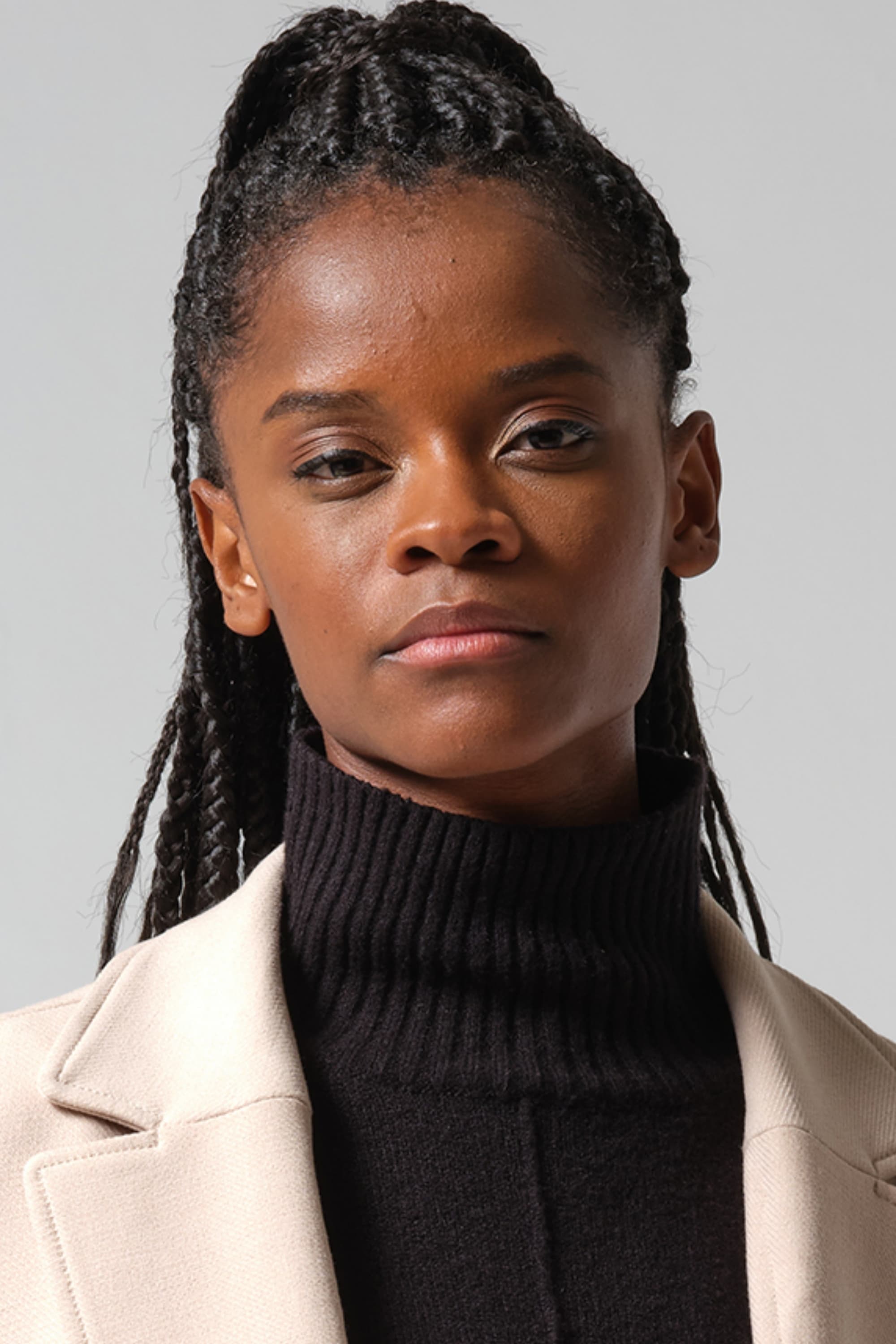
Letitia Wright became the subject of intense controversy during the COVID-19 pandemic due to her skepticism regarding vaccines. The ‘Black Panther’ star shared a video questioning the safety of the shots which led to calls for her removal from the Marvel franchise. The incident sparked a wider debate about the responsibility of public figures to promote scientific consensus versus their right to personal opinion. Wright eventually deleted her social media accounts following the backlash but the stigma lingered during the press tour for the sequel. Her situation exemplified the collision of public health politics and celebrity influence.
Mo’Nique
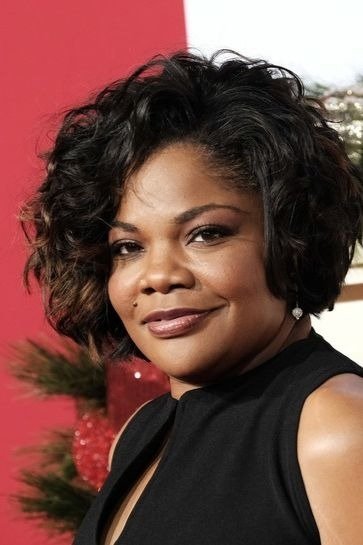
Academy Award winner Mo’Nique ignited a conversation about pay equity when she called for a boycott of Netflix over a lowball offer for a comedy special. She argued that Black women were systematically undervalued compared to their white and male counterparts in the industry. The standoff polarized the public as some viewed her demands as valid advocacy while others saw them as difficult behavior. She eventually settled the lawsuit with the streaming giant which was seen as a victory for wage transparency. Her willingness to sacrifice opportunities to prove a point made her a central figure in the fight for economic justice in Hollywood.
Gabrielle Union
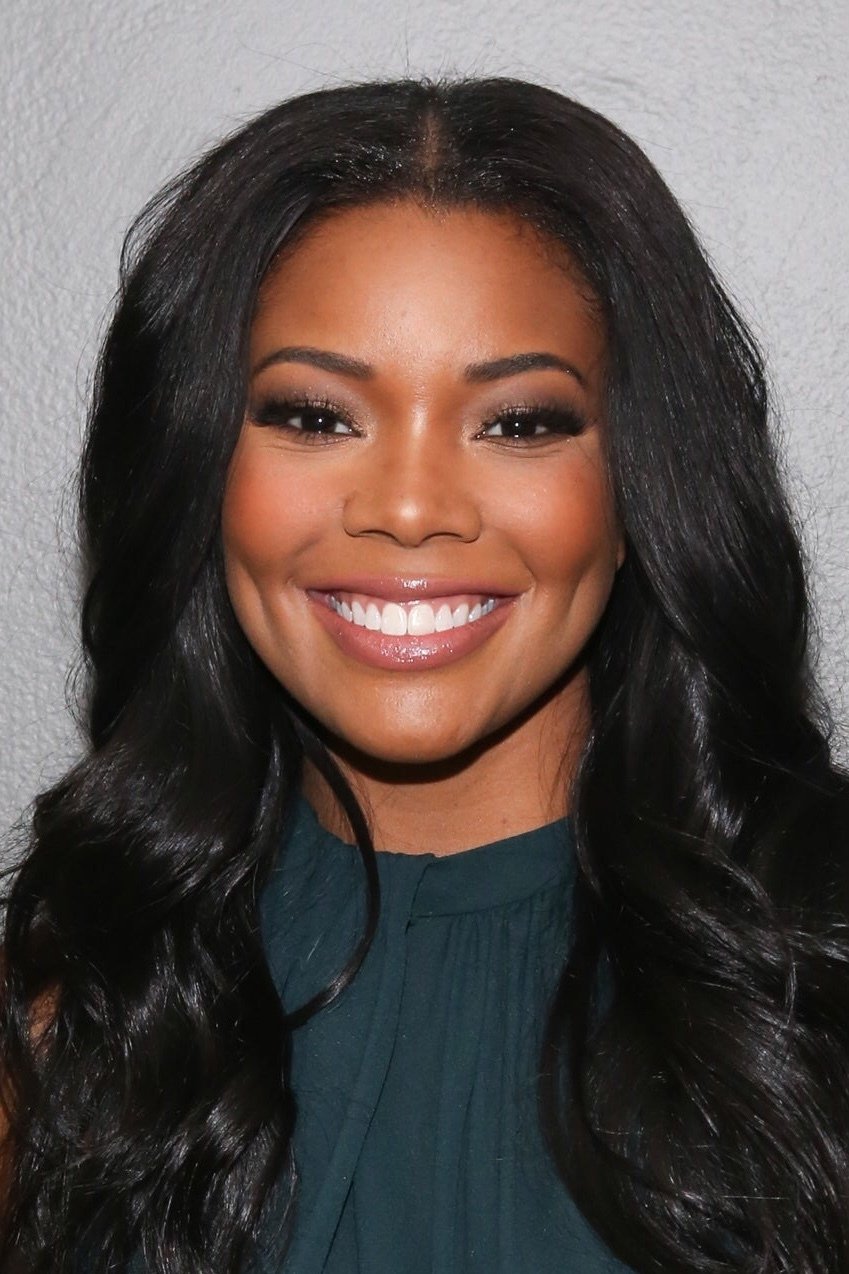
Gabrielle Union engaged in a high-profile battle with NBC regarding a toxic workplace culture on the set of ‘America’s Got Talent’. She alleged that she was penalized for speaking out against racism and sexism including comments about her hairstyles being too black. The dispute led to an internal investigation and sparked a massive wave of support from other industry professionals. Union used the moment to highlight the specific microaggressions Black women face in corporate media environments. Her departure from the show became a key case study in the post-MeToo era of accountability.
Taraji P. Henson
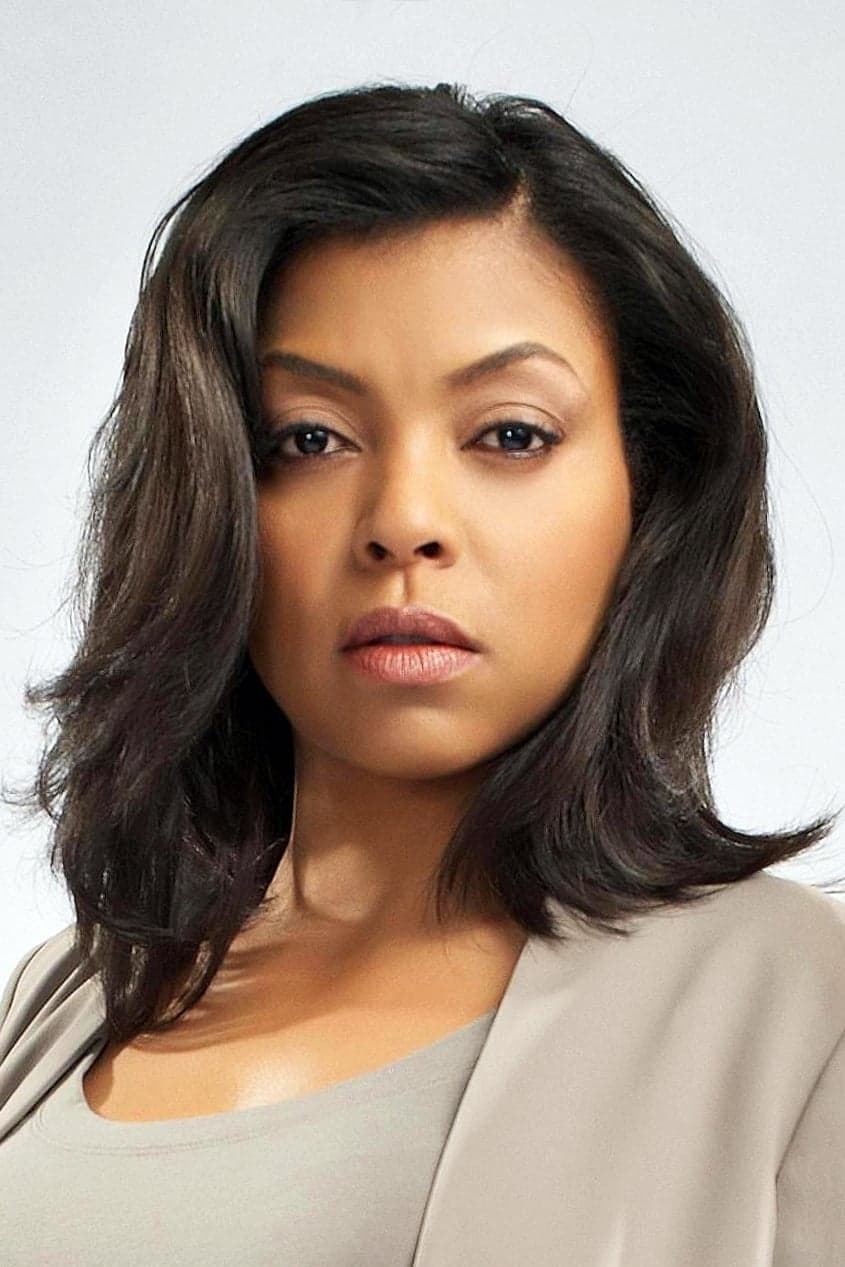
Taraji P. Henson broke down in tears during the press tour for ‘The Color Purple’ while discussing the persistent pay gap she faces despite her A-list status. Her emotional revelation reignited the debate about how the industry fails to compensate Black talent adequately even after decades of success. Henson threatened to leave the business which forced studios to respond to allegations of unequal treatment. The conversation shifted focus from mere representation on screen to the financial realities behind the scenes. Her vulnerability mobilized fans and peers to demand better standards for veteran actresses.
Zoe Saldaña
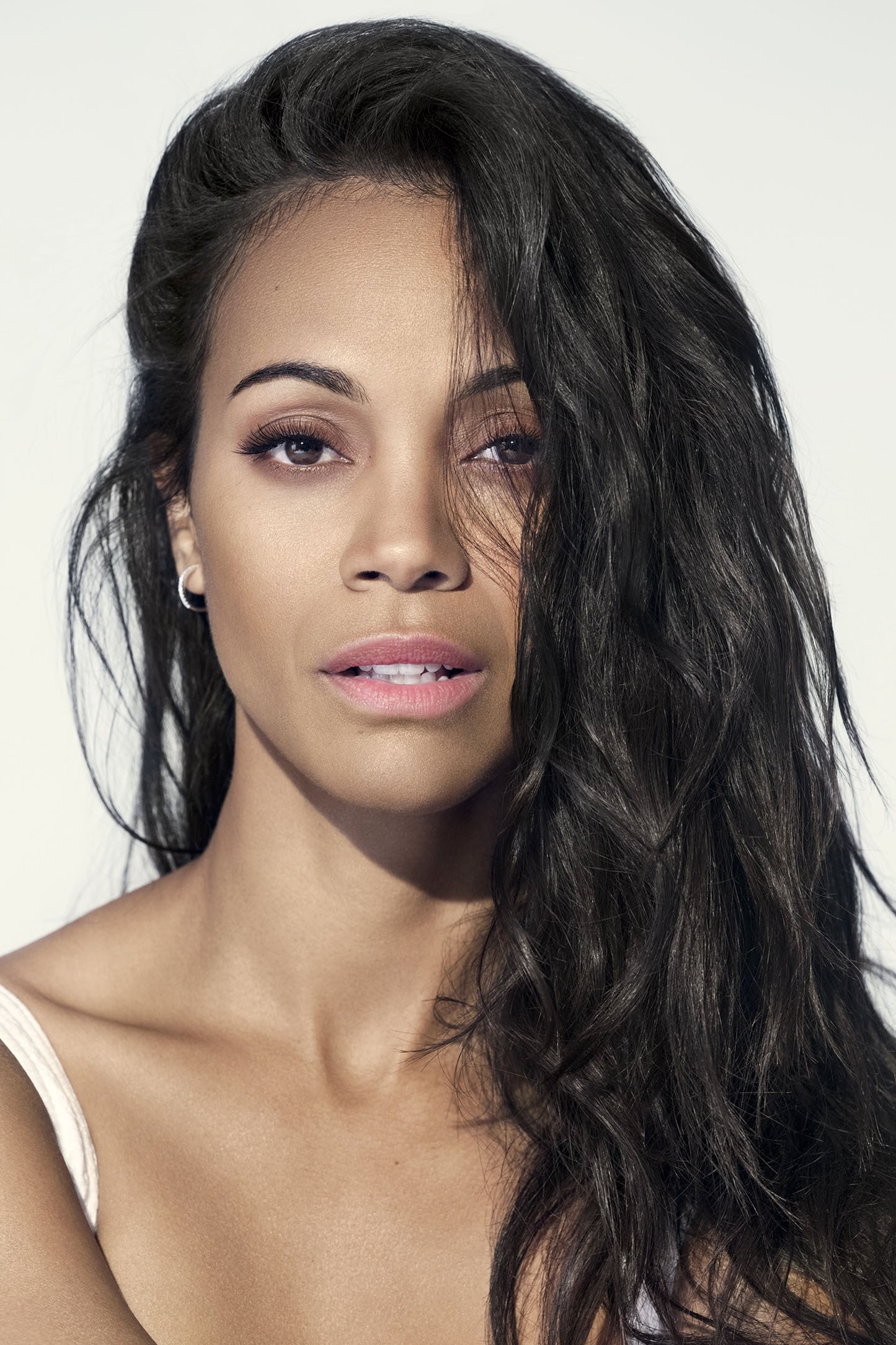
Zoe Saldaña found herself in the middle of a colorism controversy when she donned dark makeup and a prosthetic nose to play Nina Simone in the biopic ‘Nina’. Critics argued that the role should have gone to an actress who naturally possessed Simone’s features and dark skin tone. The backlash was a significant moment in the discussion of how Hollywood favors lighter-skinned actresses for prestigious Black roles. Saldaña later apologized for taking the part and acknowledged she should have used her power to uplift a dark-skinned actress instead. The incident remains a primary example in educational discussions about colorism in casting.
Cynthia Erivo
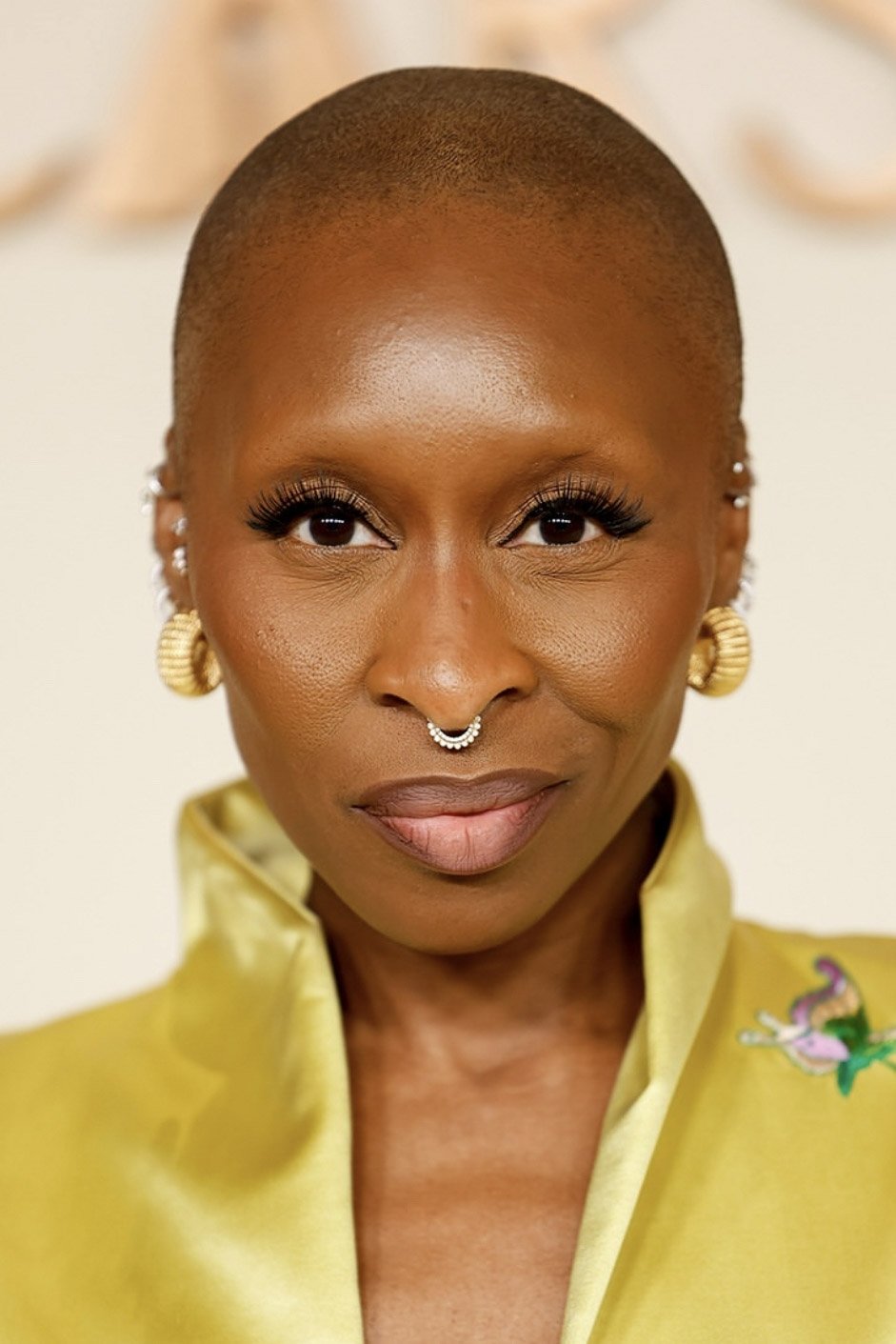
British actress Cynthia Erivo faced criticism from African Americans when she was cast as the American icon Harriet Tubman in the film ‘Harriet’. The debate centered on whether Black British actors should take roles deeply rooted in the specific historical trauma of American chattel slavery. Erivo defended her connection to the African diaspora but the hashtag #HarrietDeservesBetter trended among those who felt erased. This culture war moment highlighted the tensions between different groups within the global Black community. It raised questions about ownership of history and the distinct experiences of Black Americans.
Jada Pinkett Smith
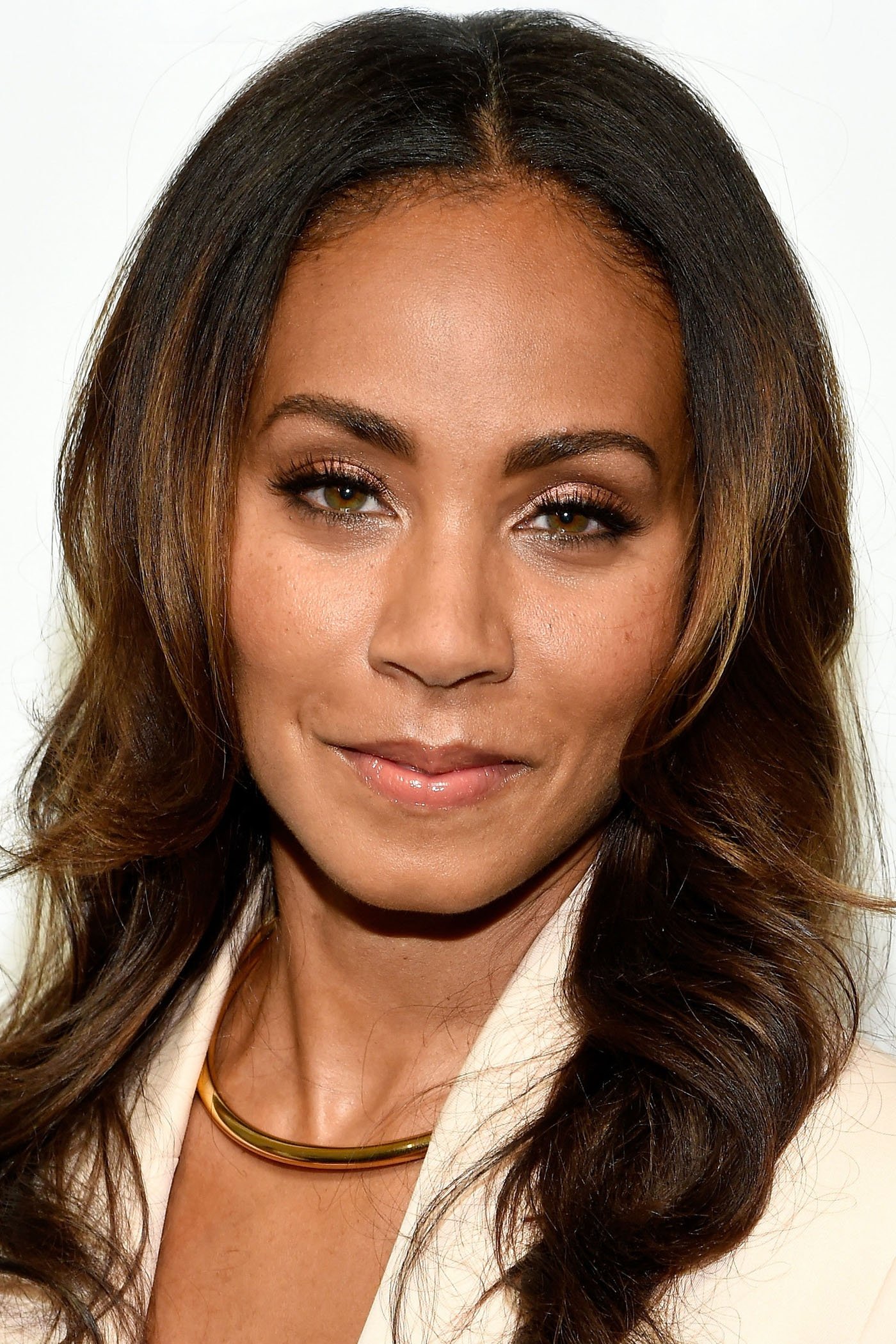
Jada Pinkett Smith has been a polarizing figure due to her show ‘Red Table Talk’ where she openly discussed her open marriage and family struggles. Her confession regarding an entanglement with a younger singer became a massive cultural meme and sparked debates about modern relationships. The scrutiny intensified following the 2022 Academy Awards slap incident involving her husband Will Smith and Chris Rock. She has often been blamed by internet commentators for the emasculation of her husband which brings misogynoir into the conversation. Pinkett Smith remains a lightning rod for discussions on privacy and celebrity oversharing.
Raven-Symoné
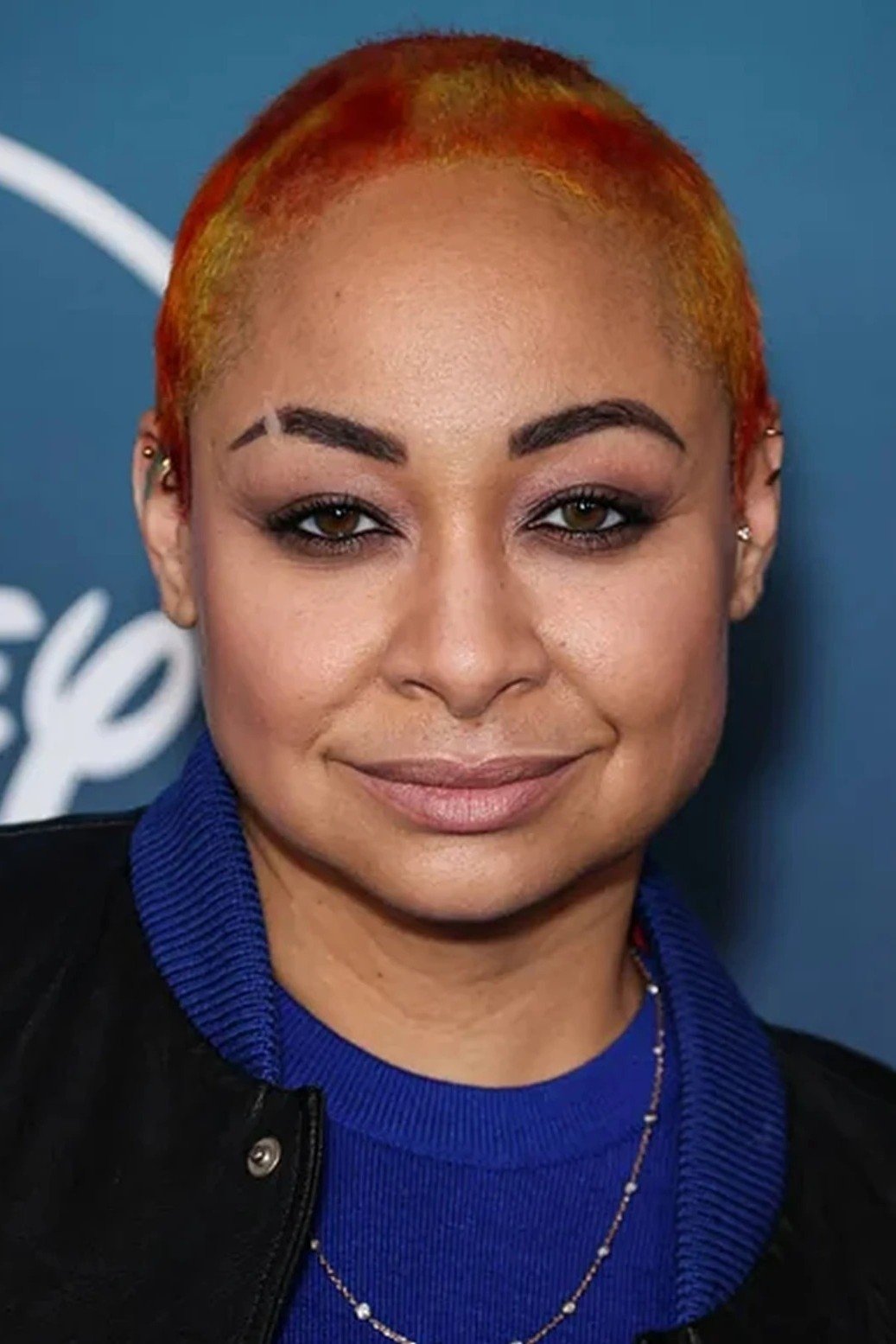
Former child star Raven-Symoné frequently stirs debate with her comments on identity and labels during interviews and talk show appearances. She famously rejected the label African American in favor of simply being American which drew ire from Black cultural critics. Her tenure on ‘The View’ saw her defending unpopular positions that often aligned with more conservative or contrarian viewpoints. Critics often accuse her of being out of touch with the struggles of the average Black person. Despite the criticism she continues to assert her right to define her identity outside of societal expectations.
Keke Palmer
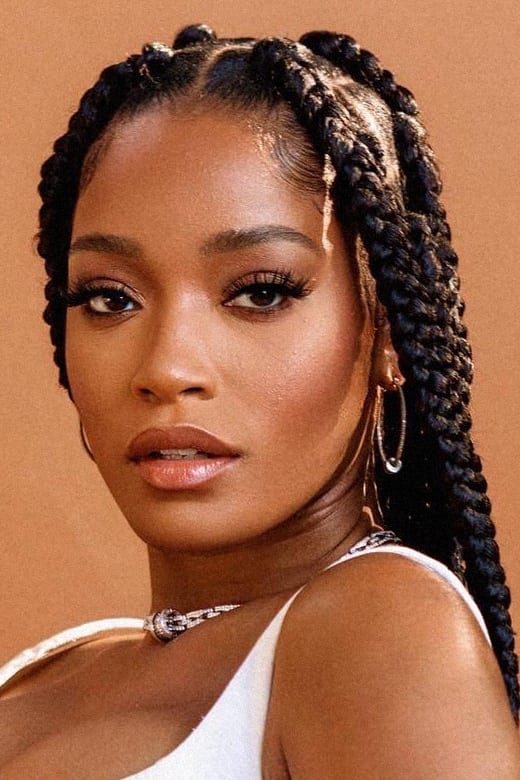
Keke Palmer became the subject of a viral debate comparing her career trajectory to that of Zendaya. Social media users argued that colorism played a role in why Palmer was viewed as a reality star or supporting actress while Zendaya was elevated to high fashion icon status despite Palmer’s longer resume. Palmer shut down the comparison by asserting her own success and refusing to be pitted against another successful Black woman. The moment served as a case study for how the public perceives value based on skin tone and proximity to whiteness. She used the attention to highlight her extensive body of work and business ventures.
Moses Ingram
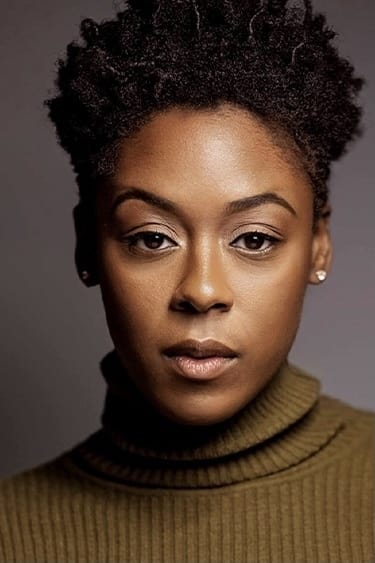
Moses Ingram faced a barrage of racist abuse upon her debut as an Inquisitor in the ‘Star Wars’ series ‘Obi-Wan Kenobi’. The official Star Wars account had to issue a statement supporting her which was a rare move that signaled the severity of the harassment. Ingram shared screenshots of the messages she received to expose the dark underbelly of the fandom. This incident forced Disney to take a more proactive stance in preparing actors of color for the inevitable backlash from toxic fanbases. Her experience underscored the persistent gatekeeping that exists within sci-fi communities.
Anna Diop
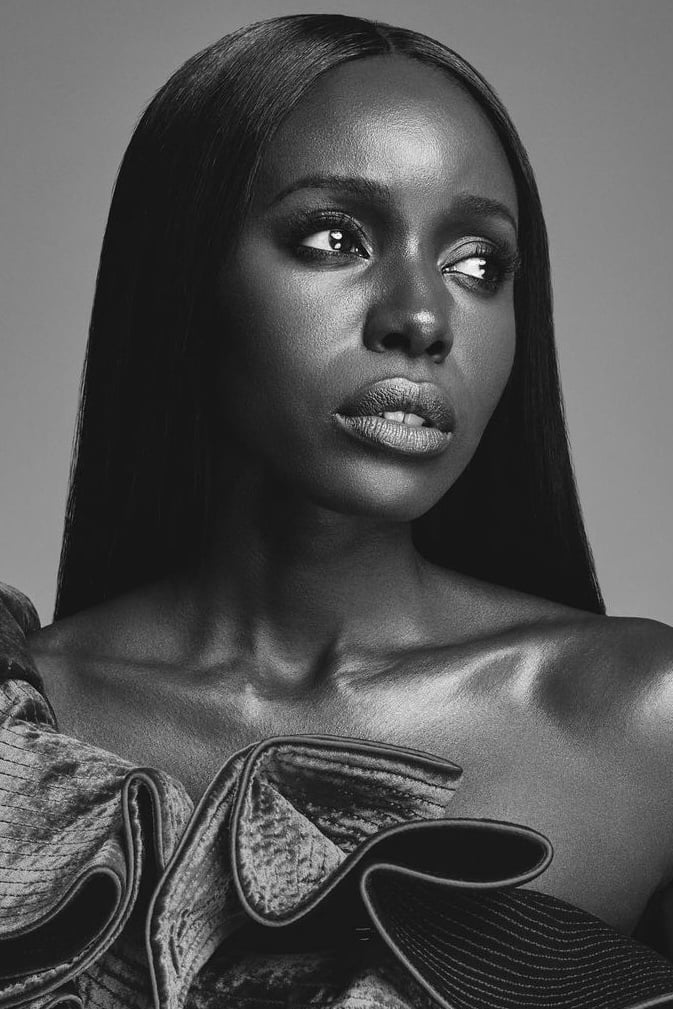
When Anna Diop was cast as Starfire in the live-action series ‘Titans’ she was met with immediate hostility from fans used to the orange-skinned cartoon version. Racist comments flooded her social media pages as detractors claimed a dark-skinned Black woman could not portray the alien princess. Diop disabled her comments sections to protect her mental health while the production team defended the casting choice. The situation highlighted the double standards in adaptation where white characters are rarely scrutinized for visual deviations. Her performance eventually won over many critics despite the initial wave of hate.
Leah Sava Jeffries

Child actress Leah Jeffries was targeted by internet trolls after being cast as Annabeth Chase in the ‘Percy Jackson’ Disney+ series. The character was described as blonde and white in the books which led to a campaign of harassment against the young star. Author Rick Riordan stepped in to condemn the racism and fully endorsed Jeffries as the perfect embodiment of the character. The controversy sparked a dialogue about bullying minors over fictional descriptions. Jeffries stood tall against the backlash and delivered a performance that was widely praised upon release.
Francesca Amewudah-Rivers
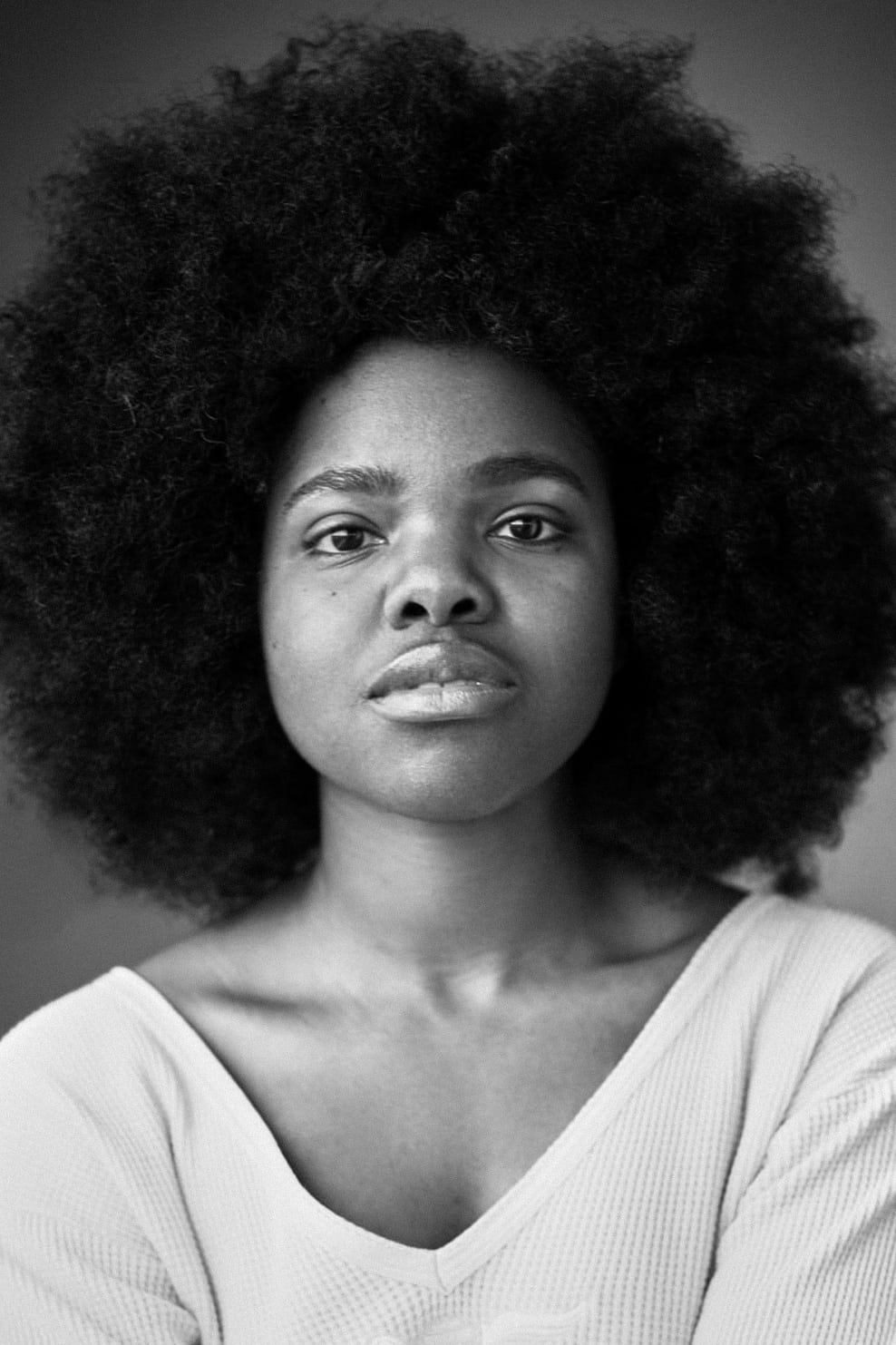
Francesca Amewudah-Rivers faced a torrent of racial abuse when she was announced as Juliet opposite Tom Holland in a West End production of ‘Romeo & Juliet’. The backlash was so severe that over eight hundred actors signed an open letter condemning the harassment directed at her. The discourse centered on the persistent refusal of some audiences to accept Black women in classic romantic lead roles. Theatre companies were forced to issue statements regarding their zero-tolerance policies for hate speech. The incident proved that the highbrow world of theatre is just as susceptible to culture war toxicity as Hollywood.
Thandiwe Newton

Thandiwe Newton sparked a conversation about identity and heritage when she decided to revert to the original Zimbabwean spelling of her name after decades of using Thandie. She spoke candidly about how the industry had colonized her identity by simplifying her name for easier consumption. Newton also faced backlash for an emotional apology to dark-skinned actresses where she cried about taking their roles which some found performative. Her career has been defined by a struggle to reclaim her agency within a white-dominated system. These moments have made her a complex figure in discussions about colorism and assimilation.
Laverne Cox
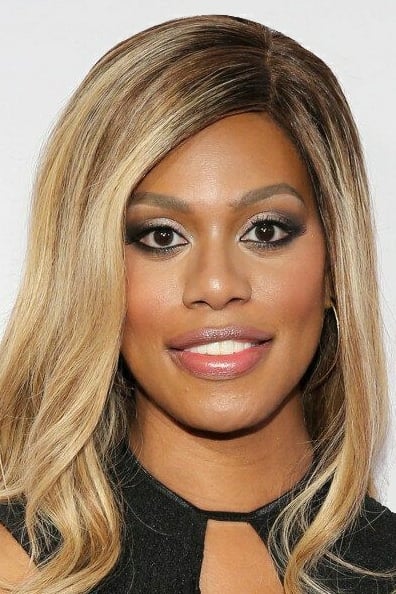
Laverne Cox has been at the forefront of the culture war concerning transgender rights and representation since her breakout role in ‘Orange Is the New Black’. She frequently engages with conservative pundits and legislators who seek to limit access to gender-affirming care. Cox uses her red carpet appearances and interviews to educate the public on the violence faced by trans women of color. Her mere presence in mainstream media is often politicized by those opposing the trans rights movement. She navigates this pressure by consistently promoting a message of love and possibility.
Michaela Jaé Rodriguez
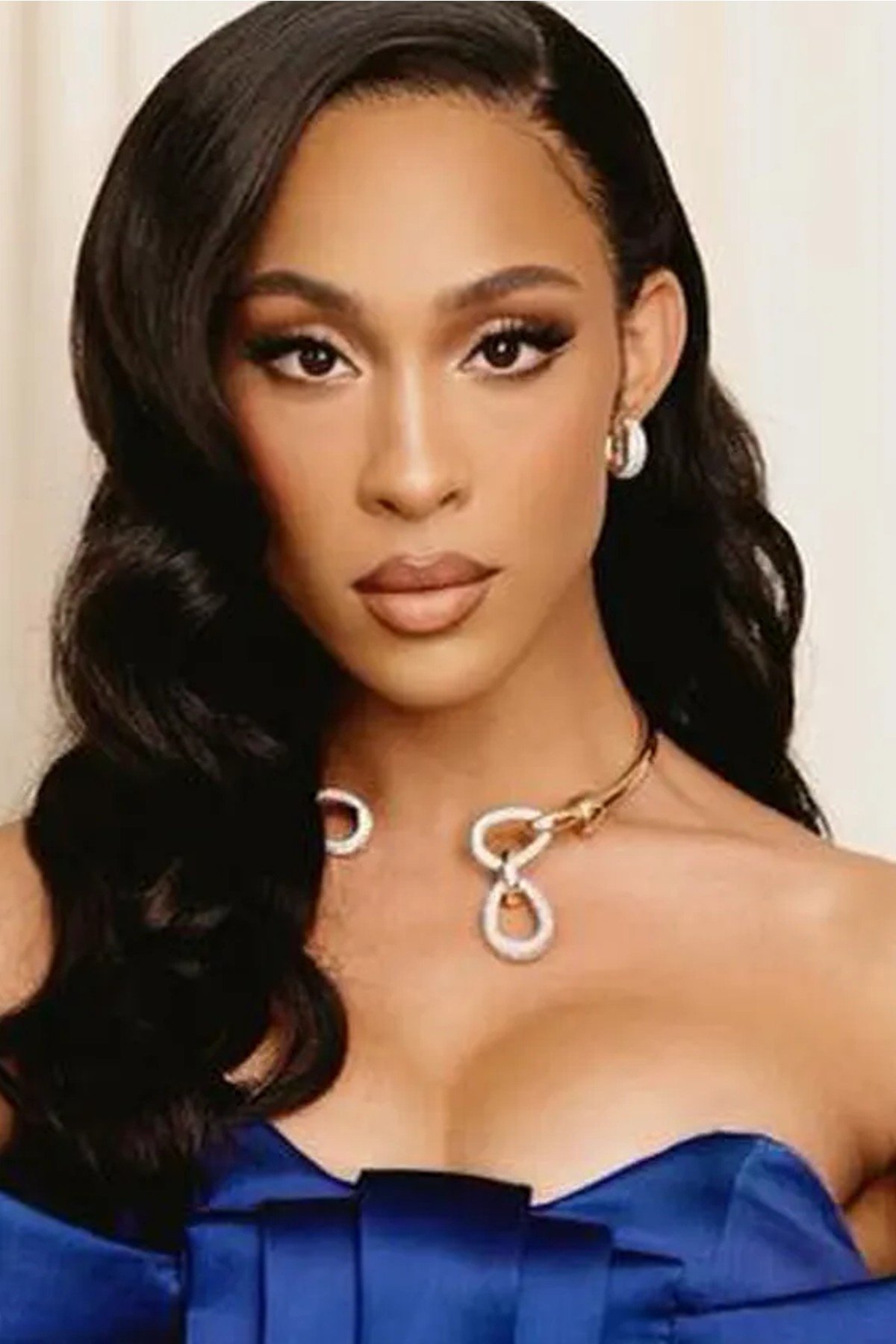
MJ Rodriguez made history as the first trans woman to win a Golden Globe but her victory came during a year when the ceremony was boycotted for lack of diversity. She became a symbol of the push for accolades that recognize trans talent in acting categories. The culture war element emerged as conservative commentators critiqued the expansion of gender definitions in award shows. Rodriguez used her platform to advocate for the normalization of trans lives on screen beyond tragedy narratives. Her success in ‘Pose’ challenged the industry to look beyond cisnormative casting defaults.
Indya Moore
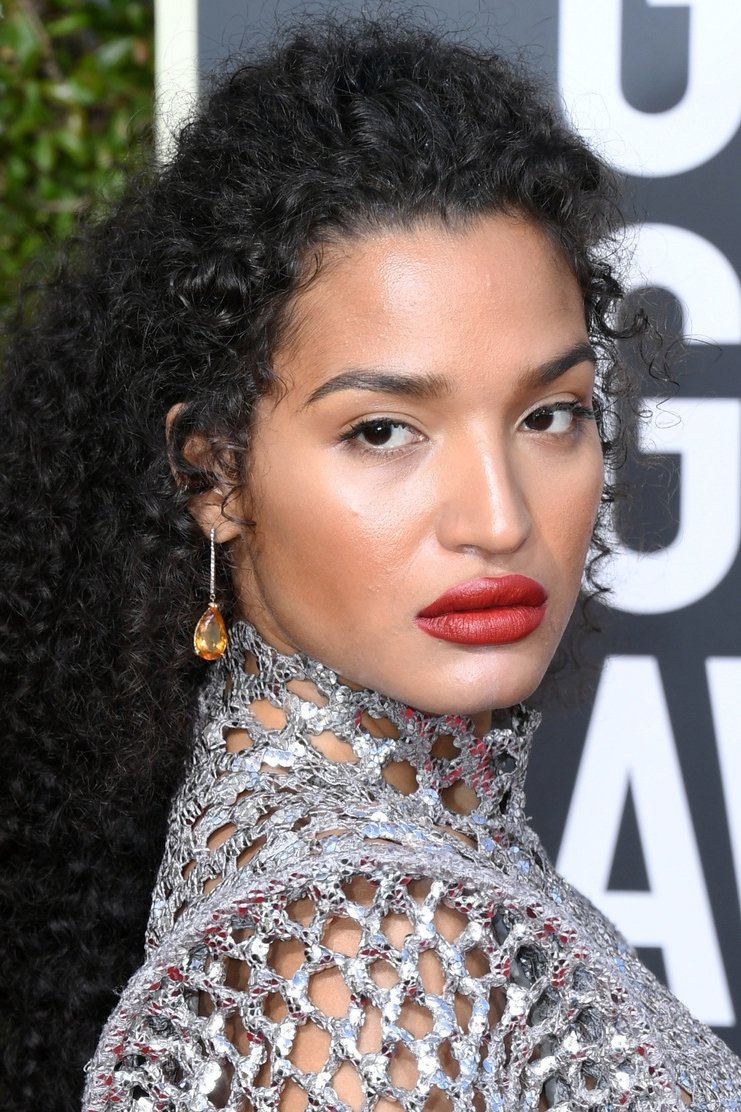
‘Pose’ star Indya Moore is known for their radical activism and vocal stance on non-binary visibility. Moore frequently challenges the fashion and film industries to dismantle the gender binary and often calls out performative allyship. They have engaged in heated online exchanges regarding the commodification of queer trauma by corporations. Their uncompromising approach has made them a hero to some and a controversial figure to traditionalists. Moore continues to push the boundaries of what is expected from a celebrity activist.
Amanda Seales
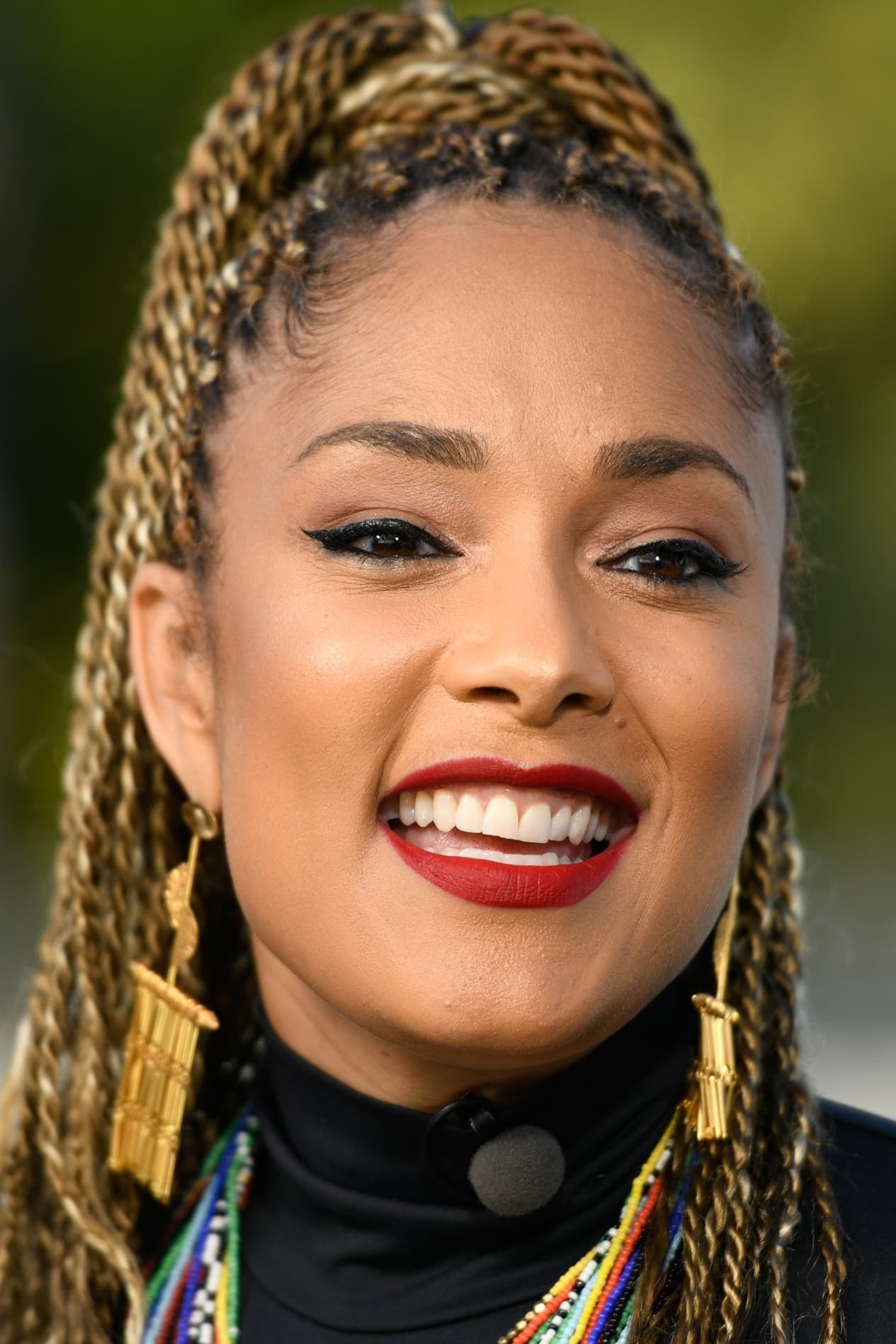
Amanda Seales is known for her role in ‘Insecure’ and her unfiltered social commentary which often lands her in hot water. She frequently addresses issues of cultural appropriation and racism in a way that critics find abrasive and supporters find necessary. Seales was briefly a host on ‘The Real’ where her intense style clashed with the lighter tone of daytime television. She has been accused of being difficult but maintains that she is simply refusing to code-switch. Her brand is built on the premise of being an intellectual who is not afraid to disturb the peace.
Yara Shahidi
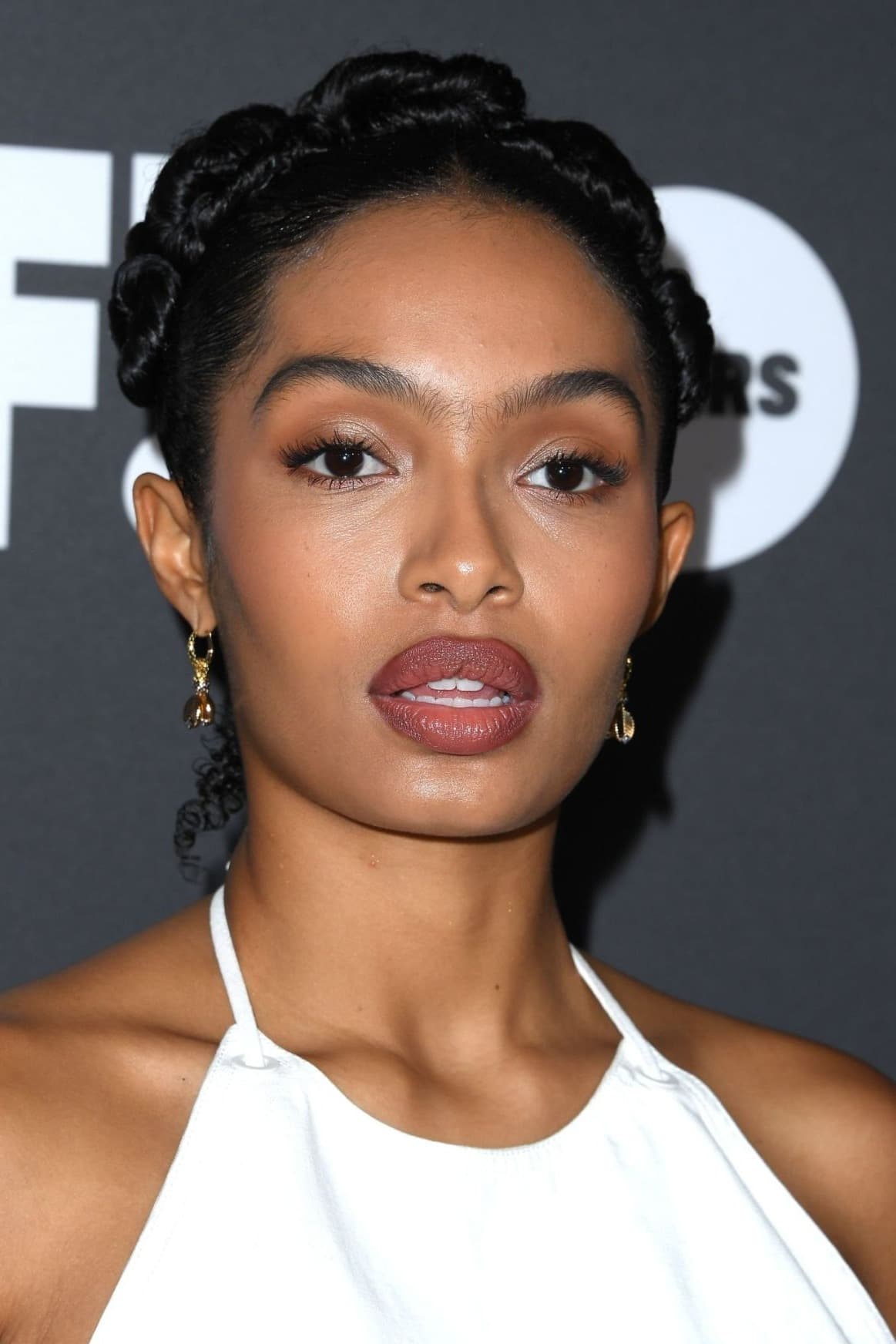
Yara Shahidi faced the predictable wave of online criticism when she was cast as Tinkerbell in the live-action ‘Peter Pan & Wendy’. The decision to portray the iconic fairy as a Black woman was labeled by detractors as another example of lazy race-swapping. Shahidi responded by focusing on the magic of the character rather than the politics of her skin color. The film became another battleground in the ongoing war over Disney’s modernization strategies. Her casting was a deliberate move to expand the fantasy genre to include more diverse faces.
Queen Latifah
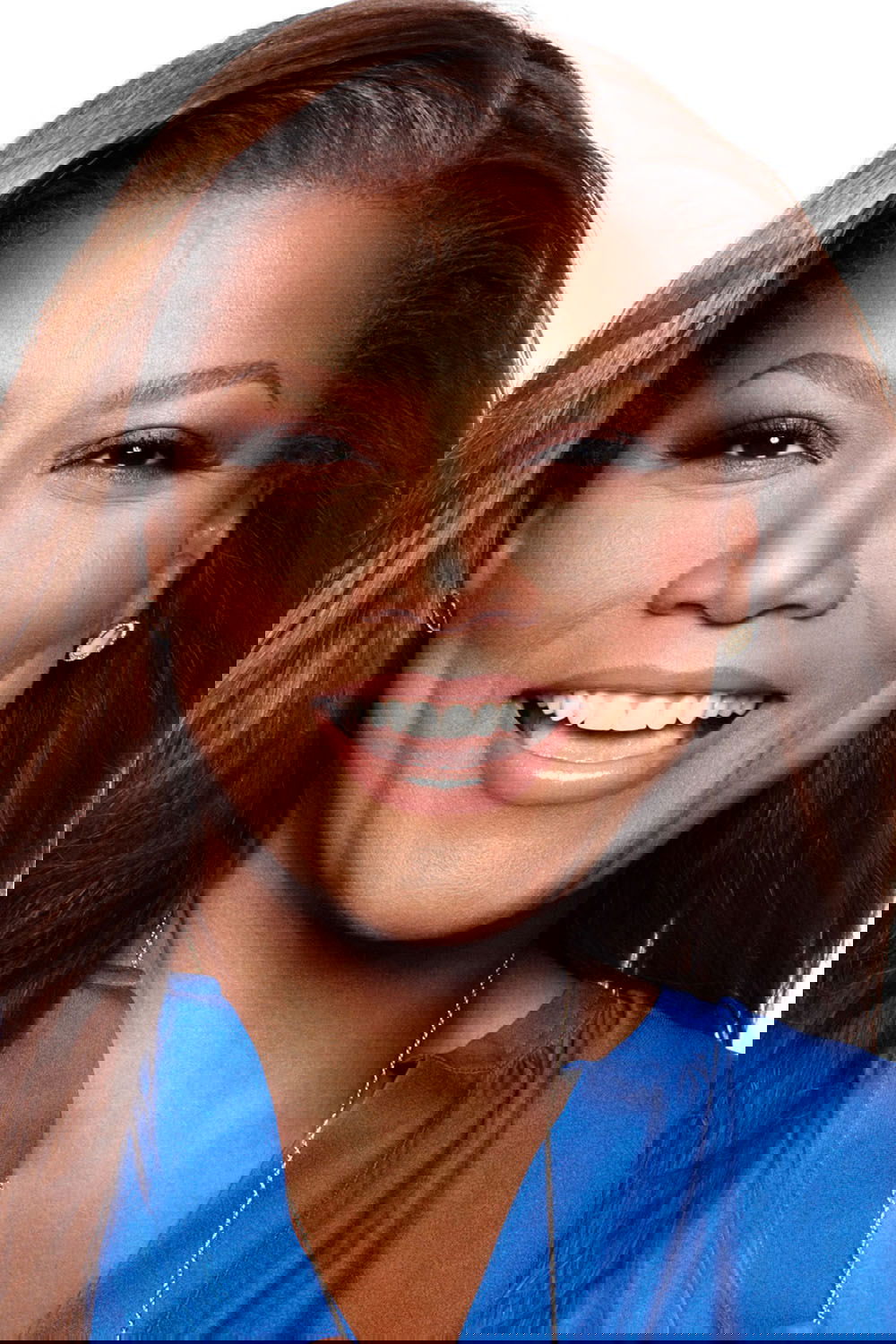
Queen Latifah took on the lead role in ‘The Equalizer’ television series which reimagined the character famously played by white male actors. While the show has been a ratings success it also drew ire from those who viewed the gender and race swap as unnecessary pandering. Latifah has consistently ignored the noise to focus on delivering a physically demanding performance. Her career has long bridged the gap between hip-hop culture and mainstream Hollywood acceptance. This role cemented her status as an action star despite the genre typically excluding women of her demographic.
Sophia Nomvete
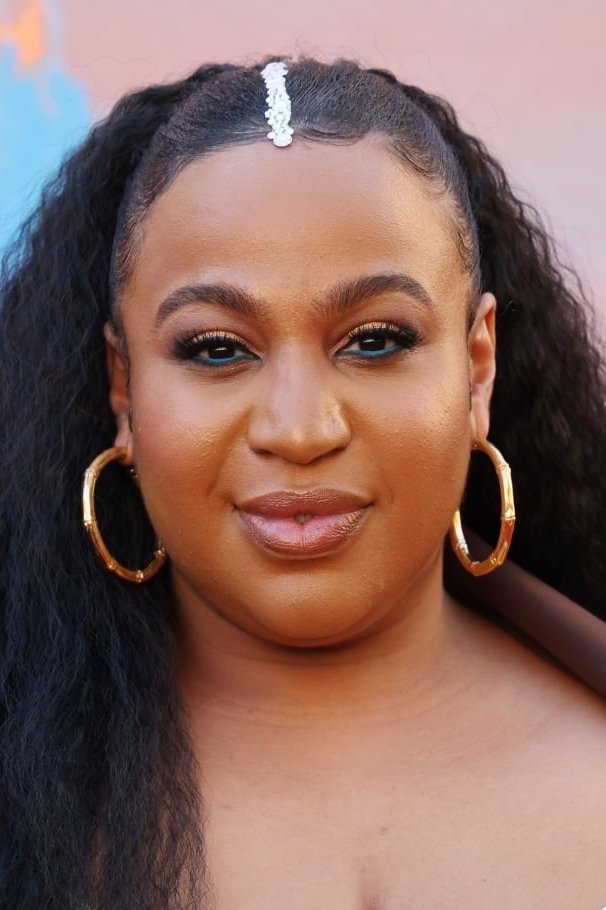
Sophia Nomvete became the first Black woman to play a dwarf in the ‘Lord of the Rings’ franchise via ‘The Rings of Power’. Her character Princess Disa was met with racist backlash from Tolkien purists who claimed Black dwarves were not canon. Nomvete appeared at Comic-Con in grand fashion to reclaim the narrative and celebrate the expansion of Middle-earth. She spoke openly about the importance of fantasy being accessible to everyone regardless of race. The vitriol she faced was a key example of the gatekeeping present in high fantasy fandoms.
Adjoa Andoh
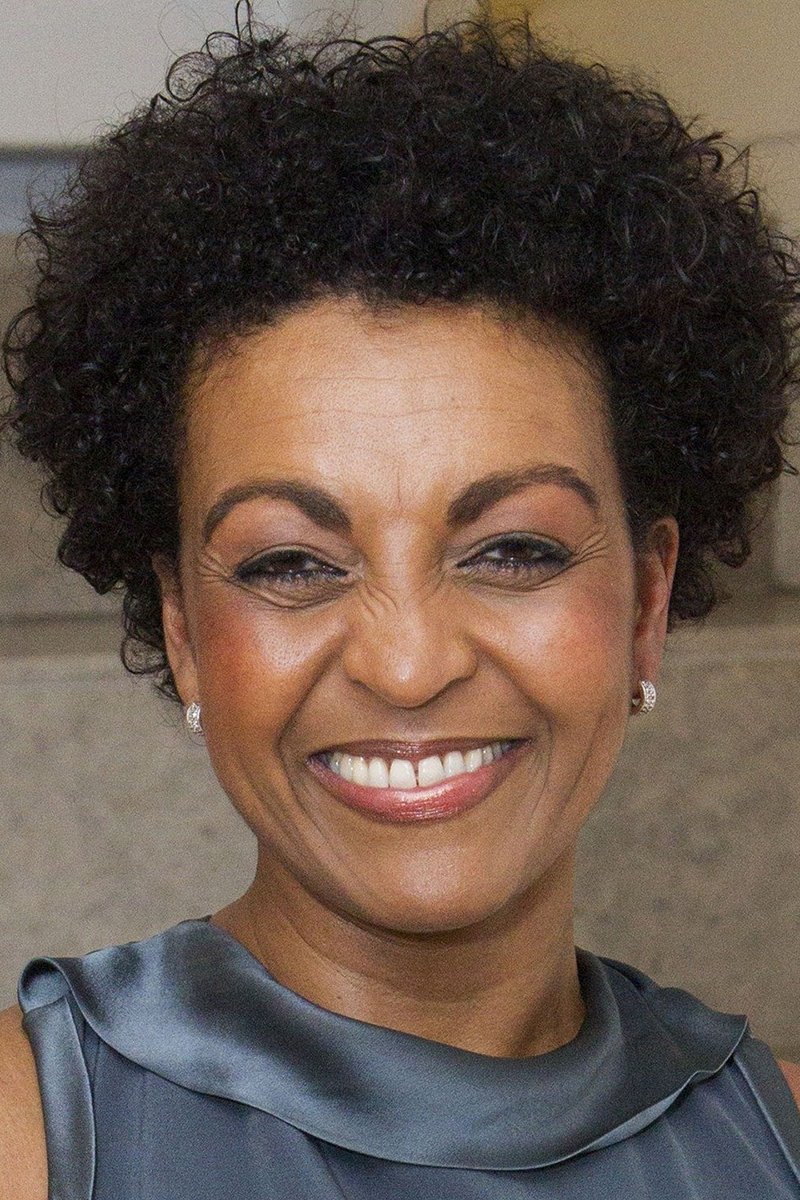
Adjoa Andoh sparked a royal controversy with her commentary during the coronation of King Charles III. The ‘Bridgerton’ actress described the balcony appearance of the Royal Family as terribly white which drew thousands of complaints to regulators. Critics accused her of reverse racism while supporters argued she was simply stating a visual fact about the monarchy. The incident highlighted the extreme sensitivity surrounding discussions of race in the United Kingdom. Andoh refused to back down and insisted that the observation was relevant to modern Britain.
Kirby Howell-Baptiste
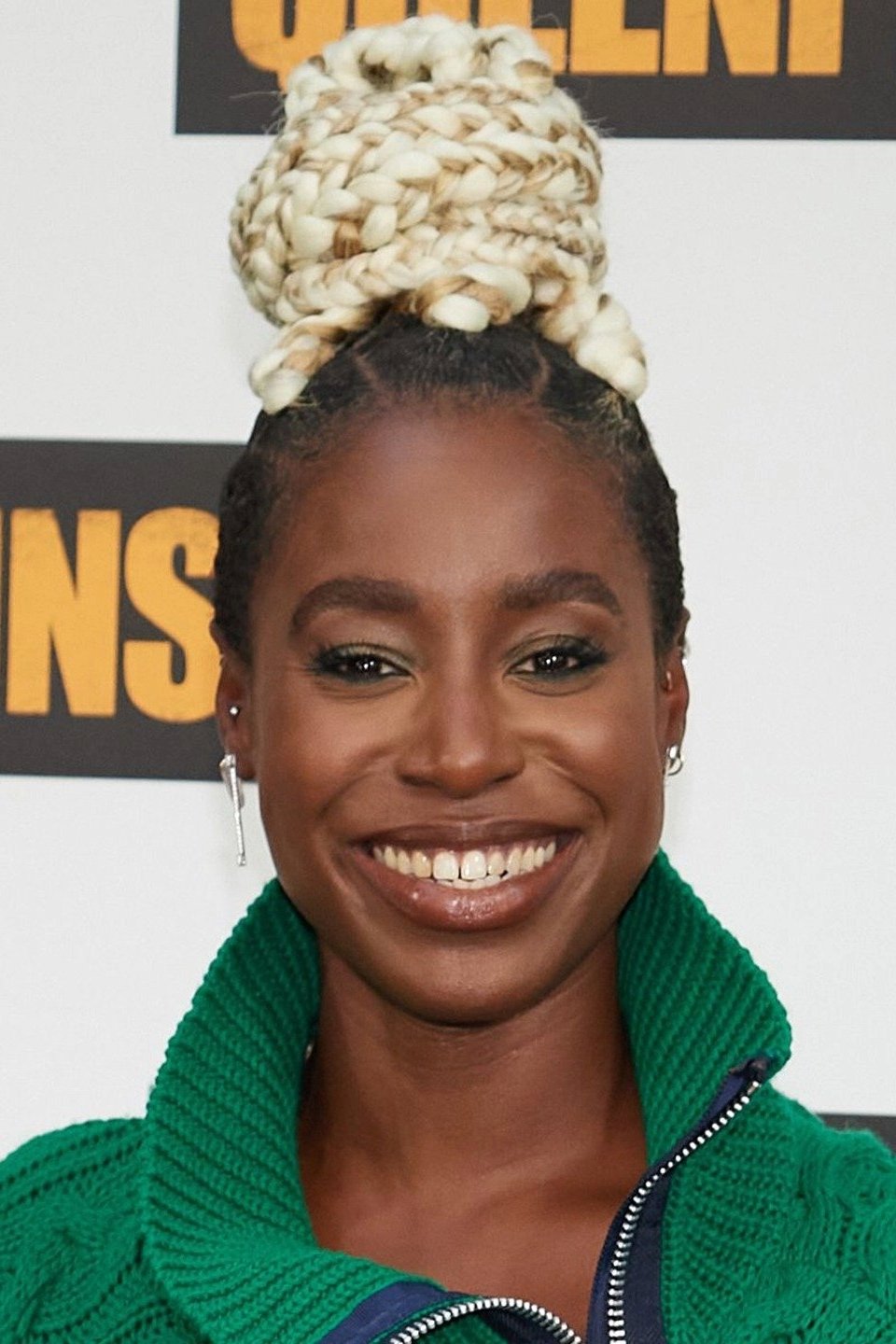
Kirby Howell-Baptiste was cast as Death in the Netflix adaptation of Neil Gaiman’s ‘The Sandman’ which deviated from the character’s white appearance in the comics. While Gaiman himself fiercely defended the casting the decision was attacked by a vocal minority of the fanbase. Howell-Baptiste approached the role with a warmth that eventually won over many skeptics. The backlash was another iteration of the struggle to diversify beloved graphic novel properties. She proved that the essence of a character is not tied to their melanin.
Candice Patton
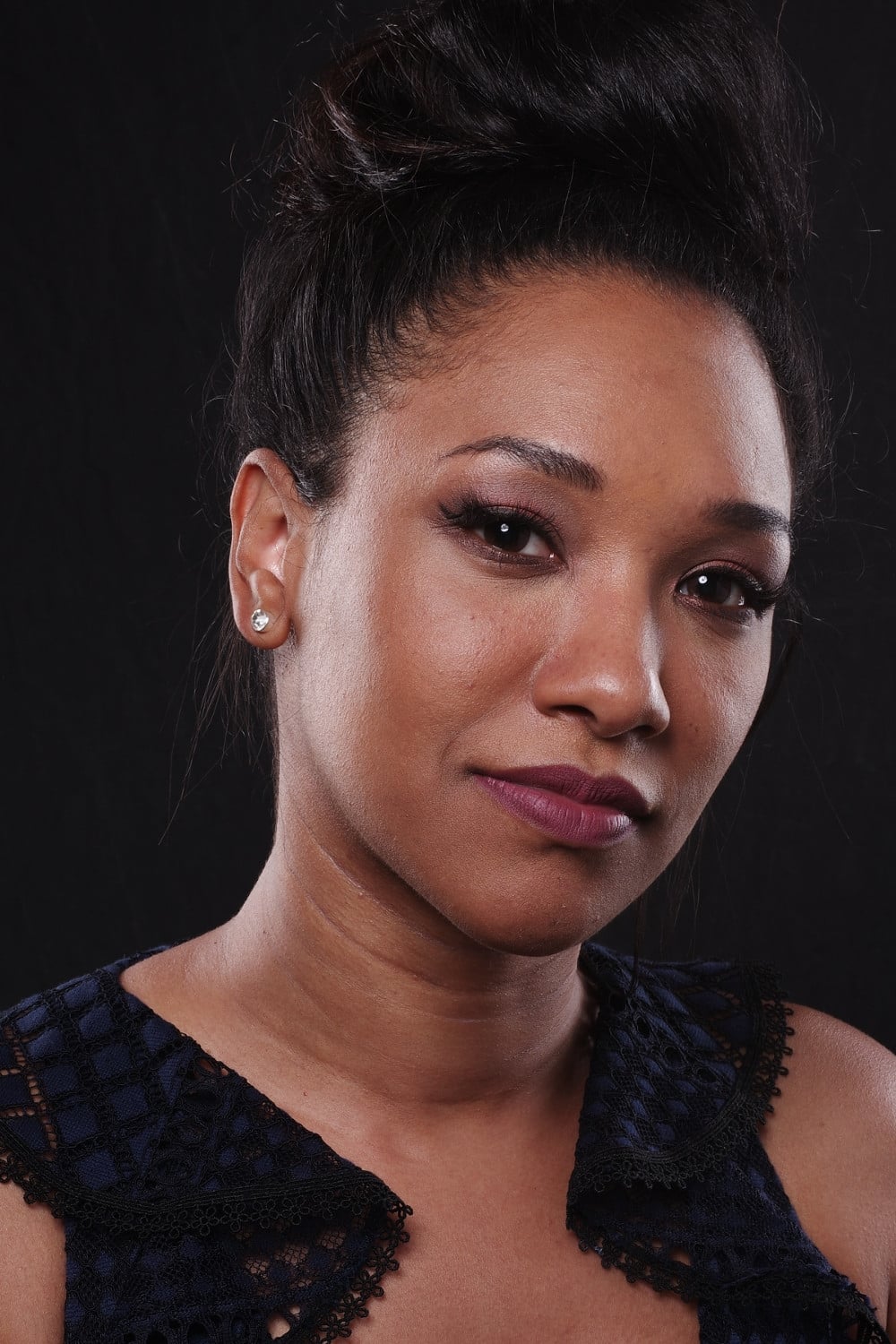
Candice Patton endured nearly a decade of racist harassment for her role as Iris West in the CW series ‘The Flash’. As the love interest to the white superhero she was targeted by fans who wanted the comic book’s original white pairing preserved. Patton revealed that she received no support from the studio or network during the early years of the abuse. She stayed on the show for nine seasons to hold the door open for future Black actresses in the genre. Her testimony exposed the lack of institutional protection for actors of color in superhero media.
Javicia Leslie
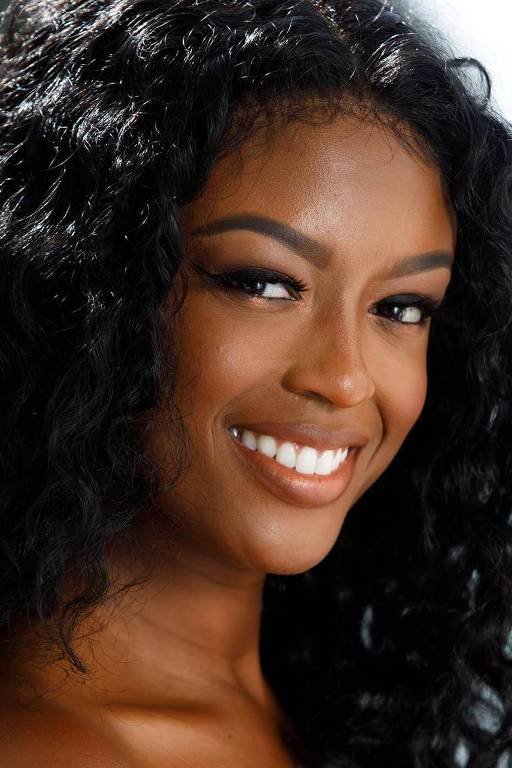
Javicia Leslie stepped into the cowl as the new lead of ‘Batwoman’ after the sudden departure of Ruby Rose. Her casting as a Black bisexual woman was celebrated by progressives but mocked by those who had already labeled the show as propaganda. Leslie had to carry the weight of a failing franchise while navigating a polarized audience base. She focused on the physical demands of the stunts and the importance of queer representation. Her tenure was short-lived due to cancellation but she broke a significant barrier in the DC television universe.
Lupita Nyong’o
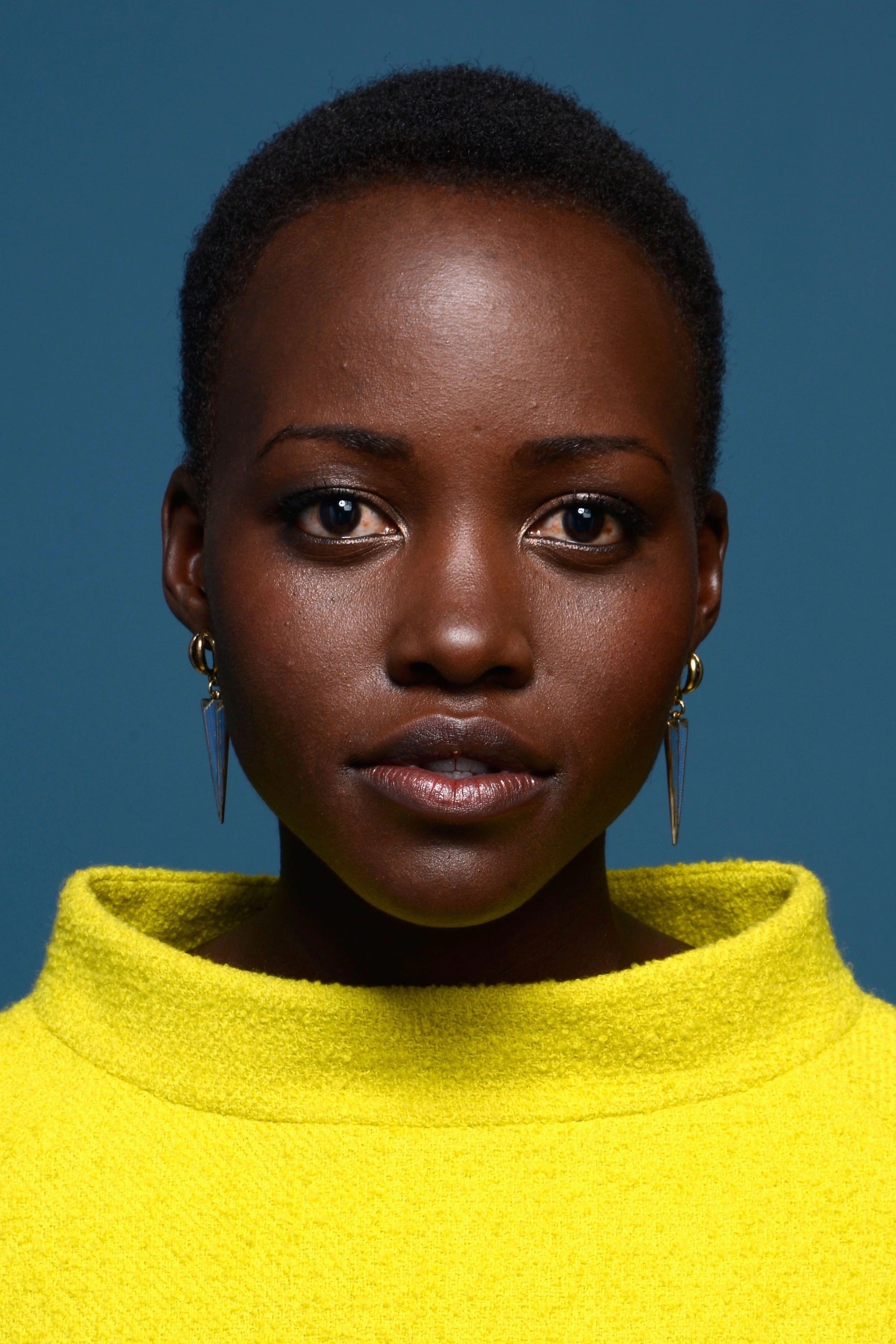
Lupita Nyong’o has been a central figure in the culture war regarding beauty standards since her Oscar win. She has openly criticized magazines for lightening her skin and removing her natural hair texture in photos. Her children’s book ‘Sulwe’ was a direct response to the colorism she faced and observed in the industry. Nyong’o challenges the global media to view dark skin and kinky hair as aspirational rather than acceptable only in specific contexts. Her advocacy has forced major fashion publications to reevaluate their editing processes.
Angela Bassett
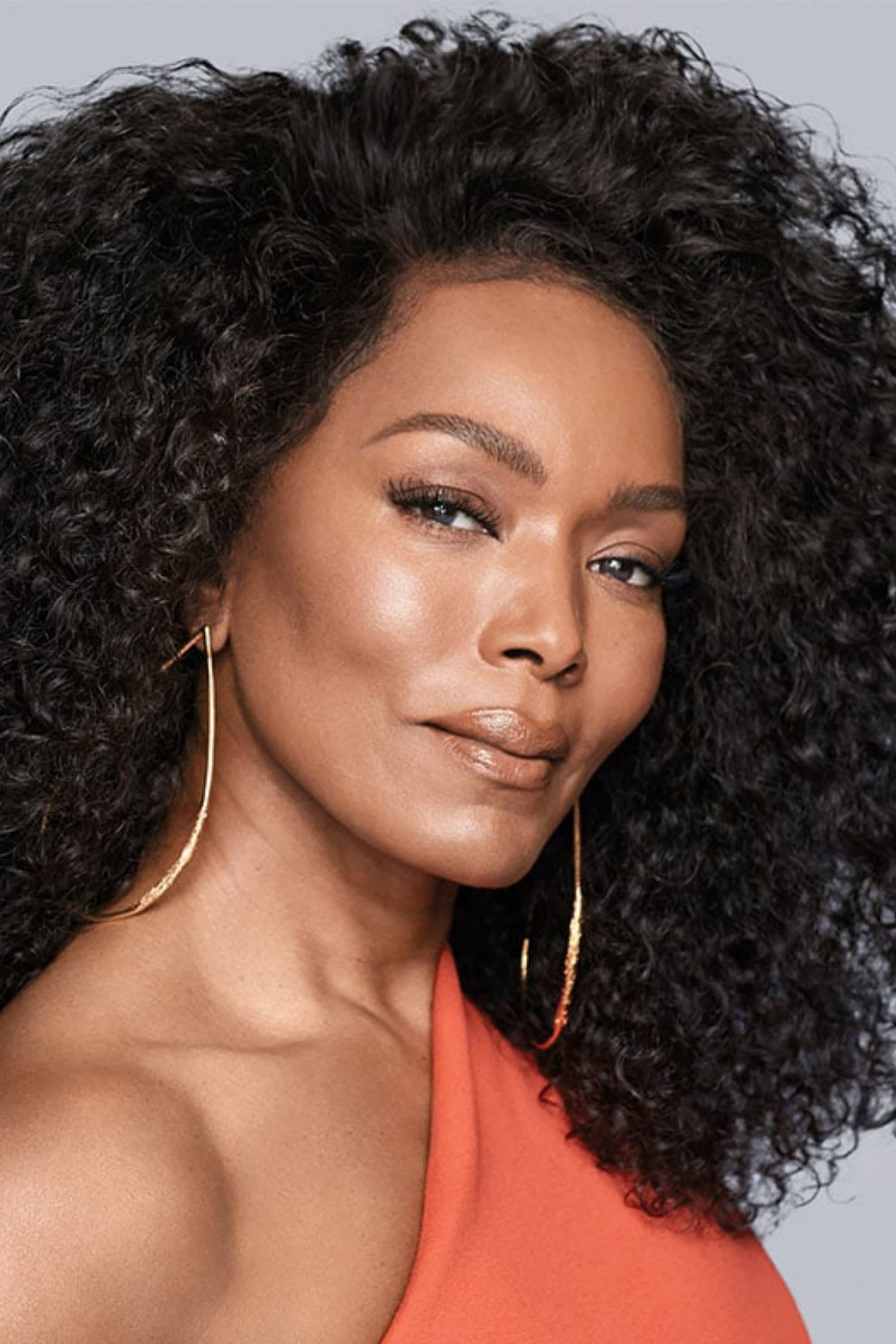
Angela Bassett found herself at the center of an awards season controversy when she lost the Best Supporting Actress Oscar for ‘Black Panther: Wakanda Forever’. Her visible disappointment when the winner was announced went viral and sparked a debate about sportsmanship versus valid frustration. Supporters argued that Black women are expected to be gracious even when constantly overlooked by the Academy. The moment reignited the #OscarsSoWhite discussion regarding legacy awards and Black talent. Bassett later addressed the moment by affirming her right to have a human reaction to a disappointment.
Danielle Deadwyler
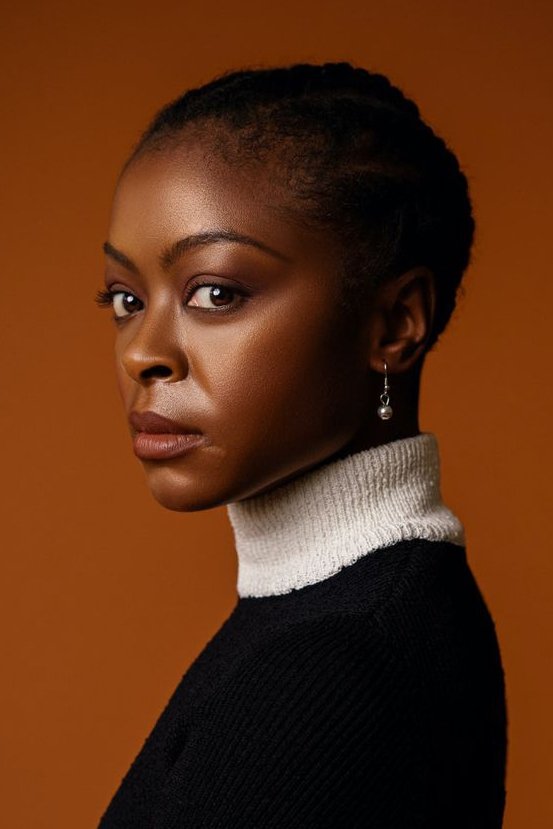
Danielle Deadwyler was the subject of intense industry debate when she was snubbed for an Oscar nomination for her acclaimed performance in ‘Till’. The film’s director and many critics attributed the omission to the Academy’s misogynoir and discomfort with the film’s subject matter. The controversy led to an investigation into the campaigning tactics of other nominees. Deadwyler spoke out about the systemic racism that operates within the voting bodies of award institutions. Her snub is often cited as one of the most egregious examples of the Academy failing Black women.
Golda Rosheuvel
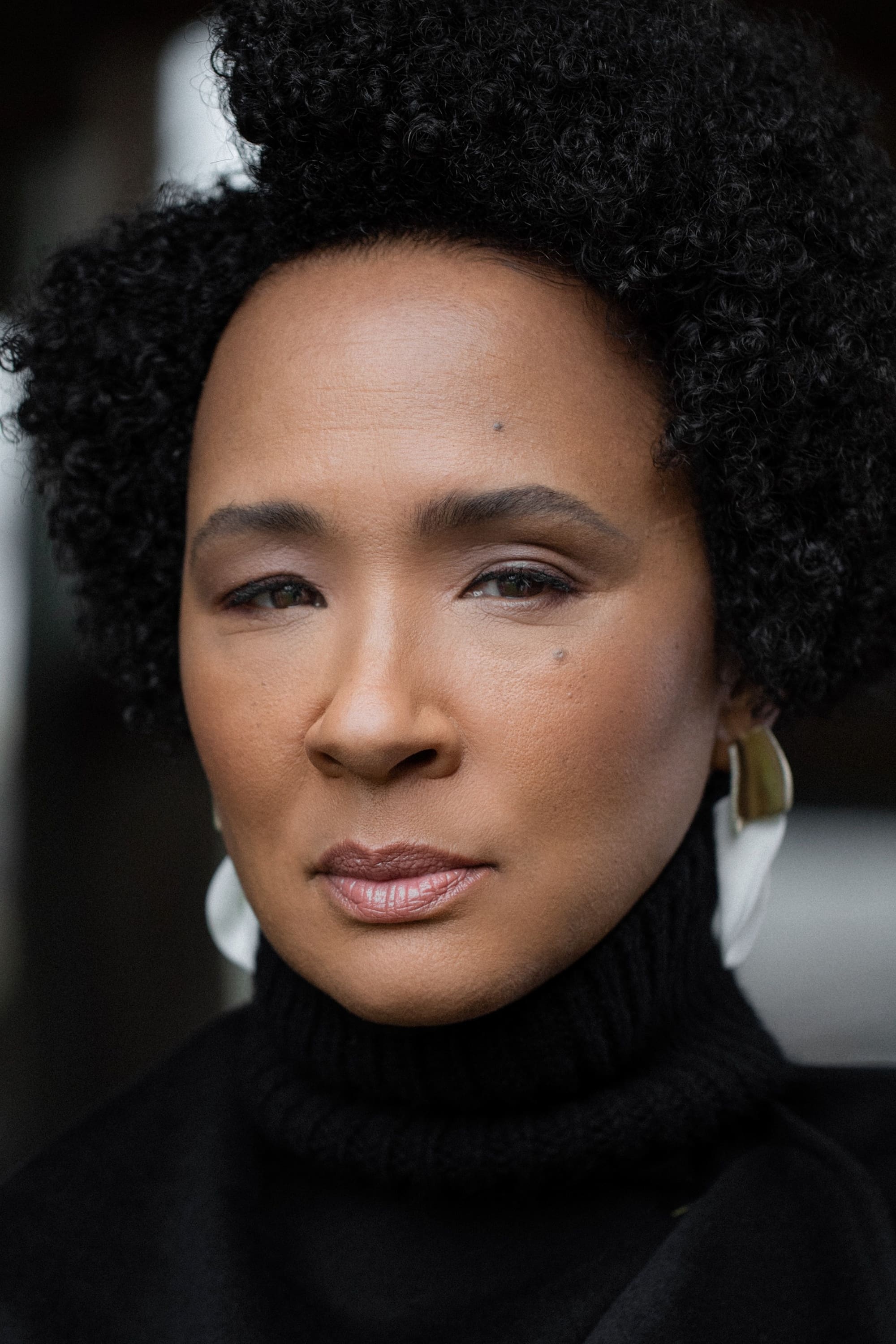
Golda Rosheuvel plays Queen Charlotte in ‘Bridgerton’ a role that reimagines the historical figure as visibly Black. The show’s premise that her marriage ended racism in the Regency era has been critiqued by some scholars and cultural commentators as a dangerous fantasy. Rosheuvel defends the creative choice as a way to empower modern audiences rather than a history lesson. The character has become a cultural icon despite the debates regarding historical revisionism. She represents the forefront of the movement to diversify period dramas.
Susan Wokoma
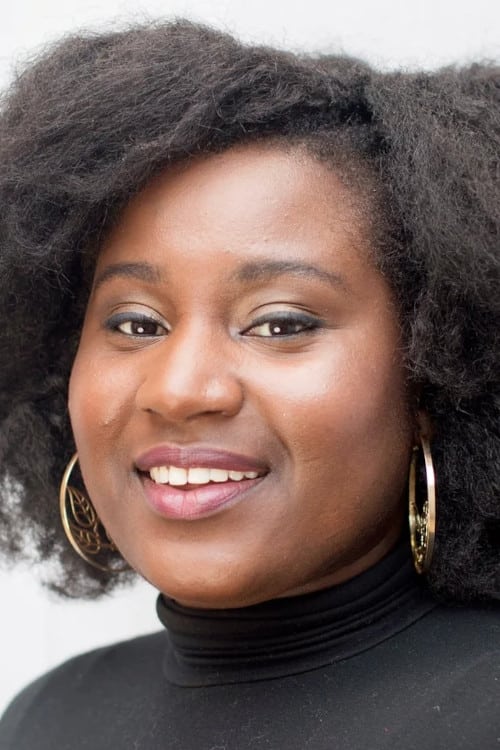
Susan Wokoma plays a radical feminist jujitsu master in the ‘Enola Holmes’ films which feature a diverse Victorian London. The inclusion of a Black suffragette character drew complaints from those who argued it was historically implausible. Wokoma has engaged with the criticism by highlighting the real history of Black people in Victorian England that is often erased. Her role challenges the lily-white image of the 19th century usually presented in cinema. She brings a physical and intellectual presence that disrupts traditional period piece casting.
DeWanda Wise
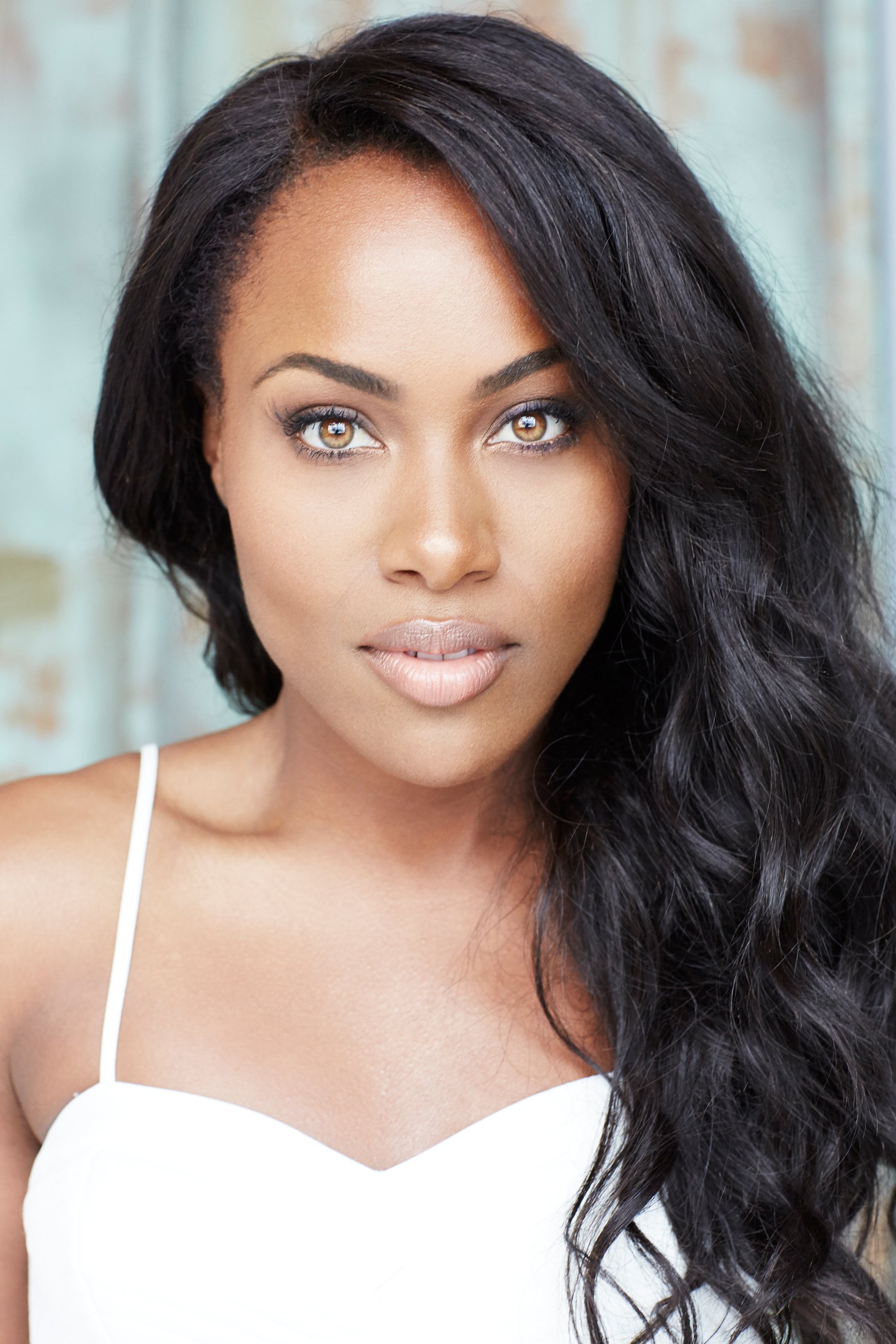
DeWanda Wise faced scrutiny and rumors after she had to exit the ‘Captain Marvel’ movie due to scheduling conflicts which some fans interpreted as a lack of faith in the project. She later joined the ‘Jurassic World’ franchise where her character was criticized by some as a diversity hire meant to replace classic characters. Wise has been vocal about the pressure placed on Black women to save blockbuster franchises. She actively engages with her fanbase to dispel rumors and assert her place in action cinema. Her career reflects the volatility of navigating major studio tentpoles in the modern era.
Share your thoughts on these actresses and the debates they sparked in the comments.