Black Actors Who’ve Achieved Long-Term Sobriety

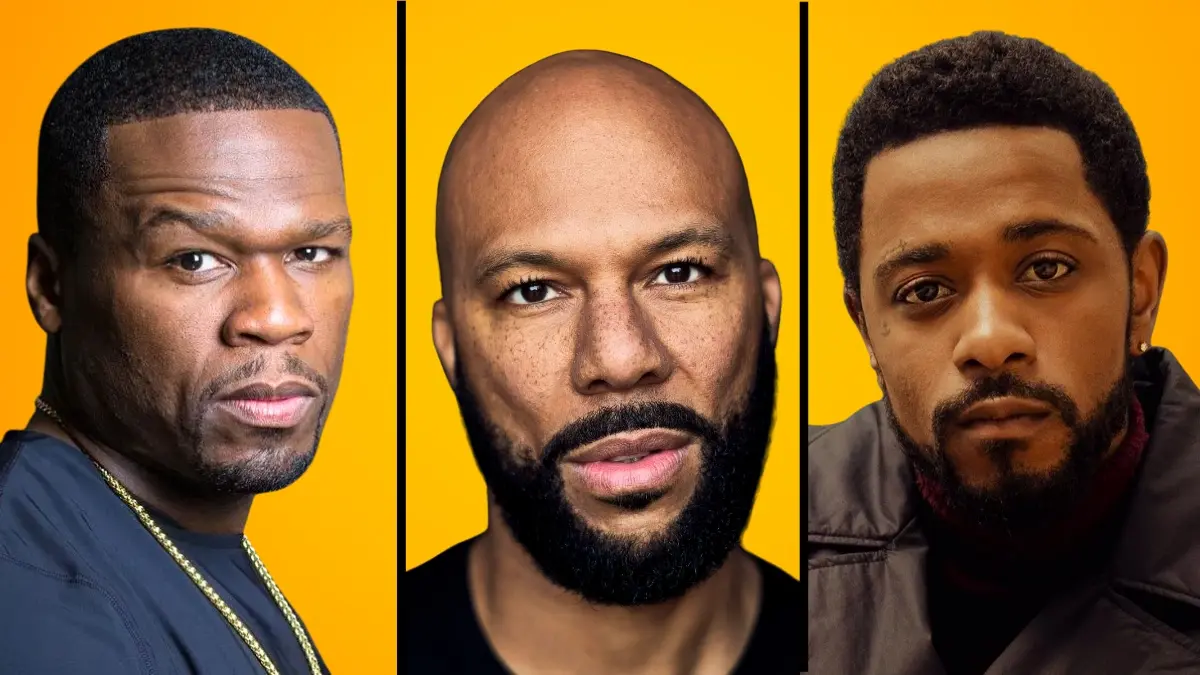

Stories of sobriety in Hollywood are often hard-won, and many Black male actors have been candid about giving up alcohol and drugs—or choosing lifelong abstinence—and sticking with it for years. Below are twenty who’ve described long-term sobriety or publicly said they don’t drink or use drugs, with concise notes on when they made the change and how they’ve spoken about maintaining it.
Samuel L. Jackson
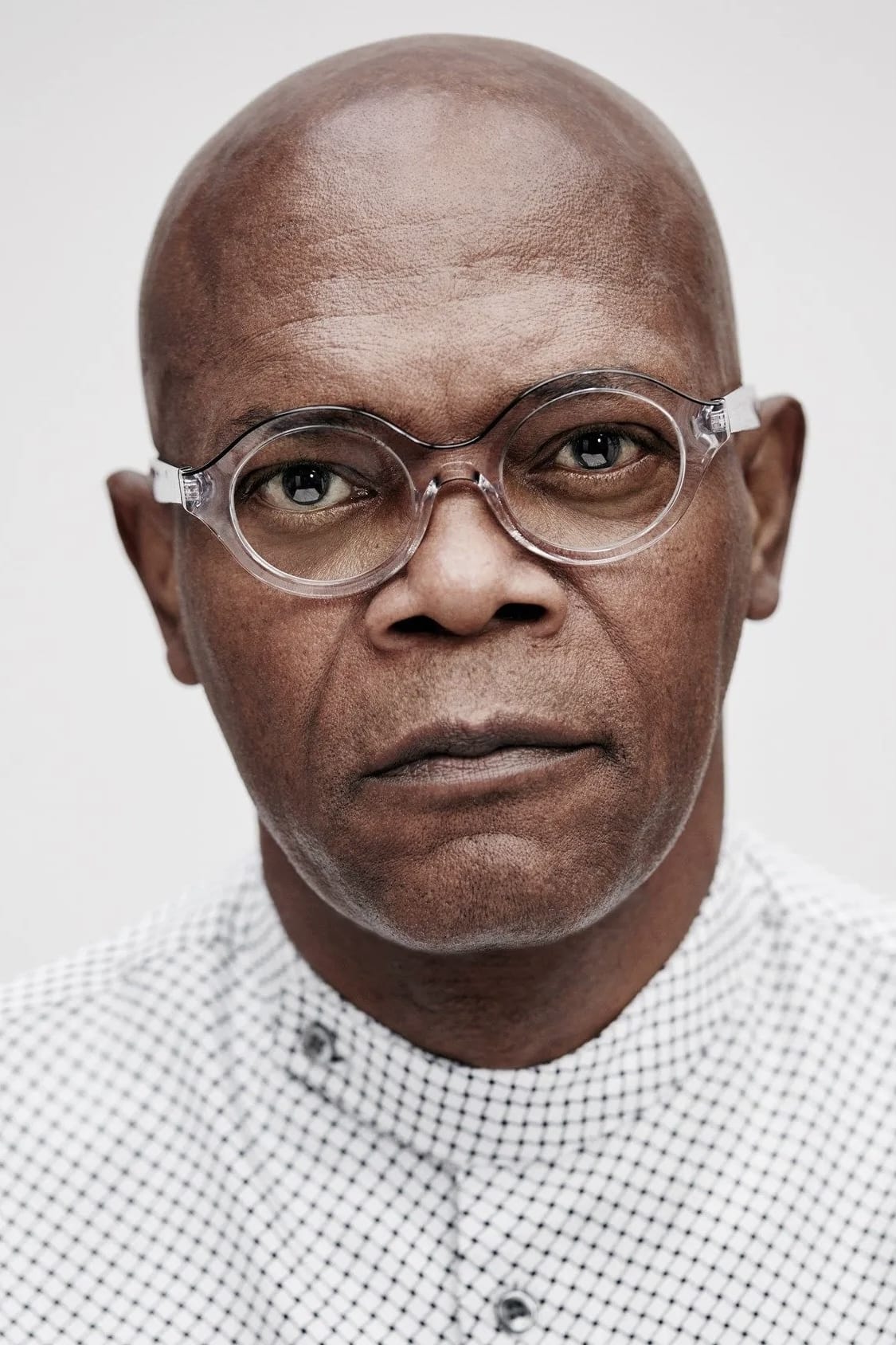
Samuel L. Jackson has spoken about entering rehab in the early 1990s after years of substance use and committing to sobriety before a major career breakthrough. He has credited professional treatment, family support, and ongoing recovery work for helping him sustain long-term abstinence. Jackson has revisited the topic in interviews over the years to underscore the importance of structure. His story is often cited by recovery advocates as a durable example of change.
Denzel Washington
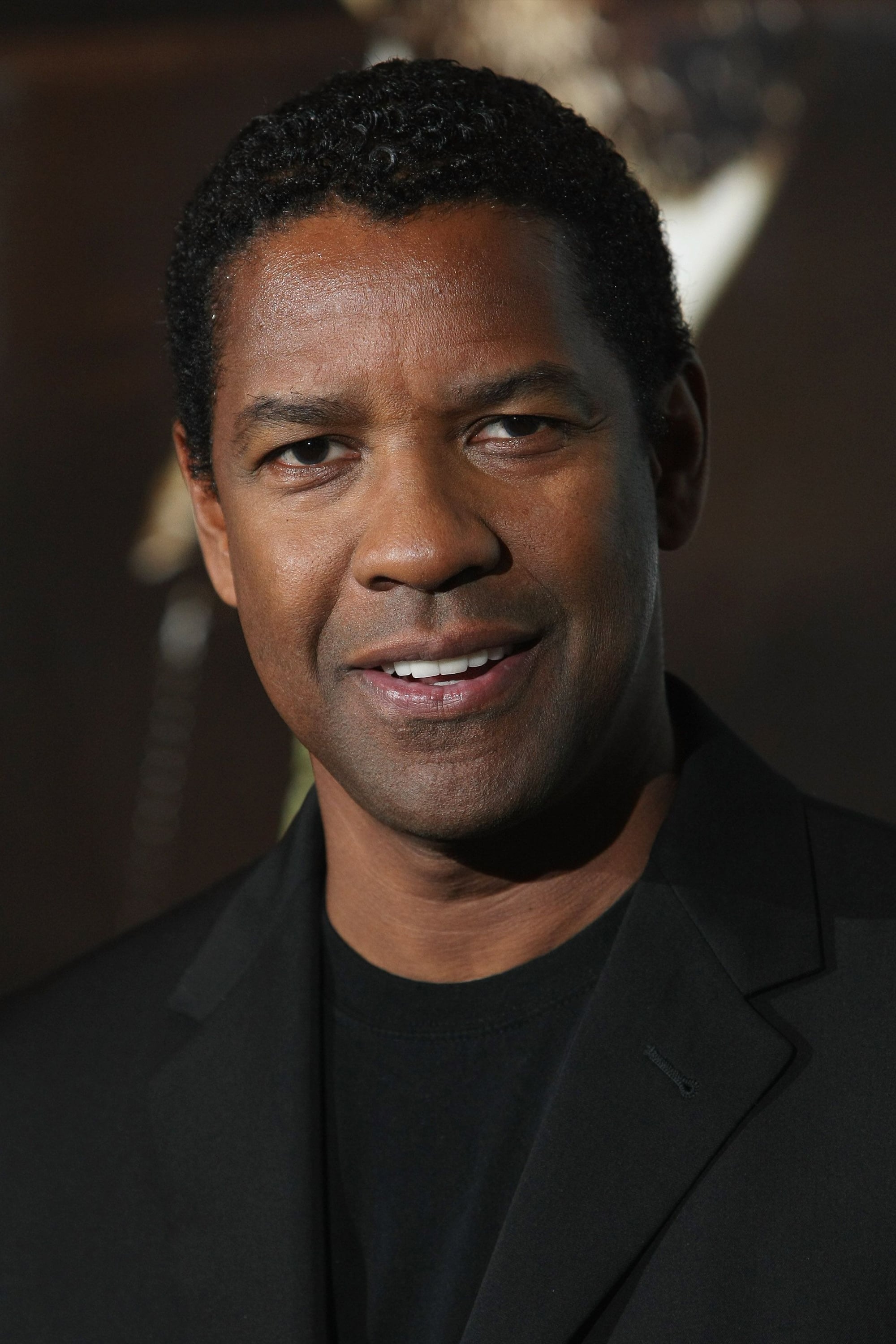
Denzel Washington has discussed quitting alcohol later in life after recognizing a long pattern that no longer aligned with his health priorities. He has framed the decision as a deliberate lifestyle shift rather than a temporary reset. Washington emphasizes discipline, faith, and clarity as key benefits of the change. Public conversations about the topic focus on how sobriety supports his longevity and craft.
Tracy Morgan
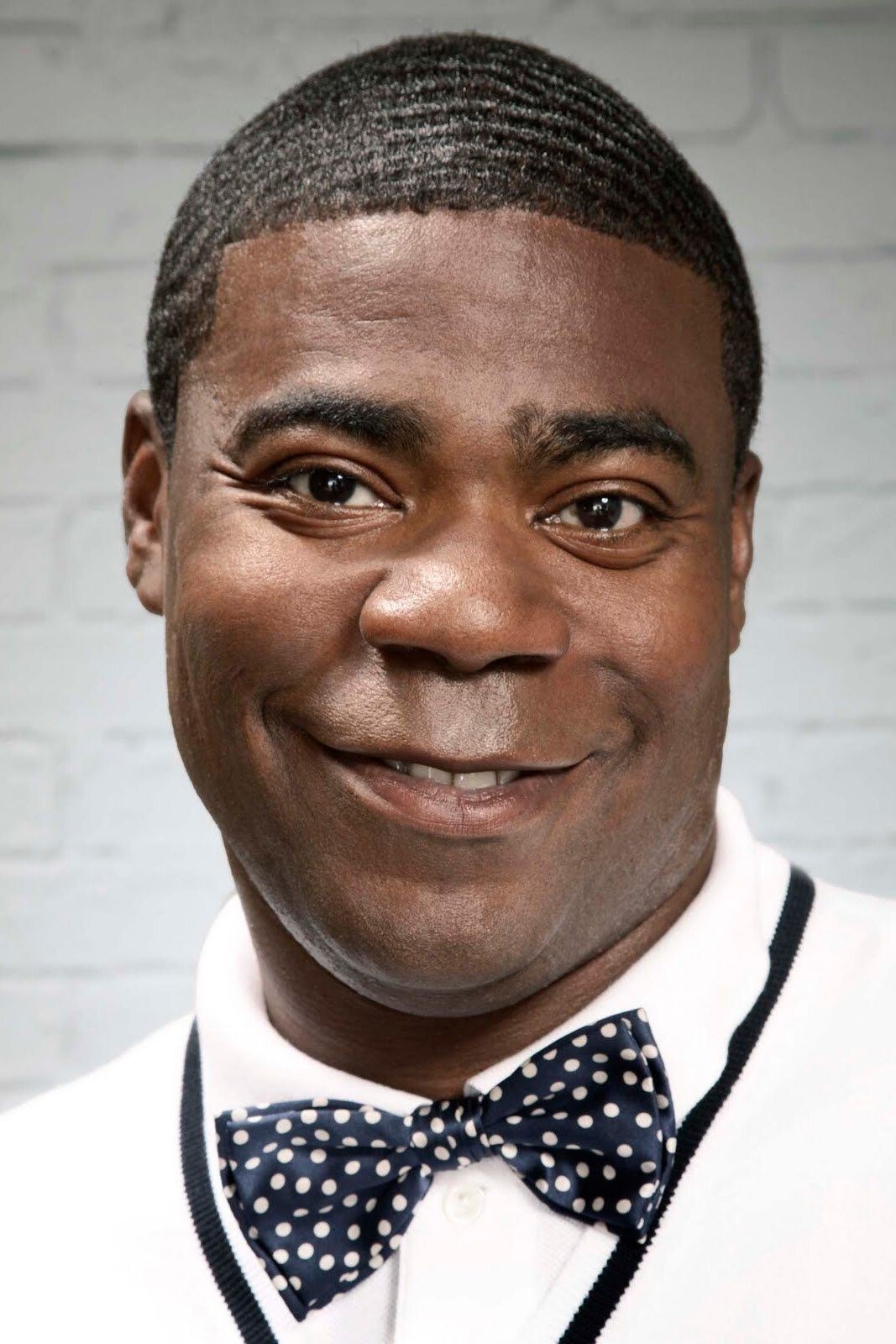
Tracy Morgan has linked his sobriety to a commitment he made following earlier struggles and legal issues, then reinforced during his health recovery. He describes practical routines—therapy, accountability, and family focus—that help him keep steady. Morgan often shares how day-by-day maintenance is central to staying the course. His public timeline reflects a sustained period of abstinence.
Todd Bridges
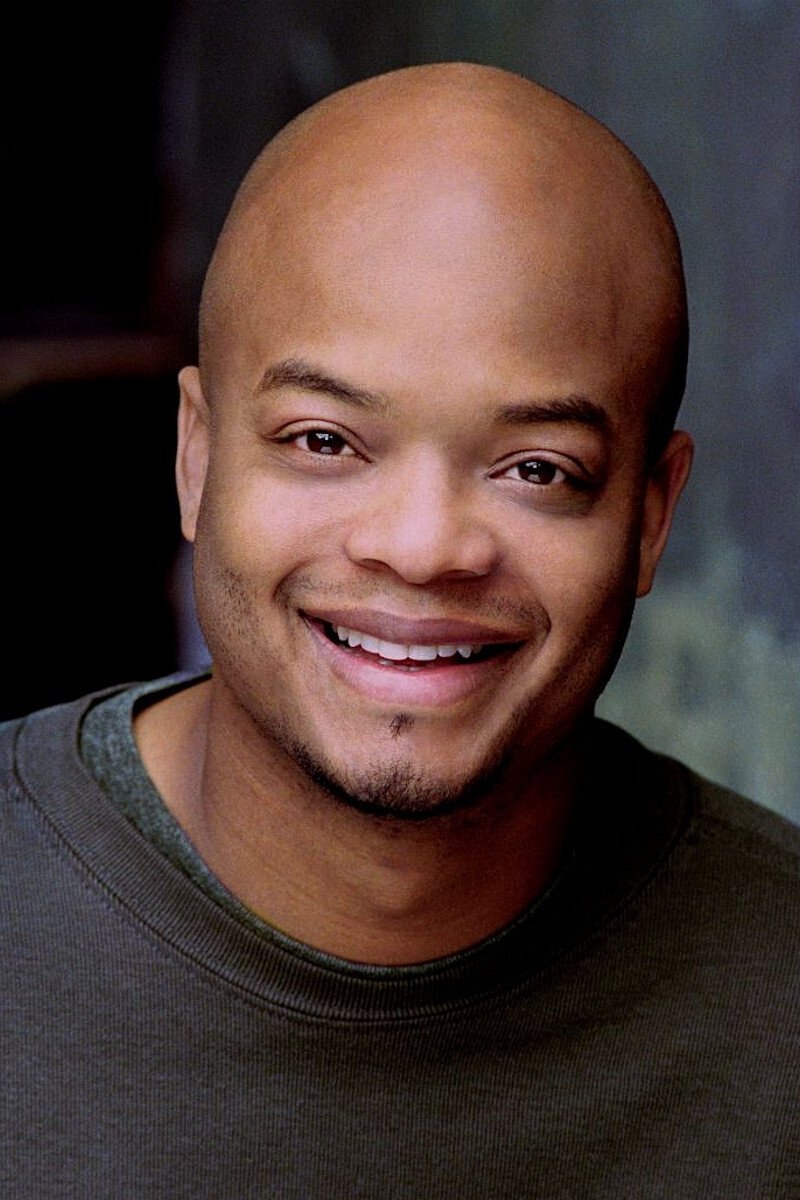
Todd Bridges has marked decades of sobriety after confronting cocaine addiction and serious legal trouble in his youth. He has credited a decisive turning point in treatment, along with mentorship and faith, for changing his trajectory. Bridges regularly highlights how consistent recovery work keeps him grounded. His reflections connect long-term sobriety to renewed opportunities in acting and advocacy.
Demond Wilson
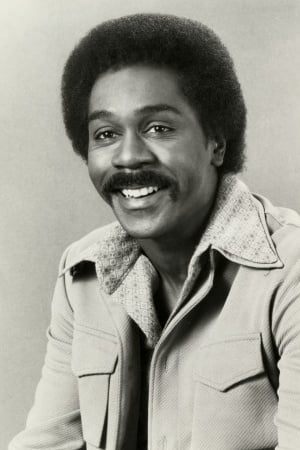
Demond Wilson has described overcoming heroin use in the 1970s and maintaining sobriety for many years since. He later became an ordained minister and has linked faith-based service to sustaining abstinence. Wilson’s public accounts detail how leaving the party culture around him was critical. His career and ministry have moved in parallel as he’s continued to share lessons from recovery.
RuPaul
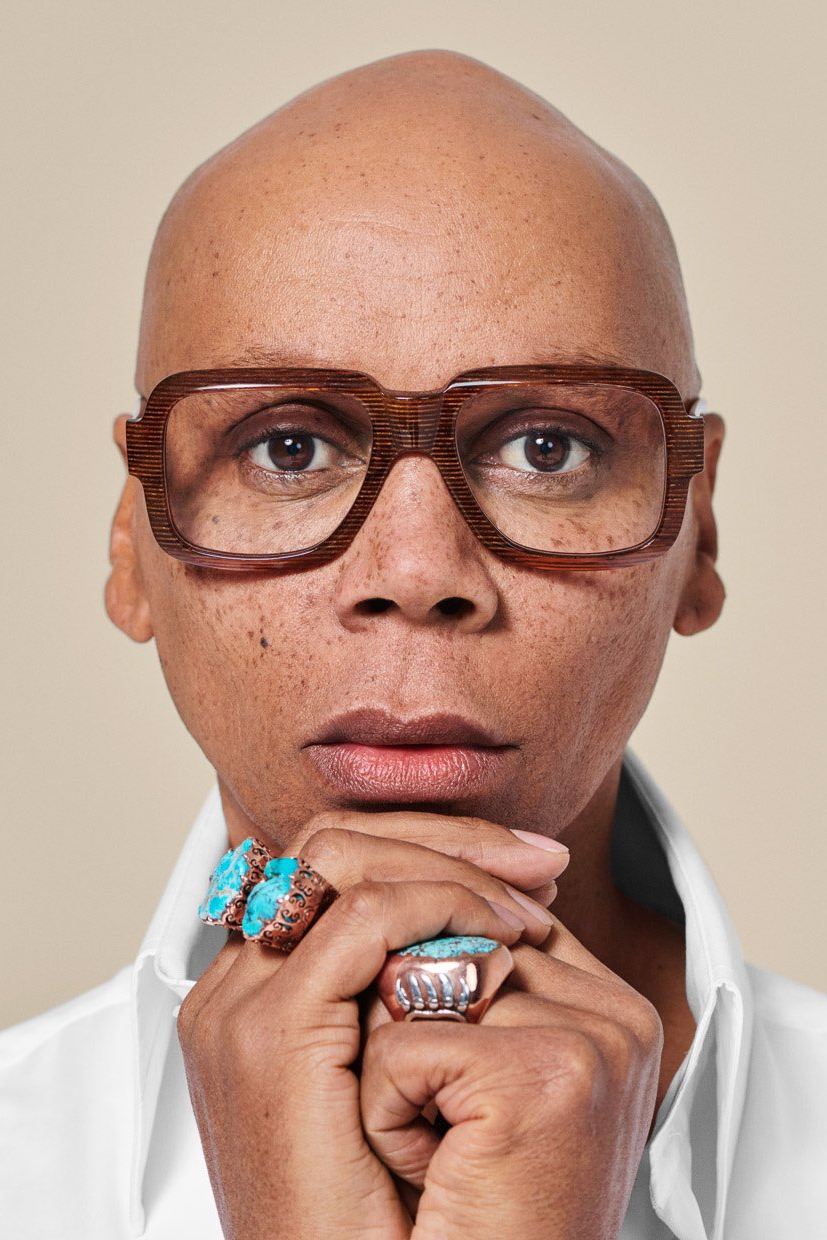
RuPaul has said he quit drugs and alcohol at the end of the 1990s after recognizing he was using substances to cope. He has spoken about replacing self-medication with emotional tools and daily practices that keep him balanced. RuPaul often points to sobriety as the foundation for consistent creativity and leadership on set. His comments present recovery as a long-term lifestyle, not a short campaign.
LaKeith Stanfield
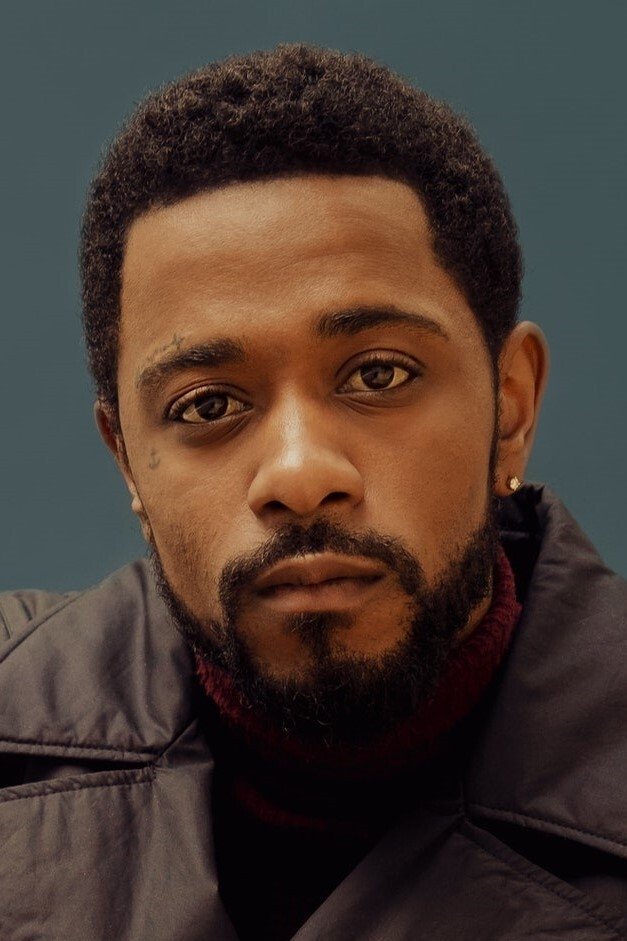
LaKeith Stanfield has talked about realizing he was struggling with alcohol while working on a project, then making the decision to get sober. He has discussed therapy, boundaries, and lifestyle changes that support staying alcohol-free. Stanfield connects sobriety to improved mental health and focus at work. Follow-up interviews continue to reference his commitment to recovery.
Ice-T
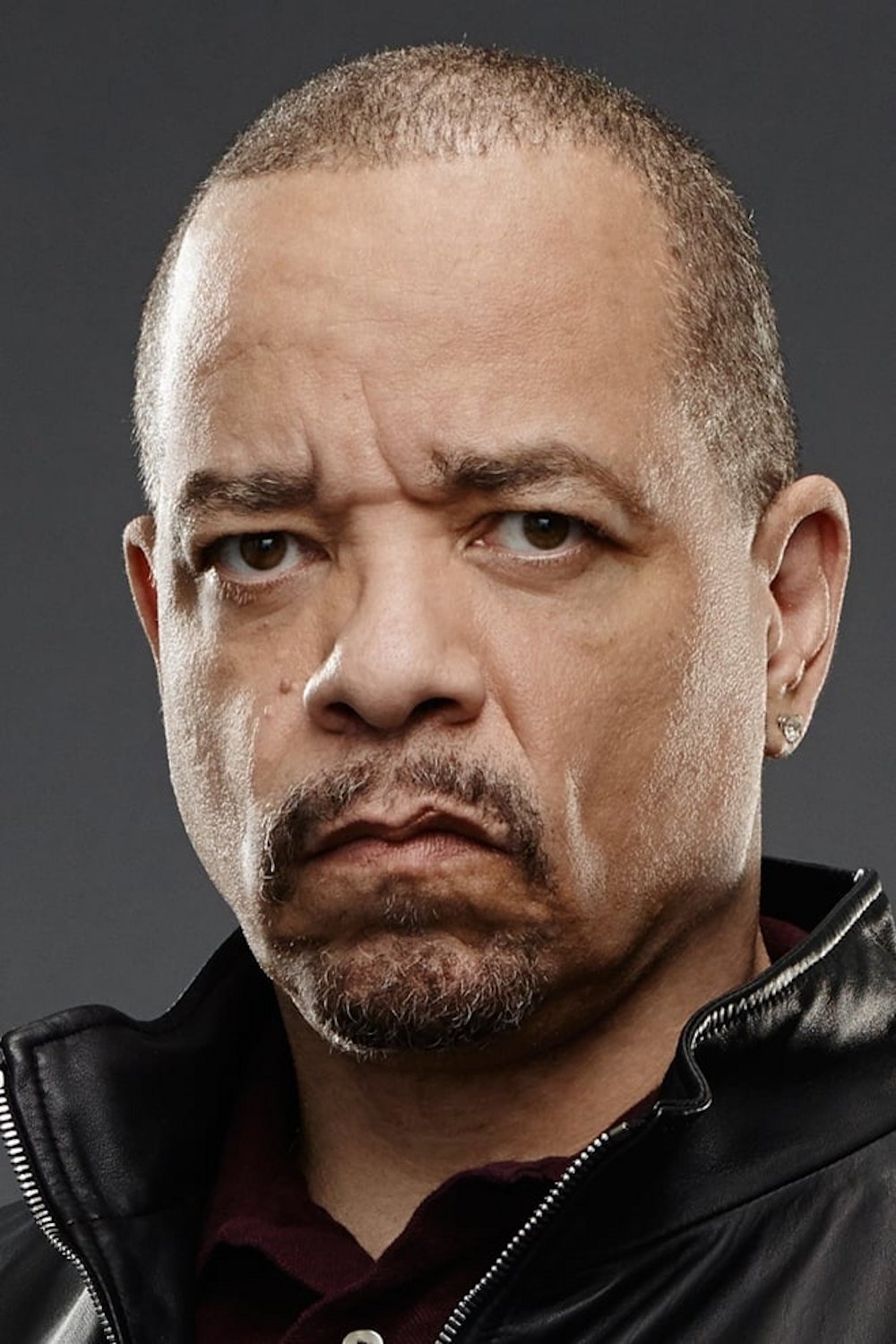
Ice-T has repeatedly said he never drank or used drugs, choosing abstinence early despite working in scenes where substances were common. He often cites safety, control, and longevity as reasons for that stance. Recent projects have also tied his message to broader awareness of overdose risks. His consistency over decades is a frequent point of emphasis in profiles.
Tyrese Gibson
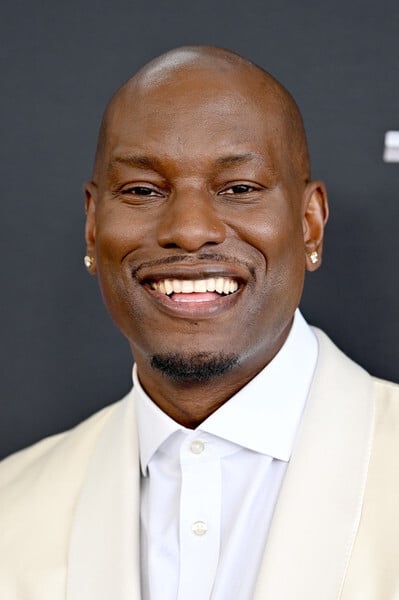
Tyrese Gibson has long stated that he doesn’t drink or use drugs and avoids intoxication as a personal rule. He links that decision to control, faith, and professional discipline. Interviews and appearances reiterate a steady, abstinent lifestyle. His stance is presented as preventative rather than corrective.
Mahershala Ali
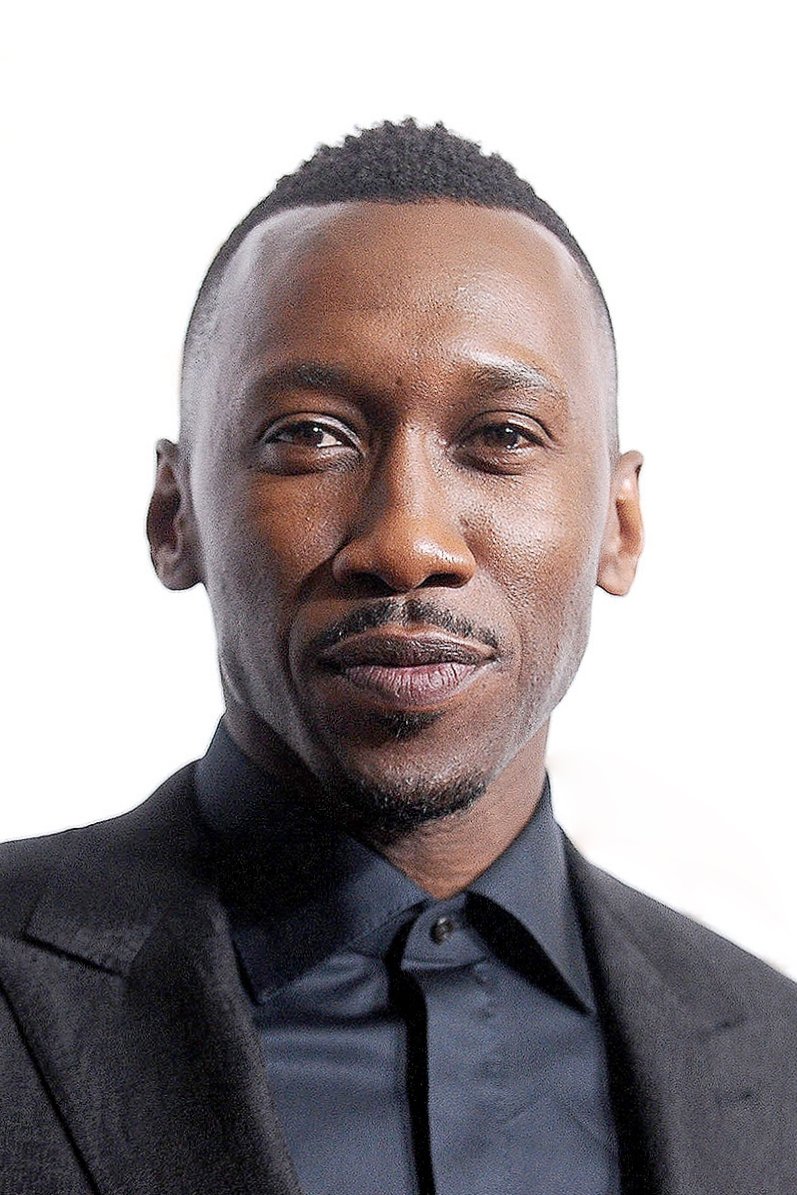
Mahershala Ali has said he does not drink alcohol and maintains a health-first regimen built around training and diet. He keeps celebrations alcohol-free and highlights clarity as a benefit. Ali connects his approach to sustaining performance across demanding roles. Coverage of his work frequently notes this part of his routine.
Nick Cannon
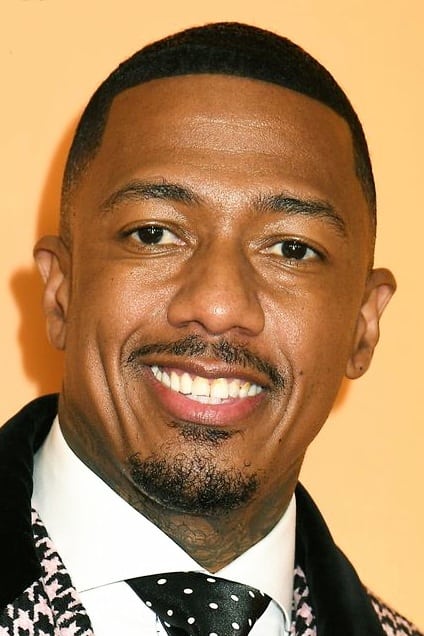
Nick Cannon has publicly said he doesn’t drink alcohol and prefers to keep a clear head while managing multiple jobs. He frames abstinence as part of a larger wellness plan. Cannon often mentions workload and health as motivations for staying sober. His comments present the choice as long-term and practical.
Pooch Hall
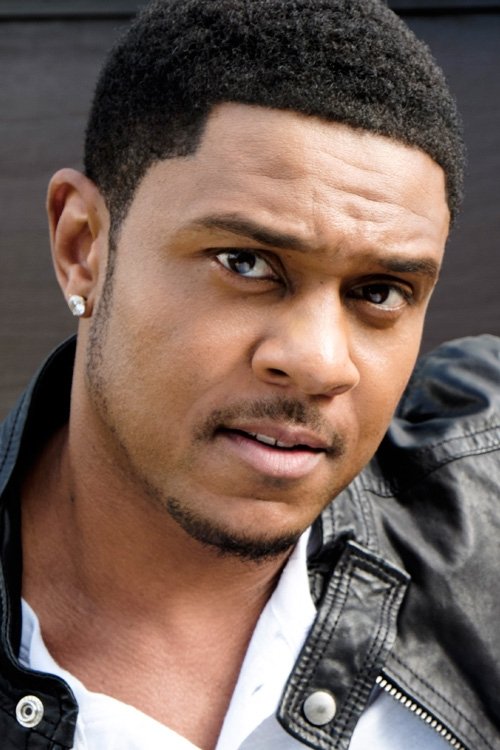
Pooch Hall pursued treatment after an alcohol-related incident and later marked multiple years of sobriety. He credits rehab, accountability, and family with supporting the change. Hall has shared milestones and encourages others to seek help. His updates reflect continued commitment to recovery work.
De’Aundre Bonds
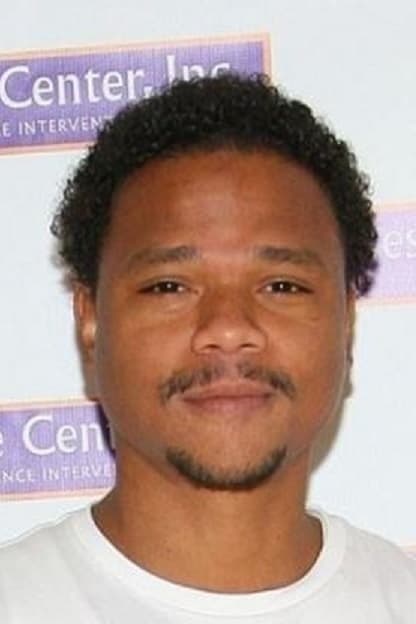
De’Aundre Bonds has spoken about struggling with alcohol and choosing sobriety as he rebuilt his life and career. He highlights persistence and support systems in staying the course. Bonds ties his recovery to renewed opportunities on screen. His public appearances often acknowledge pride in being sober.
Common
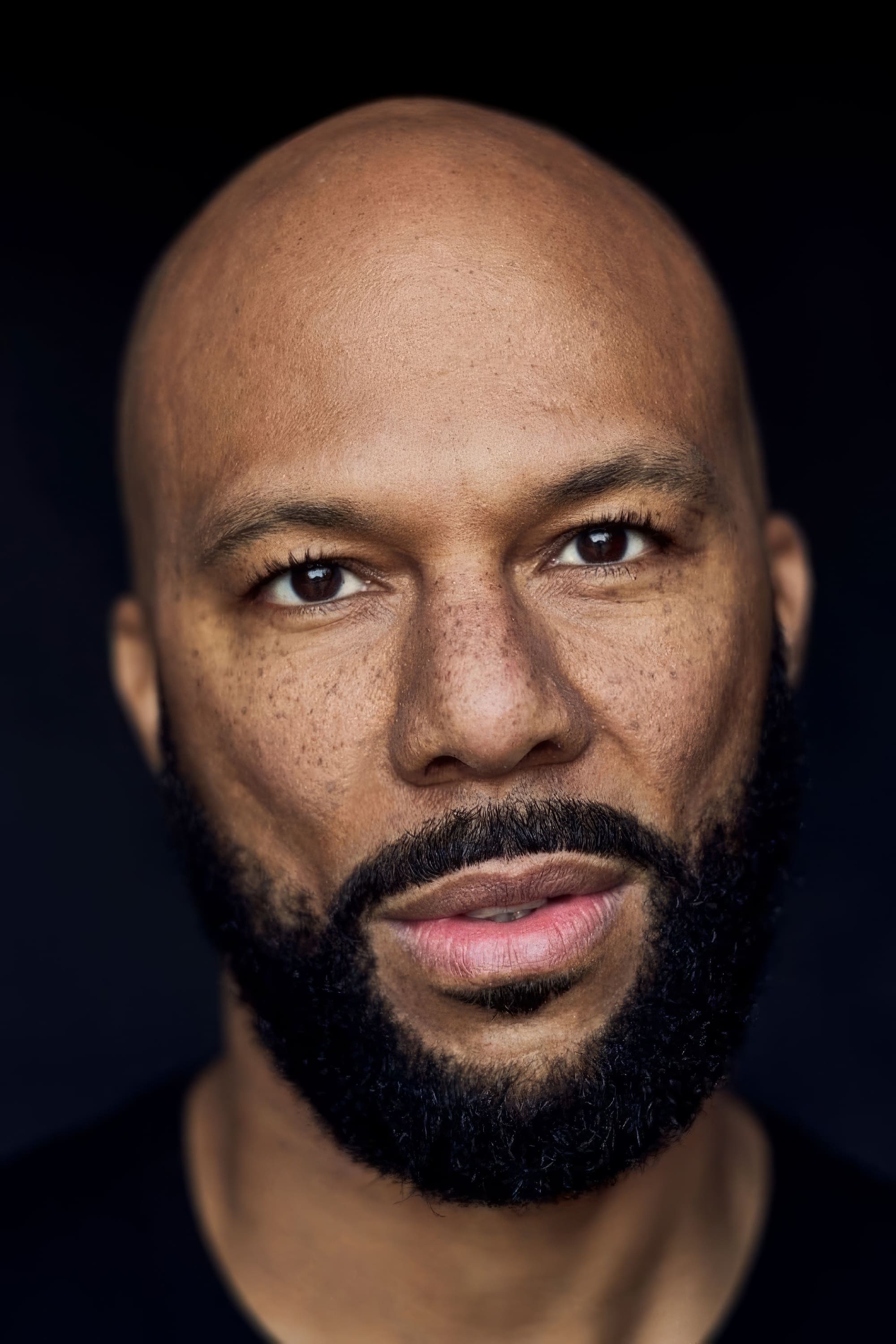
Common has reflected on earlier drinking patterns and the choice to center wellness and mental health instead. He describes practices—mindfulness, training, and routine—that reinforce staying alcohol-free. Common connects sobriety to consistency in creative work. His narrative emphasizes sustainable habits over quick fixes.
Chris Tucker

Chris Tucker has maintained that he avoids drugs and keeps distance from weed culture, even when roles or environments normalize it. He links that position to personal comfort and professional focus. Tucker has discussed relying on faith and clean living while working. His comments present abstinence as a long-standing choice.
Marlon Wayans
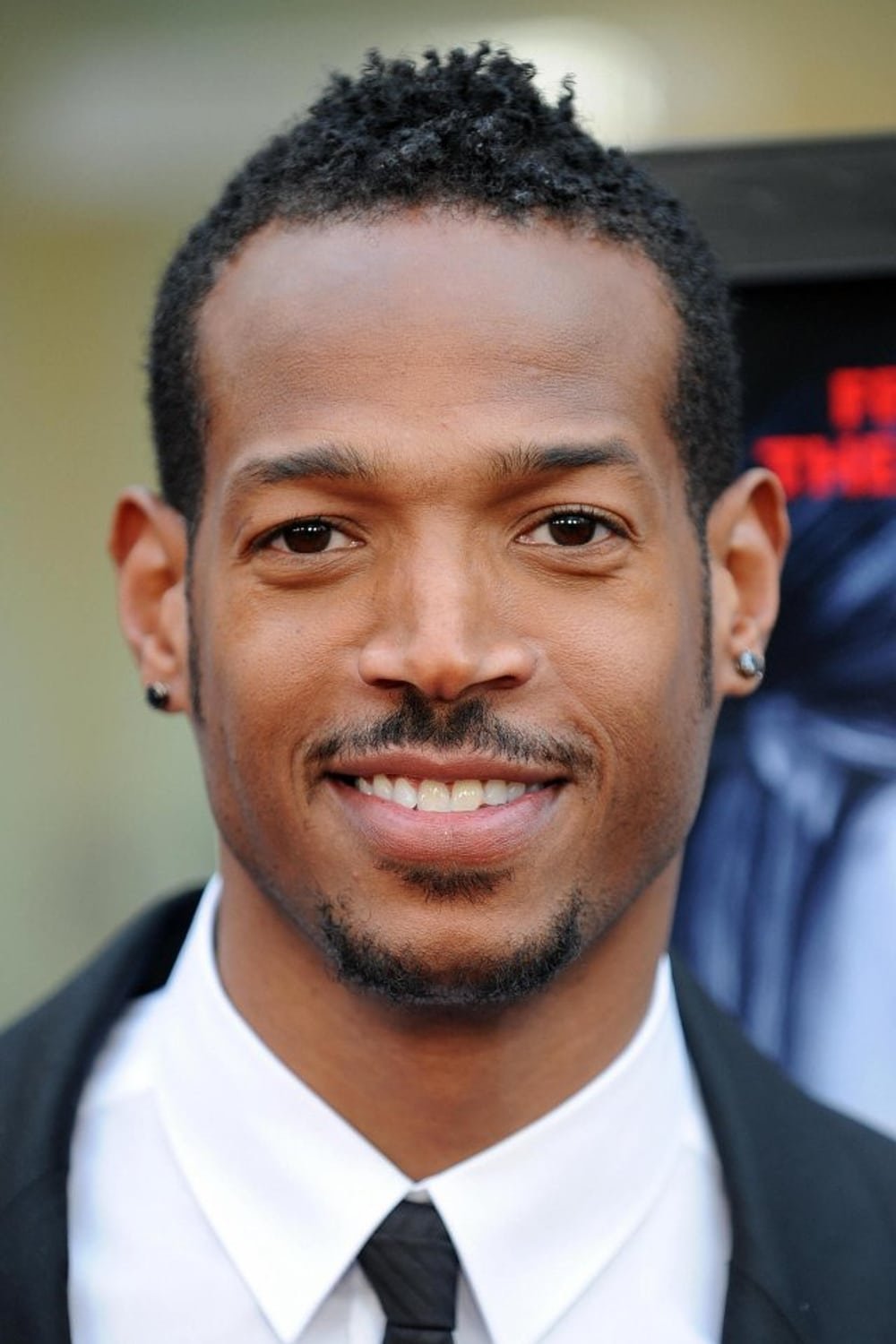
Marlon Wayans publicly cut out alcohol as part of a broader health reset and has described benefits in energy and performance. He emphasizes discipline and routine as the way to maintain the change. Wayans connects the decision to both stand-up and acting demands. His updates present sobriety as an ongoing commitment.
LL Cool J
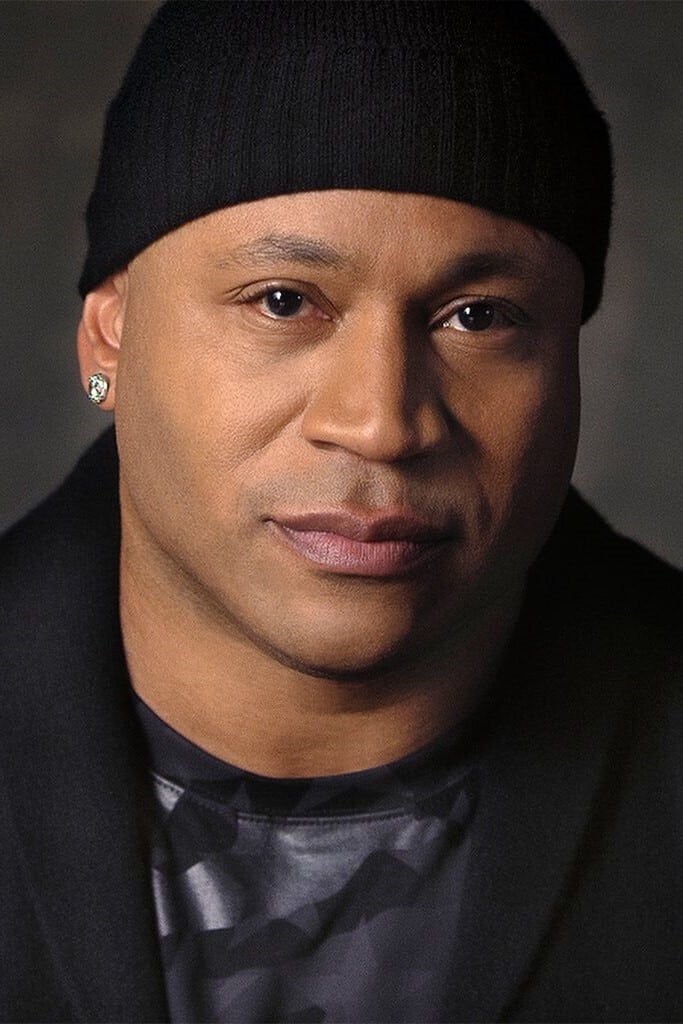
LL Cool J has long said he avoids alcohol and drugs, pairing abstinence with rigorous training and nutrition. He frames the choice as essential for stamina and clarity on long-running television and film projects. Public profiles consistently emphasize his clean-living approach. His example is often cited alongside his fitness regimen.
50 Cent
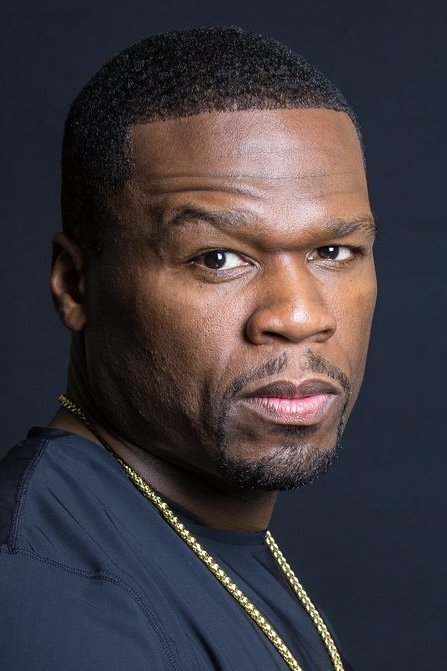
50 Cent, who also acts in film and television, has repeatedly said he doesn’t drink alcohol and uses non-alcoholic beverages in social settings. He describes the practice as a way to stay sharp in business and on set. Interviews highlight how he maintains that boundary despite nightlife-heavy environments. The stance is presented as part of a long-term professional strategy.
Charles S. Dutton
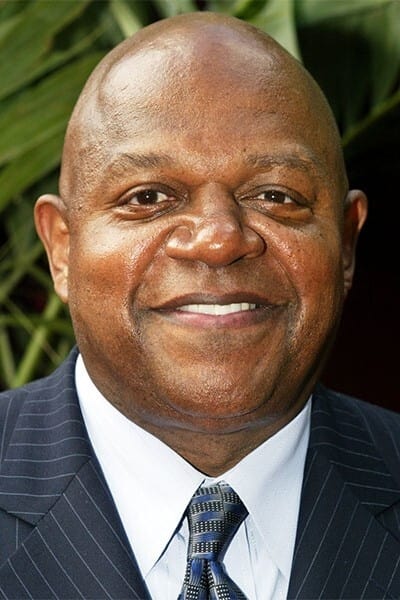
Charles S. Dutton has spoken about avoiding alcohol and drugs after turning his life around through education and theater. He credits focus, routine, and mentorship with keeping him on track. Dutton’s reflections connect sobriety to discipline learned on stage. His accounts present abstinence as integral to his second act.
Roy Wood Jr.
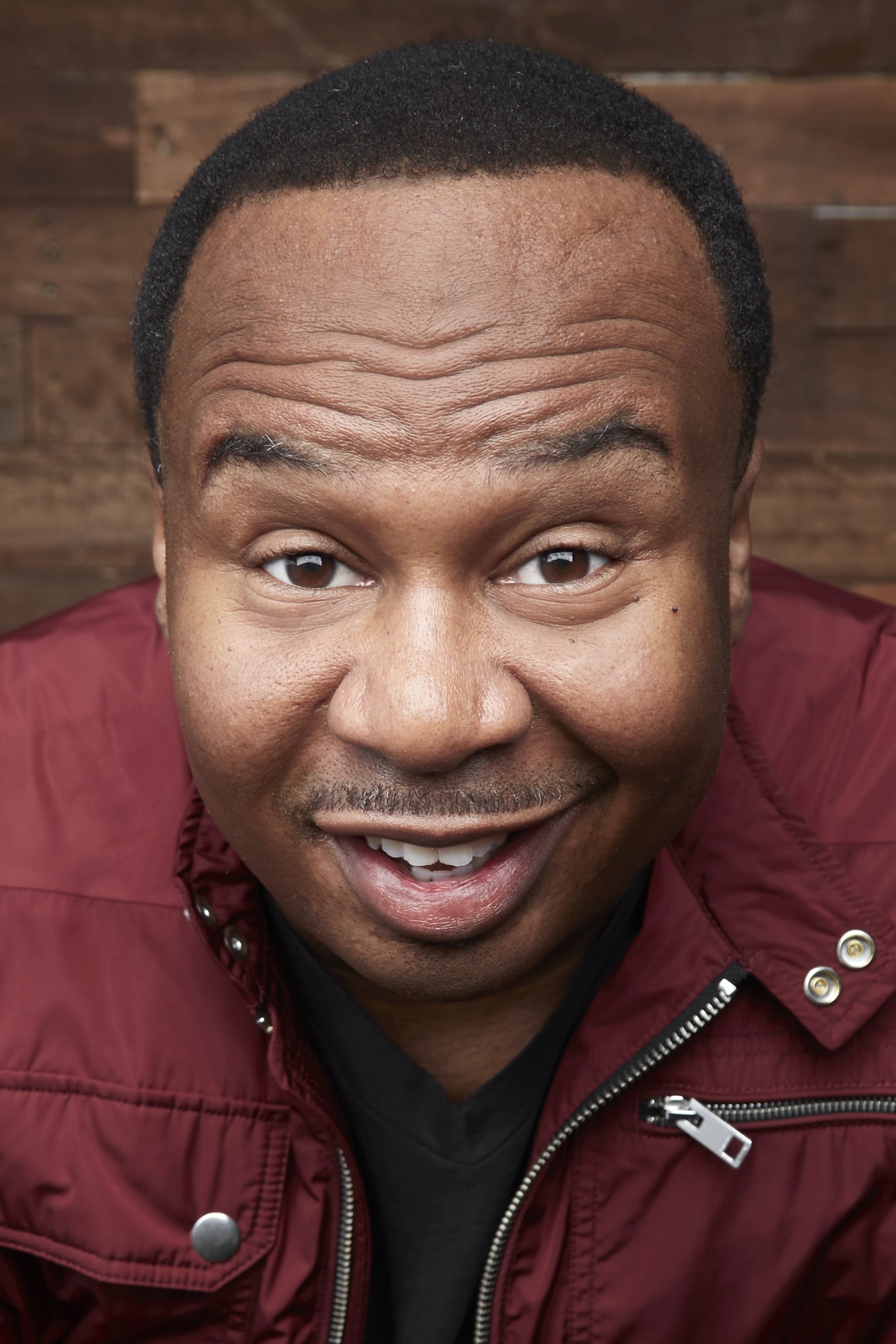
Roy Wood Jr., an actor-comedian, has publicly declined alcohol in entertainment settings and discussed being careful around drinking culture. He points to health, clarity, and professionalism as priorities. His comments encourage setting boundaries that support long-term goals. The stance aligns with a broader emphasis on sustainable work habits.
If there’s someone you think belongs here, add your pick in the comments so others can weigh in.