Black Actors Who’ve Battled Cancer (& Won)

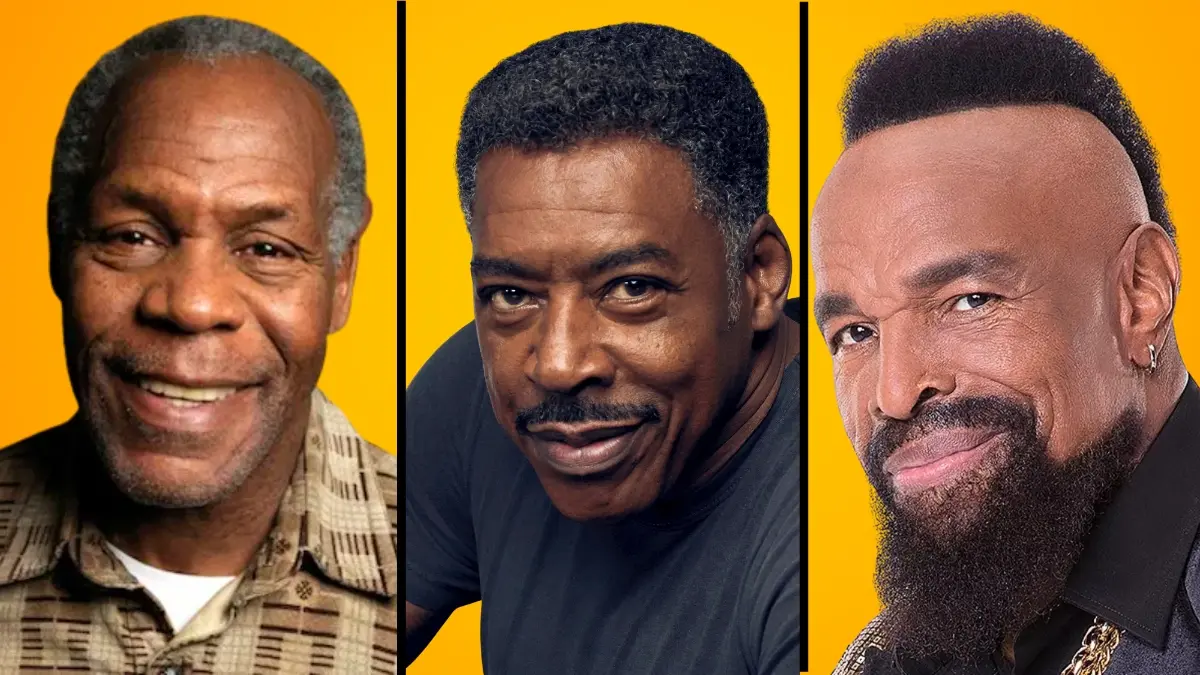

These men didn’t just entertain audiences — they faced cancer head-on, navigated treatment with doctors, and then used their platforms to help others catch the disease sooner. Below are Black male actors who publicly shared their diagnoses and recoveries, with concrete details on what they went through and the awareness work they’ve done since.
Mr. T

Diagnosed in the mid-1990s with cutaneous T-cell lymphoma (mycosis fungoides), Mr. T sought care after a persistent lesion led to a biopsy confirming the rare blood cancer. His plan included radiation and specialist follow-up, a course he has discussed in survivor interviews to underline why symptoms shouldn’t be ignored. He has repeatedly emphasized early evaluation and ongoing monitoring as keys to returning to work and everyday life. Clinicians and advocates continue to cite his story when they explain the value of prompt screening for unusual skin changes.
Hill Harper
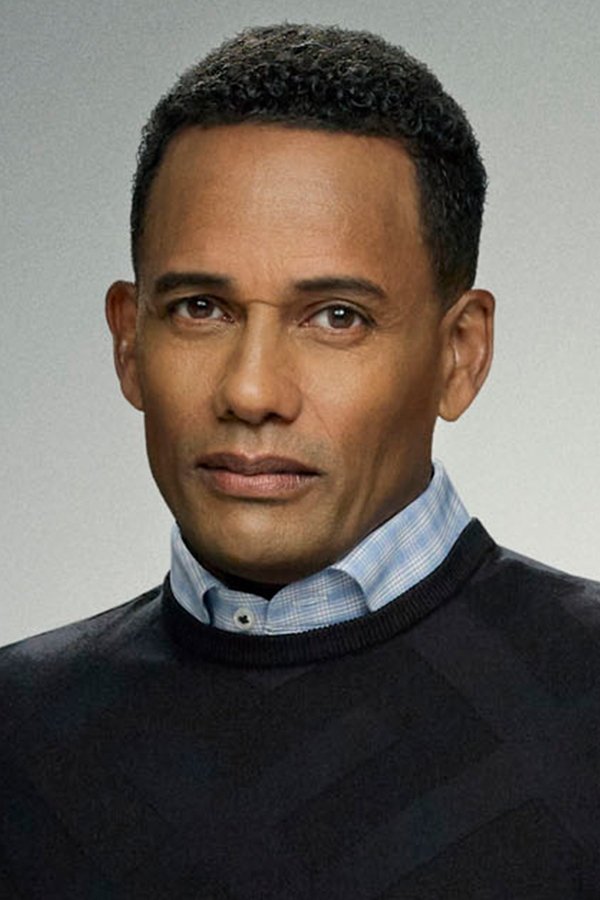
In July 2010, Hill Harper underwent surgery at Cedars-Sinai to remove his thyroid and several cancerous nodes after a thyroid-cancer diagnosis. He has described short-term voice changes during recovery and how his care team prepared him for the timeline back to normal speech. After receiving a clean bill of health, he began speaking to advocacy groups about regular checkups and family-history risk. His outreach stresses that early detection and specialist care significantly improve outcomes.
Harry Belafonte

Harry Belafonte disclosed a prostate-cancer diagnosis in the 1990s and chose surgery after consulting multiple physicians about success rates for each option. He then spoke publicly about post-treatment realities to reduce stigma and encouraged routine screening, particularly in higher-risk communities. Belafonte participated in awareness lectures and interviews to share day-to-day aspects of recovery. His openness is frequently referenced by men’s-health organizations to illustrate informed decision-making.
Louis Gossett Jr.
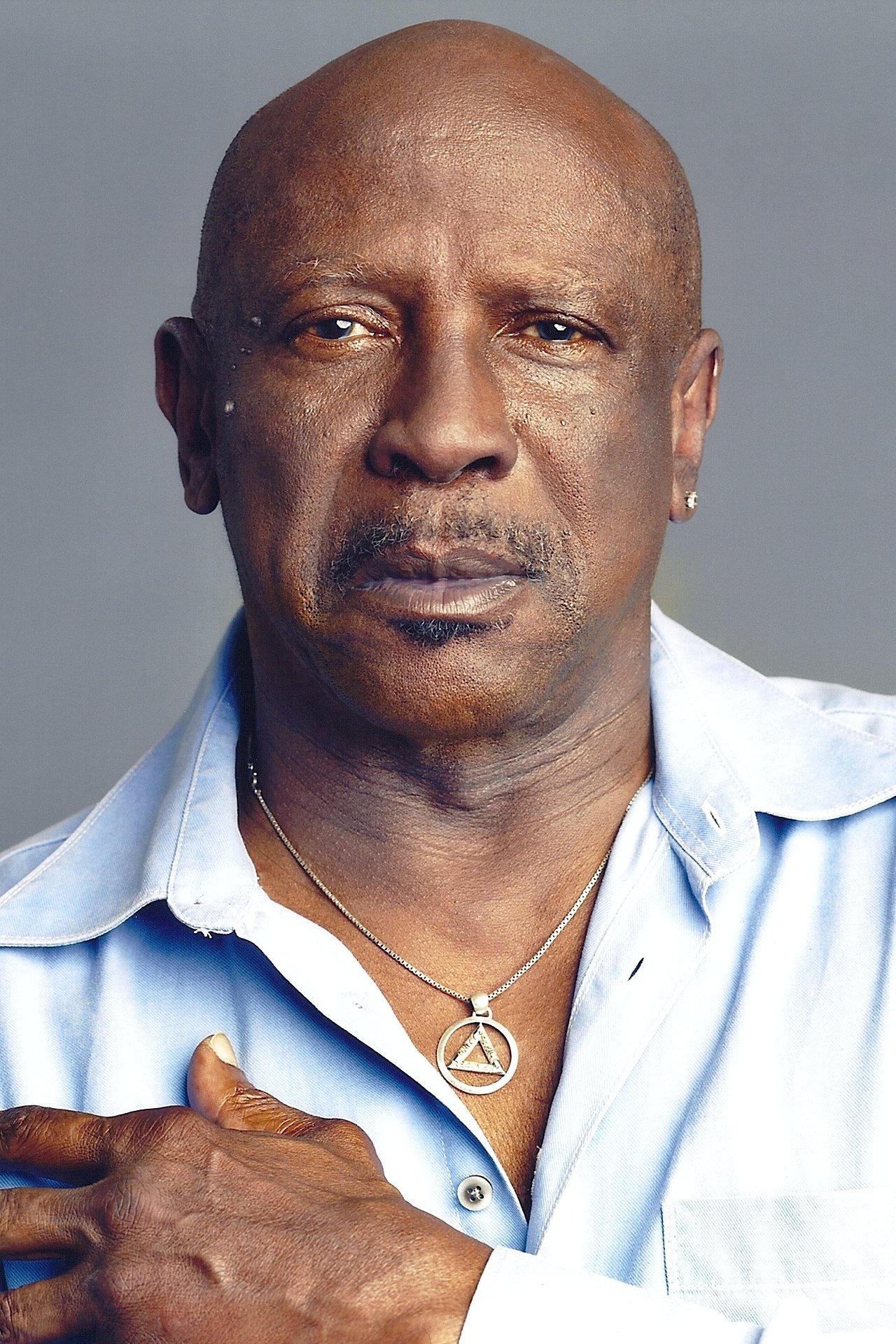
In February 2010, Louis Gossett Jr. announced he had early-stage prostate cancer and said it had been caught in time for a full recovery. He highlighted the importance of preventive examinations and urged other men to talk with their doctors about risk and screening. Coverage of his life and career regularly notes his survivorship and advocacy around prostate health. His public update remains a touchpoint in discussions about early intervention.
Richard Roundtree
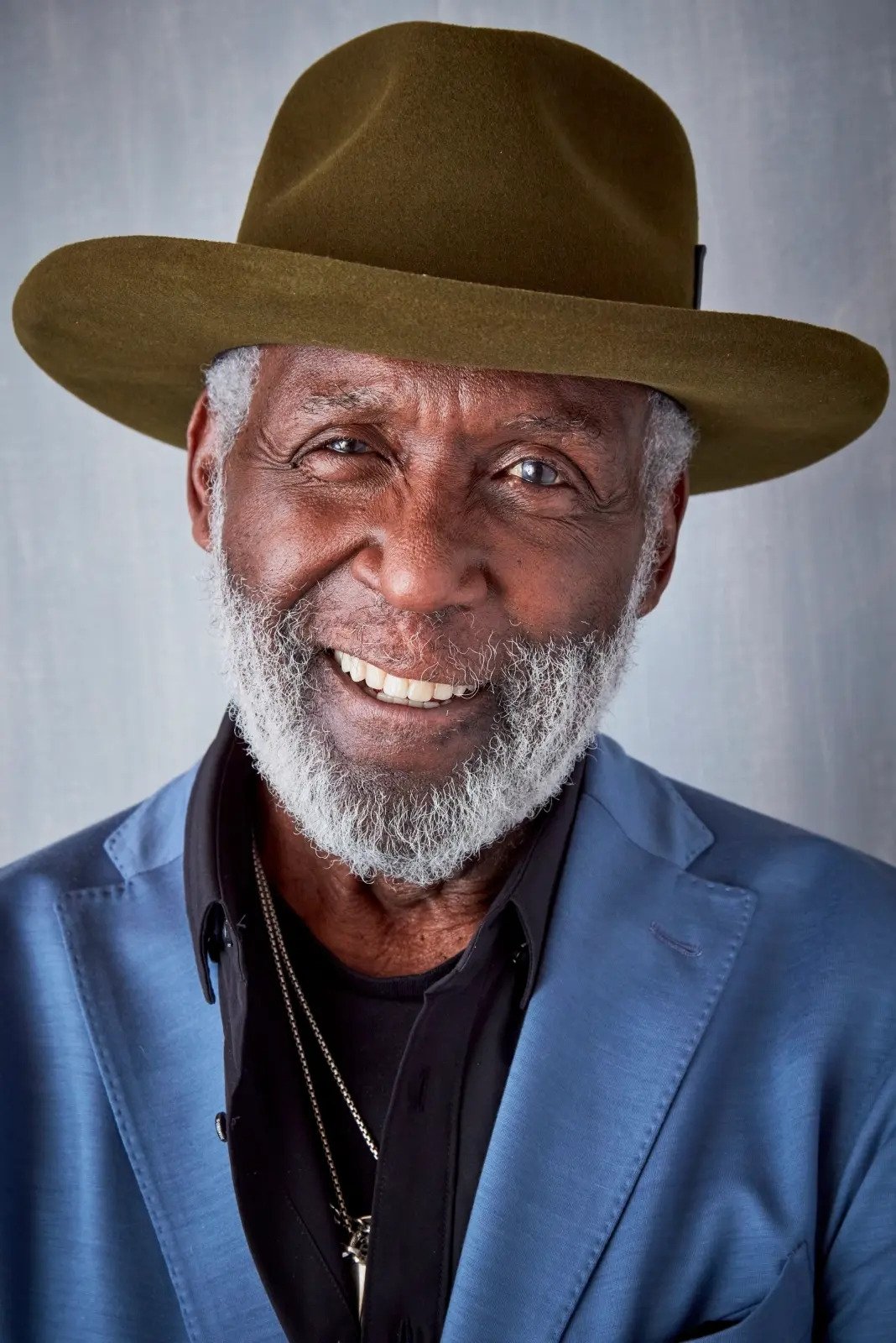
Richard Roundtree was diagnosed with male breast cancer in 1993 and underwent a double mastectomy followed by chemotherapy. In interviews and public campaigns, he explained symptoms and urged men to seek evaluation for breast changes, helping broaden awareness that the disease is not limited to women. Health reporters and advocates have credited his testimony with prompting more men to get checked. His case is one of the most cited examples in men’s breast-cancer education.
Sidney Poitier
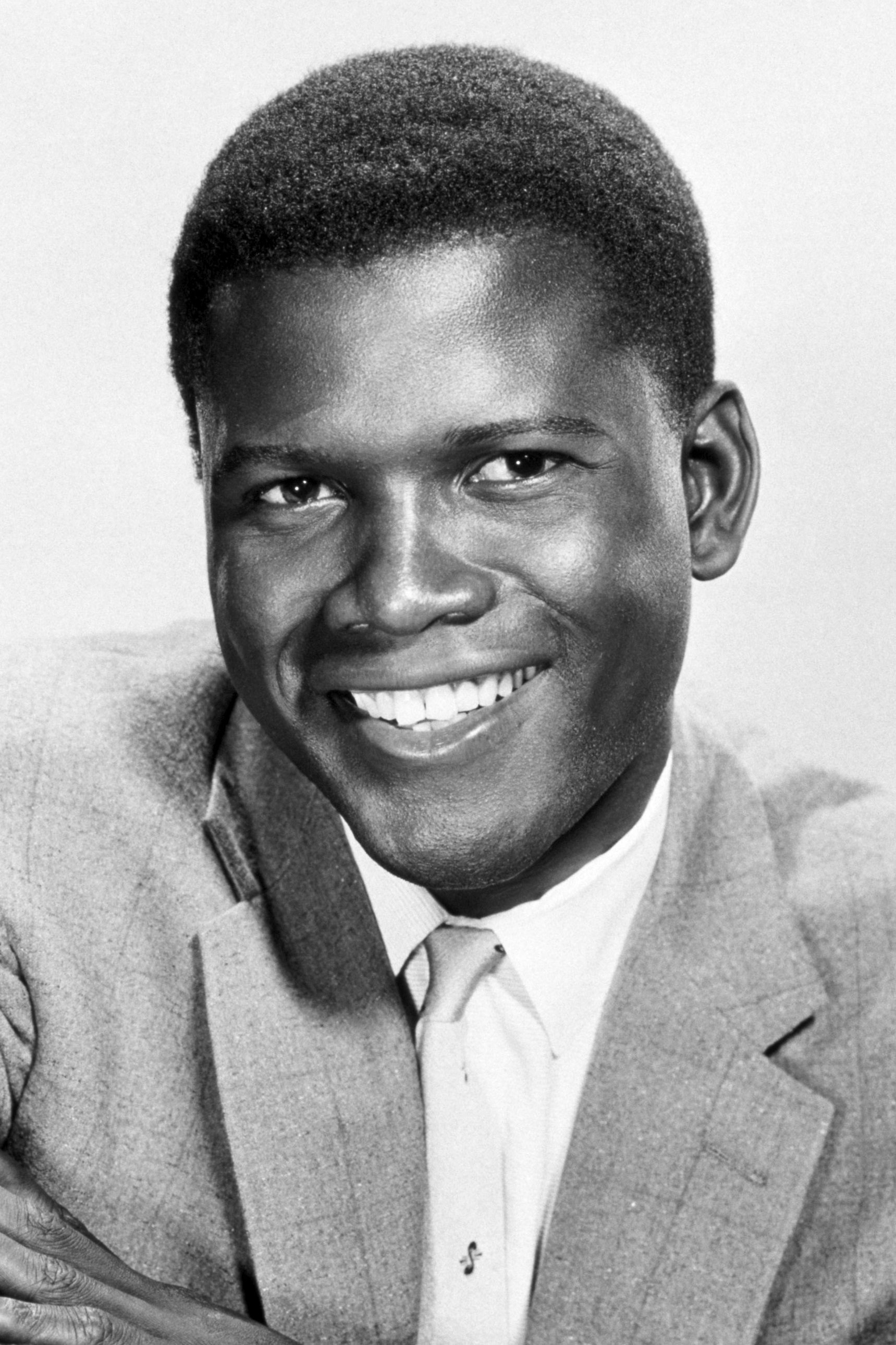
Sidney Poitier confirmed in a televised interview that he had prostate cancer and underwent an operation, later resuming public life cancer-free for decades. Patient-education groups often point to his account when discussing treatment choices and long-term survivorship. His remarks have been used during awareness months to encourage conversations about PSA testing and follow-up care. Poitier’s candor continues to serve as a model for men weighing screening and treatment options.
Ernie Hudson
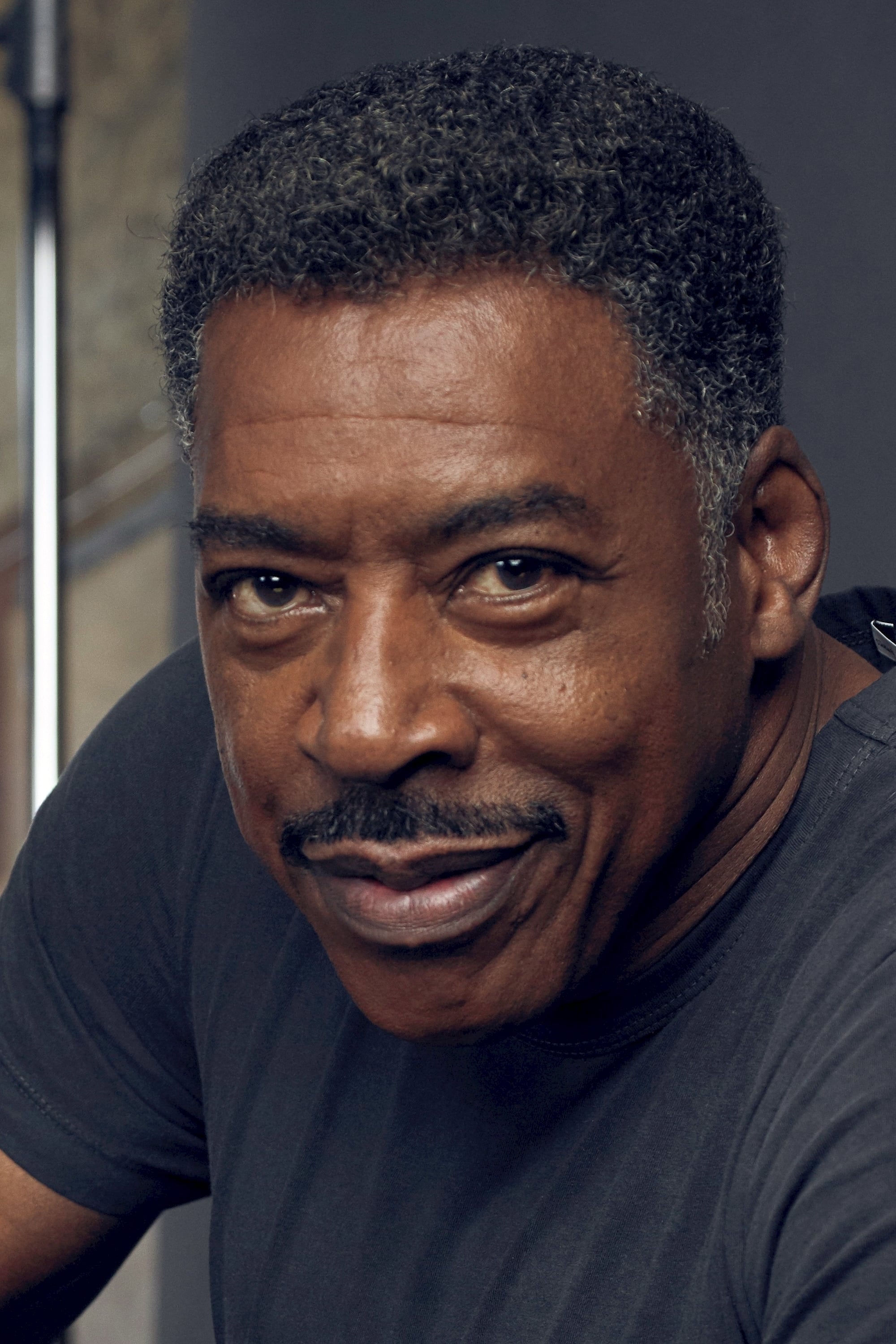
Ernie Hudson has spoken about surviving prostate cancer in 1998 and rectal cancer in 2011, crediting routine screening for catching both early. He has participated in prevention campaigns, including media interviews that urge colonoscopies and regular checkups. When discussing his experience — alongside credits like ‘Ghostbusters’ and ‘The Crow’ — he underscores that symptoms can be subtle and that screening often makes treatment more effective. His message consistently centers on early detection and adherence to physician-guided care.
Bill Duke
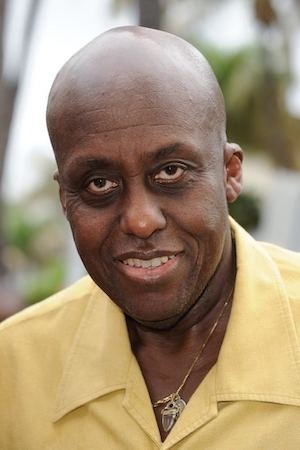
Actor-director Bill Duke has described managing low-risk prostate cancer through active surveillance — structured PSA testing, imaging, and periodic biopsies instead of immediate surgery or radiation. In a detailed discussion hosted by the Prostate Cancer Research Institute, he explained why his care team selected monitoring and how thresholds for intervention are set. Major cancer agencies note that active surveillance is an established option for carefully selected low-risk cases. Duke’s account helps patients understand this evidence-based pathway.
James Pickens Jr.
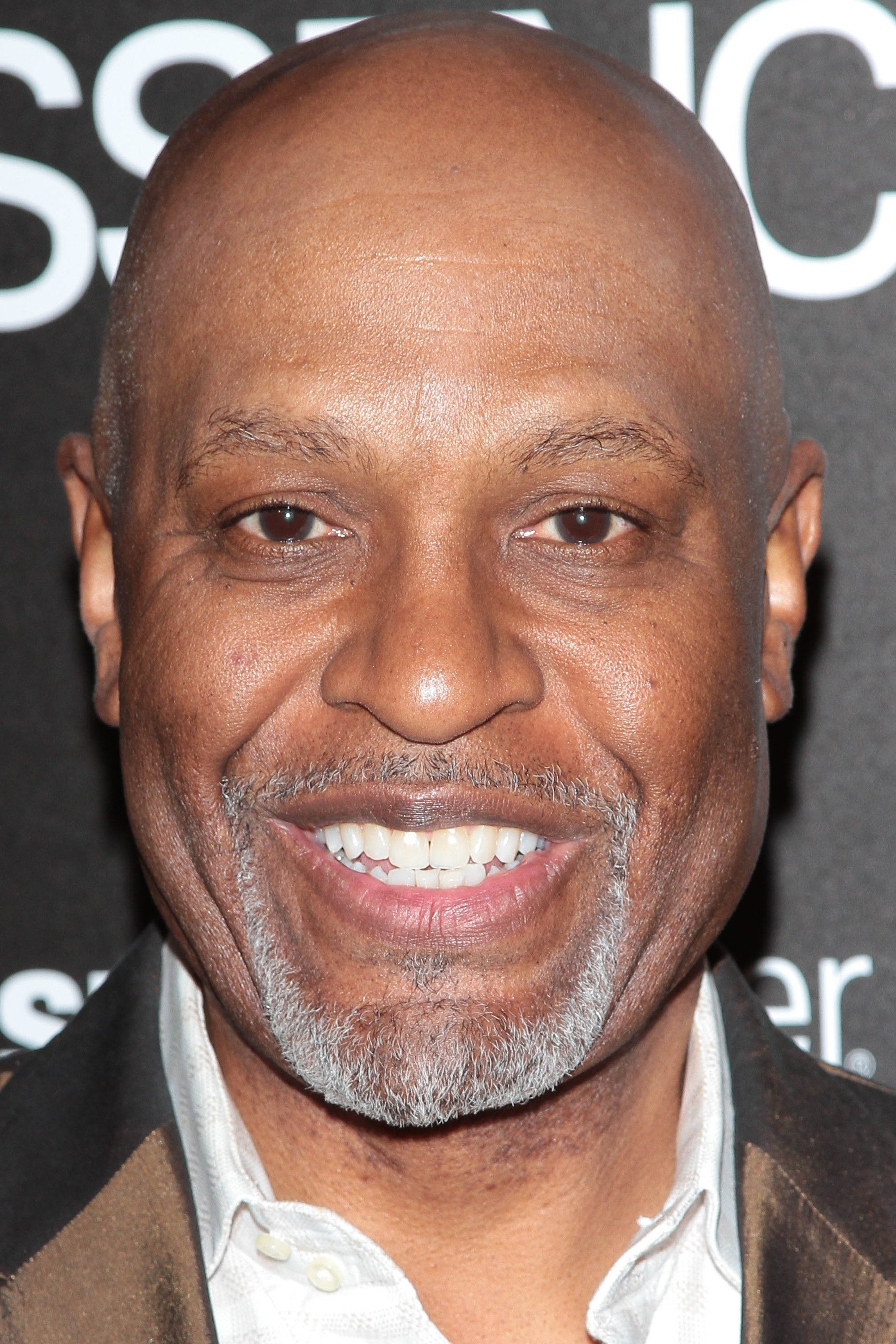
In 2025, James Pickens Jr. shared that a spike in routine PSA testing led to MRI imaging, identification of a localized tumor, and a successful radical prostatectomy; he has since announced he is cancer-free. He has emphasized family history as the reason he began annual PSA checks in his early 40s and has appeared in outreach focused on Black men’s higher risks. His updates encourage earlier, risk-adjusted screening discussions with primary-care physicians and urologists. Pickens frames his experience as an example of how early detection can streamline treatment and recovery.
Danny Glover
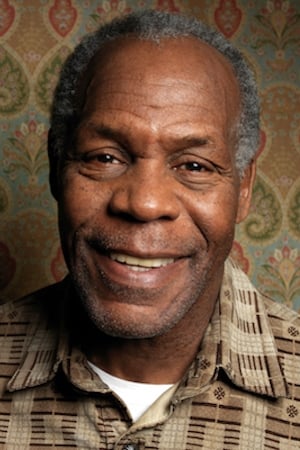
Danny Glover has been publicly identified as a prostate-cancer survivor and served as a spokesman during Prostate Cancer Awareness Week campaigns. He has partnered with health organizations to promote screening awareness in communities of color. Profiles recount his advocacy alongside broader men’s-health efforts stretching back to the late 1990s. His involvement is frequently referenced in public-health materials that chart celebrity-led awareness initiatives.
If there’s someone we missed whose story could help another reader get checked sooner, add their name — and your thoughts — in the comments.