Black Actors who Battled Depression


Depression affects people in every corner of the entertainment industry, and many Black male actors have spoken candidly about it—helping others recognize symptoms, seek care, and push back against stigma. Below are fifteen who have publicly described their experiences, when they noticed things were not right, and what steps they took to get better, from therapy and medication to leaning on trusted friends and family. Sharing concrete details about what helped them—professional treatment, community, and healthier routines—can make it easier for anyone to spot patterns and ask for support. If you or someone you know needs immediate help, contact local emergency services or a professional helpline in your area.
Dwayne Johnson
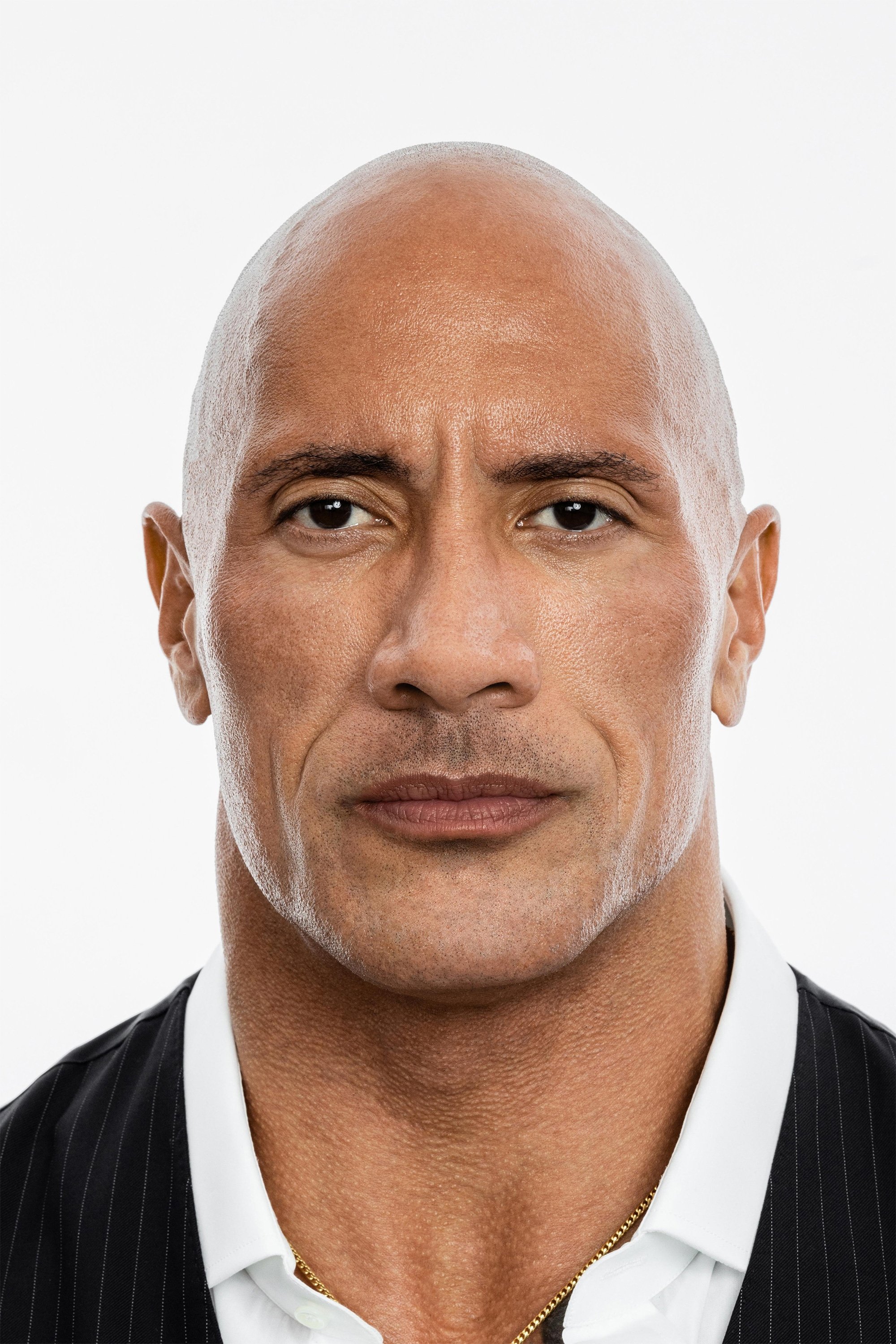
Dwayne Johnson has described multiple depressive episodes, including one after a college football injury and another around his divorce. He has said that recognizing warning signs and talking to friends were turning points. Johnson often stresses that men should normalize conversations about mental health rather than isolating. He has credited openness and early intervention with helping him recover.
Wayne Brady
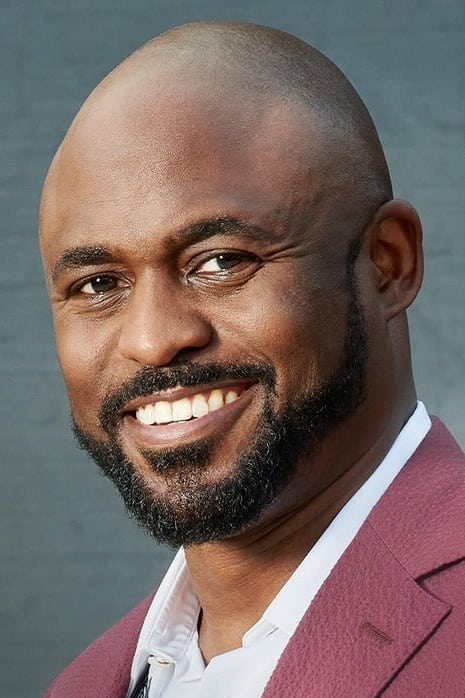
Wayne Brady has spoken about living with depression for years, including stretches when he felt overwhelmed even while working steadily. He has discussed how therapy and honest conversations with family supported his recovery. Brady has tied public disclosure to encouraging others—especially men—to seek help sooner. He continues to highlight that depression can coexist with outward success and a busy schedule.
Terry Crews
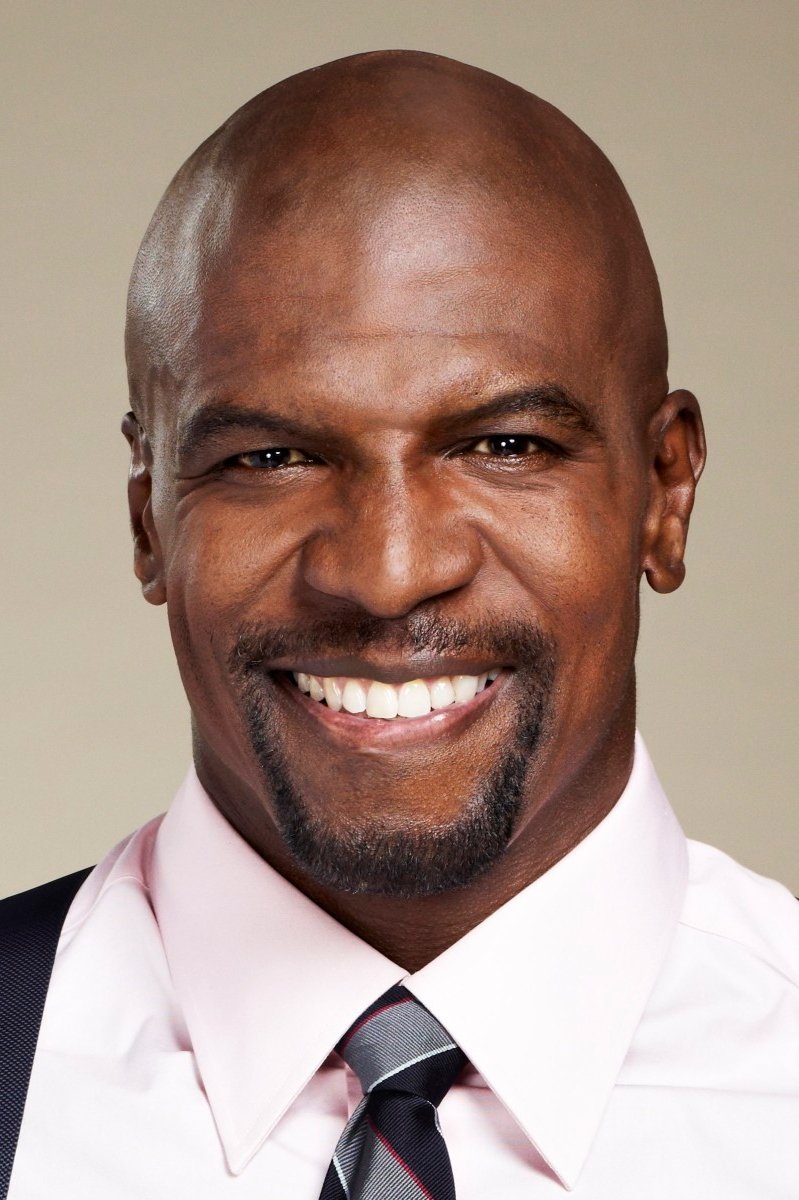
Terry Crews has linked a difficult post-NFL transition to a period of depression and unhealthy coping. He sought professional help to address underlying issues and develop better habits. Crews has emphasized how therapy, accountability, and lifestyle changes worked together in his improvement. He frequently underscores the value of learning to recognize personal triggers.
Tyler Perry
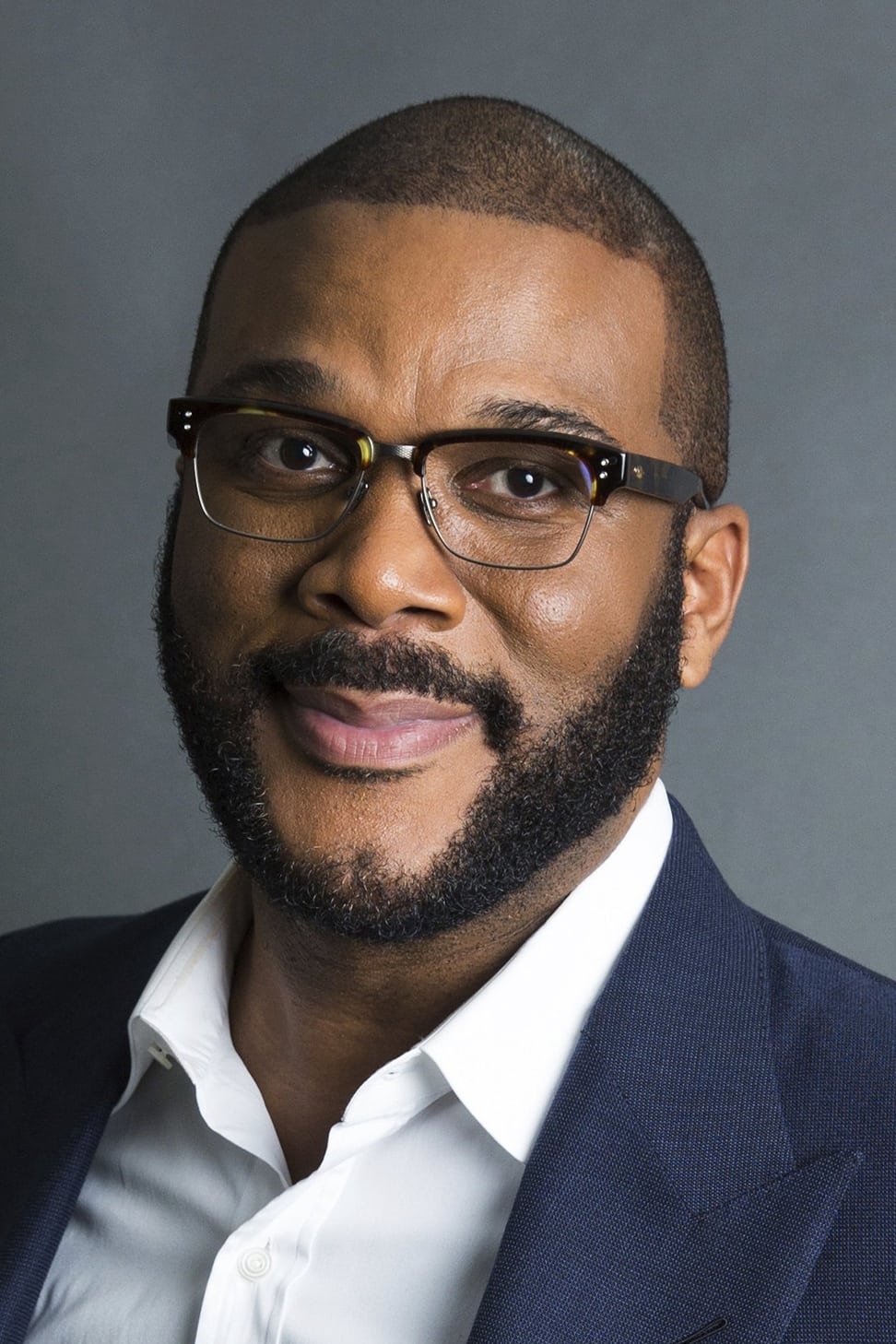
Tyler Perry has connected childhood trauma to adult depression, explaining that therapy helped him process long-standing pain. He has said getting professional support later in life was pivotal. Perry points to structured counseling and reflection as tools to understand patterns and reduce their grip. He frames treatment as practical, not a sign of weakness.
LaKeith Stanfield
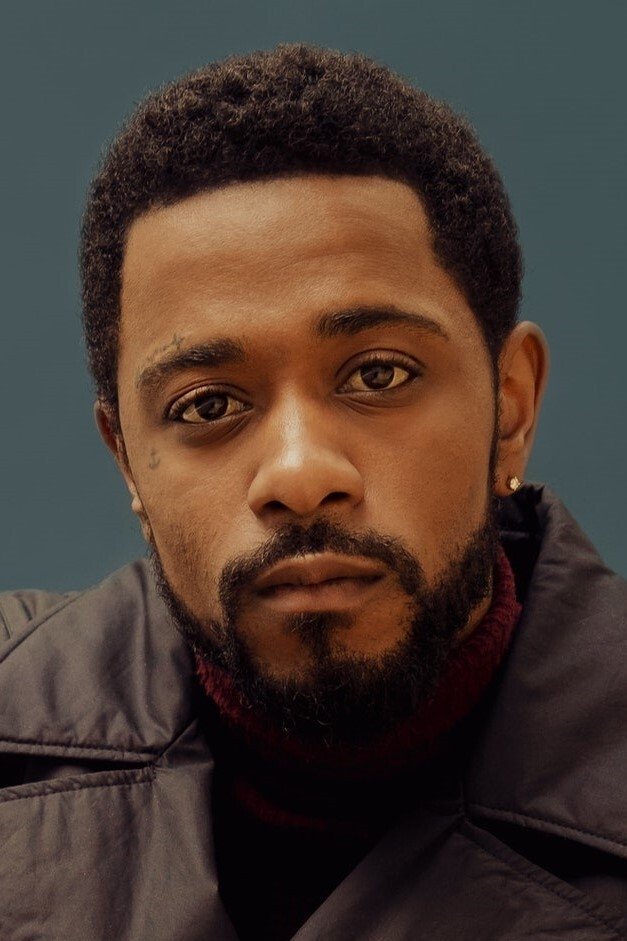
LaKeith Stanfield has described struggling during emotionally intense projects and turning to therapy after finishing ‘Judas and the Black Messiah.’ He has shared that high-stress roles can carry a mental toll that lingers after filming. Stanfield emphasizes checking in with himself and asking for help before things spiral. He credits therapy with providing concrete strategies for balance.
Will Smith
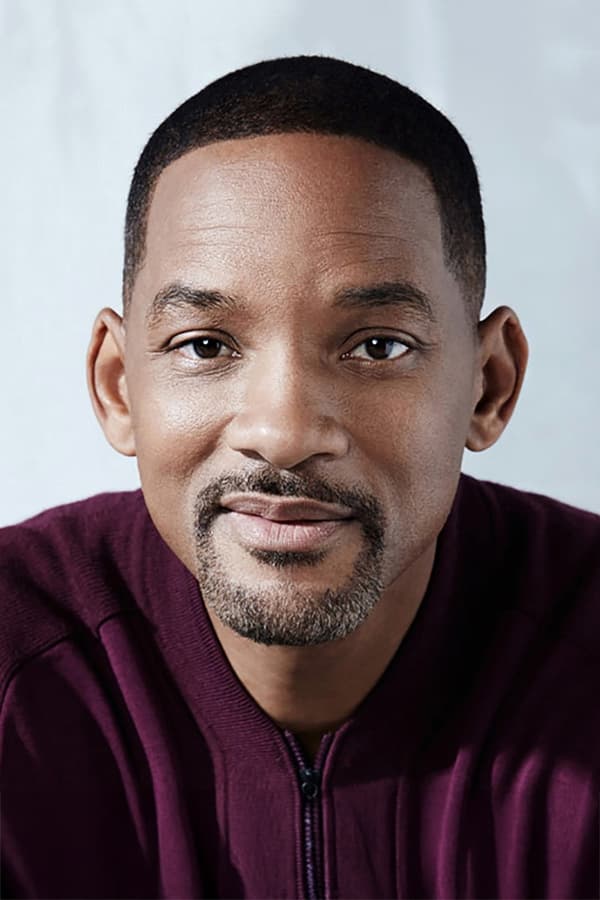
Will Smith has discussed periods of deep low mood and “dark thoughts,” sharing that structured routines and professional guidance helped him recalibrate. He has participated in filmed self-assessments that prompted him to confront mental and physical health together. Smith points to journaling, exercise, and therapy as complementary supports. He stresses being proactive when early signs appear.
Donald Glover
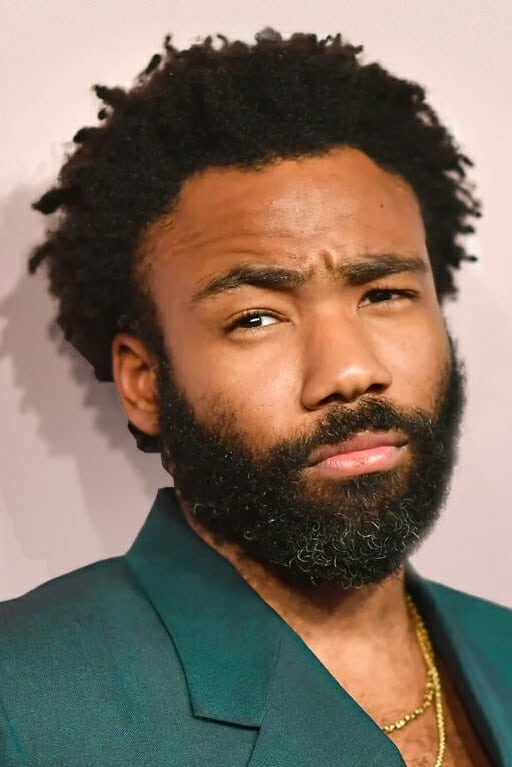
Donald Glover publicly shared handwritten notes about fear and depression, later explaining that creating art while being honest about his state was part of coping. He has described deliberately building supportive creative circles. Glover highlights the importance of naming what he was feeling so he could seek help. He frames consistency—sleep, diet, and boundaries—as essential maintenance.
John Boyega
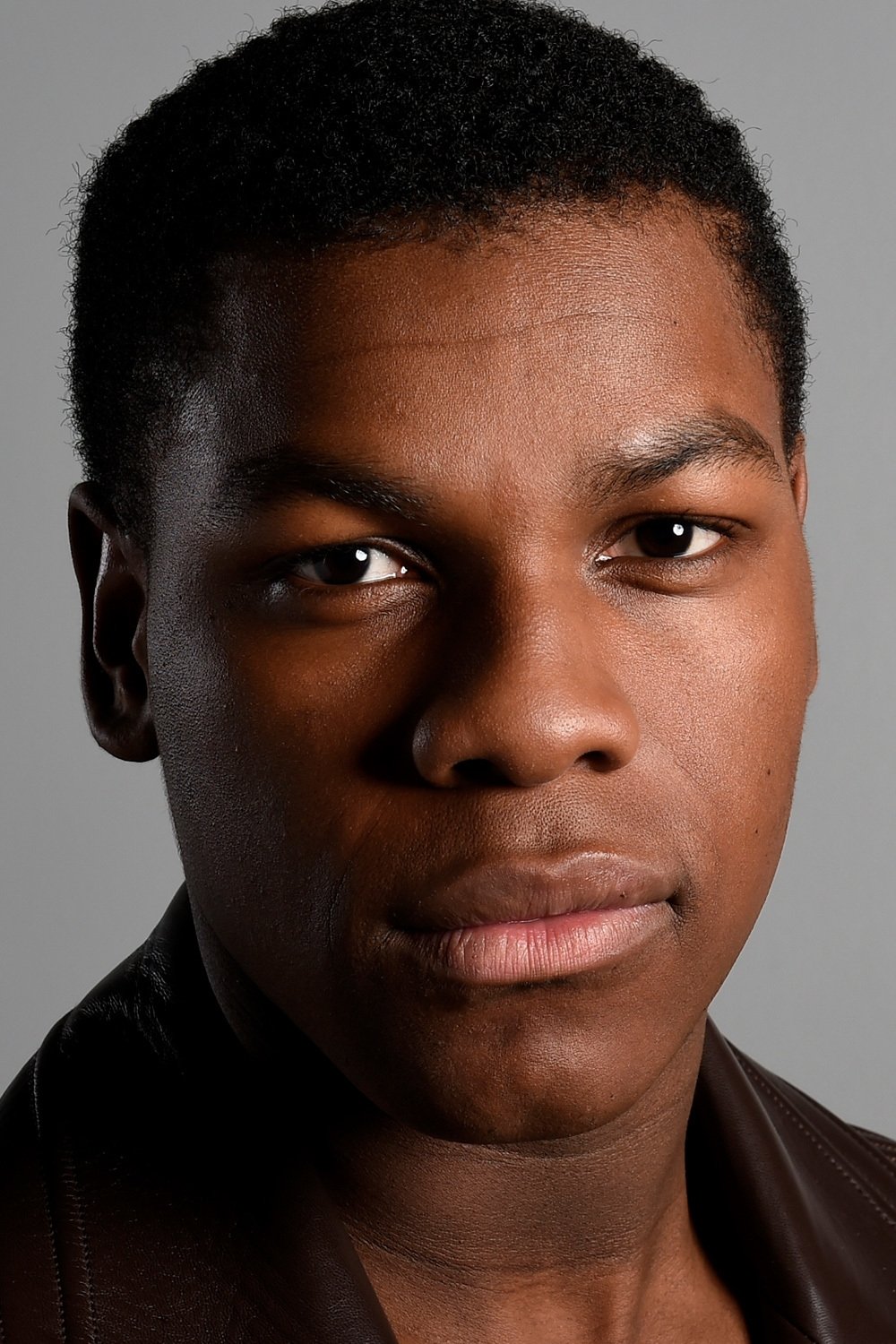
John Boyega has spoken about prioritizing his mental health, including taking time away from projects and engaging in therapy. He has emphasized that rest and counseling were necessary, not optional extras. Boyega points to practical steps like limiting stressors and focusing on supportive collaborations. He presents therapy as a tool for clarity and resilience.
Tyrese Gibson
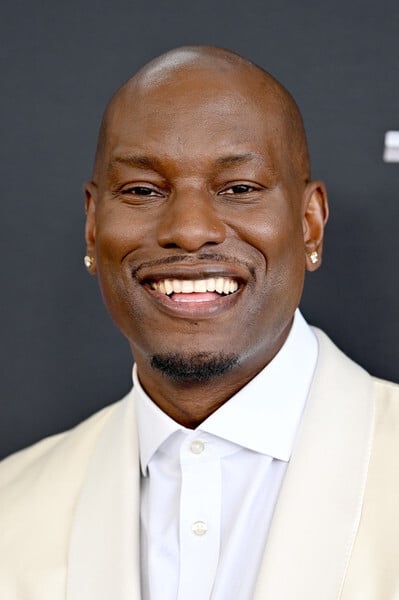
Tyrese Gibson has discussed experiencing depression during a turbulent period involving divorce and custody battles. He has said that counseling, faith, and close friends helped him stabilize. Gibson has used public platforms to encourage men to talk about emotional pain rather than self-medicating. He credits structured therapy with improving day-to-day functioning.
Kel Mitchell

Kel Mitchell has been open about a severe depressive episode that included a suicide attempt years ago. He has described reaching out for help, leaning on faith, and committing to ongoing counseling. Mitchell underscores that asking for support was the turning point. He continues to advocate for early intervention and consistent mental-health checkups.
Adewale Akinnuoye-Agbaje
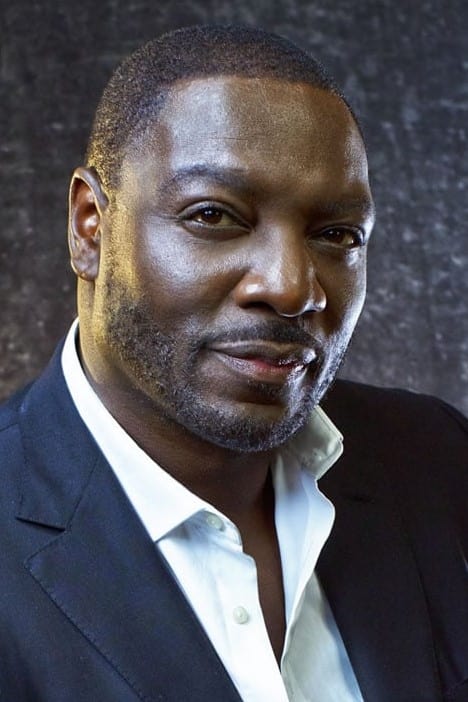
Adewale Akinnuoye-Agbaje has detailed depression and identity struggles in his youth, including suicide attempts, and later addressed them in his film ‘Farming.’ He has explained how therapy helped him process trauma and build healthier coping strategies. Akinnuoye-Agbaje highlights the value of telling his story as part of healing. He points to structured support networks as key to long-term stability.
Dave Chappelle
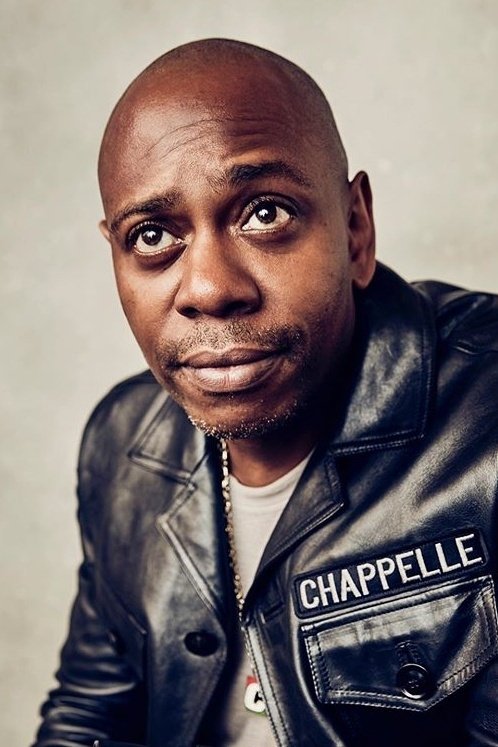
Dave Chappelle has spoken about walking away from intense industry pressure and how stepping back was tied to protecting his mental health. He has described building a life with more control over pace and stress. Chappelle emphasizes boundaries, community, and time away as practical tools. He frames leaving a harmful environment as a legitimate mental-health decision.
Michael Kenneth Williams
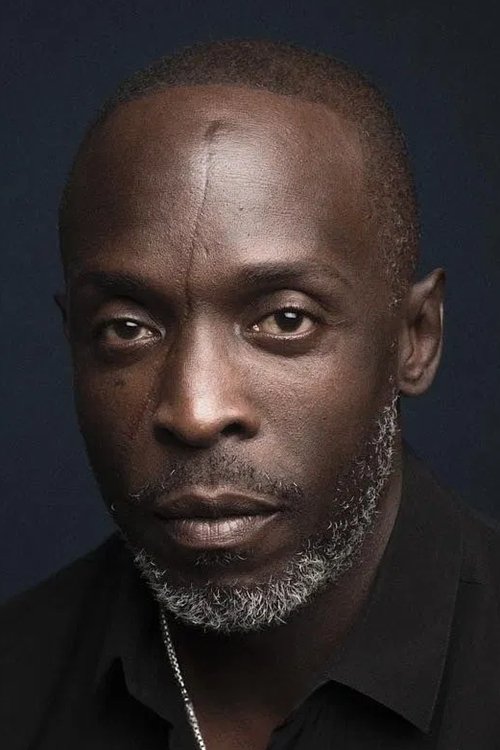
Michael K. Williams discussed living with depression alongside addiction and how treatment and mentorship helped him reorient. He credited therapy and peer support with giving him structure during recovery periods. Williams advocated for accessible mental-health resources in the arts. He frequently highlighted that vulnerability and asking for help save lives.
Kofi Siriboe
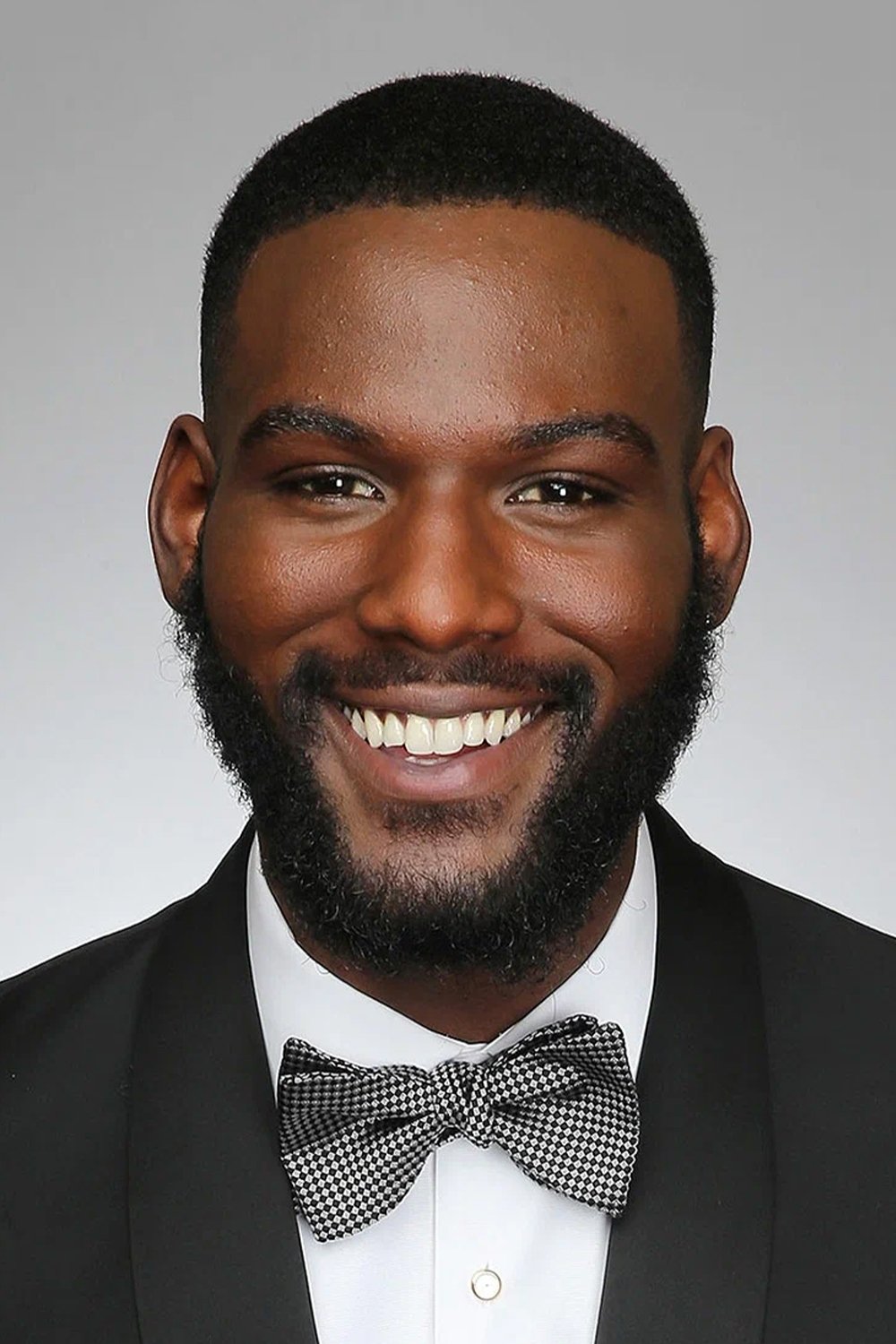
Kofi Siriboe has shared that he experienced depression and anxiety and began speaking publicly to normalize the topic for Black men. He created short-form projects and campaigns focused on mental wellness. Siriboe emphasizes therapy, journaling, and supportive friendships as pillars of care. He frames creative expression as part of his recovery toolkit.
Damson Idris
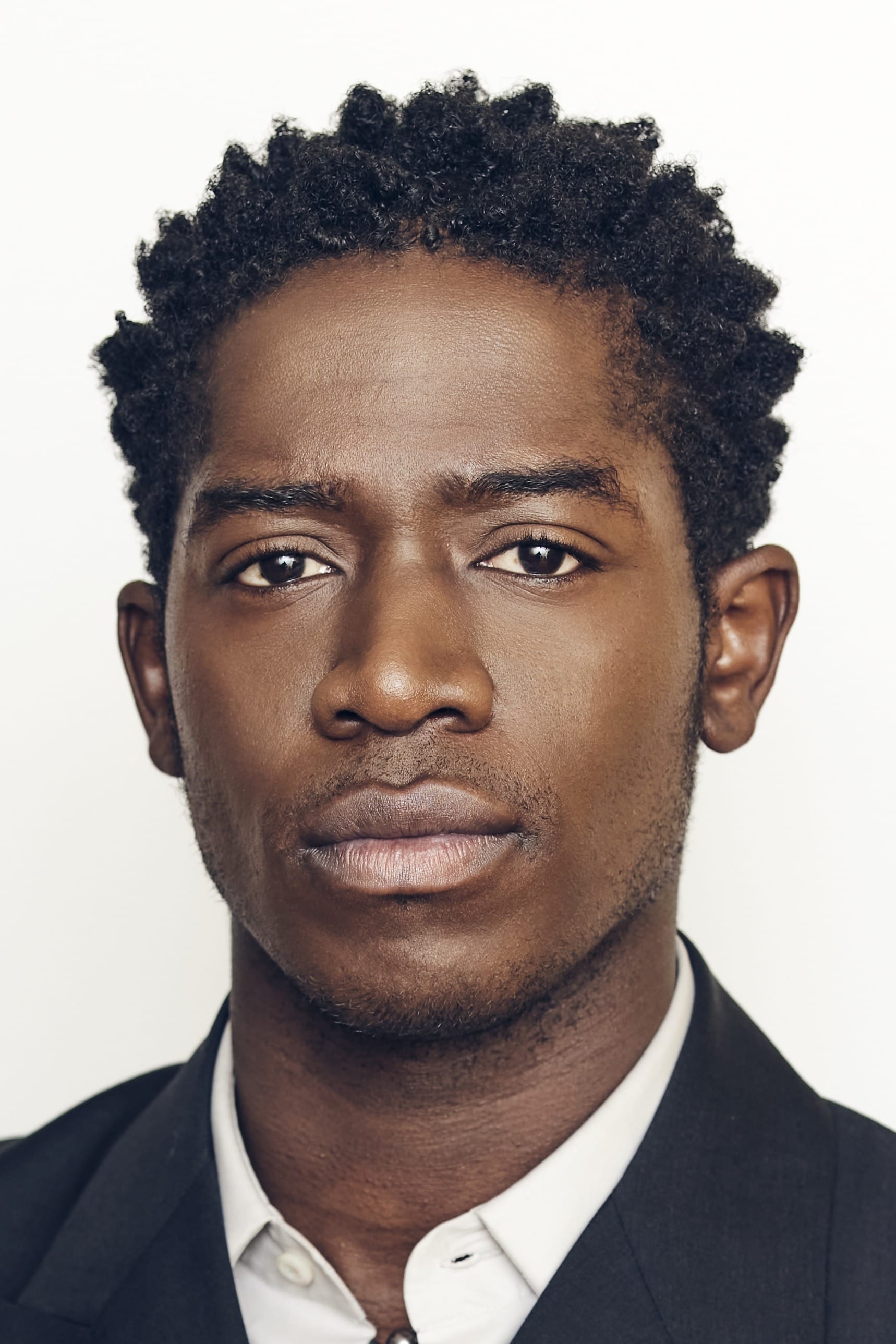
Damson Idris has described mental strain while inhabiting a dark character and sought therapy to transition out of that headspace after filming. He highlights how method work can blur lines and why structured decompression matters. Idris stresses regular check-ins and professional guidance during and after demanding shoots. He points to rest and routine as essential for resetting.
If there’s someone we missed or a story you want to highlight, share your thoughts in the comments.