Black Actors Who Concealed Their Ethnicity to Succeed in Hollywood


In classic Hollywood, studio marketing and casting barriers often forced light-skinned Black men to mute or obscure their heritage to stay employed. Publicists leaned on “foreign” or ethnically ambiguous images, and some actors accepted roles that kept their backgrounds out of sight. Paper trails—from studio bios to vital records—show how identity could be blurred on and off the screen. The entries below focus on cases with clear documentation of concealment, misclassification, or sustained casting that hid a performer’s Black ancestry.
Noble Johnson
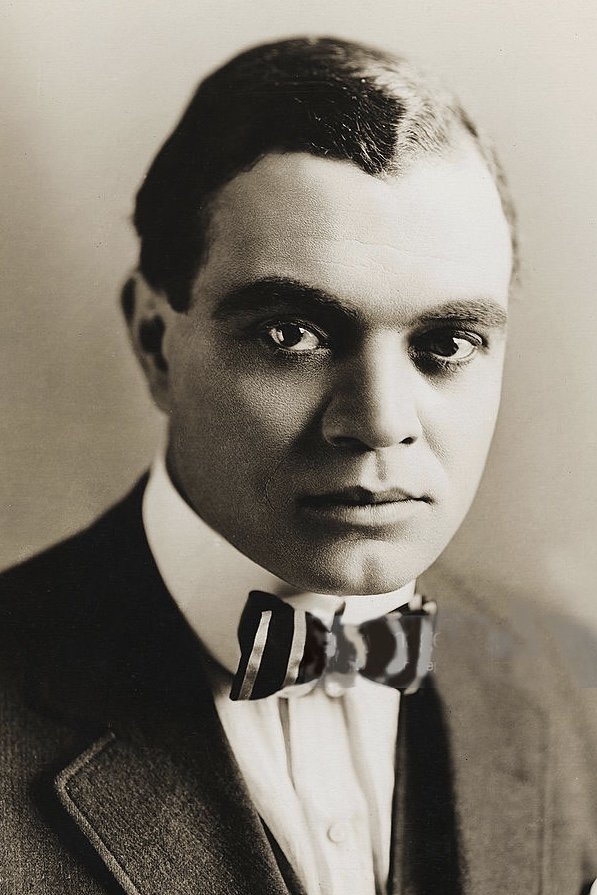
A pioneering star and producer, Noble Johnson co-founded the Lincoln Motion Picture Company to make features for Black audiences while building a parallel studio career in roles coded as “exotic.” Major productions repeatedly cast him as Native American, Arab, and Asian characters, which allowed steady work but kept his own background out of publicity. His California death certificate later recorded him as white, a stark example of official misclassification. Notable credits include ‘The Mummy’, ‘The Most Dangerous Game’, and ‘King Kong’, alongside his behind-the-camera leadership at Lincoln.
Frank Silvera
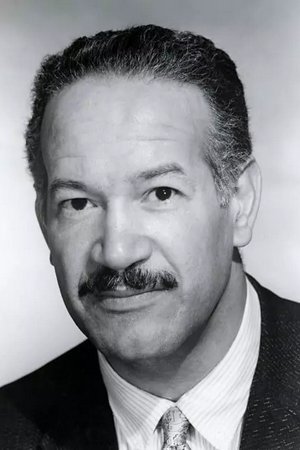
Born in Kingston, Jamaica, Frank Silvera worked for decades across stage and screen playing Italian, Mexican, Polynesian, and sometimes white characters at a time when few knew his Black Caribbean origins. Theatre histories and contemporary coverage describe how his fair complexion placed him in roles usually closed to Black actors. He co-founded Los Angeles’s Theatre of Being and later inspired the Frank Silvera Writers’ Workshop, which nurtured Black dramatists. His screen highlights include ‘Viva Zapata!’, ‘Fear and Desire’, ‘Killer’s Kiss’, and a recurring role on ‘The High Chaparral’.
Herb Jeffries
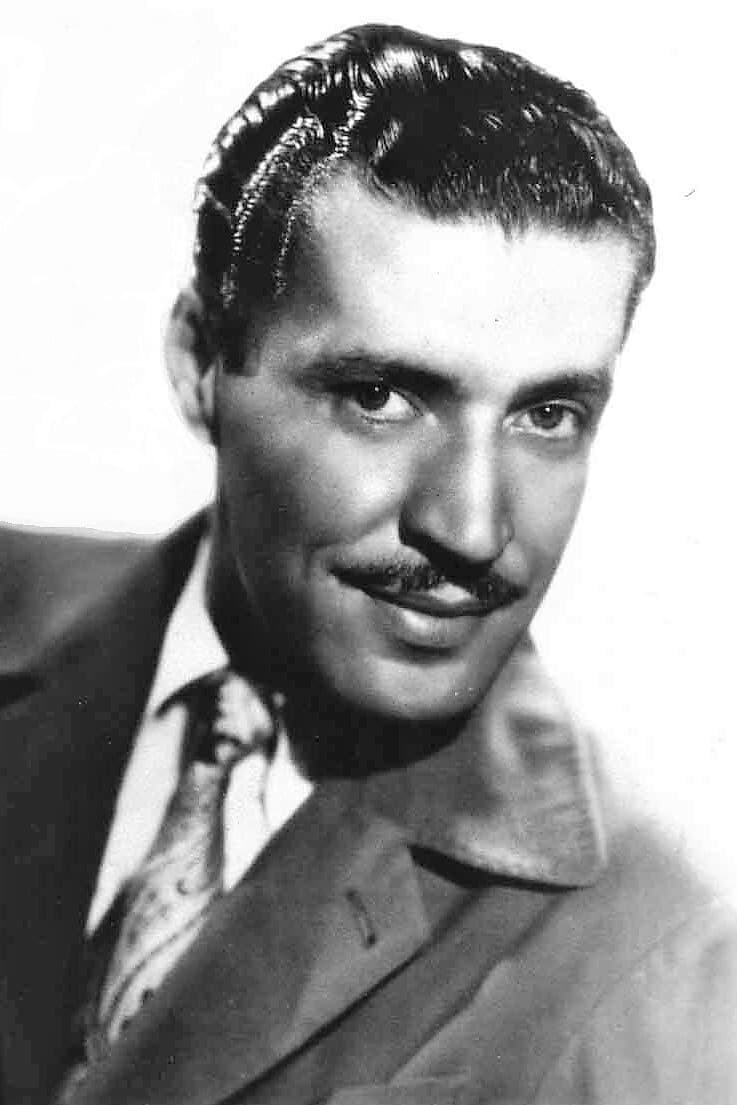
Singer-actor Herb Jeffries headlined 1930s all-Black westerns and was billed as “the Bronze Buckaroo” in titles such as ‘Harlem on the Prairie’, ‘Two-Gun Man from Harlem’, ‘Harlem Rides the Range’, and ‘The Bronze Buckaroo’. Early in his career he darkened his complexion to anchor race-market films; later, a marriage application listed him as white, underscoring how identity documentation shifted with context. Biographical reporting records varying public accounts of his ancestry across different periods. Beyond film, he recorded with Duke Ellington and toured internationally as a bandleader and vocalist.
Rex Ingram
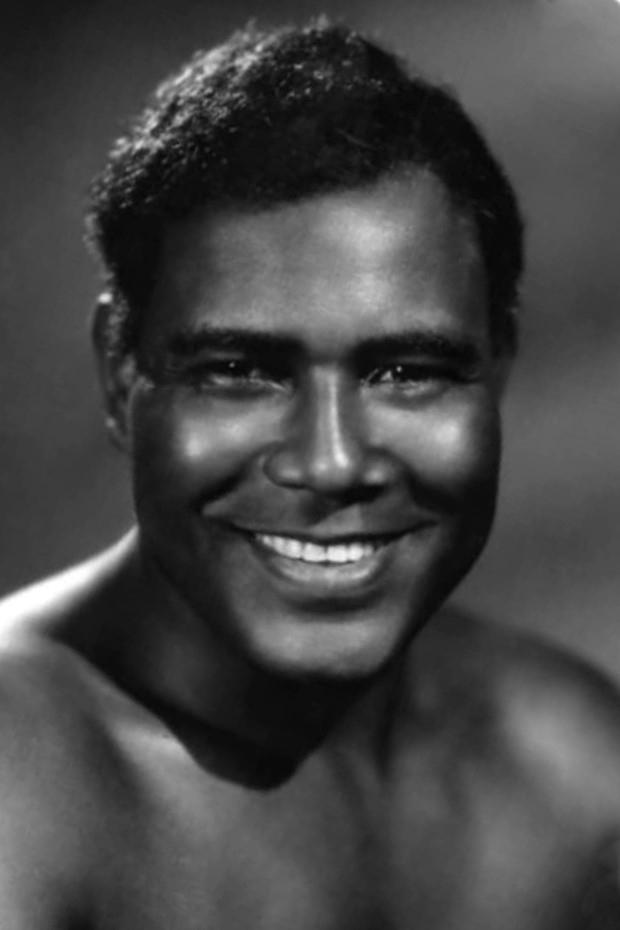
Rex Ingram (1895–1969) was frequently cast as Arab, North African, or other “exotic” figures in studio features, which positioned him away from explicit African American labeling in marketing. He played the Djinn in ‘The Thief of Bagdad’ and appeared in ‘Sahara’ and ‘The Green Pastures’, among other films. Trade coverage of the era often spotlighted his foreign-coded roles rather than his background. His sustained casting in non-Black ethnic parts illustrates how studios presented him to audiences while sidestepping the era’s color line.
Woody Strode
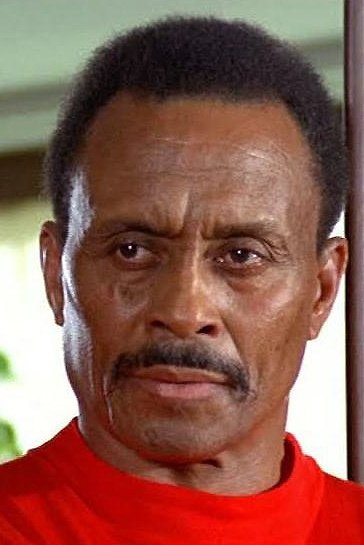
Woody Strode—an accomplished athlete turned actor—was regularly assigned roles framed as African chiefs, warriors, or other “tribal” types, which emphasized an exotic image over his African American identity in publicity. He is widely remembered for key turns in ‘Spartacus’, ‘Sergeant Rutledge’, and ‘The Man Who Shot Liberty Valance’. Studio casting of the period often routed him into these non-American Black identities to fit genre expectations. His filmography shows a pattern of ethnically coded roles that kept him working while narrowing how he was presented to audiences.
If you know other well-documented cases—with sources or archival citations—share them in the comments so we can keep the list accurate and growing.