Best Political Movies You’ve Never Seen


Political cinema often flies under the radar when it lacks the spectacle of mainstream blockbusters. These films explore the corridors of power and the complex impact of policy on everyday human lives. The most thrilling dramas frequently take place in boardrooms and voting booths rather than on battlefields. This collection highlights exceptional political thrillers and dramas that delve into the machinery of government and revolution.
‘Z’ (1969)
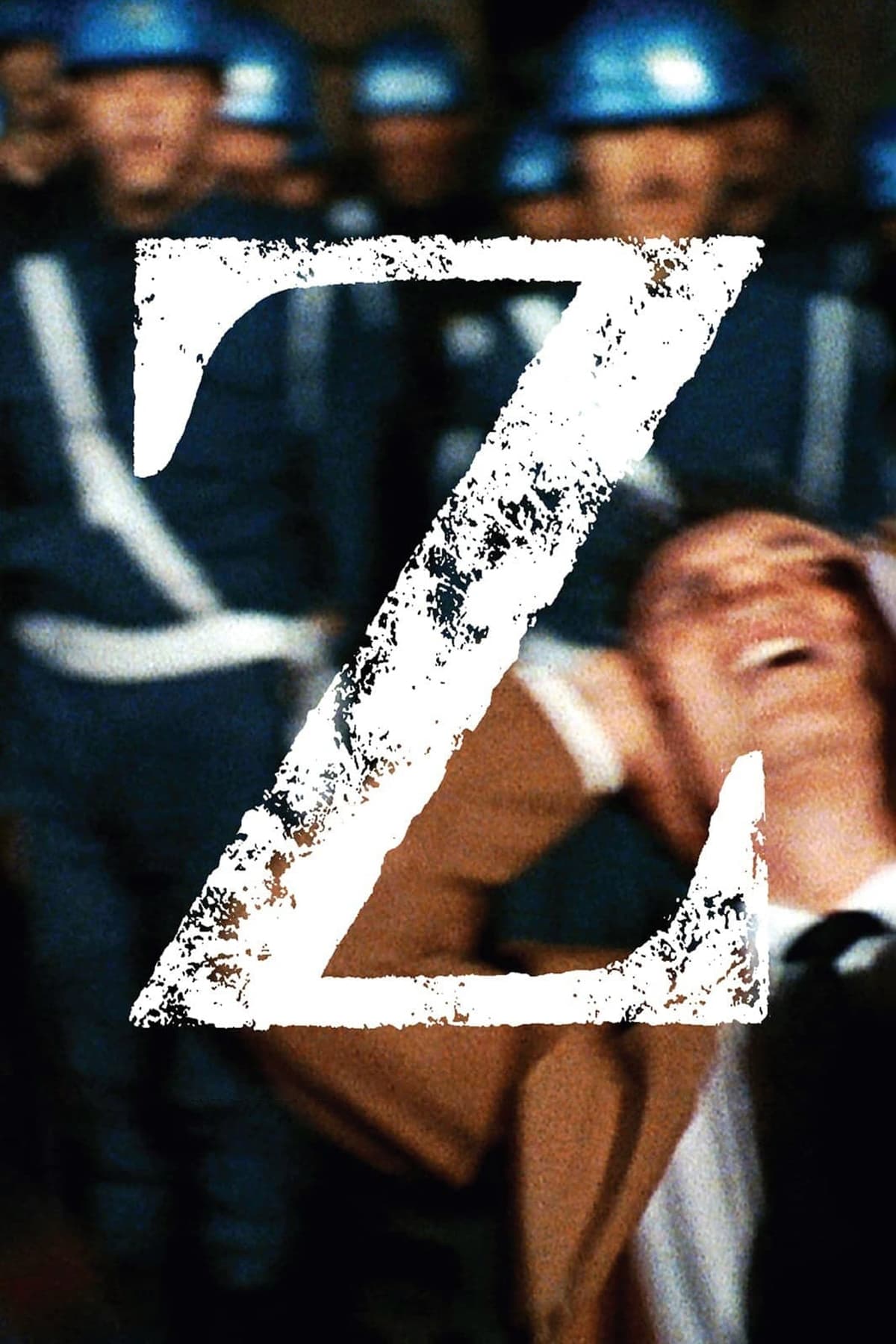
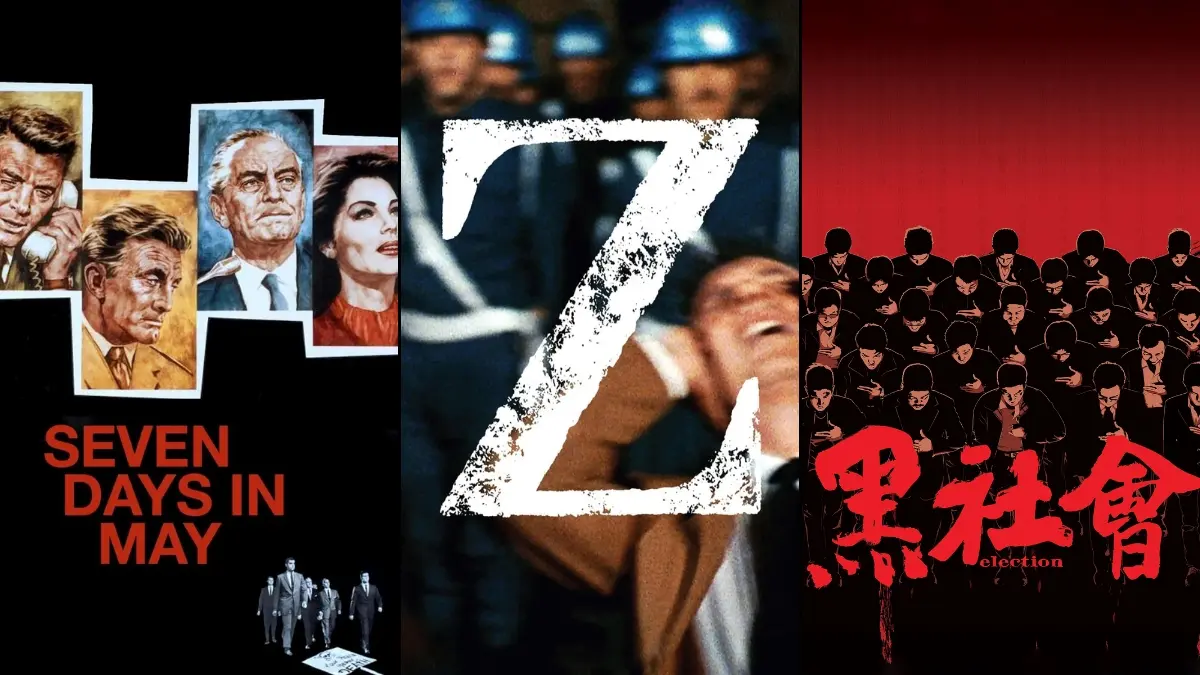
A prominent politician and doctor delivers a speech at a rally where he suffers a violent attack from right-wing thugs. The subsequent investigation by a tenacious magistrate uncovers a deep conspiracy involving police and government officials. Director Costa-Gavras utilizes a fast-paced editing style to create a sense of urgency and paranoia throughout the narrative. The film serves as a fictionalized account of the assassination of Greek politician Grigoris Lambrakis. ‘Z’ remains a powerful study of corruption and the suppression of truth in volatile political climates.
‘The Battle of Algiers’ (1966)
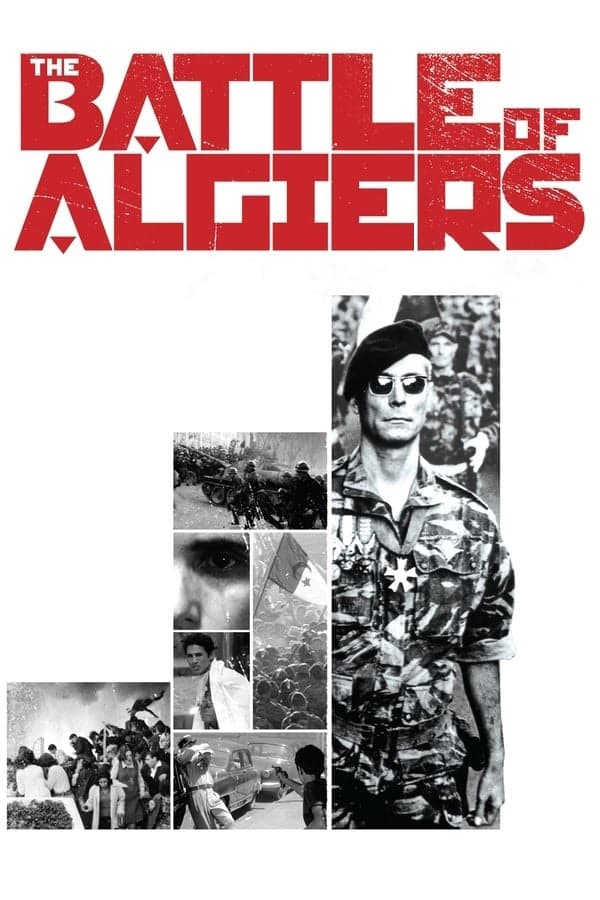
This film captures the escalating violence between the National Liberation Front and French colonial authorities in Algiers. Director Gillo Pontecorvo employs a newsreel style that gives the events a startling documentary realism. The narrative focuses on the organization of insurgent cells and the brutal counter-insurgency tactics used by the paratroopers. Both sides of the conflict receive attention to illustrate the tragic cost of urban warfare and colonial struggle. It remains an essential text for understanding asymmetric warfare and revolutionary movements.
‘State of Siege’ (1972)
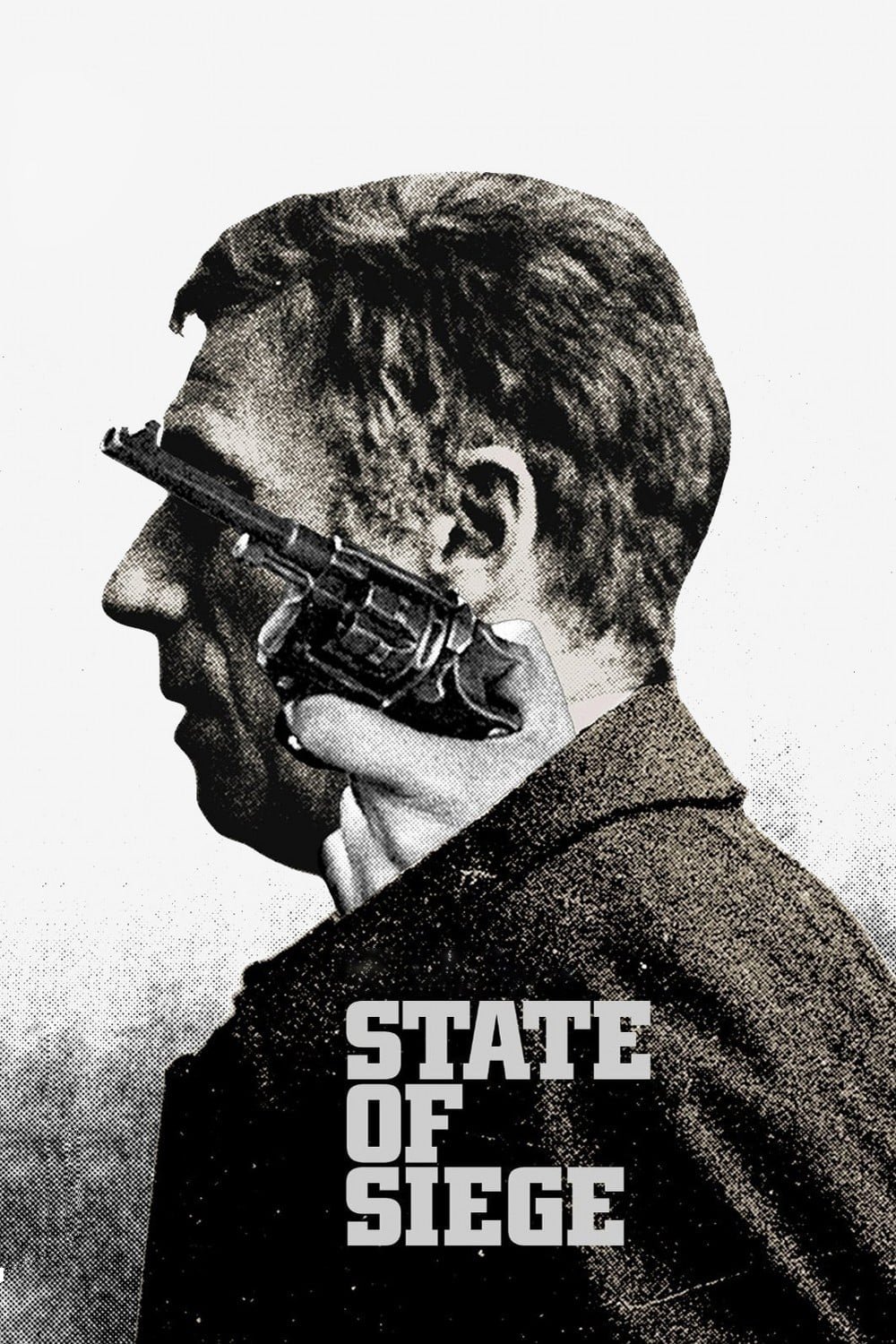
An American official working in Uruguay gets kidnapped by Tupamaro guerrillas who accuse him of training death squads. The story unfolds as the government struggles to locate the hostage while the guerrillas interrogate him about his covert activities. Costa-Gavras returns to political themes to examine the role of foreign intervention in South American politics. The film juxtaposes the sterile bureaucracy of the government with the passionate ideology of the revolutionaries. It questions the morality of proxy wars and the definition of terrorism.
‘Il Divo’ (2008)
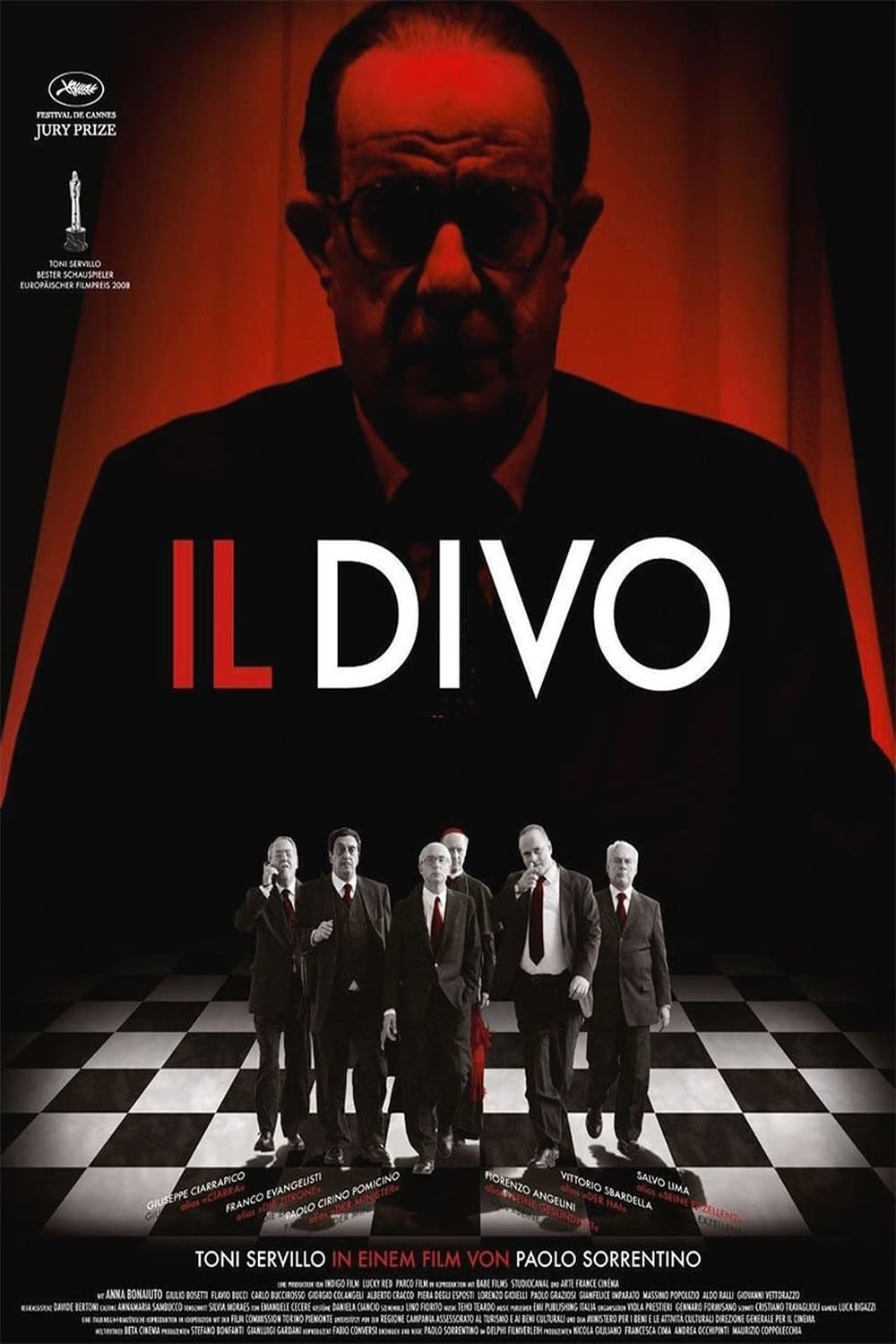
Italian politician Giulio Andreotti navigates the treacherous waters of Rome as he prepares for his seventh term as Prime Minister. The film presents a stylized and often surreal portrait of a man alleged to have ties with the Mafia and the Vatican. Director Paolo Sorrentino uses striking visuals to depict the isolation and inscrutability of supreme power. Andreotti remains a calm center amidst a whirlwind of scandals and assassinations that rock the nation. ‘Il Divo’ transforms a political biography into a operatic tragedy about the burden of influence.
‘Missing’ (1982)
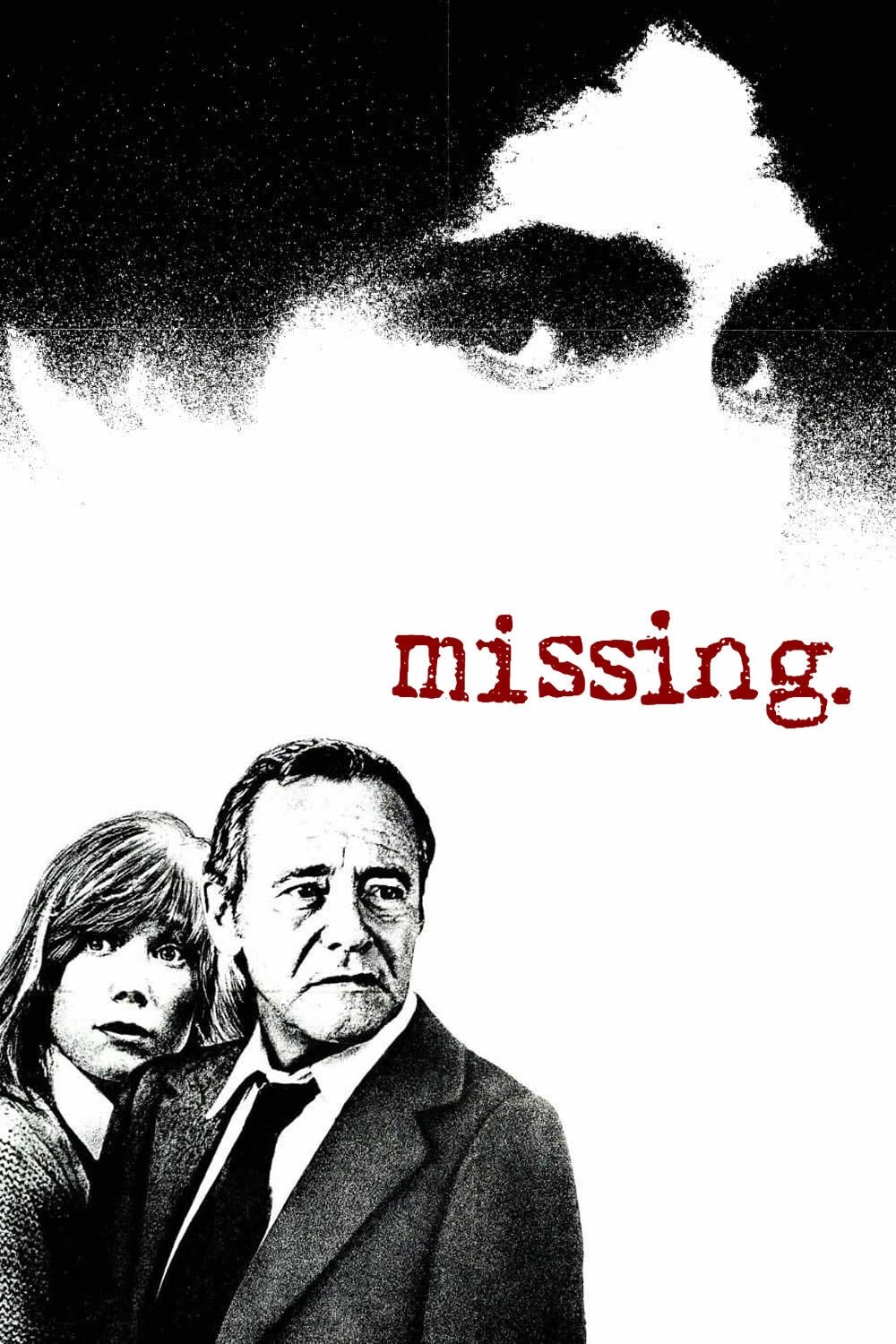
An American writer disappears during the bloody coup in Chile which leads his wife and father to search for him. The conservative father slowly realizes that his own government may have played a role in the coup and the disappearance of his son. Jack Lemmon delivers a nuanced performance as a man whose faith in American institutions shatters under the weight of the truth. The film highlights the human cost of Cold War realpolitik and the desperation of families caught in diplomatic crossfire. It is based on the true story of Charles Horman.
‘Investigation of a Citizen Above Suspicion’ (1970)
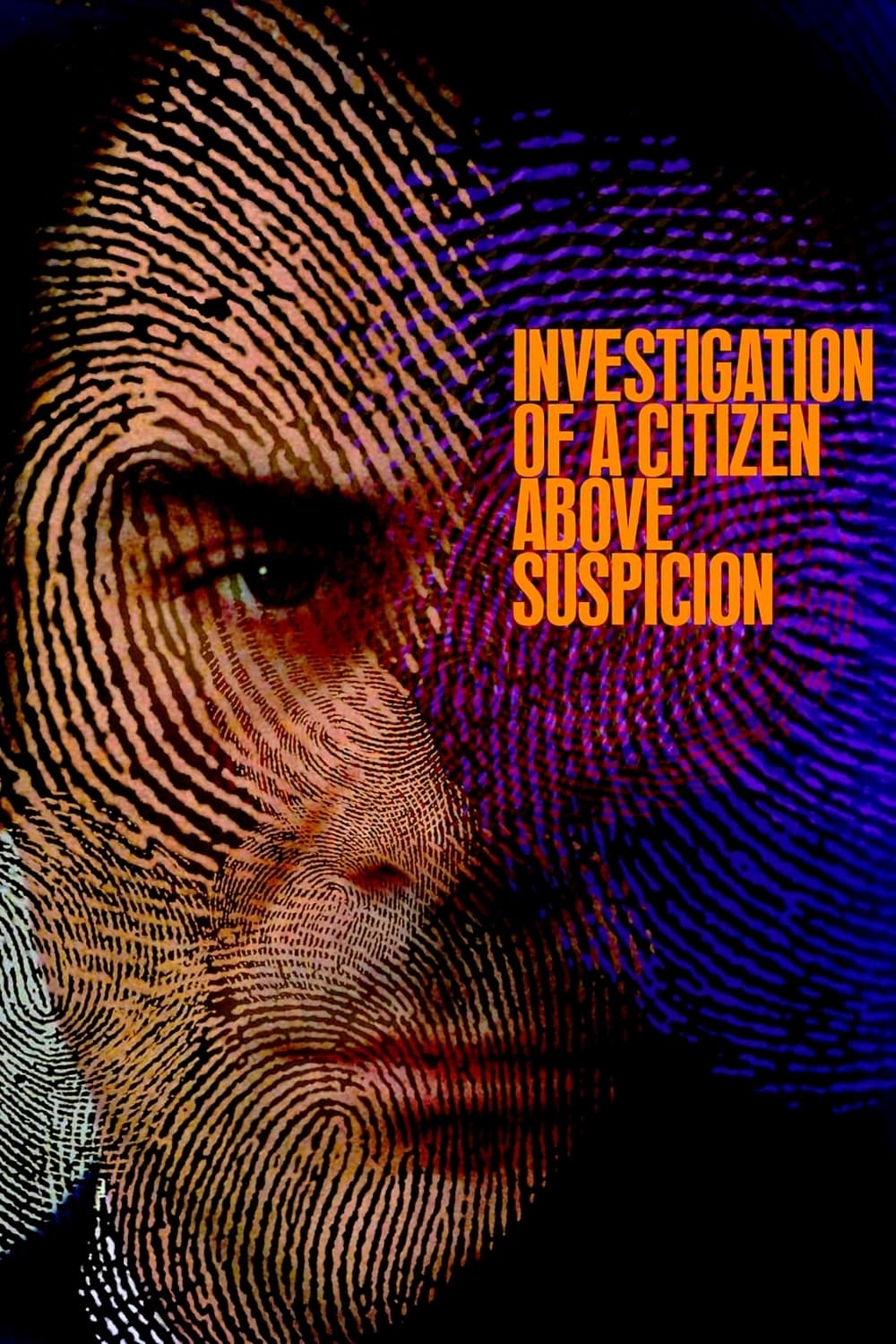
A high-ranking police inspector murders his mistress and deliberately leaves clues to prove he is untouchable. The film follows the investigation as his subordinates ignore the obvious evidence due to his elevated status. It serves as a dark satire on the impunity of power and the corruption inherent in authoritarian law enforcement. The protagonist revels in his ability to manipulate the system that is supposed to hold him accountable. This Italian classic explores the dangerous psychological complex of those who believe they are the law.
‘Burn!’ (1969)
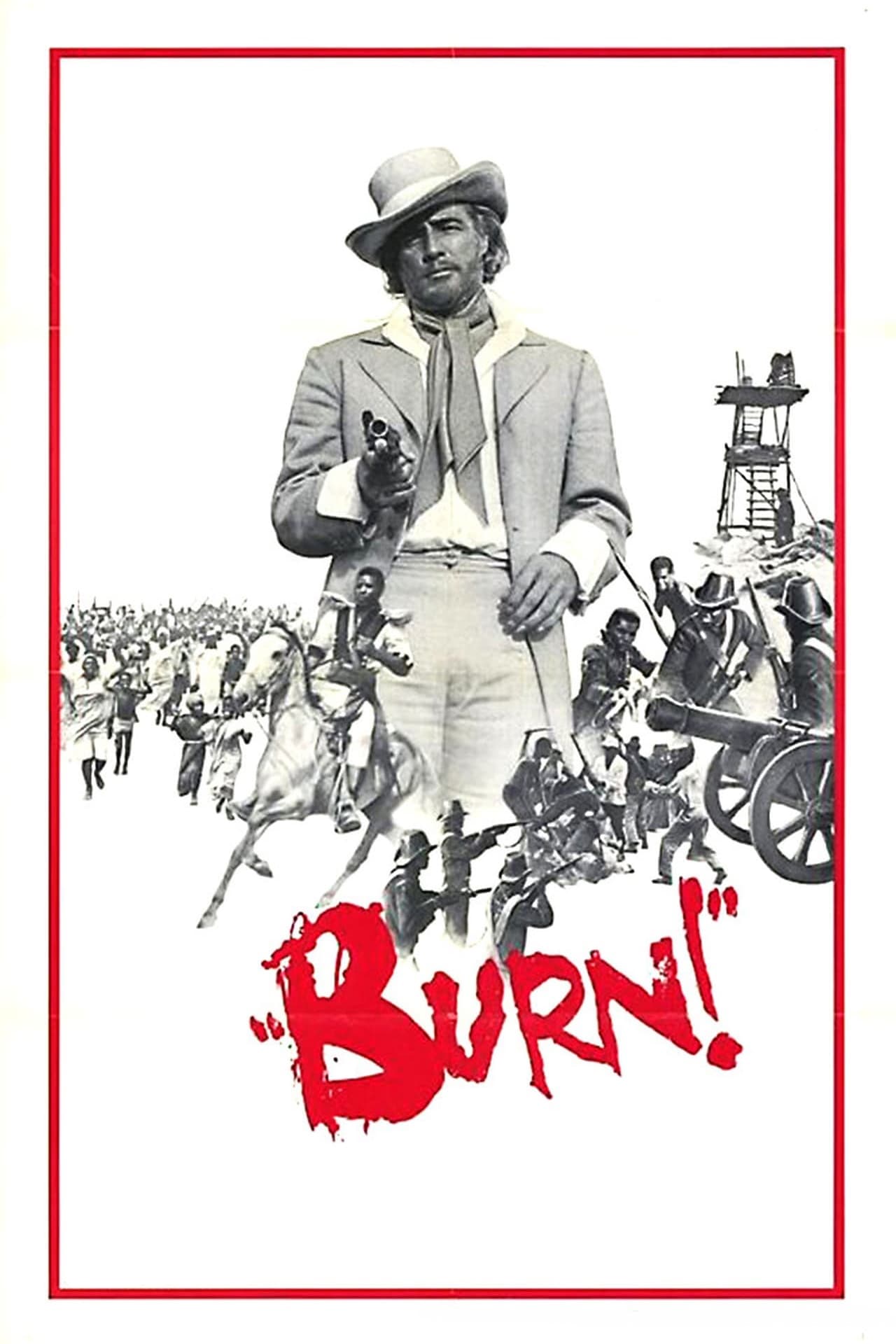
A British agent travels to a Caribbean island to incite a slave revolt against the Portuguese colonial government. He manipulates a charismatic local figure to lead the rebellion only to turn against him later to serve British sugar interests. Marlon Brando delivers a complex performance as the cynical operative who views revolution as a business transaction. The film critiques the cycle of colonialism and the economic exploitation that often follows political liberation. ‘Burn!’ offers a stark look at how imperial powers utilize freedom fighters as pawns.
‘Medium Cool’ (1969)
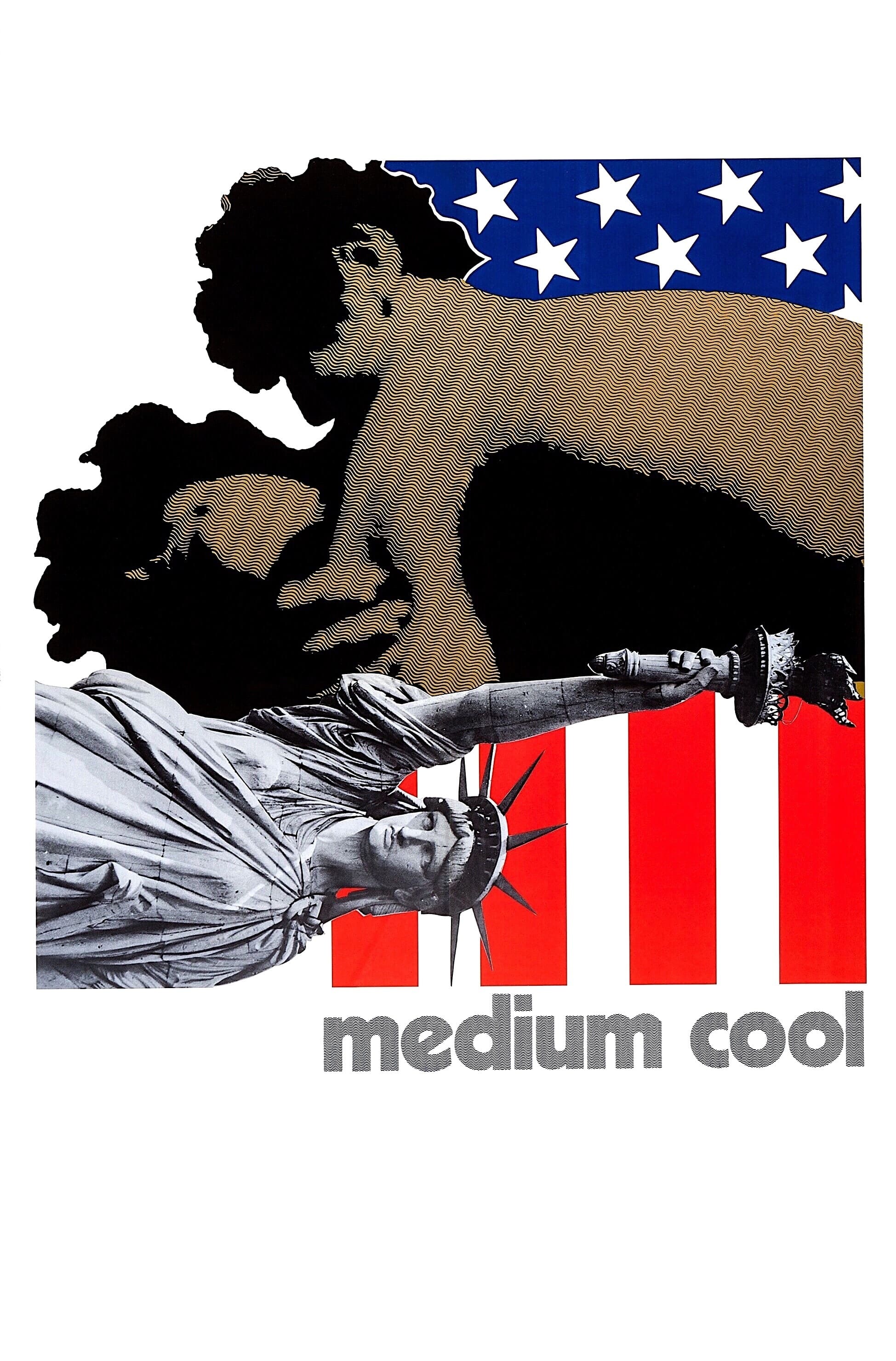
A television cameraman becomes detached from the violence he films until he discovers his station shares footage with the FBI. The narrative blends fiction with real footage of the chaos surrounding the 1968 Democratic National Convention in Chicago. Director Haskell Wexler examines the ethical responsibilities of media in times of civil unrest. The protagonist must choose between being a passive observer and an active participant in the events changing his country. ‘Medium Cool’ stands as a groundbreaking fusion of documentary and drama.
‘Matewan’ (1987)
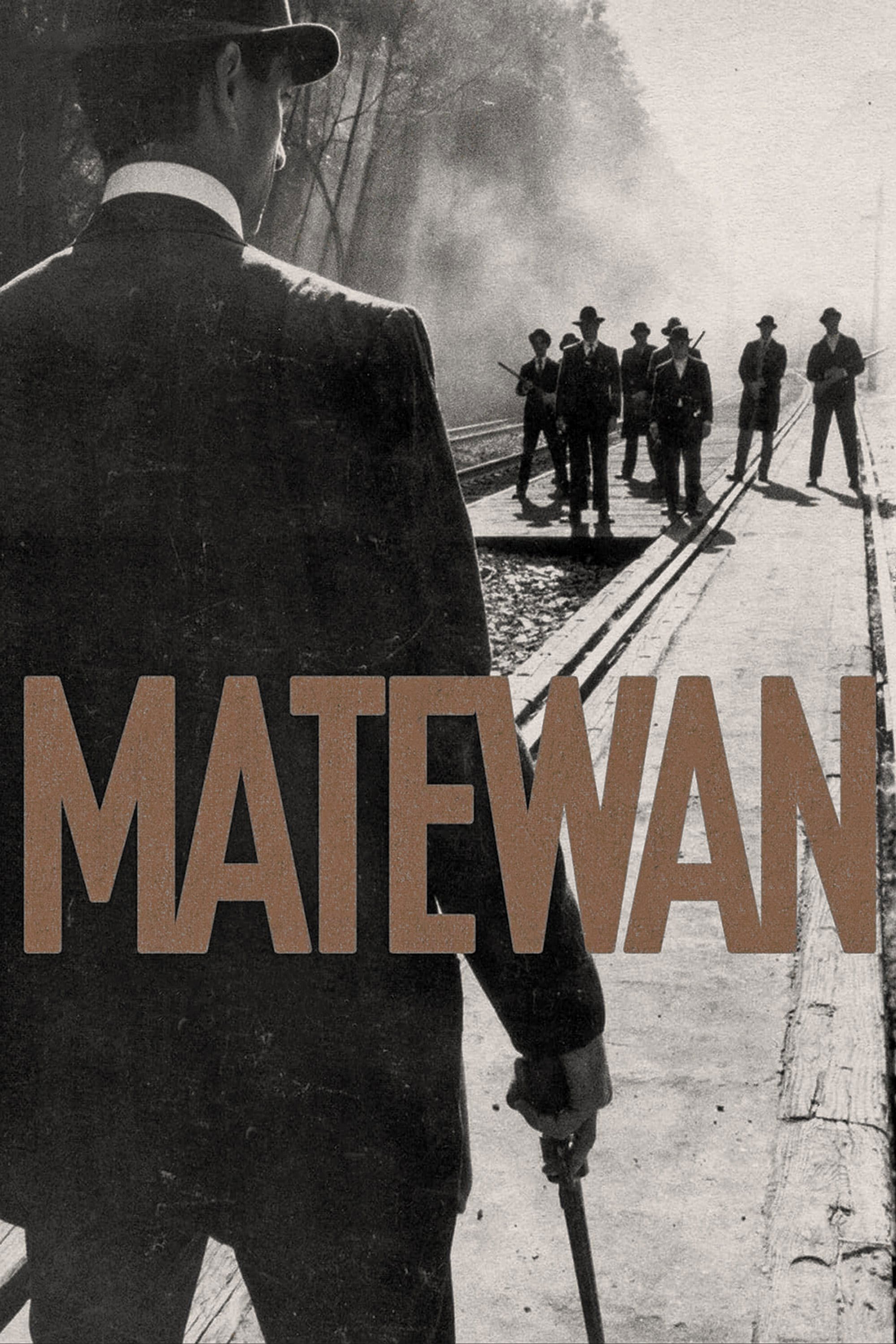
A labor organizer arrives in a West Virginia coal mining town to unite the diverse workforce against the exploitative company. The company responds with hired guns and attempts to divide the workers along racial and ethnic lines. Director John Sayles captures the gritty reality of the Coal Wars and the violent struggle for unionization in the 1920s. The film emphasizes the importance of solidarity among workers in the face of corporate oppression. ‘Matewan’ serves as a poignant tribute to the history of the American labor movement.
‘Bob Roberts’ (1992)

A wealthy conservative folk singer runs for the United States Senate using a campaign based on image and catchy songs. The film utilizes a mockumentary format to follow the candidate as he manipulates the media and evades questions about his business dealings. Tim Robbins directs and stars in this satire that predicts the rise of celebrity populism in politics. The narrative exposes the superficiality of modern campaigning where soundbites matter more than policy. ‘Bob Roberts’ remains a sharp critique of the intersection between entertainment and governance.
‘Advise & Consent’ (1962)
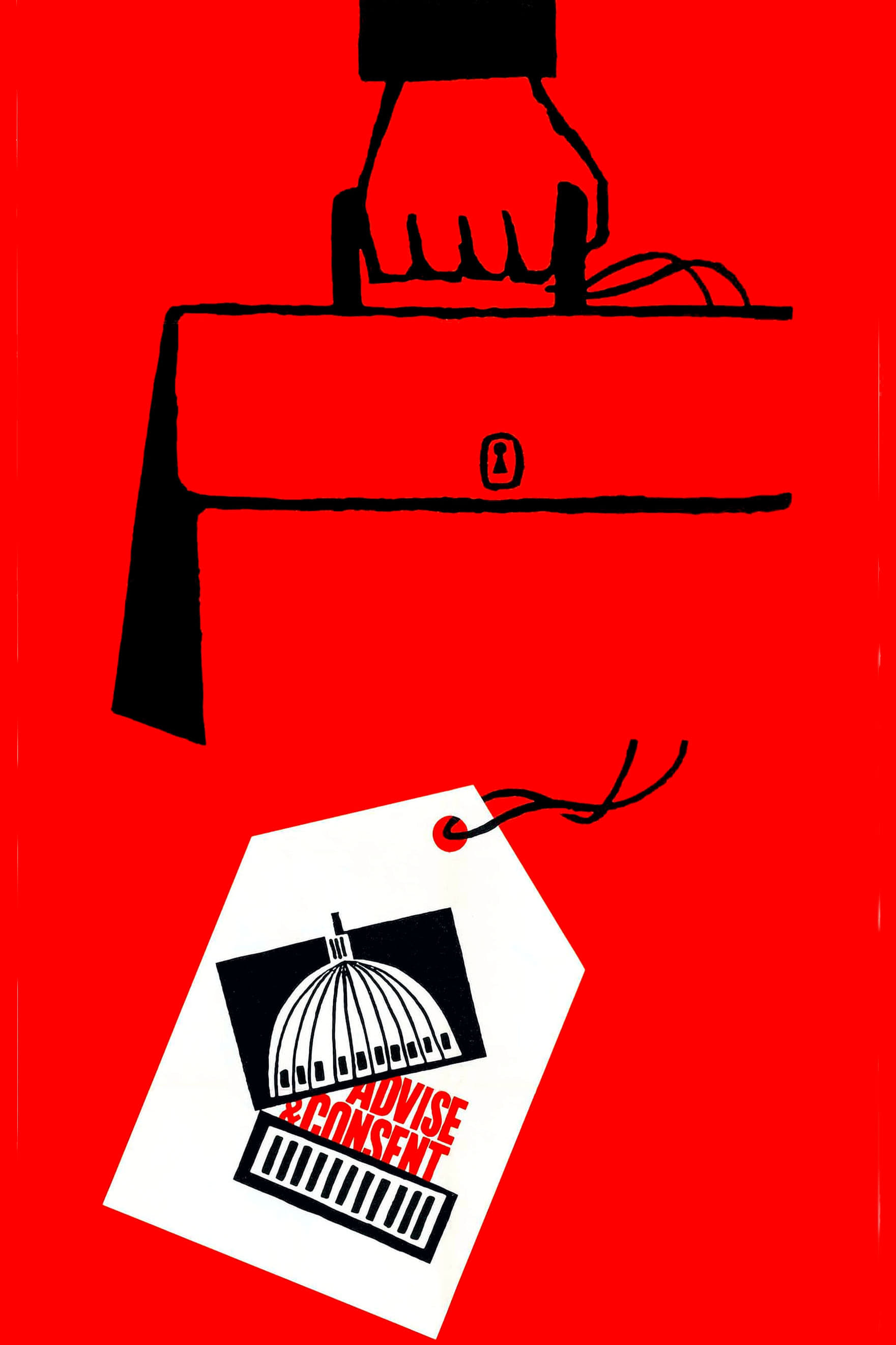
The President of the United States nominates a controversial figure for Secretary of State which triggers a vicious battle in the Senate. Senators use blackmail and secrets to secure votes while the nominee faces intense scrutiny regarding his past. Director Otto Preminger presents an intricate look at the procedural maneuvering and backroom deals of Washington. The film features an ensemble cast that portrays the personal toll of public service and political ambition. ‘Advise & Consent’ offers a cynical yet fascinating view of the confirmation process.
‘A Face in the Crowd’ (1957)

A drifter rises to fame as a radio personality and eventually becomes a powerful political influencer. He uses his homespun charm to manipulate his audience while privately holding them in contempt. Andy Griffith gives a terrifying performance that reveals the dark side of populist demagoguery. The film explores how media can manufacture authenticity to sway public opinion for nefarious ends. ‘A Face in the Crowd’ serves as a prophetic warning about the danger of mixing celebrity worship with politics.
‘Gabriel Over the White House’ (1933)
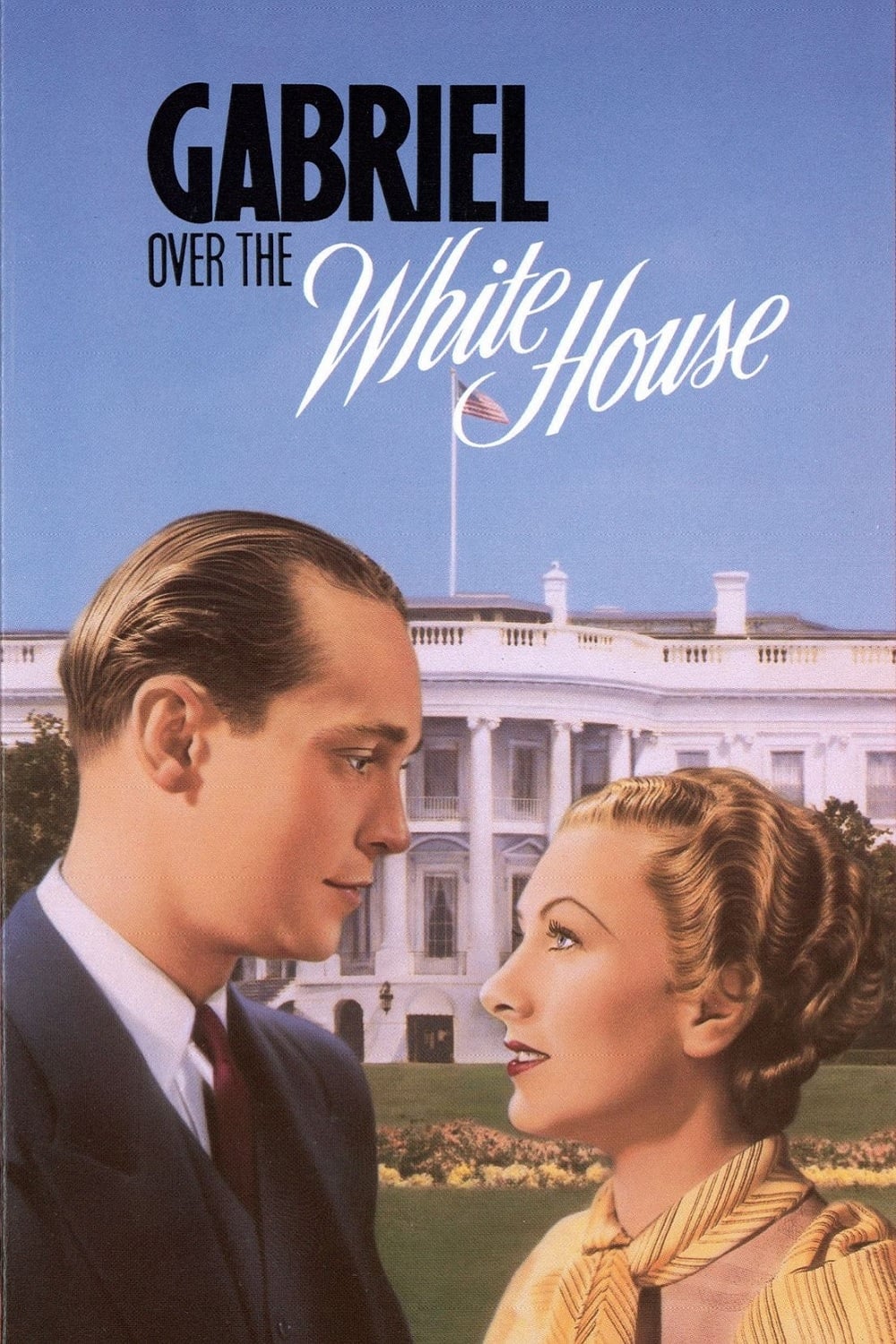
A newly elected President suffers a car accident and wakes up with a divinely inspired mission to fix the nation. He dissolves Congress and declares martial law to solve the problems of unemployment and racketeering. The film presents a fascinating pre-Code fantasy of a benevolent dictatorship solving the Great Depression. It reflects the desperation of the era and the public desire for strong leadership at any cost. ‘Gabriel Over the White House’ remains a curious artifact of American political history.
‘The Best Man’ (1964)

Two candidates with opposing ideologies vie for the presidential nomination at a chaotic party convention. One is an intellectual who hesitates to use dirt against his opponent while the other is a ruthless populist willing to destroy reputations. The film examines the moral compromises required to attain the highest office in the land. Gore Vidal wrote the screenplay based on his play to critique the character of those who seek power. ‘The Best Man’ provides a tense and witty look at the mechanics of political conventions.
‘Seven Days in May’ (1964)
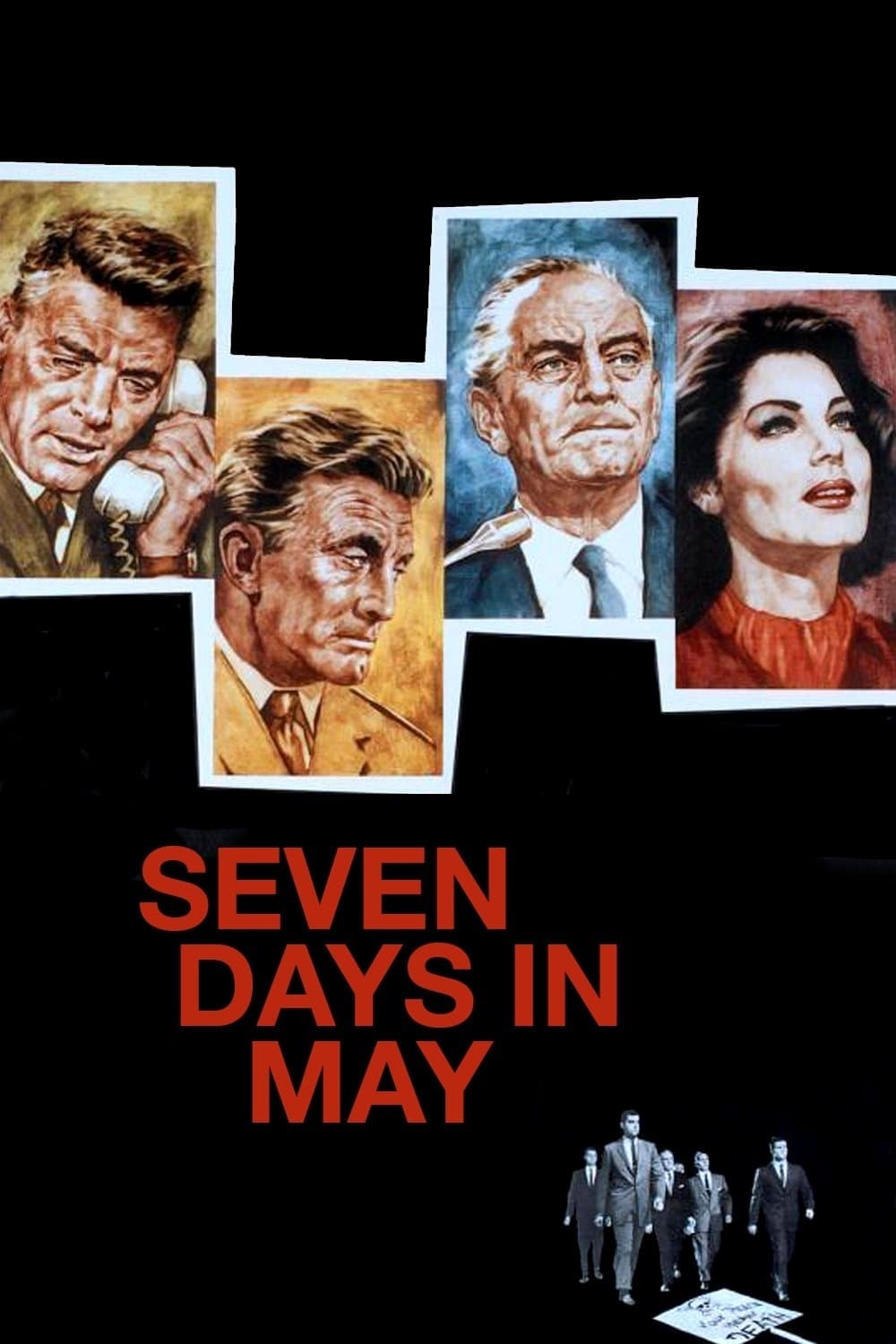
A military general discovers a plot by the Joint Chiefs of Staff to overthrow the President because they disagree with a nuclear disarmament treaty. The narrative follows the race against time to gather evidence of the coup before it begins. Director John Frankenheimer creates a taut thriller that plays on the Cold War fears of a military-industrial complex out of control. The film questions the loyalty of the armed forces when they believe civilian leadership is endangering national security. ‘Seven Days in May’ stands as a gripping tale of constitutional crisis.
‘Punishment Park’ (1971)
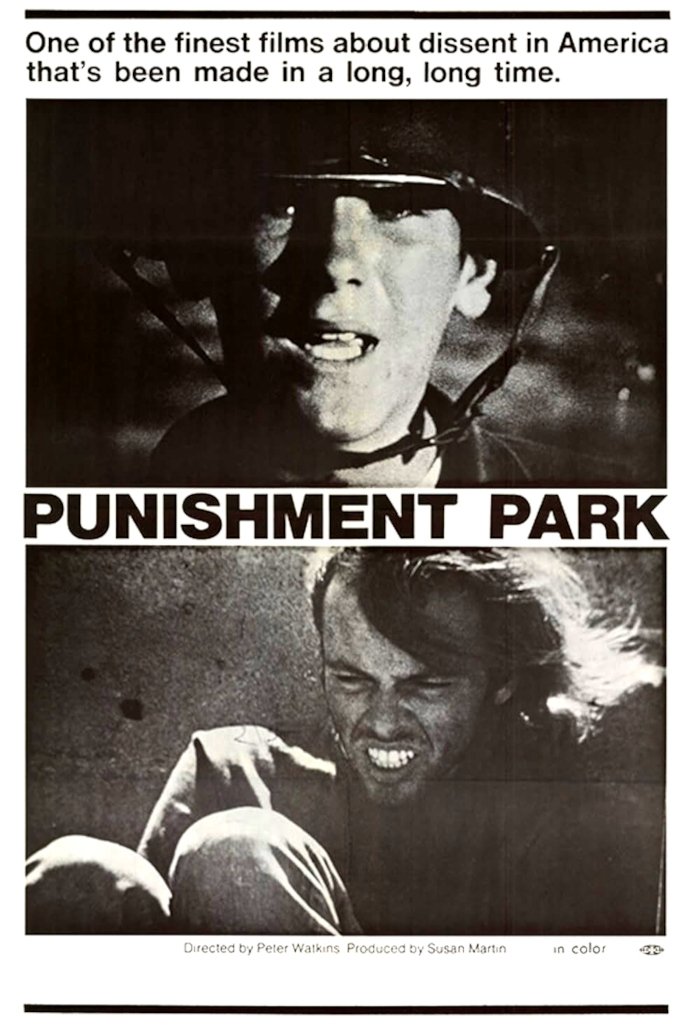
dissidents face the choice between long prison sentences or a three-day ordeal in a scorching desert patrolled by law enforcement. The film functions as a pseudo-documentary that allegorizes the suppression of the anti-war movement during the Vietnam era. Participants in the park must reach an American flag to win their freedom while armed guards pursue them. It presents a stark vision of a polarized society where dissent is treated as a crime. ‘Punishment Park’ remains a polarizing and intense experience for viewers.
‘Hidden Agenda’ (1990)

American civil liberties lawyers investigate the killing of an activist in Northern Ireland and uncover a high-level conspiracy. The film suggests that British security forces operated a shoot-to-kill policy to undermine the peace process. Director Ken Loach uses the thriller format to critique British involvement in the Troubles and the manipulation of justice. The narrative exposes the lengths to which governments will go to protect their secrets and maintain control. ‘Hidden Agenda’ offers a provocative perspective on a turbulent period in British history.
‘Land and Freedom’ (1995)
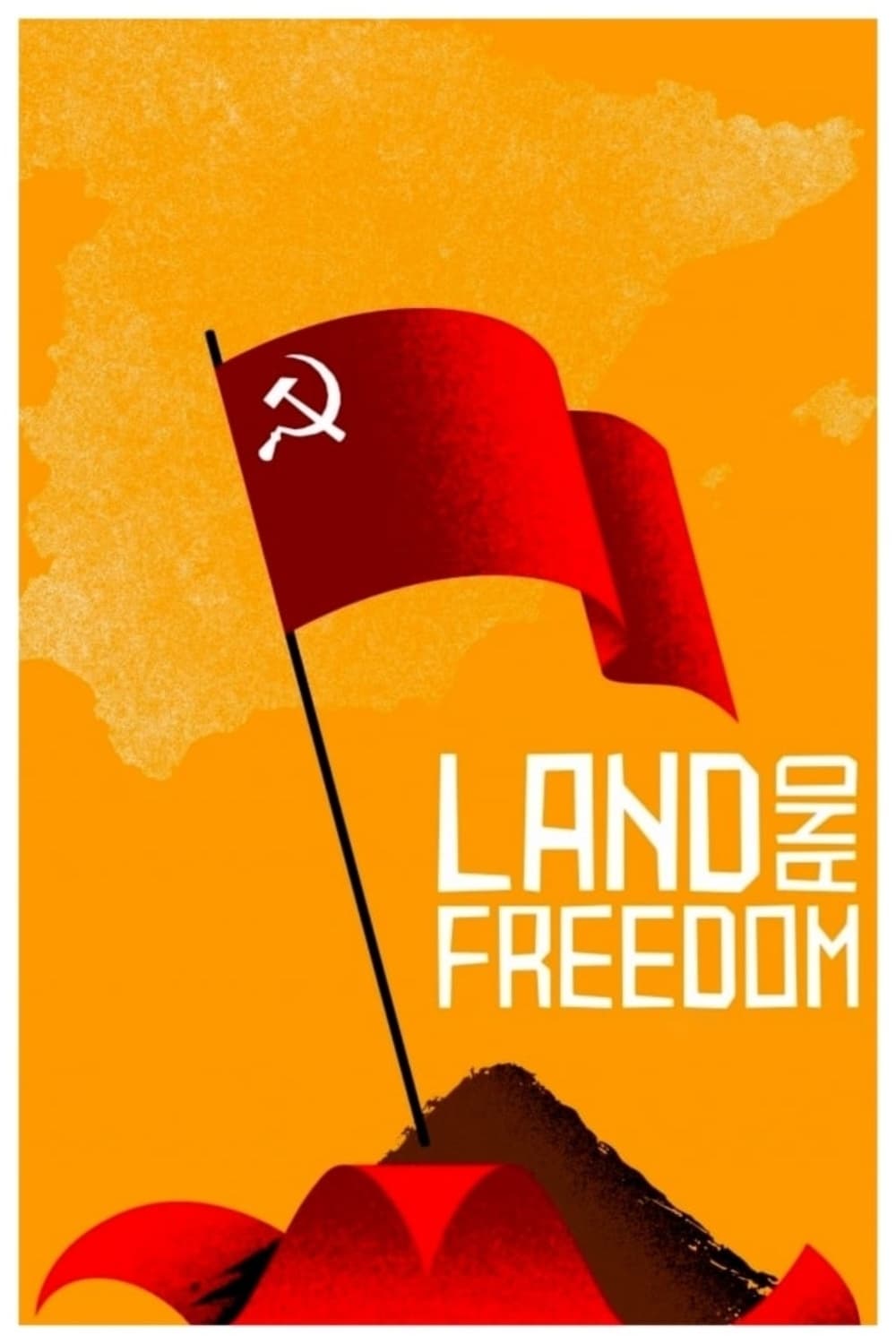
An unemployed worker from Liverpool travels to Spain in 1936 to fight against fascism during the Spanish Civil War. He joins a militia and experiences the camaraderie of the international brigades as well as the internal political divisions. The film depicts how the Stalinist faction of the Republicans eventually turns on its own anarcho-syndicalist allies. It provides a heartbreaking look at how ideological purity tests can destroy a revolutionary movement from within. ‘Land and Freedom’ is a tribute to the idealism and tragedy of the anti-fascist struggle.
‘Salvador’ (1986)
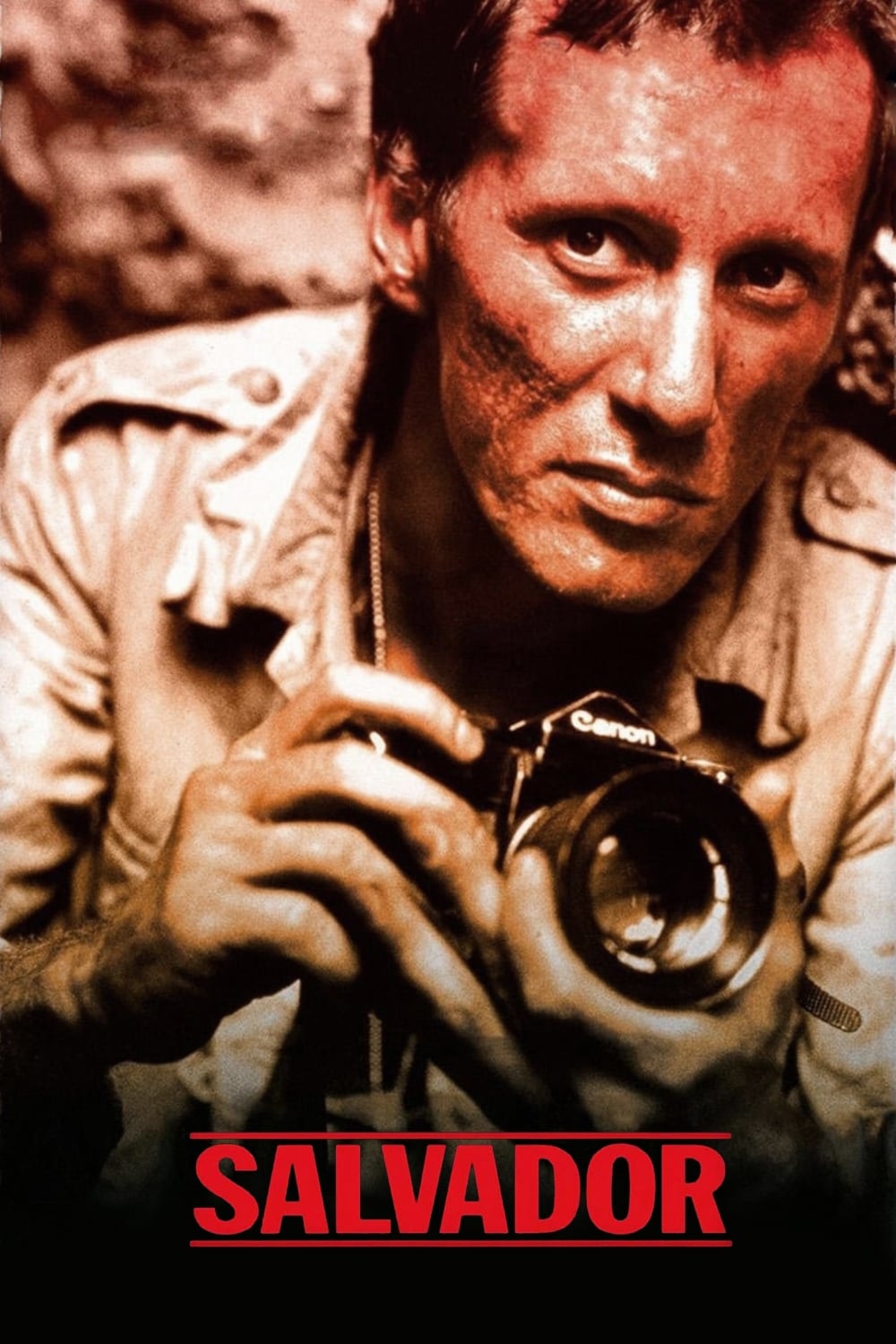
A photojournalist drives to El Salvador hoping to revive his career by covering the civil war. He witnesses the brutal violence committed by government death squads and the complicity of American officials. James Woods delivers a frantic performance as a man who starts as a cynic but finds his conscience amidst the carnage. The film critiques U.S. foreign policy in Central America during the 1980s. ‘Salvador’ captures the chaos and moral ambiguity of reporting from a conflict zone.
‘The Official Story’ (1985)

A history teacher in Argentina begins to suspect that her adopted daughter may be the child of a murdered political prisoner. The film takes place during the final days of the military dictatorship as the truth about the Disappeared starts to surface. She must confront her husband and her own ignorance about the atrocities committed by the regime. It explores the painful process of national reckoning and the personal cost of political awareness. ‘The Official Story’ is a deeply moving drama about memory and justice.
‘Man of Marble’ (1977)
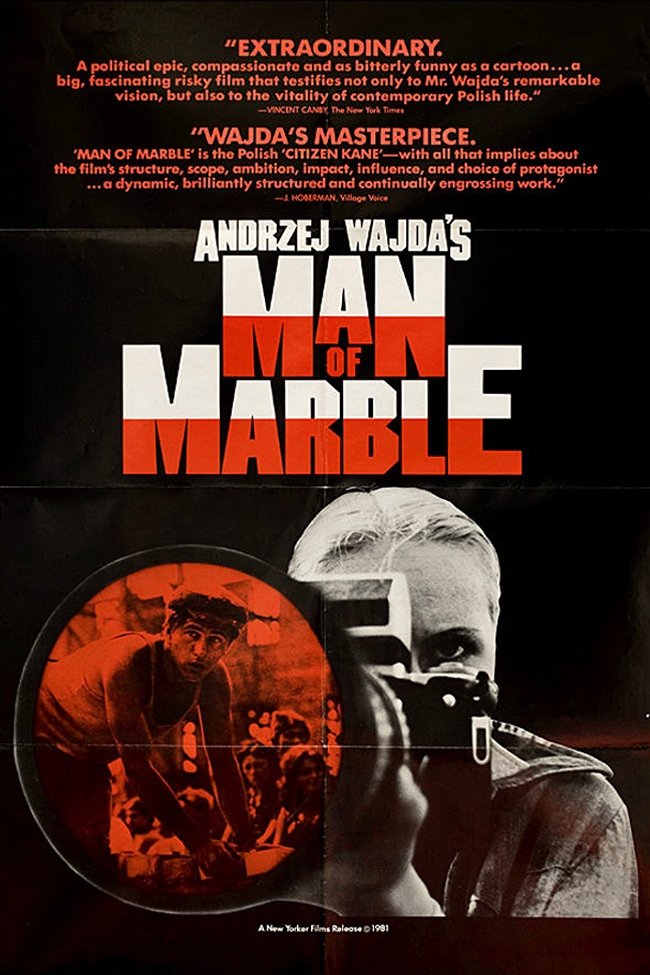
A film student attempts to make a documentary about a fallen bricklayer who was once celebrated as a communist hero. She encounters resistance from state censors who want to keep the true story of his rise and fall buried. Director Andrzej Wajda examines the way history is rewritten to suit the needs of the ruling party. The film critiques the propaganda machine of the Polish People’s Republic. ‘Man of Marble’ is a landmark in Eastern European cinema for its bold challenge to state narratives.
‘No’ (2012)
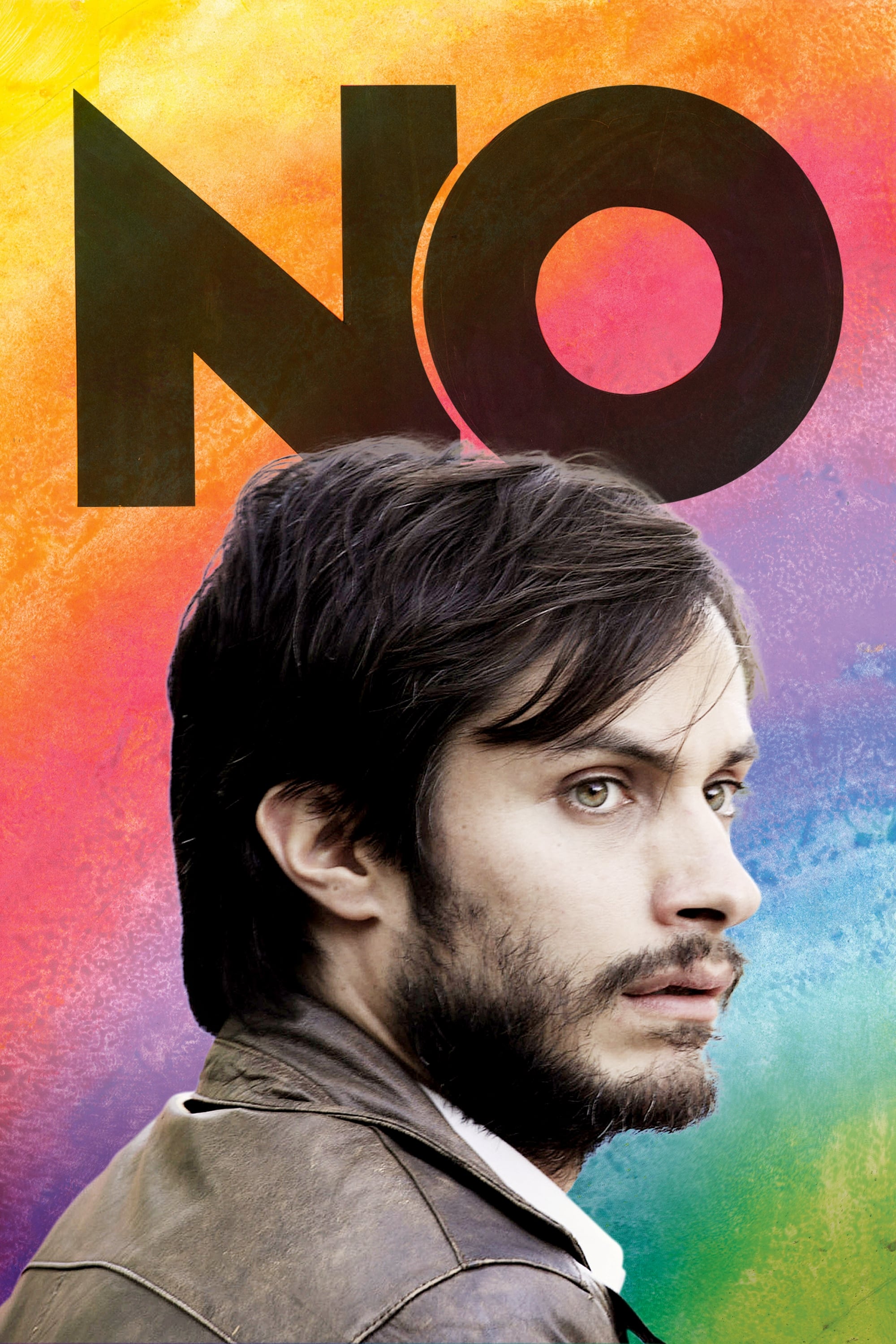
An advertising executive is hired to manage the opposition campaign during the 1988 plebiscite on Augusto Pinochet’s presidency in Chile. He decides to use optimistic imagery and jingles rather than focusing solely on the regime’s human rights abuses. The film was shot on vintage video cameras to blend seamlessly with actual archival footage from the era. It demonstrates the power of marketing in shaping political outcomes and restoring democracy. ‘No’ offers a unique perspective on how a dictatorship was defeated at the ballot box.
‘Walker’ (1987)
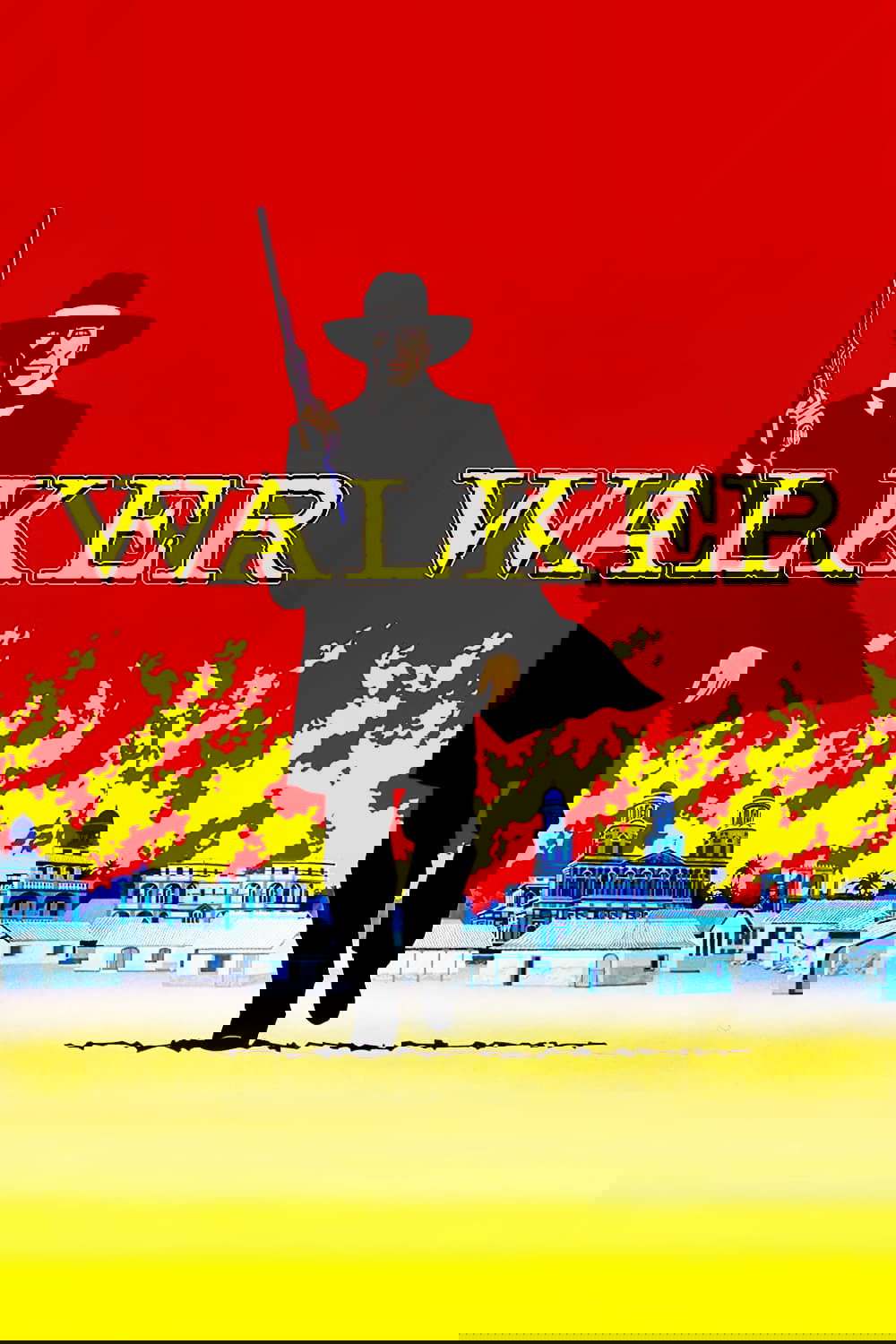
An American mercenary installs himself as the President of Nicaragua in the 19th century with the backing of corporate interests. The film utilizes deliberate anachronisms like computers and helicopters to draw parallels between the past and 1980s foreign policy. Director Alex Cox creates a surreal and satirical biopic that mocks the concept of manifest destiny. It highlights the destructive nature of American interventionism in Latin America. ‘Walker’ is an unconventional and biting political satire.
‘Election’ (2005)
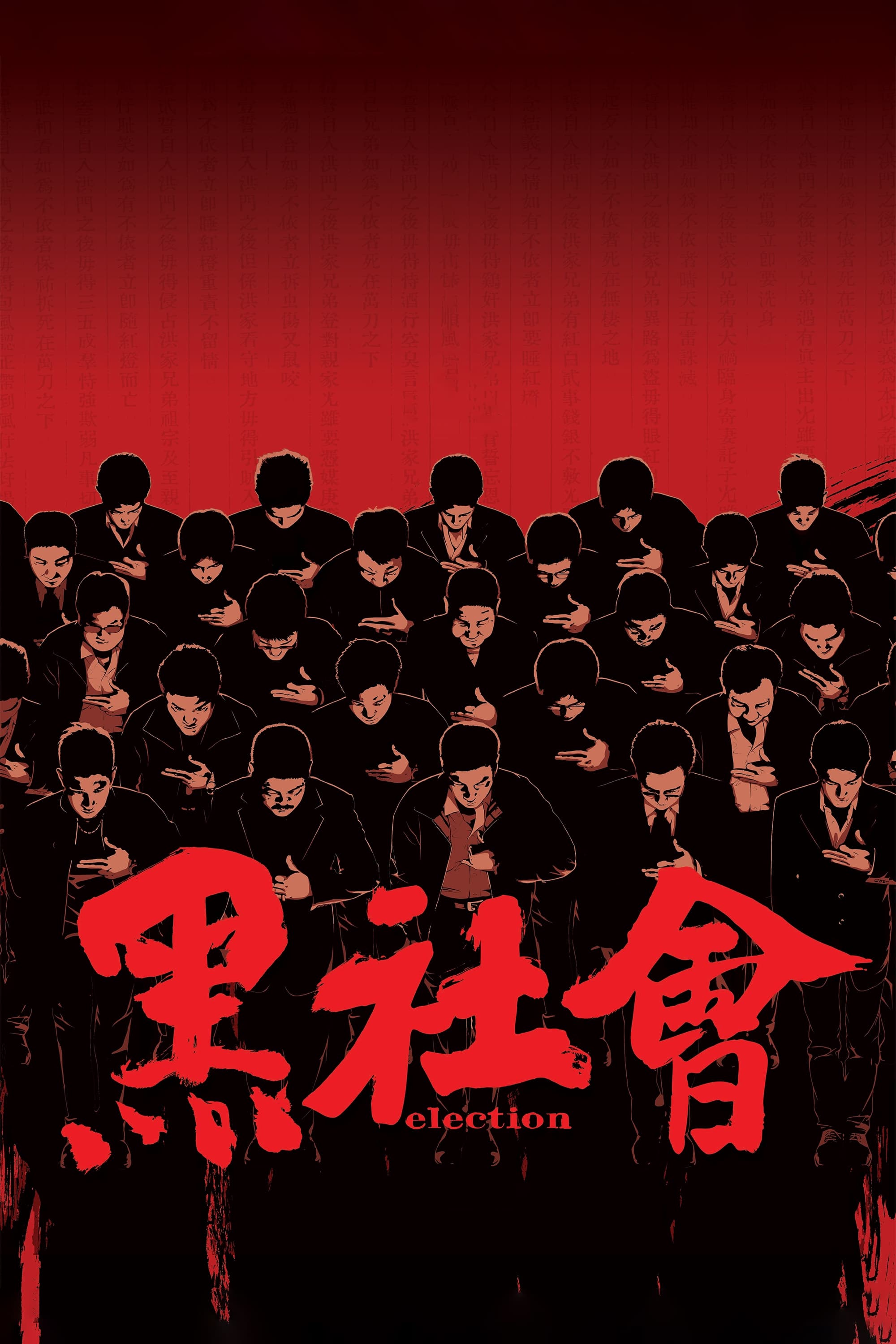
Two gang leaders compete for the chairmanship of a powerful Hong Kong triad society in a process that mirrors political campaigning. The elders demand tradition and stability while the younger generation seeks profit and expansion. Director Johnnie To uses the criminal underworld as a metaphor for the struggles of governance and succession. The film exposes the brutality and bribery that often underpin systems claiming to be democratic. ‘Election’ is a tense crime thriller with deep political undertones.
‘The Parallax View’ (1974)

A reporter investigates the mysterious deaths of witnesses to a political assassination and uncovers a shadowy corporation recruiting social misfits. The film delves into the paranoia of the 1970s and the fear of unseen forces manipulating national events. Warren Beatty stars as the journalist who gets in over his head as he infiltrates the organization. It features a terrifying montage sequence designed to test the psychological stability of recruits. ‘The Parallax View’ remains a quintessential conspiracy thriller.
‘Winter Kills’ (1979)
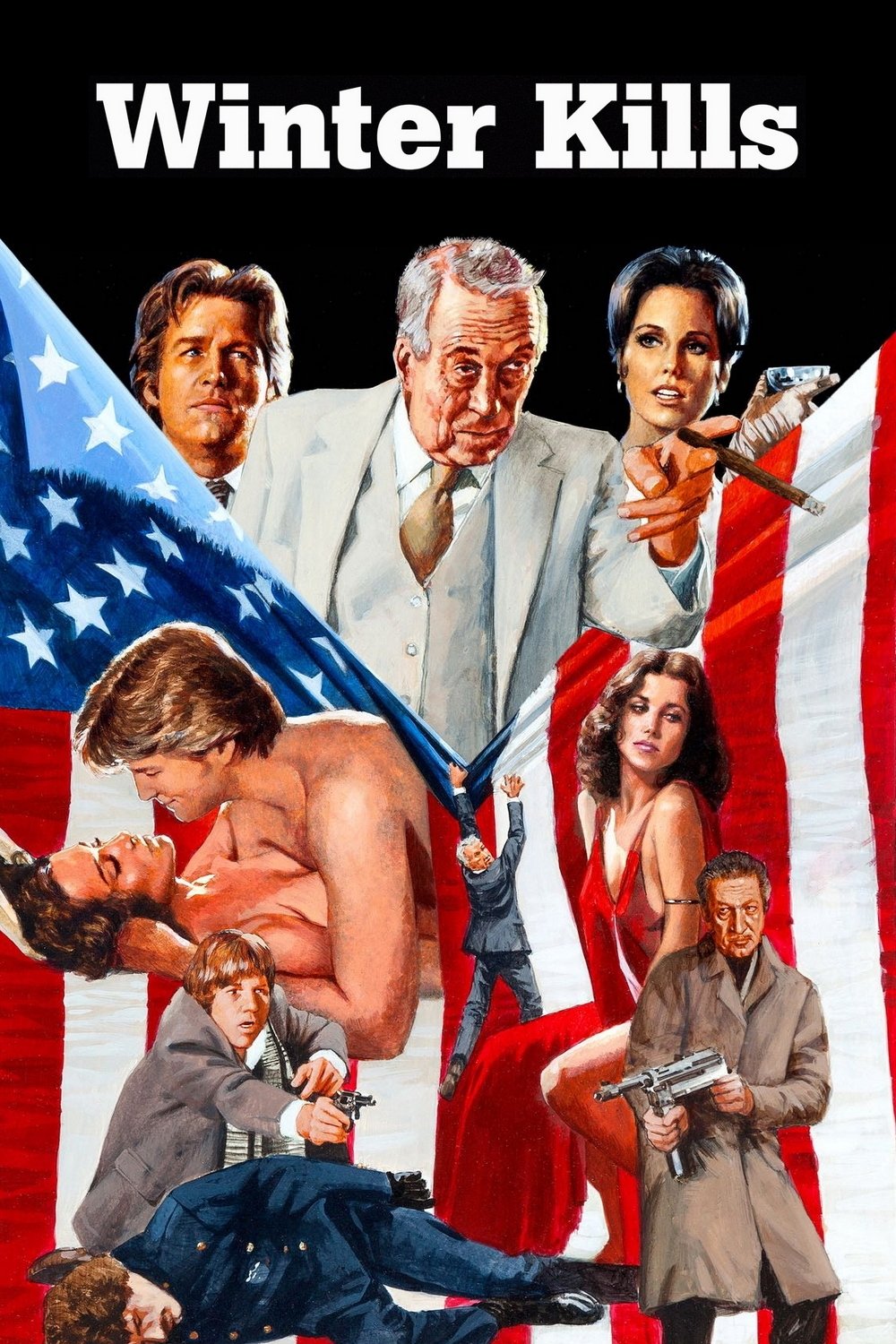
The brother of an assassinated President discovers a dying man who claims to be the second gunman. This revelation leads him into a labyrinth of powerful business tycoons and intelligence agencies. The film satirizes the Kennedy assassination theories with a darkly comic tone. It paints a picture of a world where political power is merely a game for the ultra-wealthy. ‘Winter Kills’ is a bizarre and cynical ride through the landscape of American conspiracy culture.
‘Executive Action’ (1973)

A group of right-wing businessmen and rogue intelligence operatives conspire to assassinate President John F. Kennedy. The film presents a meticulous reconstruction of how such a plot might have been executed using real news footage. It focuses on the logistics of the operation rather than the emotional fallout. The narrative suggests that the assassination was a calculated move to stop the President’s policy shifts. ‘Executive Action’ was one of the first films to openly challenge the Warren Commission report.
‘Twilight’s Last Gleaming’ (1977)
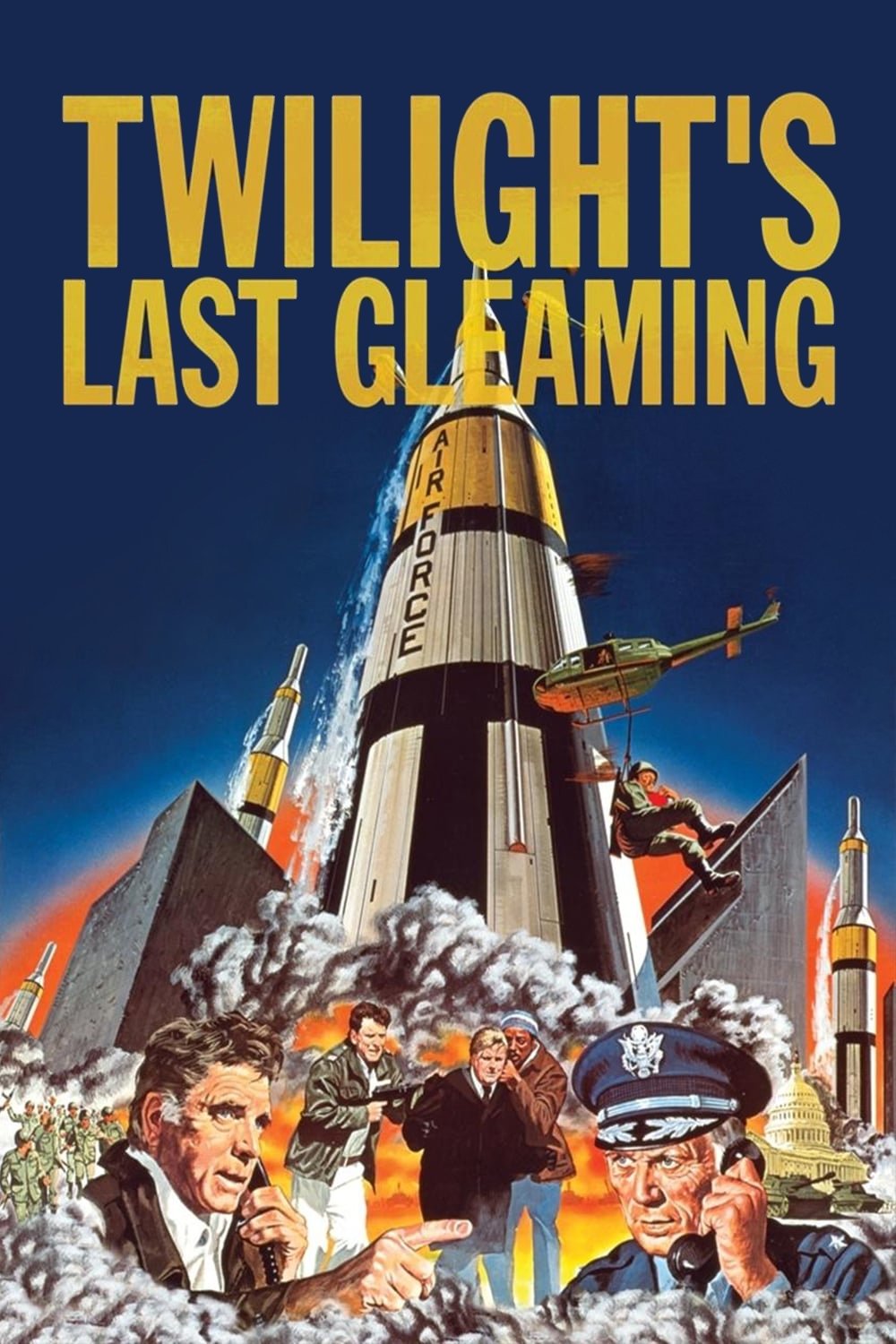
A renegade Air Force general seizes a nuclear missile silo and threatens to launch the weapons unless the President reveals the secret truth about the Vietnam War. The film cuts between the tension in the silo and the desperate deliberations in the White House. It serves as a scathing critique of the military establishment and the lies told to the American public. The use of split-screen techniques enhances the suspense of the standoff. ‘Twilight’s Last Gleaming’ is a tense thriller about the burden of classified information.
‘Four Lions’ (2010)
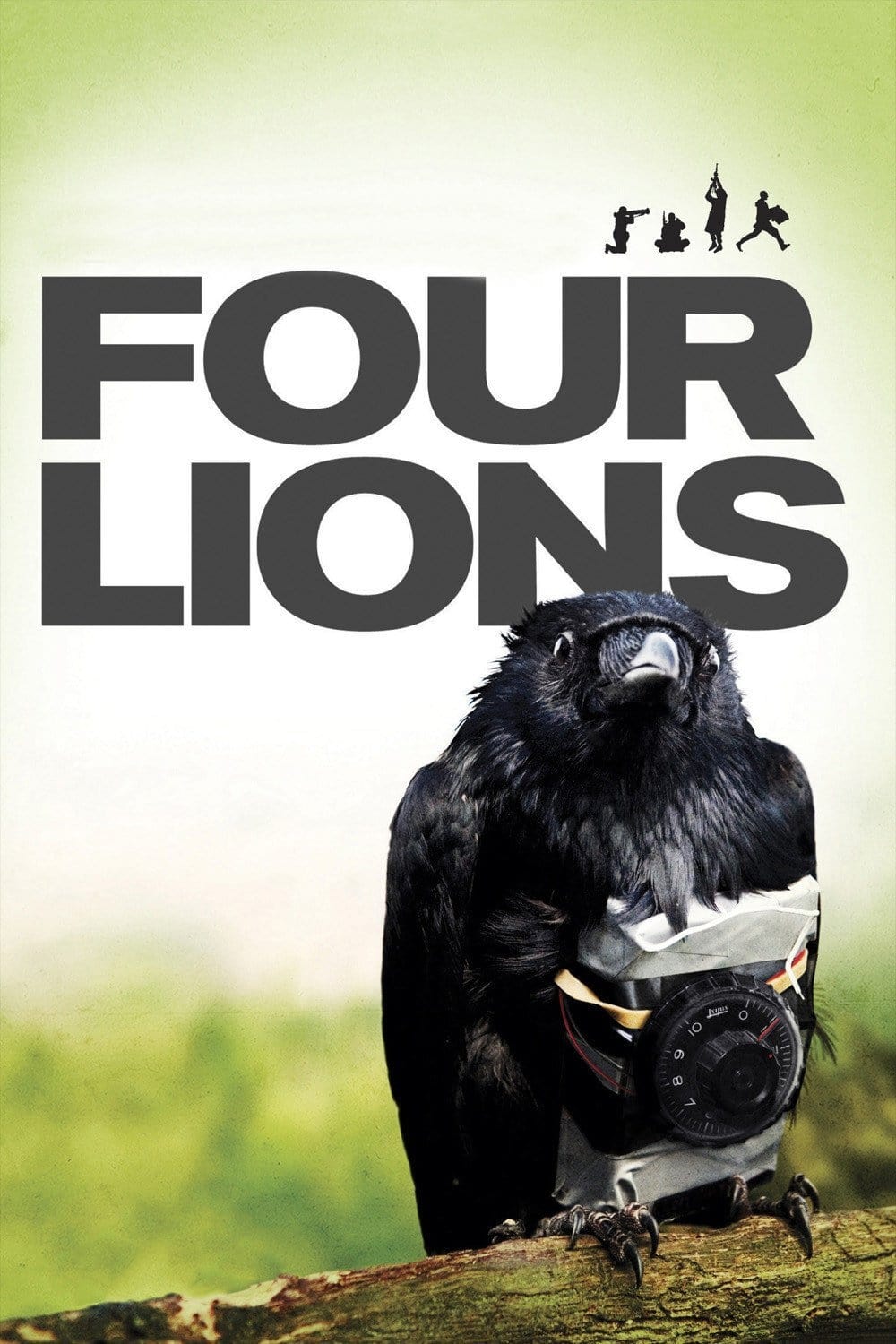
A group of incompetent British jihadists attempts to plan a terror attack but their efforts are thwarted by their own stupidity. The film dares to find humor in the grim subject of terrorism without minimizing the danger. Director Chris Morris humanizes the characters while mocking their fanatical ideology. It explores the banality of extremism and the confusion of identity in modern society. ‘Four Lions’ is a brave satire that balances tragedy and farce.
‘In the Loop’ (2009)
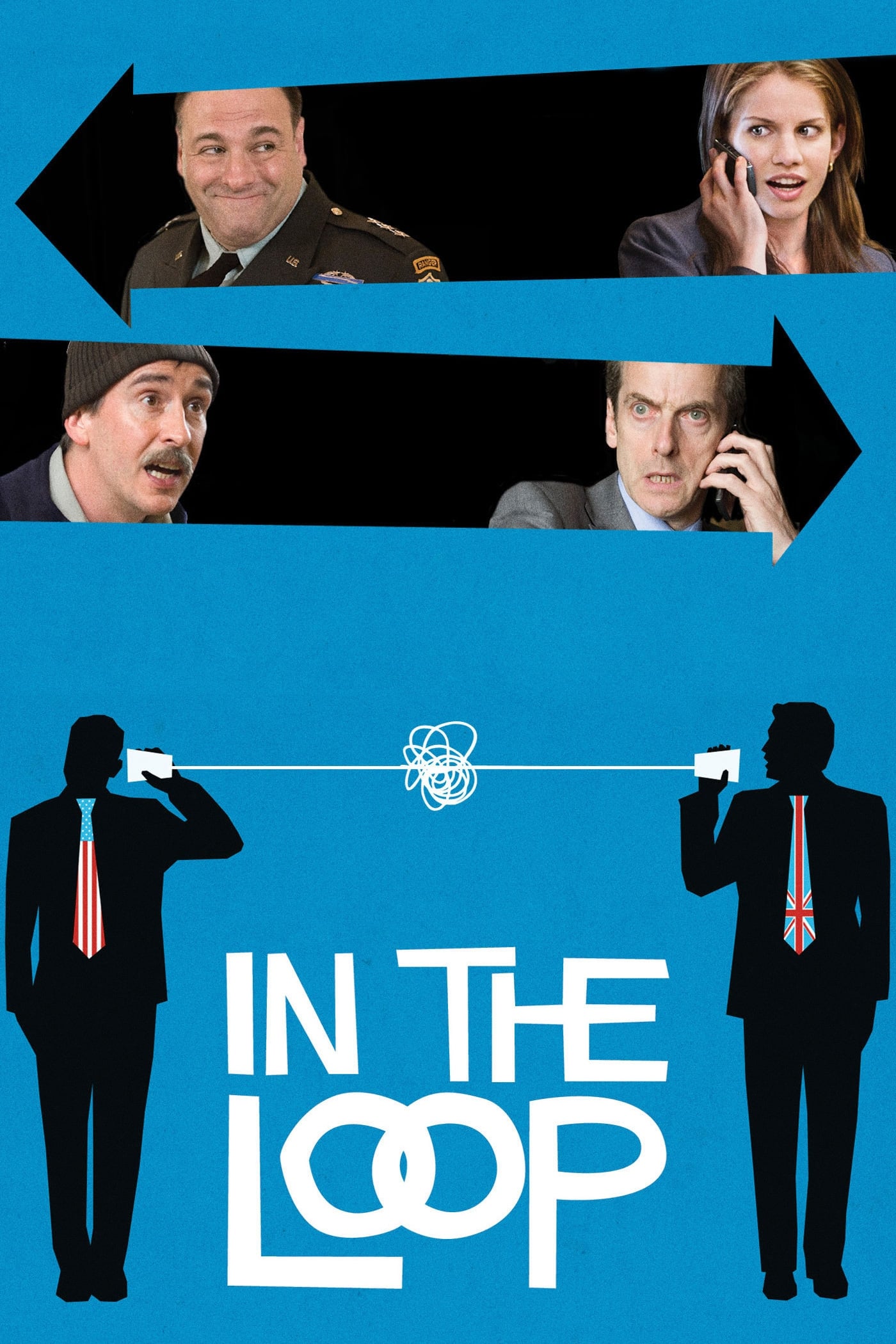
British and American officials scramble to prevent or precipitate a war in the Middle East through a series of verbal misunderstandings and spin. The film features blistering dialogue and insults as bureaucrats fight for relevance. It portrays the decision-making process for war as a chaotic mix of ego and incompetence. The character of Malcolm Tucker represents the terrifying power of the spin doctor. ‘In the Loop’ is a hilarious and terrifying look at modern diplomacy.
‘Closet Land’ (1991)
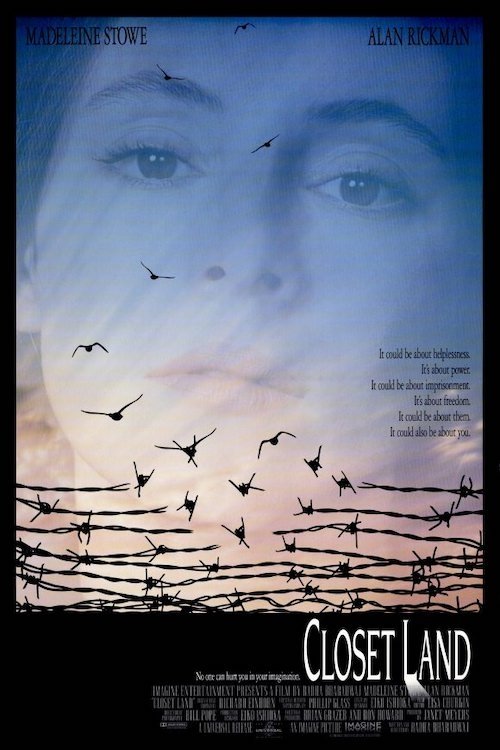
A children’s book author is taken into custody and interrogated by a secret police officer who believes her stories contain subversive messages. The entire film takes place in a single room and features only two actors. It examines the relationship between the torturer and the victim and the resilience of the human imagination. The minimal setting forces the audience to focus on the psychological interplay and the brutality of censorship. ‘Closet Land’ is a harrowing testament to the freedom of thought.
‘Lumumba’ (2000)
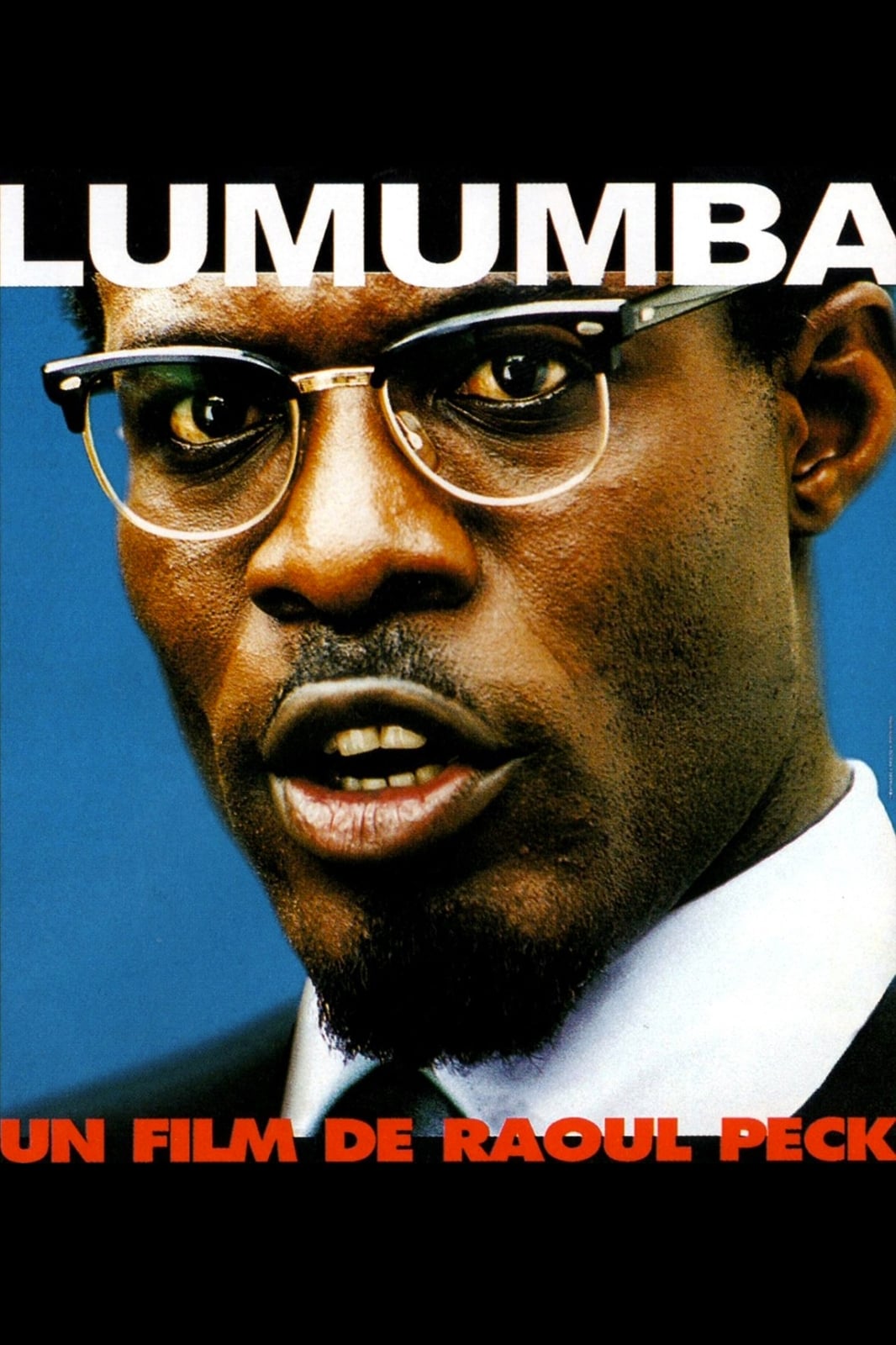
The film chronicles the rise and tragic fall of Patrice Lumumba during the Congo’s fight for independence from Belgium. It depicts his brief tenure as Prime Minister and the internal and external forces conspiring against him. Eriq Ebouaney gives a commanding performance as the charismatic leader who refused to compromise his vision for a united Africa. The narrative exposes the complicity of Western powers in his assassination. ‘Lumumba’ restores a vital figure to the pantheon of political history.
‘Hunger’ (2008)

IRA member Bobby Sands leads a hunger strike in a Northern Irish prison to demand political status for republican prisoners. The film focuses on the physical deterioration of the human body as a form of protest. Director Steve McQueen uses long takes and minimal dialogue to create a visceral experience. It includes a famous seventeen-minute uninterrupted shot of a conversation between Sands and a priest. ‘Hunger’ is an uncompromising look at conviction and the ultimate sacrifice for a cause.
‘Riff-Raff’ (1991)
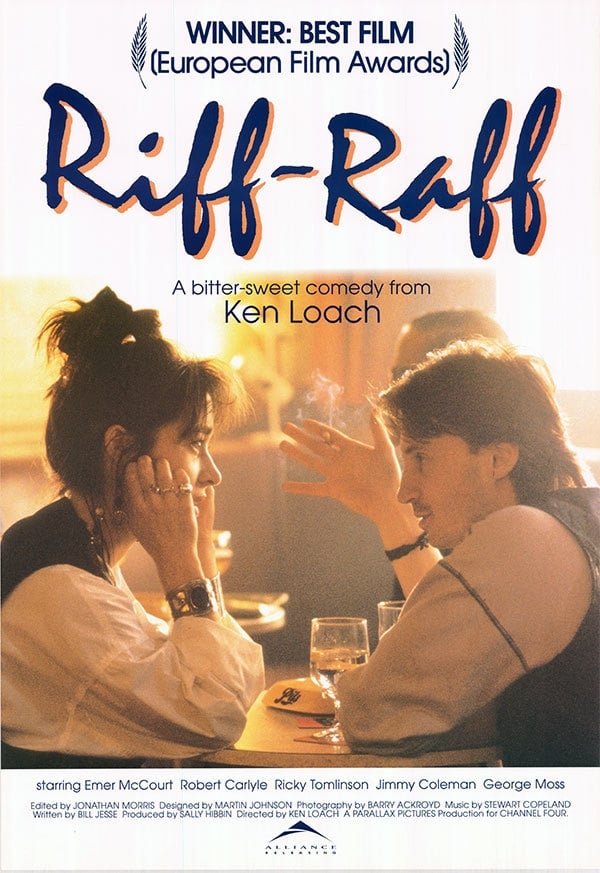
Construction workers in London navigate unsafe conditions and low pay while renovating a building for the wealthy. The film blends humor with social realism to depict the erosion of working-class rights under Thatcherism. Director Ken Loach uses the job site as a microcosm of society where the vulnerable are exploited. The characters find solidarity and friendship despite their precarious existence. ‘Riff-Raff’ is a spirited defense of the dignity of labor.
‘High and Low’ (1963)
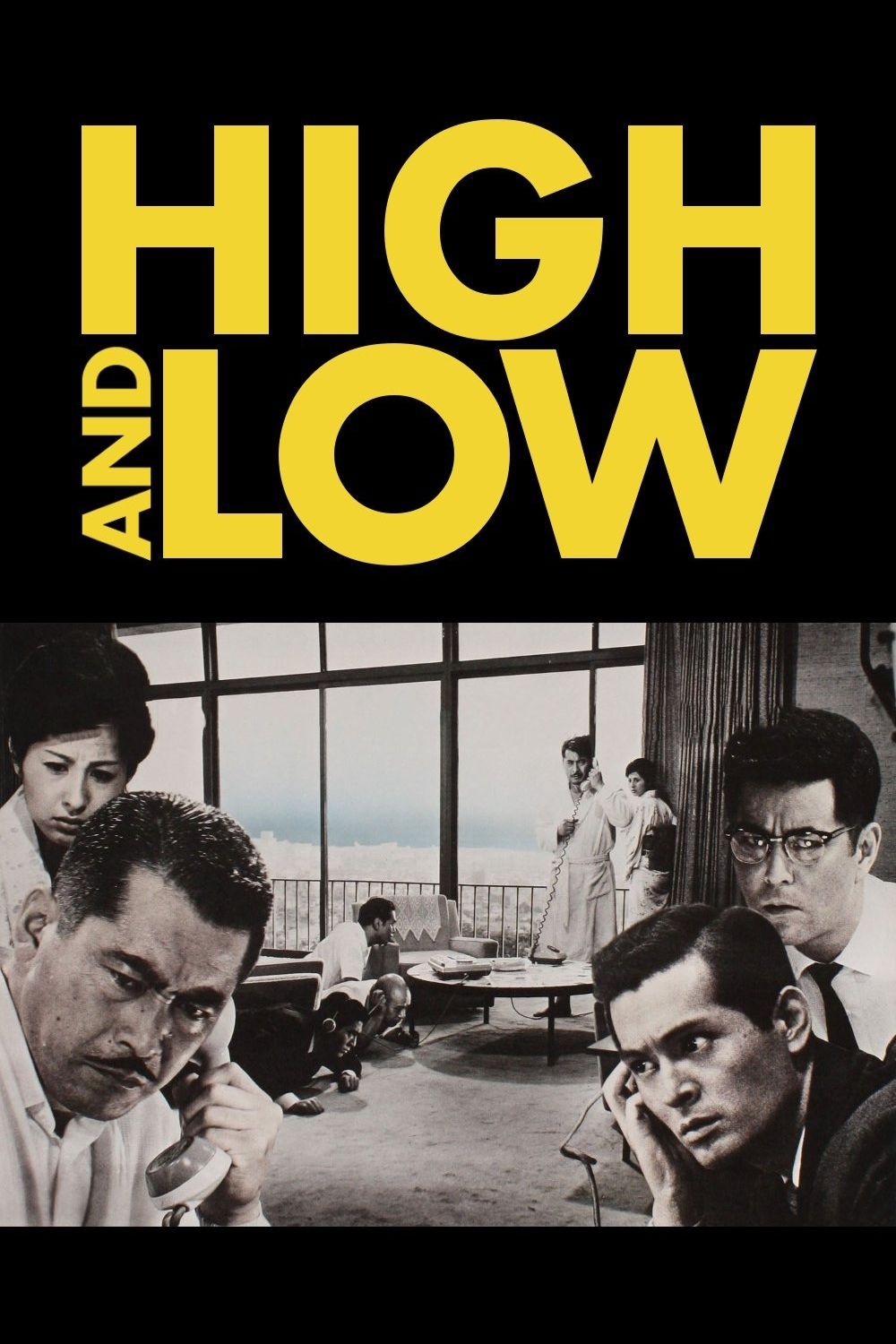
A wealthy shoe executive faces a moral dilemma when a kidnapper accidentally takes his chauffeur’s son instead of his own. The film moves from a tense chamber drama to a police procedural that explores the class divide in Japan. Director Akira Kurosawa contrasts the air-conditioned mansion on the hill with the sweltering slums below. It examines the responsibility of the rich toward the poor in a rapidly modernizing society. ‘High and Low’ is a masterclass in visual storytelling and social commentary.
‘Joint Security Area’ (2000)
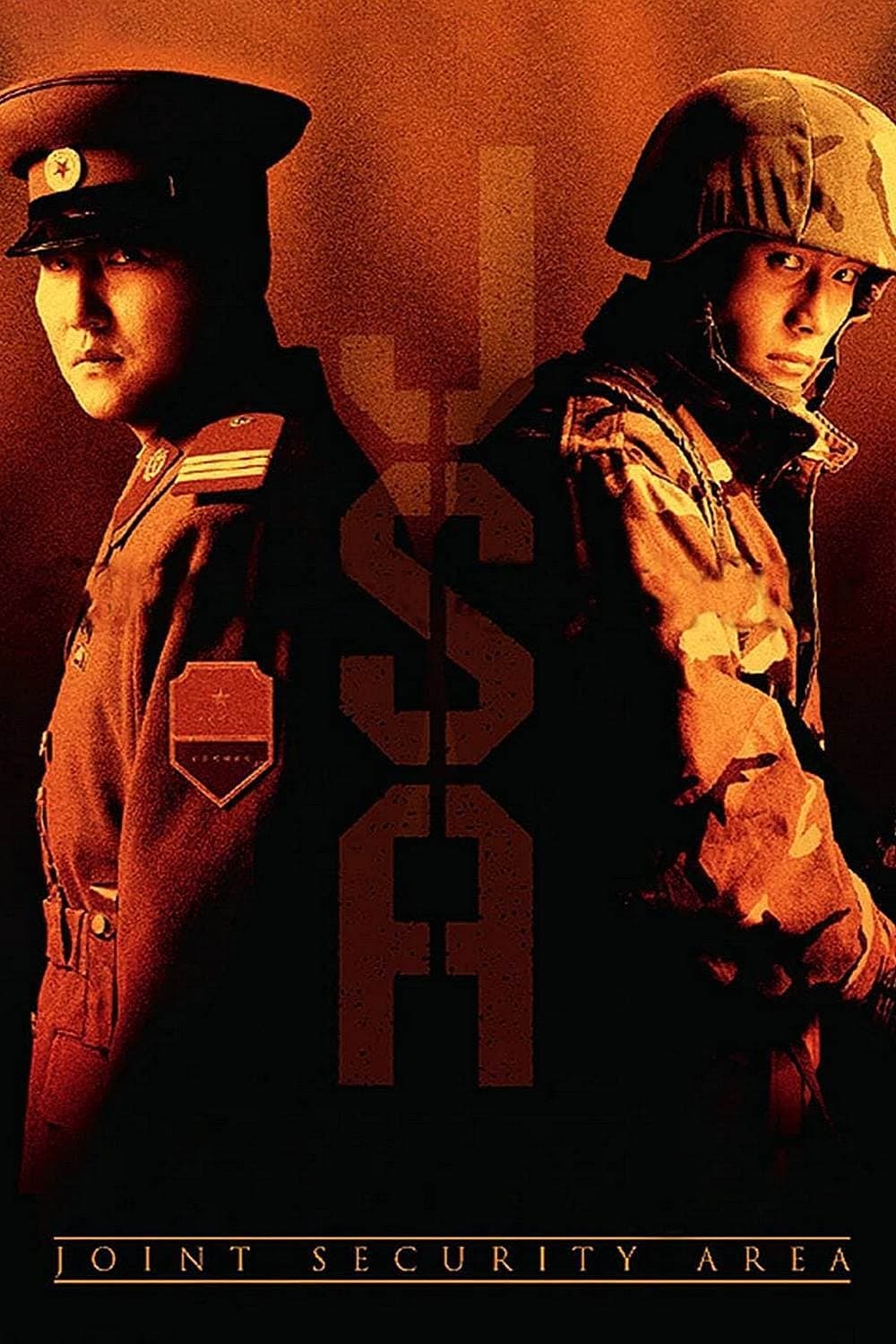
Soldiers from North and South Korea develop a secret friendship along the heavily fortified border. An investigation into a shooting incident threatens to expose their forbidden bond and spark an international conflict. The film humanizes the “enemy” and highlights the tragedy of a divided nation. It suggests that the political partition cannot entirely suppress the shared humanity of the people. ‘Joint Security Area’ is a poignant mystery that transcends ideology.
‘A Taxing Woman’ (1987)
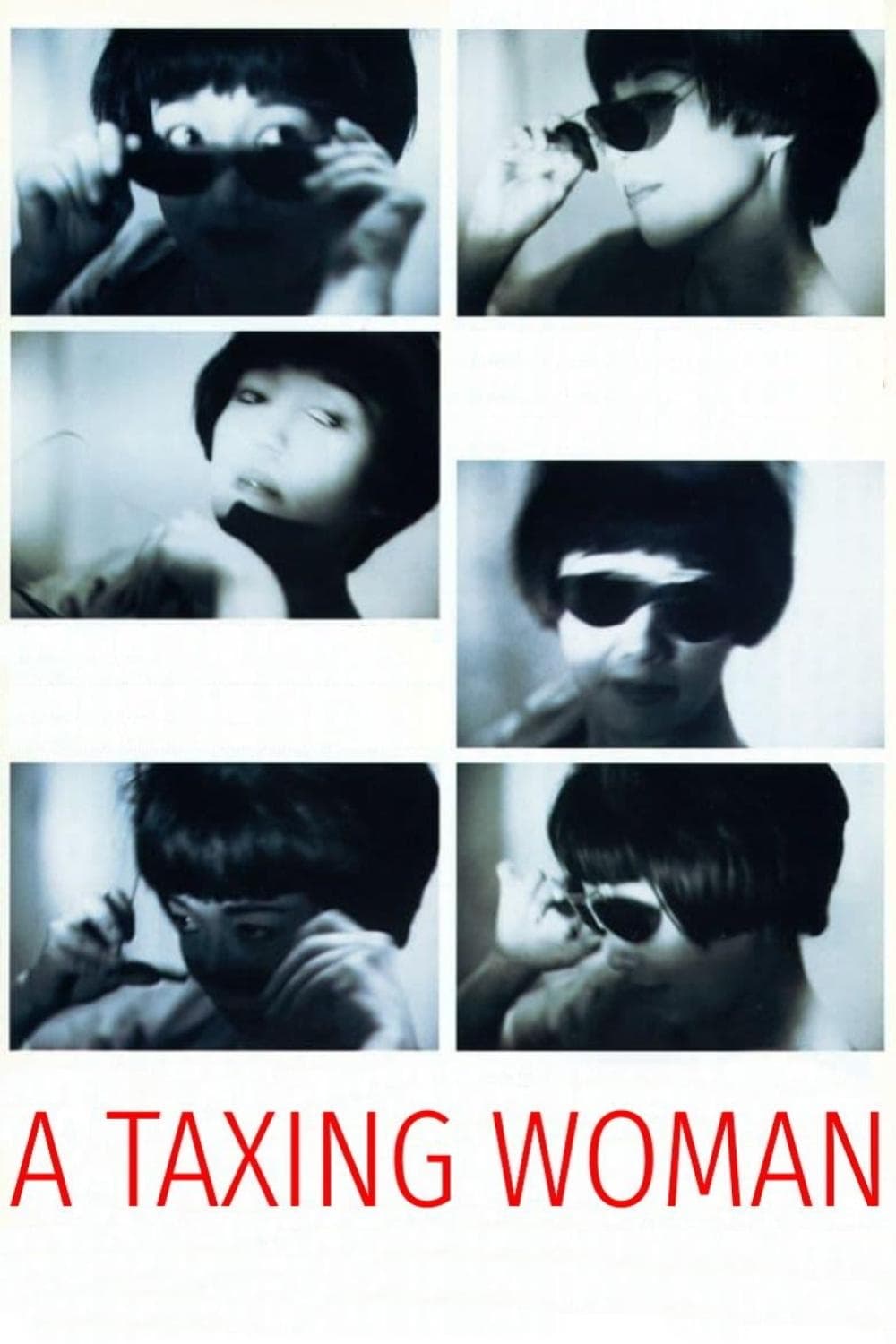
A relentless female tax inspector pursues a cunning businessman who hides his money in elaborate schemes. The film details the obsessive cat-and-mouse game between the two professionals who respect each other’s skills. Director Juzo Itami turns the mundane world of tax auditing into a high-stakes action movie. It offers a satirical look at the Japanese economic bubble and the obsession with wealth. ‘A Taxing Woman’ is a witty exploration of greed and civic duty.
‘Circle of Deceit’ (1981)
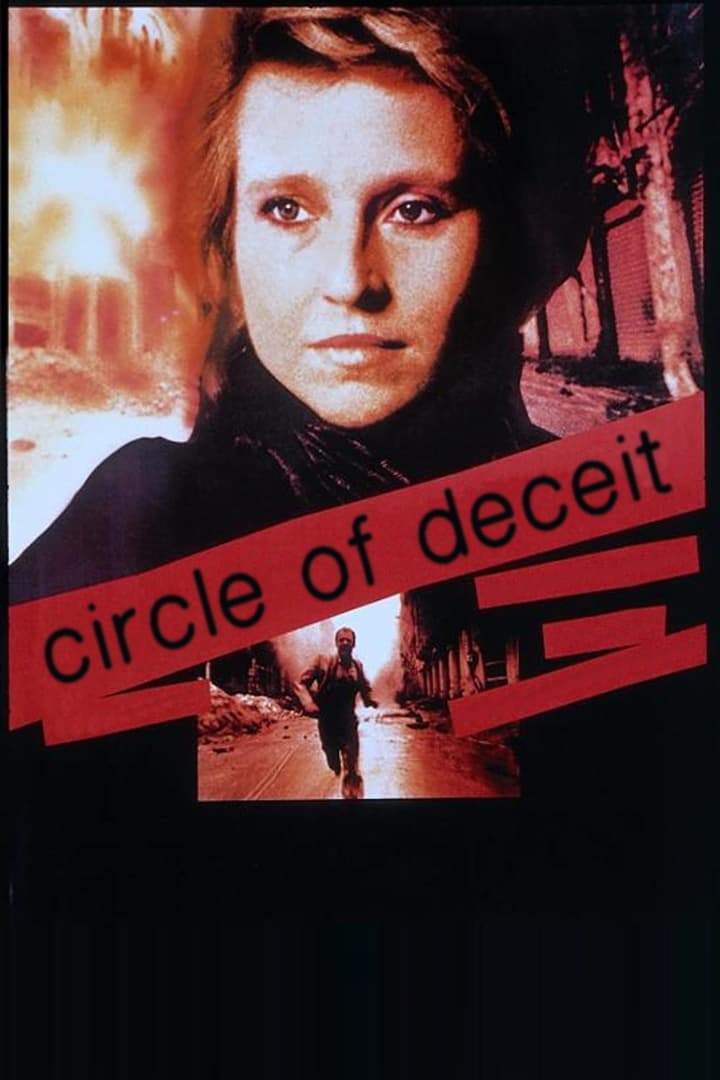
A German journalist travels to Beirut to cover the civil war and finds himself seduced by the violence and chaos. The film questions the objectivity of war correspondents who turn tragedy into a commodity for consumption. Director Volker Schlöndorff shoots on location in the war-torn city to provide an authentic backdrop. The protagonist struggles to maintain his moral compass while surrounded by death. ‘Circle of Deceit’ is a disturbing reflection on the ethics of journalism.
‘Under Fire’ (1983)
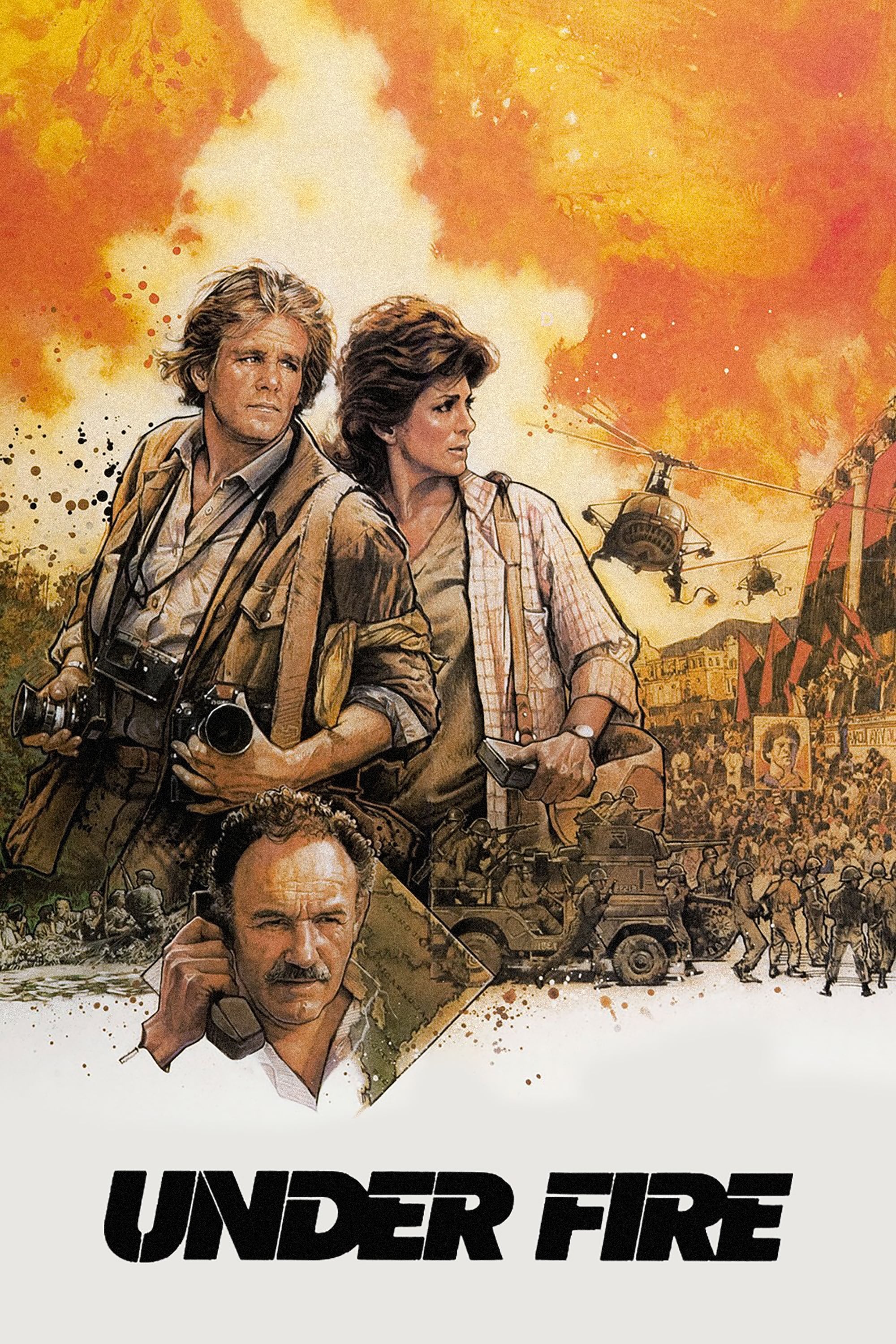
Three journalists in Nicaragua cover the final days of the Somoza regime and the Sandinista revolution. They face a dilemma when they are asked to fake a photograph to aid the rebels. The film explores the shift from observer to participant when neutral reporting becomes impossible. It features a strong cast including Nick Nolte and Gene Hackman. ‘Under Fire’ remains a compelling look at the complexities of covering a revolution.
‘The Year of Living Dangerously’ (1982)
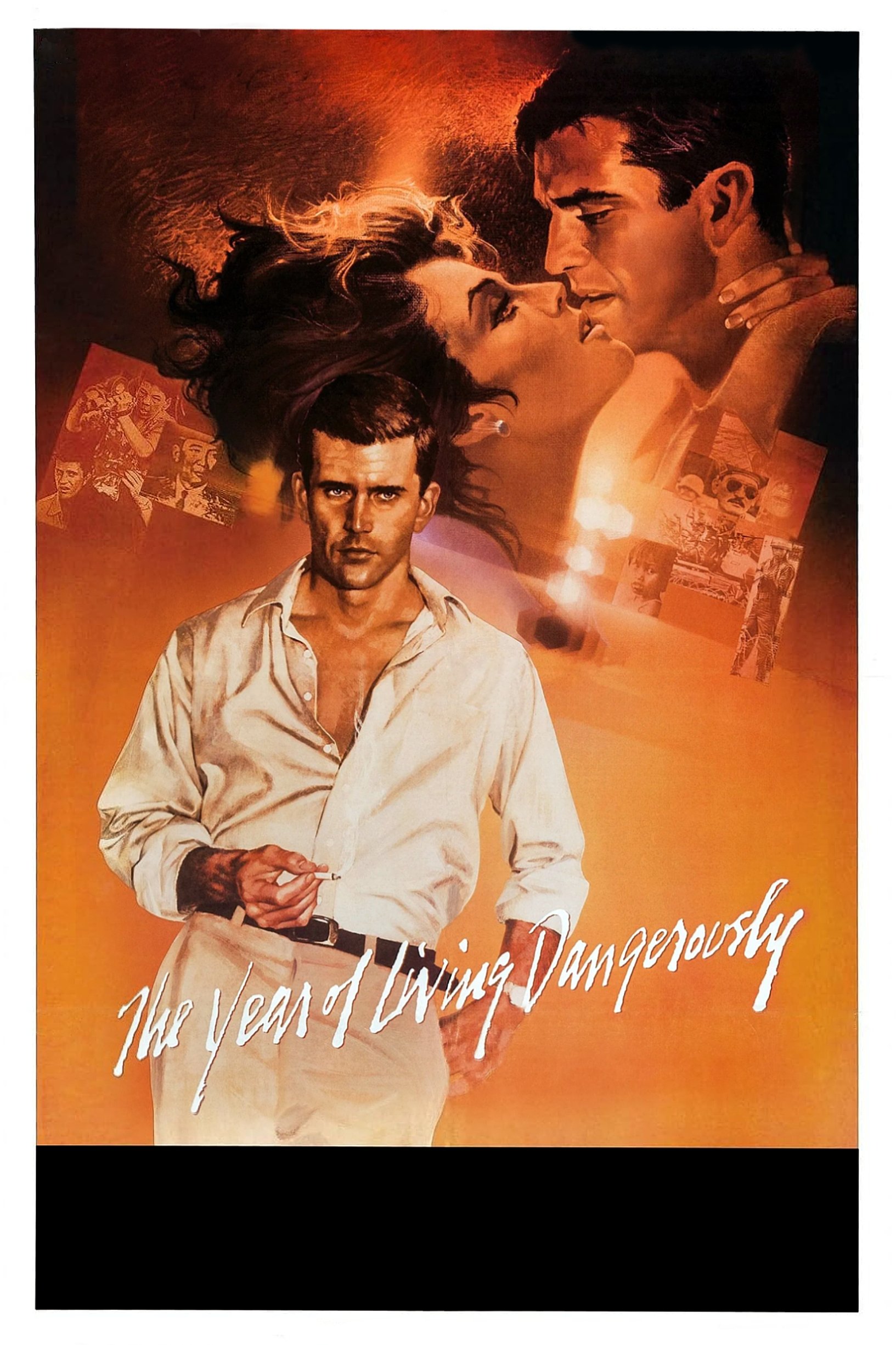
An Australian reporter in Indonesia relies on a mysterious photographer to navigate the political turmoil of 1965. The photographer provides him with access to the slums and the communist rebels planning a coup. The film captures the humid atmosphere of Jakarta and the tension preceding a violent upheaval. Linda Hunt won an Academy Award for her role as the male photographer Billy Kwan. ‘The Year of Living Dangerously’ is a romantic drama set against the backdrop of history.
‘Danton’ (1983)
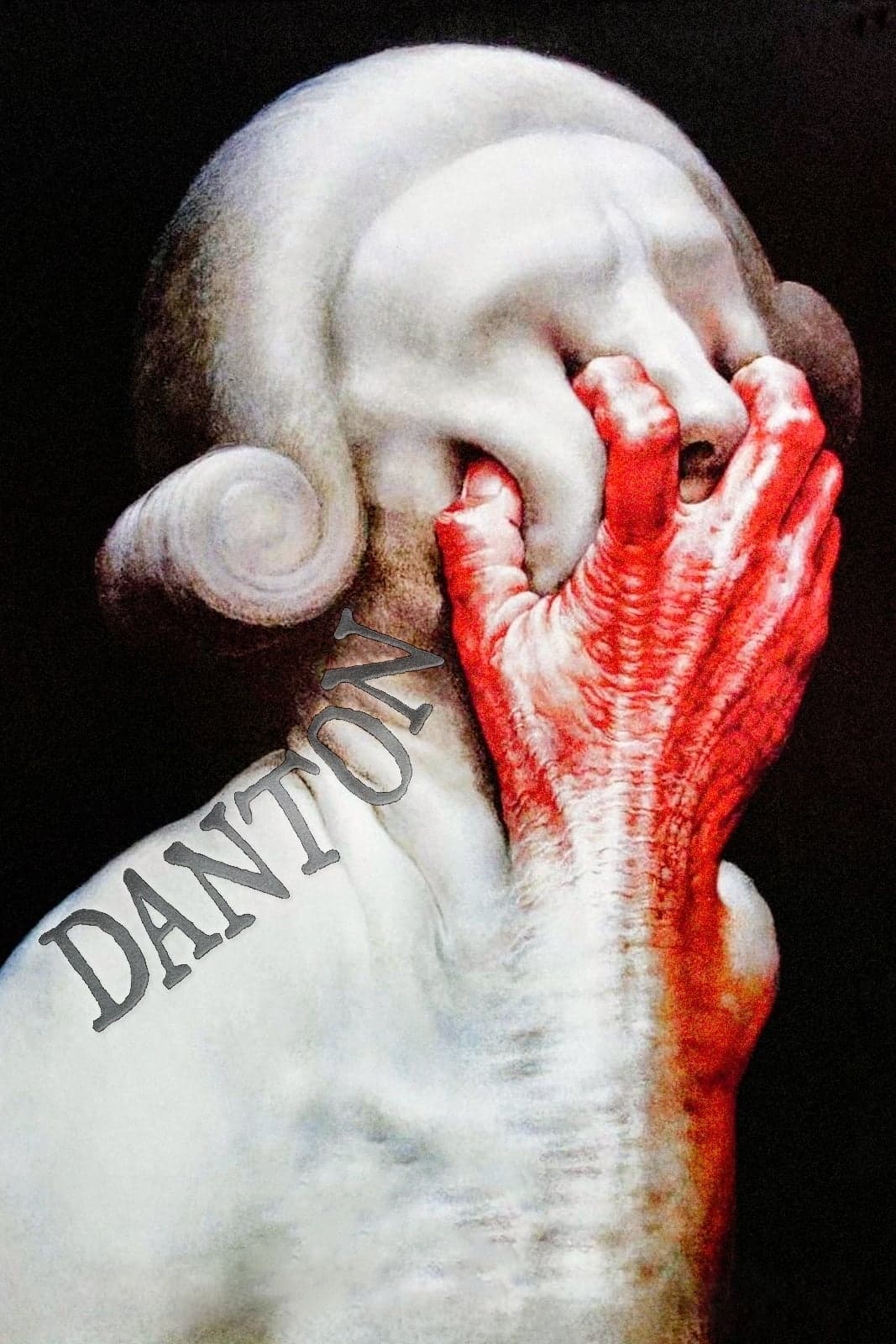
The French Revolution enters its bloodiest phase as Georges Danton returns to Paris to oppose the Reign of Terror led by Robespierre. The film depicts the ideological clash between the two men who once fought together for liberty. Gerard Depardieu plays Danton as a man of the people while Robespierre is portrayed as a cold ascetic. It serves as a commentary on how revolutionary ideals can be corrupted by paranoia. ‘Danton’ is a powerful historical drama about the fragility of democracy.
‘Investigation of a Citizen Above Suspicion’ (1970)
A police chief commits a murder and leaves clues to test if his subordinates will dare to accuse him. The film analyzes the psychology of authority and the corruption that absolute power breeds. It utilizes a striking musical score by Ennio Morricone to enhance the satirical tone. The narrative spirals into absurdity as the system bends over backward to protect its own. This film remains a definitive critique of police impunity.
‘Primary’ (1960)
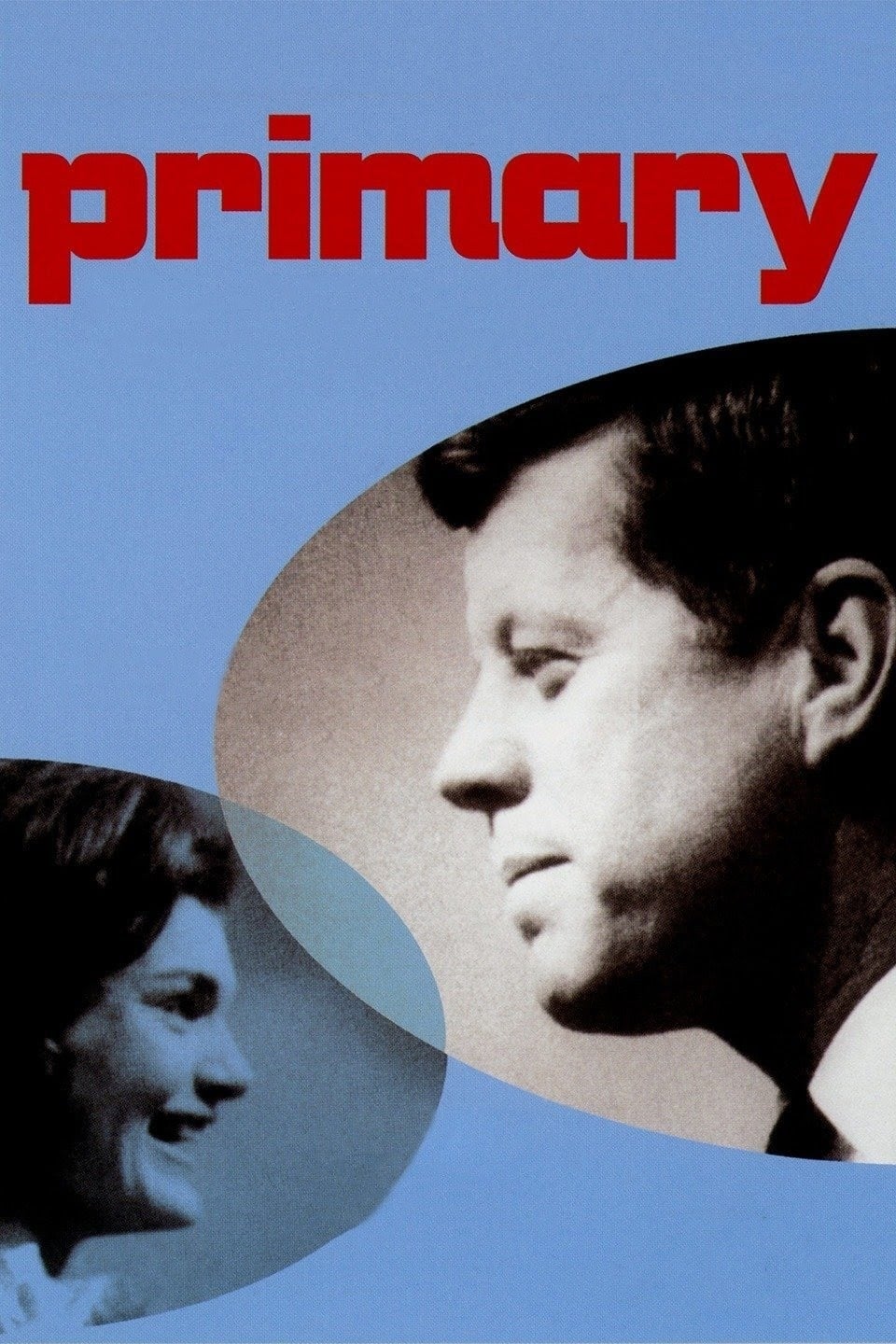
This groundbreaking documentary follows John F. Kennedy and Hubert Humphrey during the 1960 Wisconsin primary election. The filmmakers use lightweight cameras to move freely with the candidates and capture candid moments. It pioneered the cinema verite style that changed how politics was filmed forever. The contrast between Kennedy’s glamour and Humphrey’s old-fashioned retail politics is stark. ‘Primary’ offers an unvarnished look at the grueling nature of the campaign trail.
Tell us which of these political gems you plan to watch first in the comments.