Movies that Were Ruined by Studio Interference

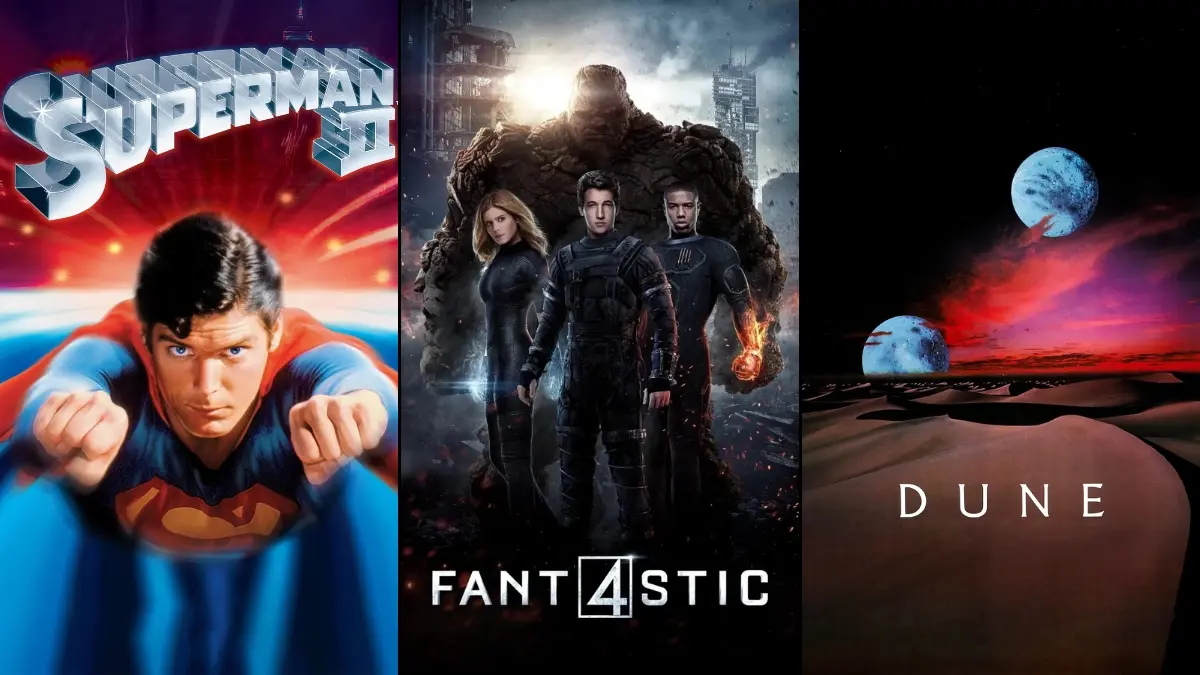

Studio interference has been a point of contention in Hollywood for decades, often leading to clashes between artistic vision and commercial interests. From forced re-edits and mandated reshoots to the firing of directors mid-production, these behind-the-scenes struggles frequently result in compromised final products. While some films are eventually restored through director’s cuts, the initial theatrical versions often stand as cautionary tales of executive meddling. The following list examines films where the creative process was significantly impacted by studio mandates.
‘Fantastic Four’ (2015)
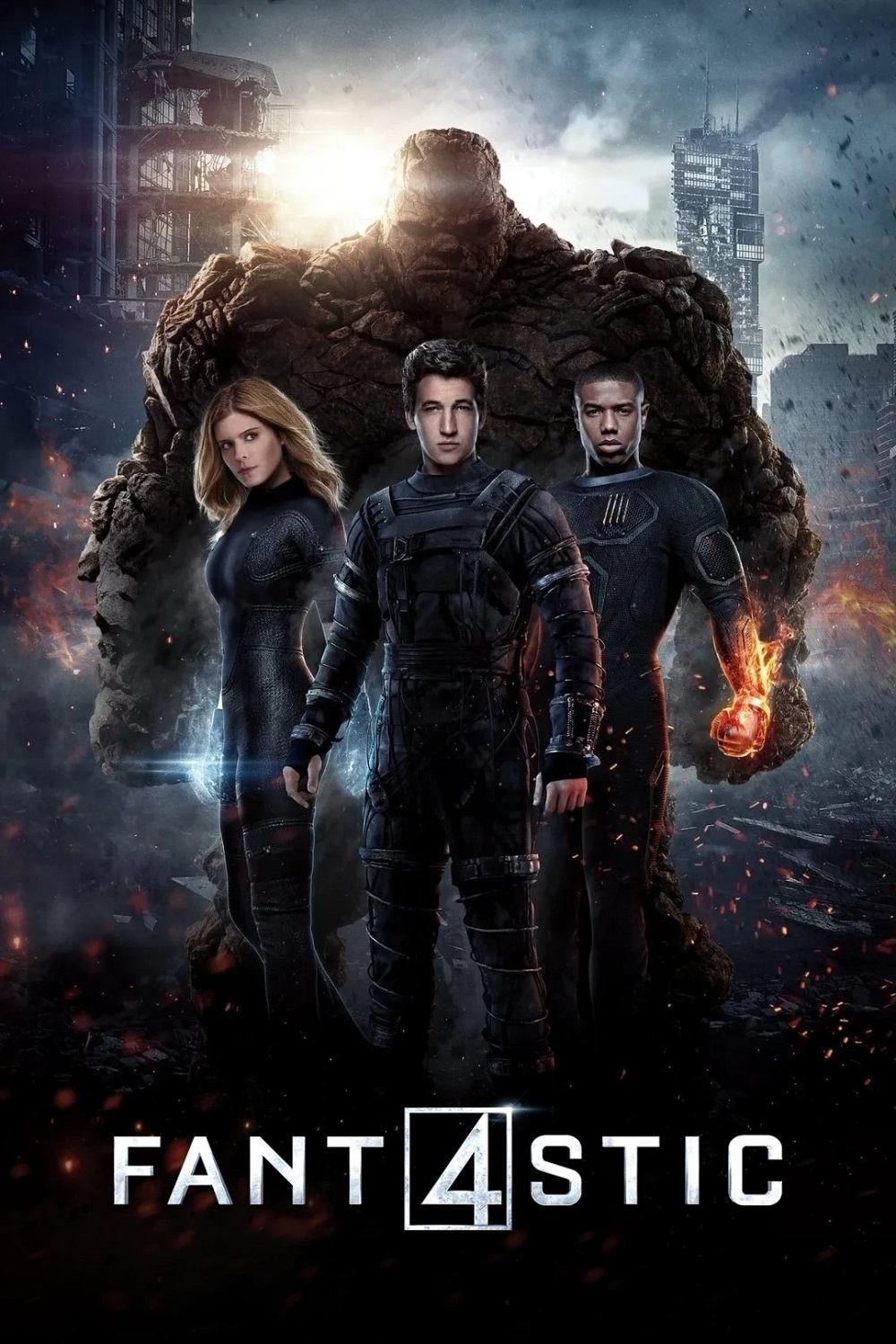
Director Josh Trank famously disowned this superhero reboot prior to its release due to heavy involvement from 20th Century Fox. The studio reportedly mandated extensive reshoots and re-edited the final act to incorporate a more traditional, action-heavy climax. These changes significantly altered the dark, body-horror tone established in the first half of the film. Several sequences featured in the promotional trailers were entirely absent from the theatrical cut, leaving the narrative feeling disjointed and incomplete.
‘Cool World’ (1992)
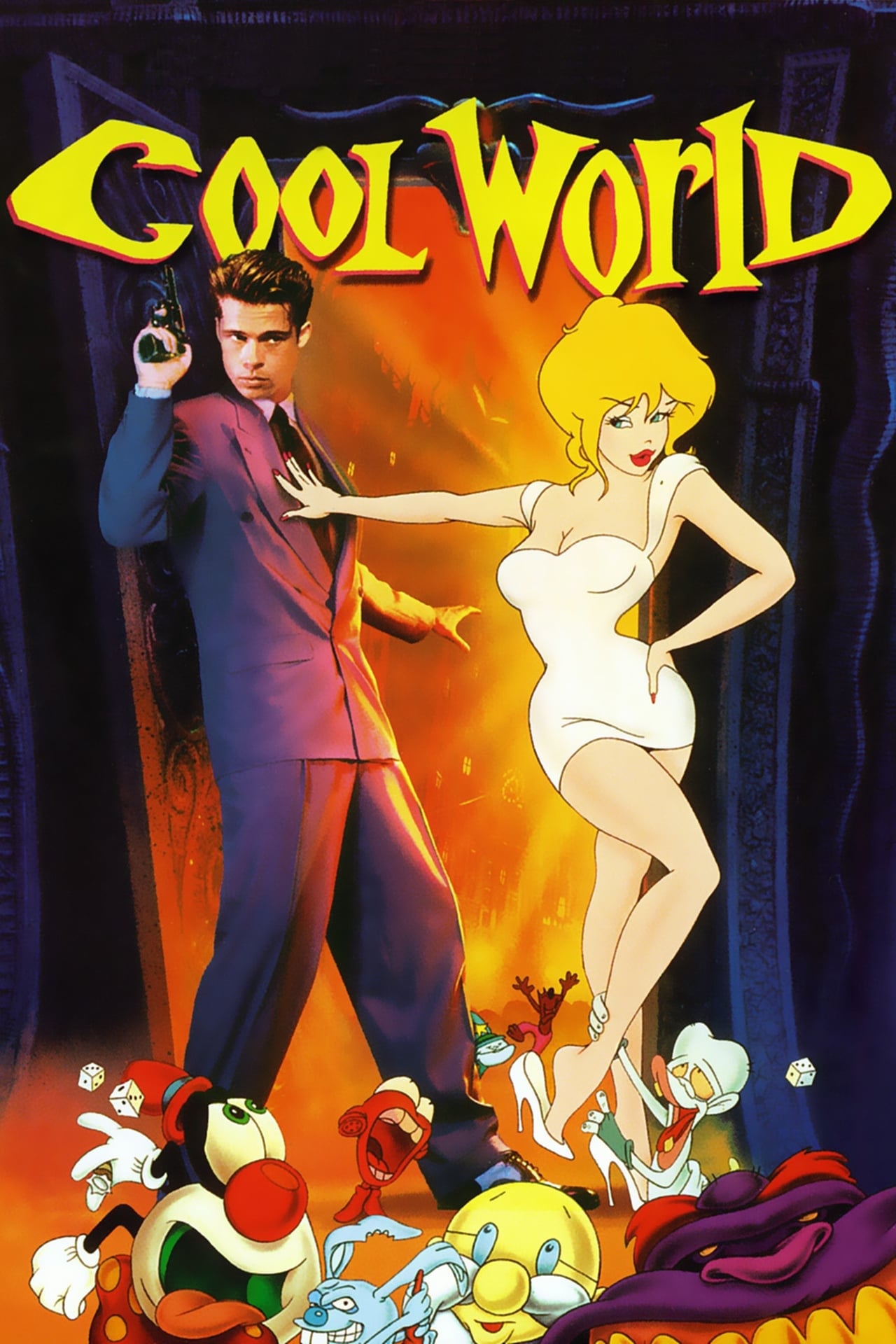
Ralph Bakshi originally envisioned this hybrid animation project as a hard-hitting, R-rated horror film about a cartoonist and his creation. However, producer Frank Mancuso Jr. had the script extensively rewritten into a PG-13 comedy-fantasy without Bakshi’s consent. The resulting film suffered from a lack of tonal consistency and a narrative that struggled to bridge its dark origins with its new, lighter direction. Critics and audiences largely rejected the final version, citing the messy plot and underdeveloped characters.
‘Cursed’ (2005)
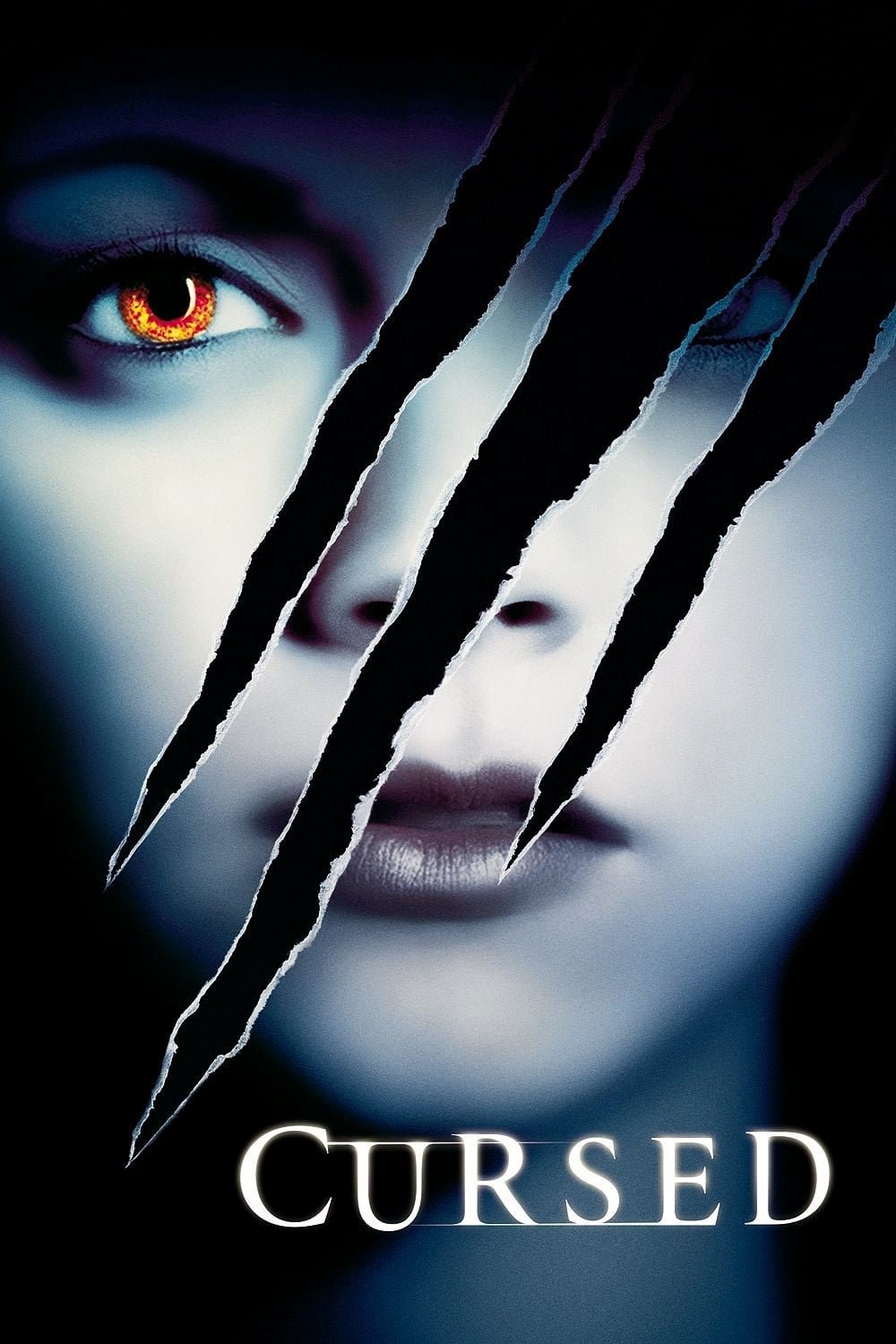
This werewolf thriller from director Wes Craven and writer Kevin Williamson underwent a disastrous production cycle fueled by Dimension Films. The studio halted production multiple times to demand script changes and reshoots, eventually replacing several cast members and changing the werewolf design. Furthermore, the film was cut down from an R-rating to a PG-13 to appeal to a younger demographic. This interference resulted in a final product that bore little resemblance to the creators’ original intent and was panned for its poor pacing.
‘Exorcist: The Beginning’ (2004)
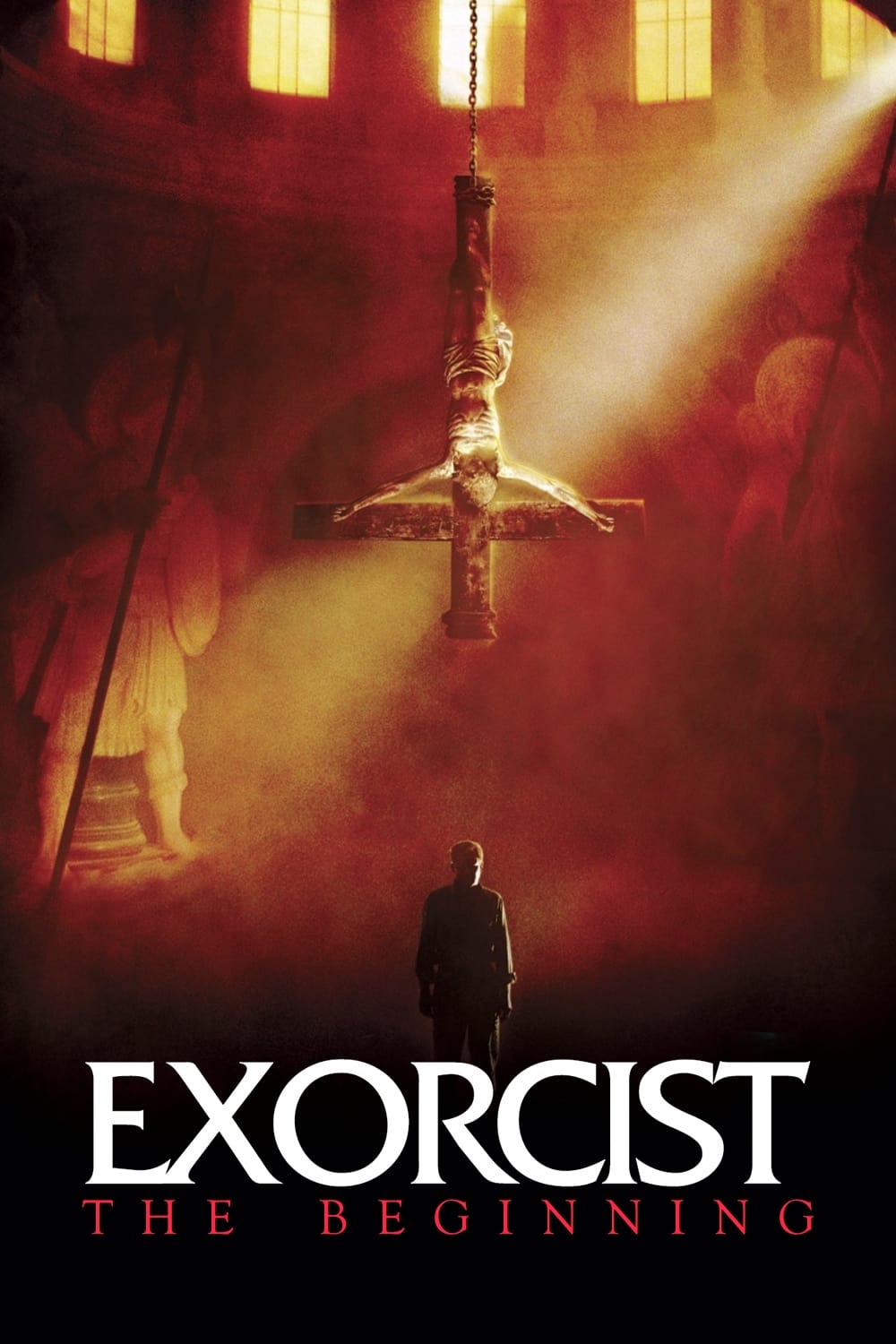
Morgan Creek Productions originally hired Paul Schrader to direct a psychological prequel to the horror classic, which he completed as a quiet, character-driven drama. Fearing the film was not “scary” enough for mainstream audiences, the studio shelved his version and hired Renny Harlin to reshoot nearly the entire movie. Harlin’s version added more traditional gore and jump scares, but it was met with overwhelming negative reviews. Schrader’s original cut, ‘Dominion: Prequel to the Exorcist’, was eventually released to home media but failed to regain the lost momentum.
‘The Snowman’ (2017)
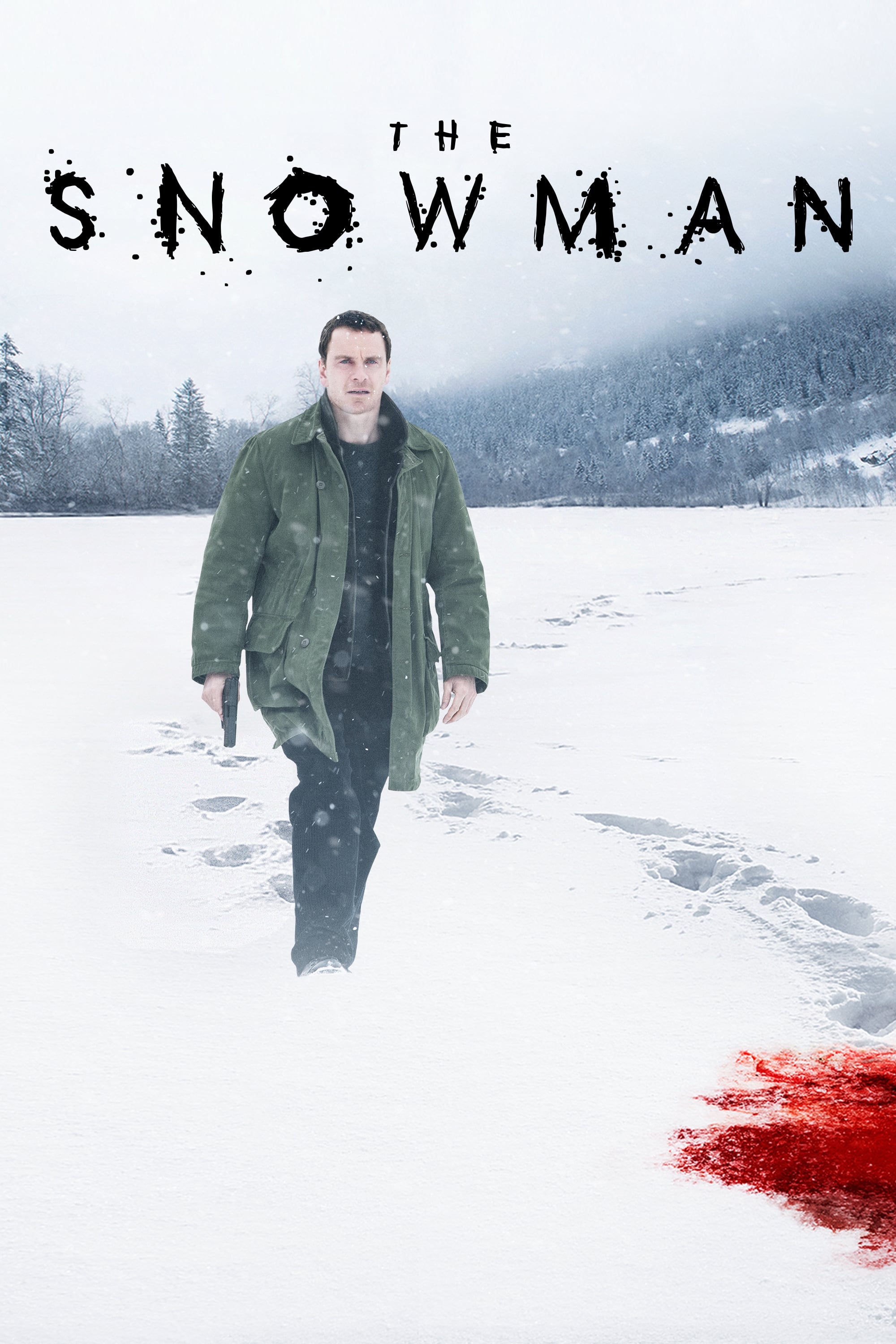
Director Tomas Alfredson revealed after the film’s release that approximately 10 to 15 percent of the script was never filmed due to a rushed production schedule. The studio reportedly cut the filming time in Norway short, leaving the editors with a massive narrative hole that made the plot nearly incomprehensible. Critical response was heavily negative, with many pointing out the glaring lapses in logic and continuity. Alfredson described the experience as a “patchwork” process where he was never given the resources to finish the story properly.
‘Scooby-Doo’ (2002)
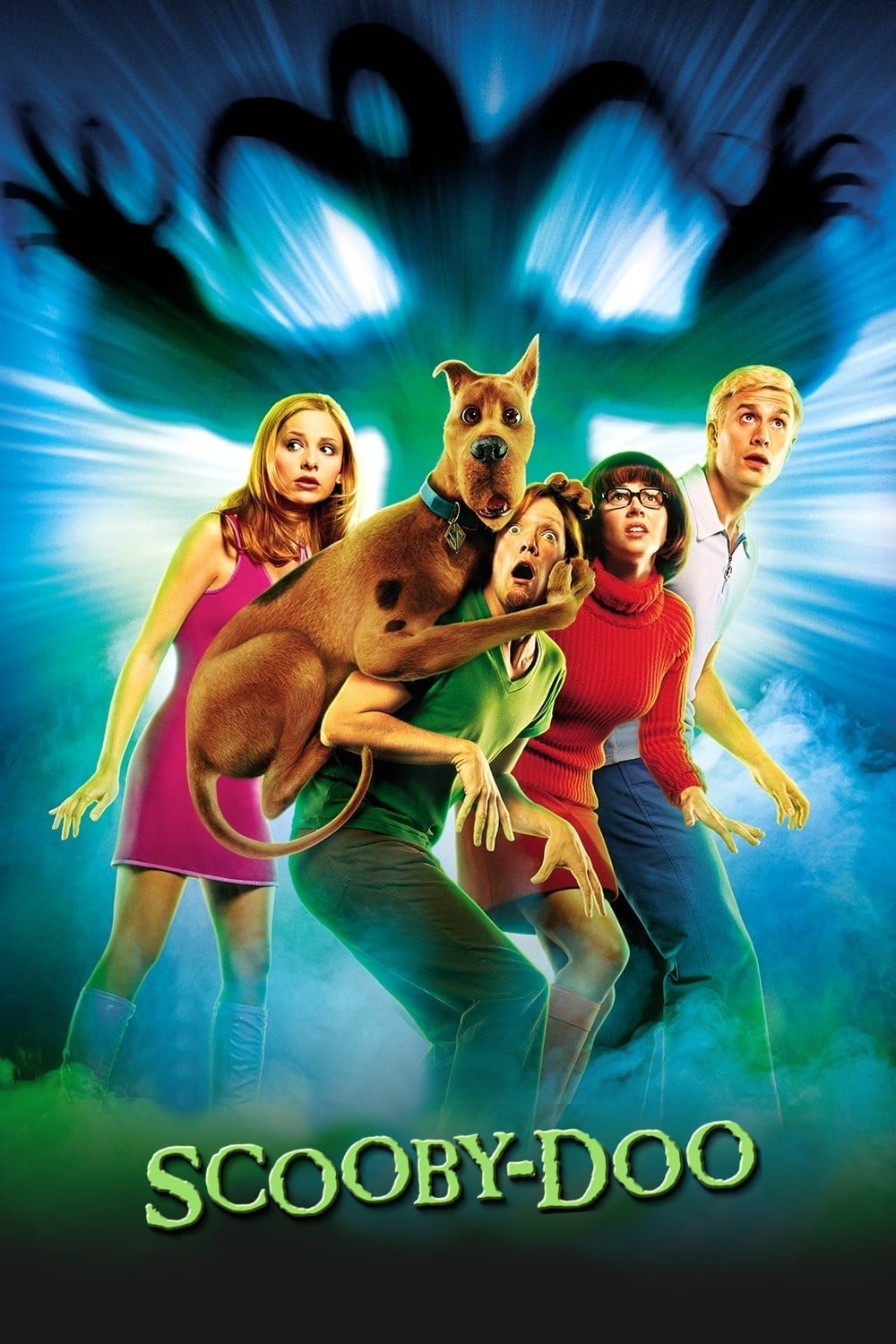
Writer James Gunn has confirmed that his original script for this live-action adaptation was intended as an edgy, PG-13 or R-rated adult satire. Warner Bros. executives became concerned about the brand’s family-friendly image and mandated that the film be recut into a PG rating during post-production. This led to the removal of numerous jokes, stoner subtext, and a plot point involving Velma’s sexuality. While the film was a financial success, the creative team expressed frustration over the loss of the film’s intended wit.
‘All the Pretty Horses’ (2000)
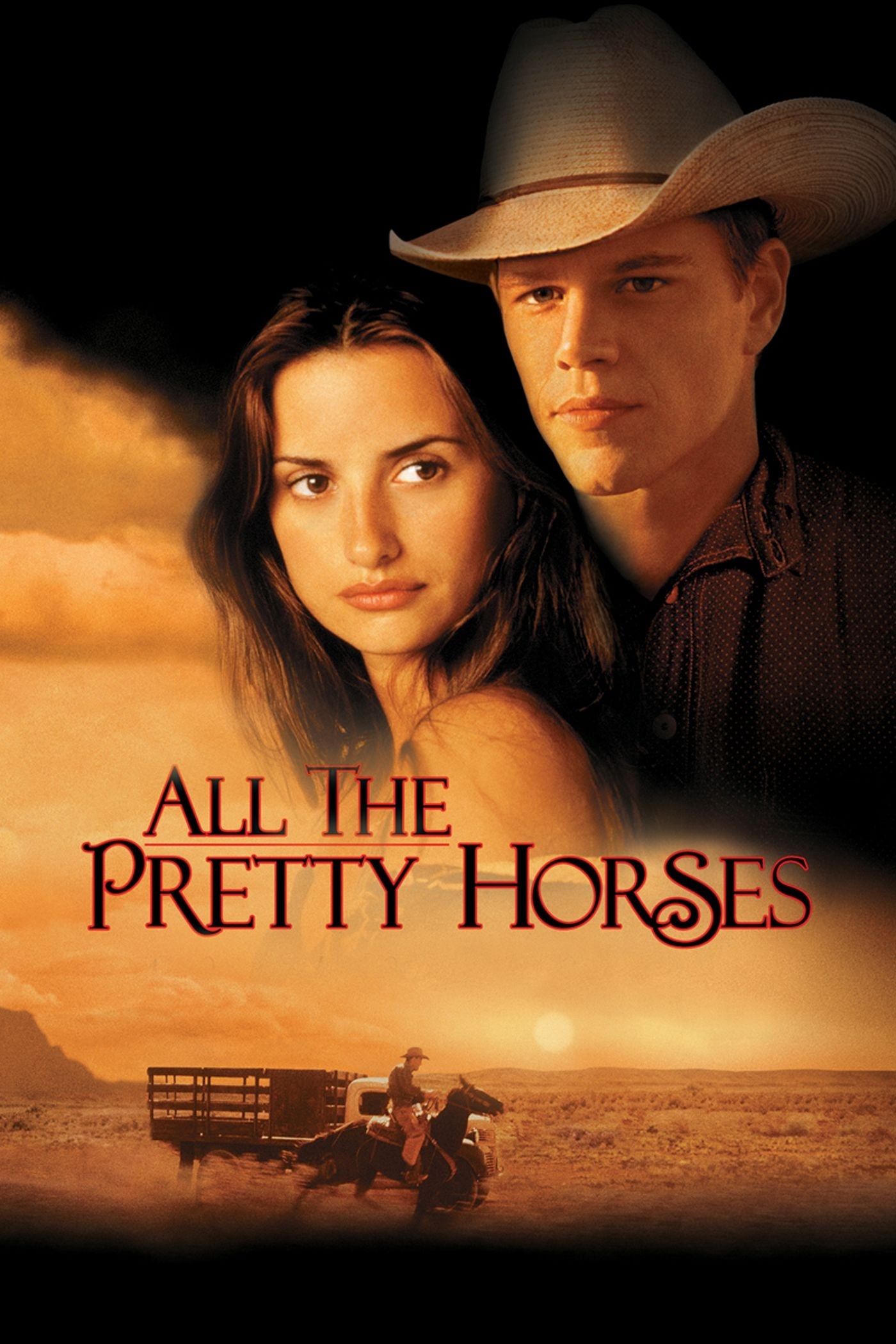
Billy Bob Thornton delivered a cut of this Cormac McCarthy adaptation that ran nearly four hours and featured a score by Daniel Lanois. Miramax head Harvey Weinstein insisted on cutting the film down to less than two hours and replacing the original music with a more conventional orchestral score. These edits removed critical character development and subplots, leaving the protagonist’s journey feeling rushed and shallow. The director later stated that the interference fundamentally broke the heart of the story he intended to tell.
‘Suicide Squad’ (2016)
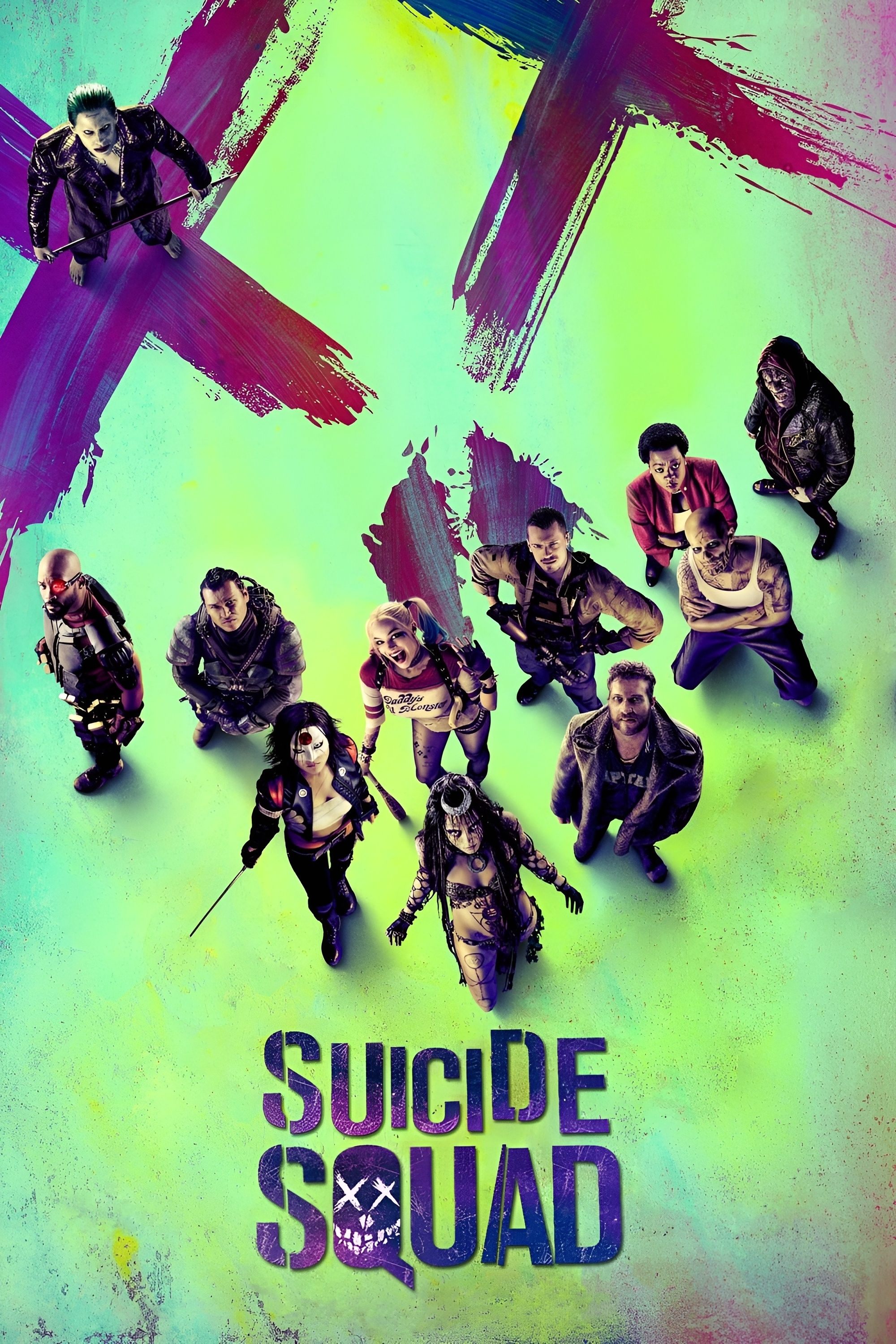
Following the mixed reception of ‘Batman v Superman: Dawn of Justice’, Warner Bros. sought to make this film more lighthearted and comedic. The studio hired the trailer company that produced the film’s popular first teaser to assist in re-editing the entire movie. Director David Ayer has frequently discussed how his original dark, soulful drama was transformed into a “ragged” assembly of scenes with a pop-music heavy soundtrack. The theatrical version was criticized for its chaotic editing and thin character motivations that differed from Ayer’s vision.
‘Justice League’ (2017)
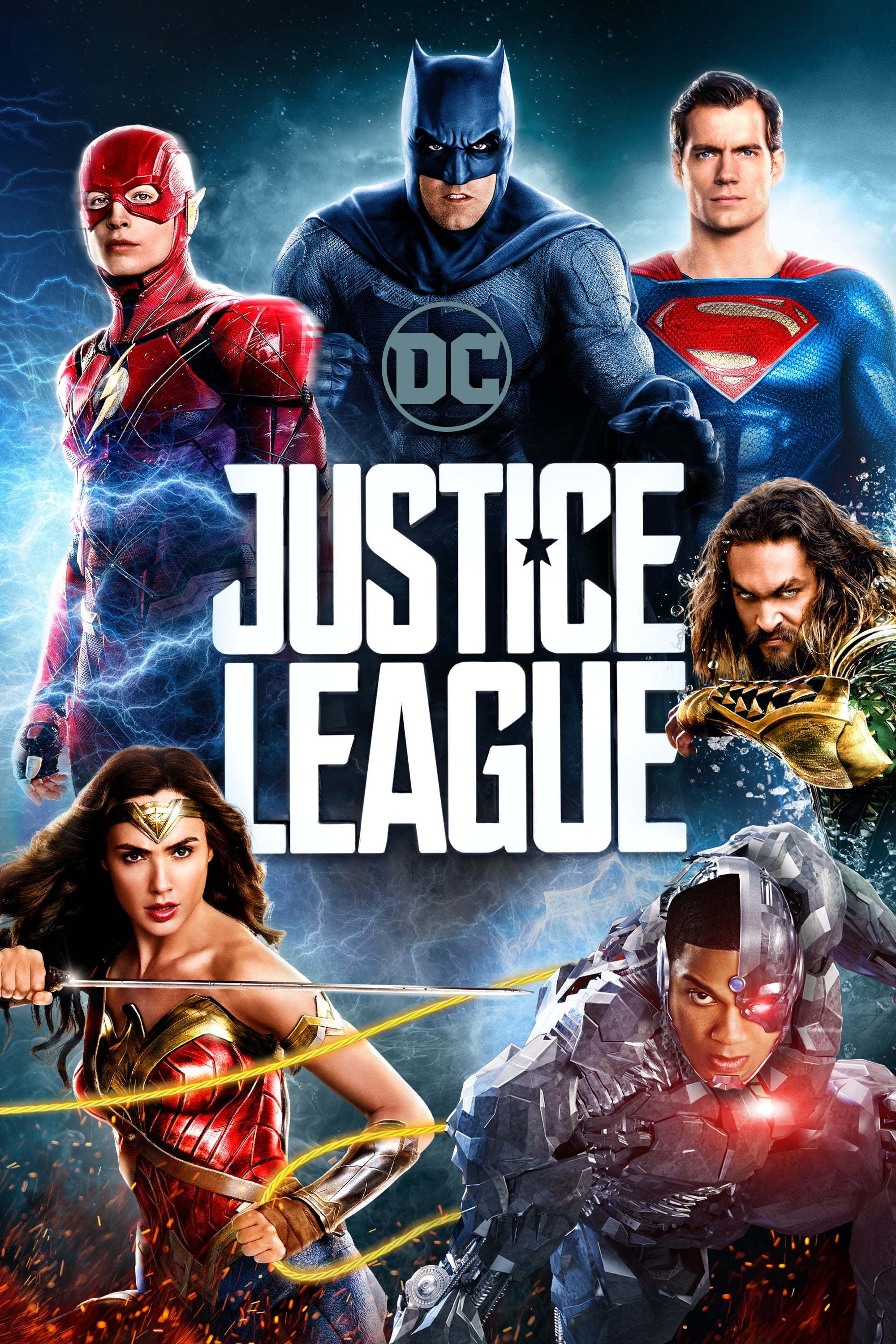
After Zack Snyder stepped away from the project during post-production due to a personal tragedy, Warner Bros. hired Joss Whedon to overhaul the film. Whedon rewrote and reshot approximately 60 percent of the movie to inject more humor and a brighter color palette. The resulting theatrical cut was a tonal clash that largely abandoned the storylines and character arcs established in previous entries. Fans eventually campaigned for years to see the original version, which was finally released in 2021 as a four-hour epic.
‘The Golden Compass’ (2007)
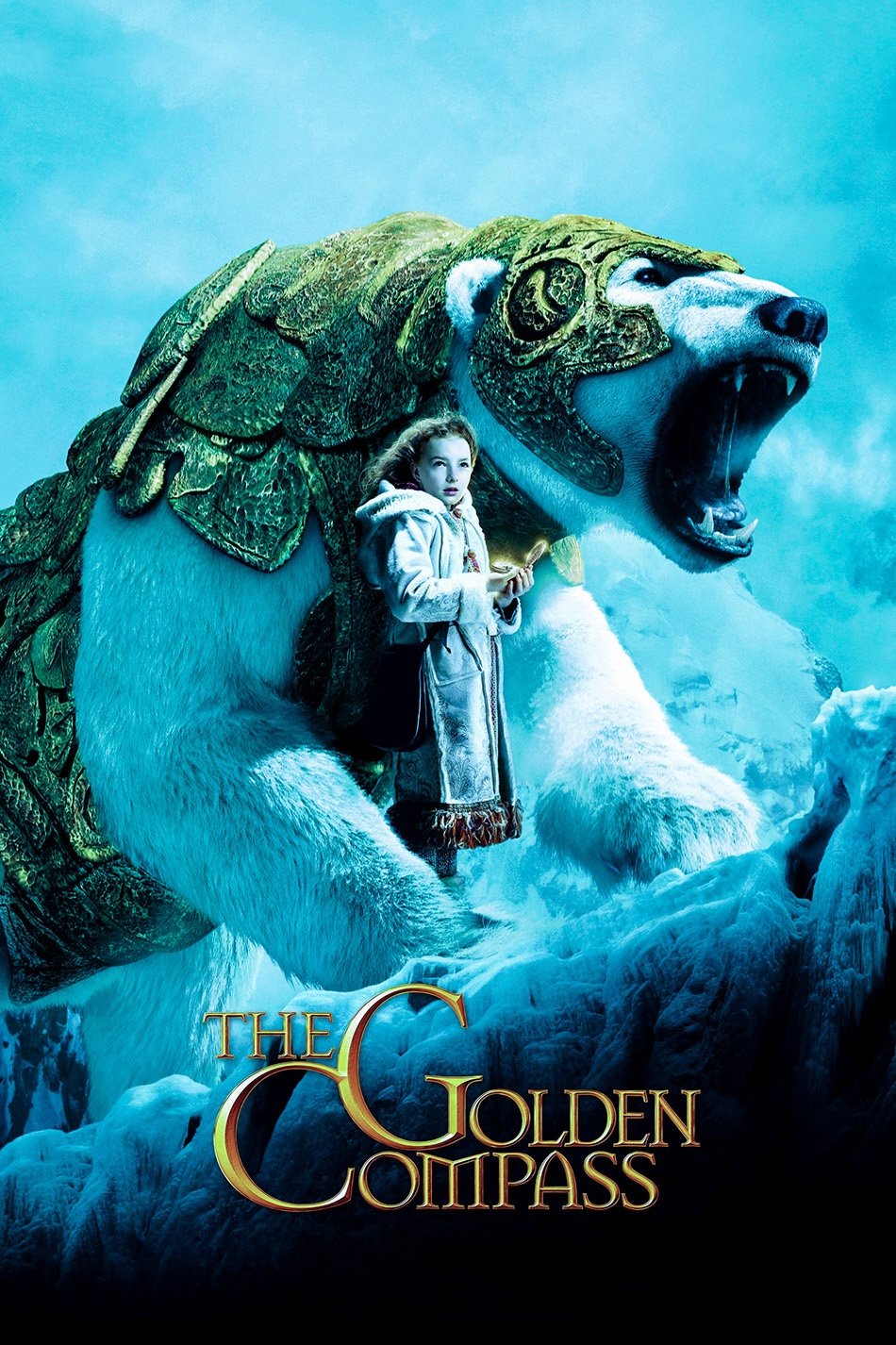
New Line Cinema executives significantly altered this adaptation of Philip Pullman’s ‘Northern Lights’ to avoid controversy with religious groups. The studio mandated that the film’s anti-clerical themes be toned down and removed the novel’s original cliffhanger ending entirely. This decision left the film with an abrupt conclusion that lacked the emotional weight and stakes of the source material. The interference alienated the book’s fanbase and contributed to the film’s failure to launch a planned trilogy.
‘Dune’ (1984)
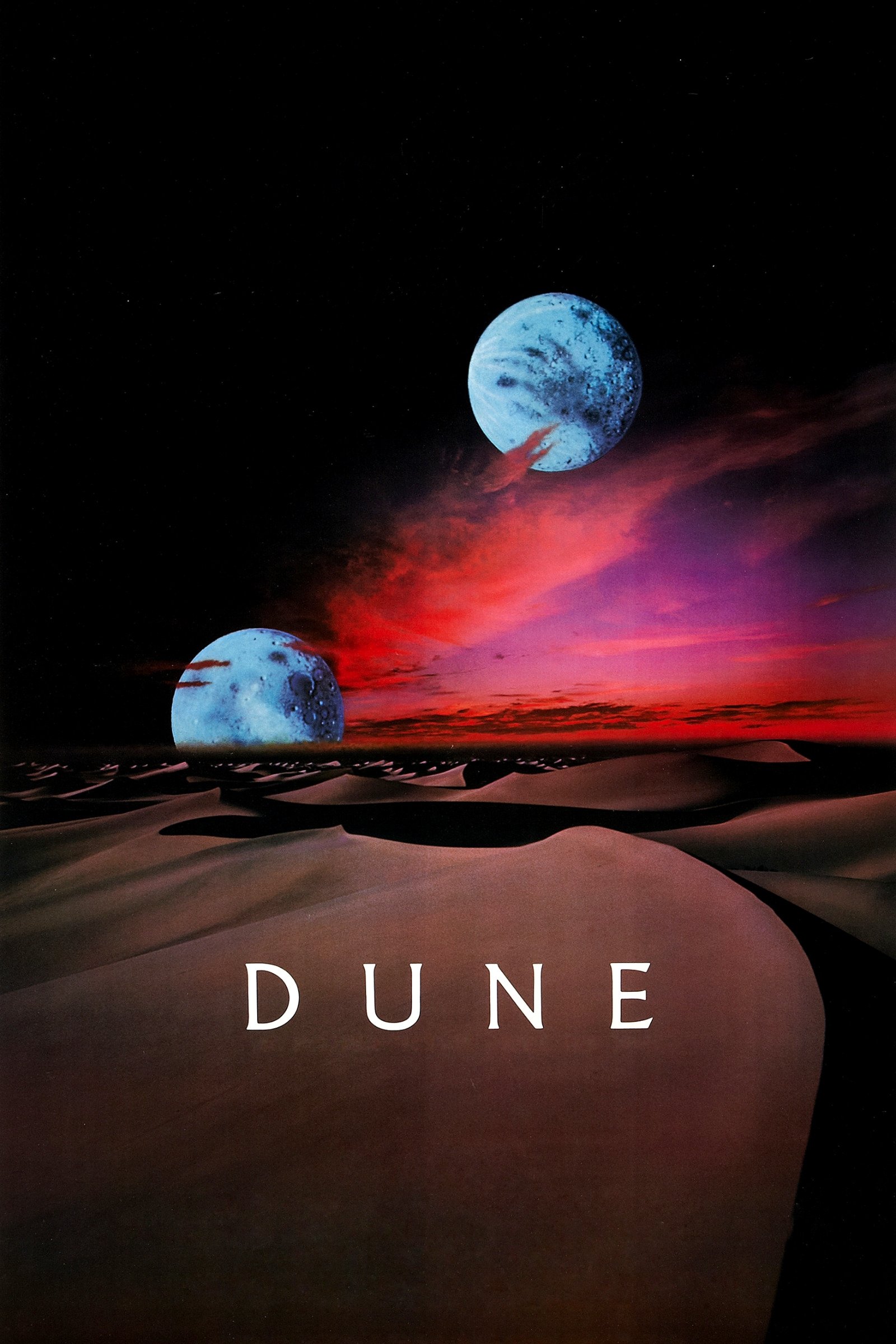
David Lynch’s ambitious adaptation of the Frank Herbert novel was originally intended to be a three-hour epic. Universal Pictures and the producers cut the film down to just over two hours, necessitating the inclusion of heavy-handed internal monologues and a voiceover to explain the complex plot. This condensed version left many audience members confused by the rapid jumps in narrative and underdeveloped world-building. Lynch was so dissatisfied with the final product and the various television edits that he removed his name from some versions of the film.
‘Spider-Man 3’ (2007)
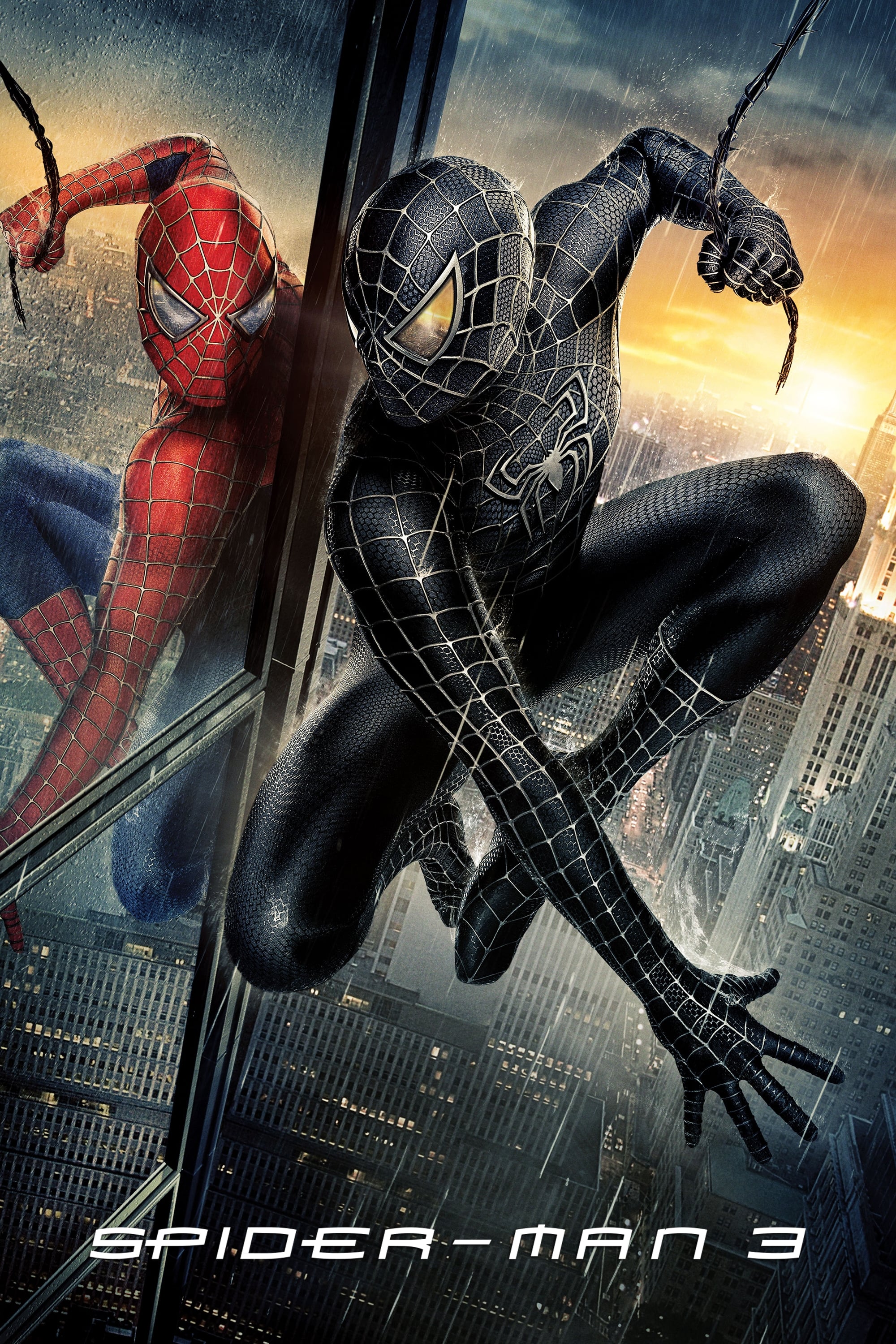
Director Sam Raimi intended to conclude his trilogy with a story focused on Sandman and the New Goblin. Producer Avi Arad reportedly pressured Raimi to include the character Venom, despite the director’s lack of affection for the villain. This interference forced the film to juggle too many subplots and antagonists, resulting in a cluttered narrative that many felt lacked the focus of its predecessors. Raimi has since admitted that the film did not work as well as he had hoped due to these external pressures.
‘Alien³’ (1992)
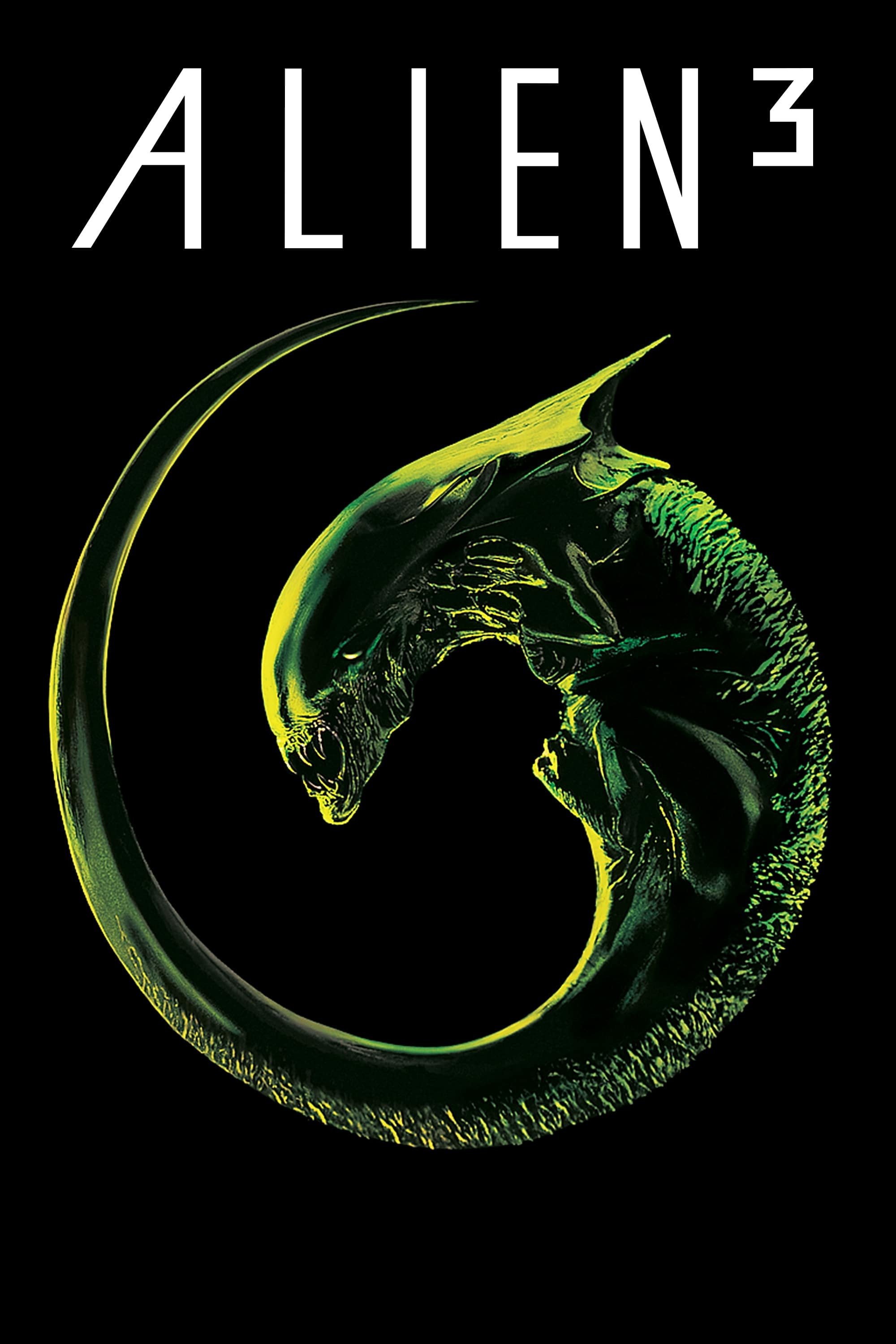
David Fincher’s directorial debut was plagued by constant studio oversight and script changes that continued throughout production. 20th Century Fox insisted on killing off popular characters from the previous installment and frequently clashed with Fincher over the film’s grim tone. The production began without a finished script, leading to a disorganized filming process that Fincher later disowned. An “Assembly Cut” was later released that restored much of his intended vision, though the director declined to participate in its creation.
‘Hancock’ (2008)
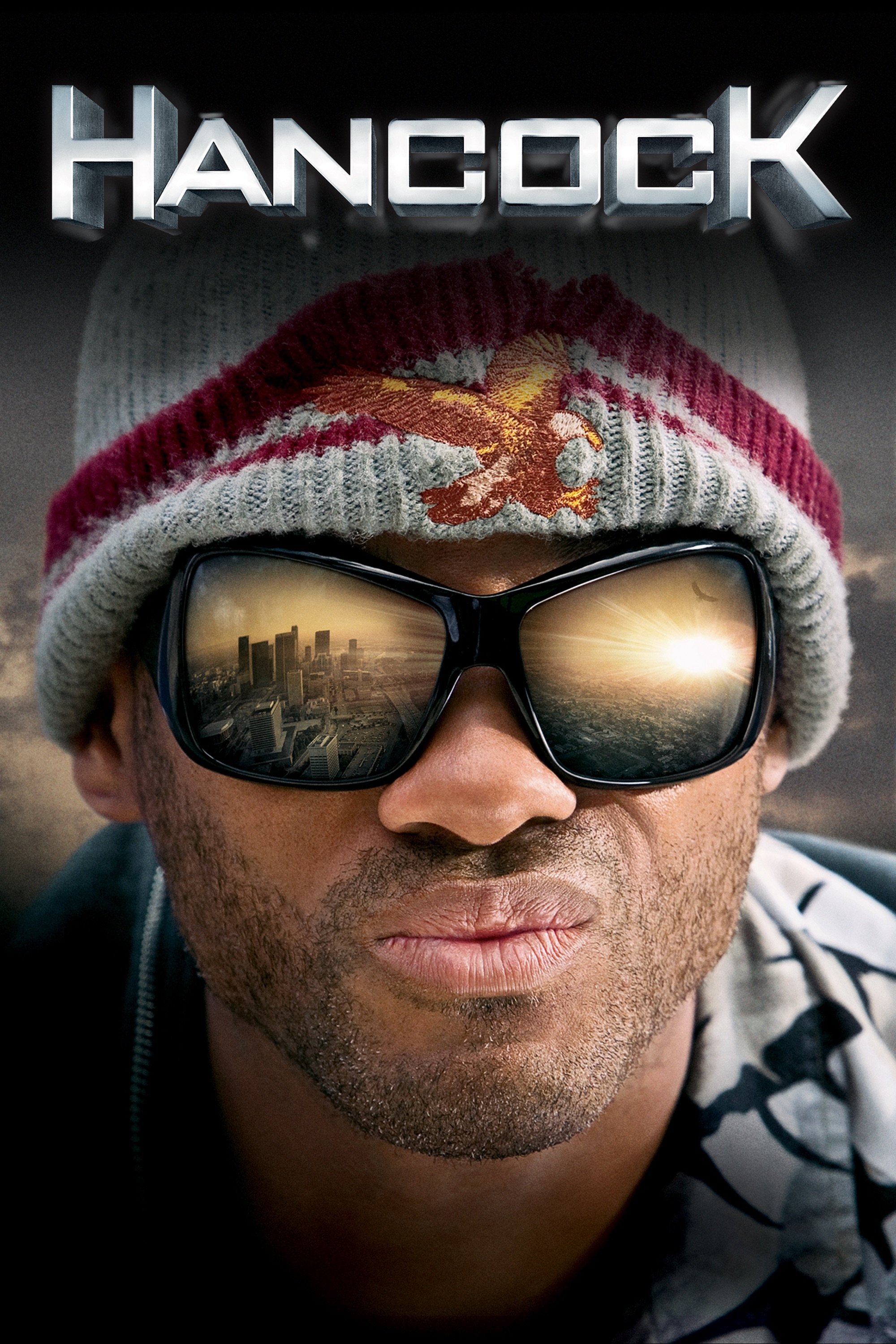
This project began as a dark, subversive script titled ‘Tonight, He Comes’, focused on a self-destructive superhero. Studio interference eventually shifted the film toward a more conventional summer blockbuster aesthetic, splitting the story into two distinct and tonally inconsistent halves. The second act introduces a sudden mythological subplot that many critics felt undermined the character study of the first hour. The final product reflected a compromise between a gritty satire and a standard action movie that satisfied few.
‘X-Men Origins: Wolverine’ (2009)
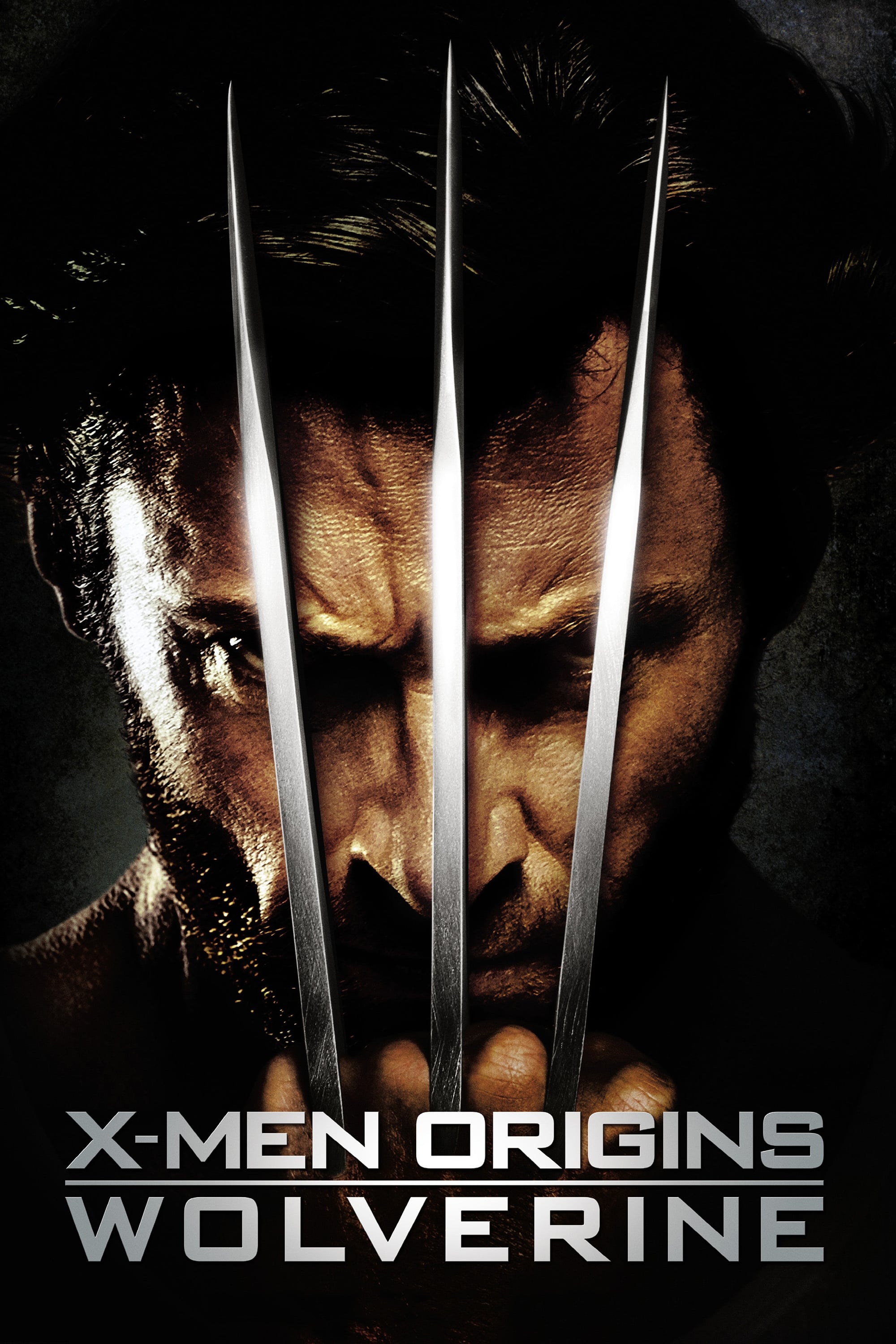
The production of this prequel was marked by a public power struggle between director Gavin Hood and 20th Century Fox executives. The studio reportedly mandated the inclusion of numerous mutant cameos and oversaw reshoots that resulted in widely mocked CGI effects. One of the most controversial decisions involved sewing the mouth of the character Deadpool shut, a move that fundamentally misunderstood the source material. These creative choices were largely blamed for the film’s poor critical reception compared to the main franchise.
‘The 13th Warrior’ (1999)
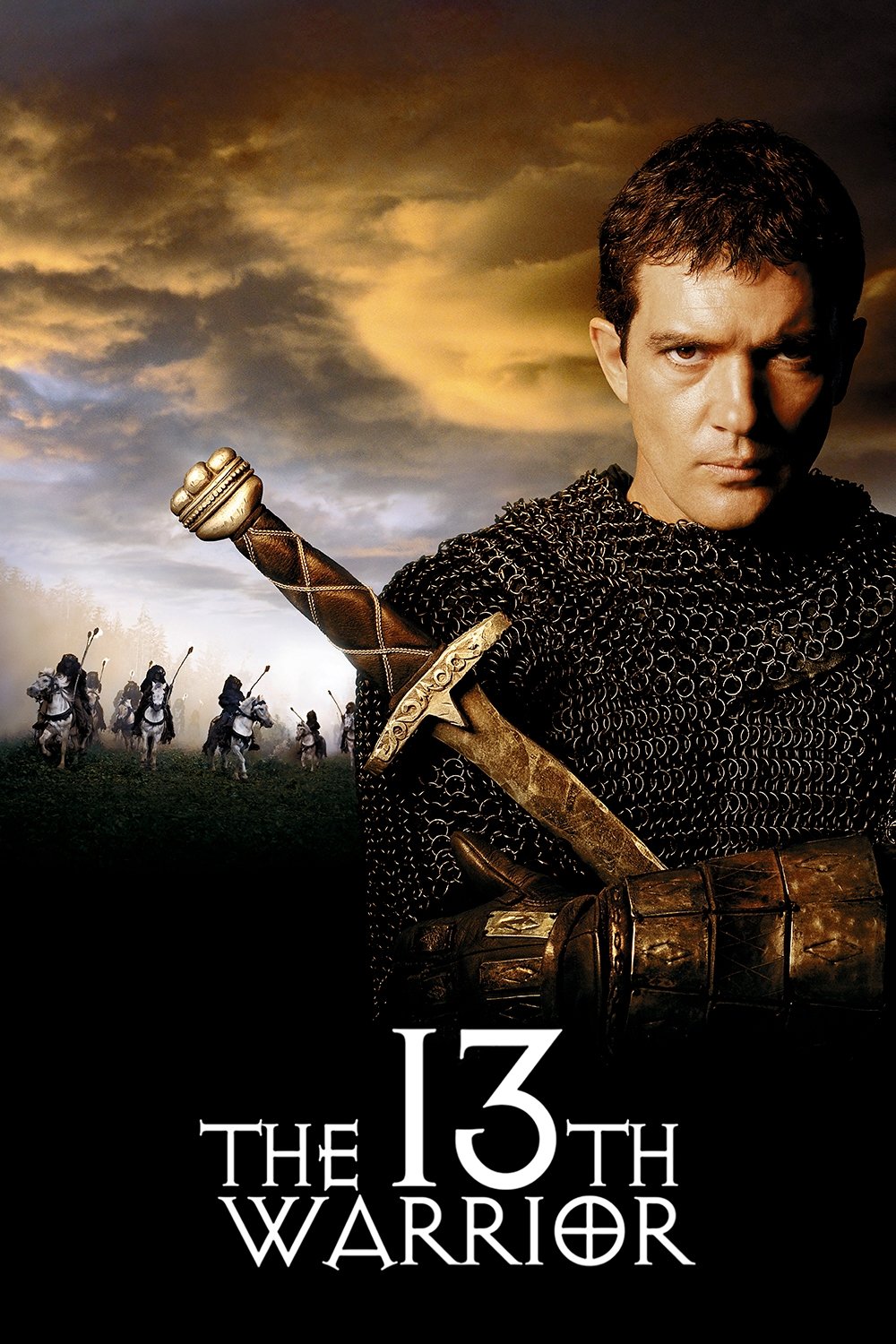
Director John McTiernan’s original version, titled ‘Eaters of the Dead’, was deemed unsatisfying by the studio following poor test screenings. Author Michael Crichton was brought in to take over the editing process and direct substantial reshoots that added more action and a different ending. The film’s budget ballooned during these delays, and the final cut removed much of the atmospheric tension McTiernan had established. The movie eventually became a significant box office disappointment, struggling to find an audience after the lengthy delays.
‘Event Horizon’ (1997)
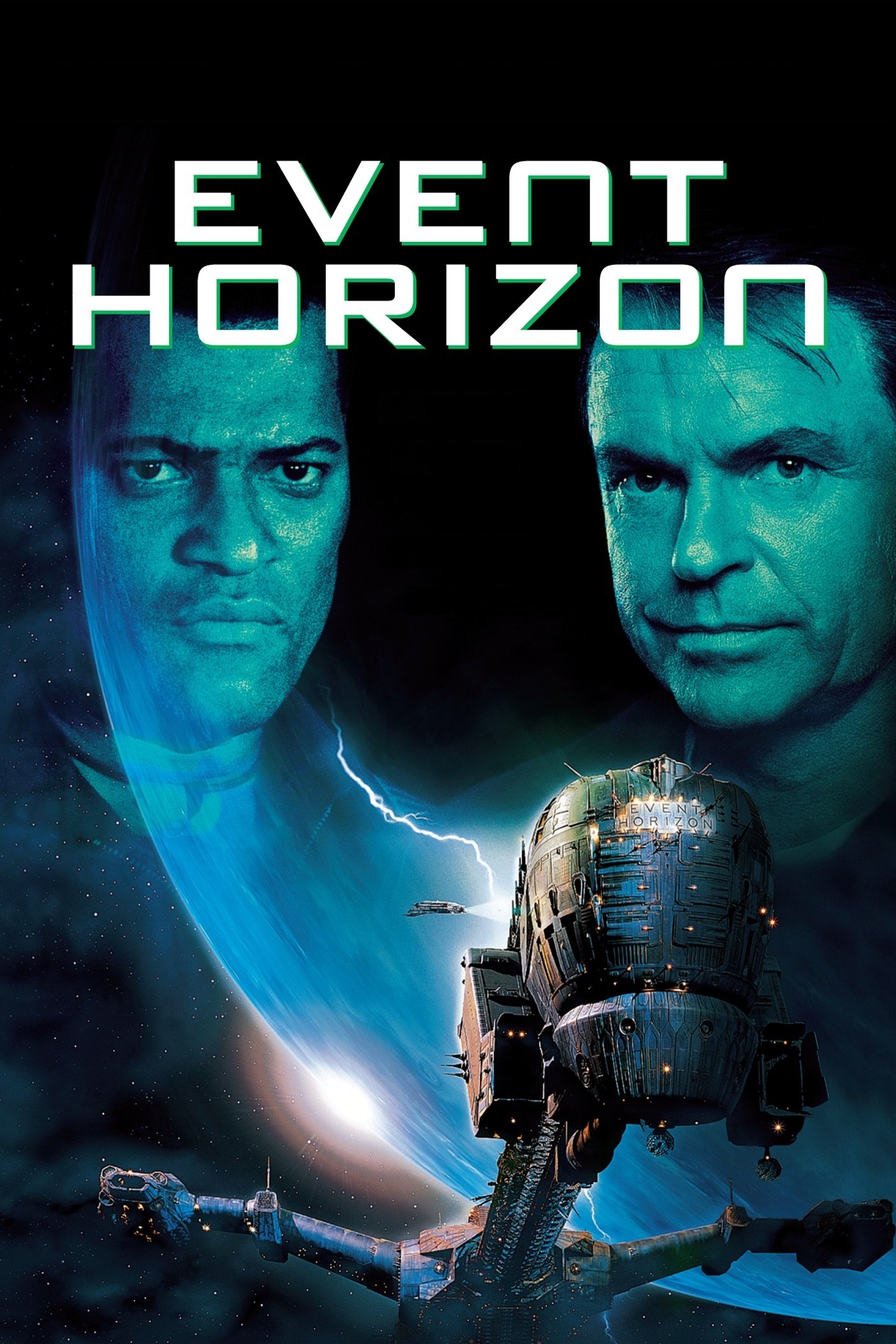
Paul W.S. Anderson’s initial cut of this science fiction horror film was reportedly much longer and contained extreme levels of graphic violence. Paramount Pictures executives were shocked by the footage and demanded that the film be cut by nearly 30 minutes to secure a shorter runtime and less intense rating. Much of the excised footage was later lost or destroyed, preventing a full restoration of the director’s original vision. Fans have long sought the missing scenes, as the theatrical version feels abbreviated during its climactic sequences.
‘Superman II’ (1980)
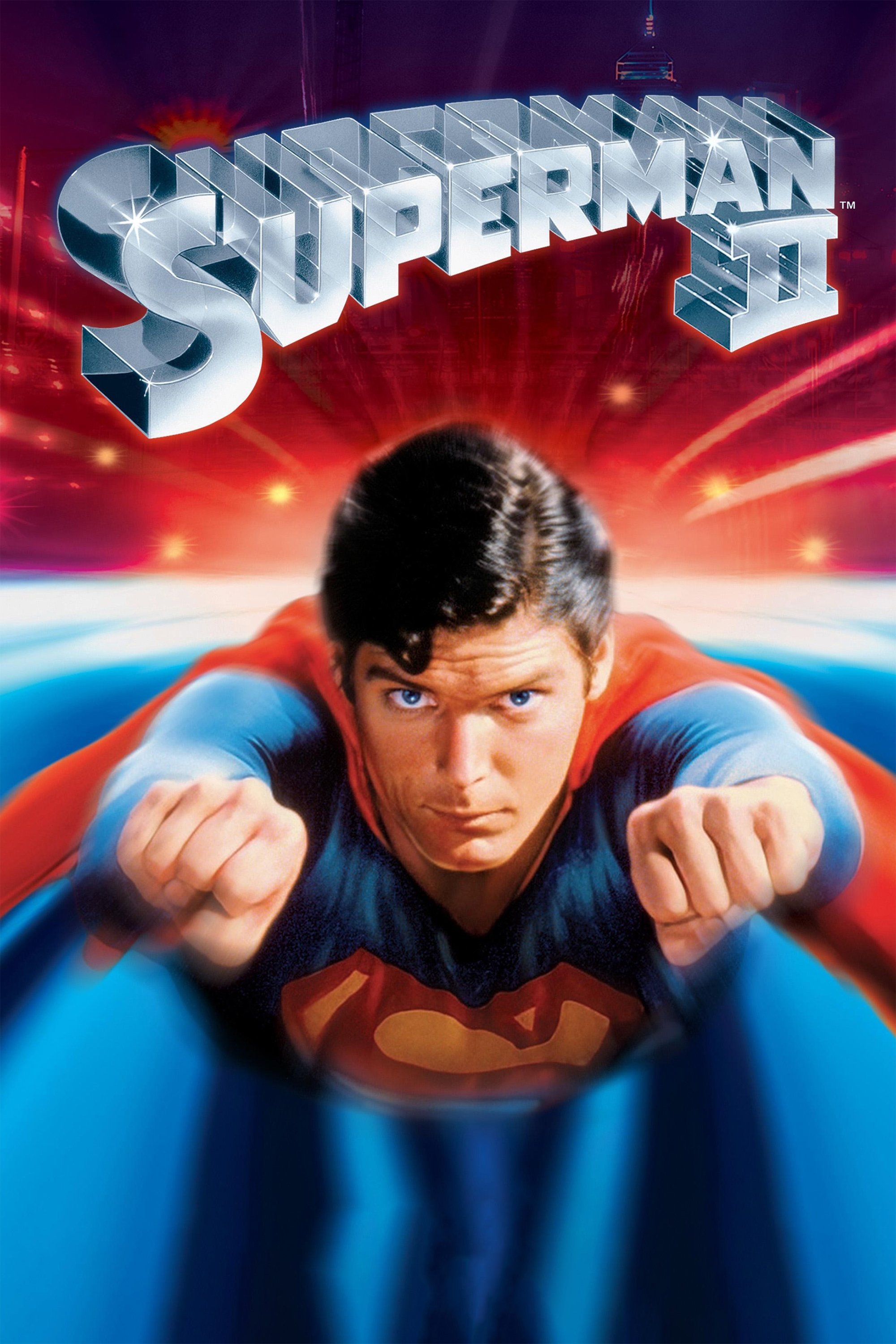
Richard Donner had filmed approximately 75 percent of this sequel simultaneously with the first ‘Superman’ before being fired by the producers. Richard Lester was hired to finish the film, but union rules required him to film at least 51 percent of the movie to receive credit. This led to Lester reshooting scenes Donner had already completed, often adding a campier and more slapstick tone. While the theatrical release was successful, the ‘Richard Donner Cut’ released in 2006 showcased a much more serious and tonally consistent version of the story.
‘Solo: A Star Wars Story’ (2018)
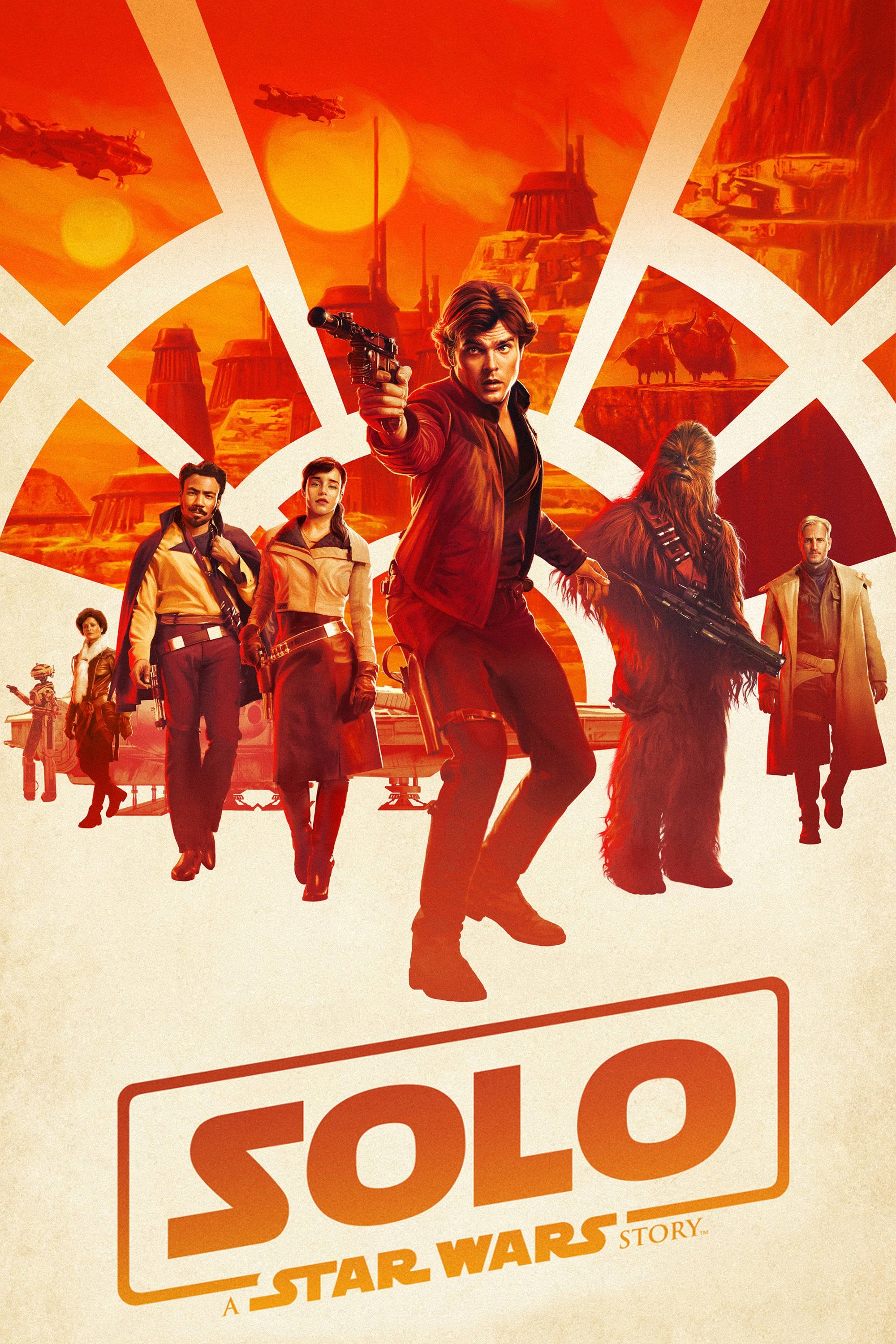
Directors Phil Lord and Christopher Miller were fired by Lucasfilm with only weeks of principal photography remaining due to creative differences. The studio was reportedly unhappy with the duo’s improvisational style and comedic tone, leading them to hire Ron Howard to finish the project. Howard ended up reshooting around 70 percent of the film to bring it more in line with the studio’s traditional vision for the franchise. This late-stage overhaul caused the budget to skyrocket and resulted in a film that some critics felt was overly safe.
‘Payback’ (1999)
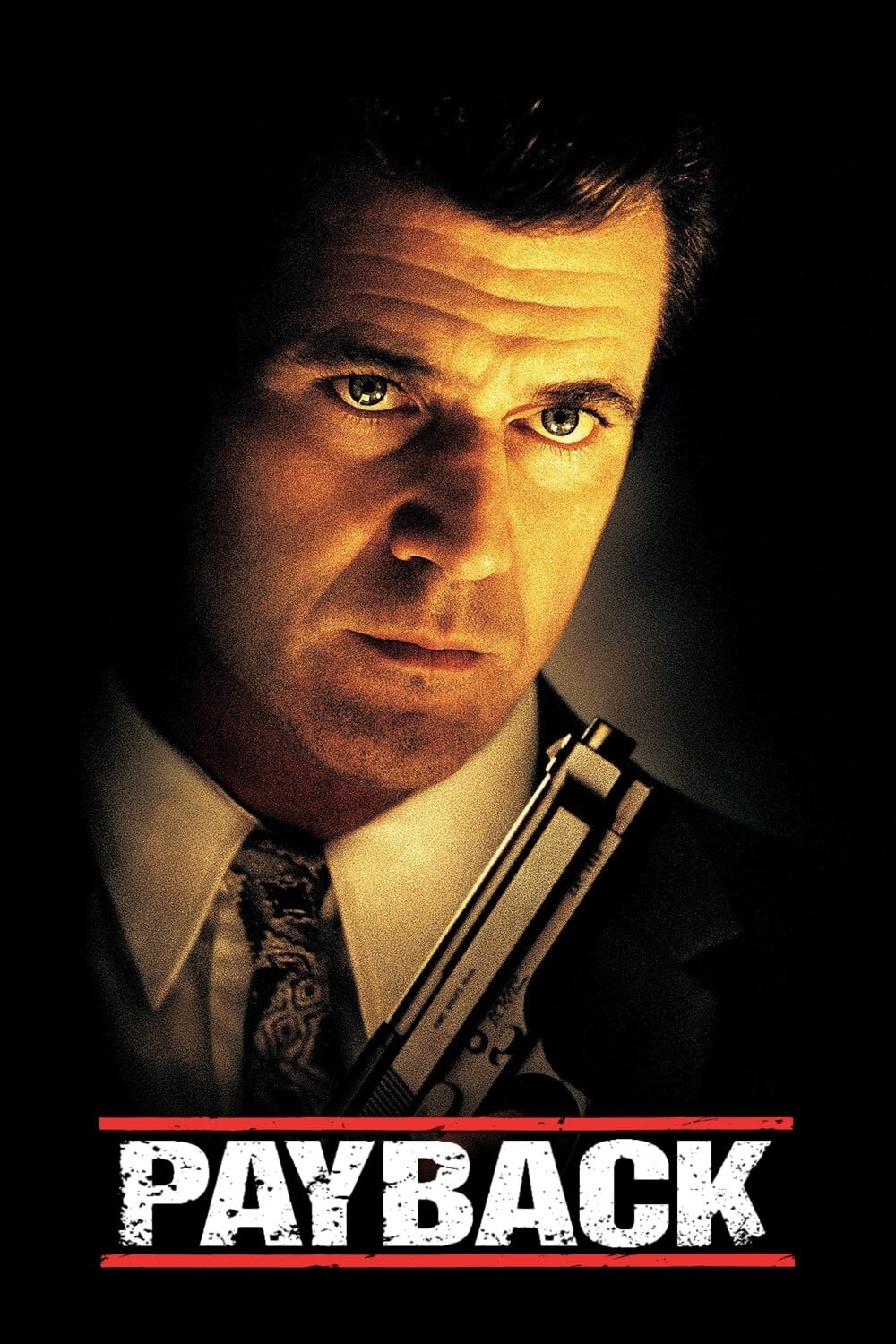
Director Brian Helgeland’s original version of this neo-noir was a gritty, uncompromising film that featured a much darker ending for the protagonist. Paramount Pictures and star Mel Gibson found the cut too alienating and demanded a more traditional, heroic finale with an added voiceover. The studio also removed a blue-tinted filter that Helgeland had used to give the film a distinct, cold atmosphere. A “Straight Up” director’s cut was released years later, restoring the original ending and removing the studio-mandated changes.
‘Cleopatra’ (1963)
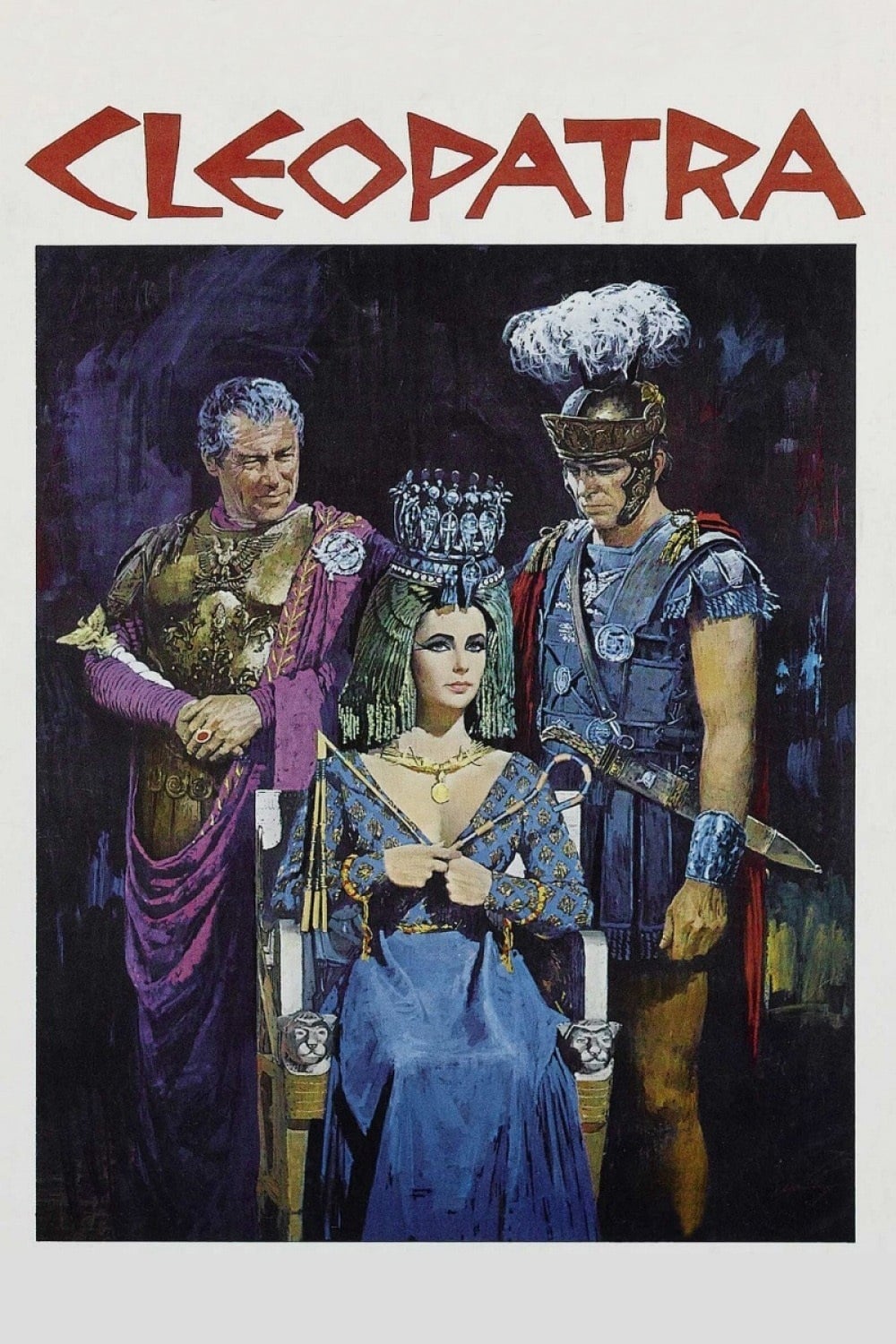
Joseph L. Mankiewicz originally intended for this historical epic to be released as two separate three-hour films. 20th Century Fox, facing financial ruin due to the film’s ballooning budget, insisted on a single theatrical release and cut the footage down significantly. The loss of nearly two hours of narrative ruined the pacing and left many character arcs feeling incomplete or confusing. Despite winning several Academy Awards, the film is often remembered more for its troubled production than its artistic merits.
‘I Am Legend’ (2007)
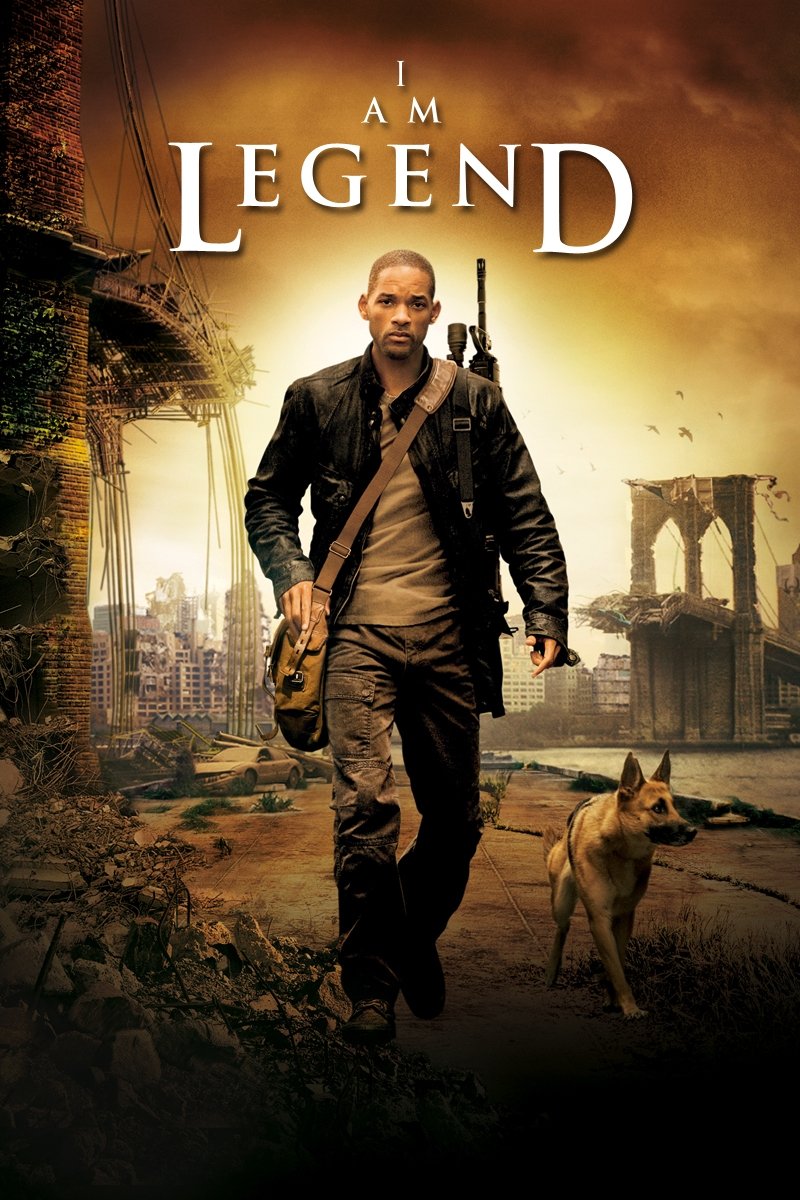
The original ending of this adaptation followed the theme of the source novel, where the protagonist realizes he has become the monster to the new species. Test audiences reportedly hated this somber conclusion, leading Warner Bros. to mandate a new ending featuring a heroic sacrifice and a grenade explosion. This change fundamentally altered the meaning of the title and the film’s philosophical underpinnings. The original ending was eventually included on home media releases, where it received significant praise from fans of the book.
‘Kingdom of Heaven’ (2005)
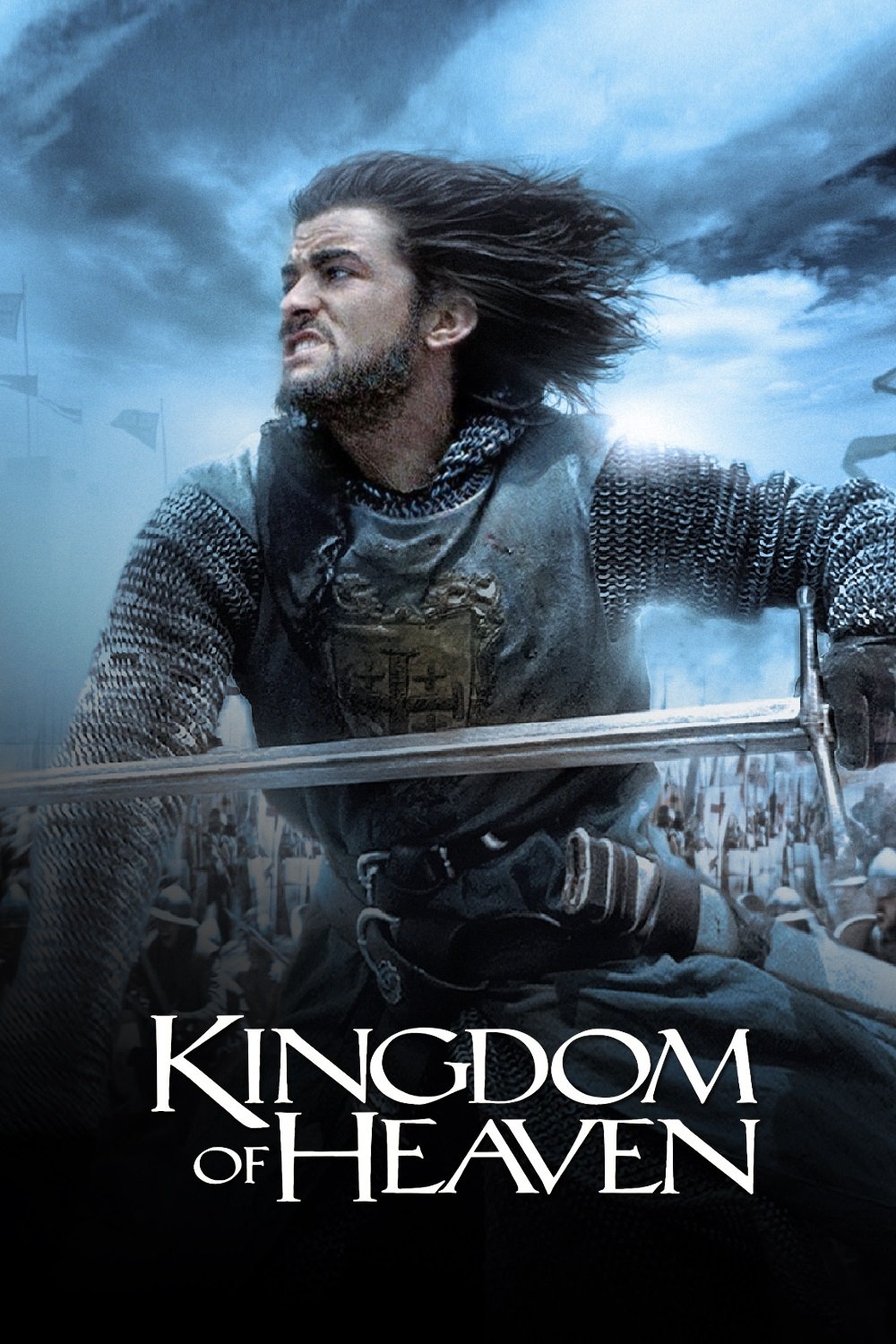
Ridley Scott’s theatrical cut of this Crusades epic was trimmed by 45 minutes to meet a standard two-and-a-half-hour runtime. The studio’s edits removed entire subplots and essential character motivations, particularly regarding the protagonist’s family and the motivations of the antagonists. Consequently, many critics found the theatrical version to be a visually stunning but emotionally hollow experience. The subsequent release of the ‘Director’s Cut’ is widely regarded as a masterpiece and a massive improvement over the studio-mandated version.
‘Dark City’ (1998)
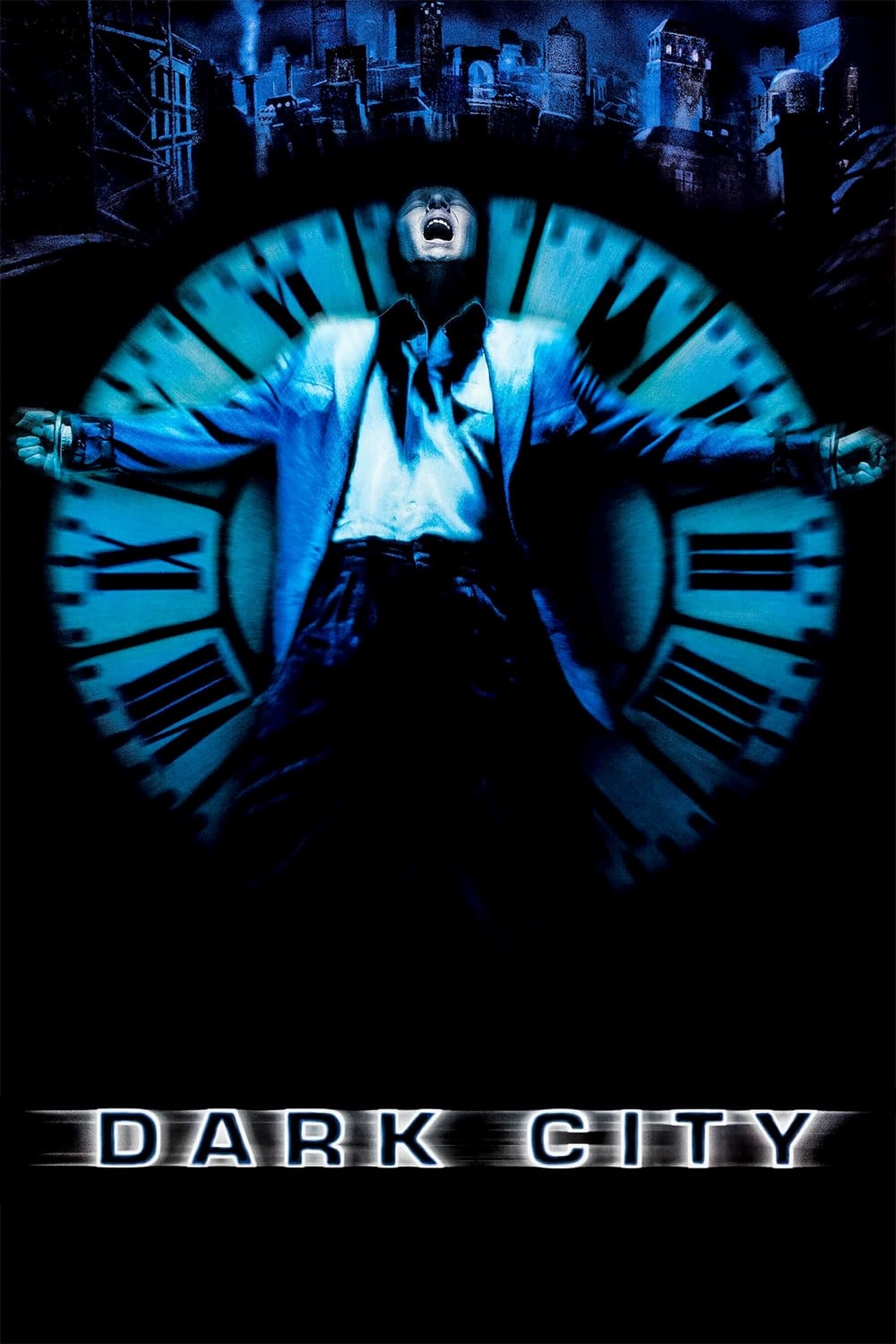
Fearing that audiences would find the film’s central mystery too confusing, New Line Cinema forced director Alex Proyas to add an opening narration. This voiceover, delivered by Kiefer Sutherland’s character, effectively spoiled the film’s major plot twist within the first two minutes. Proyas also faced pressure to cut certain scenes to keep the film under 100 minutes. The ‘Director’s Cut’ removed the narration and restored the pacing, allowing the mystery to unfold naturally as originally intended.
‘The Magnificent Ambersons’ (1942)
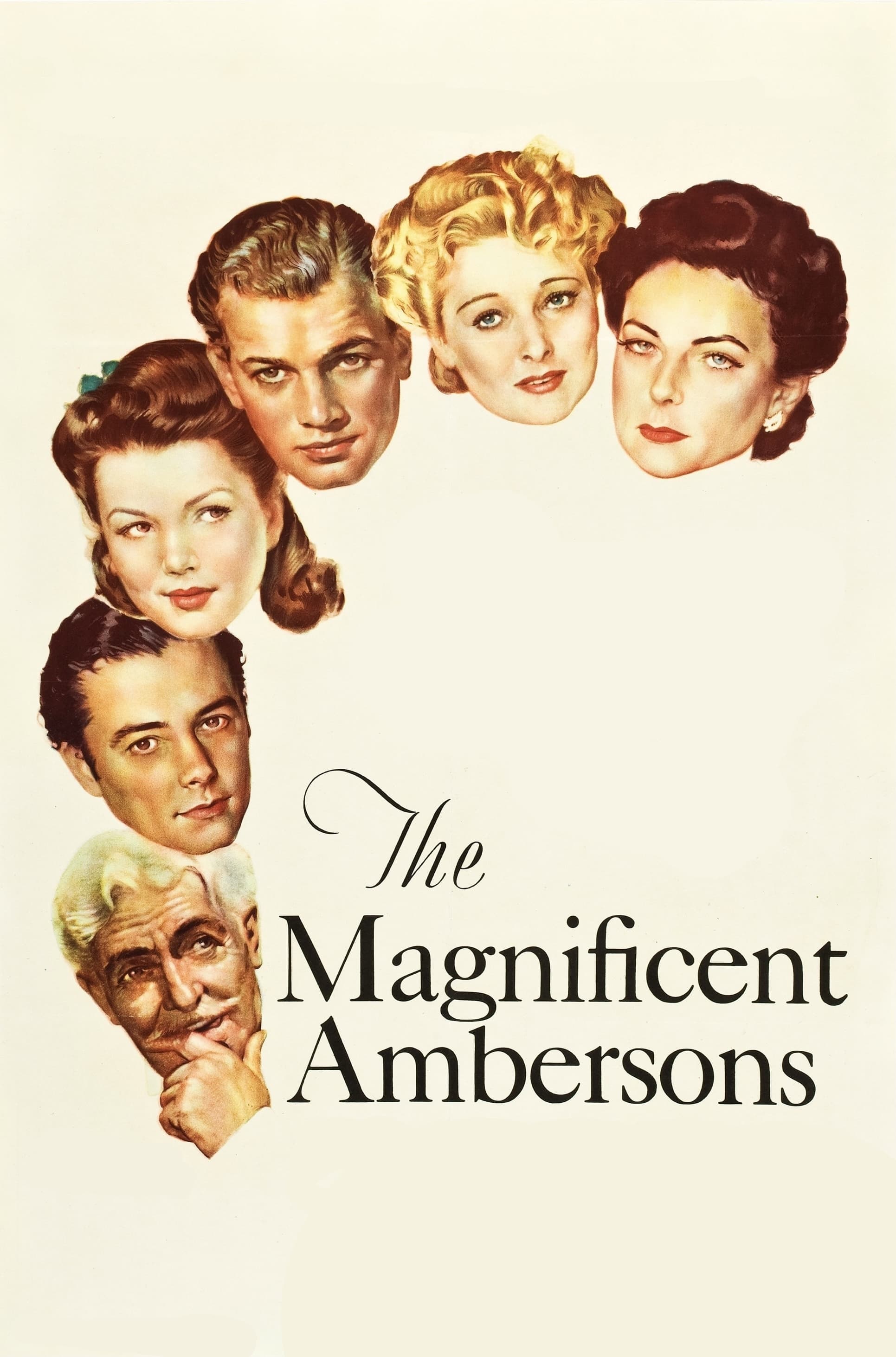
While Orson Welles was away in Brazil, RKO Radio Pictures took control of his follow-up to ‘Citizen Kane’ after poor test screenings. The studio cut nearly an hour of footage and filmed a new, optimistic ending that completely contradicted the somber tone of the original story. The excised footage was reportedly melted down for its silver content, making a restoration of Welles’ true vision impossible. This interference is often cited as one of the greatest tragedies in film history, as it permanently altered a potential masterpiece.
‘Rogue One: A Star Wars Story’ (2016)
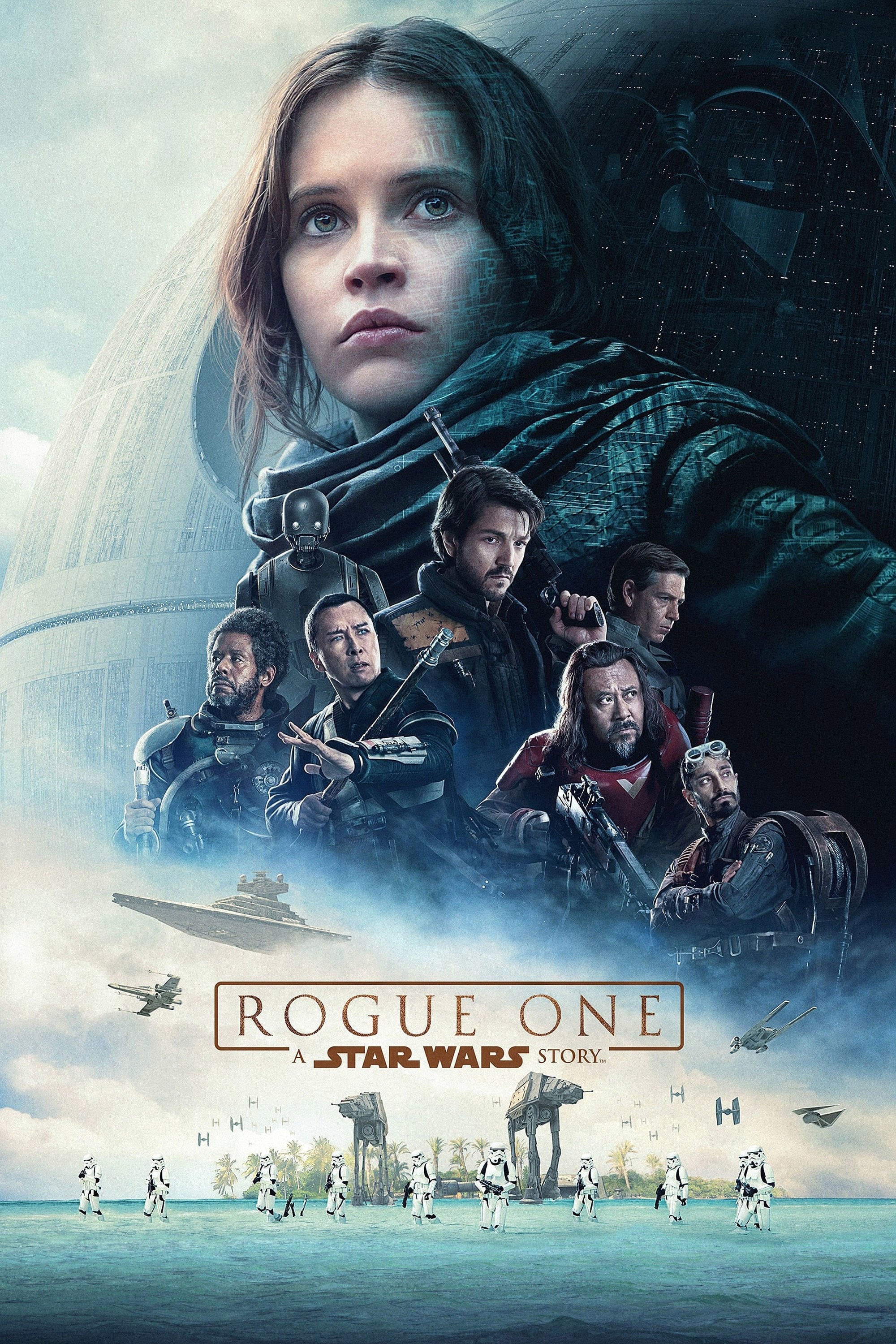
This ‘Star Wars’ spin-off underwent significant reshoots directed by Tony Gilroy after Disney executives reportedly felt the initial cut was too bleak. The entire third act was reworked, changing the fates of several characters and adding the now-famous Darth Vader hallway sequence. While these changes were generally well-received by audiences, they resulted in a film that felt tonally distinct from Gareth Edwards’ initial war-movie approach. Many of the scenes featured in the early teaser trailers were entirely absent from the final theatrical version.
‘Brazil’ (1985)
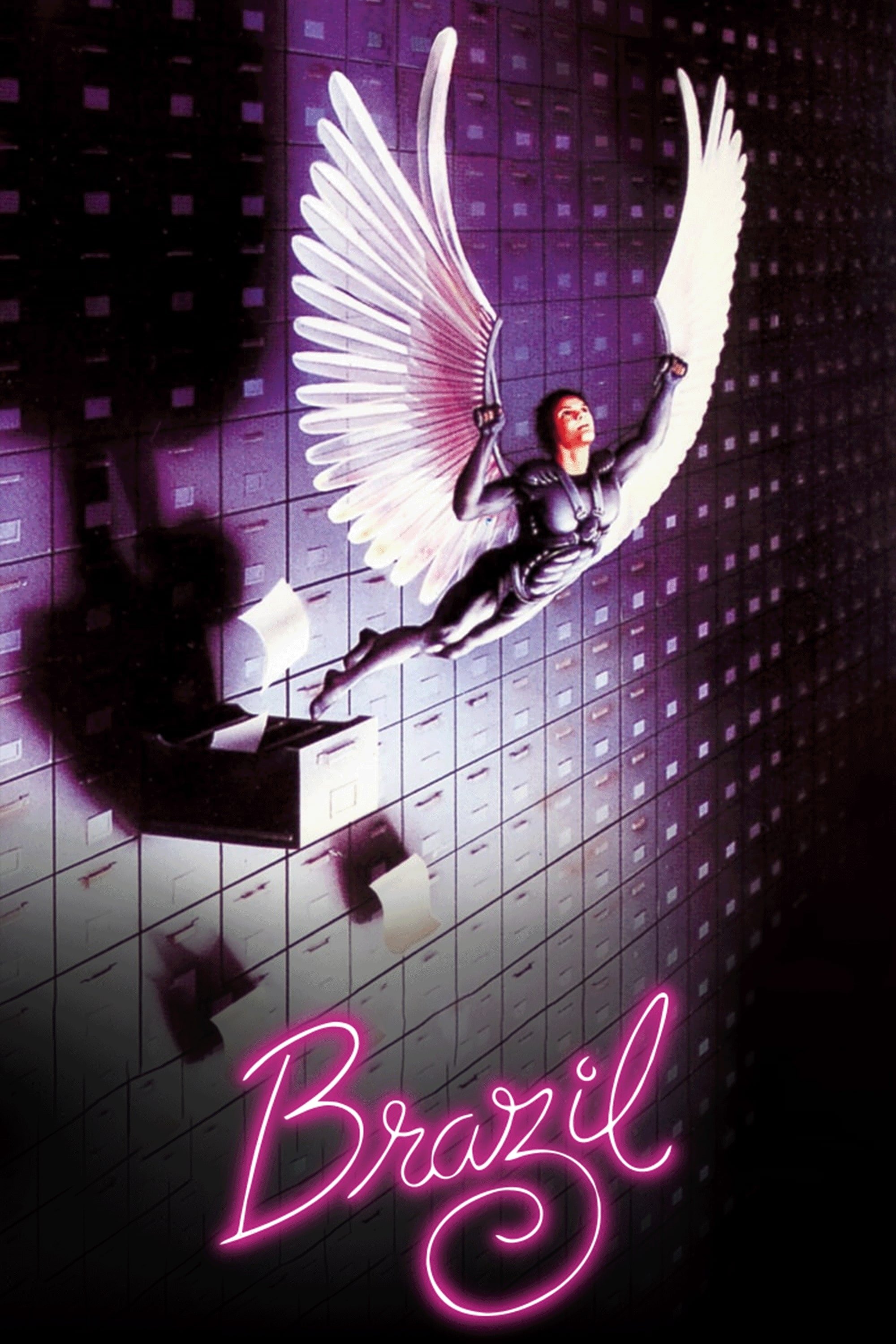
Terry Gilliam fought a legendary battle with Universal Pictures head Sid Sheinberg, who wanted to release a shortened version with a happy ending. This “Love Conquers All” cut removed the film’s bleak, satirical conclusion in favor of a traditional romantic resolution. Gilliam famously took out an advertisement in ‘Variety’ asking the studio when they would release his movie. After Gilliam’s preferred cut won several critics’ awards, the studio finally relented and released the director’s original vision.
‘Touch of Evil’ (1958)
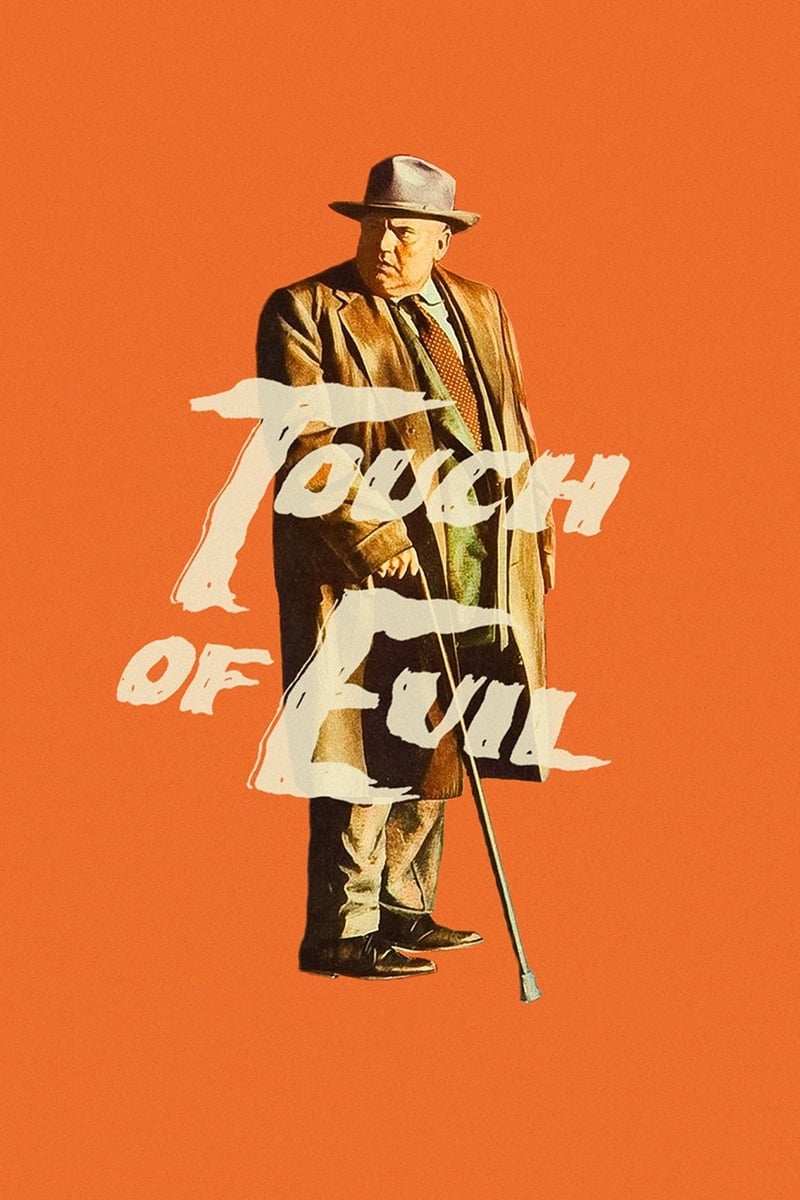
Universal Pictures heavily re-edited Orson Welles’ film noir and added reshot scenes without his involvement to make it more conventional. Welles famously wrote a 58-page memo to the studio detailing exactly how the sound and editing should be handled to preserve his vision. The studio ignored his instructions, and the film was released in a version that Welles effectively disowned. It was not until 1998 that a version was reconstructed using Welles’ memo as a guide, finally revealing the intended structure of the film.
‘Blade Runner’ (1982)
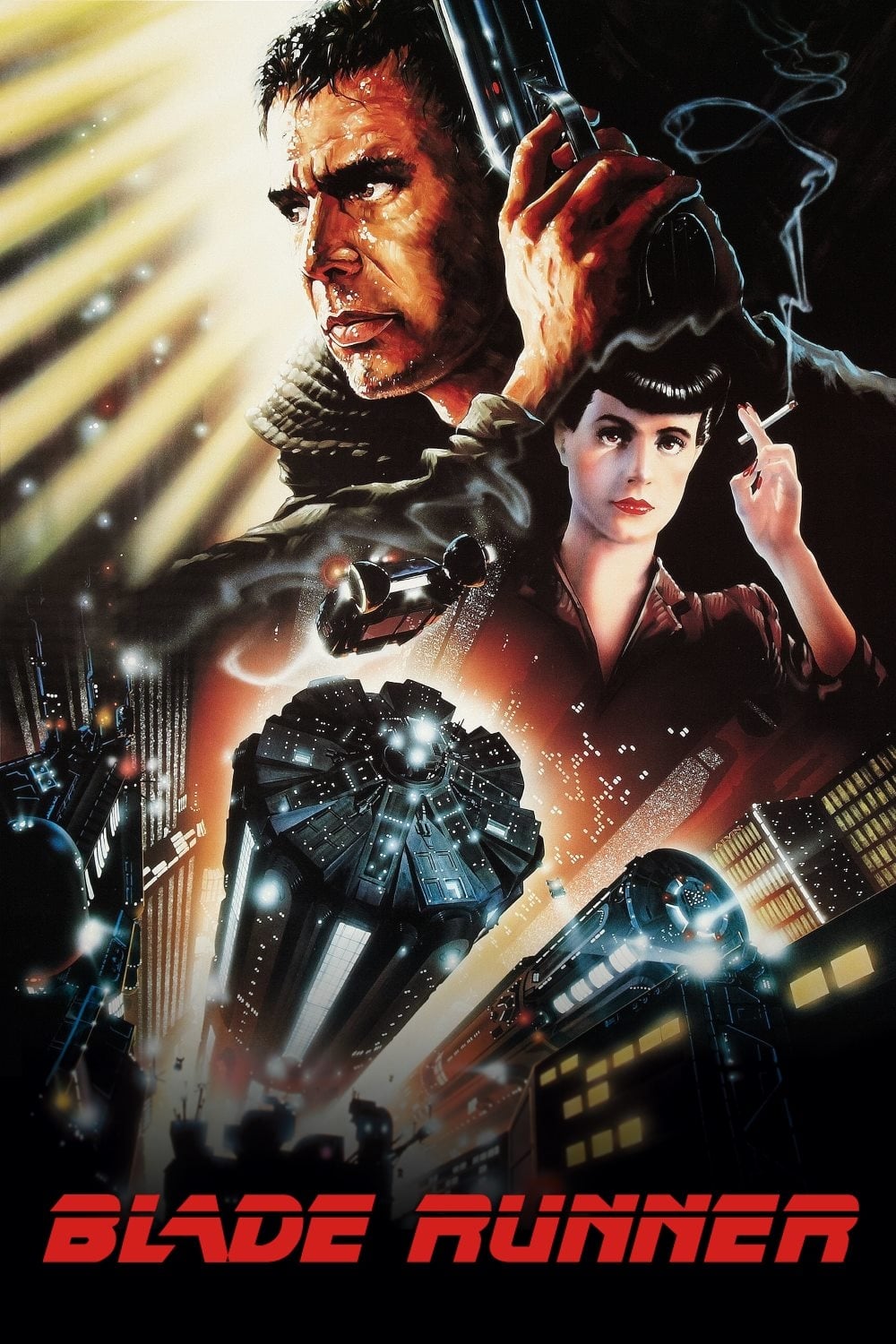
Warner Bros. executives were concerned that the atmospheric science-fiction film would alienate audiences, leading to several forced changes. The studio added a “happy ending” using scenery shots from ‘The Shining’ and mandated a monotone narration by Harrison Ford to explain the plot. Ridley Scott was also prevented from including ambiguous hints that the main character might be a replicant. It took several decades and multiple re-releases for Scott to finally secure the “Final Cut,” which is now considered the definitive version.
‘Once Upon a Time in America’ (1984)
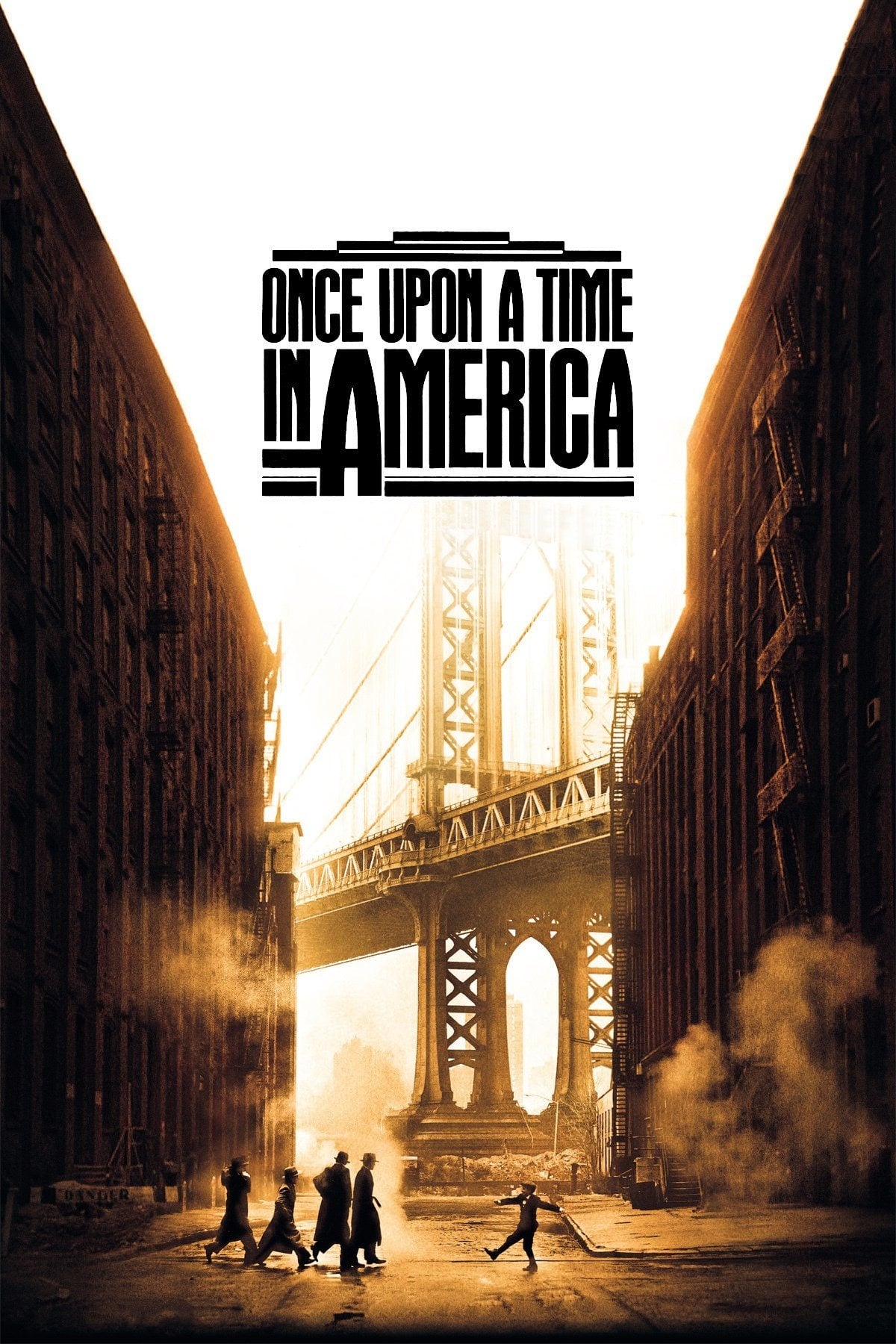
Sergio Leone’s final film was a 229-minute non-linear epic that explored decades of gangster history. For the American release, the studio cut the film down to 139 minutes and re-edited the scenes into a simplified chronological order. This butchered version was panned by critics and failed at the box office, as it lost the emotional depth and structural complexity of Leone’s original. When the full version was eventually released on home media, it was immediately recognized as one of the greatest films in the genre.
Share your thoughts on which studio-mandated change was the most disappointing in the comments.