Movies That Were So Bad the Director Apologized Publicly


Filmmaking is a high-stakes endeavor where even the most accomplished directors can produce a project that fails to meet expectations. While some creators distance themselves from their work quietly, others have chosen to address their disappointments through public statements and apologies. These admissions often highlight issues ranging from studio interference and casting mistakes to rushed production schedules. The following films represent instances where the person behind the camera felt compelled to say sorry to the audience for the final product.
‘Shanghai Fortress’ (2019)

Director Teng Huatao issued a public apology on social media following the poor reception of this big-budget science fiction epic. He acknowledged that the film had disappointed fans of the genre and failed to live up to the high expectations set by previous Chinese sci-fi hits. The filmmaker expressed deep regret for the lackluster writing and execution that led to the movie’s critical and commercial failure. He stated that he took ultimate responsibility for the project’s shortcomings and the disappointment felt by the audience.
‘The Snowman’ (2017)
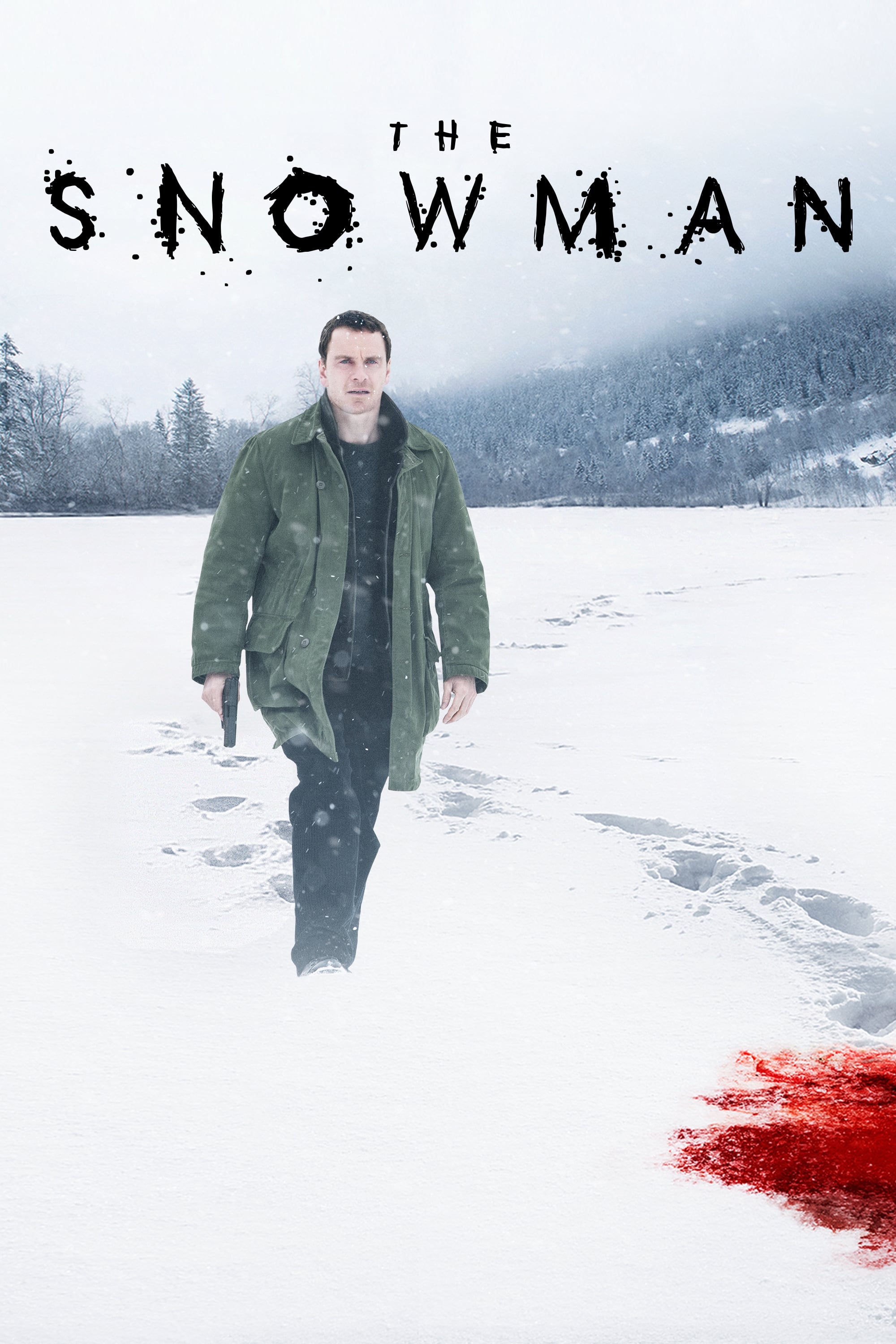
Director Tomas Alfredson publicly admitted that this crime thriller was a failure due to an unfinished production process. He revealed that approximately 10 to 15 percent of the script was never filmed because the shooting schedule in Norway was far too short. This led to massive gaps in the narrative that became apparent only during the editing phase. Alfredson described the experience as a frustrating situation where the story could not be properly pieced together.
‘The Mummy’ (2017)
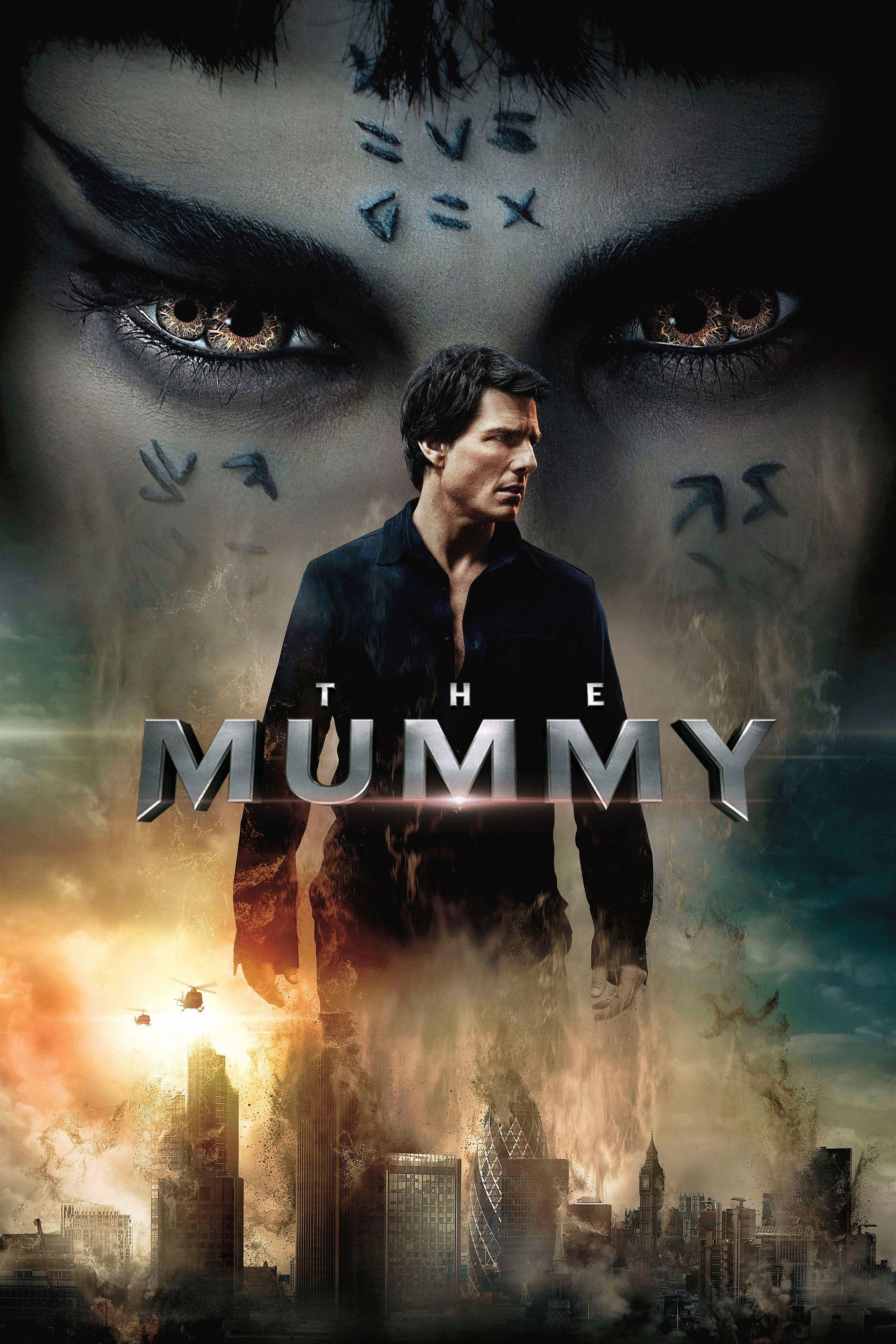
Alex Kurtzman has candidly referred to his work on this franchise reboot as the “biggest failure” of his personal and professional life. The director explained that the experience was brutal and full of creative regrets regarding the direction of the story. Despite the film’s status as a high-profile blockbuster, Kurtzman admitted that he learned valuable lessons about what not to do on a film set. He has since been open about how the project’s failure fundamentally changed his approach to filmmaking.
‘Gods of Egypt’ (2016)
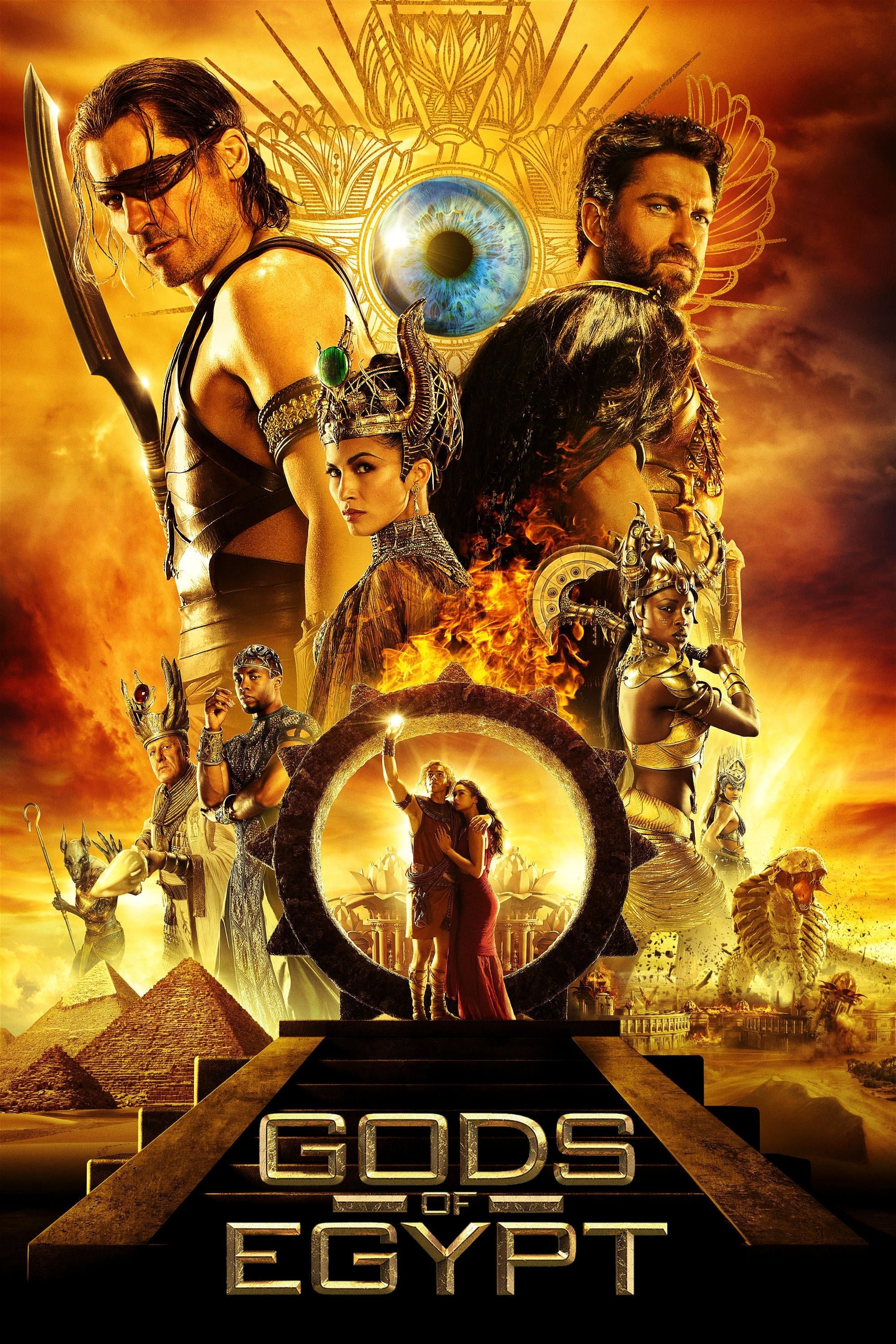
Director Alex Proyas issued a public apology alongside Lionsgate regarding the controversial casting choices in this fantasy adventure. The film faced significant backlash for its lack of diversity and the decision to cast primarily white actors in roles representing ancient Egyptians. Proyas admitted that the casting process failed to reflect the diversity of the period and the culture depicted. He acknowledged the public’s anger and apologized for the oversight in a formal statement.
‘Fantastic Four’ (2015)
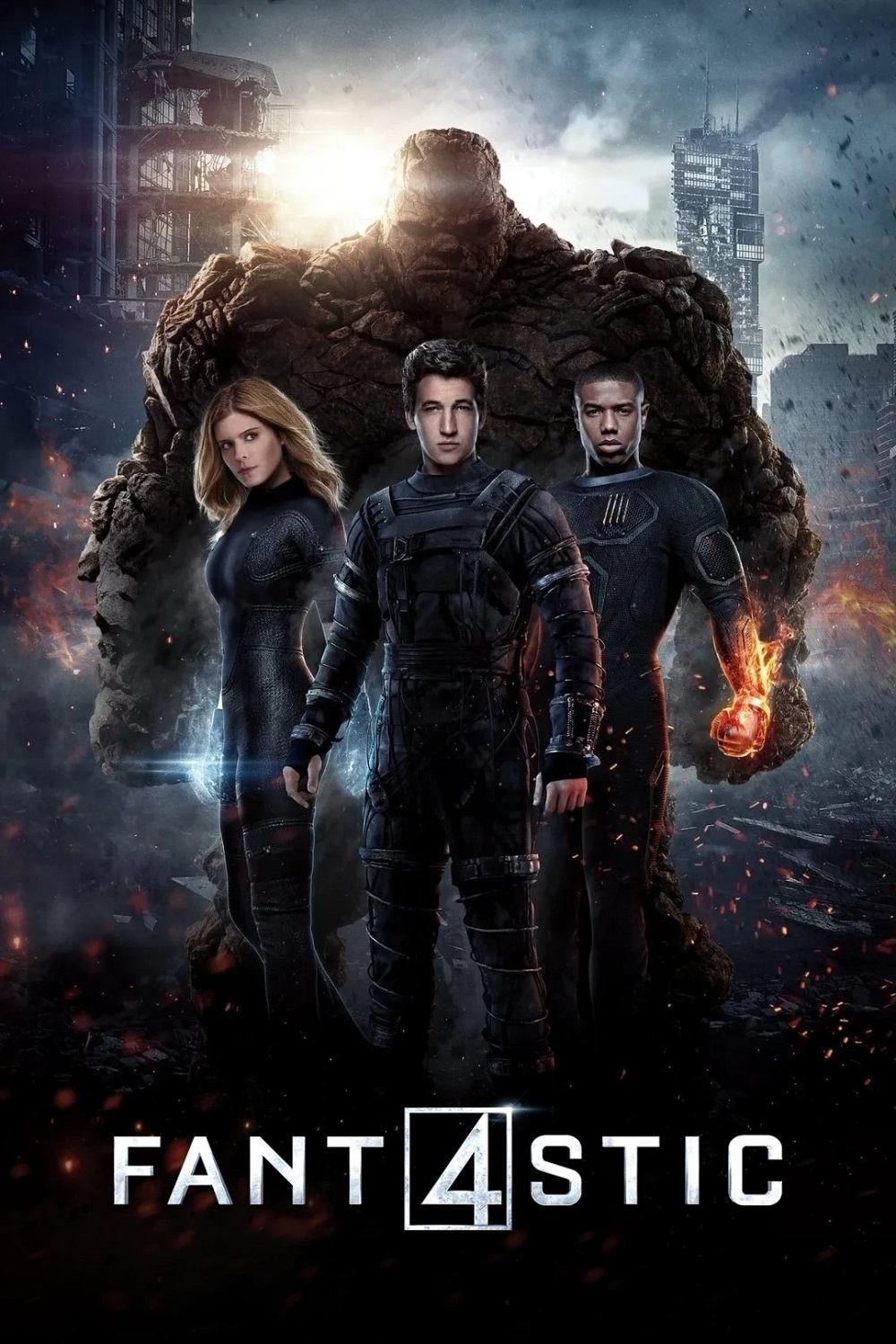
Josh Trank famously disowned this superhero reboot in a post on social media just a day before its theatrical release. He claimed that he had a “fantastic version” of the movie that would have received great reviews but stated that audiences would likely never see it. This public admission highlighted the deep creative rift between the director and the studio throughout the production. Trank has since discussed the traumatic nature of the experience and his regret over how the final film turned out.
‘Elysium’ (2013)
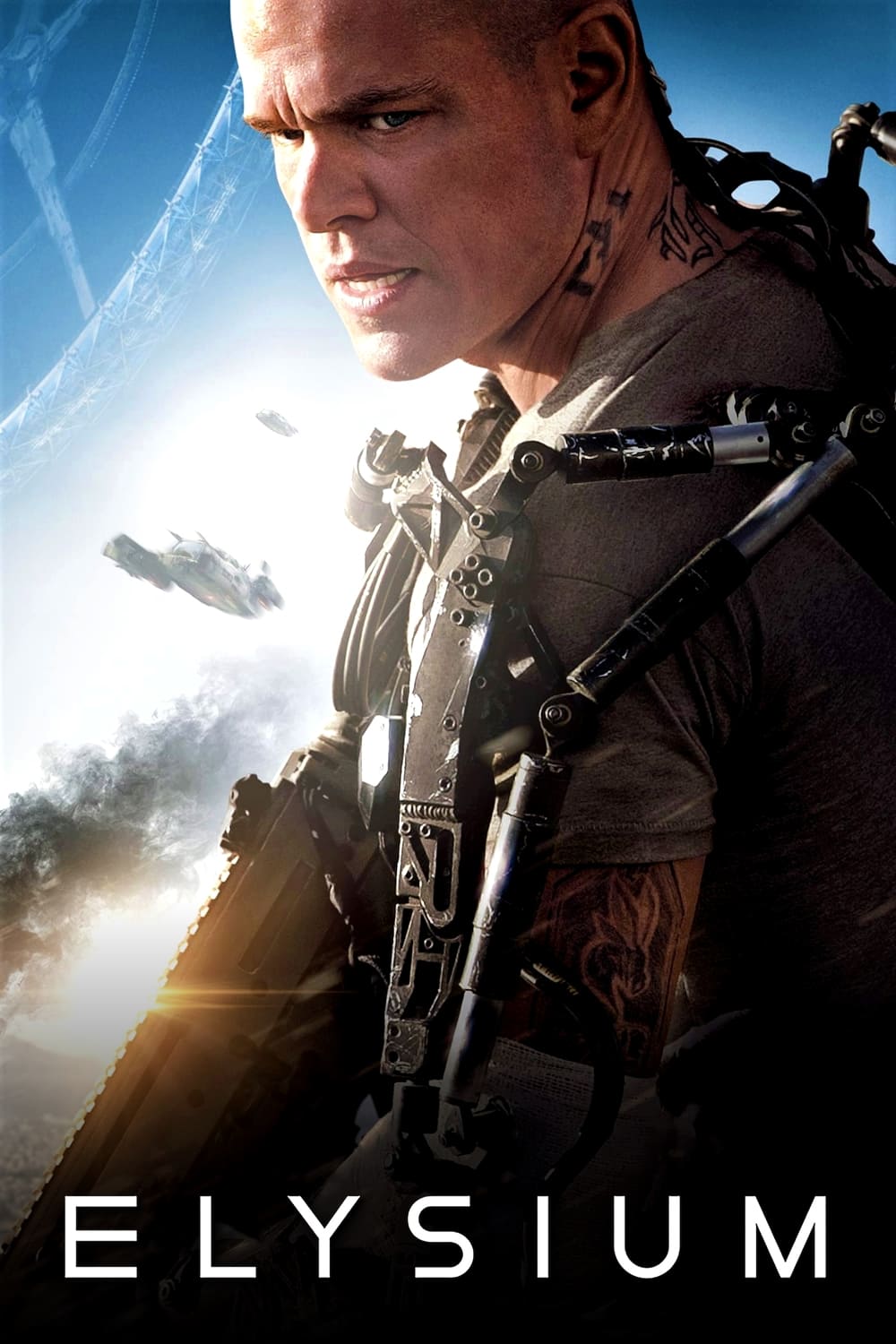
Neill Blomkamp expressed his dissatisfaction with this science fiction follow-up to ‘District 9’, admitting that he “fucked it up.” The director noted that while the visual world and concepts were strong, the script ultimately lacked the necessary depth to make it a success. He felt that the satirical elements were not handled correctly and that the narrative was compromised. Blomkamp has been remarkably candid in interviews about his belief that he failed to deliver a compelling story.
‘Green Lantern’ (2011)
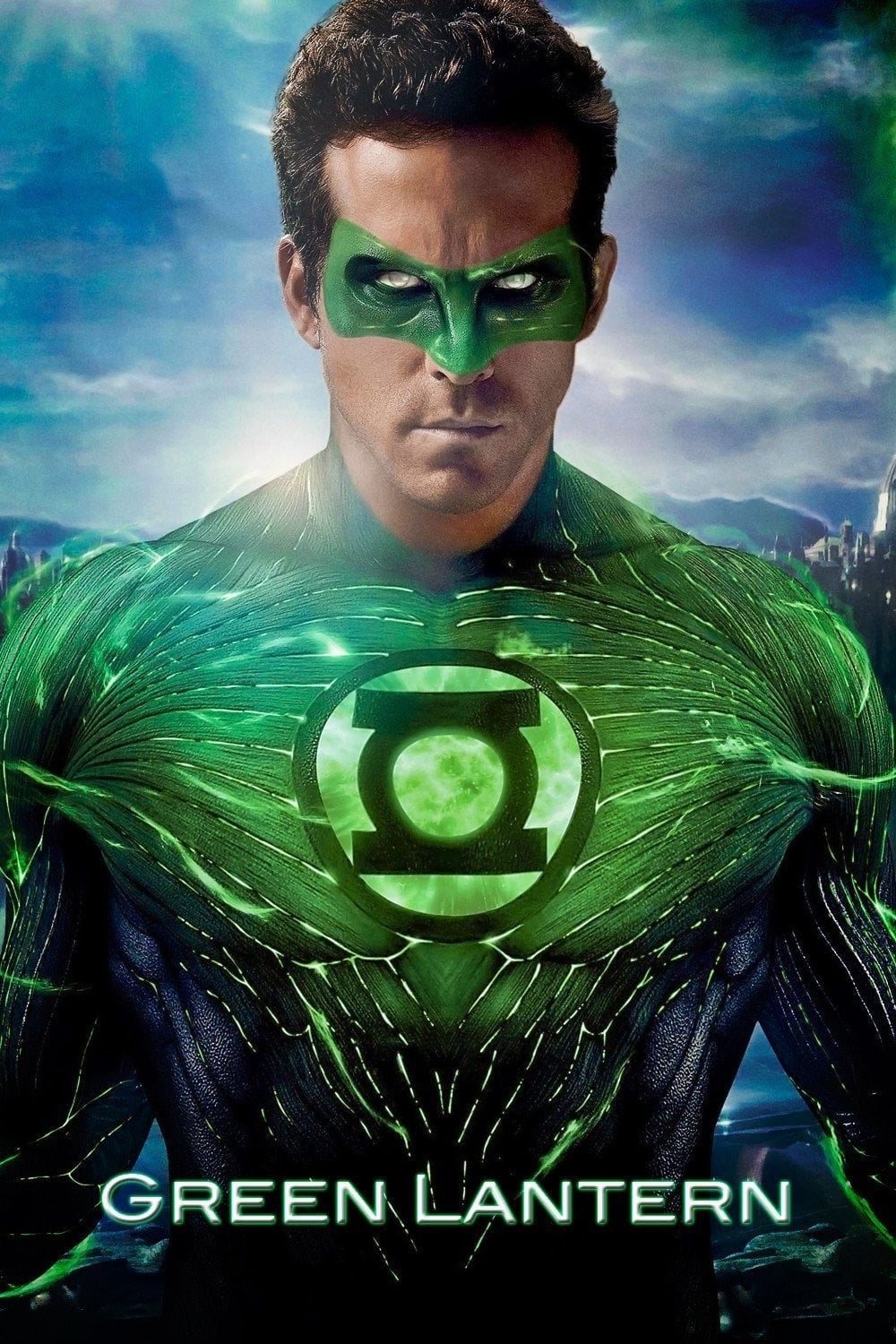
Director Martin Campbell has openly stated that he should never have directed this superhero project. He admitted that he was not the right person for the genre and felt that the film lacked the necessary creative spark. Campbell noted that the production was plagued by studio interference and a budget that was difficult to manage. He has expressed regret over the final product and has indicated he has no interest in returning to the world of comic book movies.
‘X-Men Origins: Wolverine’ (2009)
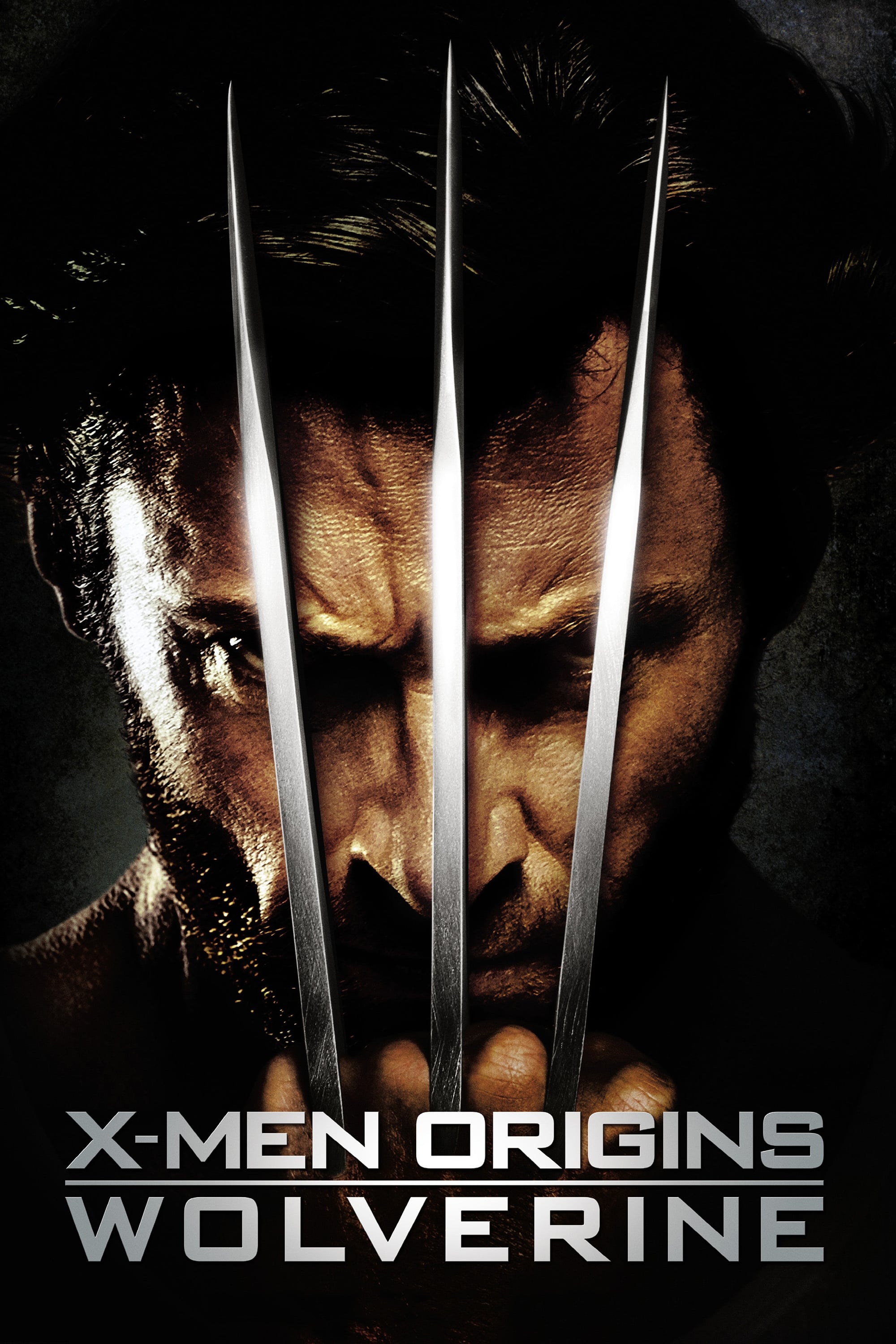
Gavin Hood has been vocal about his regrets concerning this prequel, citing a lack of creative freedom during production. He admitted that the film’s script was unfinished when shooting began and that he struggled to navigate studio demands. The director took responsibility for the mistakes made but emphasized that the final cut did not reflect his original vision. He has described the project as a difficult learning experience that taught him the importance of maintaining control over his work.
‘Transformers: Revenge of the Fallen’ (2009)
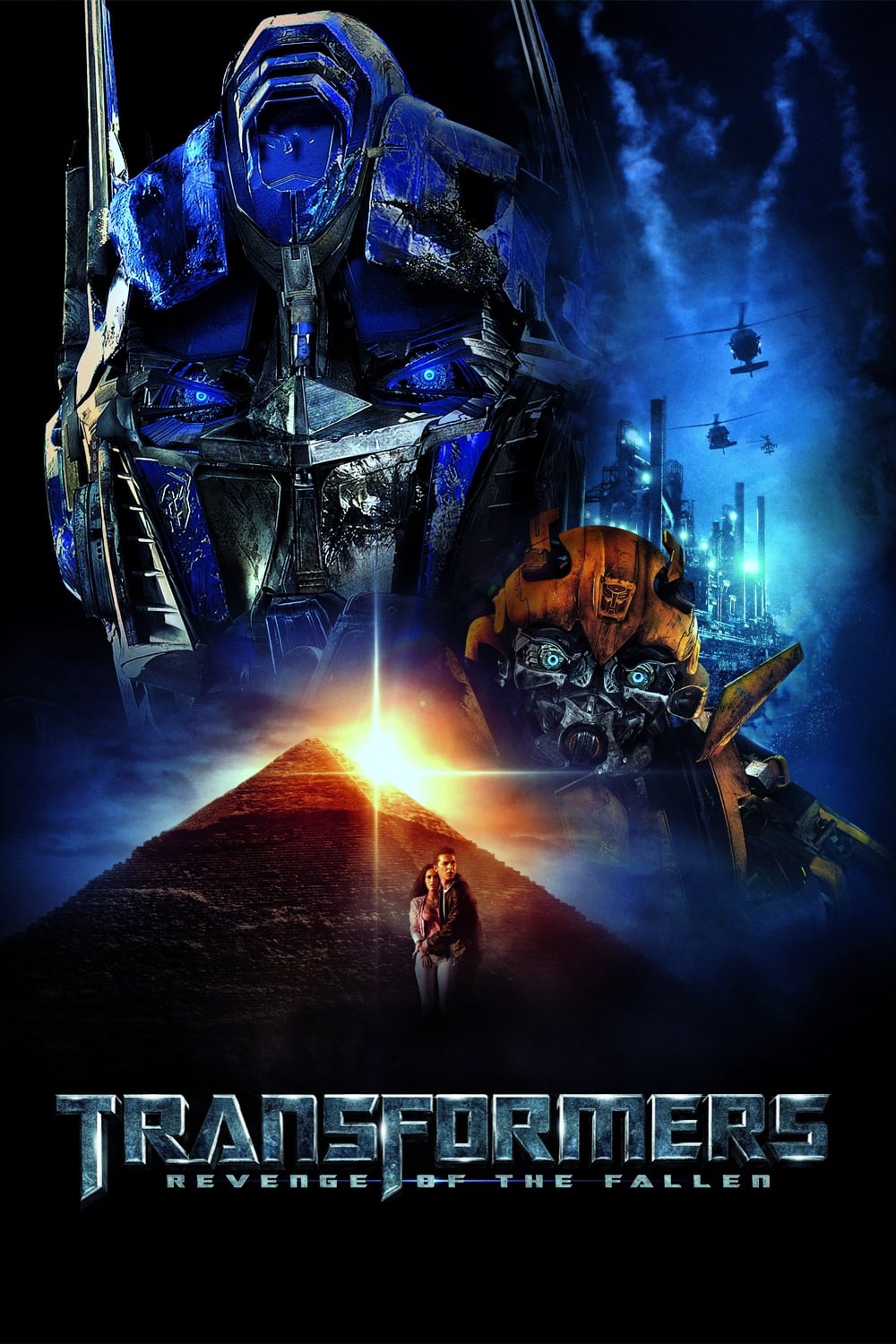
Michael Bay famously referred to the second installment of his robot franchise as “crap” in a post-release interview. He blamed the 2007–2008 writers’ strike for forcing the production to proceed without a completed script. The director admitted that the story was weak and that the film relied too heavily on action sequences to compensate for narrative gaps. Bay expressed regret for the movie’s quality while promising that future installments would be an improvement.
‘Babylon A.D.’ (2008)
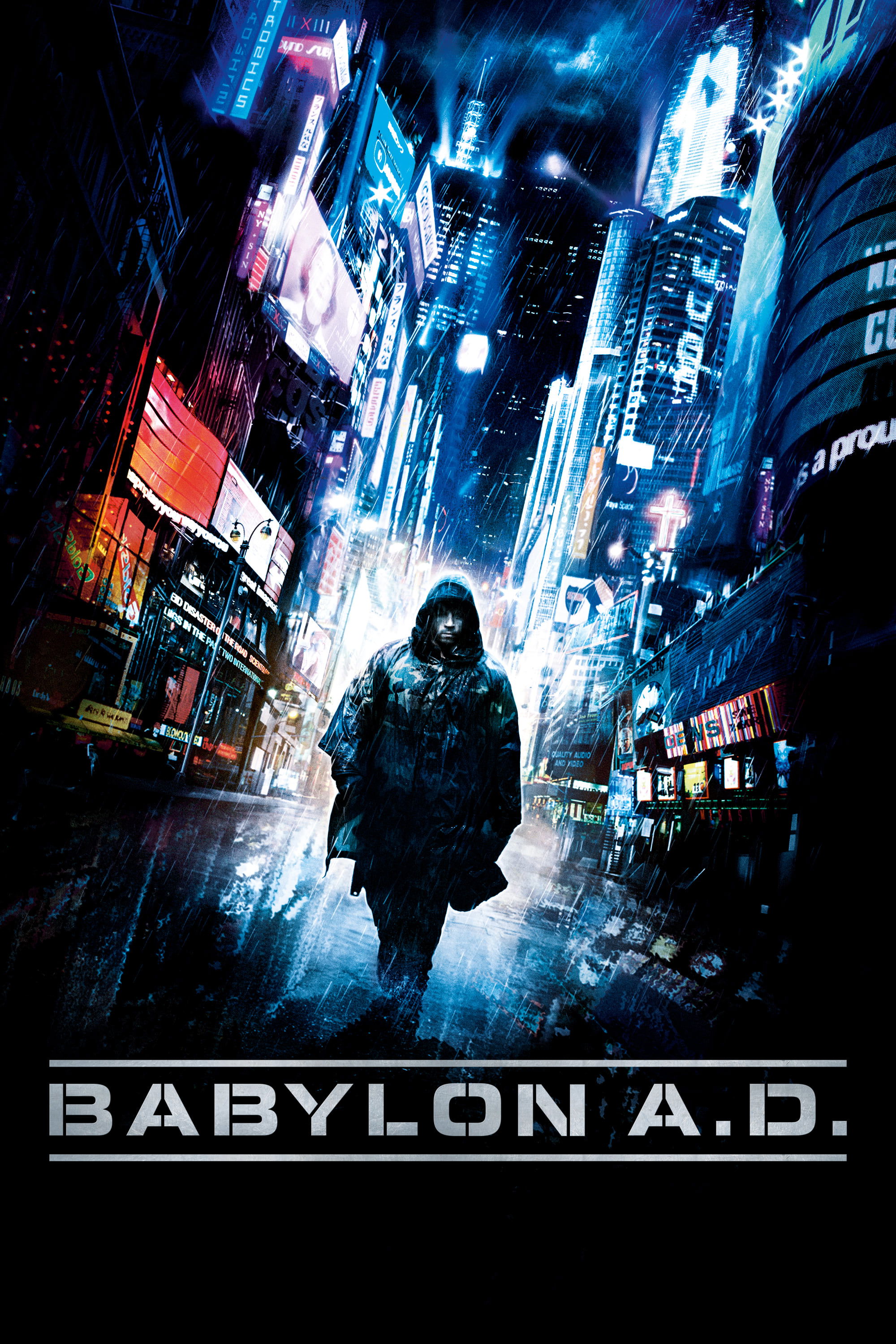
Mathieu Kassovitz denounced his own film shortly before its release, describing it as “pure shit” during a press interview. He accused the studio of interference and claimed they turned the project into a mindless action movie. The director expressed frustration that his philosophical vision for the story was completely stripped away during the editing process. He went as far as to warn audiences that the version appearing in theaters was not his film.
‘Spider-Man 3’ (2007)
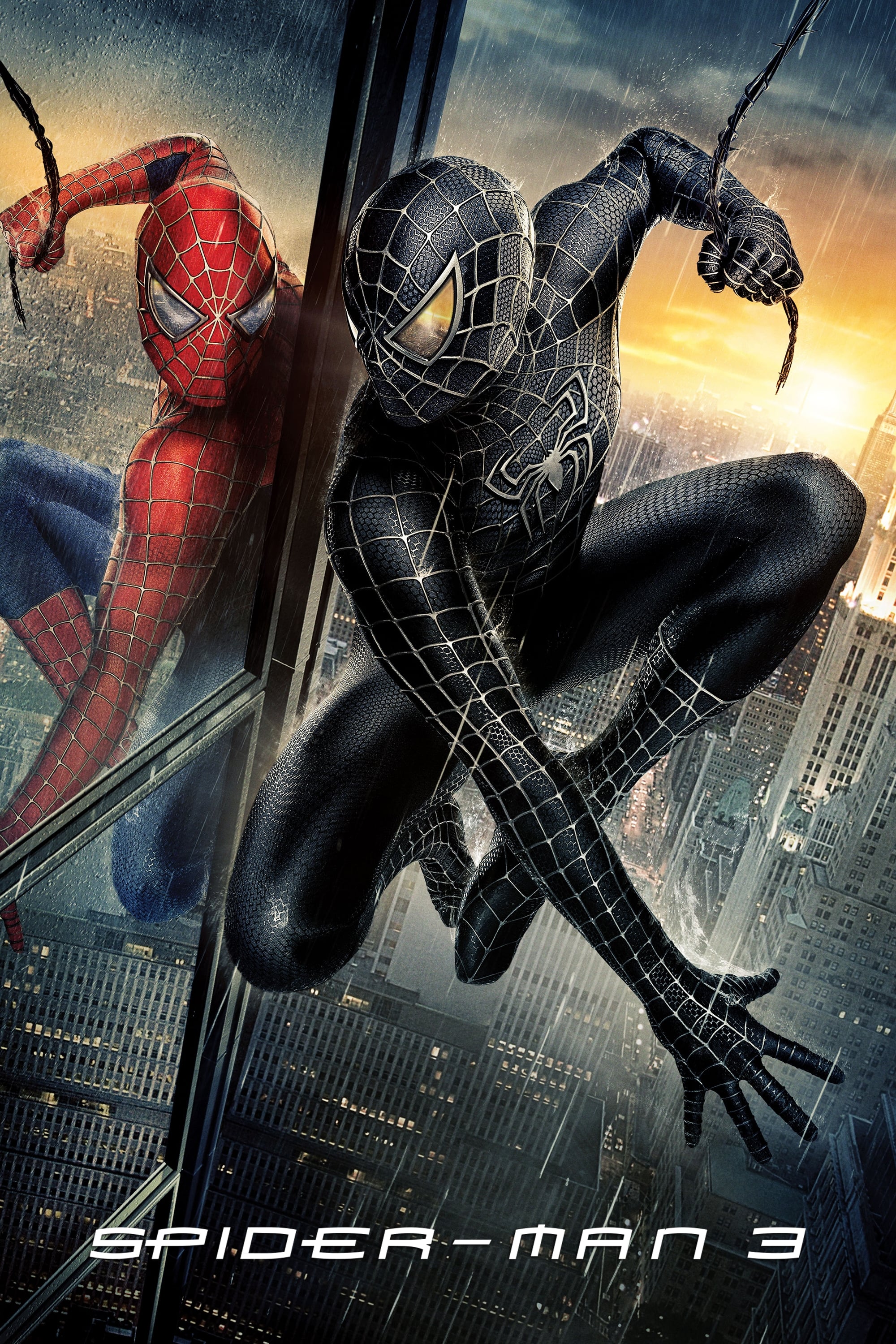
Sam Raimi admitted in a podcast interview that the final chapter of his superhero trilogy “just didn’t work.” He noted that he didn’t truly believe in all the characters he was forced to include, specifically referring to the addition of Venom. The director felt that the movie lacked the heart of the previous two installments because he was trying to satisfy too many different requirements. He apologized to fans for the drop in quality and expressed his desire to have done a better job.
‘Hollow Man’ (2000)
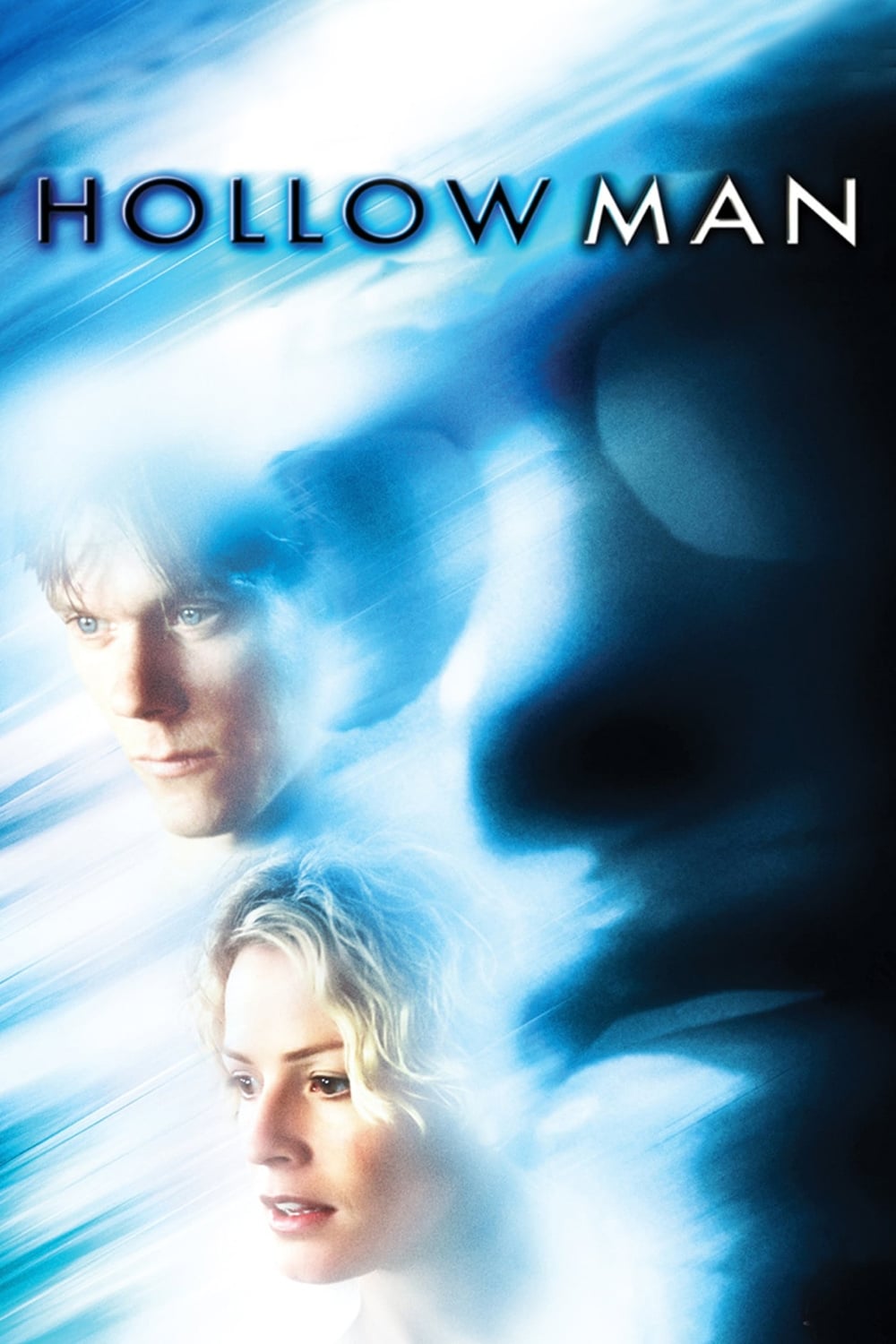
Paul Verhoeven has stated that this sci-fi thriller is a film he cannot defend and regrets making. He admitted that he took the project primarily because of the advanced digital effects and lacked a personal connection to the story. The director felt that the final product was soulless and that it lacked the satirical edge present in his other American works. He has since used the experience to explain why he eventually decided to leave the Hollywood studio system.
‘Godzilla’ (1998)

Director Roland Emmerich has admitted that he never truly wanted to make this American reimagining of the classic kaiju. He revealed that he tried to get out of the deal by proposing radical changes to the monster’s design, hoping the studio would reject them. When the studio agreed, he felt stuck with a project that he did not have a passion for. Emmerich has acknowledged that the resulting film was a mistake and that it failed to capture the spirit of the original character.
‘Batman & Robin’ (1997)
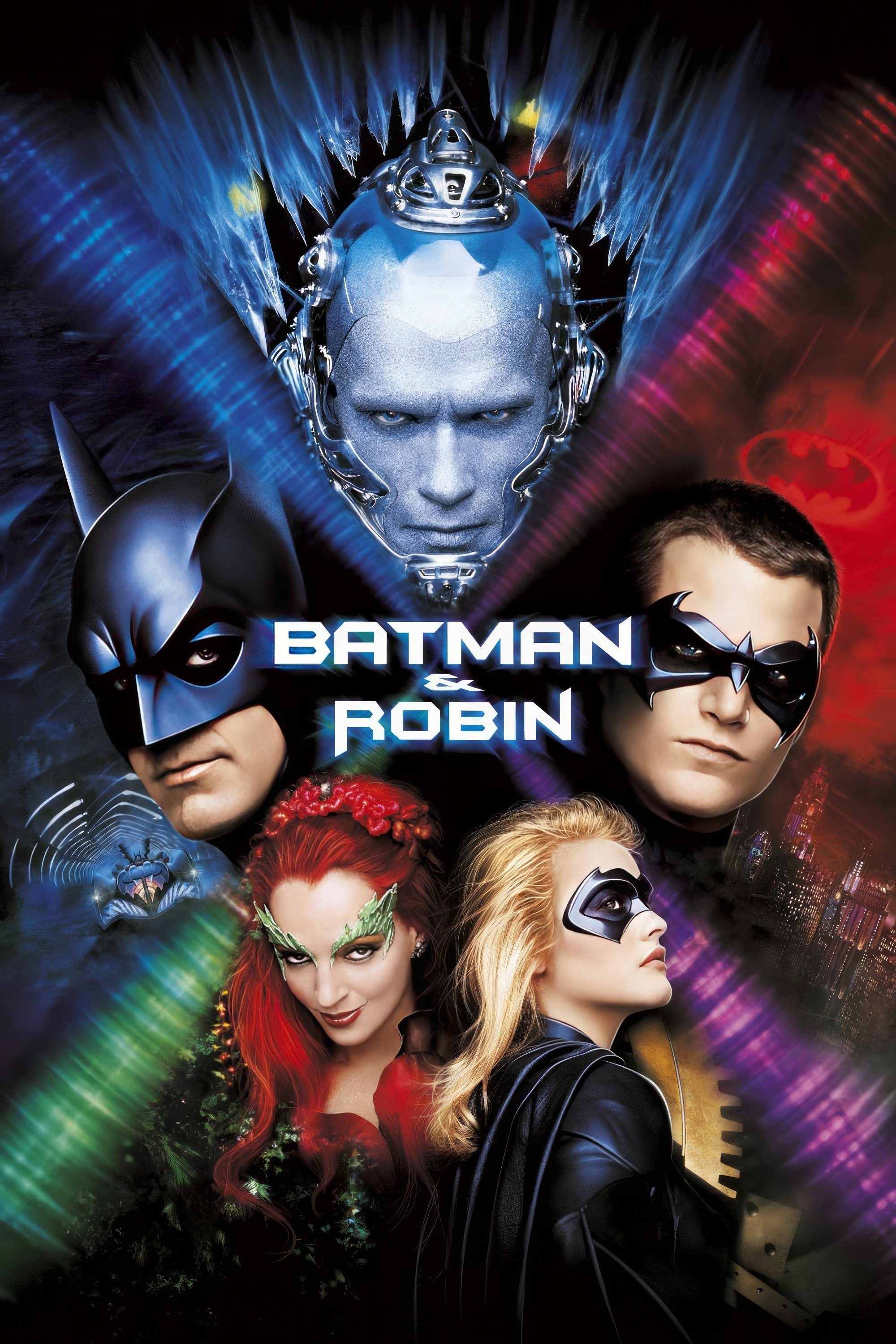
Joel Schumacher repeatedly apologized for the campy tone and the inclusion of controversial design elements like the “bat-nipples” in this sequel. He stated that his intention was only to entertain and expressed deep regret for disappointing fans of the franchise. The director took full responsibility for the movie’s failure and acknowledged that it nearly killed the ‘Batman’ film series. He often mentioned that he felt he owed an apology to everyone who went into the theater with high expectations.
‘Showgirls’ (1995)

Director Paul Verhoeven famously showed up at the Razzie Awards to personally accept his trophies for this erotic drama. Years later, he issued a public apology to lead actress Elizabeth Berkley for how the film’s negative reception damaged her career. He admitted that the film’s aggressive tone was his responsibility and that he felt bad for the harsh treatment she received from critics. Verhoeven’s willingness to own the film’s failure has become a legendary moment in Hollywood history.
‘Mallrats’ (1995)

Kevin Smith spent years apologizing for the critical and commercial failure of his second feature film. During various public appearances and Q&A sessions, he joked about the movie’s poor reception and the “sophomore slump” he experienced. While the film eventually gained a cult following, Smith was initially devastated by its performance at the box office. He often used self-deprecating humor to address the fact that the movie did not live up to the success of ‘Clerks’.
‘Alien³’ (1992)
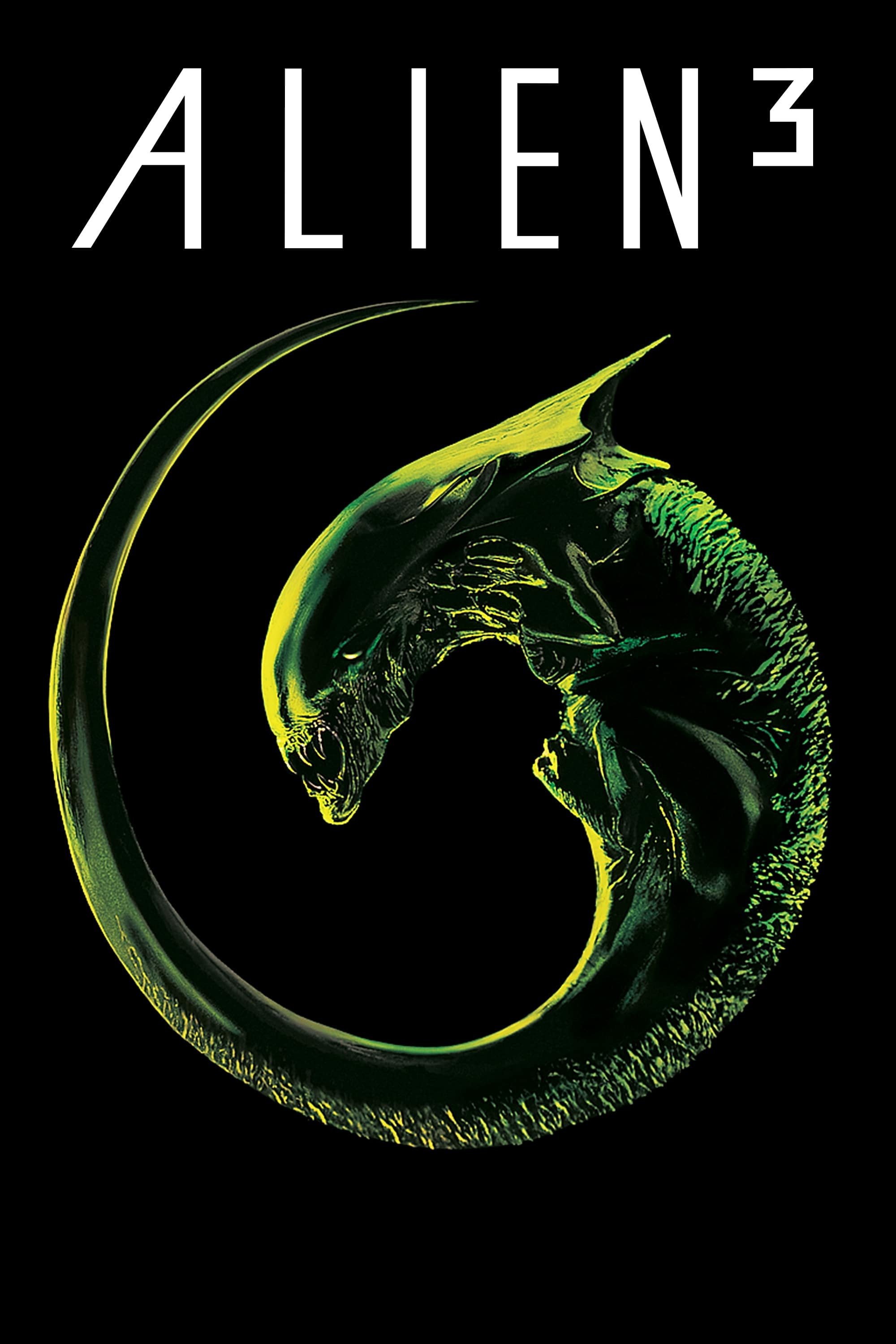
David Fincher has notoriously disowned his directorial debut, stating that nobody hates the film more than he does. He described the production as a nightmare involving constant studio interference and a lack of a finished script. The director was so frustrated by the experience that he initially considered quitting the film industry entirely. He has refused to participate in the creation of director’s cuts, insisting that the project was flawed from its inception.
‘Dune’ (1984)
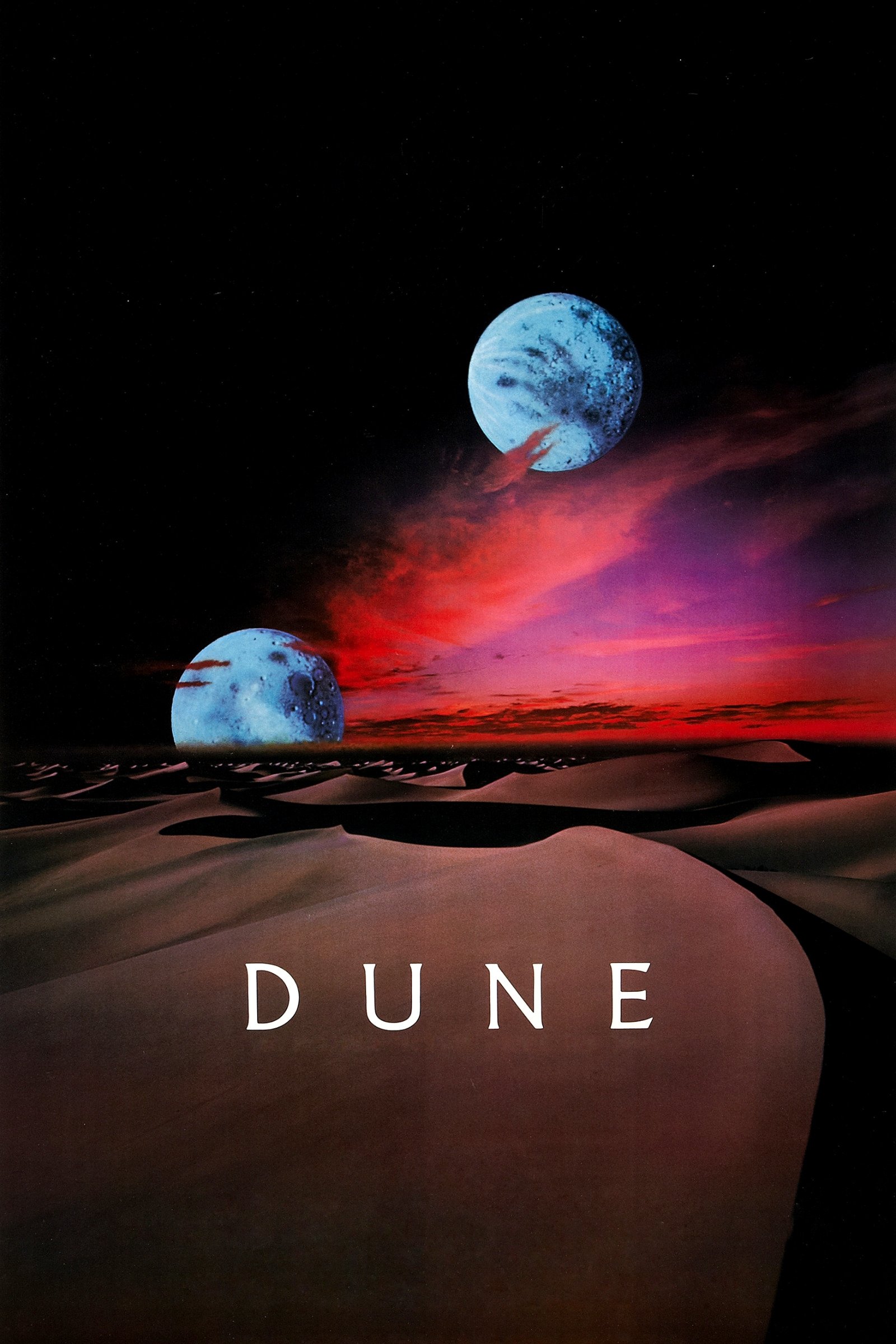
David Lynch has consistently referred to his adaptation of the classic sci-fi novel as a “total failure” and a source of great sadness. He expressed regret for not having final cut privilege, which led to the film being heavily edited by the studio. The director felt that he compromised his artistic integrity and that the final version did not represent his vision. Lynch has remained so disappointed in the project that he has avoided discussing it in detail for decades.
‘1941’ (1979)
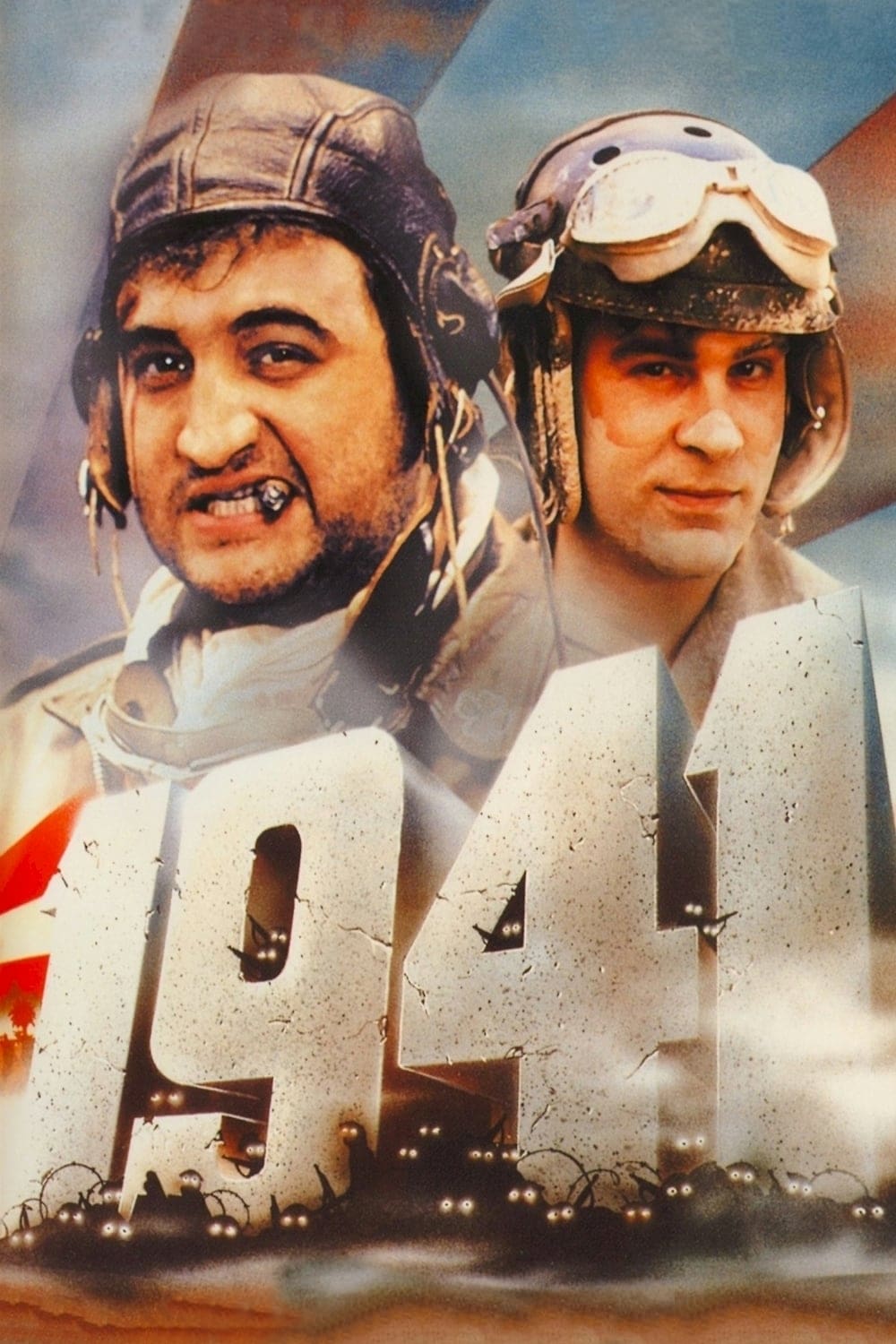
Steven Spielberg has admitted that he was overconfident and “out of control” while directing this big-budget comedy. He noted that the film’s production was marked by excess and a lack of focus on the core narrative. The director has called the movie a mistake and a valuable lesson in the importance of discipline on a film set. Despite its technical achievements, Spielberg acknowledged that the humor often missed the mark and failed to resonate with audiences.
‘Fear and Desire’ (1953)
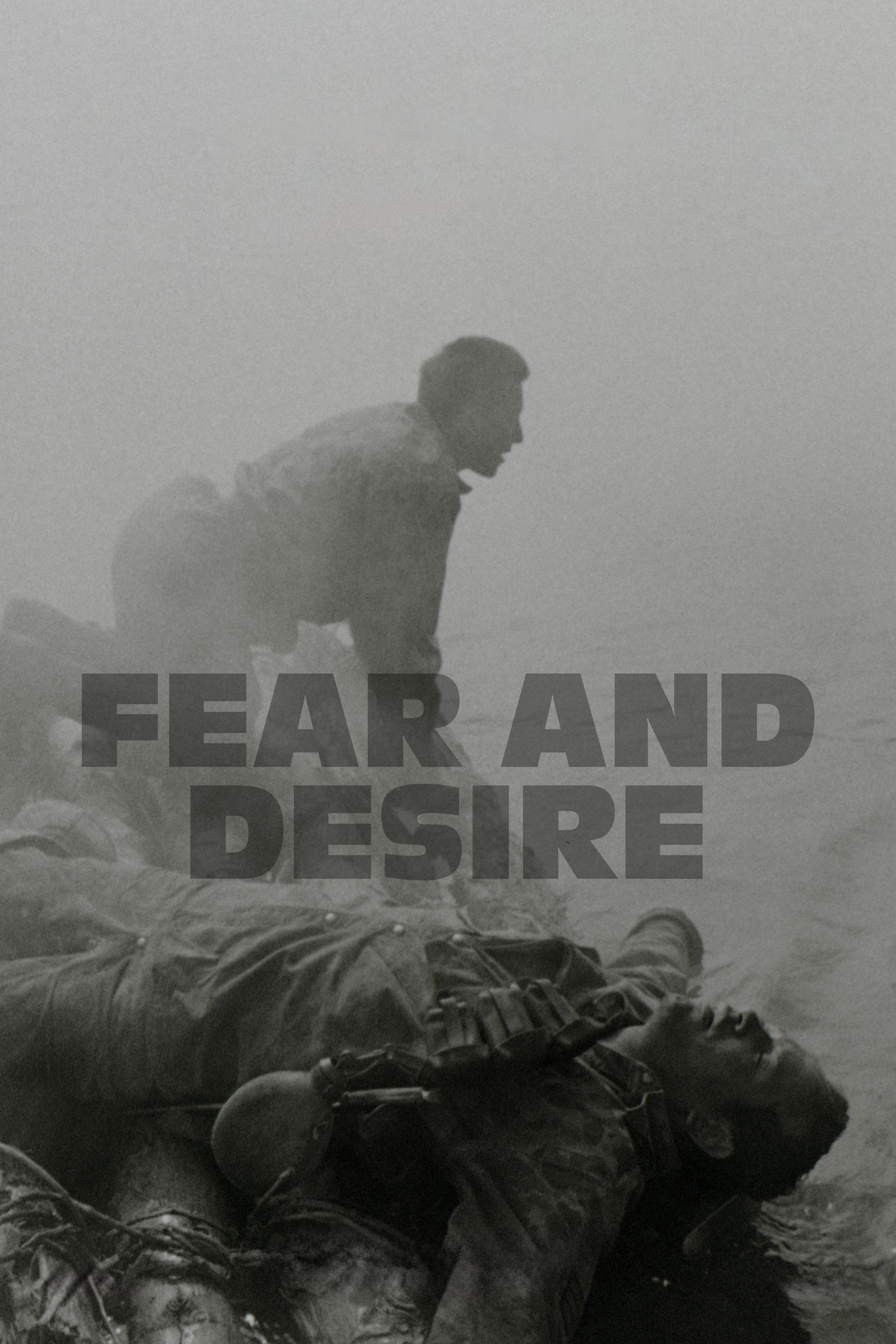
Stanley Kubrick famously tried to suppress the distribution of his first feature film later in his career. He released a statement through his publicist describing the movie as a “bumbling amateur film exercise” that he no longer wanted people to see. The director was embarrassed by the technical shortcomings and the writing of his debut project. He viewed it as a student work that was not representative of the high standards he set for his later masterpieces.
Tell us what you think about these director apologies in the comments.