Christopher Nolan Has Revealed His Ten Favourite Movies – and Here They Are

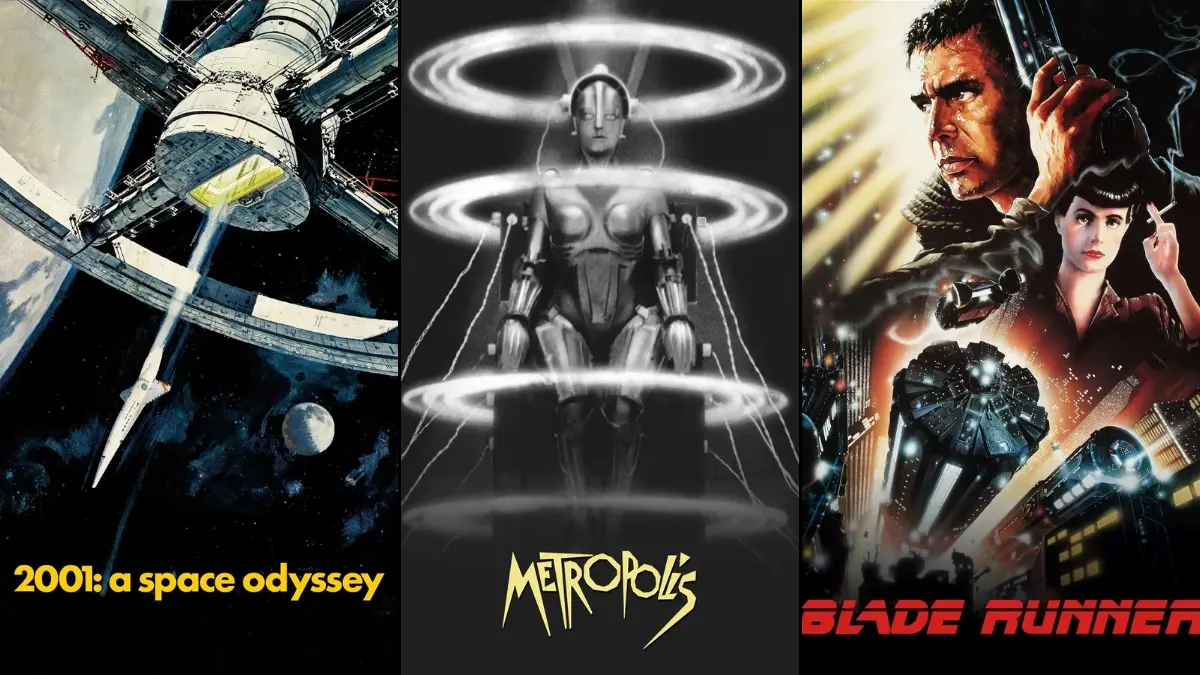

Christopher Nolan is widely recognized for his intricate narratives, practical effects, and grand cinematic scale, all of which are rooted in his deep appreciation for film history. Throughout his career, the director has frequently cited a specific selection of classic and contemporary films that have shaped his approach to storytelling and visual design. These movies range from silent-era masterpieces to high-octane action thrillers, reflecting the diverse influences behind his own filmography. By examining these personal favorites, audiences can gain a clearer understanding of the thematic and technical foundations found in works like ‘Inception’ and ‘Interstellar’.
‘Metropolis’ (1927)
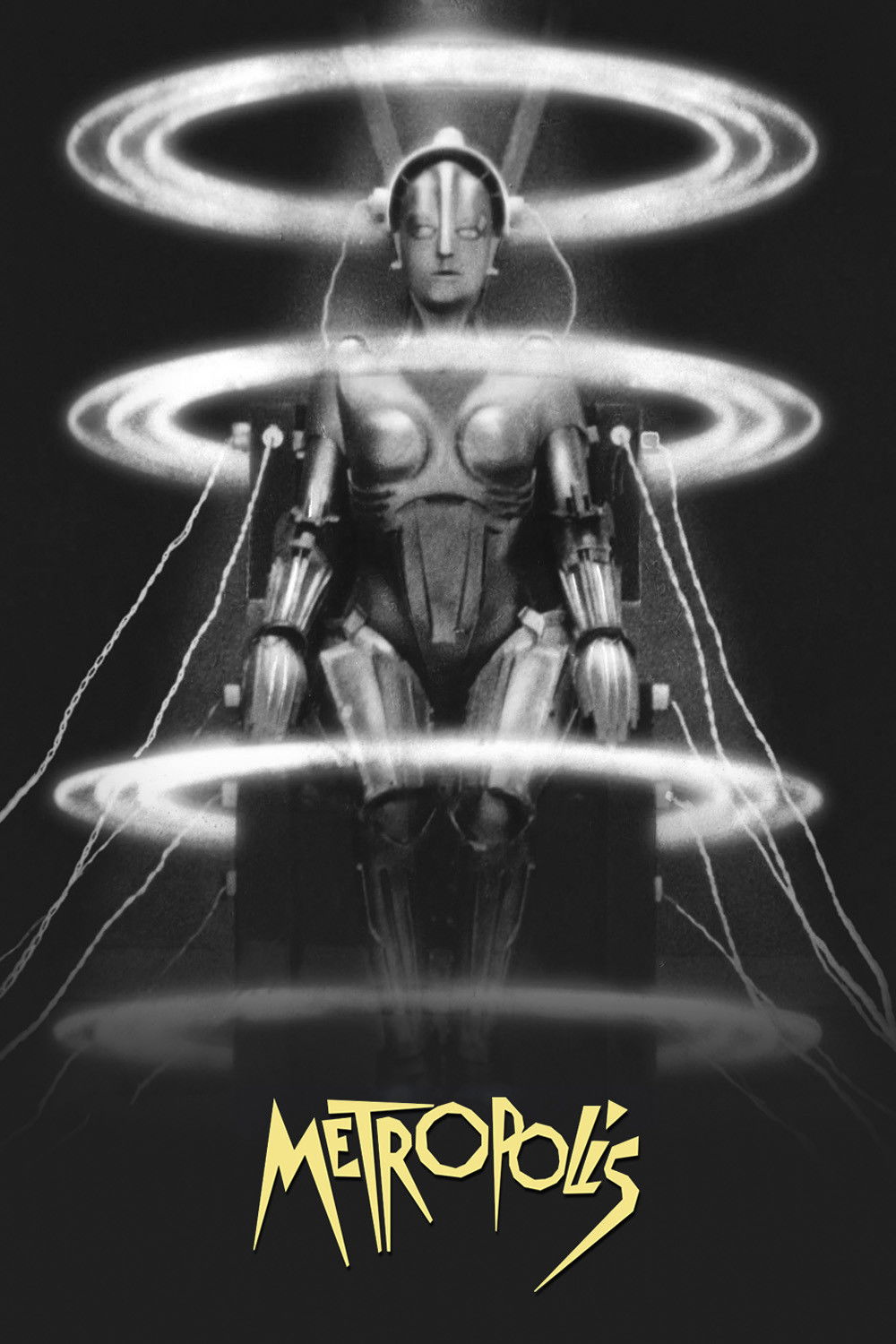
This German Expressionist masterpiece depicts a starkly divided society in a futuristic urban landscape where the working class lives underground. The story follows a wealthy youth and a saintly worker who seek to bridge the gap between classes and prevent a violent uprising. It features iconic visual designs and early special effects that have shaped the science fiction genre for nearly a century. Christopher Nolan identifies the film as an essential touchstone for large-scale, architecturally driven storytelling in cinema. The film’s influence can be seen in the grand, structured cities that appear throughout Nolan’s work.
‘The Testament of Dr. Mabuse’ (1933)
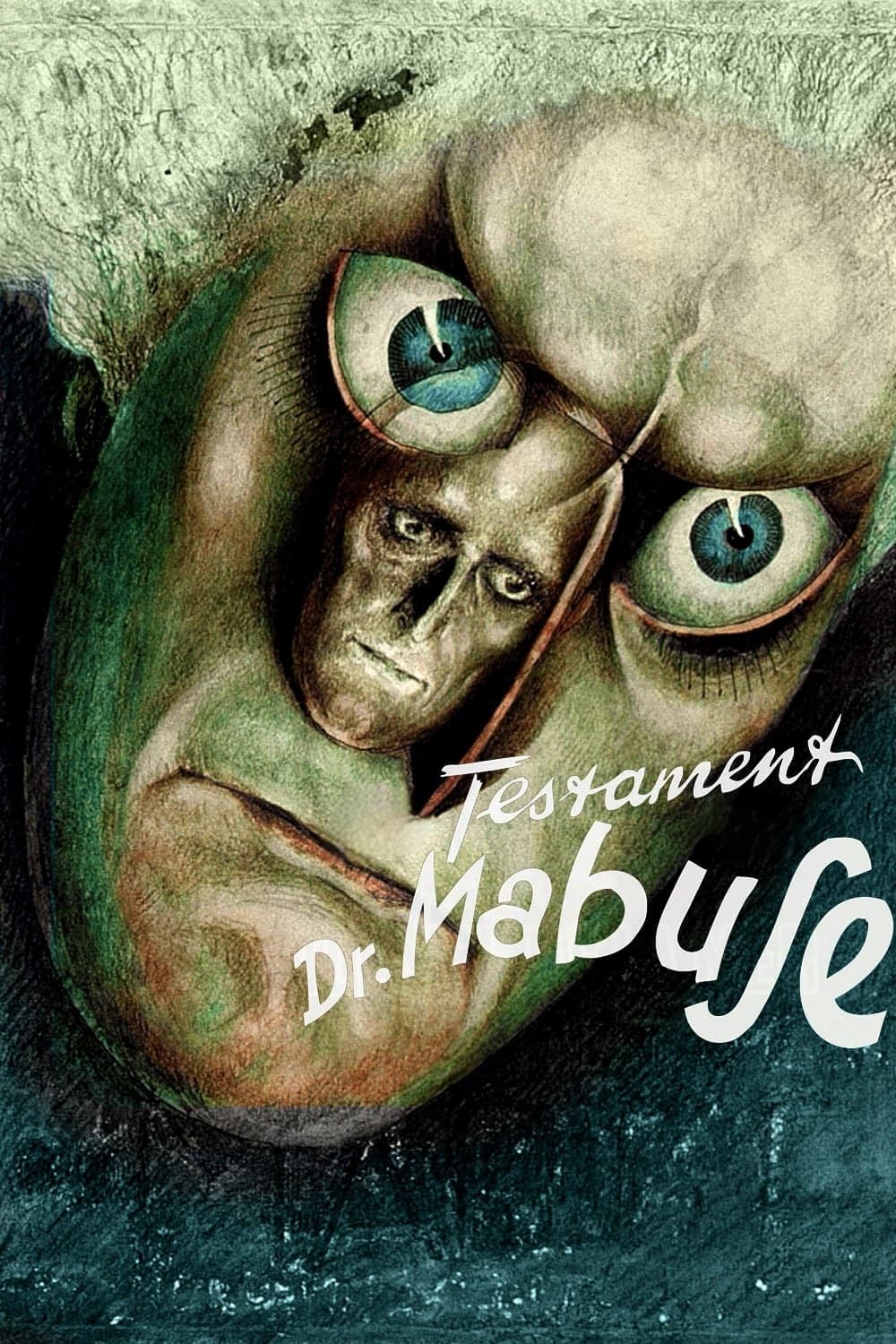
A criminal mastermind continues to direct a wave of terror from within an asylum using hypnosis and psychological manipulation. This early sound film by Fritz Lang blends elements of noir and horror to create a tense, atmospheric thriller. The narrative highlights the power of dangerous ideas and the fragility of social order under the threat of organized chaos. Christopher Nolan has specifically referenced the character of Dr. Mabuse as a key influence on his portrayal of complex, intellectual antagonists. The film is celebrated for its innovative use of sound and its pioneering exploration of criminal psychology.
‘Lawrence of Arabia’ (1962)
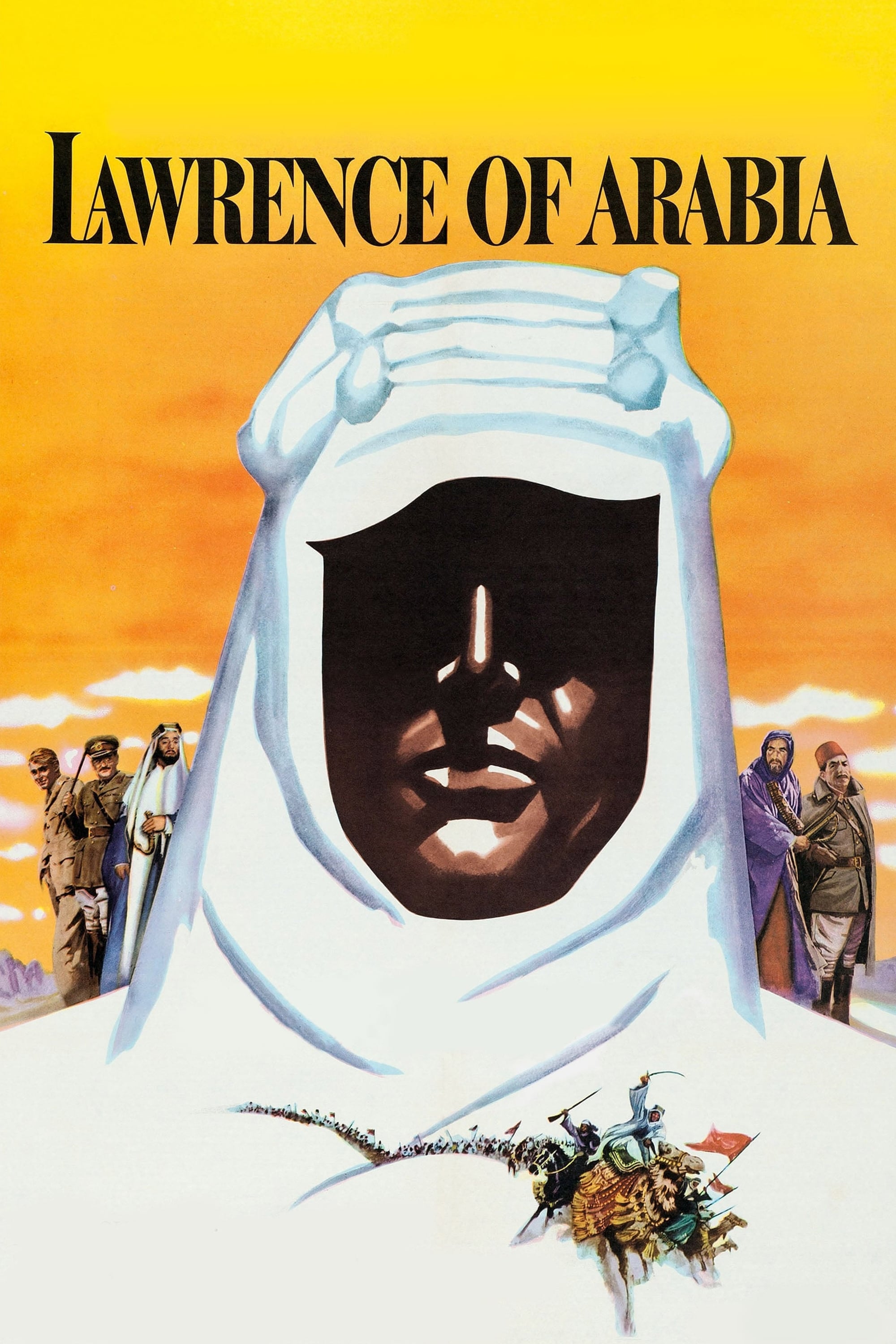
This epic biographical drama tells the story of T.E. Lawrence and his role in the Arab Revolt during World War I. David Lean’s use of 70mm cinematography created some of the most enduring and expansive desert vistas in film history. The narrative delves into the psychological complexity of a man caught between two cultures and his own growing ambition. Christopher Nolan frequently cites ‘Lawrence of Arabia’ as the gold standard for large-scale, immersive cinematic storytelling. The film’s influence is seen in Nolan’s preference for filming on large-format film and his focus on morally ambiguous protagonists.
‘2001: A Space Odyssey’ (1968)
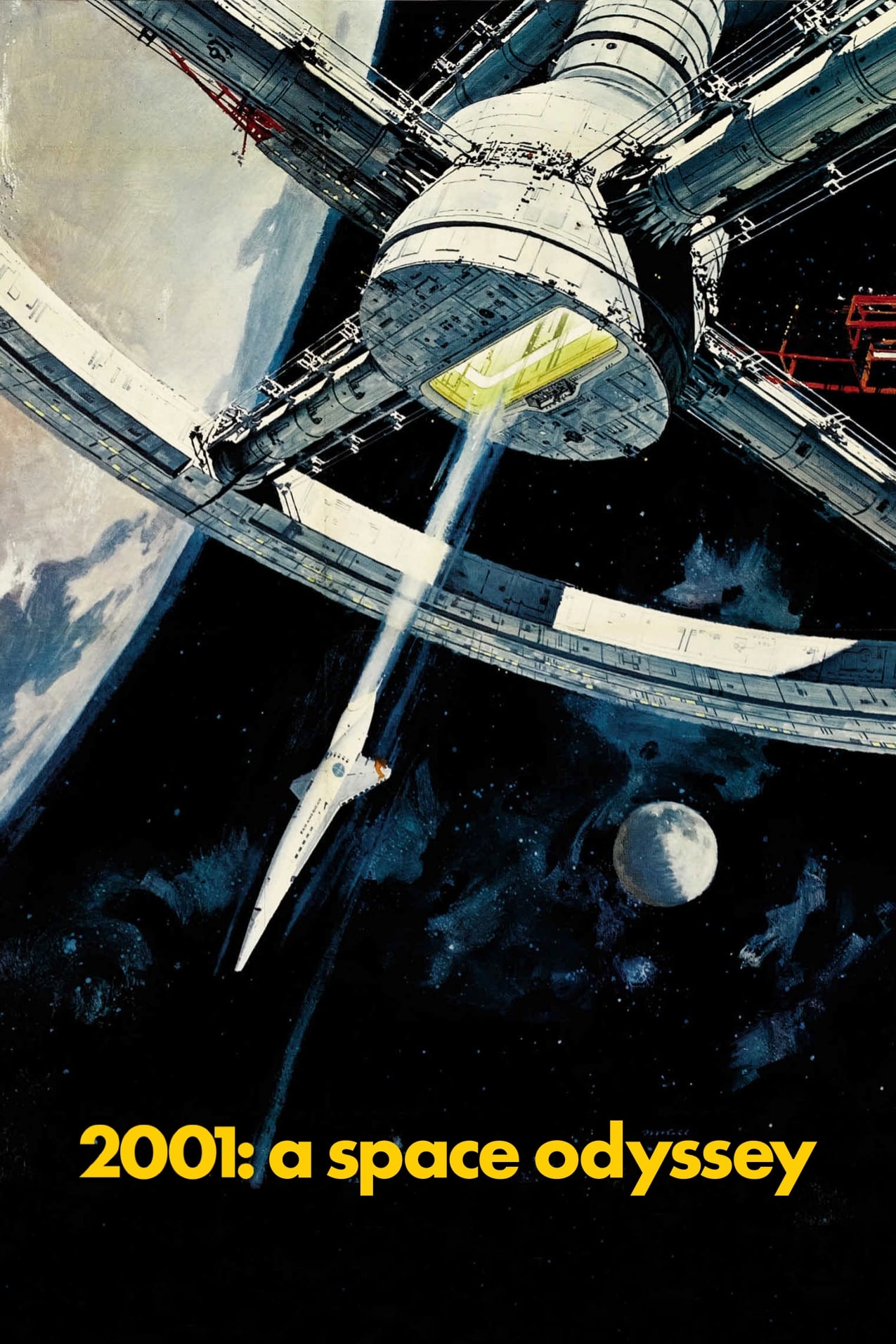
The narrative spans human history from the dawn of man to a journey toward Jupiter involving a sentient supercomputer named HAL 9000. Stanley Kubrick utilized revolutionary practical effects and minimal dialogue to convey a grand sense of cosmic mystery and human insignificance. The film remains a definitive exploration of human evolution, technological advancement, and extraterrestrial life. Christopher Nolan considers ‘2001: A Space Odyssey’ to be one of the most immersive and transformative cinematic experiences ever created. Its influence is particularly evident in the visual and narrative ambition of his film ‘Interstellar’.
‘Star Wars’ (1977)
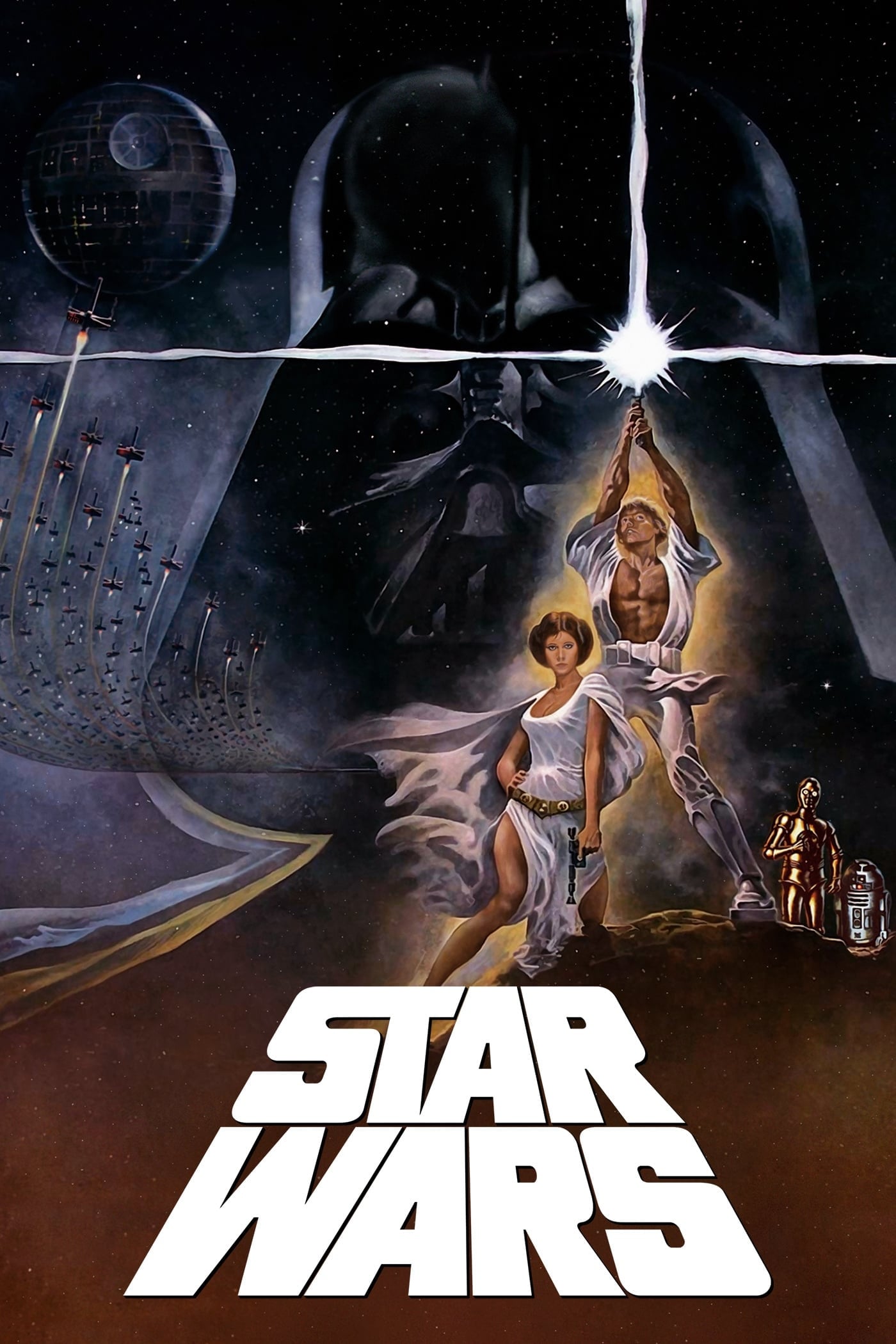
A young farm boy joins a rebellion against a galactic empire after discovering a mysterious message hidden in a droid. The film revolutionized the industry with its innovative special effects and mythological storytelling inspired by Joseph Campbell. Christopher Nolan has often cited seeing this film in 1977 as a foundational experience that opened his eyes to the possibilities of cinematic world-building. He credits the film’s immersive quality as a major reason he became interested in the power of the blockbuster. Its success proved that grand-scale science fiction could achieve both critical and commercial heights.
‘Chariots of Fire’ (1981)
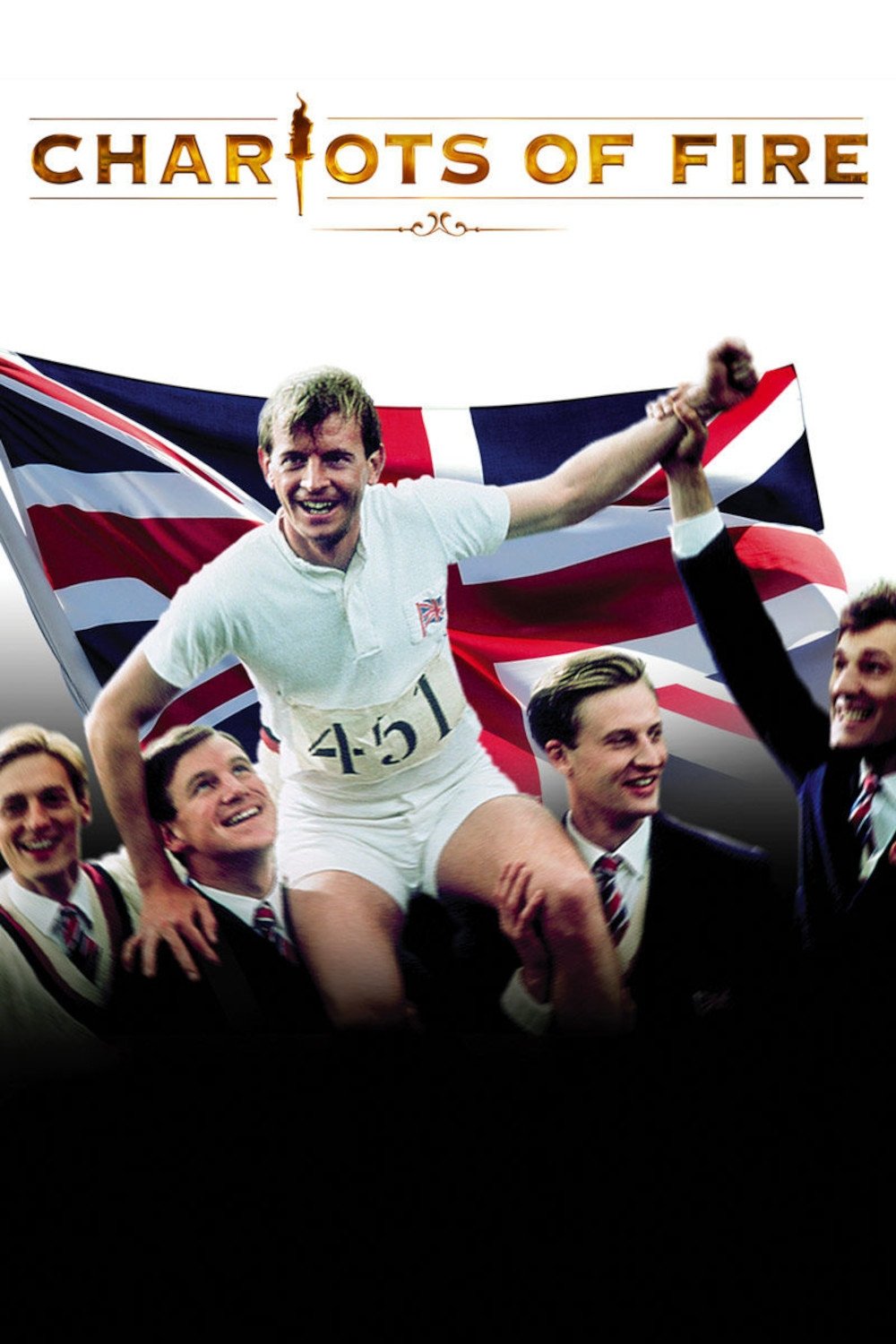
Two British track athletes from different religious and social backgrounds strive for Olympic gold in the 1924 Games. The story focuses on the themes of faith, integrity, and the sheer drive to succeed against personal and societal challenges. It is famous for its iconic electronic score by Vangelis and slow-motion sequences that capture the intensity of athletic competition. Christopher Nolan has noted the film’s ability to evoke profound emotion through its portrayal of human perseverance and individual conviction. The film won several Academy Awards, including Best Picture, for its inspiring storytelling and direction.
‘Blade Runner’ (1982)
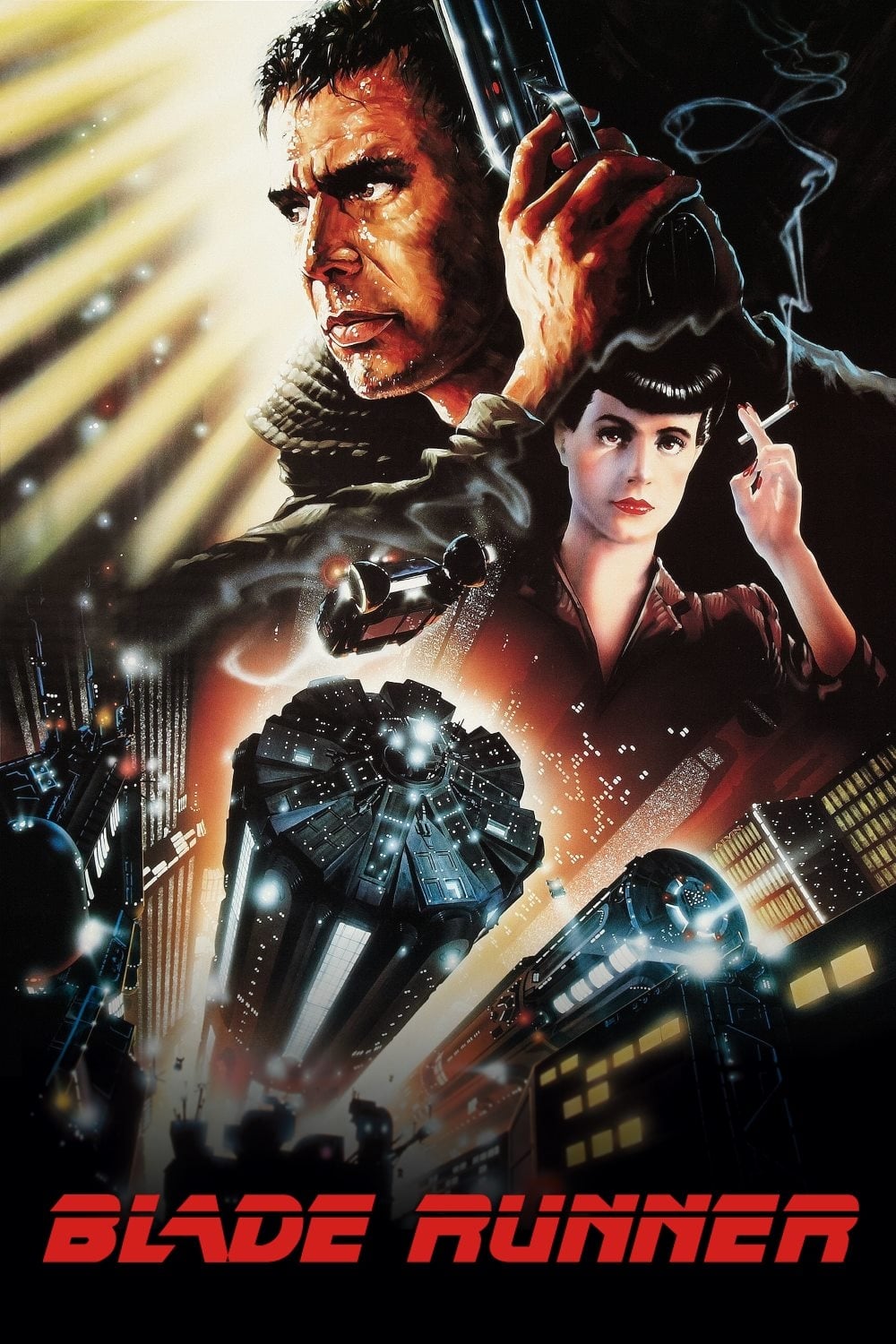
In a dystopian future, a retired police officer is tasked with hunting down four fugitive bioengineered humanoids known as replicants. The film examines deep philosophical questions regarding the nature of humanity, memory, and artificial intelligence. Ridley Scott’s meticulous world-building created a blueprint for modern science fiction aesthetics through its use of lighting and practical sets. Christopher Nolan has often mentioned how ‘Blade Runner’ influenced the grounded, textured look of his cinematic environments. The movie remains a cornerstone of the cyberpunk genre and a masterclass in atmospheric filmmaking.
‘The Right Stuff’ (1983)

Based on the book by Tom Wolfe, the film chronicles the early days of the U.S. space program and the lives of the Mercury Seven astronauts. It explores the courage and technical challenges required to push the boundaries of human flight and test pilot endurance. The production emphasizes the visceral nature of high-speed travel through ground-breaking practical effects and aerial cinematography. Christopher Nolan screened this film for his crew during the production of ‘Interstellar’ to capture its sense of realism and adventurous spirit. The movie is praised for balancing historical accuracy with compelling character drama.
‘Speed’ (1994)
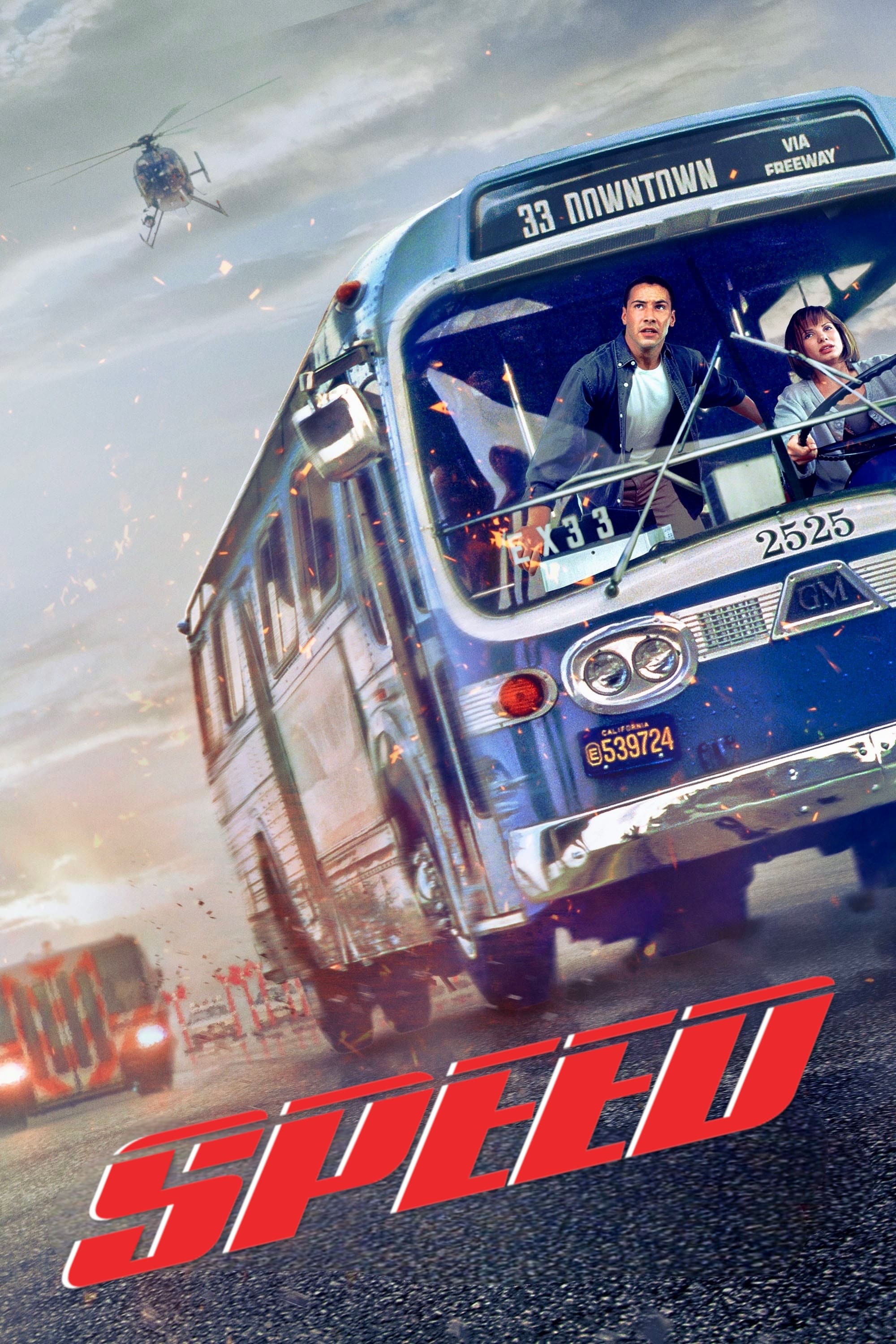
A Los Angeles police officer must prevent a bomb on a public bus from exploding by keeping the vehicle’s speed above fifty miles per hour. The film is renowned for its relentless pacing and inventive use of a confined setting to generate constant tension. It showcases a mastery of mechanical suspense and high-stakes action choreography within a ticking-clock narrative. Christopher Nolan has lauded the film for its narrative momentum and its effective use of a singular, driving premise. The movie demonstrates how a simple concept can be expanded into a complex and engaging cinematic experience.
‘Heat’ (1995)

A master criminal and a veteran cop play a high-stakes game of cat and mouse across the streets of Los Angeles. Christopher Nolan has frequently cited this crime saga as a primary influence on the visual style and urban atmosphere of his own films. The narrative explores the parallel lives and professional obsessions of two men on opposite sides of the law. This Michael Mann classic is renowned for its realistic approach to sound design and tactical action sequences. The film’s meticulous attention to detail and large ensemble cast set a new standard for the modern heist genre.
Please share your thoughts on Christopher Nolan’s cinematic inspirations in the comments.