Aubrey Plaza Has Revealed Her 10 Favourite Films

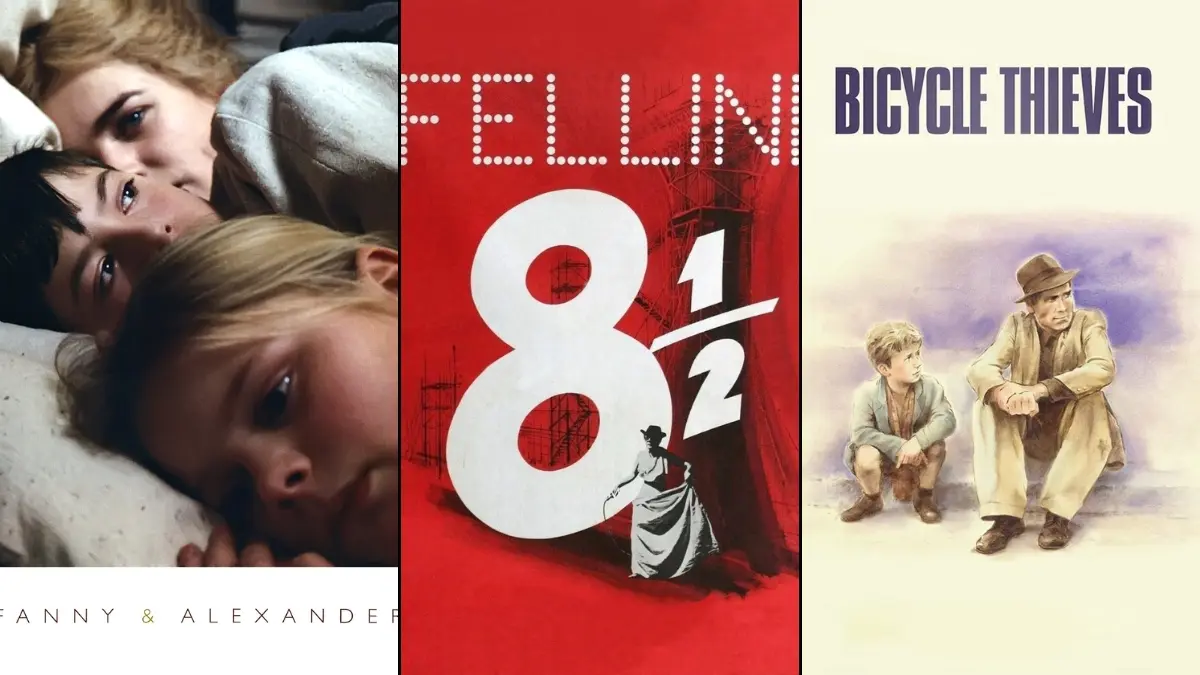

Aubrey Plaza has frequently shared her deep appreciation for world cinema and independent filmmaking throughout her career. Her tastes lean toward character-driven narratives, complex emotional landscapes, and the works of iconic directors like John Cassavetes and Ingmar Bergman. This collection of films highlights her interest in psychological depth and unconventional storytelling techniques that often challenge traditional cinematic structures. These selections provide a glimpse into the specific artistic influences that have shaped her career as both an actress and producer.
‘A Woman Under The Influence’ (1974)
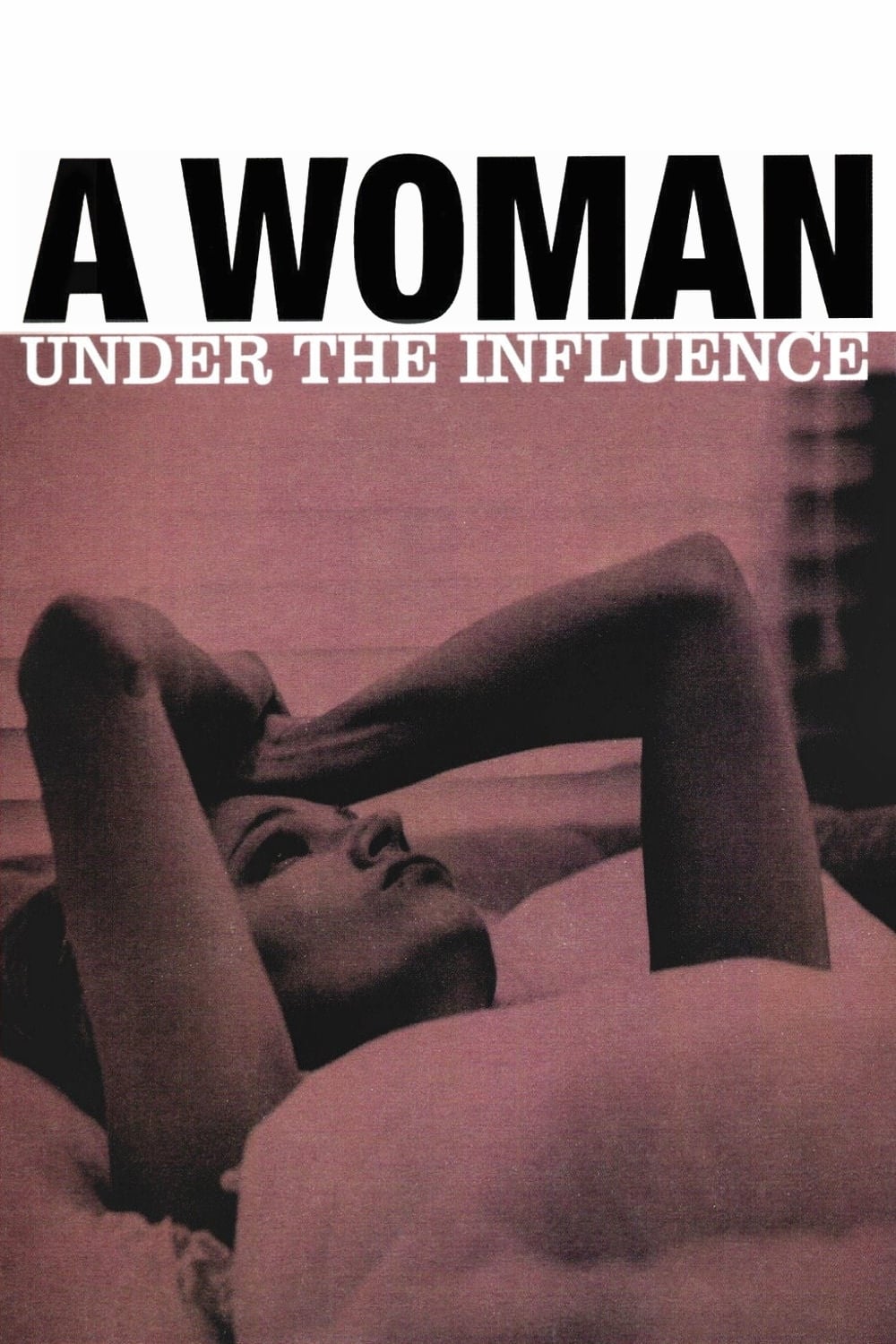
Directed by John Cassavetes, this film follows the emotional breakdown of a housewife and the subsequent impact on her family. Gena Rowlands delivers a powerful performance as Mabel Longhetti, a woman struggling with her mental health while trying to fulfill domestic expectations. Her husband, played by Peter Falk, attempts to navigate the crisis as her behavior becomes increasingly erratic. The movie is widely cited for its raw, improvisational style and its unflinching look at suburban life. Aubrey Plaza has identified this work as a major influence on her own approach to dramatic performance.
‘Opening Night’ (1977)
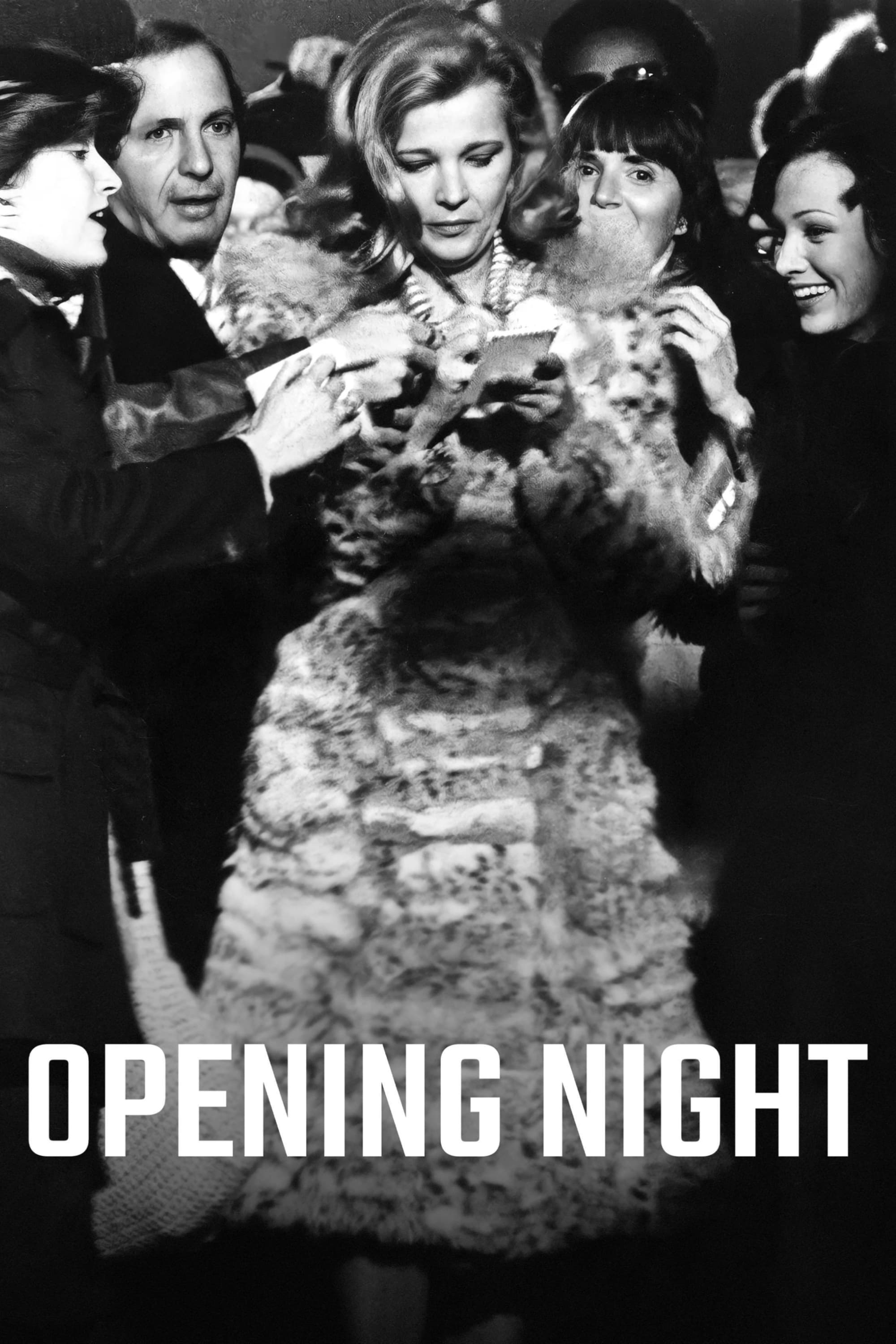
‘Opening Night’ explores the psychological turmoil of a stage actress, Myrtle Gordon, after she witnesses the accidental death of a young fan. As she prepares for a new play about the stages of aging, she begins to confront her own mortality and professional anxieties. John Cassavetes directs the film, emphasizing the blurred lines between a performer’s stage persona and their actual identity. The narrative focuses on the internal struggle of maintaining artistic integrity amidst personal chaos. It remains a hallmark of independent cinema and a testament to the long-term collaboration between Cassavetes and Rowlands.
‘Ali: Fear Eats the Soul’ (1974)
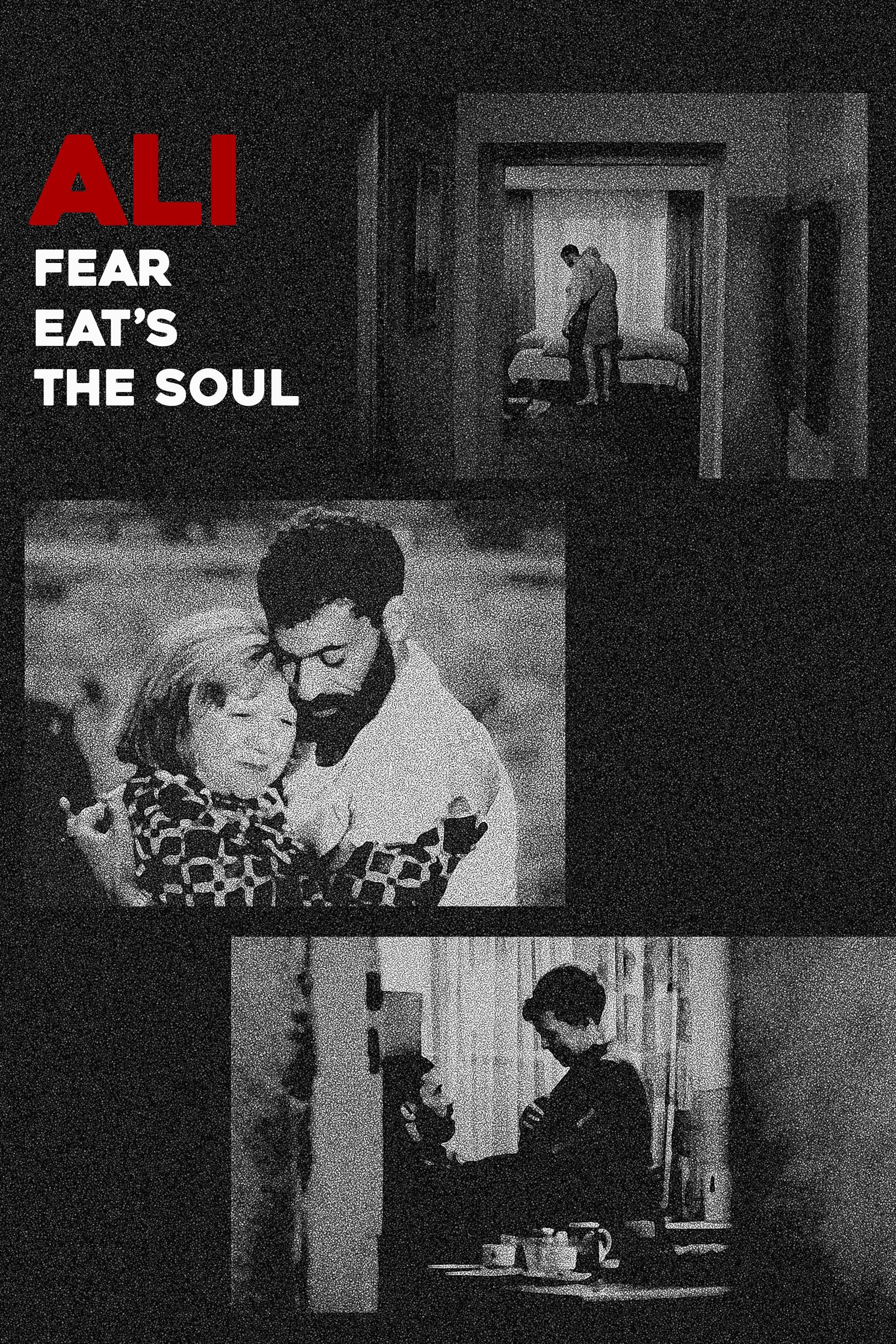
Rainer Werner Fassbinder directed this poignant drama about an unlikely romance between an elderly German widow and a much younger Moroccan migrant worker. The couple faces intense social prejudice and xenophobia from their neighbors, coworkers, and family members. This film serves as a stylized homage to Douglas Sirk’s melodramas, utilizing vibrant colors and deliberate staging to highlight societal isolation. The story delves into themes of loneliness and the fragile nature of human connection in a divided society. It is frequently recognized as one of Fassbinder’s most significant and emotionally accessible masterpieces.
‘Bicycle Thieves’ (1948)

‘Bicycle Thieves’ is a foundational work of Italian Neorealism directed by Vittorio De Sica. Set in post-war Rome, it follows a poor father who finally finds a job posting posters, only for his essential bicycle to be stolen on his first day. He and his young son spend the day scouring the city in a desperate attempt to recover the vehicle before he loses his employment. The film utilizes non-professional actors and location shooting to present an authentic portrayal of economic hardship and desperation. It highlights the moral compromises individuals are forced to make when faced with systemic poverty.
‘Scenes From a Marriage’ (1974)
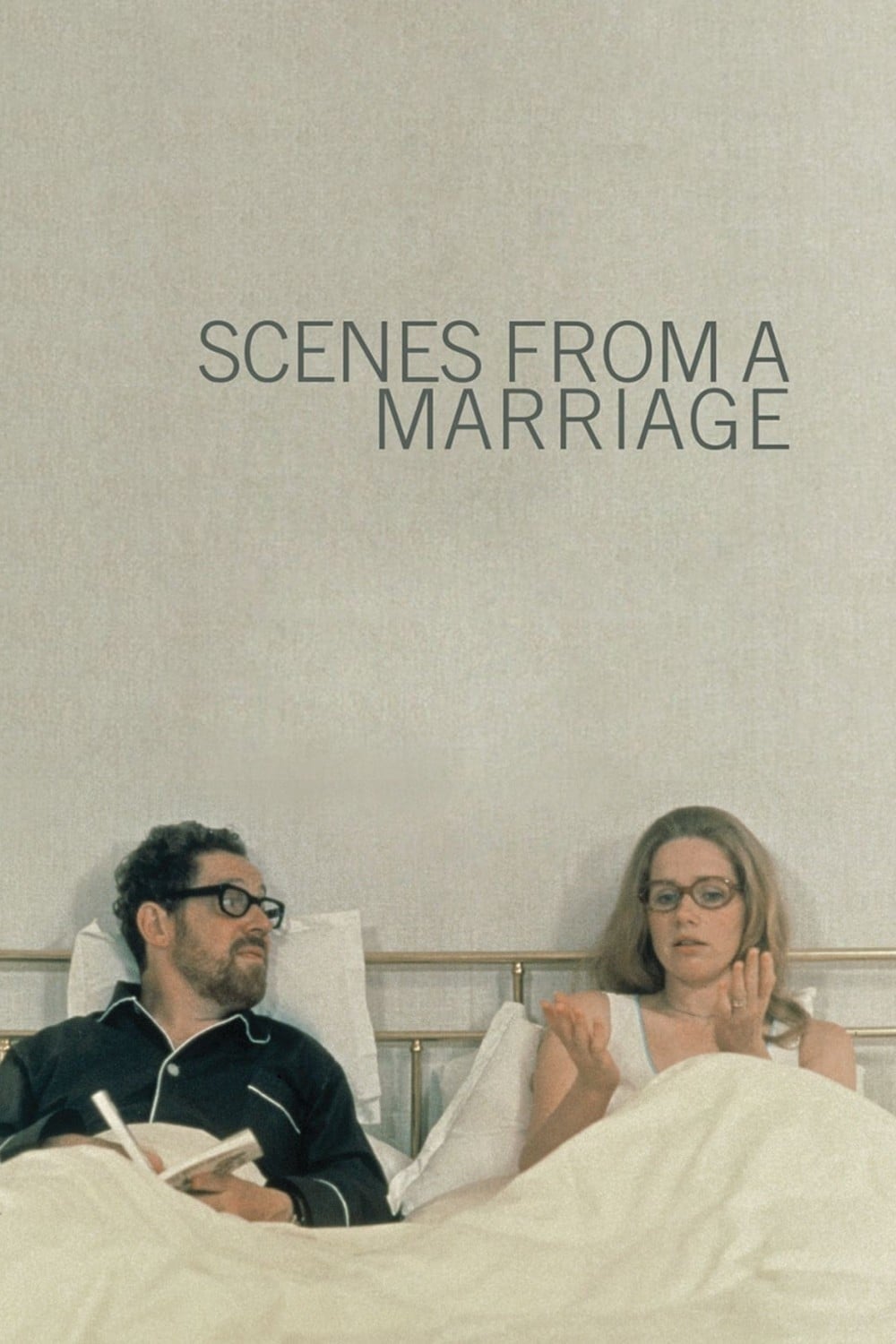
Originally a six-part miniseries, Ingmar Bergman’s ‘Scenes From a Marriage’ dissects the slow disintegration of a ten-year relationship. Starring Liv Ullmann and Erland Josephson, the narrative tracks the couple through infidelity, divorce, and eventual reconciliation. The script relies heavily on intense dialogue and close-up camerawork to capture the nuances of human emotion and conflict. This work influenced decades of domestic dramas and remains a definitive cinematic study of modern intimacy. Its exploration of the complexities of long-term partnership continues to resonate with contemporary audiences and filmmakers.
‘Fanny and Alexander’ (1982)

‘Fanny and Alexander’ is a semi-autobiographical epic directed by Ingmar Bergman that focuses on the lives of two siblings in early 20th-century Sweden. After their father’s death, their mother marries a strict bishop, leading to a drastic change in their domestic environment. The film contrasts the warmth of their theatrical family with the cold, repressive atmosphere of the bishop’s household. It incorporates elements of magical realism and lush cinematography to tell a sprawling family saga. This production won four Academy Awards and is often cited as the definitive late-career achievement for Bergman.
‘La Ciénaga’ (2001)
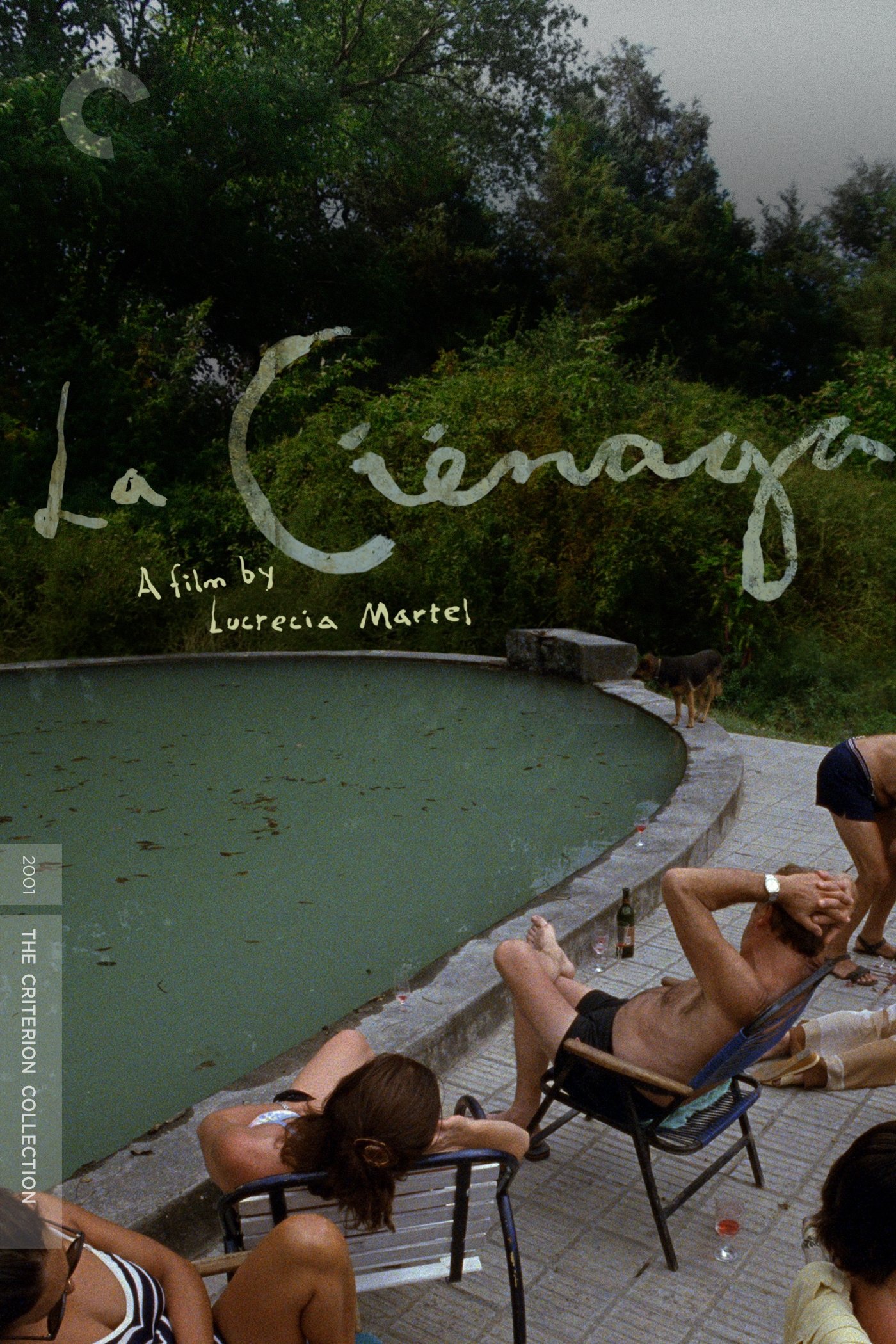
Lucrecia Martel’s debut feature, ‘La Ciénaga’, portrays the stagnation of two families during a humid summer in northwestern Argentina. The film avoids a traditional linear plot, instead focusing on the sensory details and simmering tensions of the domestic setting. It captures the decay of the provincial middle class through a series of accidents and interpersonal conflicts. The atmospheric direction and intricate sound design create a sense of impending doom and lethargy throughout the narrative. This work established Martel as a leading voice in the New Argentine Cinema movement.
‘Tie Me Up! Tie Me Down!’ (1989)
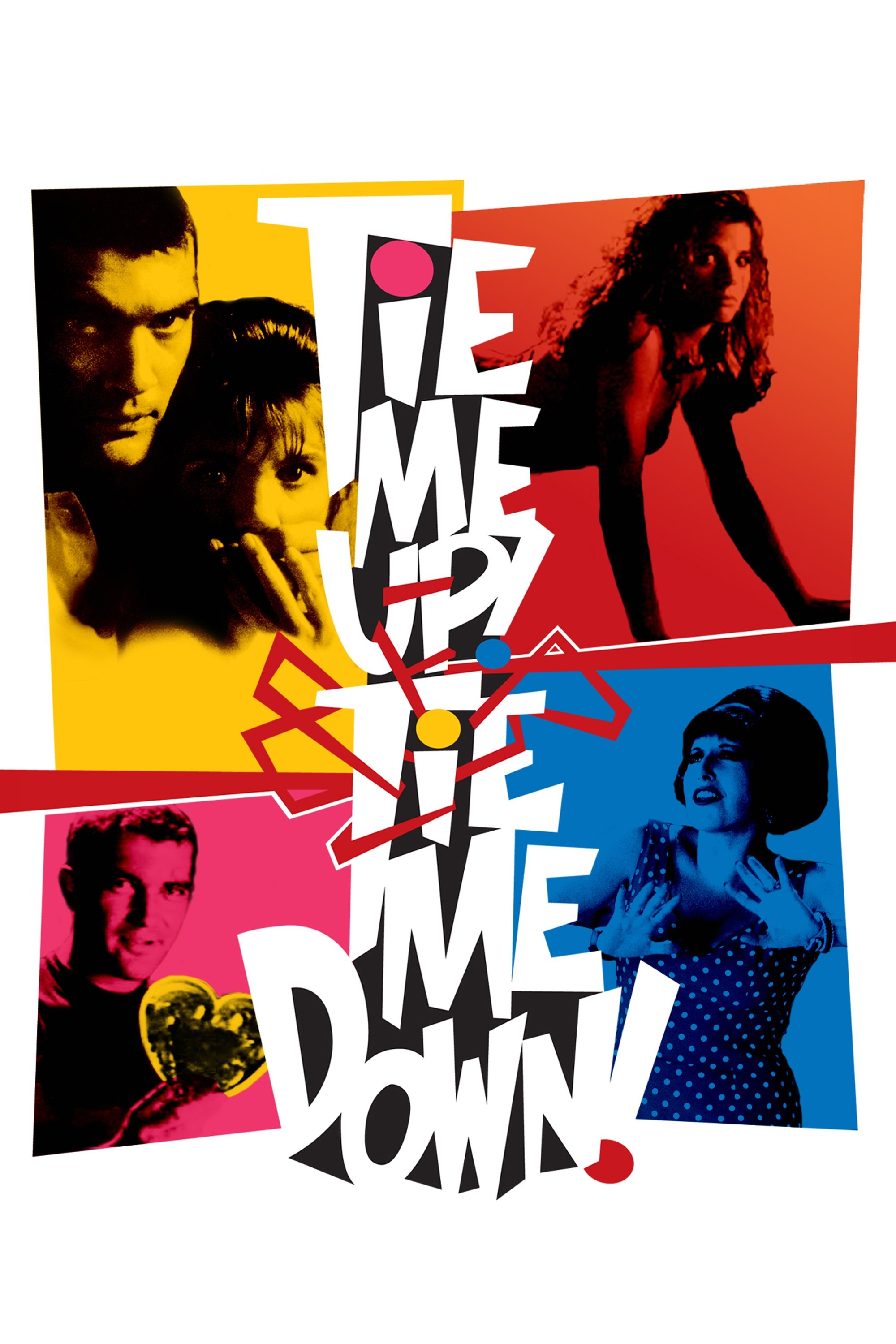
Directed by Pedro Almodóvar, ‘Tie Me Up! Tie Me Down!’ tells the story of a man recently released from a psychiatric hospital who kidnaps a film actress. His goal is to make her fall in love with him so they can get married and start a family. The film blends elements of dark comedy, romance, and thriller within Almodóvar’s signature colorful and kitschy aesthetic. Antonio Banderas and Victoria Abril lead a cast that navigates the provocative and controversial premise of the plot. It explores themes of obsession and the unconventional, sometimes dark, nature of human desire.
‘Mikey and Nicky’ (1976)
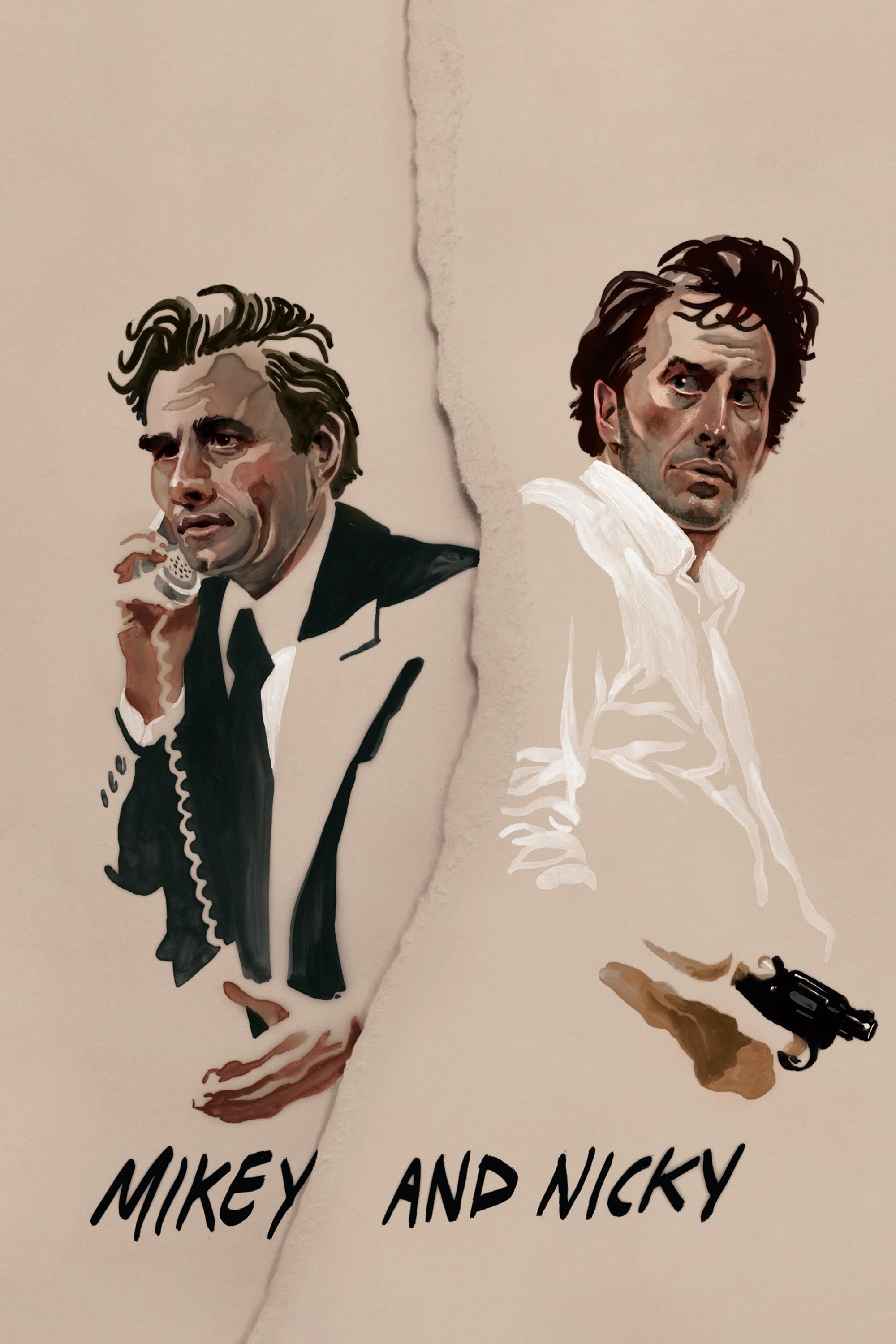
Elaine May directed this gritty crime drama about two lifelong friends on the run from a mob hitman. Over the course of one night, the power dynamics between the two men shift as paranoia and betrayal come to the surface. Peter Falk and John Cassavetes provide naturalistic performances that emphasize the deep-seated resentment and history within their bond. The film is noted for its realistic dialogue and its rejection of typical gangster movie tropes in favor of character study. It has gained a significant cult following and critical reappraisal since its initial release in the mid-1970s.
‘Wanda’ (1970)
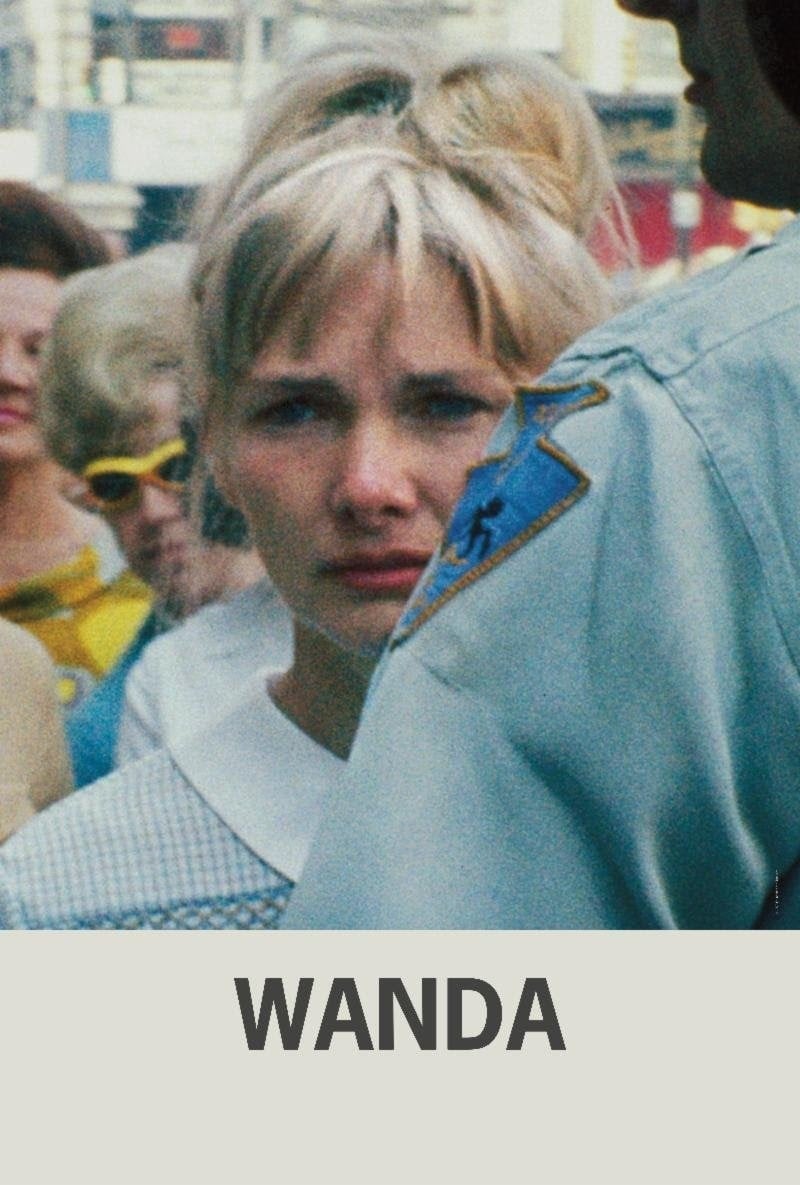
‘Wanda’ is the only feature film written, directed by, and starring Barbara Loden. It depicts a woman from a coal-mining town who leaves her husband and children, eventually becoming the accomplice of a small-time bank robber. The film uses a documentary-like style to follow its protagonist through a desolate landscape of motels and roadside bars. It is celebrated for its authentic portrayal of a woman on the margins of society who lacks agency and direction. Plaza has frequently praised Loden’s vision and the film’s uncompromising realism in various interviews.
‘8½’ (1963)
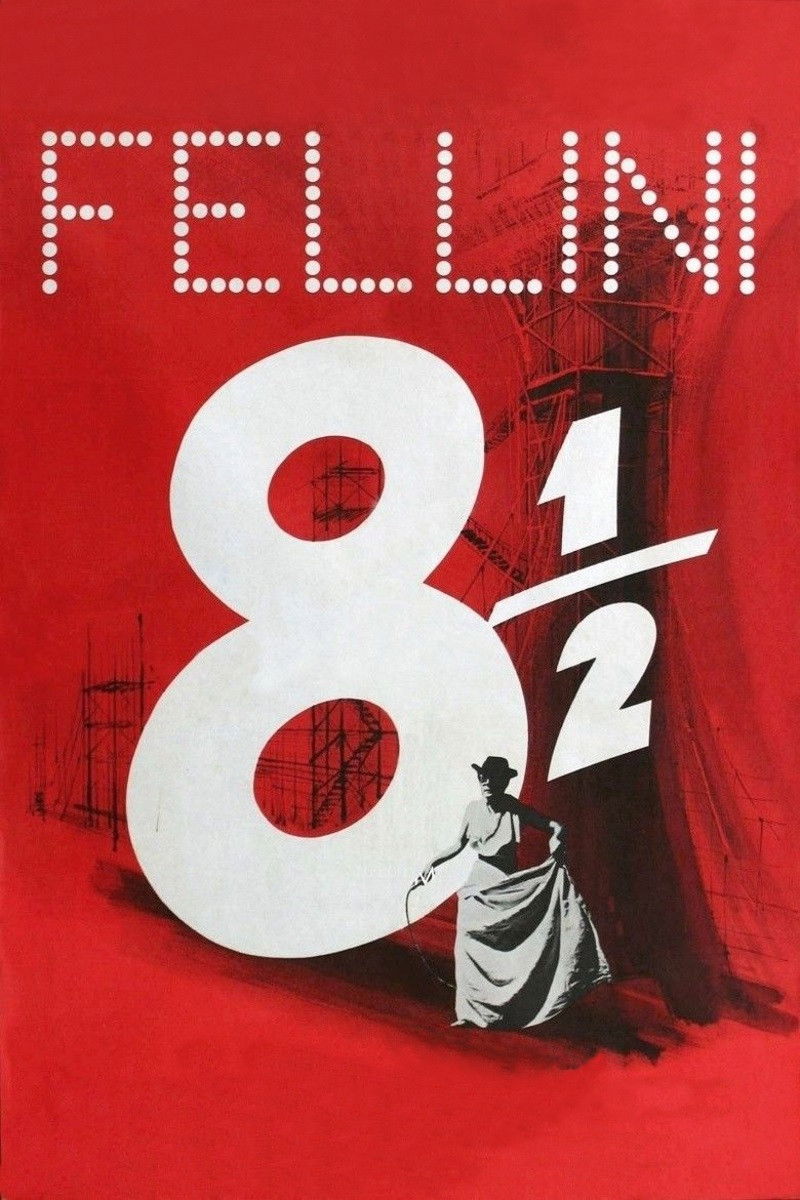
Federico Fellini’s ‘8½’ is a landmark of surrealist cinema that follows a famous Italian film director struggling with a severe case of creative block. As he attempts to work on a major science fiction project, he retreats into a series of memories, fantasies, and dreams. Marcello Mastroianni portrays the protagonist, navigating his complicated relationships with the women in his life and the mounting pressures of the industry. The film is renowned for its inventive visual style and its meta-narrative exploration of the filmmaking process itself. It won the Academy Award for Best Foreign Language Film and remains a staple of world cinema history.
Share your thoughts on Aubrey Plaza’s cinematic inspirations in the comments.