Here Are Daniel Day-Lewis’ 10 Favorite Movies


Daniel Day-Lewis is widely regarded as one of the most dedicated and talented actors in cinematic history, having won three Academy Awards for Best Actor. Throughout his career, he has often spoken about the films and performances that shaped his own meticulous approach to the craft of acting. His selections range from classic Hollywood dramas to gritty landmarks of British and American realism. These films represent the cinematic foundations that inspired a man known for his legendary commitment to his roles.
‘From Here to Eternity’ (1953)
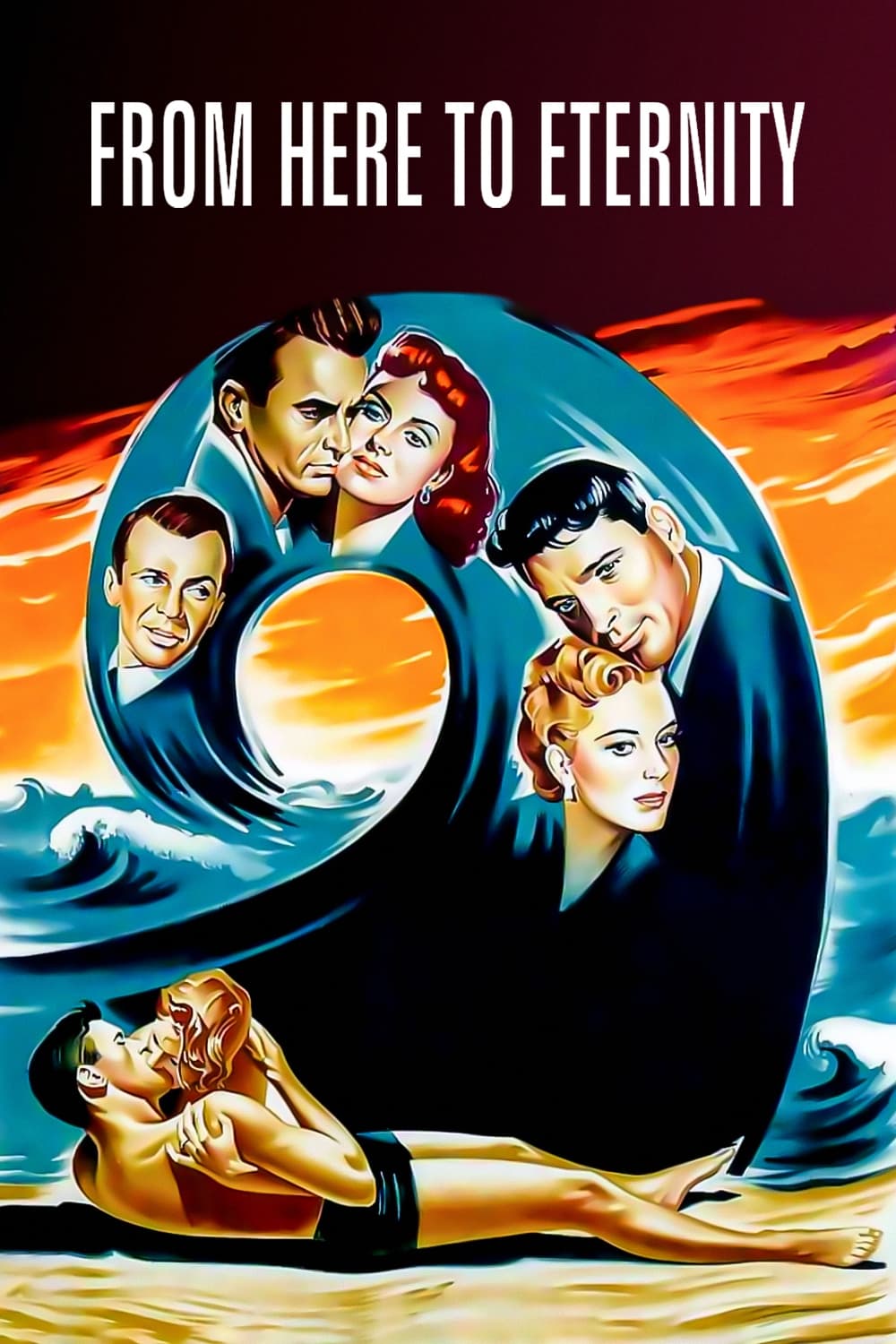
In this Fred Zinnemann drama, the lives of several soldiers stationed in Hawaii are explored in the days leading up to the attack on Pearl Harbor. The film features Montgomery Clift, an actor Daniel Day-Lewis has long admired for his vulnerability and precision on screen. It won eight Academy Awards, including Best Picture, and remains a cornerstone of mid-century American filmmaking. The narrative balances intense romantic subplots with a stark look at military discipline and institutional cruelty.
‘High Noon’ (1952)
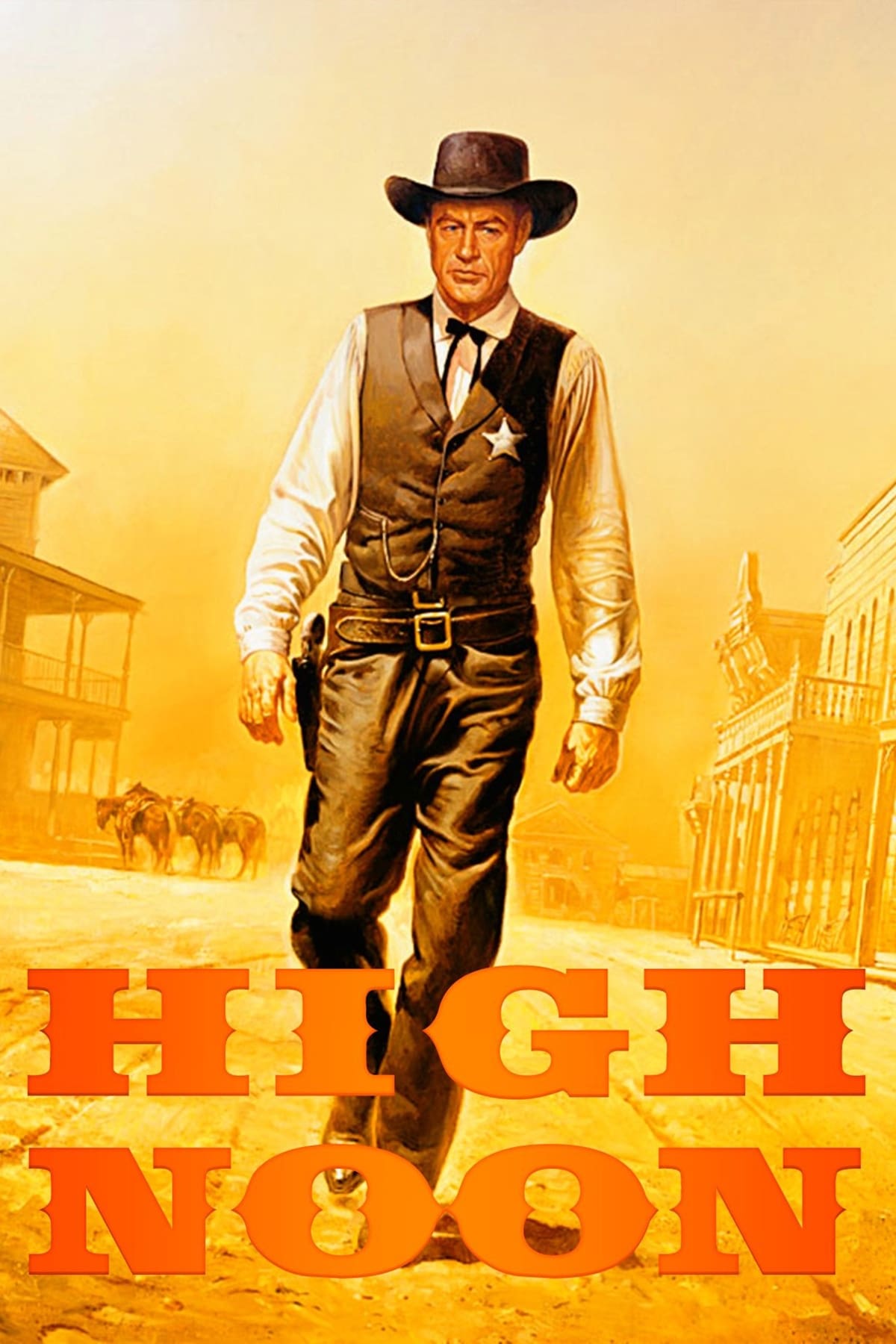
This Western classic stars Gary Cooper as a departing marshal who must face a gang of killers alone when the townspeople refuse to help him. The story unfolds in near real-time, heightening the tension as the clock ticks toward the arrival of the noon train. Director Fred Zinnemann uses the setting to explore themes of civic duty, cowardice, and individual integrity. Daniel Day-Lewis has frequently noted the impact of Cooper’s stoic and understated performance on his own professional development.
‘Hobson’s Choice’ (1954)
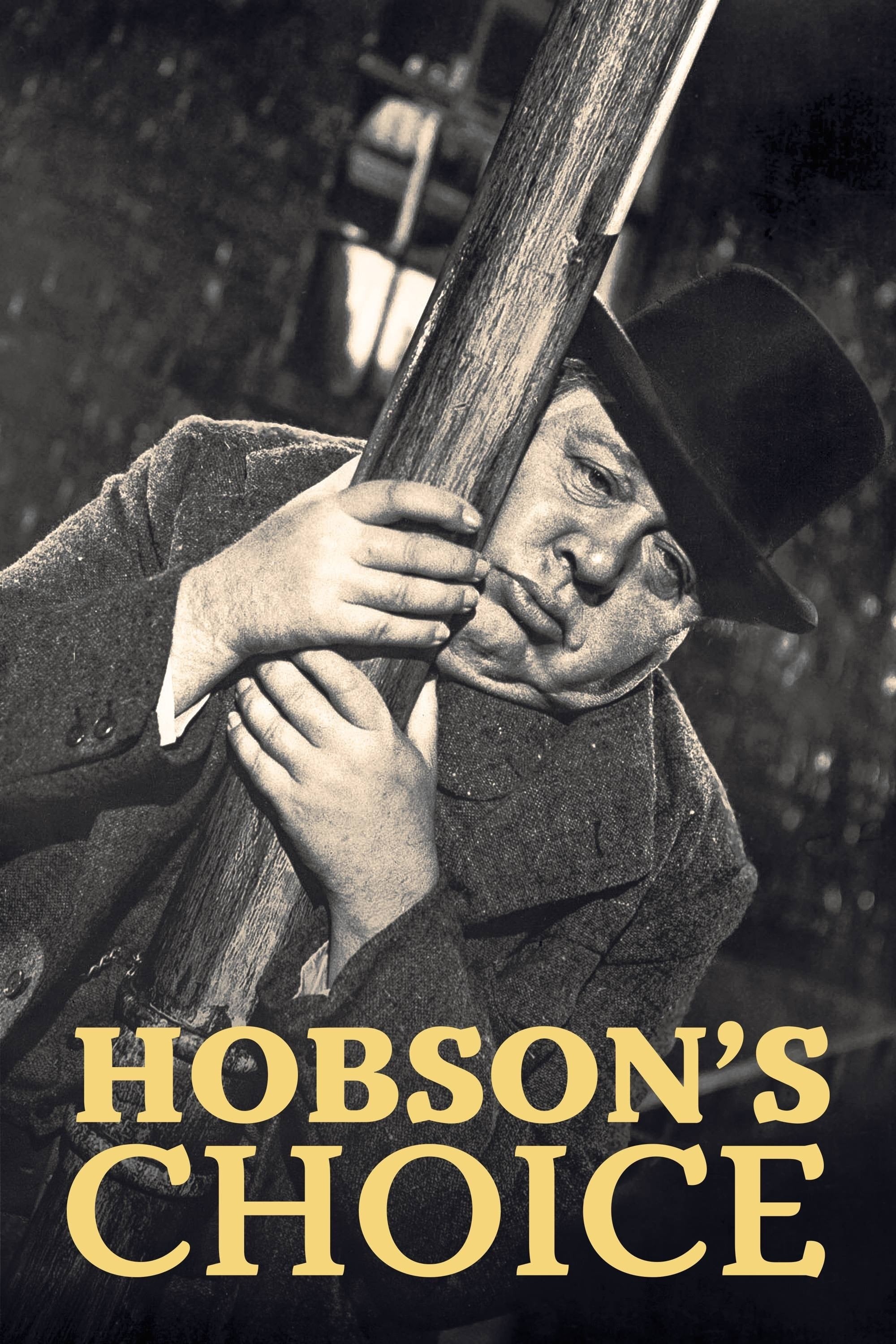
Directed by David Lean, this comedy-drama is set in late 19th-century Lancashire and follows a tyrannical bootmaker whose daughters rebel against his control. Charles Laughton delivers a celebrated performance as the titular Henry Hobson, a man struggling to maintain his authority over his family and business. The film is noted for its sharp wit and detailed depiction of industrial English life during the Victorian era. It highlights the transition from traditional patriarchal structures to more modern, independent social dynamics.
‘Kes’ (1969)
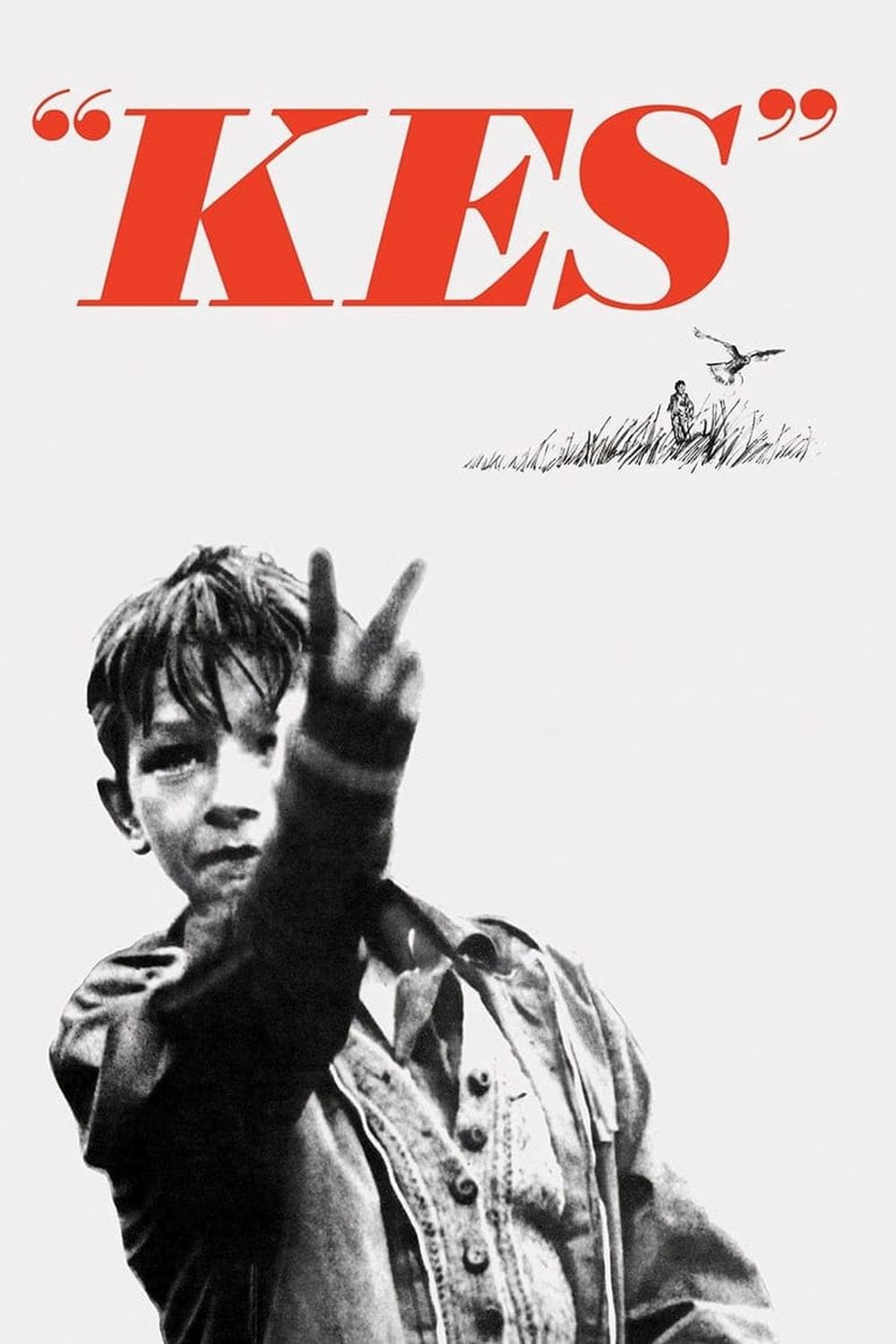
Ken Loach’s ‘Kes’ tells the moving story of Billy Casper, a bullied working-class teenager who finds solace in training a wild kestrel. The film is a landmark of British Social Realism, shot on location in Yorkshire with a cast that included many non-professional actors. Daniel Day-Lewis has cited this film as a pivotal influence that sparked his interest in professional acting during his youth. Its raw, unsentimental portrayal of poverty and the education system resonated deeply with audiences and critics alike.
‘A Man for All Seasons’ (1966)
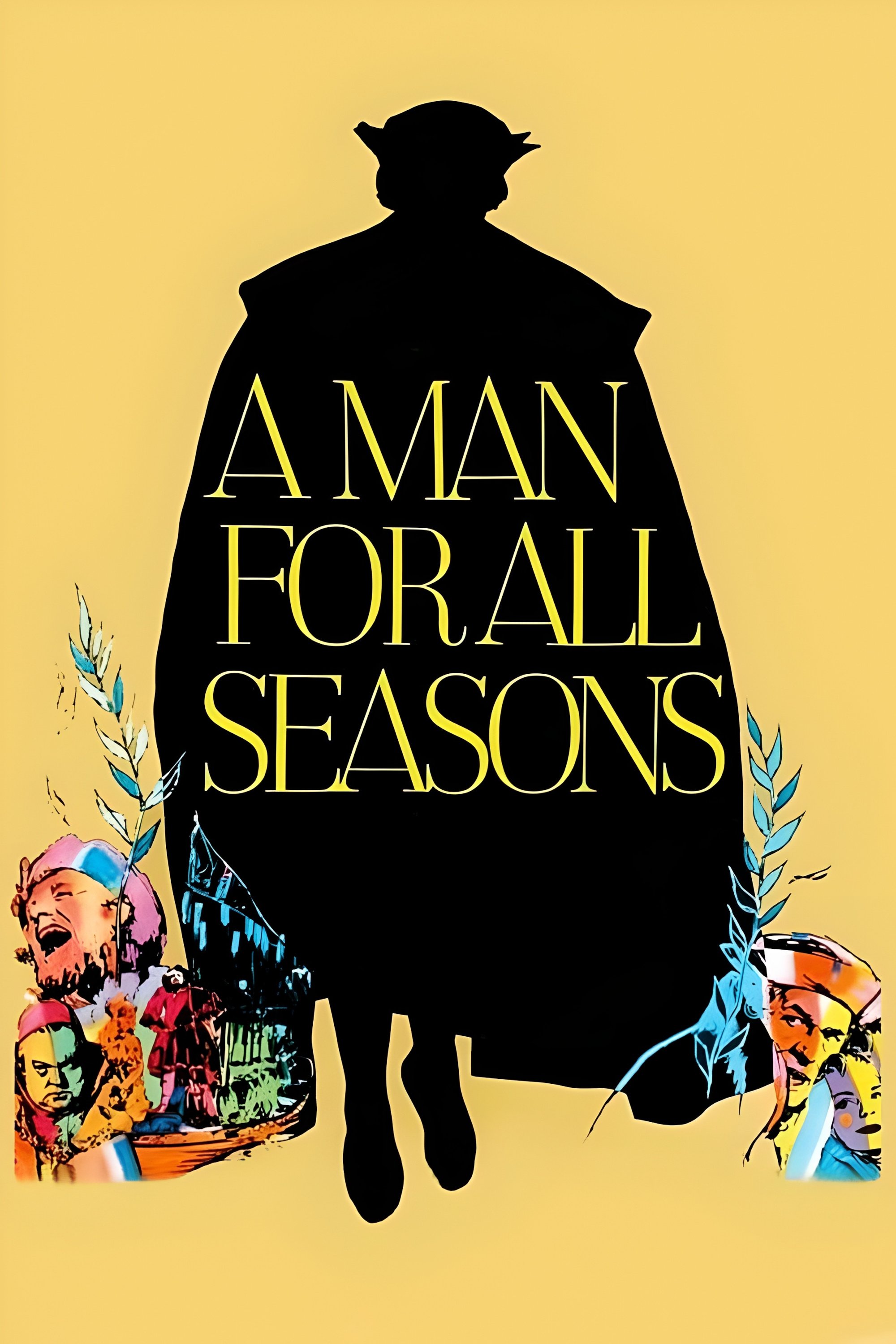
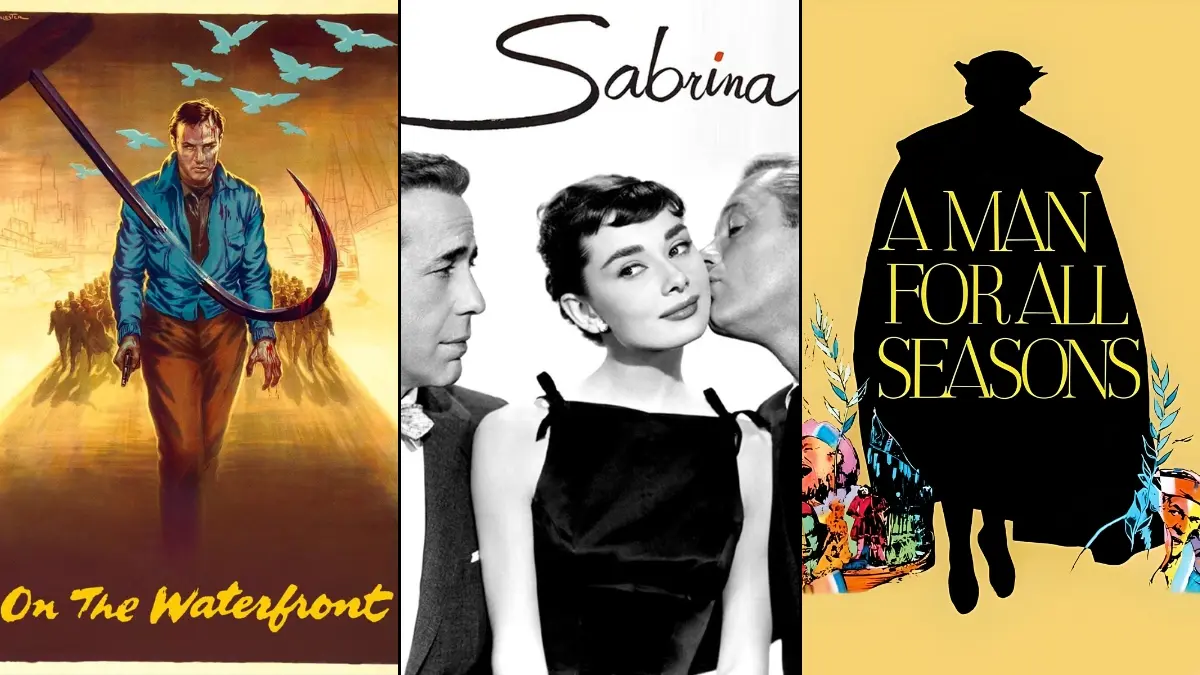
This historical drama depicts the final years of Sir Thomas More, who refuses to sign a letter asking the Pope to annul King Henry VIII’s marriage. Paul Scofield stars in the lead role, portraying a man of unwavering conscience facing the threat of execution for his silence. The film explores the conflict between personal religious conviction and the demands of the state. It earned six Academy Awards and is often praised for its literate script and powerful ensemble performances.
‘Mean Streets’ (1973)

Martin Scorsese’s breakthrough film examines the lives of young Italian-Americans in New York City’s Little Italy. Starring Harvey Keitel and Robert De Niro, the movie introduced a kinetic, improvisational style that redefined the crime genre. The narrative focuses on themes of guilt, loyalty, and redemption within a volatile urban environment. Daniel Day-Lewis has acknowledged the film’s energy and the transformative performances of its lead actors as significant inspirations for his generation.
‘On the Waterfront’ (1954)
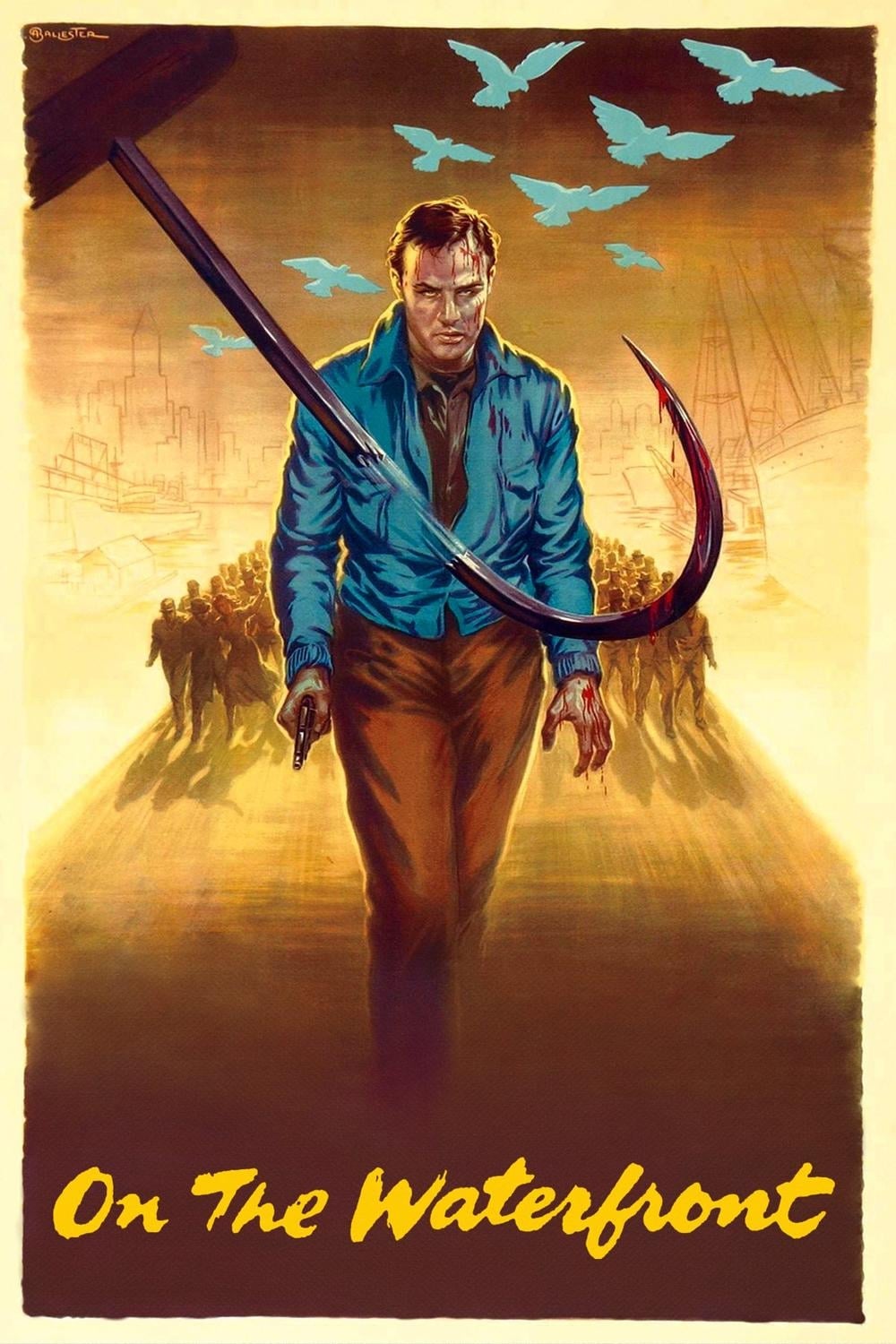
Directed by Elia Kazan, this film stars Marlon Brando as Terry Malloy, a dockworker who witnesses a murder and must decide whether to testify against a corrupt union boss. The movie is famous for pioneering the “Method” style of acting, which emphasized psychological depth and naturalism. Brando’s performance is widely considered one of the greatest in cinema history, influencing generations of actors including Daniel Day-Lewis. The story serves as a powerful allegory for social responsibility and personal courage.
‘Roman Holiday’ (1953)
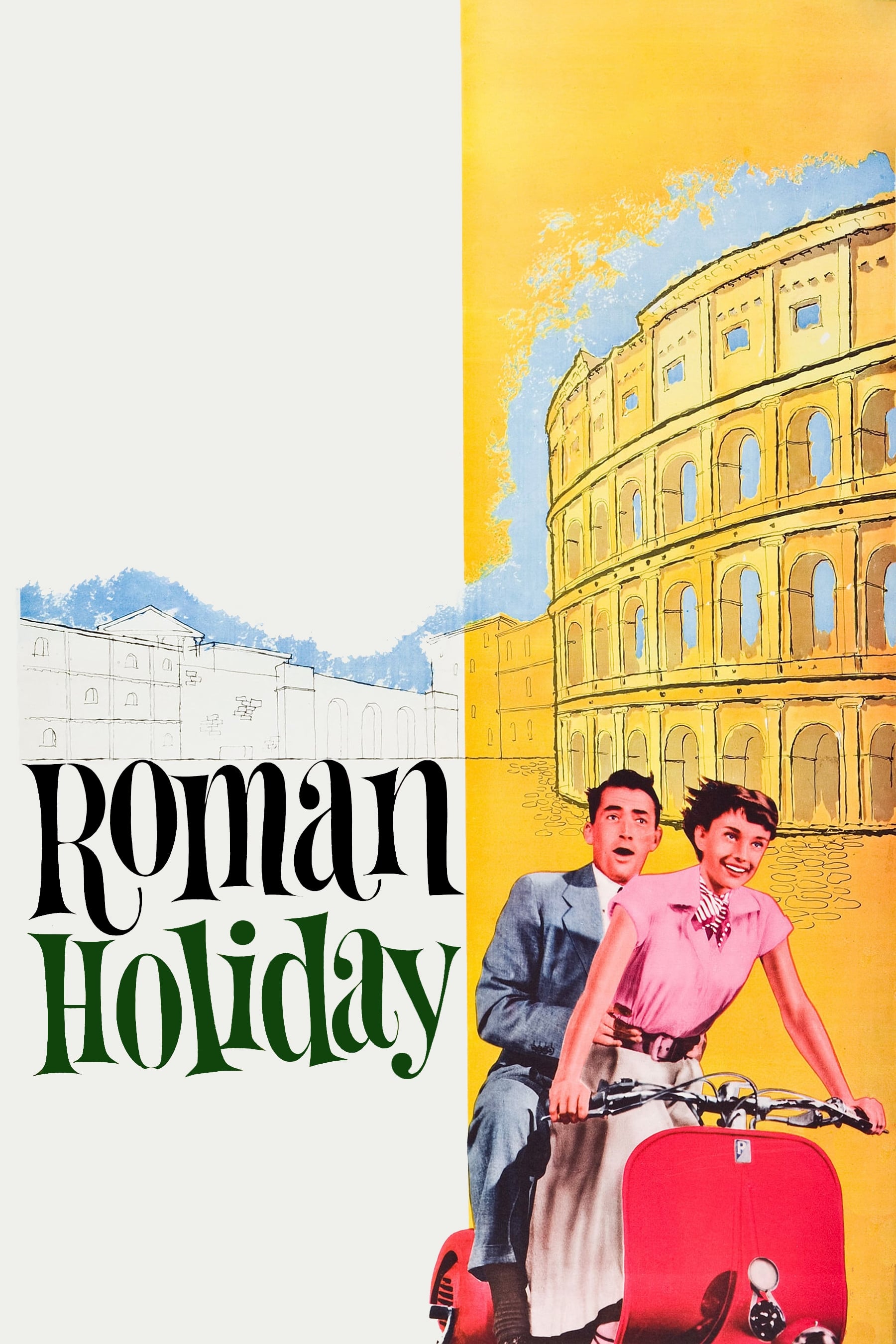
In this romantic comedy, Audrey Hepburn plays a stifled European princess who escapes her handlers to explore Rome on her own. She meets an American reporter, played by Gregory Peck, who initially hopes for a scoop but eventually falls in love with her. The film is celebrated for its charm, Hepburn’s Oscar-winning performance, and the picturesque use of its Italian locations. It remains a definitive example of the golden age of Hollywood romance and sophisticated storytelling.
‘Sabrina’ (1954)
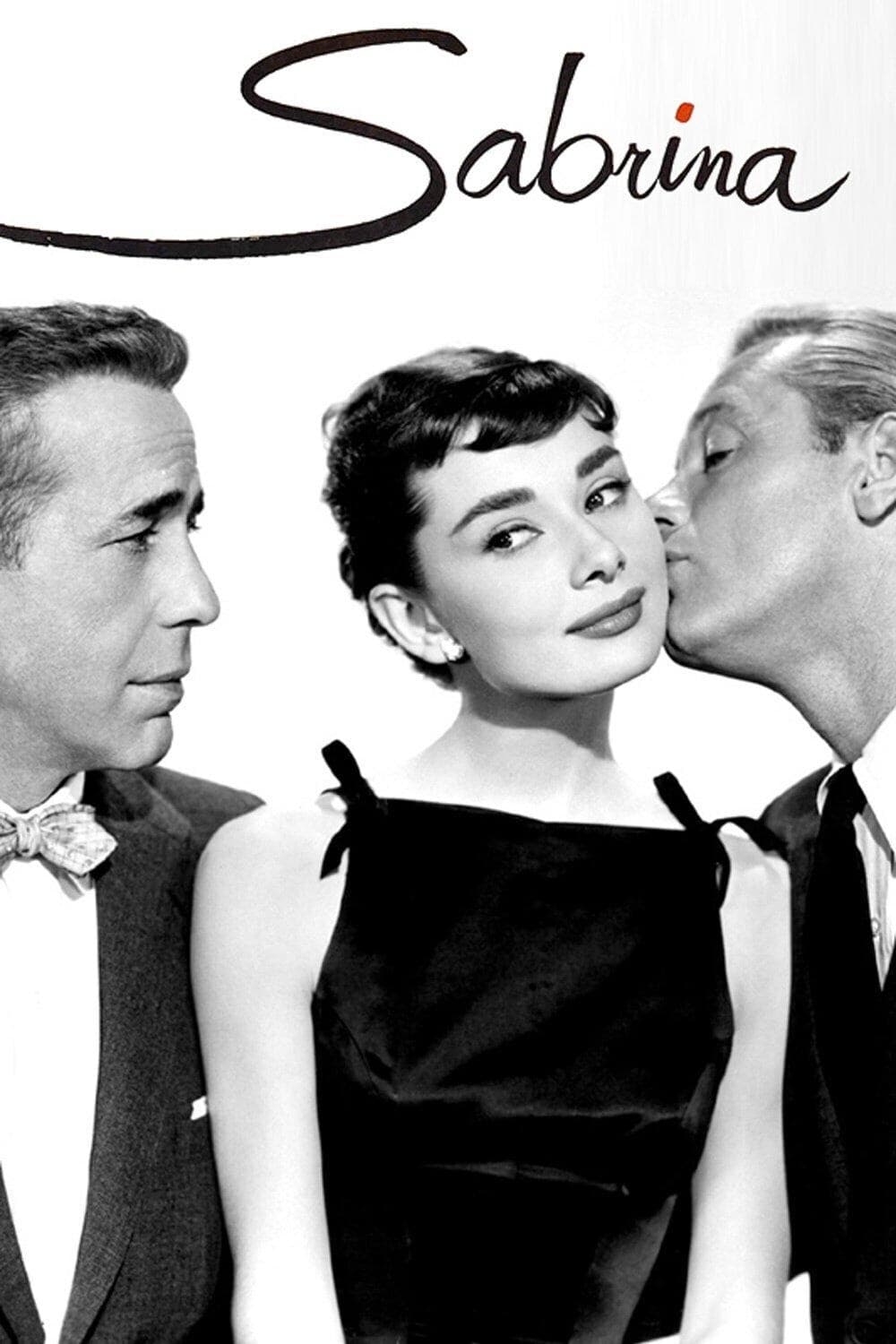
Billy Wilder directed this sophisticated romantic comedy about the chauffeur’s daughter who returns from Paris and catches the eye of two wealthy brothers. Humphrey Bogart and William Holden play the siblings who vie for the affection of the transformed Sabrina, portrayed by Audrey Hepburn. The film blends wit and elegance while exploring themes of class and personal growth. Its enduring popularity stems from the chemistry of the lead trio and Wilder’s sharp directorial touch.
‘Tender Mercies’ (1983)
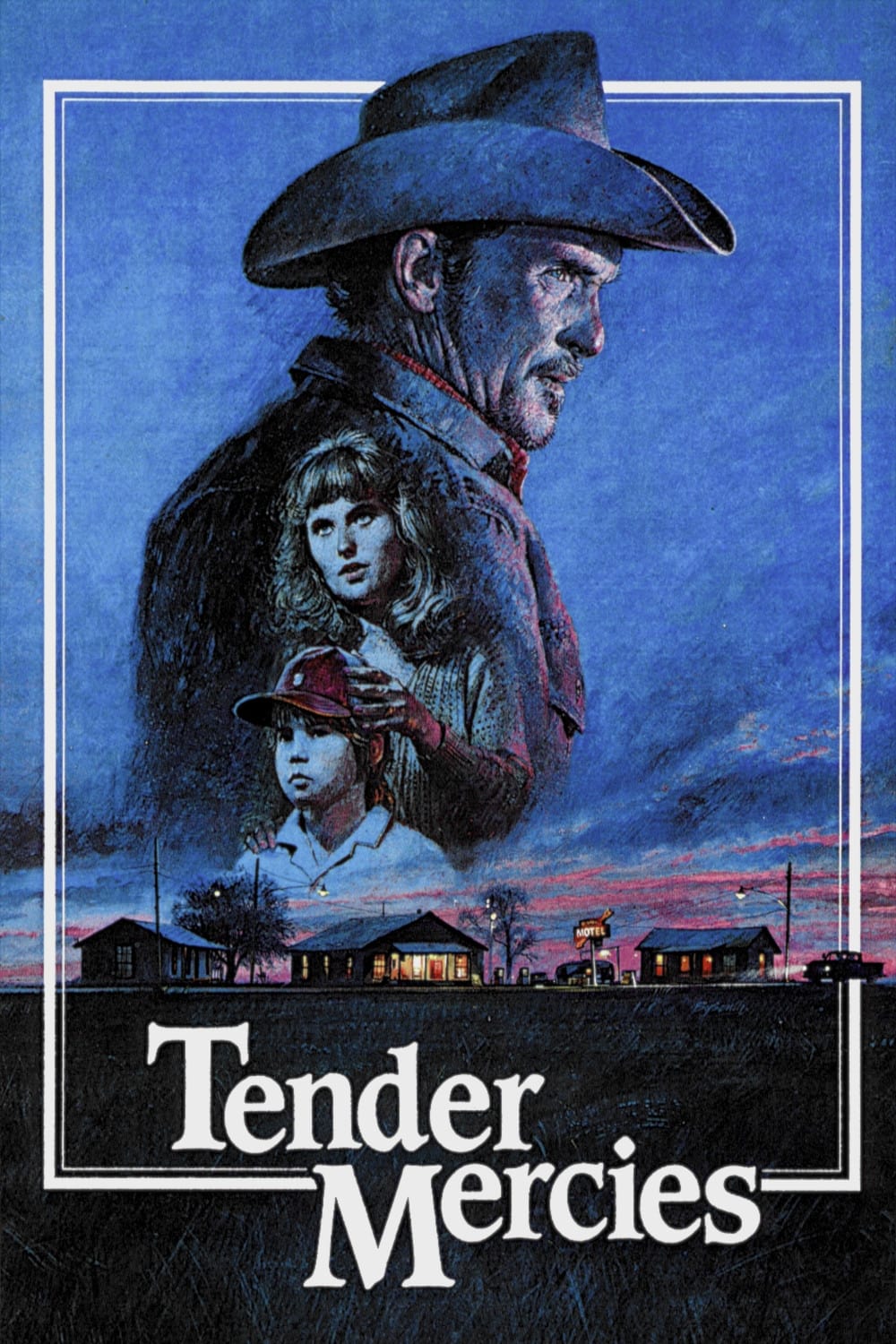
Robert Duvall stars as Mac Sledge, a washed-up country singer seeking to rebuild his life and find redemption through a new relationship. The film is noted for its quiet, minimalist approach to storytelling and its focus on character over plot. Duvall won an Academy Award for his performance, which Daniel Day-Lewis has described as a masterclass in subtlety and restraint. The narrative avoids typical melodrama, choosing instead to focus on the small, meaningful moments of human connection.
Tell us which of these Daniel Day-Lewis favorites has had the biggest impact on your own appreciation of cinema in the comments.