Great Movies That Bombed at the Box Office Because the World Wasn’t Ready for Them


Cinema history is filled with masterpieces that the public ignored upon their initial release. Whether due to poor marketing, stiff competition, or themes that were simply ahead of their time, many films that are now considered essential viewing were originally labeled financial disasters. These projects often broke genre conventions or challenged societal norms in ways that audiences in past decades were not prepared to process. Over time, home video, cable television, and internet fandom have allowed these misunderstood projects to find the appreciation they deserve.
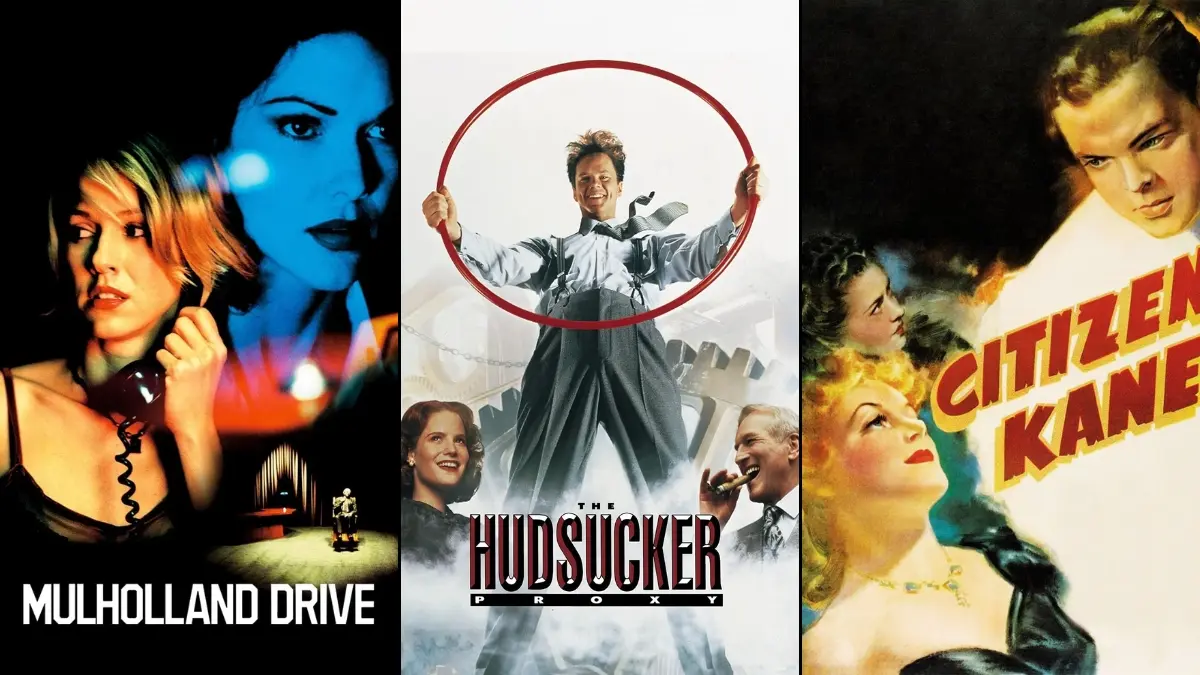
‘Citizen Kane’ (1941)
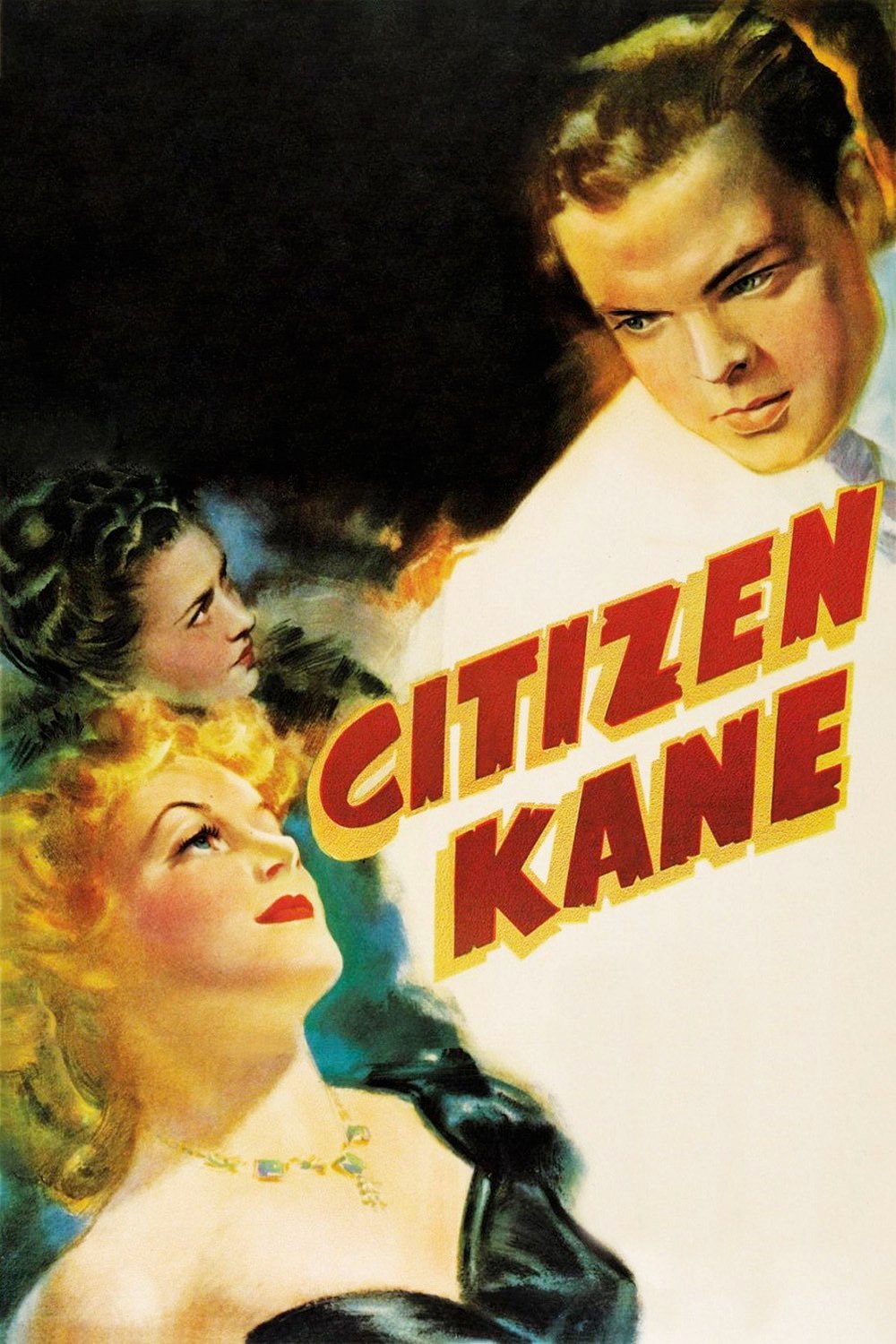
This landmark film follows the life and legacy of Charles Foster Kane, a newspaper tycoon whose dying word sparks a journalist’s investigation. Orson Welles directed, produced, and starred in this cinematic masterpiece that introduced revolutionary techniques in cinematography and narrative structure. Despite its current status as one of the greatest films ever made, it failed to recoup its costs during its initial theatrical run. The film was famously suppressed by William Randolph Hearst, whose life inspired the character of Kane, leading to limited advertising and distribution. It eventually found its audience through television broadcasts and critical re-evaluations decades later.
‘It’s a Wonderful Life’ (1946)
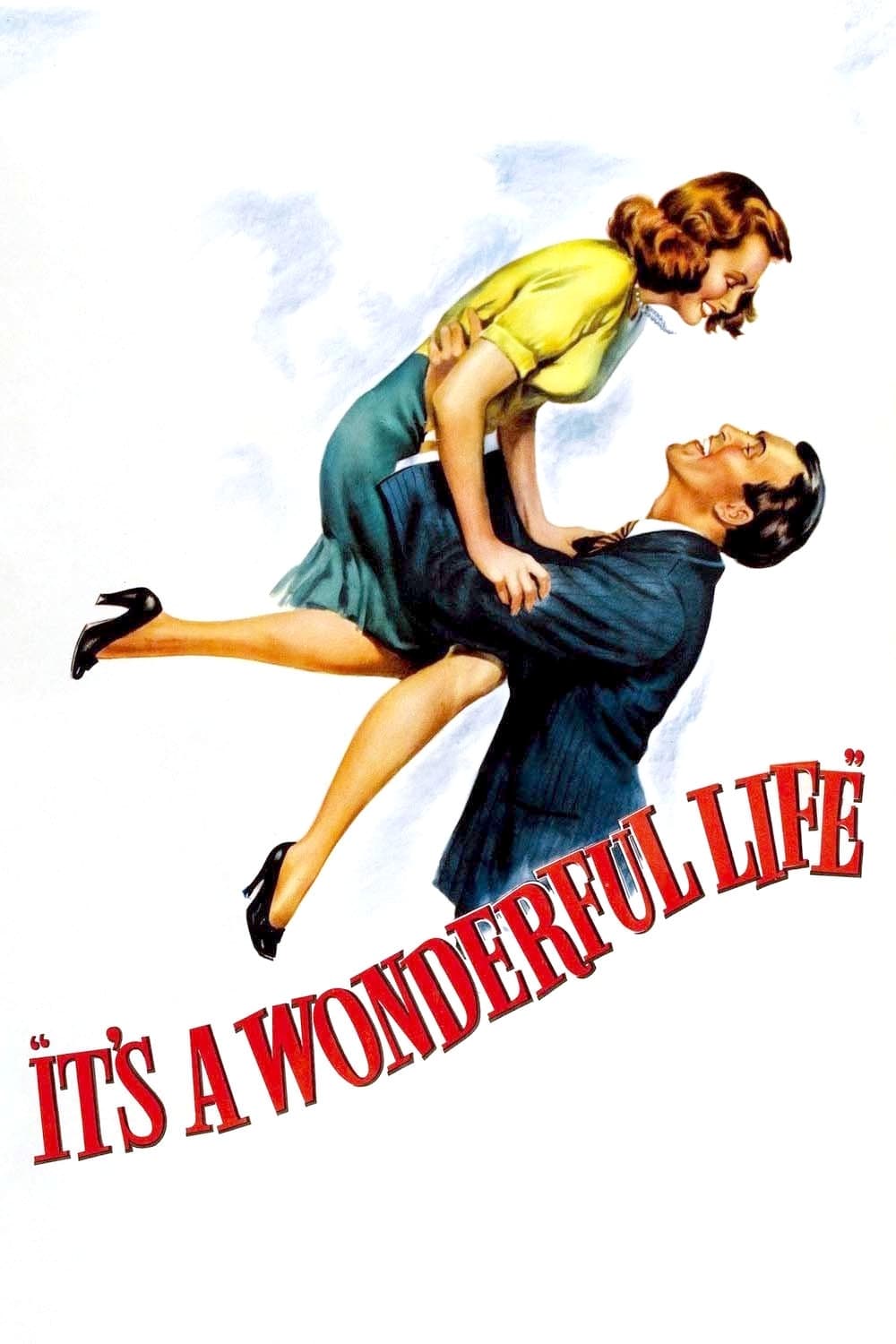
Director Frank Capra’s holiday classic tells the story of George Bailey, a man who considers ending his life until an angel shows him what the world would be like without him. While it is now a staple of Christmas television programming, the film was a box office disappointment that left Capra’s production company in financial ruin. It faced heavy competition and a public that was perhaps not ready for its darker, more existential themes following World War II. The movie only became a holiday favorite after its copyright lapsed in the 1970s, allowing television stations to air it repeatedly for free. This unintended exposure transformed it into one of the most beloved films in American history.
‘Vertigo’ (1958)
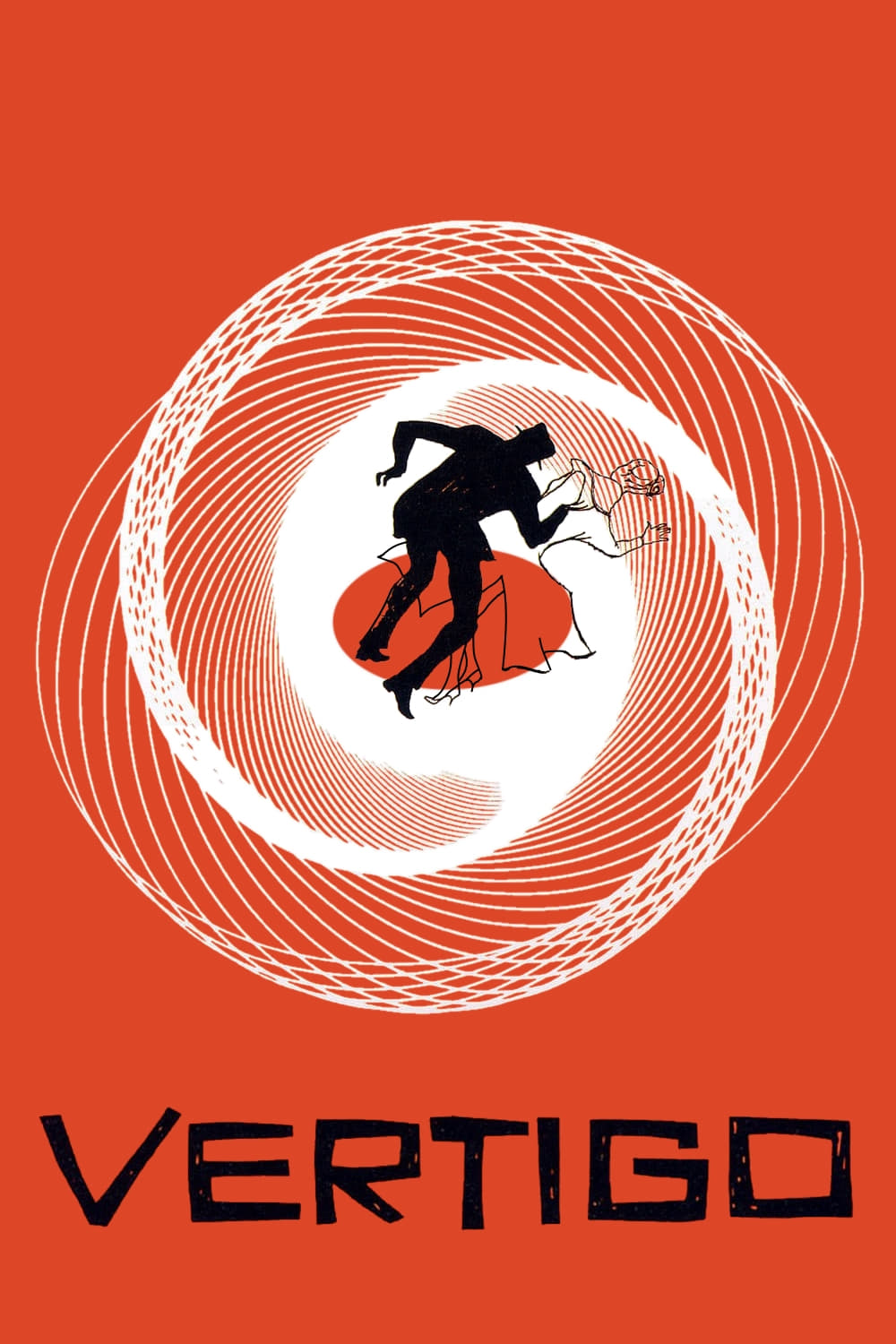
Alfred Hitchcock’s psychological thriller follows a retired detective suffering from acrophobia who becomes obsessed with a mysterious woman. Upon its release, the film received mixed reviews and failed to generate significant revenue, leading Hitchcock to blame its failure on the age of the lead actor. Its complex themes of obsession, voyeurism, and tragic romance were considered too disturbing or confusing for 1950s audiences. The film was even pulled from circulation for decades by Hitchcock himself before being restored and re-released. ‘Vertigo’ eventually climbed the ranks of film criticism, eventually displacing ‘Citizen Kane’ in some polls as the greatest film ever made.
‘Playtime’ (1967)
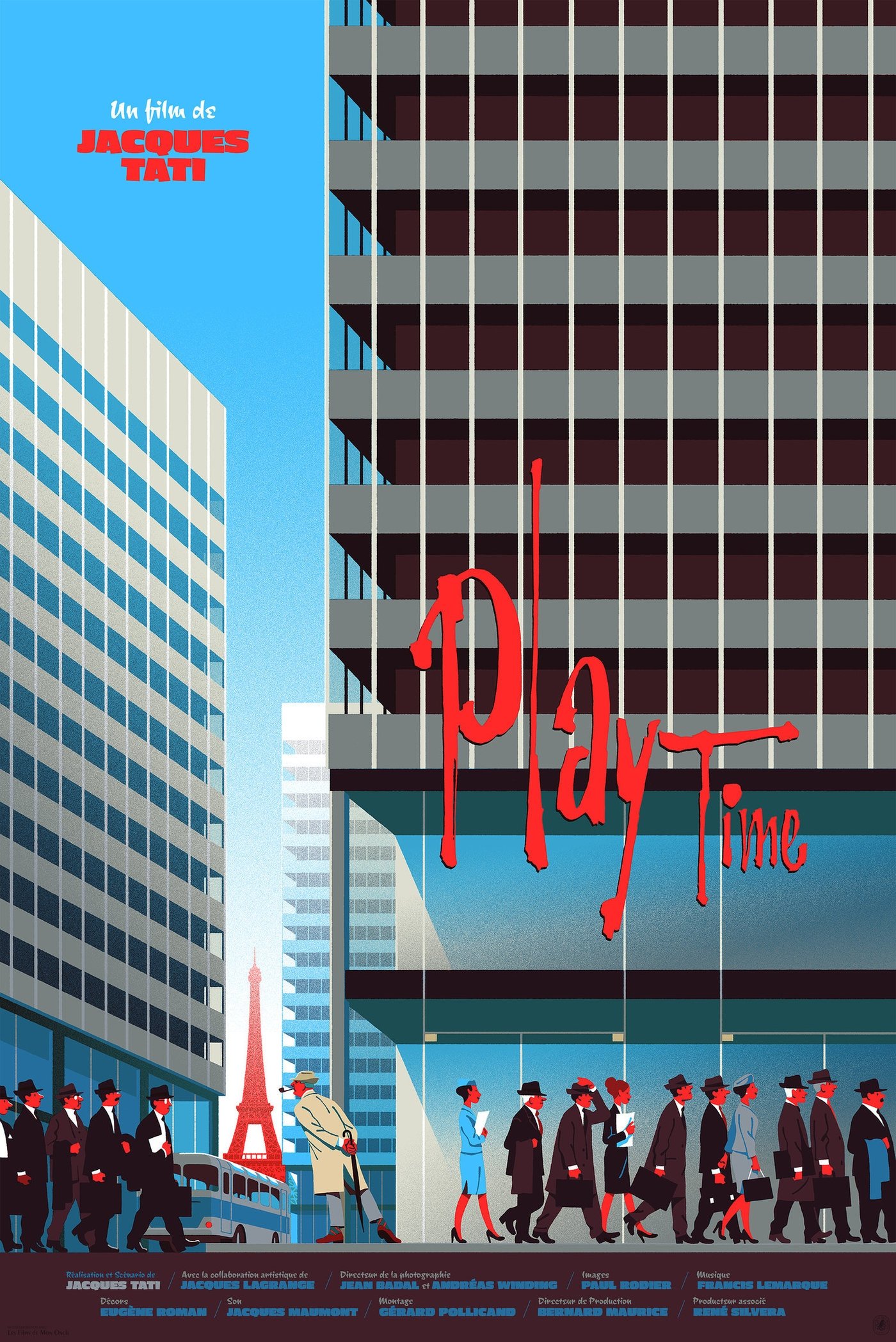
Director Jacques Tati spent years constructing an enormous set known as “Tativille” to create this visually stunning comedy about modern life in Paris. The film features intricate choreography and sound design but lacks a traditional plot or central protagonist. Its massive production budget and experimental nature led to a catastrophic box office performance that bankrupted Tati. Audiences at the time were baffled by the film’s large-scale gags and its critique of sterile, modern architecture. It is now celebrated by cinephiles as a pinnacle of visual storytelling and a unique achievement in set design.
‘Willy Wonka & the Chocolate Factory’ (1971)
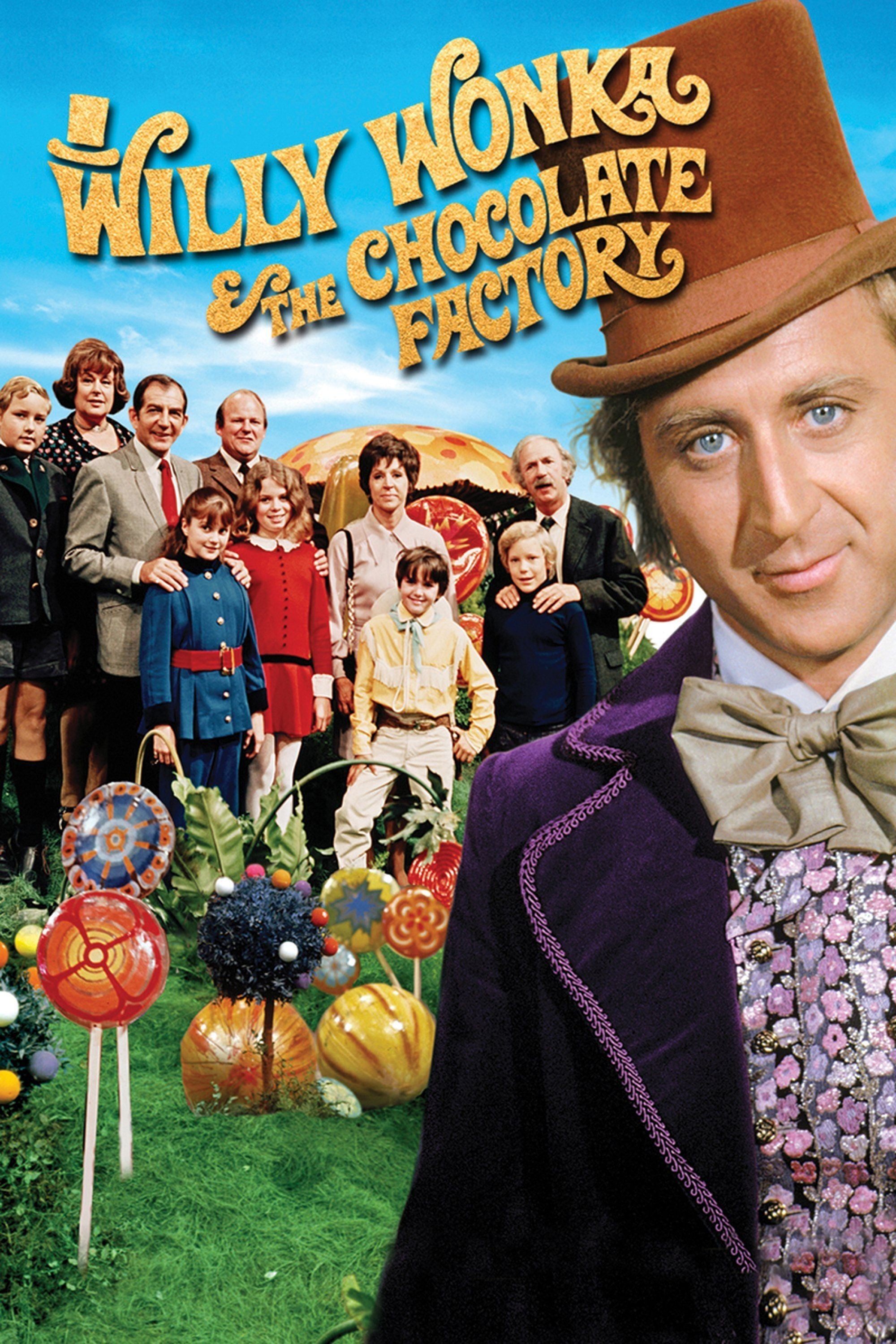
This adaptation of Roald Dahl’s book stars Gene Wilder as an eccentric candy maker who invites five children to tour his magical factory. Although it is now considered a definitive family film, it ranked only 53rd at the box office in the year of its release. The film’s psychedelic visuals and occasionally dark tone were met with a lukewarm response from parents and children alike. It was only after the film began airing regularly on television and was released on home video that it achieved its legendary status. ‘Willy Wonka & the Chocolate Factory’ is now remembered for its imaginative world-building and Wilder’s iconic performance.
‘The Rocky Horror Picture Show’ (1975)
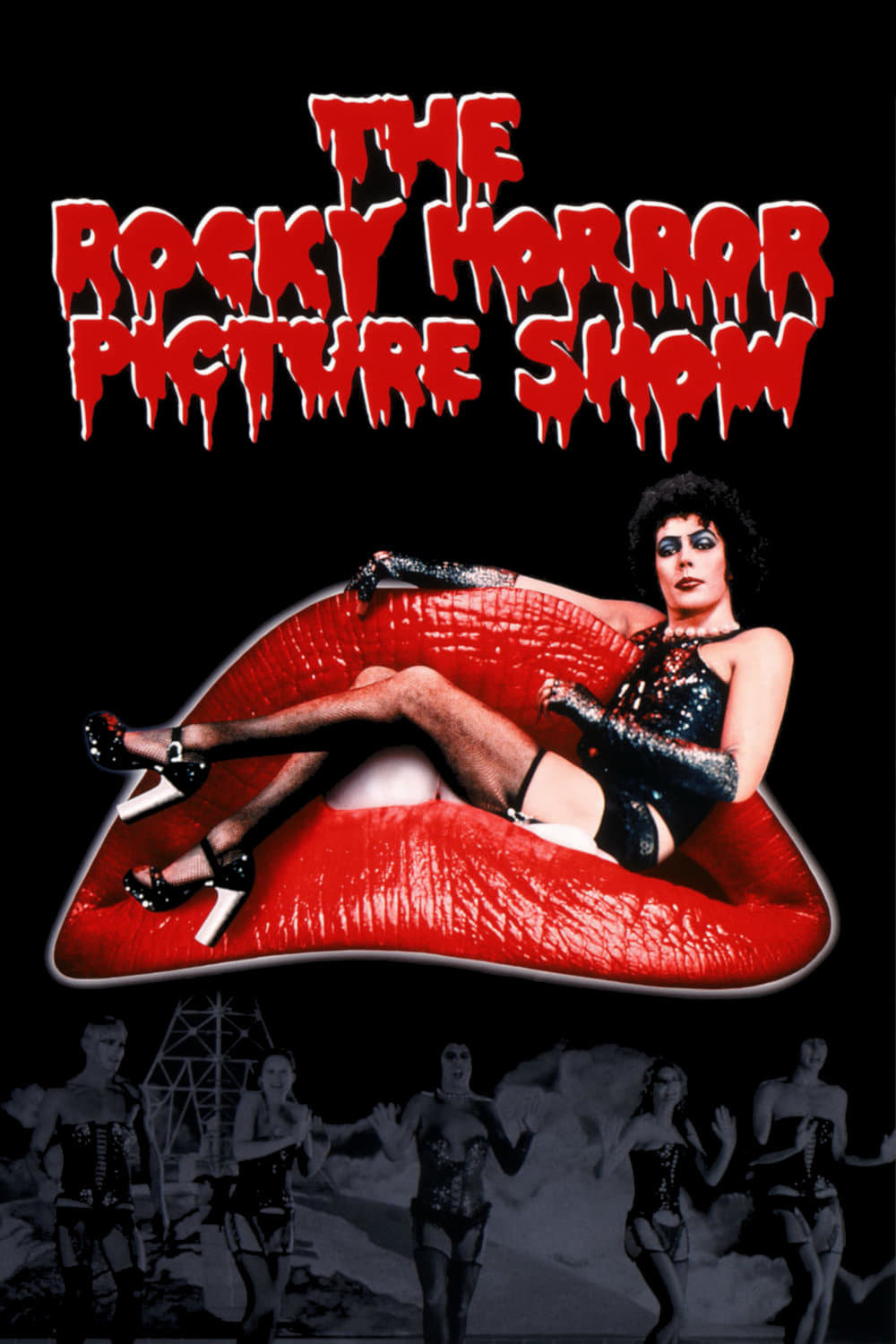
This musical comedy horror film serves as a tribute to the science fiction and B-movies of the mid-20th century. When it first hit theaters, it was a major flop, with many critics dismissing its campy style and transgressive themes. However, it found a second life as a midnight movie where fans began to participate with the screen in elaborate costumes. This unique community engagement turned the film into the longest-running theatrical release in film history. ‘The Rocky Horror Picture Show’ is now a cultural phenomenon that celebrates individuality and queer identity.
‘Sorcerer’ (1977)
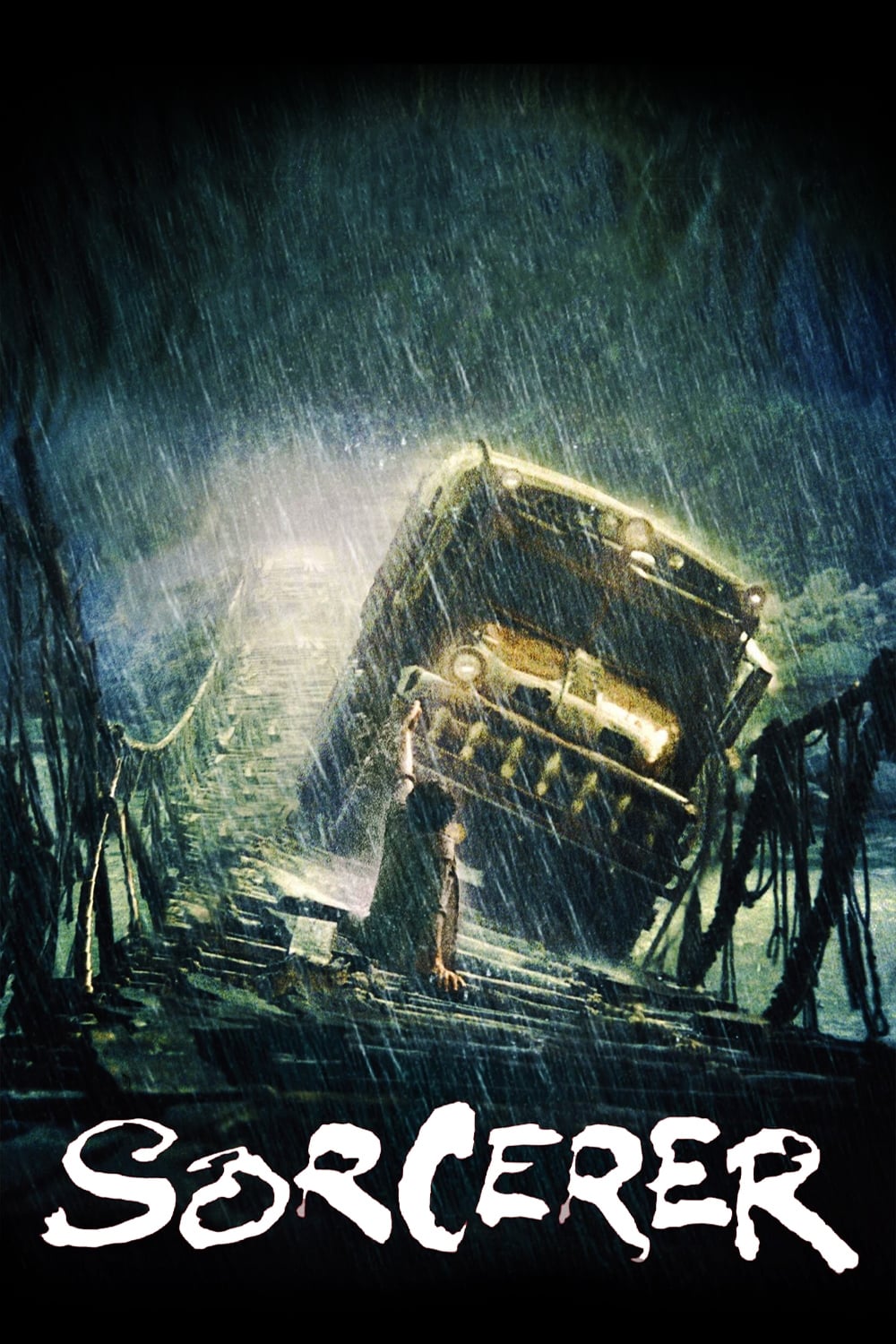
Directed by William Friedkin, this gritty thriller follows four outcasts tasked with transporting unstable nitroglycerin across a dangerous South American jungle. The film had the misfortune of opening on the same weekend as ‘Star Wars’, which completely dominated the cultural conversation and the box office. Audiences were looking for escapist fantasy rather than Friedkin’s bleak and suspenseful exploration of human desperation. For years, the film remained in obscurity due to legal disputes and its initial failure. It has recently undergone a critical reappraisal, with many hailing its practical stunts and intense atmosphere as a high point of 1970s cinema.
‘The Thing’ (1982)
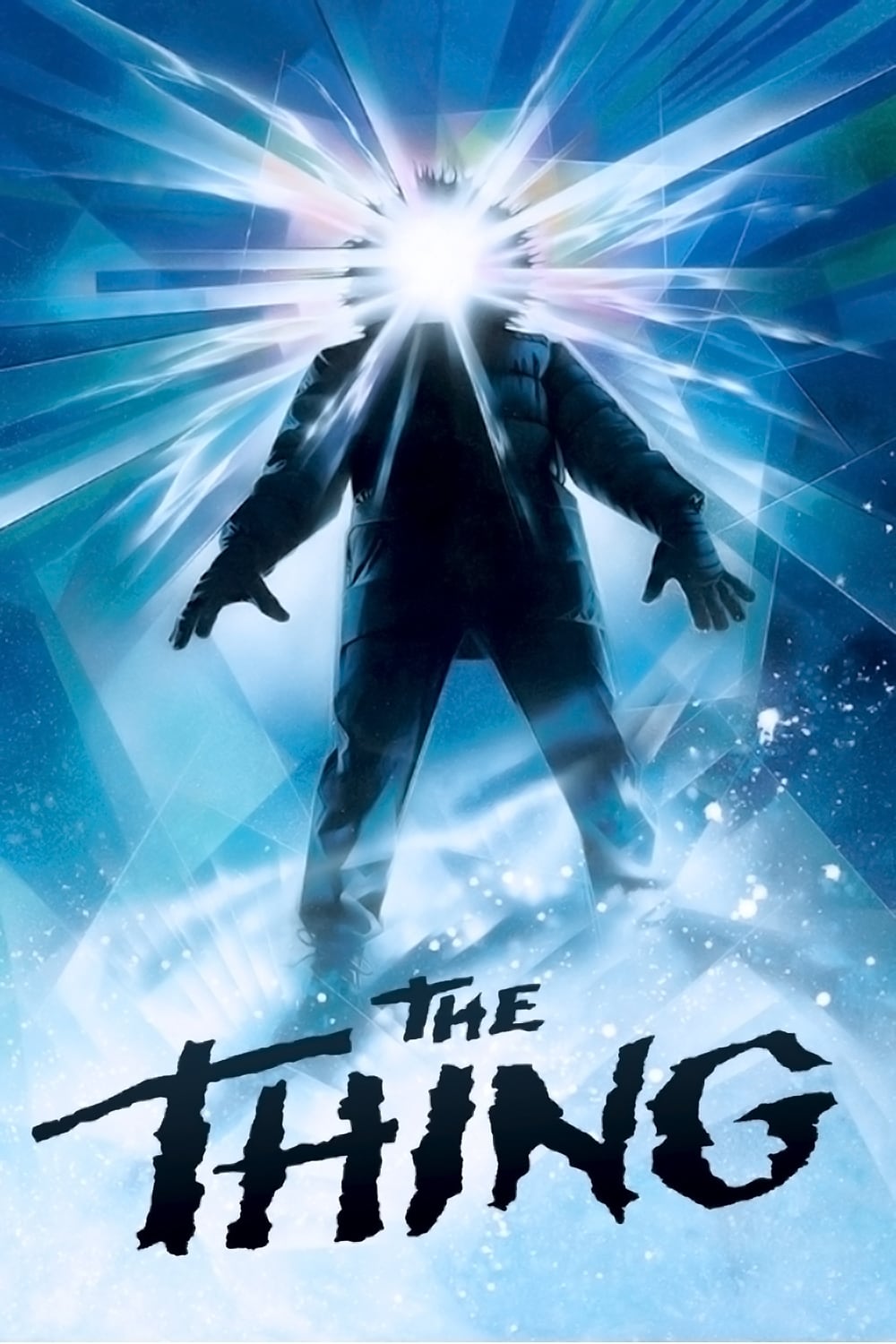
In John Carpenter’s claustrophobic horror film, a research team in Antarctica is infiltrated by a shape-shifting alien entity. The movie utilized groundbreaking practical effects by Rob Bottin that were considered repulsive by many critics at the time. Released the same summer as ‘E.T. the Extra-Terrestrial’, audiences preferred a friendlier alien over Carpenter’s nihilistic vision. The film underperformed at the box office and was panned by the press upon its debut. Today, ‘The Thing’ is hailed as a masterclass in tension and one of the greatest horror films ever made.
‘Blade Runner’ (1982)
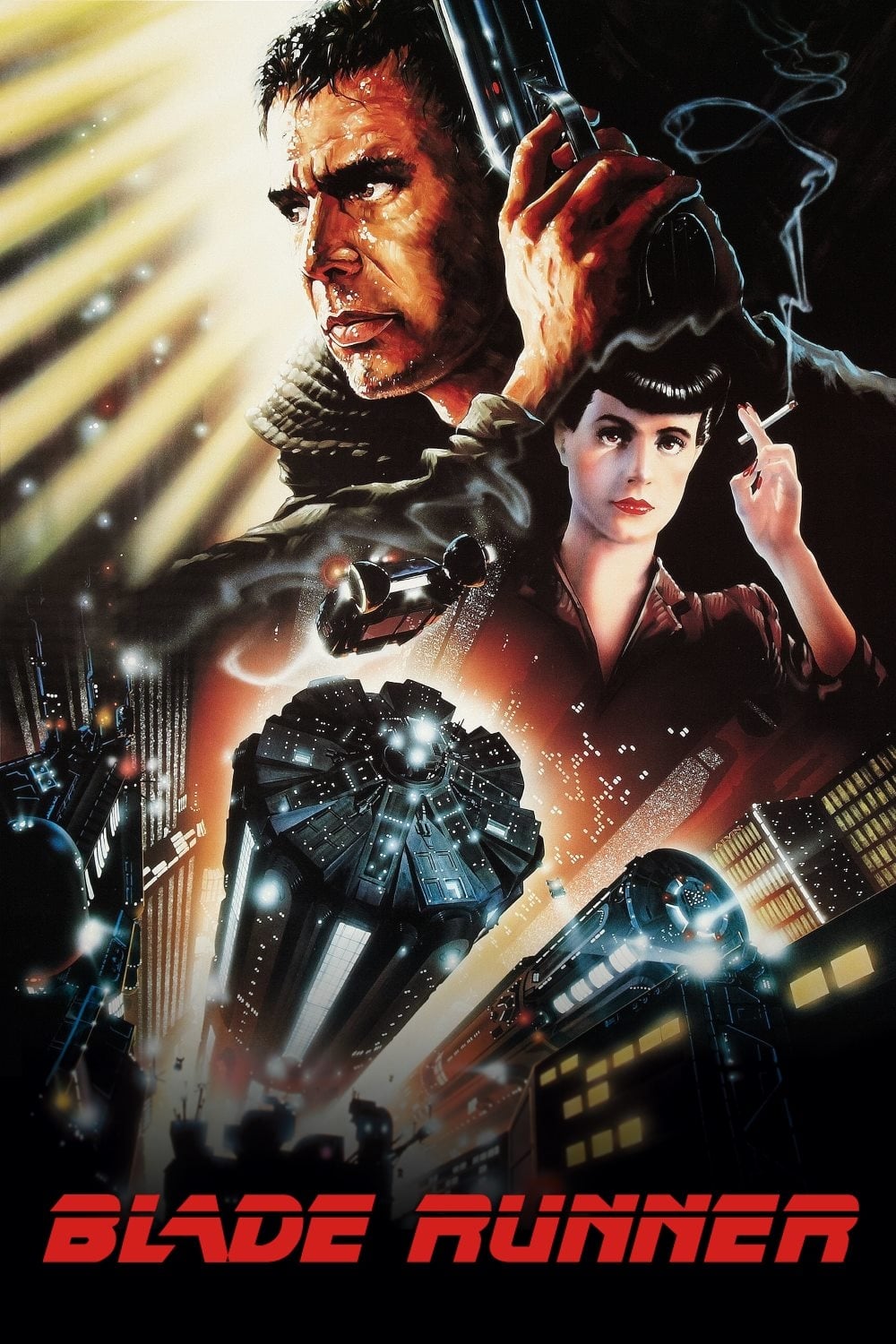
Director Ridley Scott presented a dark, rain-soaked vision of Los Angeles in 2019 that focused on the philosophical nature of humanity. The film follows Rick Deckard as he hunts down bioengineered beings known as replicants. Upon release, audiences were polarized by its slow pacing and cerebral tone, preferring more traditional action-oriented science fiction. It failed to perform at the box office, largely overshadowed by more optimistic blockbusters. It was only through the release of various director’s cuts that ‘Blade Runner’ became recognized as a seminal work of the cyberpunk genre.
‘The King of Comedy’ (1982)
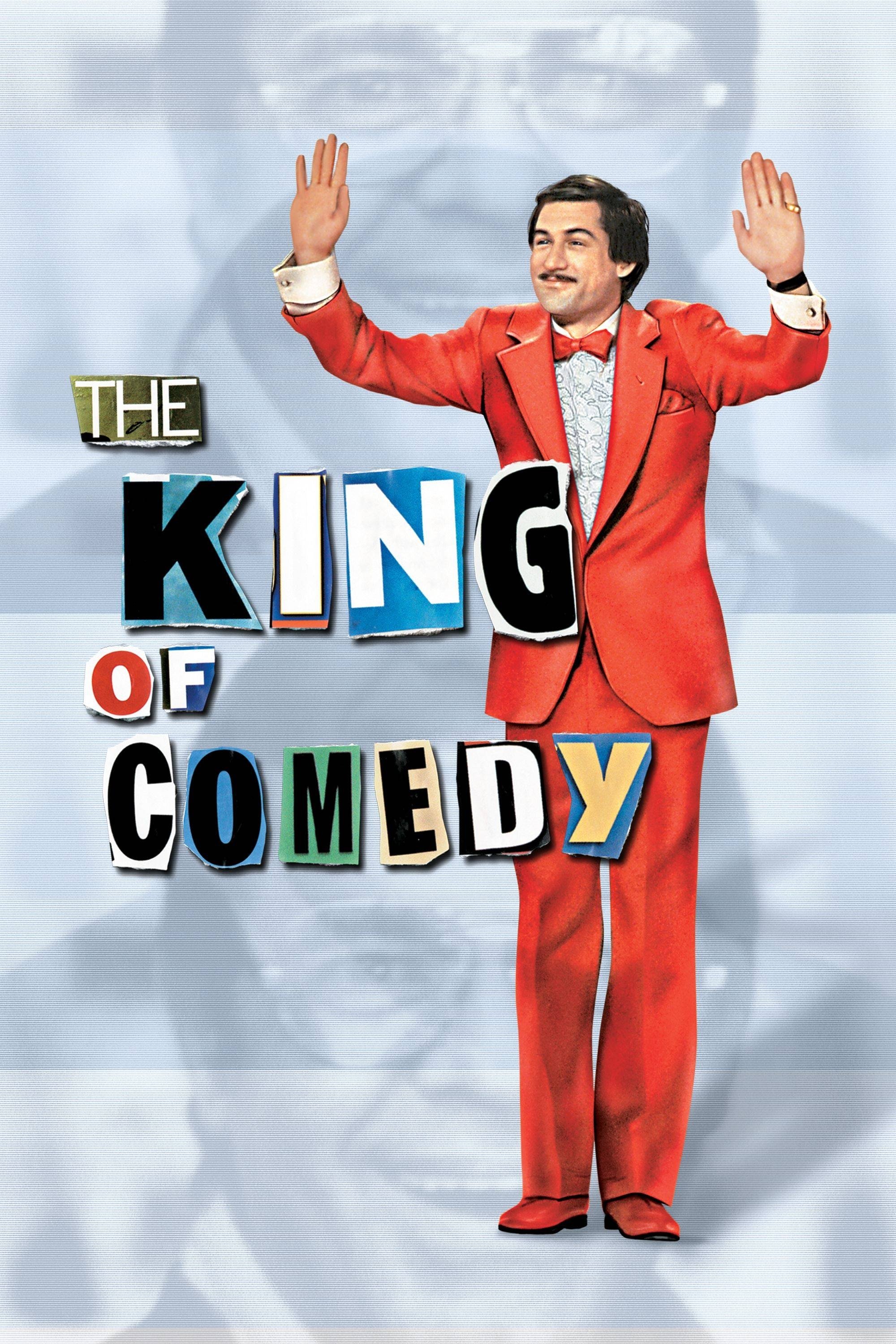
Martin Scorsese directed this dark satire about an aspiring comedian who kidnaps his idol to secure a spot on a late-night talk show. Robert De Niro’s performance as the delusional Rupert Pupkin was unsettling to audiences who were used to his more traditionally heroic or villainous roles. The film was a significant financial failure, as its commentary on the toxic nature of celebrity culture felt too ahead of its time. Critics have since noted how accurately the film predicted the modern era of reality television and social media fame. ‘The King of Comedy’ is now frequently cited as one of Scorsese’s most underrated and prescient works.
‘The Adventures of Buckaroo Banzai Across the 8th Dimension’ (1984)

This genre-bending film follows a physicist, rocket scientist, and rock star as he battles interdimensional aliens. Its dense lore and deadpan humor made it difficult for the studio to market, resulting in a poor theatrical performance. Audiences were confused by the film’s refusal to explain its bizarre world and its odd mix of action and comedy. Despite this, it developed a dedicated cult following that appreciated its unique creativity and eccentric characters. ‘The Adventures of Buckaroo Banzai Across the 8th Dimension’ remains a quintessentially weird artifact of 1980s filmmaking.
‘Once Upon a Time in America’ (1984)
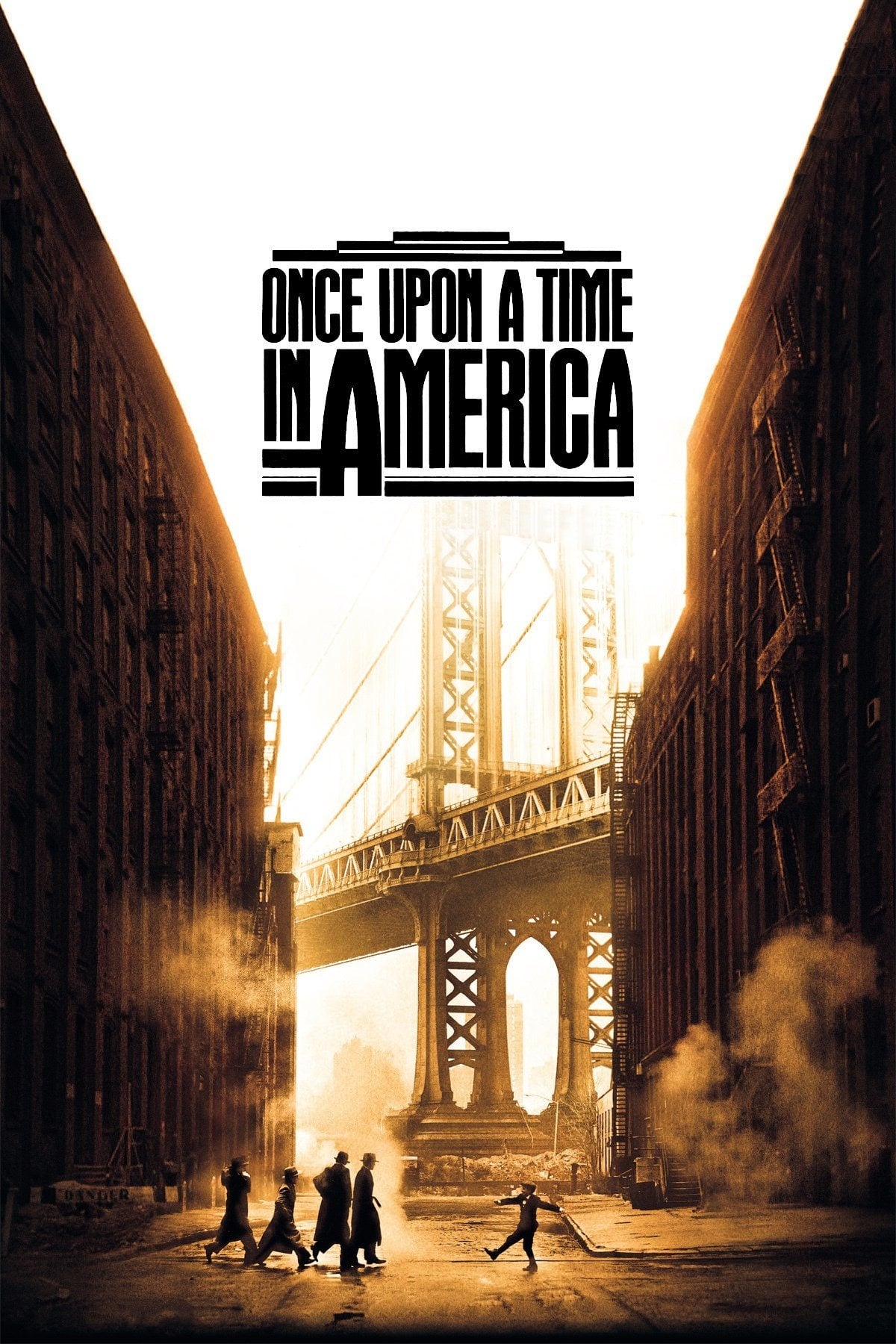
Sergio Leone’s epic crime drama chronicles the lives of Jewish ghetto youths who rise to prominence in the world of organized crime. The film was notoriously butchered by its American distributor, who cut the runtime from 229 minutes to 139 minutes and reordered the scenes chronologically. This version was a critical and commercial disaster, as it stripped away the emotional weight and non-linear complexity of Leone’s vision. When the original cut was eventually restored, the film was hailed as a masterpiece of the gangster genre. It is now viewed as a profound exploration of memory, friendship, and the passage of time.
‘Brazil’ (1985)
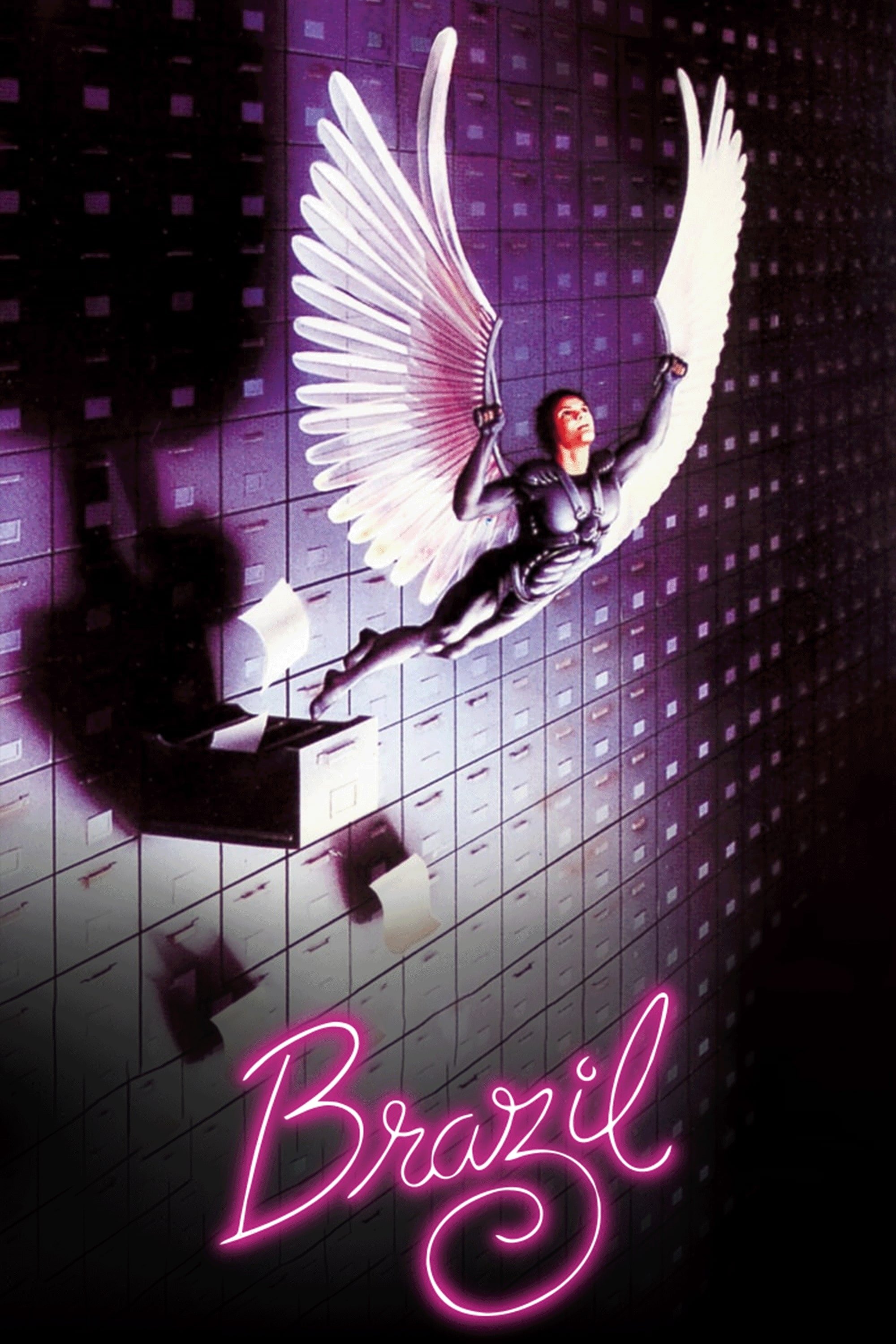
Terry Gilliam’s dystopian masterpiece follows a low-level bureaucrat who becomes caught in a web of mistaken identity and totalitarian madness. The film’s production was plagued by a famous battle between Gilliam and the studio over the film’s bleak ending. The studio wanted a “love conquers all” conclusion, which Gilliam fought against by screening his preferred cut for critics in secret. Although it initially bombed at the box office, its stunning visual design and biting satire of bureaucracy earned it a massive cult following. ‘Brazil’ is now considered one of the most imaginative and visually influential science fiction films ever created.
‘Labyrinth’ (1986)
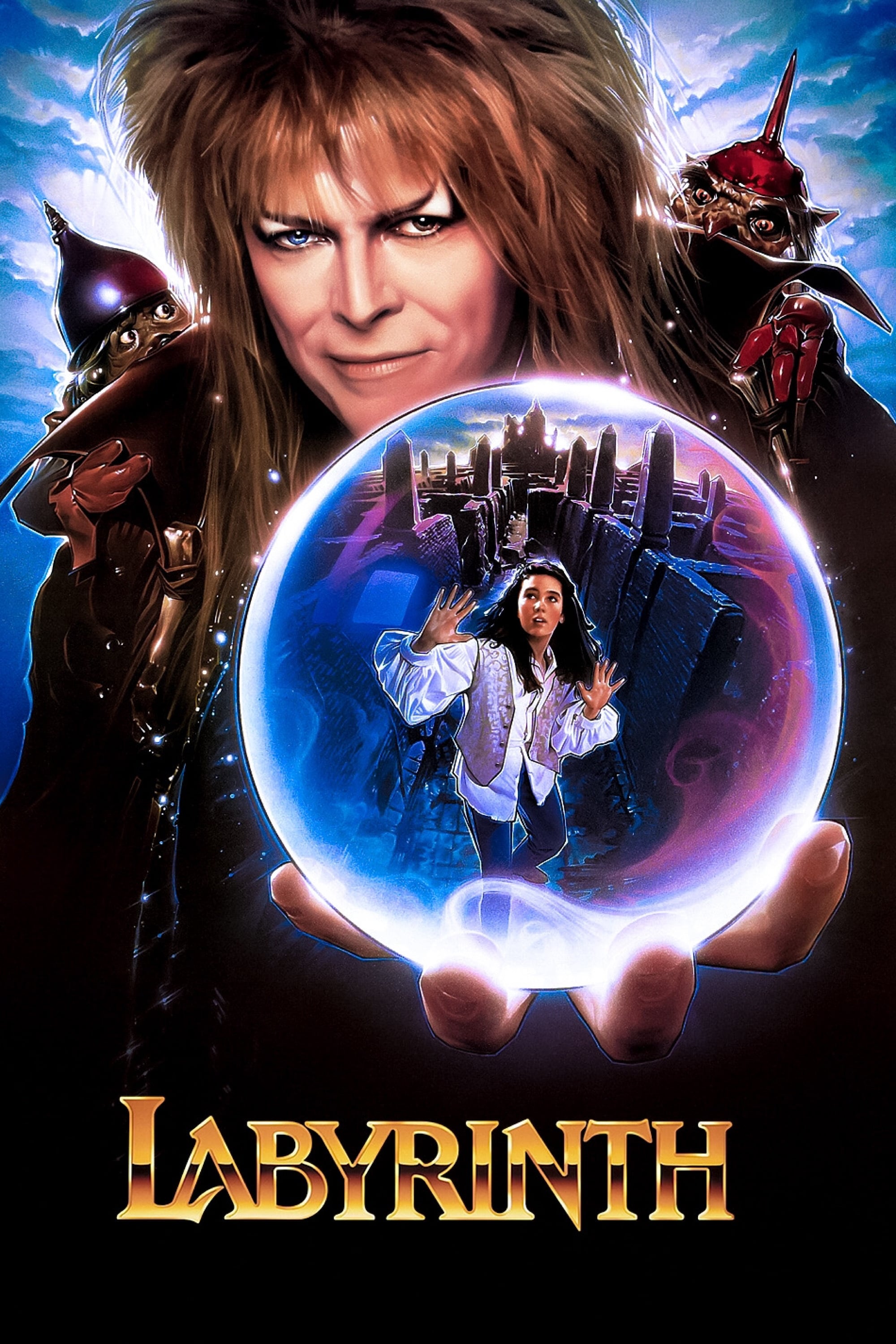
Starring David Bowie and Jennifer Connelly, this fantasy film features a young girl navigating a mystical maze to rescue her baby brother from the Goblin King. Directed by Jim Henson, the film showcased incredible puppetry and imaginative world-building that pushed the boundaries of the craft. Despite its impressive pedigree, it was a commercial failure that deeply discouraged Henson during the final years of his life. Audiences at the time may have found the film’s tone too dark or its musical segments too unconventional. In the decades since, it has become a cherished classic for fans of practical effects and Bowie’s charismatic performance.
‘Heathers’ (1988)
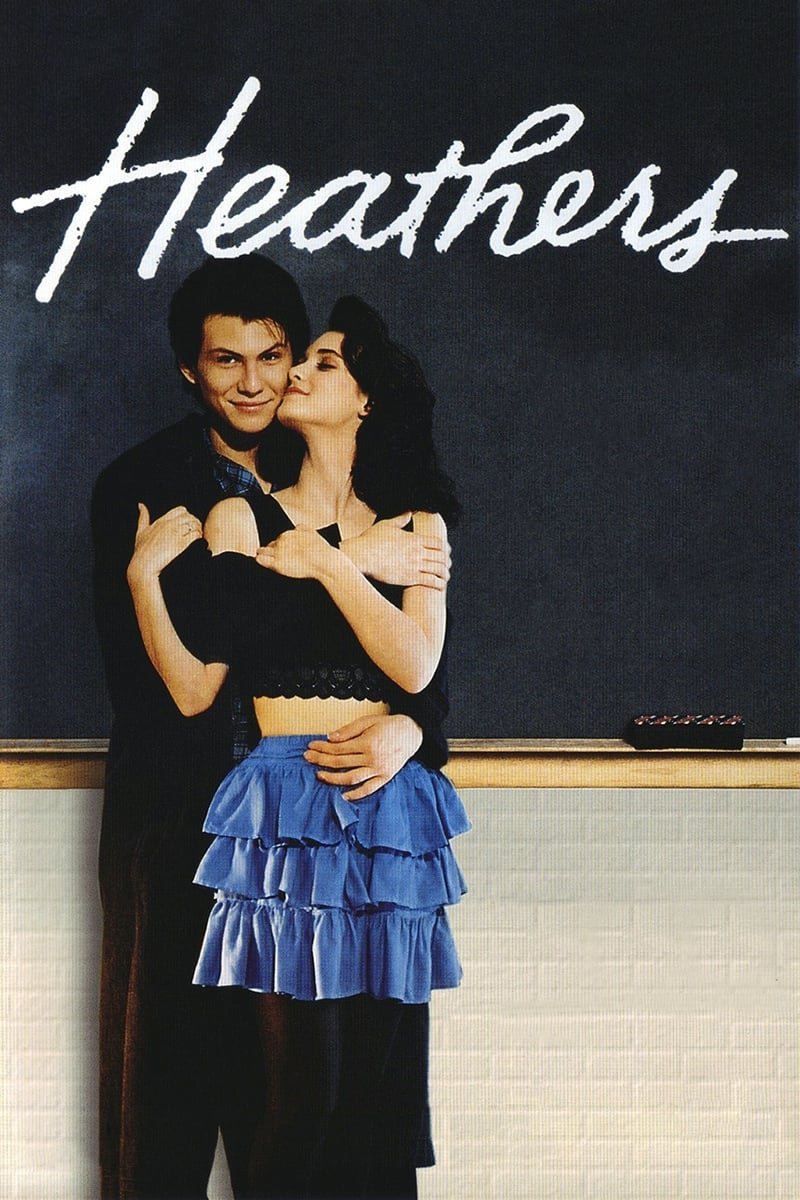
This pitch-black comedy stars Winona Ryder and Christian Slater as teenagers who begin killing the popular students at their high school. ‘Heathers’ was a sharp departure from the earnest John Hughes movies that dominated the 1980s teen genre. Its cynical humor and violent subject matter were too controversial for a mainstream audience, leading to a poor theatrical showing. However, the film found a massive audience on home video and eventually inspired a successful stage musical. It is now praised for its biting dialogue and its deconstruction of high school social hierarchies.
‘The Adventures of Baron Munchausen’ (1988)
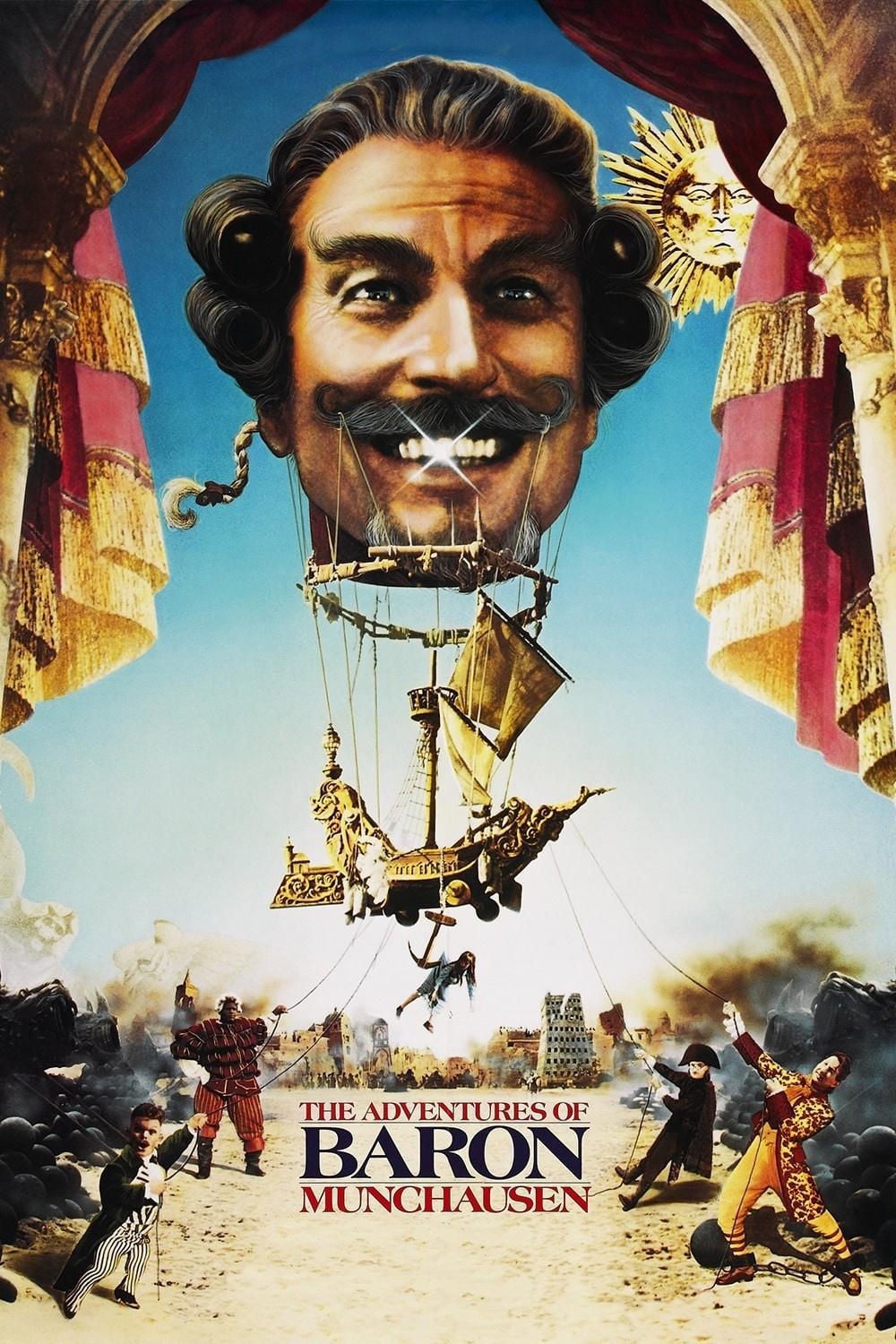
Terry Gilliam’s whimsical adventure film tells the tall tales of an 18th-century aristocrat and his eccentric companions. The production was notoriously troubled, suffering from massive budget overruns and a change in studio leadership that led to a very limited release. With only a handful of theaters showing the film, it had no chance of recouping its massive costs. Critics lauded its visual inventiveness and fantastical spirit, but the general public remained largely unaware of its existence. Over time, ‘The Adventures of Baron Munchausen’ has been recognized as a visual triumph of the fantasy genre.
‘Hocus Pocus’ (1993)
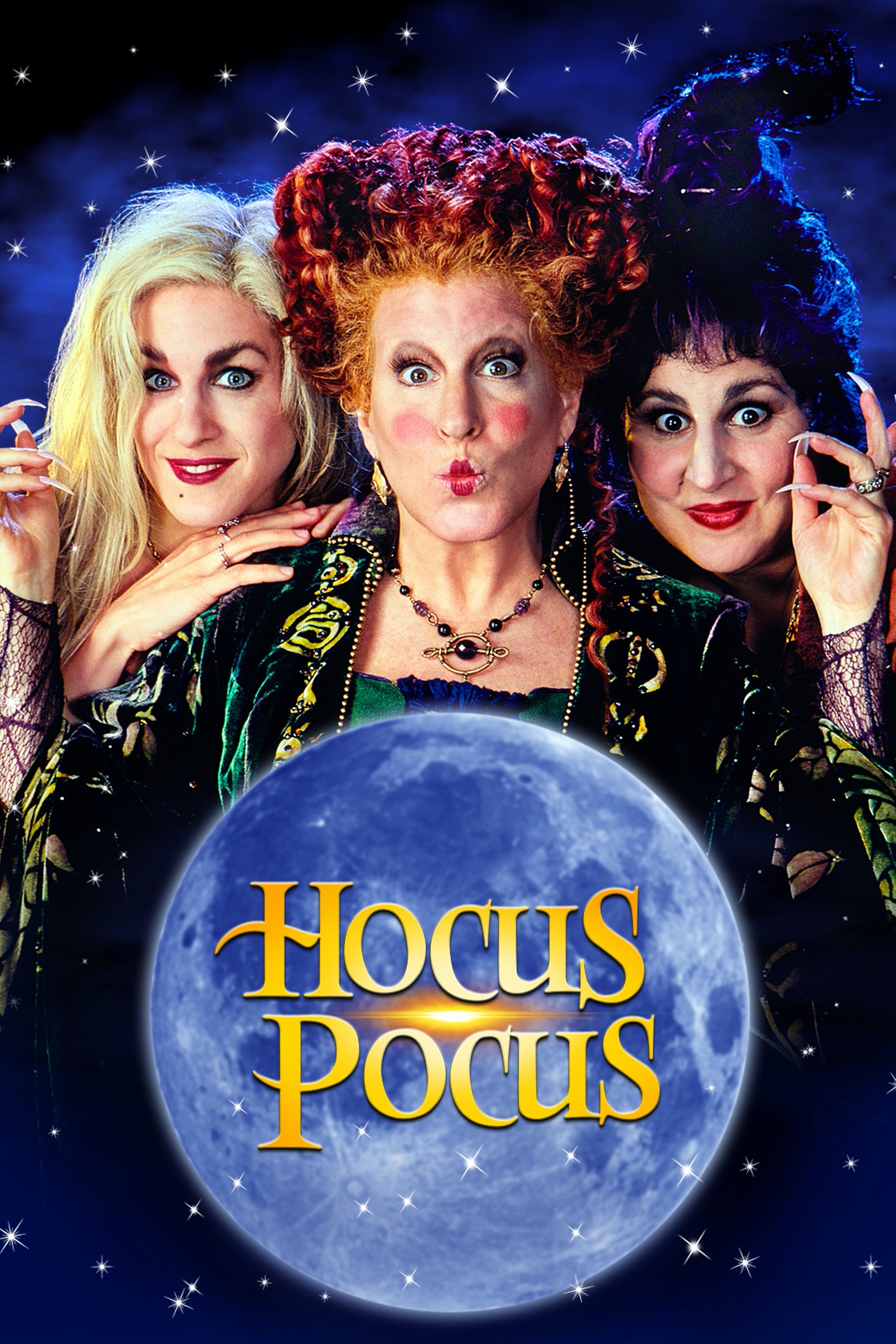
This Disney film about three witches resurrected in modern-day Salem was released in July, which many consider a major strategic error for a Halloween-themed movie. It faced stiff competition from ‘Free Willy’ and ‘Jurassic Park’, resulting in a disappointing box office return. Critics were also unkind, dismissed it as a silly children’s movie without much substance. However, through annual television broadcasts on Disney Channel and Freeform, it built a massive generational following. ‘Hocus Pocus’ is now an essential part of the Halloween season for millions of viewers.
‘Last Action Hero’ (1993)
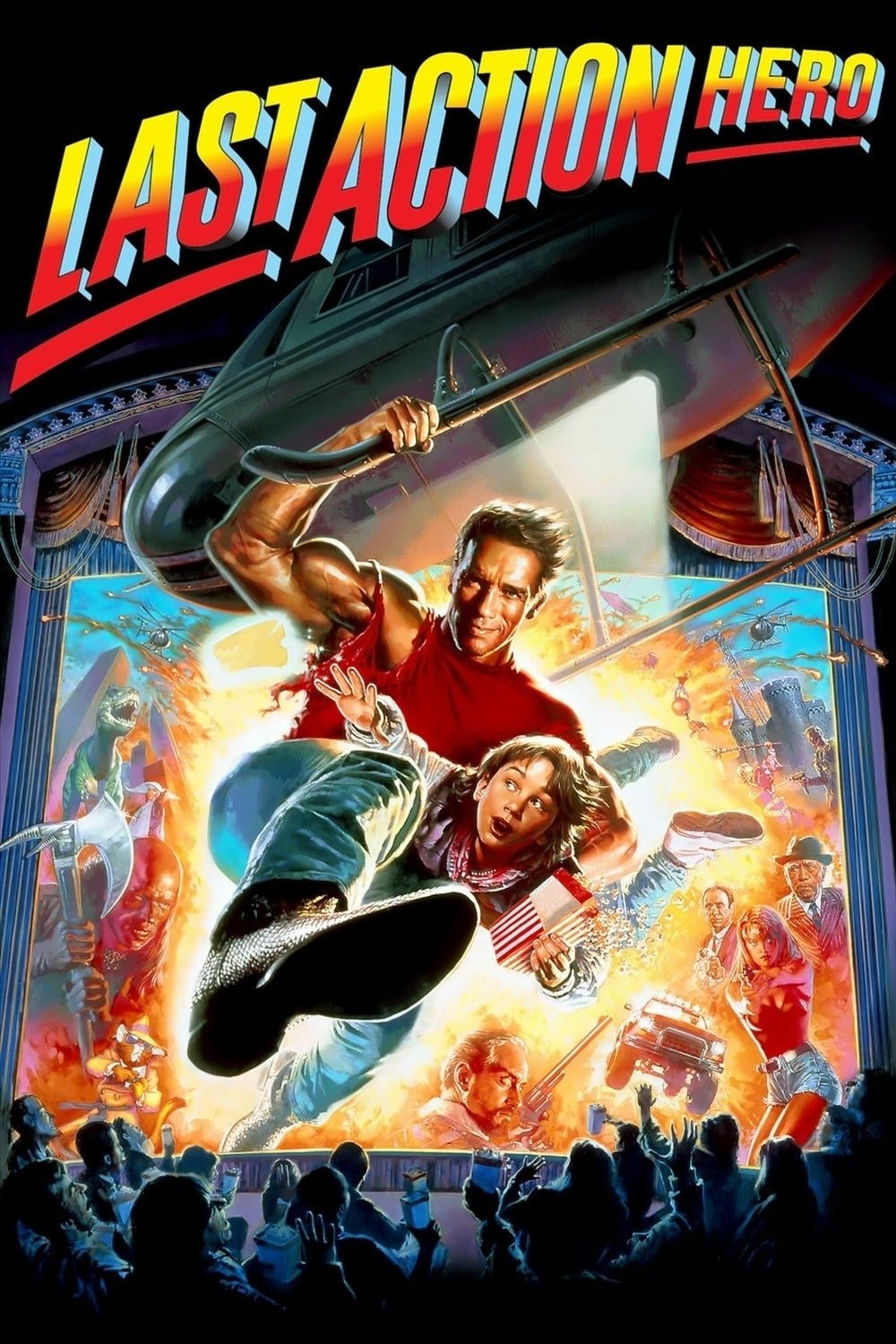
Arnold Schwarzenegger stars in this meta-action film as a fictional movie hero who is brought into the real world by a young fan. The film was heavily criticized for its confusing tone and was crushed at the box office by the phenomenon of ‘Jurassic Park’. Marketing for the film struggled to explain its self-aware humor and deconstruction of action movie tropes. In recent years, it has been reappraised as an ahead-of-its-time satire that predated the meta-humor common in modern blockbusters. ‘The Last Action Hero’ is now appreciated for its ambition and its clever commentary on the genre.
‘The Shawshank Redemption’ (1994)
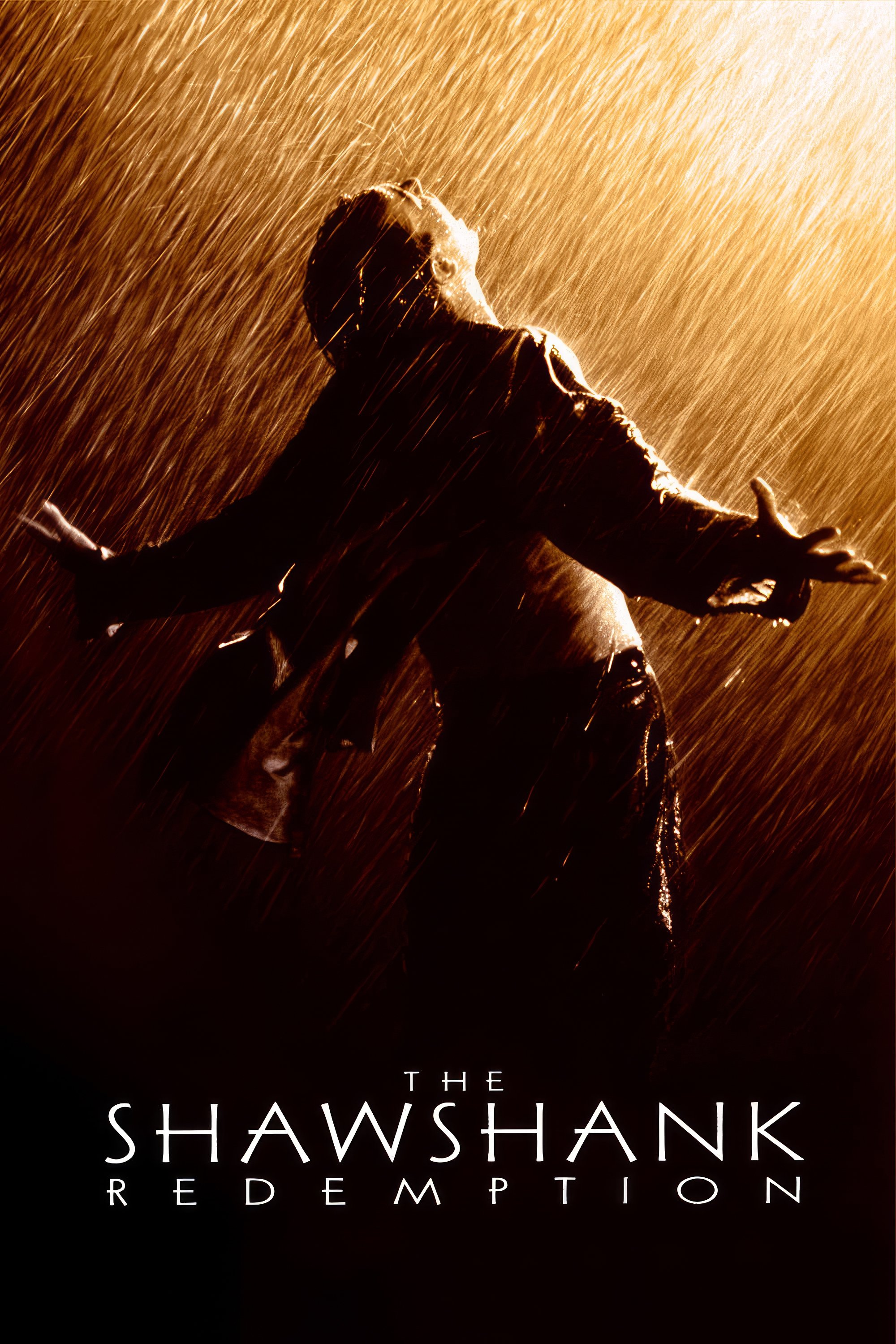
Based on a Stephen King novella, this prison drama follows the friendship between Andy Dufresne and Ellis “Red” Redding over several decades. Despite receiving seven Academy Award nominations, the film was a financial failure during its initial release. Its title was considered confusing by the public, and the market for serious prison dramas was limited at the time. The film’s path to greatness began with its massive success in the home video rental market and constant airings on TNT. It has since spent years as the top-rated movie on IMDb, recognized for its moving portrayal of hope and human resilience.
‘The Hudsucker Proxy’ (1994)
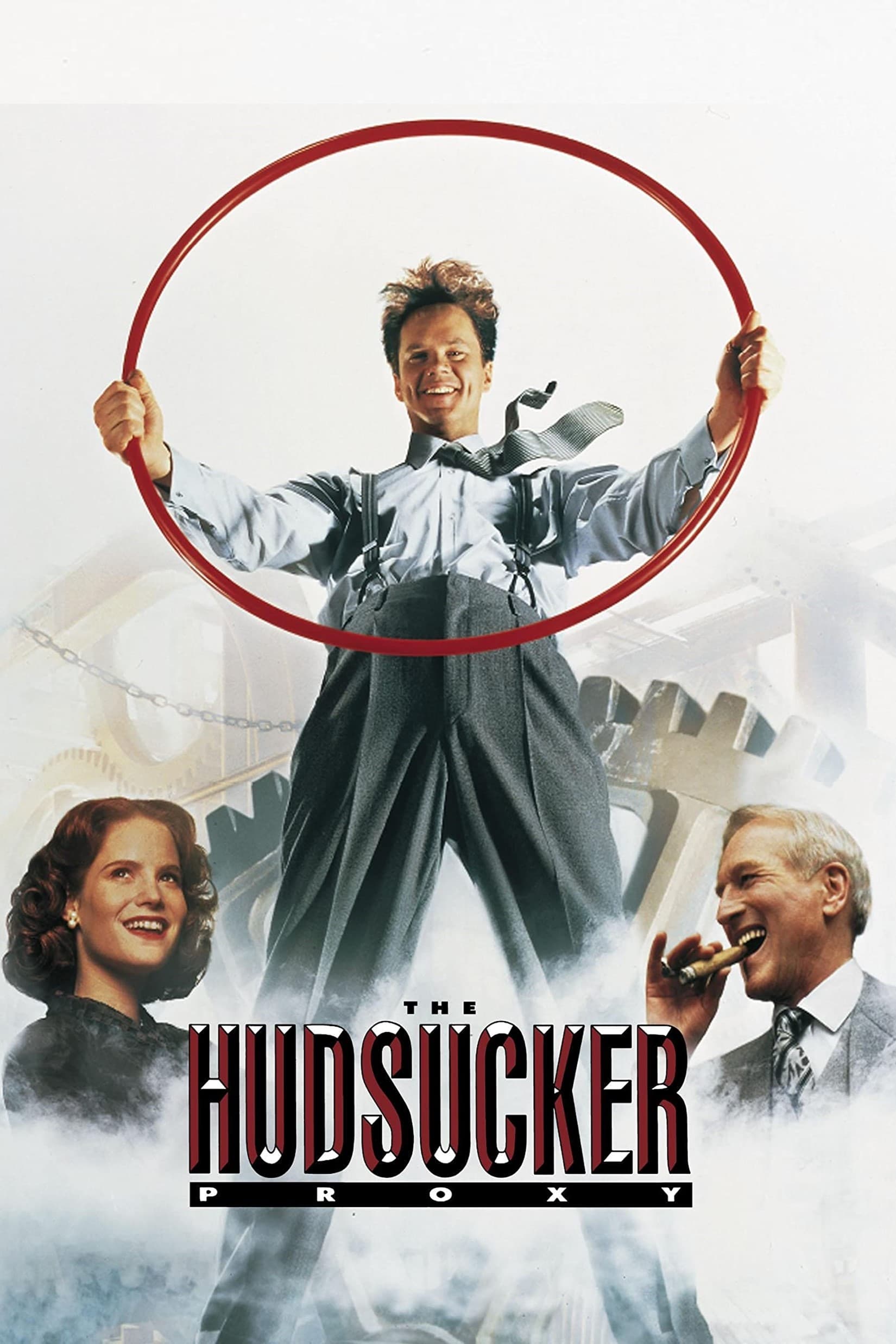
The Coen Brothers directed this stylized comedy about a mailroom clerk who is promoted to president of a massive corporation as part of a stock scam. The film’s rapid-fire dialogue and 1950s screwball aesthetic did not resonate with mid-90s audiences, and it became a major financial loss for the studio. Its highly artificial visual style and eccentric characters were seen as too niche for a mainstream hit. However, critics have since praised its technical precision and its homage to the golden age of Hollywood. ‘The Hudsucker Proxy’ remains a favorite among Coen Brothers enthusiasts for its unique energy and design.
‘Showgirls’ (1995)

Director Paul Verhoeven’s NC-17 drama about the cutthroat world of Las Vegas dancers was reviled by critics and ignored by mainstream audiences upon release. The film was mocked for its over-the-top acting and perceived lack of taste, leading to a disastrous box office run. However, the film quickly became a staple of “so bad it’s good” cinema, leading to profitable home video sales. Verhoeven has since argued that the film was intended as a satirical critique of American excess rather than a serious drama. ‘Showgirls’ is now celebrated by a cult following as a misunderstood camp masterpiece.
‘Matilda’ (1996)
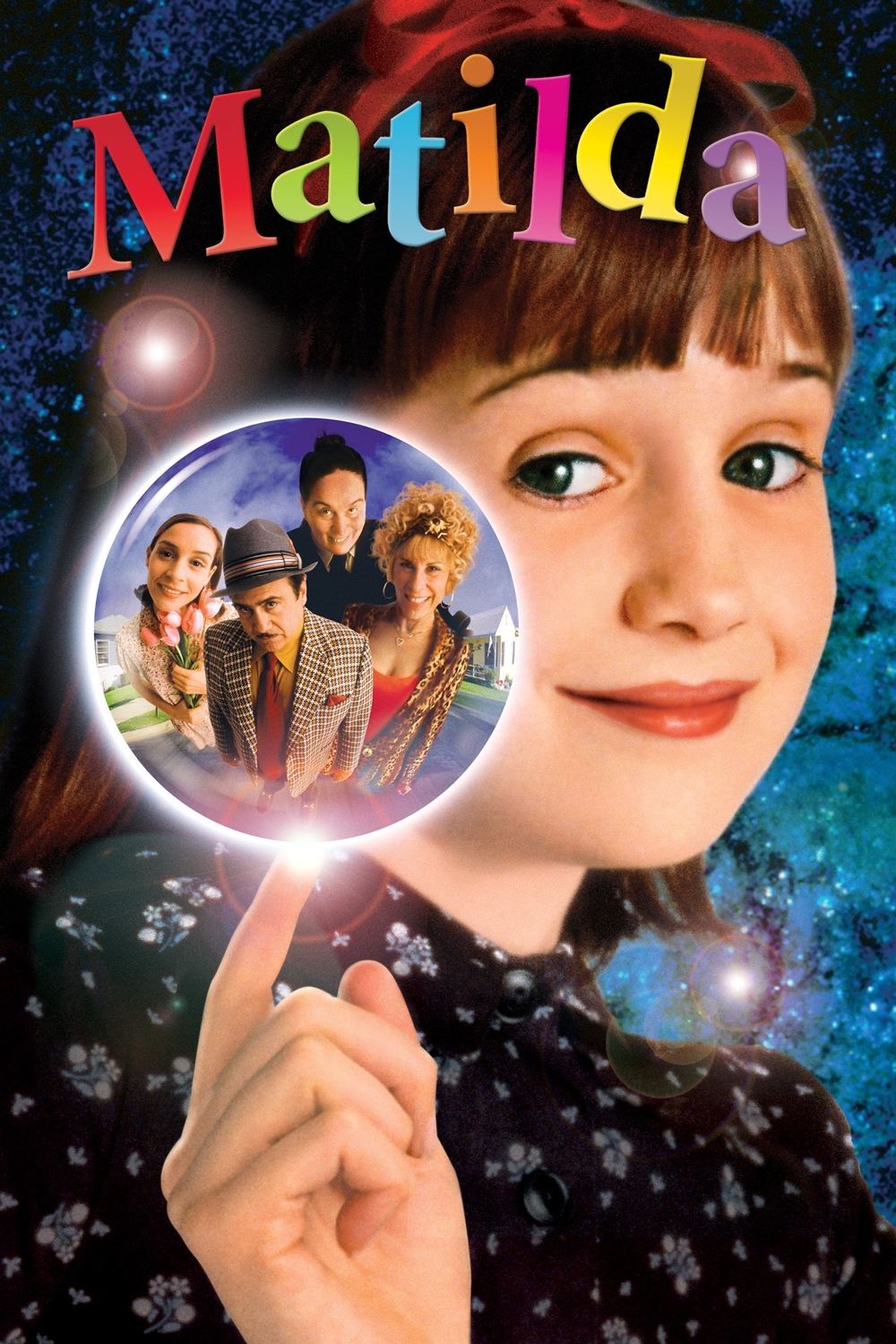
Directed by Danny DeVito, this adaptation of the Roald Dahl book tells the story of a gifted young girl dealing with neglectful parents and a tyrannical principal. While the film was well-received by critics, it struggled to compete in a crowded family movie market and failed to turn a profit. Its whimsical yet dark tone was perhaps a mismatch for the marketing strategies of the time. Like many other films on this list, ‘Matilda’ found its true audience on television and home video. It is now considered a quintessential childhood film for the millennial generation.
‘Event Horizon’ (1997)
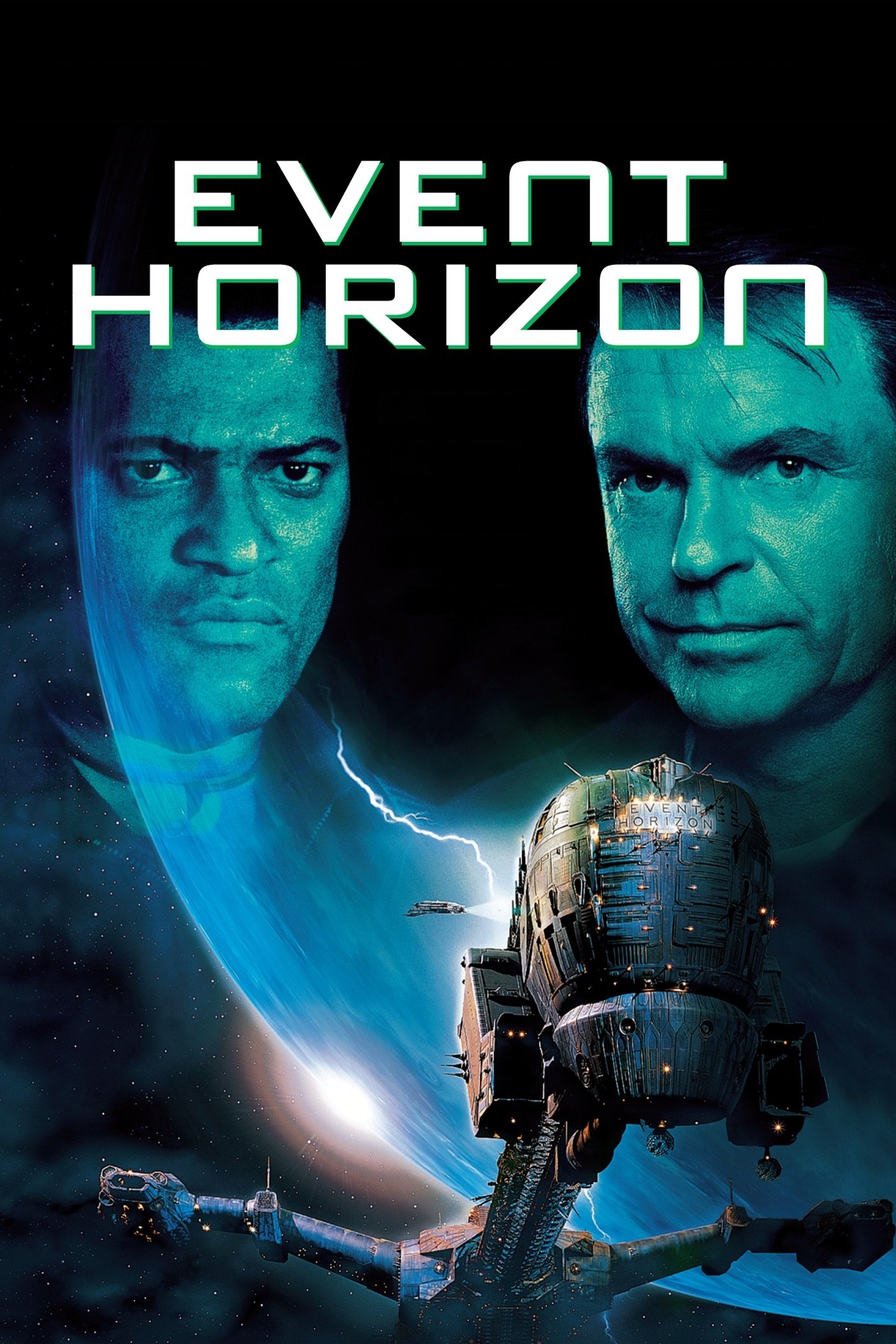
This science fiction horror film follows a rescue crew investigating a spaceship that has returned after disappearing into a black hole. The film’s production was rushed, and its graphic depictions of hellish violence led to significant cuts by the studio. It was a box office bomb, as audiences were not prepared for the intense blend of ‘Star Trek’ aesthetics and ‘The Exorcist’ horror. Over the years, ‘Event Horizon’ has gained a reputation as one of the most effective and terrifying space-horror films ever made. Fans continue to campaign for the release of the legendary lost “director’s cut” of the film.
‘The Big Lebowski’ (1998)
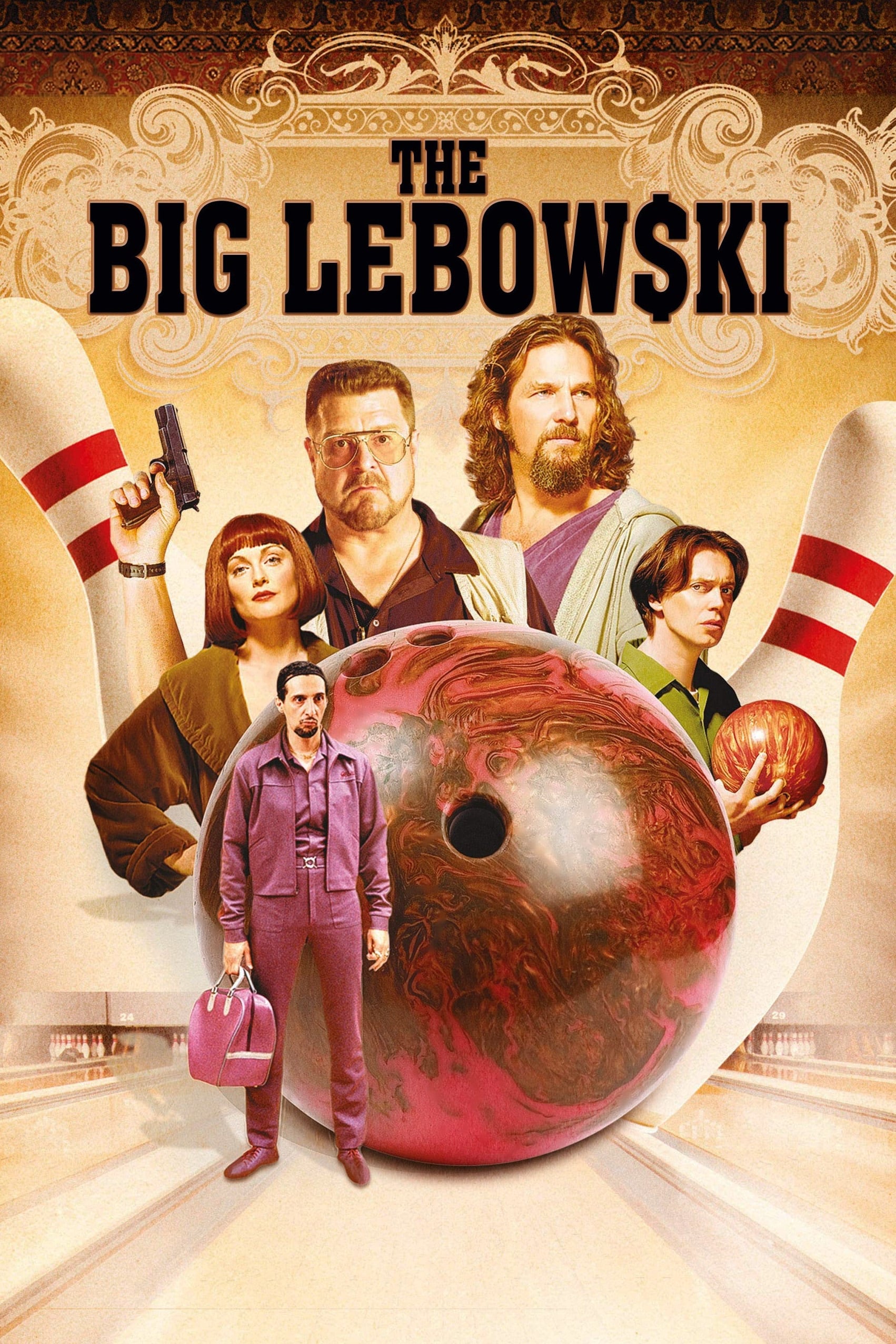
The Coen Brothers’ follow-up to ‘Fargo’ was a surreal noir comedy about a slacker known as “The Dude” who gets entangled in a kidnapping plot. It was met with confusion by critics and lukewarm interest from the public, failing to reach the heights of the directors’ previous success. The film’s wandering plot and unconventional protagonist were a far cry from the taut thrillers audiences expected. Through word of mouth and DVD sales, it eventually became one of the most quoted and beloved cult films in history. It even inspired “Dudeism,” a real-life philosophy and religion based on the character’s relaxed lifestyle.
‘Dark City’ (1998)
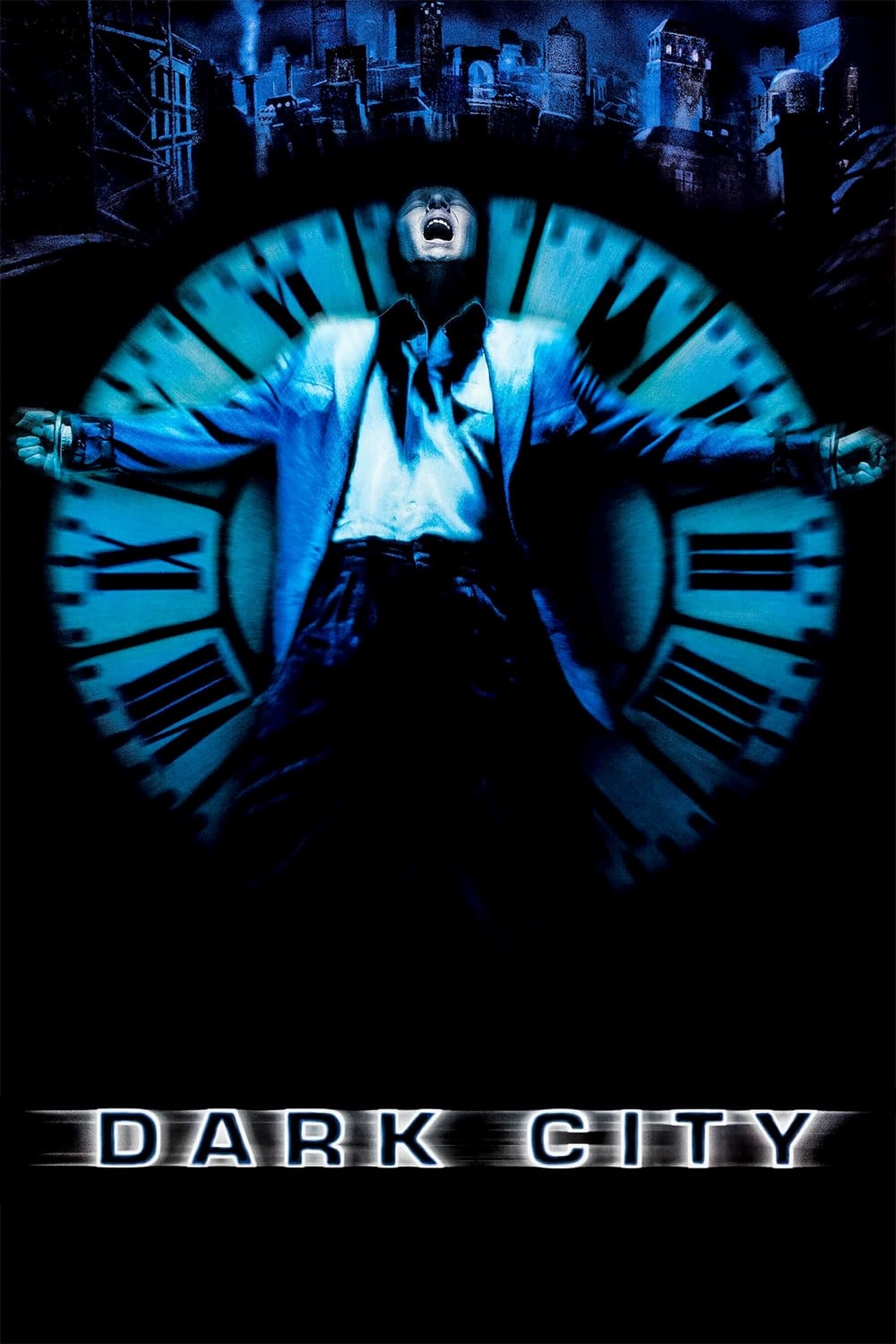
Released shortly before ‘The Matrix’, this visually striking neo-noir explores themes of memory and reality in a city where the sun never rises. Director Alex Proyas created a haunting, gothic atmosphere that was praised by critics like Roger Ebert, who named it the best film of the year. However, it failed to attract a large audience and was overshadowed by more action-oriented science fiction releases. Its complex narrative and dark aesthetic were perhaps too somber for the late-90s blockbuster crowd. ‘Dark City’ is now recognized as a precursor to many of the philosophical sci-fi films that followed it.
‘Fear and Loathing in Las Vegas’ (1998)
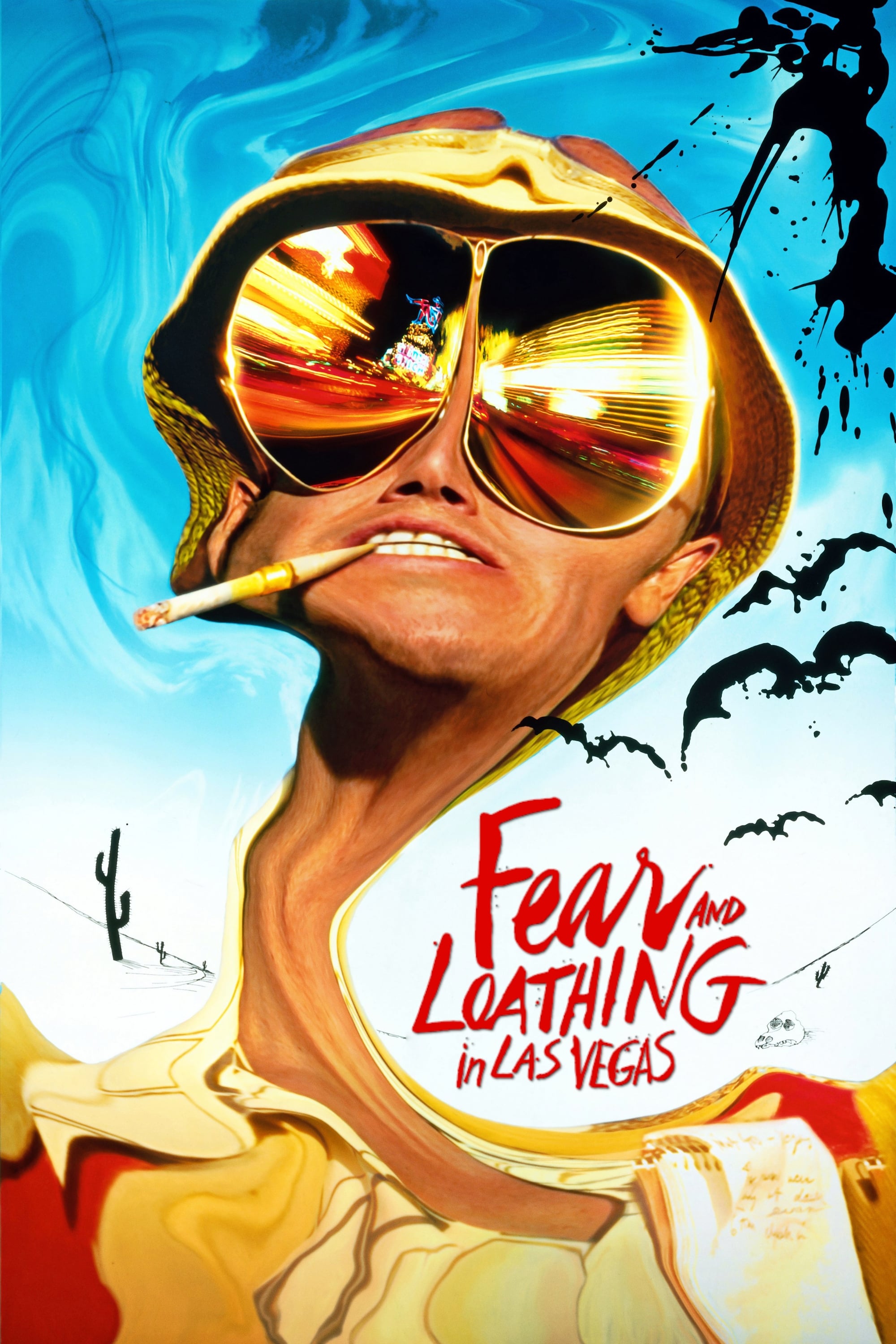
Terry Gilliam’s adaptation of Hunter S. Thompson’s seminal book stars Johnny Depp and Benicio del Toro on a drug-fueled trip across the desert. The film’s hallucinogenic visuals and episodic structure were polarizing, leading to a poor performance at the box office. Many viewers found the film’s relentless intensity and lack of a traditional moral arc difficult to digest. However, it quickly became a staple of counter-culture cinema and a favorite for late-night viewing. It is now praised for its commitment to Thompson’s unique prose style and Depp’s transformative performance.
‘Fight Club’ (1999)

Directed by David Fincher, this adaptation of Chuck Palahniuk’s novel follows an insomniac office worker who forms an underground fight club. The film was famously misunderstood by the studio, which marketed it as a standard action movie starring Brad Pitt. When audiences found a philosophical, darkly comedic critique of consumerism and masculinity, the reaction was mixed. It underperformed in theaters but became one of the most successful and influential DVD releases of all time. ‘Fight Club’ is now considered a defining film of the late 20th century, sparking endless debate and analysis.
‘The Iron Giant’ (1999)
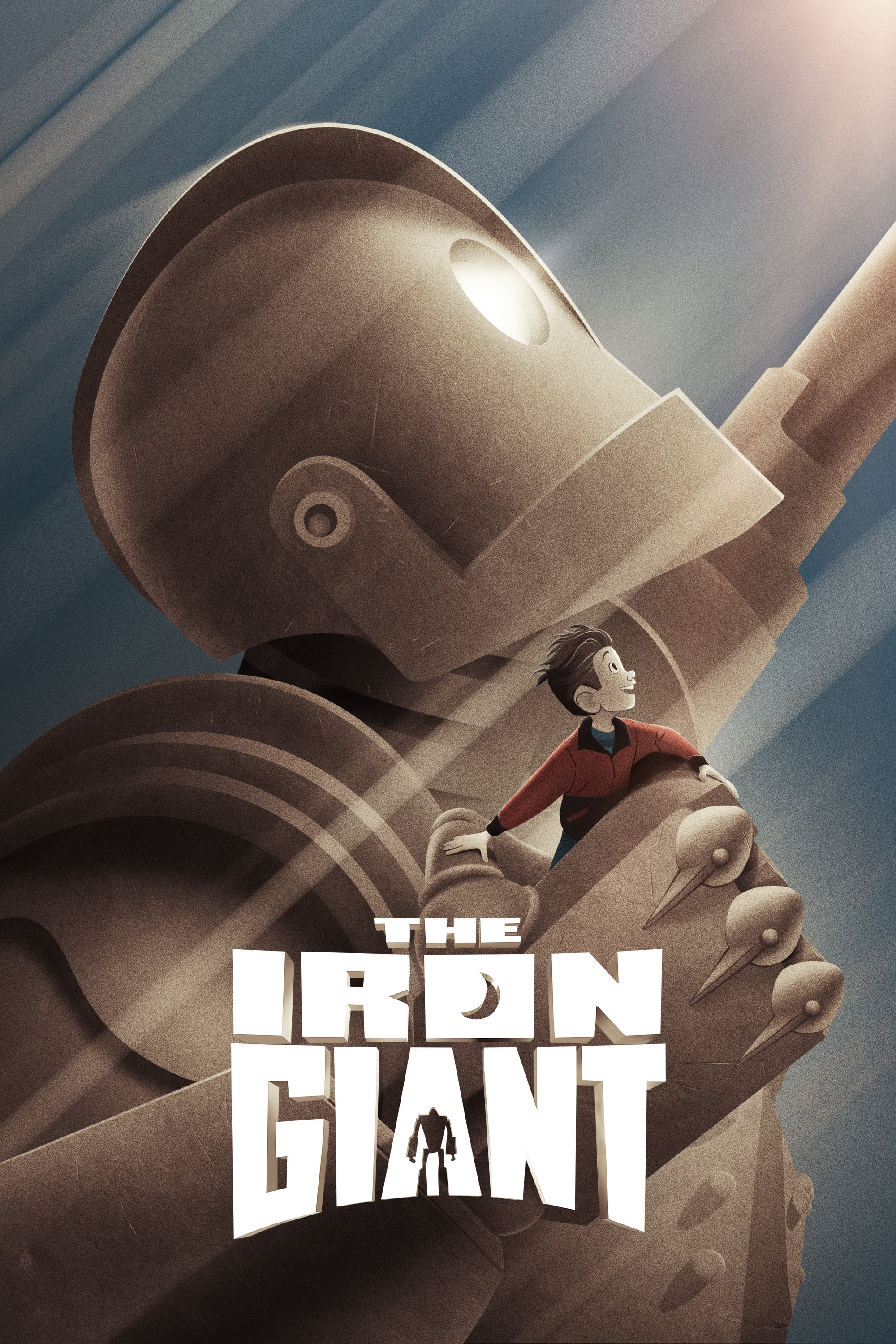
This animated film directed by Brad Bird tells the story of a young boy who befriends a giant robot from outer space during the Cold War. Despite receiving near-universal acclaim from critics, the film was a massive commercial failure due to a lack of marketing from Warner Bros. The studio, reeling from the failure of ‘Quest for Camelot’, did not believe in the film’s potential until it was too late to promote it. Its sophisticated themes of choice and sacrifice resonated with adults as much as children. Today, ‘The Iron Giant’ is widely regarded as one of the greatest animated films ever made.
‘Office Space’ (1999)

Mike Judge’s satire of corporate culture follows three software engineers who rebel against their soul-crushing jobs. The film had a very quiet theatrical run and was largely ignored by the general public during its initial release. Its low-key humor and specific observations about cubicle life were perhaps too relatable or niche for the time. However, once it hit the home video market, it became a massive success, particularly among office workers who felt seen by the film’s humor. ‘Office Space’ remains a cultural touchstone for anyone who has ever felt frustrated by corporate bureaucracy.
‘The Insider’ (1999)
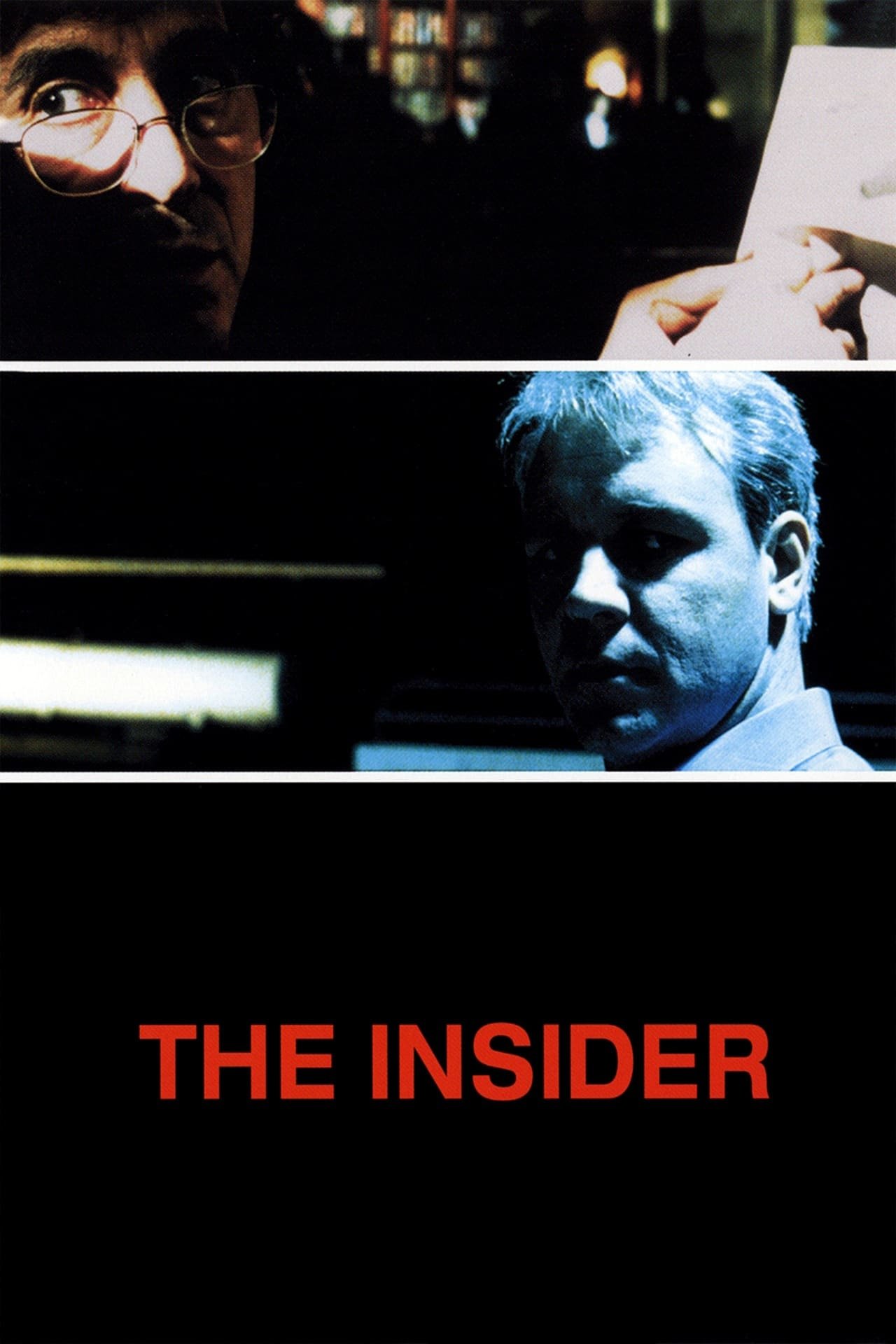
Directed by Michael Mann, this biographical drama tells the true story of a tobacco industry whistleblower and the journalist who risks everything to tell his story. Despite starring Al Pacino and Russell Crowe and receiving seven Academy Award nominations, the film failed to attract a large audience. Its long runtime and serious, investigative subject matter were a hard sell for the weekend box office. Critics praised its tension and performances, but the public largely stayed away. It is now viewed as one of the finest dramas of the 1990s and a high point in Mann’s filmography.
‘Donnie Darko’ (2001)
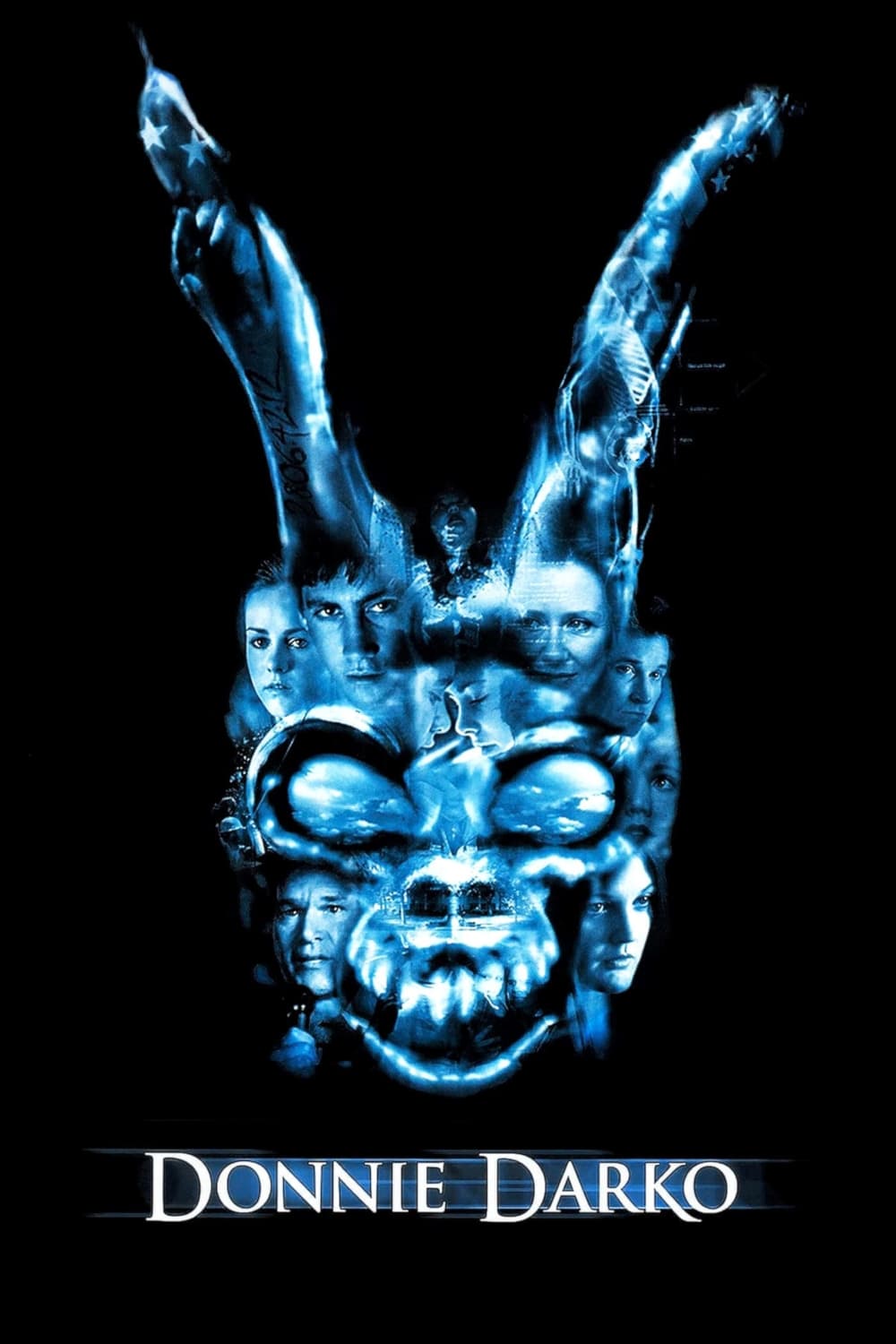
This psychological thriller stars Jake Gyllenhaal as a troubled teenager who is visited by a giant, demonic rabbit telling him the world will end. The film’s release was hampered by the events of September 11th, as its plot involved a jet engine falling from the sky. It earned very little during its brief theatrical run but became a massive cult sensation through word of mouth and midnight screenings. Its complex time-travel mechanics and moody atmosphere resonated deeply with a new generation of fans. ‘Donnie Darko’ is now seen as a definitive piece of early 2000s indie cinema.
‘Mulholland Drive’ (2001)
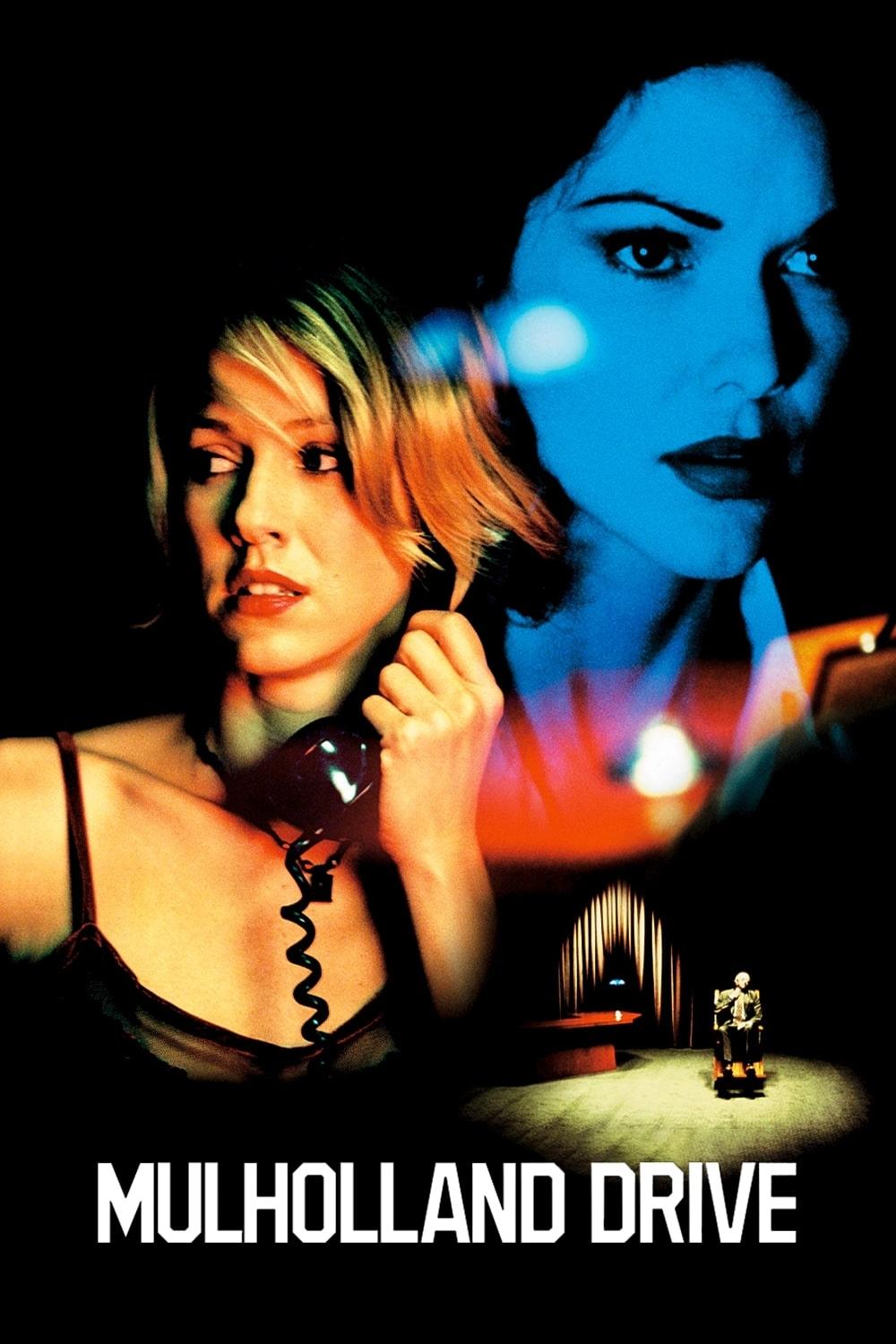
David Lynch’s surrealist neo-noir began as a television pilot that was rejected by networks before being expanded into a feature film. The non-linear narrative and dream-like sequences baffled many mainstream viewers, leading to a modest box office return. Its exploration of the dark side of Hollywood and the nature of identity was considered too abstract for general audiences. However, the film was a hit with critics and has since been named the best film of the 21st century in several major polls. ‘Mulholland Drive’ is now celebrated as Lynch’s magnum opus and a masterpiece of modern psychological cinema.
‘Treasure Planet’ (2002)

Disney’s ambitious sci-fi reimagining of ‘Treasure Island’ utilized a unique blend of 2D and 3D animation. The film was one of the most expensive animated projects ever made, but it failed spectacularly at the box office. It was released during a time when audiences were shifting their interest toward fully computer-animated films like those from Pixar. Marketing struggles and competition from the first ‘Harry Potter’ sequel further hindered its performance. In recent years, fans have praised the film for its creative world-building, emotional core, and beautiful art style.
‘Solaris’ (2002)
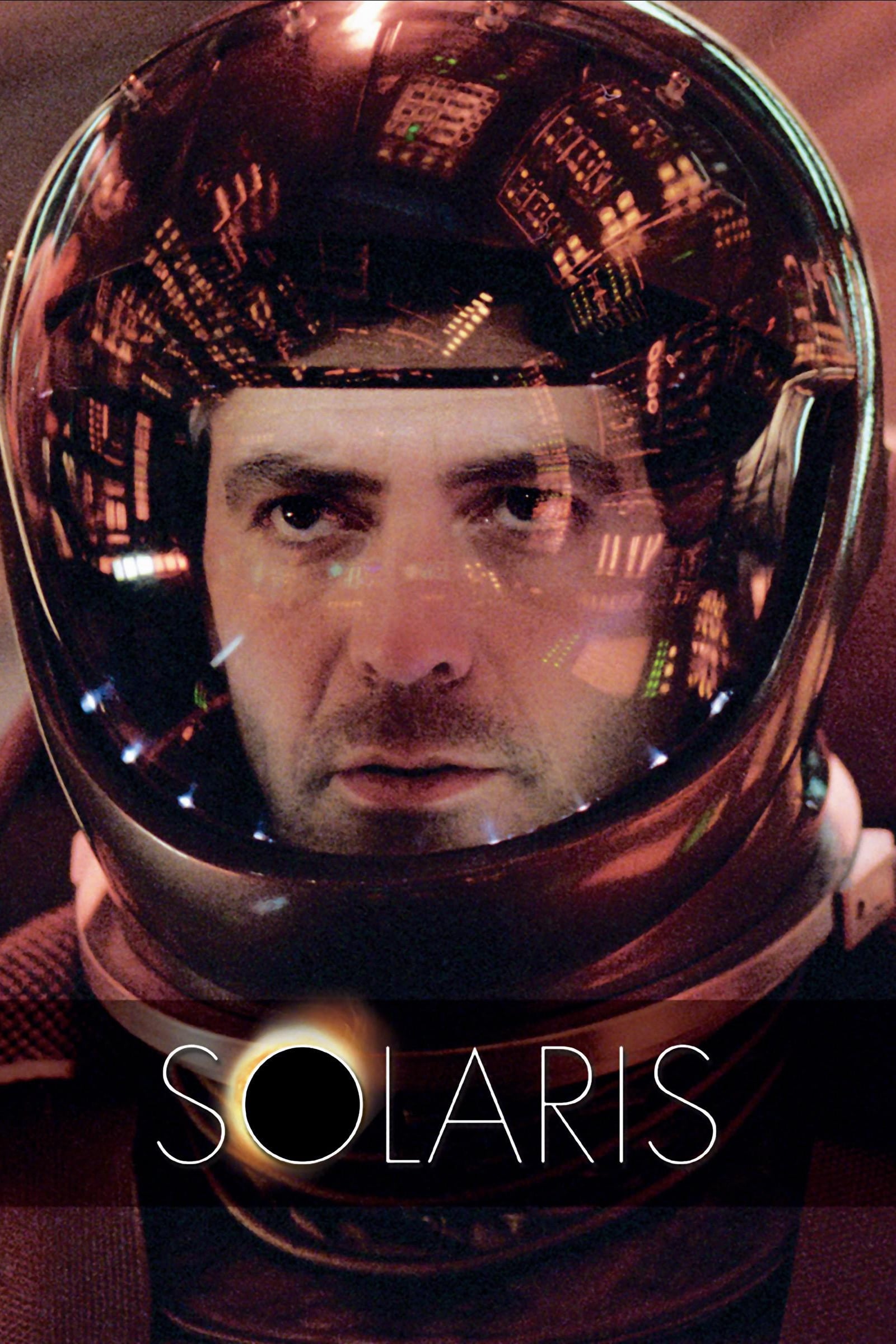
Steven Soderbergh’s adaptation of the Stanislaw Lem novel stars George Clooney as a psychologist sent to a space station where the crew is experiencing manifestations of their memories. The film was marketed as a space thriller, which led to disappointment from audiences who found a slow, meditative exploration of grief and love. It received a rare “F” CinemaScore from opening night viewers who were confused by its ambiguous nature. Critics, however, appreciated its intellectual depth and atmospheric visuals. ‘Solaris’ has since been recognized as a thoughtful and visually stunning entry in the science fiction genre.
‘Idiocracy’ (2006)
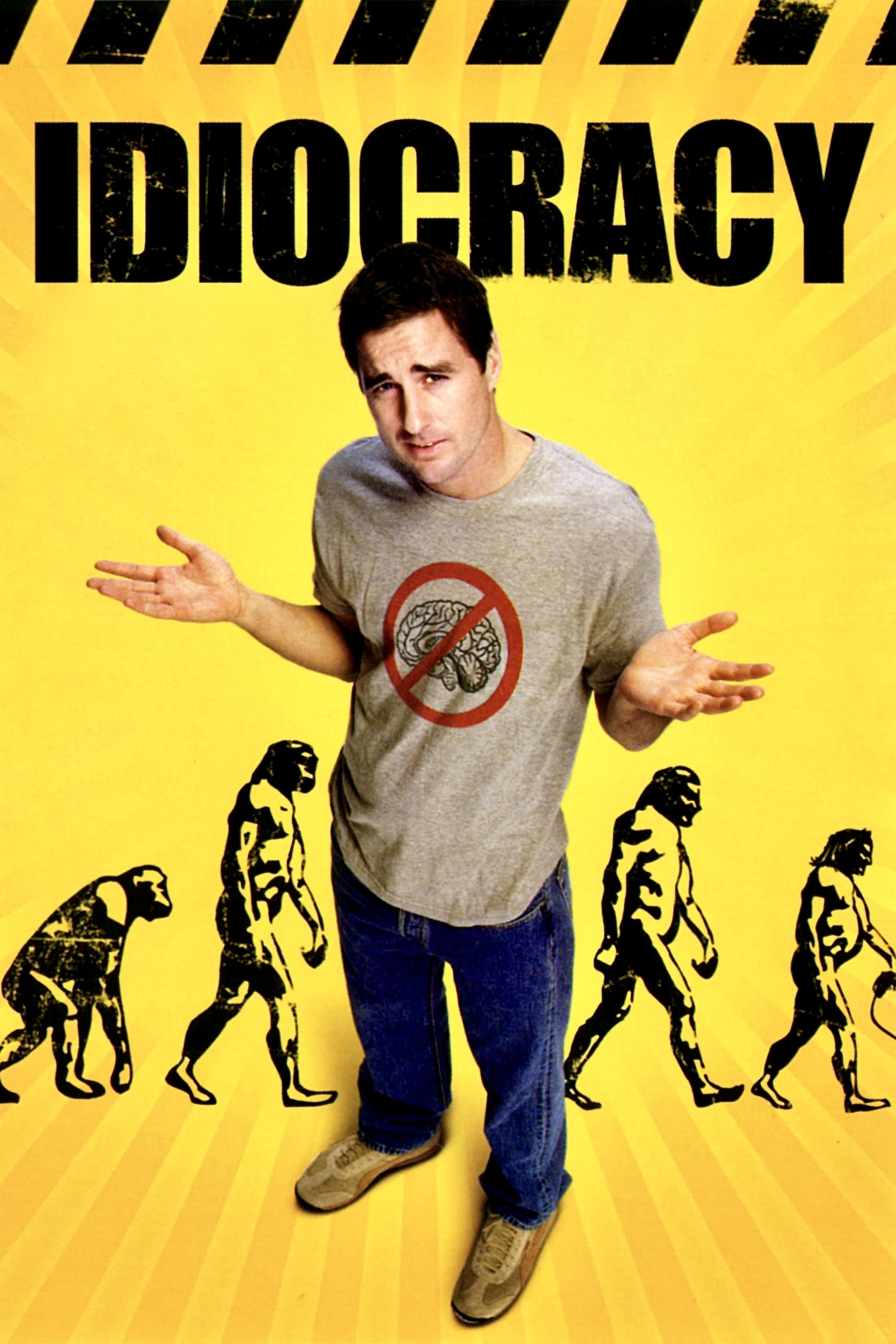
Mike Judge’s second appearance on this list is a satirical comedy about an average man who wakes up 500 years in a future where society has become incredibly unintelligent. The film was famously buried by its studio, receiving virtually no promotion and a very limited theatrical release in only a few cities. It was a complete financial failure that most people only discovered years later through home video and streaming. Its biting commentary on consumerism and the decline of public discourse has since made it feel incredibly prophetic to many viewers. ‘Idiocracy’ is now frequently cited in political and social discussions about the state of modern society.
‘The Fountain’ (2006)
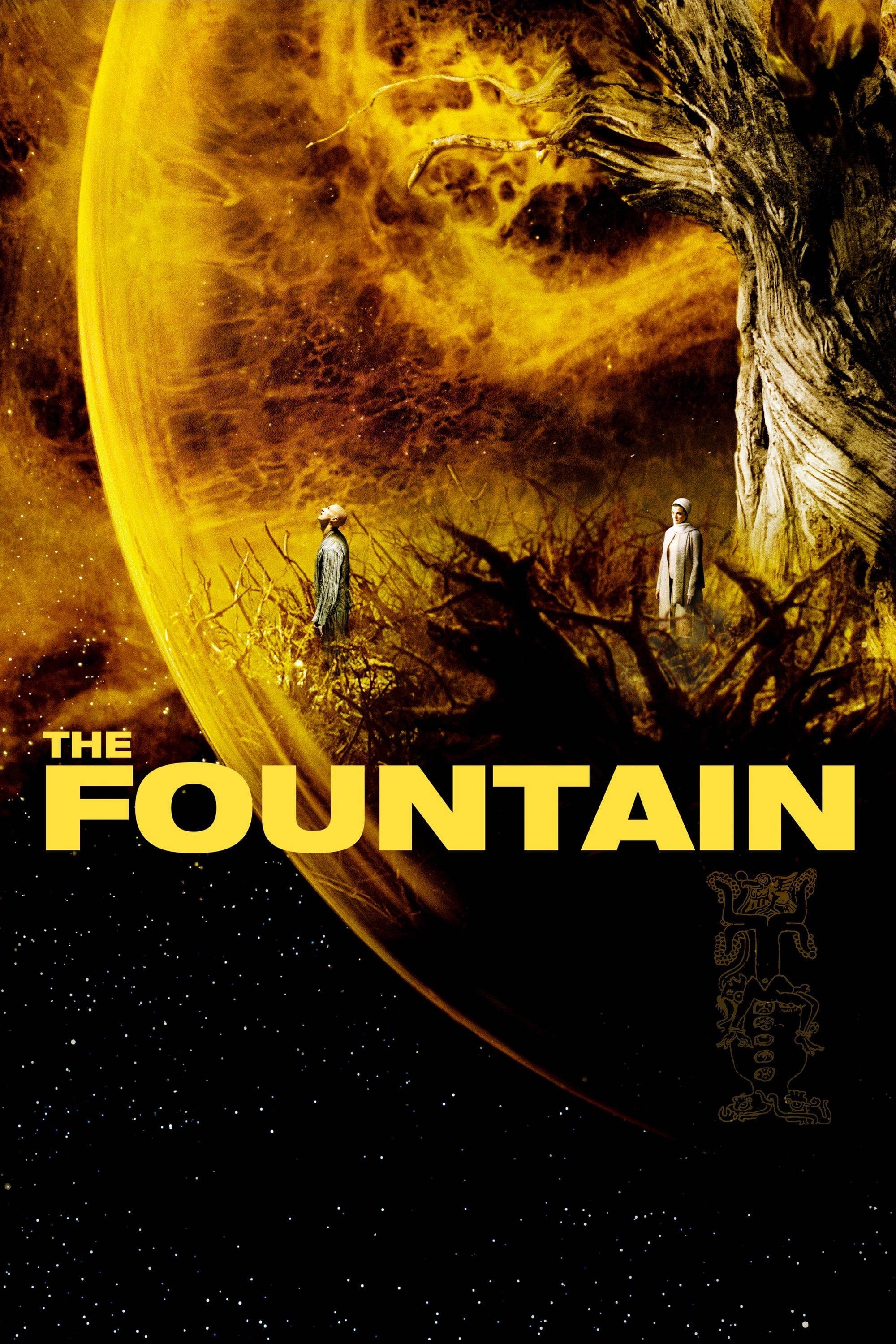
Director Darren Aronofsky’s ambitious film weaves together three storylines spanning a thousand years, all centered on themes of love and mortality. The film’s abstract narrative and heavy philosophical themes were polarizing for both critics and audiences, leading to a poor box office showing. It was originally planned as a much larger blockbuster before being scaled down, which perhaps affected its initial reception. Over time, the film’s stunning visual effects—achieved through micro-photography rather than CGI—and its emotional score have earned it a loyal following. ‘The Fountain’ is now considered a deeply moving and visually unique work of art.
‘Children of Men’ (2006)
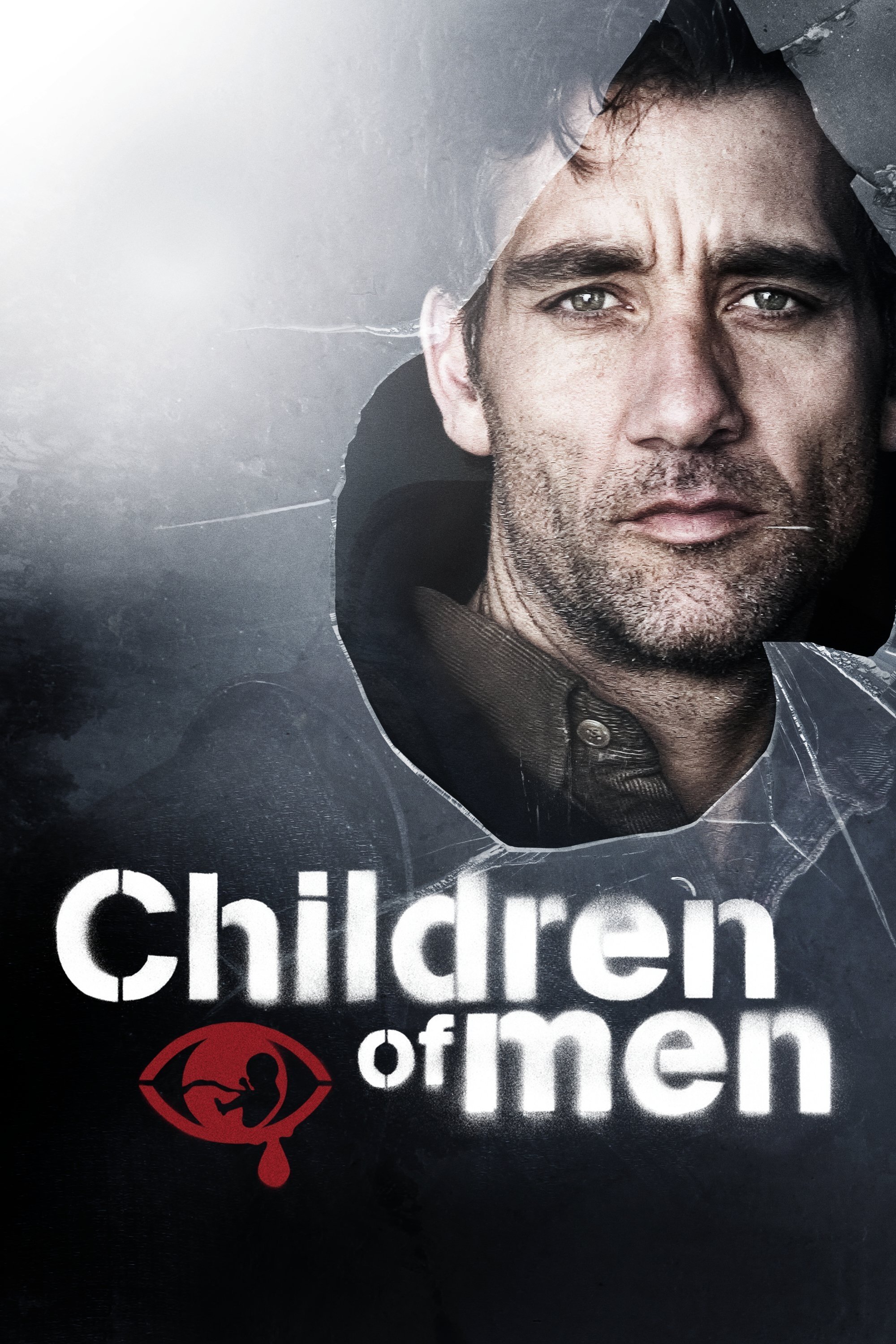
Set in a future where humans have become infertile, this dystopian thriller follows a man tasked with protecting the only pregnant woman on Earth. Despite its incredible “one-shot” action sequences and timely political themes, the film was a commercial disappointment upon release. Its bleak outlook and gritty realism may have been too intense for mainstream holiday audiences. However, the film received critical acclaim and has since been recognized as one of the best science fiction films of the decade. ‘Children of Men’ is now studied for its technical mastery and its hauntingly plausible vision of the future.
‘Sunshine’ (2007)
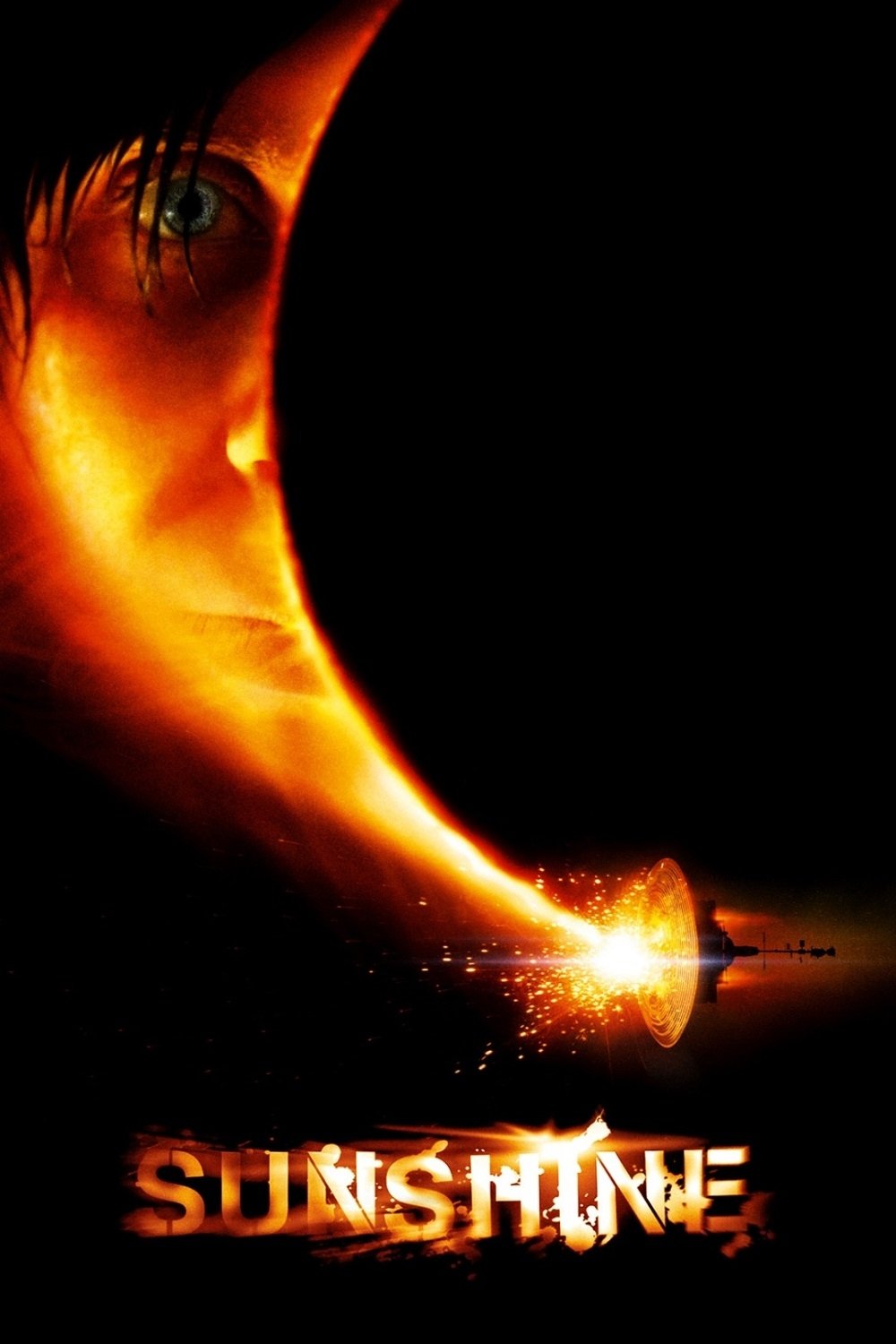
Directed by Danny Boyle, this sci-fi thriller follows a team of astronauts on a mission to reignite the dying sun with a massive nuclear bomb. The film was a financial failure, particularly in the United States, where it struggled to find an audience despite positive reviews. Many viewers were divided by the film’s shift into slasher-horror elements in its final act. Despite this, its stunning cinematography and scientific accuracy (with some creative liberties) have made it a favorite among genre fans. ‘Sunshine’ is now praised for its tension and its philosophical take on humanity’s place in the universe.
‘Grindhouse’ (2007)

This double feature from directors Robert Rodriguez and Quentin Tarantino was designed to replicate the experience of 1970s exploitation cinema. Complete with fake trailers and simulated film damage, the three-hour experience was a bold experimental move. However, modern audiences were not interested in the long runtime, and the film was a major box office disappointment. Many viewers did not understand the “grindhouse” concept, leading the studio to split the films for international release. Both ‘Planet Terror’ and ‘Death Proof’ have since found dedicated fanbases who appreciate the stylistic homage.
‘The Assassination of Jesse James by the Coward Robert Ford’ (2007)
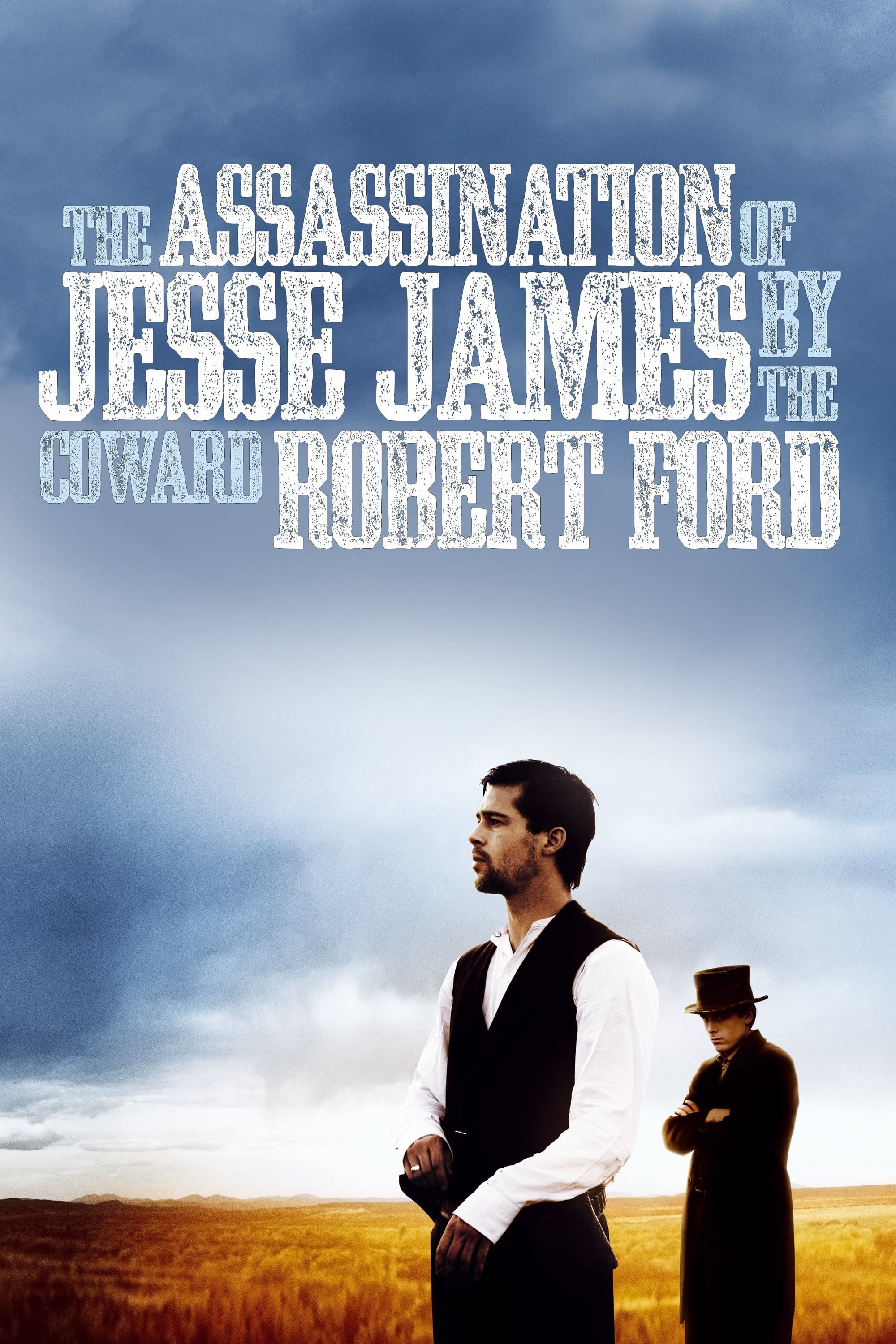
This lyrical, slow-burning Western stars Brad Pitt and Casey Affleck in a deconstruction of the legend of Jesse James. The film’s nearly three-hour runtime and contemplative pacing were a hard sell for a genre often associated with action and gunfights. It underperformed significantly at the box office, as audiences were not prepared for such a melancholic and poetic take on the outlaw mythos. Critics raved about Roger Deakins’ cinematography and the nuanced performances, but the public largely ignored it. It is now considered one of the finest Westerns ever made and a pinnacle of modern cinematography.
‘Speed Racer’ (2008)
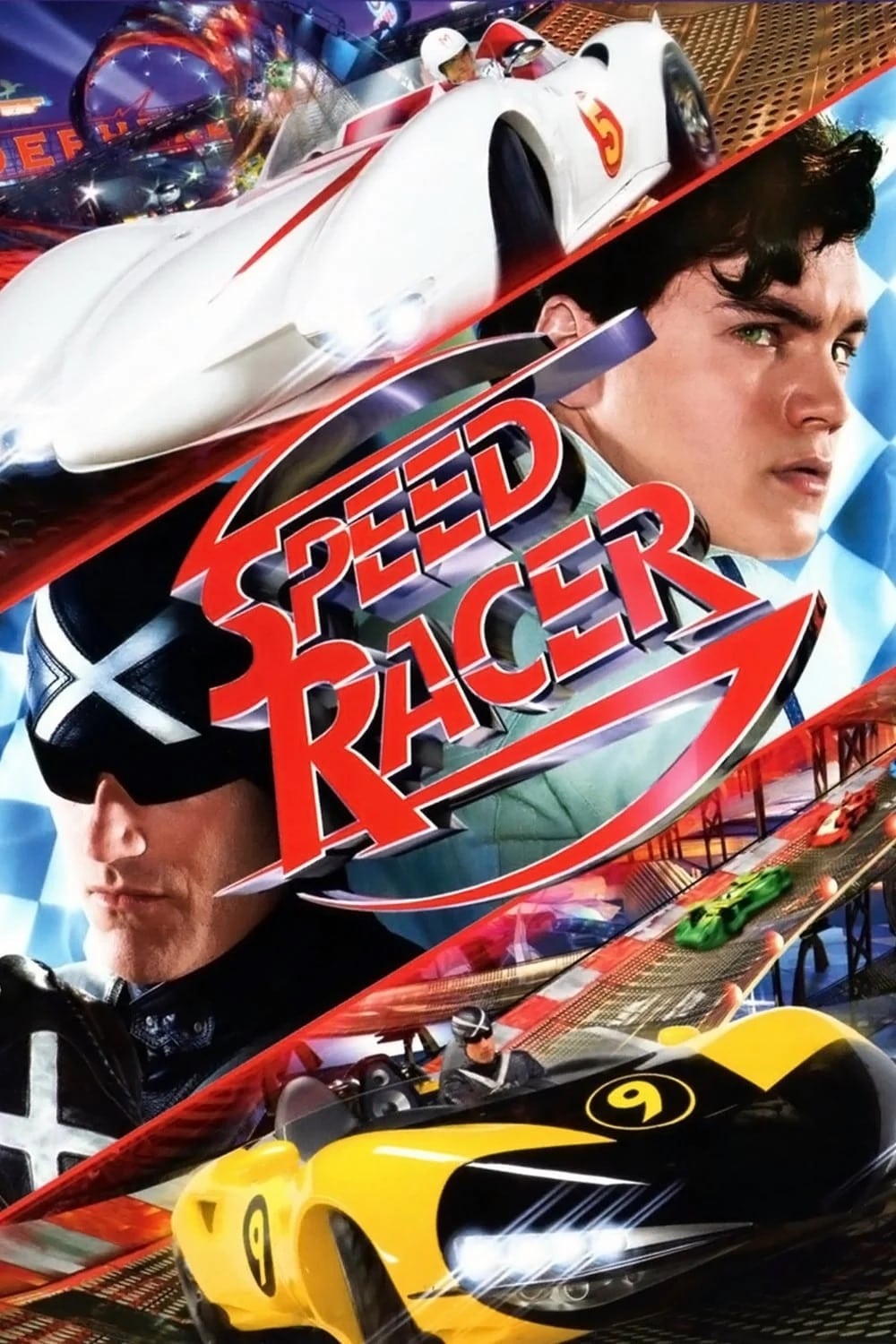
The Wachowskis’ adaptation of the classic anime was a sensory explosion of color and digital effects that looked unlike anything else in cinema. At the time, critics and audiences found the visual style overwhelming and the tone inconsistent, leading to a box office bomb. The film was perhaps too experimental for children and too stylized for adults. In the years since, it has been reclaimed as a visionary masterpiece that successfully translated the language of anime to live-action. ‘Speed Racer’ is now celebrated for its heart, its technical ambition, and its unique aesthetic.
‘Scott Pilgrim vs. the World’ (2010)
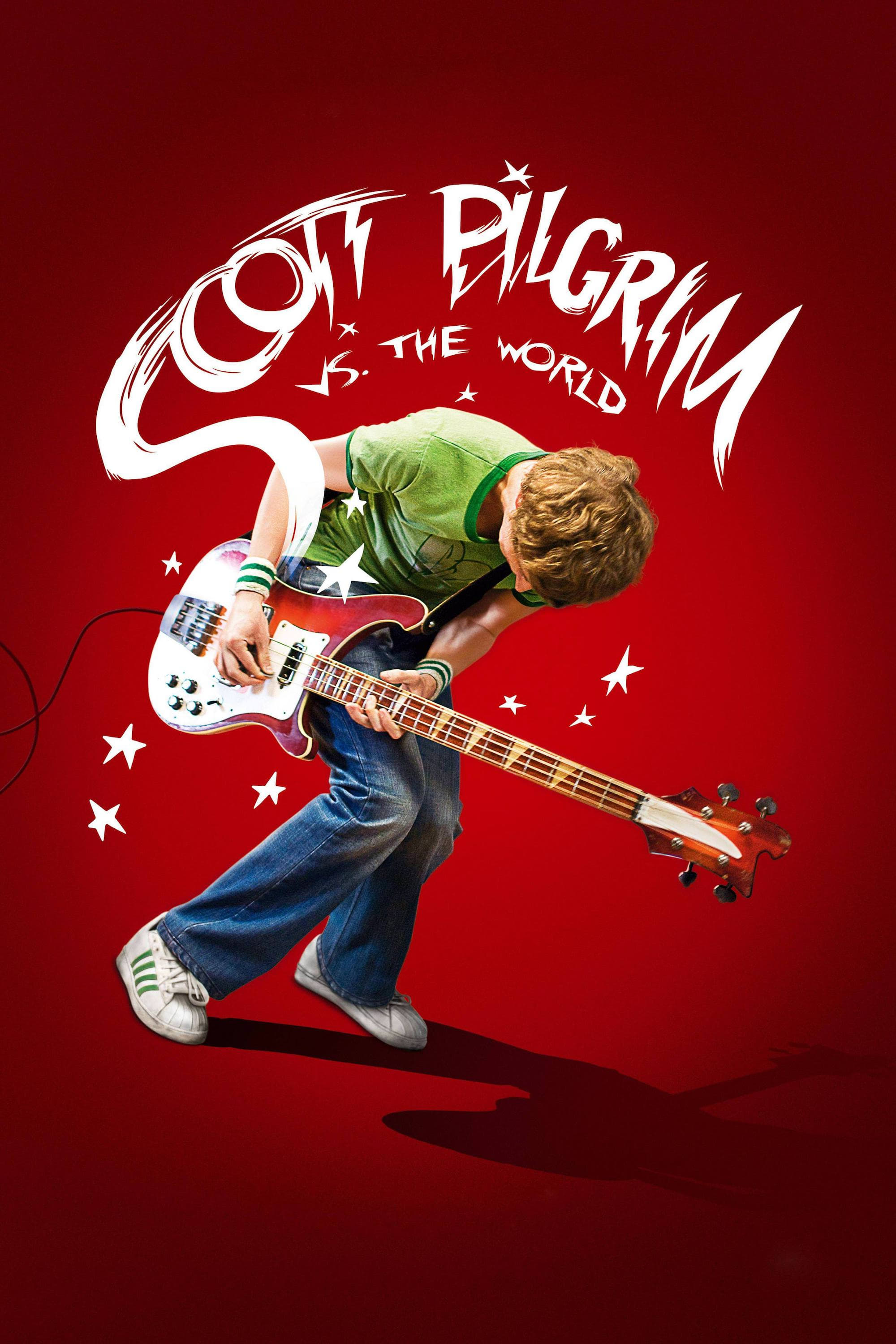
Director Edgar Wright brought the popular graphic novel series to life with a frenetic, video-game-inspired visual style. The story follows a young musician who must defeat his new girlfriend’s seven evil exes in order to date her. Despite a massive promotional push at San Diego Comic-Con, the film failed to attract a broad audience beyond its core demographic. Its hyper-kinetic editing and niche humor were initially met with confusion by mainstream theatergoers. It has since earned a massive cult following for its unique aesthetic and clever writing.
‘Hugo’ (2011)

Martin Scorsese’s love letter to early cinema follows an orphaned boy living in a Paris train station who becomes entangled in the mystery of a broken automaton. Despite winning five Academy Awards and receiving universal critical acclaim, the film was a significant financial loss for the studio. Its high production budget and 3D technology made it difficult to turn a profit, and the marketing failed to define its target audience. Many families stayed away, assuming it was a dense historical drama rather than an adventurous family film. ‘Hugo’ is now viewed as a beautiful tribute to the magic of filmmaking and the preservation of film history.
‘Dredd’ (2012)
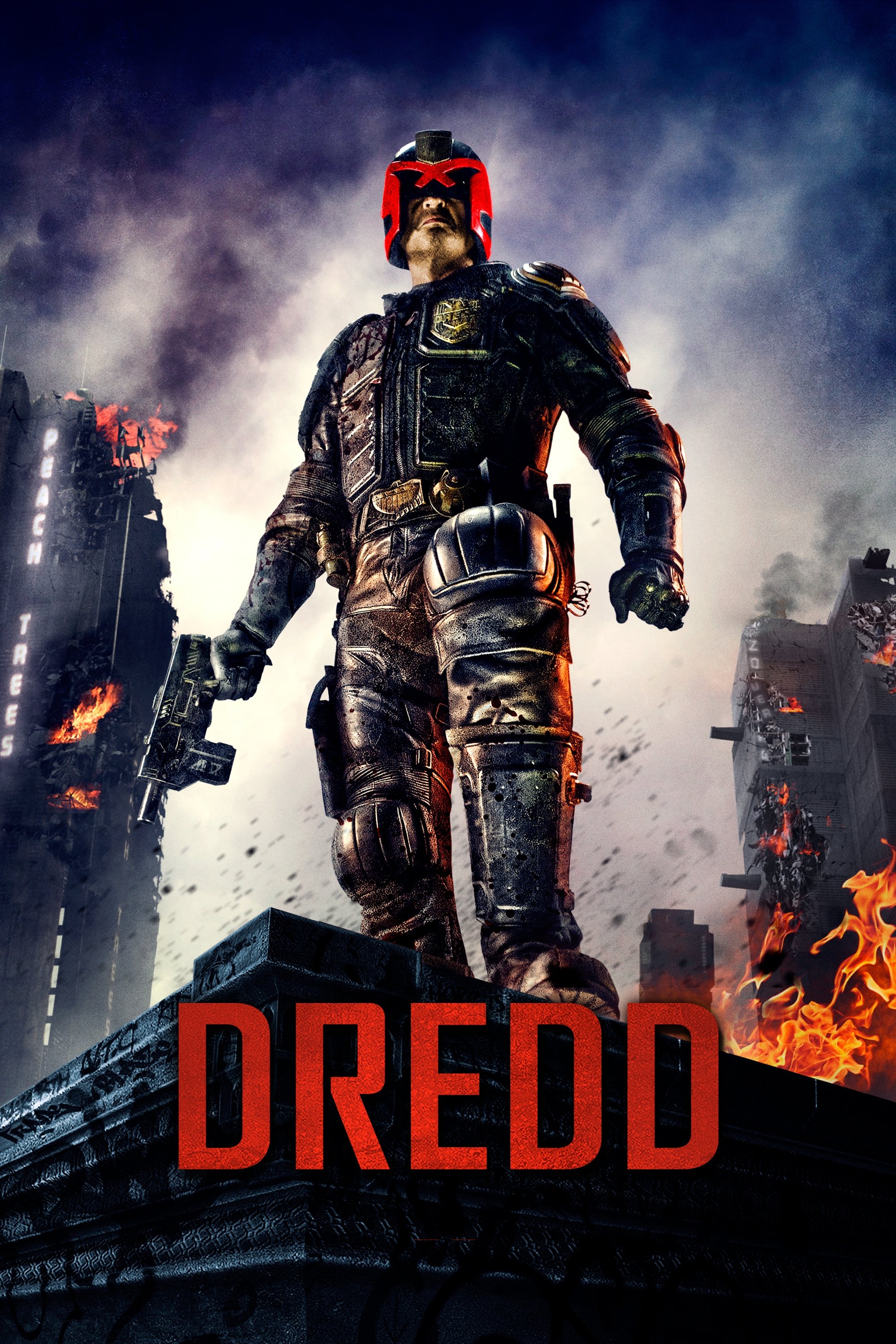
This gritty reboot of the ‘Judge Dredd’ character was a far cry from the critically panned Sylvester Stallone version from the 1990s. The film was praised for its intense action, faithful adaptation of the source material, and Karl Urban’s committed performance. However, it suffered from a poor marketing campaign and a title that many associated with the previous failure. It grossed very little at the box office but became a huge success on home video and digital platforms. Fans continue to petition for a sequel, citing the film as one of the best comic book adaptations of its era.
‘Cloud Atlas’ (2012)
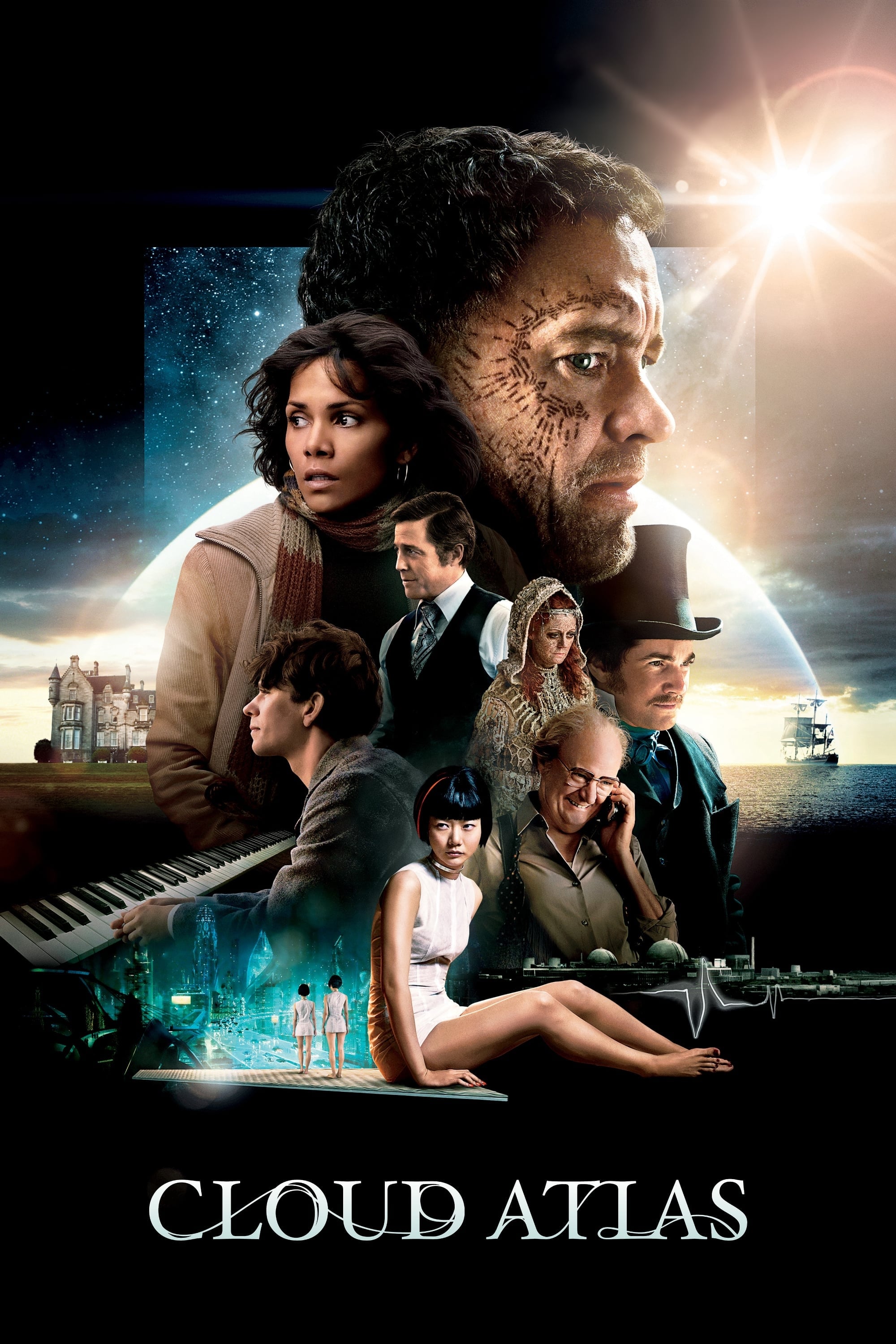
The Wachowskis and Tom Tykwer directed this massive, sprawling epic that connects six stories across different time periods and genres. The film’s complex structure and use of actors in multiple roles through heavy prosthetics were divisive for both critics and audiences. It was an expensive independent production that failed to find a mainstream foothold, leading to poor box office returns. Some found it overly ambitious or confusing, while others saw it as a profound meditation on the human spirit. Today, ‘Cloud Atlas’ is admired by many for its sheer audacity and its beautiful, interconnected narrative.
‘Popstar: Never Stop Never Stopping’ (2016)
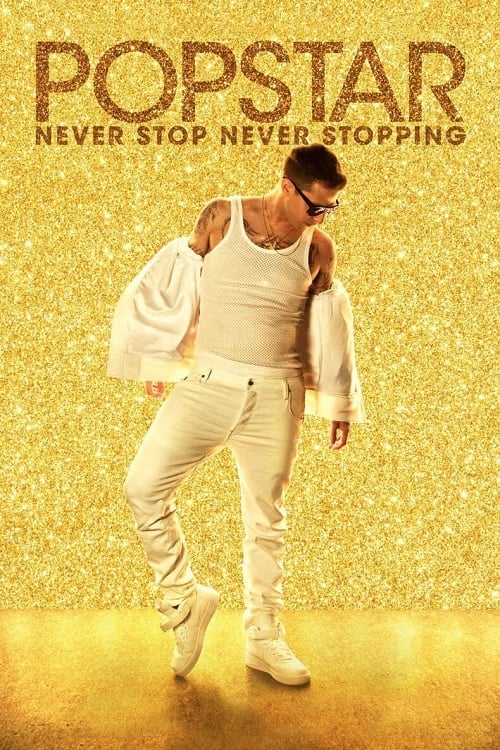
The Lonely Island produced this mockumentary about a world-famous pop star whose solo career begins to collapse. Despite being filled with hilarious songs and cameos from real music legends, the film was a complete commercial disaster. It faced stiff competition from larger blockbusters and failed to translate the group’s internet popularity into ticket sales. Critics praised its sharp satire of the modern music industry and its relentless gag-per-minute ratio. Like ‘This Is Spinal Tap’ before it, ‘Popstar’ has become a cult comedy classic that fans watch repeatedly.
‘The Nice Guys’ (2016)
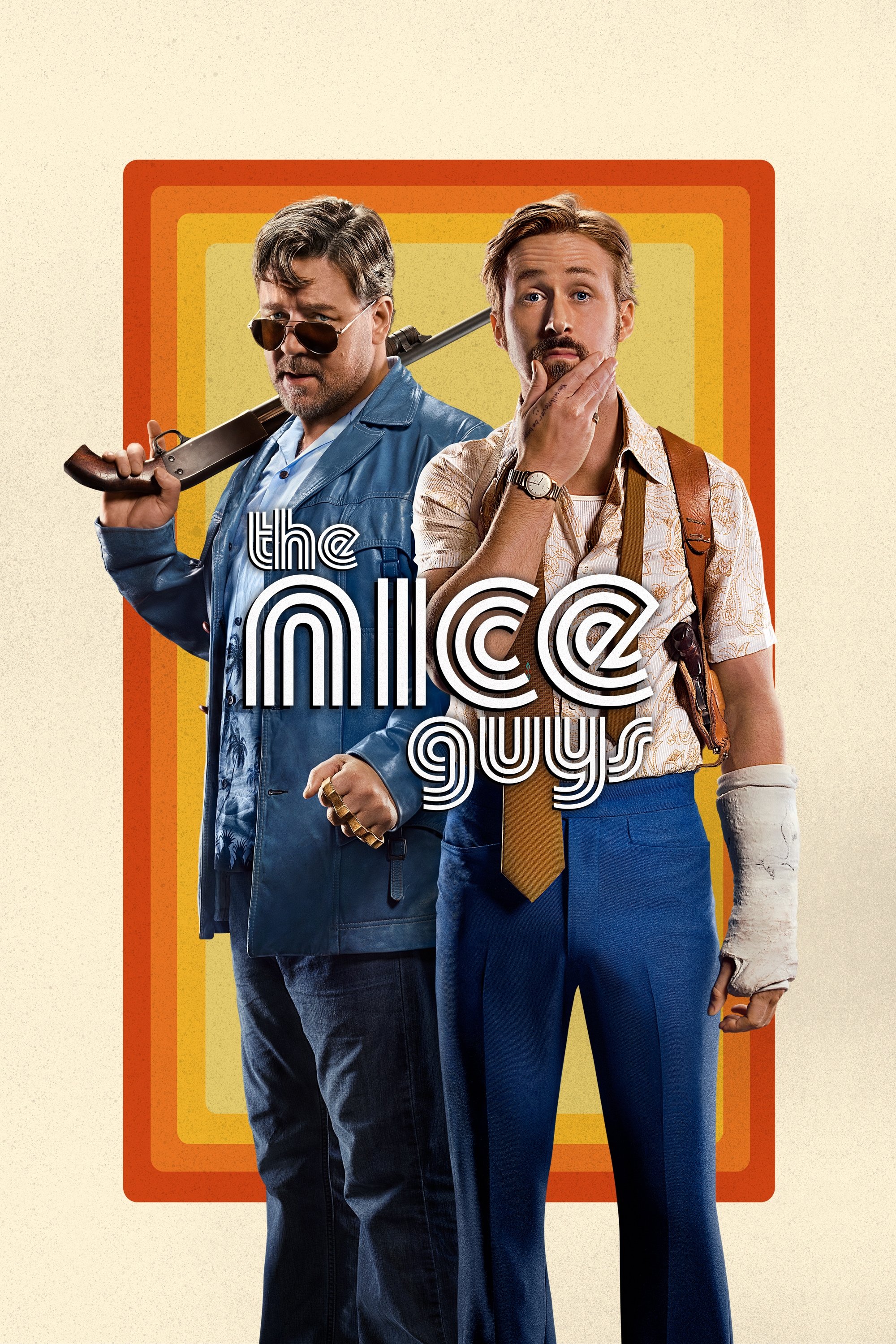
Ryan Gosling and Russell Crowe star as an unlikely duo investigating a disappearance in 1970s Los Angeles. Directed by Shane Black, the film is a clever, hilarious throwback to buddy-cop movies that received glowing reviews from critics. Unfortunately, it opened against ‘The Angry Birds Movie’ and struggled to find an audience, resulting in a disappointing box office run. The film’s R-rated humor and retro vibe didn’t seem to click with the general summer moviegoing crowd. It has since found a second life on streaming, with many viewers calling it one of the most entertaining comedies of the decade.
‘Blade Runner 2049’ (2017)
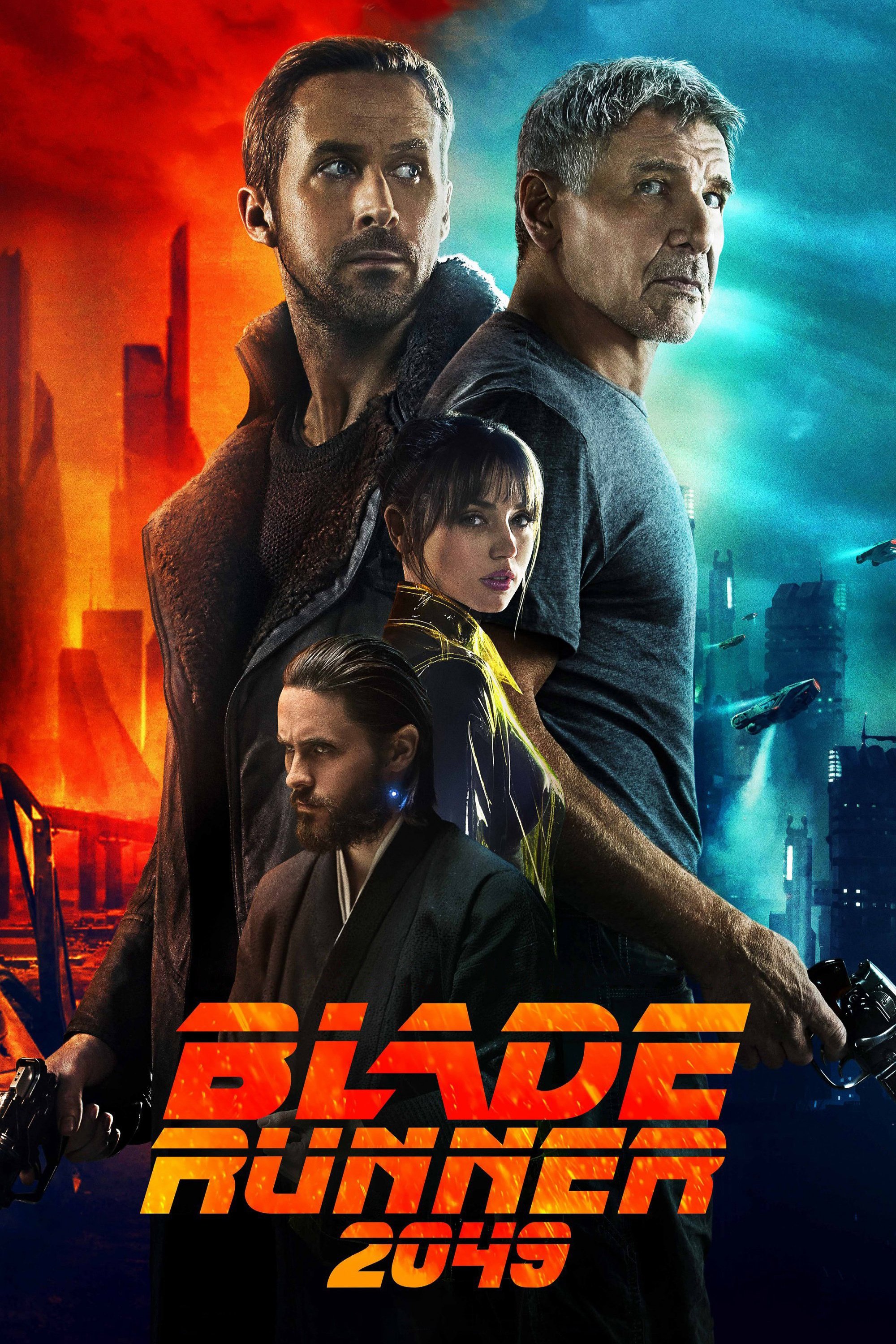
Thirty-five years after the original, director Denis Villeneuve delivered a sequel that was hailed as a visual and narrative triumph. Despite the prestige of the original and the star power of Ryan Gosling and Harrison Ford, the film underperformed at the box office. Its nearly three-hour runtime and deliberate, slow pacing were a barrier for casual viewers looking for a typical sci-fi action movie. The film won several Academy Awards, including Best Cinematography, and was lauded for its deep themes and stunning world-building. Much like its predecessor, ‘Blade Runner 2049’ is already being recognized as a modern science fiction classic.
‘Annihilation’ (2018)
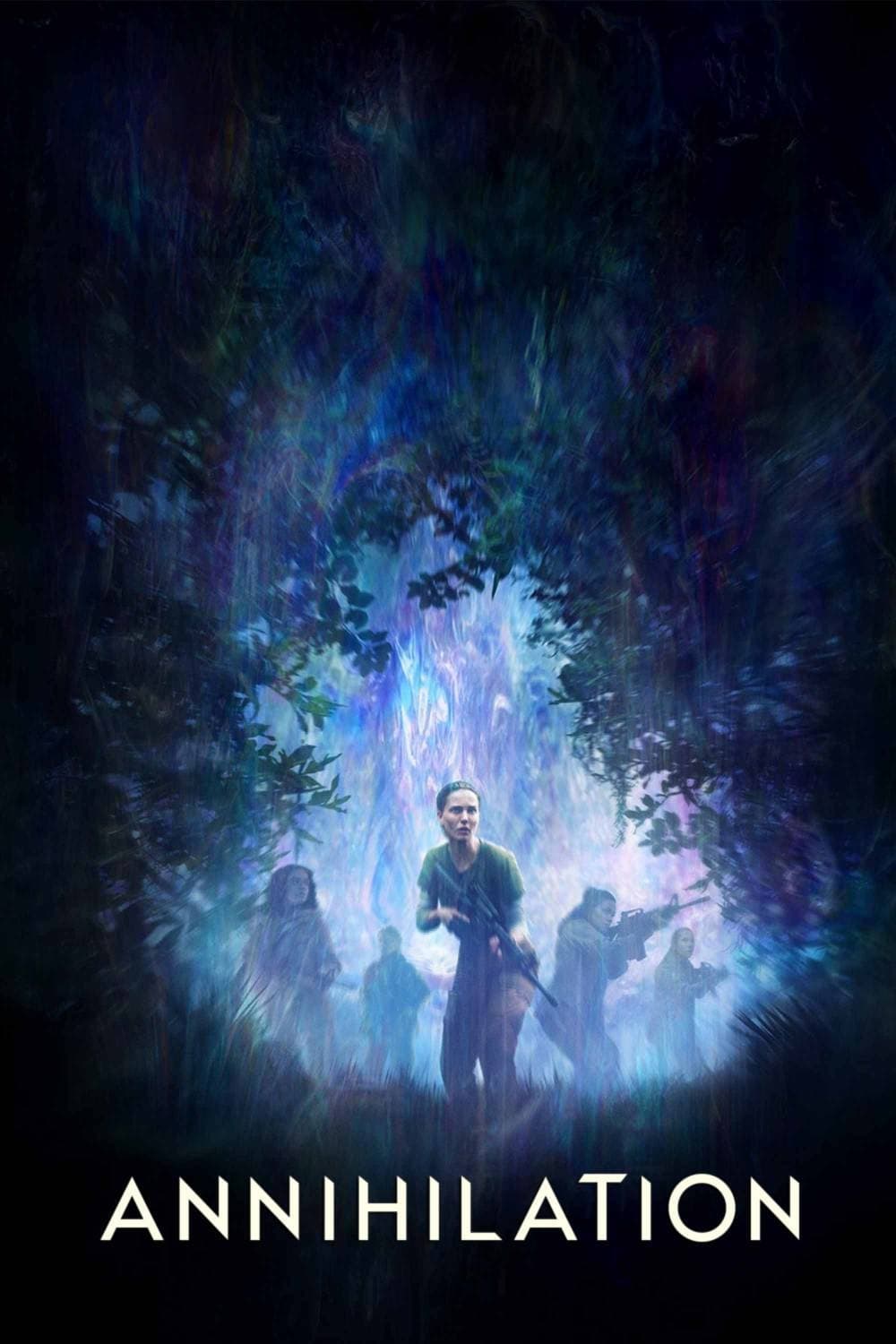
Alex Garland’s surreal science fiction horror film follows a group of scientists who enter a mysterious zone where the laws of nature no longer apply. The film’s complex themes and disturbing visuals led the studio to sell the international distribution rights to Netflix, fearing it was “too intellectual” for a wide theatrical release. In the United States, it had a modest theatrical run but failed to generate significant profits. Critics praised its originality and its terrifying sequences, comparing it to classics of the genre. ‘Annihilation’ has since developed a strong reputation as a challenging and thought-provoking piece of modern sci-fi.
‘Under the Silver Lake’ (2018)

This surreal neo-noir stars Andrew Garfield as a man searching for his missing neighbor through a labyrinth of conspiracies in Los Angeles. Director David Robert Mitchell crafted a dense narrative filled with hidden codes and pop culture references that baffled mainstream audiences. The film received a limited release and struggled to find an audience, eventually becoming a cult hit among internet sleuths. Its exploration of modern alienation and the search for meaning in media resonated more with niche audiences than the general public. ‘Under the Silver Lake’ remains a divisive but fascinating look at contemporary urban legends.
Tell us which of these misunderstood masterpieces is your personal favorite in the comments.