LGBTQ+ Actresses Who Lost Roles Because of Their Reputation

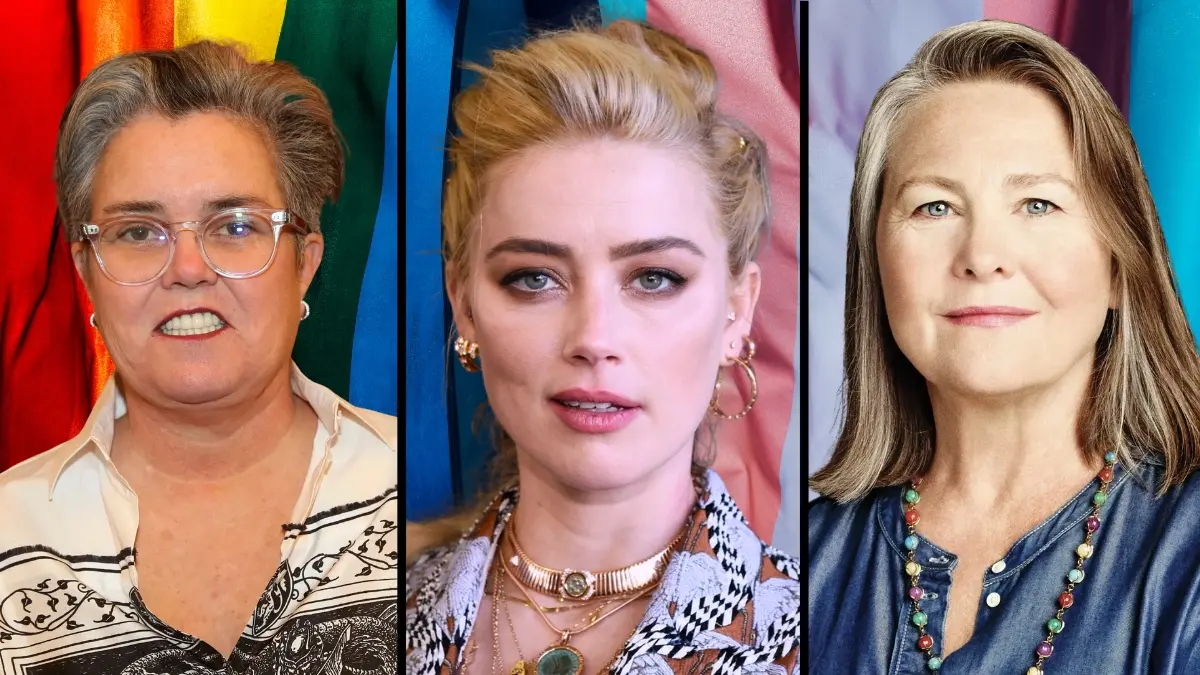

Throughout Hollywood history, numerous performers have faced professional setbacks or lost opportunities after coming out or being outed to the public. For many LGBTQ+ actresses, a reputation regarding their sexual orientation or gender identity led to stalled careers, cancelled contracts, or the loss of leading roles. This pattern reflects a long-standing industry bias where perceived marketability was often tied to an actor’s private life. Despite these obstacles, many of these women continued to advocate for representation and eventually found success on their own terms.
Ellen DeGeneres
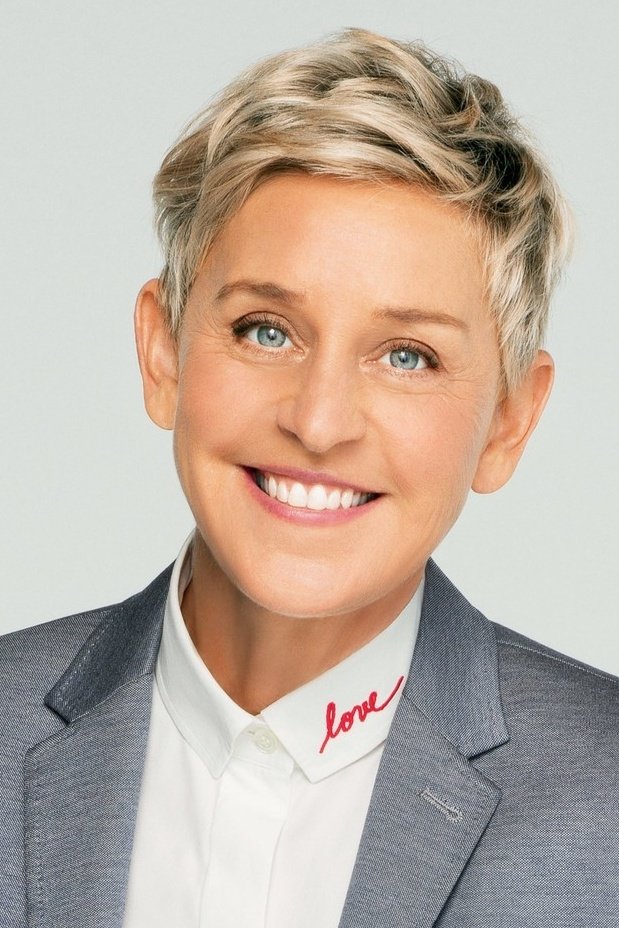
In 1997, Ellen DeGeneres made history by coming out both in real life and through her character on the sitcom ‘Ellen’. Following this announcement, the show faced a significant decline in advertising revenue and was eventually cancelled by the network. DeGeneres has frequently spoken about how she was essentially blacklisted from the industry for three years following the reveal. During this period, she struggled to find any acting work or hosting opportunities. Her career eventually rebounded with the success of ‘Finding Nemo’ and her long-running daytime talk show.
Anne Heche
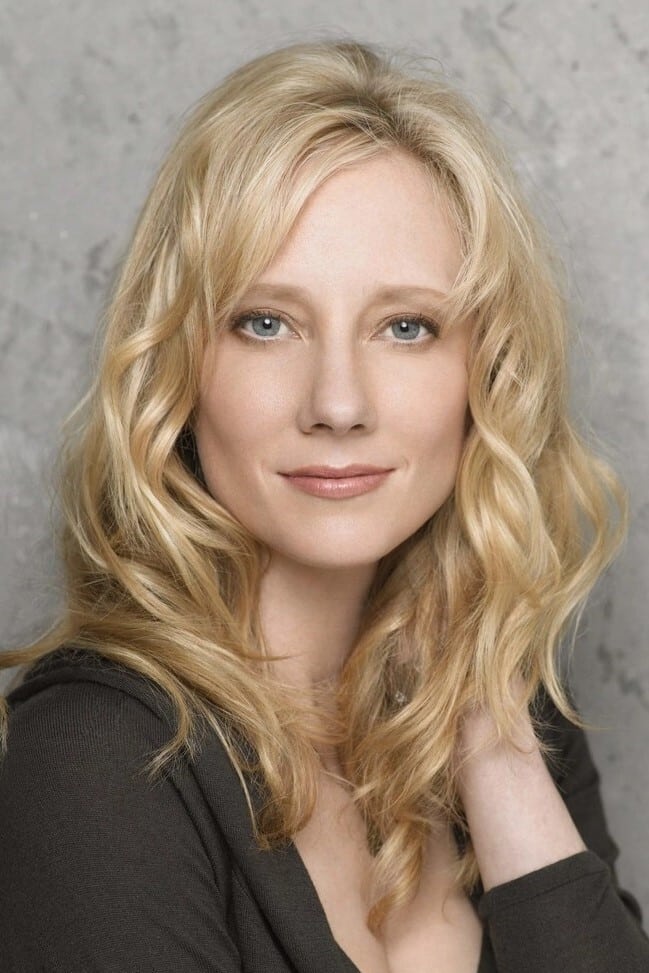
Anne Heche famously stated that her romantic relationship with Ellen DeGeneres resulted in her being fired from a multi-million dollar film deal. She claimed that after arriving at the premiere of ‘Volcano’ with DeGeneres, she was told she would lose her contract with Fox. Heche noted that she did not work on a major studio film for ten years following the public revelation of her sexuality. The actress often reflected on how the industry’s reaction fundamentally altered the trajectory of her career. She spent much of the following decade working in independent films and television guest spots.
Heather Matarazzo
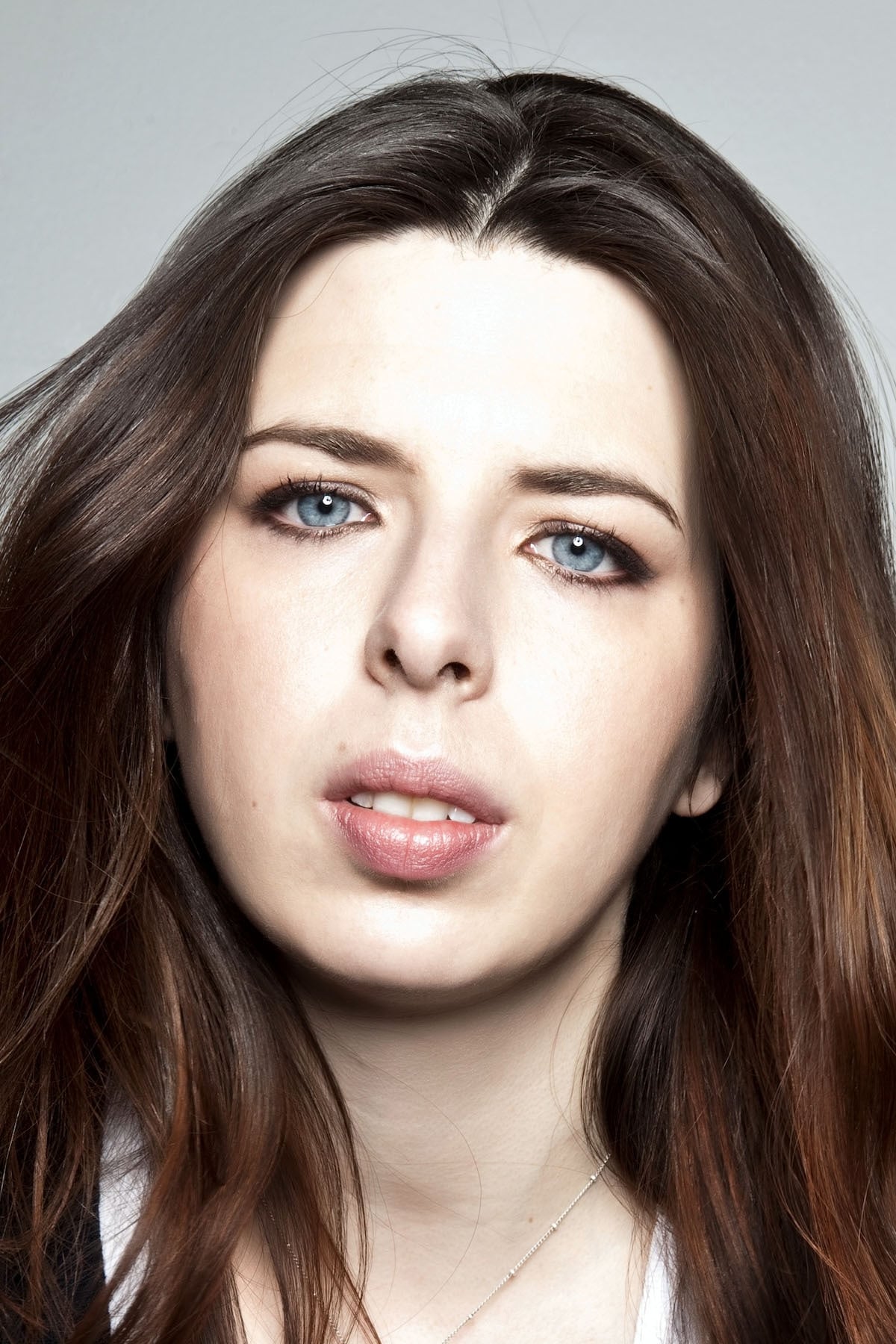
Heather Matarazzo, known for her roles in ‘Welcome to the Dollhouse’ and ‘The Princess Diaries’, has been vocal about the decline of her career after she came out. She stated in various interviews that the industry essentially turned its back on her once her sexual orientation became public knowledge. Matarazzo described a stark transition where she went from having consistent work to struggling to secure auditions. She has highlighted the double standards in Hollywood regarding queer actors compared to their heterosexual counterparts. Despite these challenges, she has continued to work in independent cinema and advocacy.
Amanda Bearse
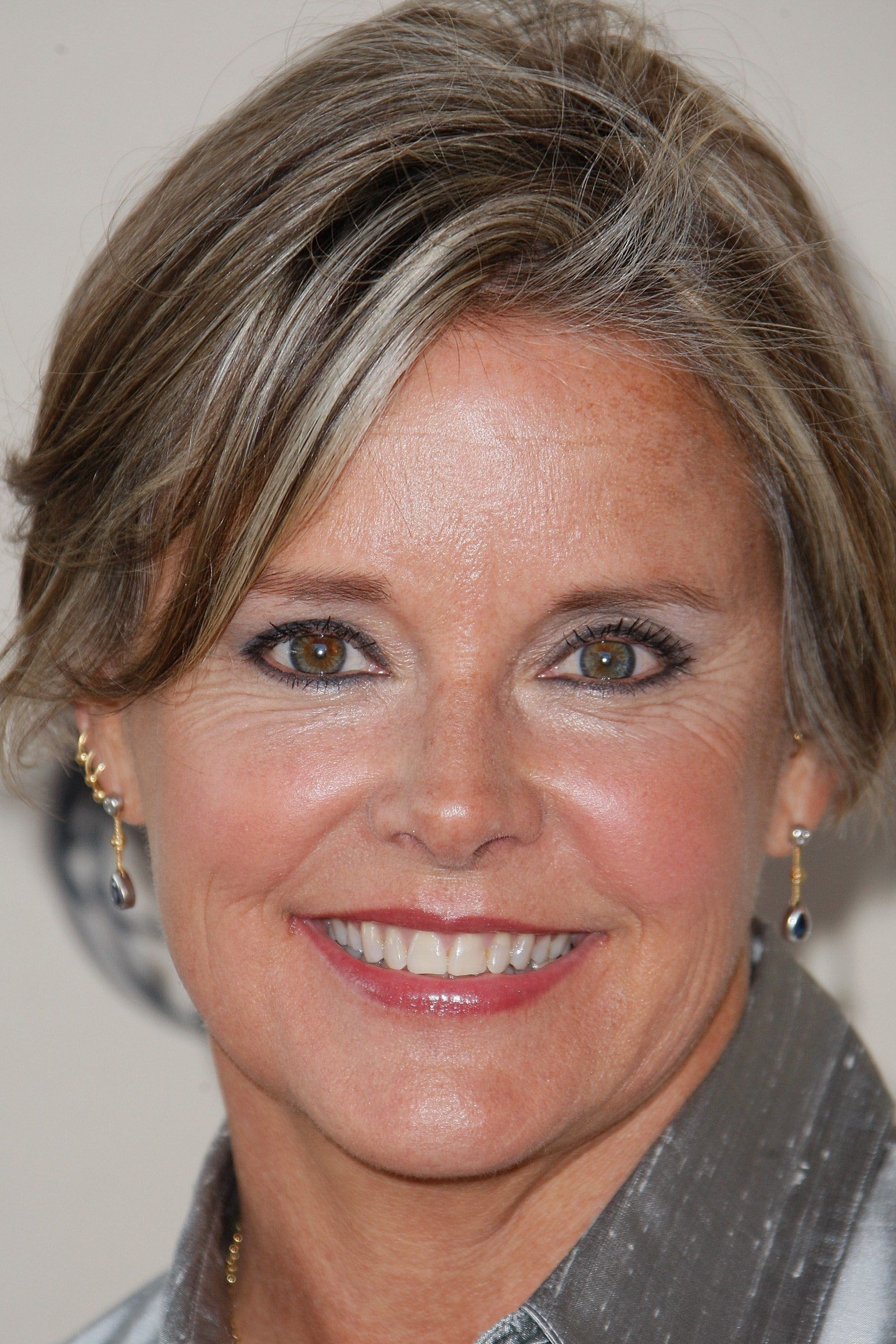
Amanda Bearse, a star of the long-running sitcom ‘Married… with Children’, came out publicly in 1993. While she remained on the show until its conclusion, she later noted that her acting career effectively ended when the series did. Bearse transitioned into directing because she felt the industry was unwilling to cast an out lesbian in leading or diverse roles. She has spoken about the glass ceiling that existed for LGBTQ+ performers during the 1990s. Her career shift allowed her to find success behind the camera on shows like ‘Dharma & Greg’.
Kelly McGillis
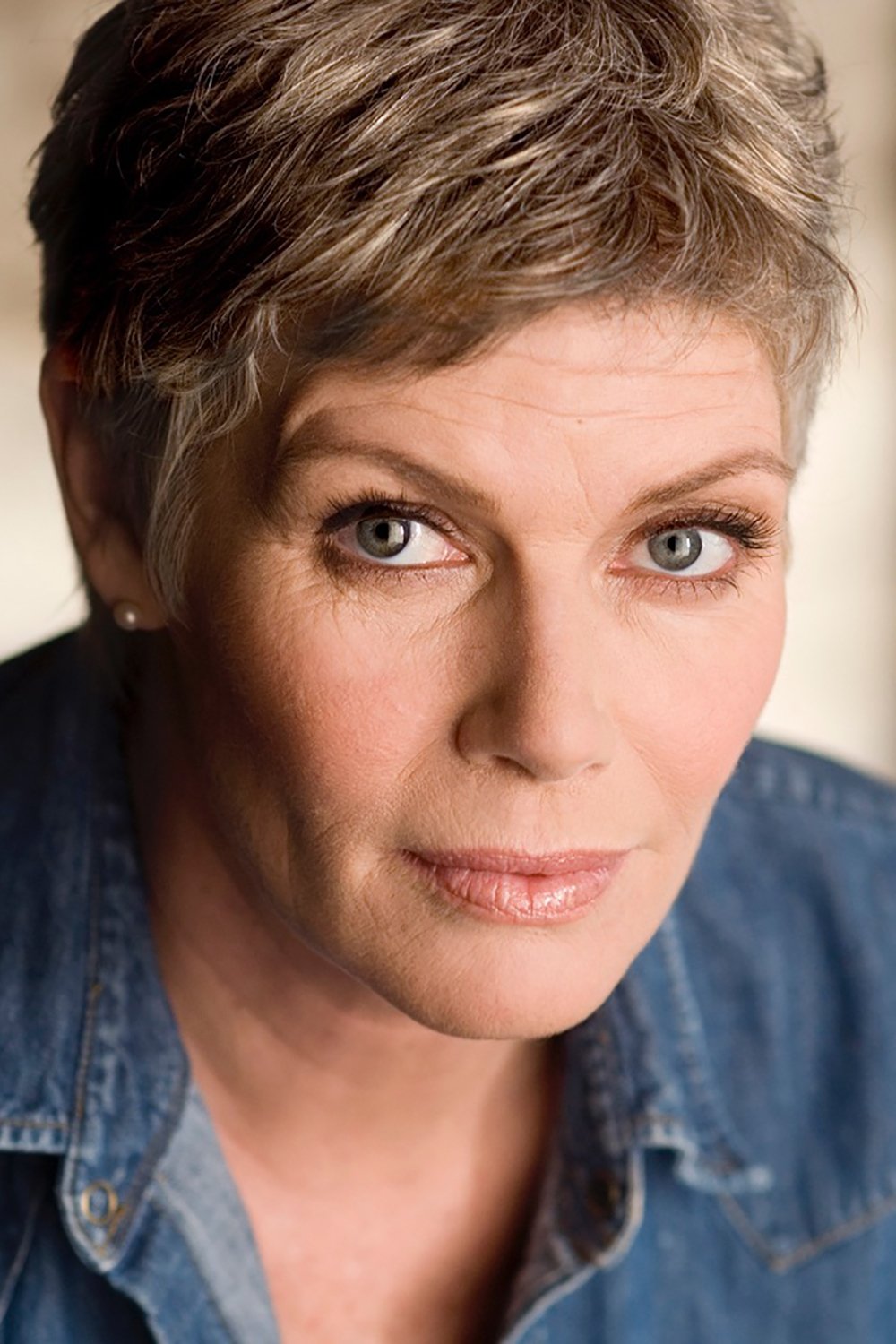
Kelly McGillis, the star of the original ‘Top Gun’, has stated that her orientation and physical changes contributed to her being passed over for later roles. She noted that she was not invited back for ‘Top Gun: Maverick’ and suggested that her reputation as an out woman didn’t fit the industry’s narrow view of a leading lady. McGillis has discussed how Hollywood often loses interest in actresses who do not conform to traditional aesthetic or lifestyle expectations. She eventually stepped away from the spotlight to focus on her personal life and teaching. Today, she occasionally appears in independent projects and stage productions.
Kristy McNichol

Kristy McNichol was a major television star in the 1970s and 1980s, but she famously walked away from her career at its peak. She later revealed that the pressure of living in the closet while maintaining a public reputation as a teen idol was overwhelming. McNichol left the series ‘Empty Nest’ and eventually retired from acting altogether to prioritize her mental health and authenticity. She has stated that the industry climate at the time made it impossible to be an out actress while maintaining a high-profile career. Since her retirement, she has focused on charity work and living a private life.
Jasika Nicole
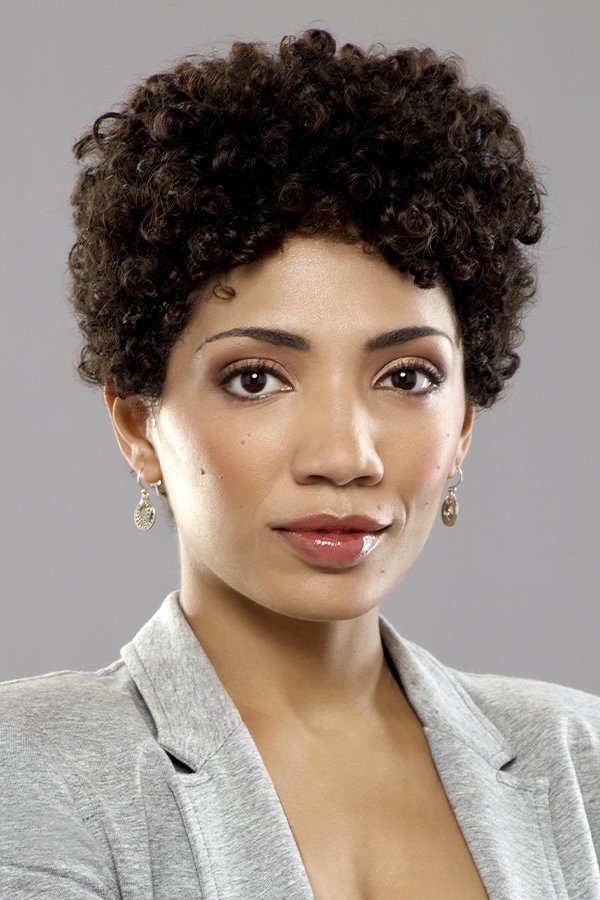
Jasika Nicole, known for her roles in ‘Fringe’ and ‘The Good Doctor’, has been open about the challenges of being an out black queer actress. She has spoken about losing out on roles that were categorized as the girl next door because casting directors could not see past her identity. Nicole noted that her reputation as an advocate and an out performer often limited the types of scripts she was sent by mainstream studios. She has been a strong voice for better representation of queer women of color in media. Her career has since focused on projects that embrace diverse storytelling.
Portia de Rossi
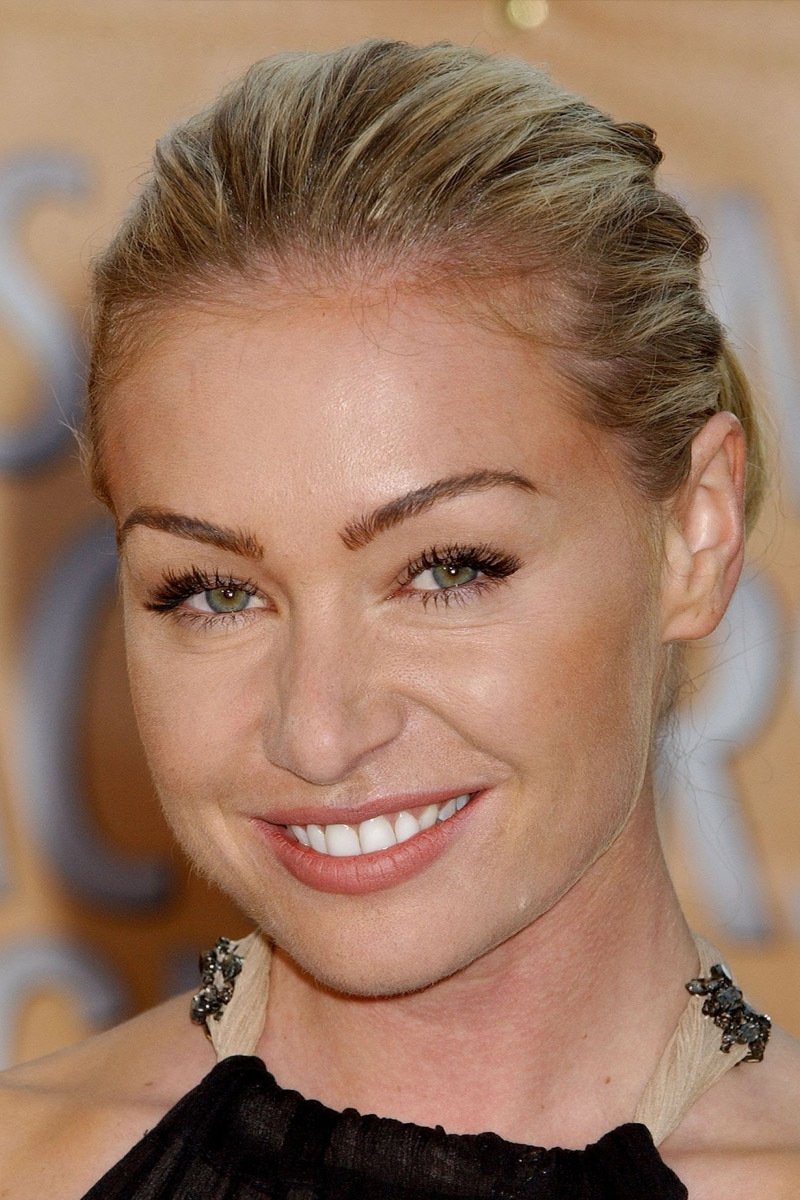
Portia de Rossi struggled with her identity during her breakout years on the hit series ‘Ally McBeal’. She has admitted that she was terrified of losing her job and was advised by her management to hide her sexuality to preserve her image. After coming out, she noted a shift in how she was perceived by Hollywood executives, leading to a temporary lull in major film offers. De Rossi eventually found a defining role in ‘Arrested Development’, where her comedic timing was celebrated. She has since retired from acting to focus on business ventures and philanthropy.
Sarah Paulson
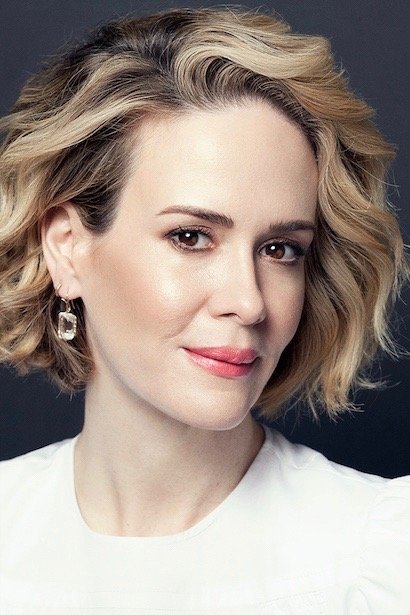
Sarah Paulson was once warned by industry veterans that her relationship with actress Cherry Jones would destroy her career. At the time, she was told that being associated with another woman would prevent her from being cast in romantic leading roles. Despite the warnings, Paulson remained public about her relationships and eventually became a staple of the ‘American Horror Story’ franchise. She has reflected on how the industry’s attitude toward queer actresses has shifted since she first started. Paulson is now one of the most celebrated and prolific actresses in modern television.
Cynthia Nixon
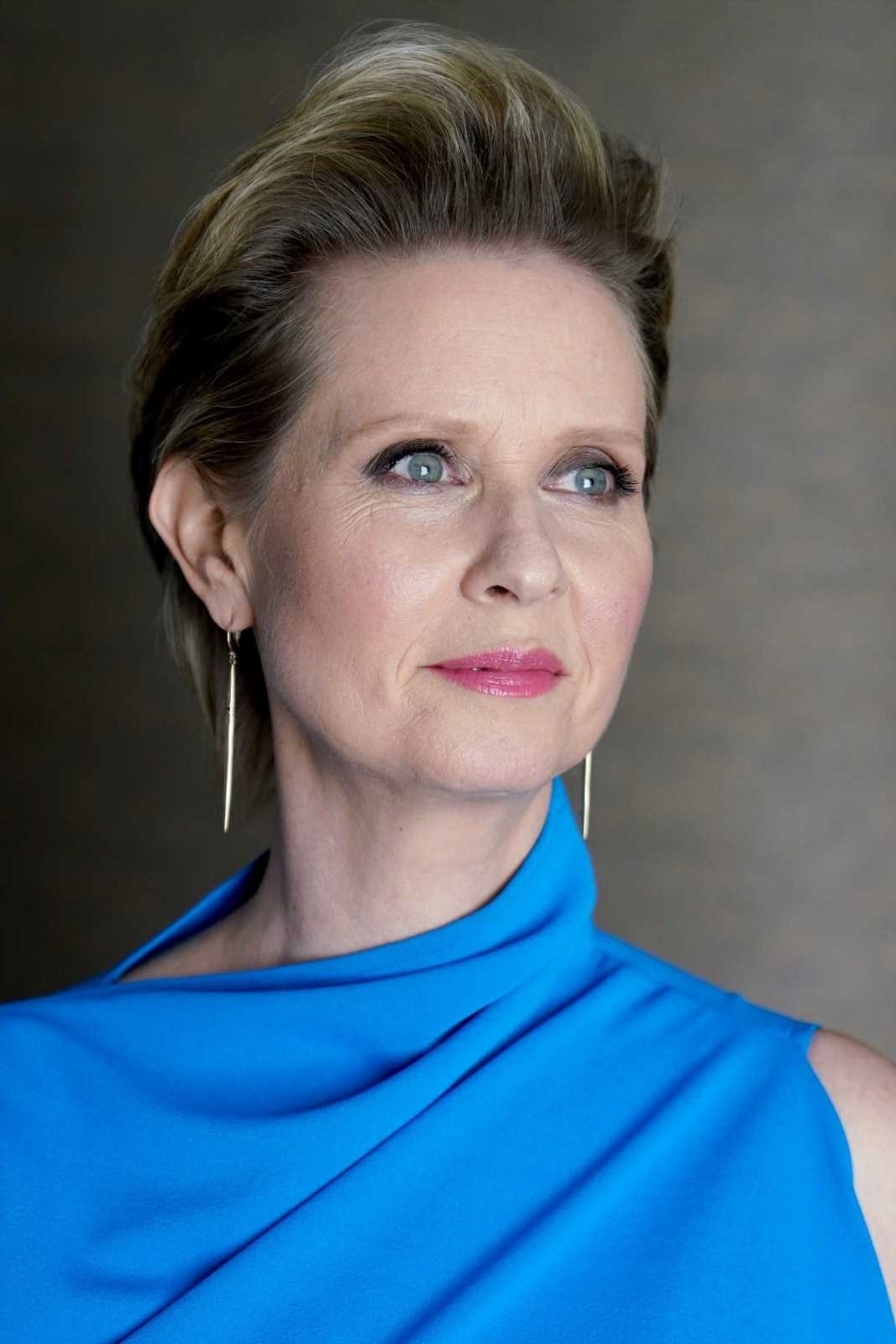
Cynthia Nixon, famous for her role in ‘Sex and the City’, has spoken about the warnings she received when she began dating a woman. She was told by people in the industry that her career would effectively be over if the news became public. Nixon noted that there was a strong belief that an out actress could not be seen as a convincing heterosexual romantic lead. Despite these warnings, she went public with her relationship and continued to find success on both screen and stage. She eventually transitioned into politics while maintaining her status as a respected actress.
Maria Bello
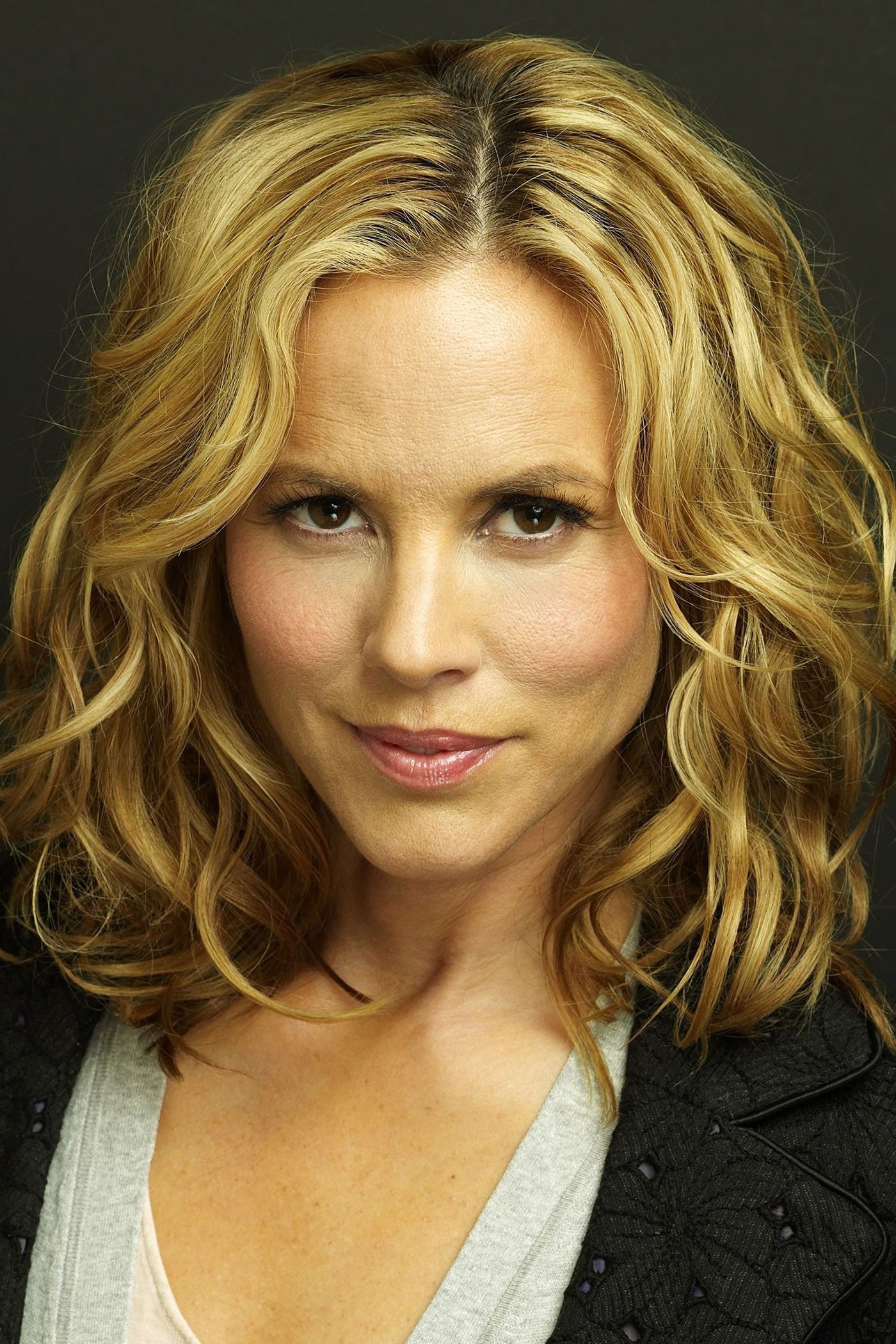
Maria Bello, known for ‘A History of Violence’ and ‘NCIS’, came out in a 2013 essay. Following the publication, she noted that she was warned by people in the industry that her reputation as a leading lady might be compromised. She described the fear that Hollywood would no longer see her as a viable romantic partner for male leads. While she continued to work, she observed a change in the types of projects she was offered in the years following her announcement. Bello has remained an advocate for fluid identity and authentic storytelling within the entertainment sector.
Holland Taylor
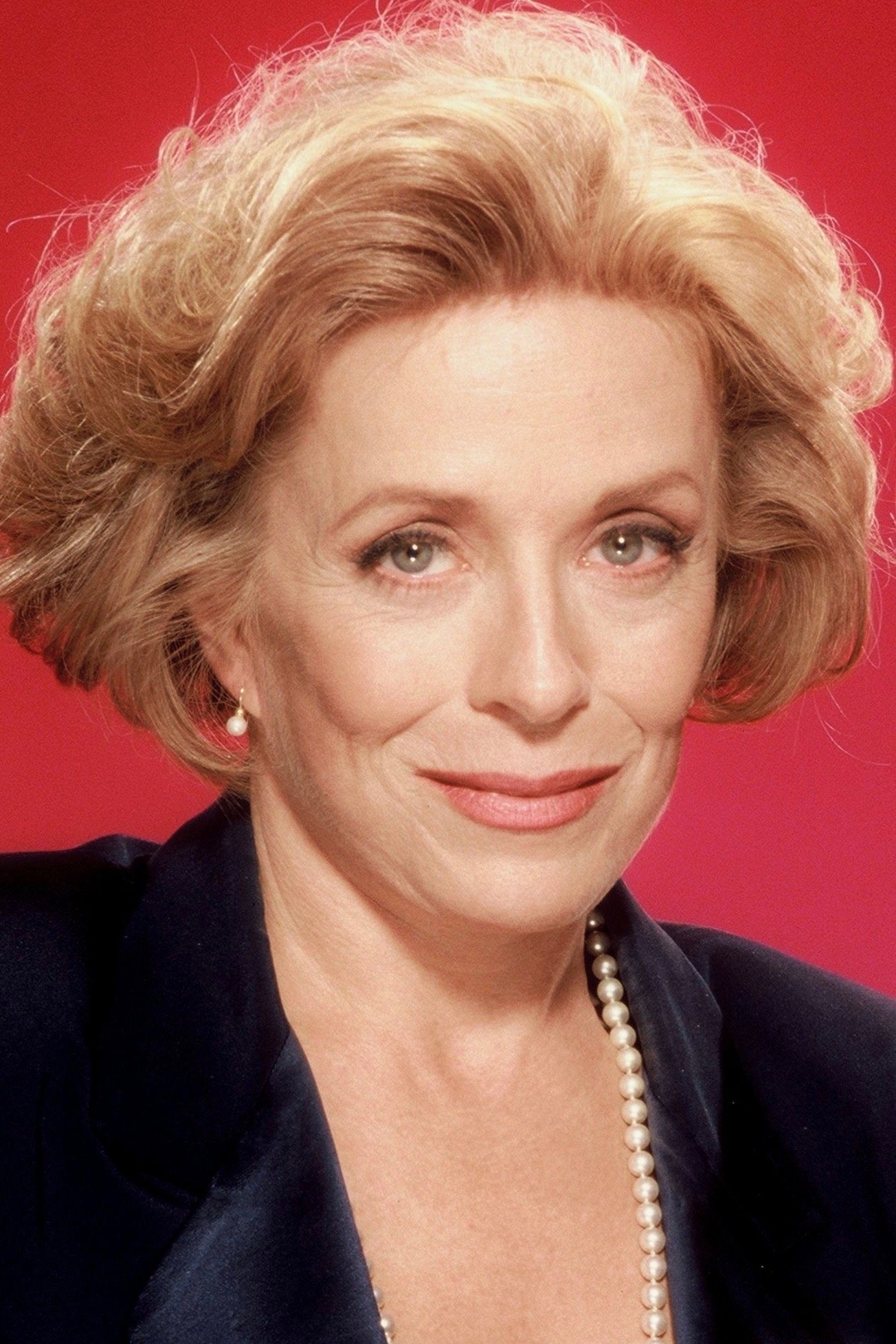
Holland Taylor has been open about the subtle ways being LGBTQ+ affected her long career in television and film. She noted that for decades, there was an unspoken rule that actresses must maintain a certain public persona to remain employable. Taylor mentioned that she was warned throughout her career that coming out would lead to a loss of work in mainstream sitcoms and films. She only became more public about her life in recent years while in a high-profile relationship. Her career has remained steady, though she acknowledges the barriers that existed for her generation.
Meredith Baxter

Meredith Baxter, the star of the 1980s sitcom ‘Family Ties’, came out as a lesbian in 2009 long after the show ended. She later reflected on the fact that she had to keep her personal life entirely hidden to maintain her America’s Mom reputation. Baxter suggested that had she come out during the height of her fame, her television career would have likely been terminated. She noted the heavy burden of maintaining a public image that contradicted her private reality for the sake of employment. Since coming out, she has worked in television movies and theatre while speaking about her experiences.
Leisha Hailey
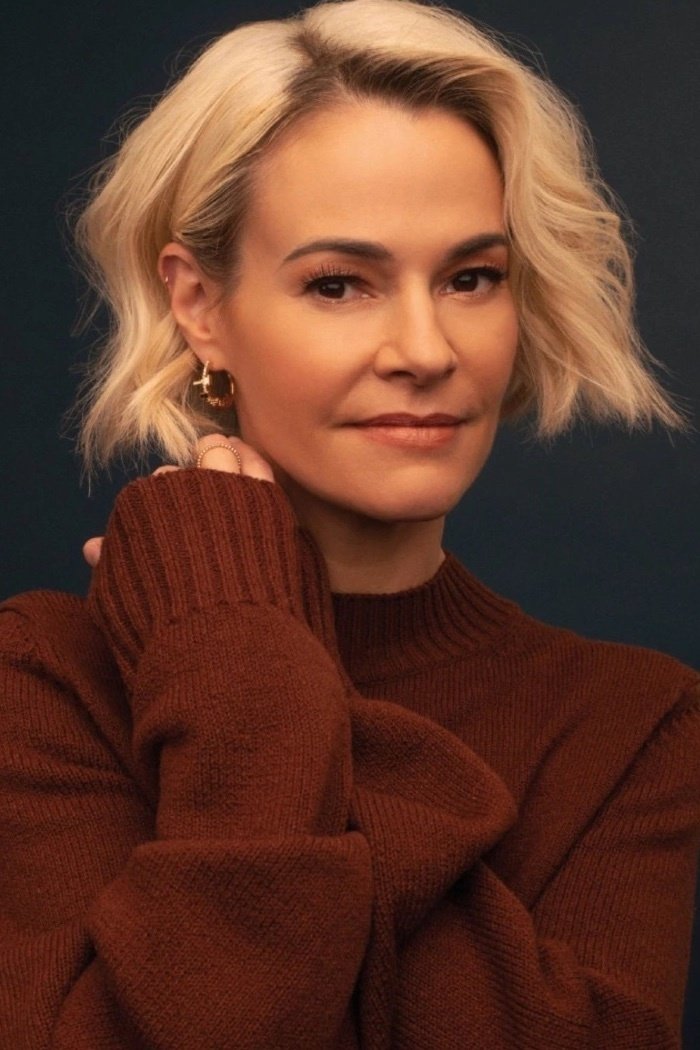
Leisha Hailey experienced professional backlash early in her career as both a musician and an actress. She has discussed how her band, The Murmurs, faced resistance from record labels and media outlets because of her openness about her sexuality. Hailey noted that certain acting opportunities were closed to her in the 1990s because she was perceived as too gay for mainstream roles. This reputation followed her until she was cast in ‘The L Word’, a project specifically designed for LGBTQ+ audiences. She has since become a prominent figure in queer media and music production.
Amber Heard
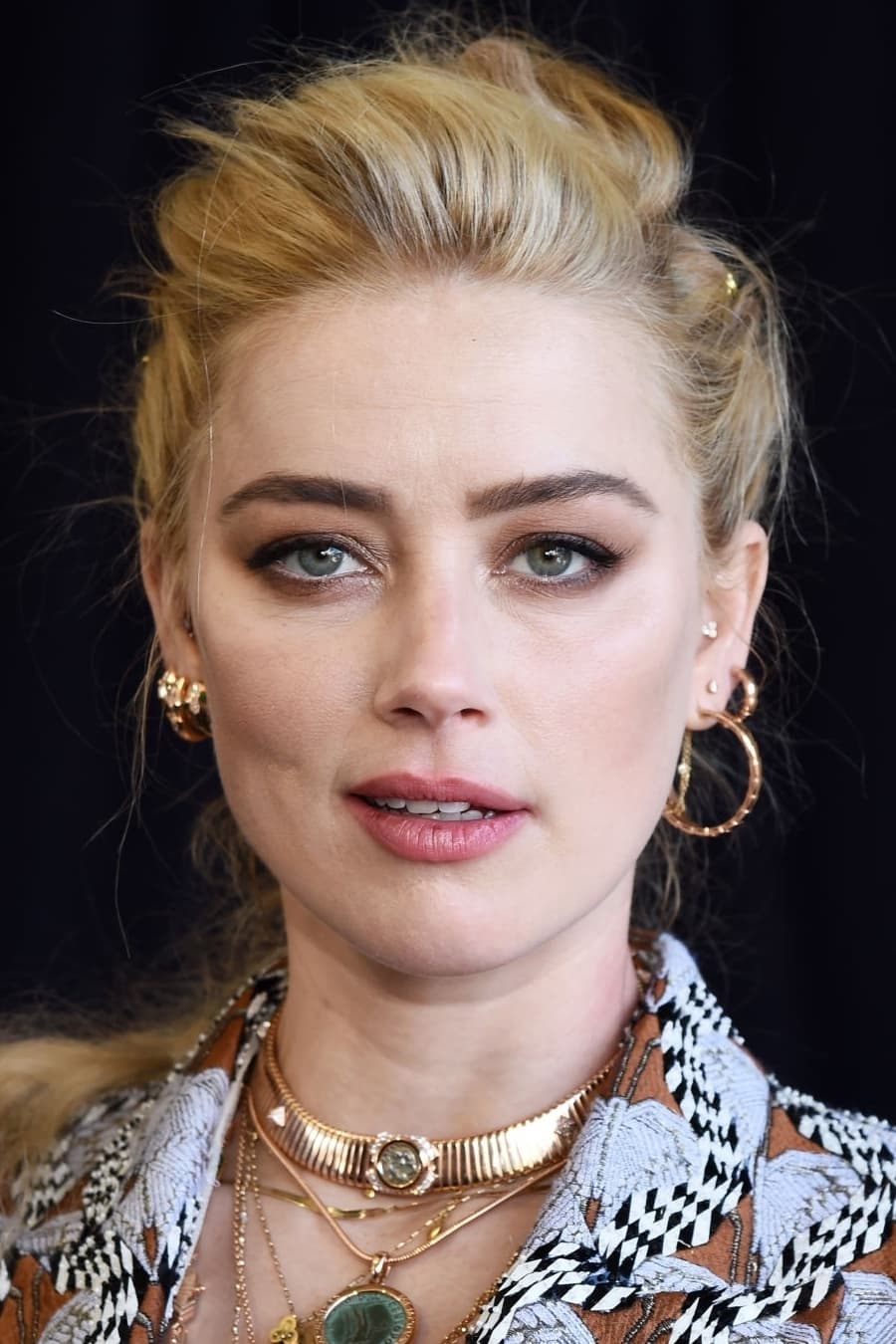
Amber Heard has claimed in legal proceedings and interviews that her career suffered significantly after her personal life became a matter of public scrutiny. She stated that her role in the sequel ‘Aquaman and the Lost Kingdom’ was drastically reduced and that she had to fight to stay in the film. Heard attributed these professional losses to a reputation created by negative publicity and industry bias. She also mentioned losing a lucrative contract with a global cosmetics brand during this period. The actress has been a polarizing figure as she navigated the fallout of her public legal battles.
Rosie O’Donnell
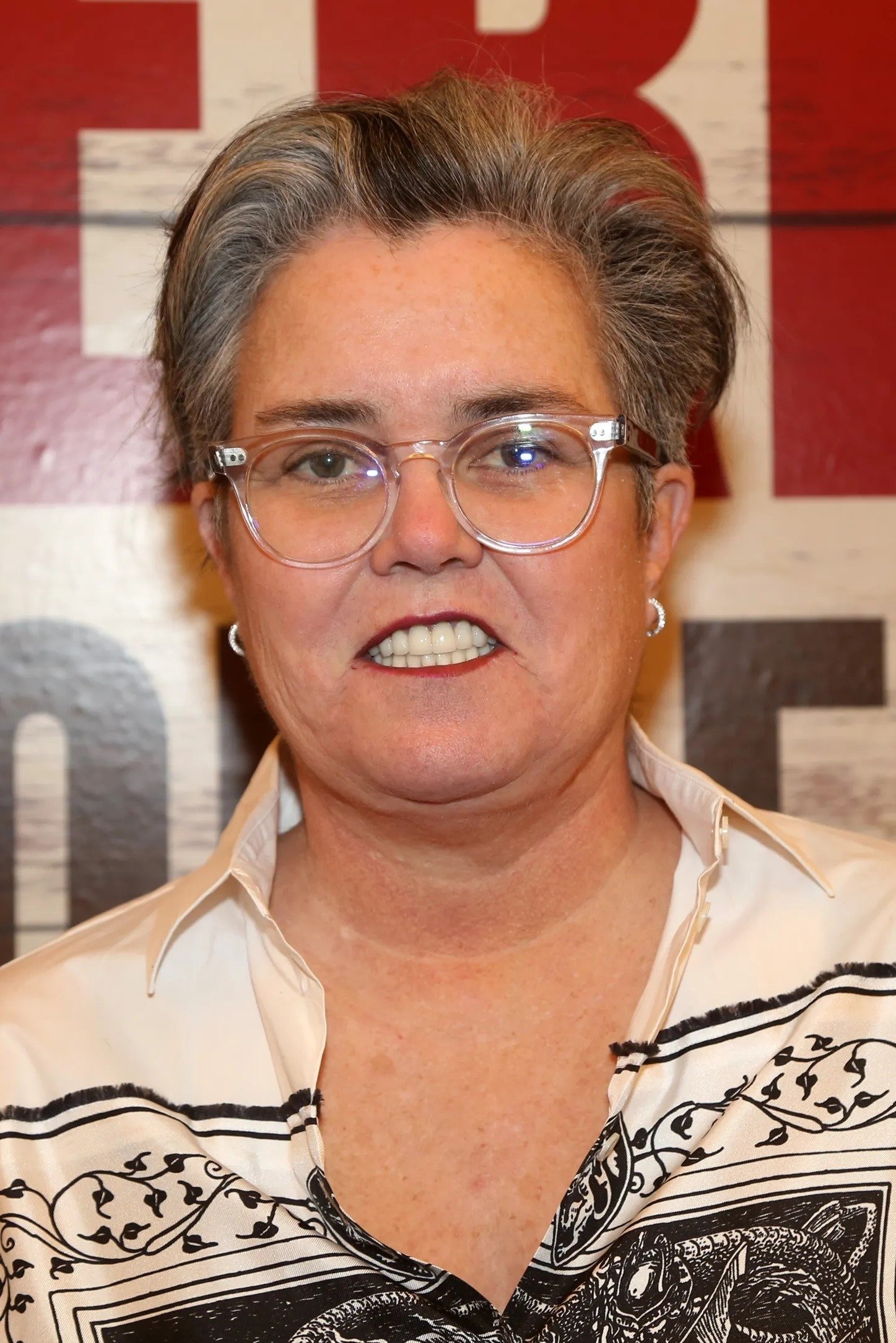
Rosie O’Donnell was a dominant force in daytime television before coming out publicly in 2002. Following her announcement, she faced a shift in her public image and a decline in her Queen of Nice reputation which had been the foundation of her brand. O’Donnell has spoken about how certain segments of the audience and industry turned away from her after she became more open about her life. She experienced a period where she was less active in mainstream film compared to her 1990s peak. She eventually returned to television as a co-host on ‘The View’ and in various guest roles.
Fiona Shaw
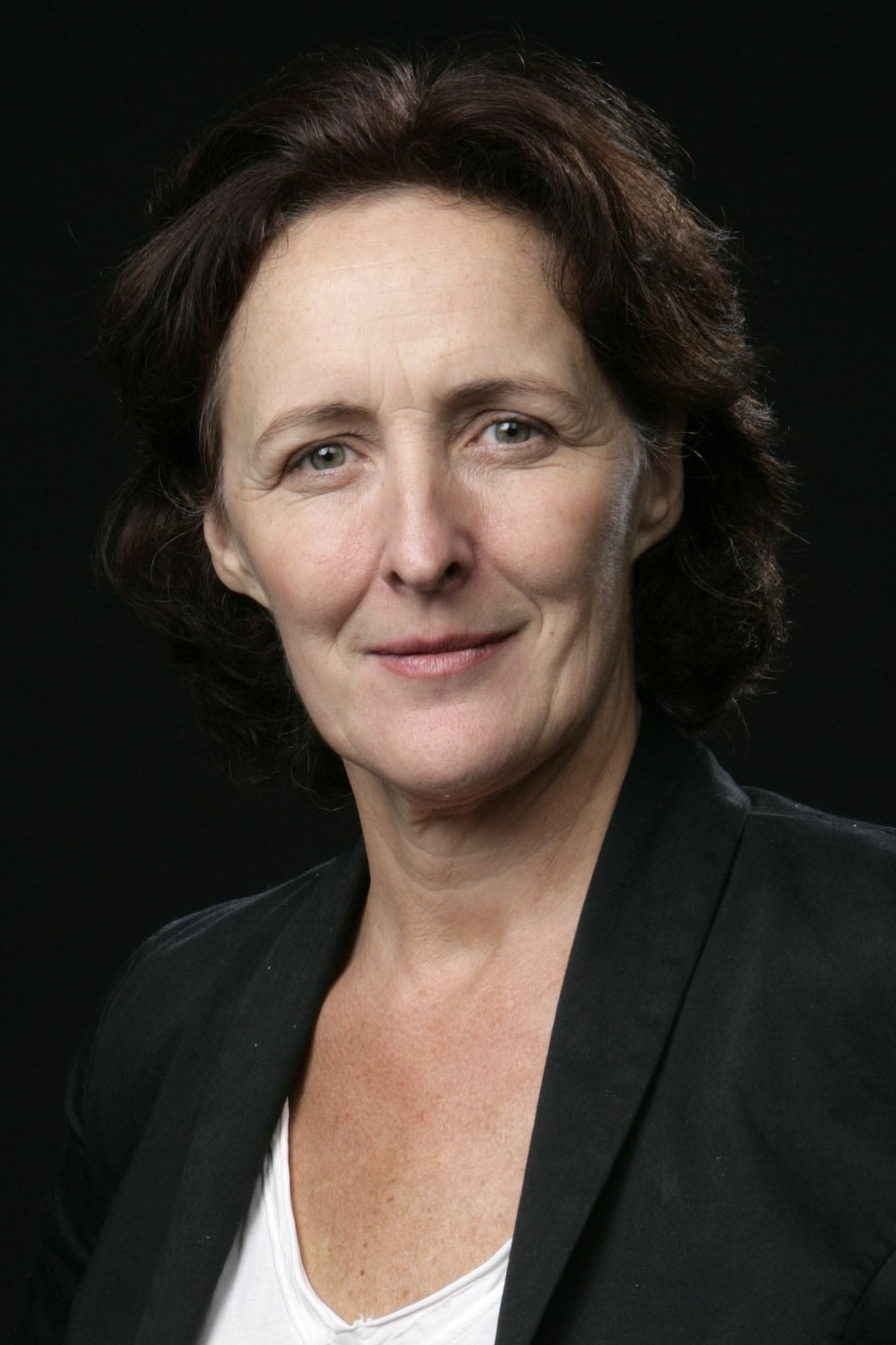
Fiona Shaw has discussed the difficulties of being a gay woman in the industry during the 1980s and 1990s. She mentioned that her career in film was likely limited because her personal life was viewed as a potential liability by casting directors. For many years, she primarily focused on theatre, where there was slightly more acceptance than in mainstream cinema. Shaw eventually found significant television success in ‘Killing Eve’, though she maintains that the earlier stages of her career were impacted by prejudice. She continues to be one of the most respected performers in both the UK and the US.
Wanda Sykes
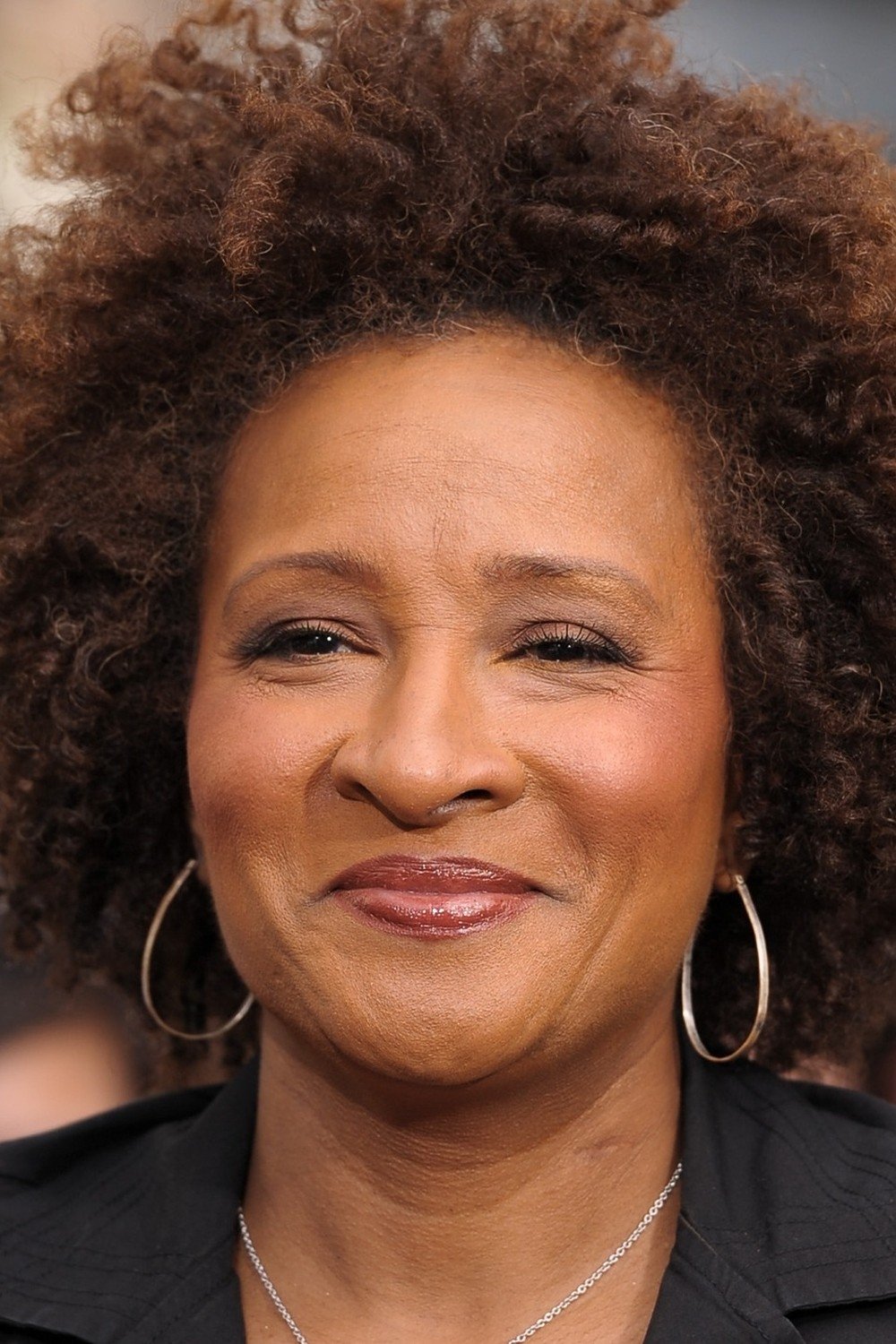
Comedian and actress Wanda Sykes came out publicly in 2008 during a rally. While she remained a successful stand-up, she noted that she lost certain corporate gigs and advertising opportunities due to her outspokenness. Sykes has discussed how some segments of the industry viewed her as too political or niche after her revelation. Despite these setbacks, she has built a prolific career in both voice acting and live-action television. She continues to be a vocal advocate for LGBTQ+ rights within the entertainment world.
Jane Lynch
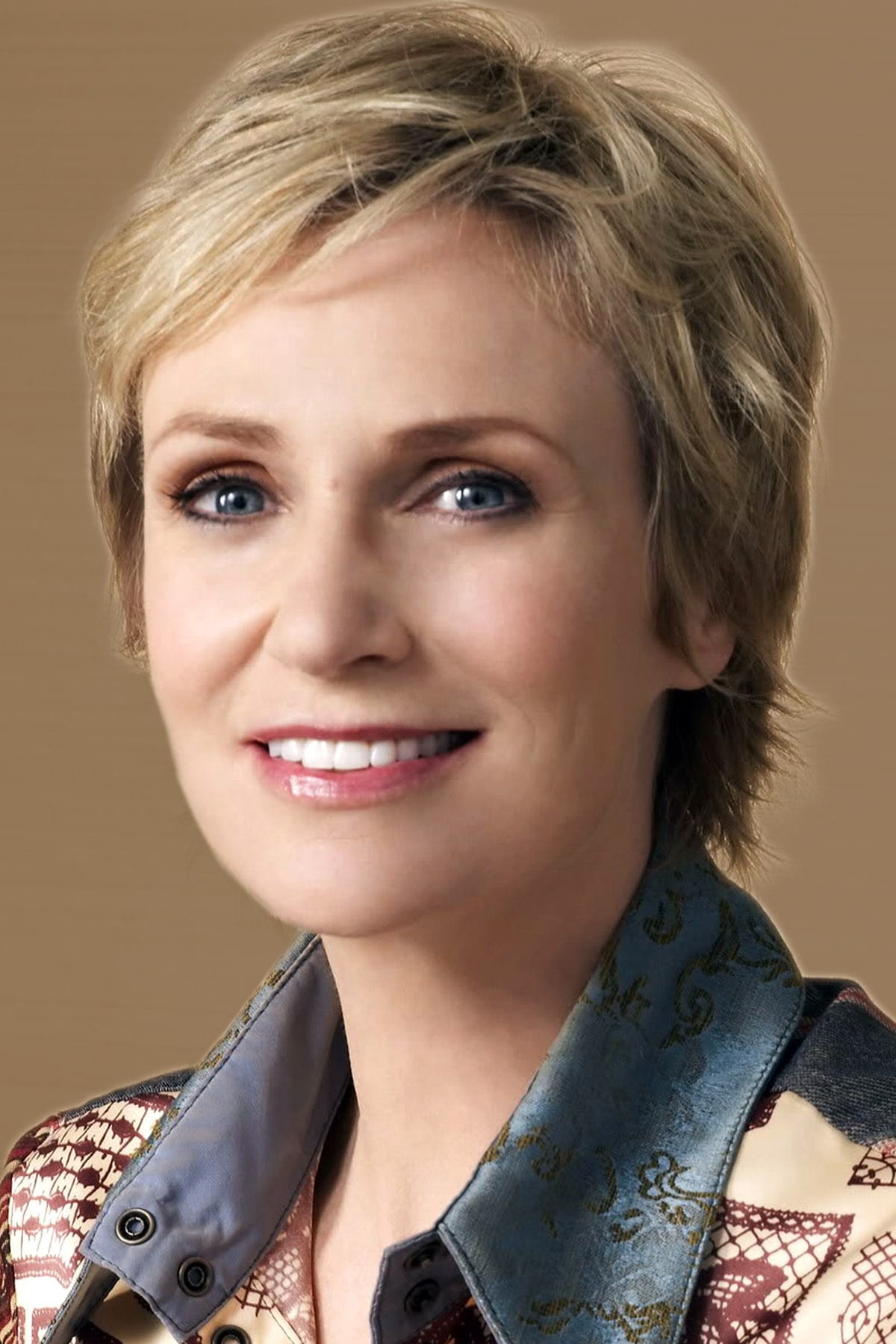
Jane Lynch spent many years working as a character actress before her breakout role in ‘Glee’. She has spoken about the early days of her career when she was advised to keep her sexuality a secret to avoid being pigeonholed. Lynch noted that the industry’s perception of out actresses often limited them to very specific, often stereotypical, roles. She described the challenge of building a reputation as a versatile performer while navigating the prejudices of casting directors. Her eventual success helped pave the way for more LGBTQ+ visibility in the comedy genre.
Cherry Jones
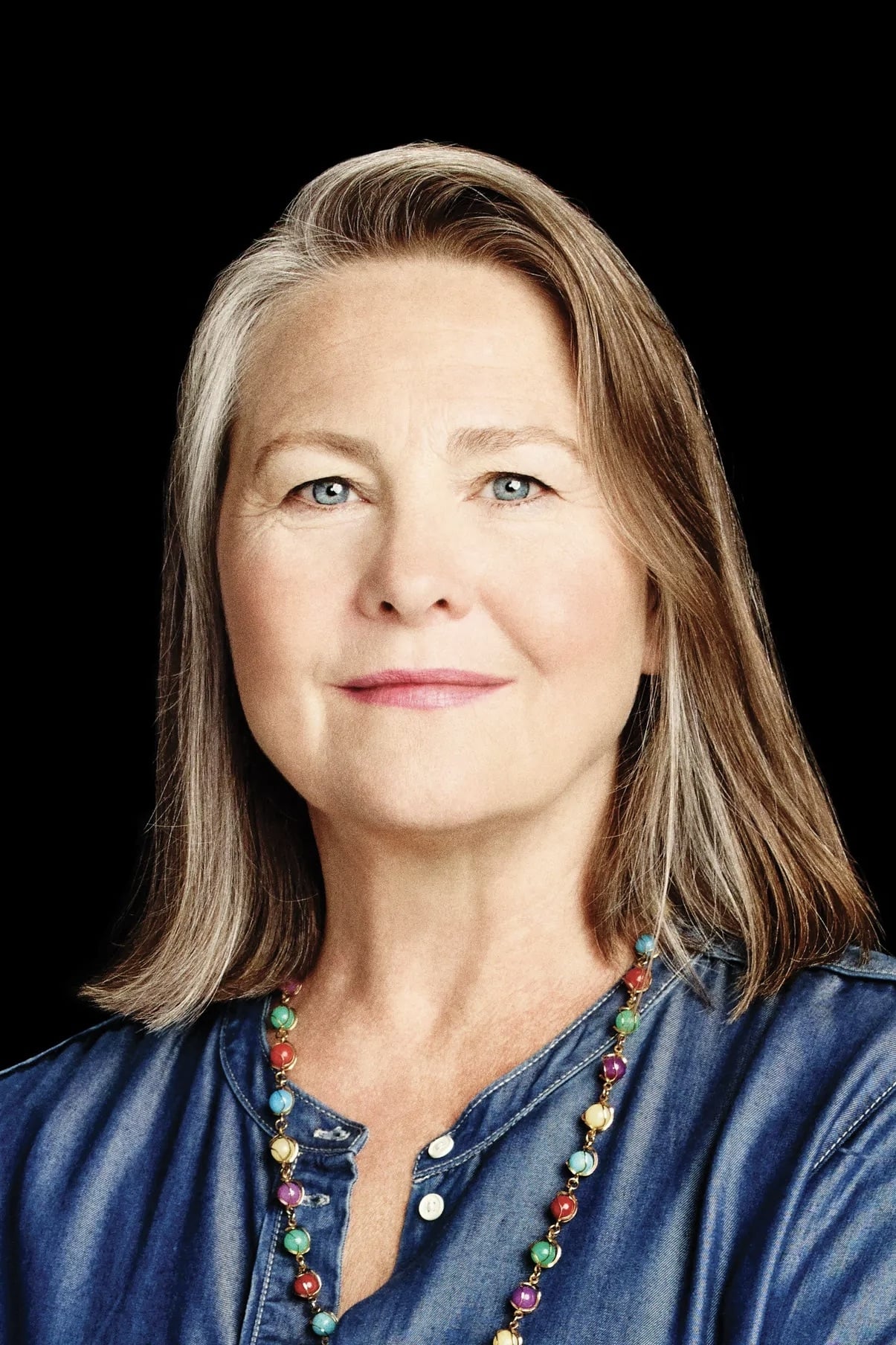
Tony Award-winning actress Cherry Jones has been open about her sexuality for much of her professional life. She has acknowledged that her openness likely cost her roles in mainstream feature films, particularly during the 1980s and 1990s. Jones chose to focus primarily on theatre, where she felt her reputation as an out woman was less of a barrier to success. She eventually found major television roles in series like ’24’ and ‘The Handmaid’s Tale’. Jones has often stated that she valued her personal integrity over the potential for a larger film career.
Raven-Symoné
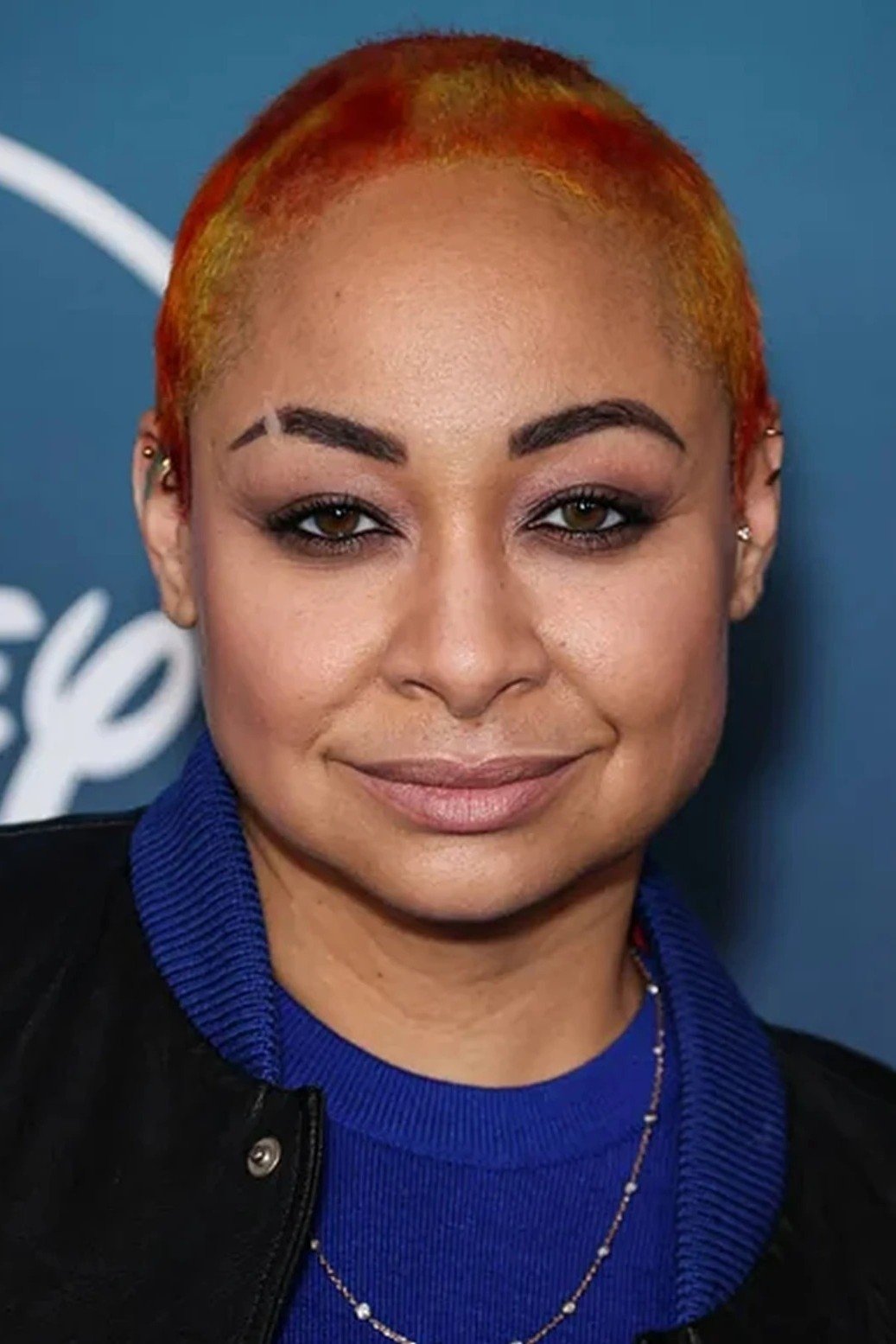
Raven-Symoné, a former child star on ‘The Cosby Show’, kept her personal life private for many years. She has discussed the intense pressure she felt to maintain a brand-friendly reputation for major networks. Symoné mentioned that she feared coming out would alienate her fan base and lead to the cancellation of her family-oriented projects. After she began living more openly, she experienced a period of transition in her career and public perception. She has since returned to Disney for ‘Raven’s Home’, bringing more of her authentic self to the screen.
Jodie Foster
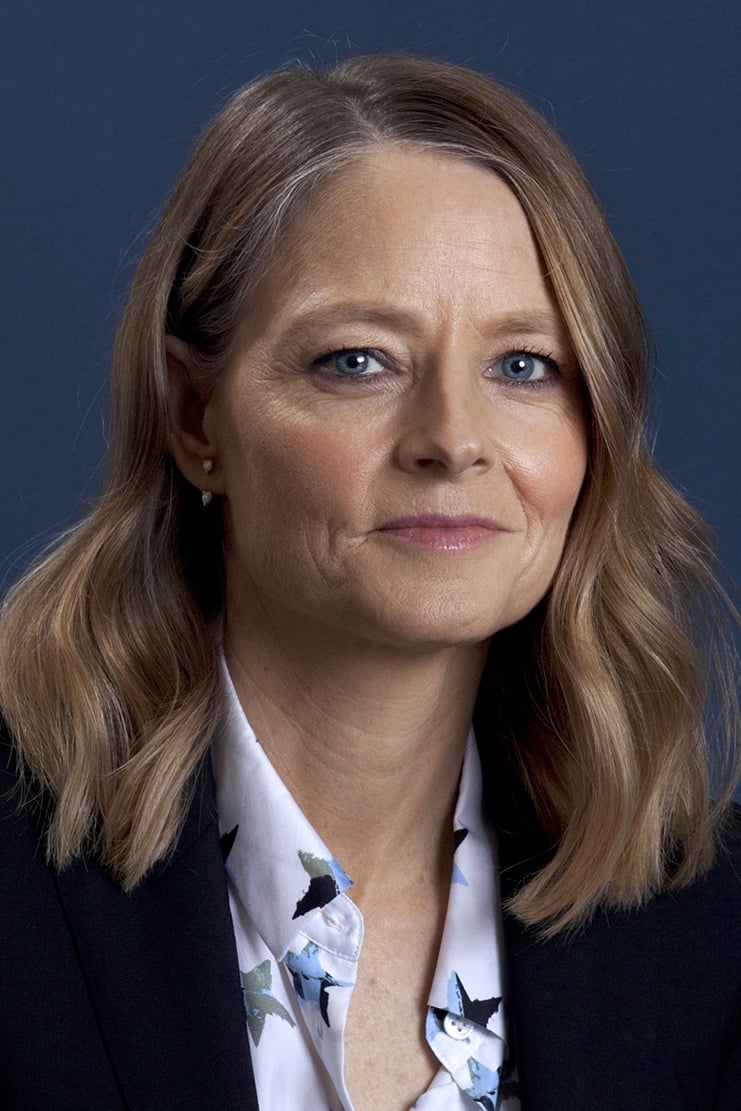
Jodie Foster maintained a highly private personal life for decades while working as a top-tier leading lady. Industry analysts have often noted that Foster’s silence was a strategic necessity to protect her status during the 1980s and 1990s. She faced intense media speculation and outing attempts that threatened the carefully curated reputation she needed for major studio roles. Foster did not officially come out in a public forum until the 2013 Golden Globes, long after her career was established. She has since transitioned into more directing and selective acting roles.
Lily Tomlin
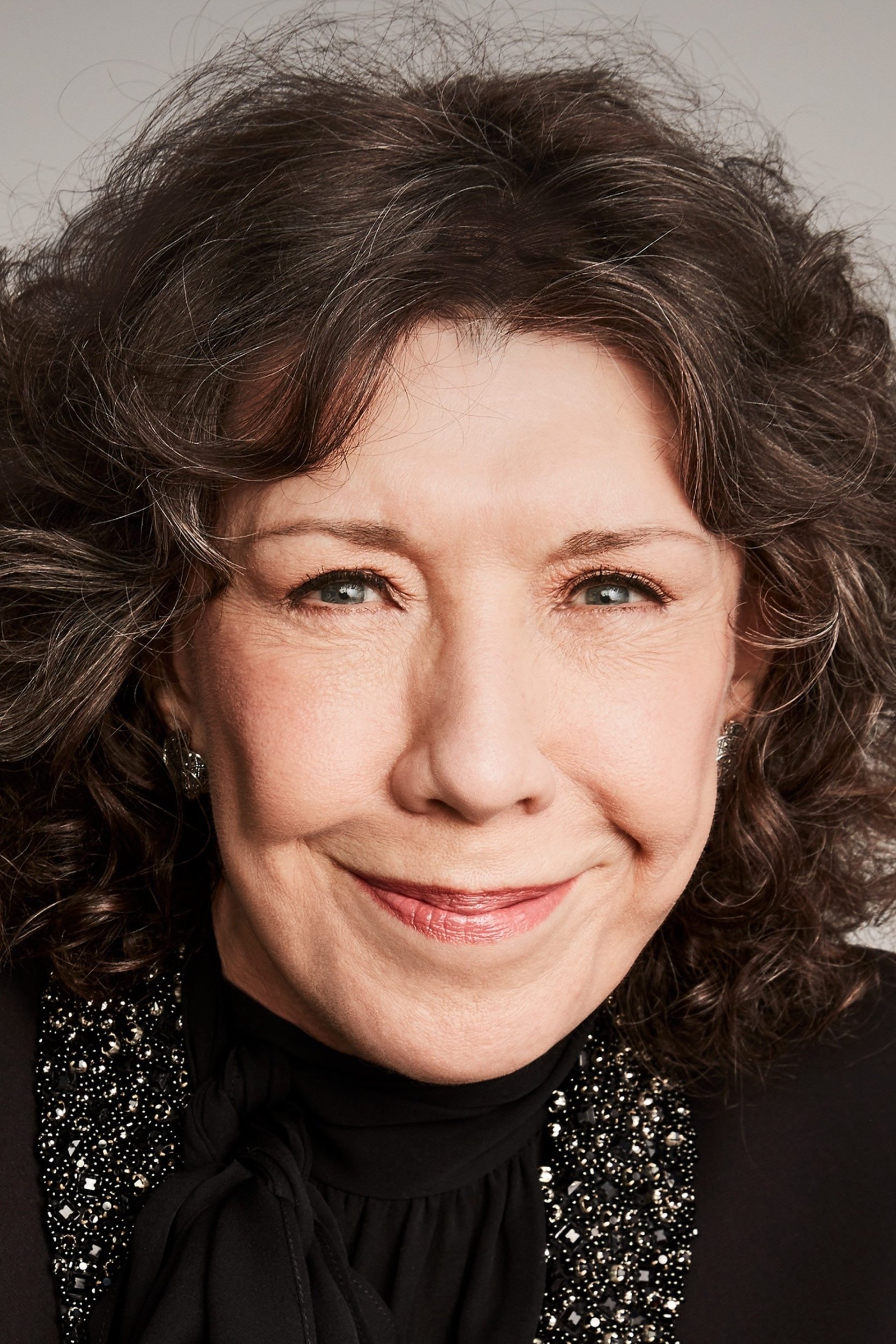
Lily Tomlin has been a major figure in comedy for over half a century, but she faced significant hurdles in her early career. In the 1970s, she was discouraged from being open about her long-term relationship to protect her mainstream appeal. Tomlin has discussed how her reputation as a boundary-pushing comedian was carefully managed to avoid direct confirmation of her sexuality. She noted that the climate of the time would not have supported an out lesbian in prime-time television or major films. Today, she is celebrated as a pioneer for the LGBTQ+ community in Hollywood.
Cara Delevingne
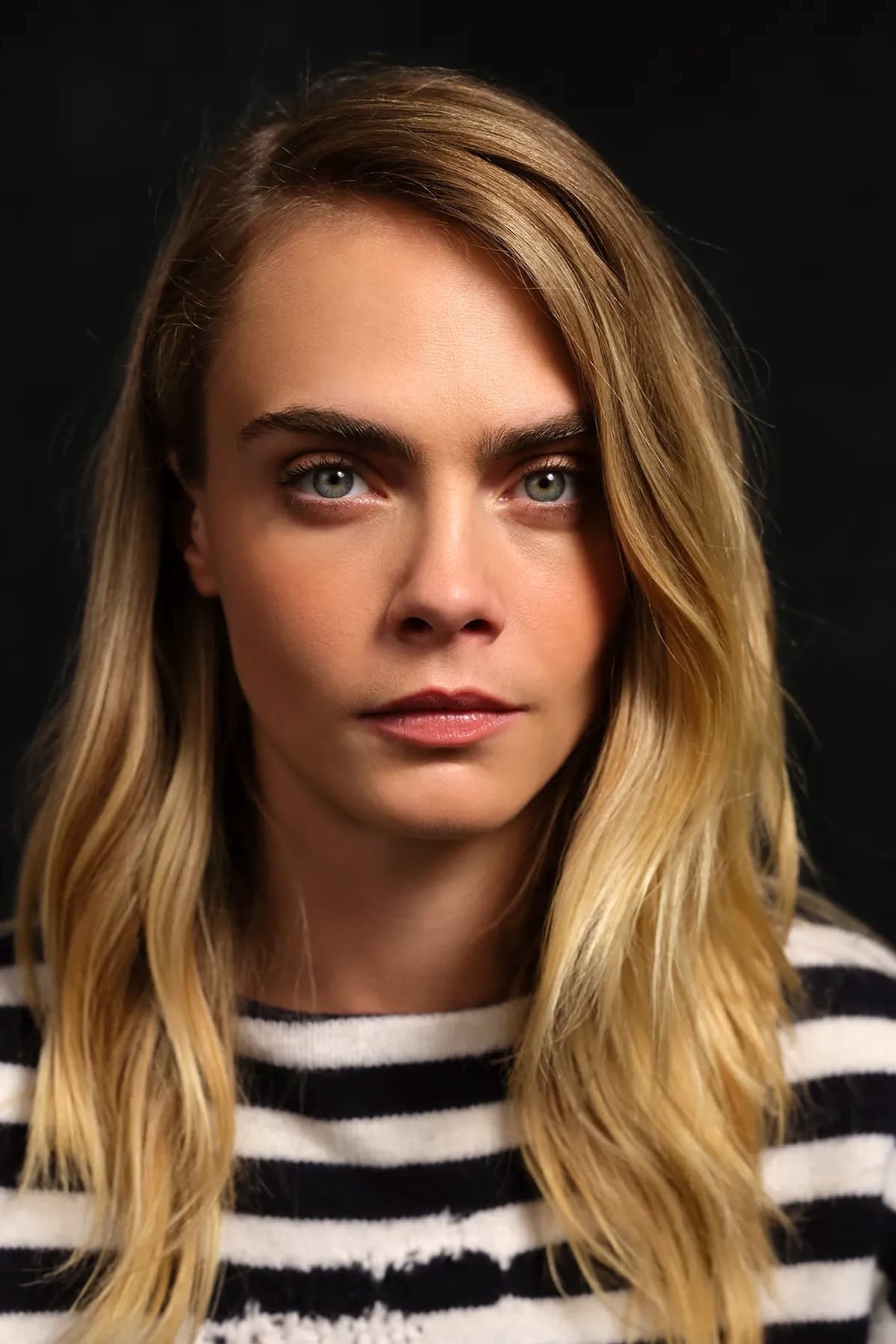
Model and actress Cara Delevingne has shared that she was told her sexuality would be a hindrance to her acting career. When she first transitioned from modeling to films like ‘Paper Towns’, industry professionals advised her to keep her relationships with women private. She was warned that being open about her identity would lead to her being typecast or denied leading roles. Delevingne chose to ignore the advice, though she has acknowledged that the pressure to conform was a constant presence in her early career. She remains a prominent figure in both fashion and film.
Please share your thoughts on these career journeys and the changes in industry standards in the comments.