Blockbusters That Replaced Actors Mid-Production

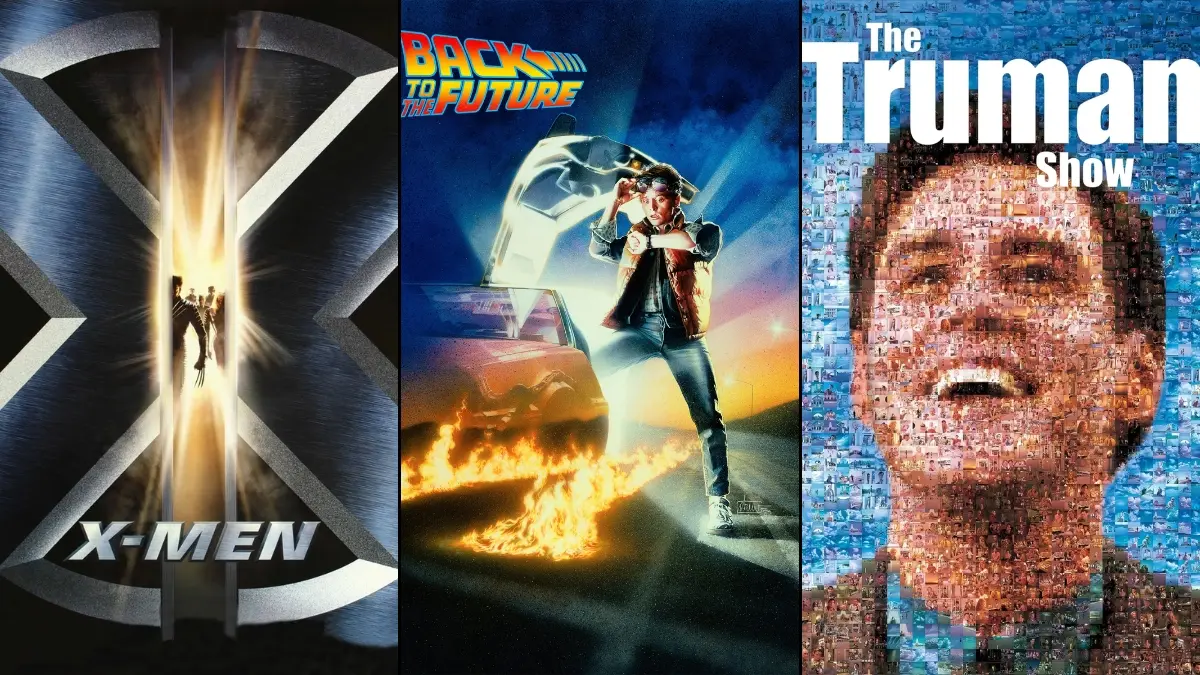

Film production is a complex process where creative differences or unforeseen circumstances can lead to significant casting changes after cameras have started rolling. These transitions often require extensive reshoots and script adjustments to accommodate a new performer’s style. While some replacements are seamless, others become famous pieces of cinematic history due to the high stakes involved for the studio. The following films are notable examples of blockbusters that swapped key actors during the production phase.
‘Back to the Future’ (1985)
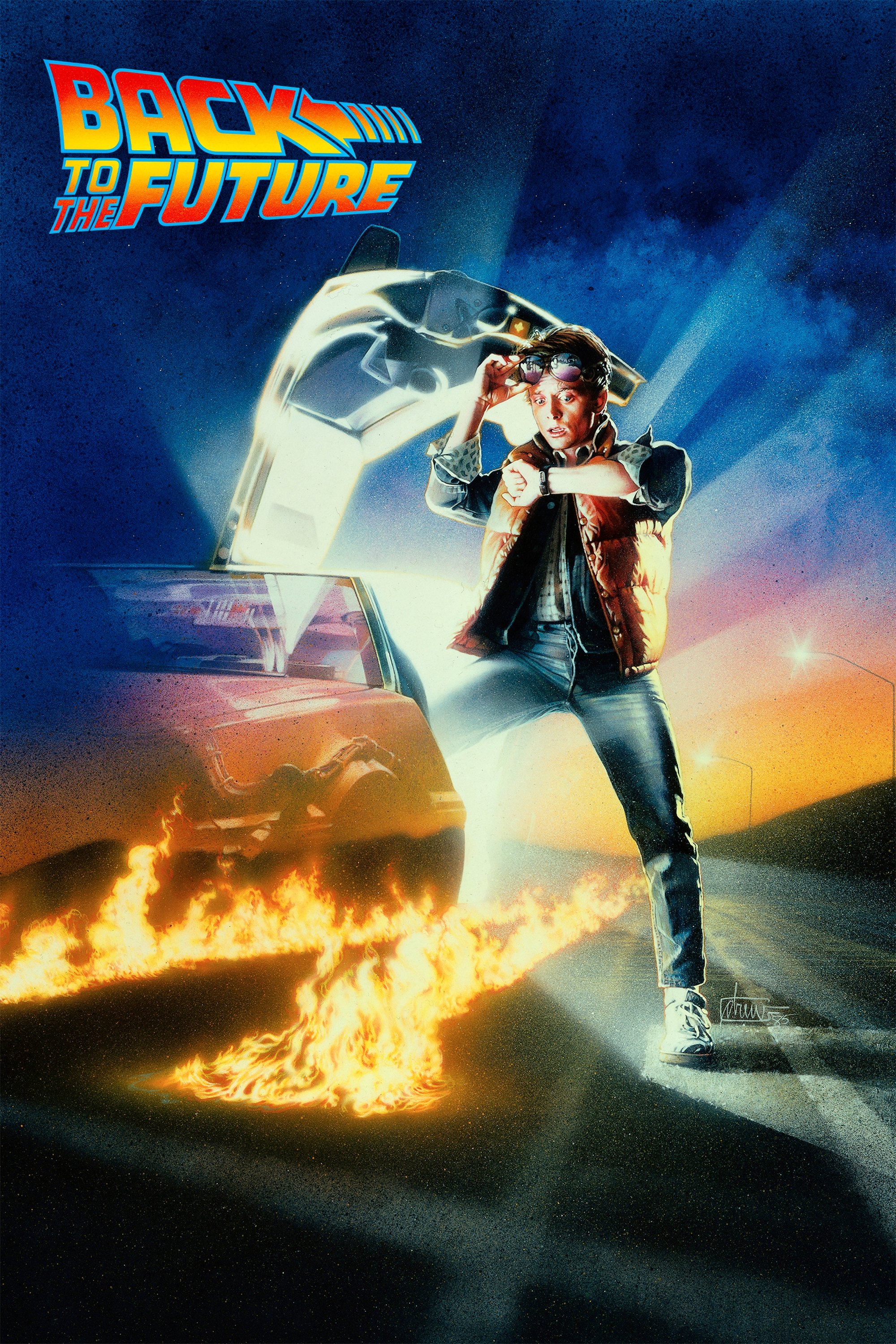
Eric Stoltz played the role of Marty McFly for six weeks before director Robert Zemeckis decided the actor’s performance was too dramatic for the intended tone. Michael J. Fox was the original first choice for the part, but he had been unavailable due to his commitments to the sitcom ‘Family Ties’. The production eventually reached an agreement that allowed Fox to film the movie at night while working on his show during the day. Nearly all of the footage featuring Stoltz had to be discarded and reshot with Fox. This shift provided the kinetic energy that helped ‘Back to the Future’ become a massive box-office success.
‘All the Money in the World’ (2017)
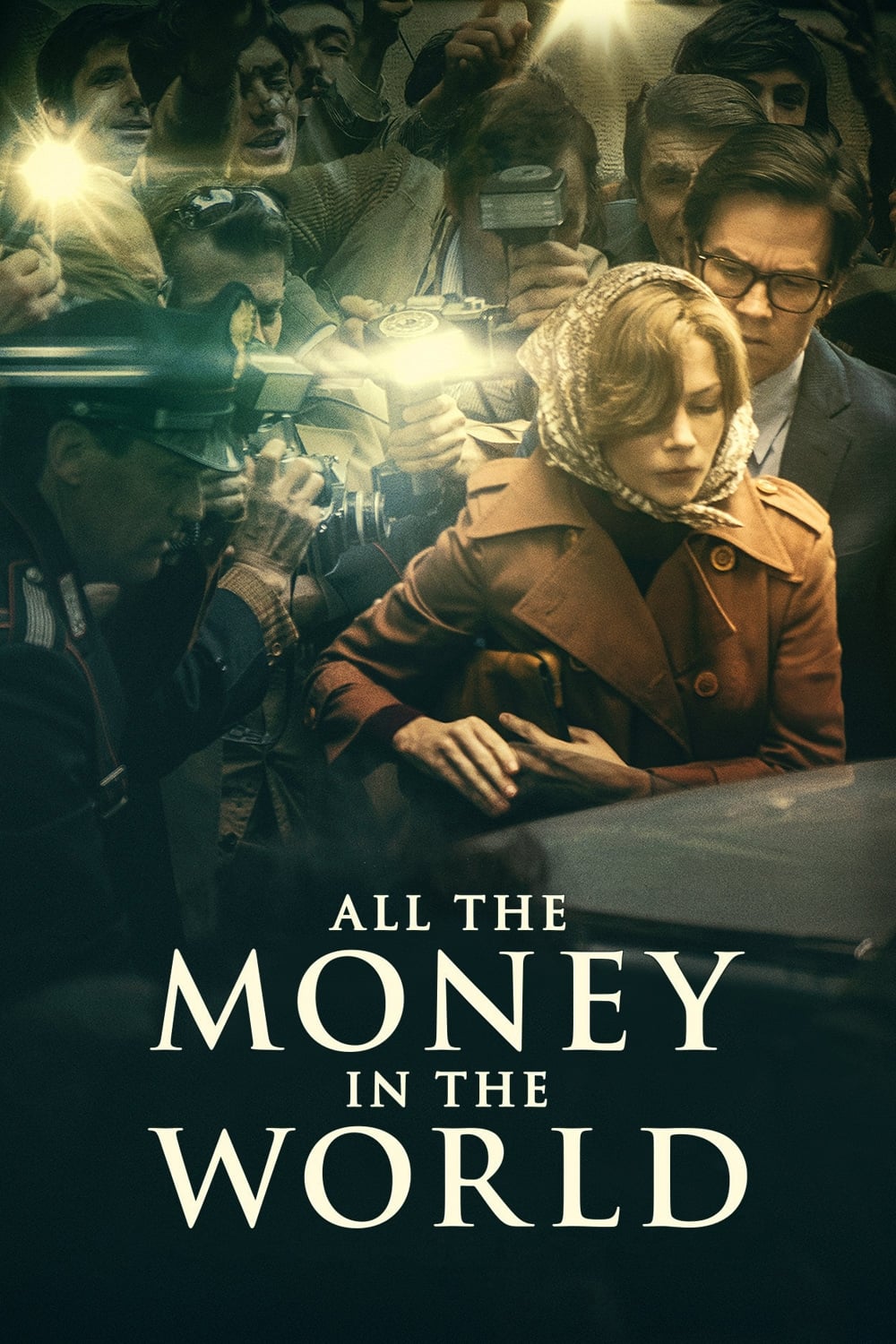
Director Ridley Scott made the unprecedented decision to replace Kevin Spacey with Christopher Plummer just weeks before the film’s scheduled theatrical release. Spacey had already completed his performance as billionaire J. Paul Getty, but a series of public allegations led the studio to distance itself from the actor. Plummer filmed all of his necessary scenes in a rapid nine-day period to ensure the movie could still meet its December premiere date. The high-profile reshoots cost the production several million dollars but were widely regarded as a logistical triumph. Plummer’s performance earned him an Academy Award nomination for Best Supporting Actor.
‘The Lord of the Rings: The Fellowship of the Ring’ (2001)
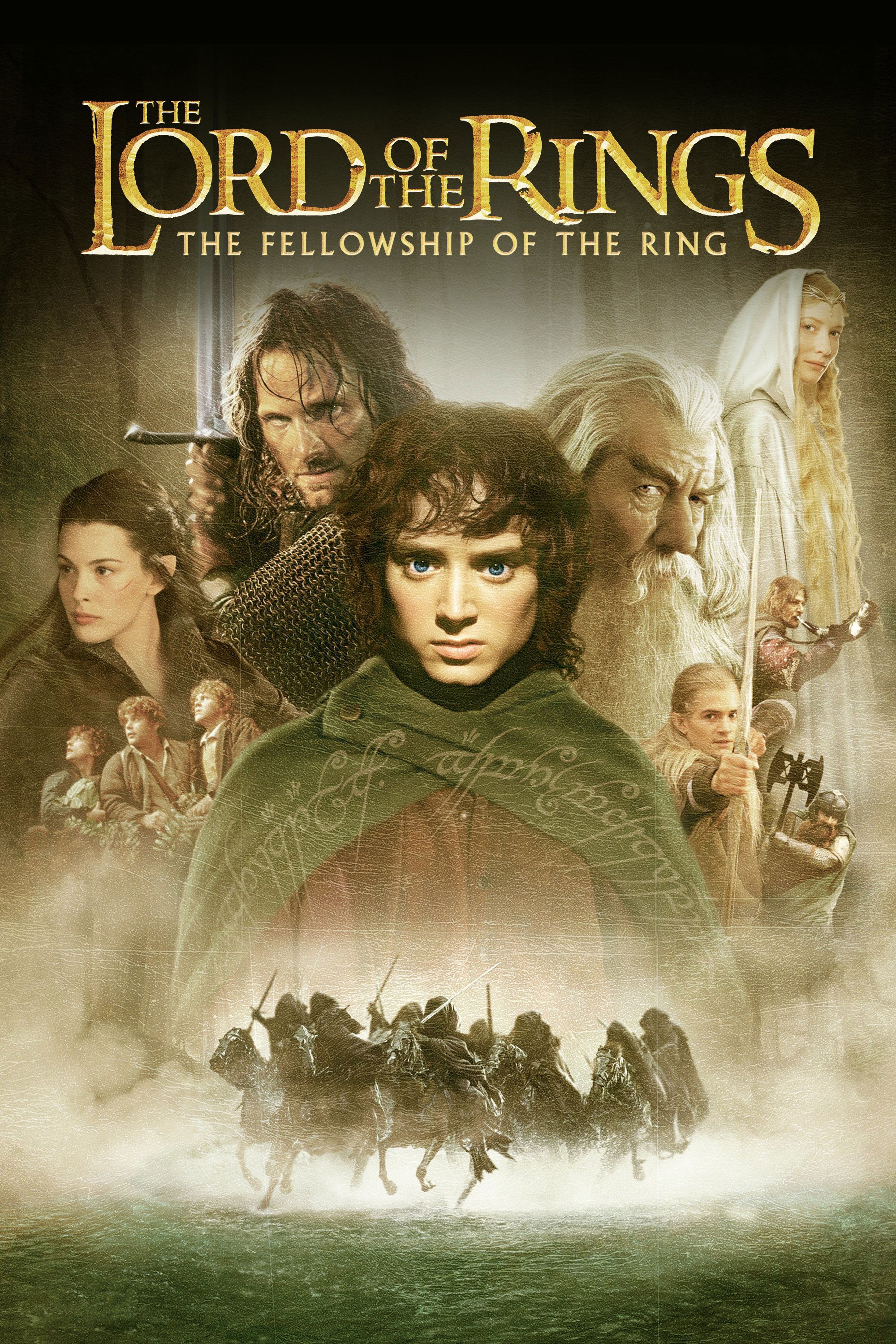
Stuart Townsend was originally cast as Aragorn and spent two months training for the role in New Zealand prior to the start of filming. However, after only four days of shooting, director Peter Jackson realized the actor was too young to portray the weathered and experienced Ranger of the North. Viggo Mortensen was quickly recruited as a replacement and joined the production without having read the source material. Mortensen famously committed to the role by performing his own stunts and carrying his sword everywhere to get into character. This last-minute casting choice defined the character for the duration of the ‘Lord of the Rings’ trilogy.
‘Her’ (2013)
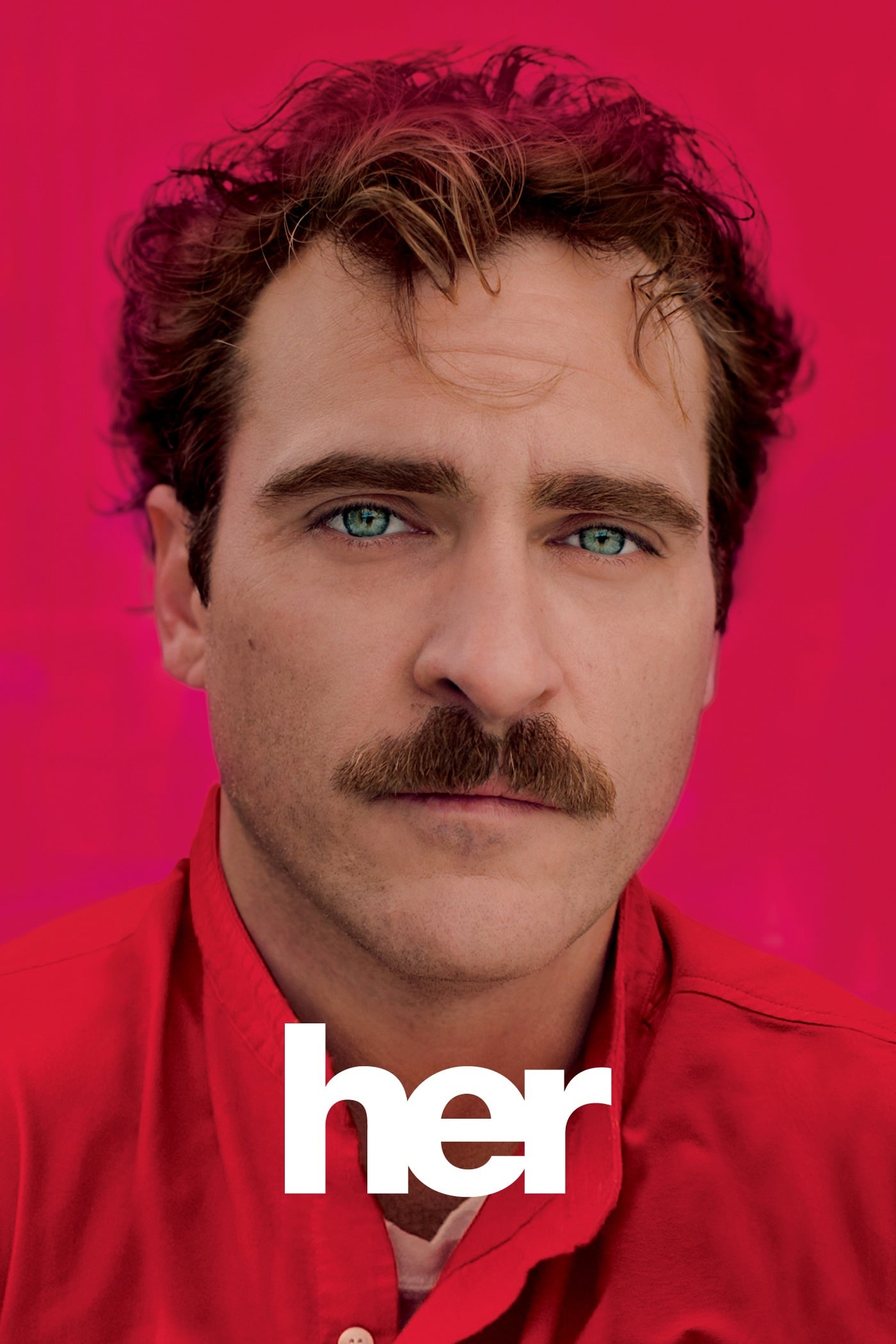
Samantha Morton was the original voice of the artificial intelligence character Samantha and was present on set to record her dialogue during principal photography. Joaquin Phoenix performed his scenes by reacting to Morton’s voice through an earpiece to maintain a sense of realism. During the post-production phase, director Spike Jonze felt that the character’s vocal quality required a different direction to serve the story. Scarlett Johansson was brought in to re-record the entirety of the character’s dialogue, adding a new layer of intimacy to the digital presence. Morton still received a credit for her contributions to the development of the character.
‘Predator’ (1987)
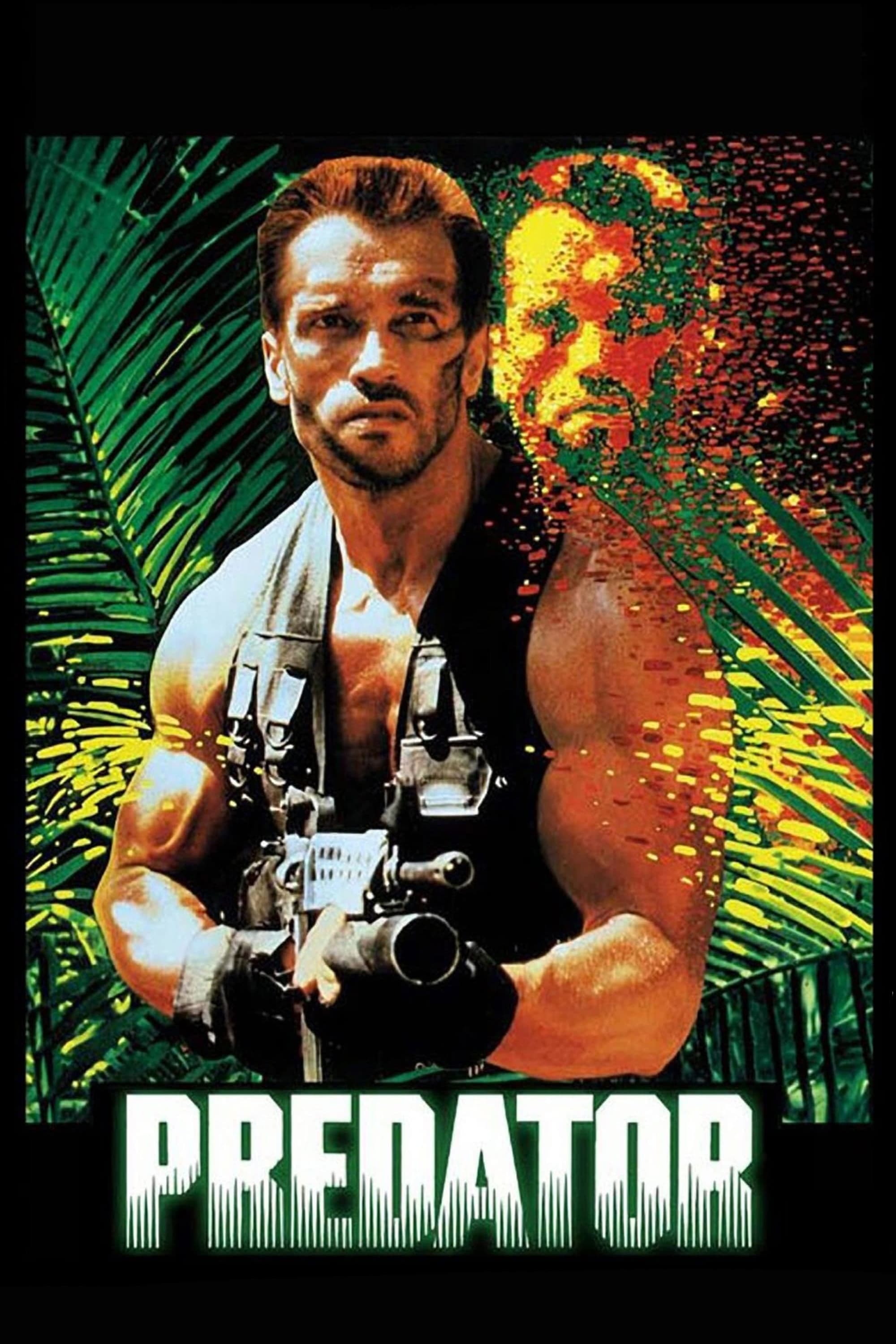
Jean-Claude Van Damme was initially hired to play the titular alien hunter alongside Arnold Schwarzenegger in the jungle action film. The martial artist reportedly struggled with the physical limitations and the design of the original red rubber creature suit. He departed the production after a few days of filming, leading the production team to rethink the creature’s entire appearance. The suit was redesigned by Stan Winston, and the tall actor Kevin Peter Hall was hired to replace Van Damme. This change resulted in the iconic dreadlocked alien design that launched a long-running ‘Predator’ franchise.
‘V for Vendetta’ (2005)

James Purefoy was the first actor cast as the masked revolutionary V and filmed approximately six weeks of footage for the production. He eventually stepped down from the role due to creative differences regarding the challenges of acting behind a static mask for the entire duration of the film. Hugo Weaving was brought in as his replacement and provided the vocal performance for the character throughout the movie. Because V’s face is never revealed, the production was able to use some of Purefoy’s physical performance in the final cut while Weaving dubbed the lines. The transition was so smooth that most viewers were unaware of the mid-production swap.
‘Solo: A Star Wars Story’ (2018)

Michael K. Williams was cast as the villainous Dryden Vos and completed most of his scenes before a major directorial change occurred. When Ron Howard took over the project from the previous directors, extensive reshoots were scheduled to adjust the film’s narrative tone. Williams was unable to return to the set for the new schedule due to a conflict with his work on another production. Paul Bettany was cast to take over the role, and the character was changed from a motion-capture alien to a human. This adjustment allowed Howard to integrate the villain more effectively into the revised version of ‘Solo: A Star Wars Story’.
‘The Wizard of Oz’ (1939)
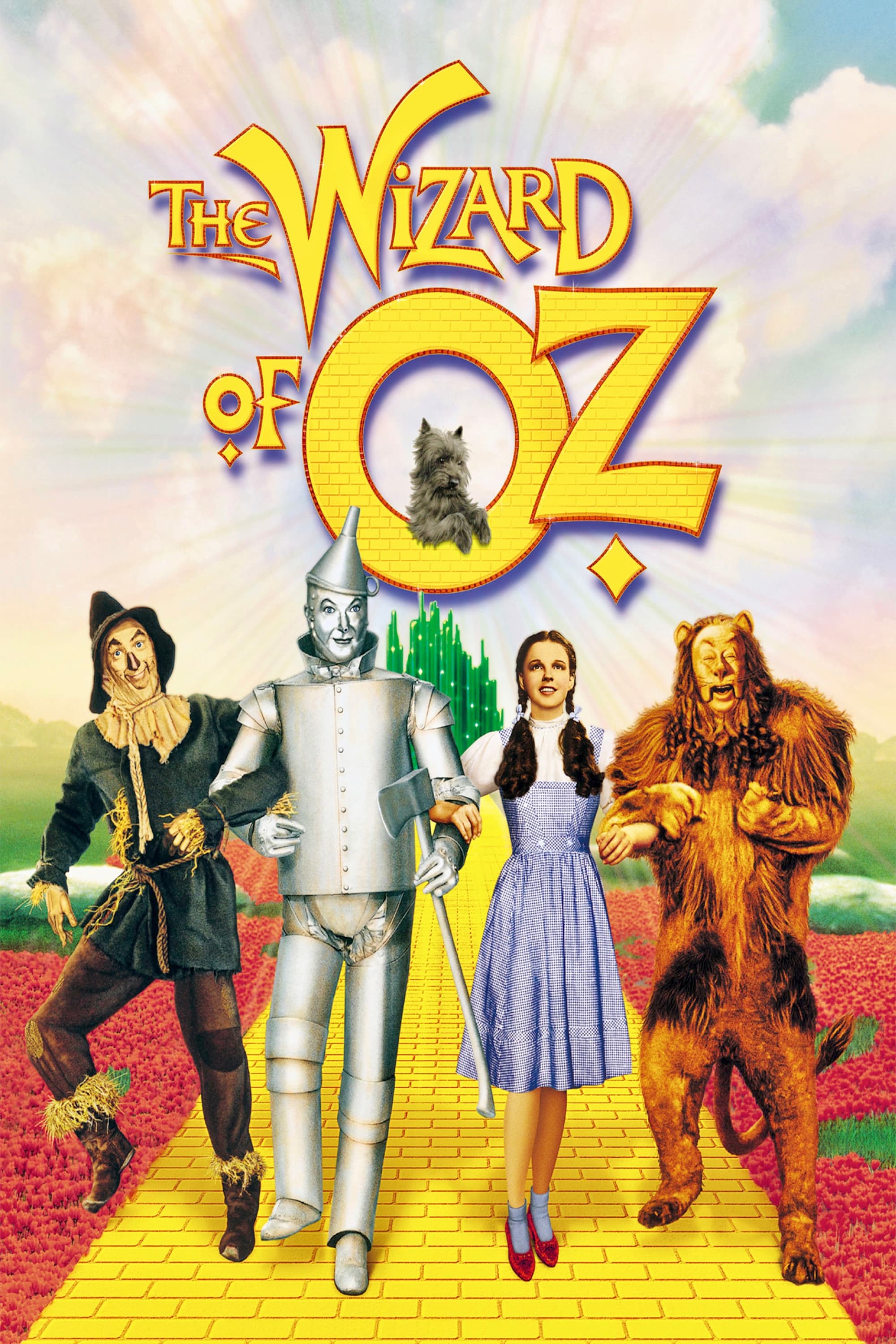
Buddy Ebsen was the original choice to play the Tin Man and had spent weeks recording songs and filming early scenes for the classic musical. He suffered a life-threatening allergic reaction to the aluminum powder used in his silver makeup, which led to his hospitalization. Jack Haley was hired as his replacement, and the production switched to using a safer aluminum paste for the character’s look. Although Haley is the actor seen on screen in ‘The Wizard of Oz’, Ebsen’s voice can still be heard in some of the group recordings of the song “We’re Off to See the Wizard.” The incident remains one of the most famous examples of production health hazards in Hollywood history.
‘Panic Room’ (2002)
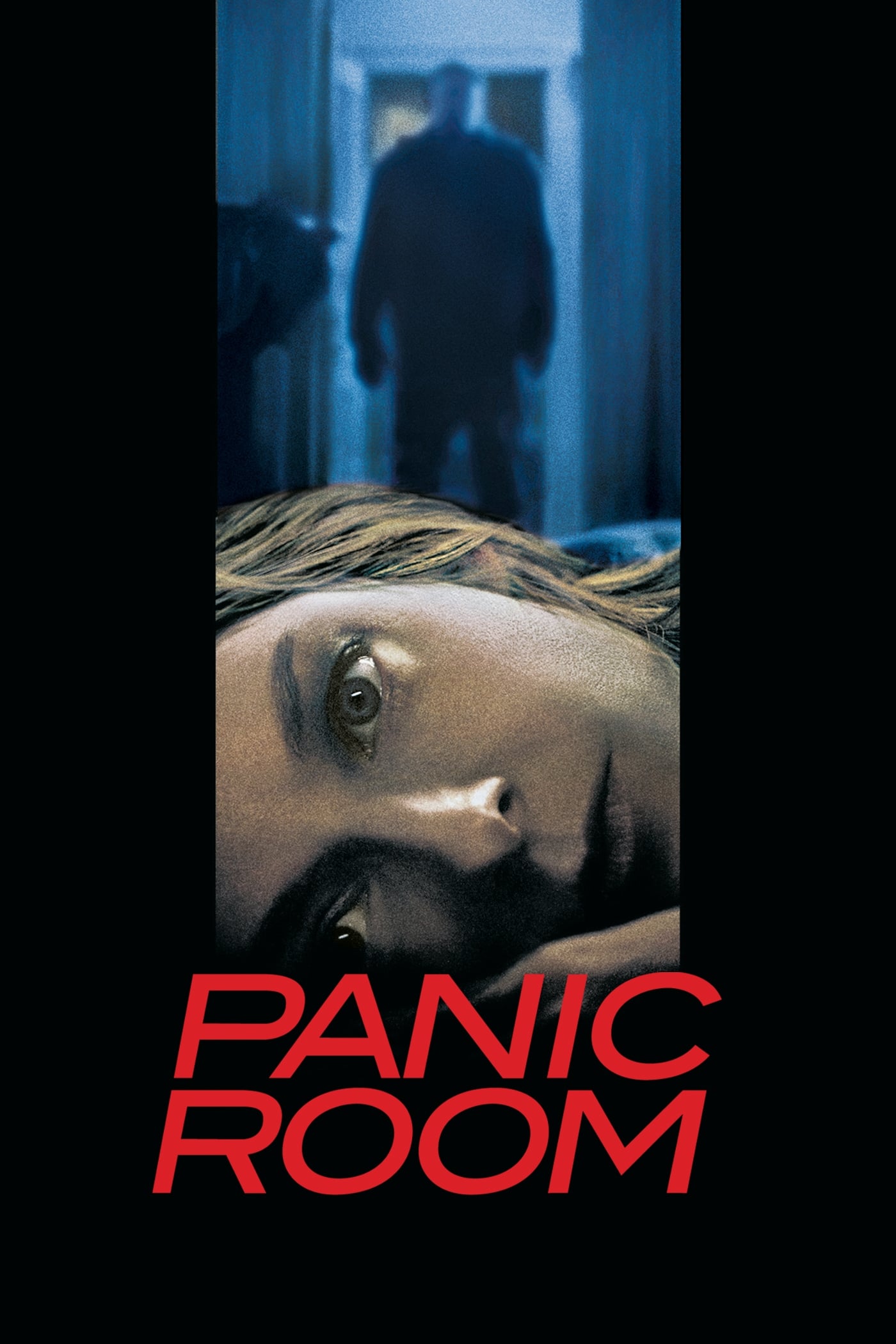
Nicole Kidman was cast as the lead protagonist and had been filming for two weeks when a previous knee injury flared up again. The injury was severe enough that she could no longer handle the intense physical requirements of the thriller directed by David Fincher. Production was temporarily halted while the studio searched for a replacement who could start immediately. Jodie Foster was hired and had only a few days to prepare for the role of Meg Altman. Kidman remained in the film in a minor capacity by providing the voice of the ex-wife of the protagonist’s husband during a brief phone call.
‘X-Men’ (2000)
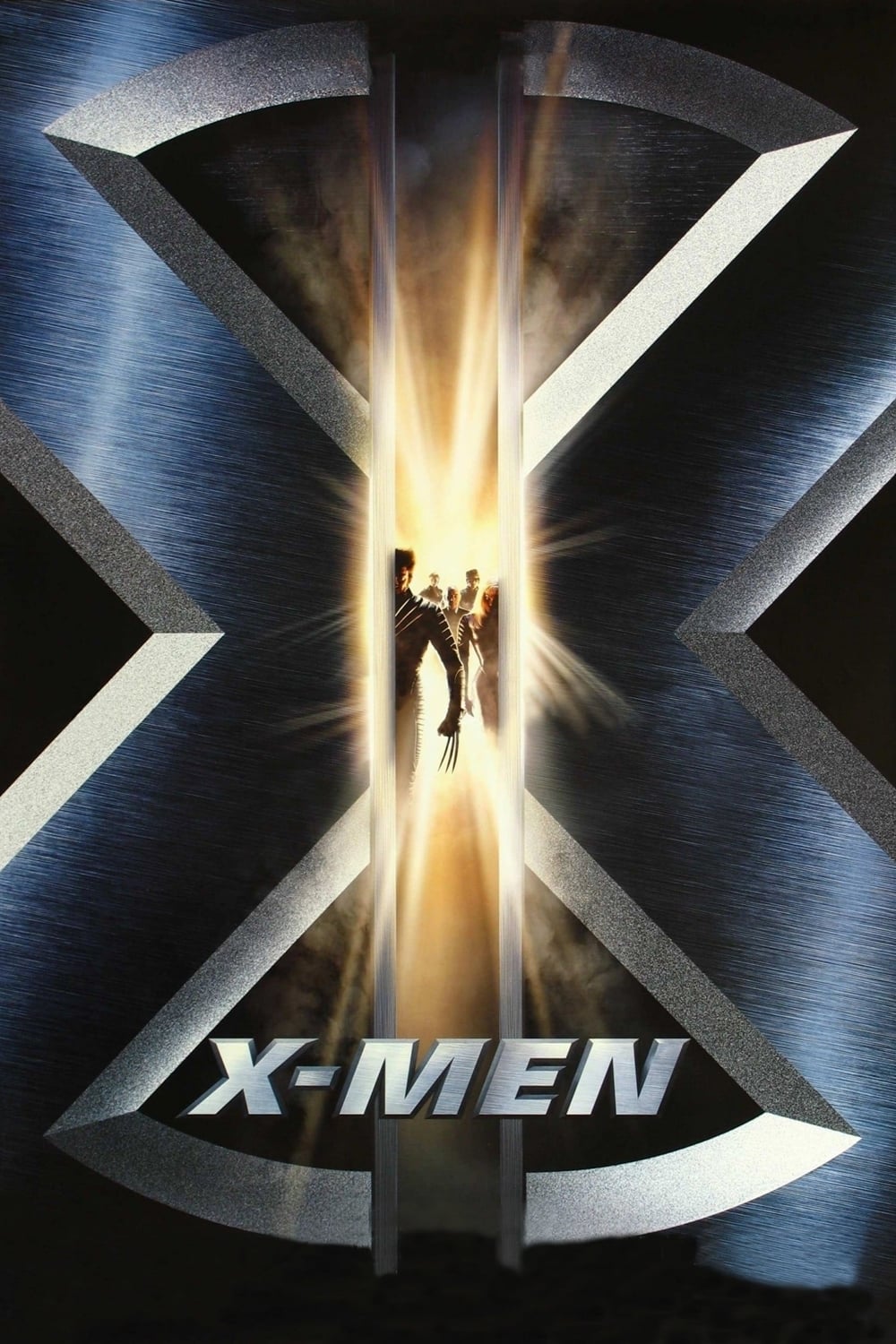
Dougray Scott was the first choice to play Wolverine, but his filming schedule for ‘Mission: Impossible 2’ ran significantly over its expected duration. This conflict prevented him from being available for the start of production on the first ‘X-Men’ film. Director Bryan Singer was forced to find a replacement just as principal photography was getting underway. Hugh Jackman was cast at the last minute and flew to the set to begin filming his scenes as the clawed mutant. The role became a career-defining performance for Jackman, who played the character for nearly two decades in the ‘X-Men’ franchise.
‘Shrek’ (2001)
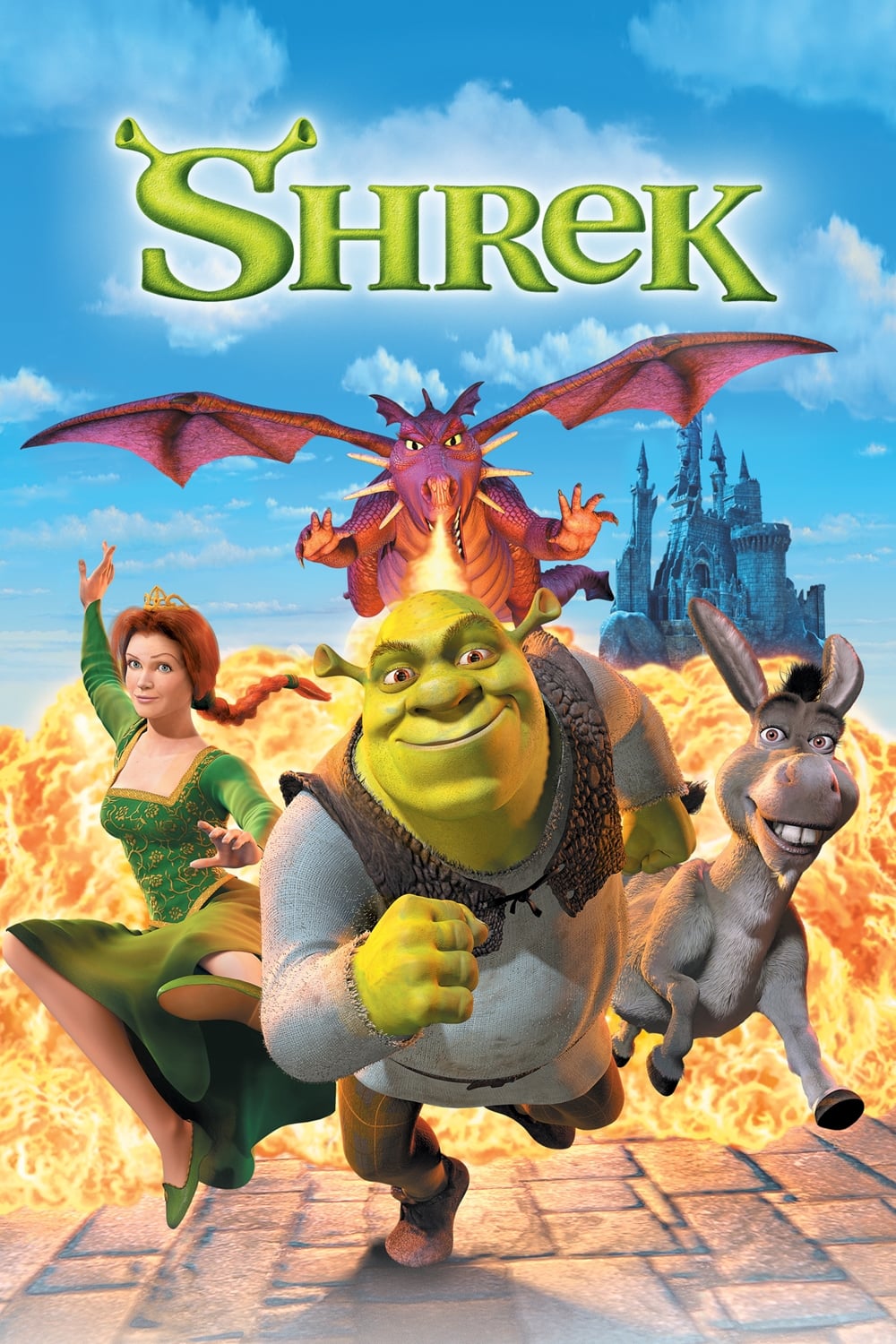
Chris Farley had recorded nearly the entire vocal performance for the titular ogre before his sudden death in 1997. The producers at DreamWorks considered finishing the film with a voice double but eventually decided to start over to respect Farley’s legacy. Mike Myers was hired to take over the role and initially recorded the character with his natural speaking voice. After seeing an early cut of the film, Myers decided to re-record all of his lines with a Scottish accent to give the character more personality. This creative decision significantly influenced the characterization of ‘Shrek’ and contributed to the film’s global popularity.
‘Apocalypse Now’ (1979)
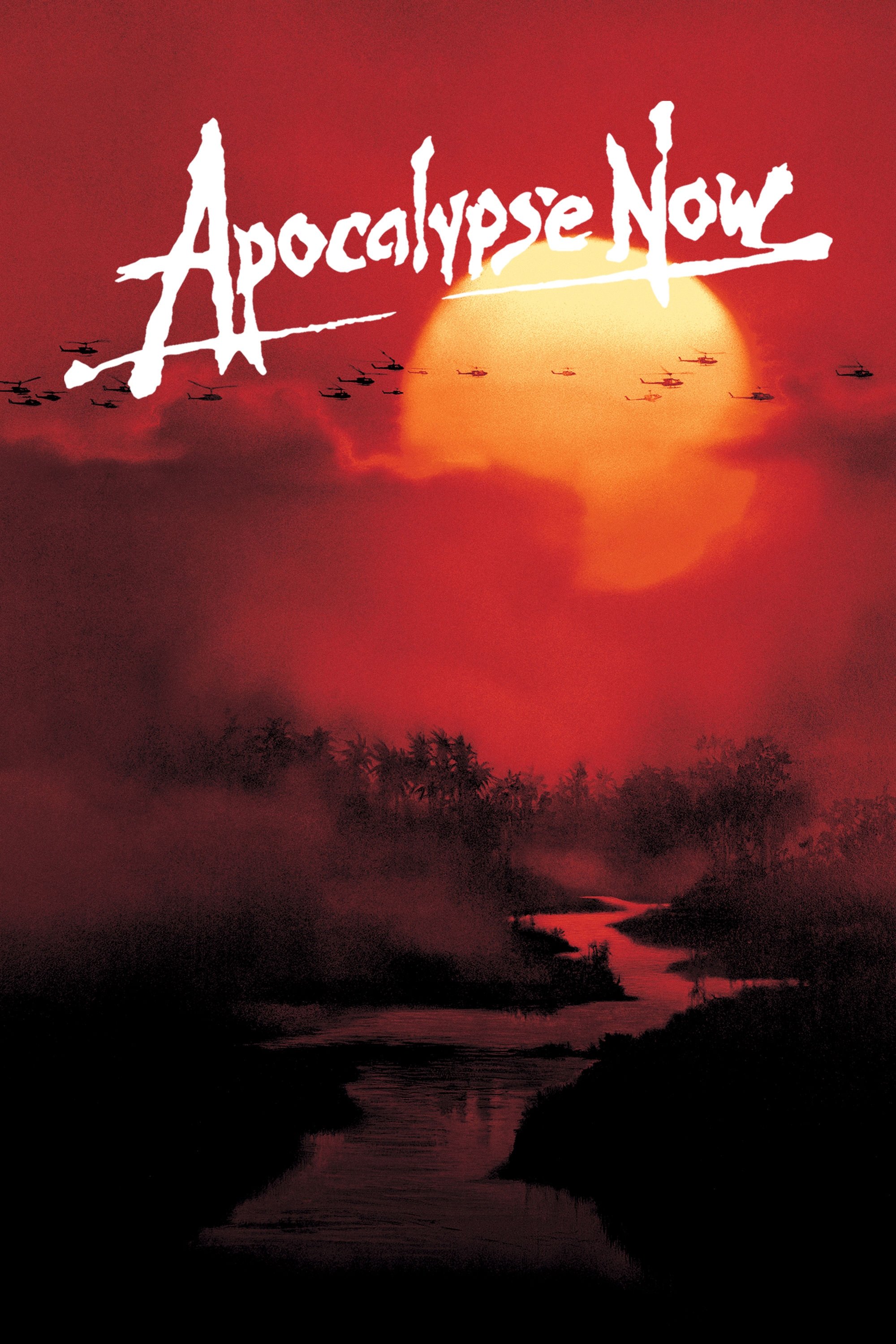
Harvey Keitel was originally cast as Captain Willard and spent about a week filming scenes in the Philippine jungle. Director Francis Ford Coppola became concerned that Keitel’s acting style was not a good fit for the introspective nature of the character. Martin Sheen was quickly brought in as a replacement to lead the cast of the ambitious Vietnam War epic. The production faced numerous other setbacks, including a typhoon that destroyed sets and Sheen suffering a heart attack during filming. Despite these challenges, ‘Apocalypse Now’ went on to be recognized as one of the greatest films in cinematic history.
‘The Lovely Bones’ (2009)

Ryan Gosling was cast as the grieving father Jack Salmon and famously gained 60 pounds in preparation for what he believed the character should look like. Director Peter Jackson did not agree with this physical transformation, leading to creative tension just as production was beginning. Gosling left the project the day before filming was set to start, citing these creative differences as the primary reason. Mark Wahlberg was brought in as a replacement and began his work on the production with almost no preparation time. The casting change was one of several shifts that occurred during the adaptation of ‘The Lovely Bones’.
‘Paddington’ (2014)

Colin Firth was the original voice of the famous bear and had completed most of the recording sessions for the animated character. During the post-production phase, the filmmakers and Firth mutually agreed that his voice was too mature for the innocent personality of the bear. Ben Whishaw was hired to provide a more youthful and soft-spoken vocal performance to better match the visual design. This “conscious uncoupling” of the actor and the role was handled amicably and resulted in a character voice that resonated with audiences. ‘Paddington’ became a critical and commercial success, launching a beloved family film franchise.
‘Demolition Man’ (1993)

Lori Petty was originally cast to play Lenina Huxley and worked on the set of the sci-fi action film for several days. She was reportedly let go due to creative differences with the production team and a lack of chemistry with lead actor Sylvester Stallone. Sandra Bullock was hired to replace her, marking one of the actress’s earliest major roles in a blockbuster production. Bullock’s performance as the optimistic, fish-out-of-water police officer was praised by critics and fans alike. This casting change helped propel Bullock toward becoming one of the biggest stars of the 1990s.
‘The Truman Show’ (1998)
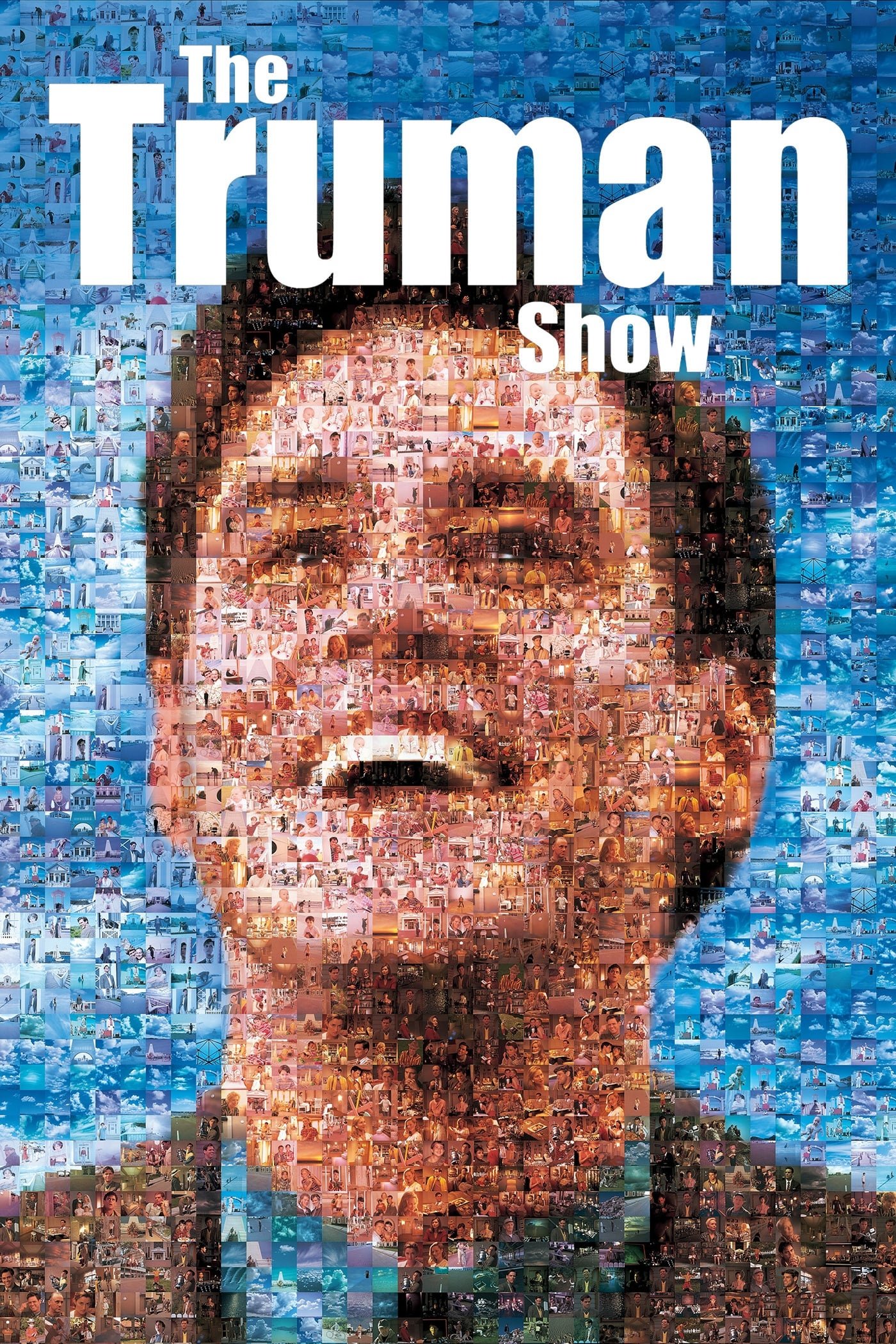
Dennis Hopper was the first actor cast to play Christof, the creator of the artificial world inhabited by Truman Burbank. He filmed for two days before director Peter Weir decided that the performance was not aligning with the specific vision for the character. Ed Harris was recruited to step into the role and began filming almost immediately after Hopper’s departure. Harris chose to play the character with a more cold and calculated authority, which earned him an Academy Award nomination. His scenes were largely filmed in a separate location from the main cast to reflect the character’s god-like distance in ‘The Truman Show’.
‘Mortal Kombat’ (1995)
Cameron Diaz was cast as the iconic fighter Sonya Blade and had spent weeks training for the film’s intense martial arts sequences. Just before her scenes were scheduled to be shot, she broke her wrist during a training session, which made her unable to perform the necessary stunts. Bridgette Wilson was brought in at the last minute and traveled to the filming location in Thailand to start work immediately. Despite the lack of preparation time, Wilson performed her own stunts and fighting choreography for the movie. This casting shift allowed the production of ‘Mortal Kombat’ to proceed on schedule and deliver the high-energy action fans expected.
Share your thoughts on these mid-production casting changes in the comments.