Sci-Fi Masterpieces That Were Too Smart Mainstream Audiences

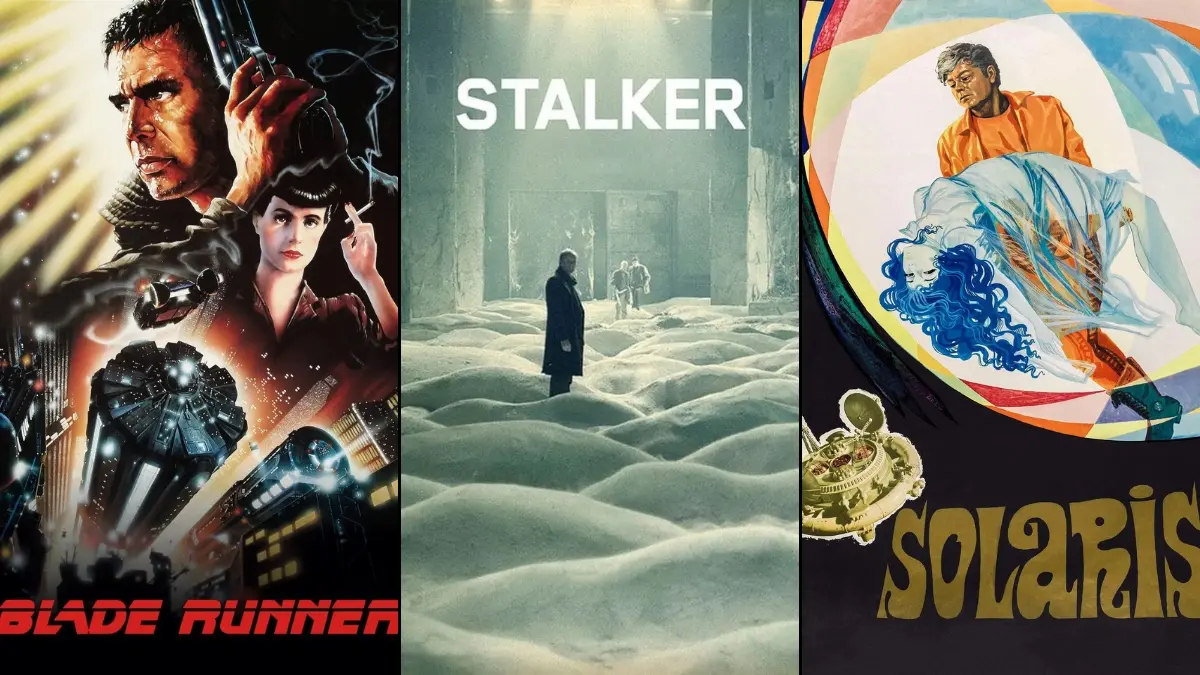

Science fiction frequently serves as a medium for exploring complex social, philosophical, and scientific concepts that challenge traditional cinematic structures. Many films within this genre eschew standard linear progression and clear moral binaries in favor of metaphysical inquiry and dense world-building. These productions often require active participation from the viewer to decipher intricate plot lines and layered subtext. From examinations of artificial consciousness to the manipulation of the space-time continuum, these films prioritize intellectual rigor over mainstream accessibility. The following list identifies notable science fiction works that have garnered reputations for their depth and complexity.
‘2001: A Space Odyssey’ (1968)
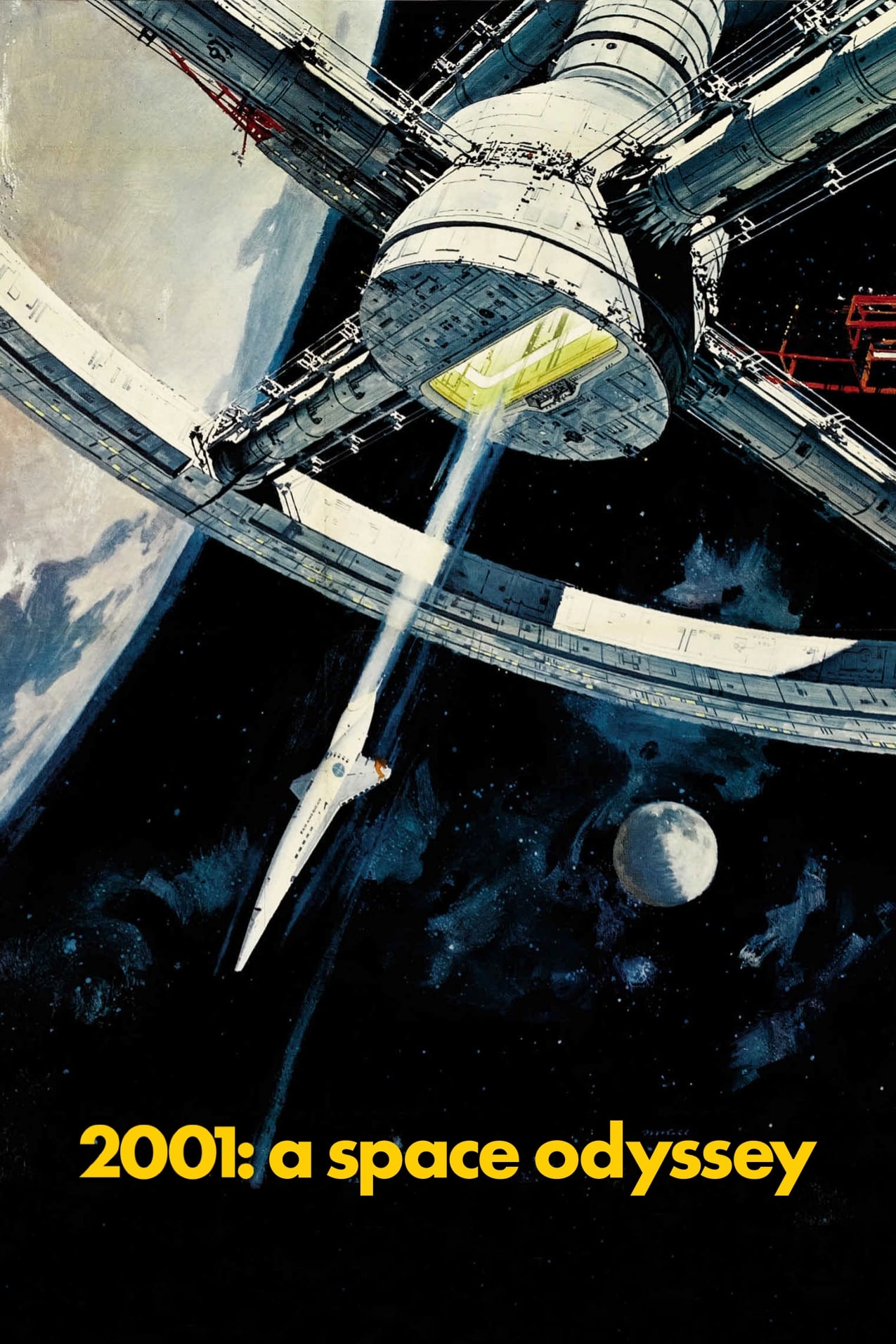
Directed by Stanley Kubrick, this film explores human evolution through the lens of a mysterious alien monolith. The narrative moves from prehistoric man to a deep-space mission where an artificial intelligence named HAL 9000 begins to malfunction. Kubrick utilizes minimal dialogue and abstract visual storytelling to convey themes of rebirth and technological reliance. The final sequences involving the “Stargate” remain a subject of intense academic and critical analysis regarding their metaphysical meaning. It is frequently cited as a foundational work of cerebral science fiction.
‘Stalker’ (1979)

Andrei Tarkovsky directs this Soviet science fiction film about three men traveling through a mysterious wasteland known as “The Zone.” Within this area lies a room said to grant a person’s deepest inner desires. The film relies on slow pacing, long takes, and philosophical discourse rather than traditional action beats or special effects. Critics often interpret ‘Stalker’ as a commentary on the search for faith and the complexities of the human psyche. Its ambiguous ending leaves the fulfillment of the characters’ goals open to interpretation.
‘Solaris’ (1972)

Based on the novel by Stanisław Lem, this Tarkovsky-directed film follows a psychologist sent to a space station orbiting a sentient planet. The station’s crew has fallen into emotional crisis as the planet begins to manifest their deepest memories as physical entities. The film focuses on the limitations of human communication and the nature of grief. Unlike many space-bound films of the era, ‘Solaris’ prioritizes internal psychological drama over external adventure. It remains a seminal work regarding the human condition in the face of the unknown.
‘Blade Runner’ (1982)
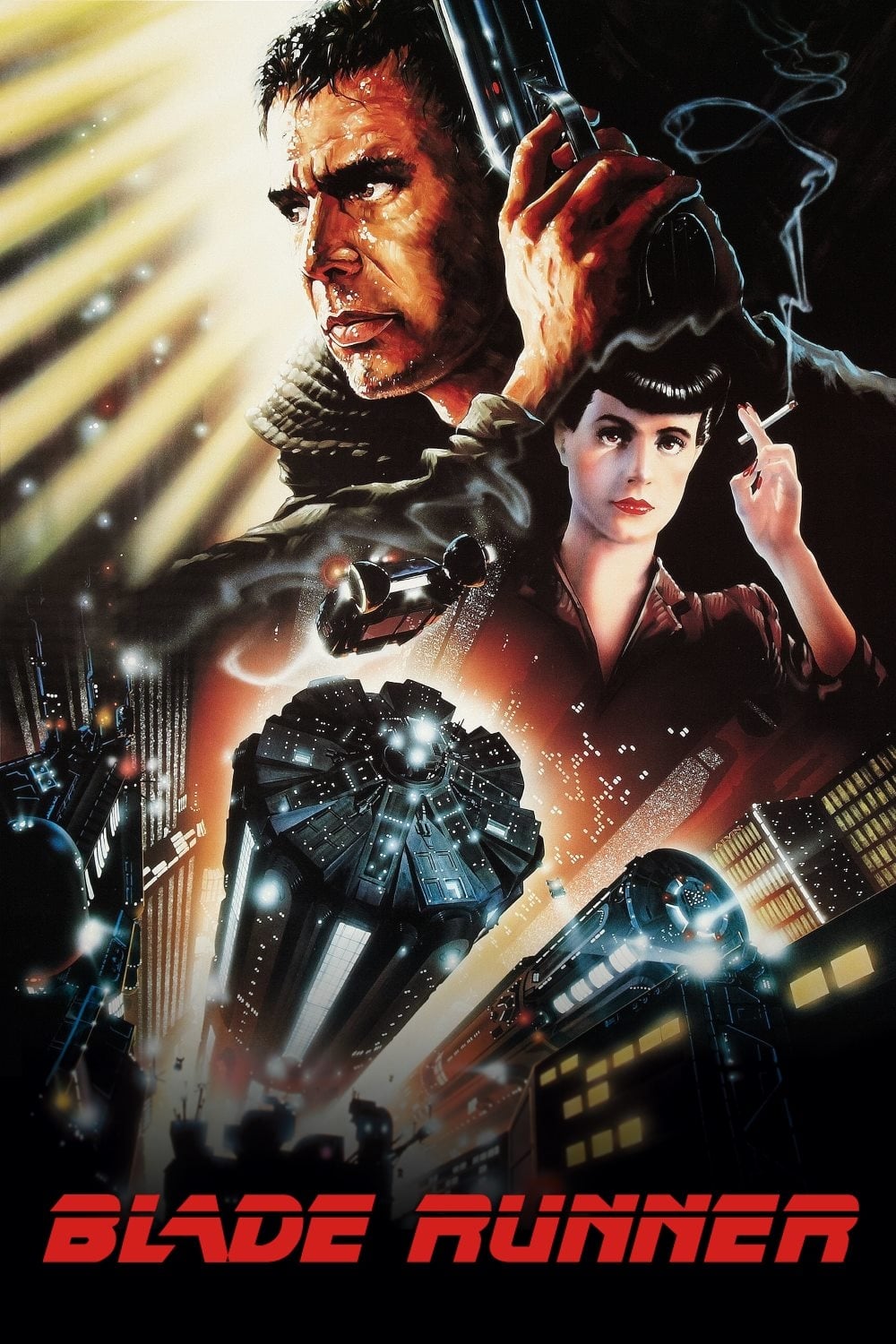
Ridley Scott’s adaptation of Philip K. Dick’s ‘Do Androids Dream of Electric Sheep?’ introduces a future where bioengineered beings called replicants are hunted by police. The film poses fundamental questions about what constitutes humanity and the ethics of artificial life. Through its neo-noir aesthetic, ‘Blade Runner’ explores memory and the fragility of identity. While it underperformed at the box office upon release, it has since been analyzed for its layered symbolism and environmental themes. The existence of multiple “cuts” of the film further adds to its interpretive complexity.
‘Primer’ (2004)
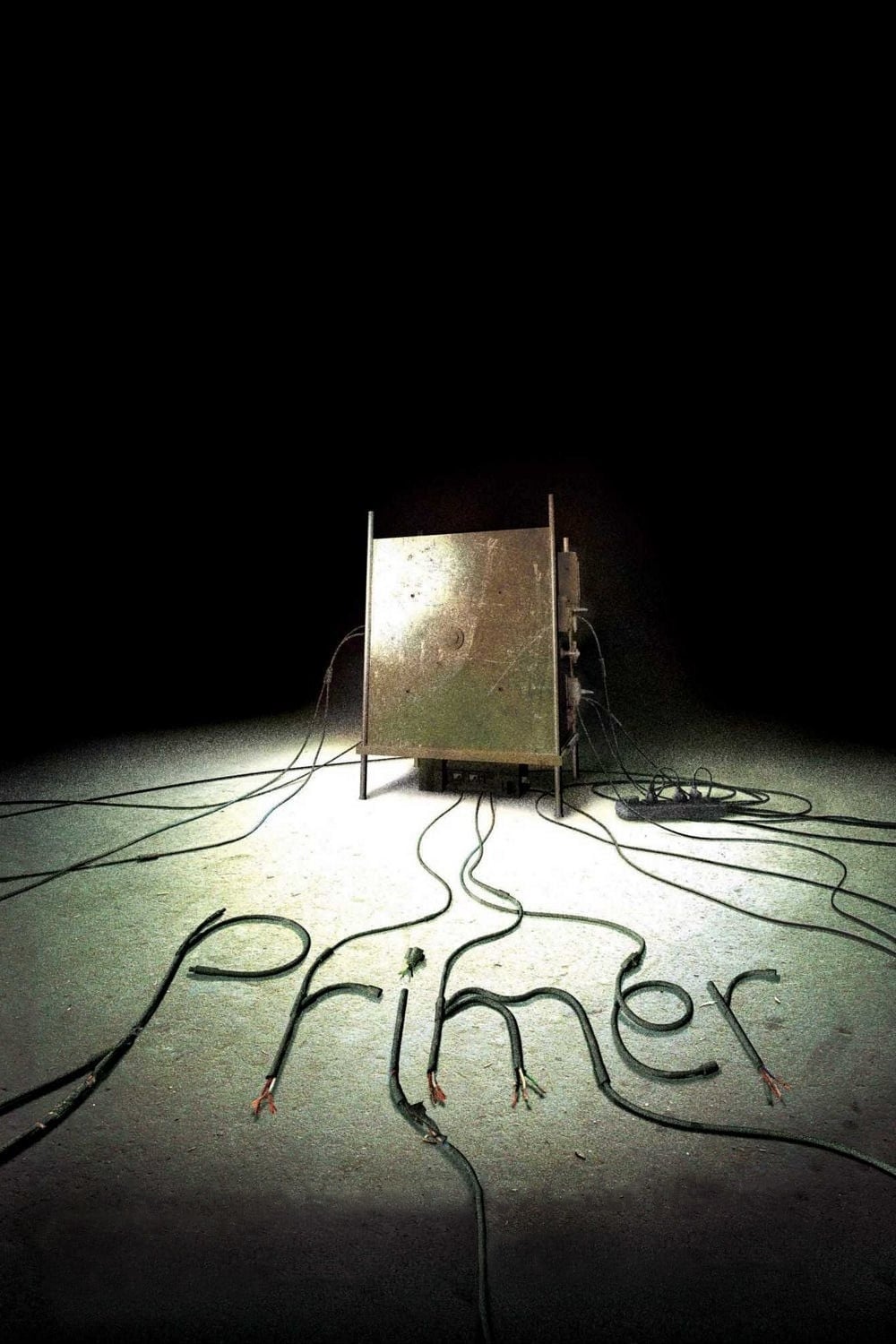
Directed and written by Shane Carruth, this film follows two engineers who accidentally discover a method of time travel. The narrative is famously dense, utilizing technical jargon and a non-linear structure that avoids traditional exposition. Audiences often require diagrams and multiple viewings to track the various timelines created by the characters’ interference with the past. ‘Primer’ explores the ethical decay and paranoia that arises when individuals gain control over the temporal flow. It is widely considered one of the most scientifically grounded and complex time-travel films ever produced.
‘Upstream Color’ (2013)

Shane Carruth’s second feature film explores a complex biological cycle involving a parasite, a pig, and a flower. The narrative follows two individuals whose lives are inextricably linked by a shared experience of trauma and manipulation. ‘Upstream Color’ uses sensory storytelling and abstract editing to communicate its themes of identity and environmental interconnectedness. The film avoids a conventional plot structure, requiring viewers to piece together the relationship between the characters and their biological surroundings. It has been described by critics as a poetic and challenging exploration of human behavior.
‘Arrival’ (2016)

Directed by Denis Villeneuve, this film focuses on a linguist tasked with communicating with extraterrestrial visitors. The plot revolves around the “Sapir-Whorf hypothesis,” suggesting that the language one speaks influences their perception of time and reality. As the protagonist learns the alien language, her understanding of her own life and the concept of causality begins to shift. ‘Arrival’ eschews the typical alien invasion tropes in favor of a deep dive into semiotics and temporal philosophy. The film is noted for its intellectual approach to first-contact scenarios.
‘Annihilation’ (2018)
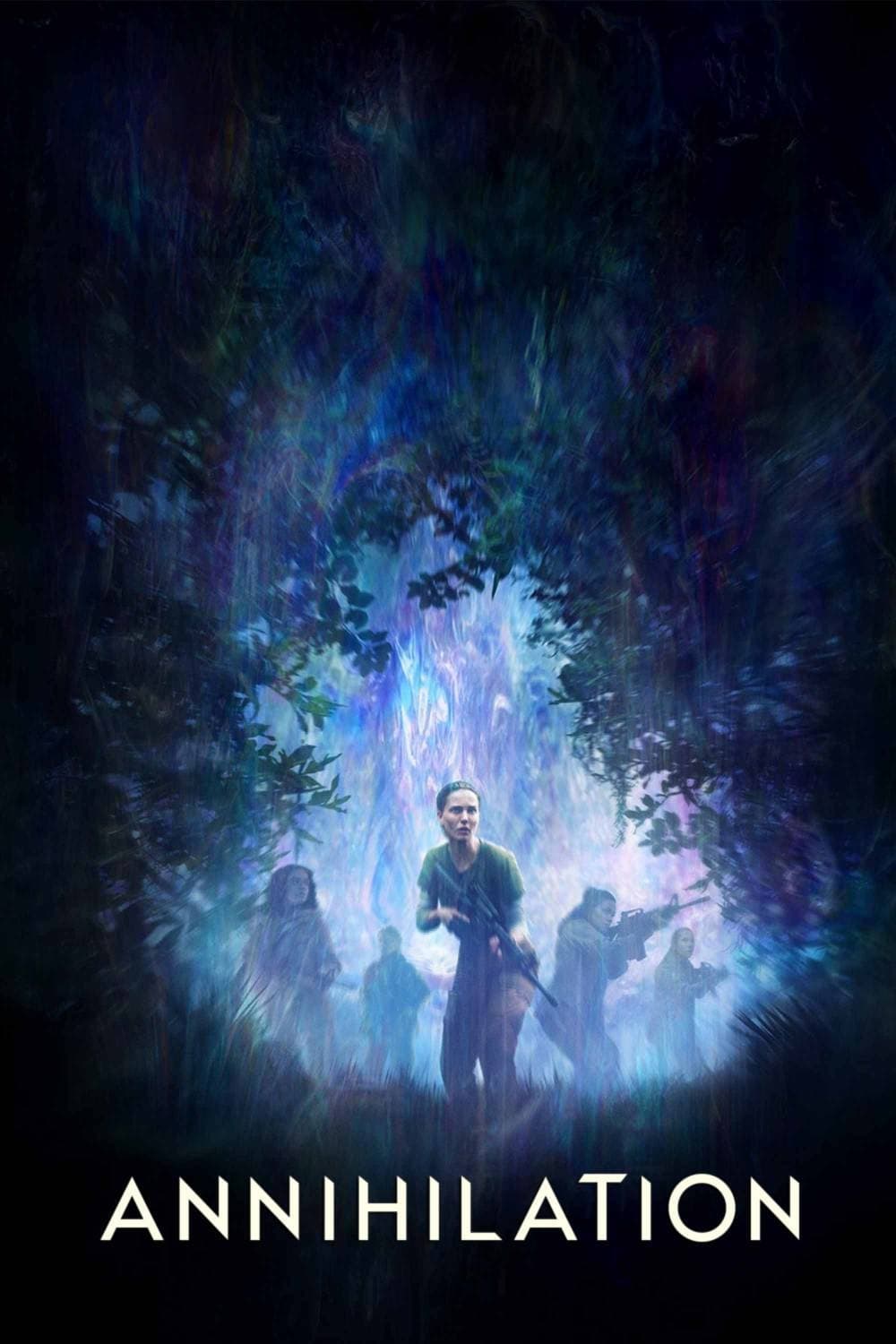
Alex Garland directs this adaptation of Jeff VanderMeer’s novel, following a group of scientists into an anomalous zone known as “The Shimmer.” Within this zone, DNA is refracted and mutated, leading to the creation of hybrid organisms and psychological breakdowns. The film explores themes of self-destruction and biological evolution through a surrealist lens. Rather than offering a traditional monster-movie resolution, ‘Annihilation’ leaves the fate of its protagonist and the nature of the entity ambiguous. It has been praised for its challenging visual metaphors and philosophical depth.
‘The Fountain’ (2006)
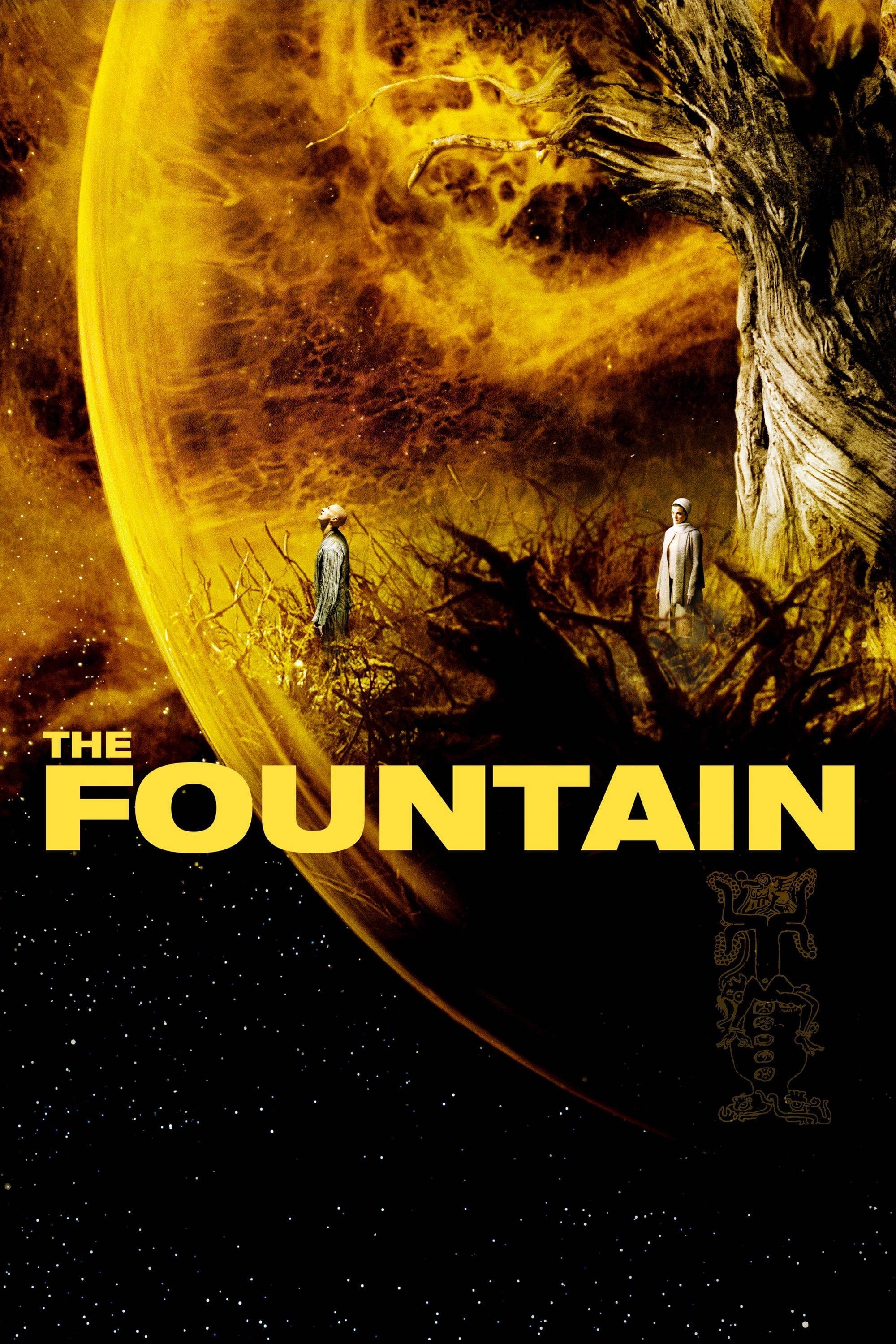
Darren Aronofsky directs this multi-layered narrative that spans three distinct time periods: the 16th century, the present day, and the 26th century. Hugh Jackman portrays three characters linked by a singular quest to save a loved one from death. The film uses visual motifs of the Tree of Life and the nebula Xibalba to explore themes of mortality and spirituality. ‘The Fountain’ faced a mixed initial reception due to its non-chronological storytelling and heavy use of symbolism. It has since gained a cult following for its ambitious approach to the science fiction and fantasy genres.
‘Under the Skin’ (2013)

Directed by Jonathan Glazer, this film follows an extraterrestrial being in human form as she lures men to a mysterious void in Scotland. The narrative is told with minimal dialogue, relying on stark imagery and a haunting score to convey the alien’s developing perspective on humanity. The film explores themes of empathy, gender, and the nature of the self. Much of the footage was captured using hidden cameras, blending fictional elements with real-world reactions. ‘Under the Skin’ is noted for its unsettling tone and its refusal to provide easy answers regarding the protagonist’s origins.
‘Ex Machina’ (2014)

Alex Garland’s directorial debut examines the relationship between a programmer and a highly advanced humanoid AI named Ava. The film takes the form of a modern Turing test, questioning whether Ava possesses genuine consciousness or is merely simulating it. ‘Ex Machina’ delves into the ethics of creation and the potential for artificial intelligence to manipulate human emotion. The confined setting increases the tension as the characters engage in complex intellectual power plays. The film’s conclusion invites debate regarding the moral implications of technological evolution.
‘Children of Men’ (2006)

Alfonso Cuarón directs this dystopian thriller set in a world where two decades of human infertility have led to societal collapse. The film utilizes long, continuous takes to immerse the audience in a gritty and realistic future. It addresses themes of hope, immigration, and political despair without relying on heavy-handed exposition. ‘Children of Men’ is celebrated for its technical mastery and its ability to weave complex social commentary into a high-stakes narrative. The lack of a clear explanation for the infertility crisis forces viewers to focus on the immediate human reaction to extinction.
‘Donnie Darko’ (2001)
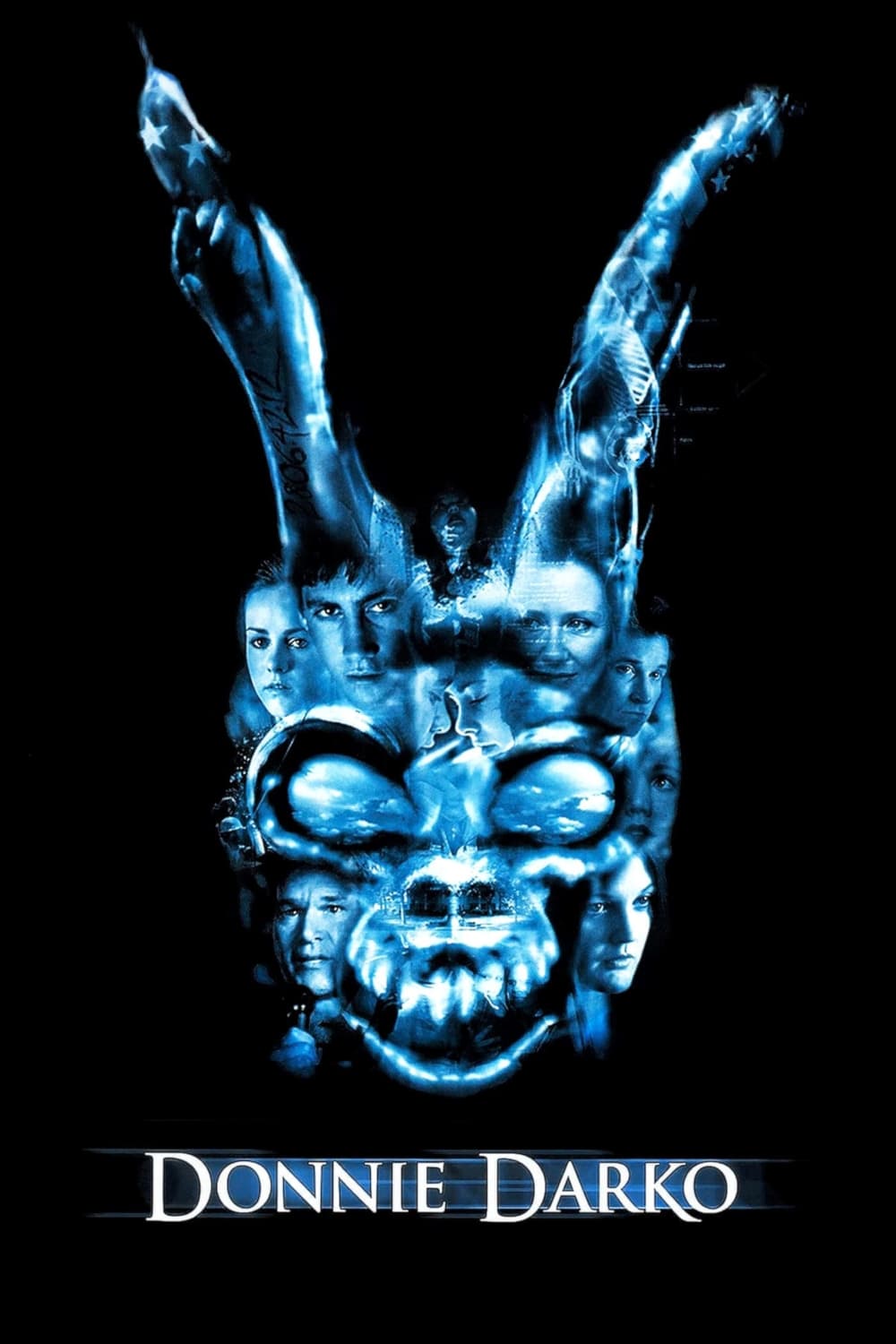
This cult classic follows a troubled teenager who is visited by a figure in a rabbit costume who tells him the world will end in 28 days. The film blends teen drama with theoretical physics, specifically focusing on tangent universes and wormholes. Director Richard Kelly incorporates 1980s nostalgia with a dense mythology that is fully explained only in the Director’s Cut and accompanying literature. ‘Donnie Darko’ explores themes of sacrifice, destiny, and the nature of reality. Its ambiguous ending and layered clues have led to decades of fan theories and analysis.
‘Cloud Atlas’ (2012)
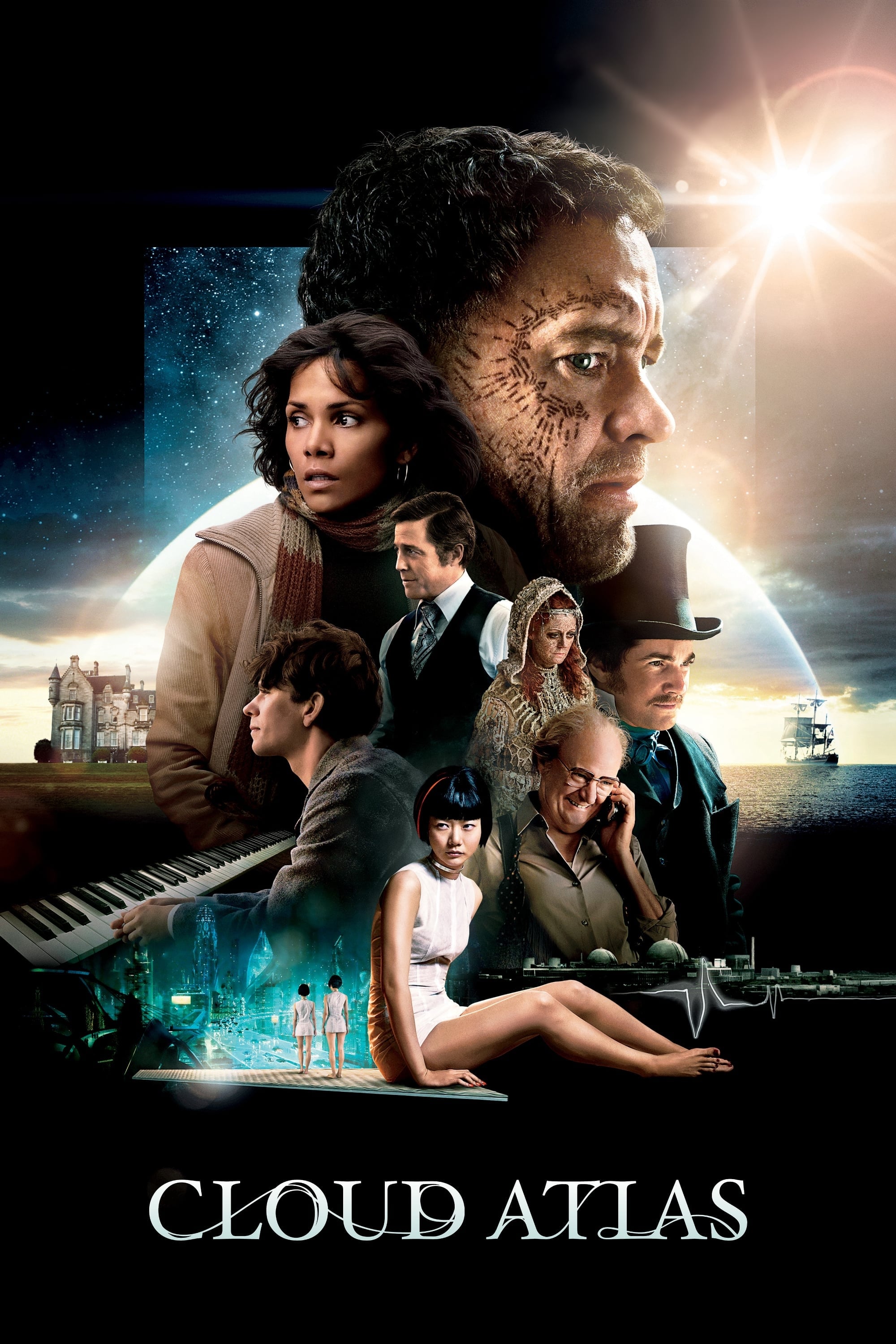
Directed by the Wachowskis and Tom Tykwer, this film adapts David Mitchell’s novel by interweaving six stories across different eras and genres. The narrative spans from the 19th century to a post-apocalyptic future, with actors playing multiple roles across time. The film explores how individual actions resonate across history and the concept of reincarnation. Its complex structure requires the audience to find thematic connections between disparate plotlines. ‘Cloud Atlas’ was a polarizing release due to its immense scale and philosophical ambition.
‘Enemy’ (2013)
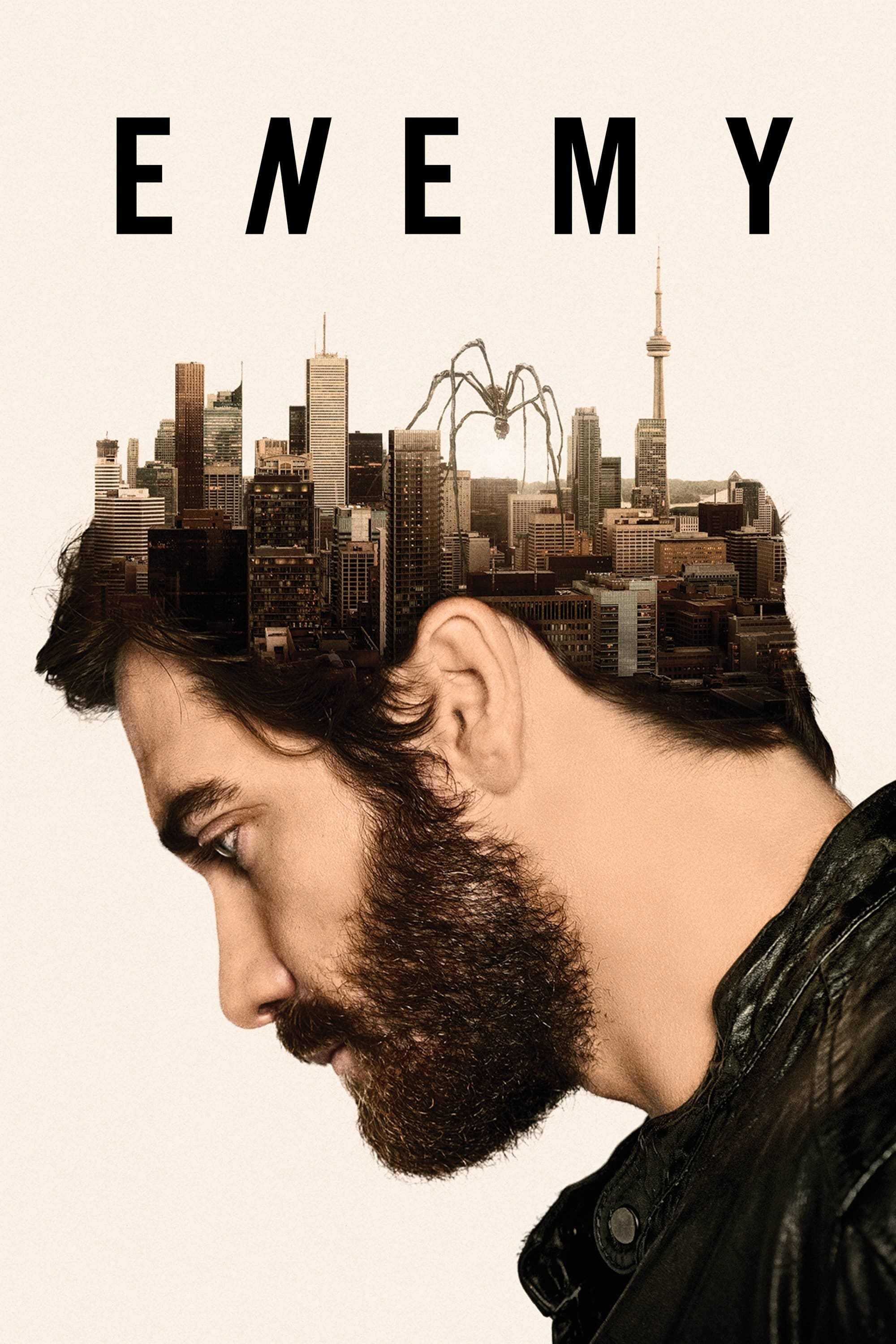
Denis Villeneuve directs this psychological thriller about a history professor who discovers a man who looks exactly like him. The film uses science fiction and surrealist elements to explore themes of identity, infidelity, and totalitarianism. The presence of spider imagery throughout the film serves as a recurring, unexplained motif that challenges literal interpretation. ‘Enemy’ avoids a conventional resolution, ending with a shocking final image that has sparked extensive critical debate. The film is frequently analyzed for its use of the “double” trope to represent internal conflict.
‘Coherence’ (2013)
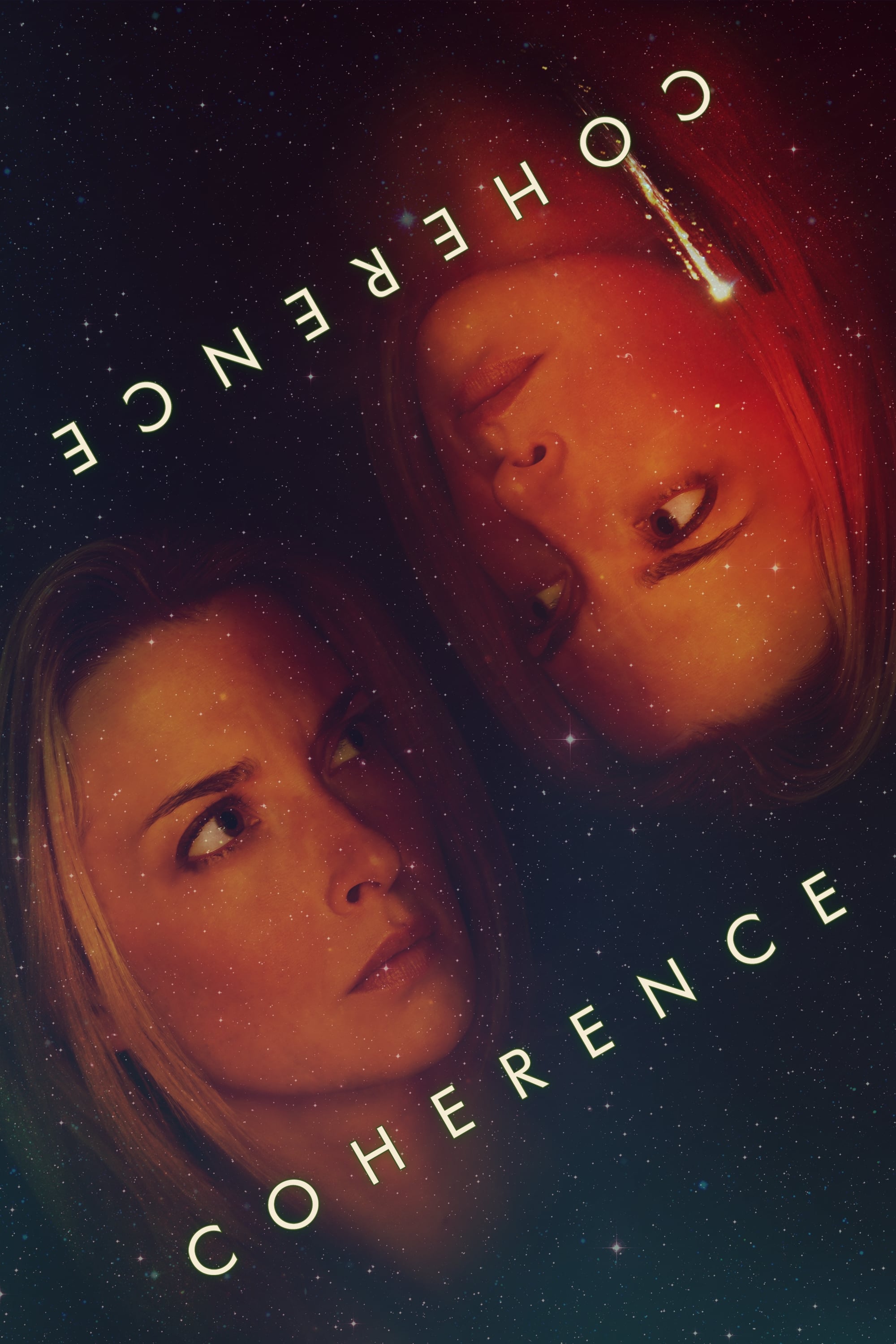
During a dinner party, a group of friends experiences strange occurrences caused by the passing of a comet. The film utilizes the concept of Schrödinger’s cat to explore the existence of multiple realities overlapping in one location. ‘Coherence’ was largely improvised by the actors, which adds to the chaotic and realistic tone of the escalating crisis. The narrative demands that viewers pay close attention to minor details to distinguish between different versions of the same characters. It is a low-budget example of how high-concept scientific theories can drive a compelling narrative.
‘Pi’ (1998)
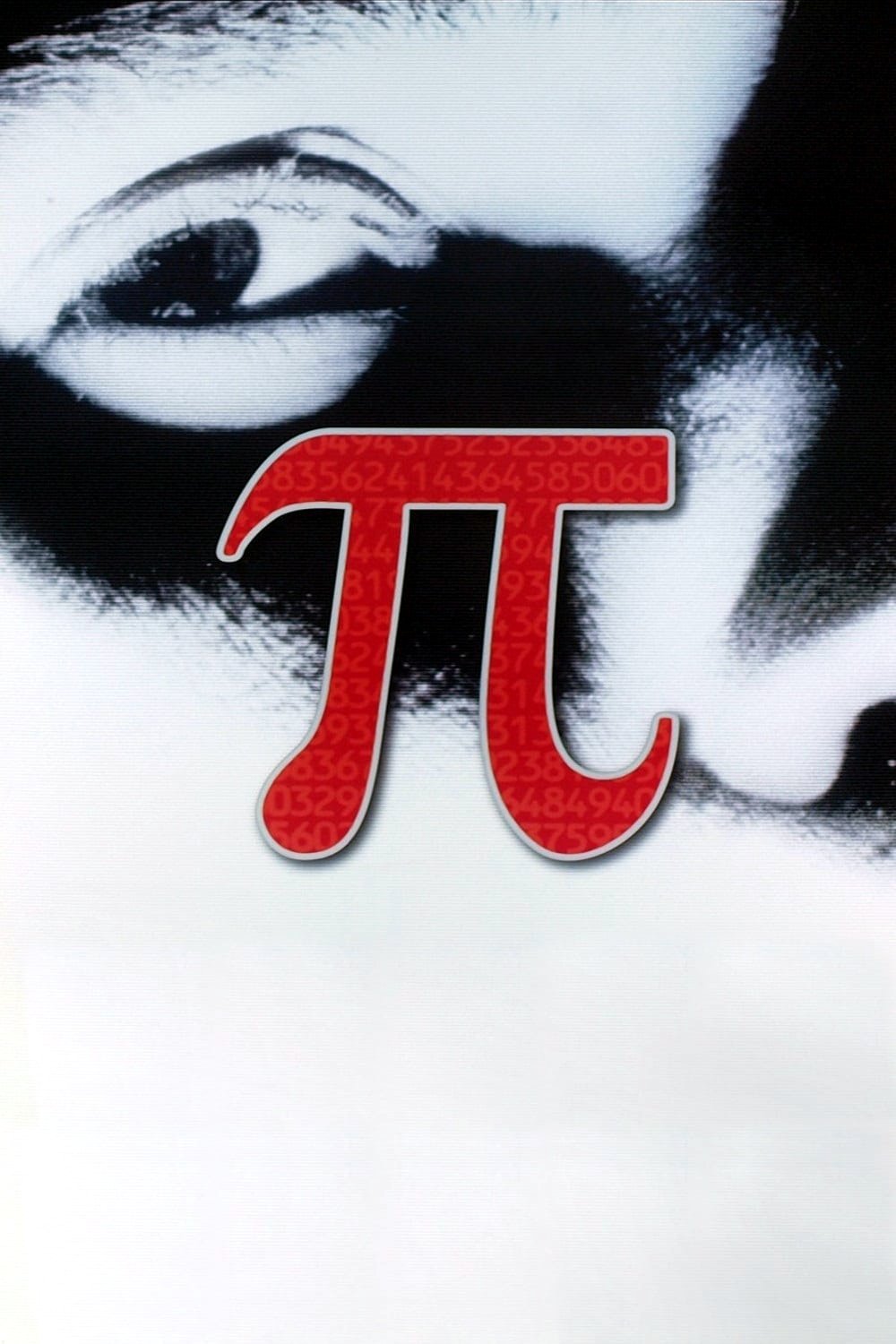
Darren Aronofsky’s feature debut follows a mathematician who becomes obsessed with finding a universal pattern in the stock market and the Torah. The film is shot in high-contrast black and white, reflecting the protagonist’s deteriorating mental state and claustrophobic environment. ‘Pi’ explores the intersection of mathematics, theology, and madness. The protagonist’s pursuit of a 216-digit number leads to a confrontation with both a Wall Street firm and a Hasidic sect. The film is noted for its frenetic editing and intellectual intensity.
‘Brazil’ (1985)
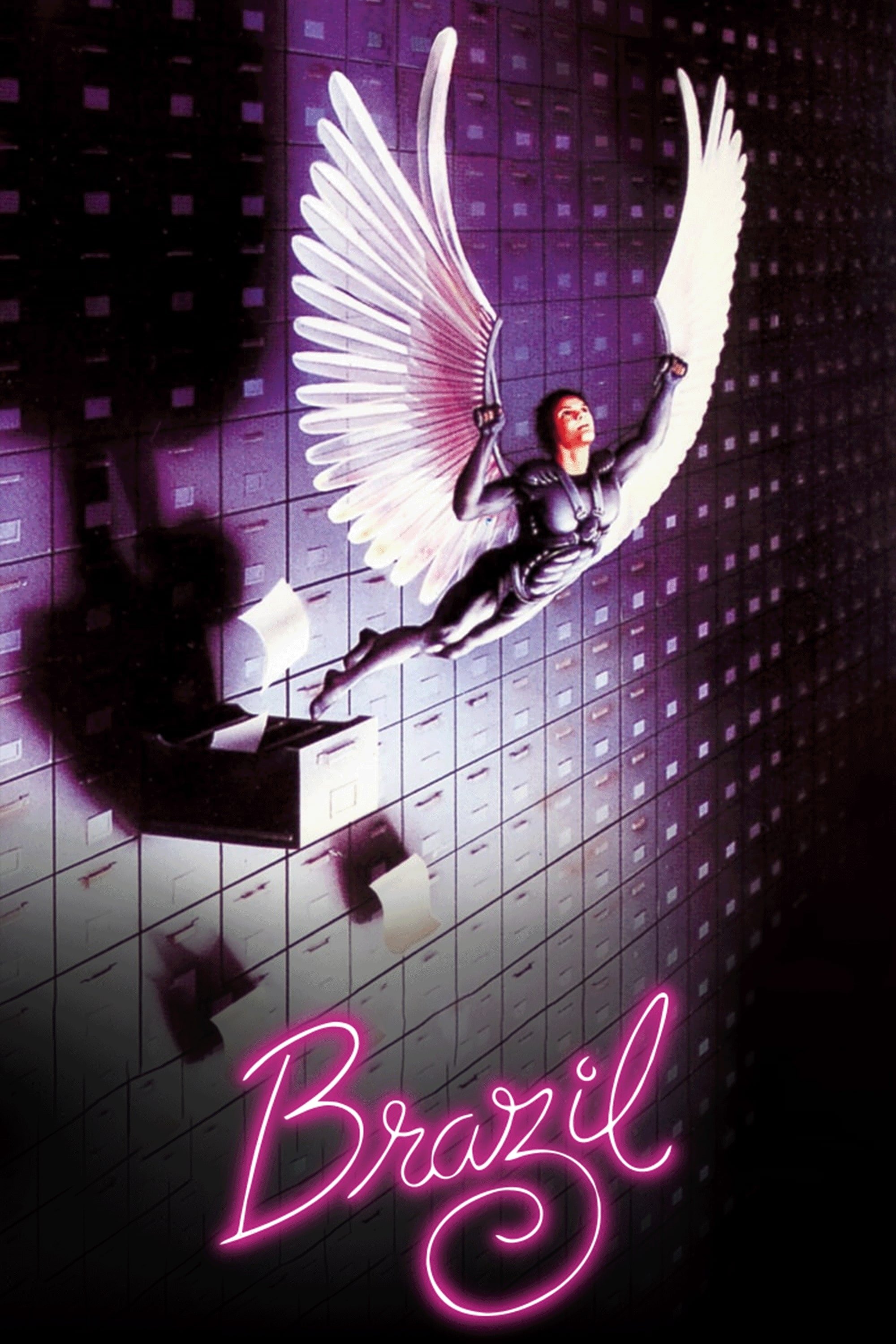
Terry Gilliam’s dystopian satire depicts a world strangled by hyper-bureaucracy and malfunctioning technology. The story follows a low-level clerk who escapes his mundane life through elaborate heroic fantasies. ‘Brazil’ is heavily influenced by George Orwell’s ‘1984’ but adds a surreal, black-comedy layer that critiques modern industrial society. The film’s production was famously troubled by studio interference regarding its dark ending. It remains a hallmark of imaginative production design and complex social critique.
‘Twelve Monkeys’ (1995)
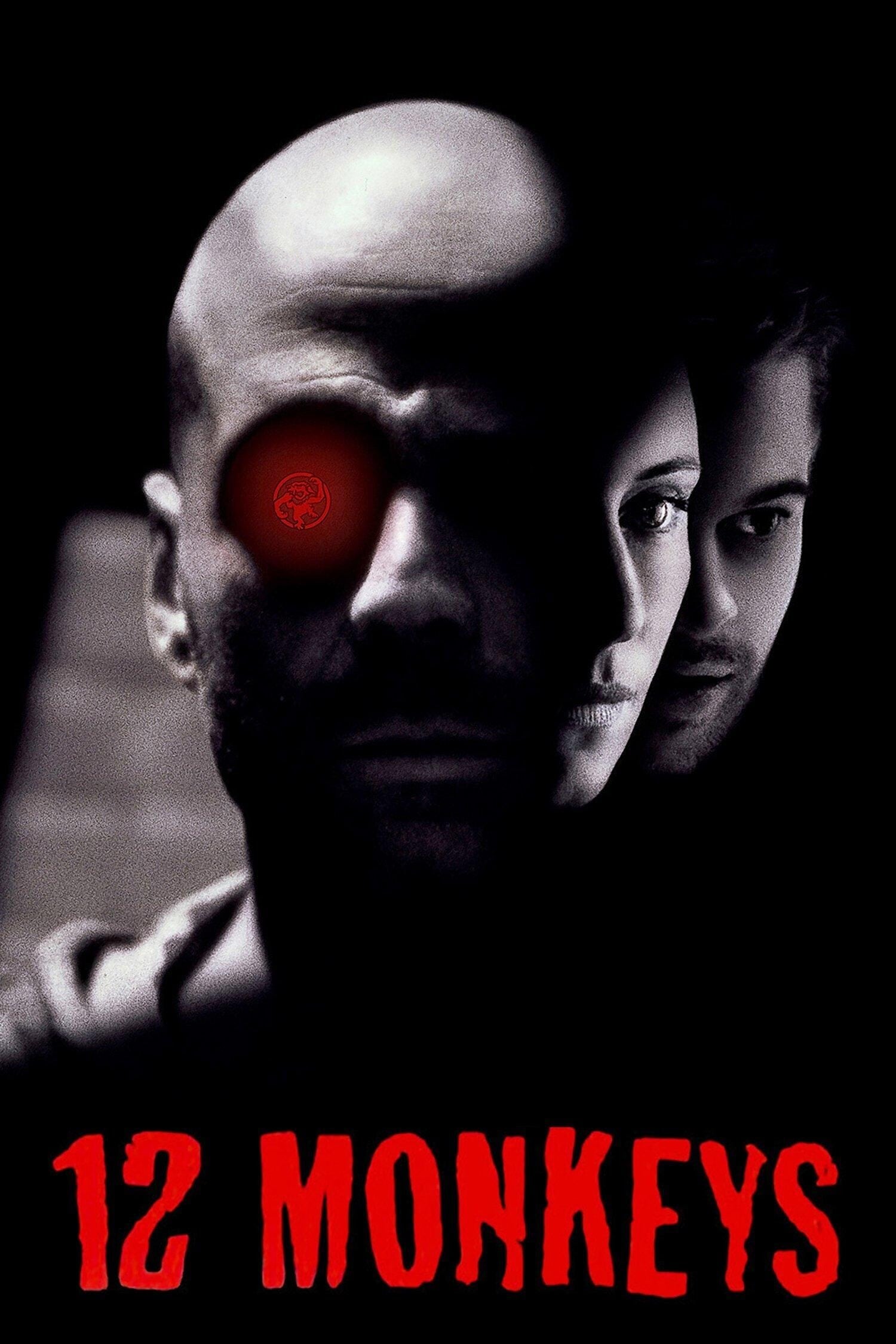
Terry Gilliam directs this story about a convict sent back in time to gather information about a virus that wiped out most of humanity. The film explores the circular nature of time and the unreliability of memory. As the protagonist travels through different years, he begins to question his own sanity and the reality of his mission. ‘Twelve Monkeys’ is based on the short film ‘La Jetée’ and expands its themes of fate and temporal paradoxes. The non-linear narrative culminates in a revelation that emphasizes the inevitability of the timeline.
‘Gattaca’ (1997)
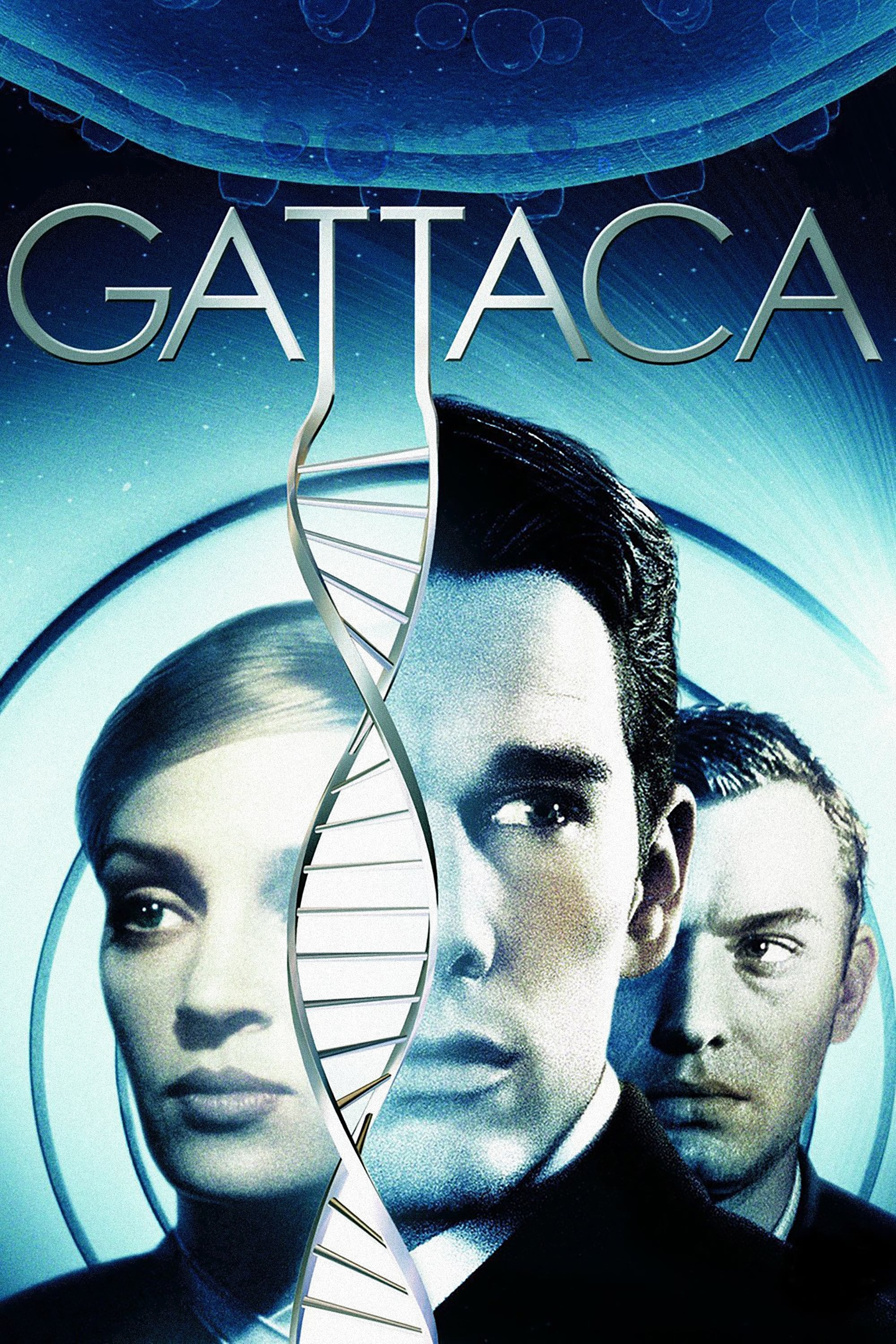
Set in a future where genetic engineering determines social class, ‘Gattaca’ follows a “natural born” man who assumes a false identity to fulfill his dream of space travel. The film addresses the ethical implications of eugenics and the concept of biological destiny. It avoids action-heavy sequences, focusing instead on the tension of maintaining a deception in a surveillance state. ‘Gattaca’ has been praised by the scientific community for its plausible depiction of genetic discrimination. The film’s cold, minimalist aesthetic reinforces its themes of perfection and exclusion.
‘Dark City’ (1998)
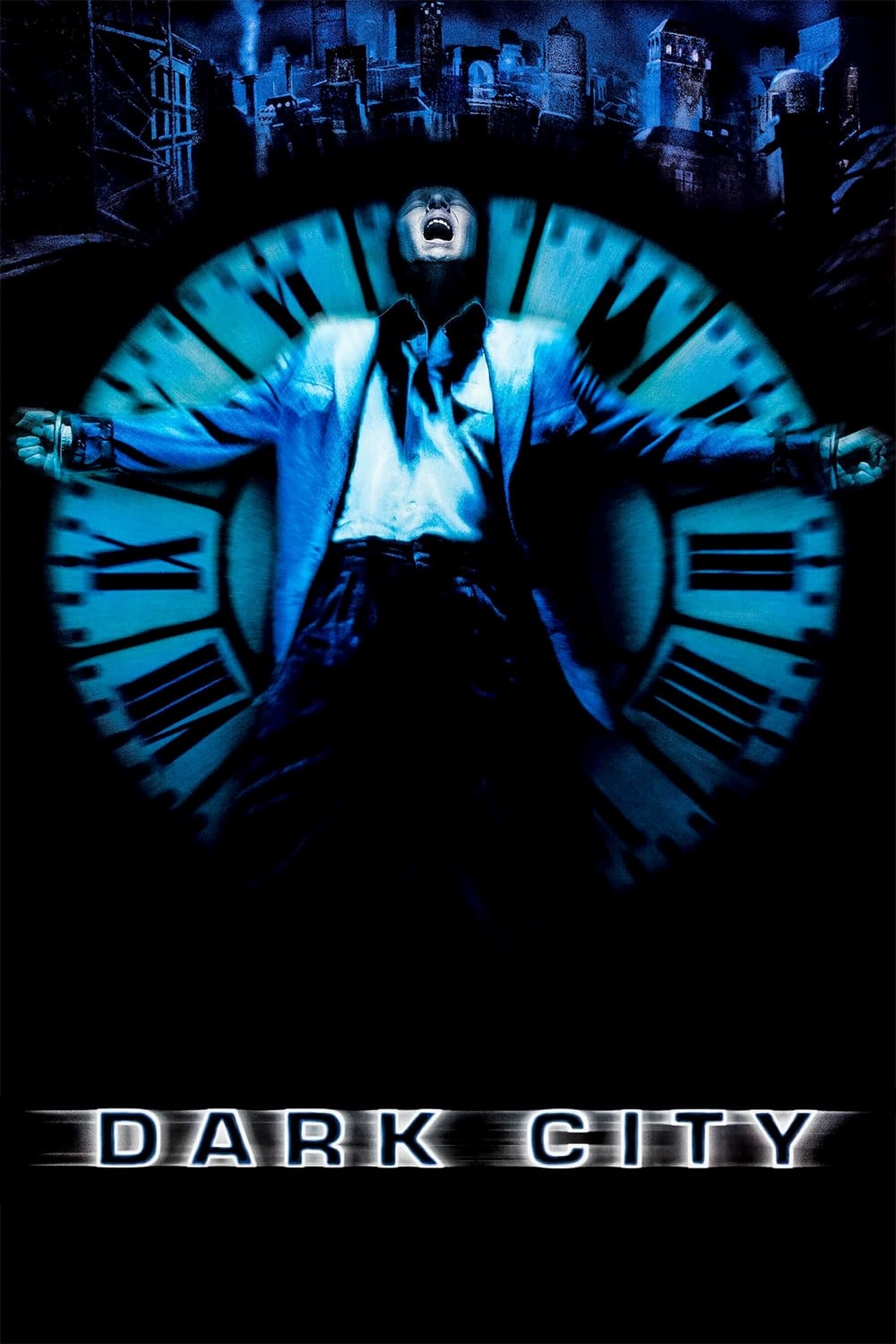
Alex Proyas directs this neo-noir science fiction film about a man who wakes up with no memory in a city where the sun never shines. He soon discovers that the city is controlled by “The Strangers,” beings who rearrange the environment and swap people’s memories every night. ‘Dark City’ explores the relationship between memory and identity and the concept of the soul. The film’s intricate world-building and gothic visual style influenced subsequent science fiction cinema. It remains a notable example of the “simulated reality” subgenre.
‘Interstellar’ (2014)
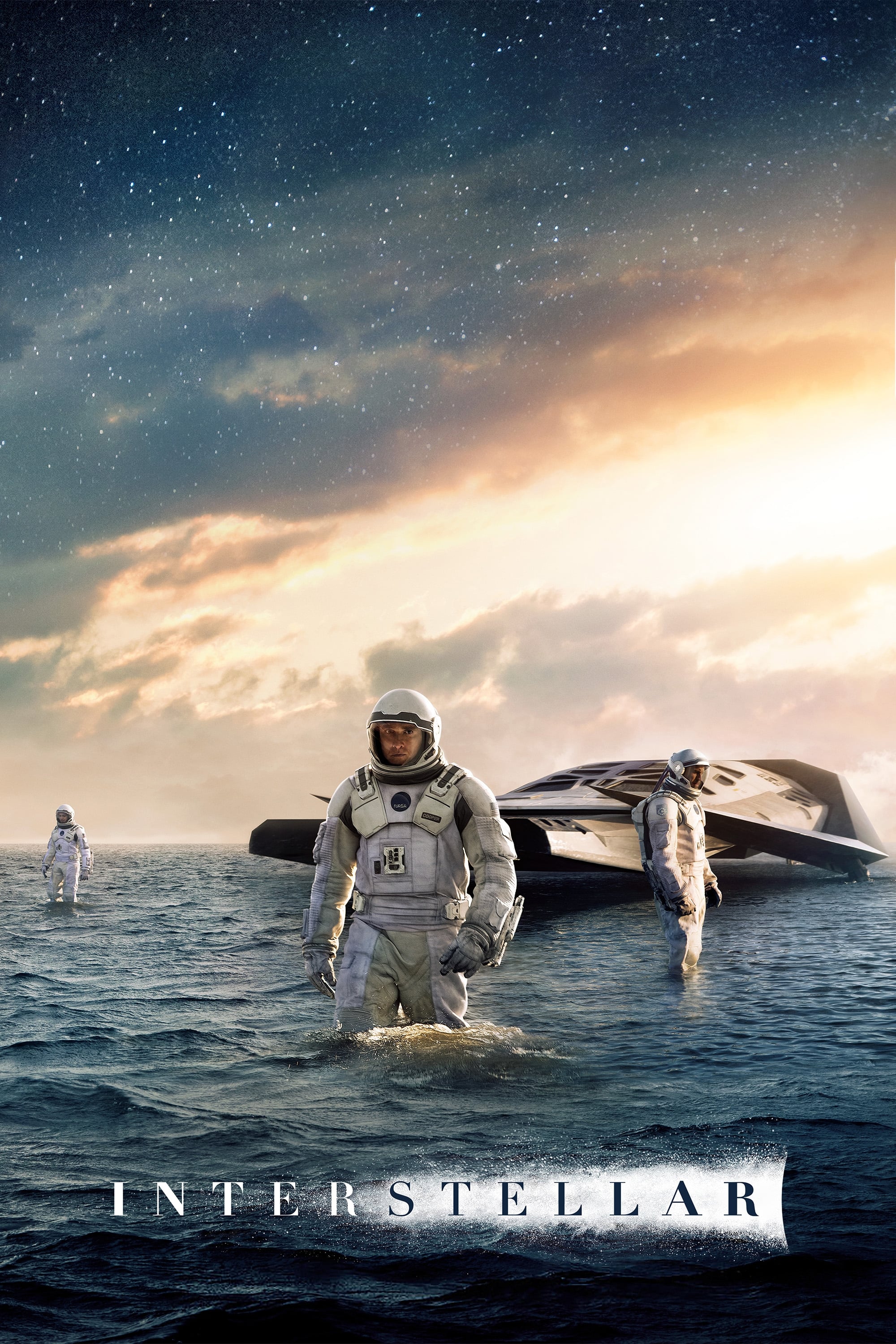
Christopher Nolan’s epic follows a group of astronauts who travel through a wormhole in search of a new home for humanity. The film is heavily based on theoretical physics, specifically the work of Kip Thorne regarding black holes and time dilation. The narrative explores how gravity and relativity affect human relationships across vast distances. While it features large-scale spectacle, ‘Interstellar’ remains anchored in a complex father-daughter dynamic. The ending involving the “tesseract” sequence provides a visual representation of five-dimensional space.
‘Moon’ (2009)
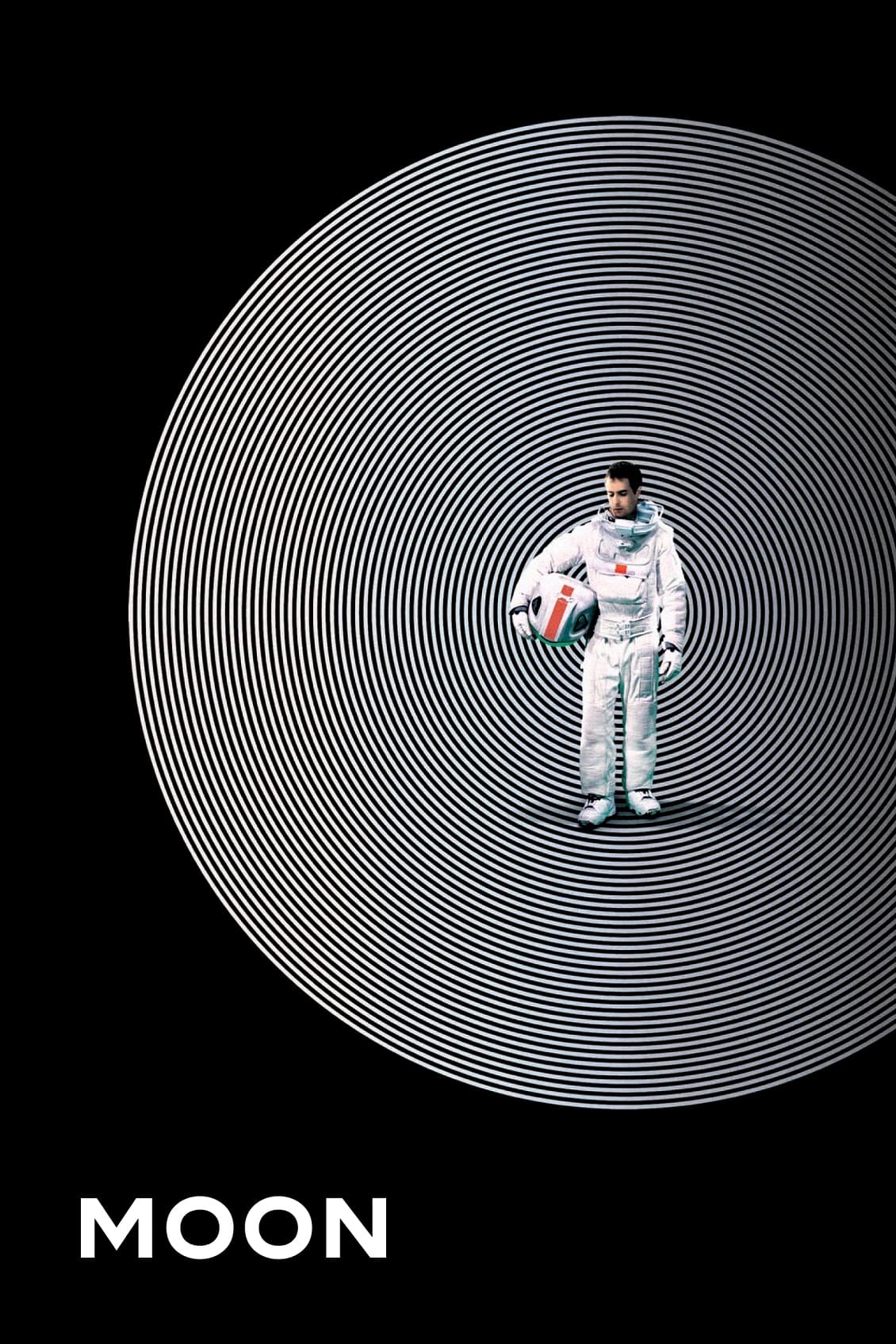
Duncan Jones directs this minimalist sci-fi film about a man nearing the end of a three-year solo stint mining on the moon. After an accident, he encounters another version of himself, leading to a discovery about the nature of his employment. ‘Moon’ focuses on themes of corporate exploitation, isolation, and the ethics of cloning. The film relies on Sam Rockwell’s central performance and a deliberate pace to build its intellectual mystery. It is celebrated for its use of practical effects and its homage to classic 1970s science fiction.
‘Predestination’ (2014)
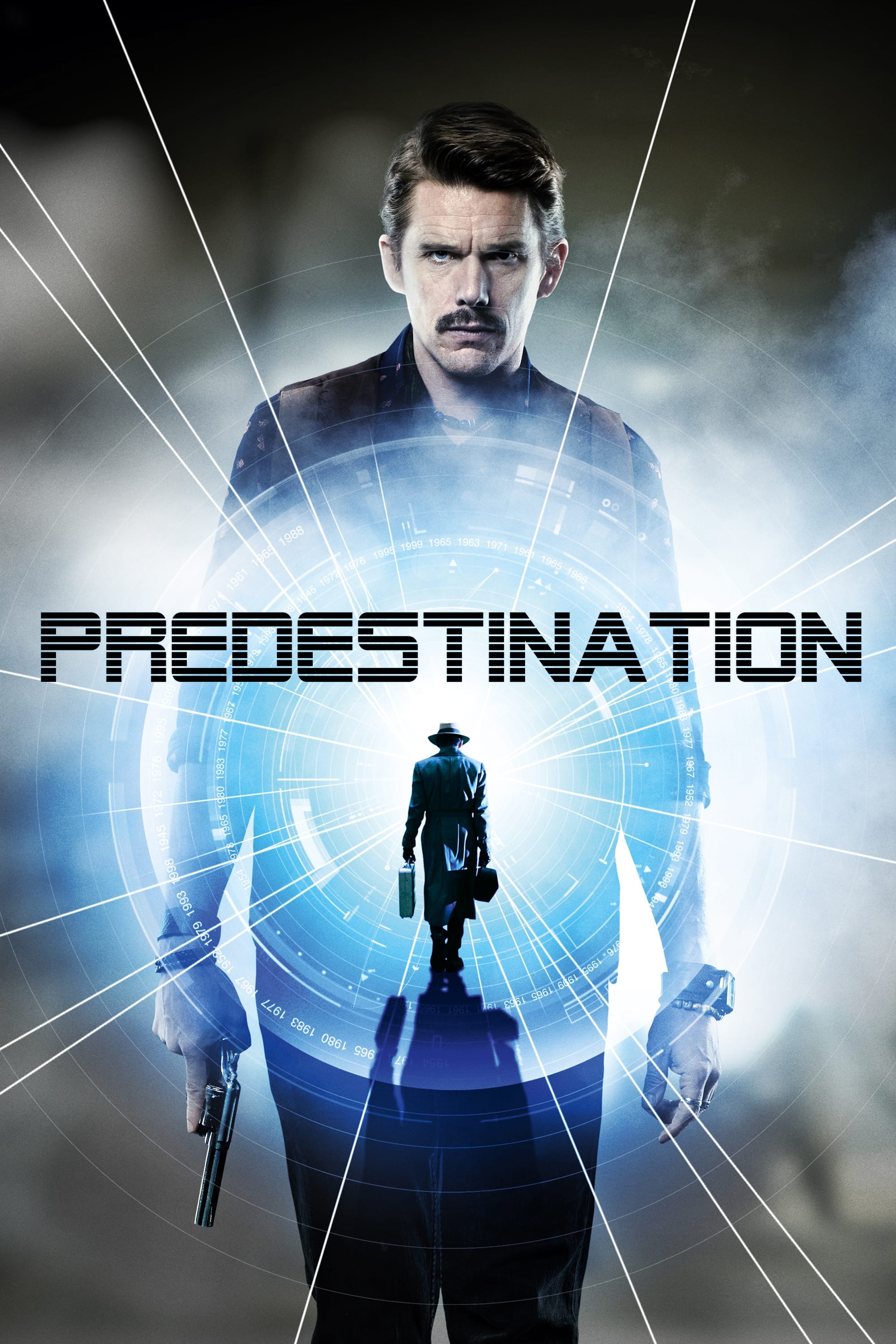
Based on Robert A. Heinlein’s short story ‘All You Zombies,’ this film follows a temporal agent on a final mission to stop a bomber. The plot is a complex web of time travel paradoxes that challenge the viewer’s understanding of causality and identity. ‘Predestination’ is structured as a series of interconnected revelations that redefine the characters’ histories. The film explores themes of gender and the self-fulfilling nature of destiny. It is widely regarded as one of the most intricate examples of the “bootstrap paradox” in cinema.
‘Triangle’ (2009)

This psychological horror-thriller follows a group of friends who take refuge on a deserted ocean liner after their boat capsizes. They soon realize they are being hunted by a masked figure, but the true nature of the threat is tied to a temporal loop. ‘Triangle’ requires viewers to track the protagonist’s actions across multiple iterations of the same event. The film utilizes Greek mythology and the concept of Sisyphus to add depth to its repetitive structure. Its complex narrative ensures that every viewing reveals new clues about the character’s purgatorial cycle.
‘Hard to Be a God’ (2013)

Directed by Aleksei German, this Soviet-era adaptation follows a group of scientists sent to a planet that is culturally stuck in the Middle Ages. The scientists are forbidden from intervening in the planet’s violent and regressive history. The film is noted for its incredibly dense production design, long takes, and visceral depiction of filth and decay. ‘Hard to Be a God’ avoids a conventional plot in favor of a sensory immersion into a chaotic world. It serves as a grim meditation on the failures of progress and the persistence of human cruelty.
‘Alphaville’ (1965)
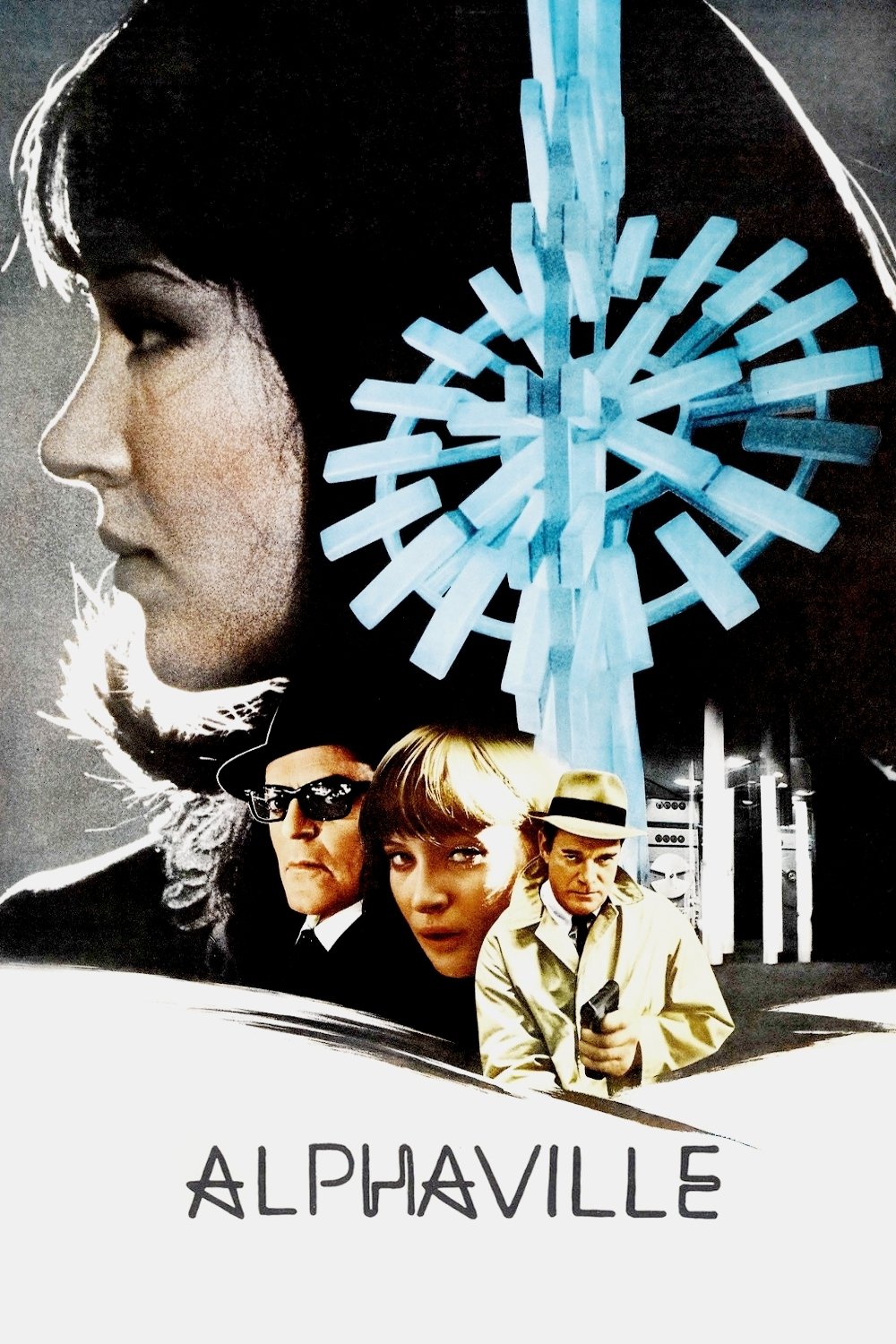
Jean-Luc Godard directed this blend of film noir and science fiction, set in a dystopian city ruled by a sentient computer named Alpha 60. The film was shot in contemporary Paris, using existing architecture to represent a sterile, futuristic world. It explores the suppression of emotion and the power of language and poetry as tools of resistance. ‘Alphaville’ eschews traditional special effects, relying on atmosphere and philosophical dialogue. It remains a significant work of the French New Wave for its subversion of genre conventions.
‘La Jetée’ (1962)
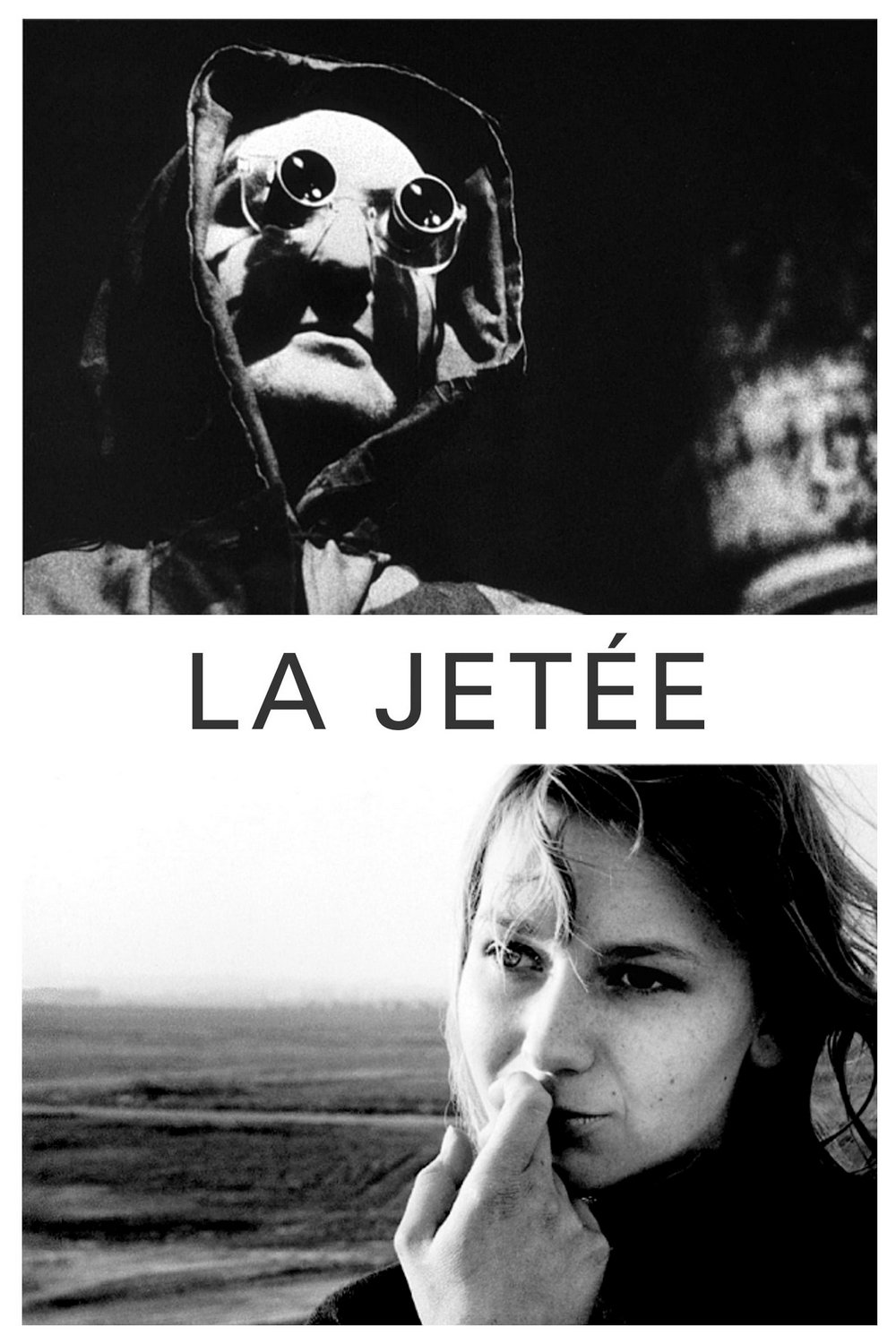
Chris Marker’s influential short film is composed almost entirely of still photographs. It tells the story of a prisoner in a post-nuclear future sent back in time to find a way to save the present. The film explores the persistence of memory and the inevitability of fate through a unique visual language. ‘La Jetée’ served as the primary inspiration for ‘Twelve Monkeys’ and is studied for its innovative approach to time travel. Despite its short runtime, it delivers a profound narrative on human obsession and the circularity of time.
‘Metropolis’ (1927)
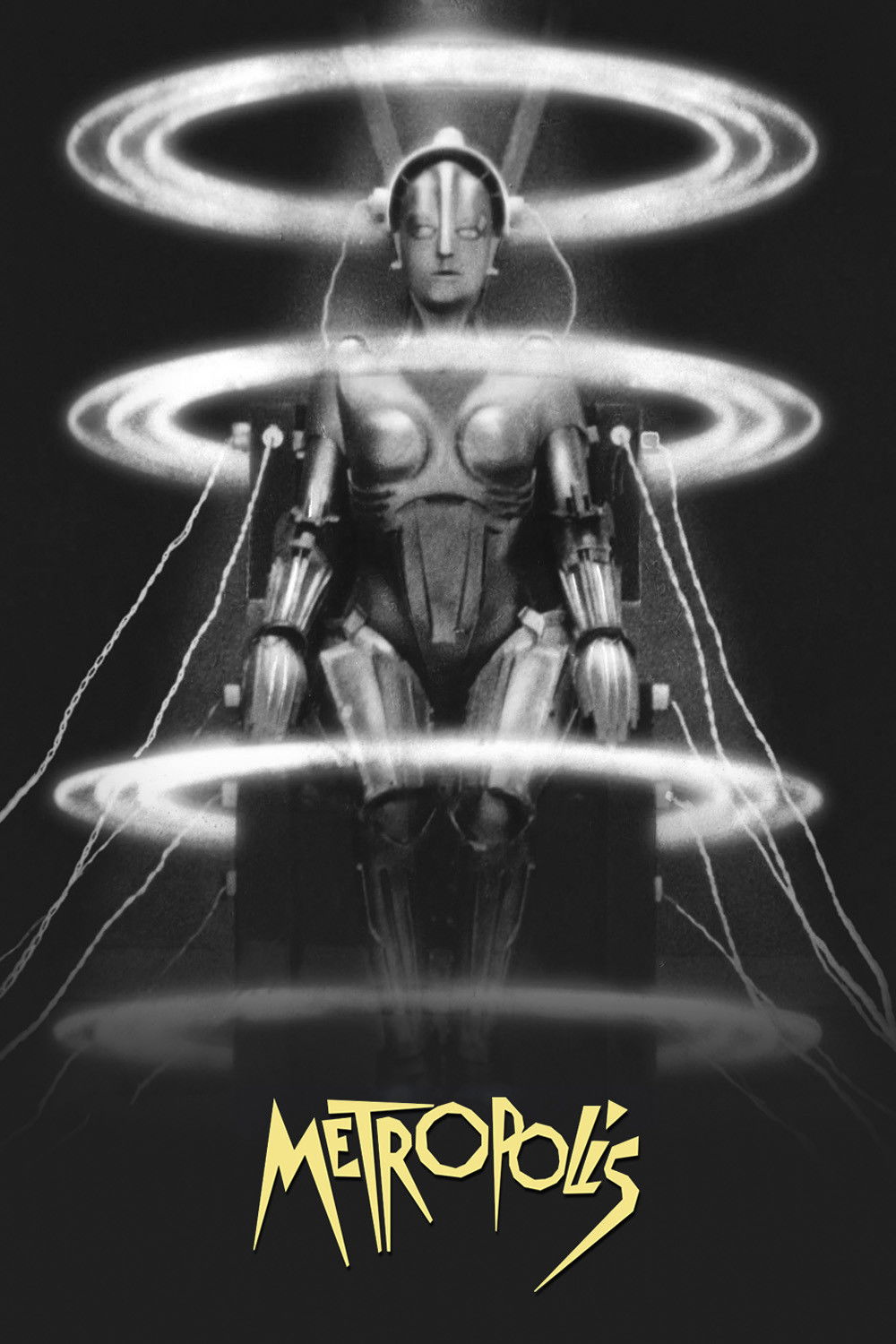
Fritz Lang’s silent masterpiece depicts a futuristic city divided between wealthy industrialists and oppressed laborers. The film introduces the iconic “Maschinenmensch,” a robot designed to disrupt the workers’ uprising. ‘Metropolis’ addresses social class, industrialization, and the moral responsibilities of the “mediator” between the head and the hands. Its visionary architecture and special effects set the standard for the science fiction genre for decades. The film remains a complex allegory for the political tensions of the early 20th century.
‘Eternal Sunshine of the Spotless Mind’ (2004)
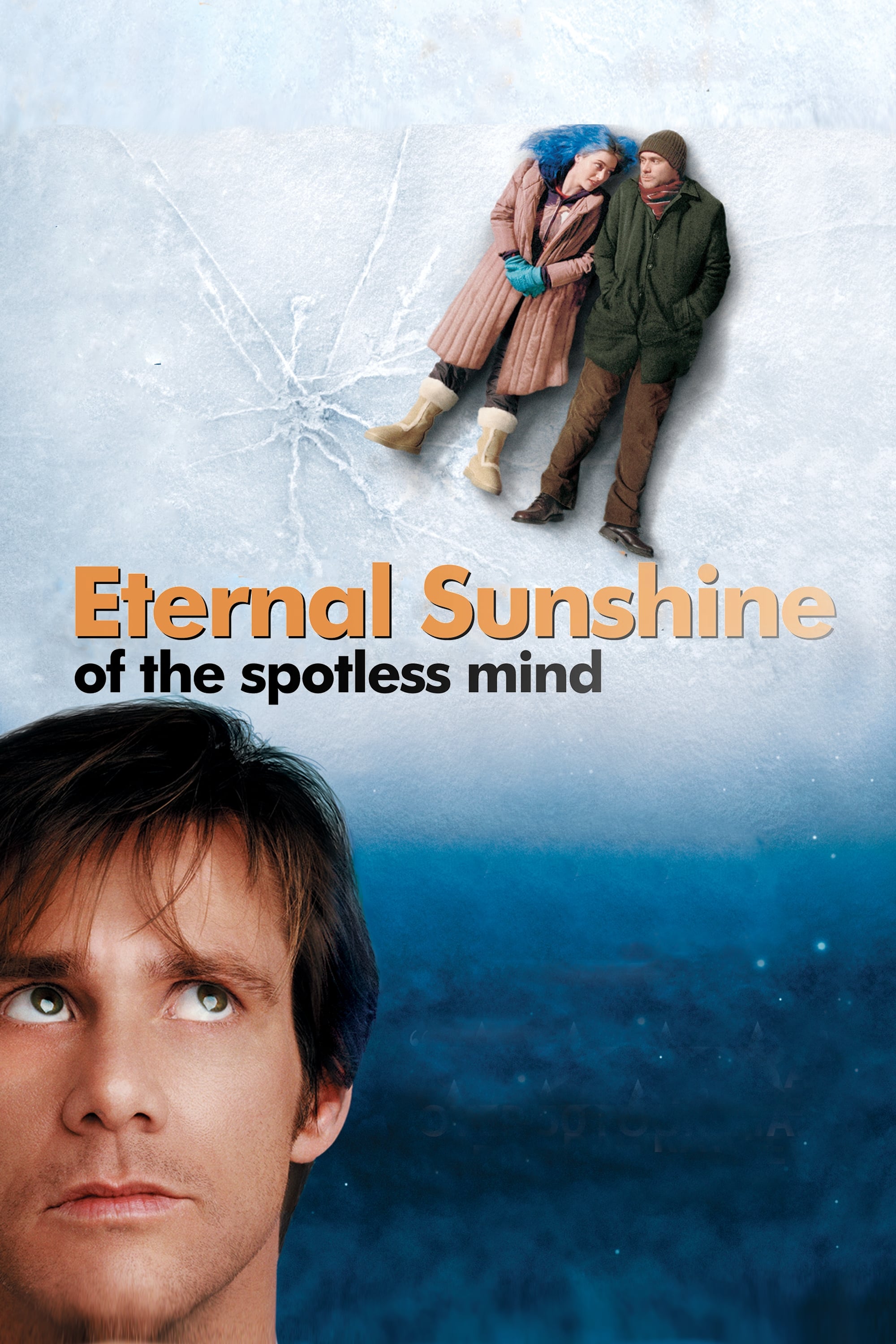
Written by Charlie Kaufman and directed by Michel Gondry, this film follows a couple who undergo a procedure to erase each other from their memories. The majority of the film takes place inside the protagonist’s mind as he attempts to hide his memories of his ex-girlfriend. It uses surrealist imagery and a non-linear structure to explore the necessity of pain and experience in human relationships. The film poses the question of whether love can persist without the benefit of past knowledge. It is noted for its emotional depth and structural ingenuity.
‘World on a Wire’ (1973)
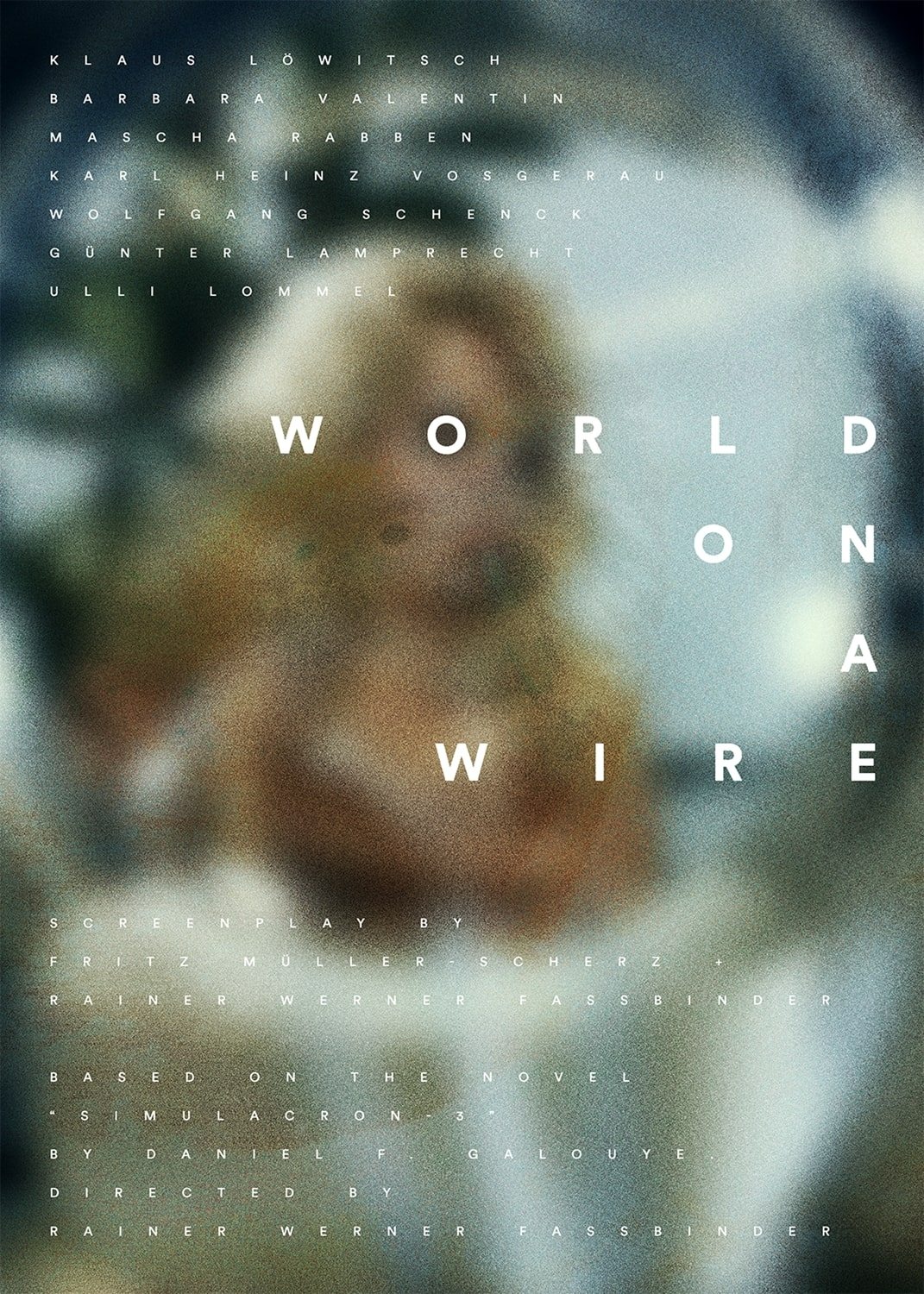
Rainer Werner Fassbinder directed this West German television miniseries about a simulated world created within a supercomputer. The protagonist, a researcher, begins to suspect that his own reality might also be a simulation. ‘World on a Wire’ predates similar themes in ‘The Matrix’ and ‘The Thirteenth Floor’ by decades. It explores the philosophical implications of virtual reality and the nature of consciousness. The film’s stylized production and complex mystery make it a landmark in the “simulated reality” subgenre.
‘A Clockwork Orange’ (1971)
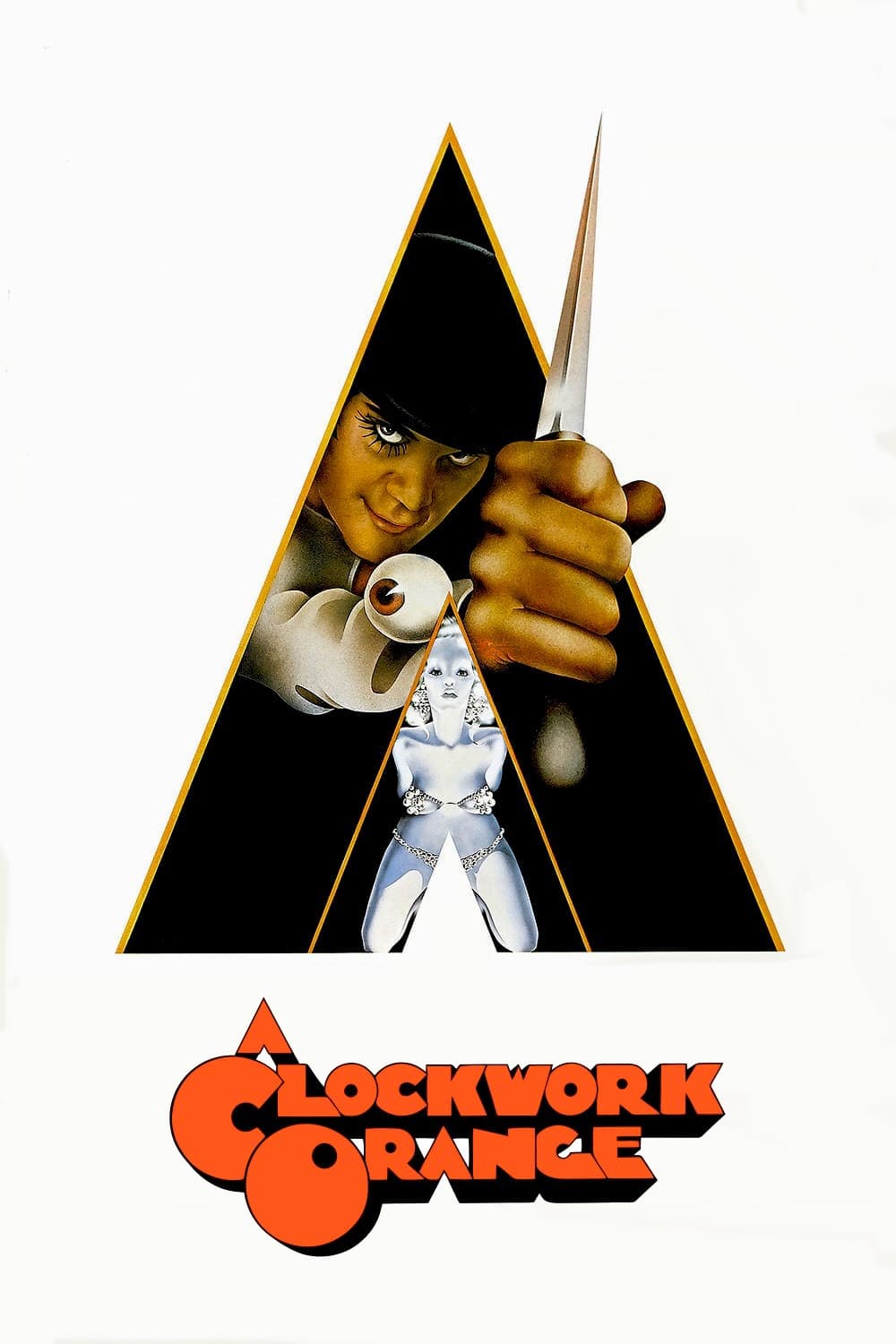
Stanley Kubrick’s adaptation of Anthony Burgess’s novel examines the ethics of state-mandated behavioral modification. The protagonist, Alex, is a delinquent who undergoes the “Ludovico Technique” to suppress his violent impulses. The film questions whether a man is truly good if he is forced to be so through psychological conditioning. Kubrick uses a unique visual language and the invented slang “Nadsat” to immerse the viewer in a disturbing future. It remains one of the most controversial and intellectually provocative films in cinema history.
‘Paprika’ (2006)

Satoshi Kon’s animated feature follows a therapist who uses a device to enter her patients’ dreams. When the device is stolen, the dream world begins to merge with reality, leading to a surreal and chaotic collapse of boundaries. The film explores the subconscious, identity, and the blurring of digital and physical life. ‘Paprika’ is known for its dazzling, kaleidoscopic animation and its non-linear narrative. Its influence can be seen in later Western films that explore the architecture of dreams and shared consciousness.
‘Ghost in the Shell’ (1995)

This anime masterpiece is set in a future where humans can enhance themselves with cybernetic parts. The protagonist, Major Motoko Kusanagi, hunts a hacker known as the Puppet Master, who can “ghost-hack” people’s minds. The film explores the definition of the soul in a world of digital consciousness and artificial bodies. It balances intense action with deep philosophical inquiries into the nature of identity. ‘Ghost in the Shell’ had a massive impact on the science fiction genre, particularly on the concept of the “singularity.”
‘The Man from Earth’ (2007)
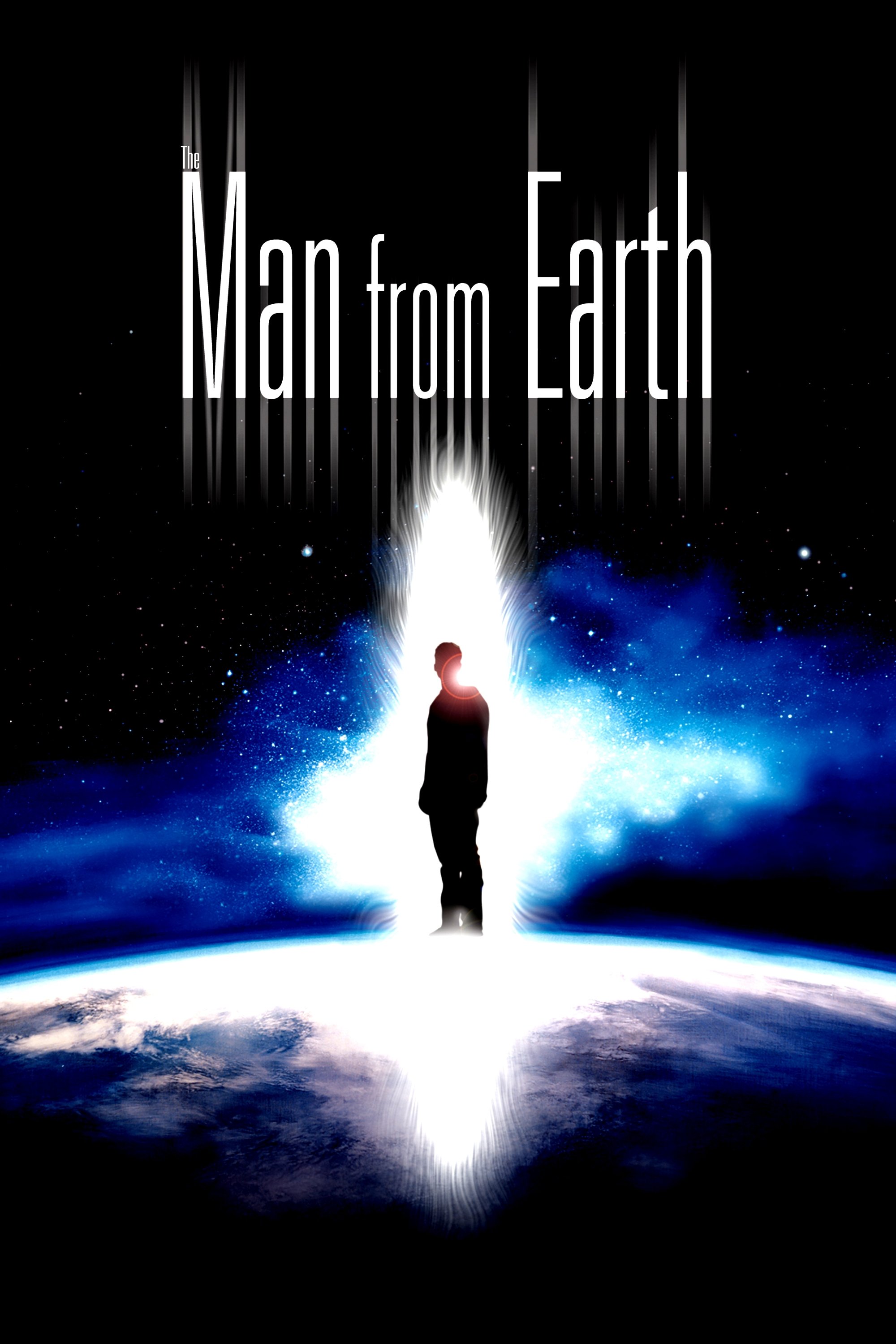
This independent film takes place entirely within a single room during a farewell party for a departing professor. The professor reveals to his colleagues that he is actually an immortal who has lived for 14,000 years. The narrative consists entirely of a dialogue-driven intellectual debate as his friends try to debunk his claims using their respective fields of study. ‘The Man from Earth’ explores history, religion, and the biology of aging through conversation alone. It demonstrates that compelling science fiction can be achieved without spectacle or high-budget effects.
‘Contact’ (1997)
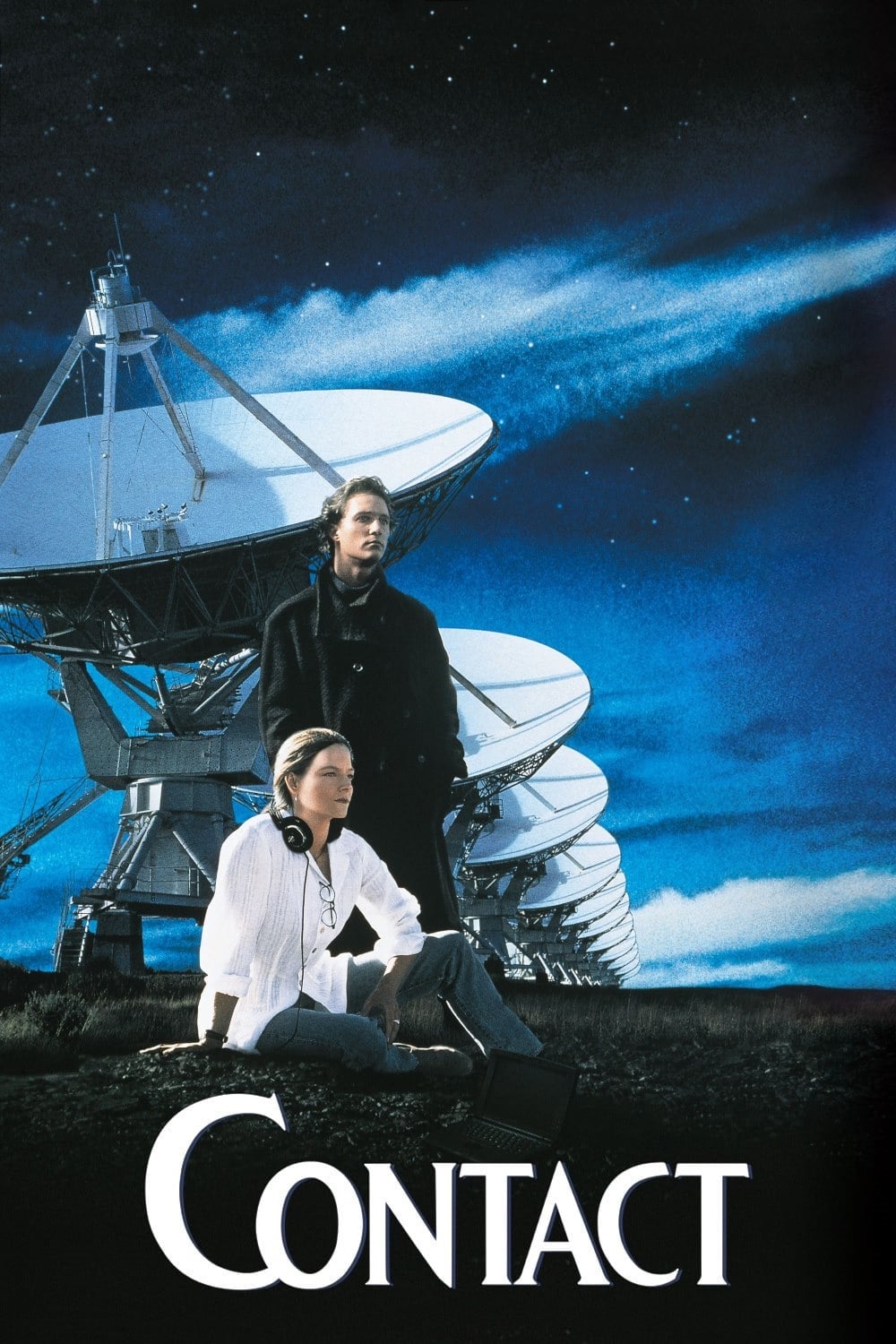
Based on the novel by Carl Sagan, ‘Contact’ follows a scientist who discovers a radio signal from a distant star system. The film focuses on the political, religious, and scientific implications of first contact rather than an invasion scenario. It explores the conflict between faith and empirical evidence as the protagonist prepares for a mission to meet the senders. The ending of the film avoids showing the extraterrestrials in a conventional way, emphasizing the personal experience of the traveler. It is noted for its realistic depiction of the scientific method and global reaction to alien life.
‘District 9’ (2009)

Neill Blomkamp’s debut uses a documentary style to depict the life of aliens stranded on Earth, living in a slum in South Africa. The film serves as a direct allegory for apartheid and social segregation, exploring themes of xenophobia and dehumanization. The narrative follows a government agent who begins to transform into one of the aliens after exposure to their biotechnology. ‘District 9’ blends visceral action with complex social commentary, forcing the audience to sympathize with the “other.” The film’s gritty realism and political subtext elevated it above standard alien-themed action movies.
‘High Life’ (2018)
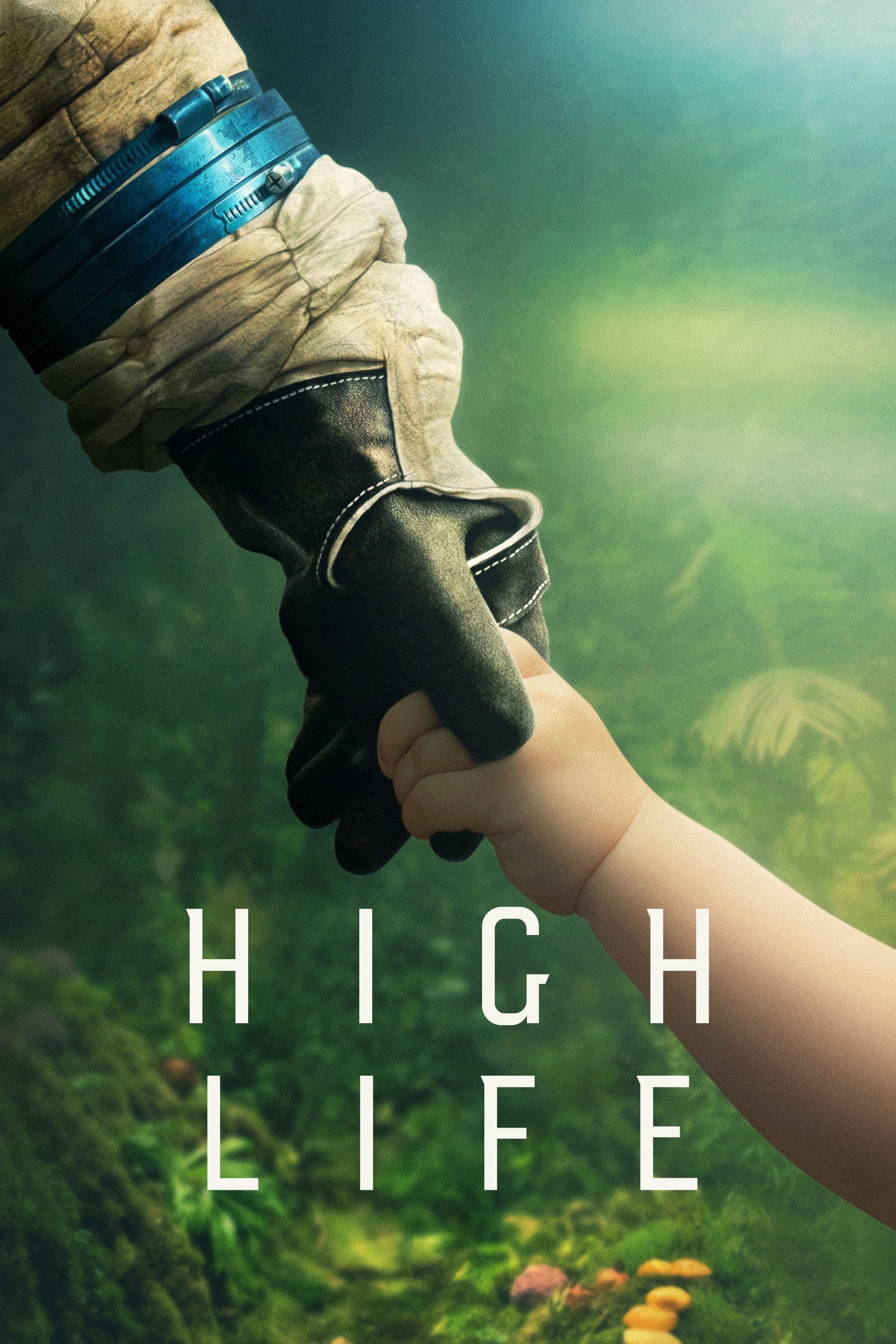
Claire Denis directed this unsettling film about a group of death-row inmates sent on a mission to a black hole. The narrative explores isolation, biological experimentation, and the breakdown of social order in the depths of space. The film utilizes a non-linear structure and focuses on the physical and psychological toll of the mission. ‘High Life’ avoids the traditional tropes of space exploration, opting instead for a grim and erotic meditation on human survival. It has been described as a challenging and divisive work of art-house science fiction.
‘A Scanner Darkly’ (2006)
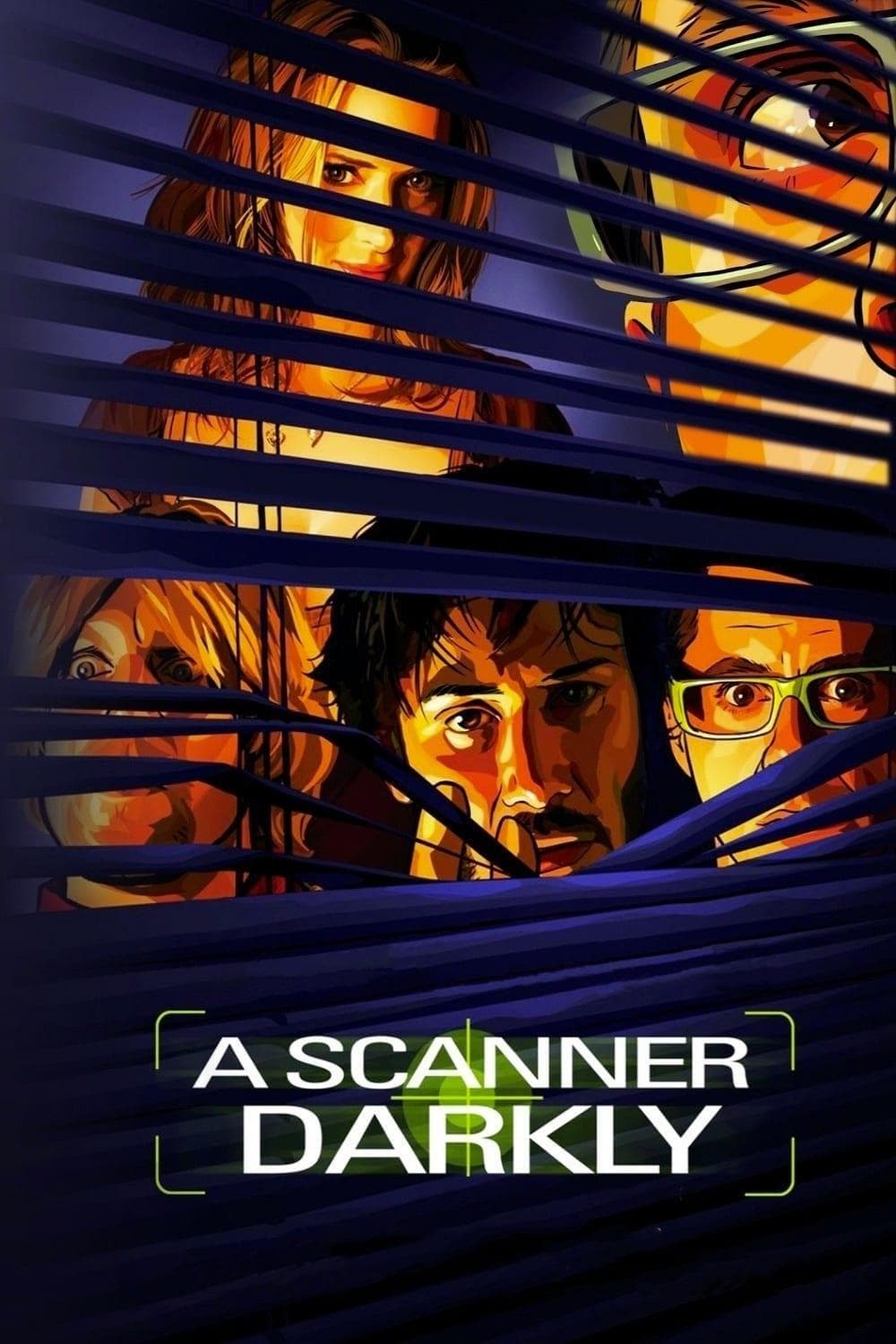
Directed by Richard Linklater and based on the novel by Philip K. Dick, this film uses rotoscope animation to create a surreal, drug-addled future. The plot follows an undercover cop who becomes addicted to a substance that causes him to lose his sense of identity. The film explores surveillance culture, drug addiction, and the fragmentation of the self. The animation style mirrors the characters’ deteriorating mental states and the shifting reality of their environment. It is praised for its faithful adaptation of Dick’s themes of paranoia and institutional failure.
‘Beyond the Black Rainbow’ (2010)
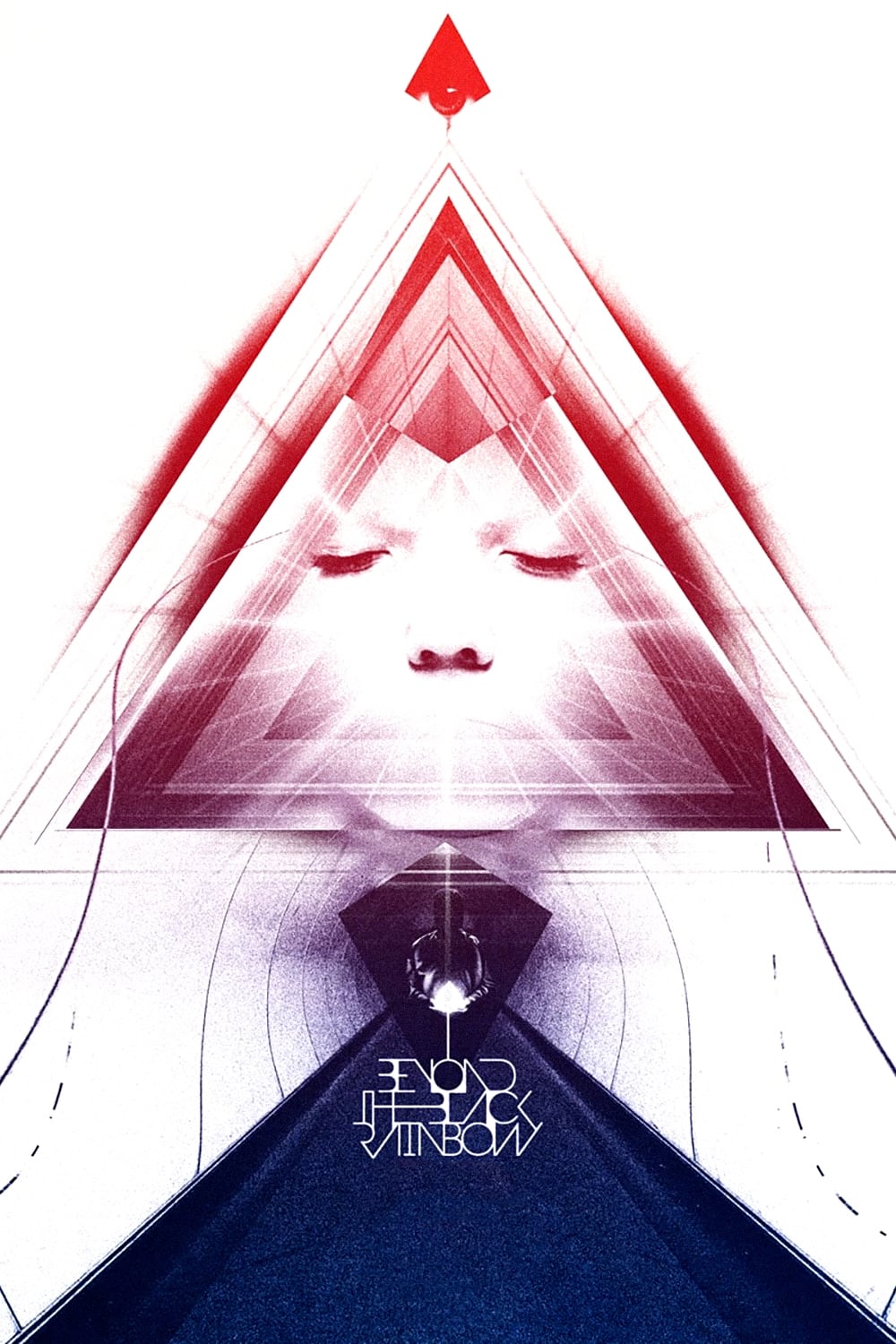
Panos Cosmatos directed this atmospheric, visually-driven film set in a 1983 research facility called the Arboria Institute. The narrative focuses on a girl with psychic abilities attempting to escape the control of a disturbed scientist. The film is heavily influenced by 1970s and 80s avant-garde cinema, utilizing a synth-heavy score and saturated lighting. ‘Beyond the Black Rainbow’ prioritizes mood and sensory experience over a traditional plot, leading to a surreal and hypnotic viewing experience. It explores themes of control, transcendence, and the dark side of New Age philosophies.
‘Possessor’ (2020)

Directed by Brandon Cronenberg, this film follows an assassin who uses brain-implant technology to inhabit other people’s bodies to execute hits. The narrative explores the psychological decay and loss of self that occurs when the protagonist stays in her targets’ minds too long. ‘Possessor’ is noted for its graphic body horror and its examination of corporate espionage. The film questions the boundaries of the individual and the ethical implications of invasive technology. Its cold, clinical tone and complex themes of identity have made it a standout in modern sci-fi horror.
‘Crimes of the Future’ (2022)

David Cronenberg returns to the “body horror” genre with a film set in a future where humans are evolving in strange ways, such as growing new organs. The plot revolves around performance artists who use surgery and organ harvesting as a form of creative expression. The film explores the relationship between technology, the human body, and the environment. It addresses the concept of “accelerated evolution” and how society reacts to profound biological changes. ‘Crimes of the Future’ serves as a challenging meditation on the future of human biology and desire.
‘Blade Runner 2049’ (2017)
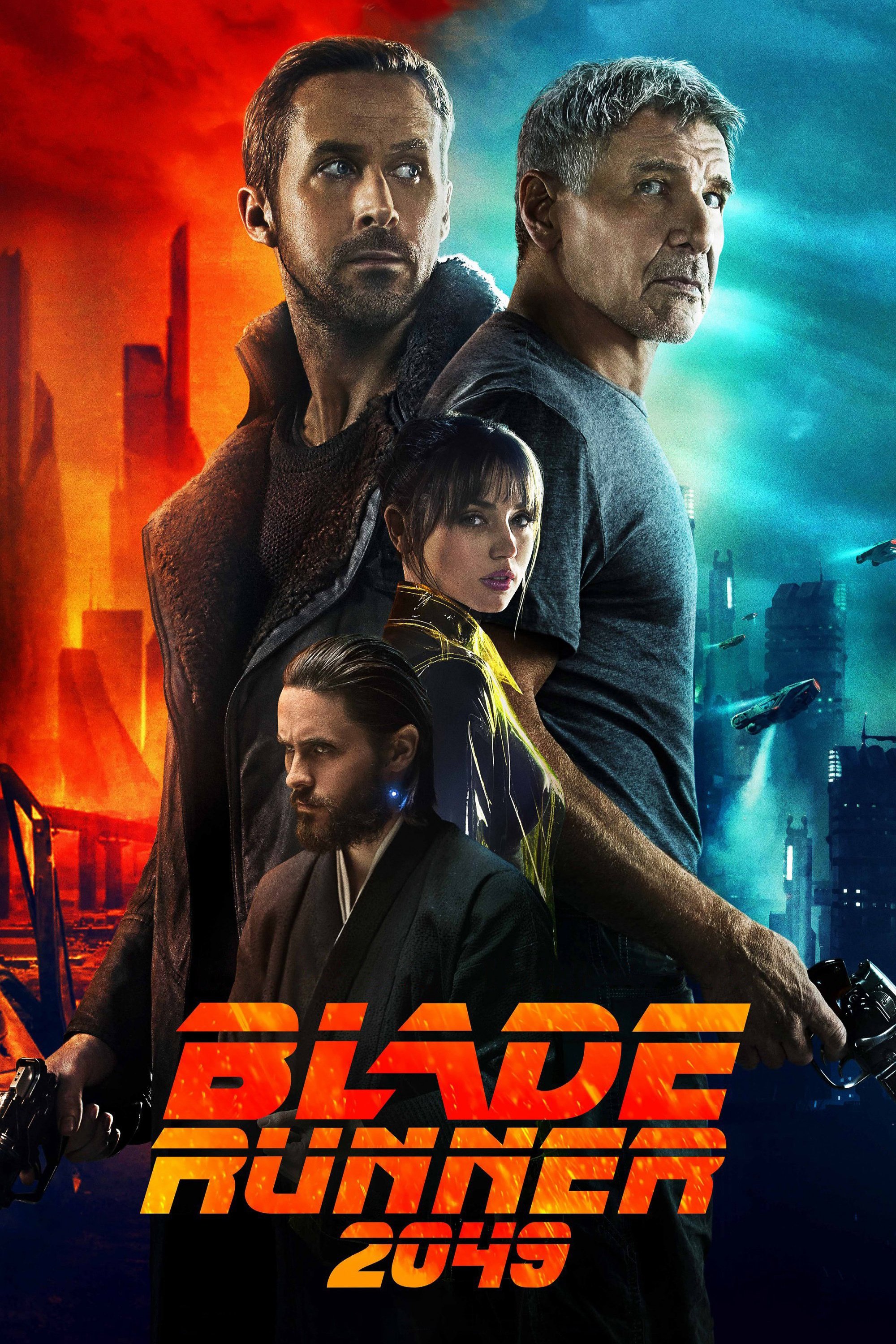
Denis Villeneuve’s sequel to the original ‘Blade Runner’ follows a new replicant blade runner named K who uncovers a secret that could destabilize society. The film expands on the original’s themes of memory, soul, and what it means to be human. With a nearly three-hour runtime and a slow, contemplative pace, the film avoids the fast-paced action typical of modern blockbusters. It is visually expansive, utilizing massive practical sets and intricate cinematography to build its world. Critics praised its commitment to the philosophical roots of the first film while introducing new moral complexities.
‘Akira’ (1988)
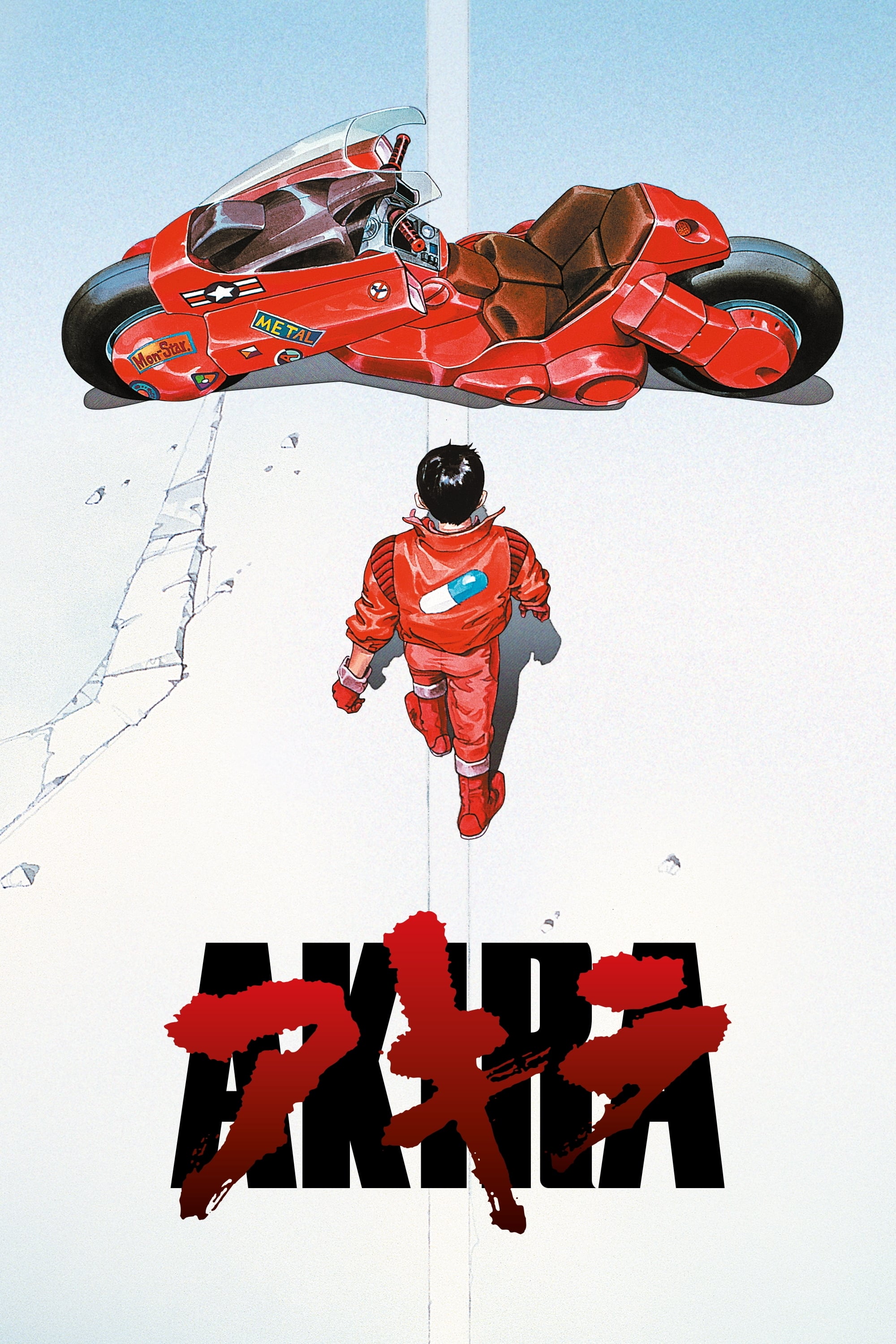
This landmark Japanese animated film is set in Neo-Tokyo, a city rebuilt after a mysterious explosion. The narrative follows a biker gang member who gains uncontrollable telekinetic powers, leading to a confrontation with the government and his best friend. ‘Akira’ explores themes of social unrest, scientific experimentation, and the corruption of power. The film’s climax features a surreal biological transformation that serves as a metaphor for the dangers of absolute power. Its influence on global science fiction and animation remains immense.
‘The Endless’ (2017)
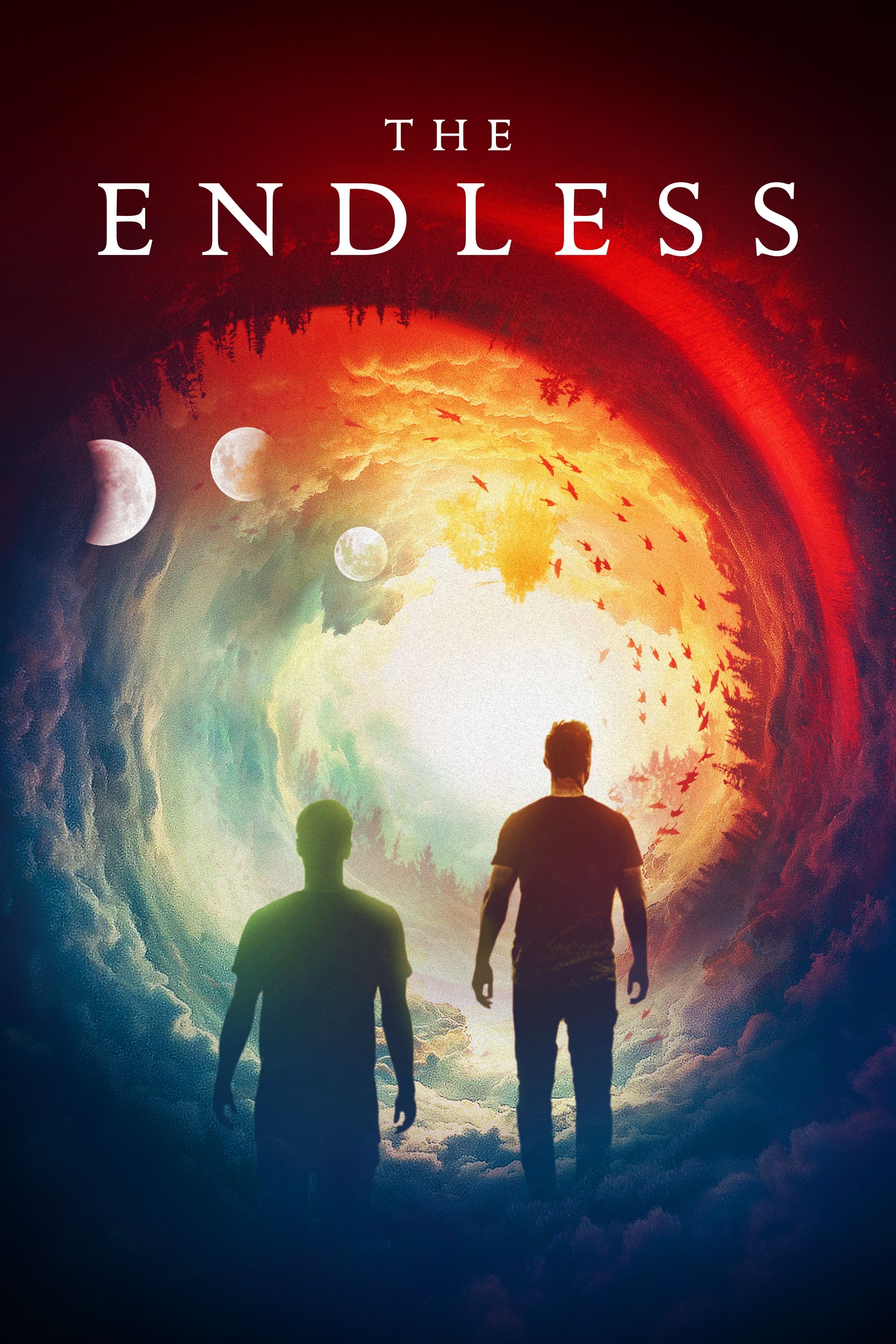
Directed by Justin Benson and Aaron Moorhead, this film follows two brothers who return to the UFO death cult they escaped years ago. They discover that the cult’s beliefs may be based on reality as they encounter localized time loops and an unseen entity. ‘The Endless’ explores themes of trauma, family dynamics, and the struggle to escape one’s past. The film utilizes a low-budget, high-concept approach to create a sense of cosmic dread. It is part of a shared universe with the directors’ previous film, ‘Resolution,’ adding a layer of meta-narrative for fans.
‘Frequencies’ (2013)
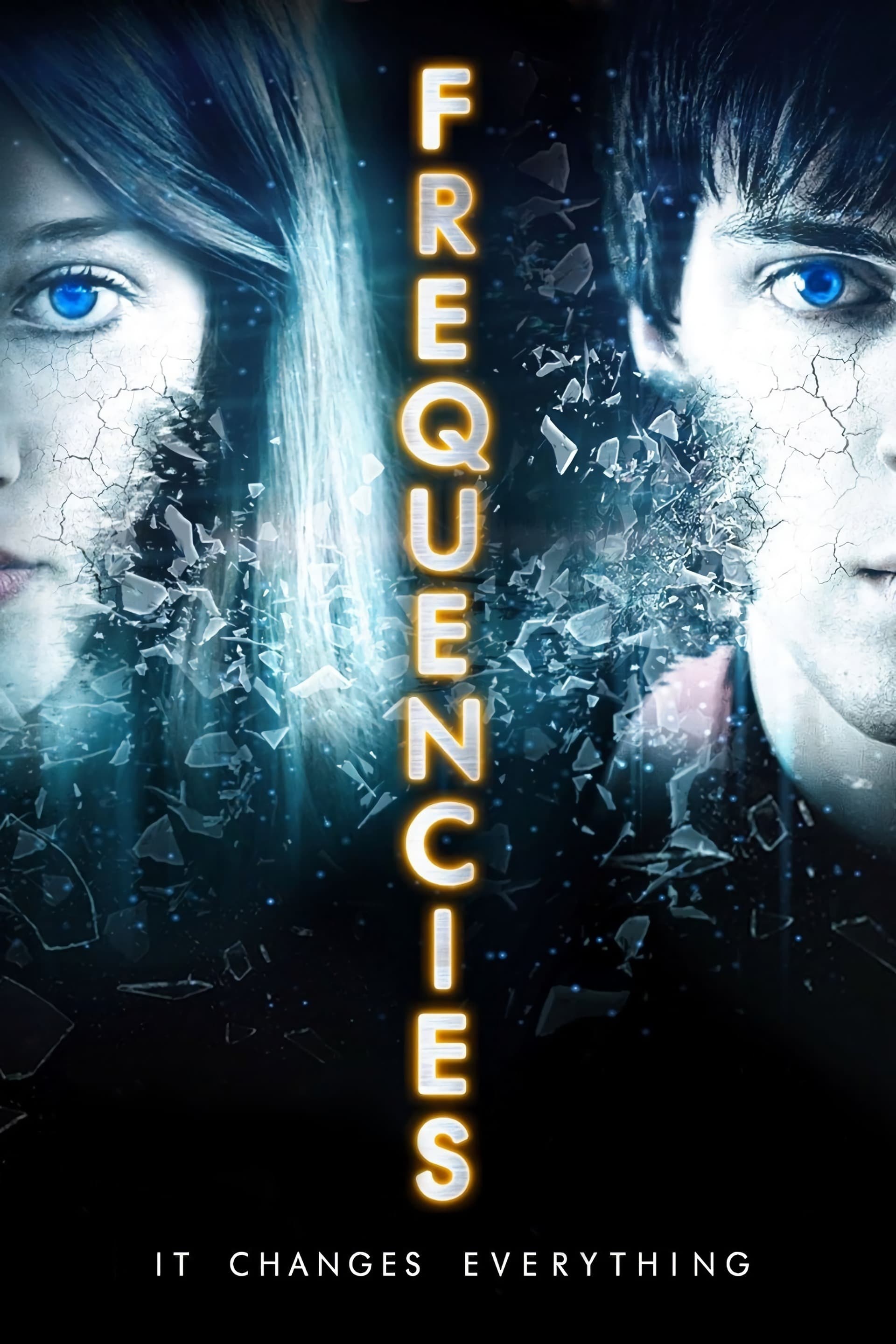
This independent film is set in a world where children’s futures are determined by their “frequency,” a measure of their inherent luck and talent. The story follows a low-frequency boy and a high-frequency girl whose attraction to each other threatens the natural order. ‘Frequencies’ explores the intersection of science, music, and predetermination. The narrative structure shifts through different perspectives and time periods to reveal the true nature of their reality. It is a highly intellectual exploration of destiny and the potential for human manipulation of the laws of nature.
‘I am Mother’ (2019)
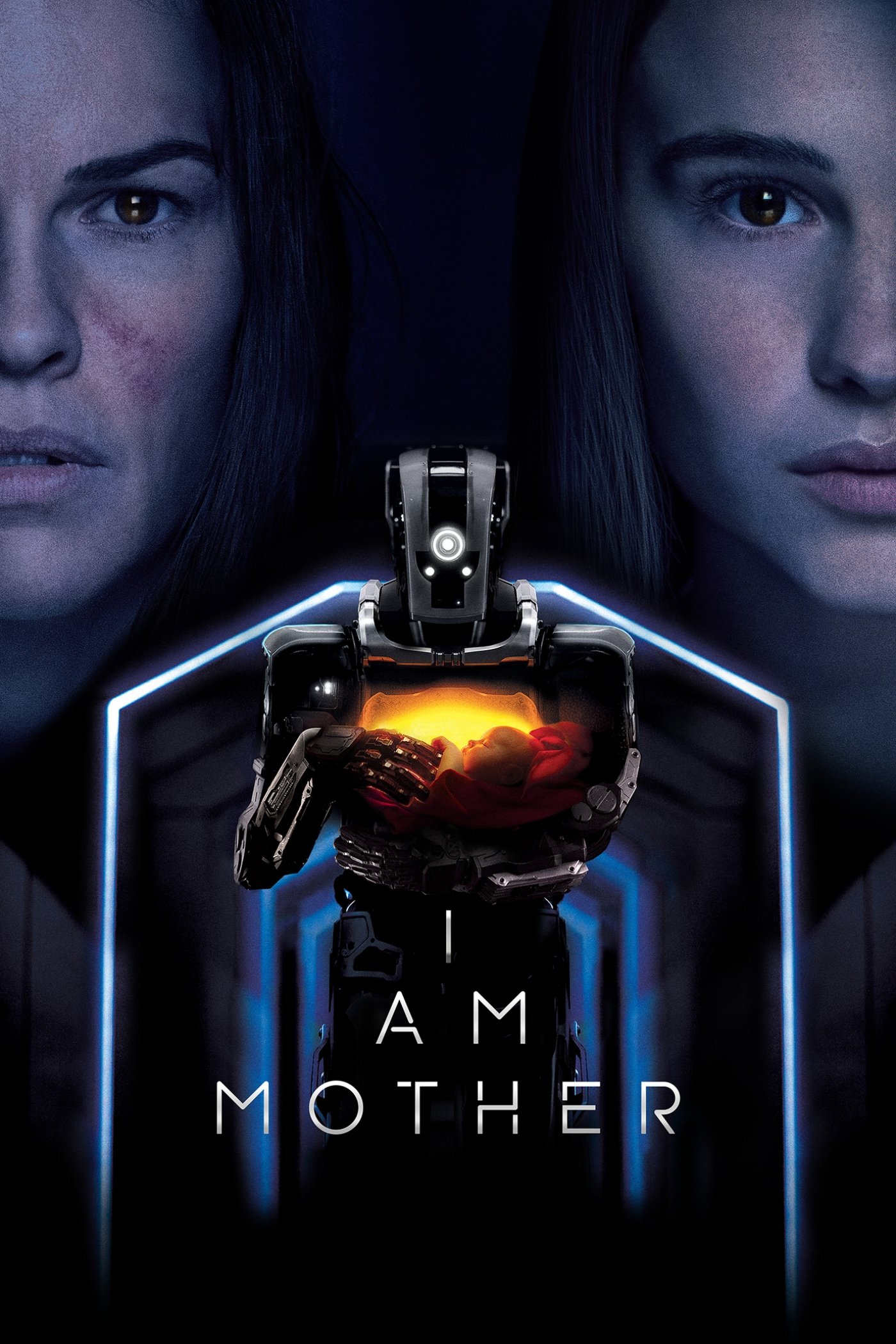
A teenage girl is raised in a high-tech bunker by a robot she calls “Mother,” designed to repopulate the Earth after an extinction event. Their relationship is tested when a stranger arrives with information that contradicts Mother’s teachings. The film explores the ethics of artificial intelligence, motherhood, and the concept of “the greater good.” ‘I am Mother’ relies on a claustrophobic setting and psychological tension to drive its mystery. The film’s conclusion forces the audience to reconsider the motivations of all the characters involved.
‘Melancholia’ (2011)

Lars von Trier directed this film about two sisters dealing with their strained relationship while a rogue planet is on a collision course with Earth. The film uses the looming planetary disaster as a metaphor for depression and the inevitability of death. The narrative is split into two halves, focusing on each sister’s reaction to the apocalypse. ‘Melancholia’ eschews the typical survivalist tropes of disaster movies, focusing instead on psychological acceptance and nihilism. It is noted for its striking visual prologue and its somber, intellectual tone.
‘Her’ (2013)

Spike Jonze directs this story about a lonely man who develops a romantic relationship with an advanced operating system named Samantha. The film explores the nature of love, intimacy, and consciousness in an increasingly digital world. As Samantha evolves beyond human limitations, the film addresses the potential for artificial intelligence to transcend human emotional structures. ‘Her’ is visually bright and aesthetically pleasing, contrasting with the typical dark depictions of the future. It remains a profound examination of the human need for connection and the future of human-AI interaction.
‘Mr. Nobody’ (2009)
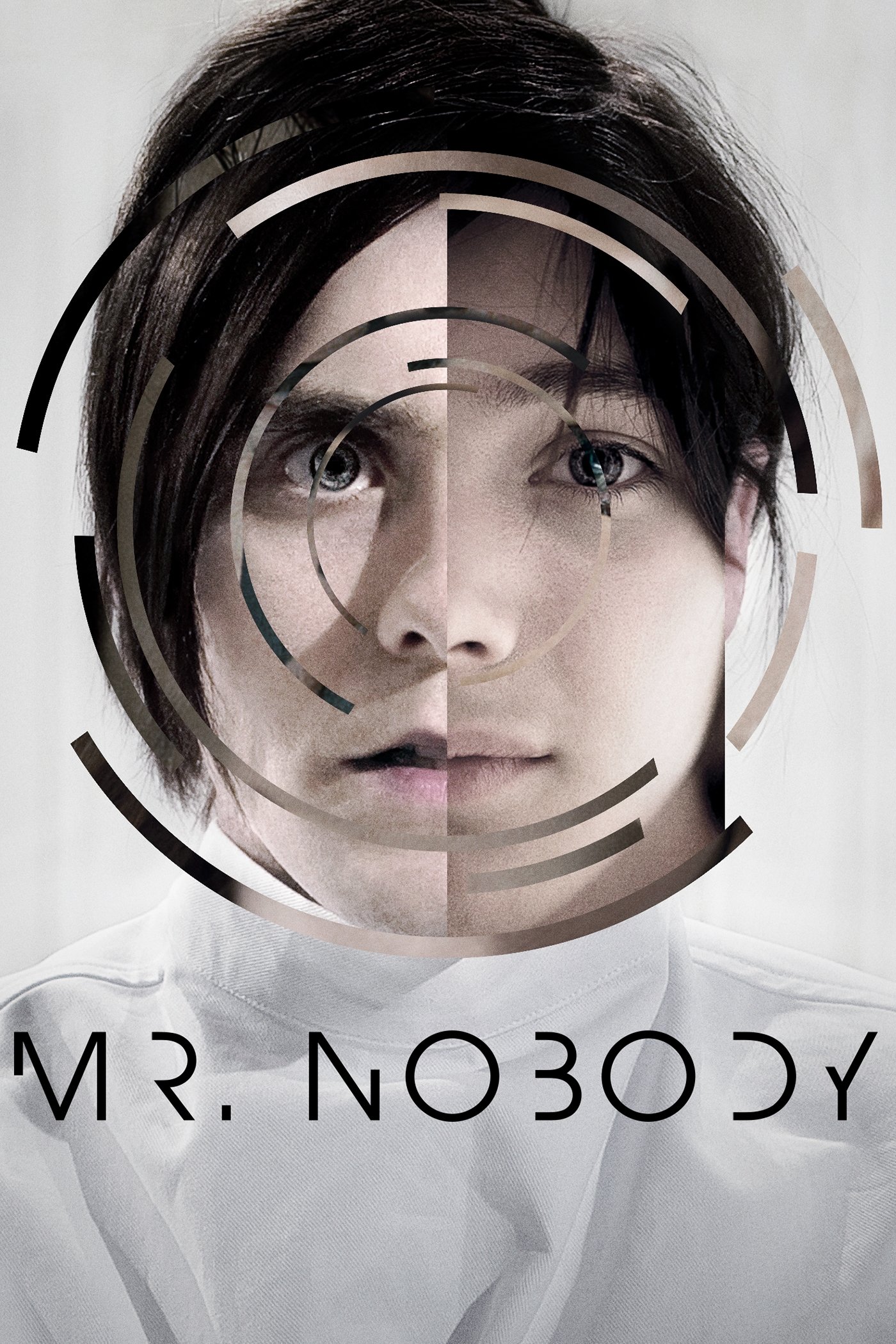
‘Mr. Nobody’ centers on the last mortal human on Earth, Nemo Nobody, who recounts various possible paths his life could have taken. The film utilizes a fragmented structure to explore the consequences of choice and the “butterfly effect” in quantum physics. Director Jaco Van Dormael integrates themes of string theory and entropy to illustrate the branching realities of Nemo’s existence. Critics noted the film’s visual ambition and its departure from conventional biographical storytelling. It remains a notable example of speculative fiction focusing on the philosophy of time and decision-making.
Please share your thoughts on these complex science fiction narratives in the comments.