The ‘Star Wars’ Machete Order Is Still the Best Way to Watch the Saga — Here’s Why It Works


There are few debates in fandom as quietly passionate as how someone should first experience ‘Star Wars’. Should you start with the originals, as millions did in theaters? Should you follow George Lucas’s own insistence on chronological order? Or is there a smarter, more dramatically satisfying path that most newcomers haven’t considered?
That third option has a name, and it has been reshaping first-time viewings since it emerged over a decade ago. After the prequel trilogy’s release, a ‘Star Wars’ fan named Rod Hilton created what’s known as the Machete Order, an alternate viewing sequence that keeps the focus of the saga on Luke Skywalker while keeping major twists intact. It sounds radical at first glance, but once you understand the logic, it’s hard to argue against it.
What the Machete Order Actually Is
Conceived in November 2011, Hilton specifically designed the Machete Order for viewers with no prior knowledge of ‘Star Wars’ to have the best possible narrative and thematic experience of George Lucas’s sprawling space epic. The sequence runs as follows: ‘A New Hope’, ‘The Empire Strikes Back’, then a jump back to ‘Attack of the Clones’ and ‘Revenge of the Sith’, before returning to close things out with ‘Return of the Jedi’.
The Machete Order sandwiches Episode II and III between ‘The Empire Strikes Back’ and ‘Return of the Jedi’. By watching the films in this order, you not only avoid spoilers entirely, but also maintain the original narrative’s focus. Essentially, the prequels function as an extended two-film flashback that answers the burning question raised at the end of ‘The Empire Strikes Back’. You follow Luke’s story, hit the earth-shattering revelation of Vader’s identity, and then dive into the past to understand exactly how that man came to exist.
With Machete Order, the ‘Star Wars’ watching experience gets to start with the film that does the best job of establishing the universe, and it ends with the most satisfying ending in Episode VI. It also starts the series off with the two strongest films, and allows you to never have to either start or end your viewing experience with a weaker entry. That structural discipline is what makes the whole thing click.
Why Skipping ‘The Phantom Menace’ Is the Key
The most controversial element of the Machete Order is its most famous one: ‘The Phantom Menace’ gets cut entirely. Hilton’s own argument is that Episode I is completely superfluous to the story and all the narrative strands it raises are essentially concluded within the same film. Darth Maul, for instance, has no bearing outside the film and is replaced immediately by Count Dooku.
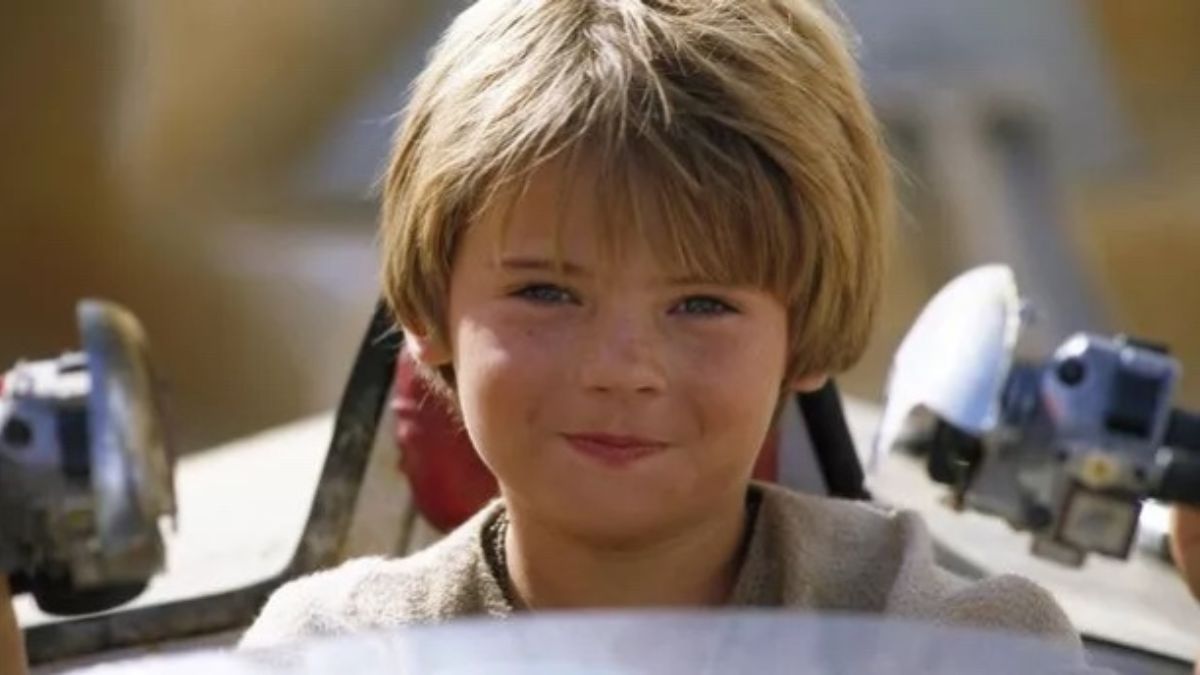
According to Hilton, the first prequel is absolutely unnecessary to the overall arc of the main characters, and the order essentially avoids a lot of the pacing issues that end up detracting from the core theme of the saga. When you arrive at ‘Attack of the Clones’ without the baggage of ‘Phantom’, the characters of Obi-Wan and Anakin are reintroduced with enough context to follow the story without missing a beat.
Skipping ‘The Phantom Menace’ also almost completely removes Jar-Jar Binks and midi-chlorians, some of the most widely criticized aspects of the entire ‘Star Wars’ saga. For a first-time viewer who has never been conditioned to tolerate those elements, their absence is a genuine gift. The emotional engine of the prequel flashback runs cleanly on Anakin’s fall, Obi-Wan’s grief, and Padmé’s tragedy.
The Vader Reveal and Why the Order Protects It
At the heart of the Machete Order’s design is one of cinema’s most iconic moments: Darth Vader telling Luke Skywalker that he is his father. By watching films in Episode order, the dramatic surprise revelation that Darth Vader is Luke Skywalker’s father is completely and utterly ruined. Far from only getting small hints that Luke’s father is Vader, the prequel trilogy completely gives away the revelation through Anakin’s transformation into Vader at the end of ‘Revenge of the Sith’.
With Machete Order, having the very real threat of Luke following in his father’s path made clear by watching ‘Attack of the Clones’ and ‘Revenge of the Sith’ just before ‘Return of the Jedi’ heightens the tension of the climactic scene, and makes it that much more satisfying when Luke refuses to follow in his father’s footsteps and rejects the dark side. The prequels stop being a problematic preamble and become a powerful emotional context drop right before the finale.
Watching the films in the Machete Order gives greater understanding of Yoda’s troubled past. When he warns Luke, “Do not underestimate the power of the Emperor,” you realize he is speaking from experience, as his defeat at the hands of the Emperor happens only one film prior. That kind of resonance simply does not land the same way in any other viewing configuration.
Does the Machete Order Still Work With the Sequel Trilogy?
Since the original blog post was written before the Disney era of ‘Star Wars’, many fans have asked whether the Machete Order can be extended to include the newer films. Hilton has since updated the Machete Order to account for the sequel trilogy and ‘Star Wars’ spin-offs. The updated sequence places Episodes VII, VIII, and IX after Episode VI, and since the Machete Order is meant to keep Luke’s story in focus, spin-offs like ‘Solo’ and ‘Rogue One’ are considered optional and come at the very end.
As far as the spin-offs and various Disney+ series are concerned, they are probably best appreciated as their own projects separate from the Skywalker Saga. As much as ‘Rogue One’ makes a seamless transition into the opening moments of ‘A New Hope’, it probably should not be a new convert’s introduction to ‘Star Wars’. The consensus among fans who have road-tested this approach is that the core Machete sequence remains intact and the sequels slot in naturally afterward.
Not everyone is fully sold, of course. Some critics of the Machete Order argue that having an audience go from ‘The Empire Strikes Back’ to ‘Attack of the Clones’ makes for a rough cinematic transition, given the significant difference in quality between the two films. It is a fair concern, but for most viewers the narrative logic more than compensates for the stylistic gear-shift. The Machete Order is not just a fun fan theory. It is the most thoughtfully constructed argument for how to experience the Skywalker Saga as a unified, emotionally coherent story, and now that you know exactly how it works, the real question is whether you have a friend who has never seen ‘Star Wars’ and deserves to experience that Vader reveal the right way for the very first time.