Is ‘Margo’s Got Money Troubles’ Based on a True Story? No, But the Real Inspiration Behind It Is Just as Compelling

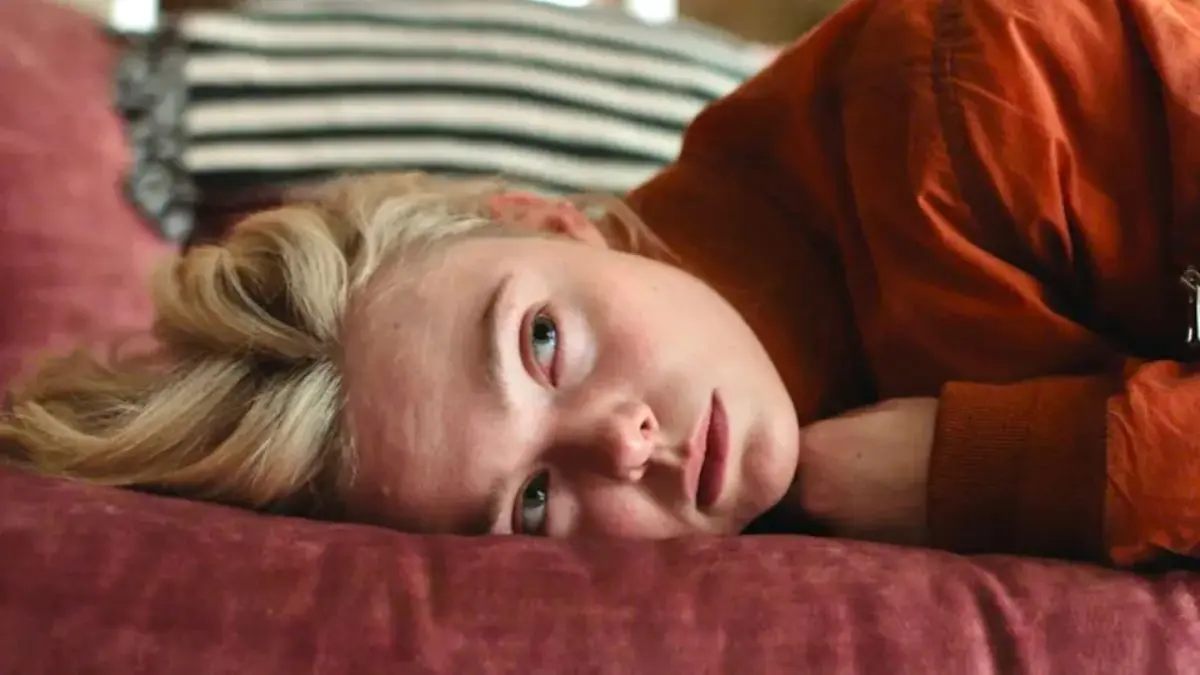

The question gets asked about nearly every prestige drama that feels uncomfortably real, and ‘Margo’s Got Money Troubles’ is no exception. The Apple TV comedy-drama, which premiered on April 15, centers on Margo Millet, the daughter of a Hooters waitress and a former professional wrestler, who turns to OnlyFans to support herself after becoming pregnant by her English professor. It is the kind of story that makes audiences lean forward and wonder how much of it someone actually lived through.
The short answer is that ‘Margo’s Got Money Troubles‘ is not based on a true story. The show remains a work of fiction with no direct inspiration in reality, though it notably draws on the Rufi Thorpe novel of the same name published in 2024. But the longer answer is where things get genuinely interesting, because the truth woven into this fictional world came from a place far more personal and methodically researched than most viewers might expect.
The Rufi Thorpe Novel That Started Everything
The story follows 19-year-old Margo Millet, who becomes pregnant after an affair with her college professor, then stumbles upon OnlyFans as a way to support herself after the baby is born. With guidance from her father, a former professional wrestler, Margo builds an online persona and finds success on the platform, though her newfound fame sets off a chain of unexpected challenges including a rift with her mother and a custody battle with her ex.
The novel won the prestigious Clark Fiction Prize, an accolade shared by the likes of Pulitzer Prize winners Colson Whitehead and Percival Everett, and Amazon reviewers loved it too, with the book racking up 17,000 reviews in just two years.
The book has been described as a feminist bildungsroman that tackles themes of financial insecurity, single motherhood, and sex work with humor and unflinching honesty, subjects shaped by Thorpe’s own experiences navigating childcare costs and economic pressures as a young mother. Thorpe’s literary fingerprints are everywhere in the source material, even if her life story and Margo’s are not the same.
Thorpe has spoken openly about her own accidental pregnancy at 26, noting that she was a grad student at the time with a partner she had known for only six weeks when she found out she was pregnant, a circumstance very different from Margo’s situation but one that gave her a genuine emotional foothold into the story.
The OnlyFans Research That Shaped the Show
Writing about an OnlyFans creator was an idea Thorpe had for many years, yet when the time came to write the novel, there was one key problem: OnlyFans is a confusing and complex website that required insider knowledge to portray accurately. She eventually made a customer account for research purposes, a move that Eva Anderson, an executive producer on the series, would later replicate while developing the show.
Finding a consultant for the topic proved unusually difficult, given the privacy measures most creators tend to enforce for their online work. Eventually Thorpe came across an OnlyFans model with a history in publishing who agreed to read her entire manuscript in a consultancy capacity, ultimately becoming a huge resource for understanding the mechanics of the digital sex work industry and the dynamics between creators and their followers.
Thorpe had a list of creators she had followed while writing the book, described as a mixture of cool, funny girls, pregnant women, and realistic OnlyFans models, that she passed over to Anderson and the show’s other writers, who followed the creators on their newly created accounts. Thorpe emphasized her dedication to accuracy, stating that she could not make the story good unless the research was equally solid.
David E. Kelley’s Apple TV Adaptation
The series is created by David E. Kelley and stars Elle Fanning, Nick Offerman, Greg Kinnear, Thaddea Graham, Michael Angarano, Michelle Pfeiffer, and Nicole Kidman. The A24 and Apple TV production carries the unmistakable weight of a creative team that took the source material seriously from the very first episode.
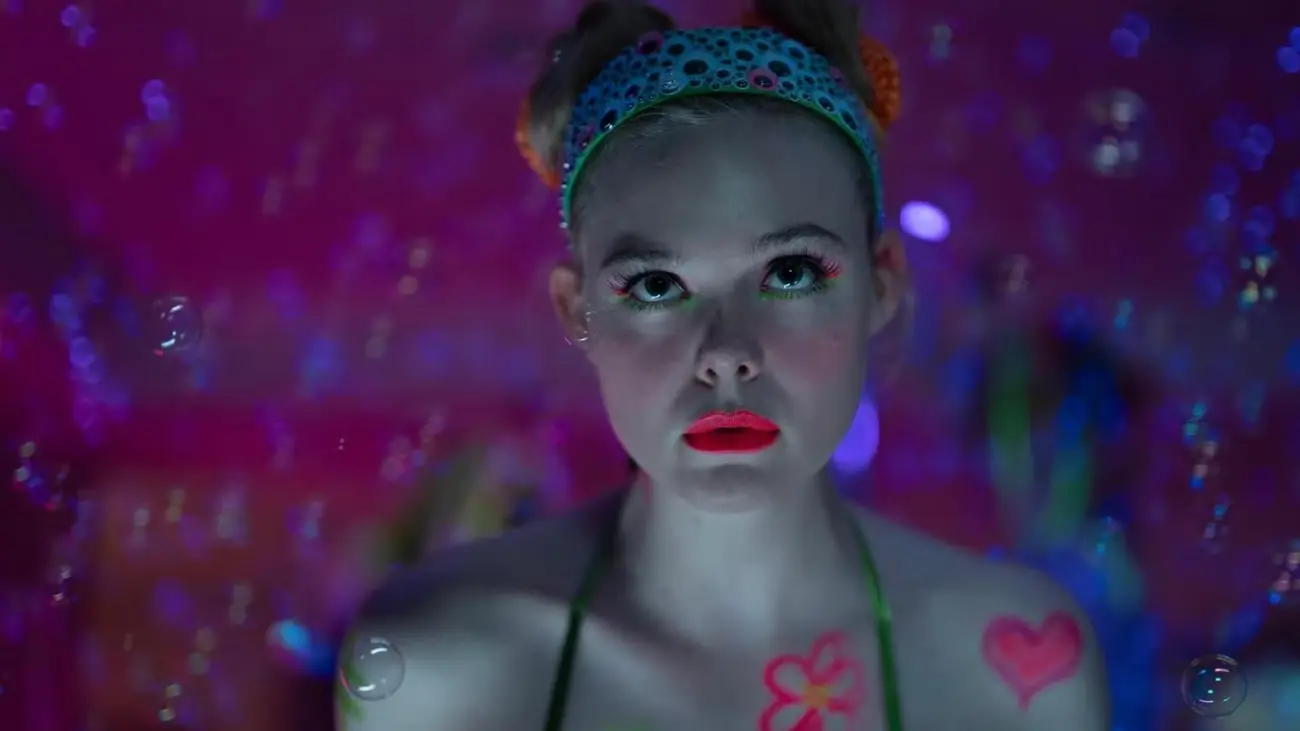
On the second season renewal, Kelley said that ‘Margo’s Got Money Troubles’ was an irresistible proposition from day one, that he fell in love with Rufi’s world and unpredictable characters, and that it has been rewarding to see audiences embrace the series. That enthusiasm clearly translated into how faithfully the production honored the book’s emotional core.
All the major plot points from the book are present in the show, though the adaptation does make some distinct changes, most of which have to do with the differences between television and literary storytelling as mediums. The author herself was pleasantly open to significant divergences and largely cared more about the overall vision than the smaller details.
Single Motherhood and the Stigma at the Heart of the Story
Beyond the mechanics of platform research, the story’s emotional engine runs on something deeply human. Thorpe has said she was drawn to exploring the stigma surrounding sex work and motherhood, two subjects that collide throughout the season and come to a head when Margo’s real identity is exposed online.
Thorpe has expressed hope that the adaptation will humanize Margo for viewers, pointing out that people who do sex work are simply people, and that the story also humanizes mothers at a time when motherhood has been getting what she describes as a bad rap. That perspective gives the show its moral clarity even in its most chaotic scenes.
The series explores important themes around family, the stigma of sex work, and the follies of youth, following an aspiring writer whose world unravels after she becomes pregnant during an affair with her married professor. Whether or not the story is true in the biographical sense, it is clearly true in the way that matters most to its creators, emotionally, socially, and culturally.
If Margo’s messy, defiant journey into online content creation has you thinking about your own assumptions around sex work and modern motherhood, this is exactly the conversation Rufi Thorpe and David E. Kelley were hoping to start, so share where you landed in the comments.