From Meredith Baxter to Amanda Peet: Every Show About Betty Broderick and Why Hollywood Can’t Stop Retelling Her Story


Few true crime stories have gripped American audiences quite as stubbornly as the case of Betty Broderick. On the morning of November 5, 1989, Betty entered the home of her former husband, Dan Broderick, and shot him and his new wife as they lay in their bed. The shocking double homicide instantly transformed the San Diego socialite into a lightning rod for debates about marriage, betrayal, and the legal system’s treatment of women.
Her story has since been told and retold across television in ways that no other true crime case quite matches. The Broderick case remains one of the most controversial and debated true crime stories in modern American history, and the fact that Hollywood keeps returning to it speaks volumes about how deeply it continues to resonate. Here is every Betty Broderick true crime series worth knowing about, and why each one still matters.
The Original Betty Broderick TV Movie That Started It All
‘A Woman Scorned: The Betty Broderick Story’ is a 1992 American drama TV movie directed by Dick Lowry and written by Joe Cacaci, which chronicles the events of the true crime case of Betty Broderick murdering her ex-husband, Daniel, and his second wife, Linda. It premiered in two parts, with the first airing on CBS in March of that year and the follow-up, titled ‘Her Final Fury: Betty Broderick, The Last Chapter,’ arriving nine months later.
The film stars Meredith Baxter, Stephen Collins, Michelle Johnson, Kelli Williams, and Stephen Root, with Baxter delivering what viewers and critics widely consider one of the finest TV movie performances of the entire decade. Her portrayal as a neurotic woman scorned drew comparisons to her wholesome earlier TV persona, breaking all those expectations completely.
What made this version so culturally potent was its timing. After sixteen years of marriage and four children, Betty Broderick’s high-powered attorney husband decided to leave her for a younger woman with whom he’d been having an affair, and her rage consumed her and ultimately led to a terrible and violent act. Audiences watching in 1992 recognized the systemic inequities baked into that story, and the film leaned into the ambiguity rather than shying away from it.
The CBS original still holds up as a riveting piece of prestige TV filmmaking from an era when the network tackled real crime stories with genuine seriousness. It set the template for every Betty Broderick project that would follow.
How ‘Dirty John: The Betty Broderick Story’ Reinvented the Narrative
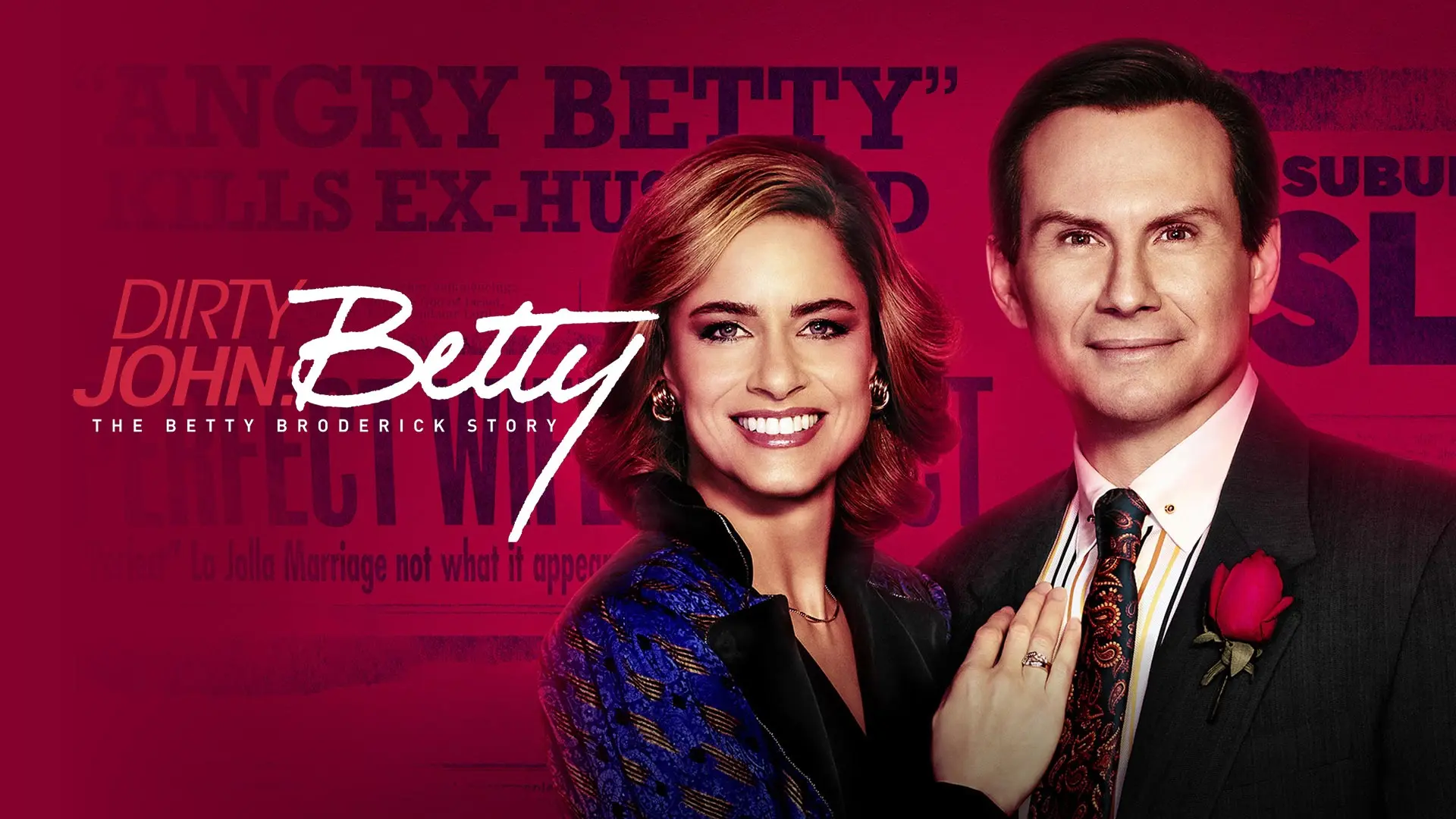
‘Dirty John’ creator Alexandra Cunningham didn’t want to change the true story of Betty Broderick’s brutal 1989 murder of her ex-husband and his new wife, but her version tells the tale of what led her to that. The resulting series, which premiered on USA Network in the summer of 2020, became one of the most talked-about limited series of the year, driven almost entirely by the sheer force of Amanda Peet’s performance.
The second installment of the ‘Dirty John’ anthology series is based on another epic true tale of love gone wrong, a story that spans the 1960s to the ’80s, through the breakdown of a marriage that Oprah deemed one of ‘America’s messiest divorces’ even before it ended in double homicide. The series ran for eight episodes, premiering with a two-episode event on June 2, 2020, and wrapping on July 14, 2020.
Cunningham said that Broderick’s story was shaped by the time and by a media that presented her as an ‘angry, crazy woman,’ and she wanted to tell it from Broderick’s perspective, or as best as she could from research. That feminist lens gave the series a completely different emotional texture compared to the 1992 original, and audiences responded intensely.
The series plays in the way that certain shows do when they know they’re onto something that’s going to capture public interest, both because it’s a true-crime tale and because on some level it speaks to larger issues of legality, divorce proceedings, mental health, patriarchal dominance, and assumed gender roles.
Amanda Peet’s Career-Defining Performance as Betty Broderick
Peet’s raging, jealous, live-wire performance is a career peak and brings a depth to Betty’s plight, especially as filtered through that period, that the average Lifetime movie lacks. Critics across the board singled her out as the beating heart of a series that could easily have leaned too far into melodrama without a grounded lead holding everything together.
Before filming, Peet sought out unconventional advice on how to play such a volatile character. She was given a great piece of advice by Holland Taylor, who encouraged her not to play crazy, but instead to look at each scene as a legitimate protest or a justified experience. That approach radically changed what the performance became, stripping away the scenery-chewing temptation entirely.
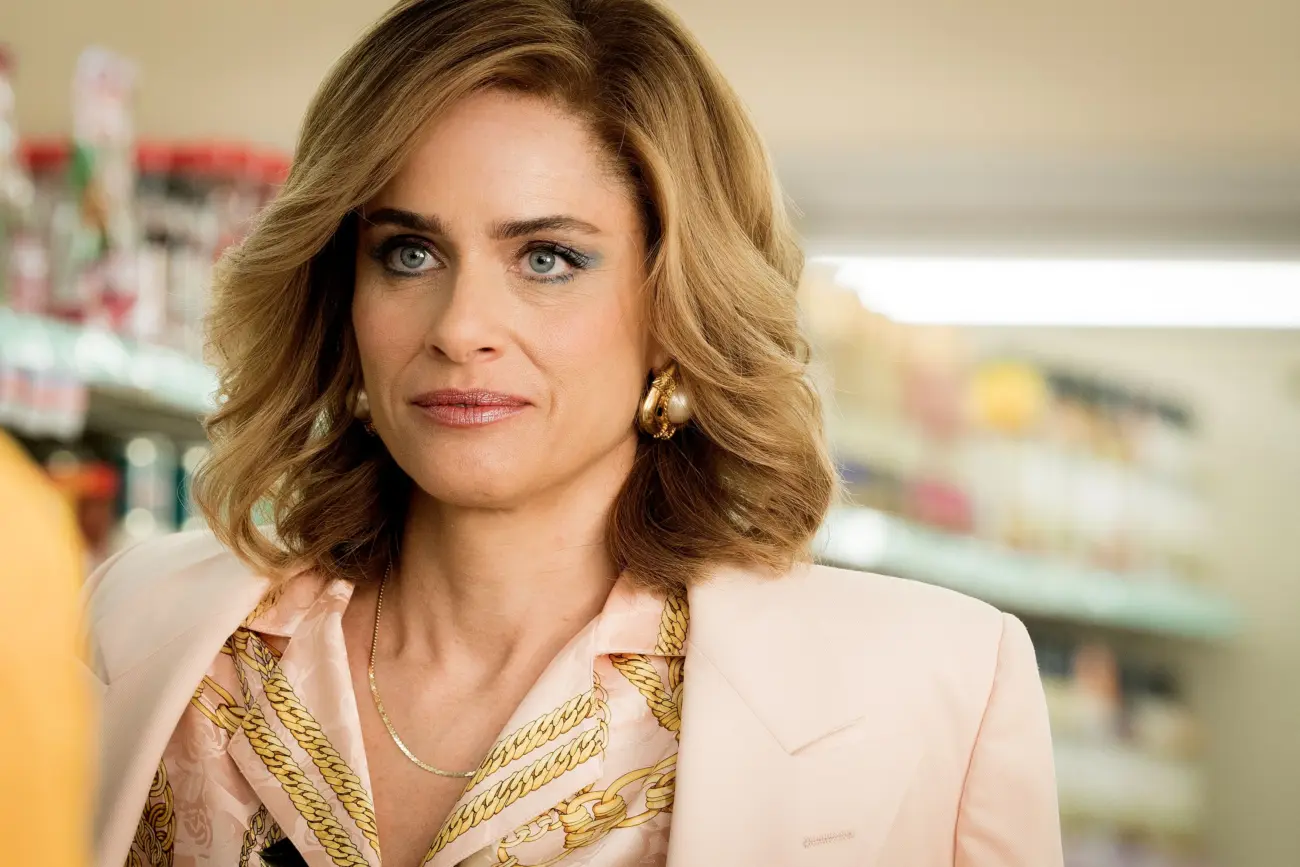
By eschewing the temptation to chew the hell out of the beachy scenery, Peet’s earnest choices give a poignancy to the role that creates a dissonance with the viciousness of the woman’s acts. Christian Slater’s portrayal of Dan Broderick as a man who got bored after moving from medicine to law and found freedom in his 21-year-old intern, Linda Kolkena, gave Peet a compelling scene partner who never let the character off the hook.
The performance has only grown in cultural significance since the series wrapped, cementing ‘Dirty John: The Betty Broderick Story’ as the definitive television version of this case.
The Documentaries That Kept the True Crime Conversation Going
Beyond the dramatic adaptations, Betty Broderick’s story has attracted its share of documentary treatment as well. The 1999 ‘American Justice’ episode titled ‘A Woman Scorned: The Betty Broderick Story’ chronicled the case including her marriage to Dan Broderick, their divorce, the murder of Dan and his second wife, and the two ensuing trials. It offered a more journalistic framing that complemented rather than competed with the 1992 dramatization.
Oxygen also presented its own documentary devoted to the case, ‘Snapped: Betty Broderick,’ in mid-July of 2020, airing right after ‘Dirty John’ wrapped up on USA Network. The timing was no accident, with the network clearly capitalizing on the renewed public appetite that the scripted series had generated.
These nonfiction entries matter because they anchor the more dramatic retellings to the raw, verifiable facts of the case, and they consistently remind viewers that the woman at the center of all these stories was a real person whose choices devastated real families.
Betty Broderick, the former La Jolla socialite who killed her ex-husband and new wife in 1989, died at age 78, while serving out her life sentence for second-degree murder since 1992, incarcerated in the California Institution for Women in Corona.
Her death in May of this year closed the final chapter on one of the most extensively documented true crime stories in American television history, though it will almost certainly not be the last word Hollywood has on the subject. Which version of Betty Broderick’s story do you think told the truth most honestly, and is there a perspective on this case that television still hasn’t had the courage to explore?