What Year Is ‘Spider-Noir’ Set In and Why That Exact Year Changes Everything About Nicolas Cage’s Marvel Series


Marvel has never looked quite like this before. ‘Spider-Noir,’ the long-anticipated live-action series now streaming on Prime Video, drops viewers into a world of fedoras, smoky speakeasies, and moral rot with a precision that feels deliberately chosen rather than casually assigned.
The show is not simply styled after a vague golden-era aesthetic. It is confirmed that the series is set 15 years after World War I, placing it squarely in 1932, several years before the MCU would see its first Avenger. That specificity matters enormously for what the show is trying to do, and once you understand it, the entire atmosphere clicks into place.
The Great Depression New York Setting Is the Real Co-Star
Set in 1930s New York during the Great Depression, the series marries the mythos of a costumed hero with the tragic and cynical undertones of the noir film genre. This is not background decoration. The economic collapse of that era informs every corner of the story, from the desperation of its villains to the grinding hopelessness of its protagonist.
The Depression-era New York City setting becomes essential to ‘Spider-Noir’s’ identity, distinguishing it fundamentally from mainstream Marvel properties typically set in contemporary times or fantastical realms. There are no gleaming skyscrapers or billion-dollar tech suits here, just crumbling institutions and men trying to survive them.
The stage is set for a 1930s New York soaked in shadow, jazz, and corruption, and the show asks a simple, brutal question: What does a hero look like when the world has already chewed him up and spat him out? That question only lands with its full weight because of when the story is placed.
Set in 1933, it is film noir with a keen wit and a sharp bite, its lead character a variation on Spider-Man who is more Humphrey than heroic. The precise dating, fluctuating slightly between sources as the show’s own internal timeline shifts across episodes, ultimately anchors the series in the early years of the Great Depression’s darkest stretch.
Nicolas Cage and the Ben Reilly Character
Cage stars as Ben Reilly, a private investigator in Depression-era New York City who charges the classic ten dollars a day plus expenses to chase down leads. He looks every inch the hardboiled gumshoe, but underneath that trench coat is a man carrying the weight of a superhero career he walked away from.
The eight-episode series features Depression-era grime, fedoras, and fists, with Cage playing Ben Reilly as a washed-up private eye dragged out of retirement by a city that refuses to let him rot in peace. His Spidey-senses and web shooters are still very much intact, they are just buried under years of bad decisions and worse whiskey.
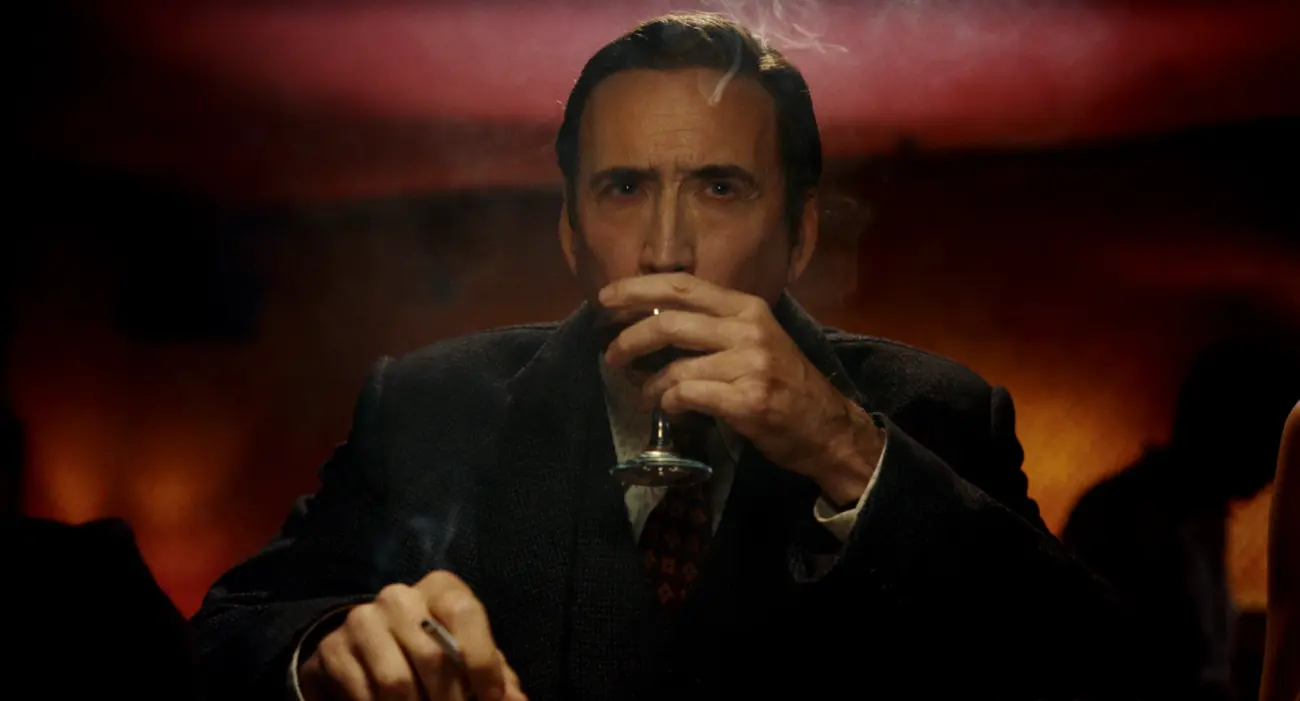
Spider-Noir served as a solo adaptation of the noir-inspired character, set in a completely separate universe from the animated film, with the first season following Ben through a case in which he was forced to revive his superhero persona, dubbed The Spider, when the ruthless mob boss Silvermane begins putting together an army of super-powered beings. The 1932 setting gives that conflict a weight that a modern backdrop simply could not deliver.
This is the first starring role in a TV series for Nicolas Cage, a fact that makes the boldness of the project even more striking. An Oscar winner stepping into his television debut inside a Depression-era Marvel universe is exactly the kind of creative gamble that either becomes legendary or quietly disappears.
A Unique Dual-Format Visual Experience
One of the most talked-about elements of ‘Spider-Noir’ has nothing to do with its storyline and everything to do with how it is presented. Shot in both black-and-white and full color, ‘Spider-Noir’ gives viewers a rare choice to watch it as a straight period noir or in vivid hues that bring 1930s New York to life, and the dual-format release was partly Cage’s own idea.
In monochrome, this New York is as romantic as it is dangerous, with blinding-white sheets of rain blasting onto the streets, sunlight smashing through Art Deco windows, and frames painted by cigarette smoke. The visual design is not simply atmospheric, it is structural to how the story communicates its themes of duality and moral ambiguity.
The trailer immediately established itself as one of the boldest visions of any screen adaptation of Spider-Man to date, presented in two ways: in black and white amidst the 1930s backdrop, evoking the sensibilities of the classic period of film noir, or in a colorful experience for those who may prefer it. Whichever version audiences choose, the 1932 world they are stepping into remains the same.
How the 1930s Setting Connects to the Larger Marvel World
Spider-Noir is one of the earliest releases on the full Marvel movie and TV show timeline in chronological terms, and the post-World War I setting is important because both Lonnie Lincoln and Flint Marko are WWI veterans, which is particularly important to the story. That piece of character history only resonates if the audience appreciates exactly how close that war still is to the lives of everyone on screen.
While it was known broadly that the show is set in the 1930s, particularly The Great Depression in New York City, the comicbook history showed that the Peter Parker version of The Spider underwent his super-powered transformation in December 1932. The television version takes some liberties with that origin, but keeps the timeline meaningfully intact.
Where the comics have him bitten by a spider that emerges from an idol artifact, the Prime Video series sees him being a World War I veteran and being bitten by a mutant experiment. These changes tie the character even more tightly to the historical wounds of his specific era, making the 1932 date feel earned rather than cosmetic.
For anyone who has been curious about where exactly ‘Spider-Noir’ fits in the Marvel landscape or why its grim aesthetic hits differently than other entries in the franchise, tell us in the comments whether you think the Depression-era setting is what ultimately makes Ben Reilly’s story work in a way a modern timeline never could.