‘Yellowstone’ Signals the End of a Dutton Era as New Sequel Quietly Reshapes the Franchise

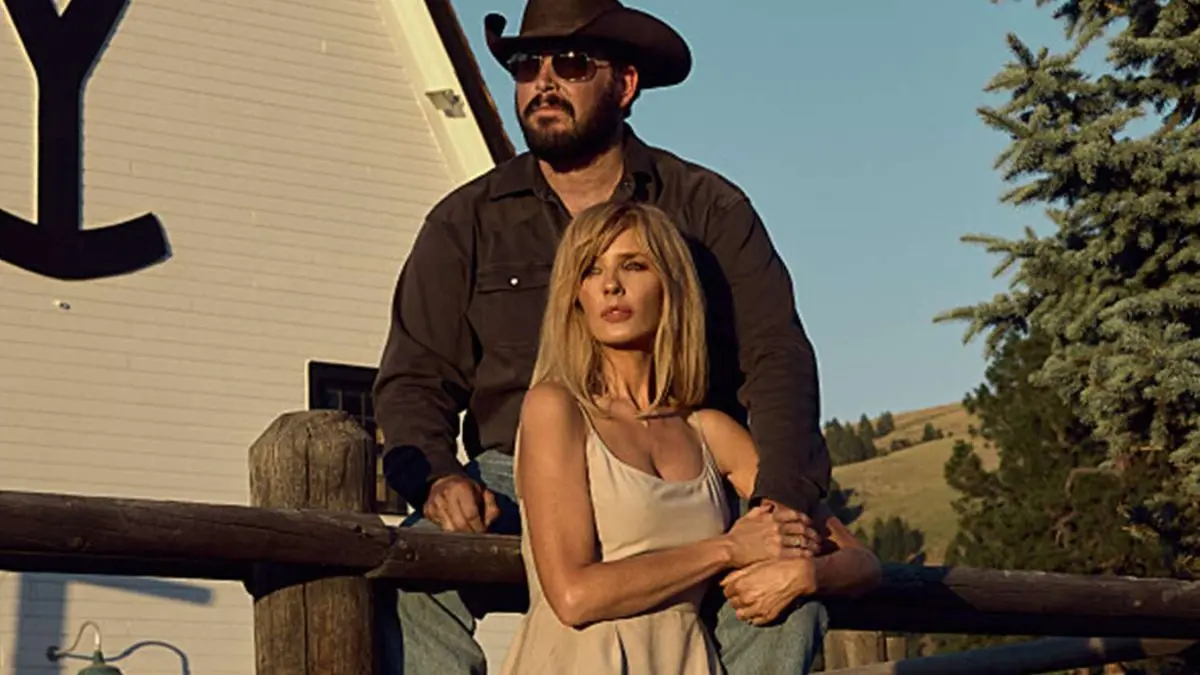

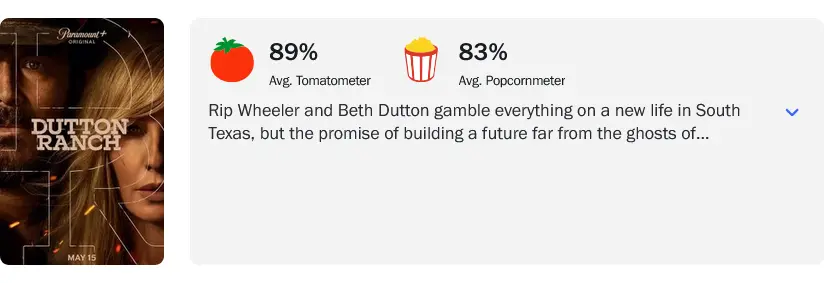
The new sequel series Dutton Ranch is quickly becoming the next major chapter in the Yellowstone franchise. Early reactions suggest that the show is successfully continuing the tone of the original series while also building a new identity. It keeps the same mix of family conflict, ranch politics, and emotional tension, but shifts the focus toward a different kind of future for the Dutton legacy.
One of the biggest changes in the series is how it handles the idea of legacy. In Yellowstone, the Dutton family name was everything. The ranch was passed down through generations, and protecting it was treated as a sacred duty. In Dutton Ranch, that idea is starting to shift. The story no longer depends only on biological inheritance.
Beth Dutton, played by Kelly Reilly, remains one of the central figures in the franchise. She still carries the same sharp personality she had in Yellowstone, but her role has evolved. She is now shown as more of a strategist, someone who thinks long-term about survival and control rather than just reacting emotionally. The series presents her as a kind of modern matriarch who is adapting to a new environment.
At the same time, the show is placing more importance on Carter, played by Finn Little. Carter was first introduced in Yellowstone as a troubled orphan. His life changed when he was taken in by Beth and Rip. In Dutton Ranch, that relationship has developed further, and Carter is now treated as part of the family in every meaningful way, even though he has no Dutton blood.
This shift is important because it changes what “Dutton legacy” actually means. The series is no longer presenting the idea that only blood relatives can carry the family’s values forward. Instead, it is showing that identity, loyalty, and lived experience can matter just as much.
Carter is being positioned as part of the next generation of the ranch. His storyline is not just about survival anymore. It is about learning responsibility, understanding the ranching lifestyle, and stepping into a role that could define the future of the land itself. His relationship with Oreana is also being used to reflect a younger, more modern perspective on life at the ranch.
The shift becomes even more significant when compared to the broader Yellowstone timeline. Other prequel series like 1883 and 1923 focused on earlier generations of the Dutton family and how the ranch was built and protected over time. Even upcoming projects like 1944 continue that pattern of focusing on bloodline history.
Dutton Ranch breaks that pattern by suggesting that the future may not belong strictly to the Dutton name. It shows a world where the ranch survives not because of tradition alone, but because new people step into roles of responsibility and ownership.
Earlier in Yellowstone, characters like Tate Dutton were seen as possible future heirs to the ranch. However, the story was left incomplete due to changes behind the scenes and the early ending of the main series. Dutton Ranch now appears to be picking up that unfinished idea, but in a different way.
Instead of focusing on who inherits the ranch by birth, the series is exploring who earns it through action and commitment. This change gives the franchise a different direction, one that feels more open and less tied to family structure alone.
As the series continues, Dutton Ranch is clearly setting up a new phase for the universe. The legacy of the Duttons is still central, but it is no longer limited to the original family line.
Have something to add? Let us know in the comments!