‘The Odyssey’ Director Christopher Nolan Says AI-Generated “Slop” Is Losing Younger Audiences

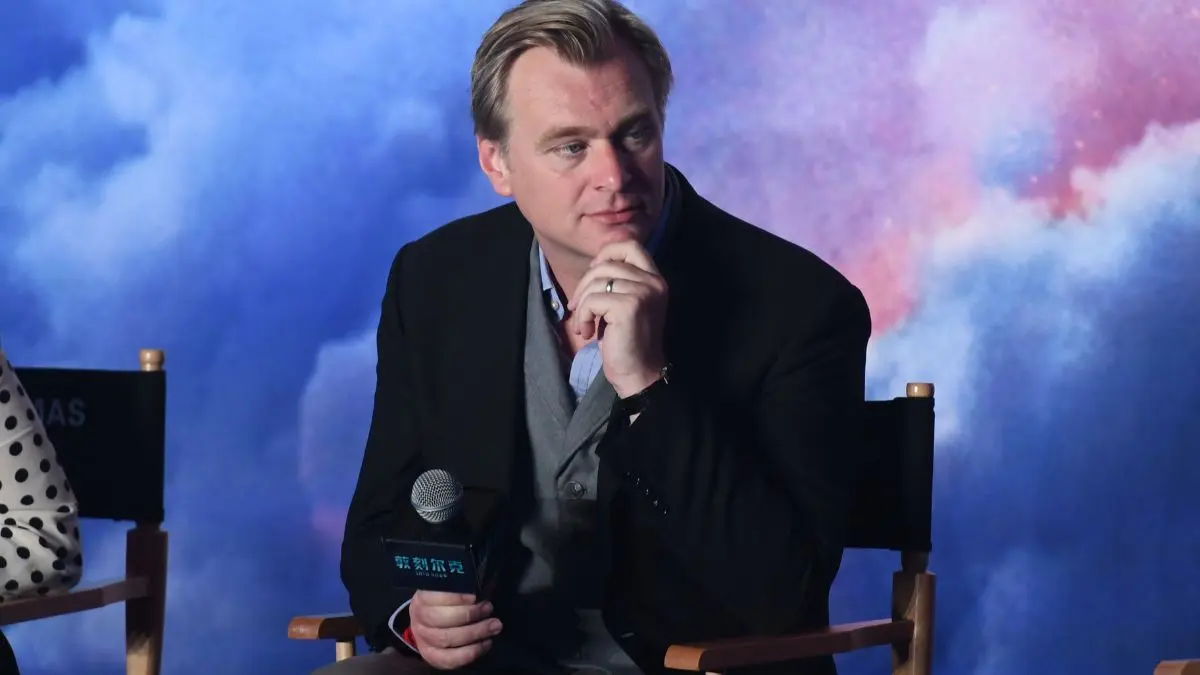

Christopher Nolan believes the future of filmmaking will not be shaped by artificial intelligence but by audiences who can quickly recognize when something lacks a human touch.
Speaking in an interview with The Telegraph, the Oscar-winning director shared his thoughts on AI-generated content and explained why he thinks younger audiences are already pushing back against it. While AI continues to become a bigger part of the entertainment industry, Nolan argued that many young people are not embracing it the way some expect.
According to Nolan, the reaction has been surprisingly strong. “I’ve never seen a more rapid wholesale dismissal of a supposedly foundational jump in technology in my lifetime,” he said.
The director believes there has been enormous effort to introduce AI into creative industries, but he thinks the audience that grew up online has become especially good at spotting artificial content.
“So much energy has been expended on bringing in AI, but if you look at that generation’s reaction, they’re utterly rejecting it,” Nolan explained.
He pointed to his own children, who are in their late teens and early twenties, as an example of how quickly younger people identify AI-generated material. “Their judgment of AI slop has been immediate and harsh. They see it for what it is very quickly – and it’s much easier for them to identify it, because it grew out of an online world they know really well.”
For Nolan, that does not mean artificial intelligence has no value. Instead, he believes its role in filmmaking is being questioned because audiences are beginning to value authenticity more than ever.
“That doesn’t mean that every aspect of the technology is useless or meaningless, but in film-making it’s hitting at exactly the wrong time.” He believes the industry is moving away from heavy digital techniques and returning to more practical filmmaking methods.
“After years of driving towards heavily virtual environments, we’re seeing a renewed interest in more tactile, more real forms of storytelling.” Nolan has long been known for favoring practical effects instead of relying heavily on computer-generated imagery. Many of his biggest films, including The Dark Knight, Inception, Dunkirk, and Oppenheimer, have used real locations, practical stunts, and large-scale physical effects whenever possible.
During the interview, Nolan also praised a new generation of filmmakers who are finding success without depending on AI-heavy production methods. He highlighted Curry Barker and Kane Parsons, whose films Obsession and Backrooms have become major critical and commercial successes.
According to Nolan, their work proves that younger audiences still connect with thoughtful storytelling and practical filmmaking. He also rejected the idea that younger viewers have shorter attention spans. Using Backrooms as an example, he argued that audiences are more than willing to engage with slow, mysterious stories if they feel original.
“Those films are so mysterious and ruminative. I mean, parts of Backrooms are like David Lynch at his most obscure. And yet young people can’t get enough of them.” Nolan said he was also encouraged to see these younger filmmakers favor practical effects wherever possible while remaining skeptical of AI-generated content.
His comments come as Hollywood continues to debate how artificial intelligence should be used in filmmaking. Studios are investing heavily in AI tools, while many actors, writers, directors, and artists have expressed concerns about creativity, originality, and the future of human storytelling.
Do you agree with Christopher Nolan that younger audiences are rejecting AI-generated content?
If Nolan is right, the biggest obstacle for AI in entertainment may not be the technology itself. Instead, it could be an audience that increasingly values work created by real people over content they see as artificial or, in Nolan’s words, “AI slop.”
Have something to add? Let us know in the comments!