Where ‘Shipwrecked: Nightmare at Sea’ Actually Happened, And Why Fans Can’t Stop Searching for the Real Location

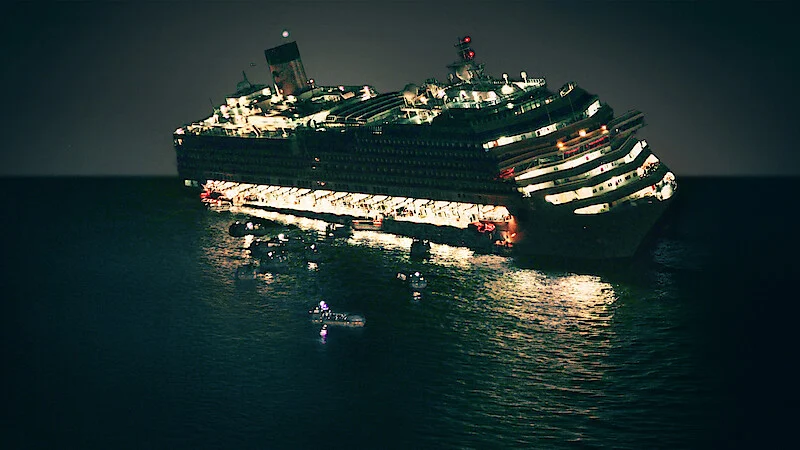

Netflix viewers bingeing ‘Shipwrecked: Nightmare at Sea’ are doing exactly what the streamer hoped, they’re rushing online the second the credits roll to figure out where this nightmare actually took place. The documentary isn’t a scripted drama shot on a soundstage, it’s built entirely from real footage and real testimony tied to one specific stretch of Italian coastline.
That real world grounding is a huge part of why the film hits so hard. Director Chiara Messineo’s documentary takes viewers through the 2012 maritime catastrophe that claimed 32 lives, led to a 16 year prison sentence, and drew global media attention, and every frame of survivor testimony traces back to one small island most casual viewers had never heard of before this week.
The Isola Del Giglio Connection
The location at the center of everything is the tiny Tuscan island of Giglio. The Costa Concordia left the port of Civitavecchia at 19:18 local time on 13 January 2012, setting off on a week long Mediterranean cruise with 3,206 passengers and 1,023 crew on board, and it never made it far before disaster struck just off that island’s coast.
On Jan. 13, 2012, more than 4,000 people set sail aboard the luxury cruise ship Costa Concordia from Civitavecchia, Italy, for a grand adventure on the high seas, and that same night the ship diverted off course.
The Concordia’s captain, Francesco Schettino, had decided to treat a crew member to a sail by salute past the Tuscan island of Giglio, where the staff member’s family lived, a gesture that turned into one of the deadliest maritime disasters in modern history.
As the ship made its way along the Italian coastline, Captain Francesco Schettino ordered it steered close to the island of Giglio, and the impact with the rock tore a 53 metre gash in the side of the ship’s hull. That single navigational choice is why Giglio, not some soundstage, is the true setting of everything ‘Shipwrecked: Nightmare at Sea’ depicts.
What Happened off the Coast Of Giglio
Once the hull was breached, the situation on board deteriorated fast. Per the ministry’s report, the ship began taking on water and tilting almost immediately after the collision, with engine rooms flooding and power lost across the vessel, leaving thousands of passengers scrambling in the dark.
Survivors who lived through those chaotic hours describe scenes that still haunt them. Alaska resident Nate Lukes, who was onboard with his wife and their four daughters, said there was really a melee, comparing the chaos to the movie ‘Titanic’, with people jumping onto the top of the lifeboats and pushing down women and children to try to get to them.
He added that everybody was rushing for the lifeboats, and he felt like his daughters were going to get trampled, so he put his arms around them and held them together while letting the crowd go by.
The evacuation itself became a case study in what not to do during a maritime emergency. As the ship started taking on water and passengers began to panic, the Italian Coast Guard radioed to see if the Concordia needed help, and Schettino and the bridge crew minimized the danger by responding that they were simply experiencing a blackout and didn’t request any assistance. That delay is widely considered one of the reasons the death toll climbed as high as it did.
The Isola Del Giglio Today and Its Grim Tourist Draw
Giglio hasn’t exactly faded from public memory in the years since the wreck was cleared. The location where the ship went down drew interest from people hoping to get a look at the liner, with tourists snapping pictures from a dock, turning a tragedy site into an unlikely photo stop.
That influx wasn’t universally welcomed by locals who lived through the disaster firsthand. NBC News reported in July 2012 that for tourists the wreck represented a perfect photo opportunity for their summer albums, noting that hundreds of people each day rode ferries to get to the island for the experience, while one local lamented the influx, saying every day she comes there and that thing is there, calling it heartbreaking.
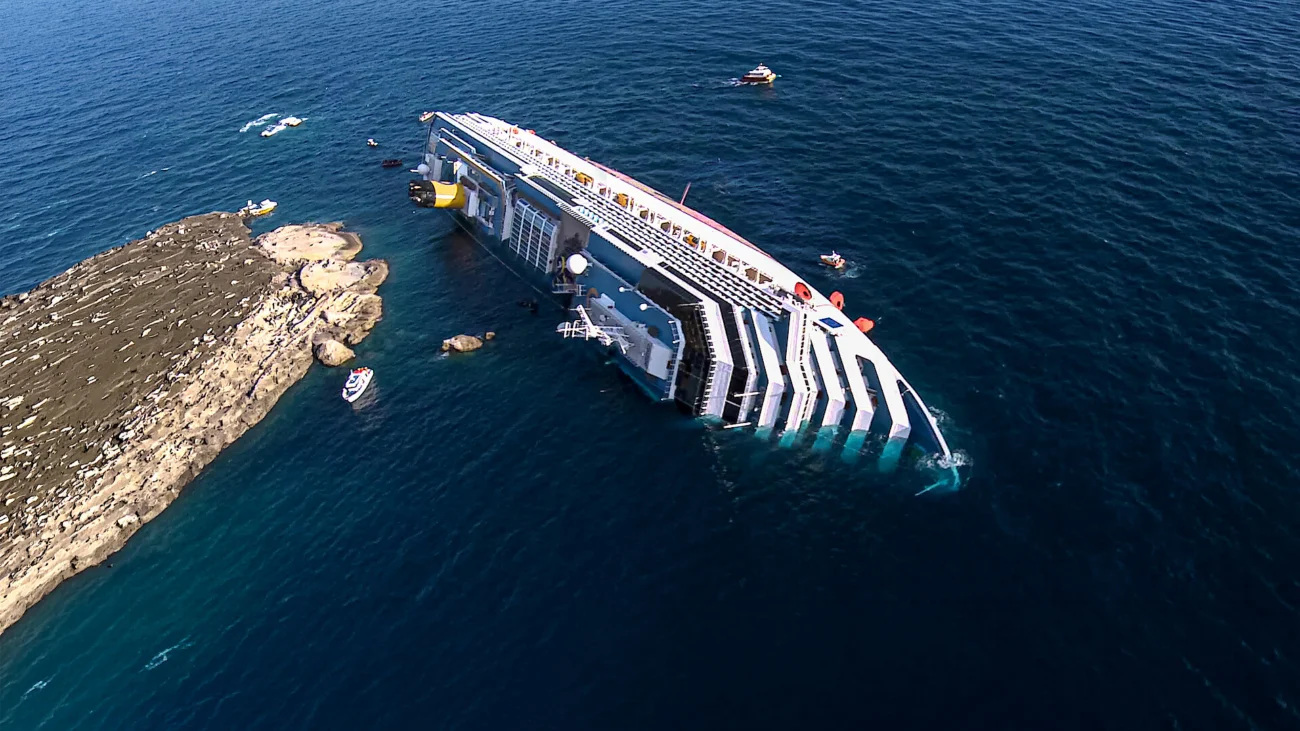
That tension between morbid curiosity and genuine grief is part of what makes Giglio such a loaded location, even years later.
The scale of what unfolded there also explains why the salvage operation became historic in its own right. The disaster turned into the biggest salvage operation in maritime history, a detail that underscores just how massive the Costa Concordia actually was and how difficult it was to remove from the waters near Giglio.
Why ‘Shipwrecked: Nightmare At Sea’ Leans so Heavily on The Real Setting
Unlike a dramatized retelling, this Netflix documentary treats Giglio and its surrounding waters almost like a character in the story. The film interweaves eyewitness accounts from survivors, cell phone footage taken the night of the tragedy, and translations of the ship’s black box recordings, which expose dangerous decisions made by the captain. Every one of those elements is anchored to that specific patch of Tuscan coastline.
Netflix has leaned into that authenticity in how it markets the project too. ‘Shipwrecked: Nightmare at Sea’ promises an immersive account of the collision, evacuation and aftermath, and the streamer describes it as tracing the 2012 shipwreck of a luxury cruise through never before seen footage and survivor accounts.
The human toll from that night off Giglio remains the film’s emotional core. The evacuation of those on board, which totaled more than 4,000 people, was heavily delayed, and sadly 32 people, made up of 27 passengers and 5 crew members, lost their lives. Every survivor interview in the documentary was filmed with that real backdrop in mind, which is exactly why so many viewers are now Googling the island instead of just moving on to their next watch.
Given how much of the horror in this documentary traces back to one small stretch of water off Giglio, does knowing the real location change how you watch ‘Shipwrecked: Nightmare at Sea’, or would you brave a ferry ride out to see where the Costa Concordia actually went down?