‘Little House on the Prairie’ Reboot Sparks Fierce “Woke” Debate as Showrunner Fires Back at Critics


Netflix has officially brought ‘Little House on the Prairie‘ back to life, and the internet has plenty of opinions about it. The eight episode revival premiered to a solid 75 percent critic score on Rotten Tomatoes, though audiences were more split with a 58 percent rating, and that gap tells you everything about the conversation swirling around this one.
Before a single frame had aired, the show was already tangled up in a very online fight over whether it had been made too “woke,” and now showrunner Rebecca Sonnenshine is speaking out to set the record straight.
The ‘Woke’ Backlash Started Before the Show Even Premiered
The controversy actually predates the premiere by more than a year. When news of the reboot became public in January 2025, Sonnenshine faced her first wave of criticism, led by conservative commentator Megyn Kelly, who posted on X, “Netflix, if you woke-ify ‘Little House on the Prairie’ I will make it my singular mission to absolutely ruin your project.”
That comment set the tone for months of speculation about what direction the new version would take. Prominent conservatives had predicted controversy long before the show even dropped, framing the project as another example of a beloved classic being rewritten for modern politics.
Once the criticism started circulating, original cast member Melissa Gilbert jumped in to defend the franchise’s history. Gilbert, who played Laura Ingalls for nine seasons in the original series, responded on Threads that the original show was hardly innocent of tackling difficult subject matter, writing, “TV doesn’t get too much more ‘woke’ than we did. We tackled racism, addiction, nativism, antisemitism, misogyny, rape, spousal abuse and every other ‘woke’ topic you can think of. Thank you very much.”
What the Netflix Reboot Actually Changed from the Original ‘Little House on the Prairie’
So what exactly did Netflix change that got people so worked up. The new series covers the events of the 1935 novel, telling the story of the Ingalls family’s year living near Independence, Kansas, but it makes noticeably different choices about who surrounds the family.
Critics on both sides agree the show leans heavily into new relationships for the Ingalls clan. Some of the family’s closest new friends on the show include an Osage couple, a Black doctor and Black storekeeper, and a French Canadian woman who wears trousers and practices free love. That’s a notable departure from the more insular world depicted in the 1970s series.
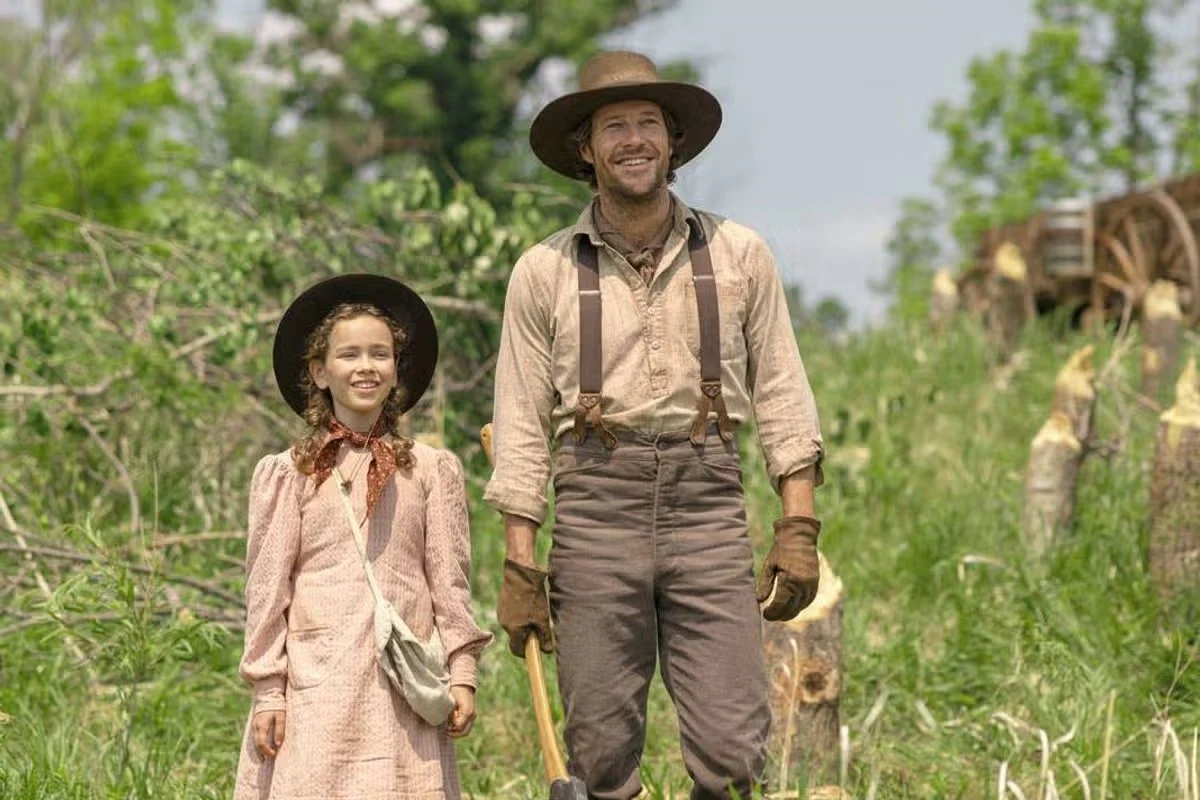
The show also shifts its lens toward perspectives largely absent from earlier adaptations. Sonnenshine defended the portrayal of Dr. George Tan, a Black doctor who becomes the Ingalls’ closest neighbor, noting that his presence in Independence is historically documented. That detail has become one of the more frequently cited defenses against claims the show invented representation out of thin air.
The Osage family, known as the Mitchells, also gets far more screen time than in past versions. Sonnenshine has said that as an adult revisiting the material, ‘Little House on the Prairie’ is really all about the Osage, reflecting how central that relationship became to her adaptation.
Showrunner Rebecca Sonnenshine Responds to the ‘Woke’ Criticism Head On
Sonnenshine hasn’t shied away from addressing the elephant in the room directly. She told Variety that people are “worried for no reason,” adding that she doesn’t feel there’s anything audiences won’t like about the new series.
Her bigger point was about how slippery the term “woke” has become in modern conversation. She argued that the standard definition of “woke” used to simply mean being aware of social justice and inequality, which she considers a good thing, and added that the term has since become a catch all for things people don’t like.
She’s also pushed back on the idea that conservative viewers wouldn’t connect with the new storylines. Sonnenshine said she believes conservative audiences are genuinely interested in Native American stories, pointing out that viewers who watch the show tend to come away wanting to know more about the Mitchell family specifically.
Beyond the politics, Sonnenshine has also talked about balancing tone. She’s aware the show could connect with audiences through its wholesome, cozy, cottagecore aesthetic that has become increasingly trendy, while hoping viewers don’t read that as an endorsement of tradwife culture.
Critics and Producers Weigh in on the Reboot’s Bigger Picture
Not everyone framing this as a “woke” story sees that as a bad thing. One review argued that if woke-ifying the story means giving space to perspectives beyond those of the white settlers who felt entitled to land that wasn’t theirs, then this 2026 remake accomplishes that beautifully by balancing the dueling perspectives of the Ingalls family and the Osage people.
That intention appears to have been baked in from the start. Producer Joy Gormon Wettels told Vulture that the show’s goal was to face the problematic nature of the historical text head on, rather than smoothing it over.
Some critics have taken a more mixed stance on the execution. One Slate review acknowledged that Netflix’s take, complete with a young and attractive Ingalls family and a fully multicultural circle of friends, is undeniably a crowd pleaser, even as it argued the polish saps some of the story’s stranger, more memorable qualities.
How do you like Netflix's 'Little House on the Prairie' reboot?
There’s also a new antagonist family added to stir up conflict. The show introduces the Jameses, town dwelling rich folk who don’t appear in the original books but seem to function as a version of the Oleson family, and whose vision of hierarchy, respectability, a church, and a school first seduces and then repels the more gentle minded Ingalls women.
Whatever side of the debate people fall on, the numbers suggest audiences are still showing up. The season landed a 75 percent critic score against a 58 percent audience score on Rotten Tomatoes, a gap that mirrors the divide playing out across social media. With a second season already confirmed and in production, this conversation isn’t going anywhere soon.
Where do you land on the new Mitchell family taking center stage in this ‘Little House on the Prairie’ story, and does it honor what made the Ingalls saga matter in the first place?