15 Dark Media Satire and Thriller Movies Like ‘Primetime’

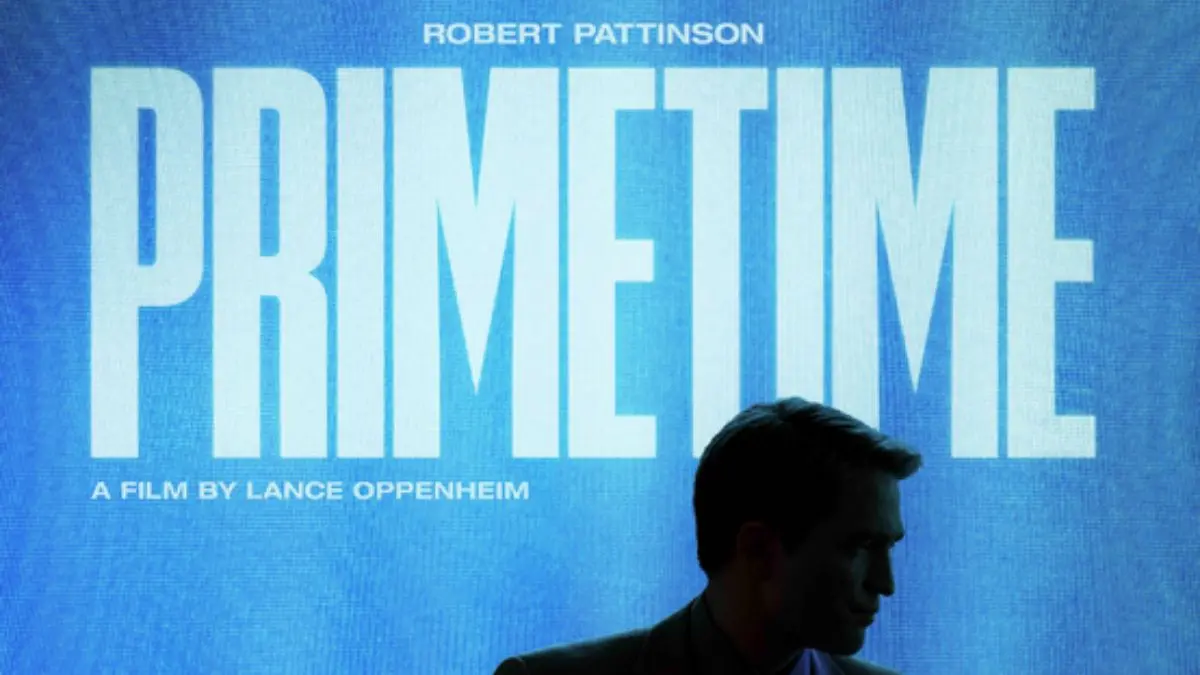

Lance Oppenheim’s psychological thriller and dark comedy ‘Primetime‘ dives into the behind-the-scenes machinations of reality television, depicting the sensationalized world of sting operations and performative justice. Starring Robert Pattinson as television host Chris Hansen, the film explores the toxic intersection of broadcast ratings, public humiliation, and journalistic ethics.
Audiences intrigued by this examination of media manipulation, ambitious broadcasters, and true-crime exploitation have several compelling films to explore. The following cinematic works share similar themes of media scrutiny, moral decay in television production, and the dark consequences of turning real-world tragedies into mass entertainment.
‘Nightcrawler’ (2014)
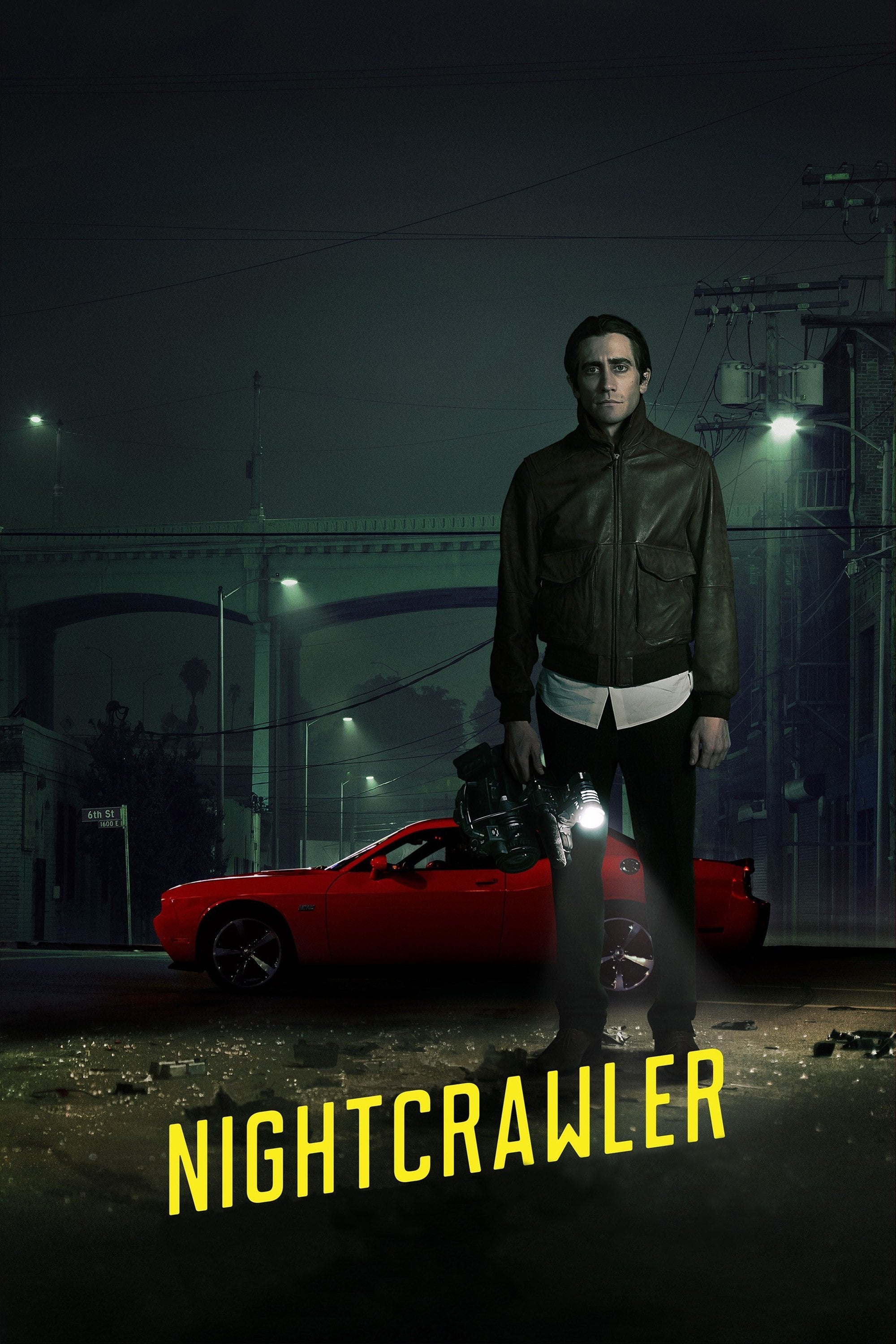
In ‘Nightcrawler’, Jake Gyllenhaal stars as Lou Bloom, an ambitious and sociopathic videographer who plunges into the underworld of Los Angeles freelance crime journalism. He tracks emergency scanner traffic to film violent accidents and homicides, selling the gruesome footage to a local news network desperate for ratings. As his professional standing rises, Bloom begins actively manipulating and staging crime scenes to guarantee more sensational broadcasts. The film offers a cynical critique of how corporate television news prioritizes shock value and fear over ethics and truth. Like ‘Primetime’, it examines the psychological distortion that occurs when real human suffering is repackaged as lucrative broadcast entertainment.
‘Network’ (1976)
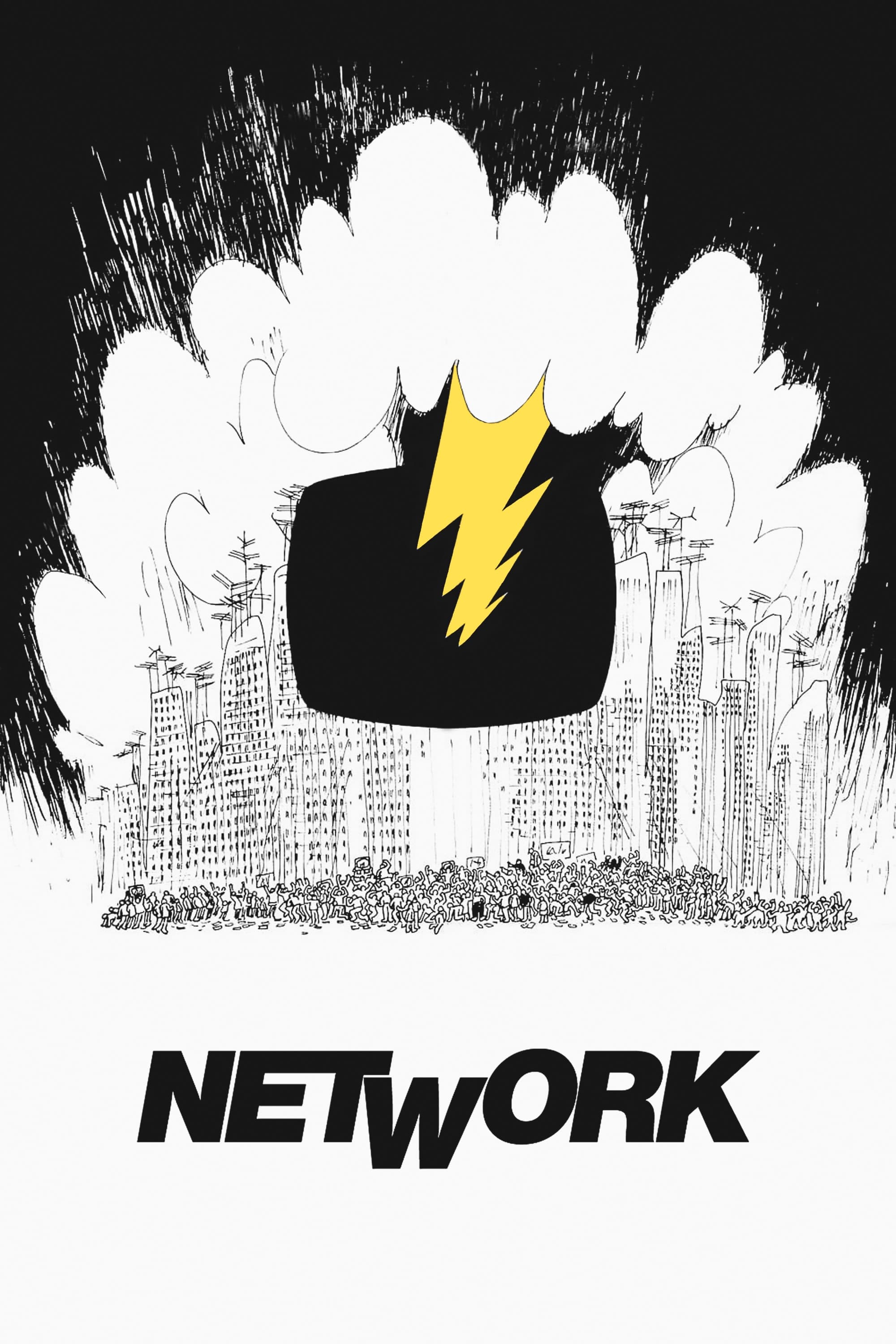
Directed by Sidney Lumet, ‘Network’ is a seminal satire exploring the unchecked commercialization and cynicism of broadcast television. When struggling anchor Howard Beale suffers an on-air nervous breakdown, television executives exploit his volatile behavior to boost lagging ratings. The network transforms his impassioned rants into a sensationalized spectacle, indifferent to the host’s deteriorating mental state. The story illustrates how broadcast institutions readily compromise journalistic standards in pursuit of profit and viewer engagement. This foundational media satire laid the groundwork for contemporary critiques of reality television and performance journalism like ‘Primetime’.
‘Ace in the Hole’ (1951)
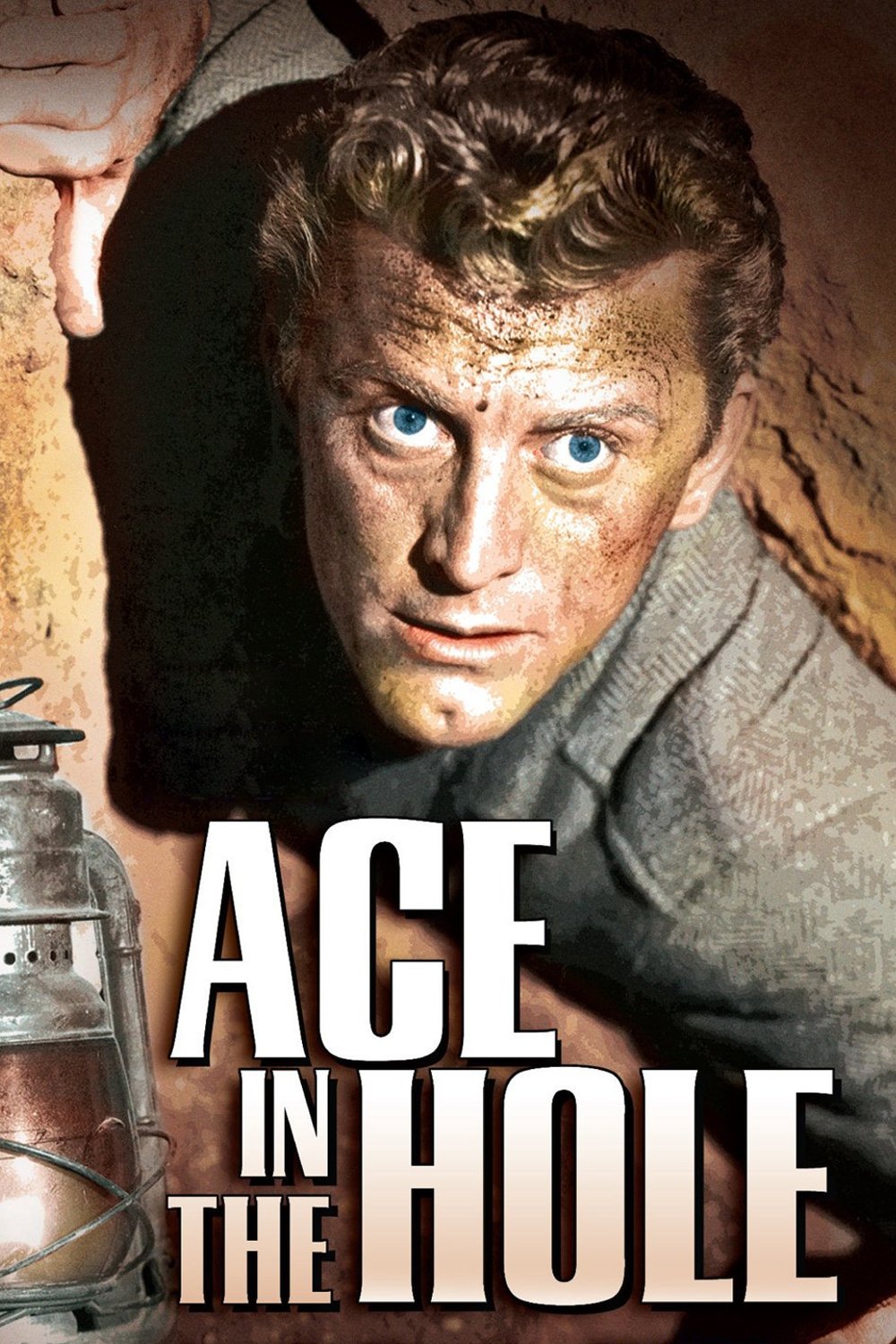
Billy Wilder’s drama ‘Ace in the Hole’ follows Chuck Tatum, a disgraced reporter who takes a job at a small New Mexico newspaper. When a local man becomes trapped inside a collapsed cave, Tatum seizes the incident as a sensational story to resurrect his career. The reporter actively colludes with corrupt local officials to prolong the rescue efforts and keep the media frenzy alive for as long as possible. The unfolding spectacle transforms the disaster site into a crowded carnival atmosphere that exploits human tragedy for personal profit. Tatum’s calculated manipulation of a life-and-death crisis mirrors the opportunistic television production tactics depicted in ‘Primetime’.
‘To Die For’ (1995)

Directed by Gus Van Sant, ‘To Die For’ centers on Suzanne Stone, a ruthlessly ambitious woman obsessed with becoming a famous television personality. While producing a low-budget high school documentary for a local television station, she manipulates three impressionable teenagers into murdering her husband. Stone views television exposure as the only validation of human existence, actively constructing reality to fit her camera persona. The black comedy dissects the narcissistic pursuit of celebrity and the media’s power to distort personal morality. Its examination of media-fueled delusion and calculated self-promotion shares strong thematic DNA with ‘Primetime’.
‘Series 7’ (2001)

‘Series 7: The Contenders’ presents a dark satirical mockumentary framed as episodes of a ruthless reality television series. In the program’s fictional universe, ordinary American citizens are randomly selected and forced by a broadcast network to hunt and kill one another on camera. The production follows the competitors as camera crews capture every assassination and emotional breakdown to maximize drama and suspense. Through its low-budget aesthetic and sensationalized narration, the film critiques the exploitative tendencies of unscripted television programming. Like ‘Primetime’, the story confronts audiences with the ethical boundaries that networks cross to feed the public’s appetite for extreme reality content.
‘Christine’ (2016)
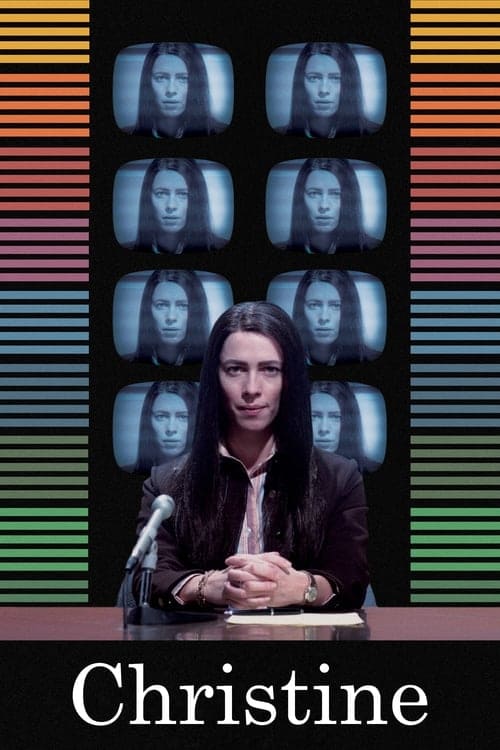
‘Christine’ is a biographical drama that recounts the final months of Christine Chubbuck, a Florida television journalist working in the 1970s. Faced with professional pressure from her station manager to deliver bloodier and more sensationalist stories, she experiences severe psychological strain. The narrative explores her frustration with the shift from community-focused journalism toward exploitative shock reporting. The film culminates in her fateful decision to stage a shocking protest against sensationalism during a live news broadcast. Both ‘Christine’ and ‘Primetime’ examine how the demands of broadcast television can drive media figures to catastrophic extremes.
‘The King of Comedy’ (1982)
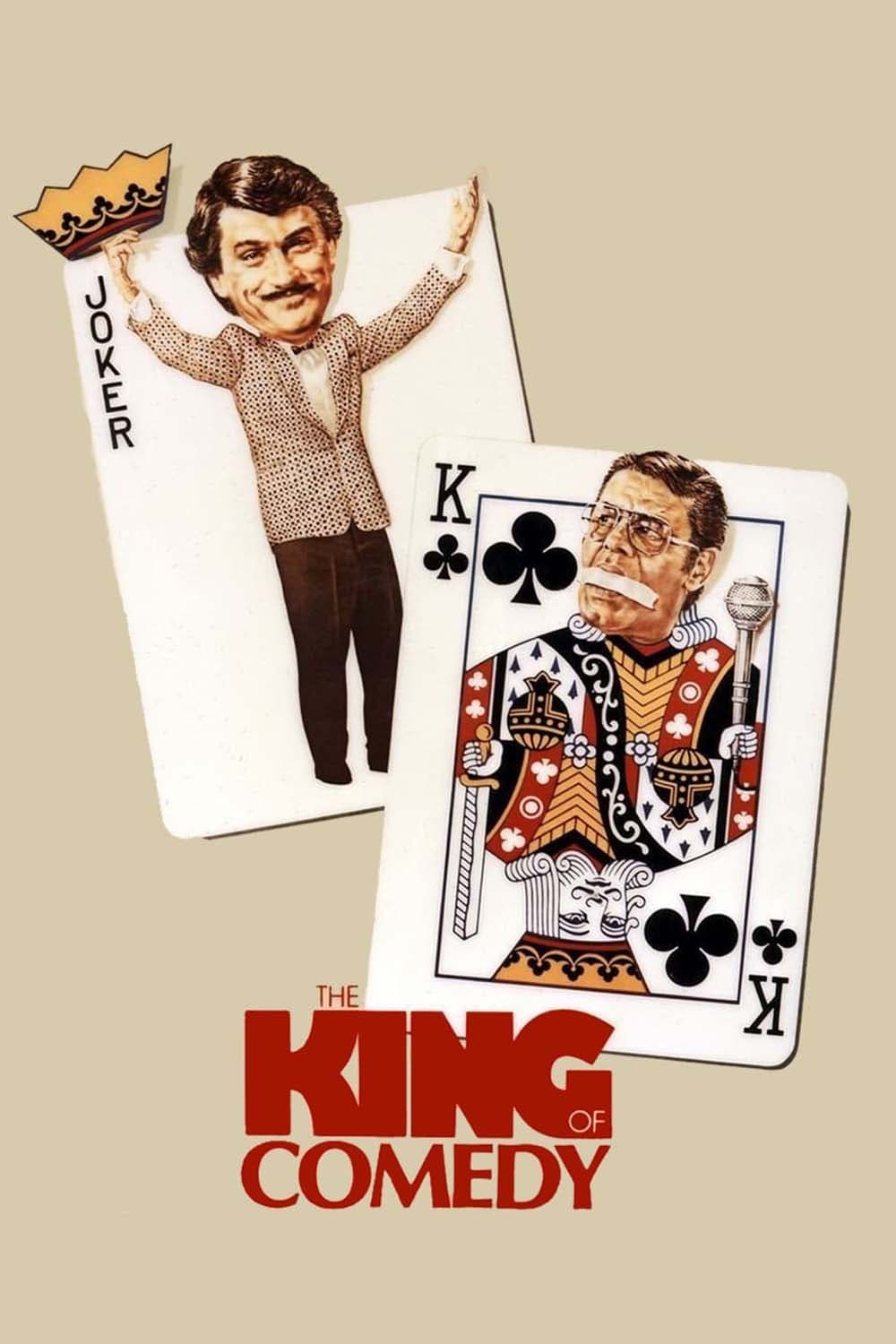
Directed by Martin Scorsese, ‘The King of Comedy’ follows Rupert Pupkin, an aspiring stand-up comedian obsessed with achieving broadcast stardom. Convinced that television fame is his rightful destiny, Pupkin stalks and eventually kidnaps a successful late-night talk show host to secure a guest spot on the program. He uses the hostage situation to negotiate a broadcast performance that is aired across the entire country. The film explores the toxic intersection of parasocial relationships, media adoration, and narcissistic desperation. Its portrayal of an unhinged individual pursuing television notoriety parallels the performative obsession explored throughout ‘Primetime’.
‘Natural Born Killers’ (1994)
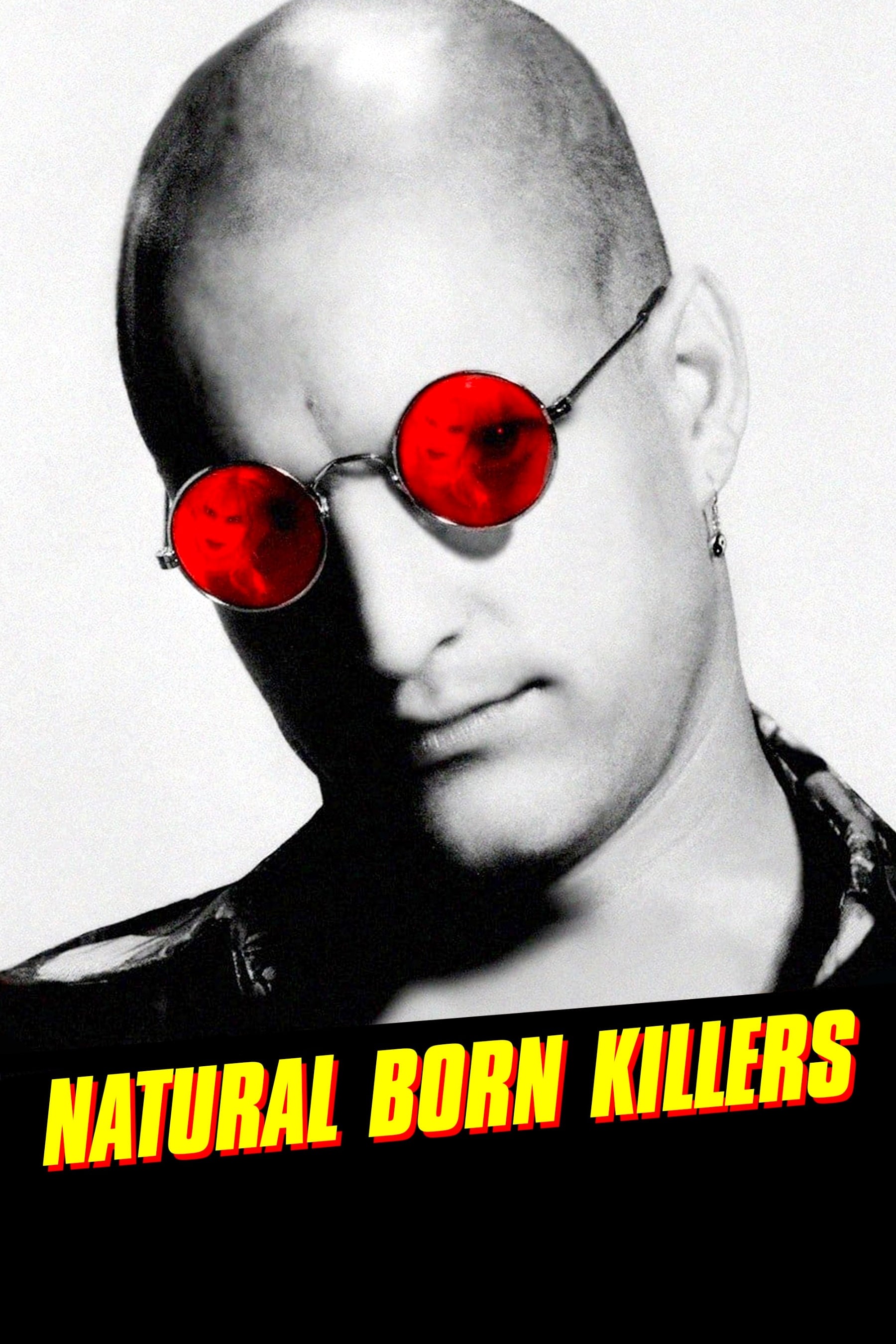
Oliver Stone’s ‘Natural Born Killers’ depicts the violent cross-country rampage of Mickey and Mallory Knox. A sensationalist television journalist named Wayne Gale tracks their killing spree to host a live broadcast special that boosts network ratings. The media circus turns the mass murderers into countercultural celebrities, celebrating violence for commercial gain. The film uses hallucinatory visuals and satire to expose how modern television glamorizes brutality and distorts public morality. This lurid critique of true-crime broadcasting directly aligns with the exploitative television environment portrayed in ‘Primetime’.
‘Mad City’ (1997)
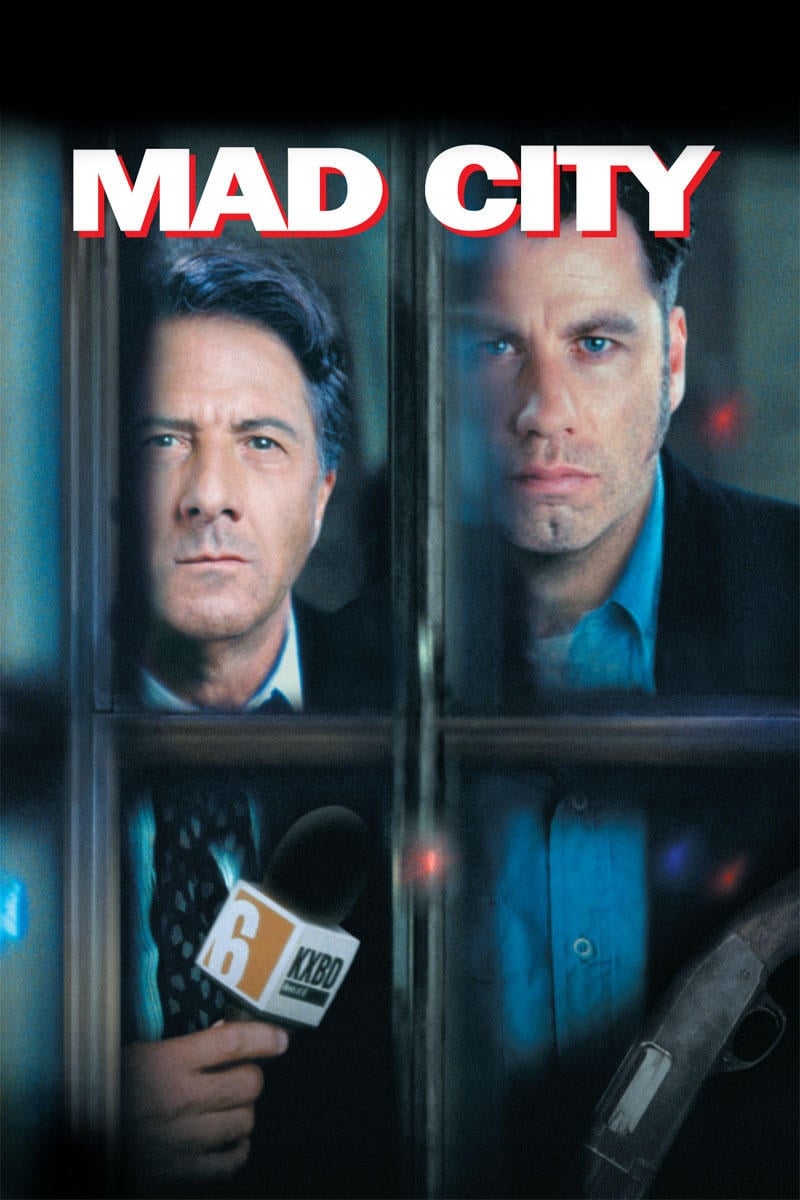
In ‘Mad City’, a desperate former museum security guard accidentally takes a group of schoolchildren hostage after being fired. An ambitious television reporter happens to be present in the building and quickly assumes control of the situation to engineer an exclusive broadcast scoop. The journalist coaches the hostage-taker on how to speak on camera, actively shaping public perception to maximize viewer intrigue. As competing networks arrive, the standoff deteriorates into a volatile media event driven by ratings rather than human safety. The film shares ‘Primetime’s focus on the ethical lines journalists cross when manufacturing high-stakes broadcast drama.
‘Vengeance’ (2022)

Written and directed by B.J. Novak, ‘Vengeance’ follows an ambitious New York journalist who travels to West Texas to record a true-crime podcast about a woman’s mysterious death. Rather than pursuing genuine justice, the protagonist approaches the tragedy as raw material to craft a trendy cultural narrative for his media brand. As his investigation uncovers uncomfortable truths, he is forced to confront his own exploitative detachment and opportunistic motives. The dark comedy examines the self-serving nature of contemporary true-crime storytelling and the commodification of grief. This scrutiny of media creators packaging real-world pain for mass entertainment mirrors the core themes of ‘Primetime’.
‘Shattered Glass’ (2003)
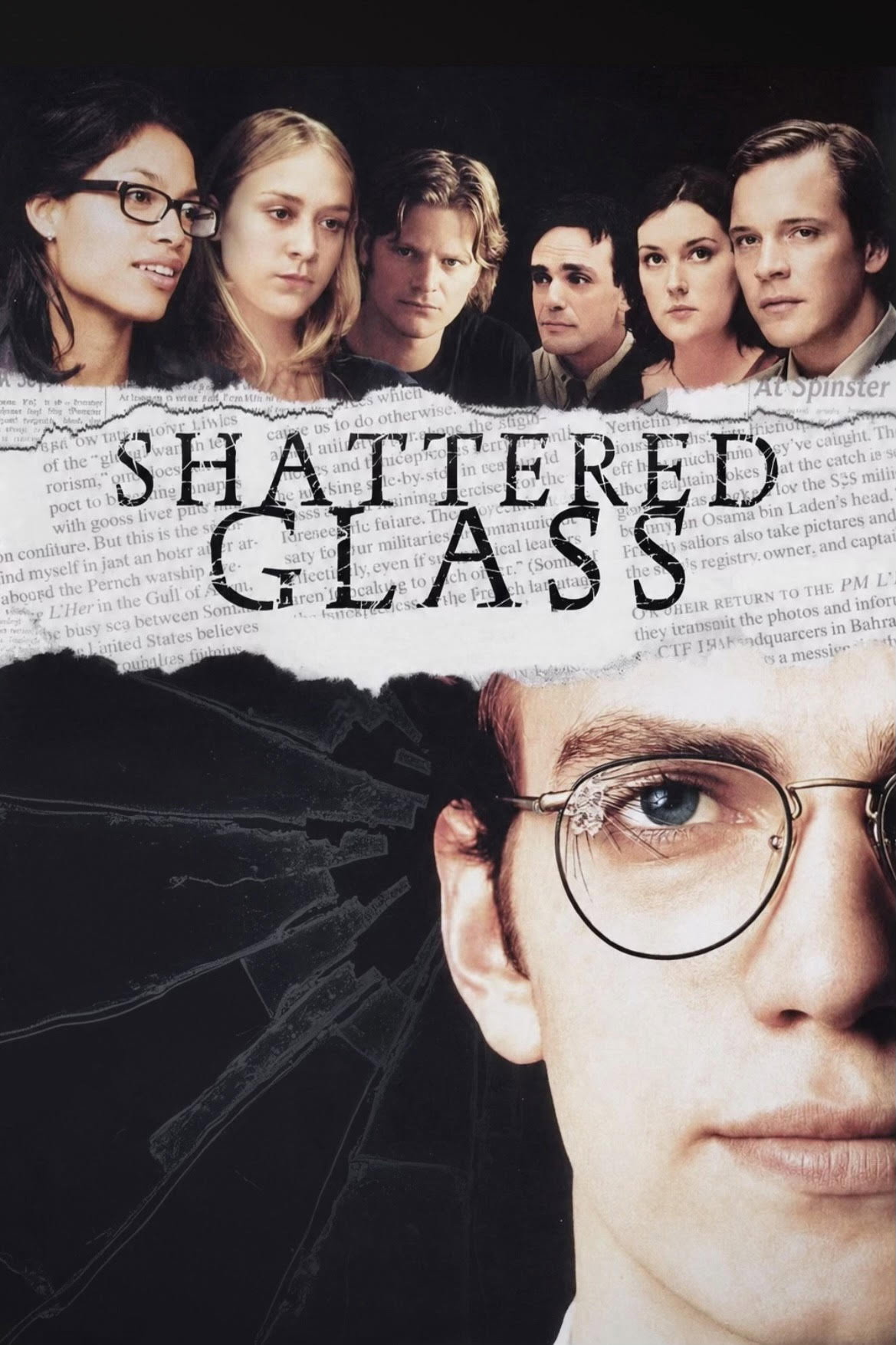
‘Shattered Glass’ dramatizes the real-life rise and fall of Stephen Glass, a rising journalistic star at ‘The New Republic’ during the late 1990s. Glass achieves widespread acclaim by writing colorful, shocking articles that depict bizarre subcultures and scandalous events. When rival reporters attempt to fact-check his work, they uncover that Glass completely fabricated sources, subjects, and entire feature stories. The narrative delves into the institutional pressures and systemic blind spots that allow deceptive storytelling to thrive within media organizations. Like ‘Primetime’, the film explores how the intoxicating desire for journalistic acclaim can lead to severe ethical breaches.
‘Quiz Show’ (1994)
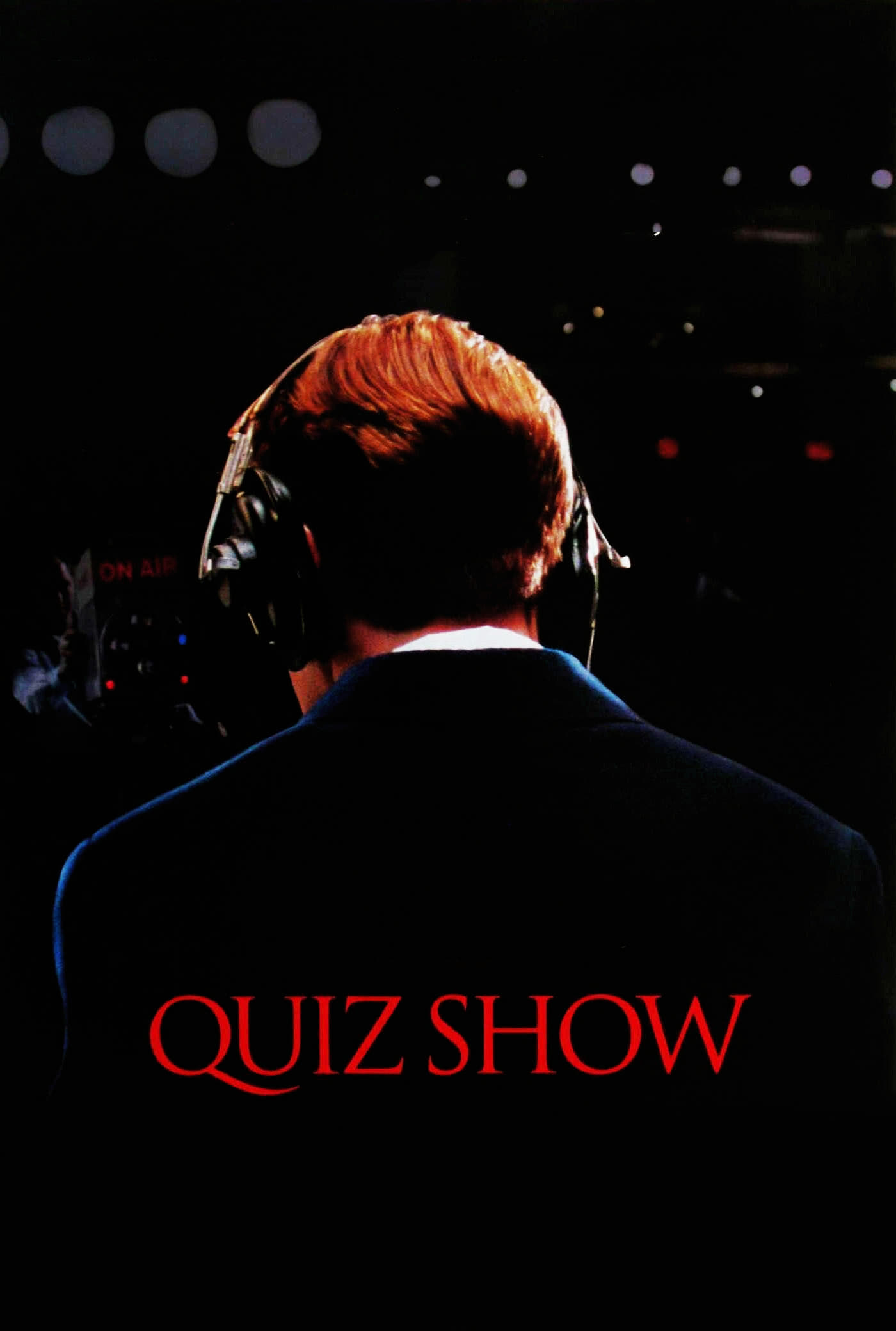
Directed by Robert Redford, ‘Quiz Show’ chronicles the true story behind the 1950s ‘Twenty-One’ television game show rigging scandal. In order to drive up viewership and satisfy corporate sponsors, television producers secretly fed answers to a charismatic contestant to ensure his victory. A congressional investigator eventually exposes the systematic fraud, revealing how executives deliberately deceived the viewing public. The film captures the early development of television’s willingness to sacrifice integrity in favor of constructed entertainment. Its behind-the-scenes look at network executives engineering television reality shares strong thematic parallels with ‘Primetime’.
’15 Minutes’ (2001)
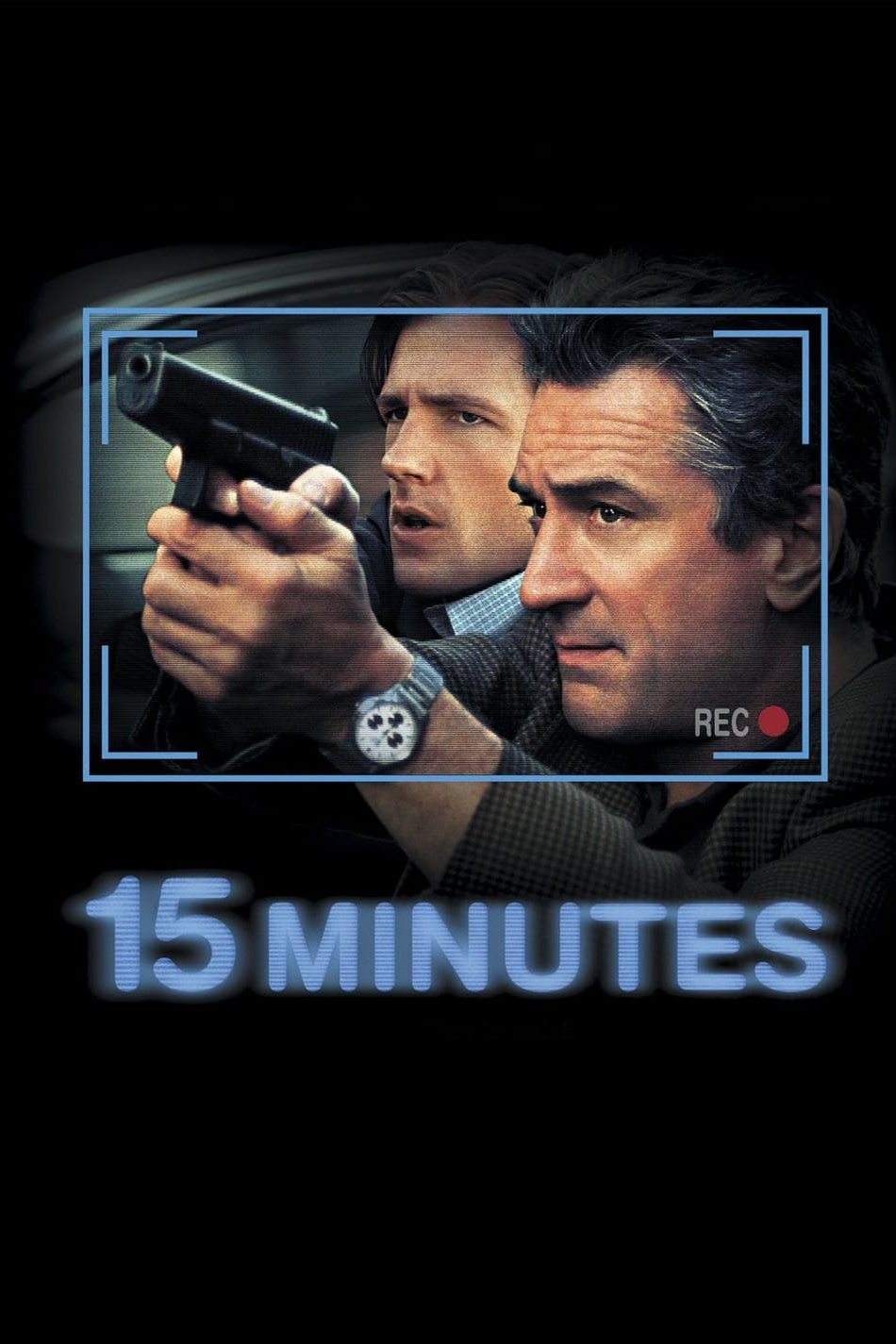
In ’15 Minutes’, two Eastern European criminals arrive in New York City and begin recording their violent crimes with a handheld video camera. Recognizing that American culture rewards sensationalism, they plan to sell the videotapes to a tabloid television program to achieve fame and wealth. A homicide detective and an arson investigator pursue the perpetrators while dealing with aggressive media personalities trying to exploit the case. The film functions as an aggressive critique of how reality television and sensational crime coverage commodify real violence. This exploration of the symbiotic relationship between television ratings and criminality closely echoes the subject matter of ‘Primetime’.
‘Broadcast News’ (1987)

James L. Brooks’ ‘Broadcast News’ examines the internal culture of a major television news bureau facing rapid commercial transformation. The narrative follows a principled news producer caught between a seasoned, dedicated reporter and a charismatic but shallow anchorman. As the network prioritizes emotional manipulation and entertainment value, traditional journalistic ethics begin to erode. The film thoughtfully contrasts the pursuit of journalistic truth with the television industry’s demand for telegenic presentation and ratings. Its exploration of moral compromises within broadcast newsrooms reflects the broader industry pressures depicted in ‘Primetime’.
‘Money Monster’ (2016)
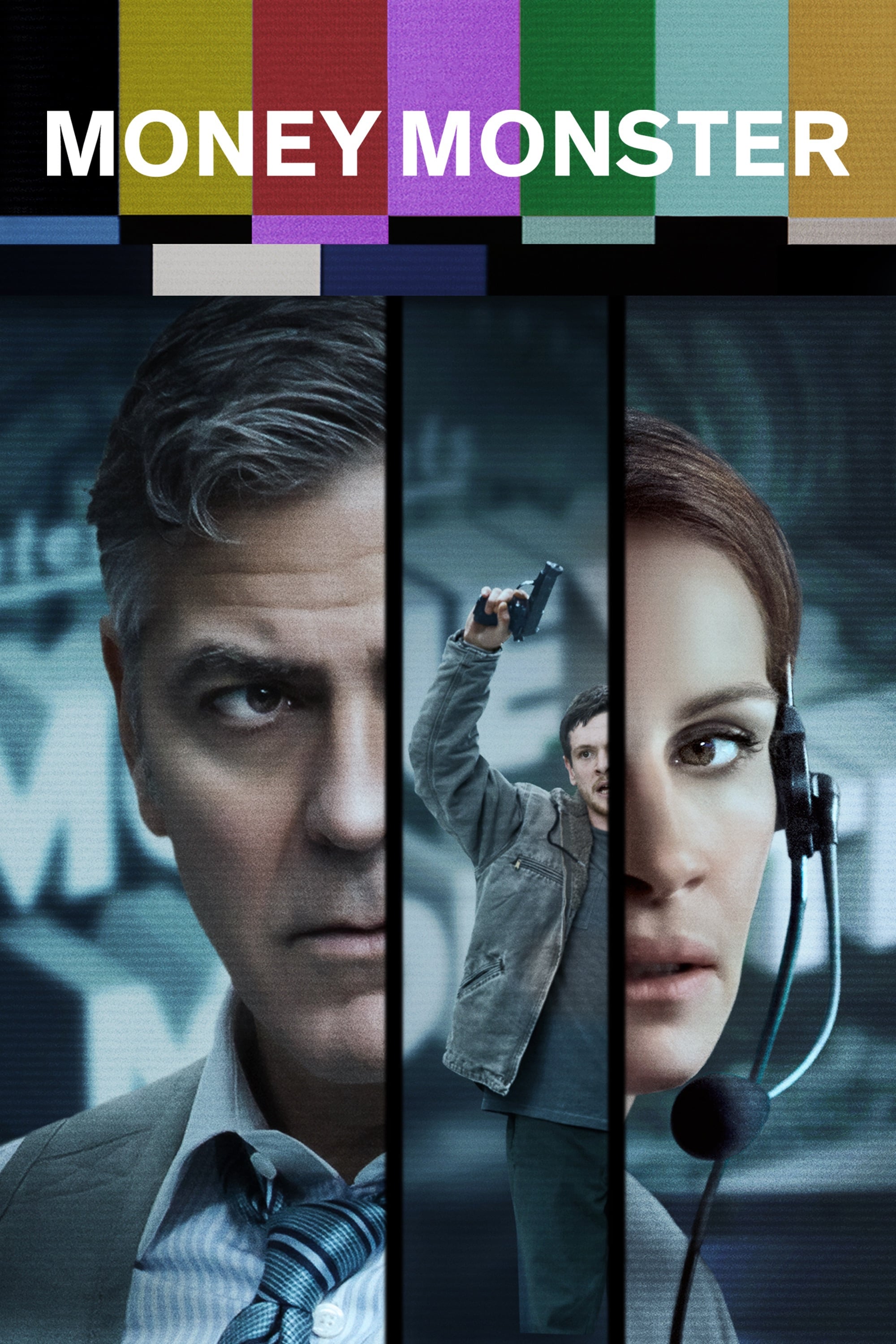
In ‘Money Monster’, an enraged investor storms the studio of a popular financial television show and takes the host hostage on live television. The captor forces the broadcast crew to keep the cameras rolling while demanding an explanation for a high-tech stock market crash that cost him his savings. As the standoff airs to millions of viewers, the host and his control room director slowly uncover corporate corruption behind the financial loss. The film unfolds largely in real time inside the high-pressure environment of a live television studio. Like ‘Primetime’, it highlights the volatile friction between performative television personalities and the real-world fallout of their broadcasts.
Share your favorite films about television media ethics and true-crime exploitation in the comments.