15 Movies Like Netflix’s ‘Unabomber’ You Will Absolutely Love

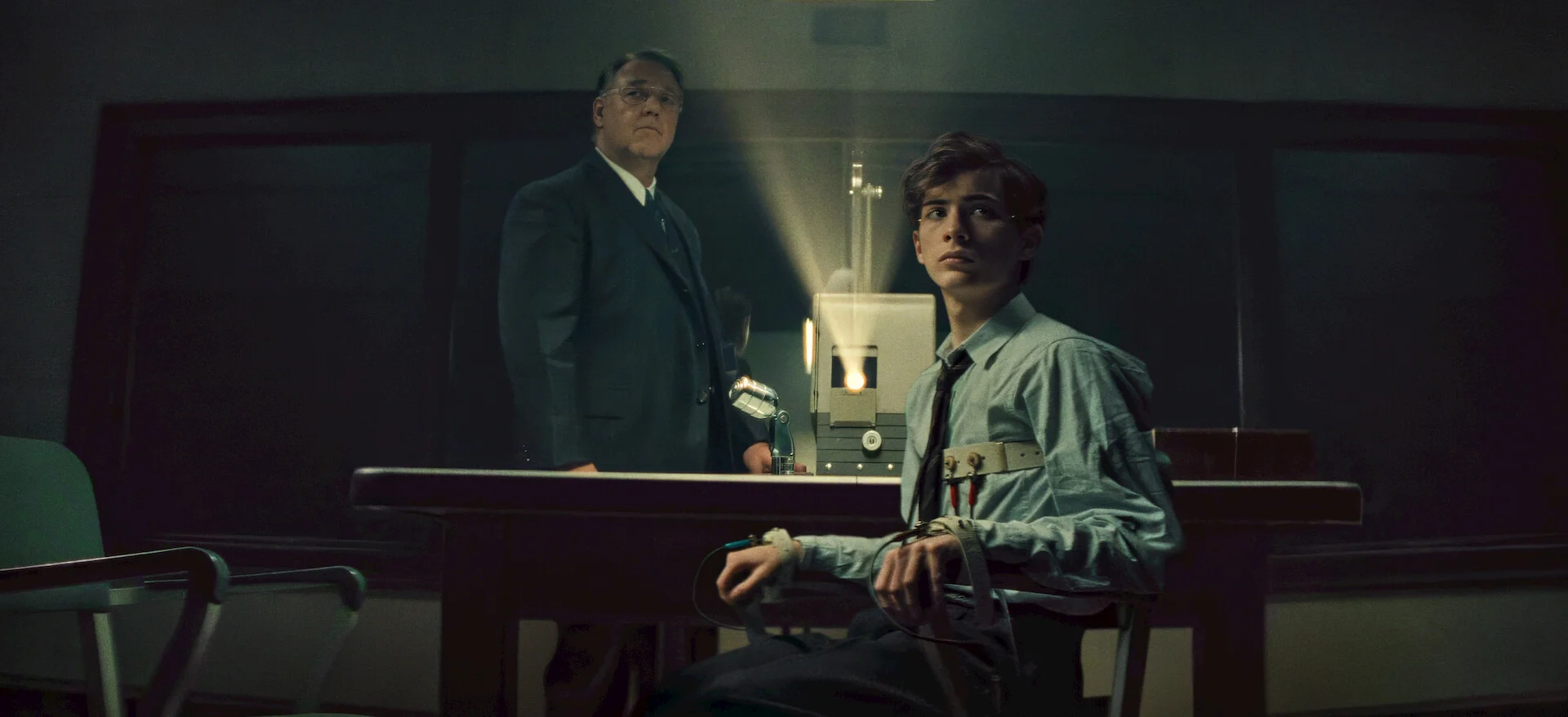

Janus Metz Pedersen’s crime drama ‘Unabomber‘ explores the complex origins and extensive investigation surrounding Ted Kaczynski and the psychological experiments conducted by Henry Murray. The film blends historical true-crime procedures with intense psychological drama as federal investigators work to uncover the identity of the elusive domestic terrorist.
For viewers captivated by the intersection of covert psychology, forensic investigation, and federal manhunts, cinema offers numerous gripping companion pieces. These compelling feature films delve into obsessive investigations, psychological manipulation, and the pursuit of dangerous criminal minds.
‘Ted K’ (2021)
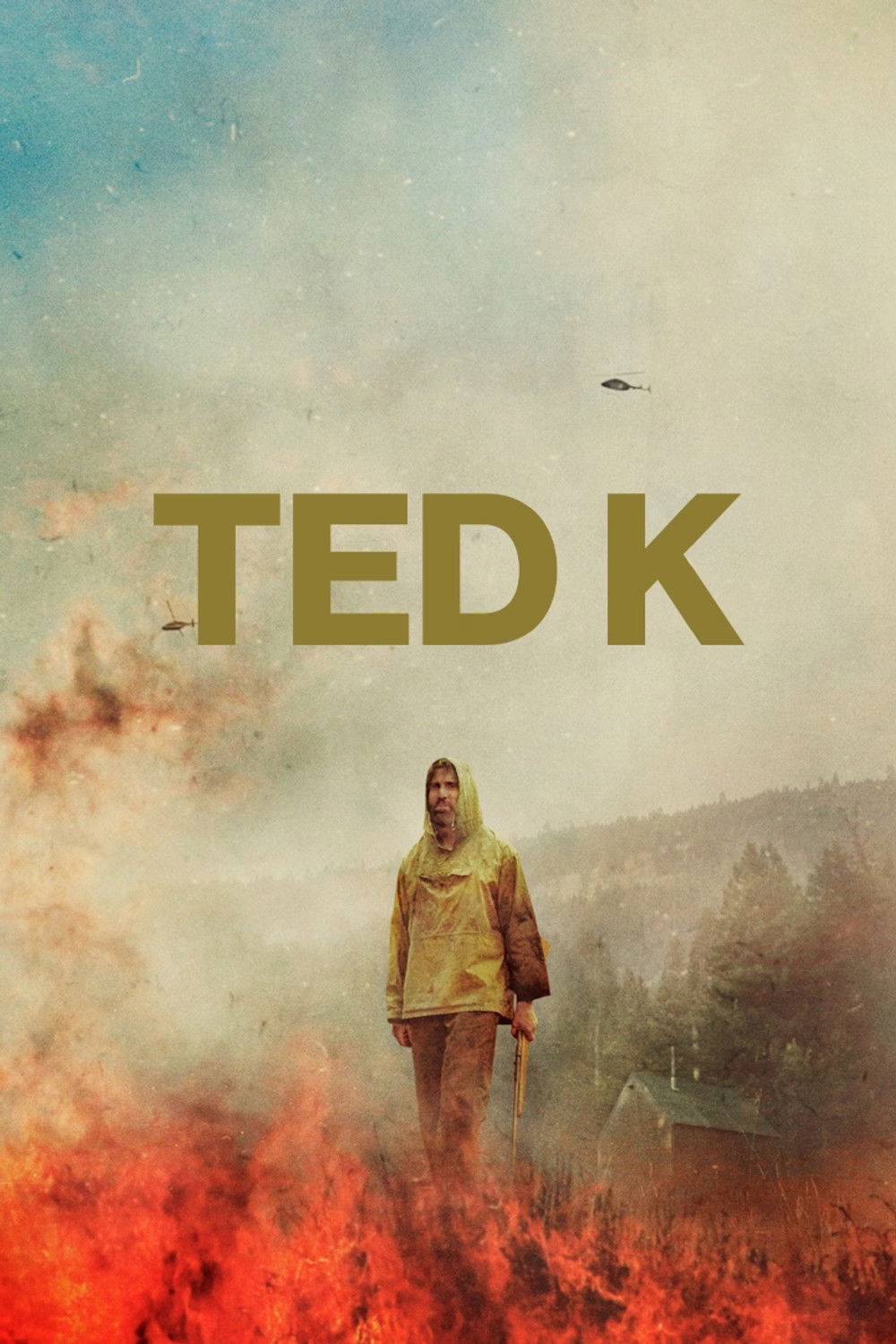
Directed by Tony Stone, ‘Ted K’ chronicles the isolated life of Ted Kaczynski during his years residing in a primitive cabin in rural Montana. Sharlto Copley portrays the disillusioned mathematician as he constructs explosive devices and drafts his anti-technology manifesto. The narrative relies heavily on Kaczynski’s actual journals to explore his escalating hostility toward modern industrial society. Through immersive sound design and vast wilderness landscapes, the film provides a deeply intimate psychological portrait of the domestic terrorist.
‘Zodiac’ (2007)

Directed by David Fincher, ‘Zodiac’ depicts the decades-long hunt for the elusive serial killer who terrorized Northern California in the late 1960s and 1970s. The storyline follows political cartoonist Robert Graysmith, inspector Dave Toschi, and reporter Paul Avery as they become consumed by the killer’s cryptic ciphers. As letters and coded messages arrive at major newspapers, the investigators grapple with inconclusive evidence and jurisdictional hurdles. The procedural thriller details the psychological toll that an unsolved manhunt inflicts on those determined to uncover the truth.
‘The Stanford Prison Experiment’ (2015)
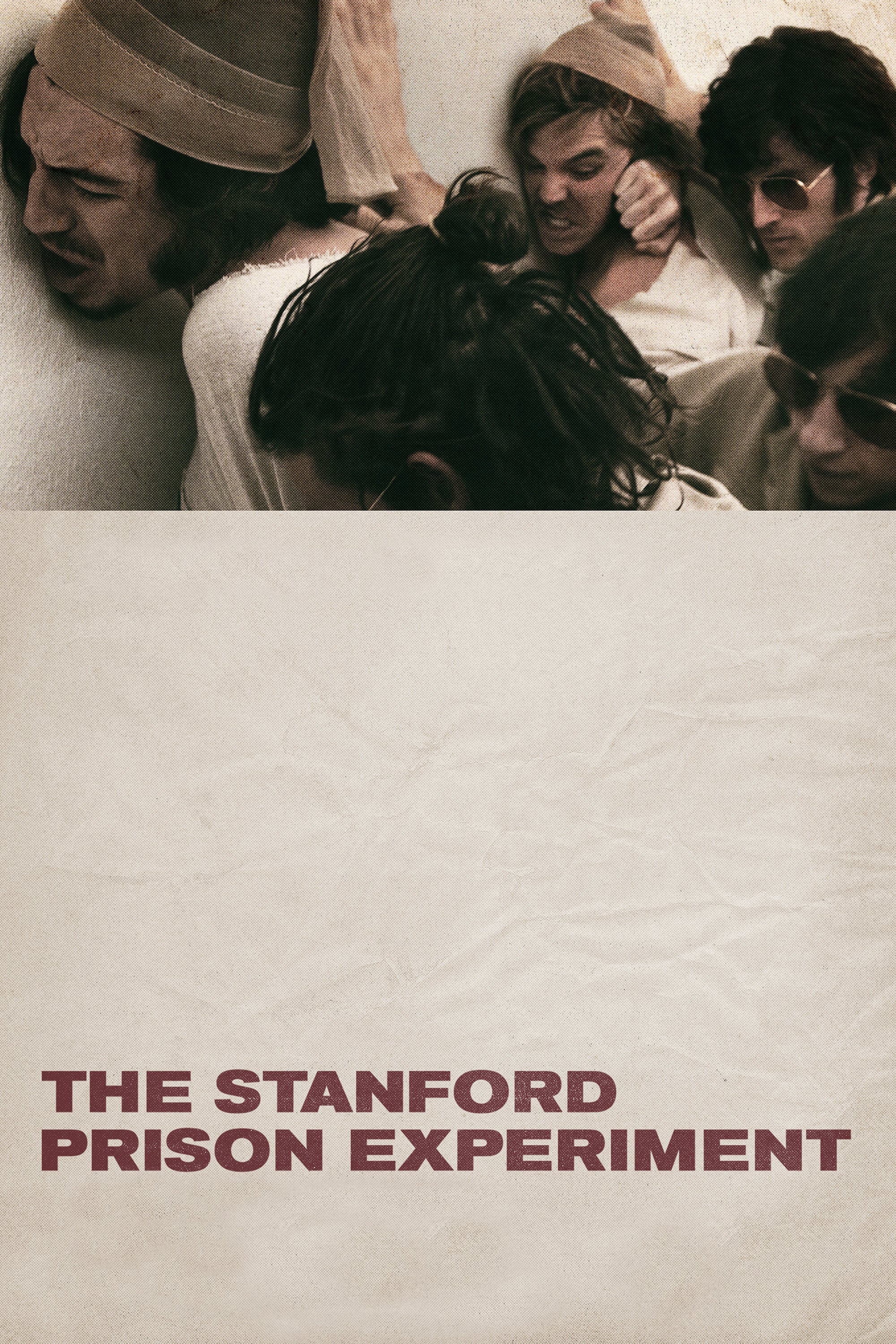
Kyle Patrick Alvarez directs ‘The Stanford Prison Experiment’, a biographical docudrama based on the infamous 1971 psychological study conducted at Stanford University. Dr. Philip Zimbardo oversees a simulated prison environment where college students are arbitrarily assigned roles as guards or inmates. Within days, the simulation deteriorates as the guards adopt authoritarian behaviors and subject the prisoners to severe emotional abuse. The film highlights the ethical boundaries of behavioral research and mirrors the institutional psychological testing depicted in ‘Unabomber’.
‘Richard Jewell’ (2019)
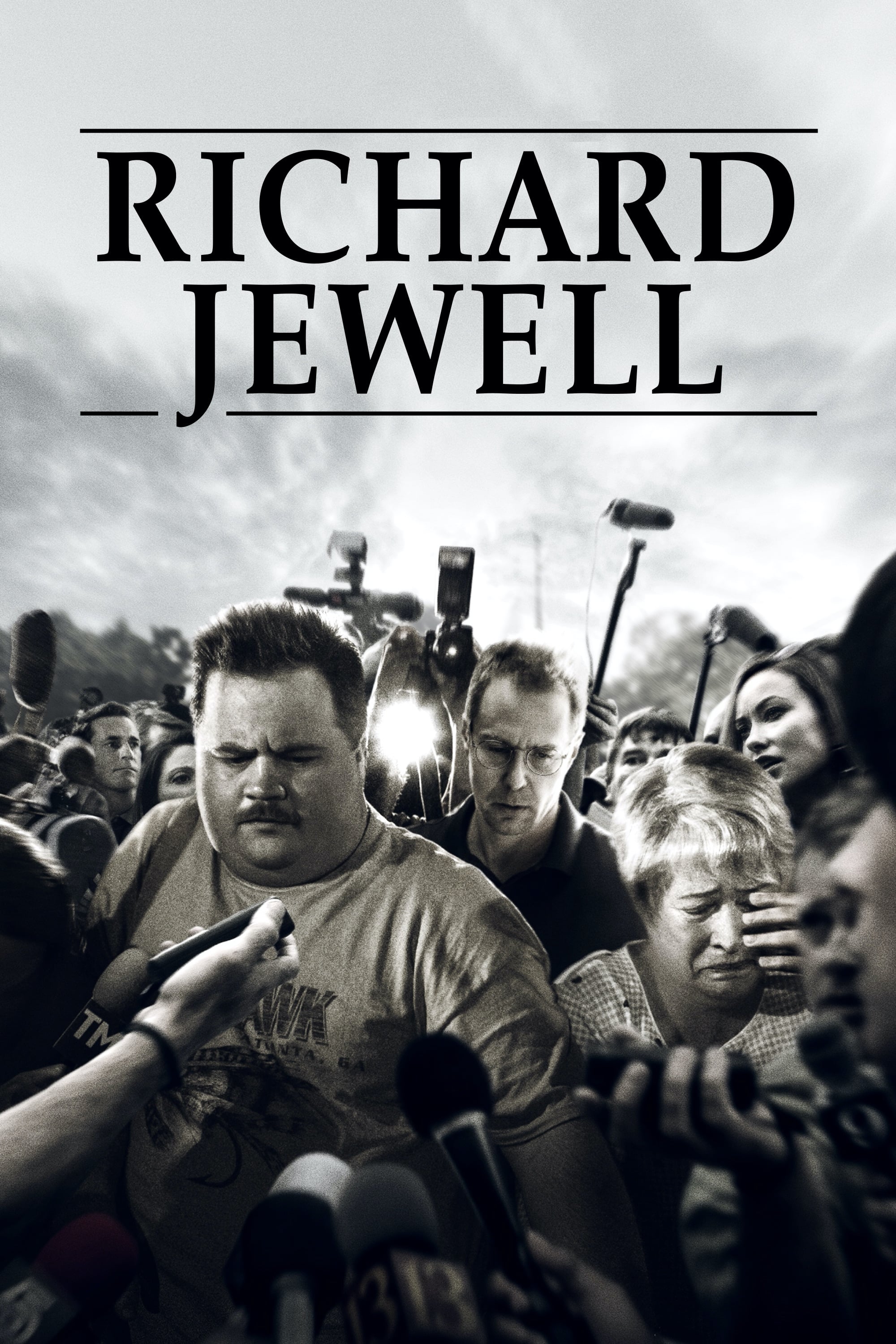
Directed by Clint Eastwood, ‘Richard Jewell’ recounts the real-life aftermath of the 1996 Centennial Olympic Park bombing in Atlanta. Security guard Richard Jewell discovers a backpack containing pipe bombs and helps evacuate the area, saving countless lives before becoming the FBI’s primary suspect. The narrative explores how federal law enforcement and aggressive media reporting wrongfully villainized an innocent man during their high-pressure search for a bomber. Jewell enlists independent attorney Watson Bryant to clear his name and challenge the government’s flawed investigative profile.
‘Experimenter’ (2015)
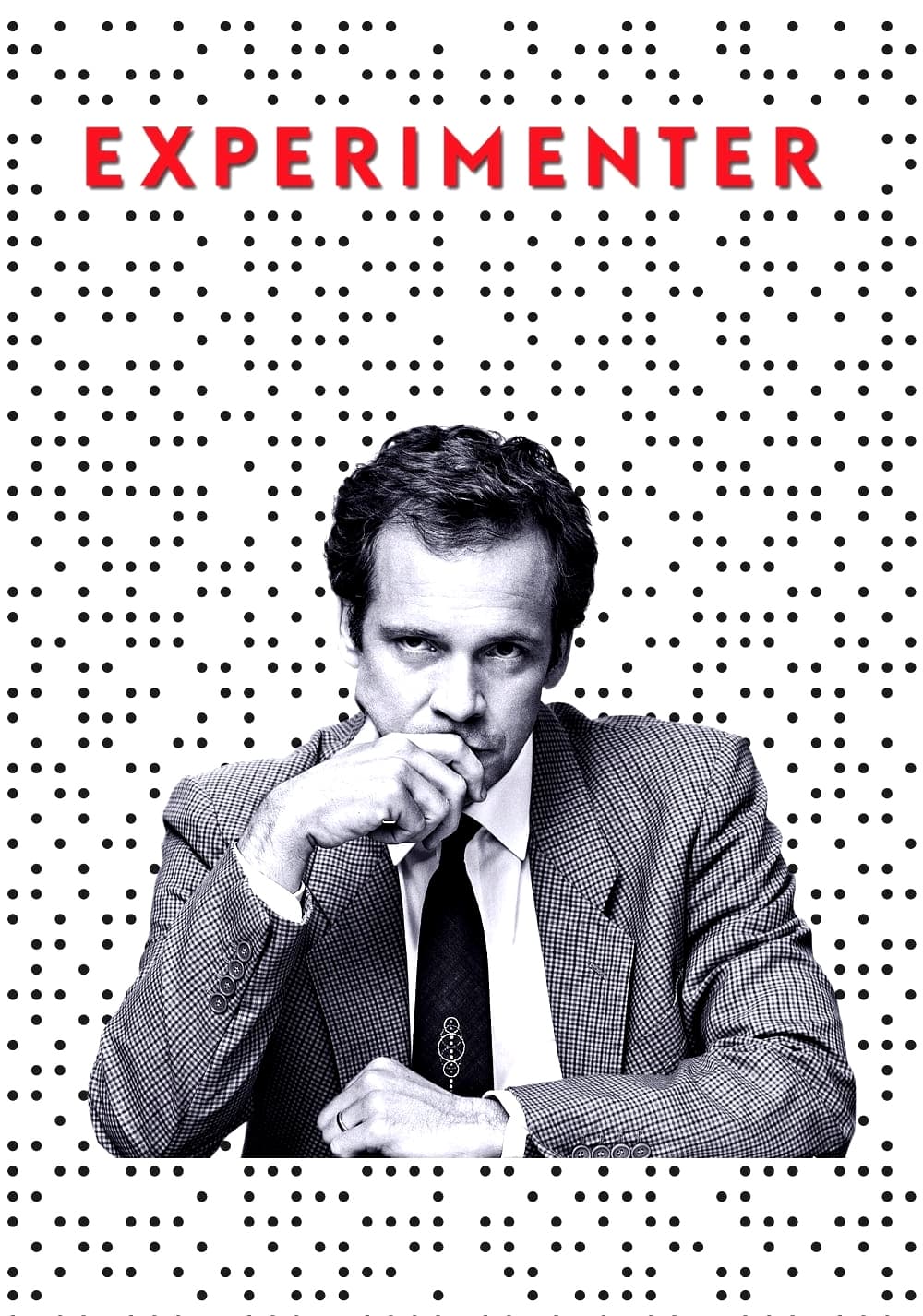
Michael Almereyda’s biographical drama ‘Experimenter’ examines the controversial social psychology experiments conducted by Stanley Milgram in 1961. Peter Sarsgaard stars as Milgram, who tests human obedience to authority by instructing subjects to deliver painful electric shocks to an unseen participant. The film breaks the fourth wall to analyze Milgram’s motivations, public reactions, and the philosophical implications of conformity. Like the historical context explored in ‘Unabomber’, the production investigates the ethical ramifications of academic institutions subjecting individuals to psychological strain.
‘The Silence of the Lambs’ (1991)
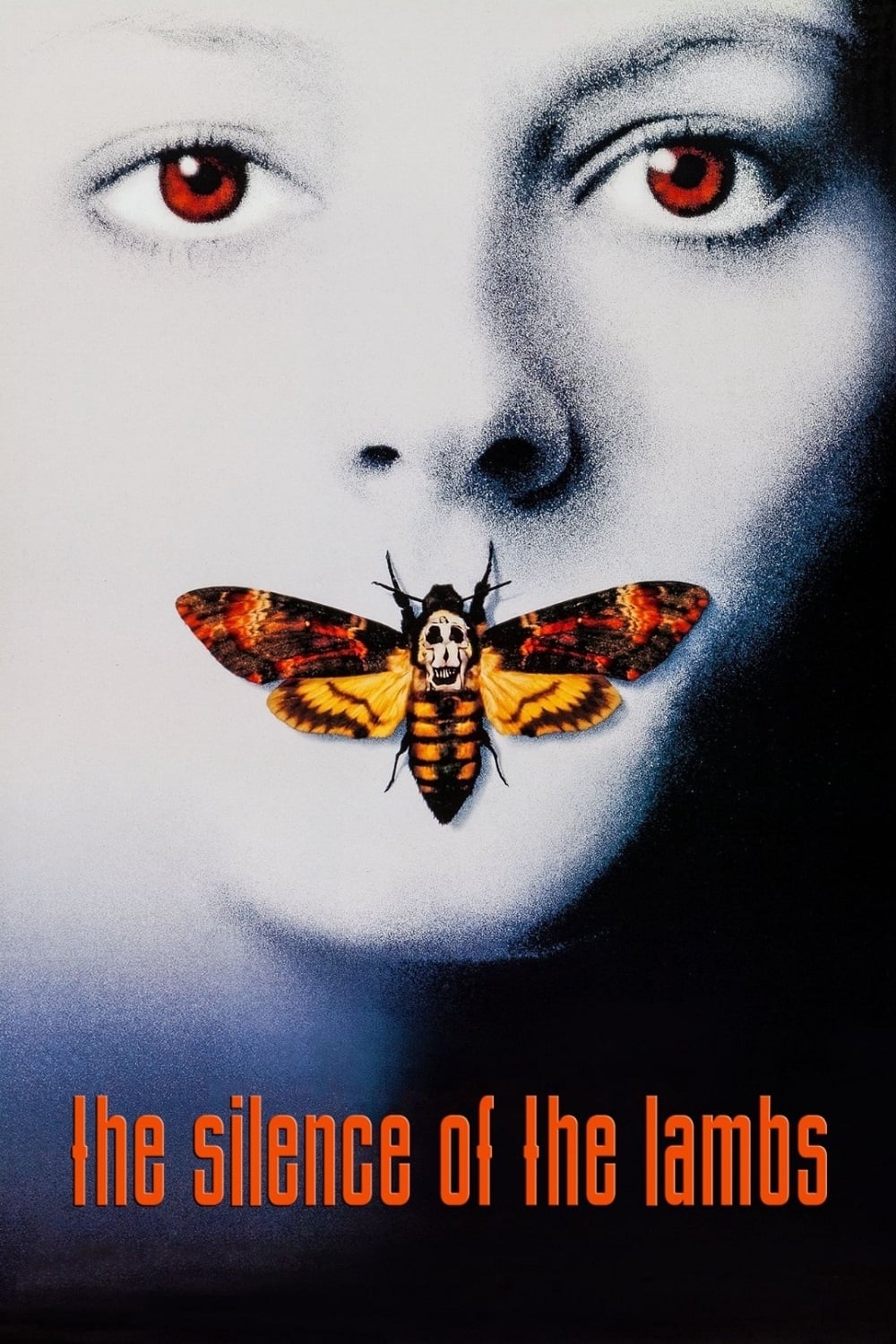
Jonathan Demme directs ‘The Silence of the Lambs’, focusing on FBI trainee Clarice Starling as she investigates a serial murderer known as Buffalo Bill. In order to decipher the killer’s psychological profile, Starling conducts interviews with the imprisoned former psychiatrist and cannibal Dr. Hannibal Lecter. Lecter offers cryptic insights into the killer’s behavior in exchange for details about Starling’s troubled personal history. The film remains a foundational work in criminal profiling cinema, examining the intricate relationship between federal law enforcement and abnormal psychology.
‘Patriots Day’ (2016)
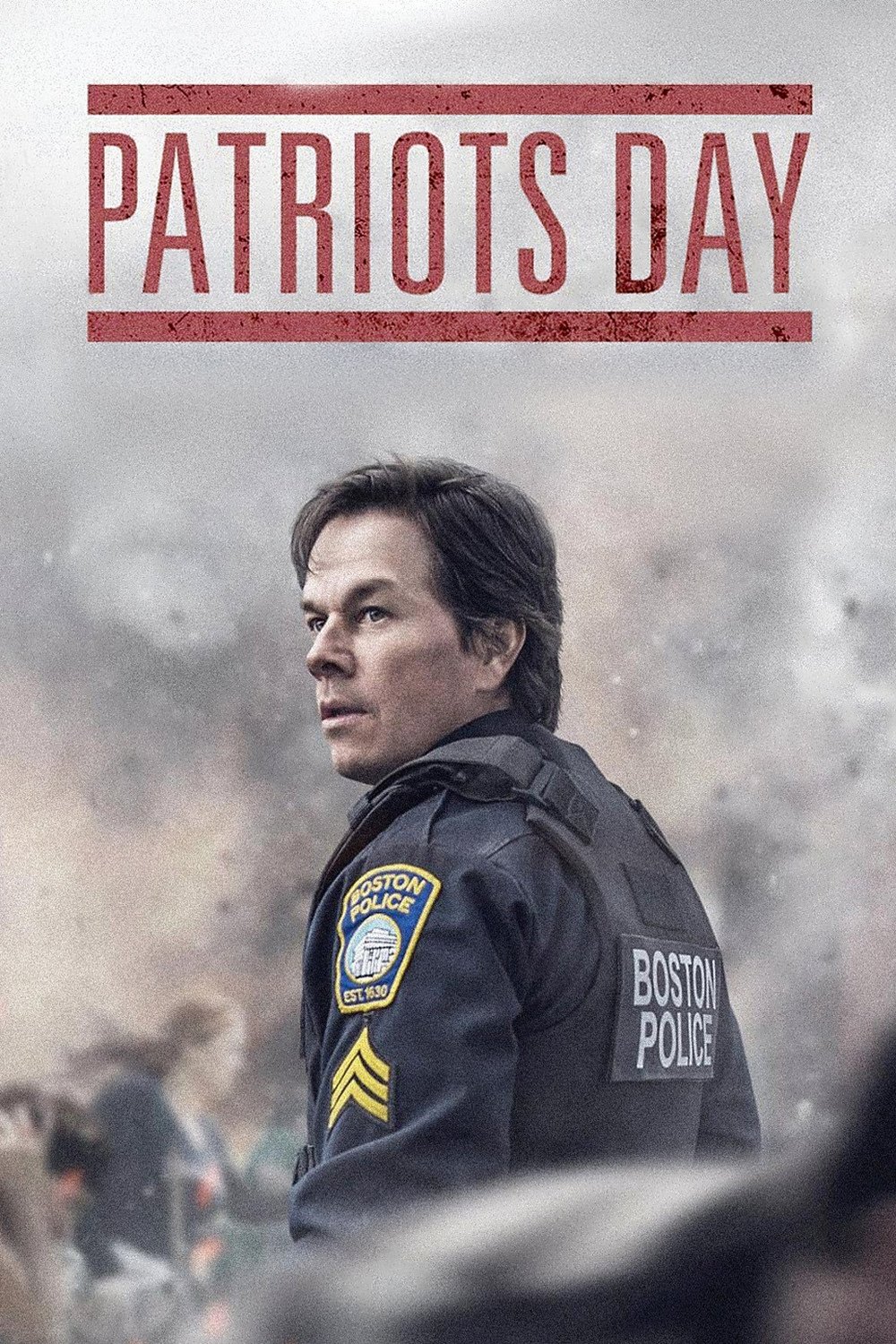
Peter Berg’s ‘Patriots Day’ chronicles the 2013 Boston Marathon bombing and the intense citywide manhunt that followed the attack. The narrative follows Boston Police Sergeant Tommy Saunders alongside federal agents and local officials as they piece together surveillance footage to identify the culprits. The operation leads to a dramatic multi-day pursuit across Watertown to capture the radicalized brothers responsible for the explosives. The film presents a detailed look at inter-agency coordination during a modern domestic counter-terrorism operation.
‘Memories of Murder’ (2003)

Directed by Bong Joon-ho, ‘Memories of Murder’ is inspired by the true story of South Korea’s first recorded serial killings in the late 1980s. Two local detectives with crude interrogation methods are joined by a methodical detective from Seoul to track down the violent predator. As forensic science proves limited in their rural setting, frustration mounts among the investigators as potential suspects continually lead to dead ends. The film presents a grim study of bureaucratic failure and the psychological degradation of detectives facing an unseen adversary.
‘Boston Strangler’ (2023)

Matt Ruskin’s crime drama ‘Boston Strangler’ follows investigative journalists Loretta McLaughlin and Jean Cole as they uncover a series of connected homicides in the 1960s. Keira Knightley portrays McLaughlin, who challenges systemic police oversights to establish links between disparate crime scenes across Massachusetts. The reporters face institutional sexism and journalistic pushback while attempting to verify confession authenticity and suspect identities. The film highlights the vital role of investigative journalism and forensic tracking in resolving public threats.
‘The Good Nurse’ (2022)

Tobias Lindholm directs ‘The Good Nurse’, a true-crime drama based on the investigation of hospital serial killer Charles Cullen. Jessica Chastain plays intensive care nurse Amy Loughren, who suspects that her colleague is intentionally administering lethal drug overdoses to patients. Working covertly with state detectives, Loughren risks her own career and safety to gather institutional evidence against him. The film examines administrative complicity and the meticulous detective work required to hold a trusted professional accountable for covert crimes.
‘Se7en’ (1995)
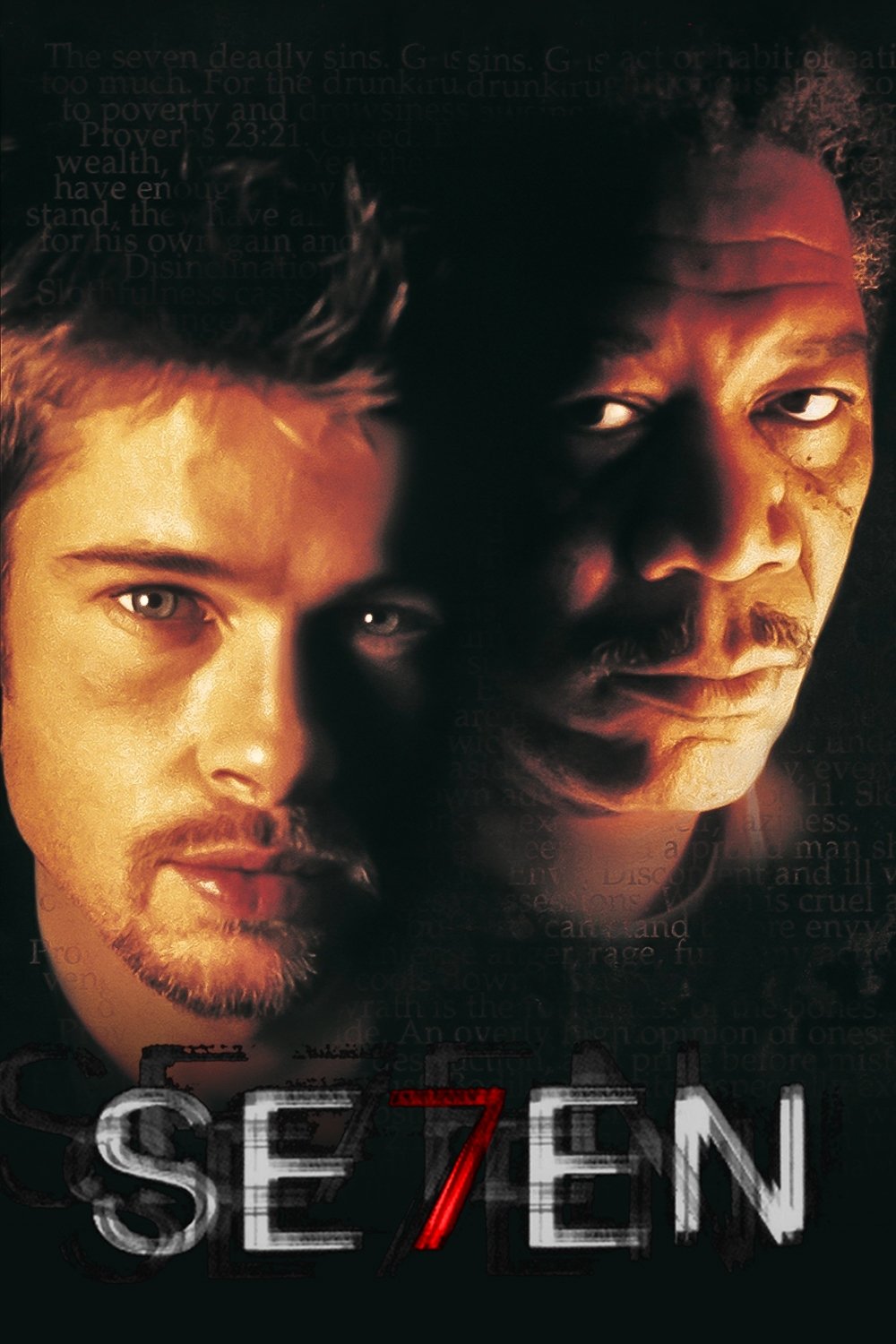
Directed by David Fincher, ‘Se7en’ follows veteran detective William Somerset and rookie partner David Mills as they pursue an elaborate serial killer. The killer stages grisly crime scenes representing the seven deadly sins to broadcast an uncompromising philosophical critique of society’s moral decay. The detectives must decipher literary and biblical clues left behind at each location while racing to prevent the remaining murders. The psychological thriller highlights the intellectual clash between disciplined investigators and a calculating, ideologically driven criminal.
‘The Frozen Ground’ (2013)
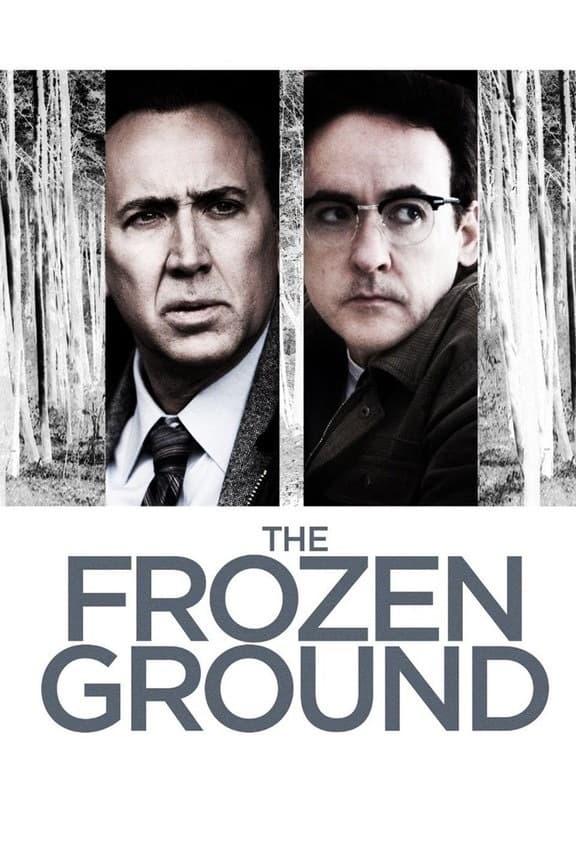
Directed by Scott Walker, ‘The Frozen Ground’ is based on the real-life investigation into Alaskan serial killer Robert Hansen. Alaska State Trooper Jack Halcombe partners with surviving victim Cindy Paulson to build a federal case against the seemingly respectable family man. Halcombe navigates legal bureaucracy and strict search warrant standards to uncover physical evidence connecting Hansen to multiple missing persons. The production provides a grounded depiction of forensic behavioral profiling and witness protection in rural law enforcement.
‘Holy Spider’ (2022)

Ali Abbasi directs ‘Holy Spider’, a harrowing crime thriller based on the real-life murders committed by Saeed Hanaei in Mashhad, Iran. Zar Amir Ebrahimi stars as a determined female journalist who travels to the holy city to investigate a serial killer targeting marginalized women. As the perpetrator claims his acts are a moral crusade to cleanse the streets, the reporter uncovers disturbing public support for his ideology. The film serves as a chilling examination of religious extremism, systemic corruption, and the social dynamics that enable ideological violence.
‘To Catch a Killer’ (2023)
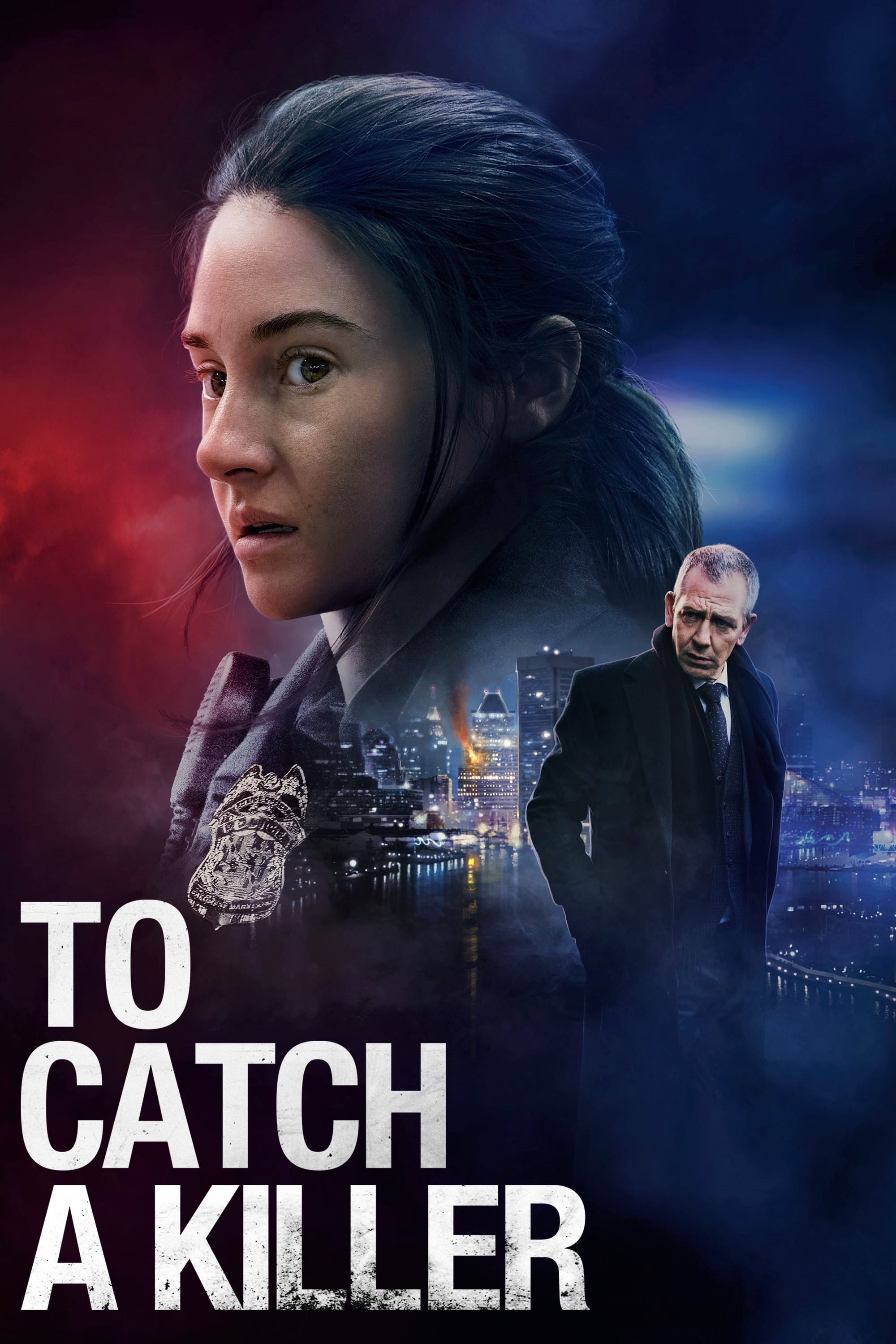
Damián Szifron directs ‘To Catch a Killer’, following a talented but troubled Baltimore police officer recruited by an FBI chief investigator. Shailene Woodley portrays Eleanor Falco, who is chosen for her unique psychological insight into an untraceable mass shooter terrorizing the city. The federal task force conducts forensic ballistics analysis and behavioral profiling while facing immense political pressure from municipal leadership. The narrative explores how understanding a killer’s alienated mindset is essential to anticipating their next violent strike.
‘Red Dragon’ (2002)
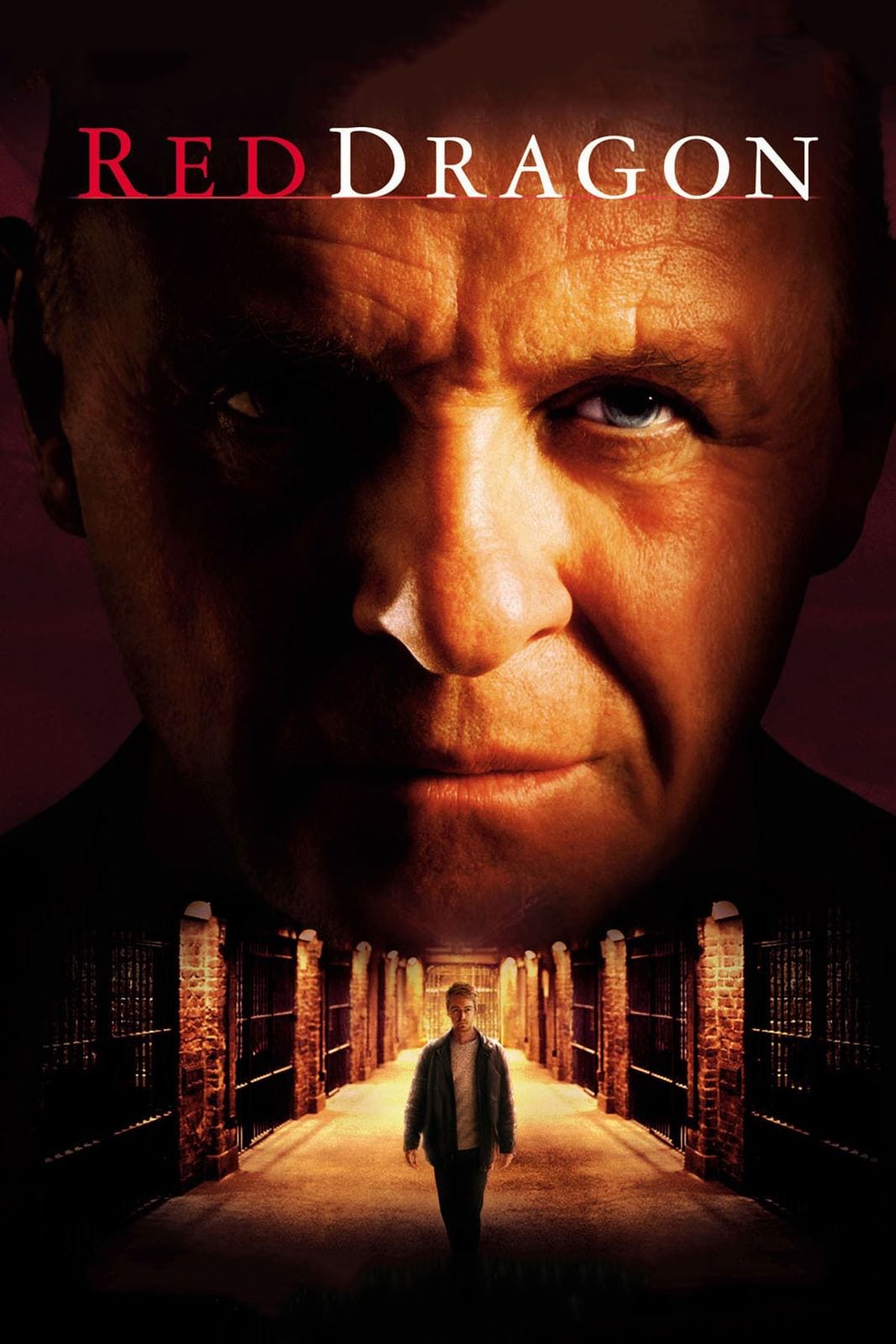
Directed by Brett Ratner, ‘Red Dragon’ adapts Thomas Harris’s novel detailing the origins of the FBI’s Behavioral Science Unit. Edward Norton stars as retired profiler Will Graham, who is summoned to track a ritualistic killer known as the Tooth Fairy. Graham consults his former nemesis, Dr. Hannibal Lecter, seeking behavioral insights while guarding against the imprisoned doctor’s psychological manipulation. The film presents an intricate portrayal of forensic profiling methodologies and the personal burdens carried by criminal investigators.
Which of these true-crime and psychological investigation films is your favorite, and what other titles would you recommend in the comments?