Here’s Where ‘Forgotten Island’ Takes Place and Why DreamWorks’ New Fantasy World Is Rooted in Real Filipino Folklore

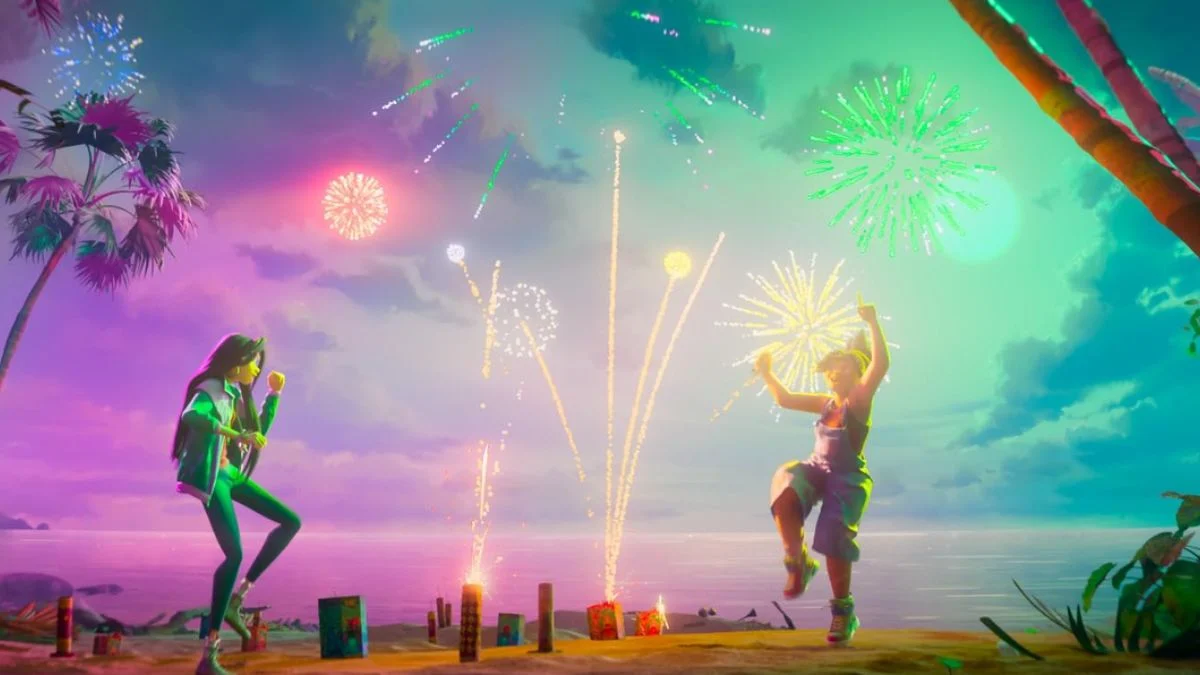

‘Forgotten Island‘ does not send its heroes to some invented fairy tale kingdom pulled from thin air. The new DreamWorks Animation feature grounds its magic in a very specific setting, and that choice is exactly what has critics and audiences buzzing this fall.
The film opens in the real world, in the Philippines during the 1990s, before sending its two lead characters through a portal into a mythological island most people have never heard of. That blend of grounded nostalgia and folklore fantasy is the entire engine of the story, and it is worth breaking down piece by piece.
The Real World Setting of ‘Forgotten Island’
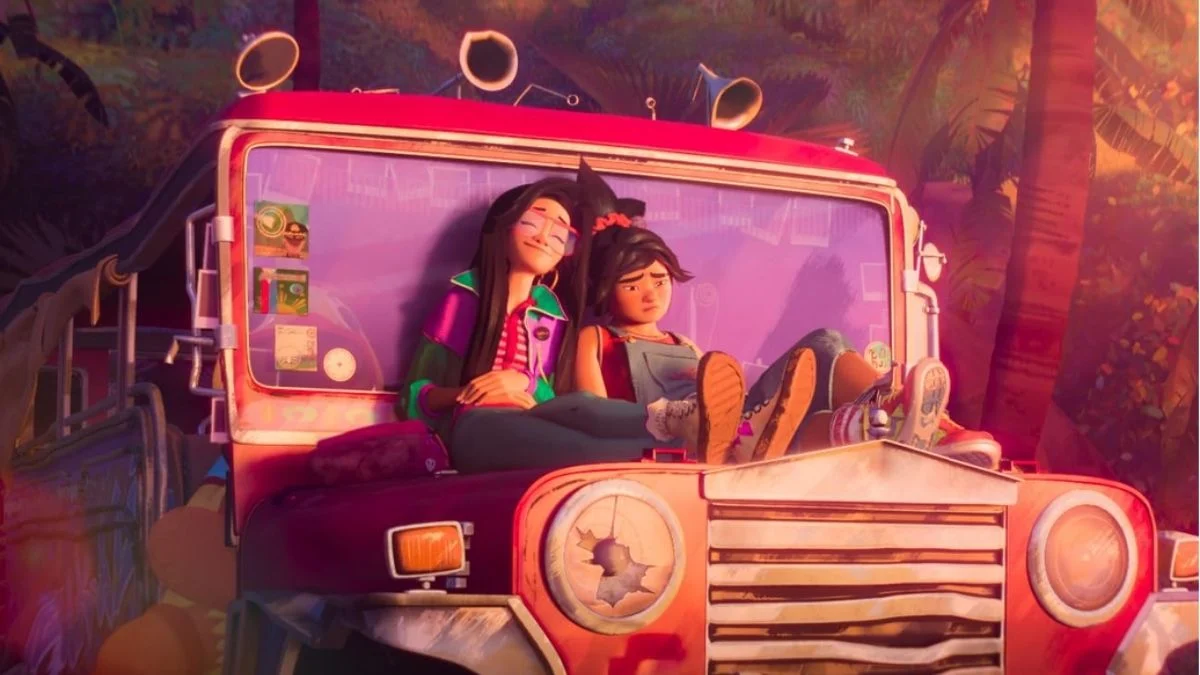
The story begins firmly on Earth, specifically in the Philippines during the 1990s. The two leads, Jo, voiced by singer H.E.R., and Raissa, played by actress Liza Soberano, are best friends from childhood who have just finished high school.
That 1990s Filipino backdrop is not incidental set dressing. The film is a Filipino American animated fantasy adventure comedy produced by DreamWorks Animation and distributed by Universal Pictures, and the decade was chosen deliberately to reflect the childhoods of its creative team.
Before the portal ever opens, Jo is shown telling a story about the forgotten island of Nakali and the Dreaded Manananggal at school, and when a classmate mocks her, she gets into a fight and winds up in the principal’s office, where she meets Raissa. That schoolyard meeting becomes the origin of their friendship, long before either girl sets foot on the island that gives the movie its name.
Inside the Fantastical Island of Nakali
Once the two friends stumble through a mysterious doorway, ‘Forgotten Island’ shifts into its title location proper. The island is called Nakali, short for Nakalimutan, and it is populated by mysterious creatures pulled straight from Philippine mythology.
The catch that drives the entire plot is baked into the island’s very name. Nakali is known for erasing the memories of any human who visits, which turns a fantastical adventure into something with real emotional stakes for two best friends who are about to head down separate paths in life anyway.
The island world is packed with figures ripped from Filipino legend rather than generic movie monsters. Jo and Raissa are joined by allies including a weredog named Raww, and they must contend with the terrifying Manananggal, a legendary Filipino monster reimagined for the screen and voiced by Tony winning performer Lea Salonga.
The stakes of leaving Nakali are steep. The girls discover that returning home to the real Philippines means the memories of their entire friendship become the price of passage, forcing them to race against the island’s magic before they forget each other forever.
Why Philippine Mythology Became the Foundation
The decision to root ‘Forgotten Island’ in Philippine folklore was deeply personal for its filmmakers. Directors Joel Crawford and Januel Mercado based the project on their shared Filipino heritage, mining childhood stories and mythology that had never before gotten this kind of blockbuster animated treatment.
The comparison critics keep reaching for is instructive. Similarly to how Pixar’s Turning Red allowed director Domee Shi to work in her Chinese Canadian heritage, and how KPop Demon Hunters became Maggie Kang’s cultural love letter to South Korea, ‘Forgotten Island’ gave Mercado the chance to celebrate his own Filipino background on a massive canvas.
That cultural specificity extended well beyond the script. The film’s composer traveled throughout the Philippines to research indigenous music, spending time with communities in Cordillera and Kalinga and with the T’boli people near Lake Sebu, weaving those regional sounds directly into the score.
Early reviews suggest the approach paid off. One reviewer called ‘Forgotten Island’ a hyper kinetic, heartfelt celebration of Philippine folklore, praising its relentless energy and its stunning visuals as some of the best CGI animation since Across the Spider Verse.
Cast, Crew, and Where ‘Forgotten Island’ Fits at the Box Office
The voice cast leans heavily into that same cultural authenticity. Alongside H.E.R. and Liza Soberano, the film features Dave Franco as Raww, Manny Jacinto, Jenny Slate, Dolly de Leon, and Lea Salonga as the Manananggal, with the movie honoring the heritage of its leads by casting many Filipino voice artists throughout.
Behind the camera, Crawford and Mercado bring pedigree from their previous work together, having first collaborated on Kung Fu Panda 2 before eventually teaming up on Puss in Boots, The Last Wish, for which they won an Academy Award, BAFTA, and Golden Globe.
Commercially, industry trackers pegged ‘Forgotten Island’ for a domestic opening between 20 and 30 million dollars, placing it in the same range as prior original DreamWorks titles like The Bad Guys and Abominable rather than a guaranteed blockbuster. The film opened in the United States on September 25, 2026, and has grossed 5 million dollars against an 80 million dollar budget in its early running.
Critically, though, the response has been strong, with the film sitting at a 100 percent Tomatometer score across its early reviews, and praise centering again and again on how thoughtfully it treats the culture at its core.
Between its real world 1990s Philippines setting and the mythological island of Nakali at its center, ‘Forgotten Island’ is clearly betting that audiences want their animated adventures rooted in something specific and true, and now that you know the story behind Nakali, do you think this is the Filipino folklore movie that finally breaks through the way Turning Red and KPop Demon Hunters did for their own cultures?