‘Tulsa King’ Star Sylvester Stallone Admits Chasing Success in His 30s Made Him ‘Volatile’ and ‘Vindictive’

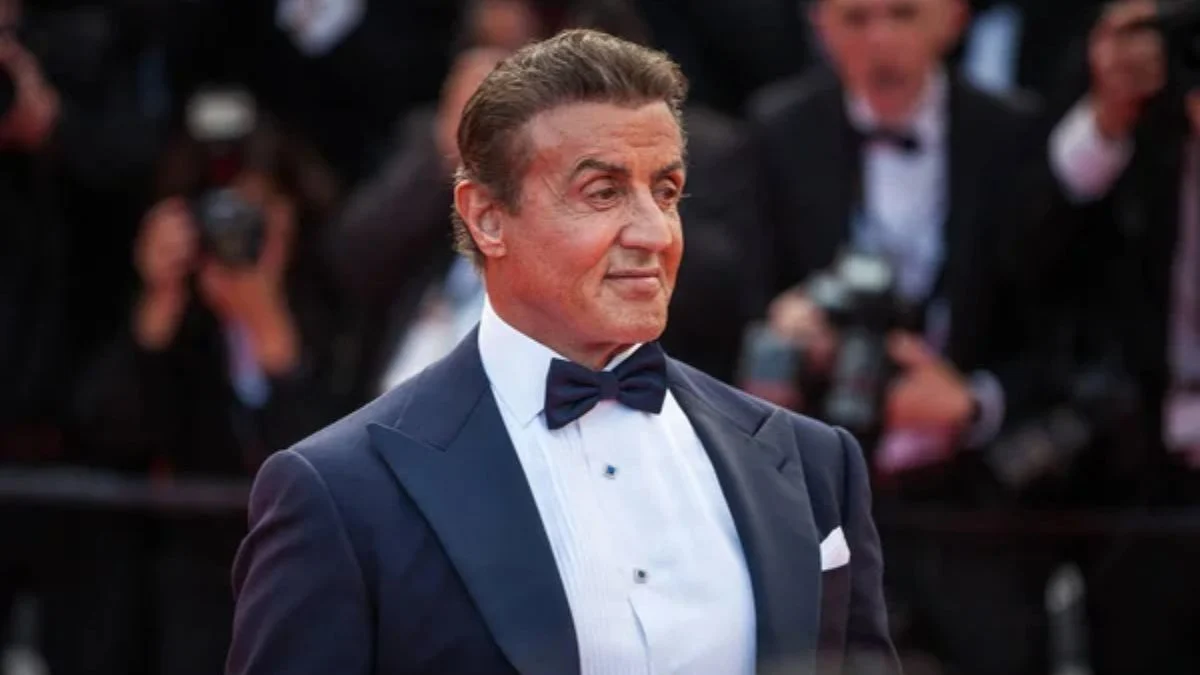

Sylvester Stallone has spent decades as the ultimate underdog story in Hollywood. He turned 80 in July, ‘Rocky’ just marked its 50th anniversary, and the actor has now put his origin story on the page with a memoir called ‘The Steps’. William Morrow published it on September 29.
The book follows his journey from arriving in New York City in 1969 through the 1977 Academy Awards, covering a difficult childhood and years of being underestimated. In interviews around the release, Stallone has said he considers himself lucky and that he simply wanted to tell people how it all came to be.
The memoir launched with a live conversation at 92NY on September 28, moderated by Tracy Smith of ‘CBS Sunday Morning’. Billed as a look at the grit that planted the seeds of his career, the event also touched on the creation of ‘Rocky’ and John Rambo.
Plenty of celebrity memoir tours stick to warm anecdotes. Stallone, to his credit, went somewhere less comfortable.
Speaking with Smith at the event, as People reported, Stallone looked back on the years right after his breakthrough. He described a “proving” era in his early to mid 30s during which he became “very volatile, angry, ‘I told you so,’ vindictive.”
The timing makes the admission land harder. ‘Rocky’ earned him Oscar nominations for Best Actor and Best Original Screenplay when he was 30, which is the moment most people would call a victory lap.
Stallone made clear that the success did not feel the way outsiders might imagine. He described himself as unable to enjoy it during that stretch, and he explained that, looking back, he wishes he had felt grateful for reaching the mountain instead of continuing to fight.
He said he did not know how to turn the drive off. It is a surprisingly vulnerable note from an actor whose screen image is built on toughness and relentless forward motion.
The book gives plenty of context for why Stallone pushed so hard. Coverage of the memoir describes a childhood in which he felt unplanned and unwanted, followed by years of struggling as an aspiring actor and writer, and a spiritual epiphany along the way.
He has been equally open elsewhere. In an interview with Gayle King on ‘CBS Mornings’ last December, Stallone said the sadness of his parents skipping the Oscars the night he won for ‘Rocky’ still lingers. He told King that kids are like soft clay and that he still carries those scars.
An excerpt published by CBS News shows the creative spark behind the film. Stallone writes that he realized many people shared his feelings about abandoned dreams and missed opportunities, and that life itself works like a metaphor for boxing, a nonstop fight with yourself, the elements, society and time.
That insight led him to create a boxer as his hero, and the rest became movie history. The book makes a strong case that the character’s famous perseverance came straight from his own struggles.
The timing of the memoir is no accident. ‘I Play Rocky’, directed by Peter Farrelly and starring Anthony Ippolito as a young Stallone, is set to hit theaters in November from Amazon MGM Studios. The film tells the story of an unknown actor fighting to both write and star in ‘Rocky’, and it also features Matt Dillon, AnnaSophia Robb, Toby Kebbell and Tracy Letts.
Stallone does not appear in the film himself. Between the memoir, the interviews and the biopic, the ‘Rocky’ origin story is getting a thorough retelling.
Stallone’s reflection fits a larger shift in how veteran stars talk about fame, with less mythmaking and more honesty about the costs. His point that he kept moving, even when it was not healthy, will likely resonate with anyone who has chased a goal long past the point of enjoying it.
Does Sylvester Stallone’s honesty about his “proving” era change how you see him?
Have something to add? Let us know in the comments!