Does Batman Appear in ‘Clayface’? DC Studios Boss Clarifies the Dark Knight’s Status


The arrival of DC Studios’ latest theatrical offering, ‘Clayface‘, represents a daring creative shift for the cinematic landscape of Chapter One: Gods and Monsters. Directed by James Watkins from a screenplay penned by Mike Flanagan and Hossein Amini, the project reimagines comic book storytelling through an intense lens of psychological body horror. Across the industry, comic adaptations frequently lean into massive interconnected universes, but this macabre entry aims to evoke the atmosphere of classic monster cinema.
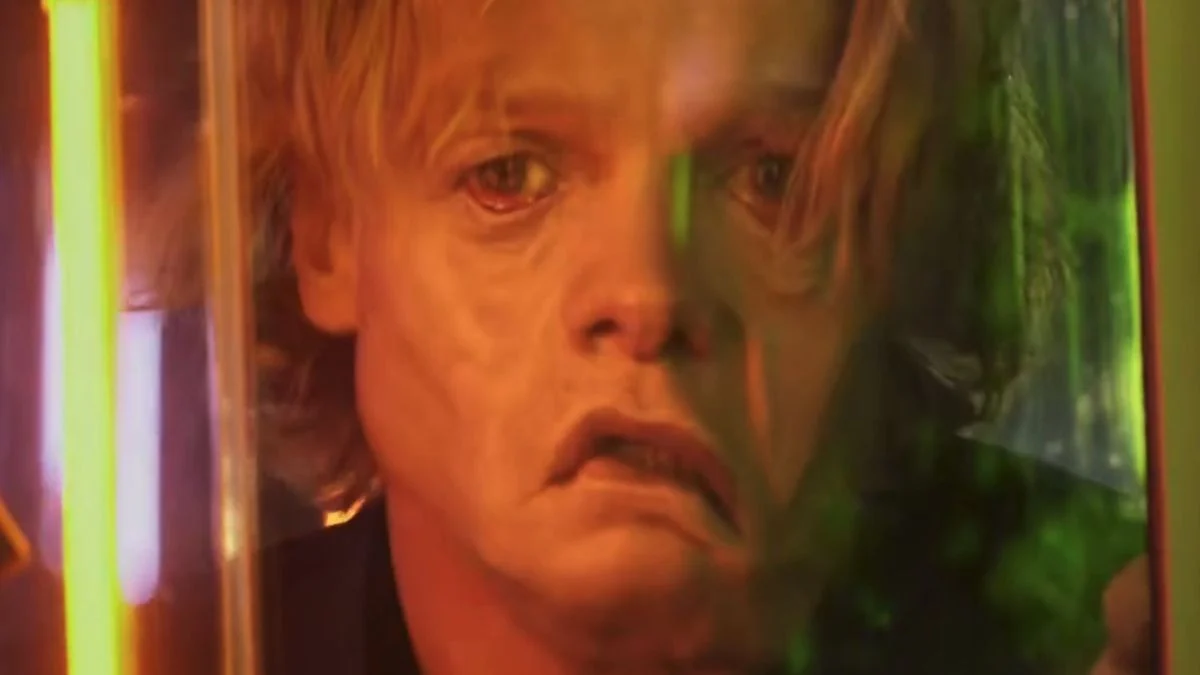
Set within the shadowy alleys and decaying infrastructure of Gotham City, the narrative charts the agonizing downfall of rising actor Matt Hagen, played with visceral intensity by Tom Rhys Harries. After a ruthless mob syndicate brutally disfigures him, Hagen turns to an experimental restorative science that steadily destroys his mind and warps his physical form into living clay. The resulting drama crafts a suffocating, atmospheric portrait of urban despair rather than a traditional battle between superheroes and supervillains.
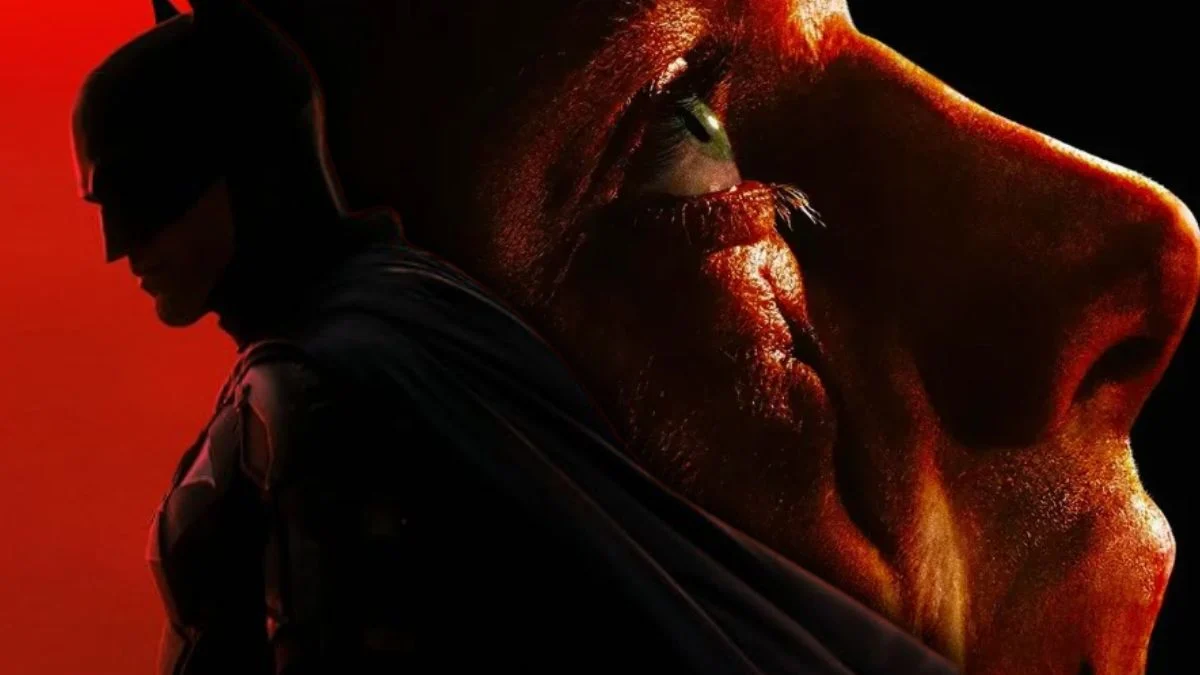
Because the movie takes place entirely within Gotham City, fans have naturally wondered whether Gotham’s greatest protector makes an appearance to stop the carnage. However, Batman does not appear anywhere in ‘Clayface’. Audiences expecting a surprise cameo from the Caped Crusader or a stealth sighting of billionaire Bruce Wayne will find that the iconic vigilante never steps foot on screen.
The Grounded Tragic Scope of Matt Hagen
The story remains fiercely centered on Hagen’s personal descent into monstrosity, deliberately keeping the narrative tethered to his tragic quest for vengeance. While the film includes subtle world-building details, such as a scene set inside the Wayne Community Centre, the narrative never utters Batman’s moniker or summons the Bat-Signal. By stripping away standard superhero tropes, the creative team ensures that Hagen’s psychological fracture remains the undisputed focal point.
This disciplined commitment to a singular character study was established early during pre-production. When The Hollywood Reporter confirmed that Watkins was tapped to direct Flanagan’s initial pitch, the studio underscored that the production would operate with significant artistic freedom. Rather than forcing extraneous cameos to appease franchise connectivity, the filmmakers chose to let the gruesome consequences of Hagen’s experiments breathe on their own terms.
Watkins has noted that shoehorning the Dark Knight into the narrative would have undermined the personal stakes of Hagen’s painful unraveling. The director crafted a Gotham steeped in crime, urban decay, and bureaucratic corruption, allowing audiences to inherently feel the hero’s mythic weight without requiring his physical presence. The lingering dread in the city streets provides ample tension without needing a costumed savior to drop in from above.
Peter Safran on Batman’s Operating Status in Gotham
Even though the detective never emerges from the shadows, DC Studios leadership has clarified that Batman is already an active presence in this continuity. Studio executives wanted to assure comic enthusiasts that Gotham does not exist in a vacuum devoid of its primary protector. His absence during the film’s grisly murders is simply a matter of geography and narrative focus.
Addressing the hero’s whereabouts during the events of the film, DC Studios co-CEO Peter Safran offered direct clarity in an interview with Collider. Safran confirmed, “We haven’t really talked about what he’s doing during the actual events of ‘Clayface’. But Batman is there. This is the introduction to the live-action Gotham.”
The executive further pointed out that a brief silhouette in the animated series ‘Creature Commandos’ previously confirmed that Batman is already operating in the shadows of the wider universe.
Safran’s remarks establish that while Batman was busy handling other crises in Gotham, Hagen’s localized revenge spree managed to unfold beneath his radar. The shape-shifting villain targeted specific underworld figures rather than launching a citywide catastrophe, keeping his rampage contained to the city’s murky underworld. This decision respects the broader universe while preventing ‘Clayface’ from turning into a conventional crossover vehicle.
Where the Caped Crusader Goes Next in the DC Universe
Withholding the live-action introduction of the DC Universe’s Batman also protects upcoming franchise milestones. DC Studios is currently developing ‘Batman: The Brave and the Bold’, which will formally introduce a brand new Bruce Wayne alongside his biological son, Damian Wayne. Rushing out an unannounced actor for a brief cameo in a $40 million body-horror film would have distracted from that major reboot announcement.
Furthermore, Warner Bros. continues to navigate two distinct iterations of Gotham City on the big screen. Director Matt Reeves is expanding his separate Elseworlds continuity with ‘The Batman Part II’, keeping Robert Pattinson’s grounded vigilante entirely divorced from the shared franchise. Allowing ‘Clayface’ to stand independently avoids confusing mainstream audiences about which cinematic continuity is unfolding on screen.
Ultimately, the choice to keep Batman out of ‘Clayface’ proves to be the film’s greatest creative strength. By trusting audiences to embrace an R-rated tragedy driven by practical effects and horrific body transformations, DC Studios delivered a memorable villain origin that stands firmly on its own feet. The resulting monster movie demonstrates that Gotham City is vast enough to tell haunting tales where the Bat never needs to intervene.
Do you think ‘Clayface’ worked better as a standalone horror film, or did you want to see Batman make a cameo in Gotham?