‘Law & Order’ Season 26 Episode 4 Recap & Ending Explained: Inside the Shocking Murder Verdict

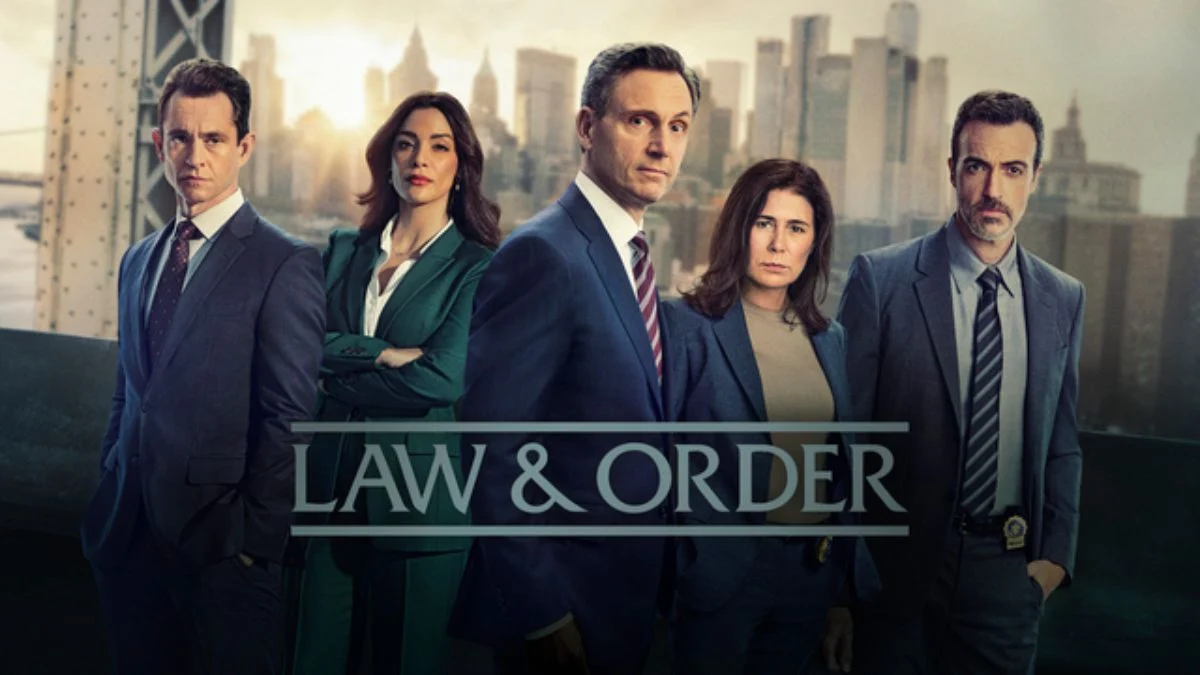

Dick Wolf’s enduring legal procedural continues to demonstrate why primetime television remains captivated by the intricate corridors of Manhattan’s criminal justice system. Now broadcast in its 26th season on NBC, ‘Law & Order‘ balances procedural homicide investigations with topical, high-stakes courtroom debates ripped straight from contemporary headlines. The veteran procedural format has evolved across more than three decades, constantly testing how shifting statutory landscapes intersect with modern social issues.
The current season has introduced substantial shifts inside the 27th Precinct following significant ensemble turnover earlier in the fall. Fresh investigative dynamics have taken hold, requiring detectives to find their professional footing while navigating emotionally charged cases throughout the city. Earlier this year, Deadline reported that James Badge Dale was boarding the flagship series to succeed departing star Reid Scott as Senior Detective Rob Calvino.
Calvino quickly finds himself tested alongside Junior Detective Theo Walker in Season 26, episode four, titled “Property”. The hour begins with the gruesome murder of Andrew Carson, the affluent head of antiquities at Meridian Auction House, who was slain shortly after closing a $420,000 sale. Because Carson was not robbed, detectives immediately realize the murder was intensely personal rather than a routine street robbery.
Chasing Red Herrings Through Manhattan’s Antiquities Market
The initial phase of the investigation directs Walker and Calvino into the secretive world of illicit artifact trafficking. Suspicion first falls on a university conservator who recently lodged a formal complaint regarding a sixth-century Buddha allegedly looted from Afghanistan by the Taliban. The detectives also interrogate a prominent rapper named Big Switty, who had left threatening voicemails after discovering Carson sold him an elaborate forgery.
However, Carson’s abrasive professional dealings pale in comparison to the trail of destruction he left behind in his private life. Interviews with Carson’s girlfriend, Lucy Butler, point the police toward intense domestic hostility involving Carson’s ex-wife, Caroline Sanders. Detectives soon recover forensic proof linking Sanders to the murder scene, discovering her DNA alongside damning surveillance footage outside Carson’s apartment building.
A Legal Battle Over Personhood and Frozen Embryos
Sanders, portrayed by guest star Kate Siegel, is swiftly taken into custody just as she prepares to promote a personal tell-all memoir. Detectives unearth a startling motive when they visit a fertility clinic and learn that Sanders and Carson shared frozen embryos stored in Pennsylvania. Having survived intensive chemotherapy, Sanders viewed the embryos as her final opportunity for biological motherhood, while Carson actively planned to withhold legal consent and destroy them.
The prosecution falls to Executive Assistant District Attorney Nolan Price and Assistant District Attorney Samantha Maroun under District Attorney Nicholas Baxter. In court, Sanders’ defense attorney mounts an audacious justification defense, arguing that she committed the homicide to defend potential human life under interstate embryo personhood statutes.
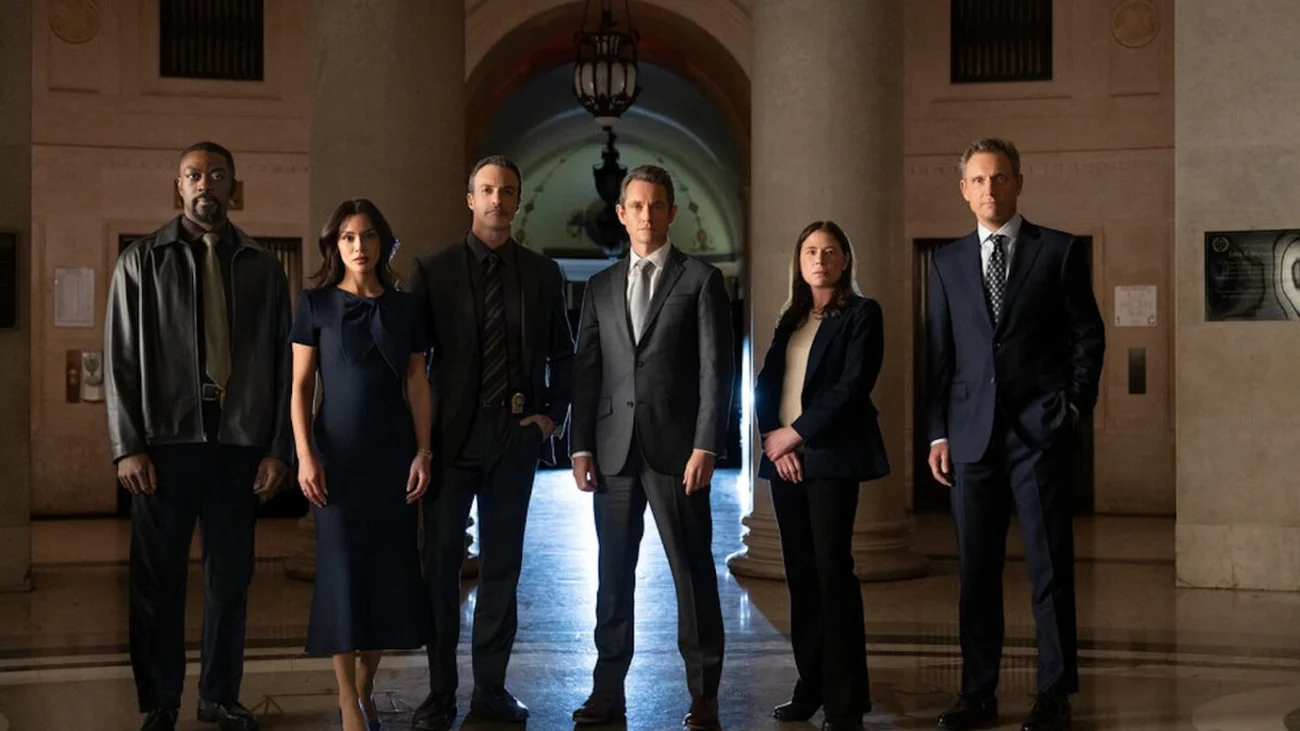
Maroun vigorously pushes back, warning the bench that sanctioning such a rationale creates dangerous precedent that could destabilize nationwide reproductive autonomy and in vitro fertilization protections.
District Attorney Nicholas Baxter actor Tony Goldwyn praised the recurring caliber of the ensemble in an interview on TODAY, sharing that “the most thrilling thing about it is the actors that come through the show” and noting how “every week the guest stars that come on are just some of the best actors in New York and LA”. Siegel’s nuanced performance embodies that sentiment as Sanders detonates an explosive revelation on the witness stand. Sanders announces that while out on bail, she underwent implantation and is now pregnant with twins, immediately shifting the courtroom’s emotional gravity.
The Ending Explained: Maroun’s Cross-Examination and Verdict
Recognizing that aggressive questioning from a male prosecutor could alienate the jury, Price entrusts the critical cross-examination entirely to Maroun. Maroun uncovers archival evidence that Sanders was once affiliated with Allies for Women’s Rights and had undergone an abortion years earlier following graduate school. Rather than attacking abortion access, Maroun systematically exposes Sanders’ ideological contradictions to demonstrate that the murder was driven by personal desperation rather than an imminent threat to human life.
Sanders ultimately breaks down on the witness stand under Maroun’s relentless scrutiny, confessing that her actions were calculated to secure her maternal future. That pivotal admission shatters the defense of others argument, leading the jury to return a swift guilty verdict for second-degree murder. The poignant conclusion watches Maroun quietly enter a local fertility clinic, demonstrating how deeply the case challenged her personal perspectives on family, bodily autonomy, and sacrifice.
Do you think the jury reached the right verdict in ‘Law & Order’ Season 26, Episode 4, and how do you interpret Maroun’s final scene at the fertility clinic?