‘Yaga’ Episode 3 Recap & Ending Explained: What Logan’s Fate Really Means


Folk horror television has experienced a major resurgence in recent years, drawing audiences into atmospheric landscapes where local superstitions collide with psychological suspense. When contemporary mysteries peel back the layers of isolated communities, the line between supernatural vengeance and human cruelty frequently blurs into pure dread. Viewers tuning into dark procedural offerings expect deliberate storytelling that challenges conventional detective formulas.
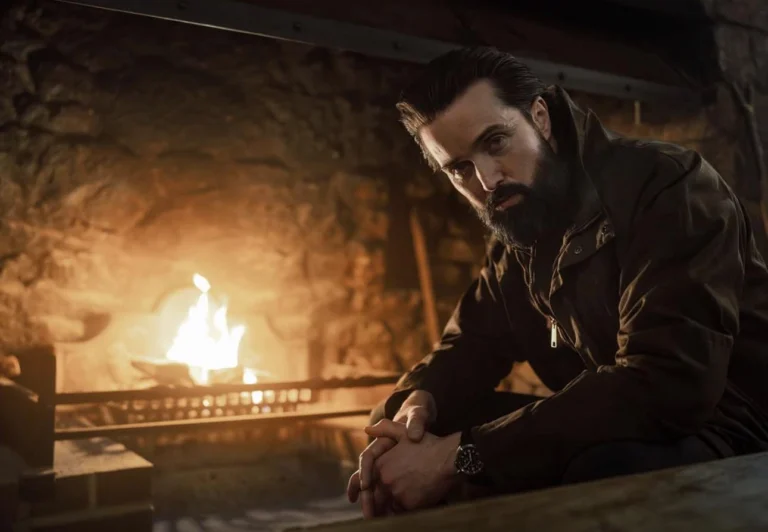
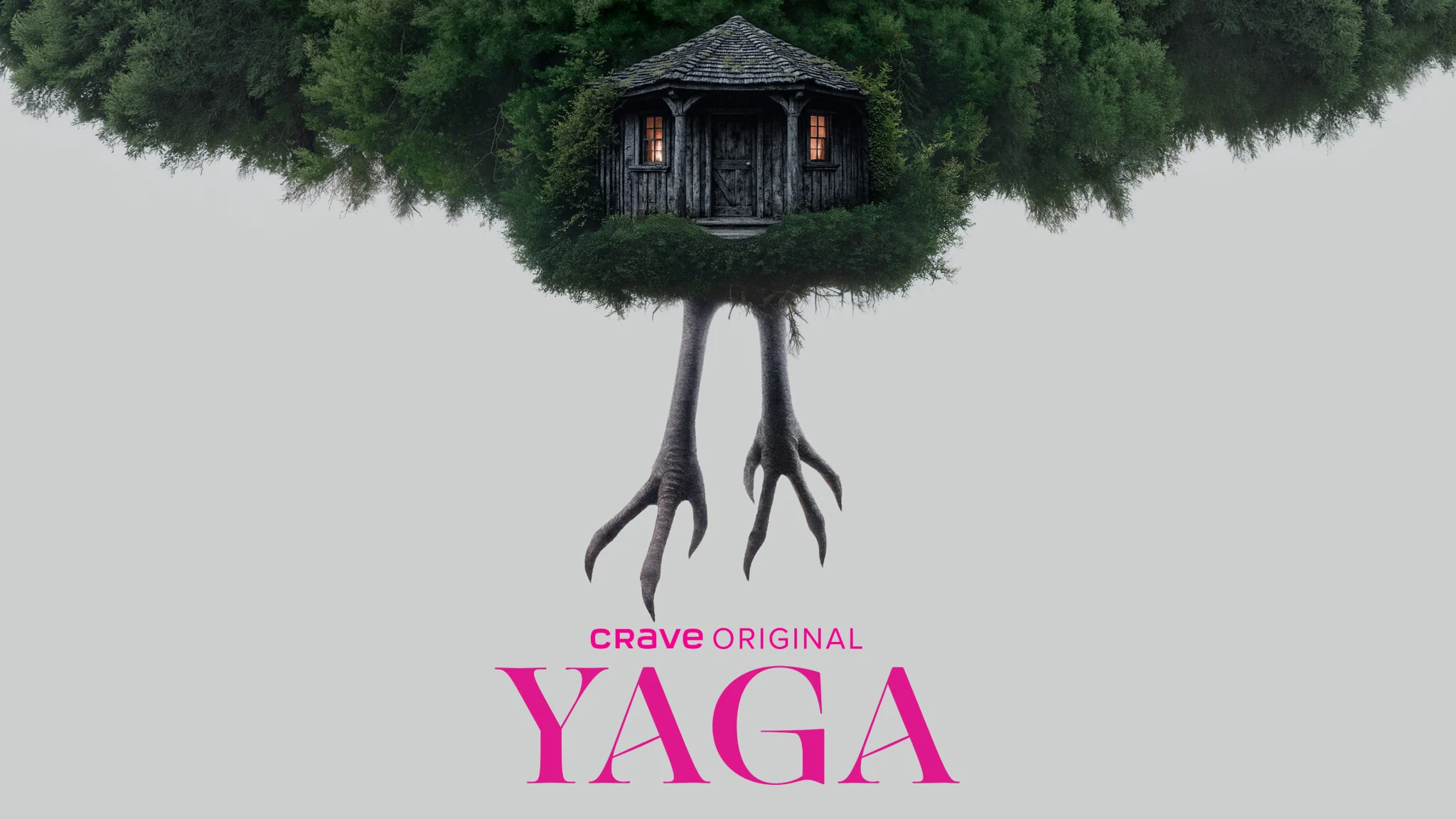
The coastal town of Whittock serves as the ominous setting for the Crave and AMC+ mystery thriller ‘Yaga‘, adapted from creator Kat Sandler’s 2019 stage play. Production gained substantial momentum after Variety originally confirmed that Carrie-Anne Moss, Noah Reid, and Clark Backo would star alongside Hudson Williams. What began as a simple inquiry into the disappearance of fishery heir Henry Park quickly spiraled into something deeply uncanny.
The series takes an aggressive leap forward in its third installment, titled ‘A Good Boy’, by immediately resolving the shocking cliffhanger from the previous week. When a lifeless male body washes ashore on the cold sands of Whittock, local authorities and private investigator Charlie Rapp confirm the victim is not Henry. Instead, the deceased individual is Logan Casey, Henry’s uncanny roommate and lookalike who spent months mimicking Henry’s habits.
From a Missing Persons Case to a Gruesome Homicide
The investigation shifts instantly from a missing persons search to an active murder inquiry inside the town mortuary. Forensics officers unveil a chilling spectacle: Logan was castrated prior to his demise and stabbed with an ancient blade forged from obsidian and human bone. Dr. Katherine Hargrove, the town’s enigmatic osteology professor, inspects the weapon and identifies it as an Aztec ceremonial midwife knife historically linked to deities of fertility.
Amid the horrific forensic breakthroughs, Rapp struggles with an increasingly fragile grip on reality. The private investigator experiences eerie time anomalies and hallucinates Logan’s brown eyes snapping open to reveal Henry’s piercing ice-blue stare. After Sergeant Carson firmly rejects Rapp’s clumsy romantic advances inside his motel room, Rapp falls into a feverish trance at precisely 3:33, dreaming of Henry’s former girlfriend Pam pulling a white chicken feather from his mouth.
Dark Confessions and Hidden Recordings
Carson conducts her own legwork by visiting Logan’s grieving mother, Alice Casey, in a somber cemetery. Alice reveals a deep-seated contempt for the affluent Park family and recalls watching a sinister corruption fester within her son before his demise. She laments that an evil presence grew darker every day, dragging Logan away from salvation while rumors spread that the boys purchased a hen from Pam for a sacrifice.
This collision of psychological guilt, dark humor, and mythic justice sits right at the heart of Sandler’s adaptation. Reflecting on the show’s intricate balance, Backo told IGN that the script “blends all these genres together, especially using humor and comedy to be able to dive into extremely complicated, fragile, and complex themes” while challenging audiences on the nature of retribution. That tonal ambition becomes evident as the detectives return to the Park estate to uncover Logan’s private sanctuary.
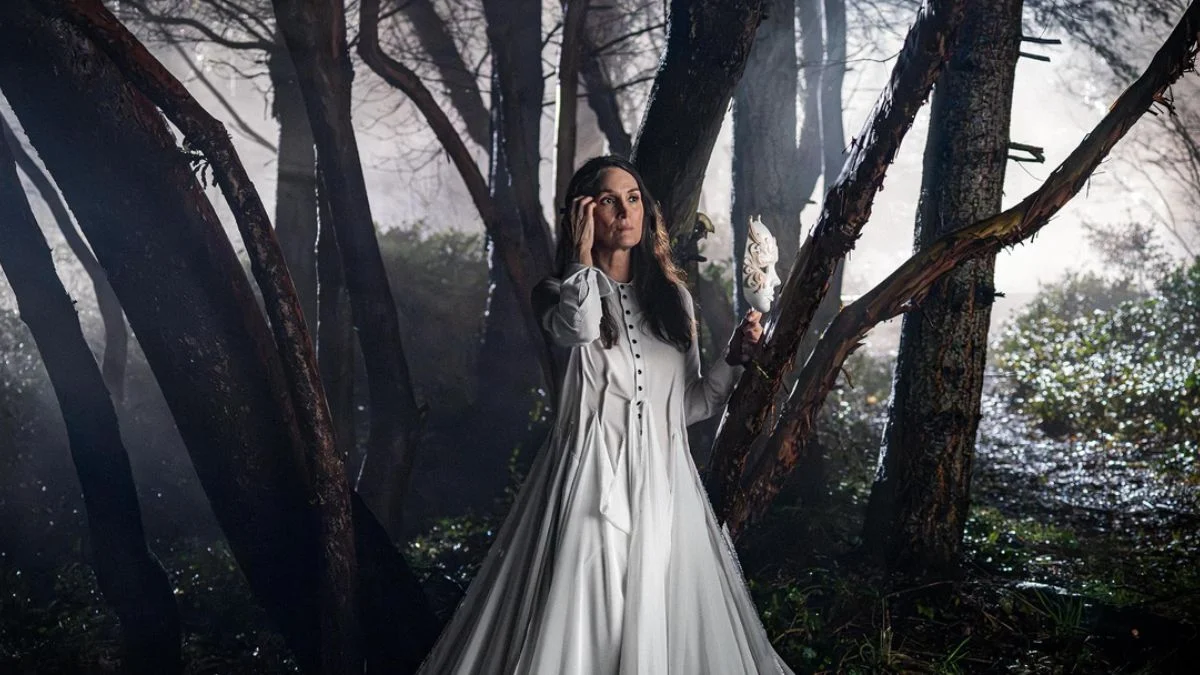
Inside Logan’s bedroom, Carson and Rapp discover a canister of powder stamped with a Triskelion emblem alongside a severed chicken foot dangling from a lampshade. Rapp soon locates a hidden doorway disguised within a bookshelf, opening into a clandestine surveillance office bathed in eerie red neon lighting. The space houses shelves of reel-to-reel recordings, documenting private conversations captured throughout the mansion.
Carson plays the audio recorded during the solstice party from the prior evening and unearths an explosive secret. The tapes capture Logan having intimate relations with Pam, demanding that she address him as Henry. This critical revelation establishes Pam as a primary suspect while illustrating Logan’s obsessive psychological need to supplant the missing heir.
Ending Explained: The Blood Ritual Under the Bed
The concluding sequence delivers the episode’s most unsettling revelation when Rapp spots a stray droplet of dried crimson on the floorboards beside Henry’s bed. Crouching down, the private eye shoves the massive bedframe aside to uncover an enormous Triskelion symbol painted across the wooden planks in fresh blood. Positioned neatly at each vertex of the occult spiral sits a lone white chicken feather.
This chilling finale proves that Logan’s gruesome demise was never a conventional homicide. The Triskelion traditionally embodies the sacred feminine Triple Goddess archetype of the Maiden, the Mother, and the Crone, a trio directly linked to Baba Yaga folklore. By combining the severed hen parts, the midwife blade, and the blood sigil, the killer enacted an elaborate Slavic curse designed to consume Logan in place of Henry.
As the episode closes, the haunting voiceover of Baba Yaga echoes over the frame, warning that patriarchal violence always invites ancient retribution. Carson and Rapp are no longer merely tracking a runaway student, but unraveling a calculated ritual performed right beneath their noses. Whittock’s dark pacts have officially begun demanding their blood debts.
Do you think Pam enacted the blood curse on Logan herself, or is Dr. Hargrove orchestrating events from the shadows? Let us know your theories in the comments below.