‘Collision Course’ Ending Explained: Unraveling the Netflix Thriller’s Timelines

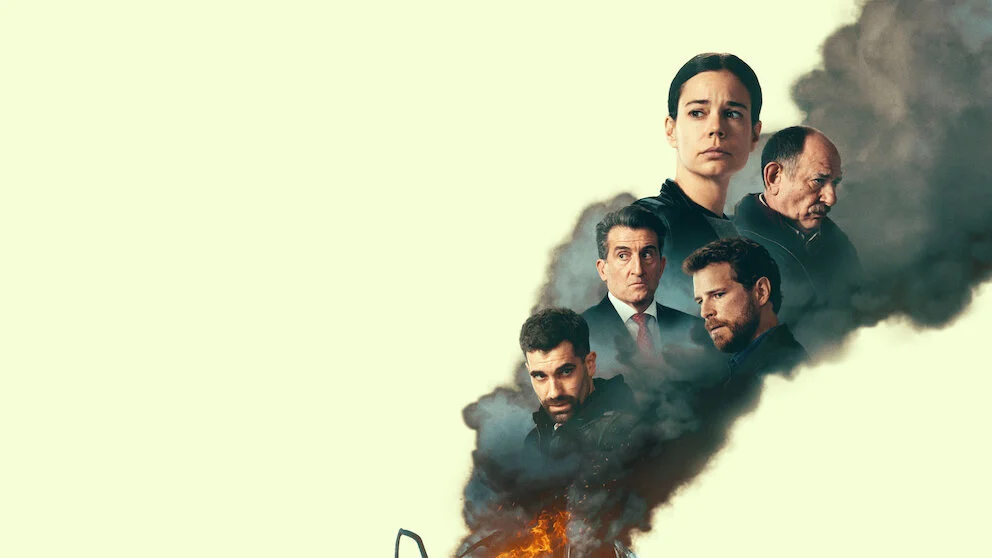

Spanish crime fiction has evolved into a powerhouse on streaming platforms, captivating global audiences through intricate heists and morally compromised antiheroes. Building on this legacy, director Daniel Sánchez Arévalo teams up with Bambú Producciones for ‘Collision Course‘ (originally titled ‘Colisión’), which debuted on Netflix on October 30, 2026. The movie transforms a standard robbery into an intricate psychological puzzle.
Set against the painful economic fallout of 2013, the narrative immerses viewers in a Madrid shaken by banking scandals and severe housing austerity. Desperation hangs heavily over the characters, who find themselves trapped between institutional corruption and personal ruin. This grim socioeconomic atmosphere establishes the high stakes that push ordinary citizens to cross perilous ethical lines.
Venturing into the thriller space marked a major creative departure for Sánchez Arévalo, who is best known for emotional comedies and dramas. The filmmaker revealed that executive producer Ramón Campos pitched an unexpected premise that immediately won him over. Sánchez Arévalo praised the concept as “the perfect rollercoaster to take the audience on” with unrelenting tension reporting to Rubik Audiovisual during release week.
The Madrid Bank Robbery and the Fracturing Crash
The story begins with four masked perpetrators storming a prominent Madrid bank branch to plunder safe deposit box 34. Their target is not merely cash, but a fortune in unregistered diamonds belonging to wealthy clients. During the swift raid, the gang ties up branch manager Ernesto, played by Luis Zahera, before staging a hasty getaway.
A major revelation quickly reframes the entire heist for the audience. The crew is not composed of hardened career criminals, but consists of three active police officers named Carla, Tomás, and Raúl, alongside a retired veteran named Pedro. Because they work within law enforcement, the conspirators anticipate manipulating the forensic investigation and erasing evidence from the inside.
Their meticulous plan collapses minutes into their flight when their speeding vehicle violently collides with another car on the road. Rather than proceeding as a linear escape, ‘Collision Course’ splinters into multiple hypothetical realities that echo the structure of ‘Run Lola Run’. The screenplay systematically rewinds time to explore what transpires if a different crew member dies.
Deception and Betrayal Across Four Fatal Scenarios
In the first timeline, Pedro is killed on impact after being impaled by a crowbar, leaving his son Raúl emotionally shattered. As the police track Pedro through the serial number on his medical knee prosthesis, Raúl panics and executes Tomás at their industrial hideout. In the second variation, Raúl dies instead, prompting Pedro to hide the stolen gems inside his son’s coffin before getting arrested.
The third timeline explores what occurs if Carla dies in the crash, sending Tomás directly into an intense interrogation room with inspector Luis. The investigator reveals that Carla was pregnant and having a secret affair with Raúl. Driven mad by the betrayal, Tomás tracks down Raúl in a parking lot, guns him down in cold blood, and shoots Pedro dead before fleeing.
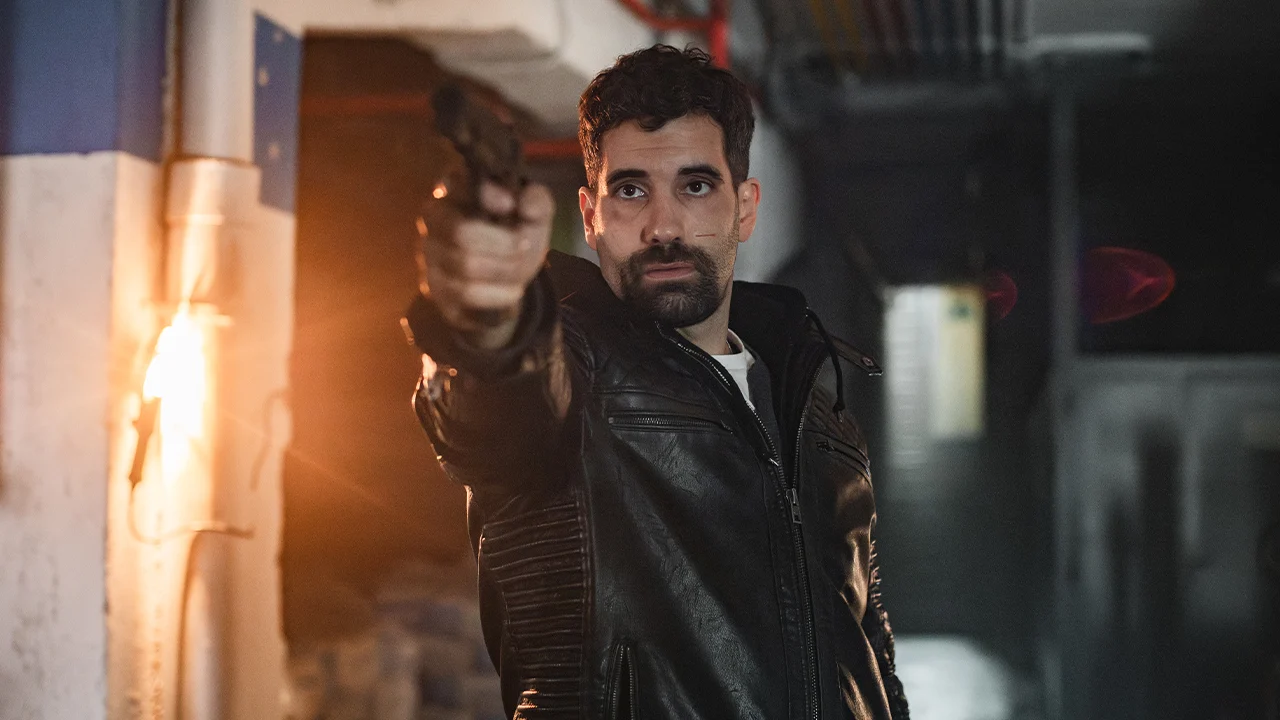
The fourth branch, in which Tomás dies, unmasks the true architect behind the entire conspiracy. Pedro discovers that bank manager Ernesto arranged the heist as an elaborate insurance fraud alongside his secret lover, a waitress named Lola. Lola attempts to double-cross Ernesto by fleeing overseas with the loot, but Ernesto anticipates her move and swaps the gems for worthless fakes.
Reflecting on this pervasive corruption, co-star Luis Zahera emphasized that “the history repeats itself” when discussing the 2013 recession’s lingering scars in an interview with Europa Press, describing how citizens fall into “the clutches of the system”. In that fourth timeline, Ernesto boards a flight with the genuine fortune, while inspector Luis intercepts and arrests Carla and Raúl at the terminal gates.
The Ending Explained: The Grim Irony of the Final Reality
Following the four fatal timelines, ‘Collision Course’ loops back to the instant of impact for a fifth and final reality. In this scenario, all four robbers survive the crash without injuries, allowing them to burn the wrecked vehicle and escape in a carjacked automobile. On the surface, the team achieves their clean getaway.
Yet the concluding moments are saturated with chilling dramatic irony. Sitting in the back seat, Carla and Raúl exchange subtle smiles, silently confirming their secret affair and premeditated scheme to steal the diamonds together. Meanwhile, in the front seat, Tomás complains about the foul odor of dog feces that Pedro stepped in during their sprint from the vault.
Pedro tells Tomás to get used to the smell, unaware that this footprint will soon become the forensic evidence that incriminates them all. Because viewers have already seen the lethal consequences of their hidden secrets, this escape is merely a countdown to disaster. The true tragedy is that surviving the crash only delivers the characters to their inevitable, self-inflicted ruin.
What did you think of the five alternate timelines in ‘Collision Course’, and who do you think deserved the diamonds?